Anne Collier
Artist Spotlight
Anne Collier Finds Beauty in the Found
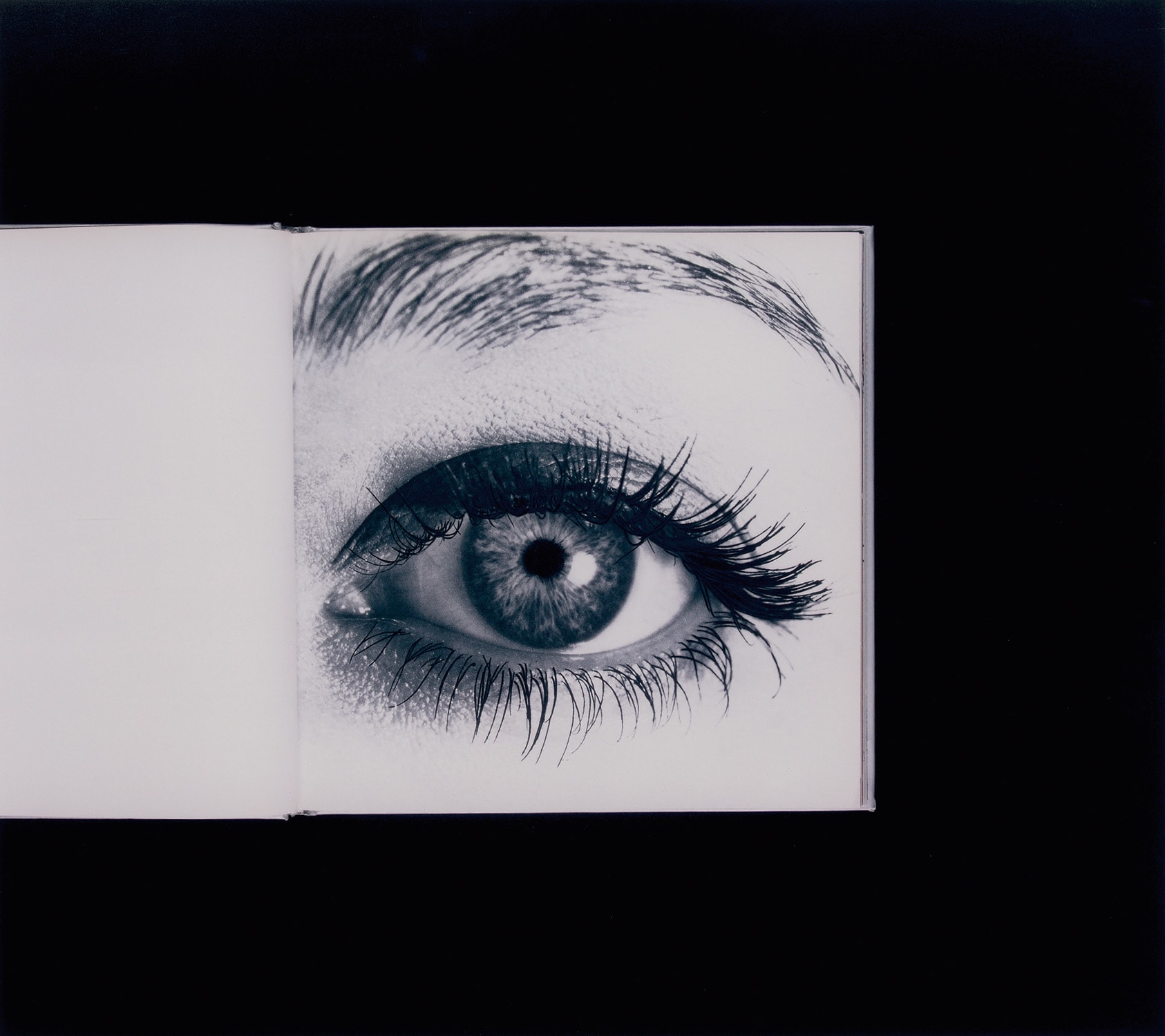
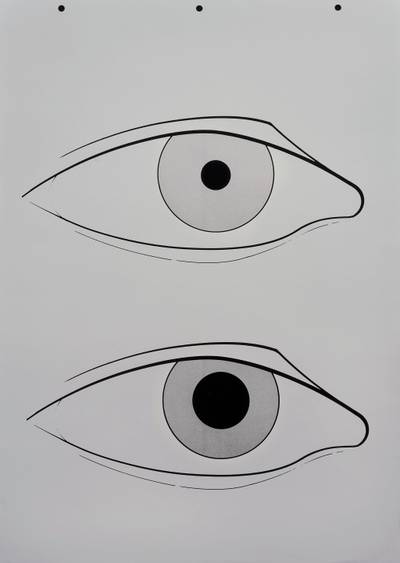
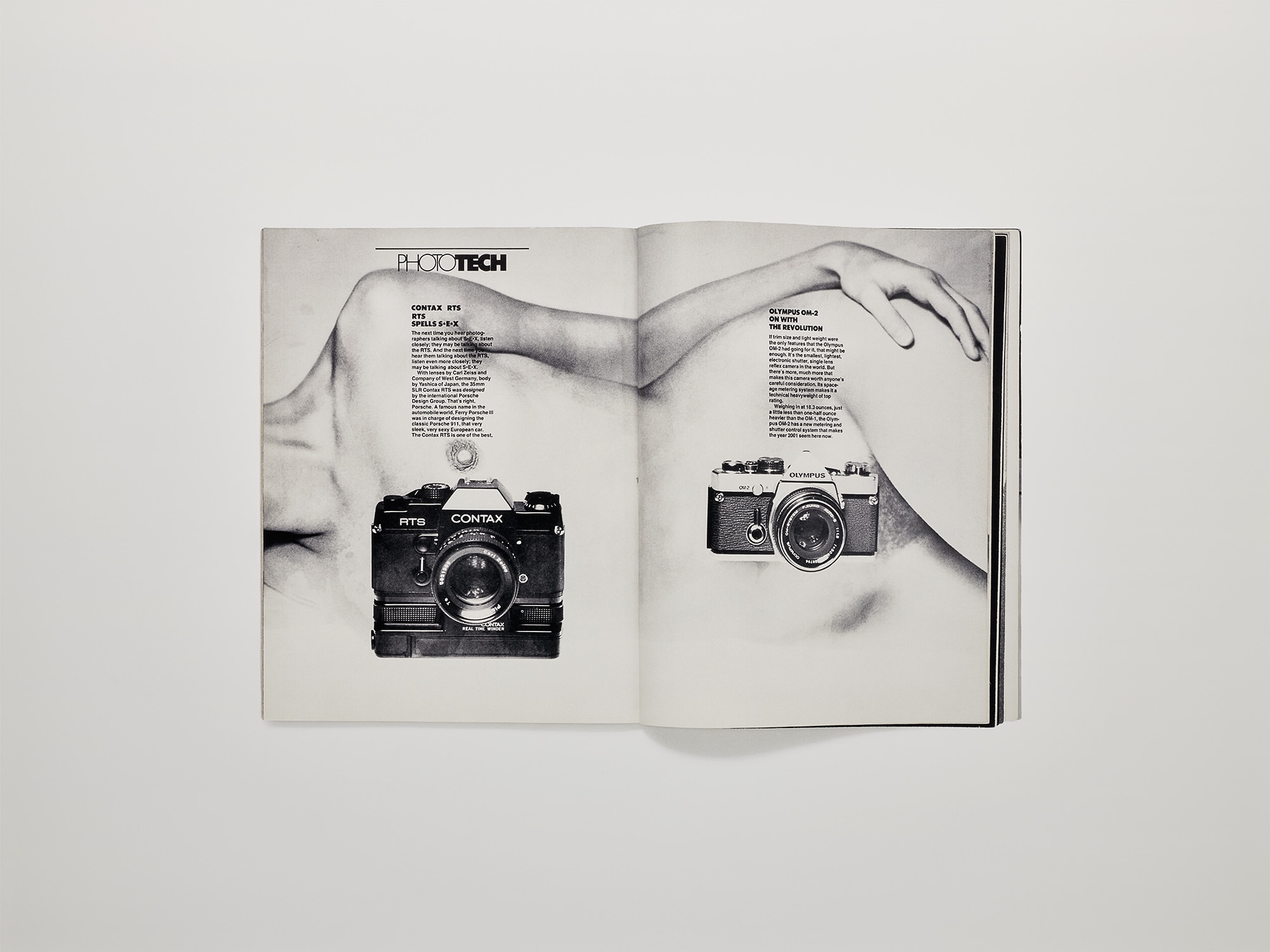
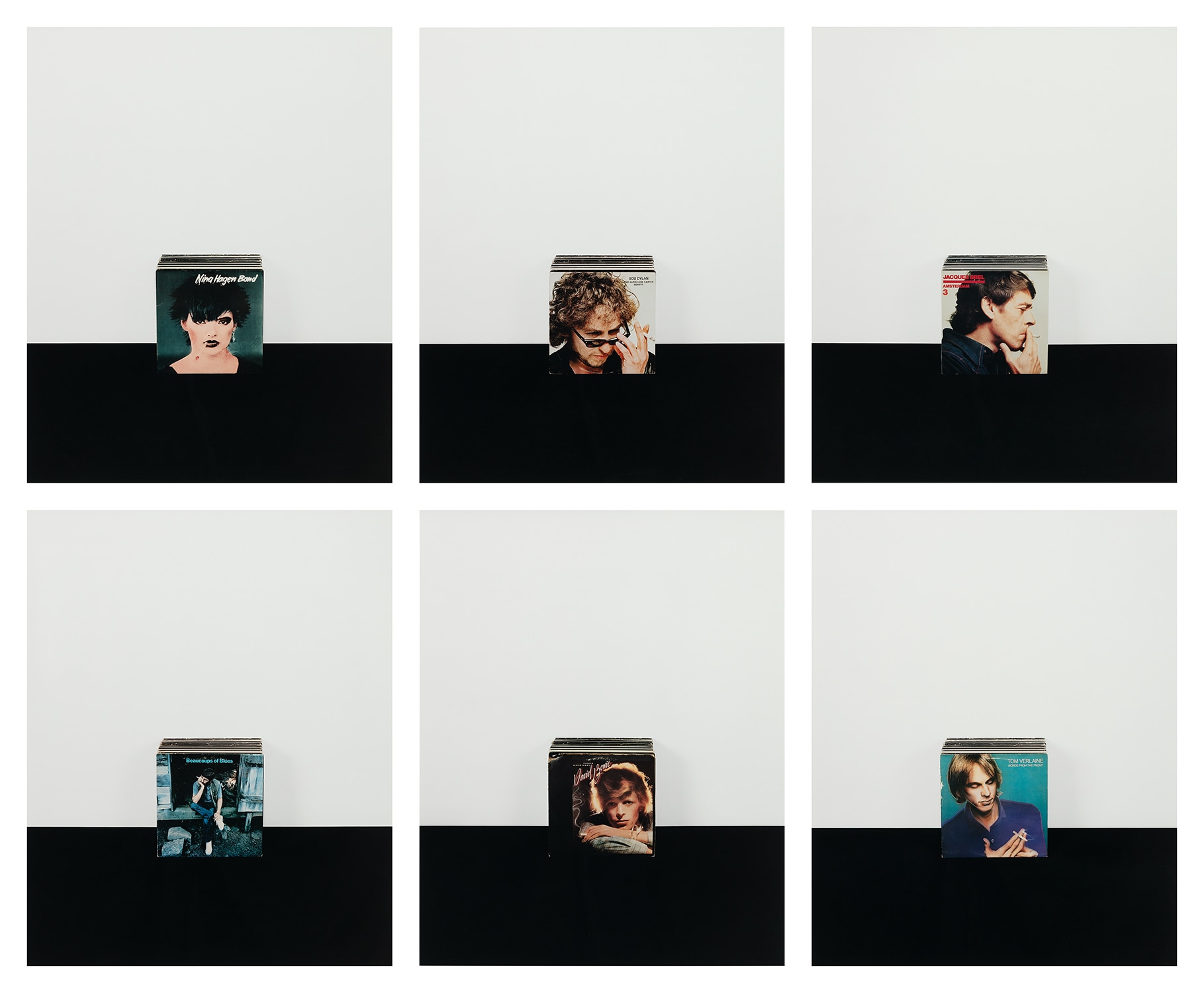
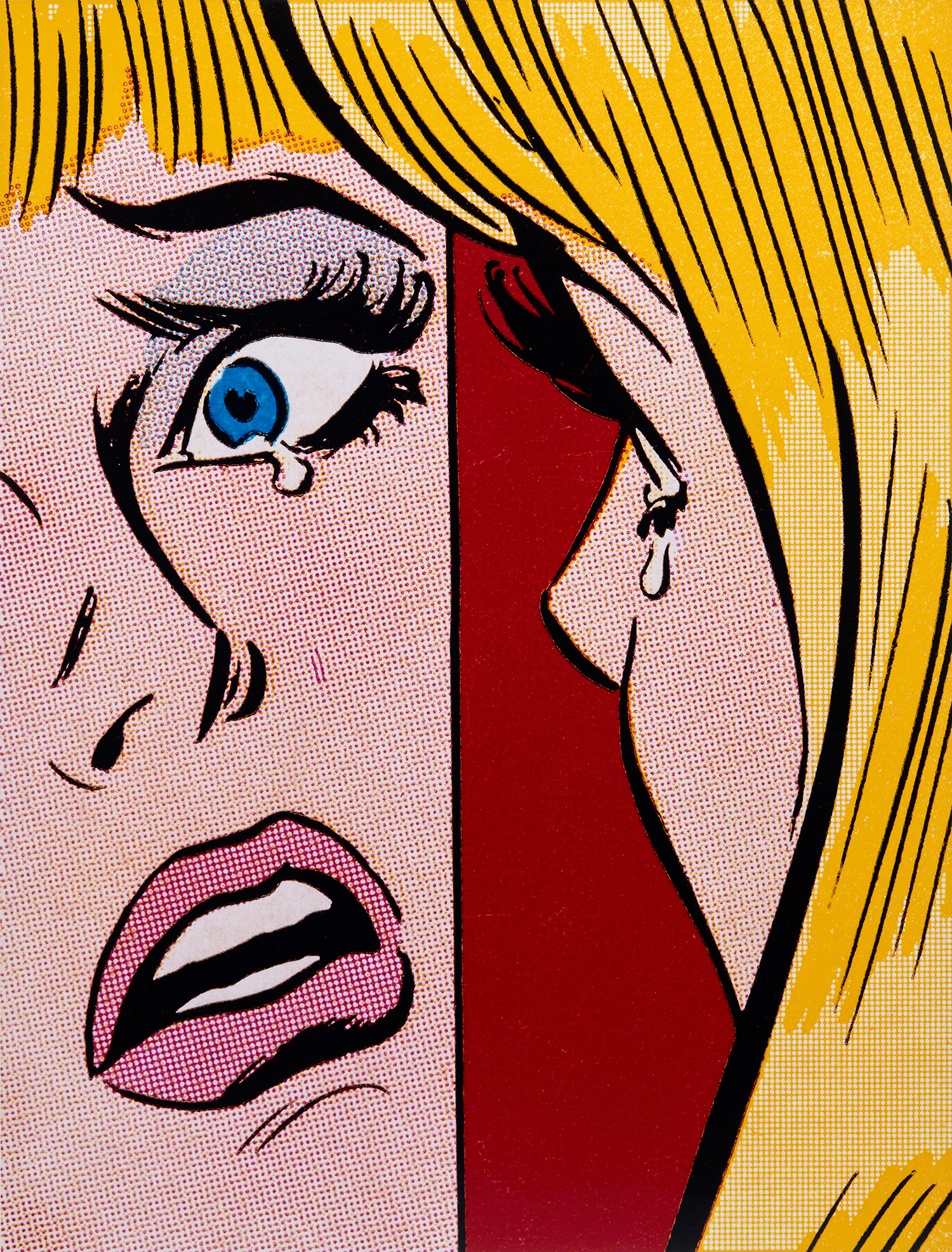
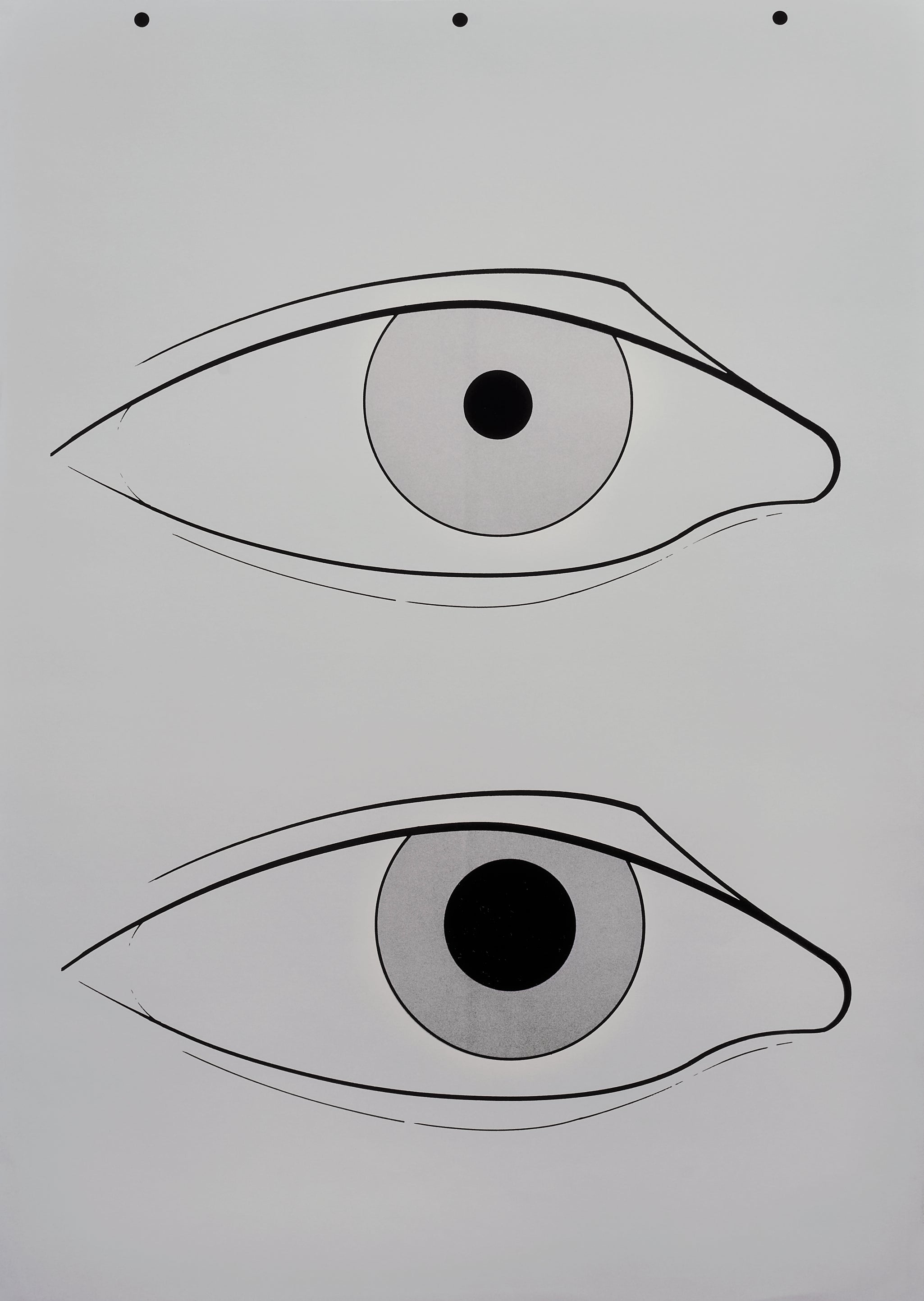
When Anne Collier's work entered the permanent collection of the Museum of Modern Art, it felt less like an institutional acquisition and more like a recognition long overdue. Her photographs, cool and precise on the surface yet humming with psychological undertow, had been quietly reshaping conversations about representation, femininity, and the weight of visual culture for years. Today, with her work also held at the Whitney Museum of American Art and the Art Institute of Chicago, Collier stands as one of the most intellectually rigorous and emotionally resonant photographers working in… Continue reading

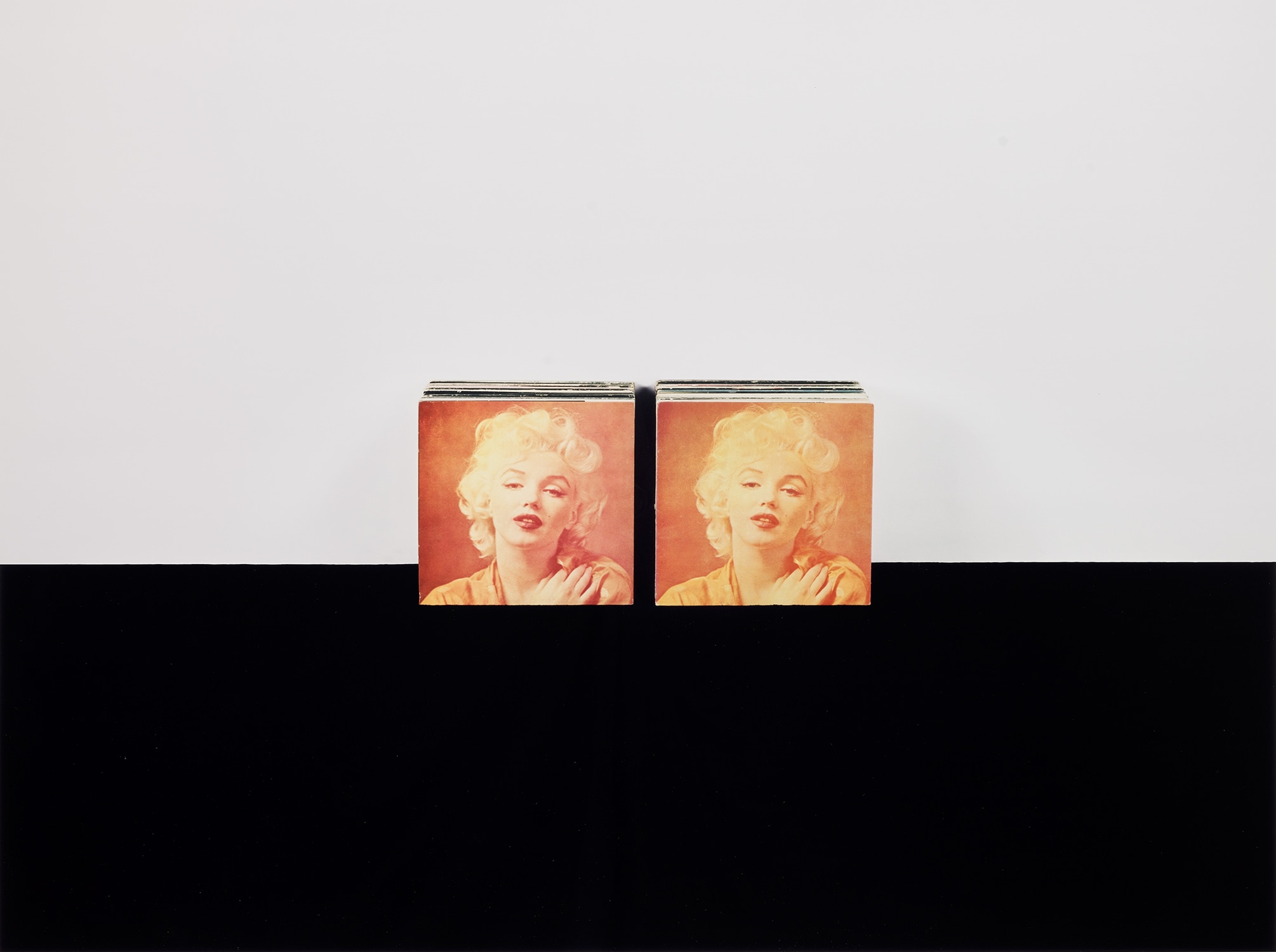
Artists in conversation
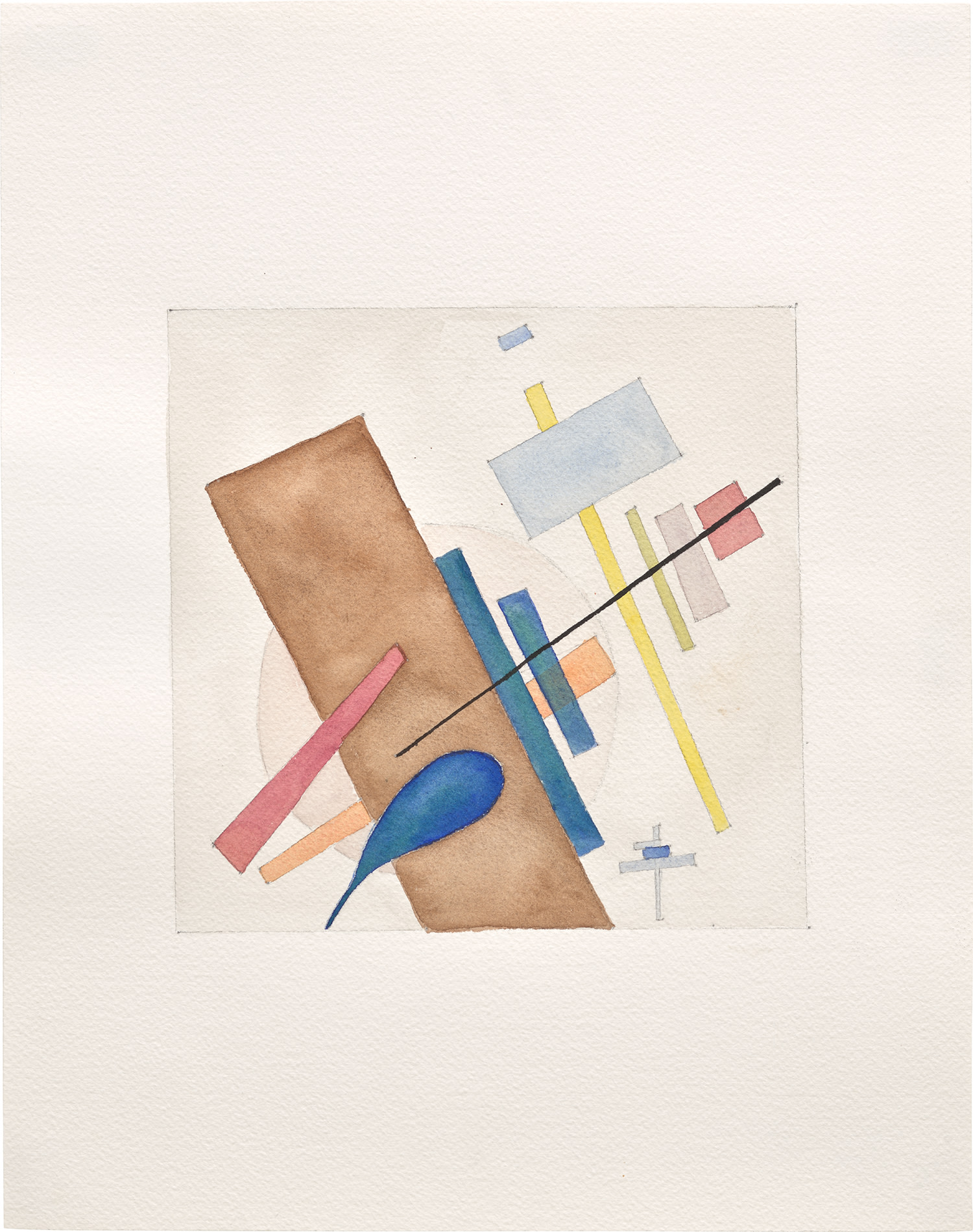
Sherrie Levine
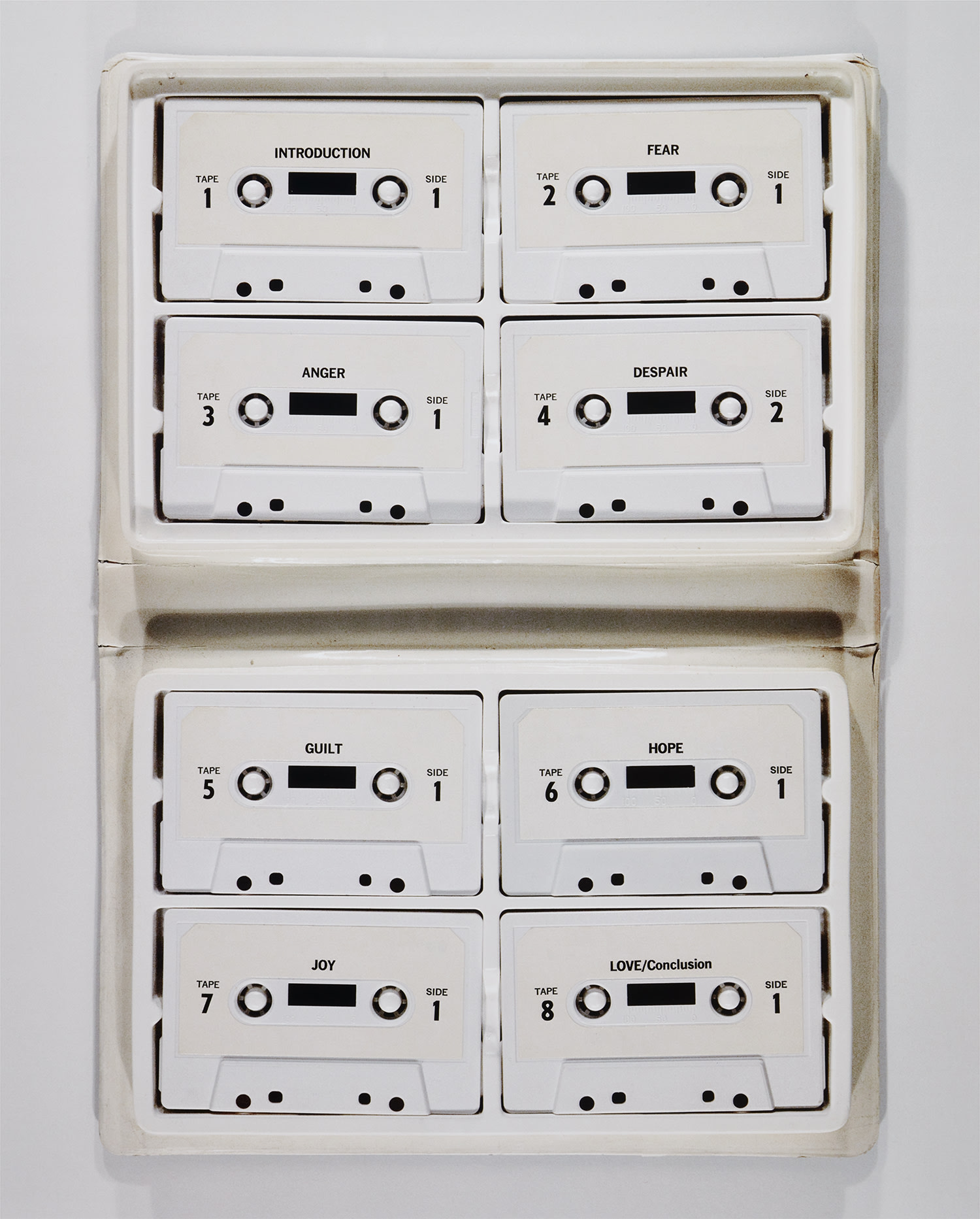
Levine likewise rephotographs and appropriates existing images to interrogate authorship, originality, and the circulation of visual culture. Both artists foreground the photograph as a cultural object rather than a transparent window onto the world.
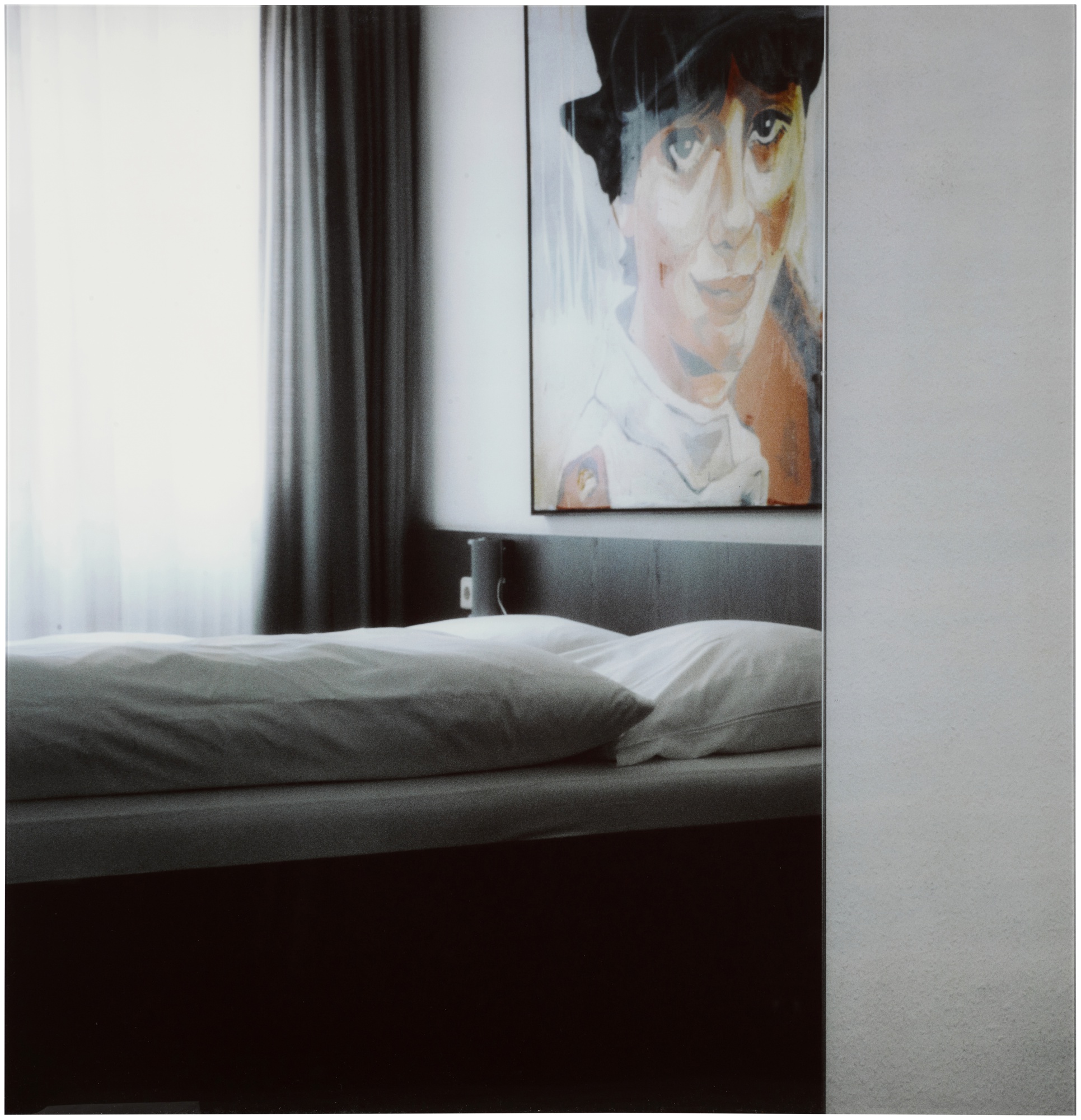
Louise Lawler
Lawler photographs artworks and objects in institutional or domestic contexts, questioning how framing and presentation shape meaning, a concern closely shared by Collier's re photography of found printed matter. Both practice a conceptual still life mode rooted in media critique.

Roe Ethridge
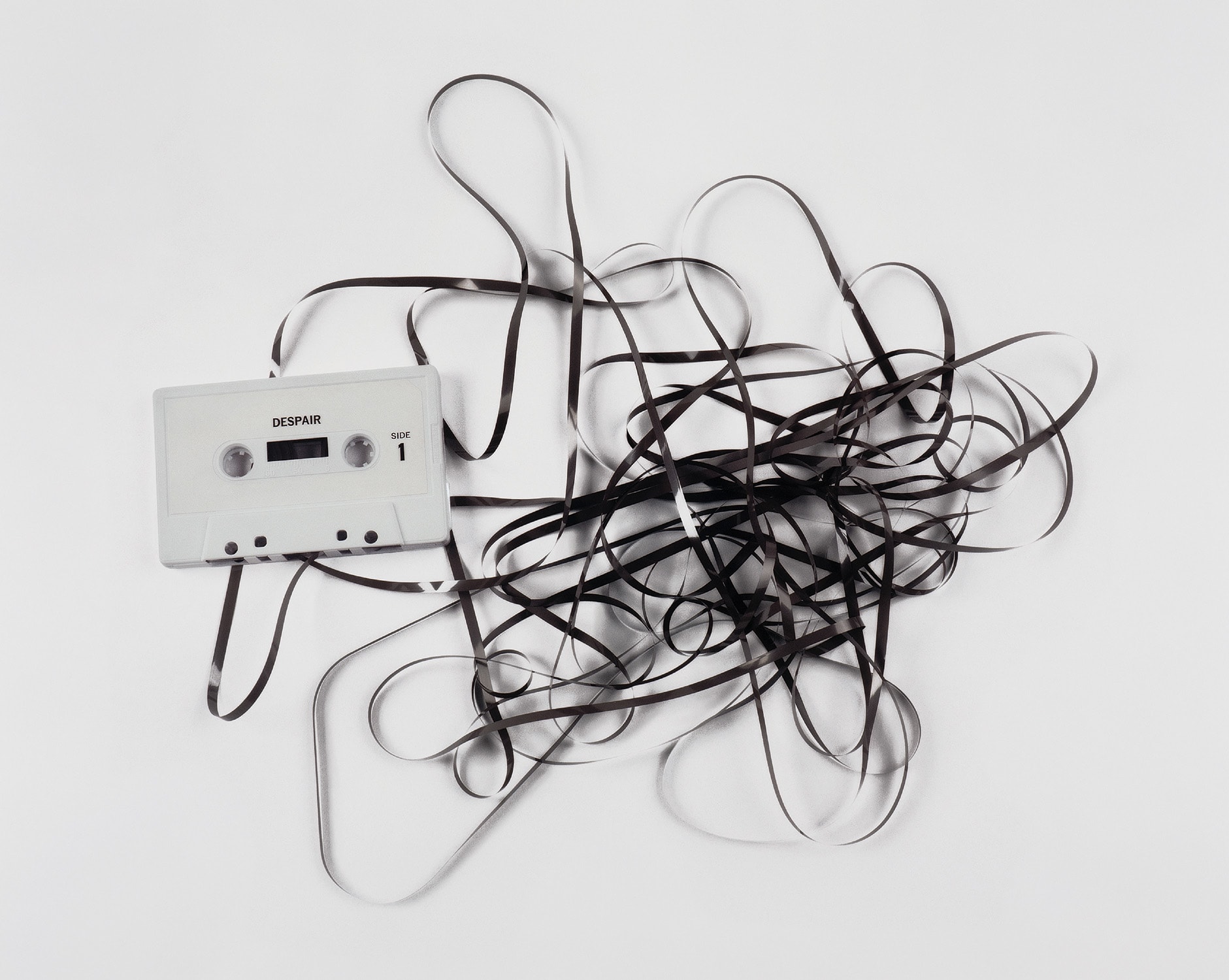
Ethridge blends commercial and fine art photography to examine how images function within consumer culture, producing chromogenic prints that oscillate between nostalgia and contemporary visual codes. His practice mirrors Collier's interest in the emotional residue embedded in circulated imagery.
Artists who inspired them
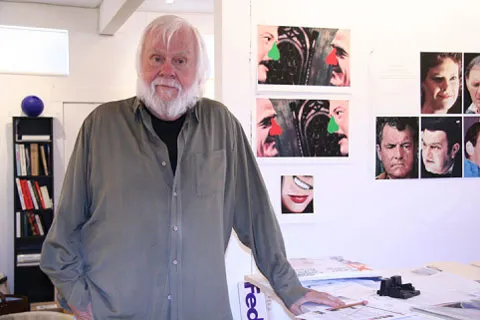
John Baldessari
Baldessari pioneered the use of found photographic imagery and text to deconstruct visual conventions, a foundational influence on Collier's conceptual approach to the photograph as a carrier of cultural meaning. His irreverent engagement with mass media imagery opened the space Collier occupies.

Cindy Sherman
Sherman's sustained interrogation of femininity, representation, and the constructed image through photography provided a critical framework that deeply informs Collier's examination of how women are depicted in popular and media culture. Her work demonstrated that photography could be a vehicle for sustained conceptual inquiry into identity.

Barbara Kruger
Kruger's appropriation of mass media imagery to expose the power structures embedded in visual communication directly influenced Collier's critical stance toward found printed material. Her media critique methodology gave Collier a precedent for treating existing images as sites of ideological analysis.