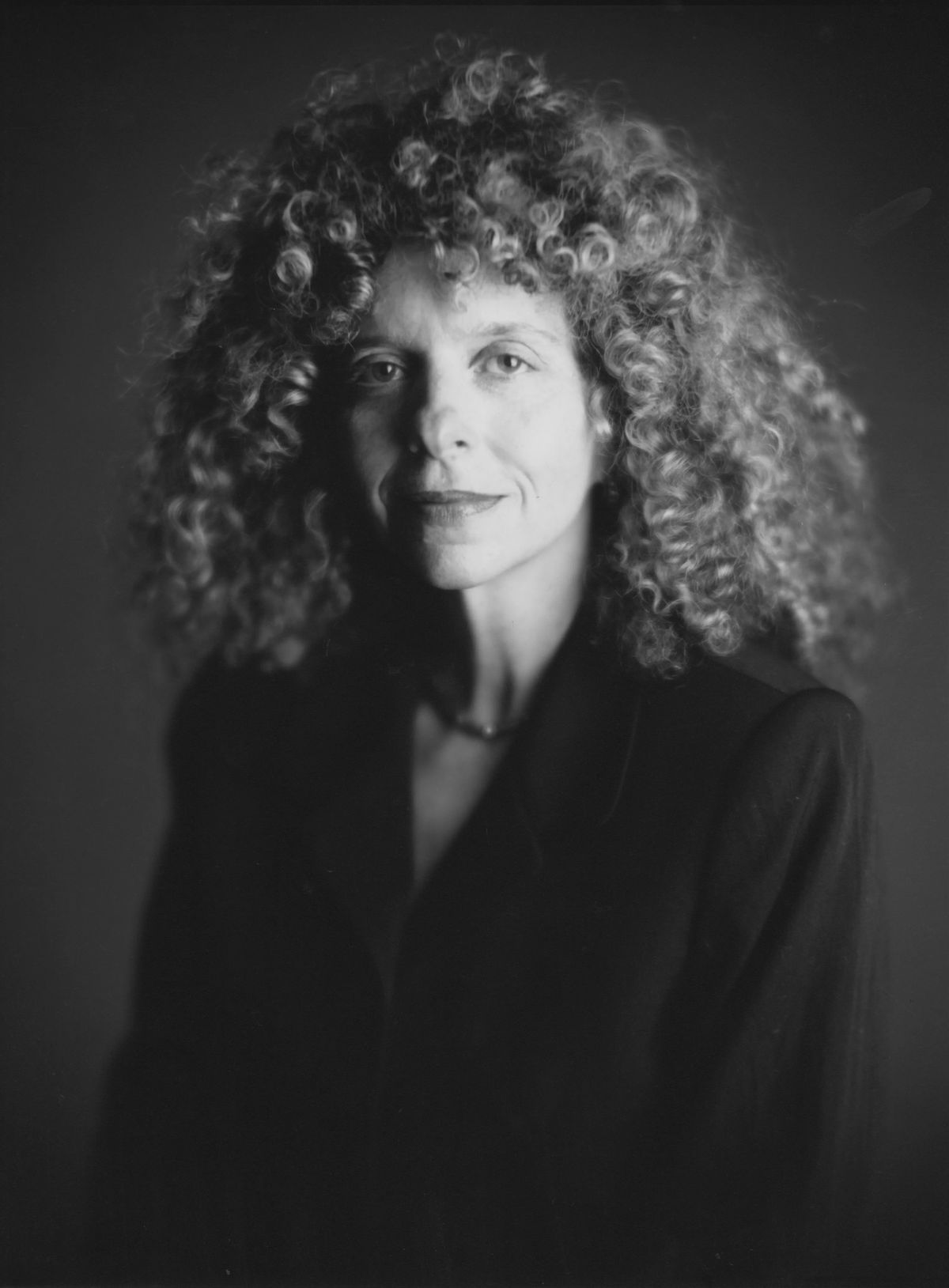
Barbara Kruger
Artist Spotlight
Barbara Kruger: Words That Changed How We See
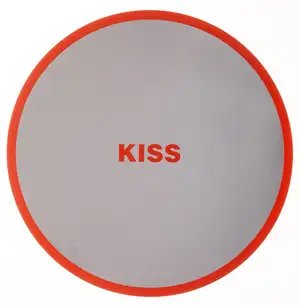
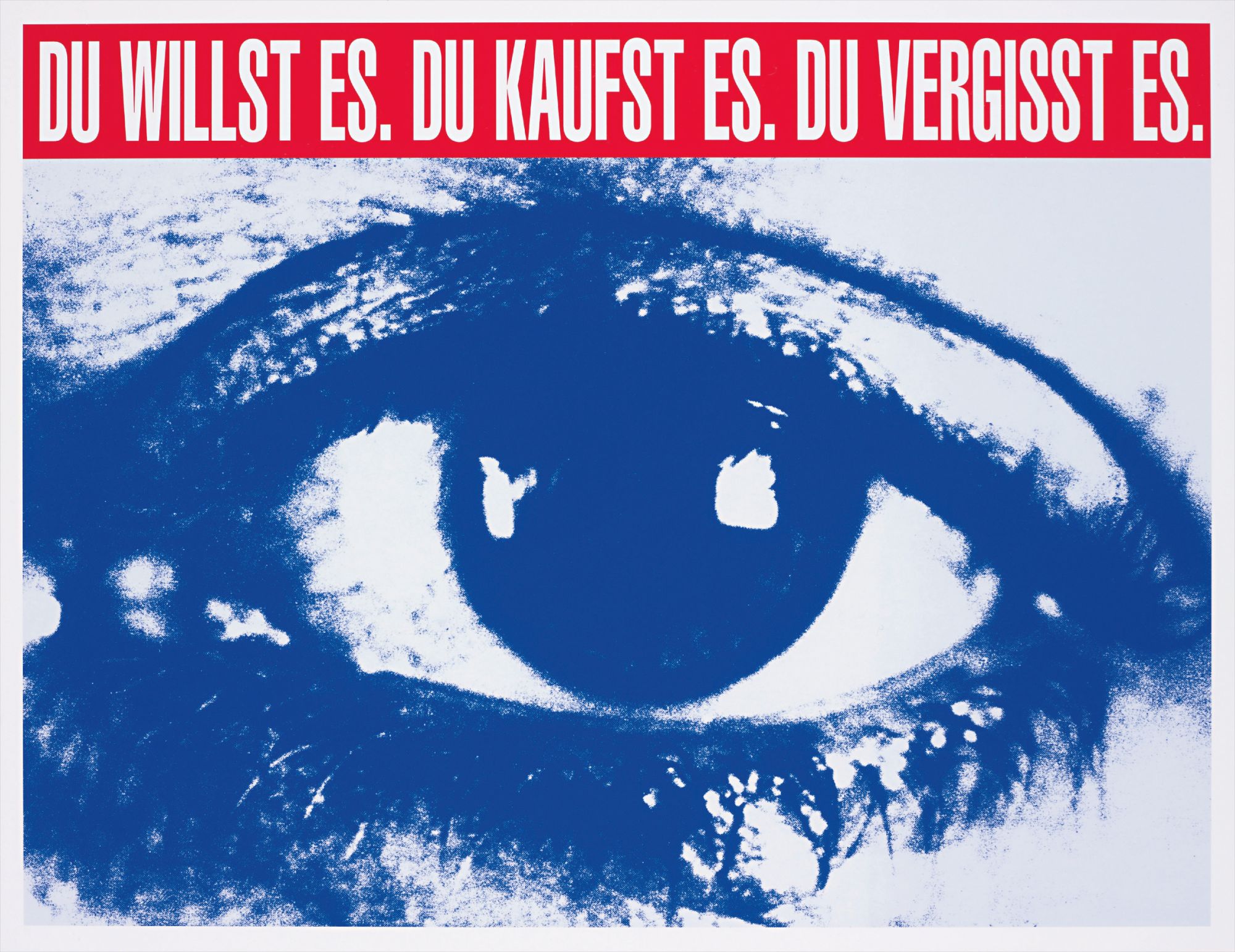
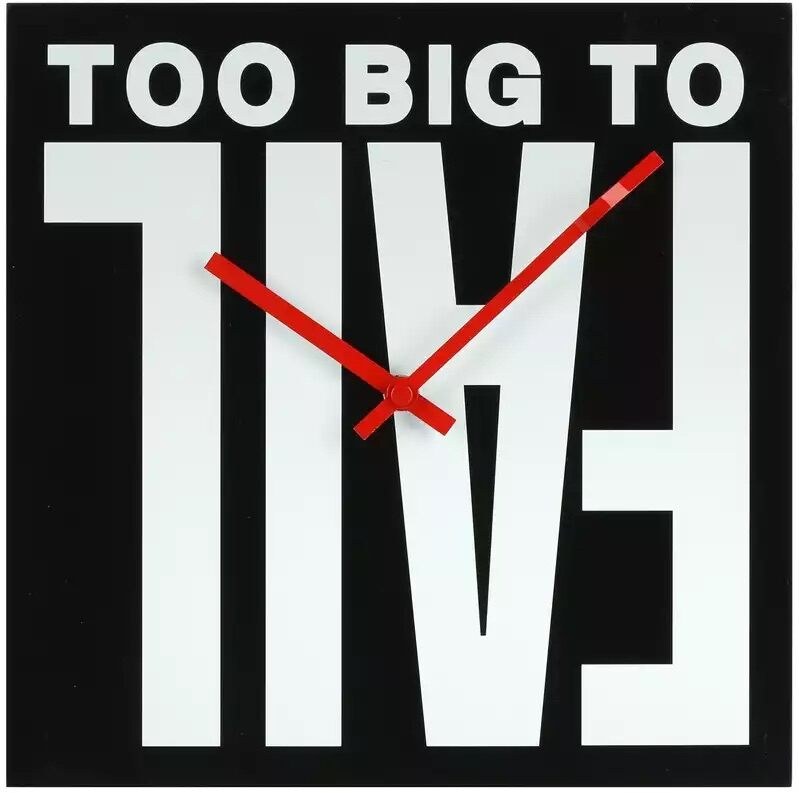
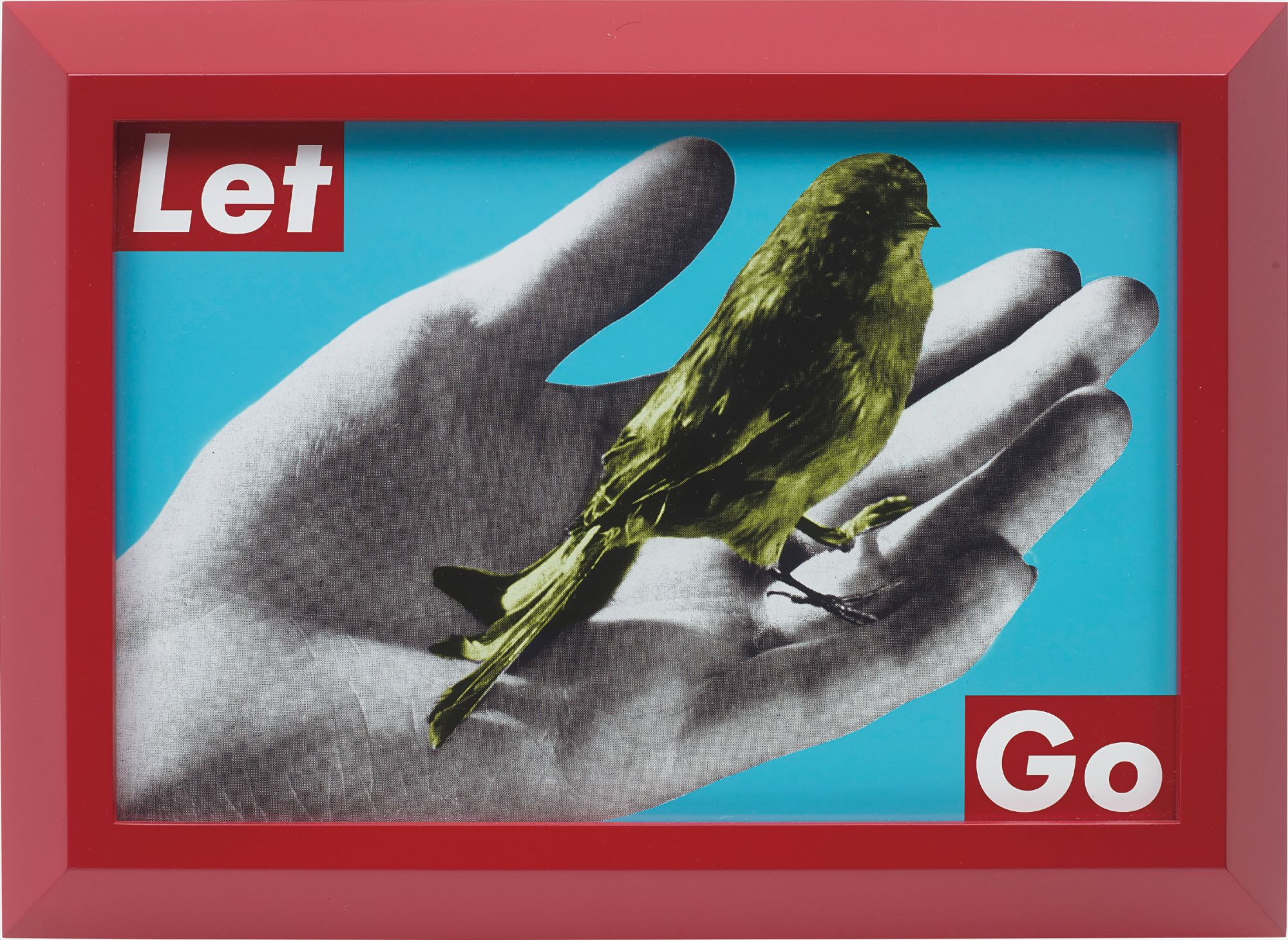
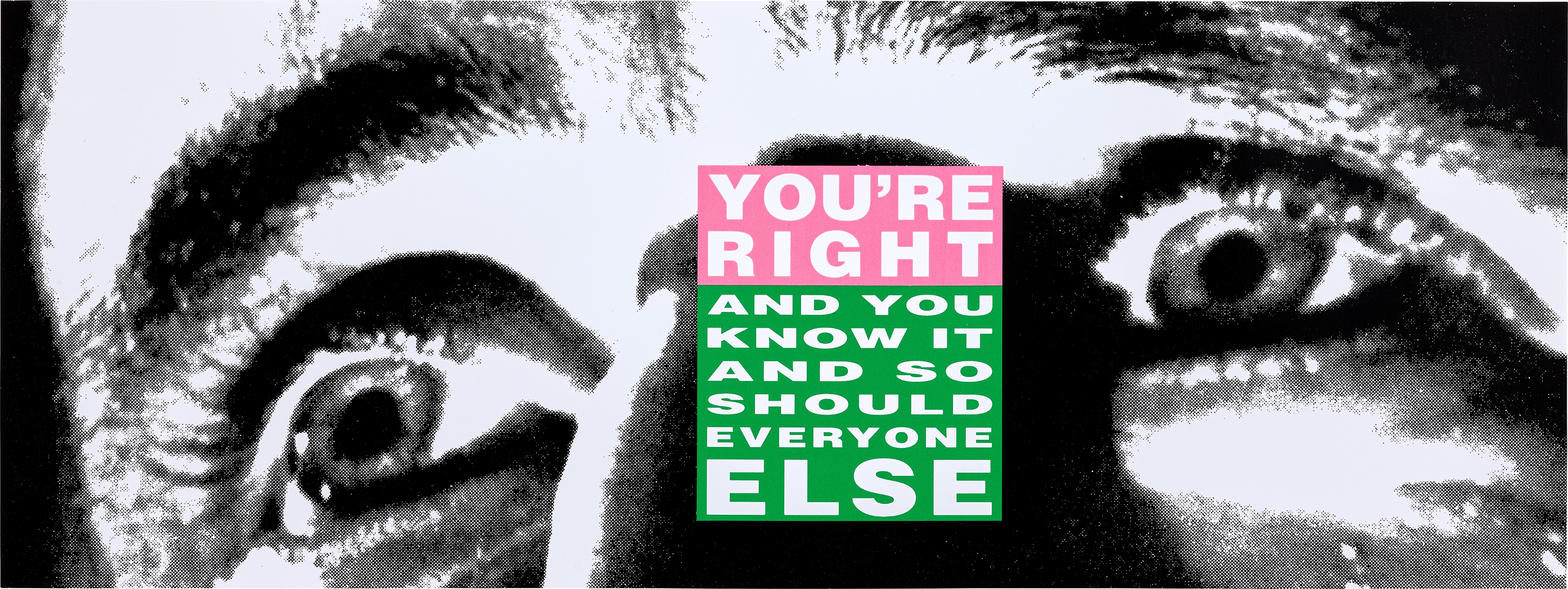
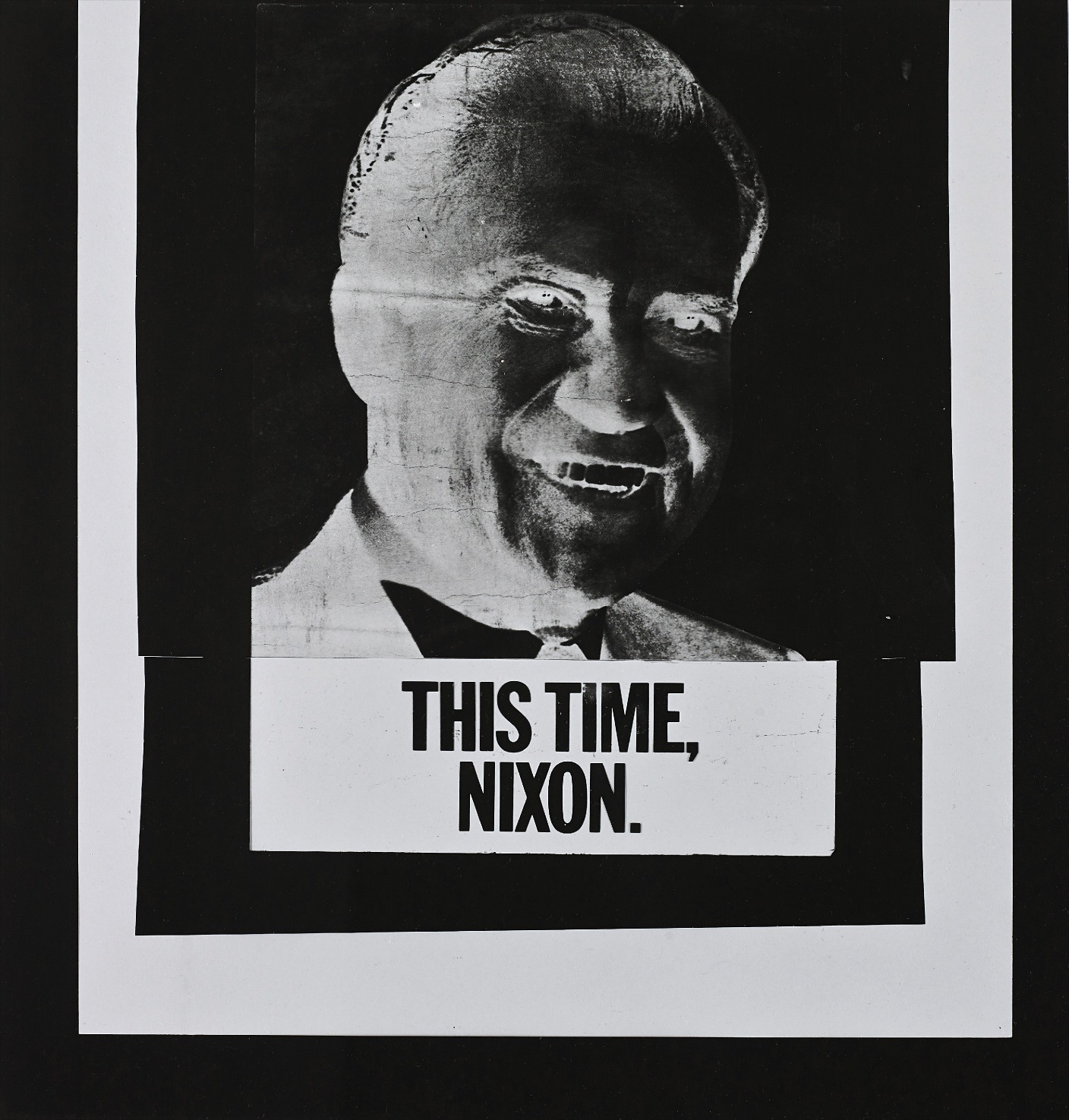
In the autumn of 2022, the Art Institute of Chicago unveiled a sweeping retrospective of Barbara Kruger's work that stopped visitors cold in their tracks. Entire rooms were consumed by her signature imagery: photographs drained of color, overlaid with urgent red text that felt less like captions and more like confrontations. The show confirmed what collectors and curators have long understood: Kruger is not merely an artist who comments on culture. She is one of the essential architects of how contemporary visual language functions, and her influence has only deepened with time. Barbara… Continue reading
Artists in conversation
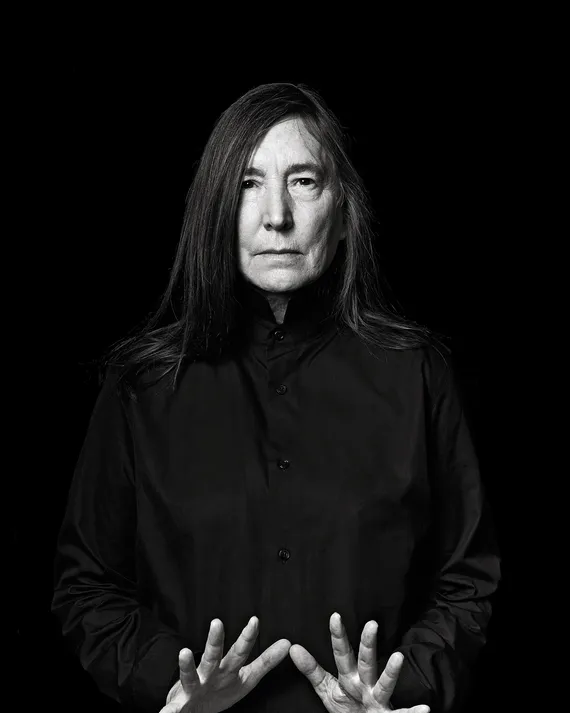
Jenny Holzer
Holzer similarly uses bold typographic text in public and gallery contexts to deliver provocative statements about power, violence, and social control. Both artists weaponize language as a visual and conceptual tool to confront viewers with uncomfortable truths.
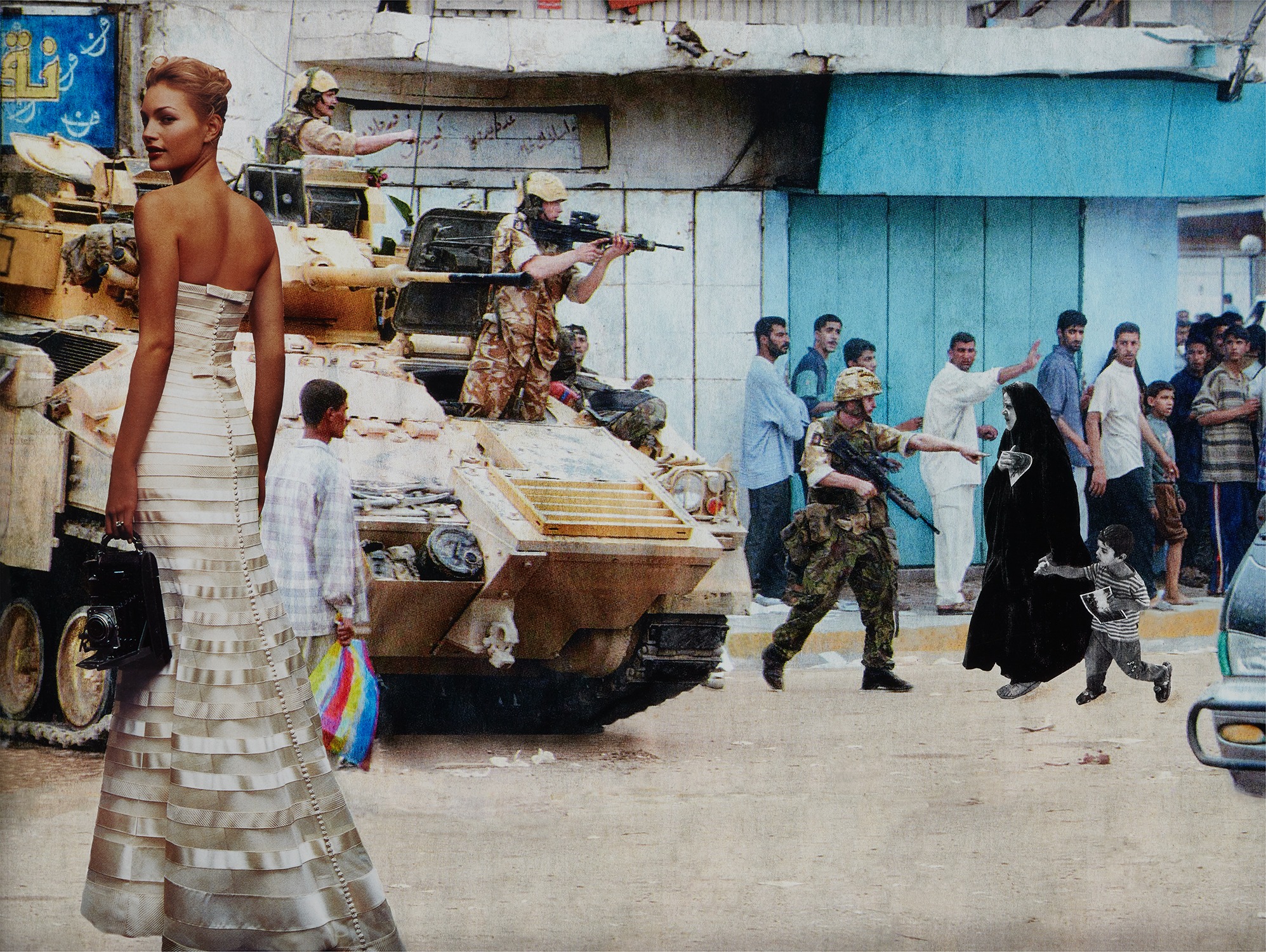
Martha Rosler
Rosler combines photographic imagery with critical text and collage to interrogate consumerism, gender roles, and media representation. Her work shares Kruger's feminist conceptual framework and her use of found visual material to expose ideological structures.
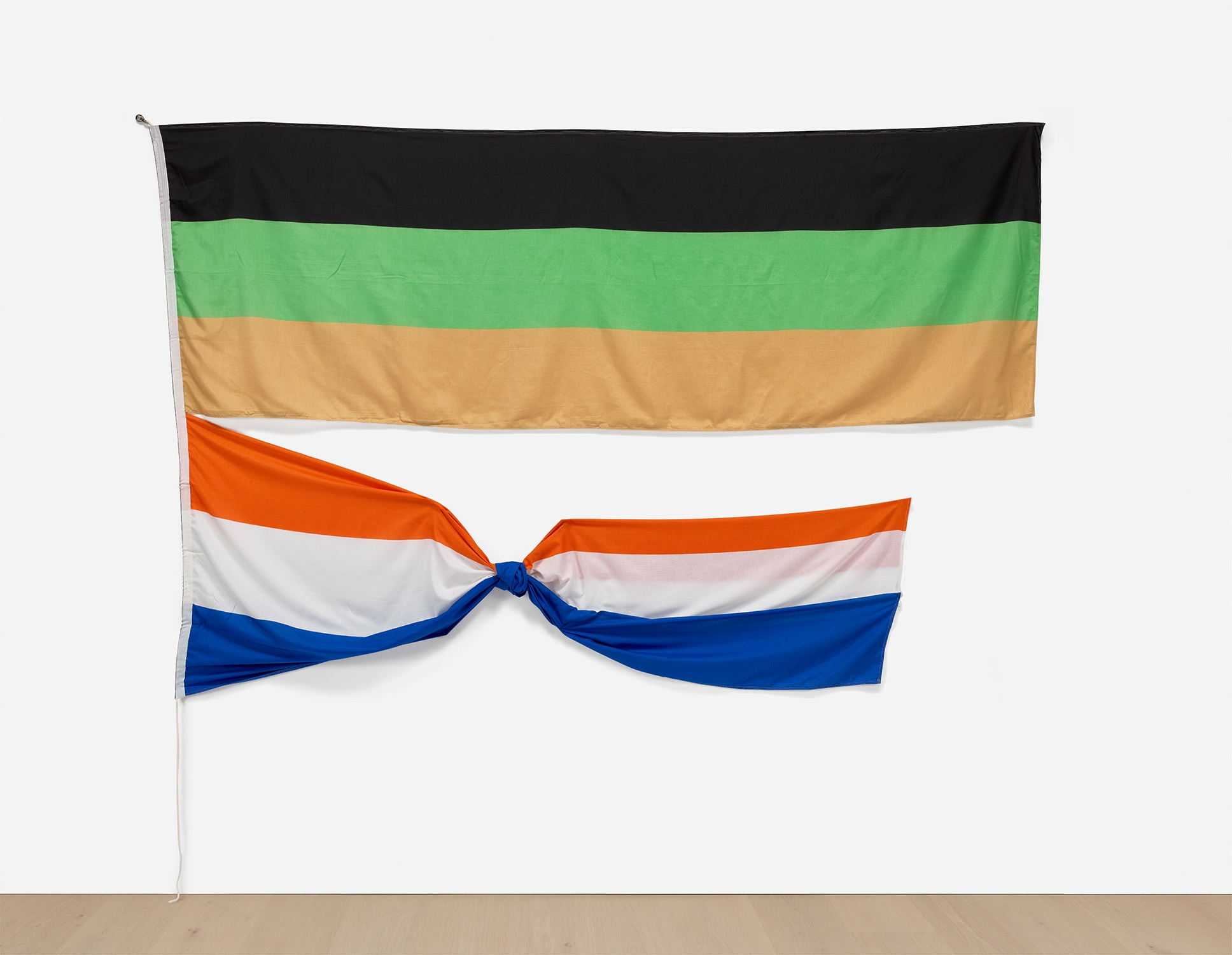
Hans Haacke
Haacke produces text and image based institutional critiques that expose corporate power and political manipulation much as Kruger targets consumerism and social authority. Both artists use a graphic directness to implicate viewers in systems they critique.
Artists who inspired them
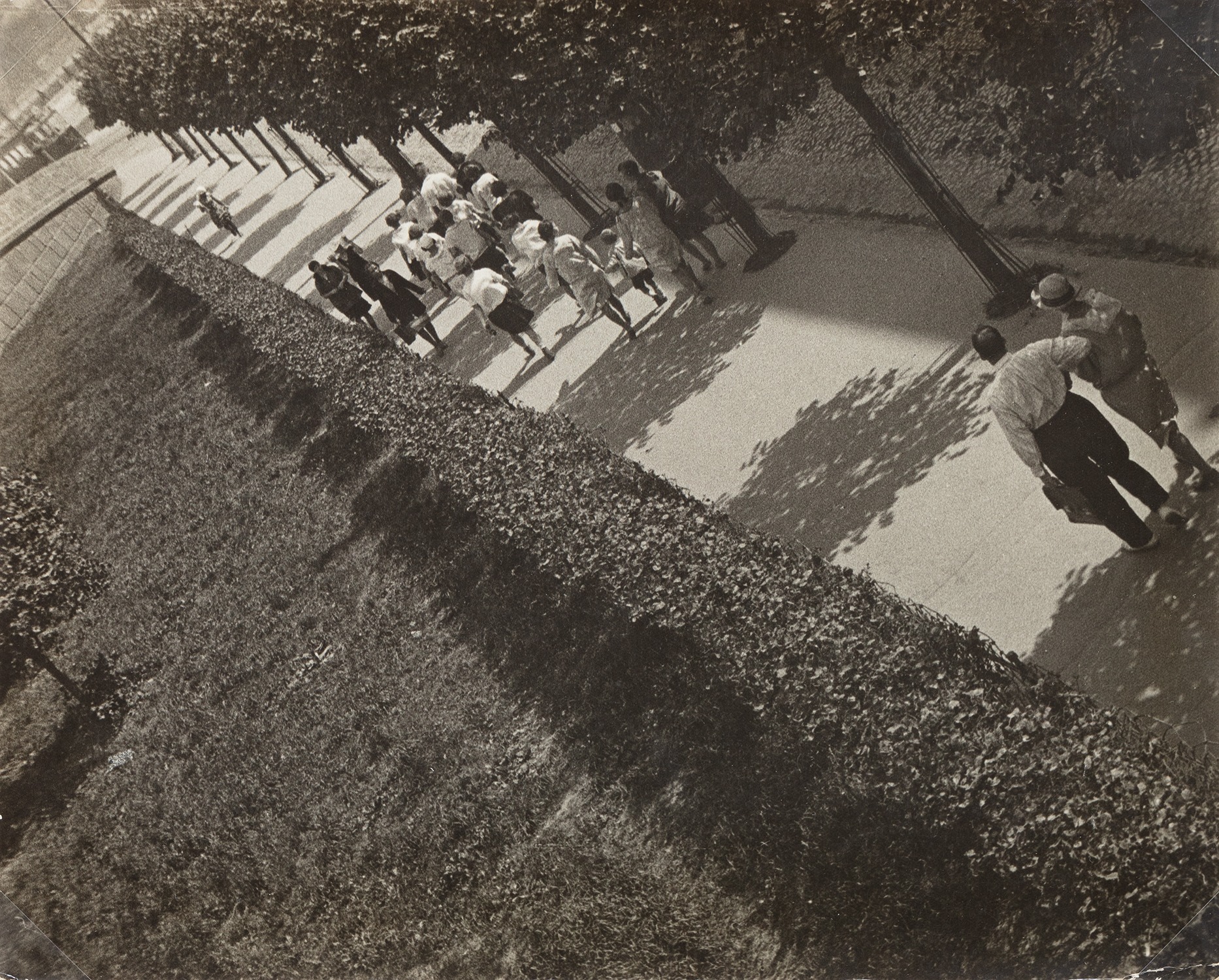
Alexander Rodchenko
Rodchenko pioneered the integration of bold typography with stark photographic imagery in Soviet constructivist propaganda, a visual grammar Kruger directly absorbed and repurposed for critical ends. His dynamic graphic compositions are a clear formal antecedent to her signature style.
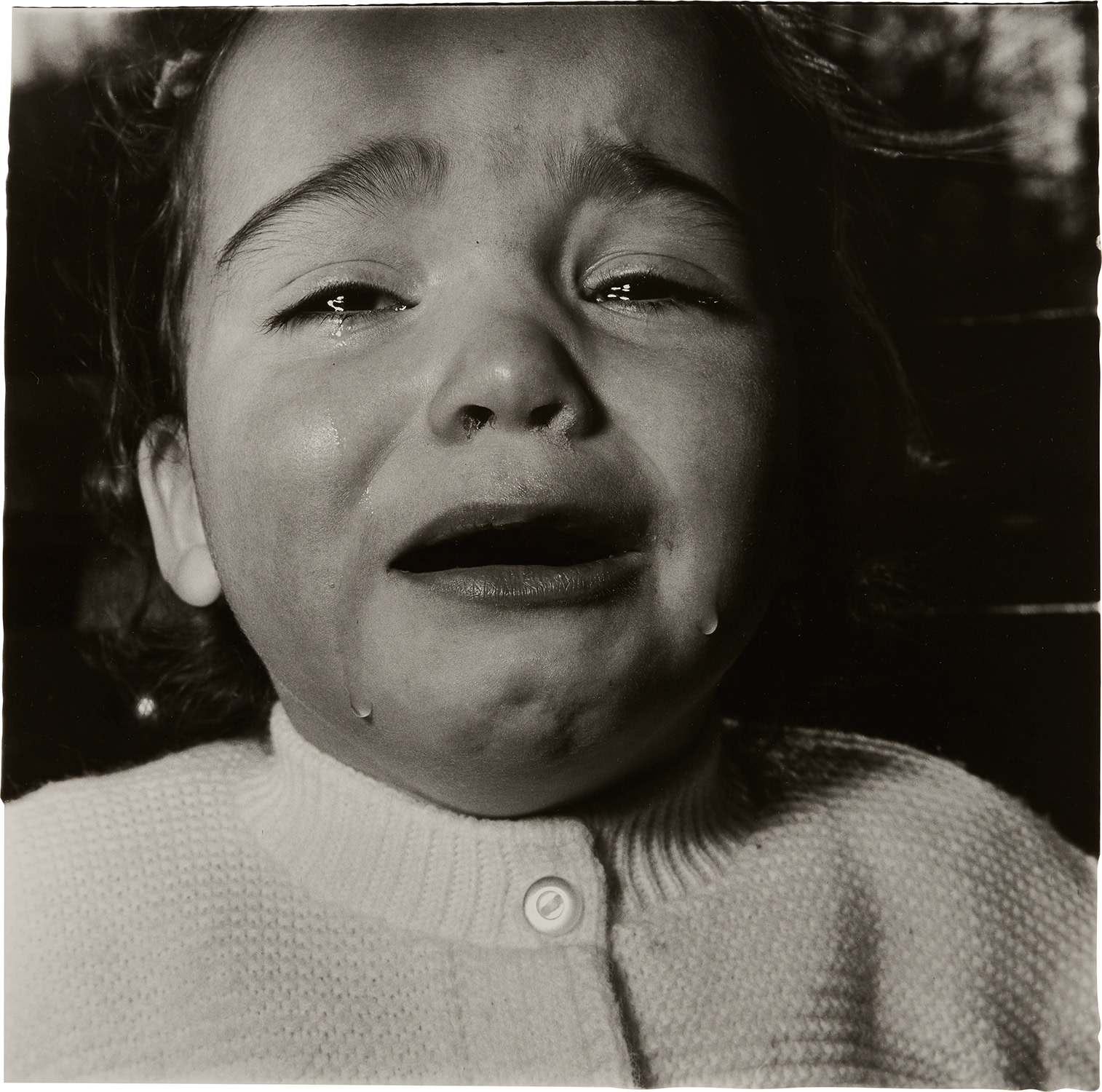
Diane Arbus
Kruger studied photography under Arbus at Parsons School of Design, and Arbus instilled in her a commitment to using the photographic medium as a tool for exposing social margins and challenging normative identity. This foundational training shaped Kruger's understanding of the camera as a critical instrument.
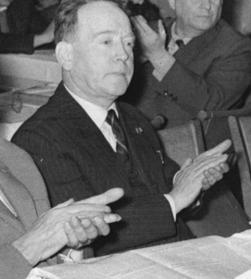
John Heartfield
Heartfield's antifascist photomontages combined found images with incisive text to deliver sharp political critique, a strategy that prefigures Kruger's own method of layering imagery and language to destabilize dominant ideologies. His work demonstrated that graphic design could be a potent form of political resistance.
Artists they inspired
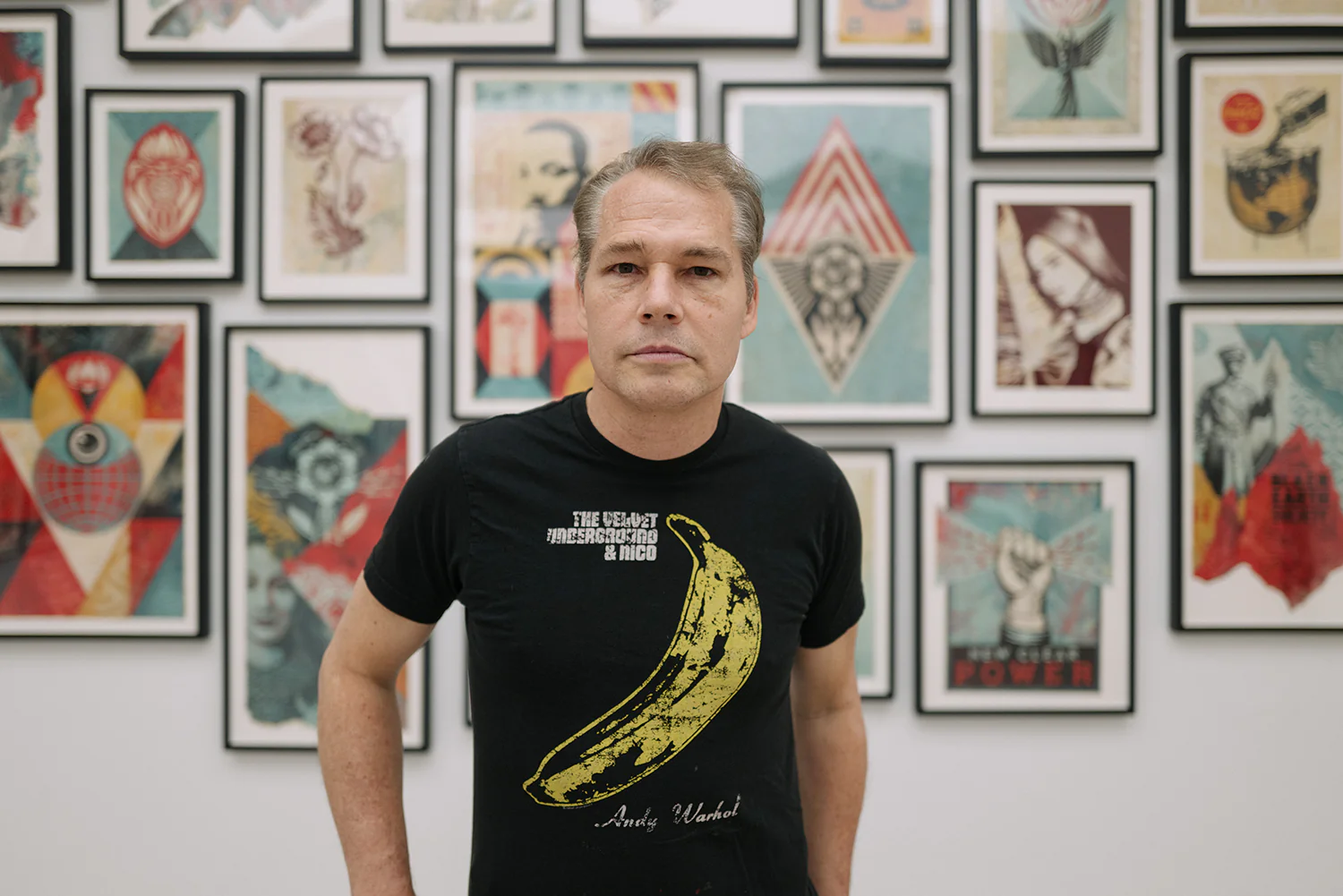
Shepard Fairey
Fairey's street art and graphic propaganda style draws heavily on Kruger's bold use of red, black, and white combined with commanding text to address power and political identity. His widely recognized visual language extends Kruger's approach into public space and popular culture.
Cady Noland
Noland's conceptual work interrogates American identity, consumerism, and violence using mass media imagery and blunt textual elements in ways that echo Kruger's critical framework. Her practice reflects a generation of American artists who internalized Kruger's strategies for cultural critique.