Laurie Simmons
Artist Spotlight
Laurie Simmons, America's Most Enchanting Domestic Visionary
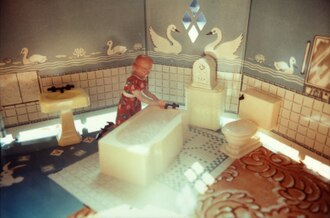
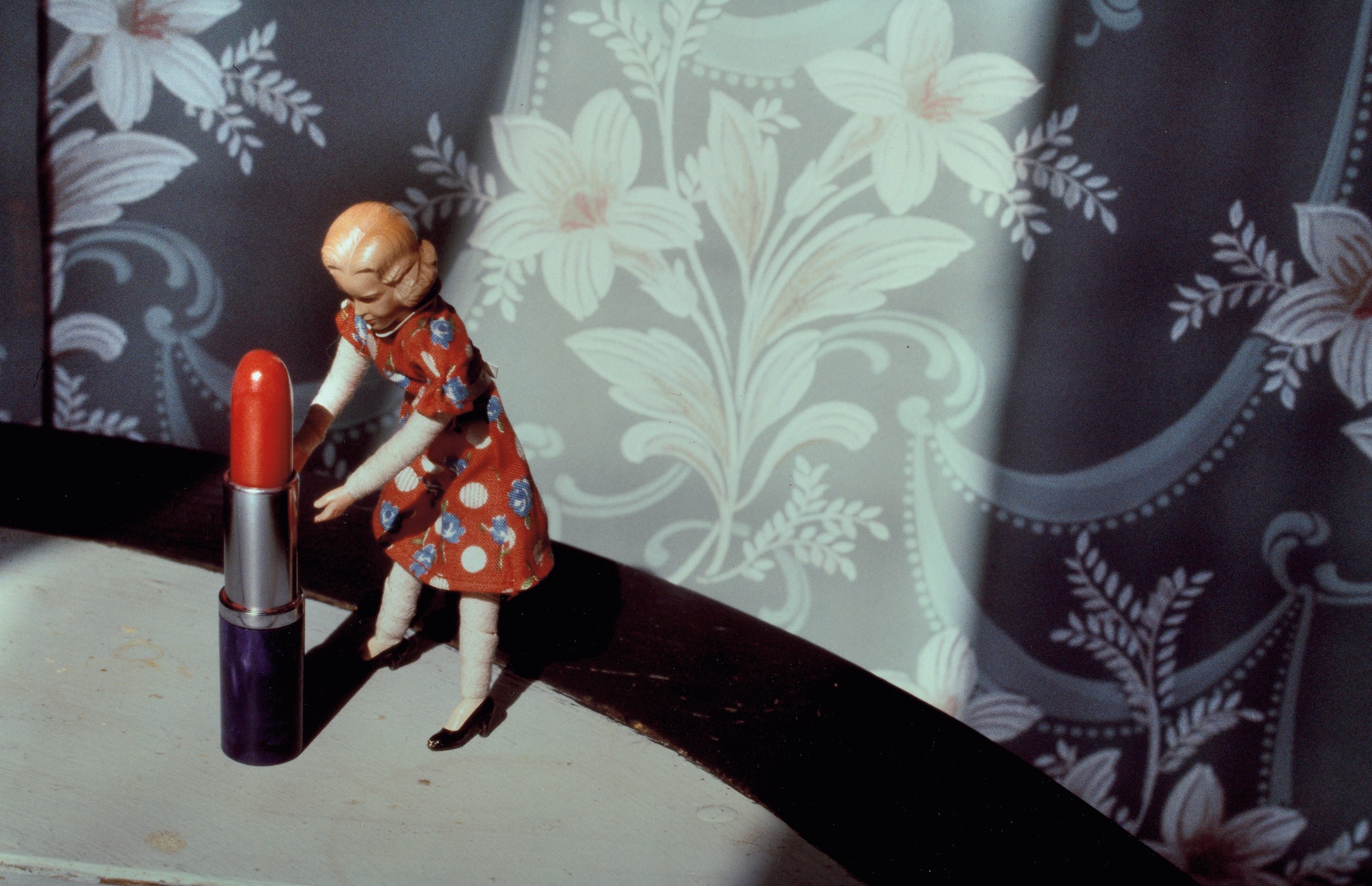
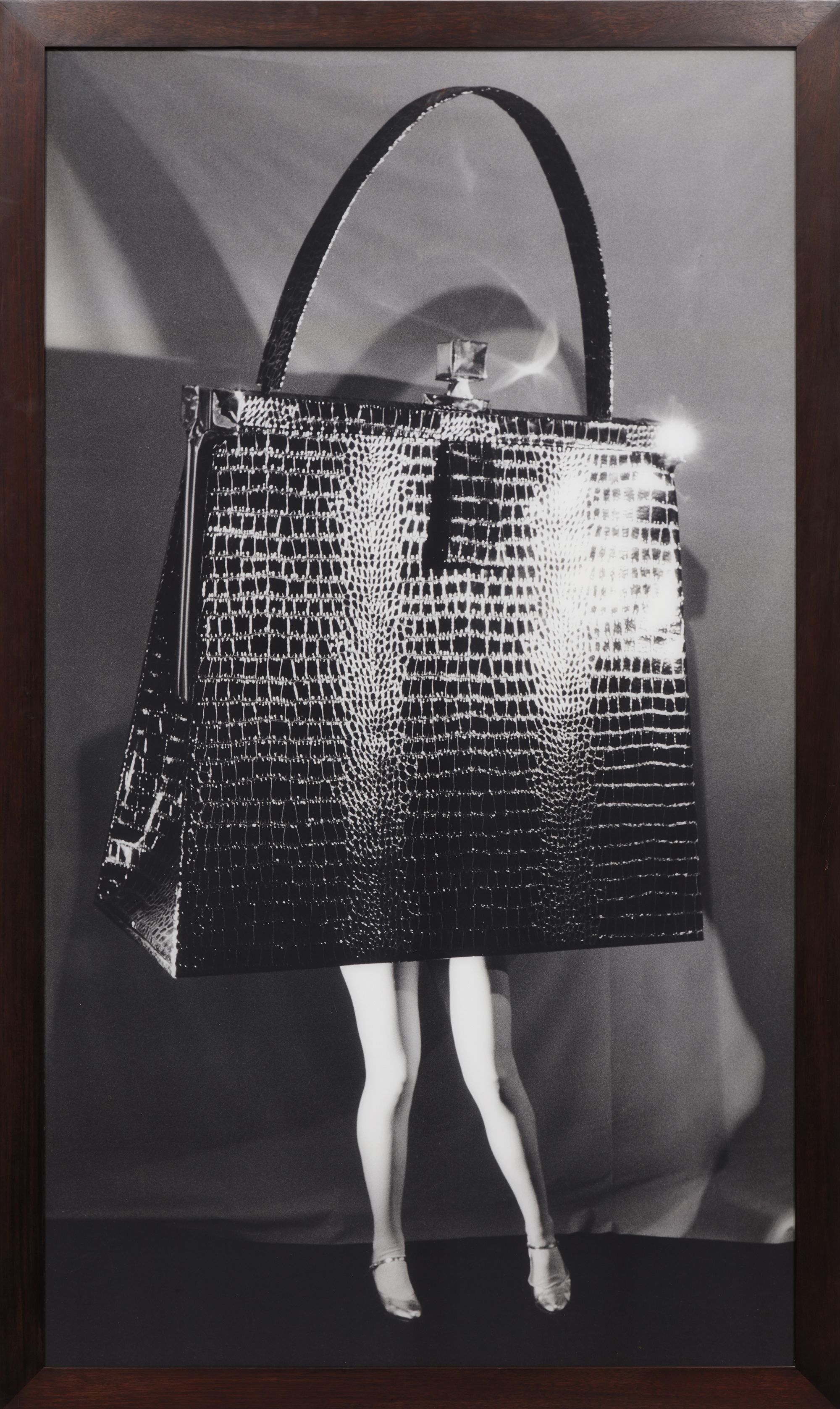
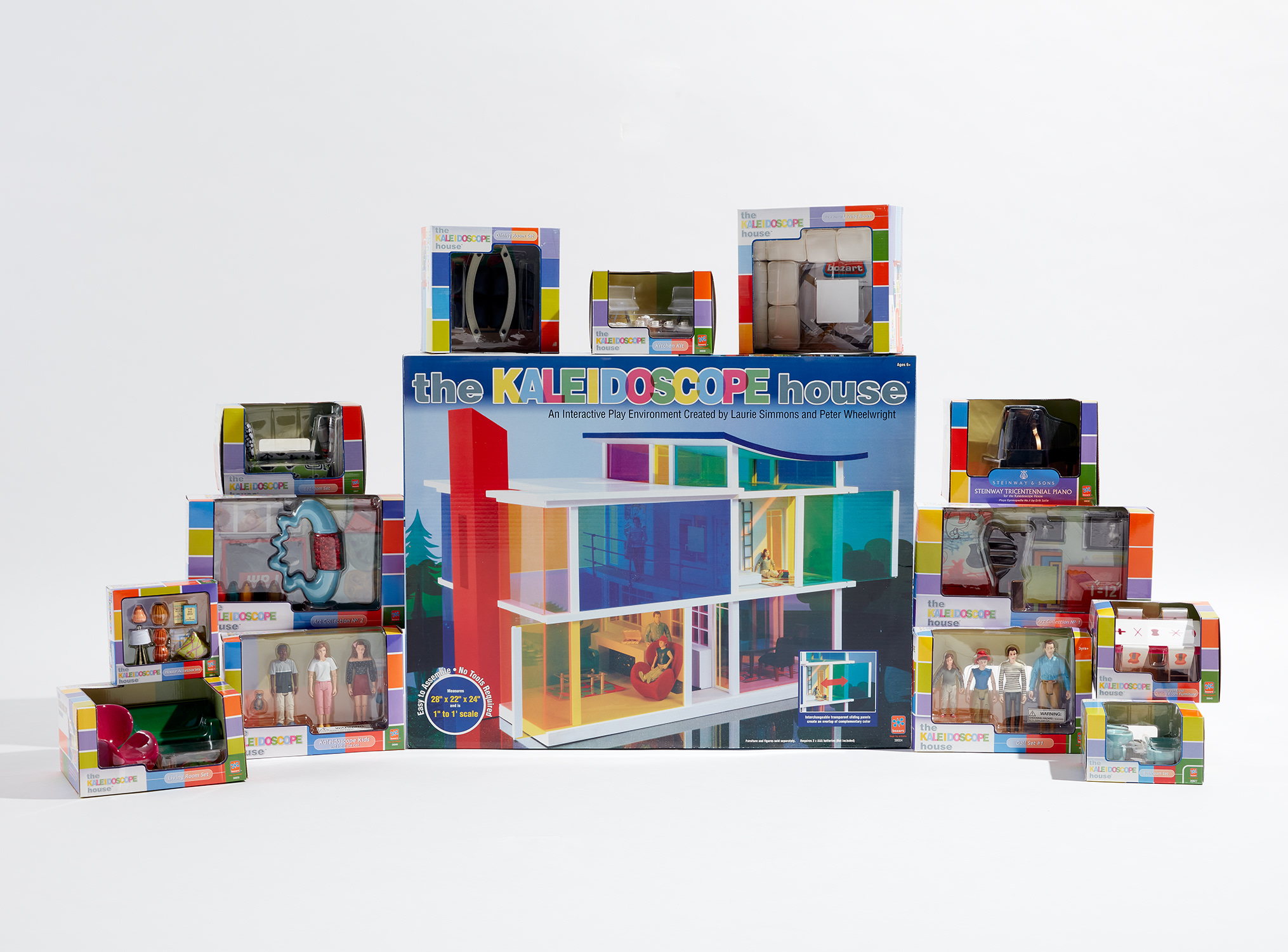
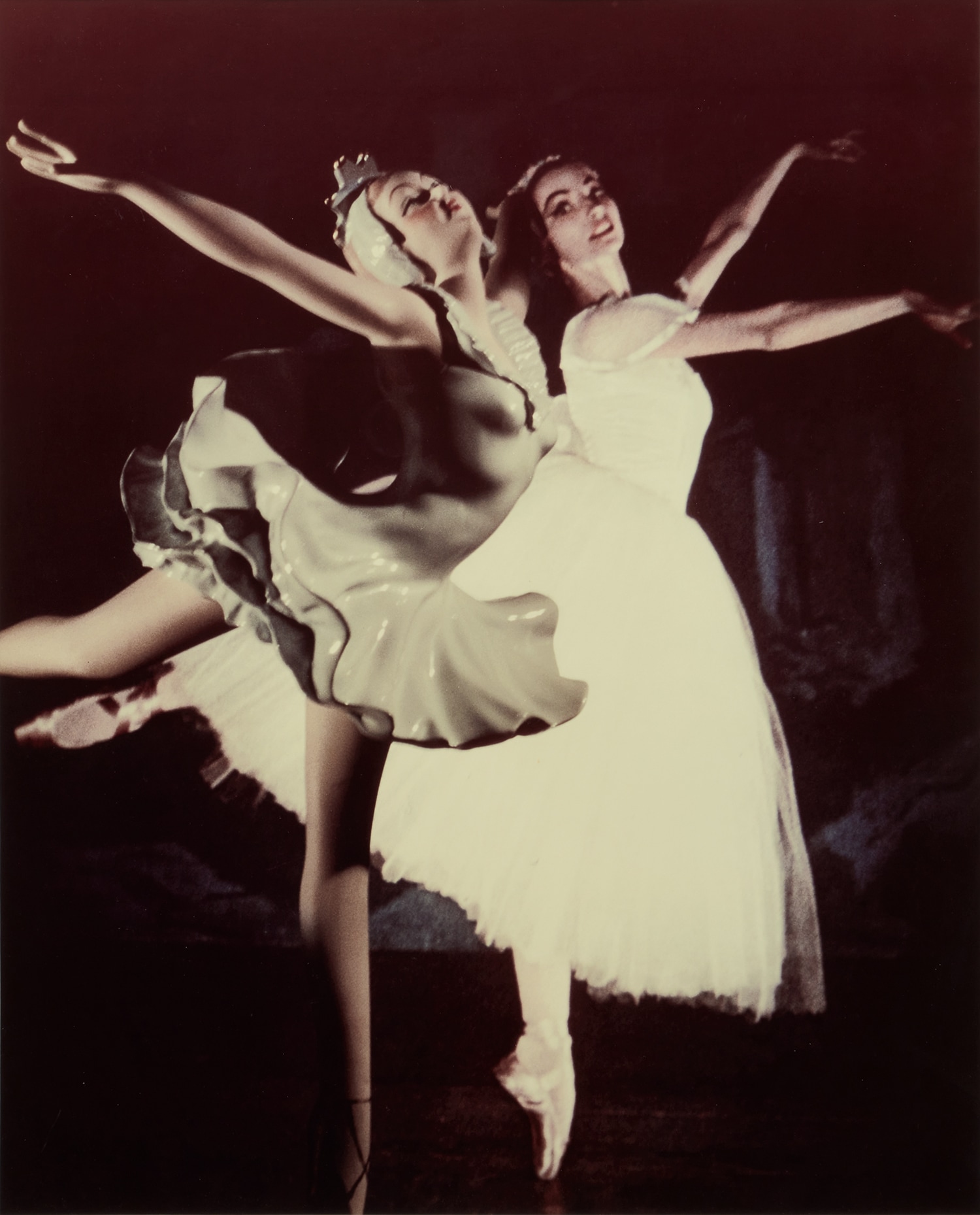
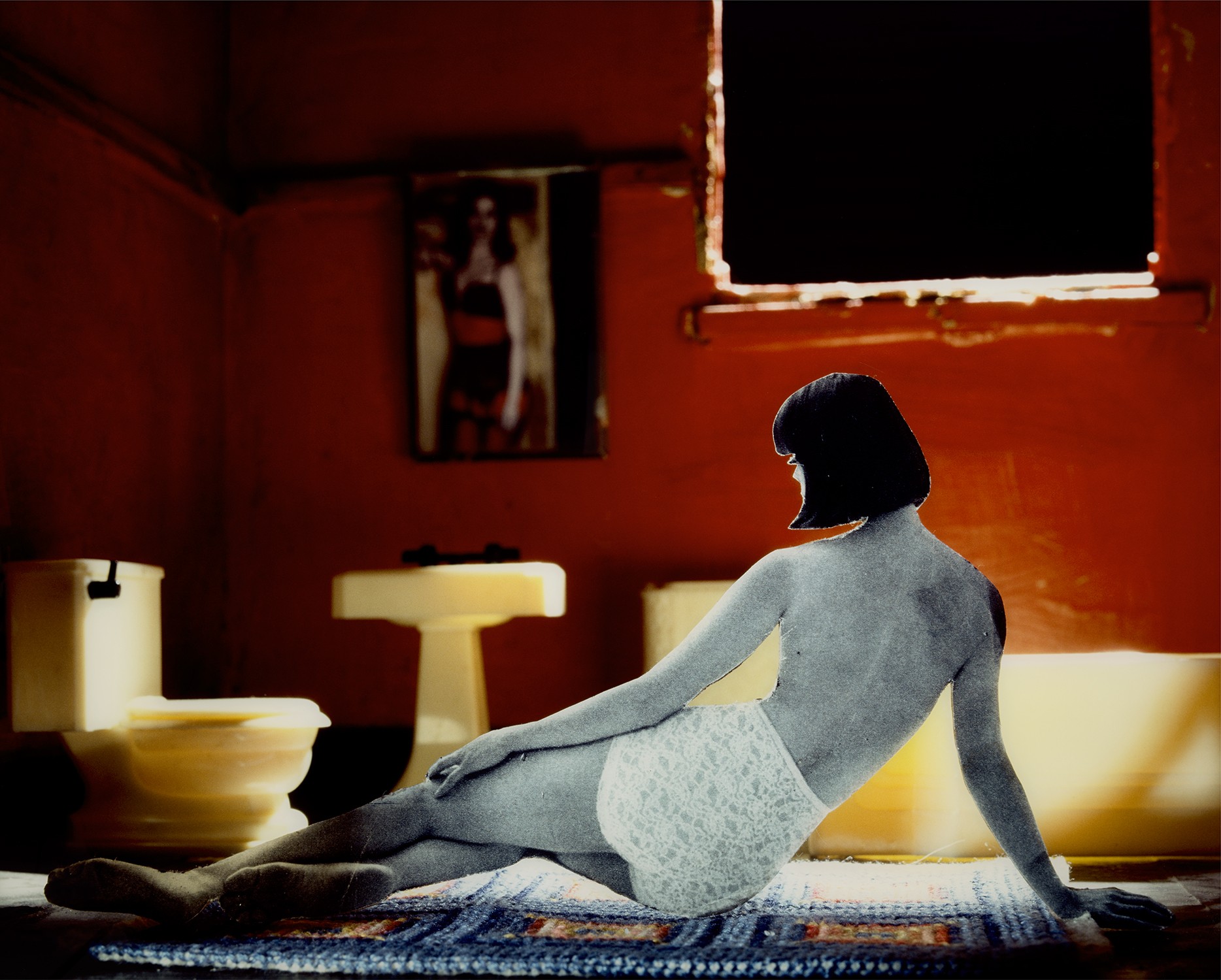
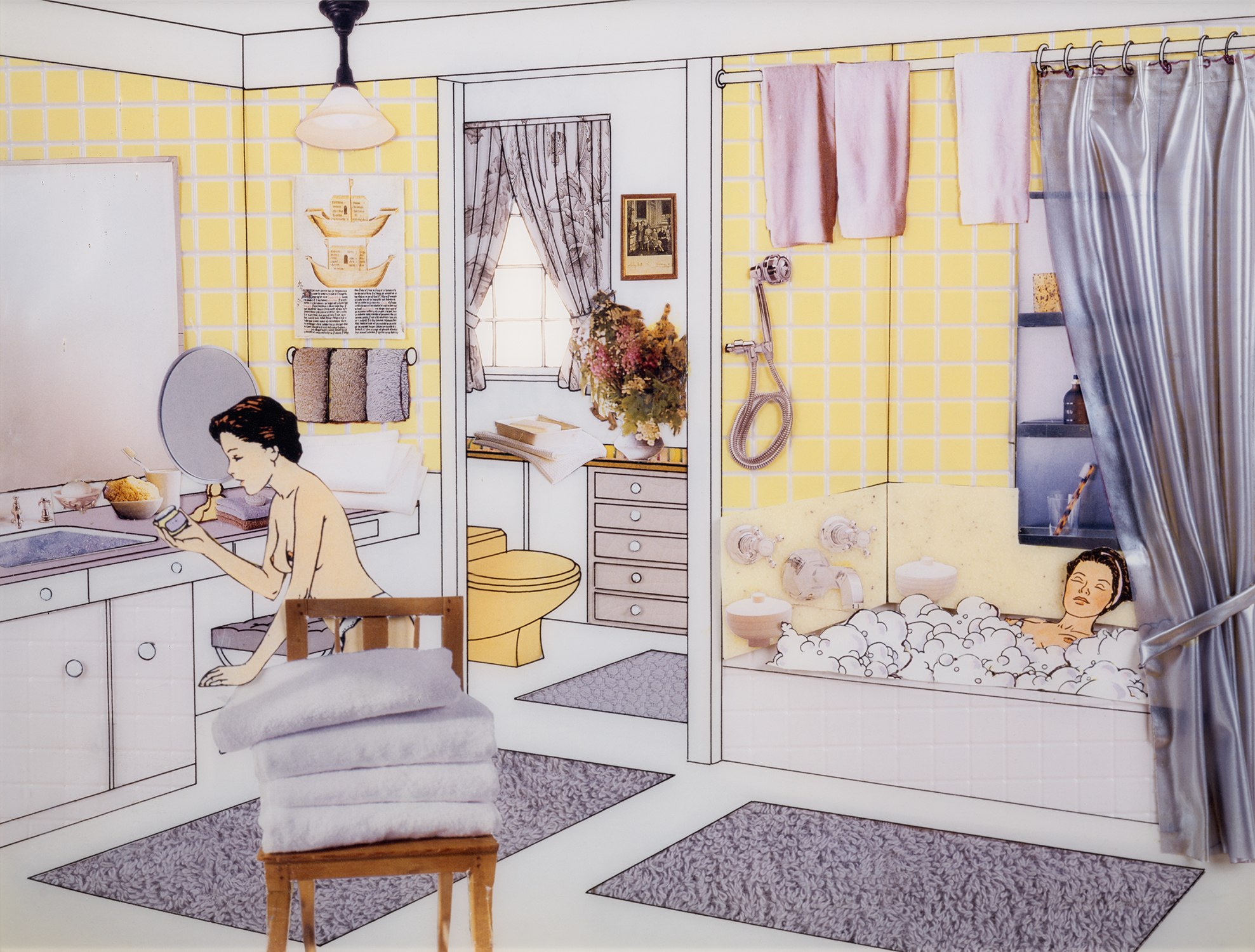
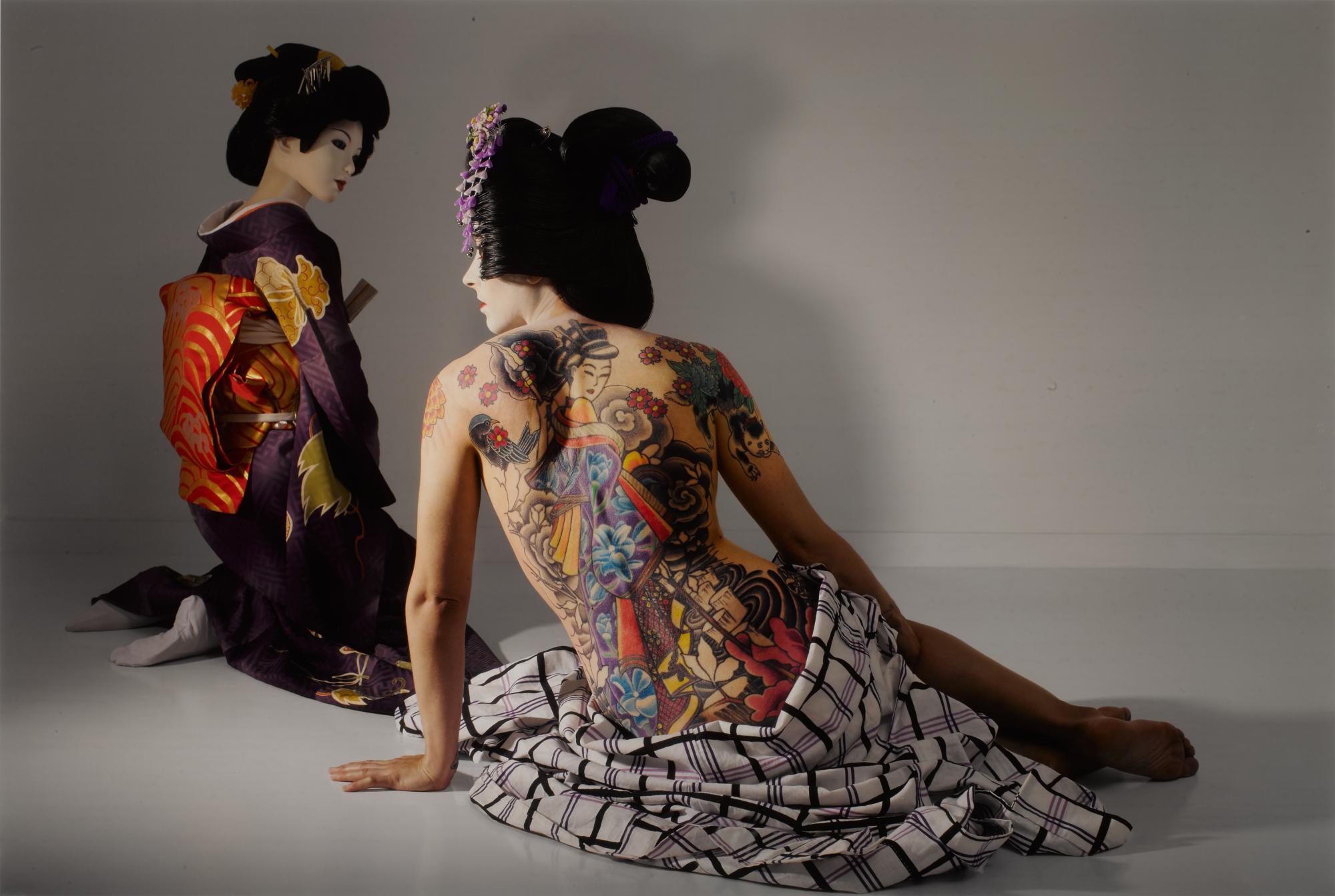
When the Museum of Modern Art mounted a survey of Pictures Generation artists and their enduring influence on contemporary image making, Laurie Simmons stood out as one of the movement's most consistently surprising voices. Decades after she first set up dollhouses and tiny domestic stages in her New York studio, her photographs continue to feel both eerily familiar and genuinely strange, as if she has found a way to photograph the inside of a collective American dream. That staying power is no accident. It is the result of a practice built on obsession, wit, and an unusually deep… Continue reading
Artists in conversation

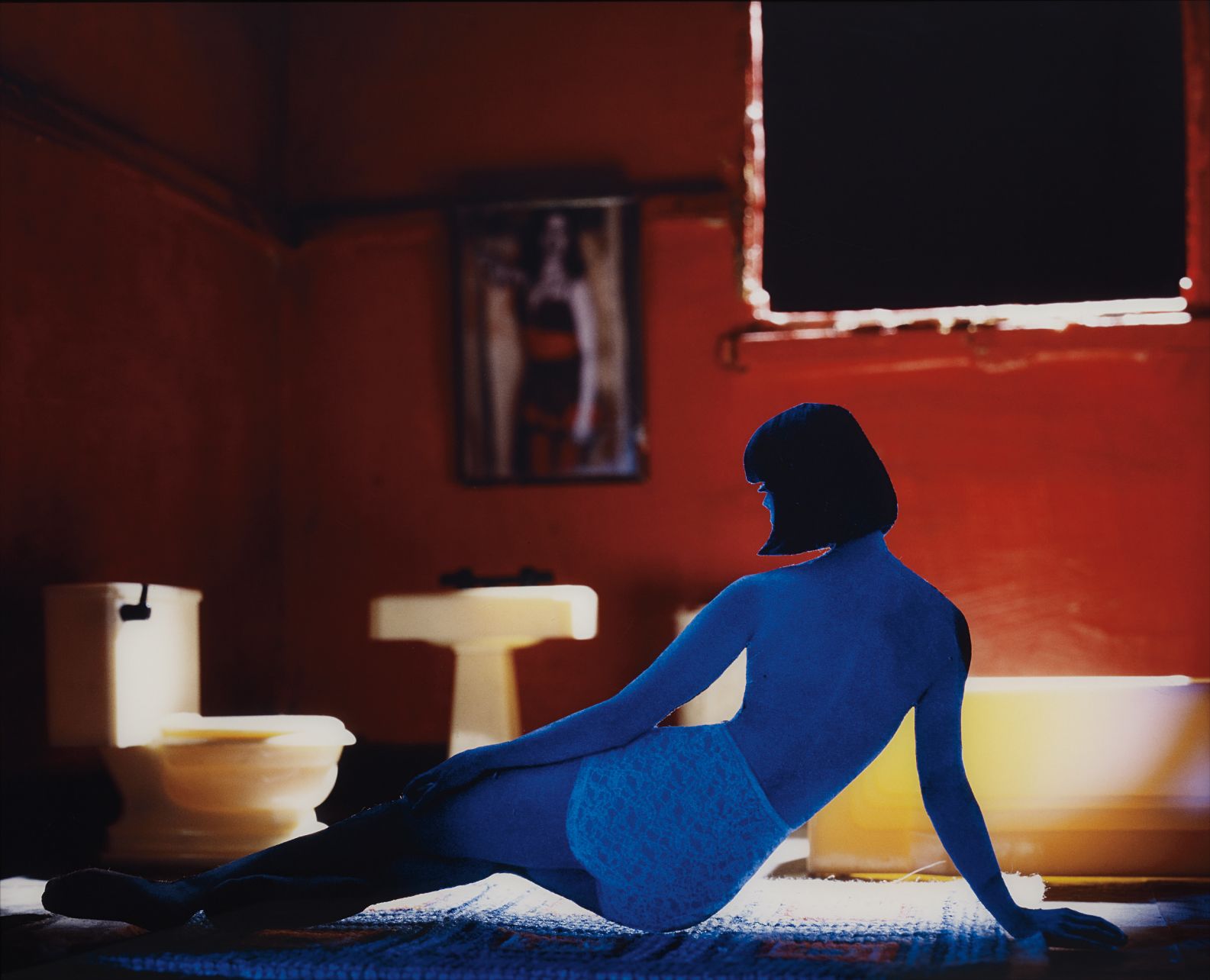
Cindy Sherman
Sherman shares Simmons's use of staged photography and constructed personas to explore femininity, identity, and media representation, both emerging from the Pictures Generation movement of the late 1970s and 1980s.
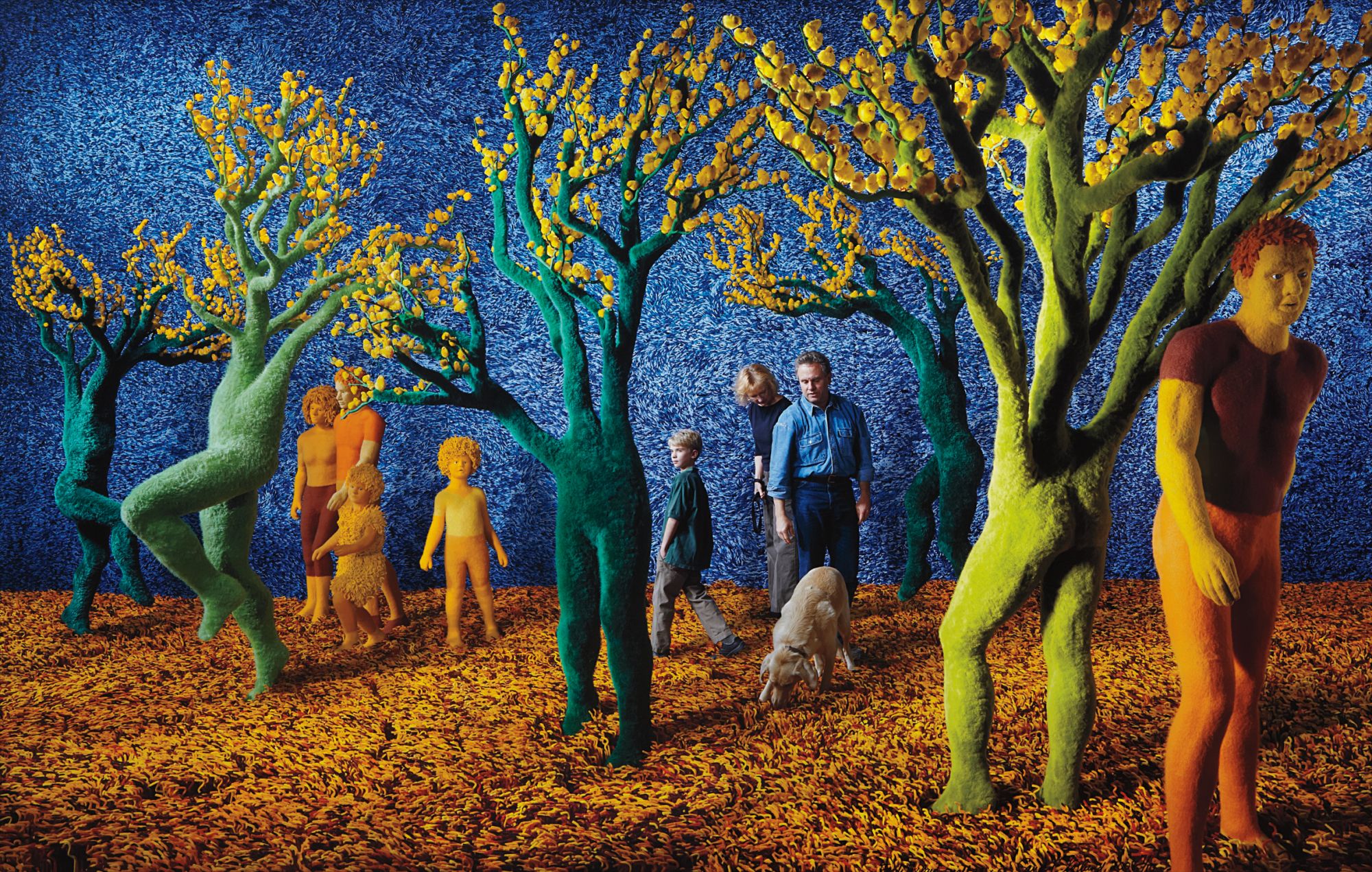
Sandy Skoglund
Skoglund similarly creates elaborately staged, surreal photographic tableaux using fabricated objects and domestic environments, exploring themes of consumer culture and psychological unease in visually heightened color saturated scenes.
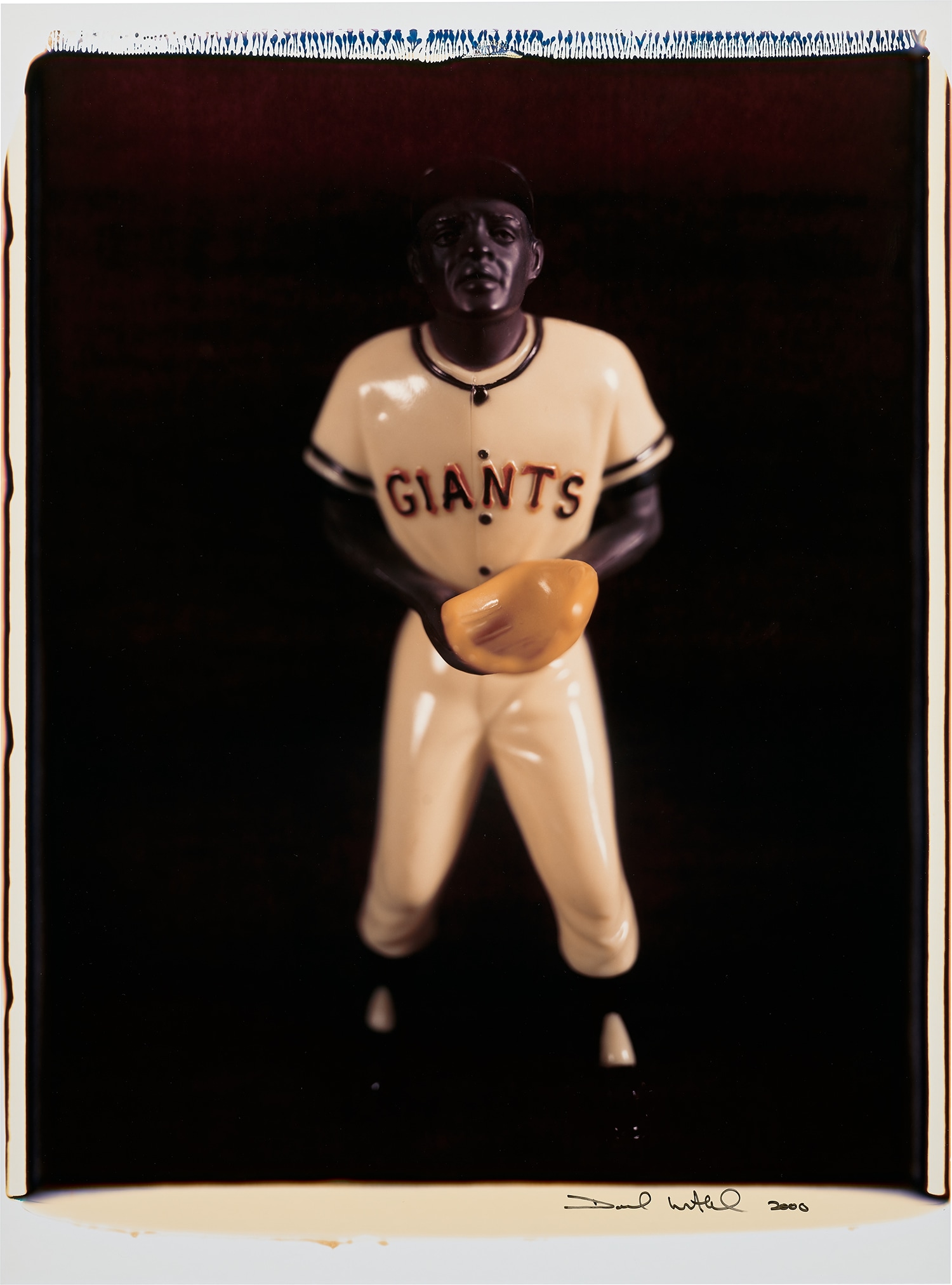
David Levinthal
Levinthal works extensively with miniature toys and figurines as photographic subjects to examine how popular culture and mass produced objects construct narratives about American identity and history.
Artists who inspired them
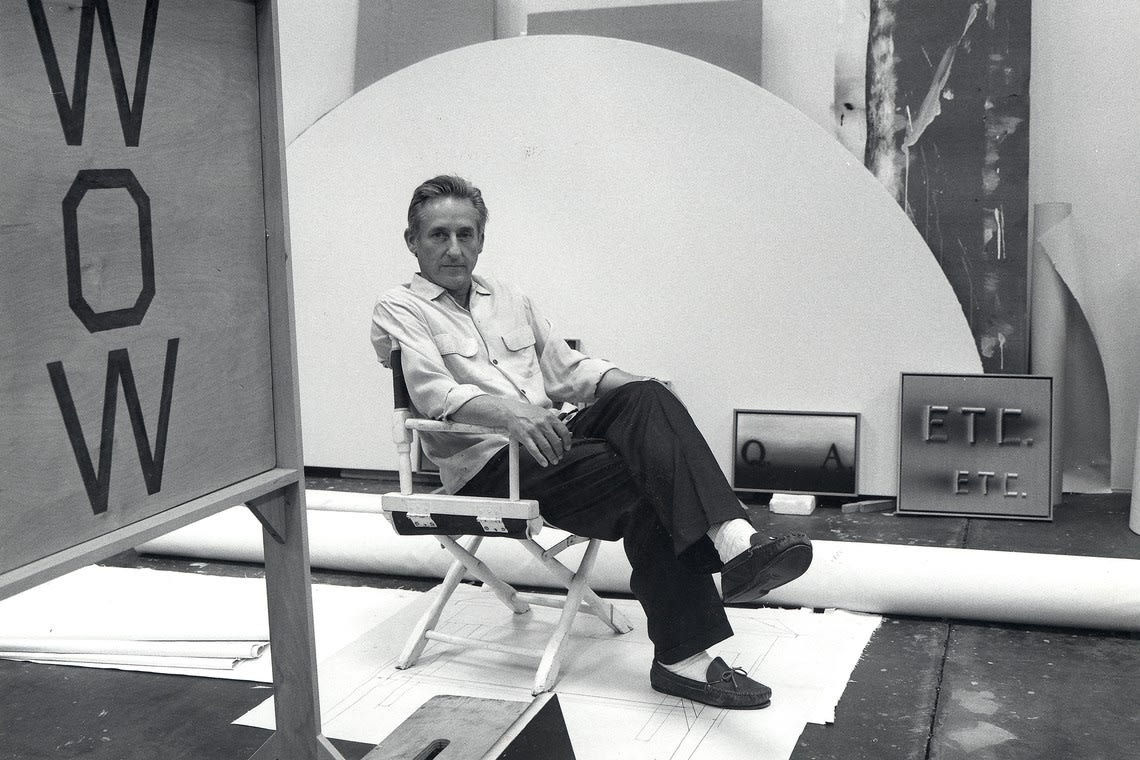
Ed Ruscha
Ruscha's deadpan conceptual approach to American vernacular culture and his use of photography as a conceptual tool provided an important framework for Simmons's own investigations into pop imagery and consumer society.
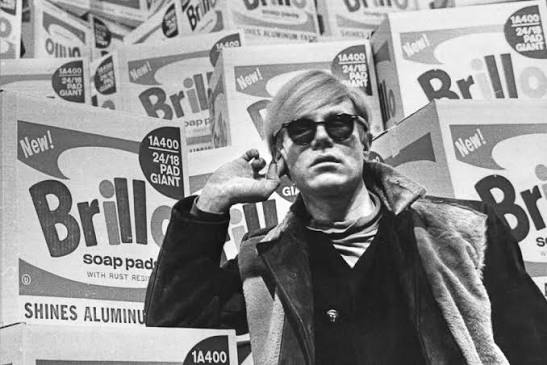
Andy Warhol
Warhol's appropriation of mass media imagery and his examination of feminine ideals drawn from advertising and popular culture directly informed Simmons's critical engagement with postwar American domesticity and consumerism.
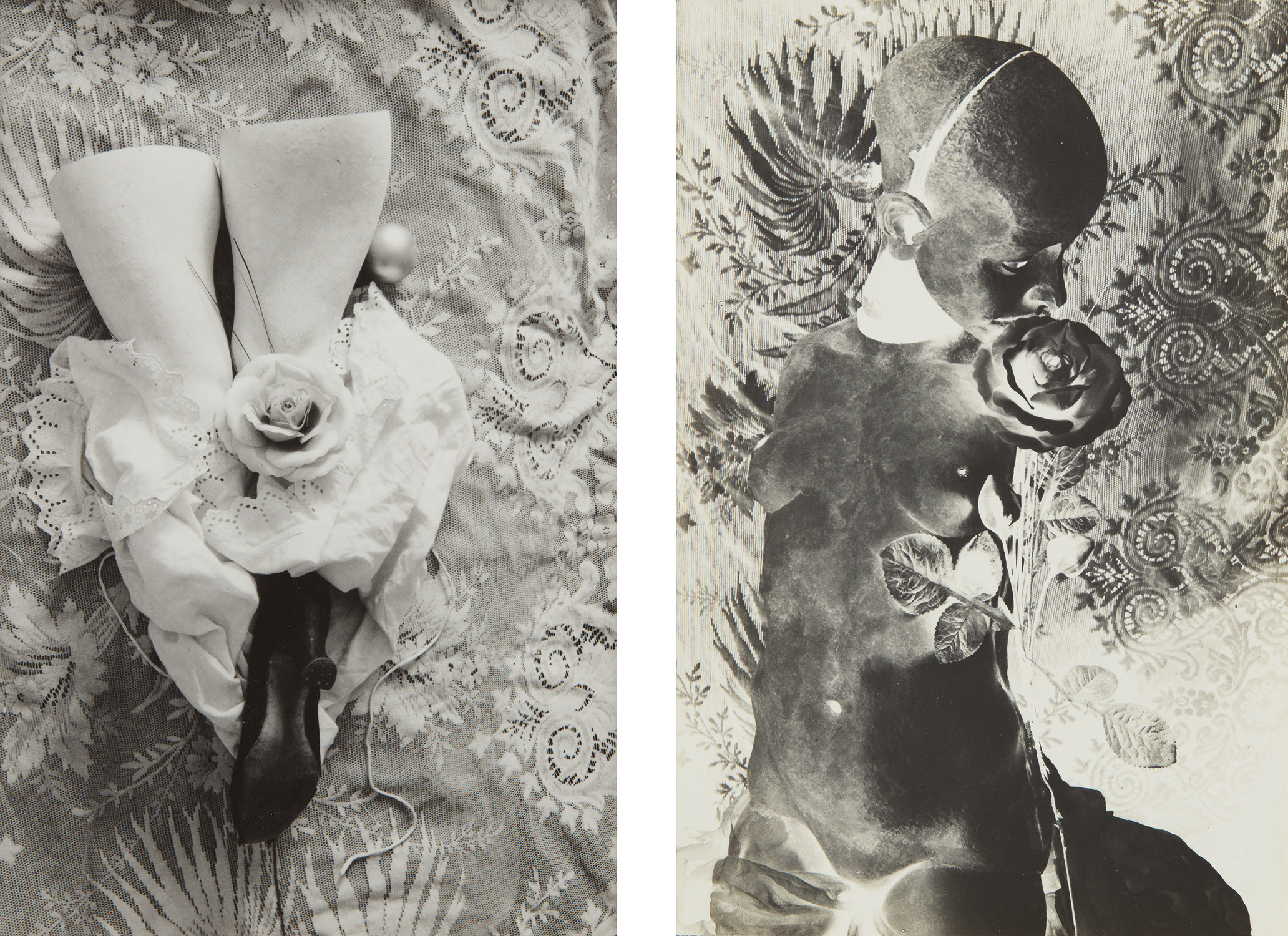
Hans Bellmer
Bellmer's unsettling photographic and sculptural explorations of the doll as a surrogate female body were a foundational precedent for Simmons's own use of dolls and ventriloquist figures to probe desire, control, and the objectification of women.