Colonial
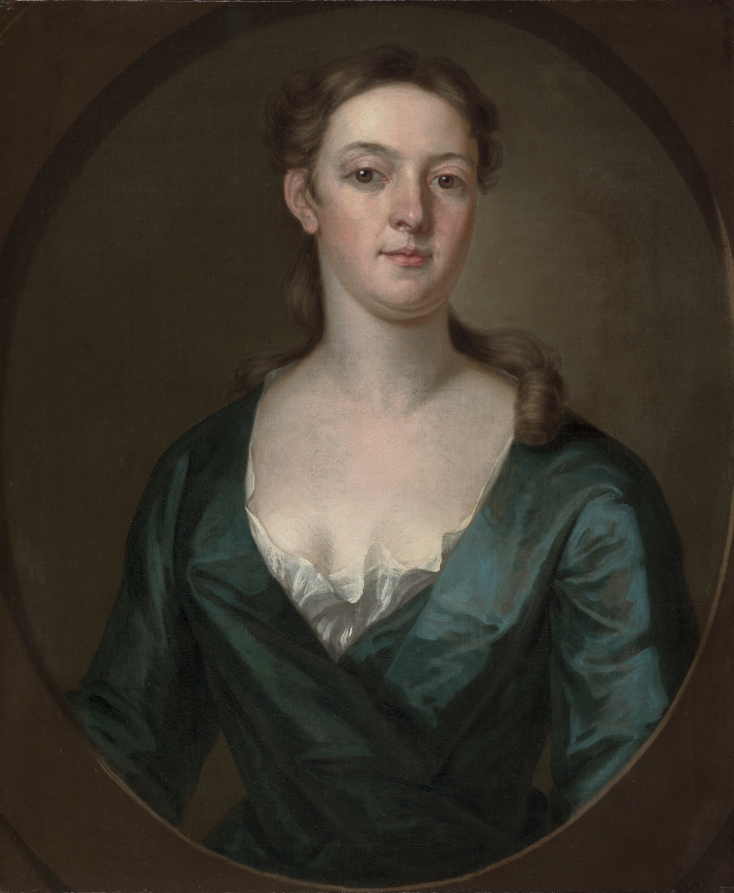
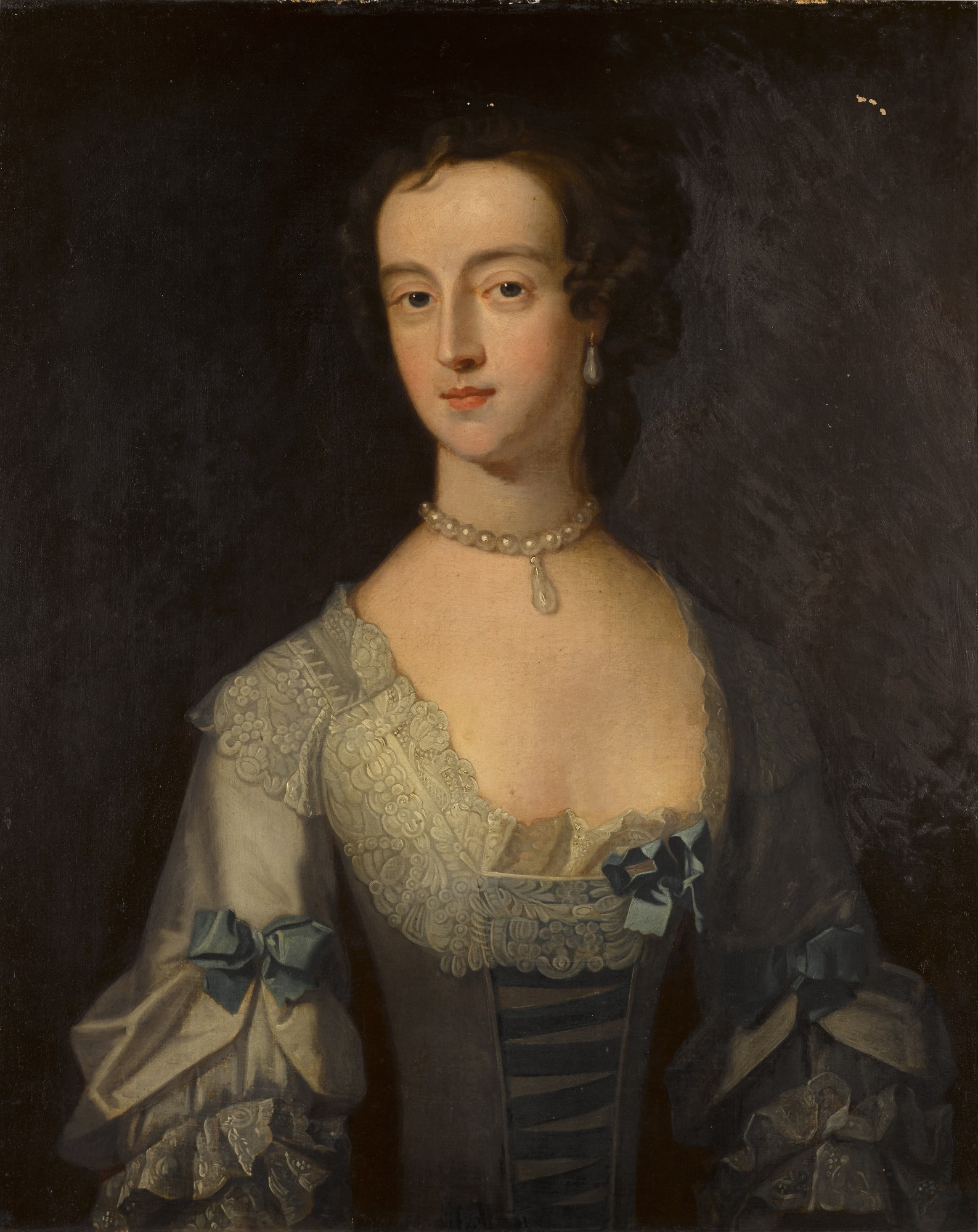
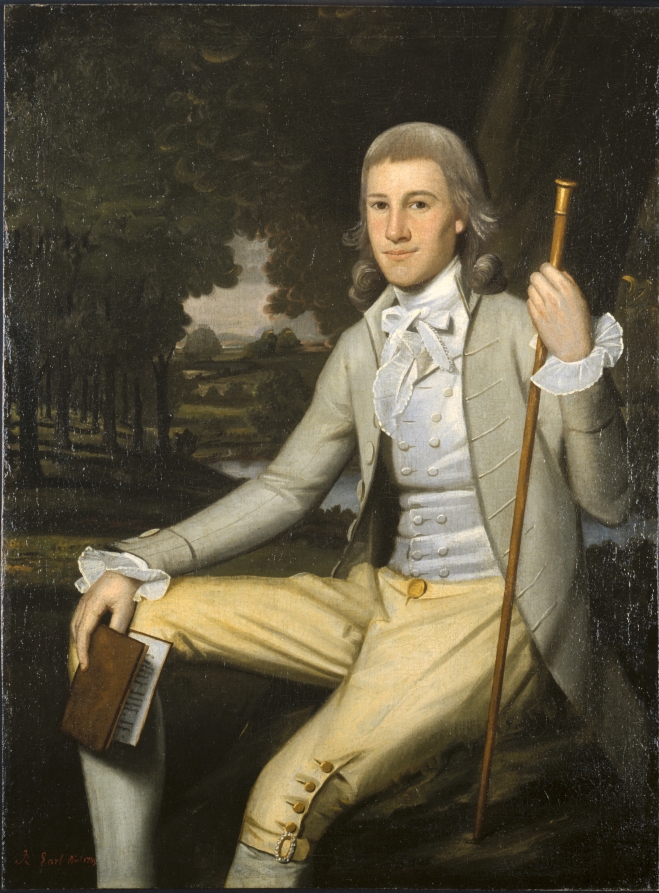
John Smibert
Portrait of a Woman (Judith Colman Bulfinch?), 1734
Empire's Gaze: Art Born From Conquest
There is something profoundly uncomfortable about standing before a colonial era image and feeling its beauty. The composition is immaculate, the light extraordinary, the subject rendered with obvious care. And yet the entire enterprise rests on a structure of power so complete, so naturalized within its own moment, that the artists themselves rarely paused to question it. This tension, between aesthetic achievement and moral reckoning, is precisely what makes colonial art one of the most charged and rewarding areas of serious collecting today.
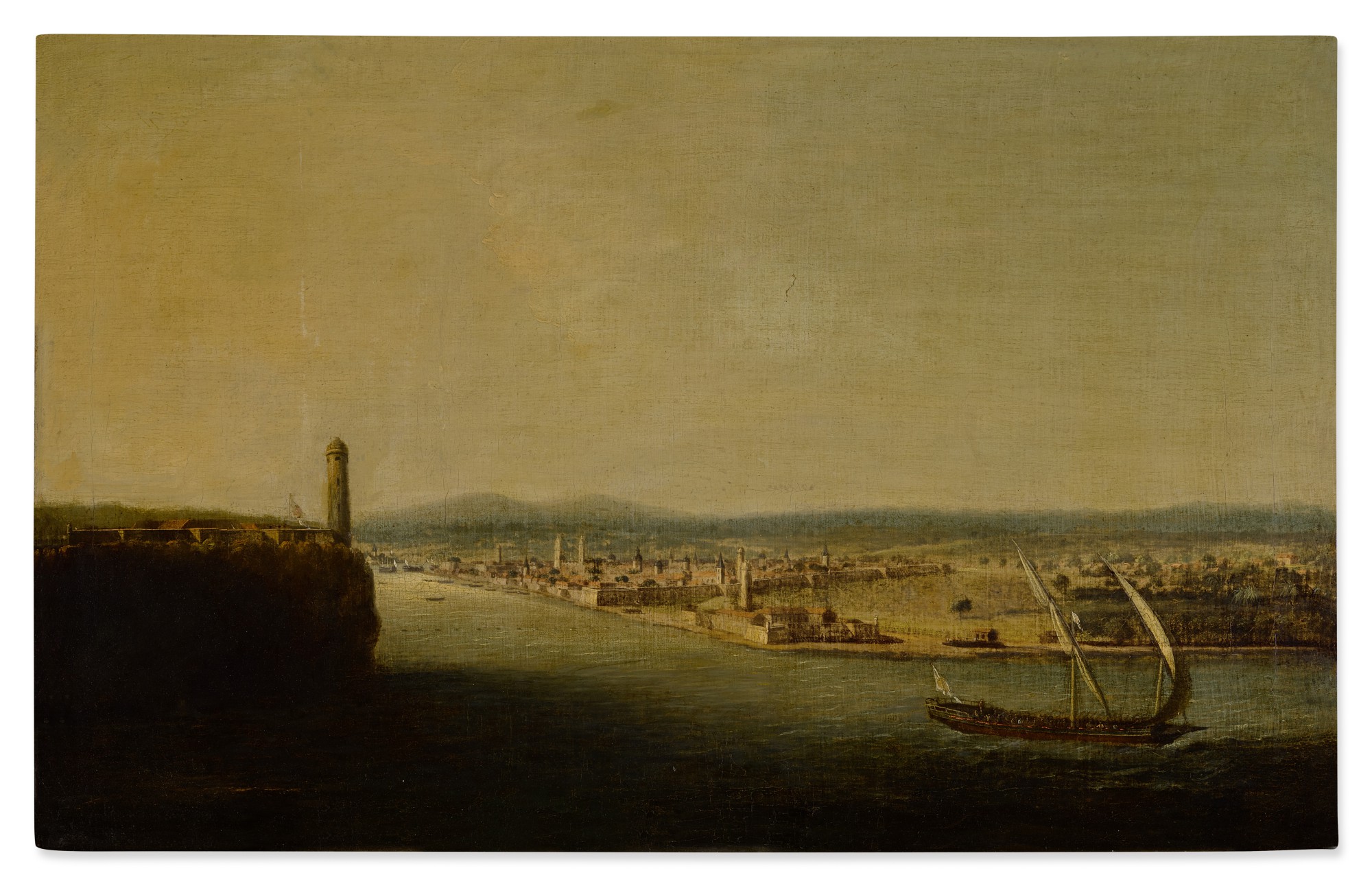
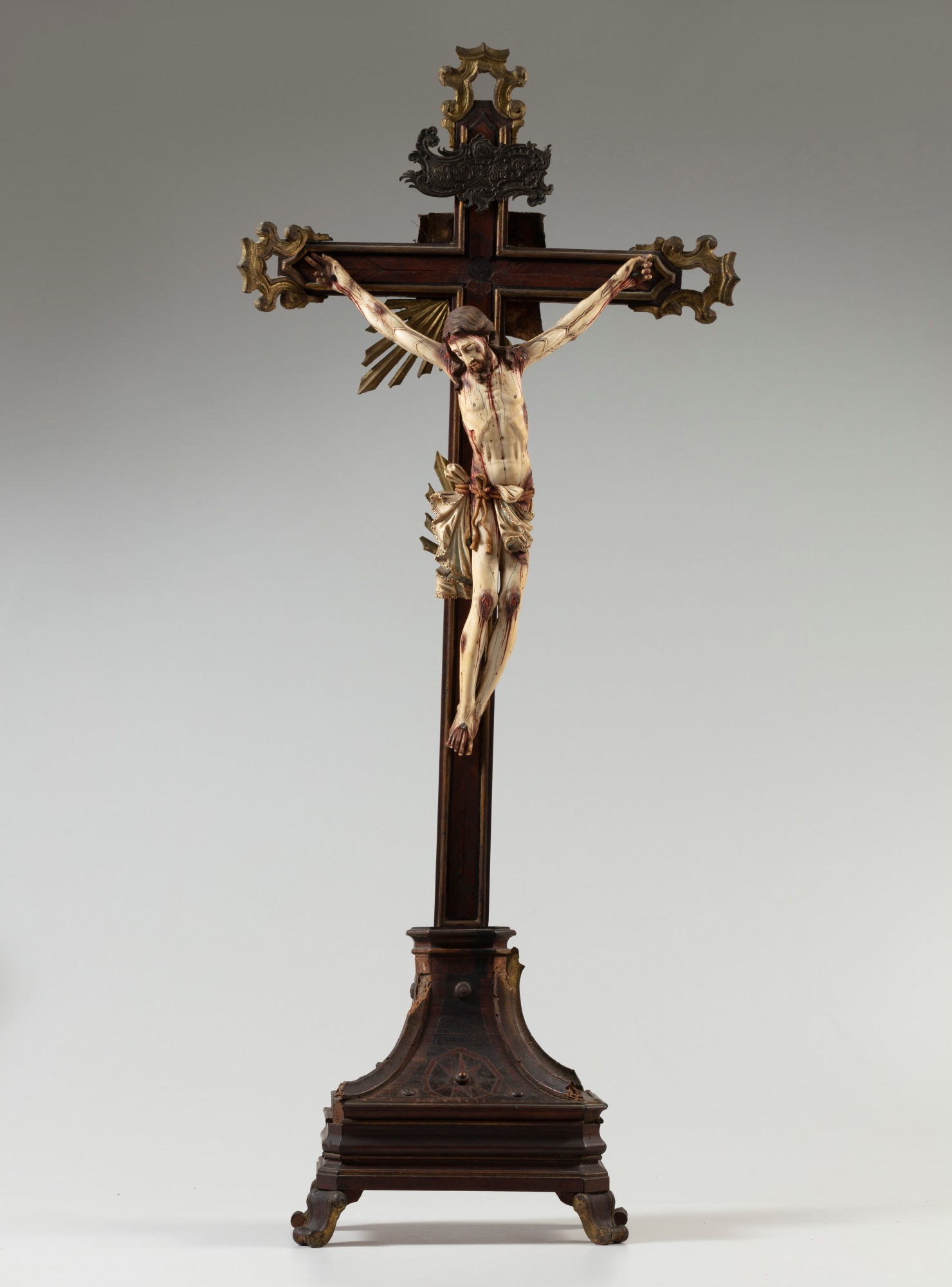
The category itself resists easy definition. Colonial art is not a movement in the way Impressionism was a movement, with manifestos and salon rebellions and competing factions arguing in Parisian cafes. It is better understood as a condition, a set of circumstances in which artists operated under the patronage, ideology, and ambition of expanding European empires. From the earliest Portuguese trading settlements of the sixteenth century through the high Victorian moment of British India and on into the twentieth century, the colonial encounter produced an enormous body of visual material that ranged from intimate portraiture to sweeping architectural photography to romantic orientalist painting.
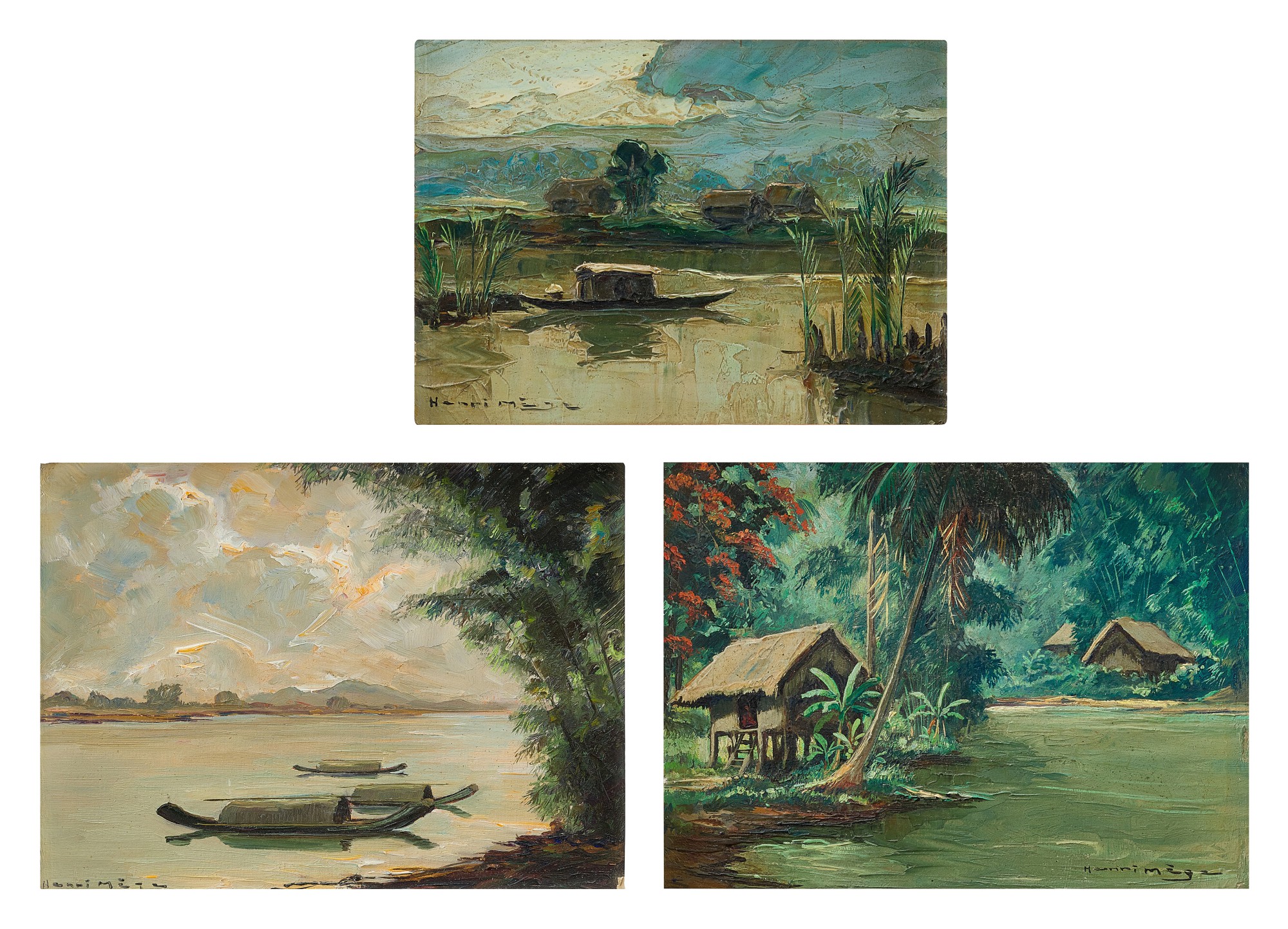
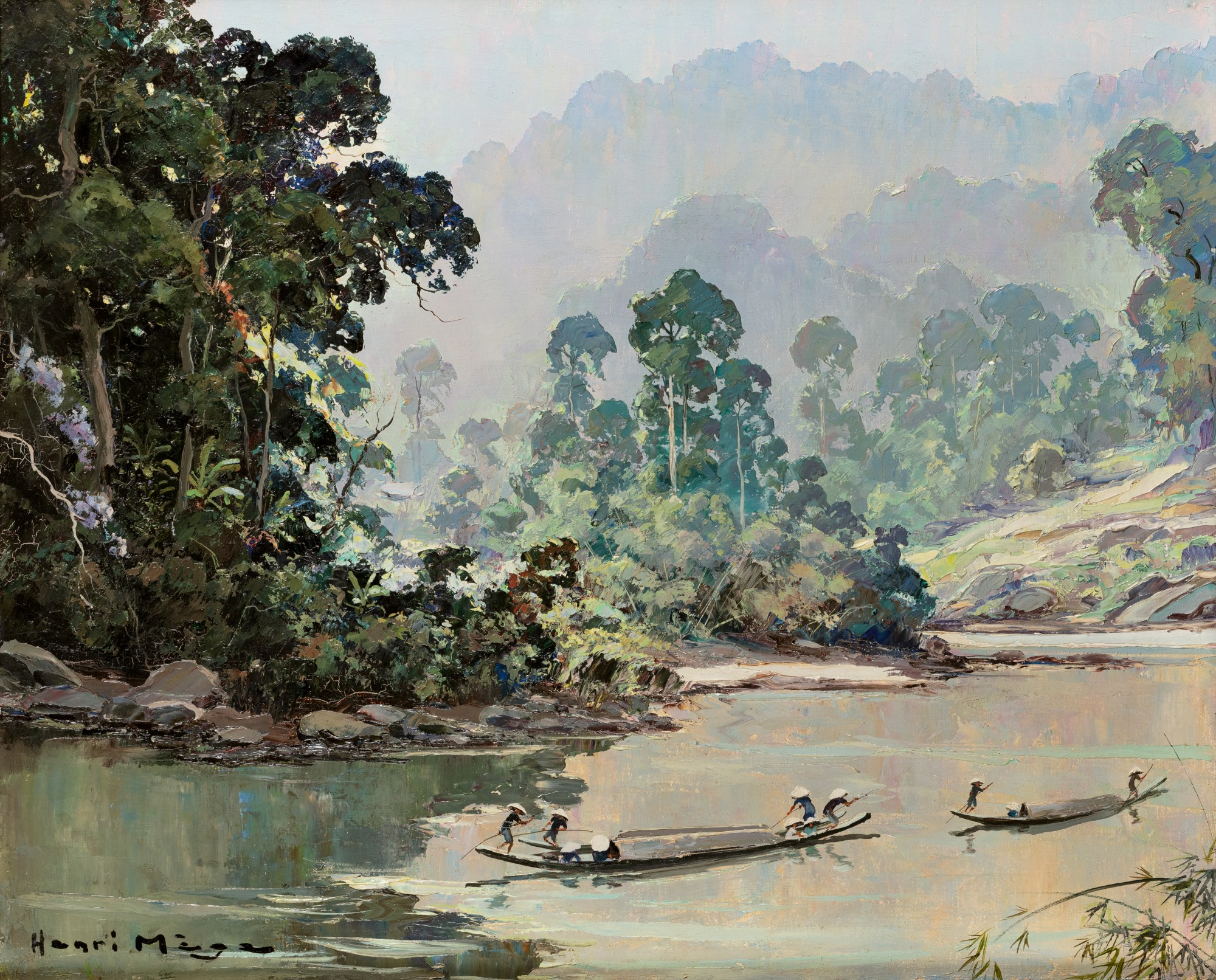
Henri Mège
(i) Evening at Thanh Da near Thi Nghe, Saigon (ii) Afternoon in the River of Perfume, Hue (iii) Landscape of Annam (i) 西貢市藝運河旁的清娜傍晚 (ii) 順化香江的午後 (iii) 安南風景
In the Indian subcontinent, perhaps nowhere is this more vividly illustrated than in the work of Raja Deen Dayal, the Indore born photographer who became the official court photographer to the Nizam of Hyderabad in the 1880s. Dayal is a genuinely singular figure, an Indian artist working with a medium introduced by colonial modernity, producing images of extraordinary refinement for both British and Indian patrons. His portraits carry a quiet authority that complicates any simple reading of the photographer as merely an instrument of imperial documentation. He adapted the conventions of studio portraiture that had traveled from London and Paris, but inflected them with something altogether more local and more layered.
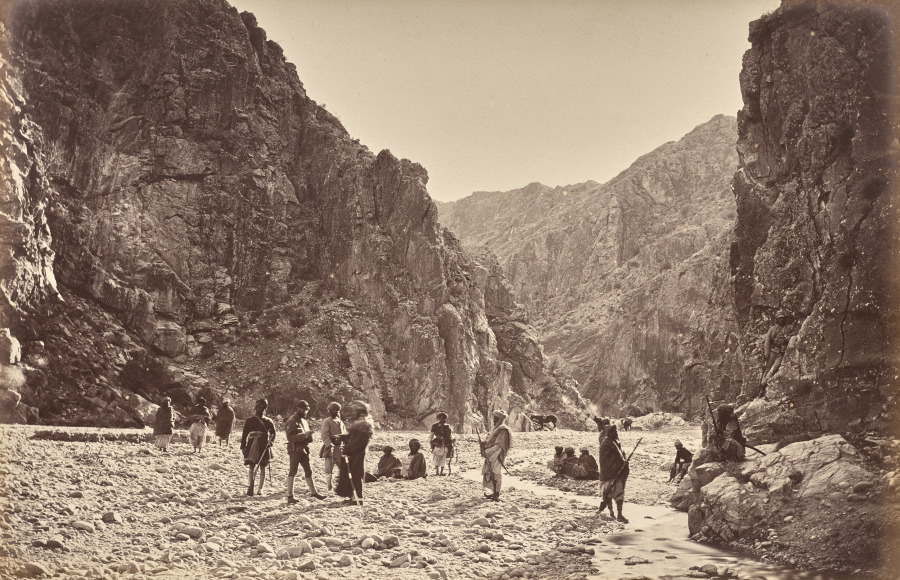
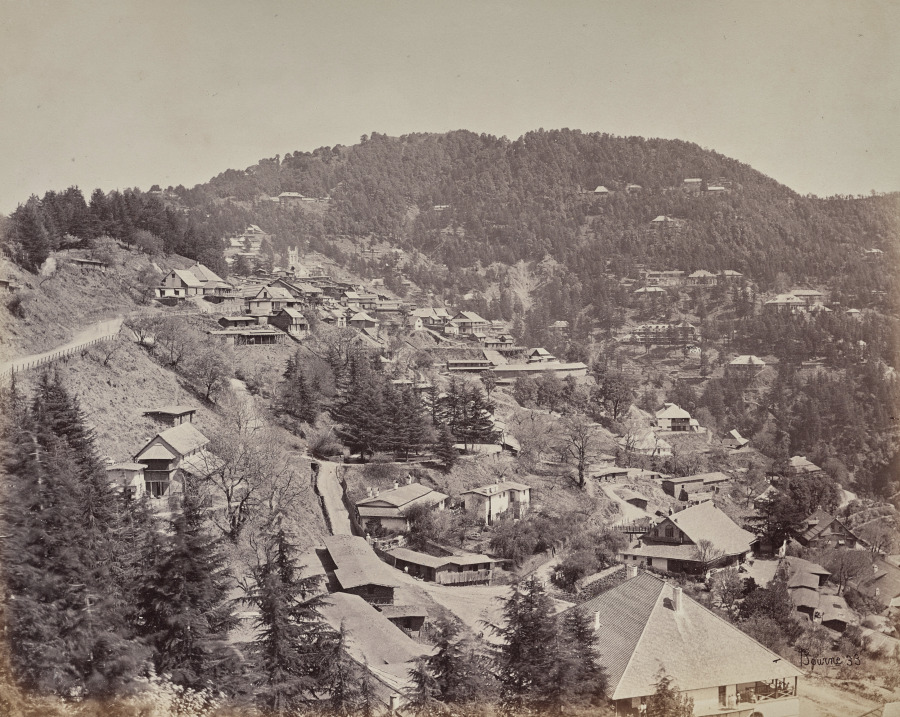
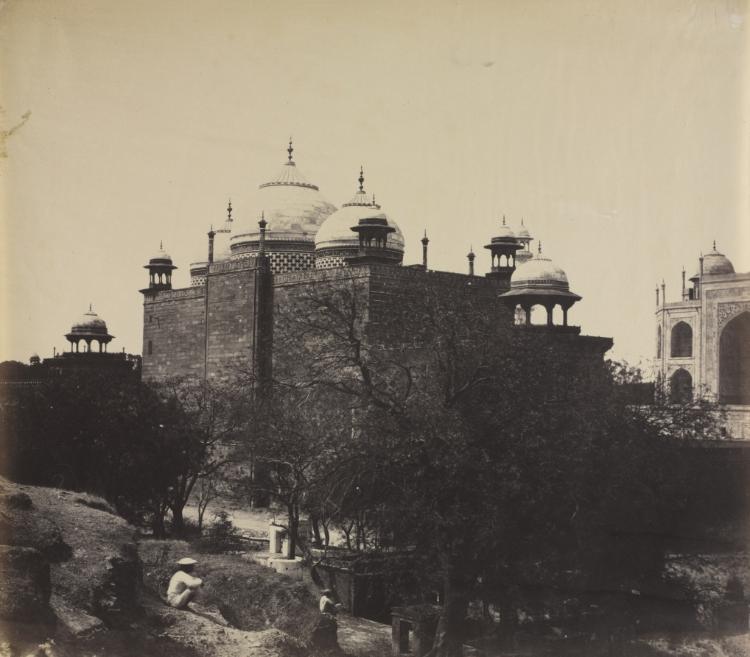
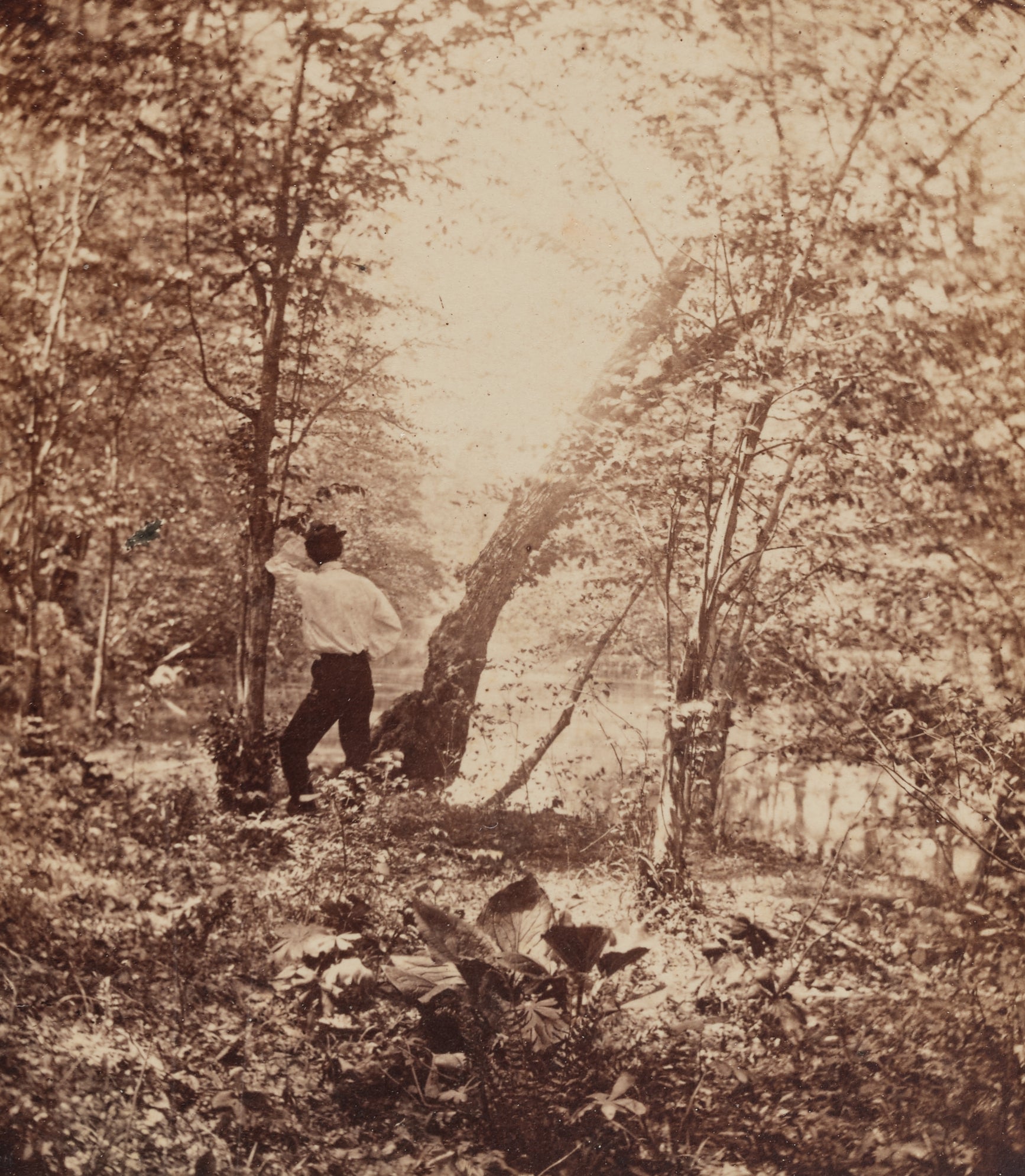
His work is well represented on The Collection, and it rewards sustained attention. The mid nineteenth century produced a remarkable cohort of photographer explorers who fanned out across Asia and the Middle East, turning their cameras on landscapes and peoples with the combined energy of scientific inquiry and aesthetic ambition. Samuel Bourne, who arrived in India in 1863 and made his legendary expeditions into the Himalayas, brought a painterly sensibility to the photographic plate that owed a conscious debt to the English picturesque tradition. John Burke documented the harsh terrain and human cost of the Second Anglo Afghan War in the late 1870s with a documentary directness that anticipates modern photojournalism.
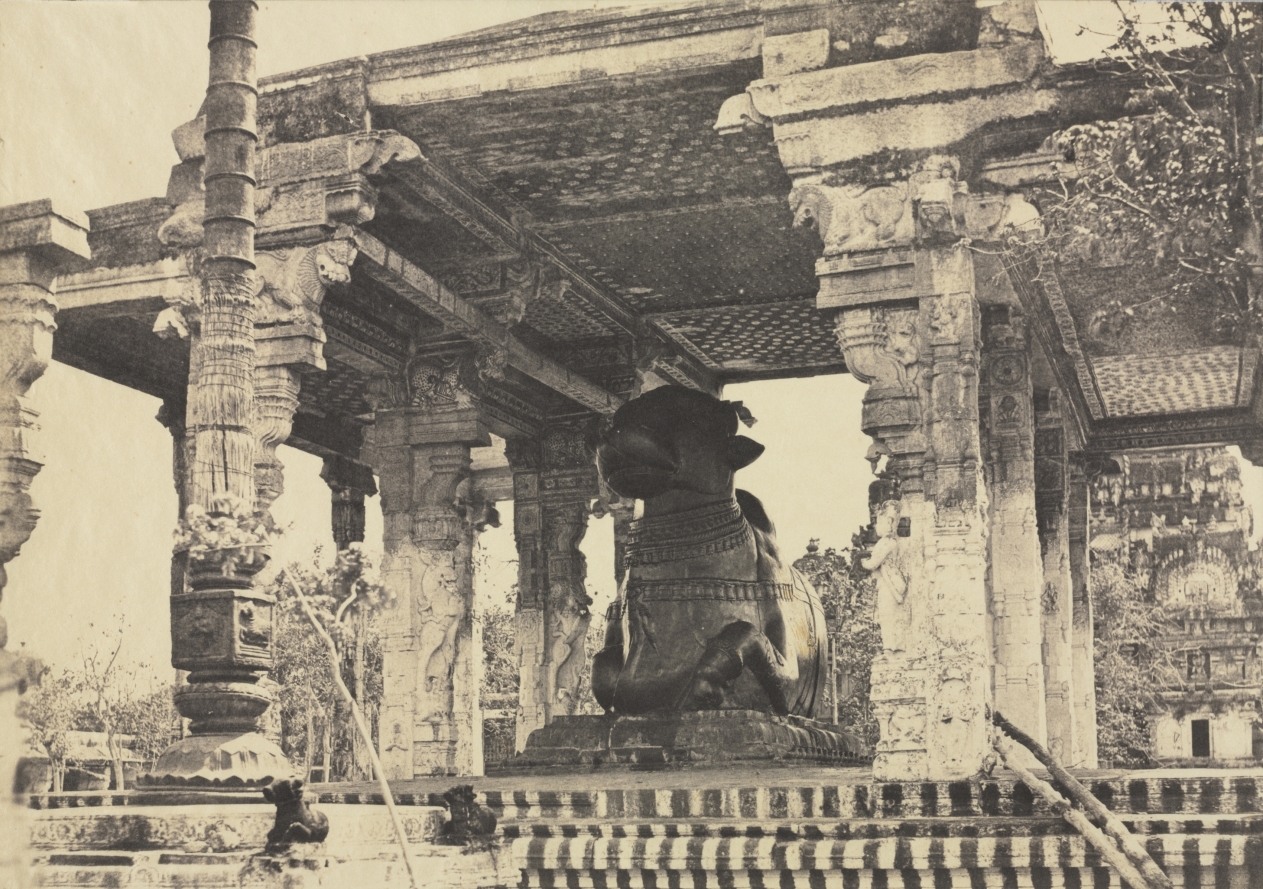
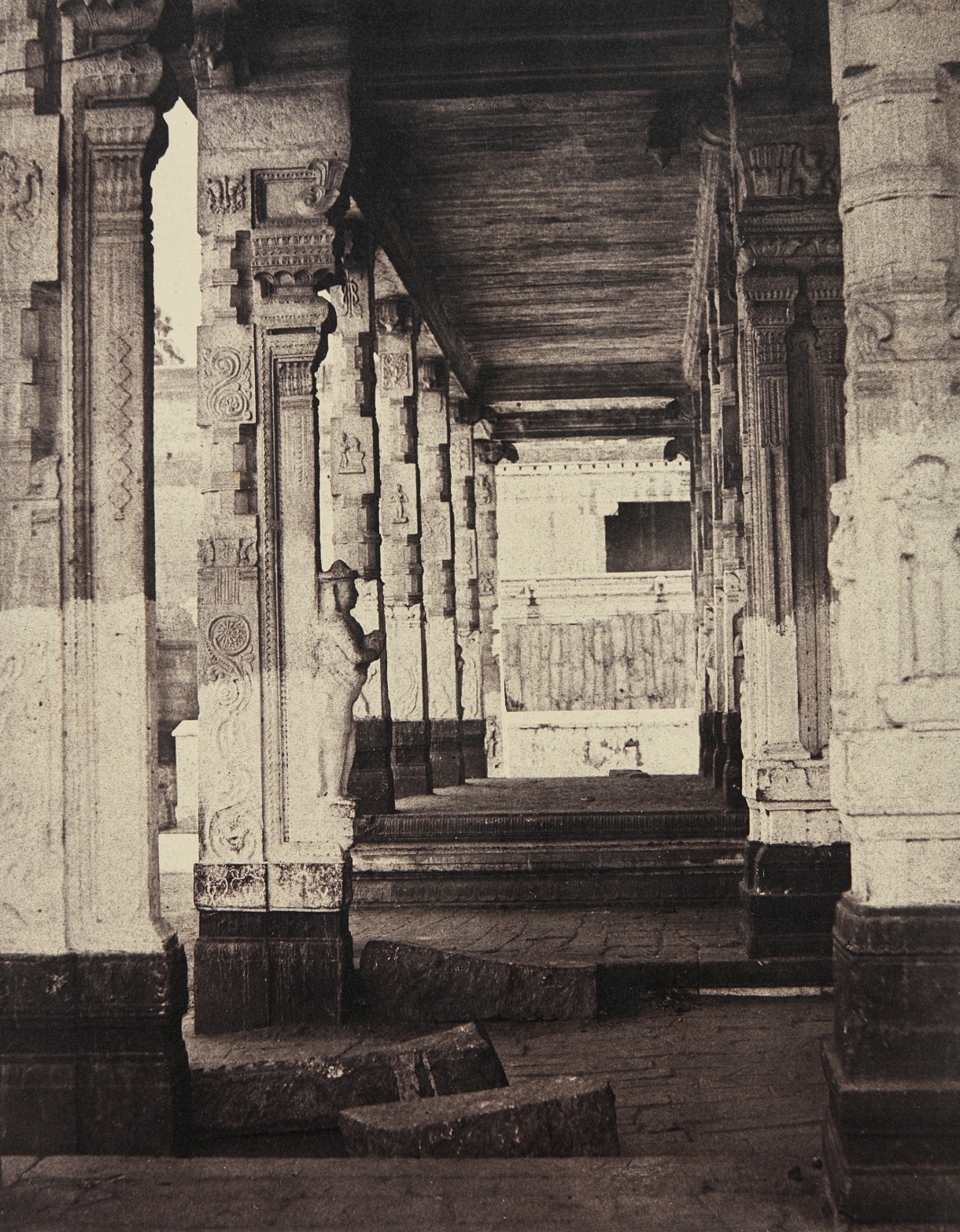
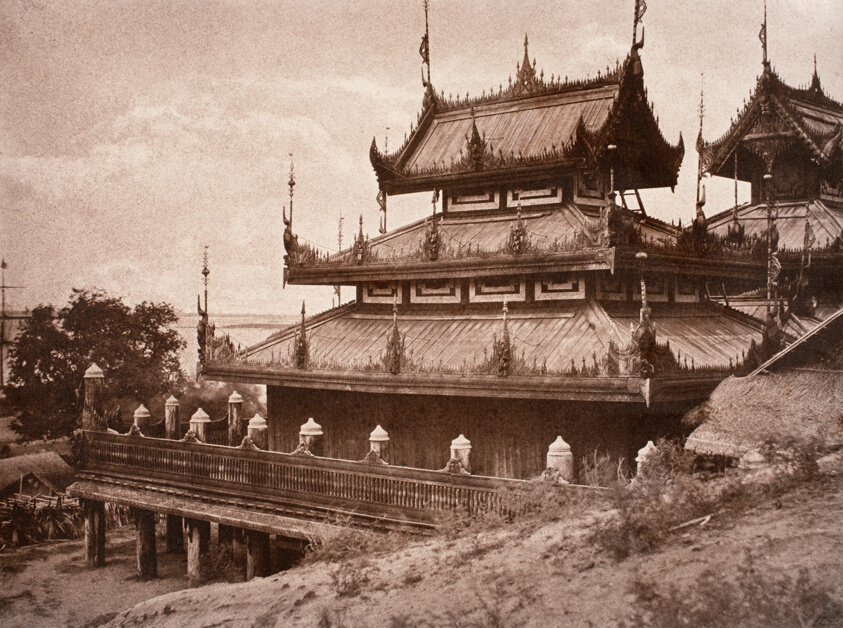
Captain Linnaeus Tripe
Great Pagoda, Great Bull, Front View, Tanjore, India (Rajarajeshvara Temple), plate 12 from Photographic Views of Tanjore and Trivady (Madras: Madras Presidency), 1857
Captain Linnaeus Tripe, working in Burma and South India in the 1850s under commission from the East India Company, produced calotype images of temple architecture so luminous they were exhibited at the Manchester Art Treasures Exhibition of 1857, one of the great survey exhibitions of the Victorian era. These photographers are not minor figures operating at the margins of art history. They are central to understanding how the nineteenth century learned to see the wider world. Felice Beato, the Venice born photographer who documented the aftermath of the Indian Rebellion of 1857 and later worked across East Asia, pushed photography into territory that was at once beautiful and morally vertiginous.
His images of the ruins at Lucknow and later of the Taku Forts in China during the Second Opium War introduced Western audiences to the visual grammar of military conquest. Louis Théophile Marie Rousselet, the French traveler and writer who spent years in India during the 1860s, produced illustrations that were engraved and widely reproduced in the popular press, shaping European fantasies about the subcontinent for a generation of armchair travelers. The émile Gsell images from French Indochina and the work of Johnston and Hoffmann from Calcutta fill out a picture of photography as the primary instrument through which empire imagined and projected itself. In painting, the colonial encounter produced its own distinct tradition.
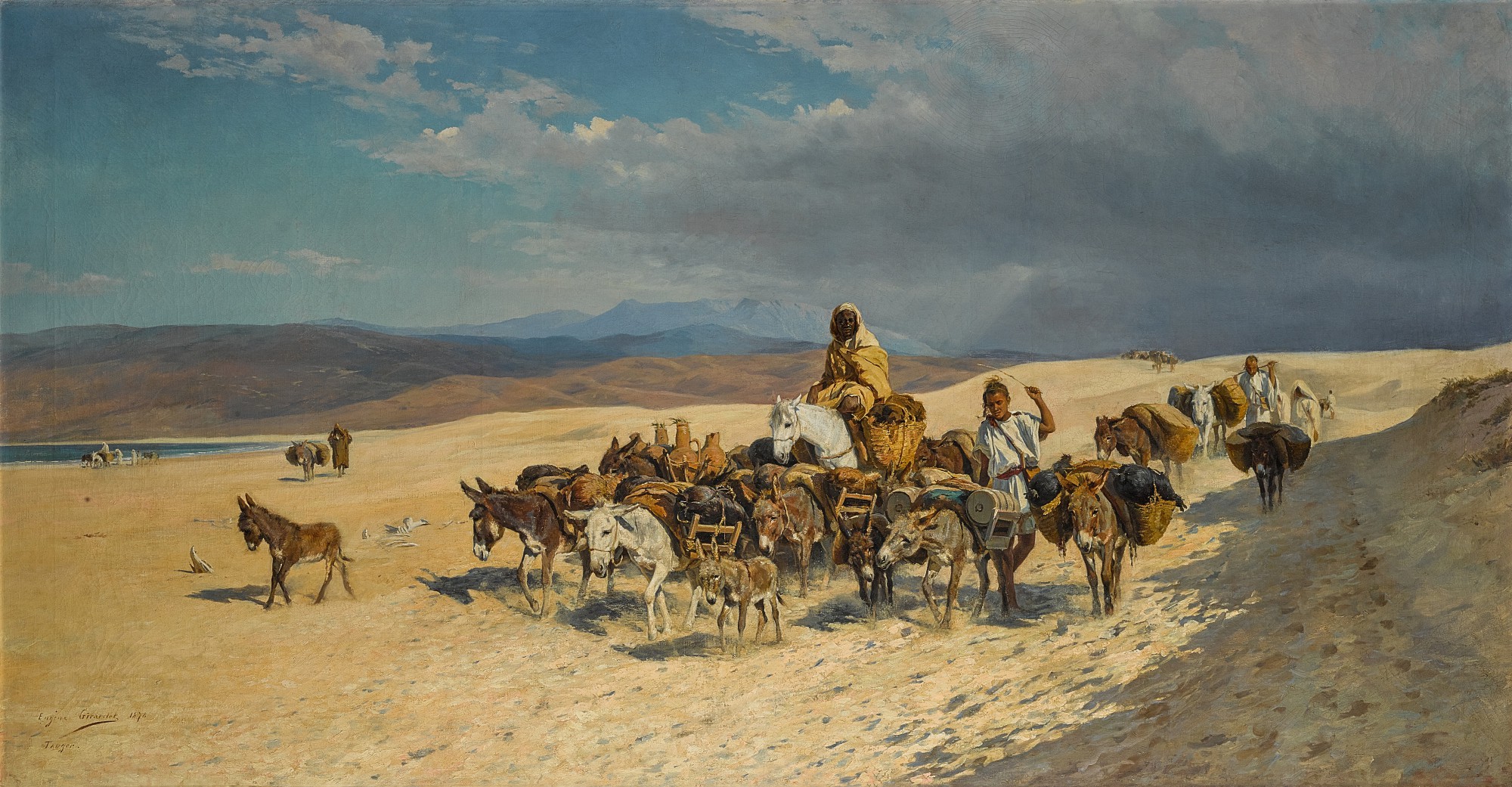
Eugène Girardet
The Water Carriers, Tangier
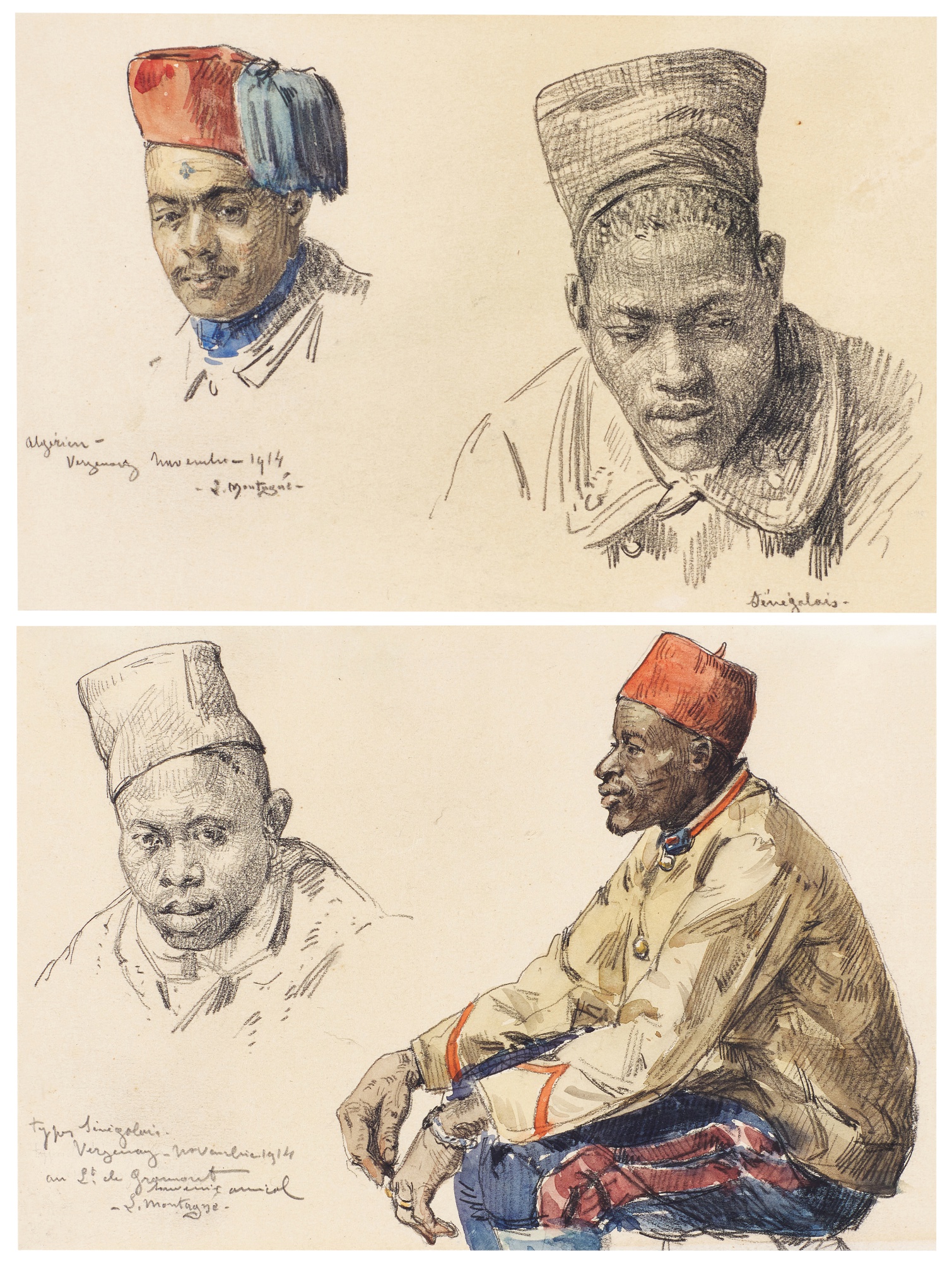
The orientalist painters who traveled to North Africa and the Middle East brought with them all the technical apparatus of academic European painting, the oil on canvas, the studio conventions, the compositional hierarchies inherited from the Renaissance, and applied them to subjects that European audiences experienced as exotic and distant. Eugène Fromentin, who made two journeys to Algeria in the 1840s and 1850s, was among the most gifted of these travelers, a writer as well as a painter whose book on Flemish and Dutch masters remains a classic of art criticism. Eugène Girardet, who also worked extensively in North Africa, brought a warm, documentary quality to his paintings that kept them grounded in observed reality even as the market rewarded a degree of romantic fantasy. The American colonial tradition runs on a parallel track, rooted not in overseas empire but in the settler project of the eastern seaboard.
The portrait painters of eighteenth century New England, John Smibert, Joseph Blackburn, Joseph Badger, John Singleton Copley, and Ralph Earl, were constructing a visual identity for a society that understood itself as both a product of English civilization and something new in the world. Copley in particular is a figure of immense historical interest. His portraits of Boston merchants and their families in the 1760s and 1770s carry a psychological intensity that transcends their social function, and his later London career raises pointed questions about ambition, allegiance, and what it meant to be an American artist before there was an America. What unites these very different traditions, the photographer in the Himalayas, the orientalist painter in Algiers, the portraitist in colonial Boston, is a shared condition of operating in the service of expansion.
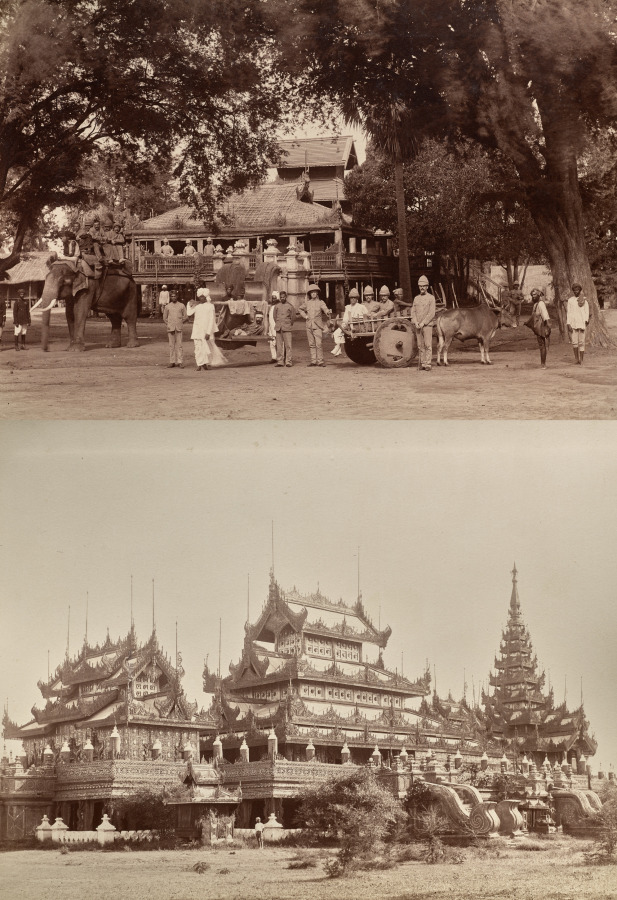
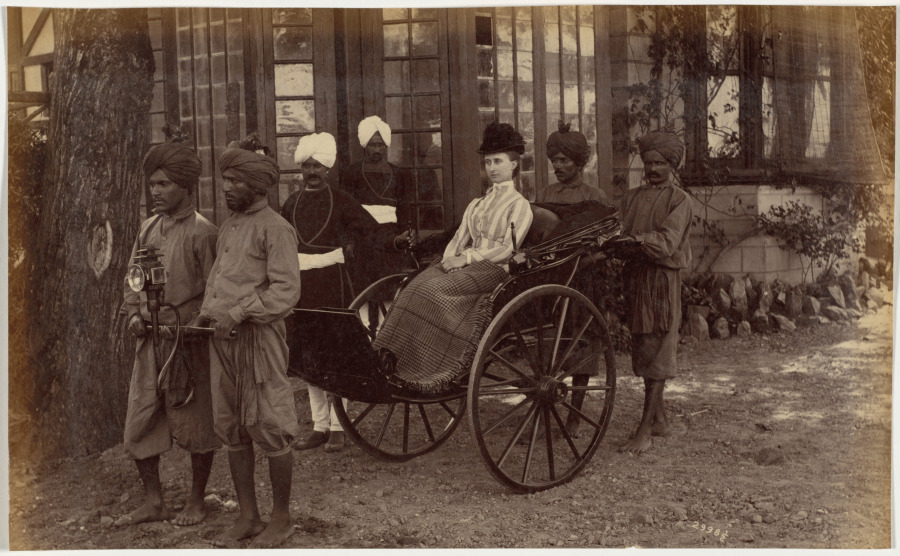
Unknown Artist
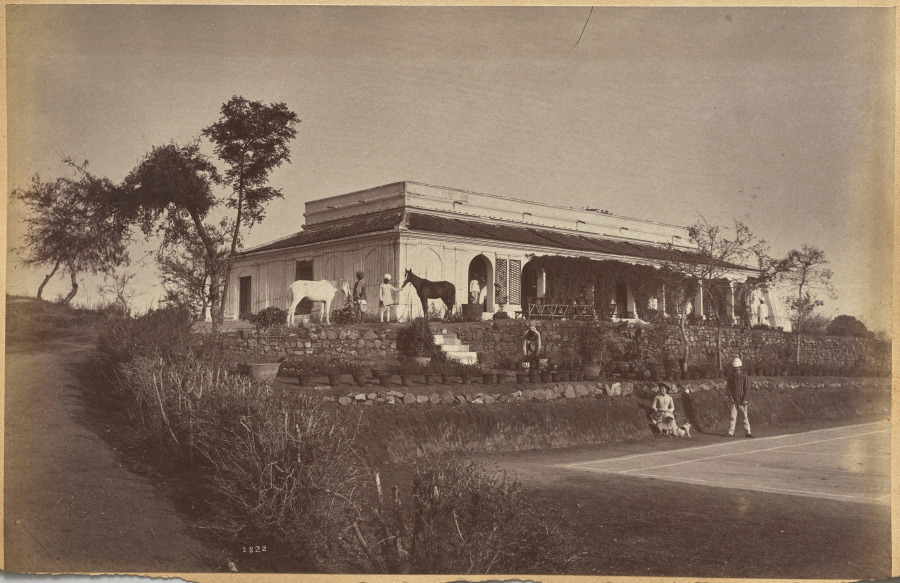
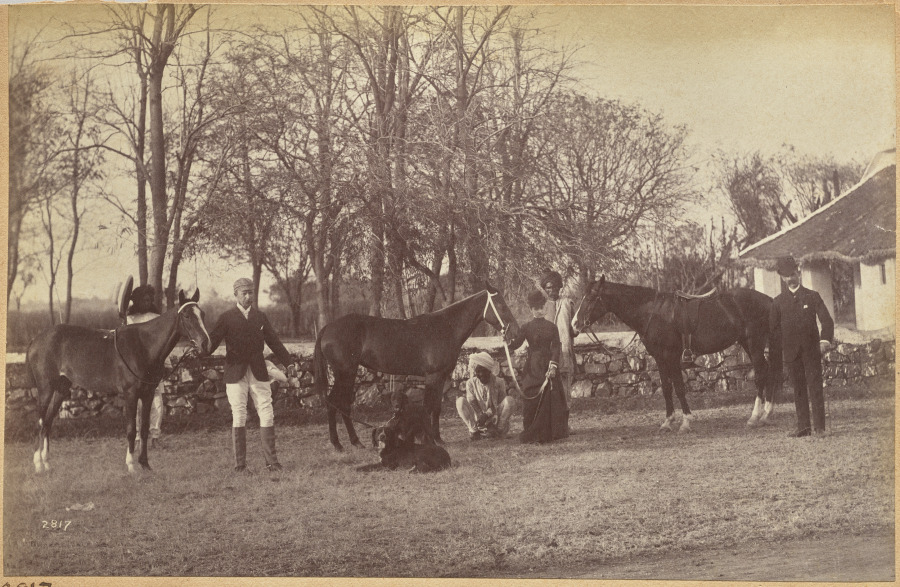
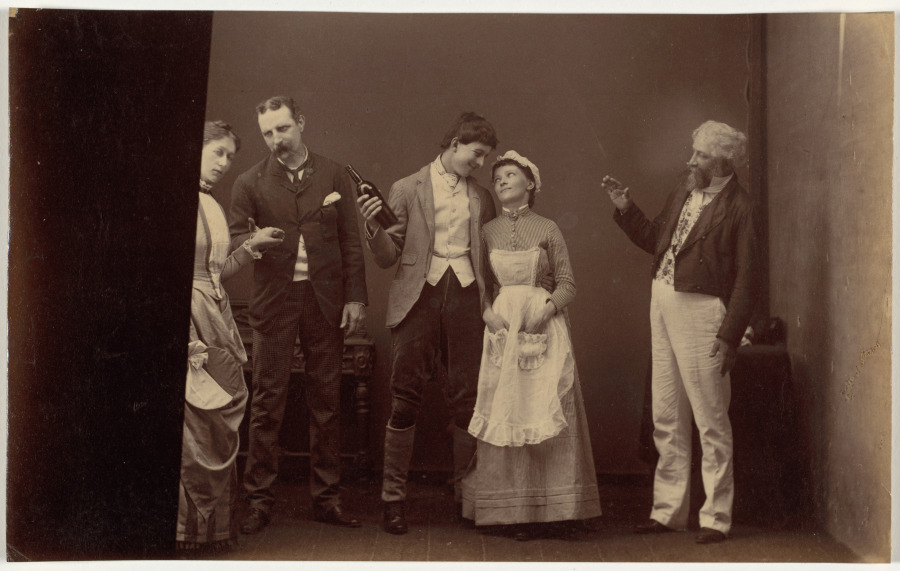
Untitled: (British soldiers, man on palequin, and indigenous workers); (ornate buildings, verso), 1870
The images they made were not innocent. They organized the world for audiences who needed to believe in the legitimacy of what their empires were doing. But they were also made by human beings with eyes and sensibilities and, in the best cases, genuine curiosity about the people and places before them. The collecting of colonial era art today requires holding both of these truths at once, which is perhaps why it generates such serious and necessary conversation.
The works on The Collection in this category are an invitation to look harder, and to think more carefully about what it means to see.