Samuel Bourne
1
Followers
Artist Spotlight
Samuel Bourne Brought the Himalayas Into Focus
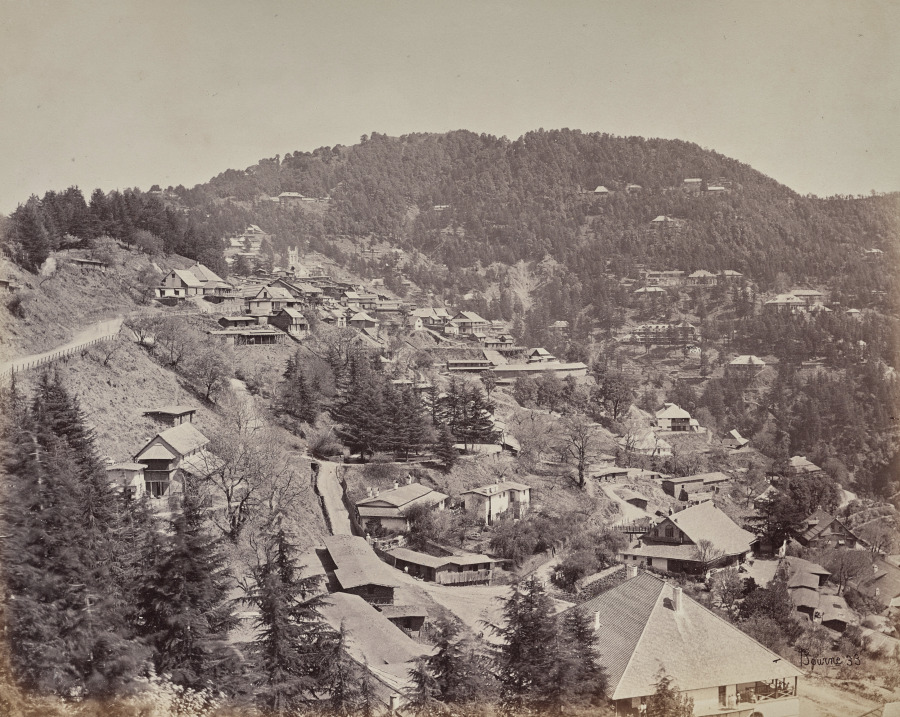
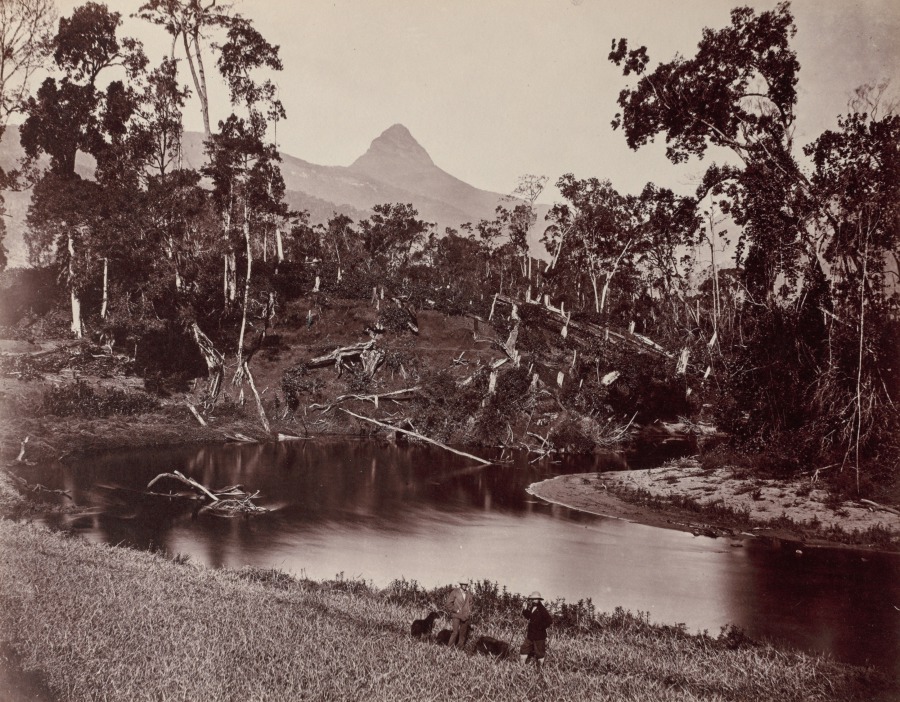
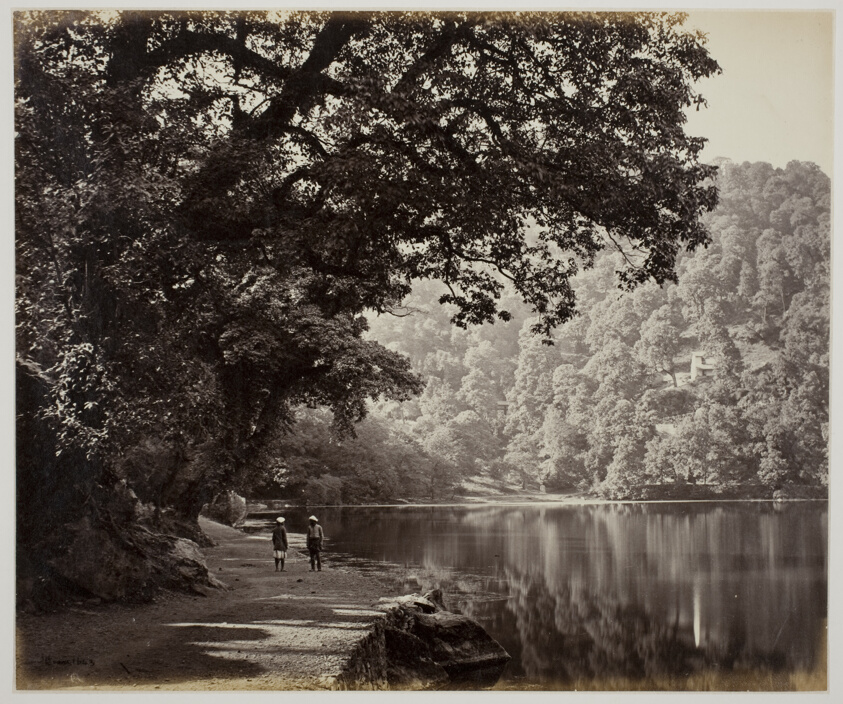
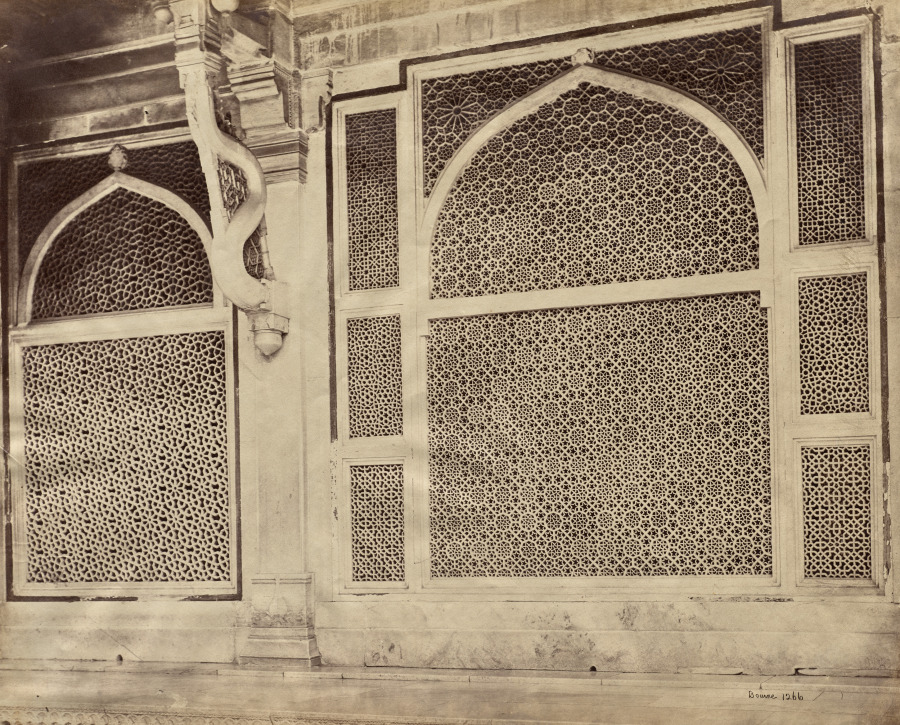
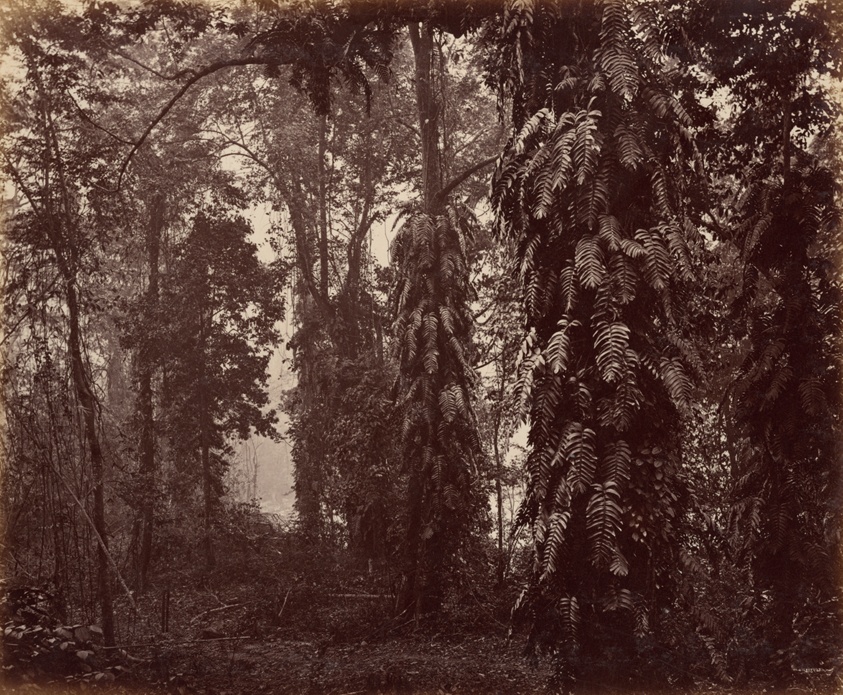
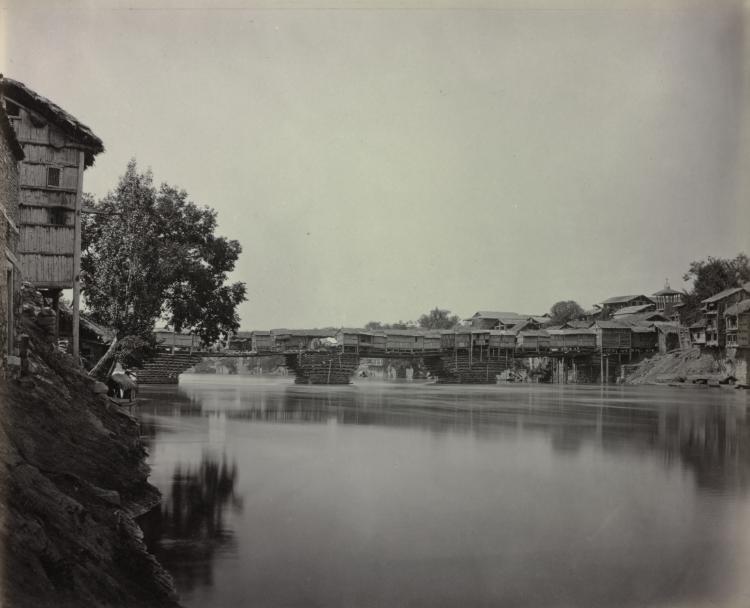
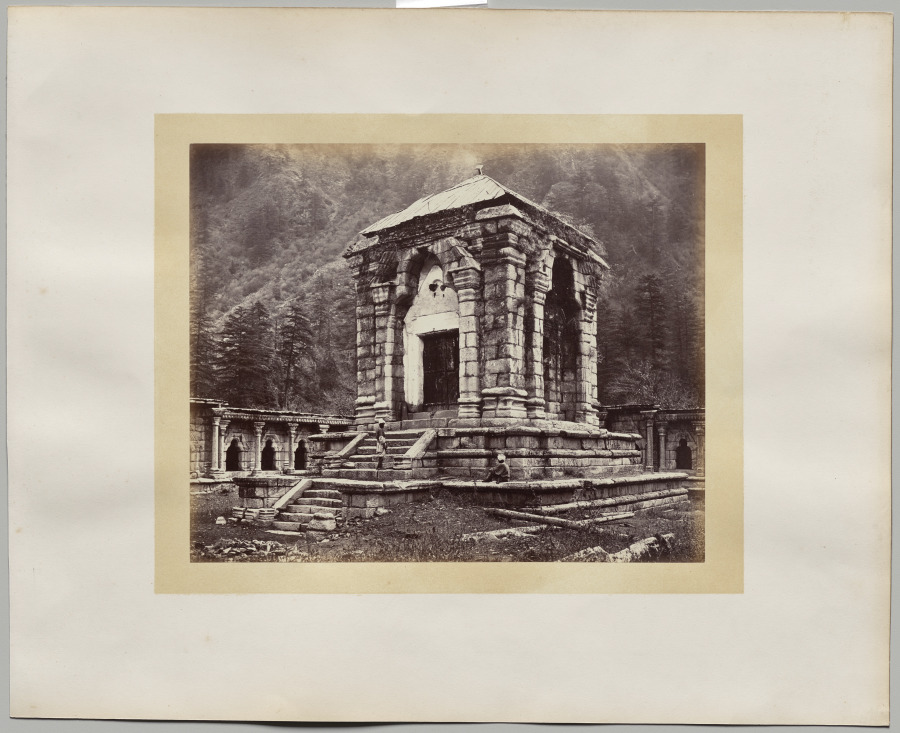
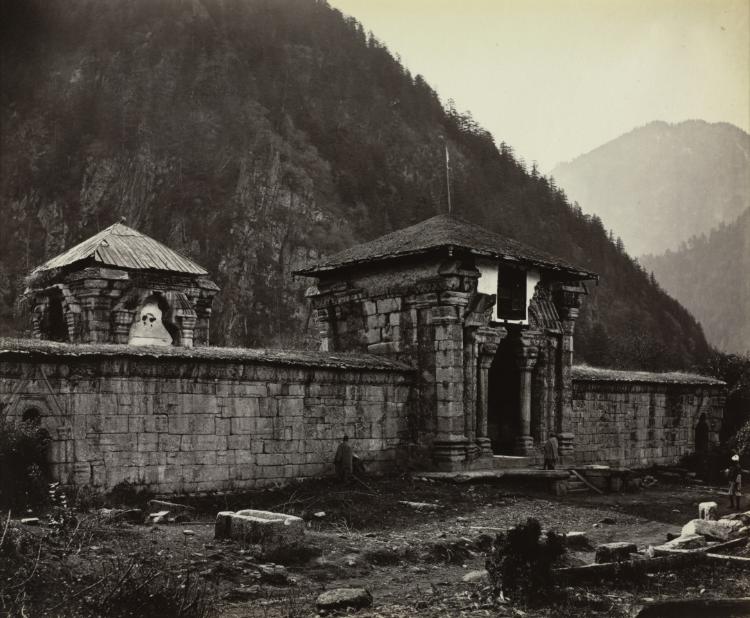
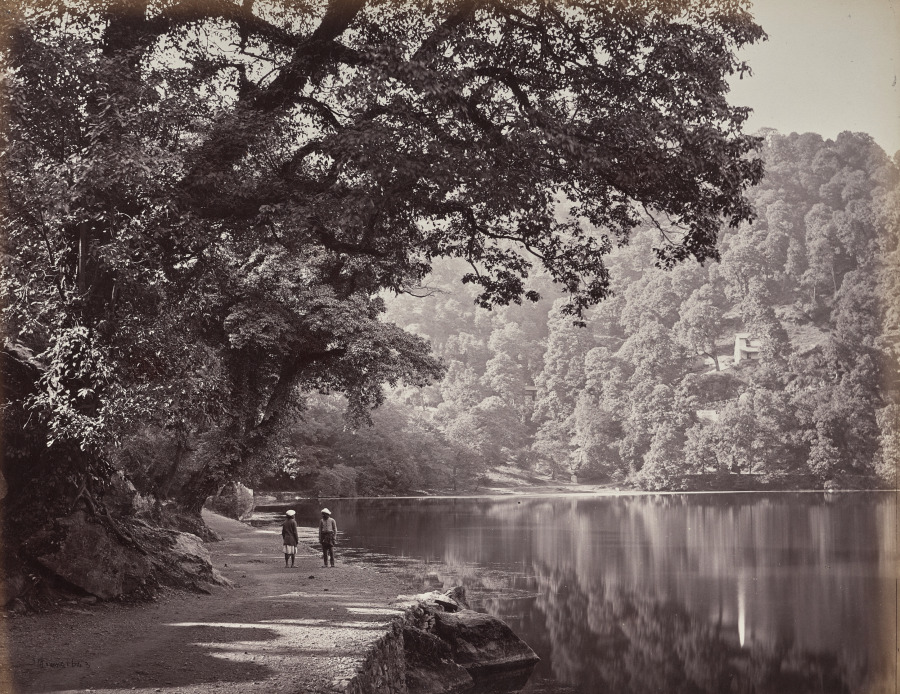
Picture the scene: Simla, 1866, and a young Englishman from Nottingham is directing a caravan of some six hundred porters up treacherous mountain passes, hauling cameras, glass plates, chemicals, and darkroom tents into terrain that had never been photographed. The temperatures are brutal, the logistics almost impossibly complicated, and the wet collodion process he relies upon demands that each glass negative be coated, exposed, and developed within minutes before the chemicals dry. Samuel Bourne is not deterred. He is on his third and most ambitious Himalayan expedition, pushing higher than… Continue reading
Artists in conversation
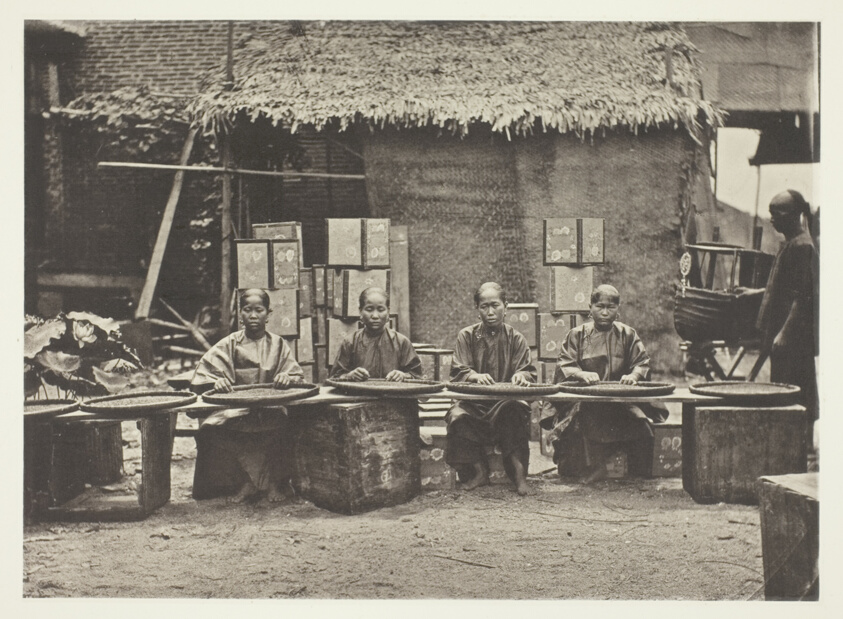
John Thomson
Thomson was a contemporaneous Victorian photographer who similarly documented distant landscapes and peoples in Asia using wet collodion and albumen print techniques. Both photographers combined rigorous documentary intent with a strong aesthetic sensibility in their travel photography.
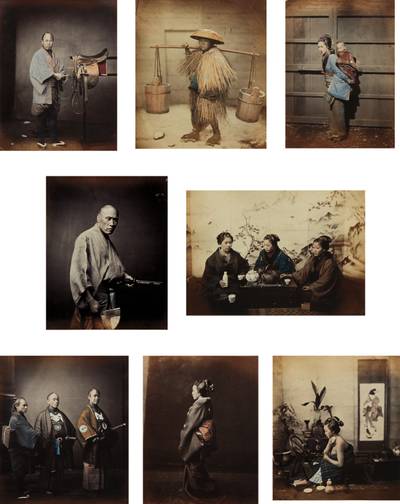
Felice Beato
Beato worked across Asia during the same era as Bourne, producing large format landscape and architectural photographs with comparable tonal qualities and documentary scope. Both photographers are regarded as foundational figures in 19th century travel and documentary photography in the East.
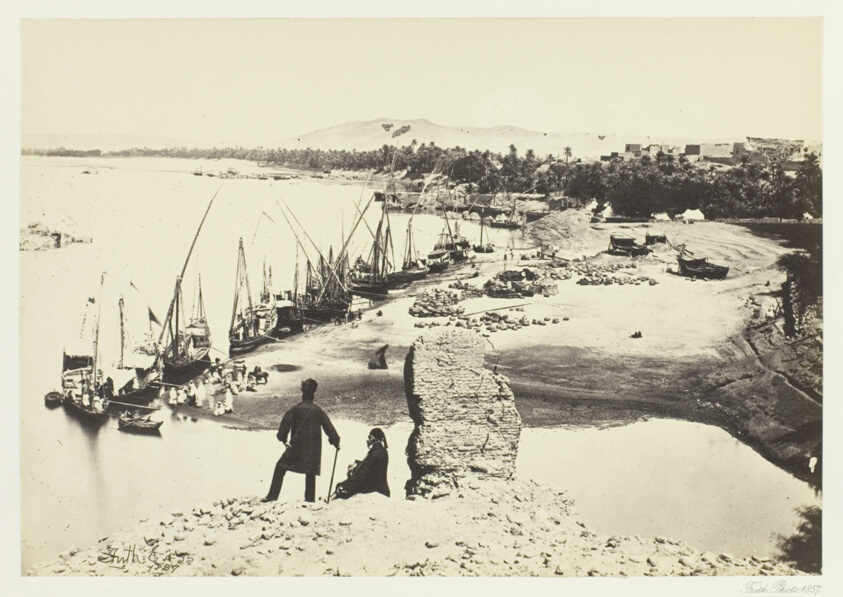
Francis Frith
Frith produced sweeping landscape and architectural photographs of Egypt and the Middle East using similar albumen printing processes and a comparable ambition to document remote scenic and historical sites. Like Bourne he worked under extreme field conditions to capture monumental landscapes for a British audience.
Artists who inspired them
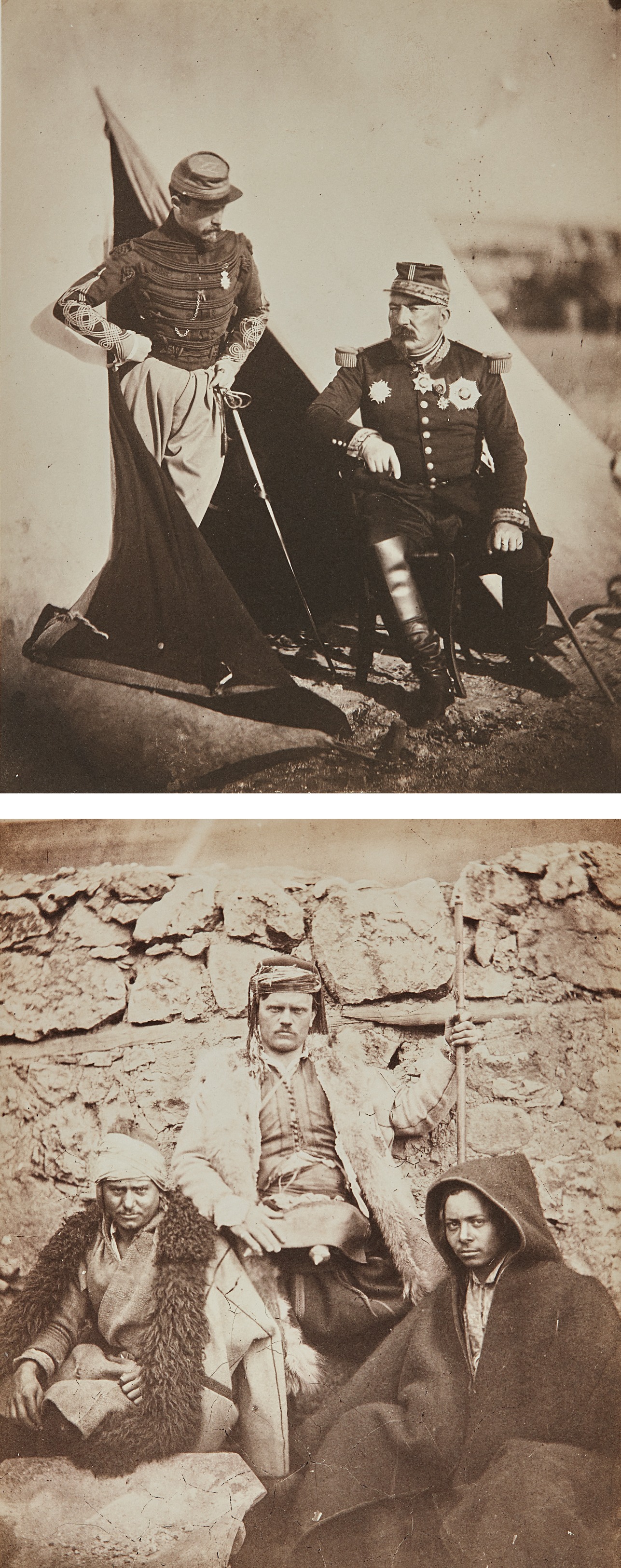
Roger Fenton
Fenton was among the most celebrated British photographers of the generation before Bourne and established rigorous standards for landscape and documentary photography that Bourne admired and sought to emulate. His technical mastery and artistic ambition in the field directly shaped Bourne's own approach to outdoor photography.
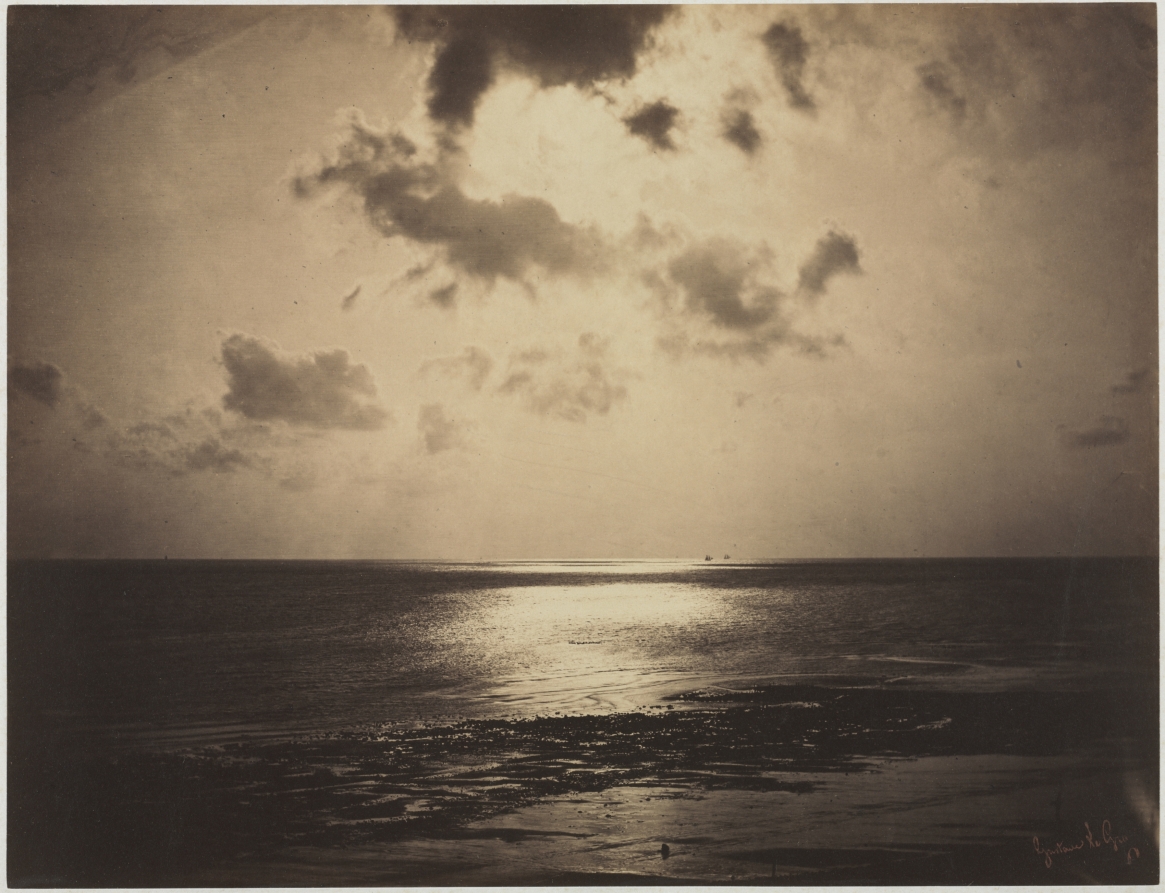
Gustave Le Gray
Le Gray's innovations in wet collodion technique and his commanding large format landscape compositions were widely studied by serious photographers of Bourne's era. His approach to capturing sky and terrain with dramatic tonal range influenced how Bourne conceived his Himalayan scenic work.
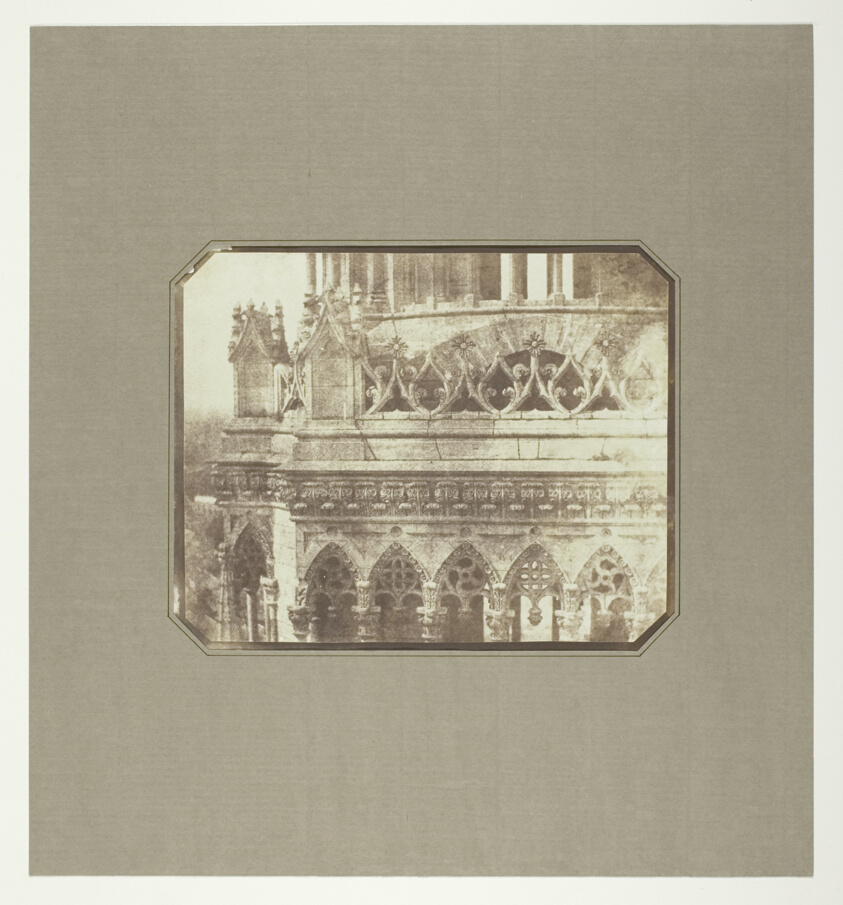
William Henry Fox Talbot
Fox Talbot's foundational contributions to photographic chemistry and his early landscape studies established the conceptual and technical groundwork on which photographers like Bourne built their practice. Bourne acknowledged the pioneers of British photography as essential to his own development as an artist.