Expressionism
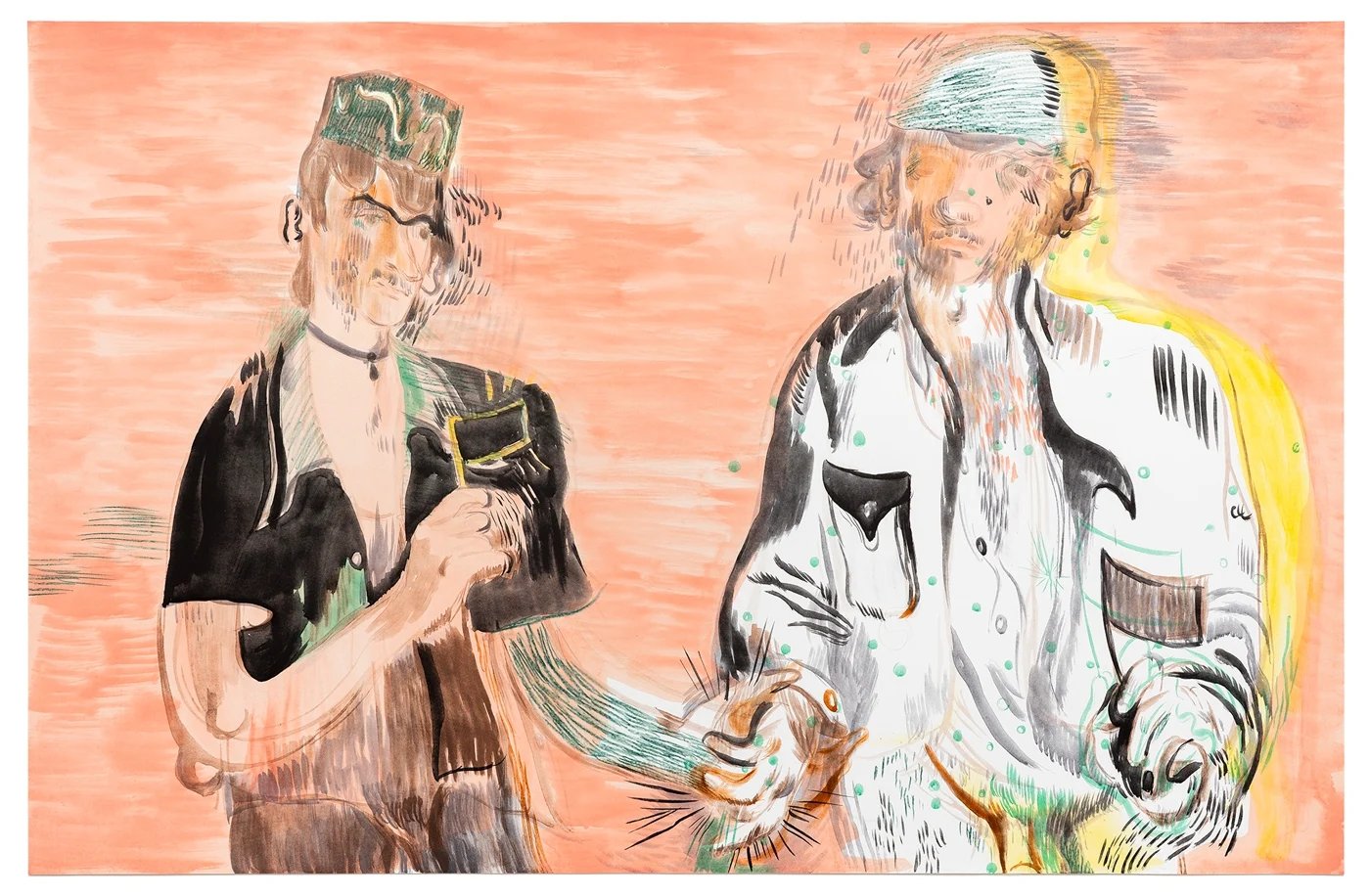
Mario Joyce
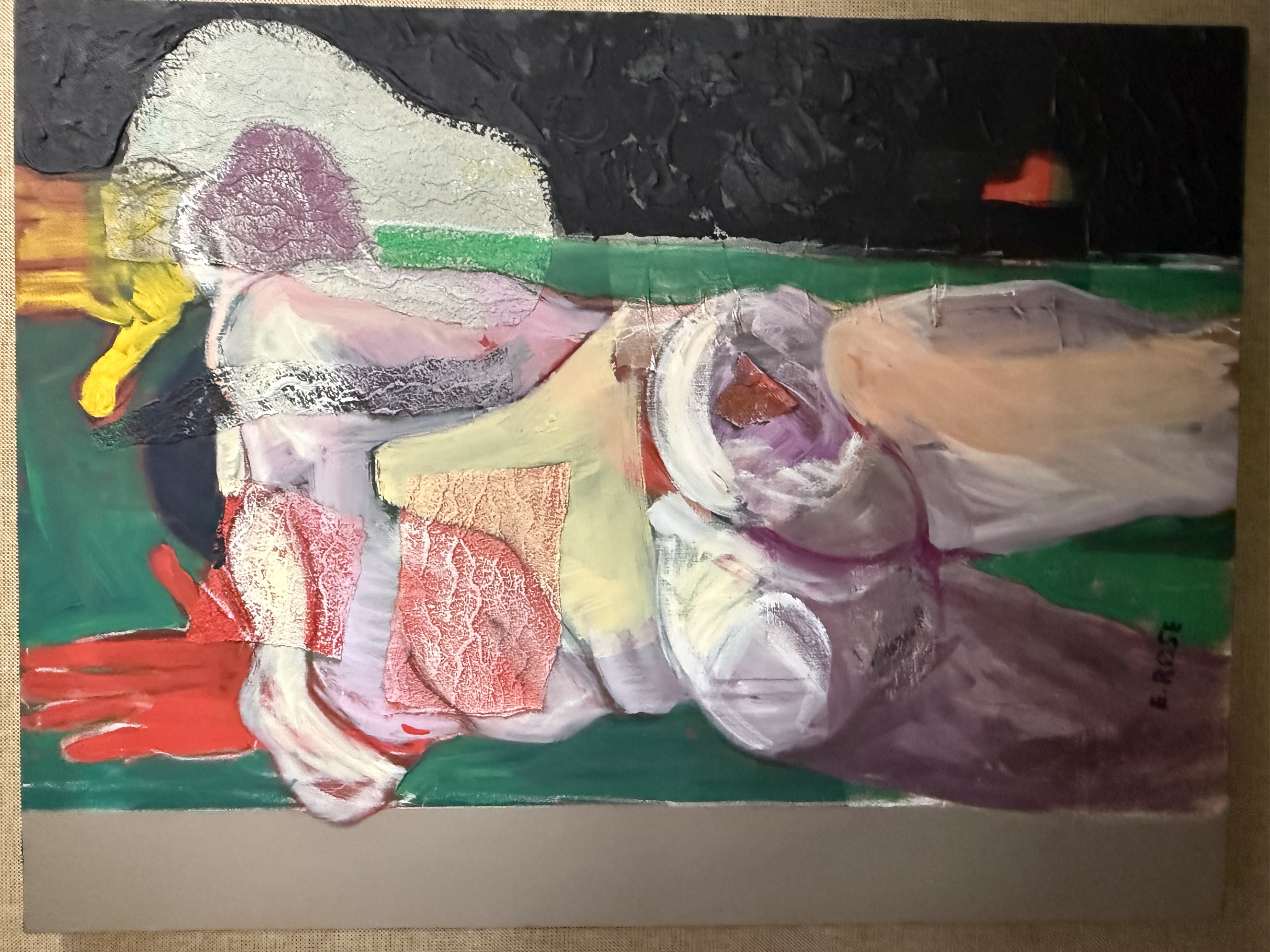
My Tears Are Full Of Eyes, 2025
The Scream Never Really Stopped Screaming
When Francis Bacon's triptych "Three Studies of Lucian Freud" sold at Christie's New York in 2013 for just over $142 million, it reset more than a price record. It announced something the art world had been quietly sensing for years: that the expressionist tradition, far from being a settled chapter in art history, was the most financially and critically alive conversation in the room. The sale positioned raw psychological portraiture at the apex of the market, and the ripple effects are still being felt in auction rooms and museum wings alike. Bacon, whose works are among the most extensively represented on The Collection, remains the movement's undisputed market heavyweight.
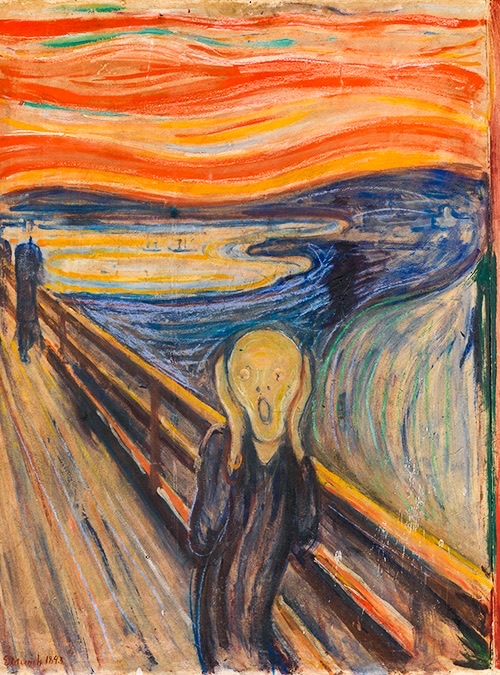
The genealogy of expressionism stretches back to the anxious northern European sensibility of the late nineteenth century, and Edvard Munch is where most serious collectors begin their thinking. His influence saturates the movement so completely that it can be difficult to see where his legacy ends and the broader tradition begins. Recent retrospectives, including the National Museum in Oslo's landmark 2022 survey coinciding with the reopening of Norway's national gallery, reframed Munch not as a historical figure but as a genuinely contemporary force. The show drew enormous attendance and renewed serious critical attention to works that had become so iconically familiar that their actual strangeness had been temporarily forgotten.
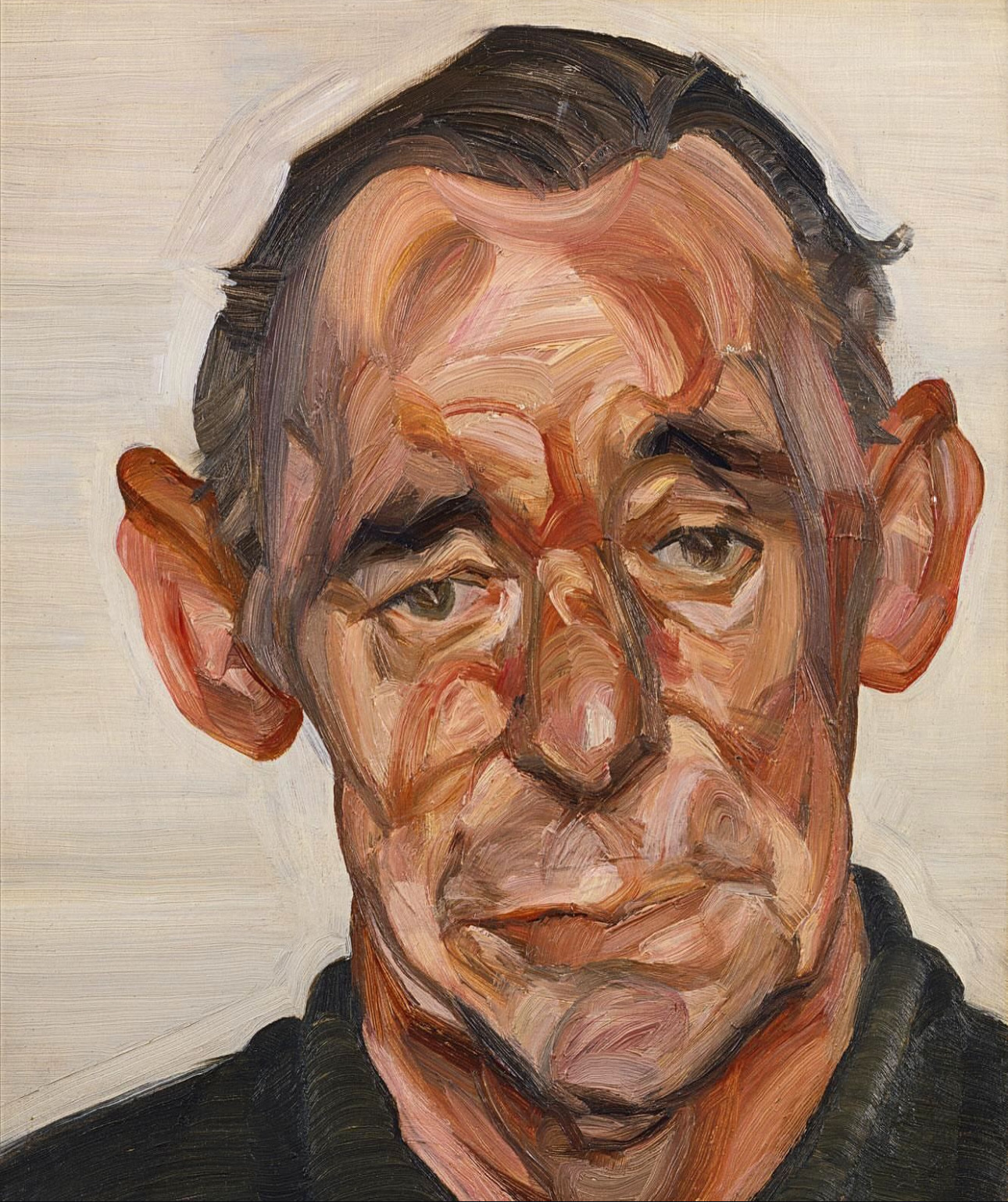
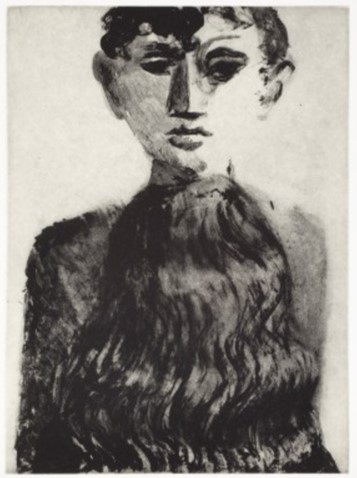
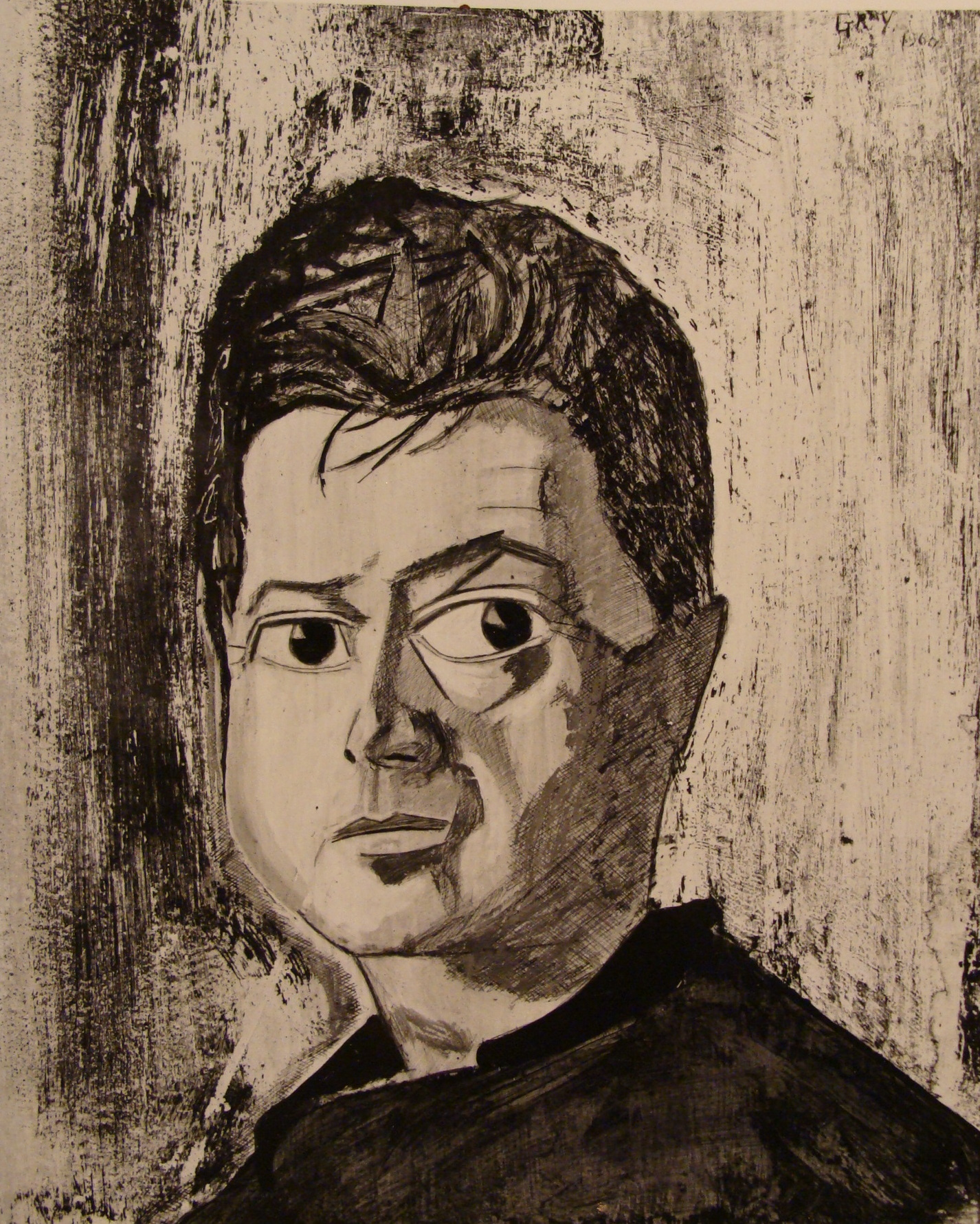
Lucian Freud
John Deakin, 1964
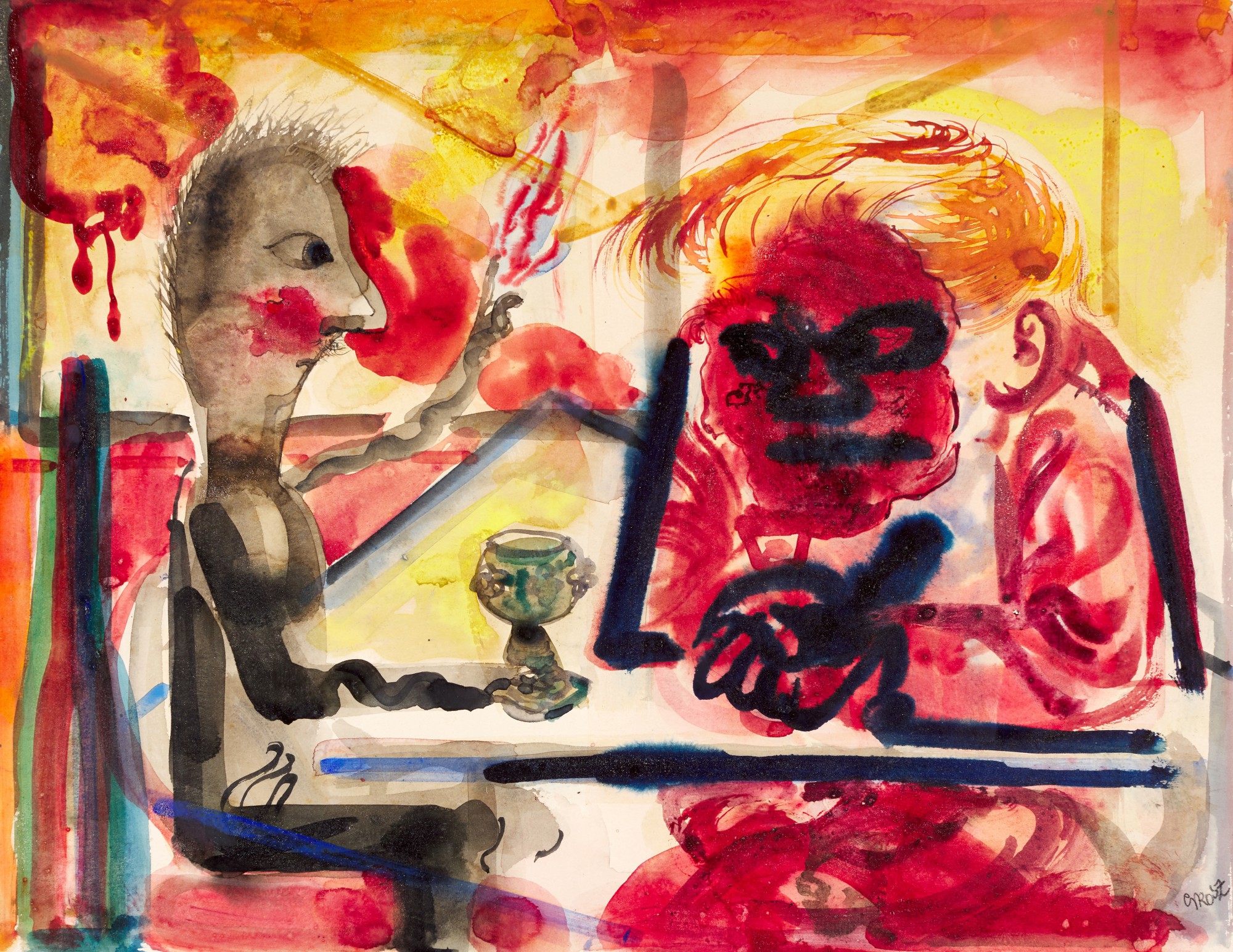
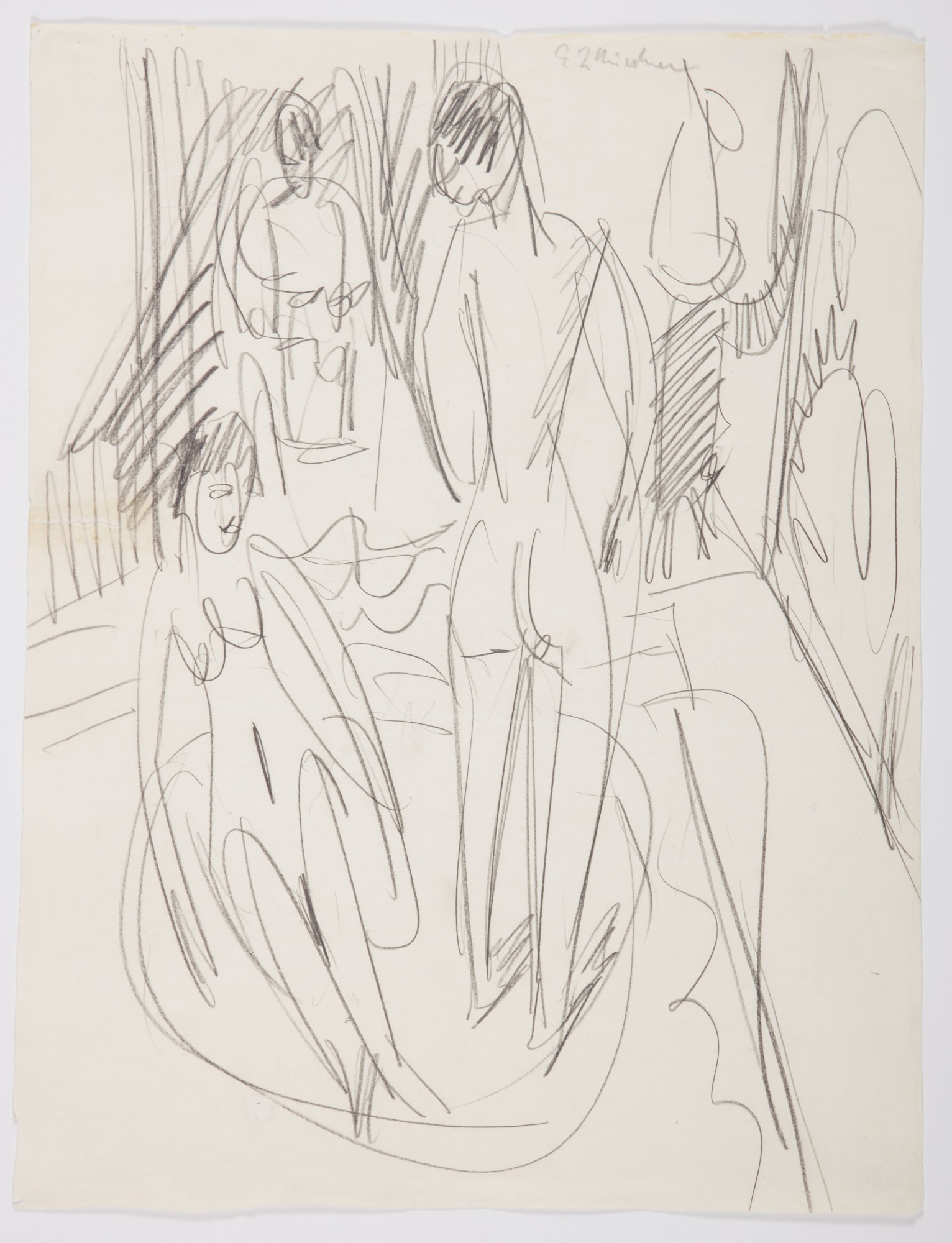
The German Expressionist thread, running through Ernst Ludwig Kirchner, Emil Nolde, Max Pechstein, and Max Beckmann, has been the subject of sustained institutional reckoning over the past decade, and not only for aesthetic reasons. Questions of provenance, of works seized from German museums during the Nazi era and scattered across the world, have made collecting in this space both morally complex and fiercely contested. The Gurlitt affair, which broke into public view in 2013 and continued to generate legal and ethical debate for years afterward, cast a long shadow over market activity while simultaneously intensifying scholarly and curatorial interest in the period. Institutions from the Neue Galerie in New York to the Städel Museum in Frankfurt have done serious work in this space, both in terms of restitution and in terms of fresh art historical thinking.
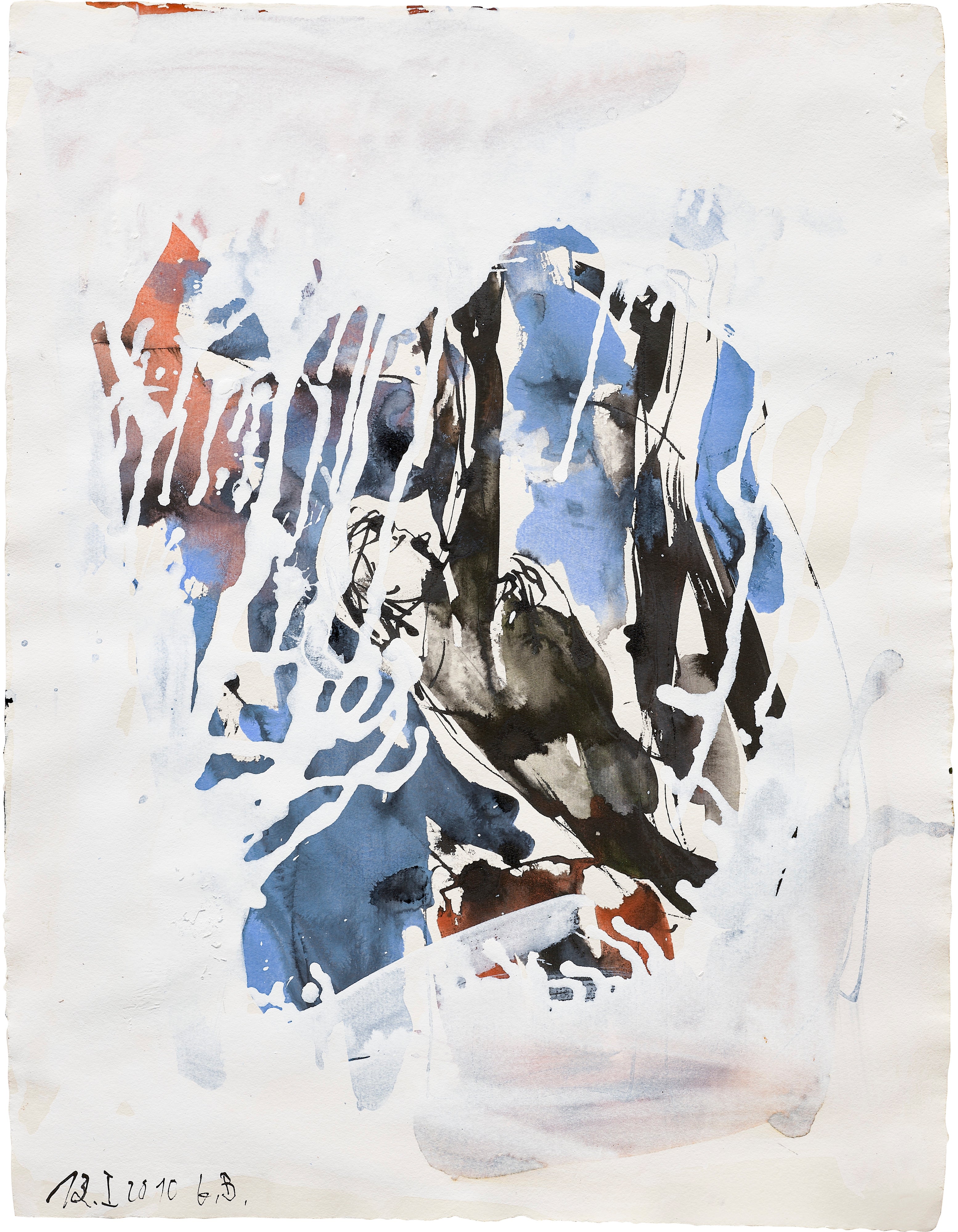
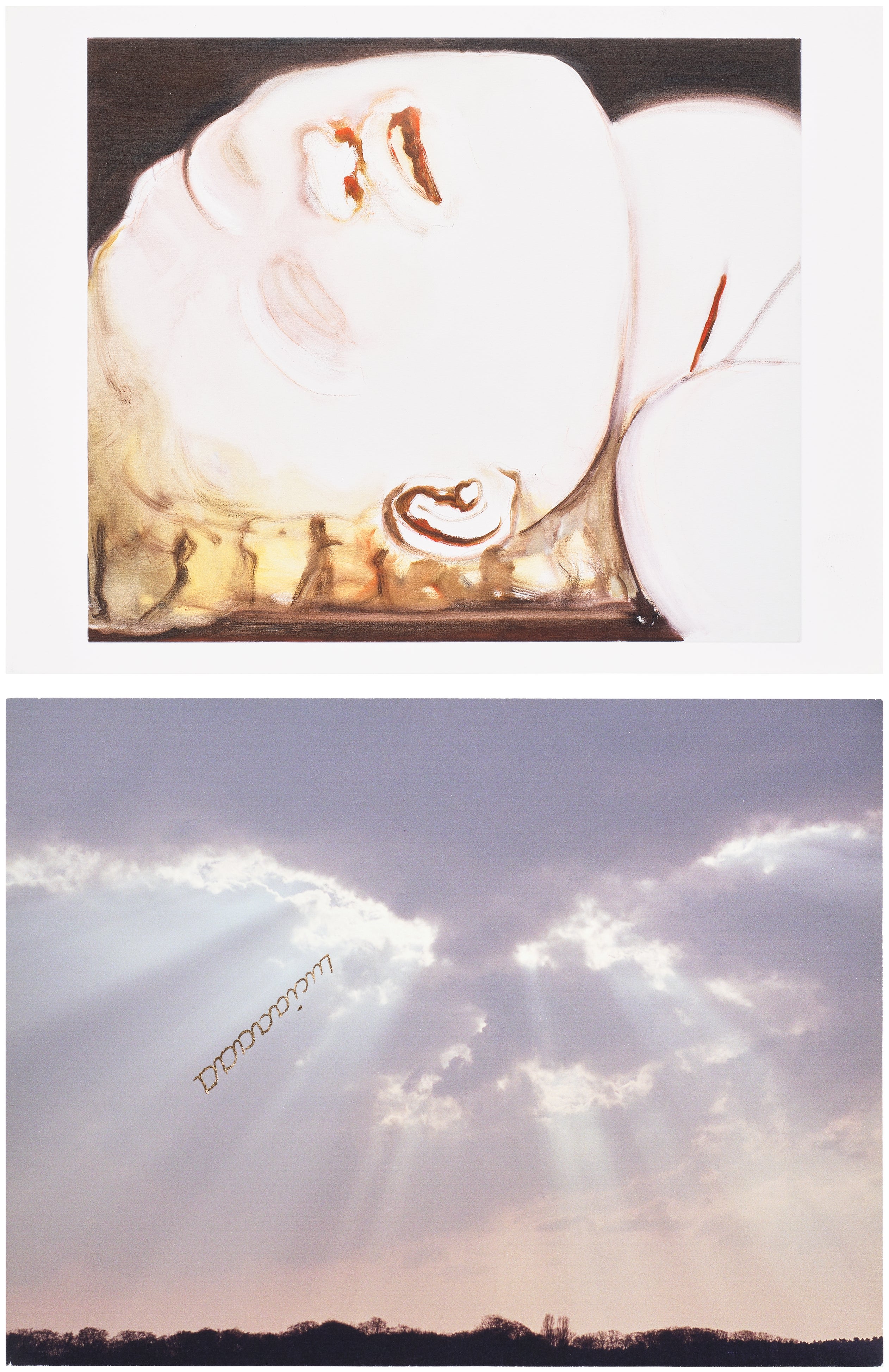
Georg Baselitz has remained one of the most market resilient figures in the post war expressionist tradition, with major retrospectives at the Guggenheim Bilbao and elsewhere reinforcing his canonical status just as younger collectors were beginning to engage seriously with his work. His decision to invert his figures, first made in 1969, still generates productive argument about what the gesture means, which is perhaps the surest sign of an artist who has not yet been fully domesticated by the museum wall label. Alongside Baselitz, Marlene Dumas has commanded extraordinary auction results in recent years, with her paintings of the human figure in extremis finding passionate buyers at Sotheby's and Christie's alike. Her 2015 retrospective at the Museum of Modern Art, titled "The Image as Burden," was one of the most genuinely discussed shows of that decade, and it significantly expanded her collector base in North America.
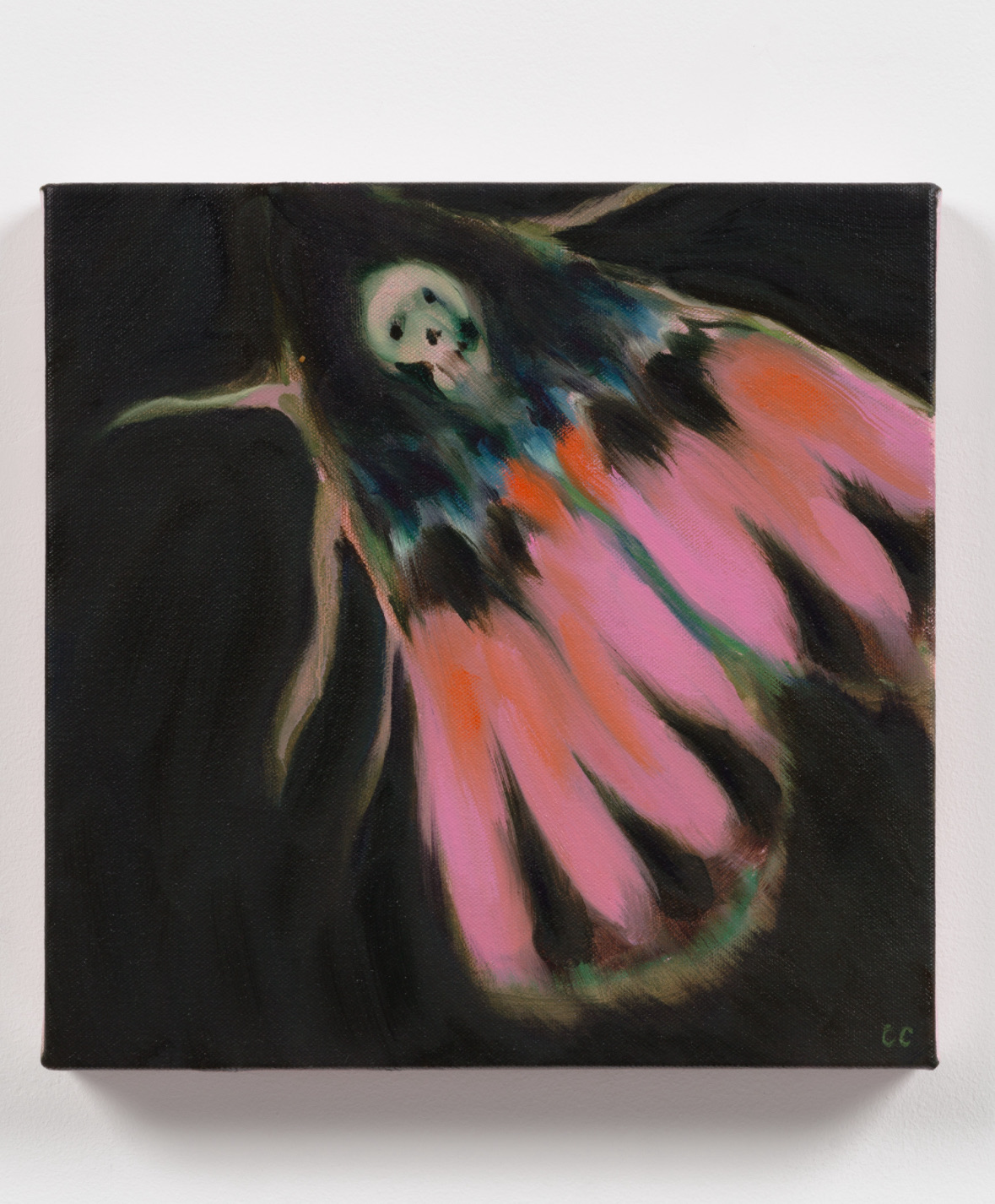
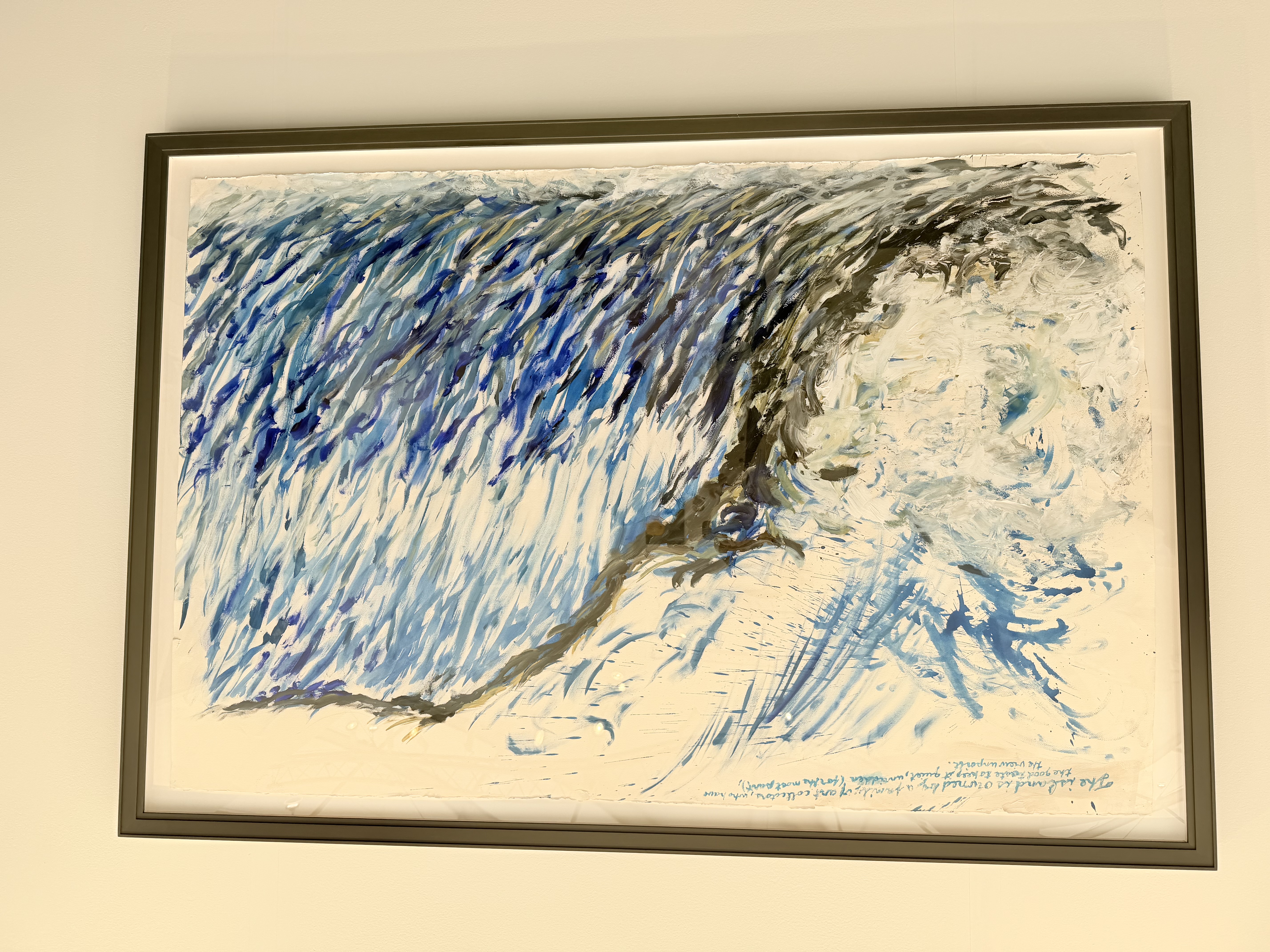
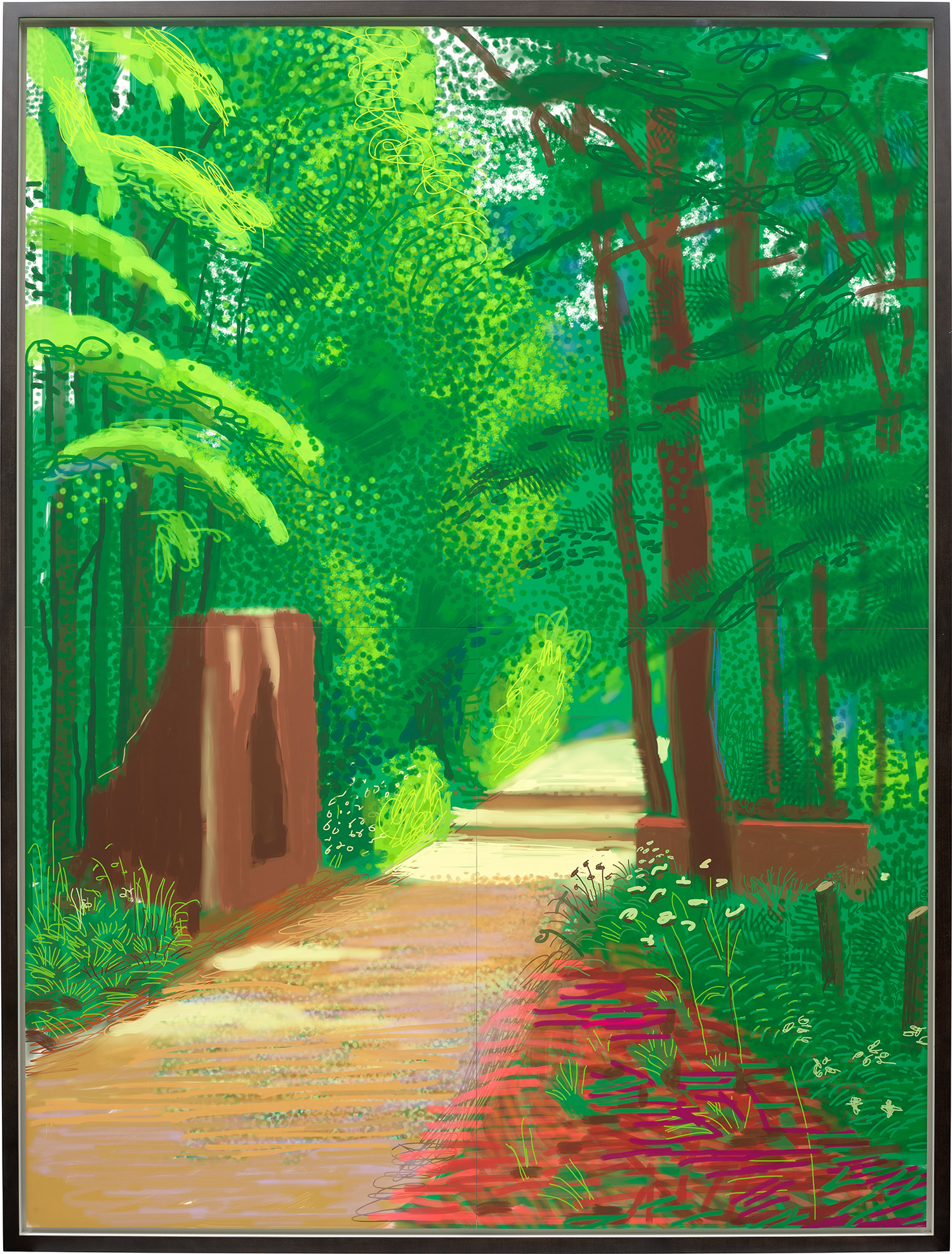
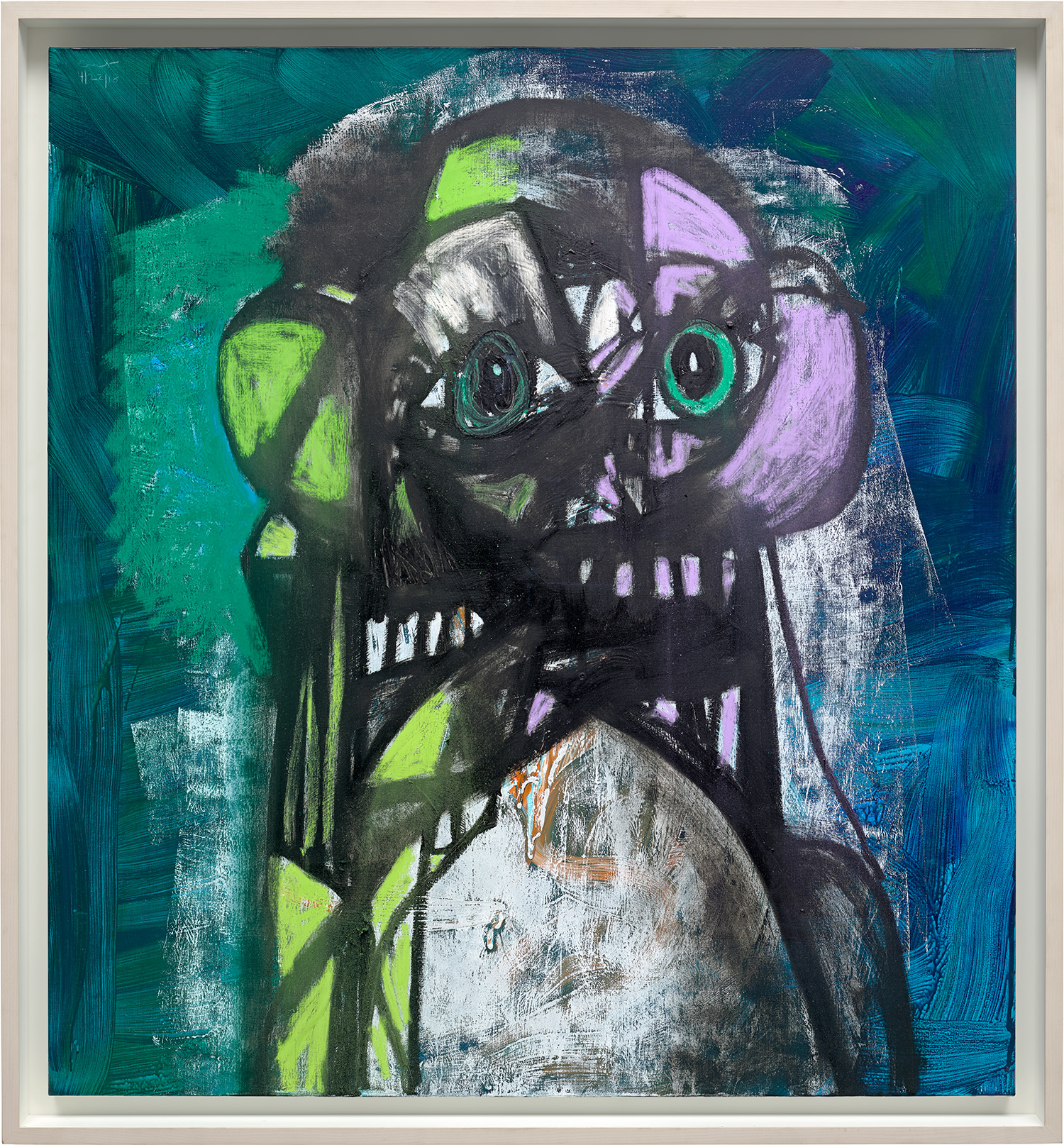
Cathleen Clark
Untitled
George Condo occupies a fascinatingly ambiguous position in the current market, drawing on the grotesque figuration of James Ensor and the psychological distortion of Chaïm Soutine while operating within a thoroughly contemporary idiom. His prices have climbed steadily, and serious collections assembled in the past fifteen years would look incomplete without him. Adrian Ghenie is arguably the most discussed younger figure in the expressionist lineage right now, his paintings mining the imagery of twentieth century European catastrophe through a visual language that owes debts to Bacon while arriving somewhere entirely his own. His auction results have surprised even optimistic market watchers, with works regularly exceeding presale estimates at major houses.
Both artists are well represented on The Collection, reflecting where sophisticated collecting energy has been flowing. The critical conversation around expressionism has been productively destabilized by curatorial voices insisting on a more geographically expansive understanding of the tradition. William Kentridge, whose work engages explicitly with the expressionist inheritance while rooting itself in the history of South Africa, has been the subject of major institutional surveys at the Jeu de Paume in Paris and the Museum of Modern Art in New York, among many others. His presence in any serious discussion of expressionism signals how thoroughly the critical establishment has moved away from a purely German and Austrian framing of the movement.
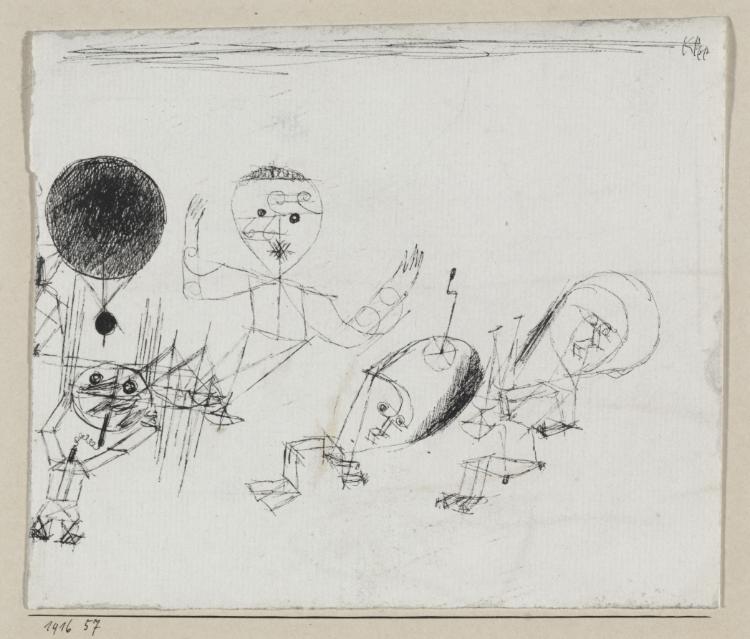
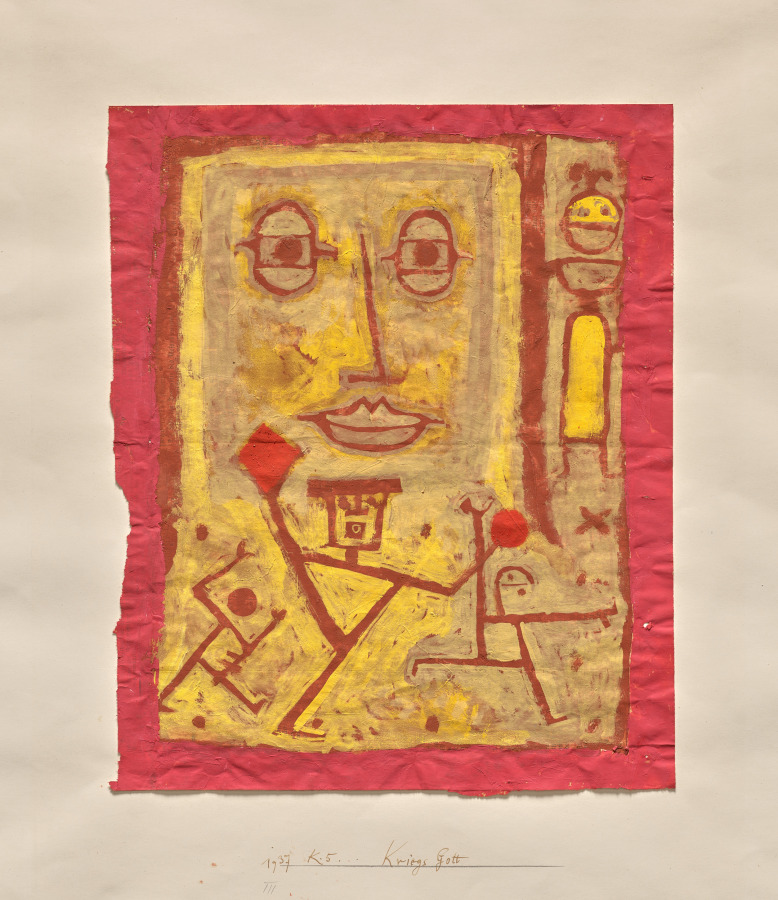
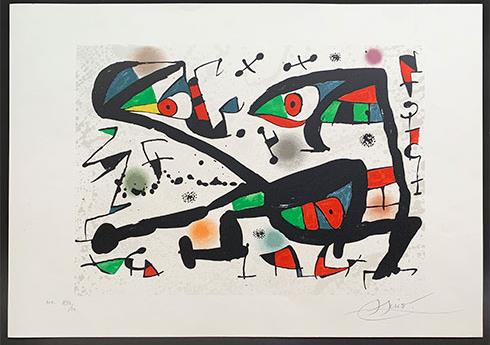
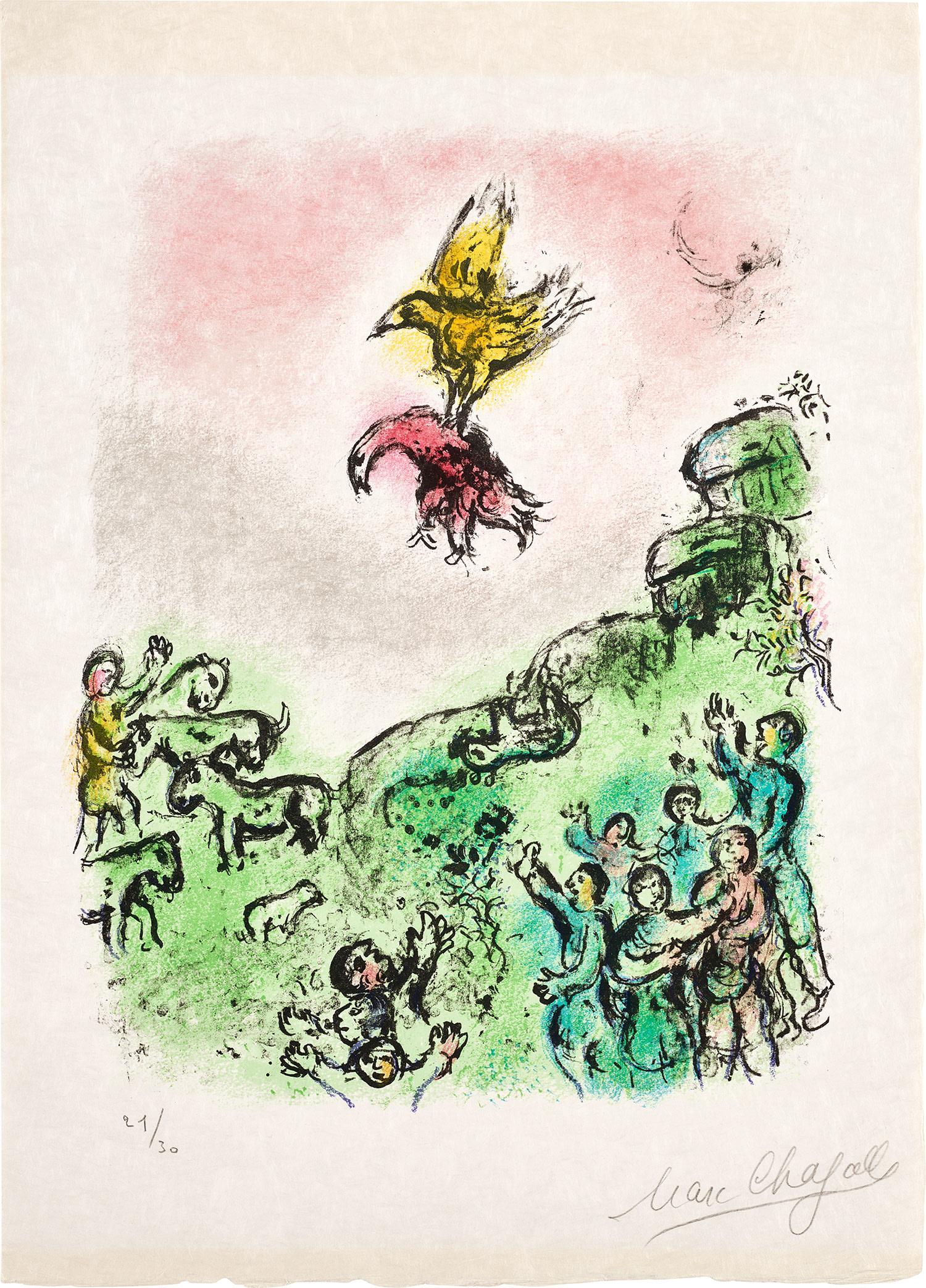
Paul Klee
With the Dot, 1916
Publications including Artforum, Burlington Magazine, and the catalogue essays produced by major auction houses have all contributed to this broadening, with writers like T.J. Clark and Griselda Pollock shaping how the figural tradition is understood across generations. Cecily Brown, whose paintings carry the nervous energy of de Kooning while maintaining an entirely personal relationship to the body and to paint itself, has seen her market ascend sharply.
Her inclusion in major international exhibitions and her representation in museum permanent collections signal that the market's enthusiasm is grounded in serious critical regard. Frank Auerbach, whose thick impastoed surfaces and decades long commitment to a small group of sitters and London landscapes represent one of the most sustained expressionist practices of the postwar era, continues to find passionate institutional and private support. The Tate's holdings and the attentiveness of the National Portrait Gallery to his work confirm that certain corners of the expressionist tradition still carry enormous prestige within the institutional world. Where does the energy feel most alive?
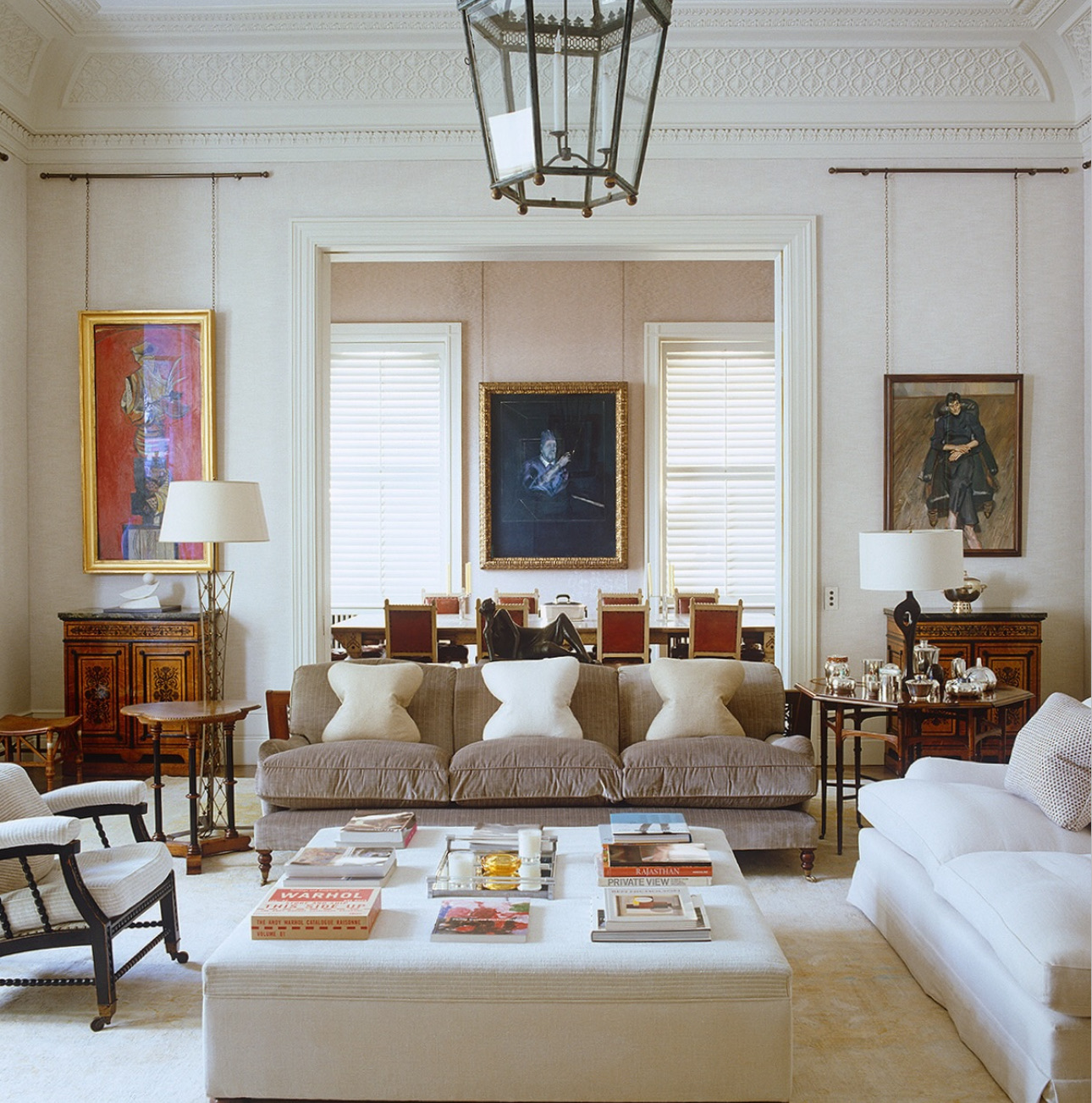
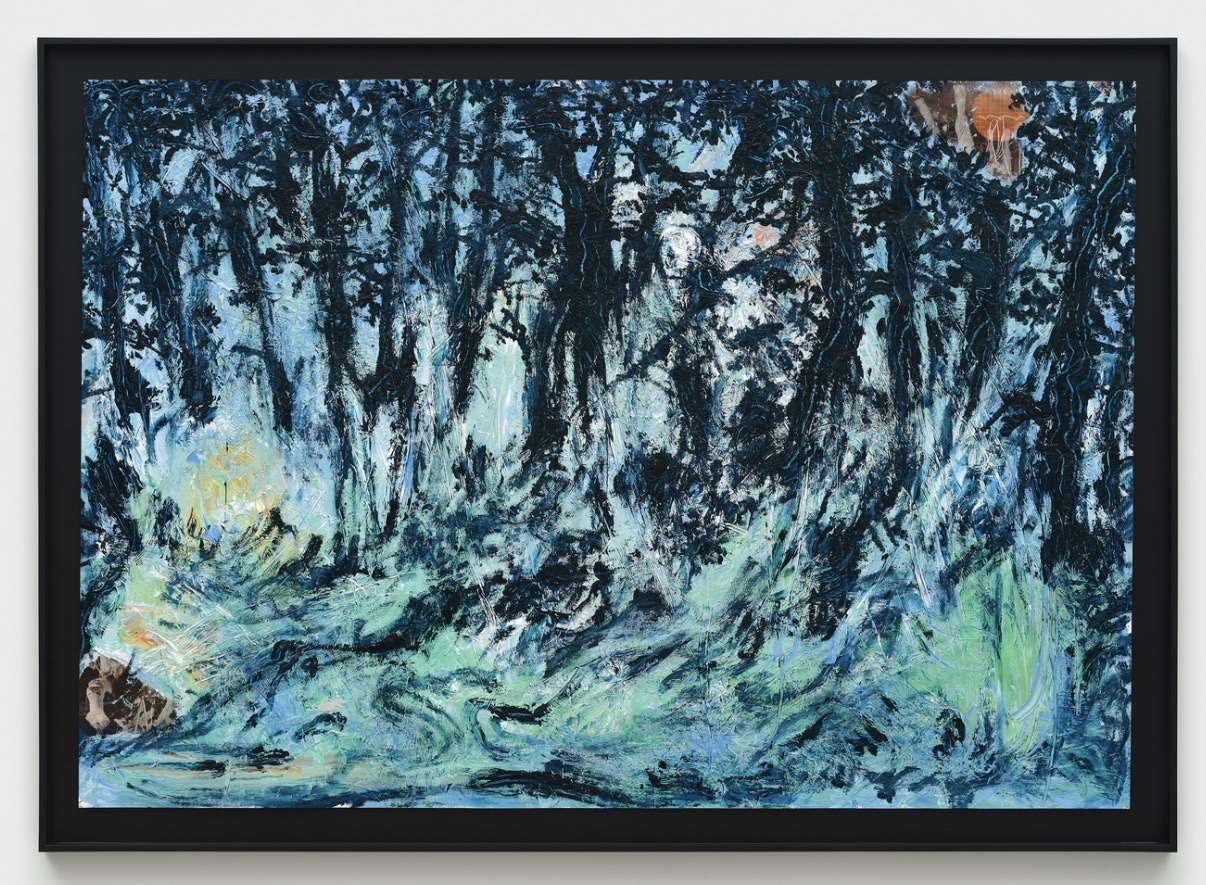
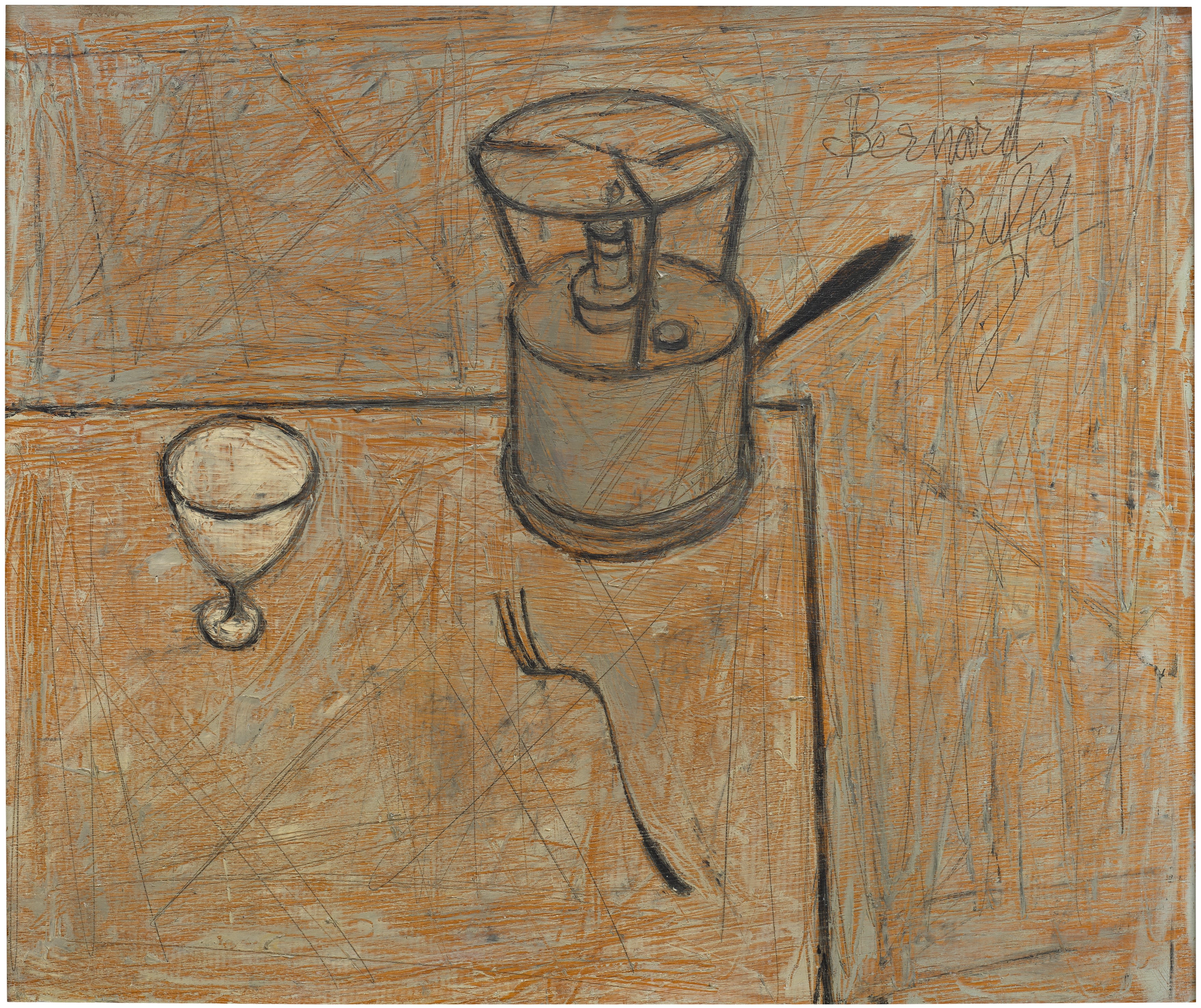
Francis Bacon
Untitled
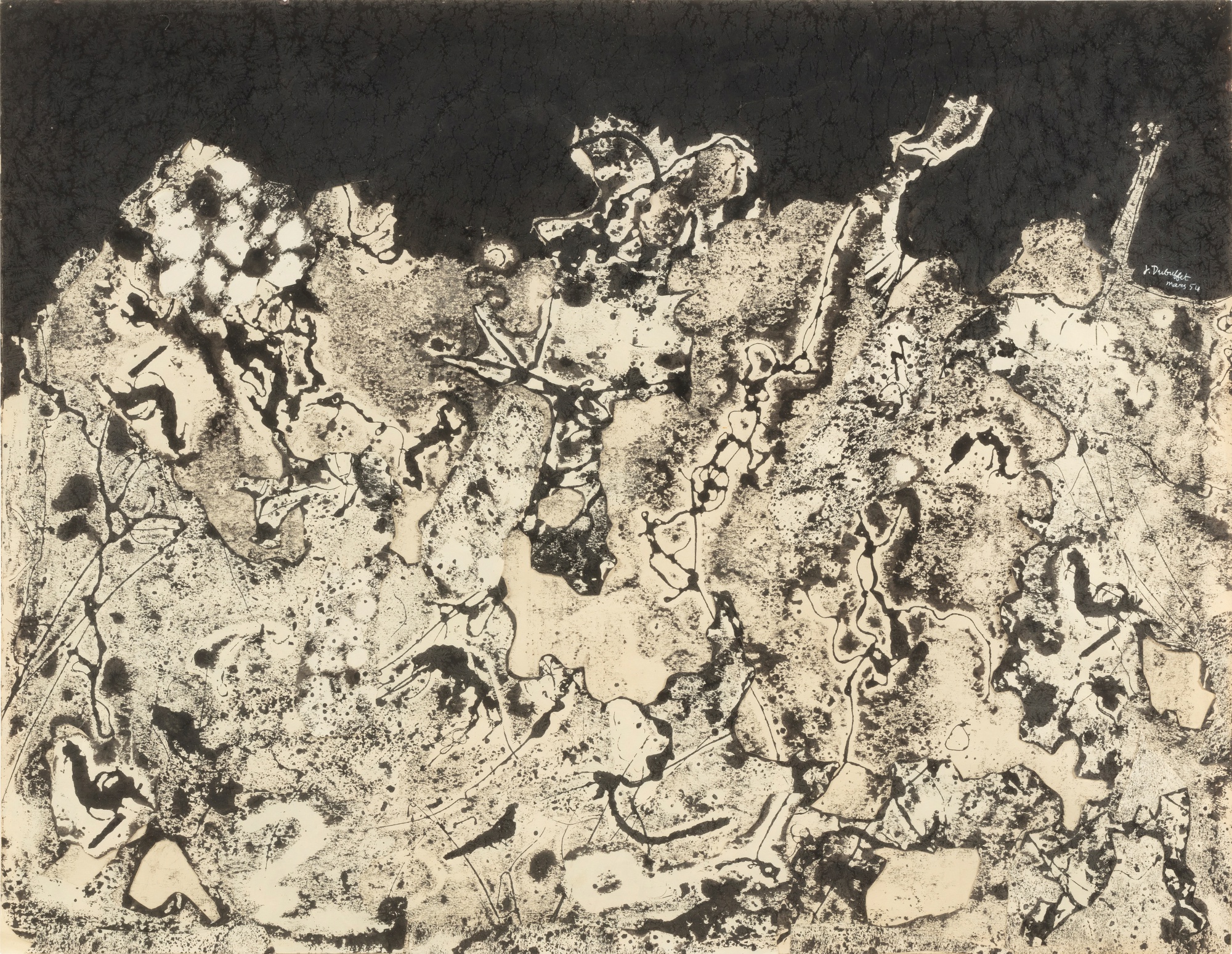
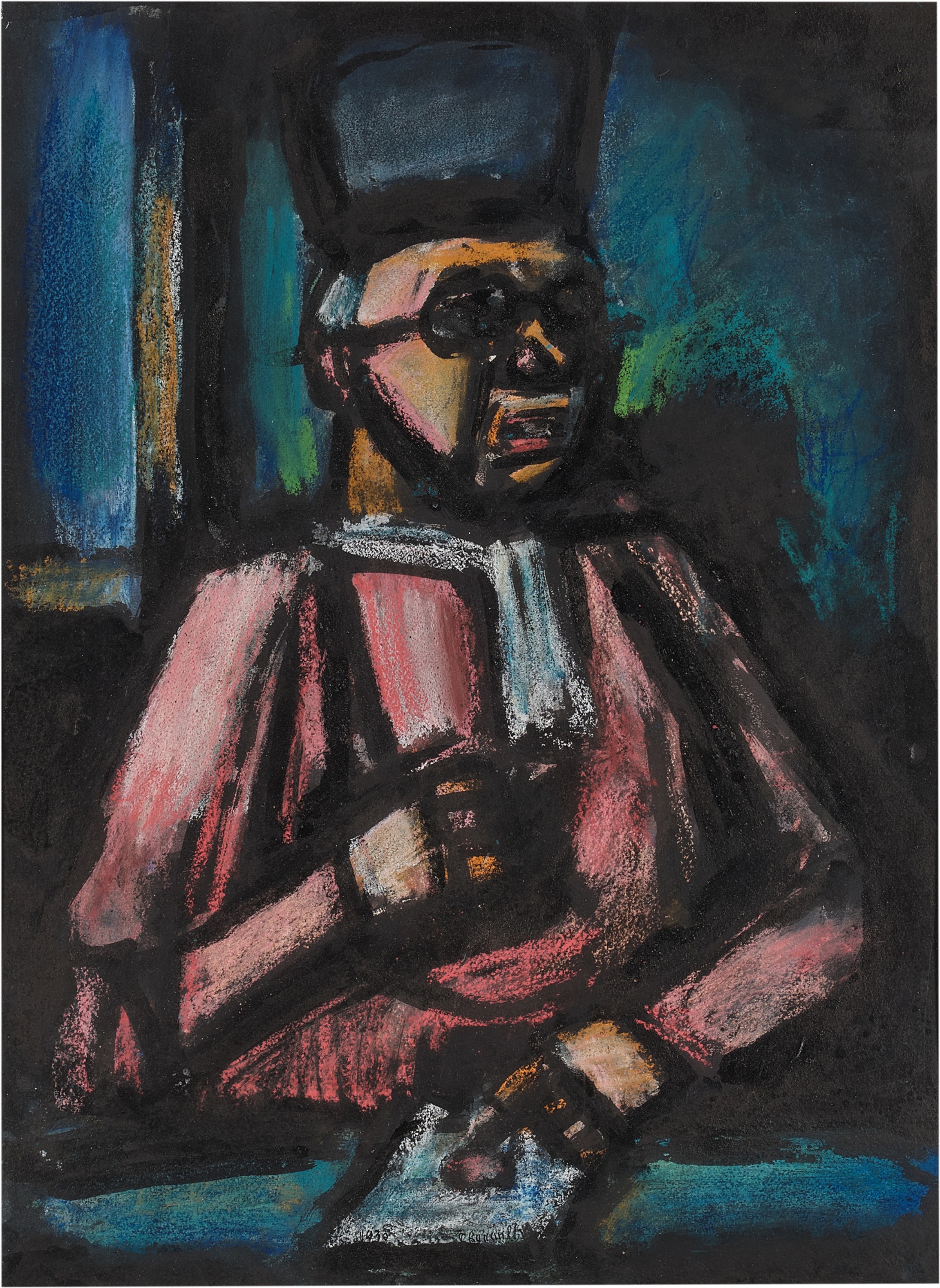
In the meeting point between the historical canon and artists who are engaging with that inheritance critically and personally rather than reverently. Jean Dubuffet's concept of art brut, the raw and unmediated, has filtered into how we look at painters like Karel Appel and even at Soutine retrospectively. The surprise coming is likely the renewed market and critical attention to figures who were known but not fully prized, artists like Georges Rouault and Alexej von Jawlensky, whose spiritual intensity feels newly relevant in a cultural moment hungry for sincerity. The scream that Munch painted in 1893 has never really resolved into silence.
The market, the institutions, and the critics are all still listening.