Felice Beato
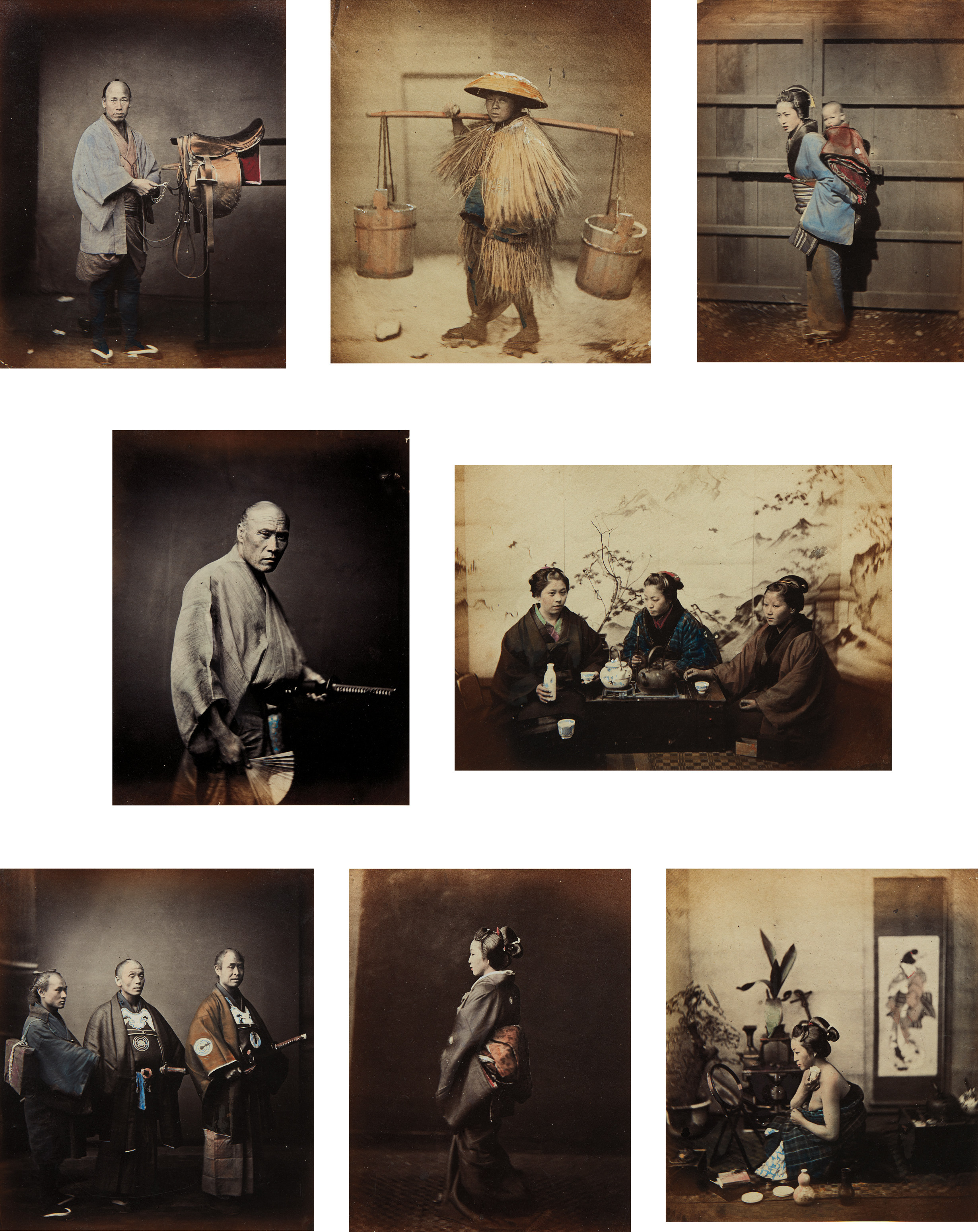
Felice Beato was a pioneering photographer of the 19th century, renowned for being one of the first photojournalists to document war and its aftermath. Born in Venice (then part of the Austrian Empire), Beato became a naturalized British subject and traveled extensively throughout Asia and the Mediterranean. He is best known for his groundbreaking photographs of the Second Opium War (1856-1860), the Indian Rebellion of 1857, and the Boshin War in Japan (1868-1869). His documentation of war was revolutionary, as he captured not only the aftermath of battles but also the human cost of conflict, producing some of the earliest photographs of war dead and destruction. Beato's work in Japan, where he lived from 1863 to 1877, represents some of his most celebrated achievements. He established a photographic studio in Yokohama and created an extensive body of work documenting Japanese culture, architecture, landscapes, and people during the final years of the Edo period and early Meiji era. His hand-colored albumen prints became highly sought after by Western tourists and collectors, offering a romanticized yet ethnographically valuable glimpse into Japanese society. These images influenced Western perceptions of Japan and contributed to the Japonisme movement in European art. Beato's technical mastery and artistic vision set him apart from his contemporaries. He employed large-format cameras and demonstrated exceptional skill in composition, lighting, and the challenges of exposure times that could extend to several minutes. His work bridged documentary photography and fine art, influencing subsequent generations of photojournalists and travel photographers. His photographs are now held in major museum collections worldwide, including the Metropolitan Museum of Art, the J. Paul Getty Museum, and the Victoria and Albert Museum, and are recognized as crucial historical documents of 19th-century Asia and the early development of photography as both an artistic and journalistic medium.
Artists in conversation
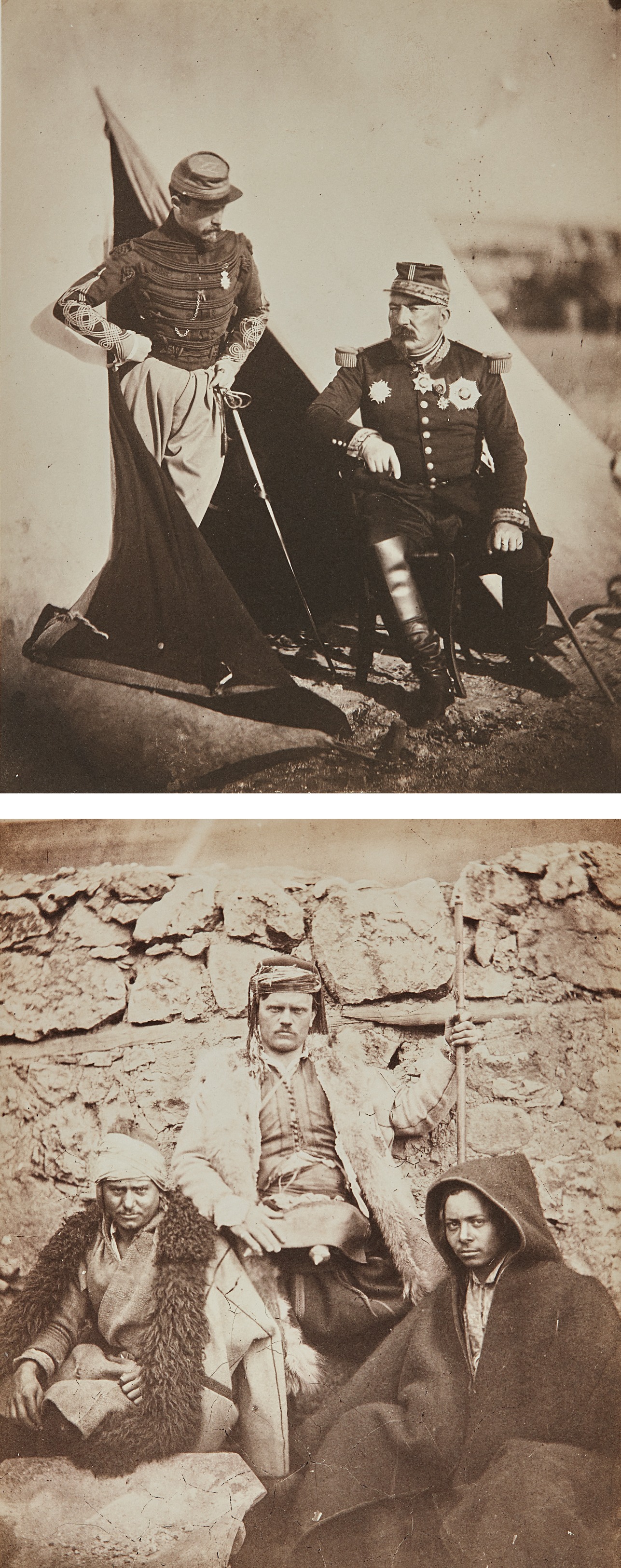
Roger Fenton
Fenton was a contemporary pioneer of war photography who documented the Crimean War using large format albumen prints, sharing Beato's commitment to on site documentary photography in conflict zones.
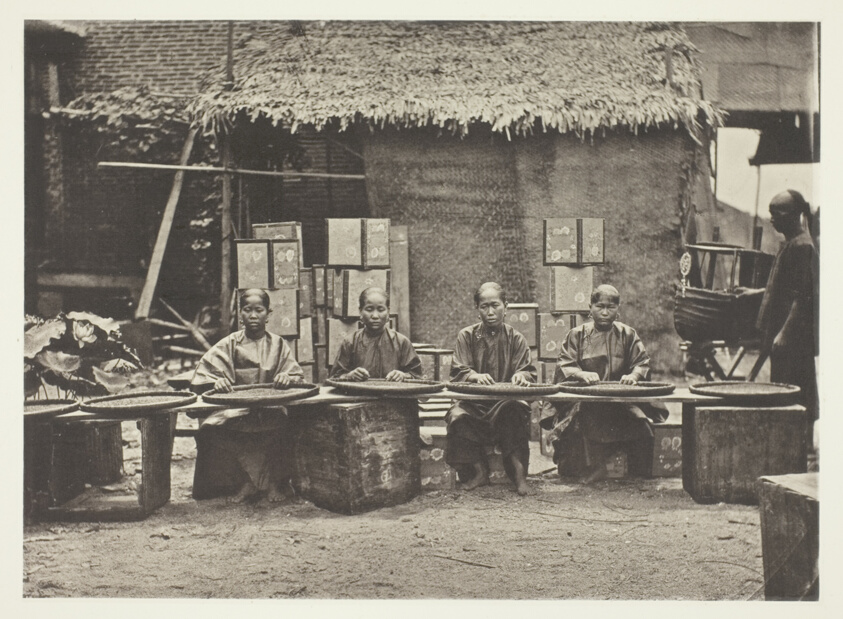
John Thomson
Thomson was a Victorian era documentary photographer who traveled extensively through Asia capturing ethnographic and landscape subjects using albumen print techniques closely aligned with Beato's approach.
Roger Fenton
Fenton's pioneering Crimean War photographs established the template for documentary war photography that Beato would directly build upon and dramatically expand in subsequent conflicts across Asia.
Artists who inspired them
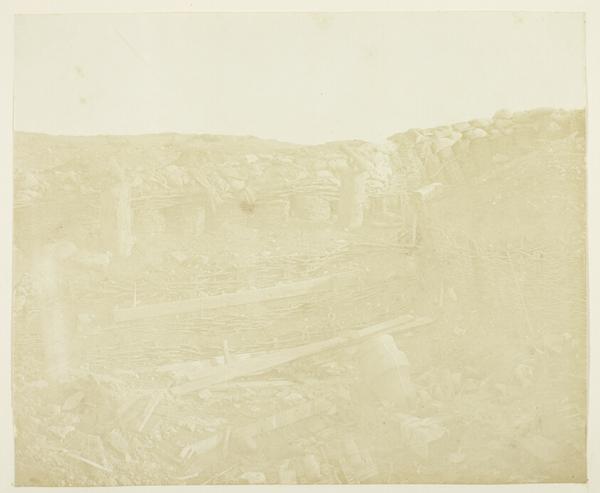
James Robertson
Robertson was Beato's brother in law and early professional collaborator who introduced him to documentary photography in the Mediterranean and Crimea, directly shaping Beato's photographic methods and subject matter.
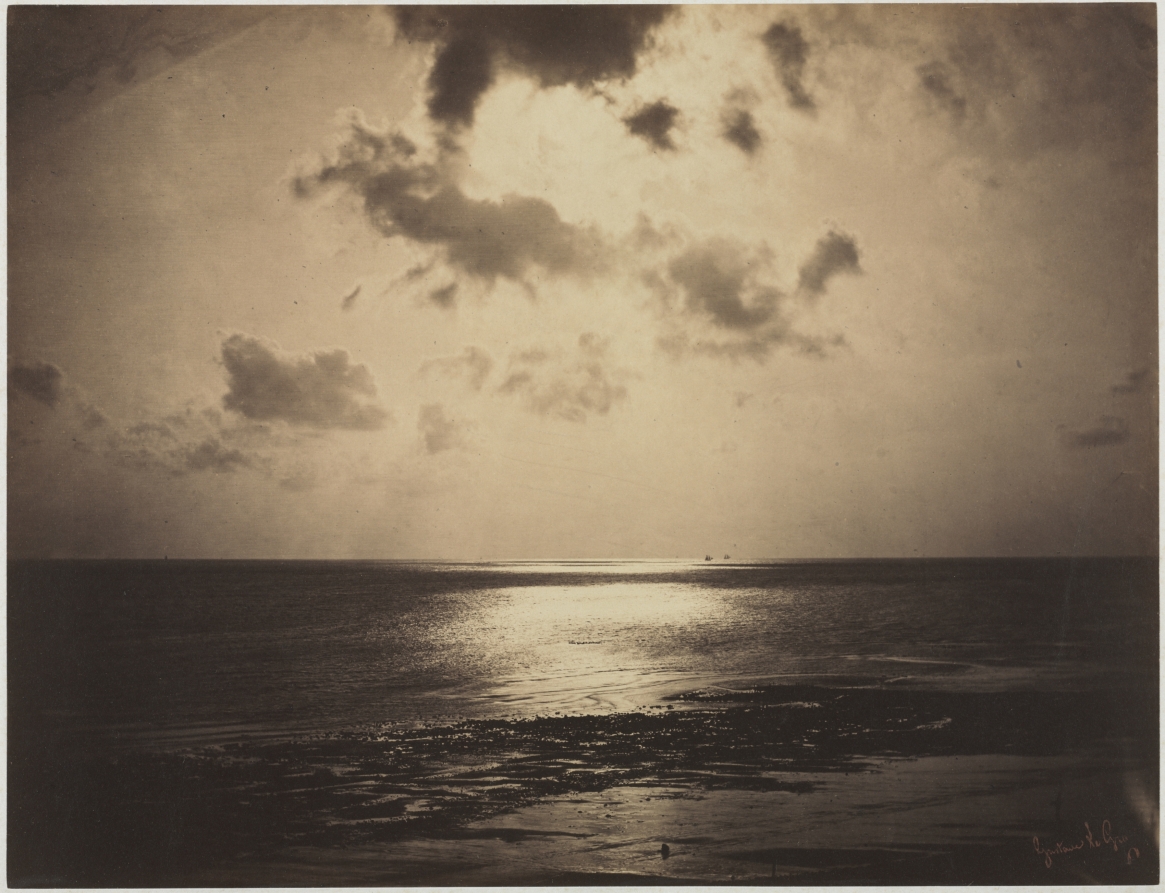
Gustave Le Gray
Le Gray was a master of the albumen and waxed paper print processes whose technical innovations in mid 19th century photography were widely influential among practitioners including those in Beato's immediate circle.