
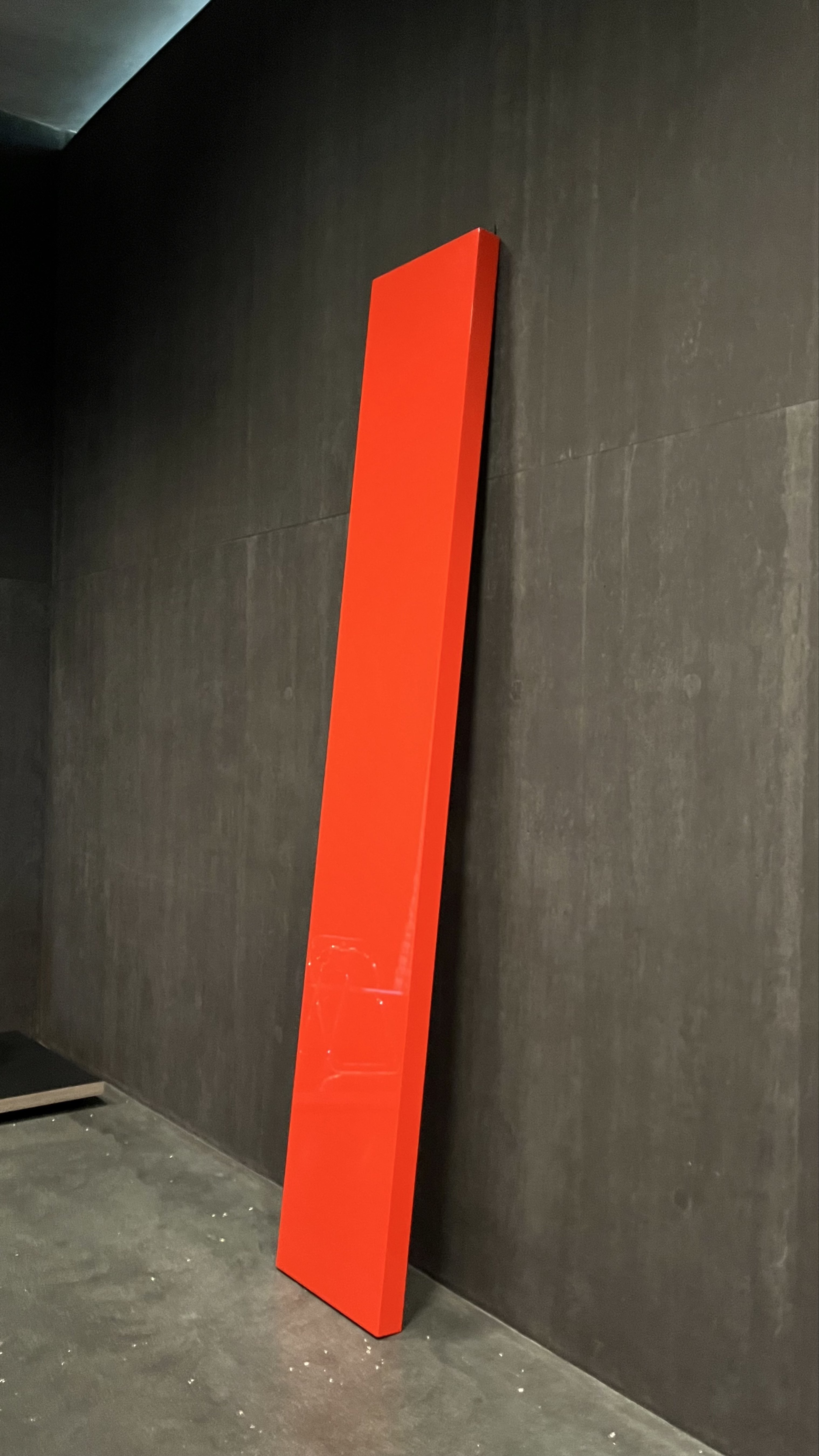
Don’t Tell Me When to Stop
1967
John McCracken's Red Plank is a quintessential example of his celebrated plank sculptures, which became his signature contribution to Minimalism and West Coast Light and Space art from the 1960s onward. This tall narrow slab of fiberglass and resin is lacquered in a vivid cadmium red and leans casually yet precisely against the wall, merging painting, sculpture, and architecture into a single commanding object. Collectors prize McCracken planks for their meditative intensity, flawless industrial finish, and their ability to transform any space through the sheer force of pure saturated color. Works by McCracken are held in major museum collections worldwide and continue to achieve strong results at auction, making this an acquisition of both aesthetic and institutional significance.
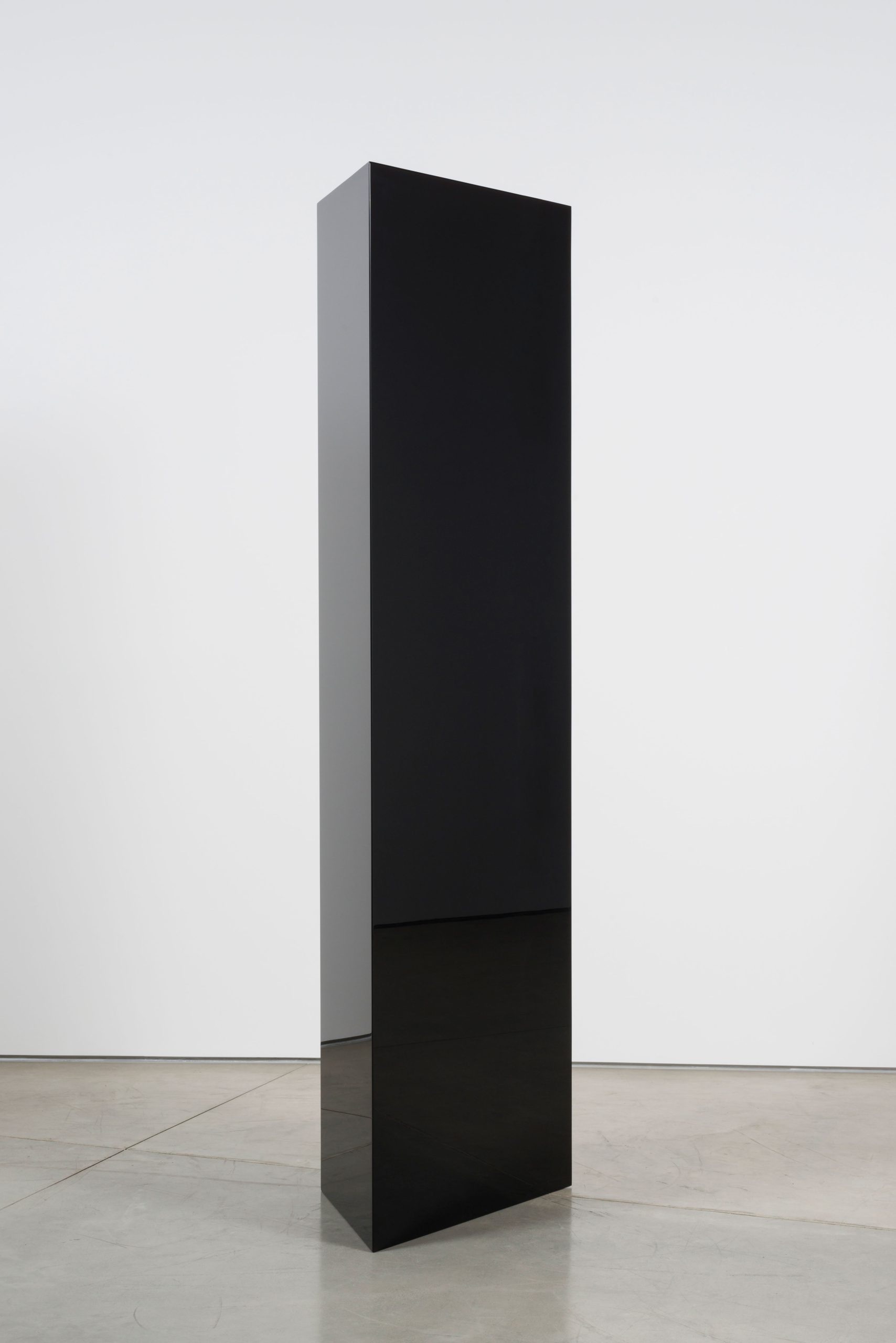
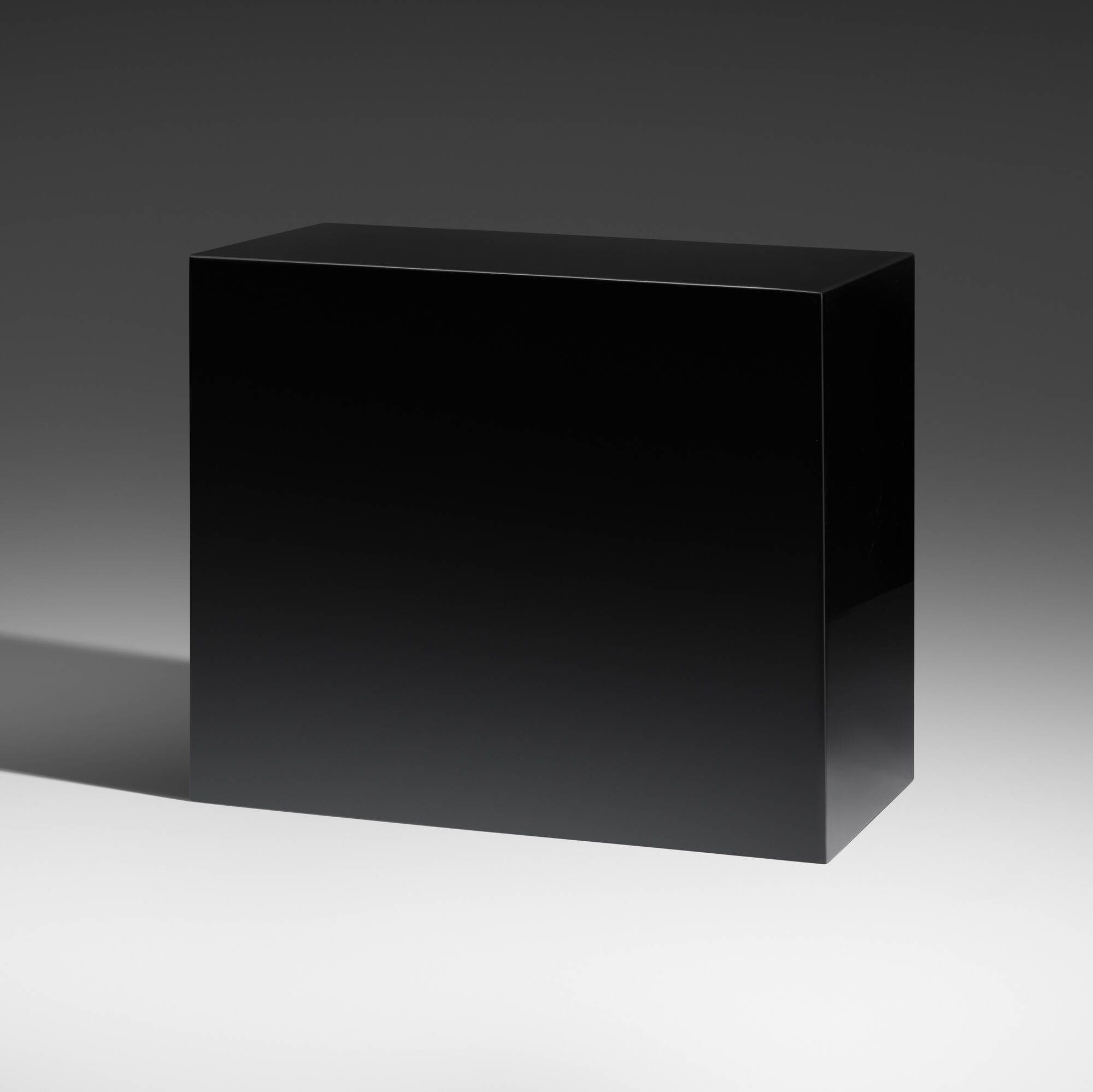
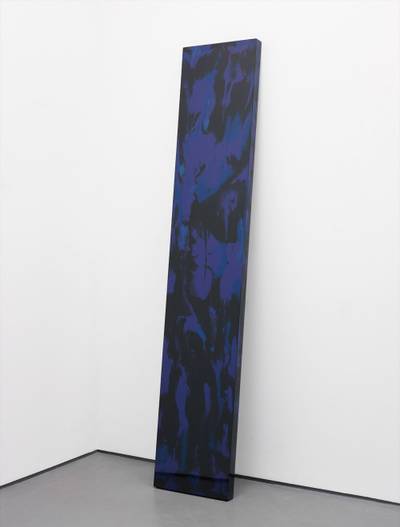
Spotted works by John McCracken
Artists in conversation
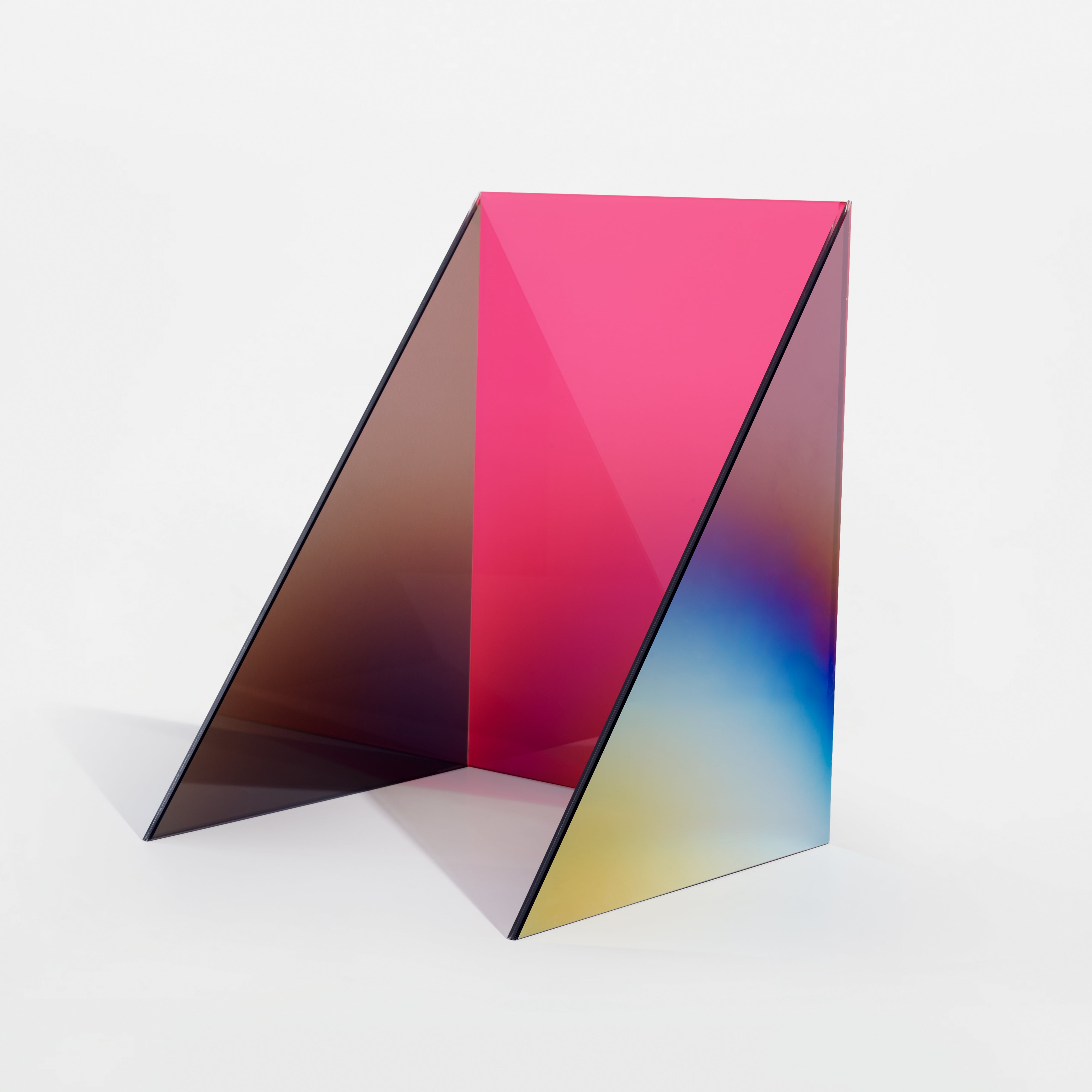
Larry Bell
American · b. 1939
Bell works in the same West Coast Light and Space tradition as McCracken, creating minimalist objects with immaculate industrial surfaces and vivid optical presence. His glass and coated cube sculptures share the same meditative intensity and flawless lacquered finish that defines Red Plank.
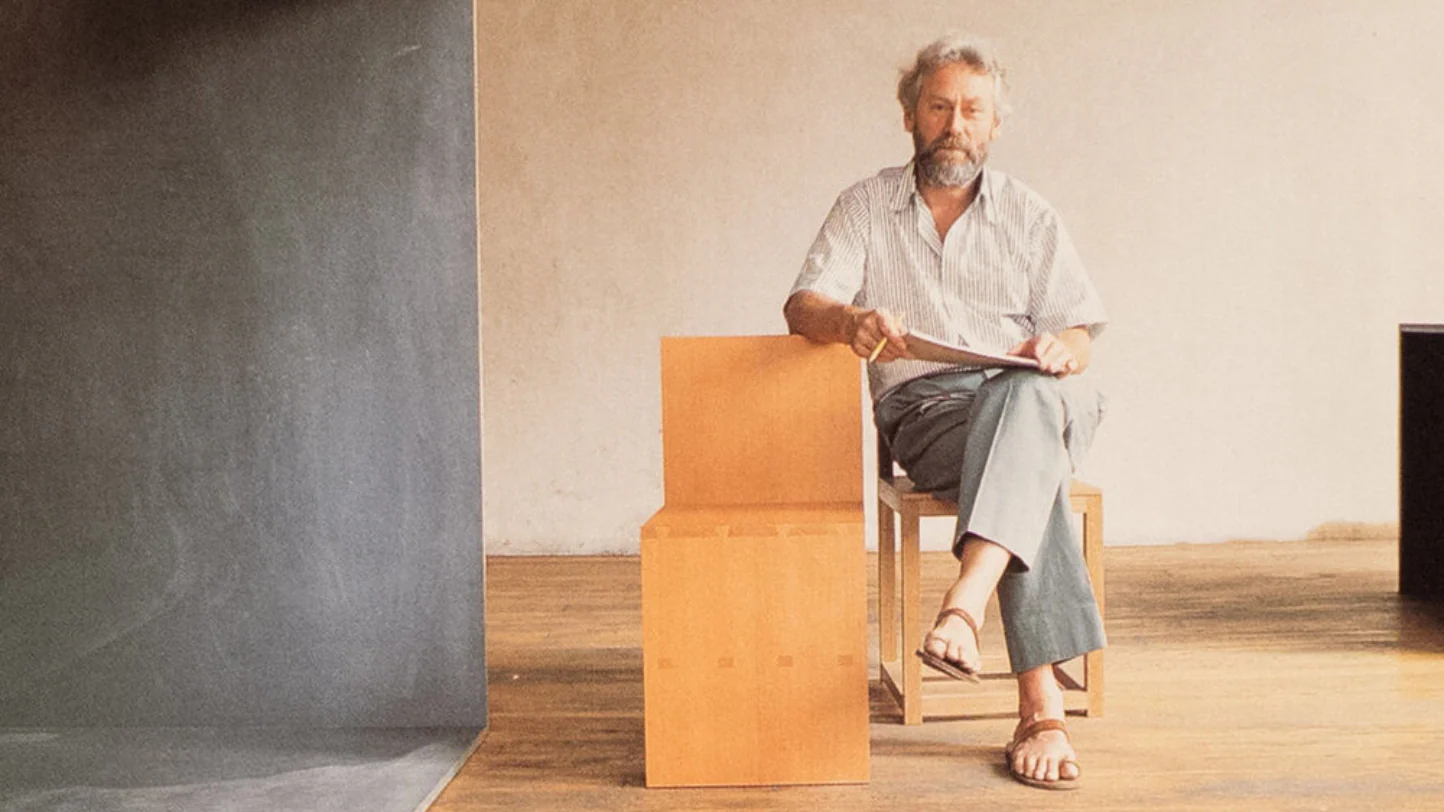
Donald Judd
American · b. 1928
Judd created monochromatic minimalist objects using industrial materials like fiberglass and resin with vibrantly colored lacquered surfaces, directly paralleling McCracken's approach in Red Plank. Both artists treated color as inseparable from the physical object rather than applied decoration.
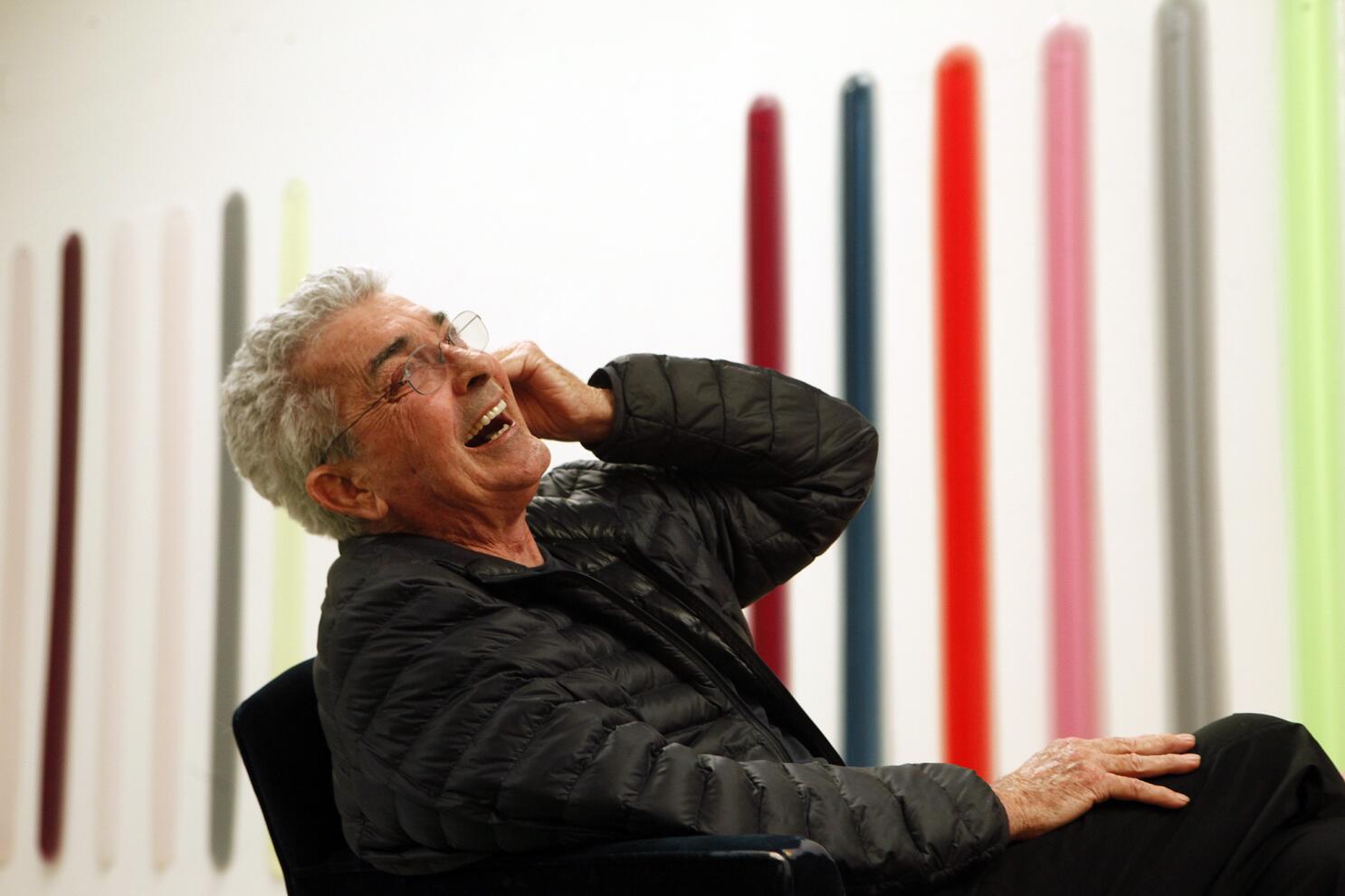
Peter Alexander
American · b. 1939
Alexander was a key figure in the same Los Angeles Light and Space movement as McCracken, working with resin and fiberglass to create saturated monochromatic objects with luminous industrial surfaces. His cast resin works share Red Plank's qualities of bold singular color and meditative material presence.
Start the Discussion
Request access to join the discussion