Light And Space

Peter Alexander
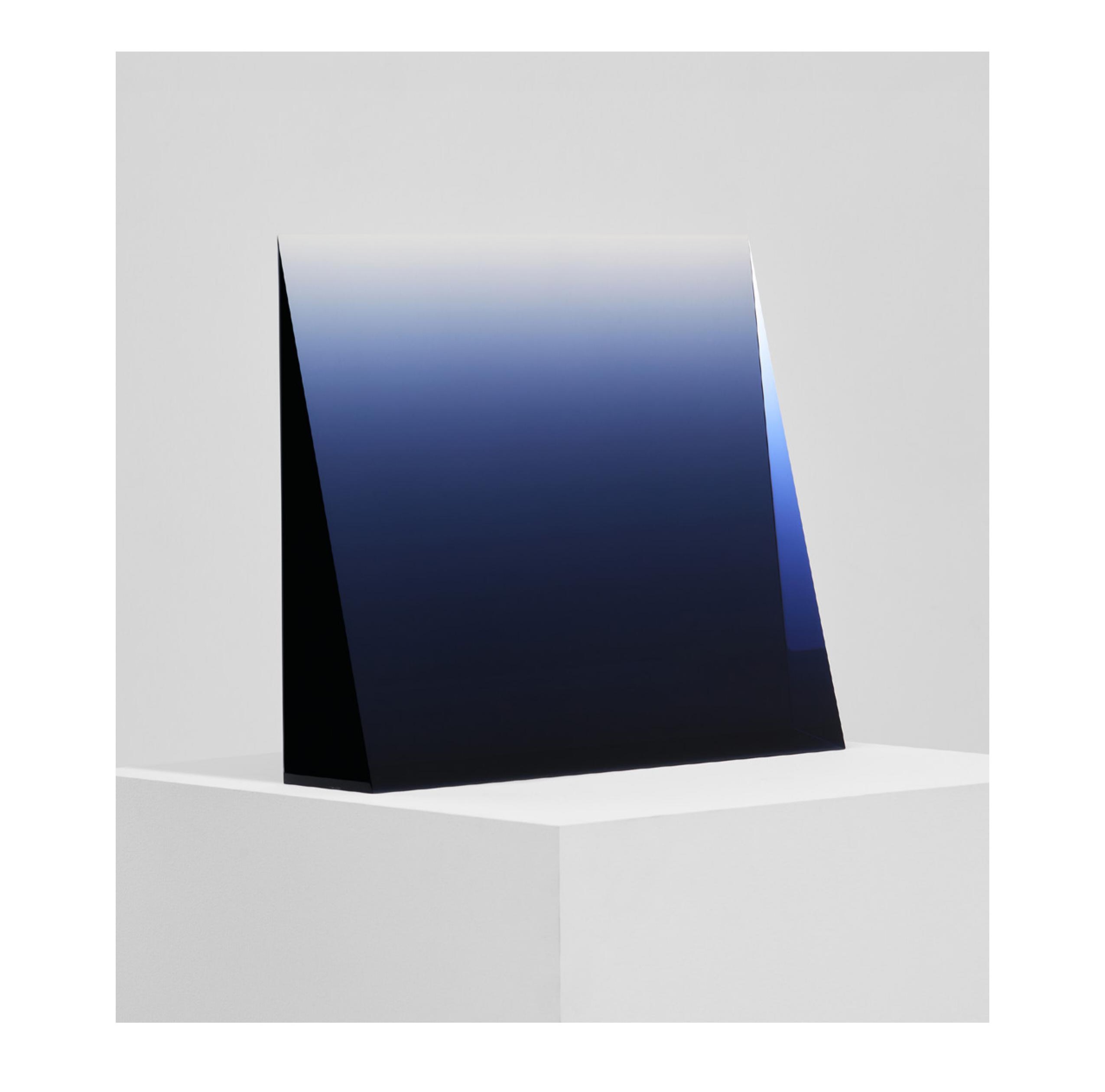
10/7/16 (Flo Lime Box), 2016



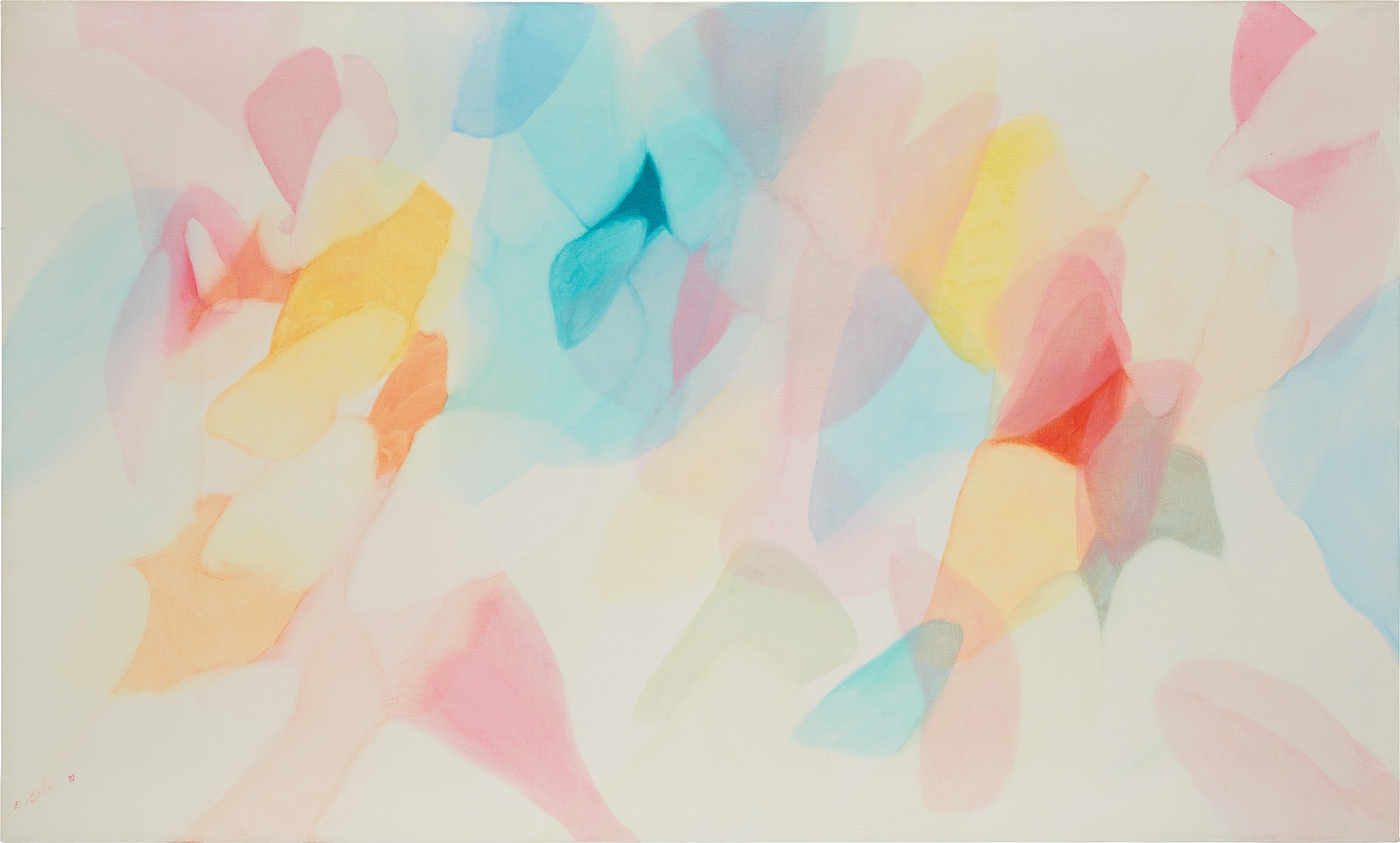
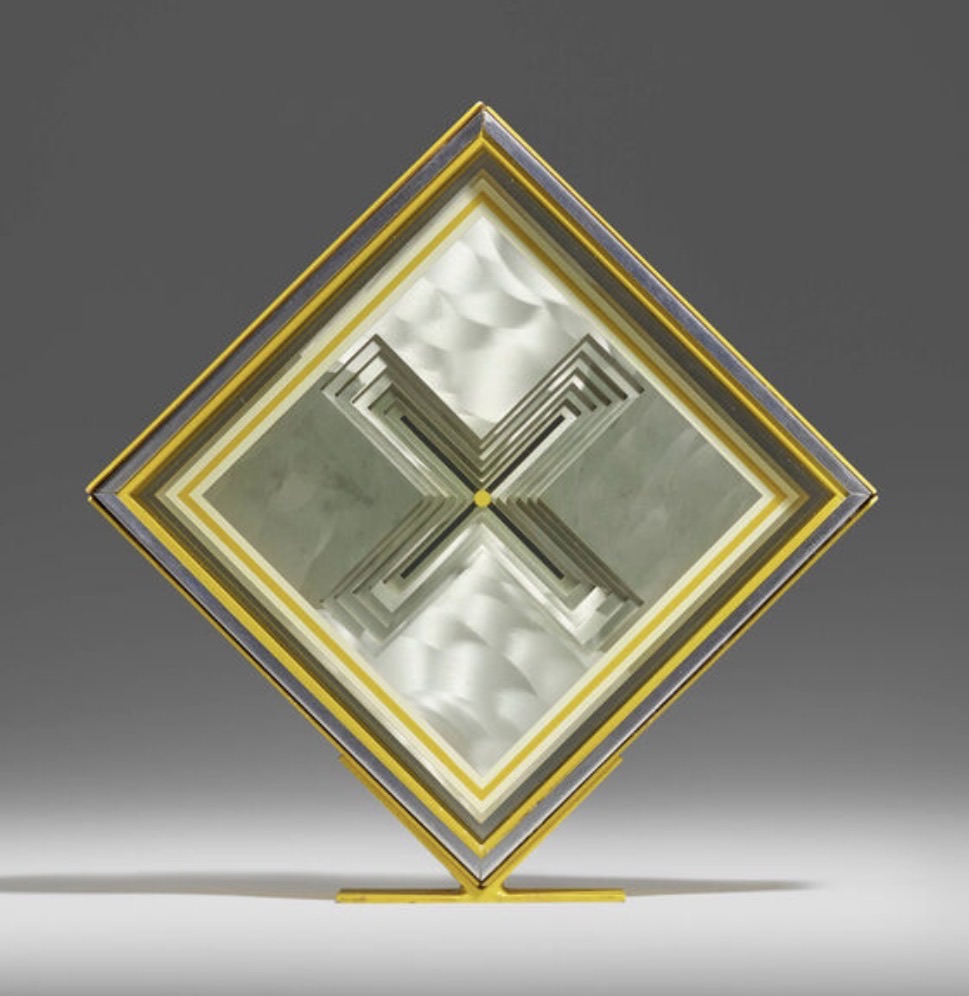
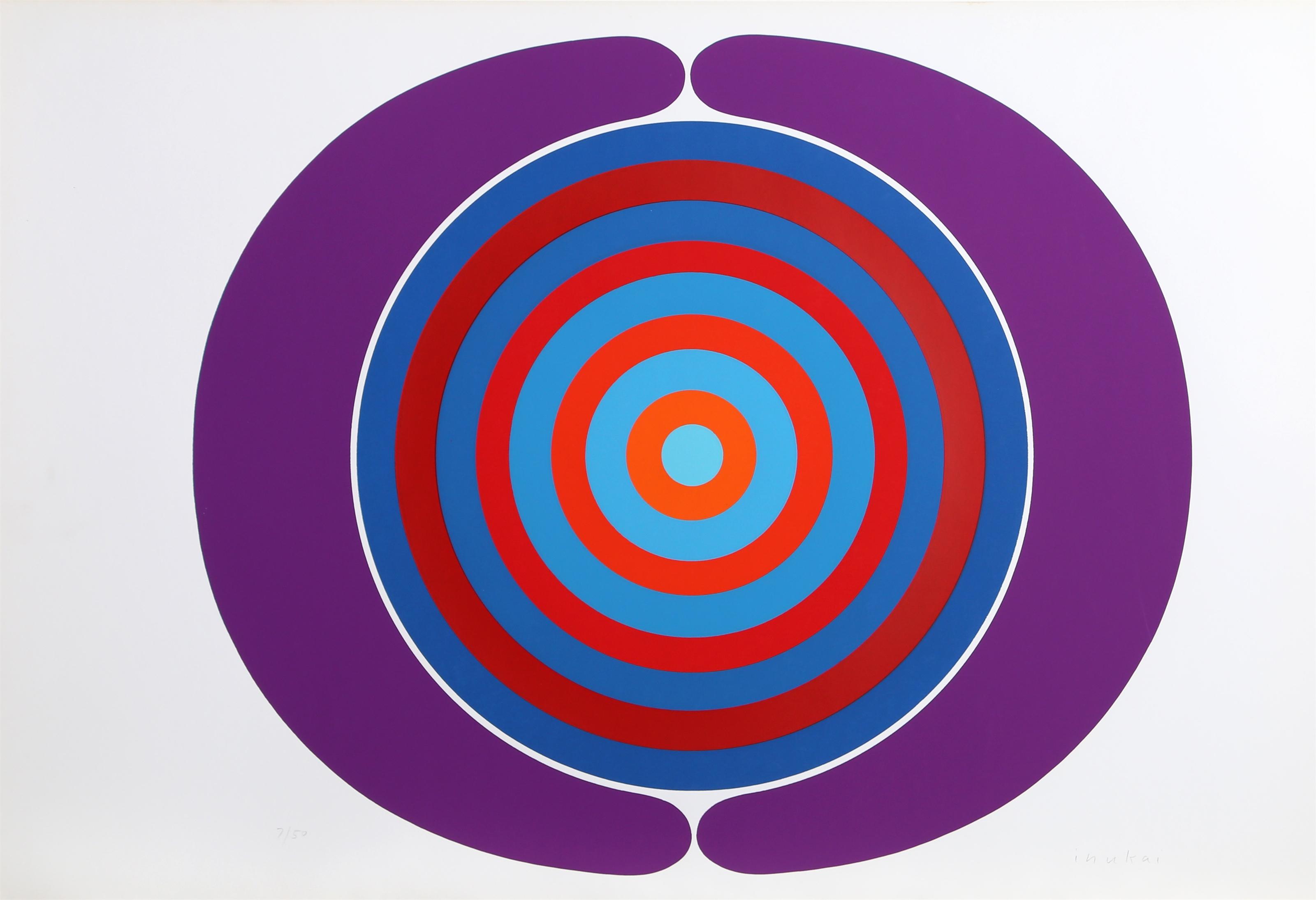

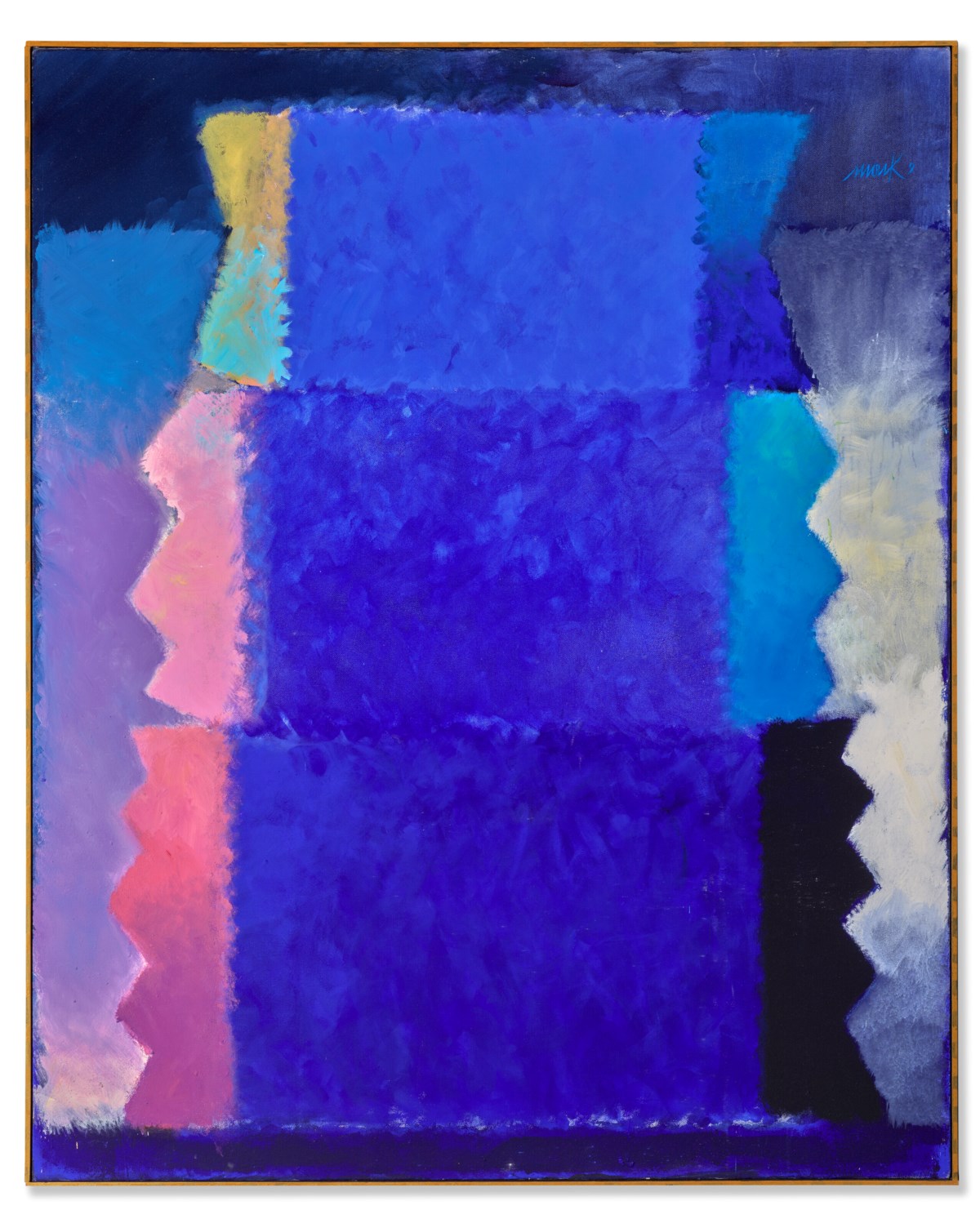
Where the Room Becomes the Work
There is a particular kind of collector who, once bitten by Light and Space, never fully recovers. You know the type because you may be one yourself: someone who has stood inside a James Turrell skyspace and felt time stop, or held a Peter Alexander resin wedge to a window and watched the light migrate through it like something living. The appeal is not purely aesthetic, though the aesthetic is undeniable. It is something closer to the feeling that the work is not just hanging on your wall but is in active conversation with your room, your weather, your morning.
These objects change hourly. They are never the same work twice. For a certain kind of collector, that is not a complication. It is the whole point.
De Wain Valentine
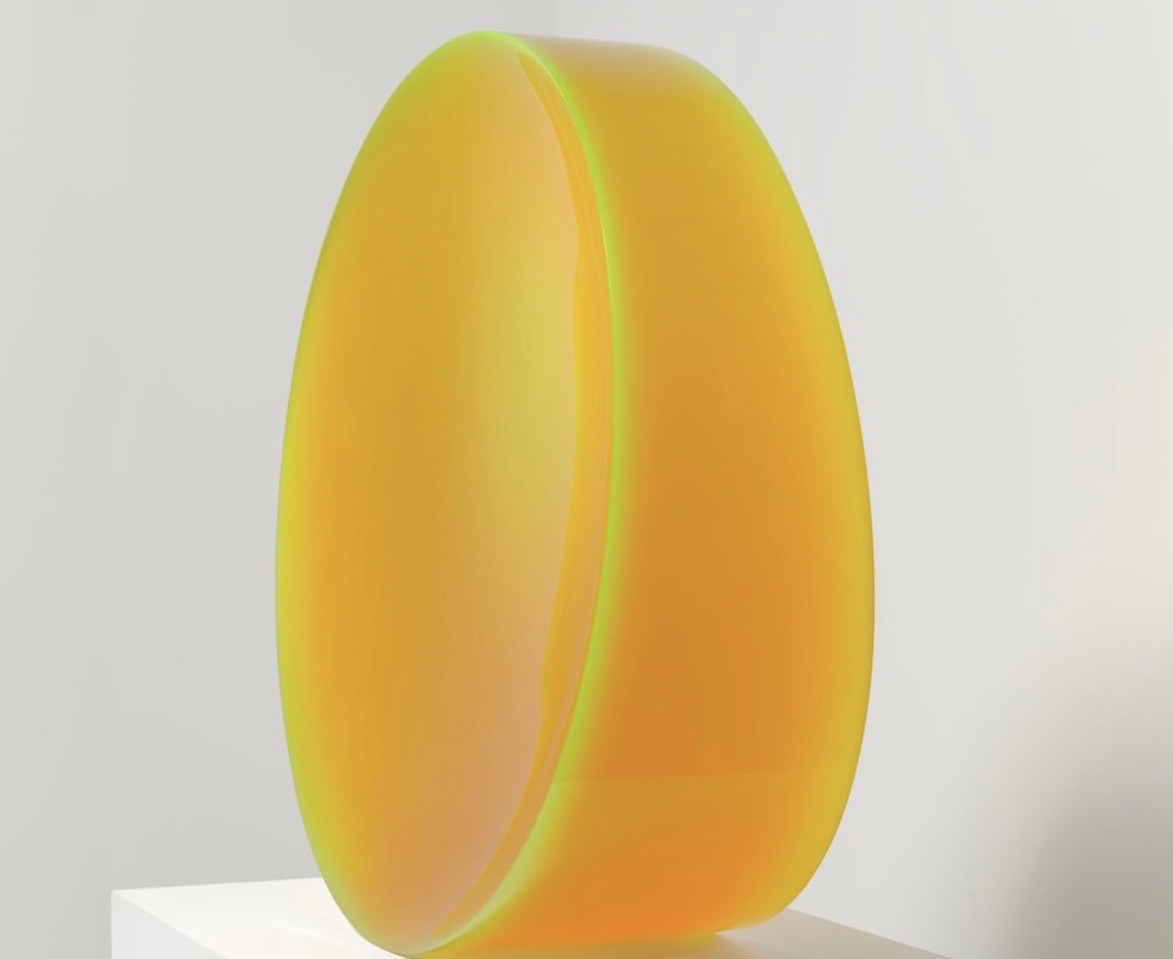
Concave Circle Fluorescent Yellow, 1968
What draws serious collectors to this territory is the way it collapses the boundary between object and environment. A resin sculpture by De Wain Valentine does not sit in your living room so much as it absorbs it, bending reflections and pooling color in ways that shift with the angle of sunlight coming through a window. The works demand a kind of engagement that most art does not. They require you to move around them, to return at different times of day, to pay attention to conditions you would otherwise ignore.
Living with a great Light and Space work is an education in perception. It teaches you to see the world differently, and that, ultimately, is the most durable thing any artwork can offer. The question of what separates a good work from a great one in this field is genuinely interesting, because the movement produced both transcendent objects and a great deal of work that is merely pretty. The difference lies in intentionality and precision.
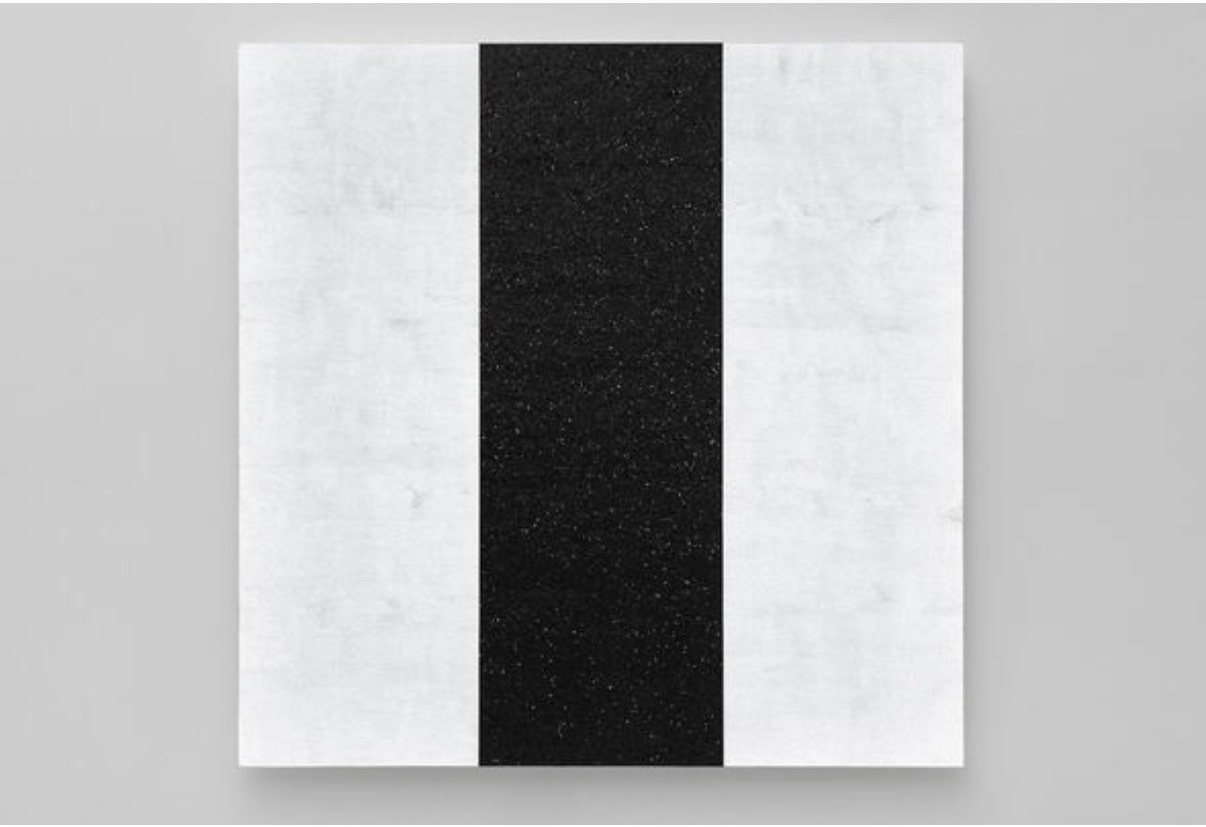
Mary Corse
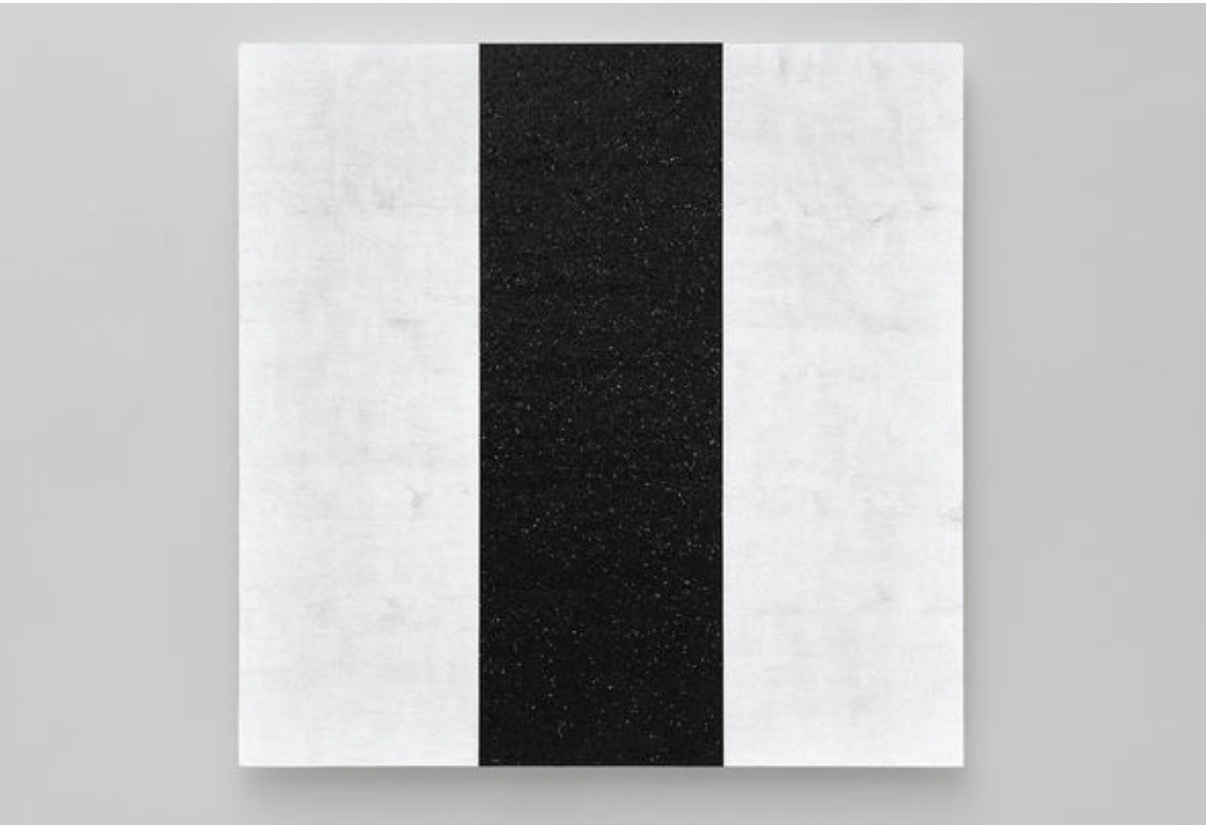
Untitled (White with Black Reflective Inner Band), 2023
A great Light and Space work does not simply use light as a material. It uses it to say something specific, to create a phenomenological experience that is repeatable and controlled, even if the light itself is variable. When Mary Corse began embedding glass microspheres into her white paintings in the late 1960s, she was not decorating surfaces. She was engineering an encounter.
Her works respond to the viewer's position in a way that feels almost uncanny, brightening and dimming as you shift your weight. That specificity of intention is what you should be hunting for when you look at work in this category. Ask yourself: is the light a gimmick, or is it doing genuine philosophical work? In terms of where collector attention is most productively directed right now, several names stand out.
Peter Alexander
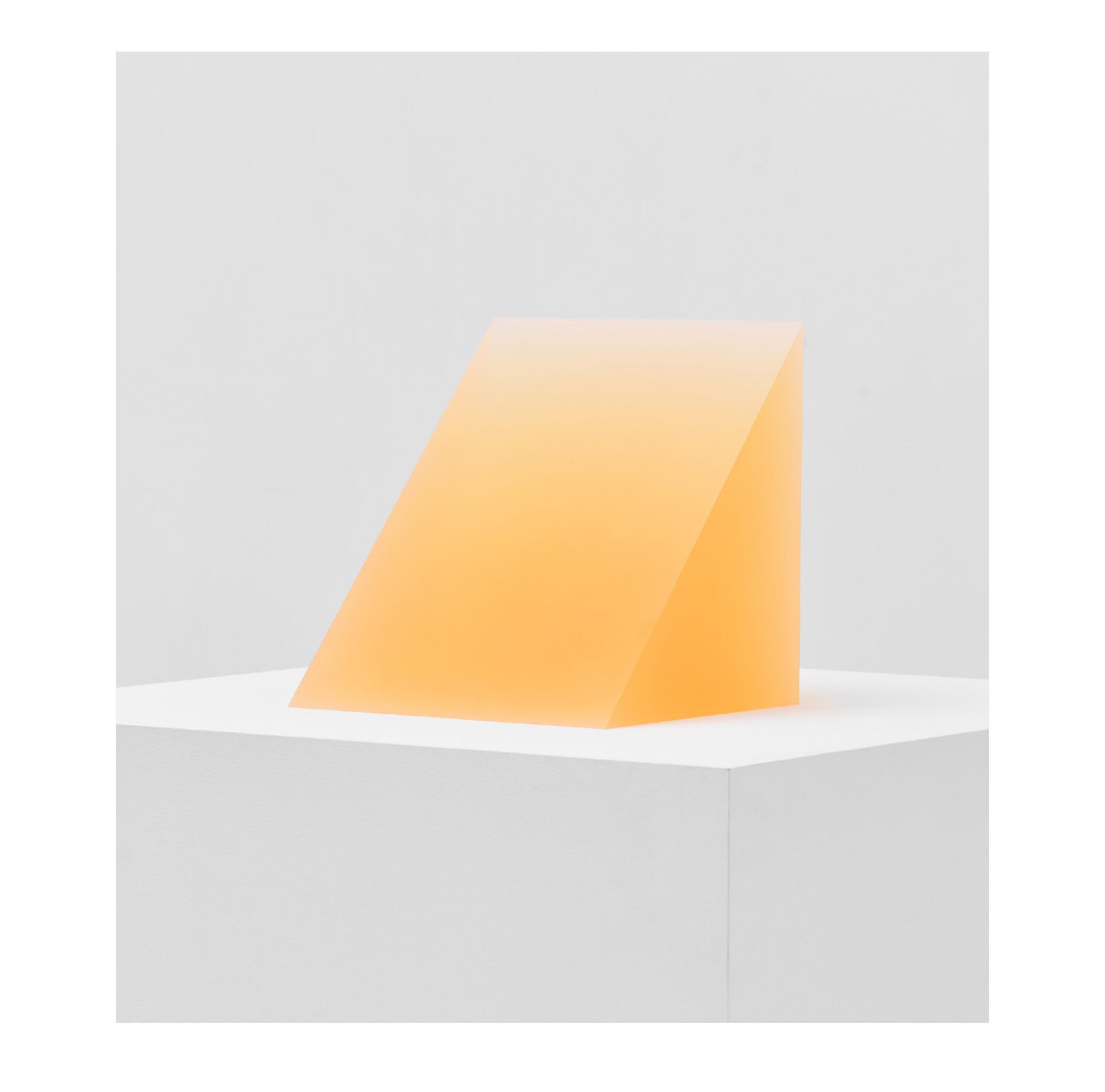
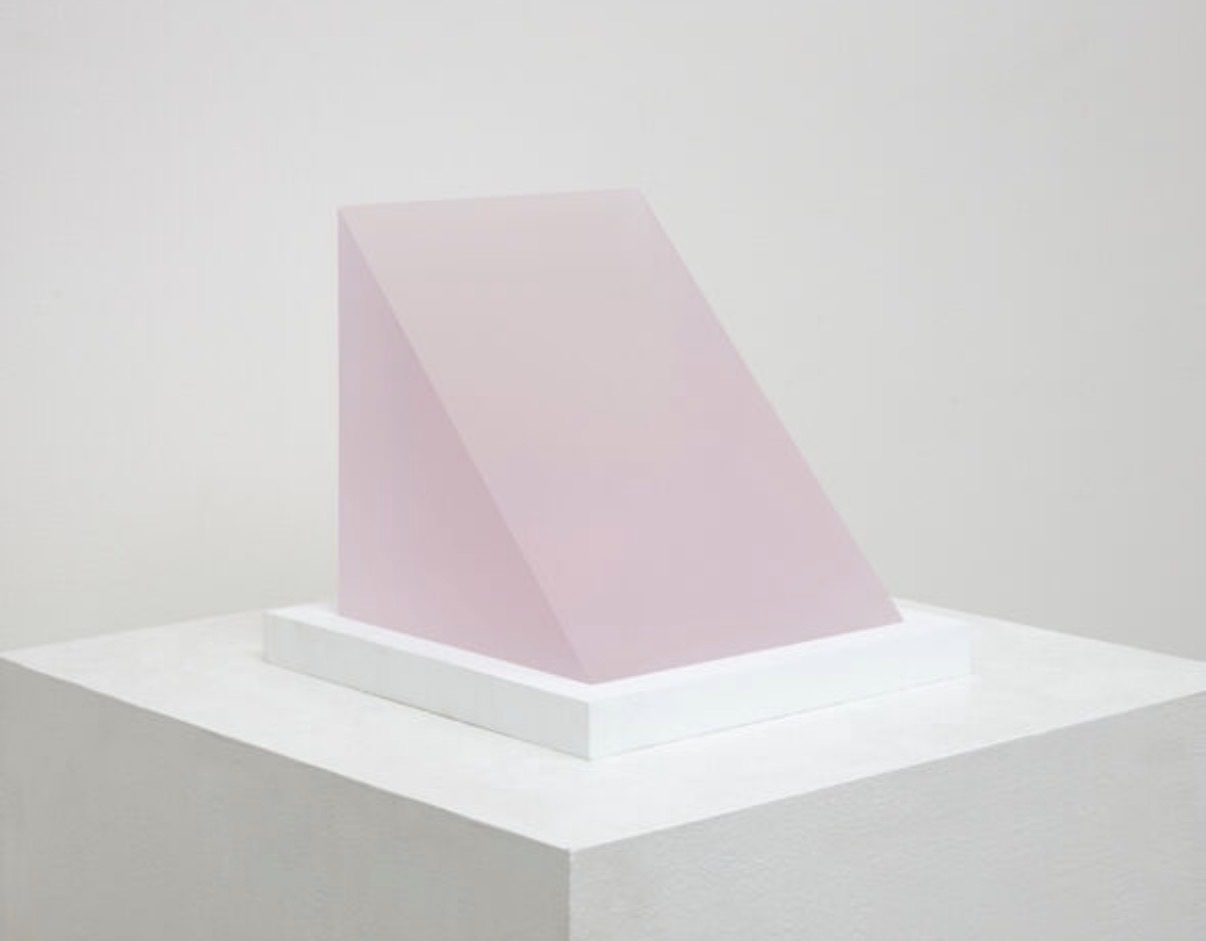
3/20/18 (Frosted Pink Wedge), 2018
Peter Alexander is arguably the most undervalued major figure in the movement, a sculptor whose early resin works from the late 1960s and 1970s have been steadily reappraised over the past decade but still trade at a fraction of what comparable work by his Los Angeles contemporaries commands. His presence on The Collection is significant and worth exploring in depth. Laddie John Dill, who worked with argon light and cement in ways that were genuinely radical for their moment, also represents a compelling proposition for collectors who want historical importance without the stratospheric price point that attaches to Turrell or Eliasson. Heinz Mack, the German artist associated with the ZERO movement, whose work shares a great deal of DNA with California Light and Space despite its different geographical origins, is another name that rewards close attention.
His works on The Collection demonstrate why his market, while growing, still has considerable room to run. For collectors interested in the contemporary end of this tradition, Ólafur Elíasson is the obvious anchor. His works on The Collection span a range of media and approaches, from geometric optical works to more atmospheric investigations, and his market is mature, liquid, and internationally supported. He is not a speculation play but rather a cornerstone acquisition for any serious collection oriented around perceptual art.
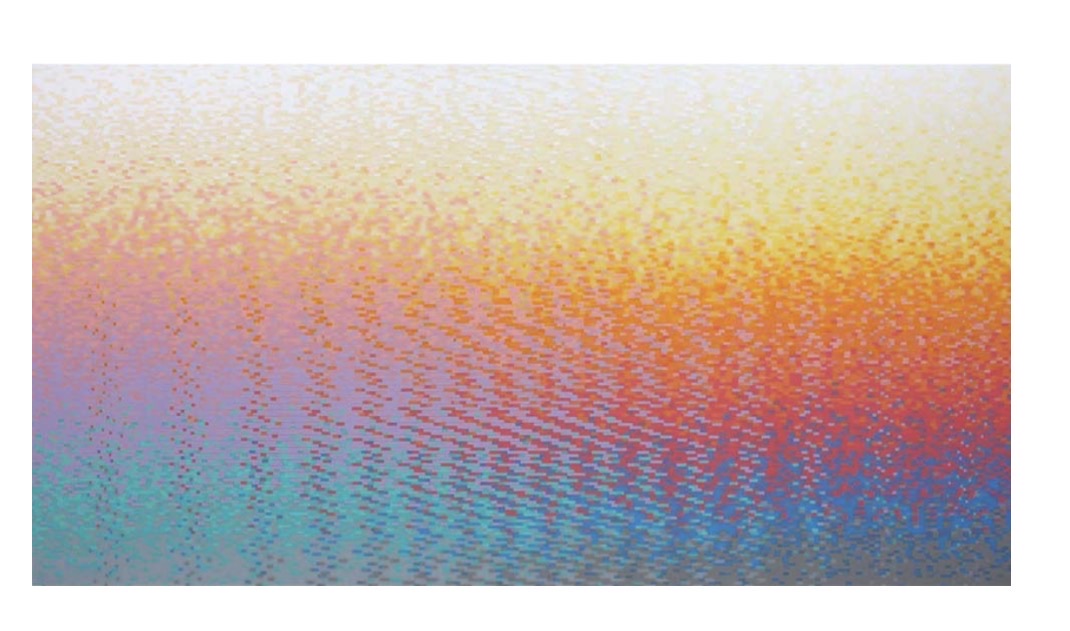
Eric Zammitt
East West Twilight, 2014
Cerith Wyn Evans, the Welsh artist whose neon and light works engage as much with language and music as with pure optics, offers a different but equally compelling proposition. His secondary market is active in London and internationally, and his work rewards collectors who want conceptual depth alongside the visual poetry. Eric Zammitt and Norman Zammitt, both connected to the Southern California scene, represent a quieter opportunity for collectors willing to do the research. Their work is rigorously made and historically grounded, and it remains accessible in ways that will not last indefinitely.
At auction, Light and Space works have performed with increasing consistency over the past fifteen years. Turrell's edition prints and early multiples have moved aggressively, and his unique works, when they appear, generate serious competition. Valentine's large resin discs have achieved results that reflect the difficulty of their making as much as their art historical importance. The secondary market for work in this category tends to reward patience and condition.
Because many of these works are materially unusual, involving resins, acrylic, neon gas, or glass microspheres, condition issues can be devastating to value in ways they would not be for a painting on canvas. Yellowing in resin, gas loss in neon, and surface scratching in acrylic are all serious concerns. Before acquiring any work in this category, you should get a detailed condition report from a conservator with specific experience in postwar and contemporary materials. This is not optional.
Display is also more demanding than with conventional work. Many Light and Space pieces require specific lighting conditions, or more precisely, the absence of competing artificial light sources. Natural light is almost always preferable, and some works essentially require it. Ask galleries and auction houses detailed questions about how the work has been stored and displayed by previous owners.
For edition works, which are common in this category, understand the edition size and where the work sits within it, and ask whether the artist supervised the production. Some editions from this movement were made with more oversight than others, and the difference shows. What you are ultimately collecting here is not just an object but a set of conditions, and the more carefully you understand those conditions before you buy, the more the work will reward you once it is home.