West Coast Art
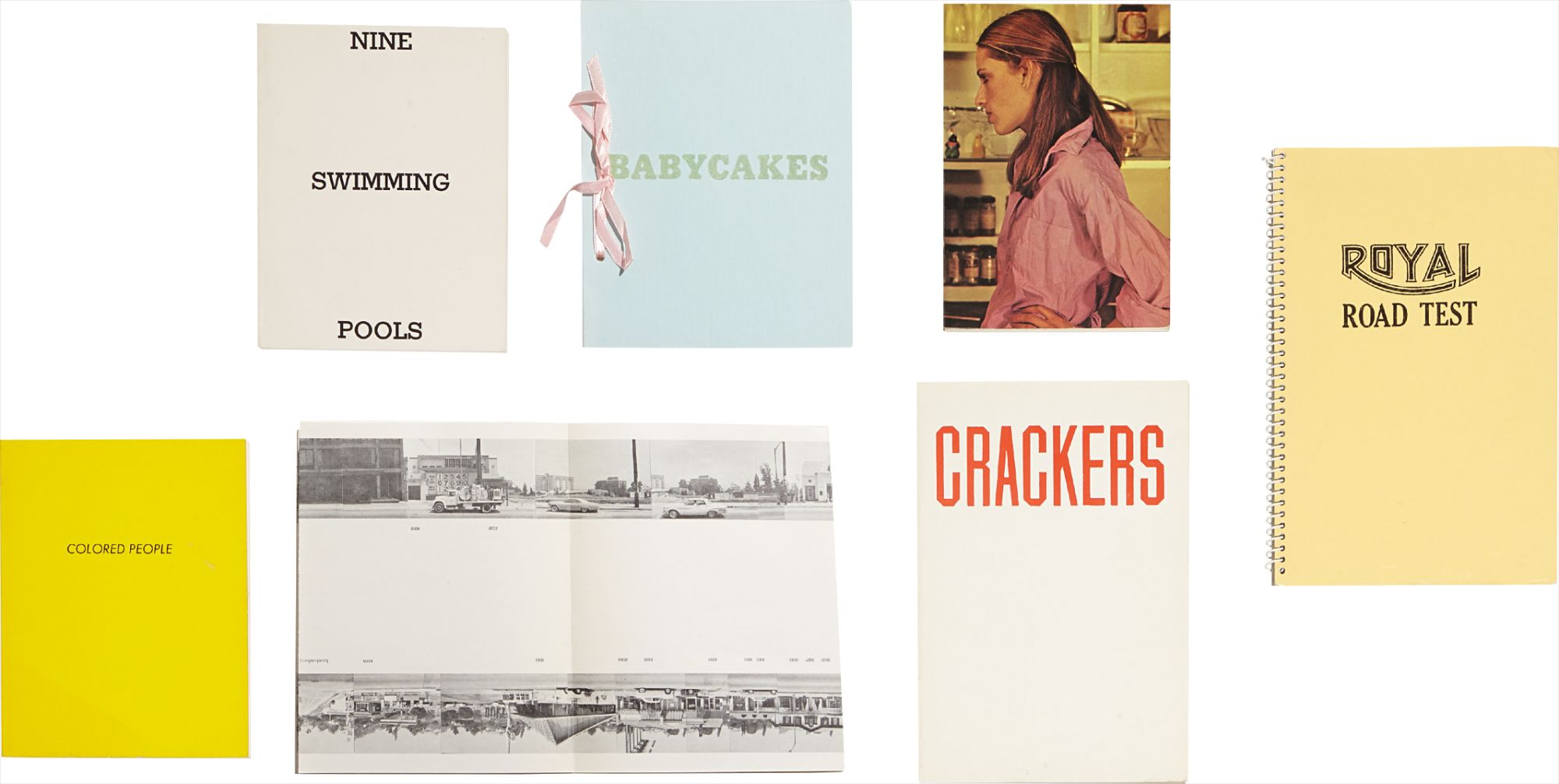
Ed Ruscha
Seven Artists Books
.jpg/400px-Kris_Humphries_NJ_Nets_2009_(cropped).jpg)
Sun, Sprawl, and the Art of Desire
There is something particular that happens when you live with West Coast art. It is not simply that the work tends to be beautiful, though it often is. It is that the work seems to understand the specific quality of light in a room at four in the afternoon, the way a city can feel both enormous and intimate, the particular longing that comes from living somewhere that has always insisted on reinventing itself. Collectors who fall for this tradition rarely come to it analytically.
They come because something in the work mirrors their own inner weather back at them in a way that Eastern seaboard art, for all its intellectual rigor, often does not. What makes West Coast art so compelling to live with is its refusal of a single register. It can be conceptually demanding and visually seductive at the same time, which is a rare combination. The Los Angeles scene in particular developed a visual language rooted in the specific textures of Southern California life: the billboard, the sunset, the swimming pool, the freeway, the studio photograph, the screen.
Edward Weston
Edward Weston
These were not decorative choices. They were argumentative ones. Artists working in and around Los Angeles from the 1960s onward understood that their environment was itself a kind of text, and that making work about that environment was a serious philosophical undertaking. For collectors trying to separate a genuinely strong work from a merely attractive one, the key question is almost always about specificity.
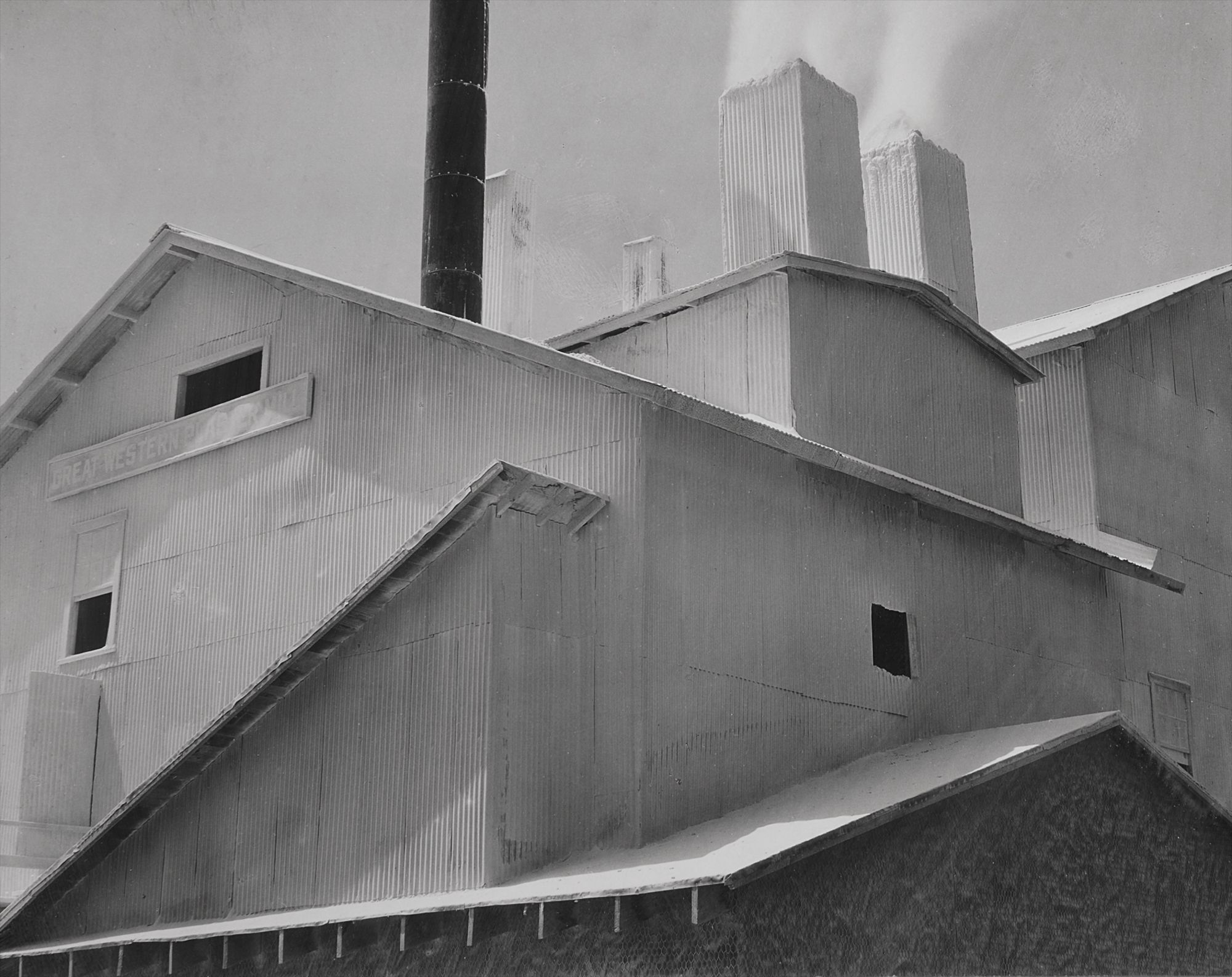
West Coast art at its best is not generic sunshine optimism. It carries a precise point of view about a precise place at a precise cultural moment. Edward Weston, whose photographs defined a certain kind of rigorous, formal engagement with the California landscape in the early and mid twentieth century, understood that the difference between a good picture and a great one was a matter of absolute commitment to the subject. His close studies of natural forms, made largely during his years in Carmel in the 1930s, achieve something almost impossible: they are simultaneously abstract and hyperreal.
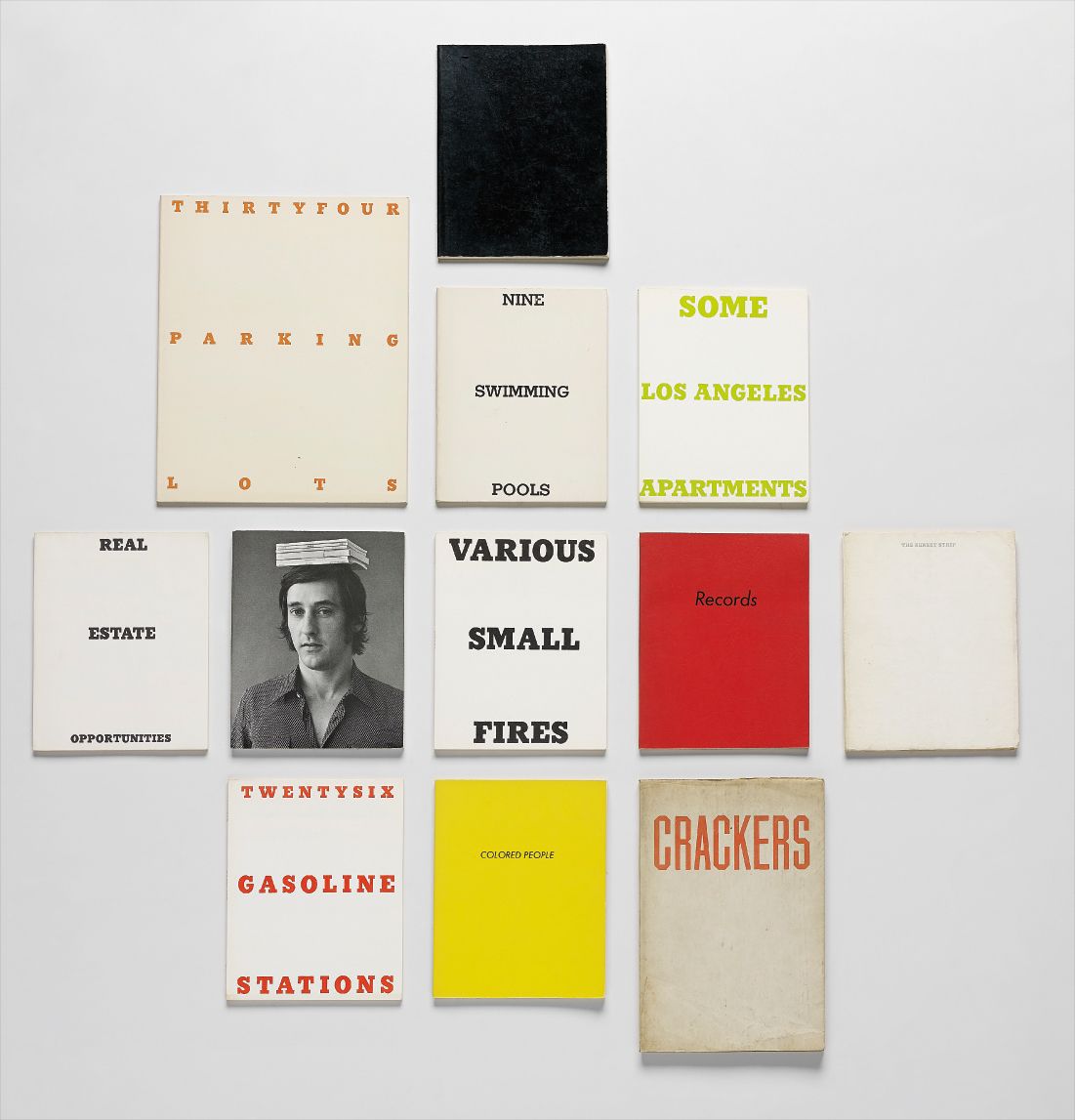
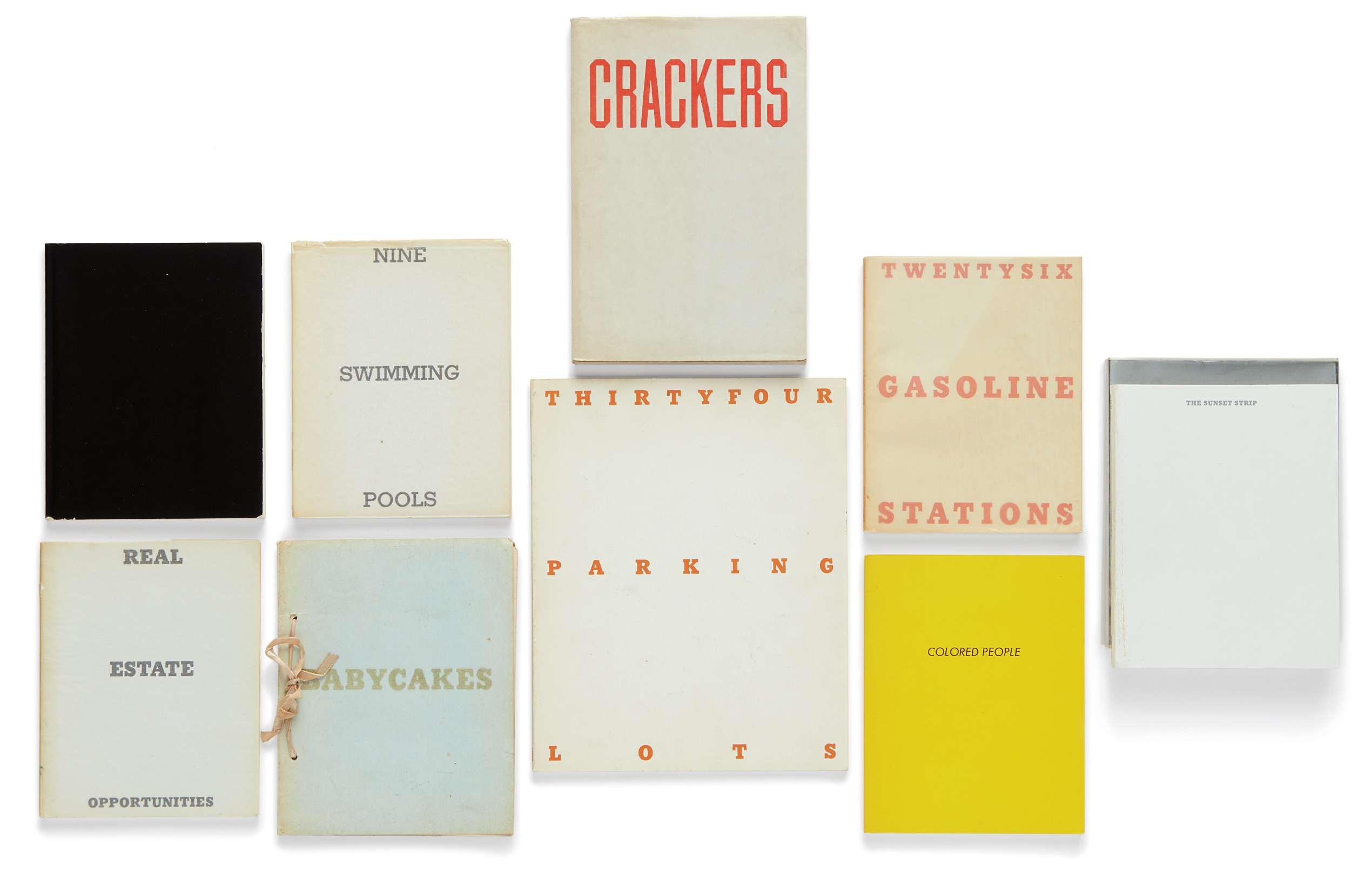
Ed Ruscha
Seven Artists Books
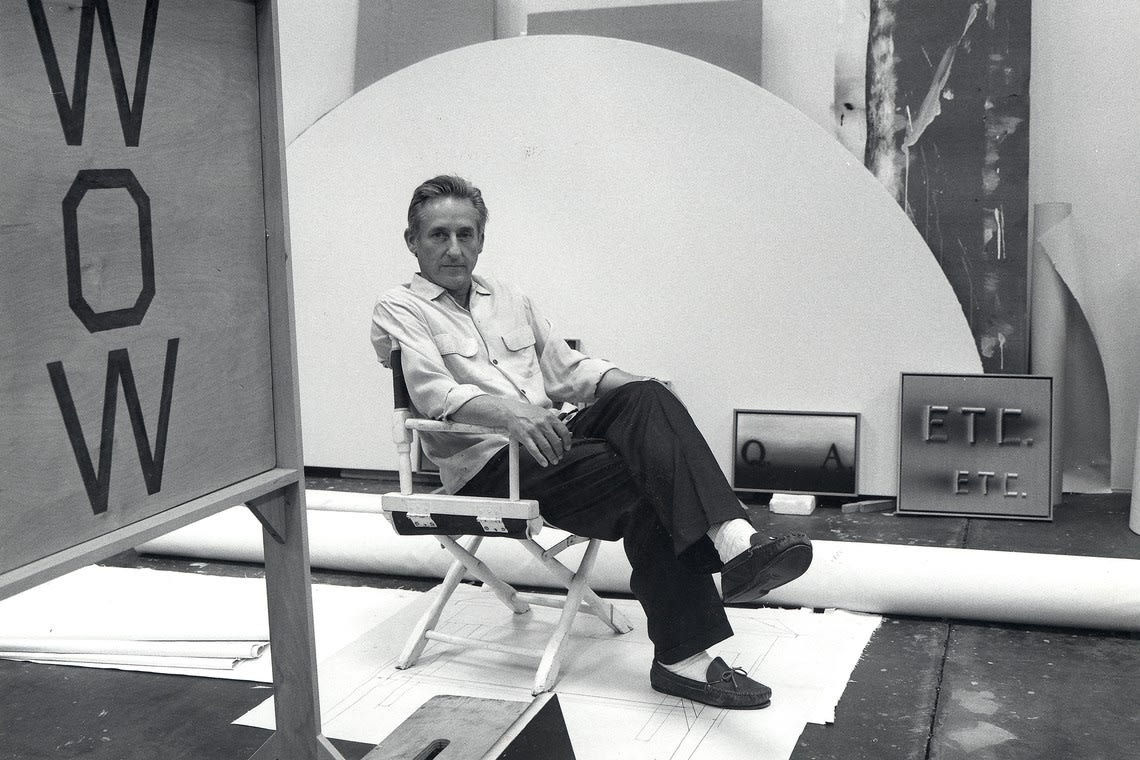
When you acquire a Weston, you are acquiring a worldview, not just an image. Ed Ruscha operates from a similarly uncompromising position, though his terms are entirely different. Ruscha arrived in Los Angeles from Oklahoma City in 1956 and almost immediately began seeing the city as no one had before, or at least no one had made visible in quite the same way. His word paintings and photographic books turned the vernacular language of the American West, the gas stations, the parking lots, the commercial signage, into material for genuine poetic inquiry.
What separates a major Ruscha from a minor one is often the degree to which the image resists easy reading. His best works sit in that productive zone where the words seem to mean exactly what they say and something else entirely at the same time. He is well represented on The Collection, and for serious collectors, his work represents one of the most intellectually durable propositions in postwar American art. Alex Israel occupies a different generational position but belongs to the same Los Angeles lineage in a real sense.
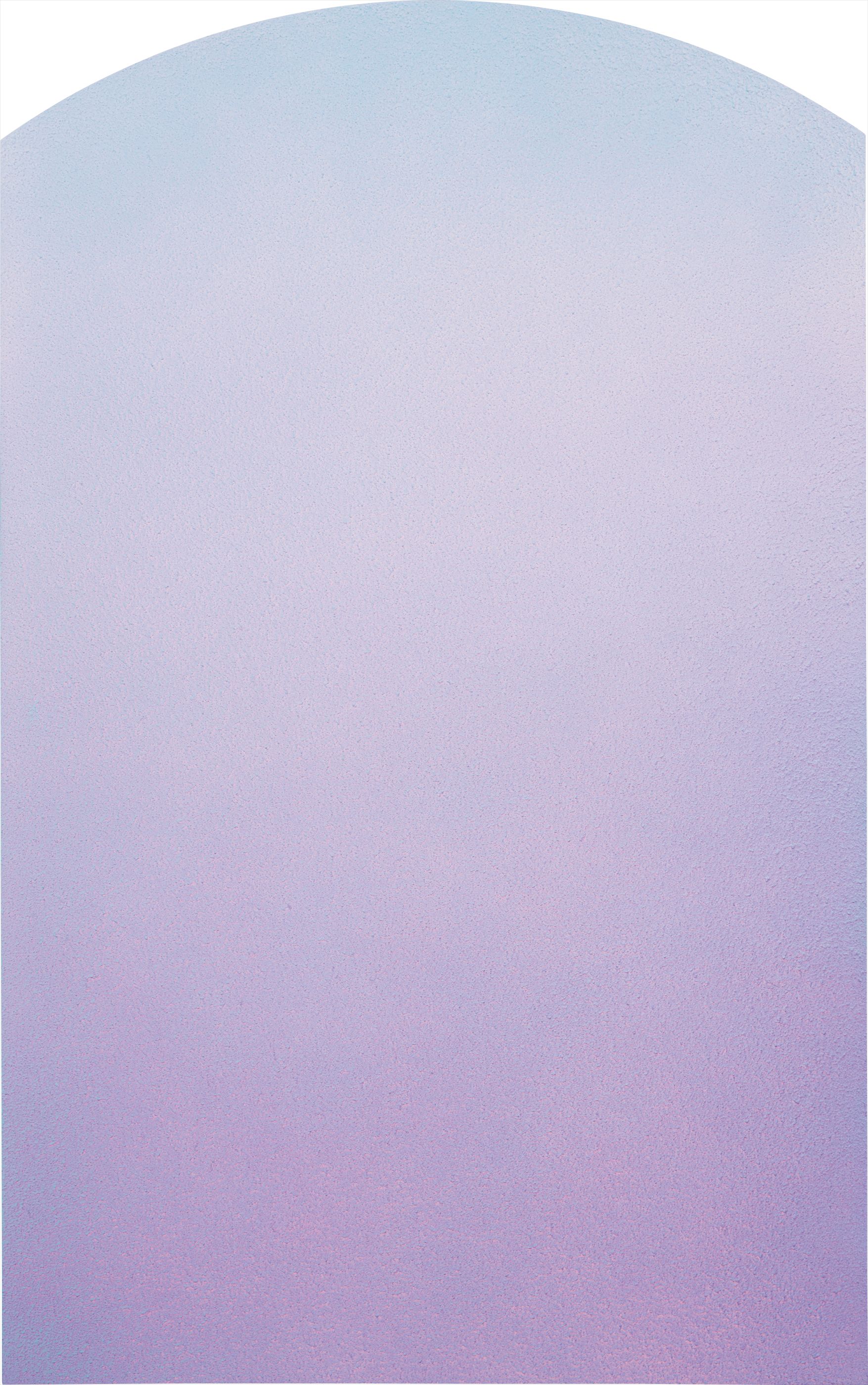
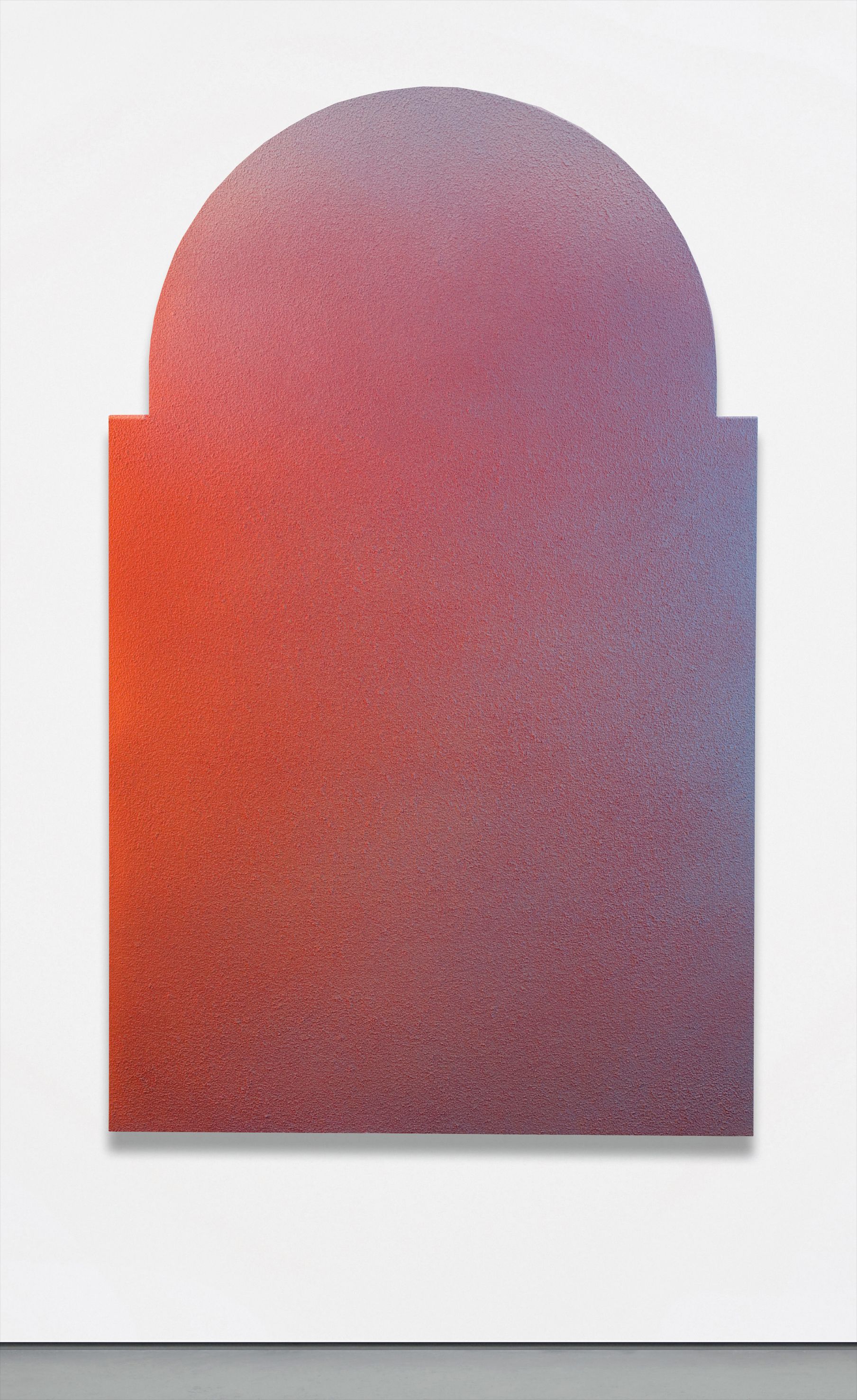
Alex Israel
"Los Angeles is one of the main subjects of my work. Every day is an experience of all of this material, which for me, is an art material. Every day, as I move through this city, I’m experimenting with it. It’s a constant process." Alex Israel
His practice is deeply engaged with the constructed nature of California identity, the way celebrity, landscape, and aspiration blur together into something that looks like reality but is really a kind of elaborate performance. His large scale sky paintings, produced in the 2010s, are particularly resonant because they manage to be simultaneously ironic and genuinely moved by the thing they depict. Israel is at a career stage where institutional recognition is building steadily, and collectors who engage with his work now are doing so at a moment before that recognition is fully priced into the market. That is not always easy to identify in real time, but with Israel, the trajectory feels clear.
For those looking beyond the established names, the younger generation of Los Angeles and Bay Area artists working in photography, painting, and video are producing some of the most interesting work being made anywhere in the world right now. Artists exploring the intersection of digital culture and physical landscape, or interrogating the racial and economic histories buried beneath the glossy surfaces of Southern California mythology, are attracting serious curatorial attention. The galleries along Culver City and in Hollywood have been platforms for a number of these emerging voices, and the West Coast is genuinely good at producing artists who feel urgent without being fashionable in the pejorative sense. At auction, West Coast art has performed with impressive consistency over the past two decades.
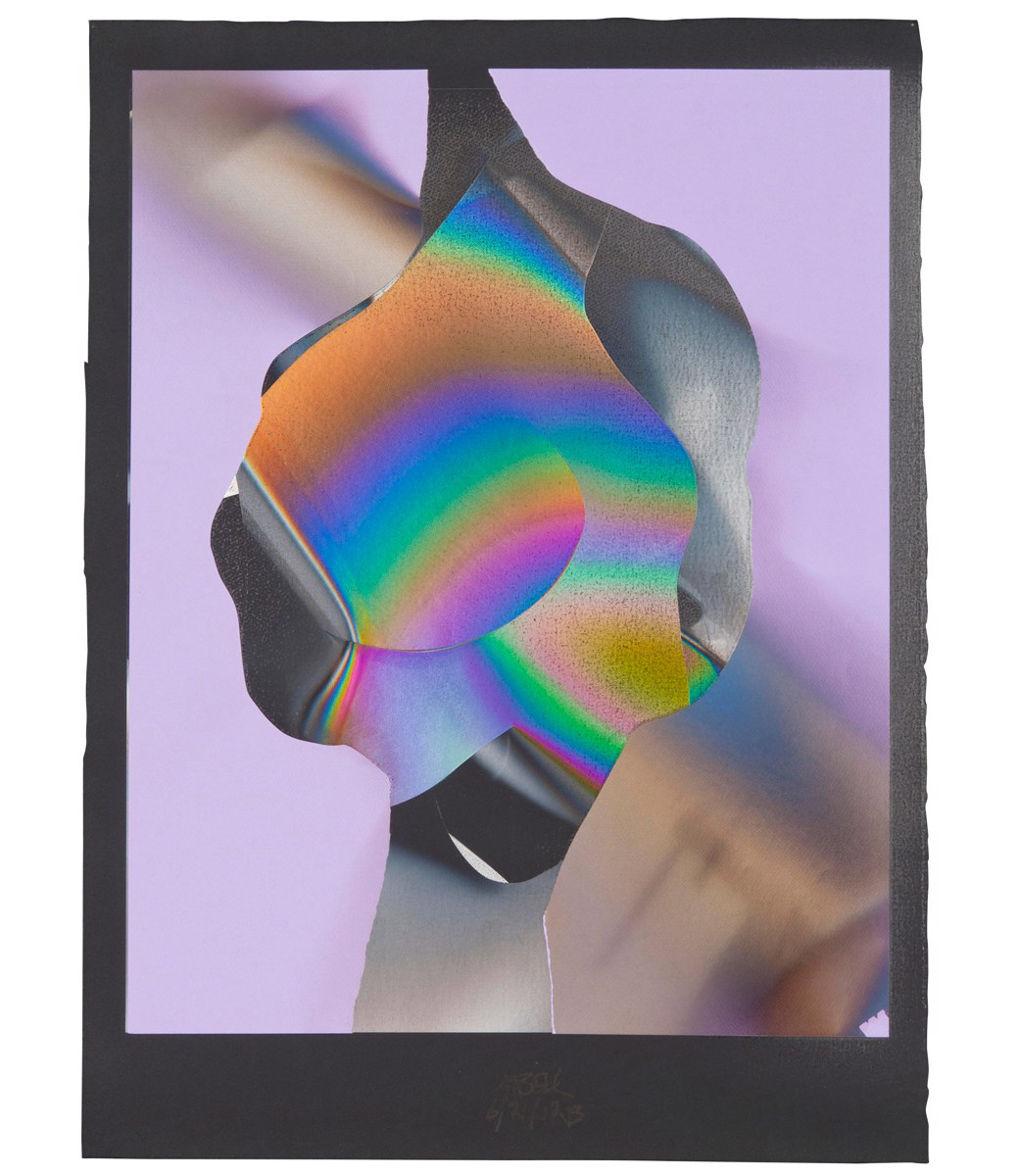
Larry Bell
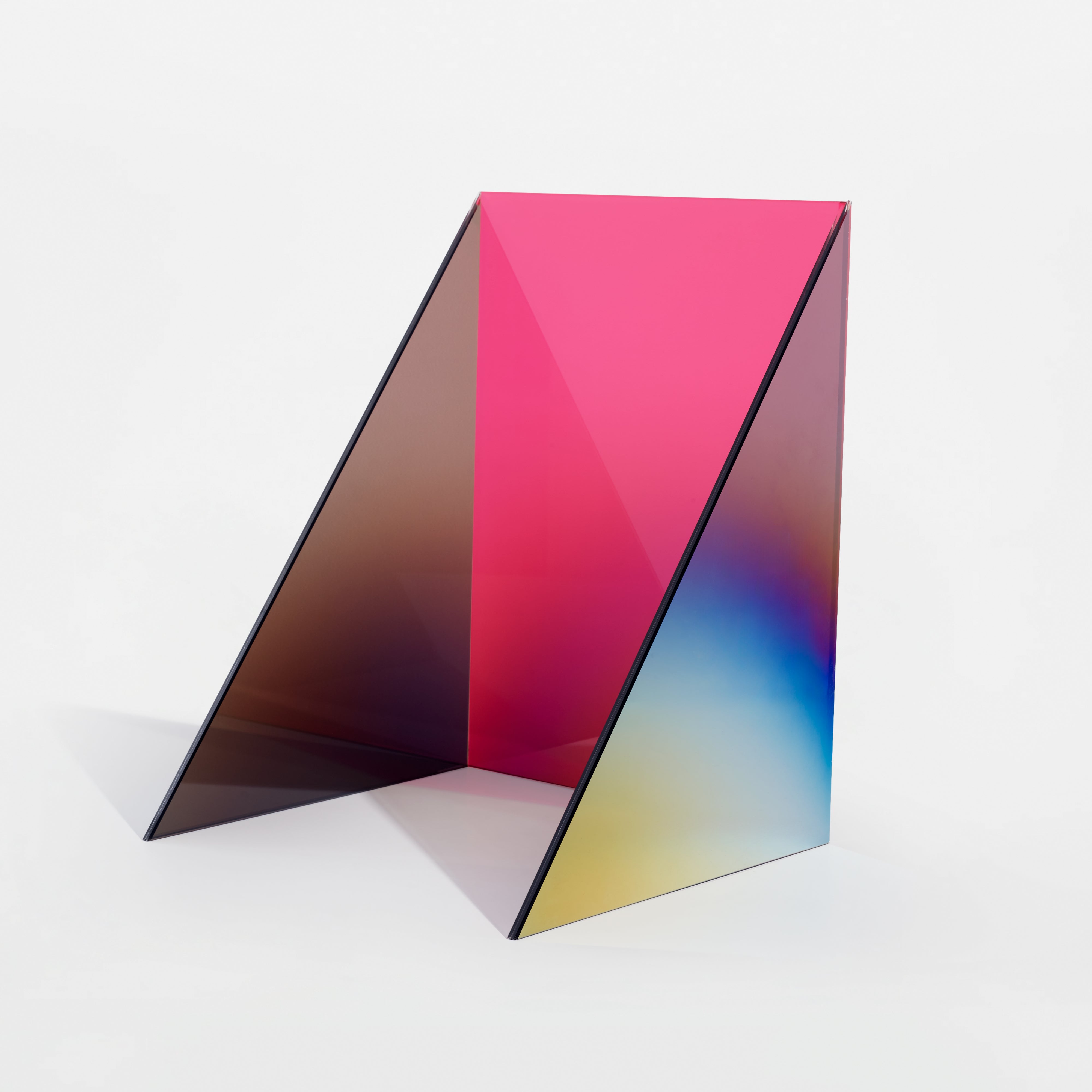
SF 6.21.12B, 2012
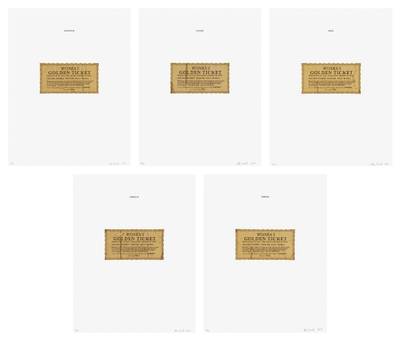
Ruscha in particular has seen sustained demand at Christie's, Sotheby's, and Phillips, with strong results across both his paintings and his artist books. The books, which he began producing in the early 1960s, remain one of the more interesting entry points for collectors who want genuine art historical significance at a more accessible price point. Weston's photographs, especially the vintage prints made during his own lifetime, command significant premiums over later prints, and that distinction matters enormously in terms of long term value. With any photographic work, the edition size, the date of printing, and the provenance chain are not merely technical details.
They are the difference between a meaningful acquisition and a decorative one. When approaching a gallery about any West Coast work, the questions worth asking are layered. For photographs, ask specifically whether the print is vintage or printed later, and request documentation of the edition. For paintings, ask about exhibition history and institutional provenance, because works that have been shown in serious museum contexts carry both scholarly validation and practical liquidity advantages.
For works on paper, ask carefully about light exposure history, since California living rooms and California sun are not always kind to works on paper. The best West Coast art rewards commitment, the kind of looking that happens over months and years of daily encounter. That is ultimately what makes it so well suited to collecting rather than simply appreciating. It is work that deepens the longer you stay with it.