Color Field
Norman Zammitt
Untitled
Color as the Subject, Color as Everything
There is a moment, standing before a large Rothko, when the painting stops being an object and becomes a condition. The air around you seems to change temperature. Your breathing slows. Whatever you were thinking about before you walked into the room no longer matters.
This is what Color Field painting was always after, not beauty exactly, not decoration, but an experience so direct and unmediated that it bypasses the thinking mind entirely and lands somewhere older and deeper. That ambition, radical when it first appeared in the late 1940s and still potent today, is what makes the movement one of the most enduring and quietly influential forces in the history of modern art. The story begins, as so many American art stories do, in New York. In the years following the Second World War, a group of painters began pushing against the gestural energy of Abstract Expressionism, seeking something less heroic and more contemplative.
Barnett Newman
The Moment, 1966
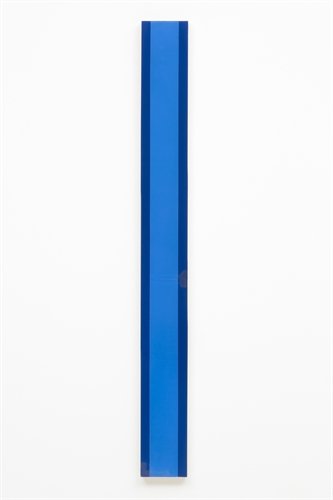
Mark Rothko, whose eight works on The Collection offer an intimate window into his thinking, had by the early 1950s abandoned the biomorphic surrealism of his earlier career entirely. His new canvases were vast, warm, luminous, built from soft rectangular fields of color that seemed to hover slightly in front of the canvas surface rather than rest upon it. Barnett Newman was arriving at similar territory through different means, his zip paintings reducing the pictorial field to nearly nothing. Hans Hofmann, teaching with tremendous influence in both New York and Provincetown, was theorizing the push and pull of color relationships in ways that gave a generation of painters both permission and a vocabulary.
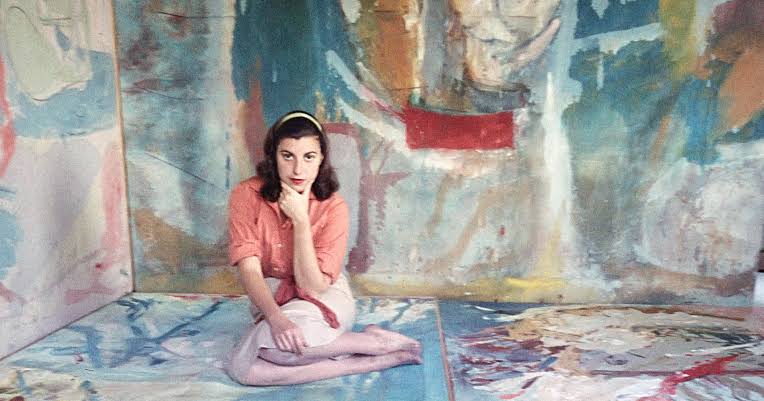
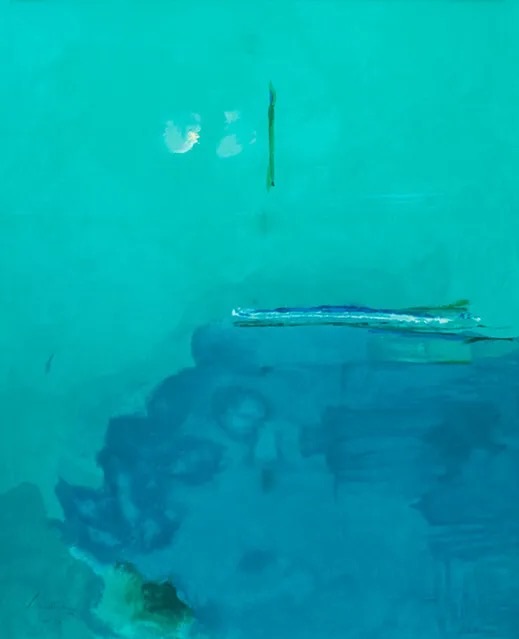
The term Color Field itself came into sharper focus through the critical writing of Clement Greenberg, whose 1964 essay and the accompanying exhibition Post Painterly Abstraction at the Los Angeles County Museum of Art helped define a second generation of painters working in a cooler, more optically precise register. Greenberg championed artists who were moving away from the loaded brushstroke and toward something flatter, more open, more purely retinal. Helen Frankenthaler was central to this evolution. Her 1952 painting Mountains and Sea, created by pouring thinned paint directly onto unprimed canvas laid flat on the floor, introduced a technique called soak stain that would transform the movement.
Helen Frankenthaler
Contentment Island, 2004
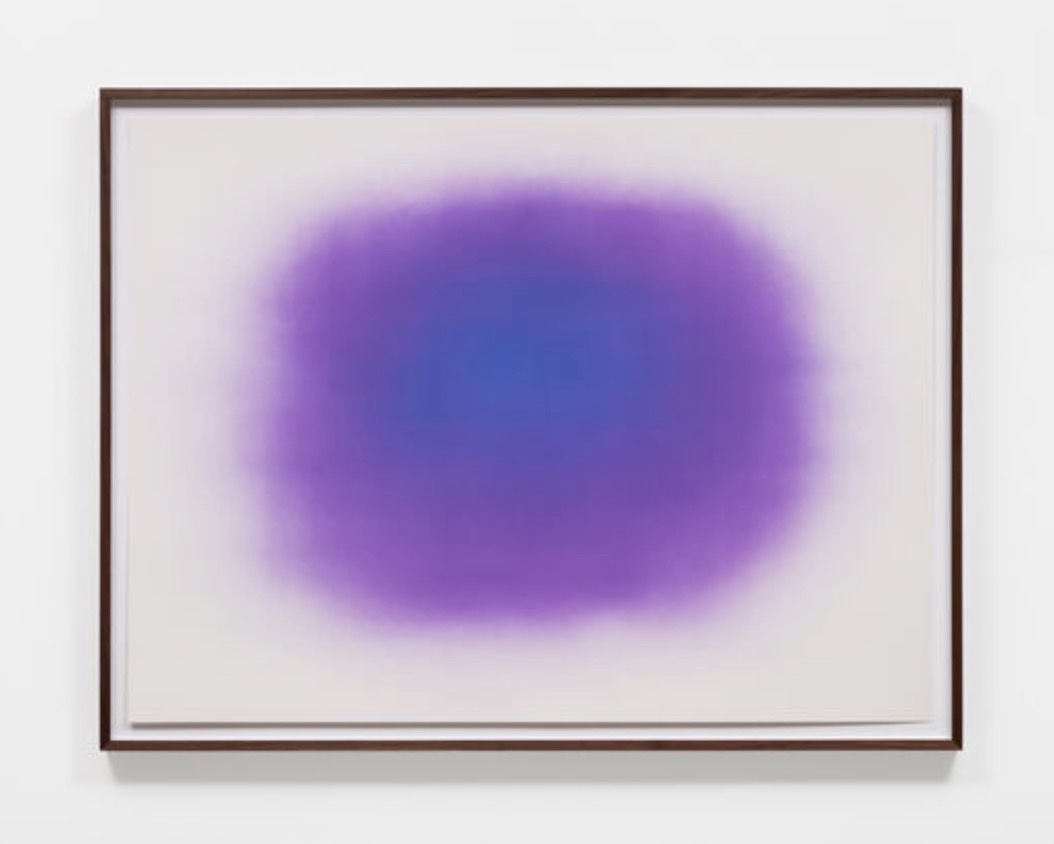
The paint did not sit on top of the canvas. It became the canvas. The two were inseparable, and that fusion gave the resulting works a luminosity that felt almost atmospheric, as though light were emanating from within the fabric itself. Frankenthaler is well represented on The Collection, and the range of her work there makes clear just how inventive and restless she remained across decades.
Kenneth Noland and Morris Louis both visited Frankenthaler's studio in 1953, an encounter that is one of those genuinely pivotal moments in art history. Both men went home and began pouring. Louis developed his Veil and Unfurled series, great cascading channels of color that run diagonally across enormous canvases. Noland pursued a different geometry, the target paintings, the chevrons, the horizontal bands, each placing color relationships front and center with almost scientific precision.
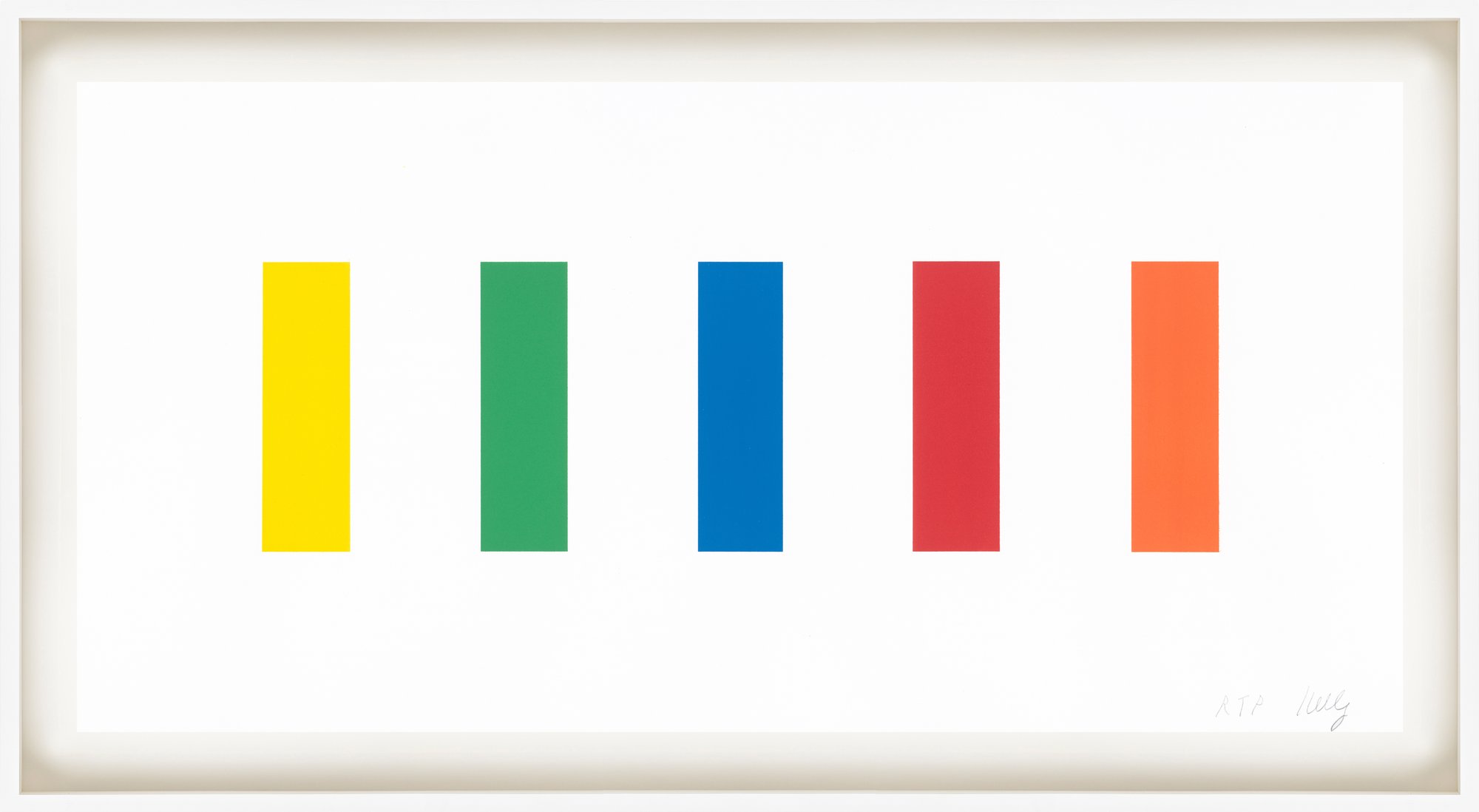
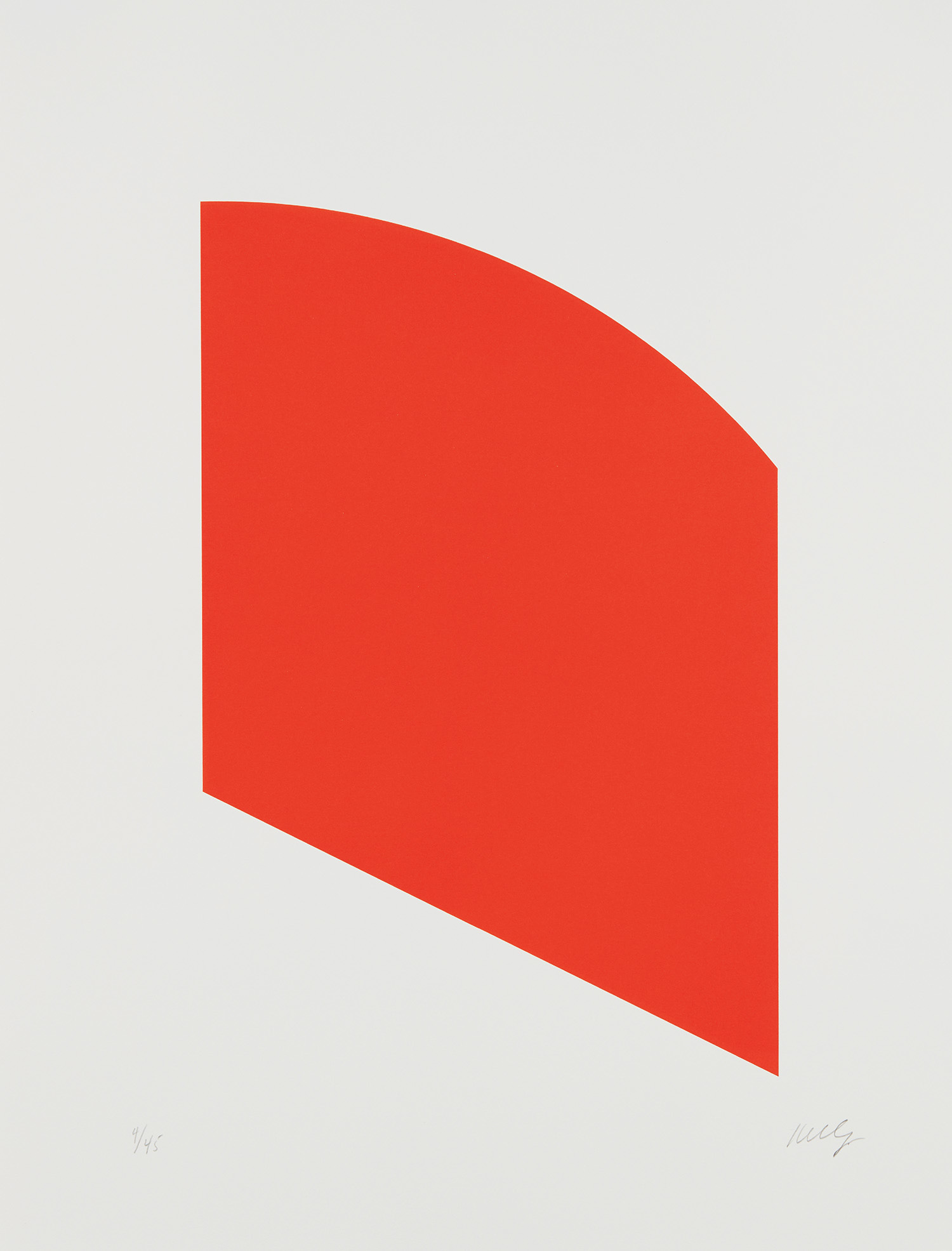
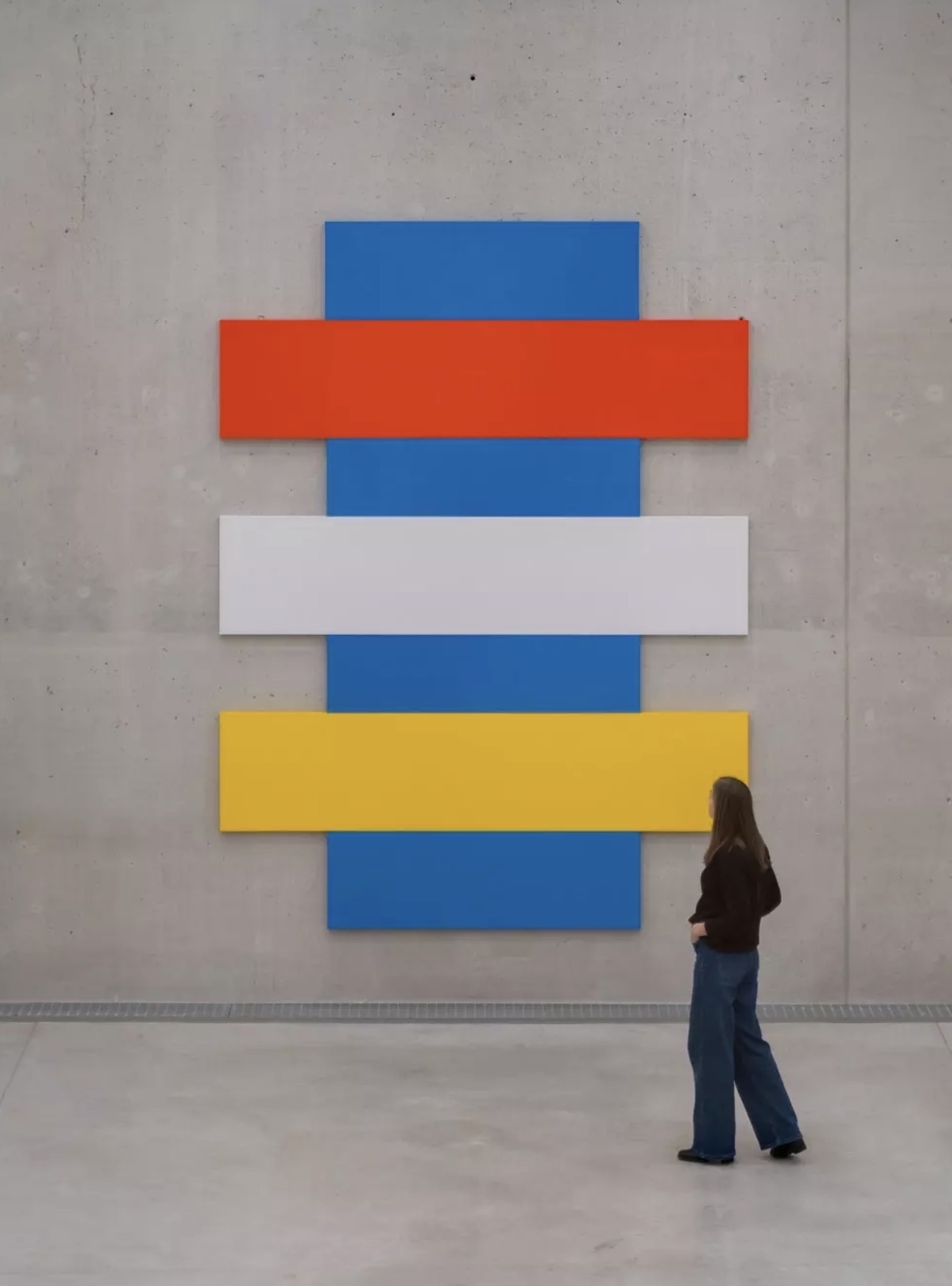
Ellsworth Kelly
Dartmouth, 2011
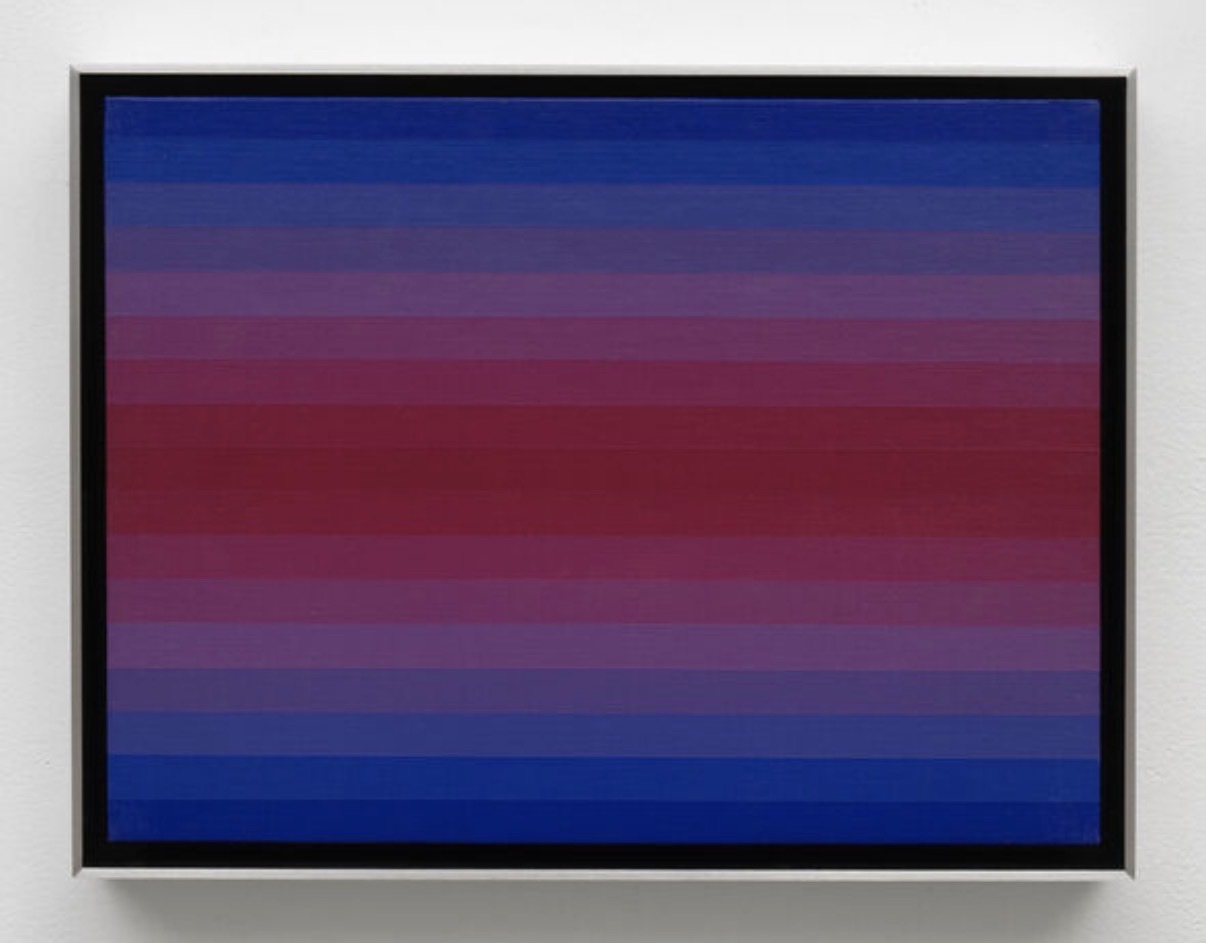
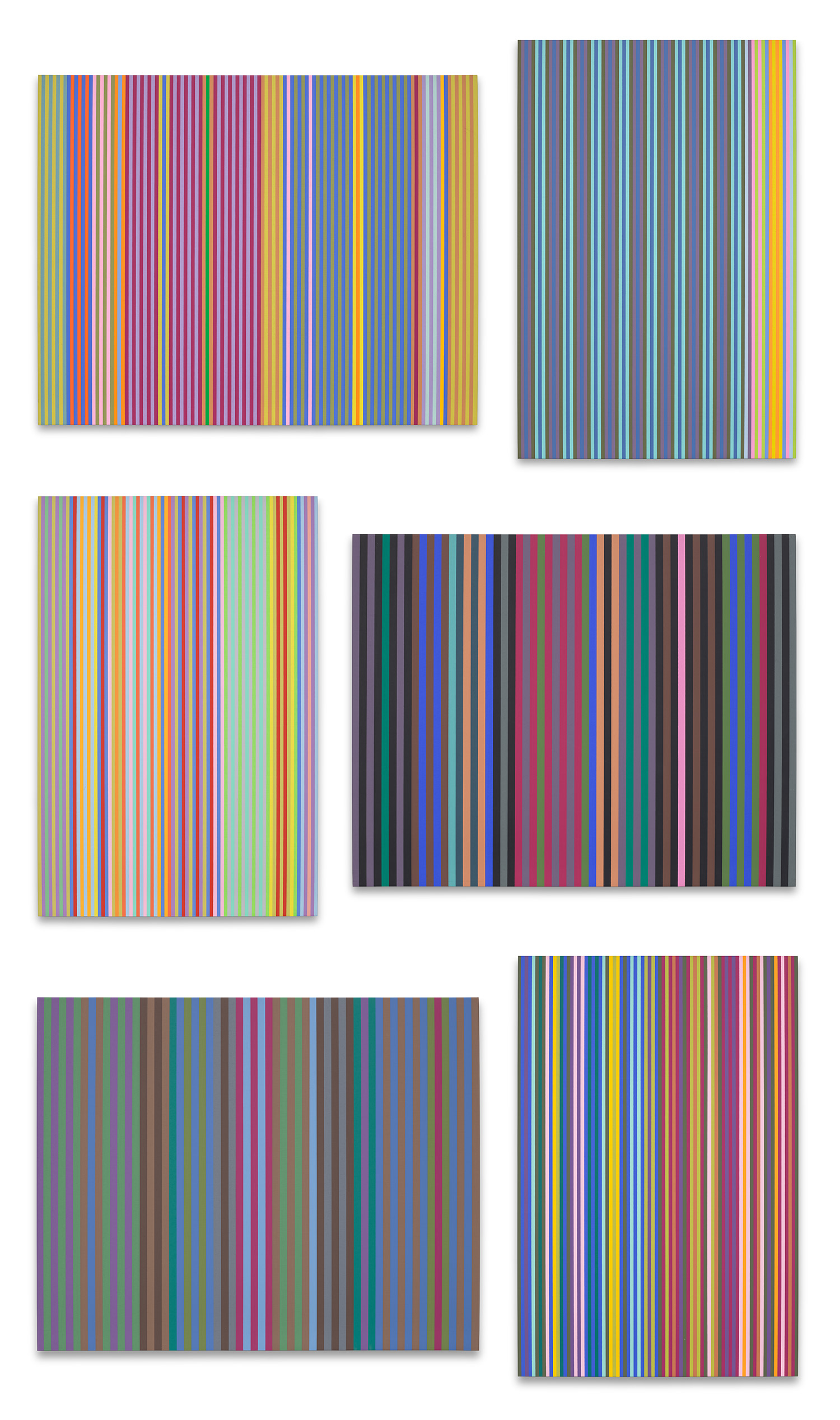
His works on The Collection sit beautifully alongside those of Gene Davis, whose striped canvases from the Washington Color School share that same fascination with rhythm and interval, the way one color inflects the next simply by proximity. Jules Olitski pushed the spray painted surface toward something almost synaesthetic, color so evenly diffused it seemed less painted than breathed onto the canvas. What made all of this technically radical was also what made it philosophically interesting. By eliminating drawing, by eliminating figure and ground, by insisting that color alone carry all the expressive and structural weight, these painters were making a claim about perception itself.
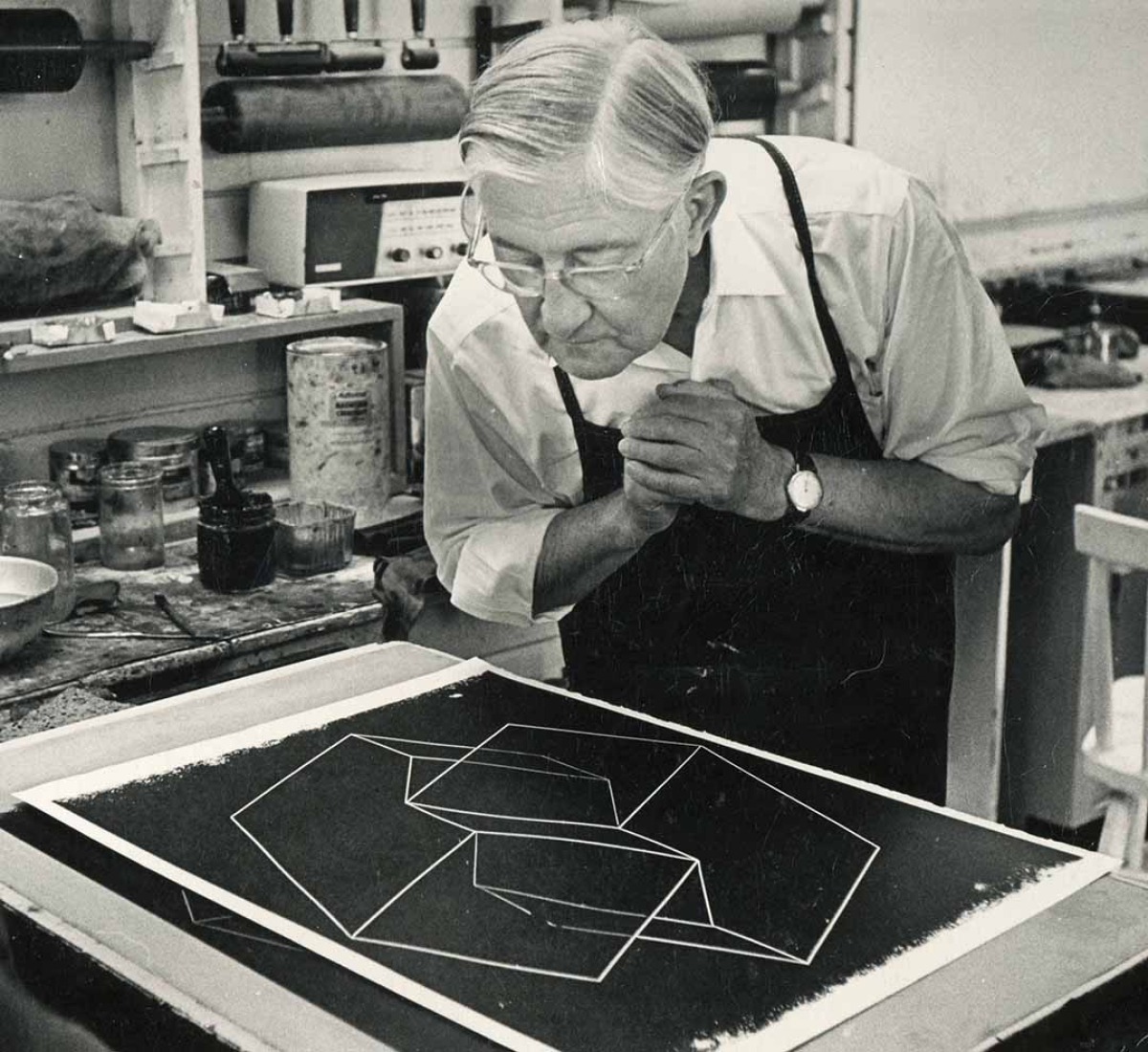
Josef Albers spent decades at Black Mountain College and Yale investigating exactly this terrain, his Homage to the Square series demonstrating through patient, systematic iteration that our experience of any given color is entirely dependent on what surrounds it. There is no fixed red, no stable blue. Color is relational, contextual, alive. Richard Anuszkiewicz, who studied with Albers and whose work sits within the broader optical tradition, pursued similar investigations through an intensity of contrast that vibrates almost physically.
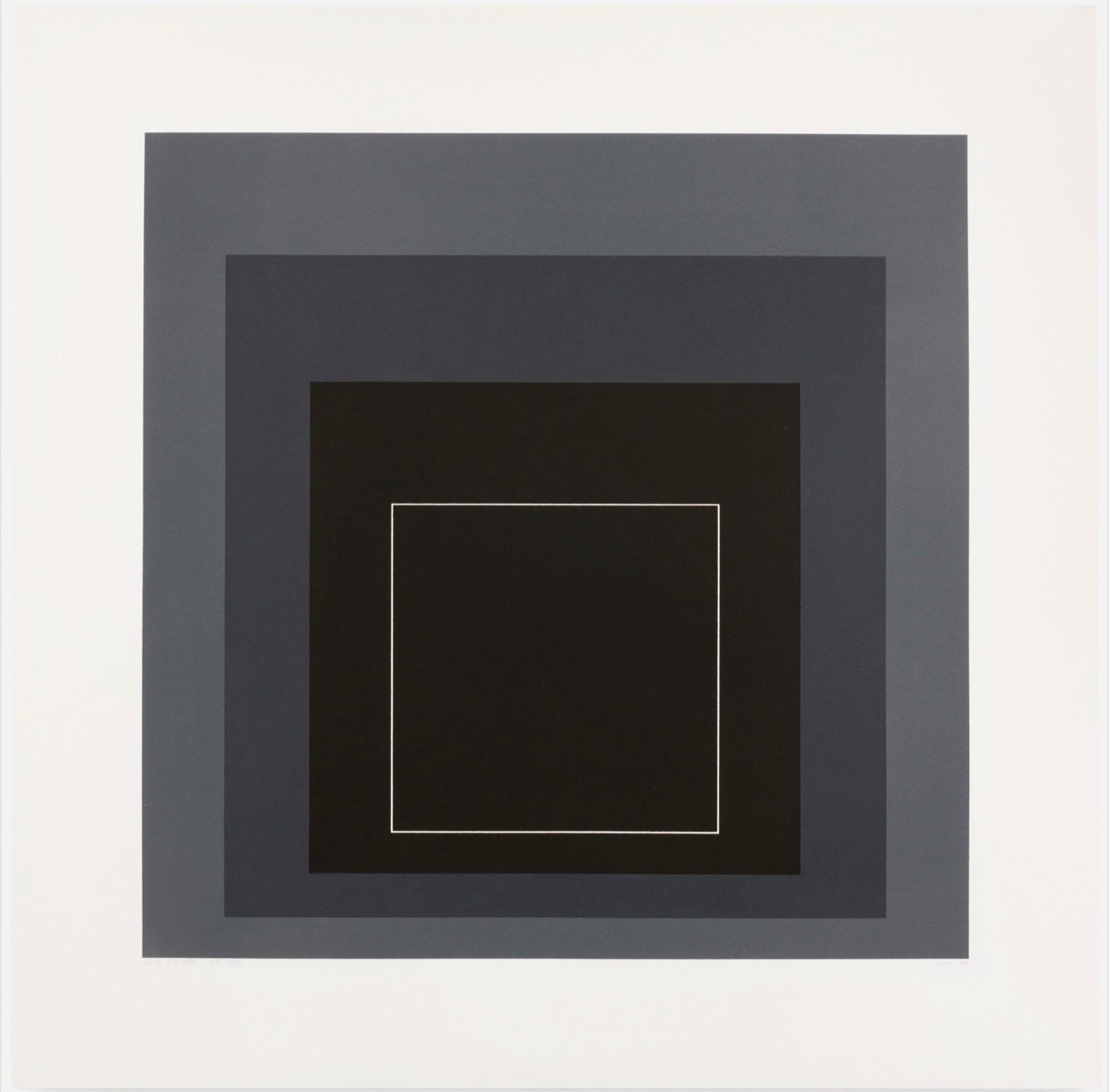
Josef Albers
Untitled, 1966
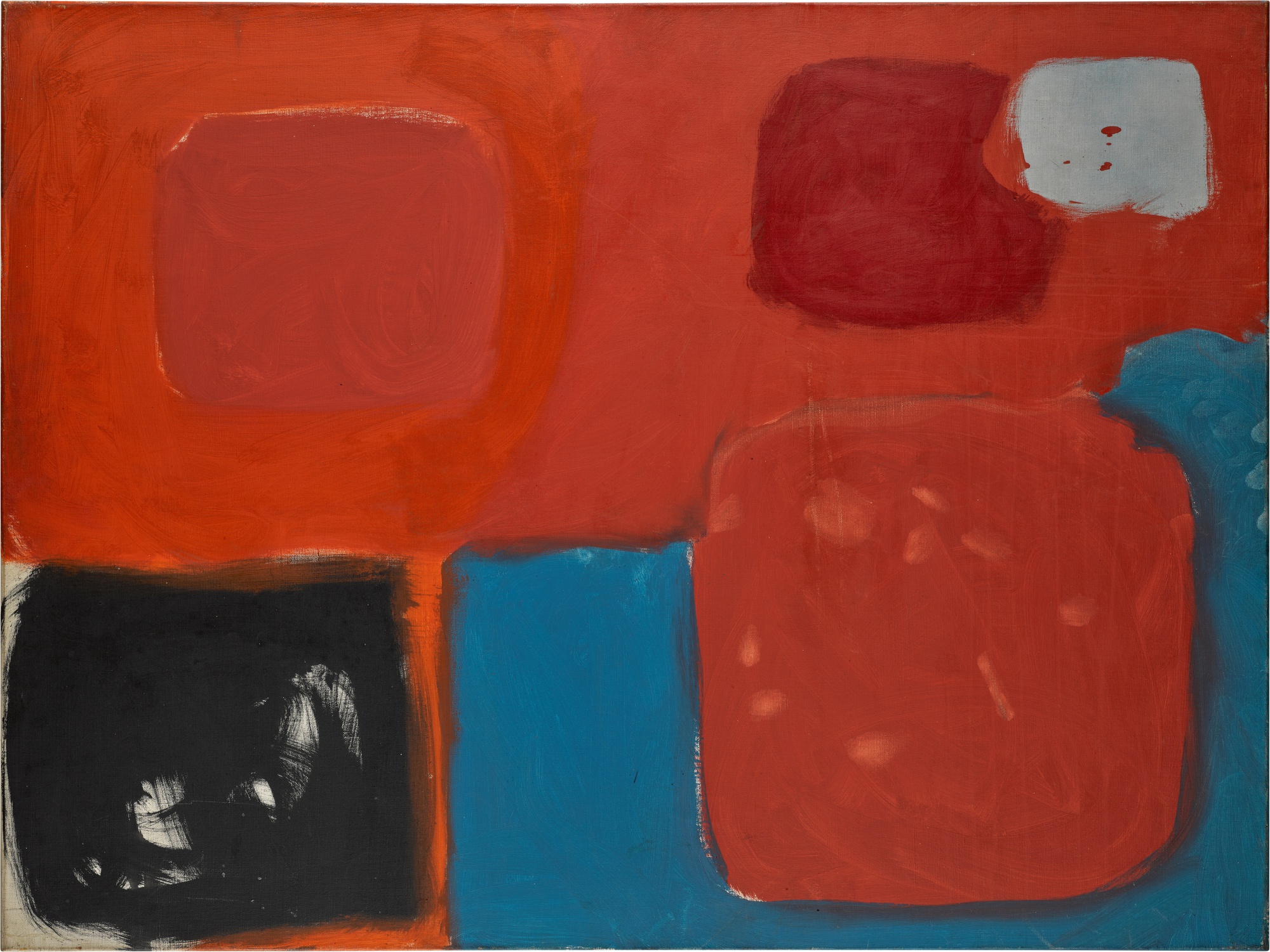
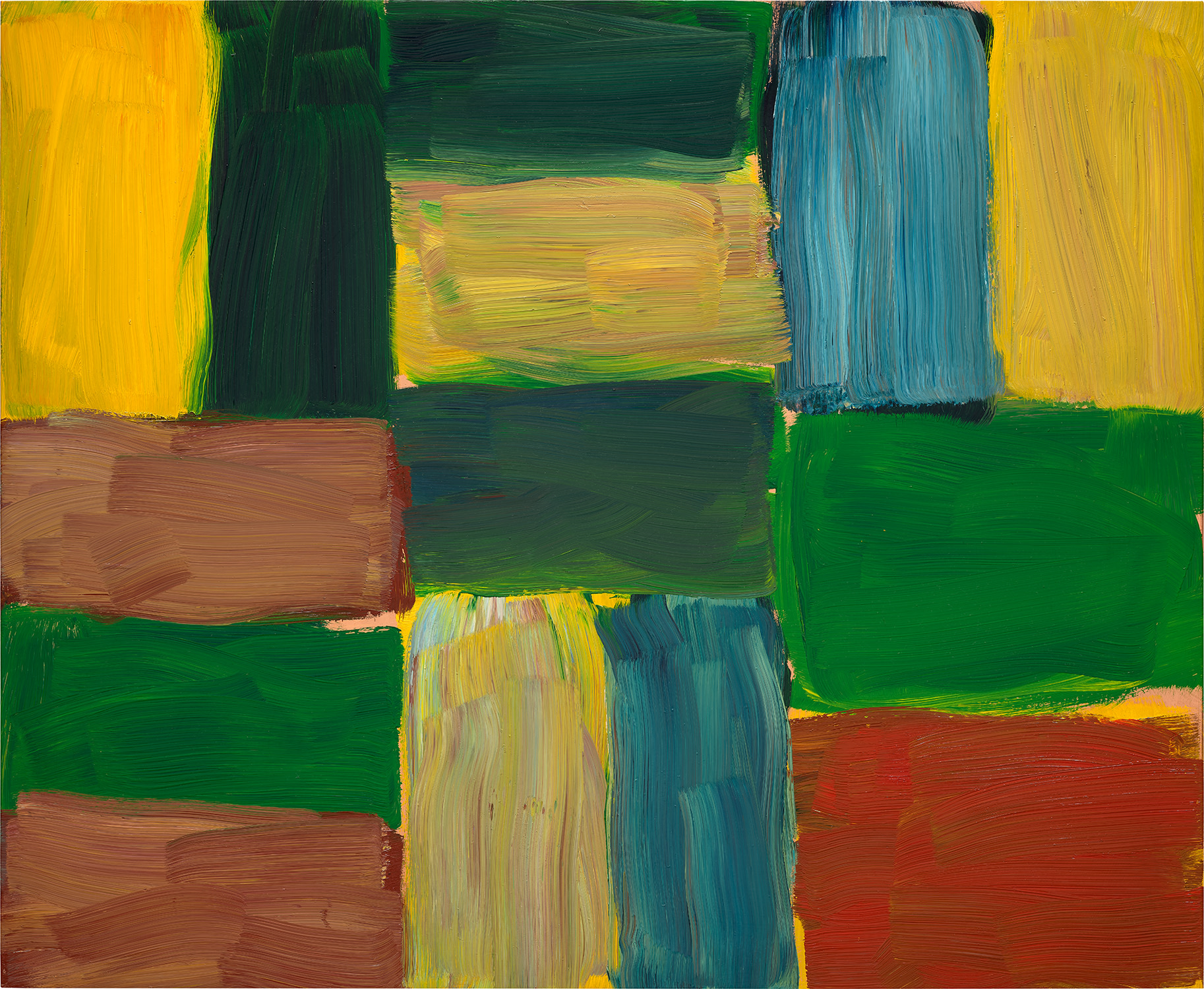
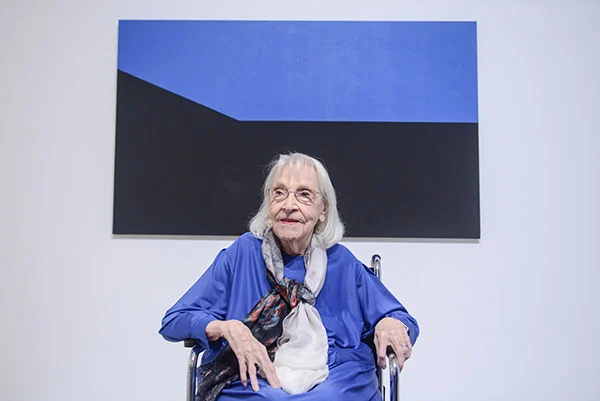
Sam Francis brought something warmer and more lyrical to the conversation, his open fields of pooling pigment finding a wide international audience during the 1950s when he was working in Paris, a reminder that this was never only an American story. The movement extended into Britain through painters like Patrick Heron, whose striped and spotted canvases from the late 1950s onward show a sensibility formed equally by the particular quality of light in Cornwall and by close attention to what was happening across the Atlantic. Sean Scully, whose work on The Collection spans several decades, takes the language of horizontal and vertical bands into a more emotionally weighted register, architecture of feeling as much as of color. Carmen Herrera, who worked quietly and without significant recognition for decades before her belated rise to widespread acclaim, demonstrates through her geometric precision that Color Field's reduction of means was never about emptiness but about concentration.
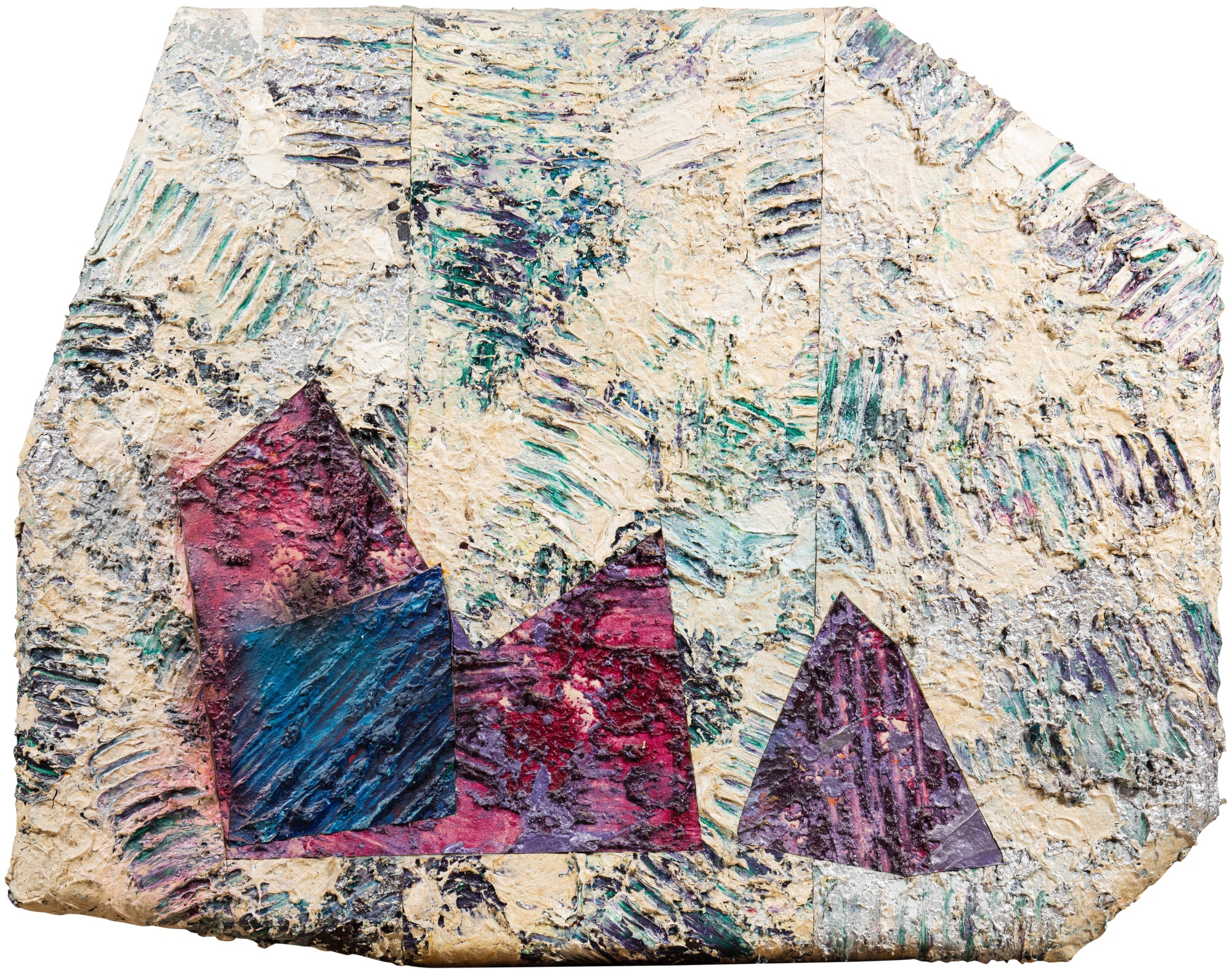
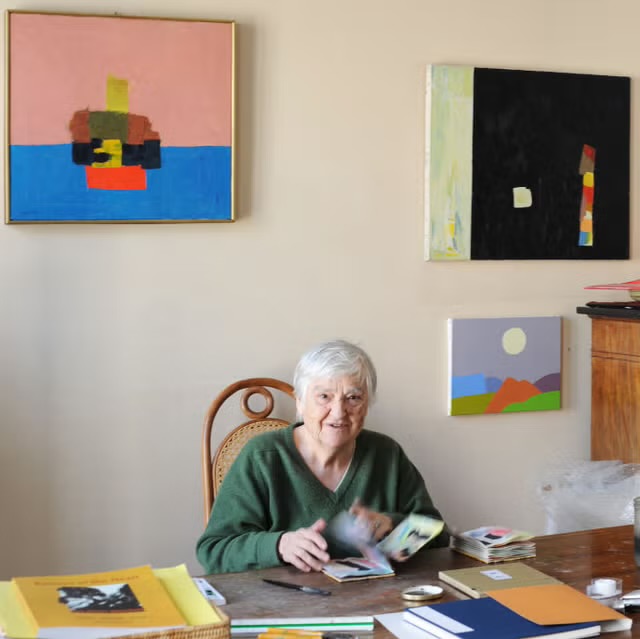
Sam Gilliam introduced folds and drapes and a physical dimensionality that took the stained canvas off the wall entirely, expanding what the category could contain. Today the legacy of Color Field painting is everywhere, absorbed so thoroughly into the visual culture of contemporary art that it can be easy to miss. Stanley Whitney's stacked grids, full of controlled tension and joyful irreverence, owe a clear debt to the movement's central preoccupations while pushing them in directions that feel urgent and present. Etel Adnan's small but luminous leporellos fold color and light into something almost devotional.
The conversation initiated by Rothko and Frankenthaler and Albers is still very much ongoing, because the central question they posed has never been fully answered. How much can color do on its own? The answer, as the works gathered on The Collection quietly insist, turns out to be quite a lot.