Russian
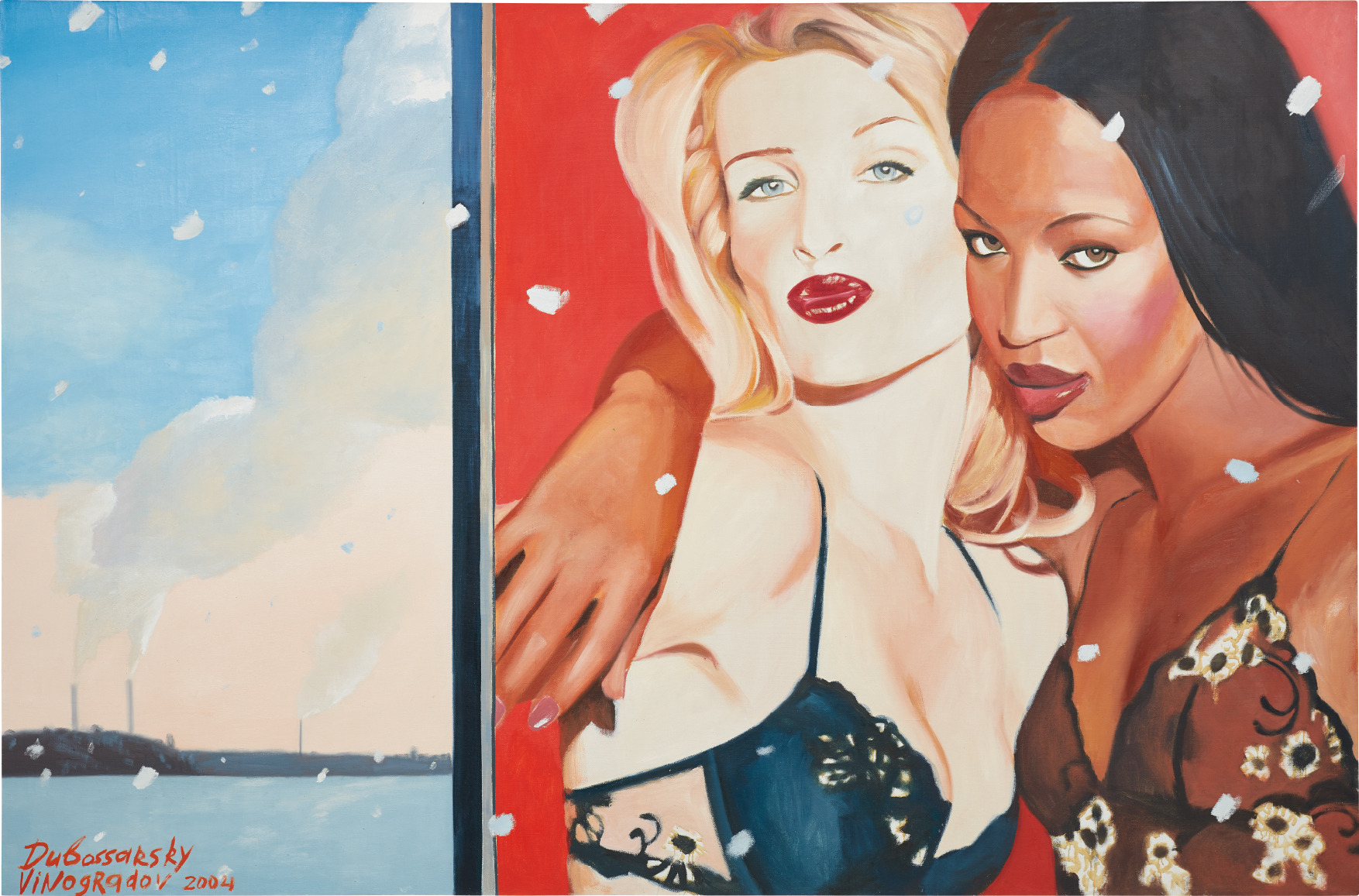
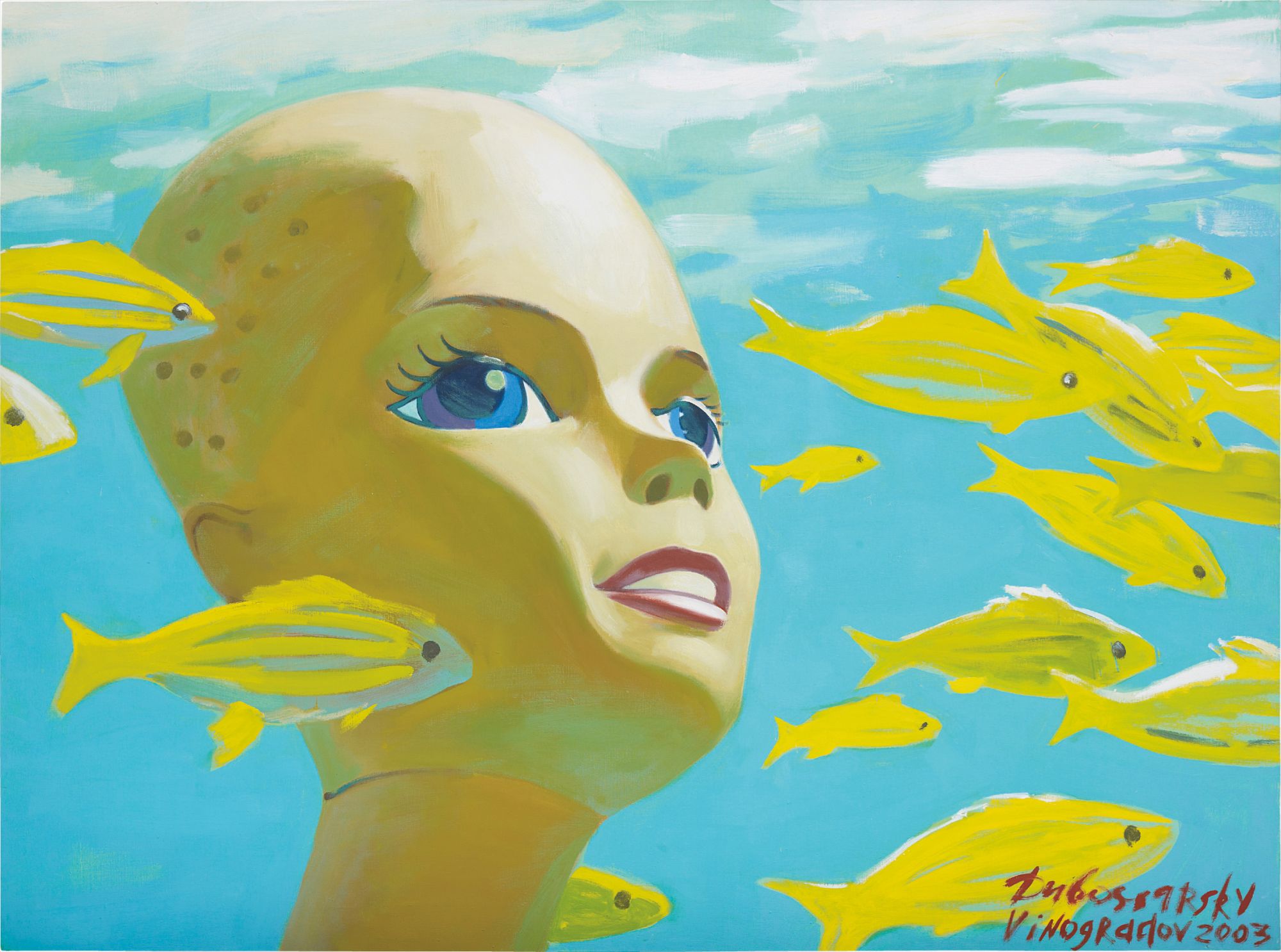
Vladimir Dubossarsky
Smoke on the Snow, 2004
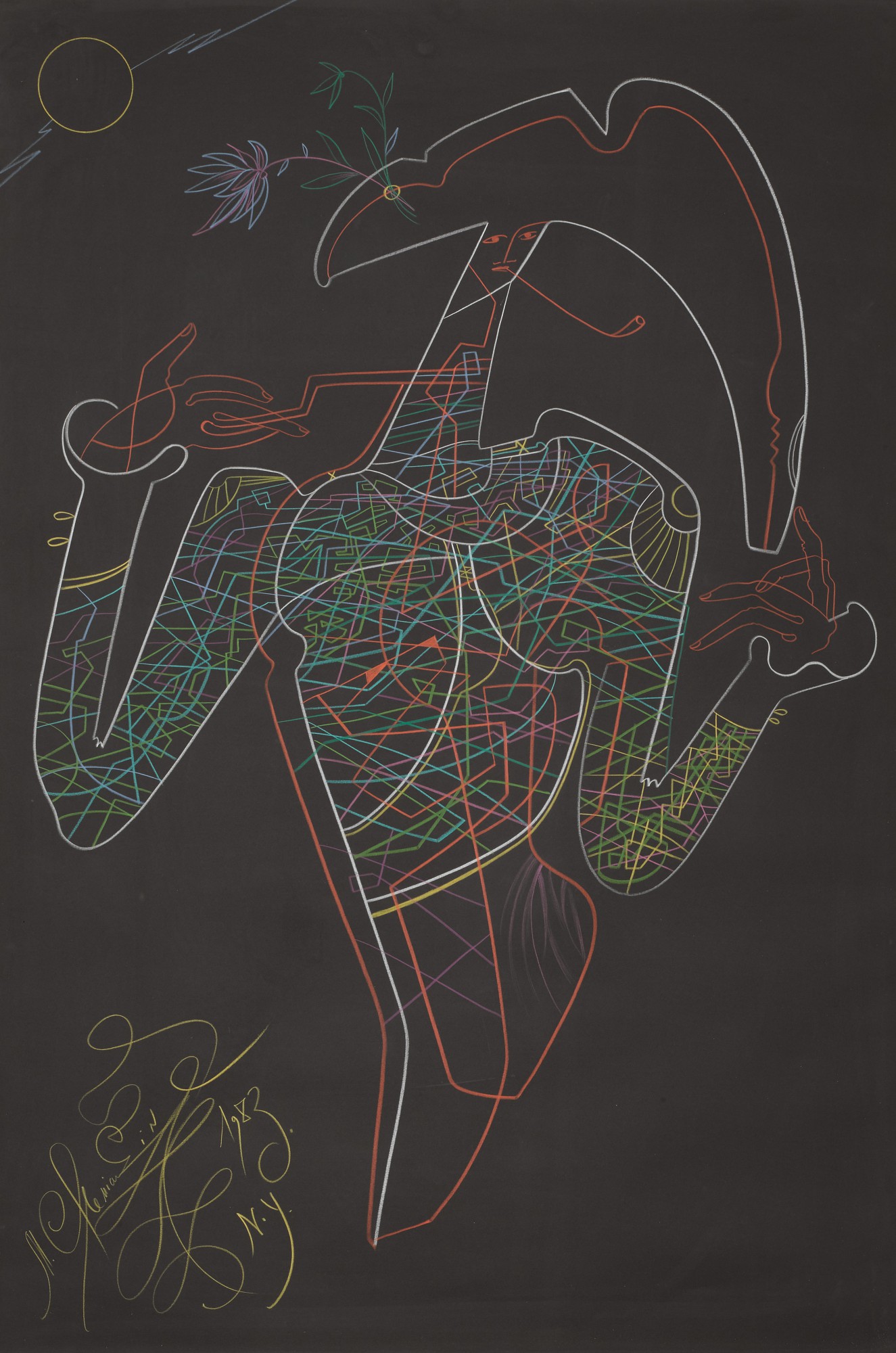
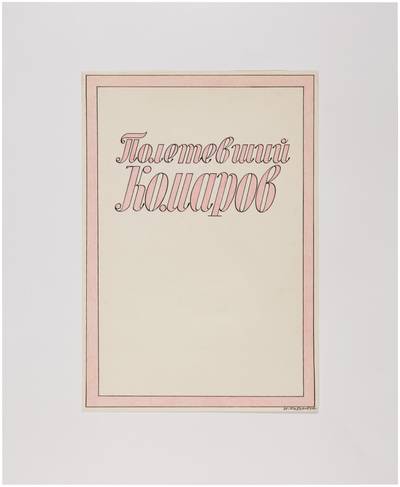
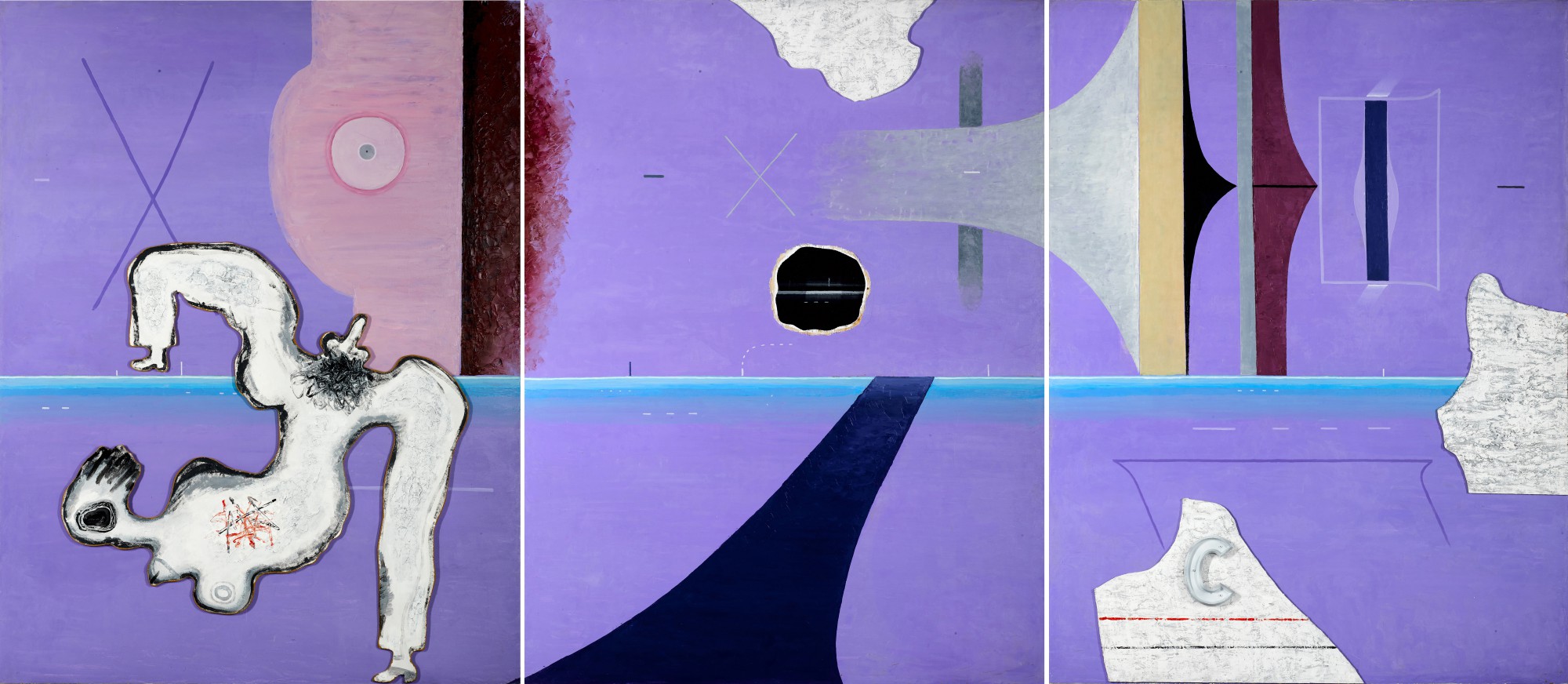
The Russian Soul Still Has Something to Say
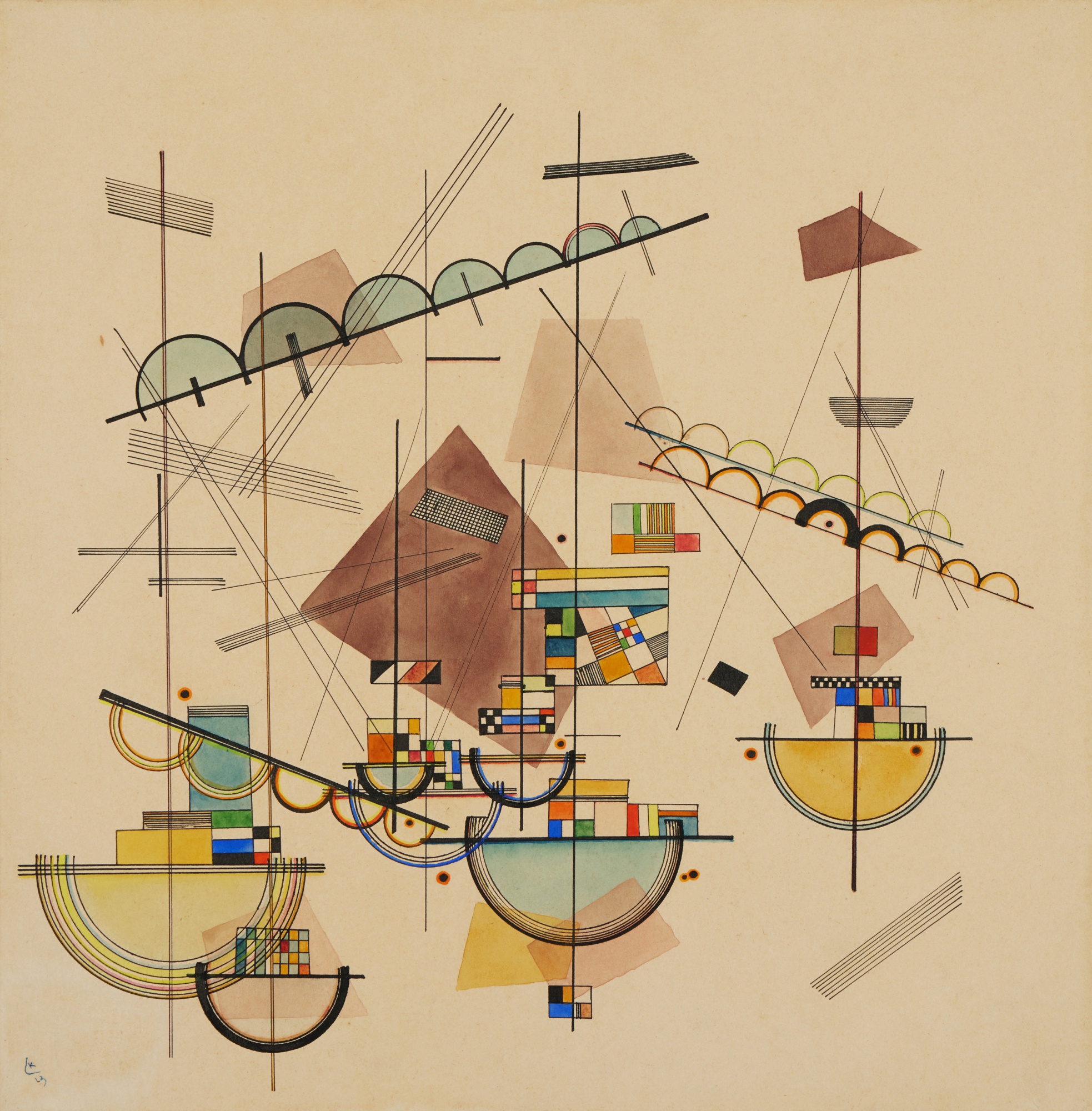
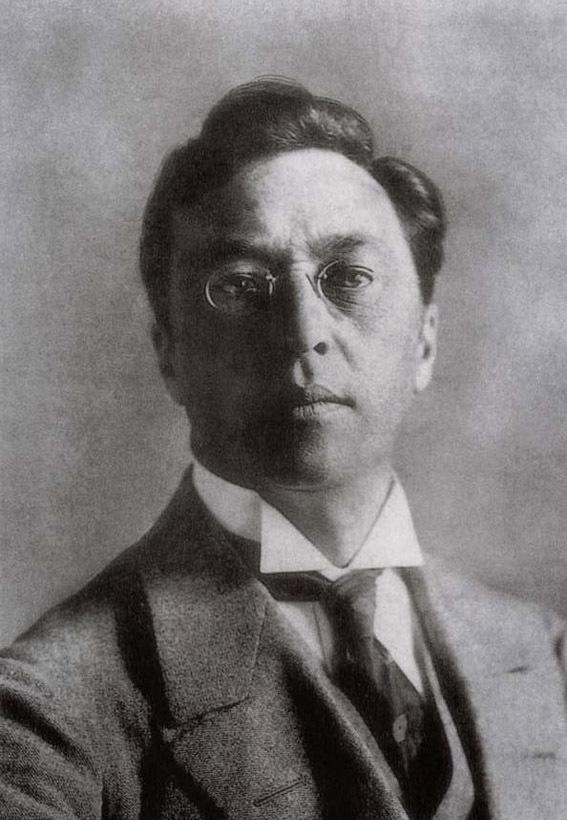
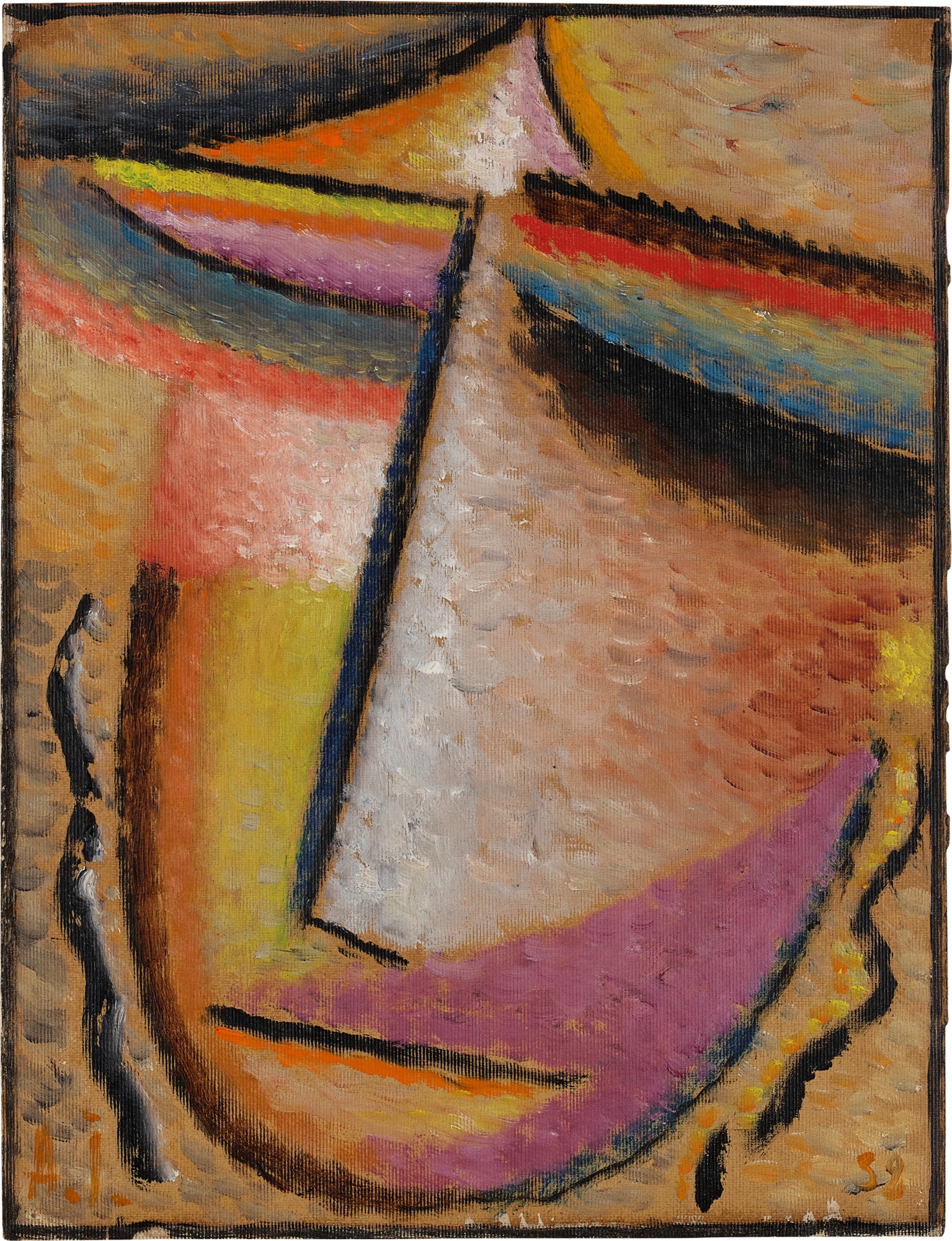
When Sotheby's London brought a major Wassily Kandinsky composition to auction in recent years and watched it pass through the room well above estimate, it felt less like a market correction and more like a reminder. The world may have complicated its relationship with Russia as a geopolitical actor, but the art that emerged from that culture, across more than a century of rupture and reinvention, continues to command serious attention. The buyers in that room were not being contrarian. They were recognizing something the broader market sometimes forgets: that Russian modernism and its descendants constitute one of the most intellectually serious and emotionally charged traditions in twentieth century art.
The story of Russian art collecting in the West has always been entangled with history in ways that other national traditions are not. The revolution, the emigrations, the Soviet decades, the underground movements that flourished in communal apartments and were never shown publicly until they suddenly were. Each of those ruptures produced artists who were either marginalized or forgotten and then rediscovered, often by Western institutions first. The Centre Pompidou's sustained attention to Russian avant garde material helped establish the critical framework through which figures like Mikhail Larionov, whose Rayonism was among the most radical gestures in early abstraction, are now understood.
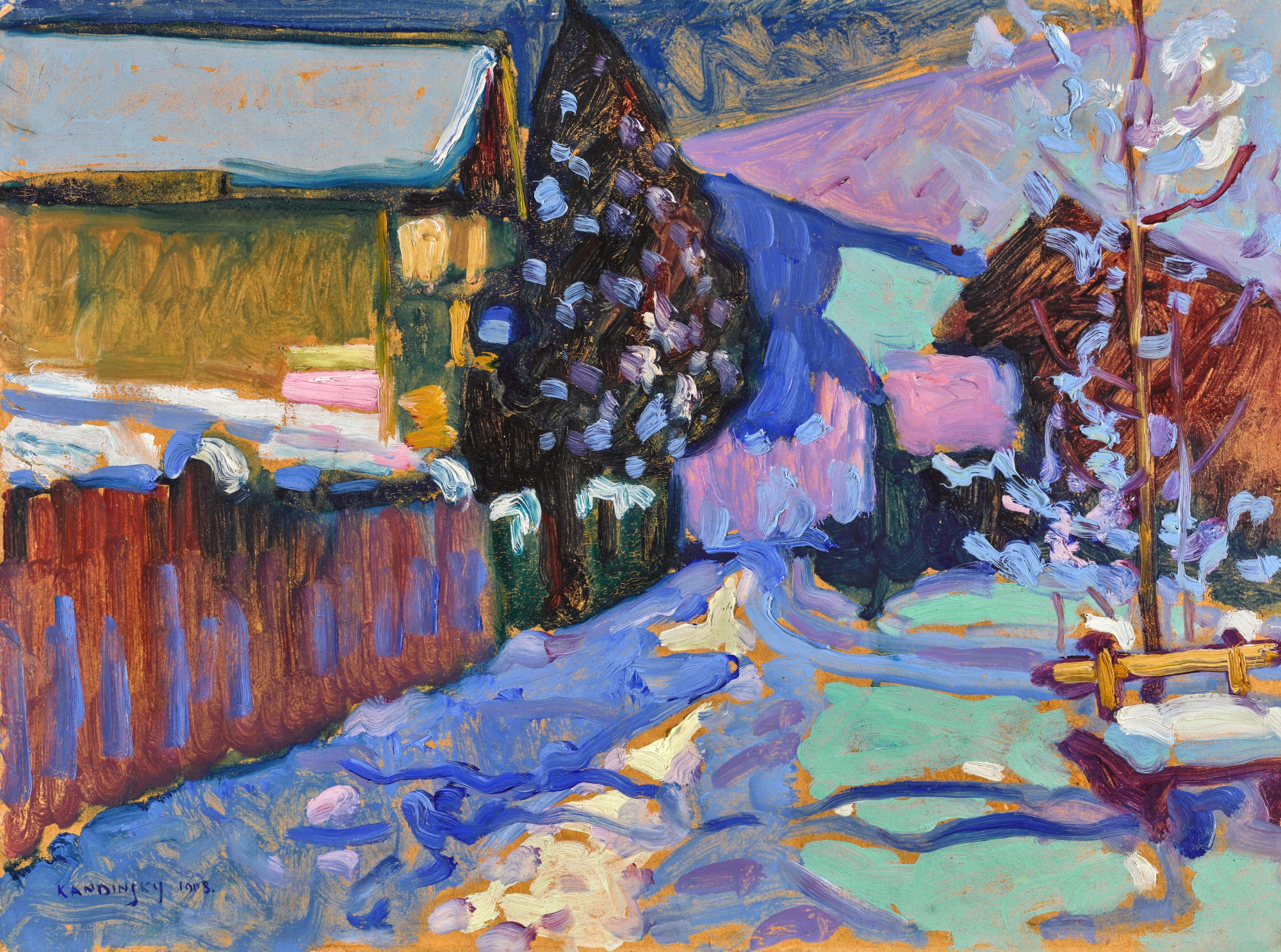
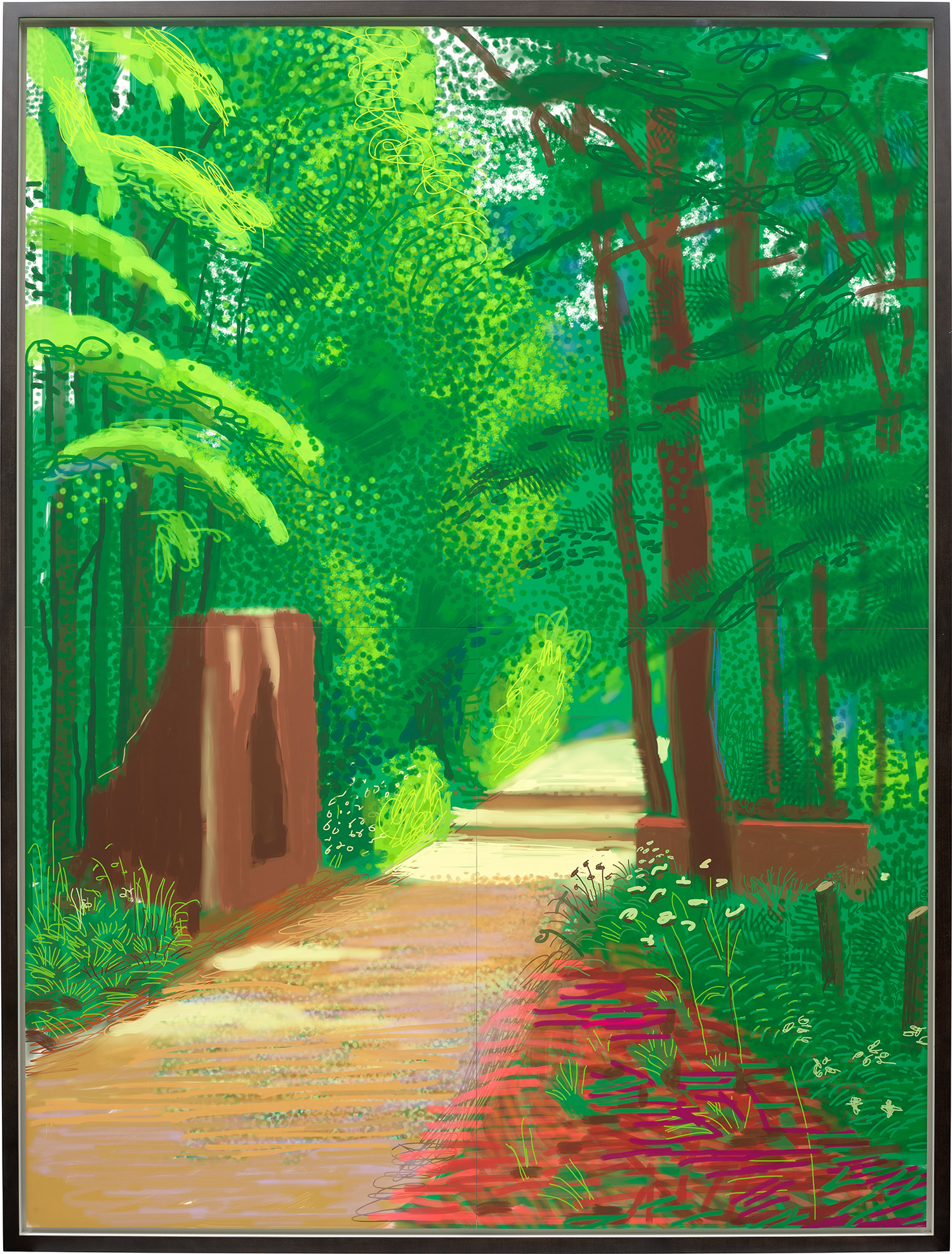
Wassily Kandinsky
Winter bei Urfeld (Winter near Urfeld), 1908
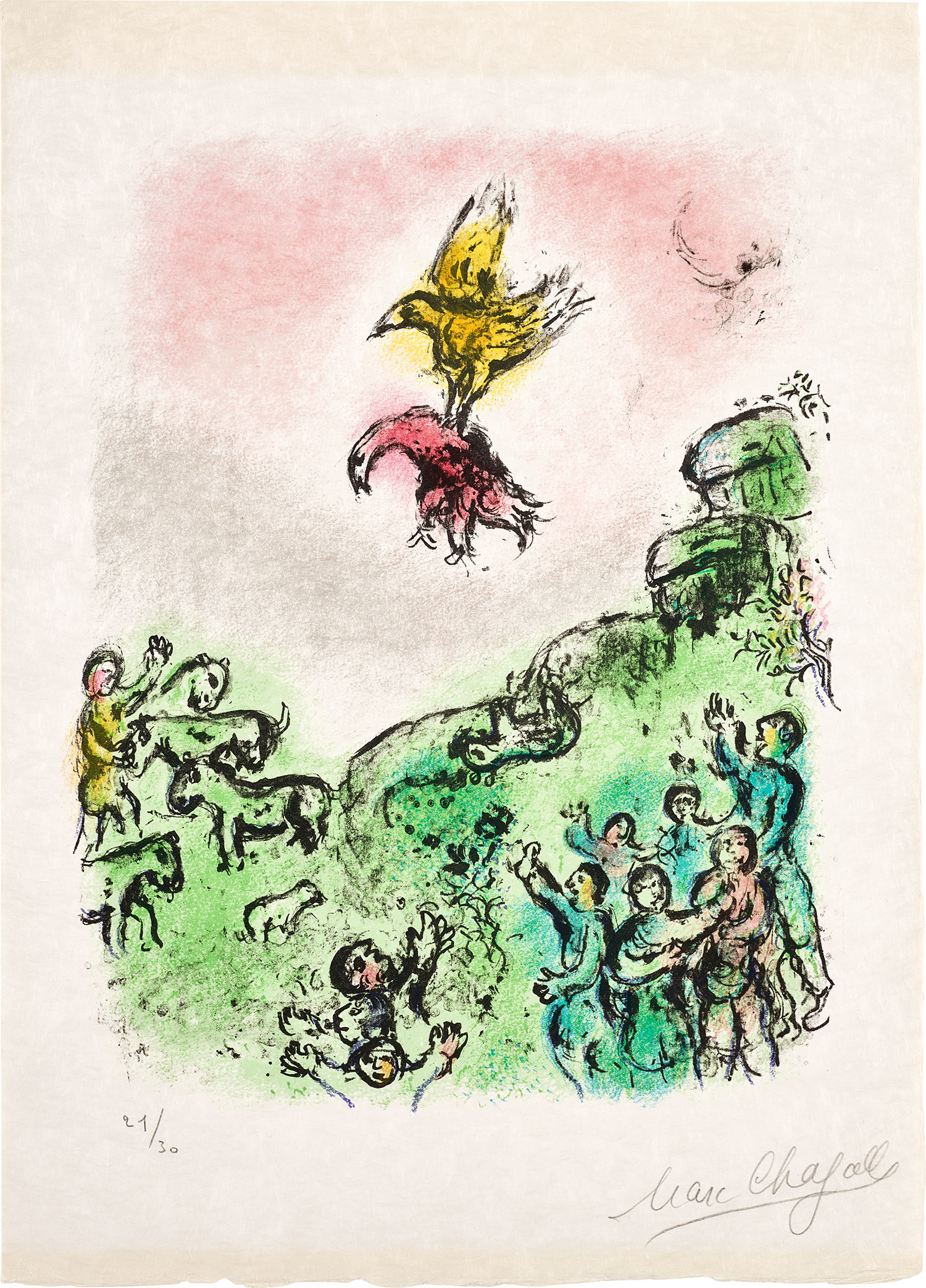
That institutional legitimacy opened collecting doors that personal taste alone could not. The market appetite for the canonical names remains strong. Chagall, whose presence on The Collection is substantial and whose late works continue to appear at Christie's and Sotheby's with reliable frequency, anchors the upper end of the Russian market in a way no other artist quite manages. His prices are not surprising anymore, but they are not softening either.
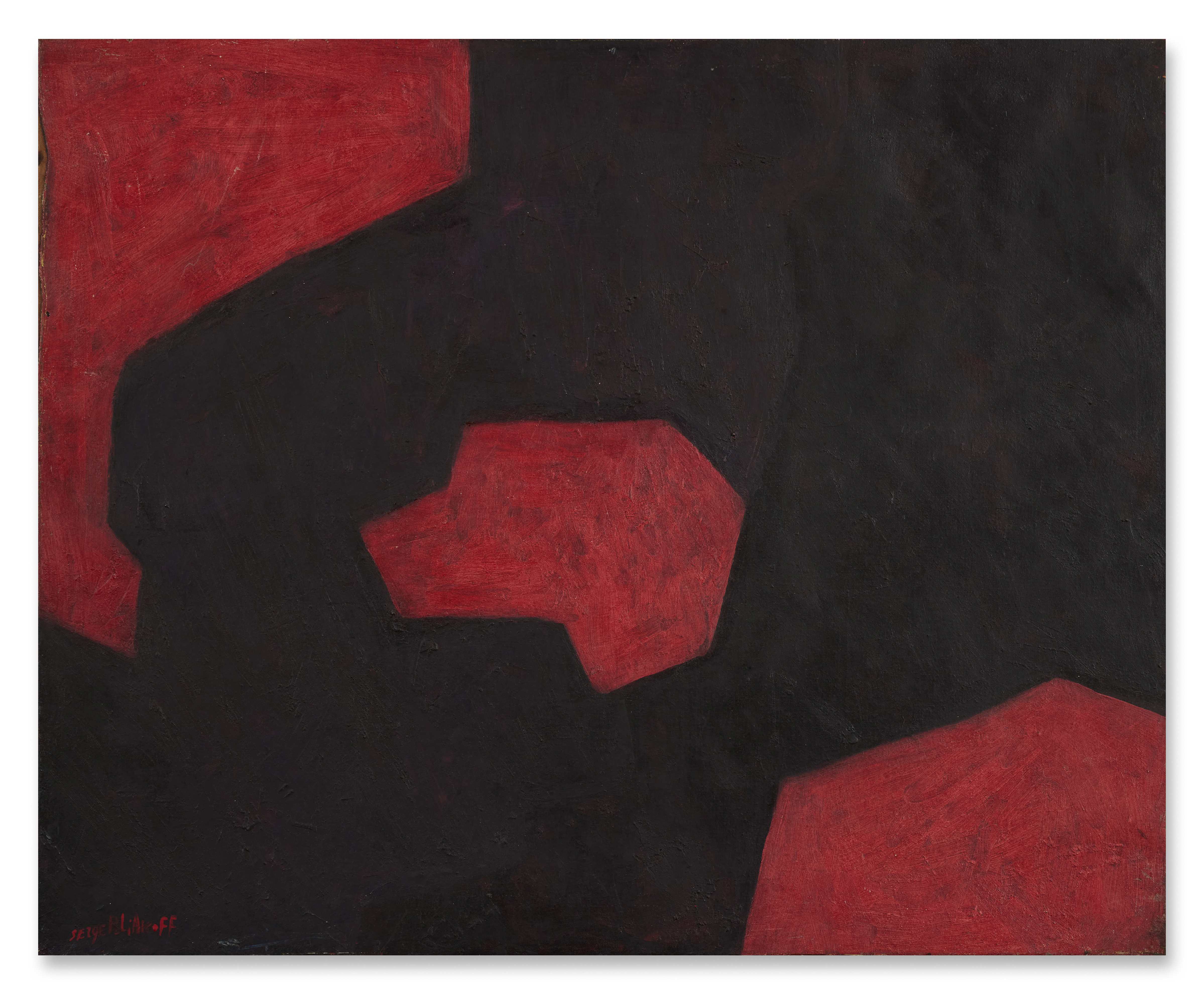
What is more interesting to watch is the second tier, where Serge Poliakoff and André Lanskoy, both Paris emigres who absorbed School of Paris abstraction without surrendering something distinctly their own, have attracted renewed scrutiny from collectors who came to abstraction through American channels and are now following the thread backwards. Poliakoff in particular has had a strong showing at European auction houses in recent years, with major compositions consistently outperforming their estimates. The nonconformist generation, those Soviet era artists who worked outside official channels and were exhibited in famous unofficial shows like the 1974 Bulldozer Exhibition in Moscow, now occupies a fascinating position in the market. Oskar Rabin, who was present at that legendary outdoor show and later expelled from the Soviet Union, has seen growing institutional recognition in France, where he spent much of his later life.
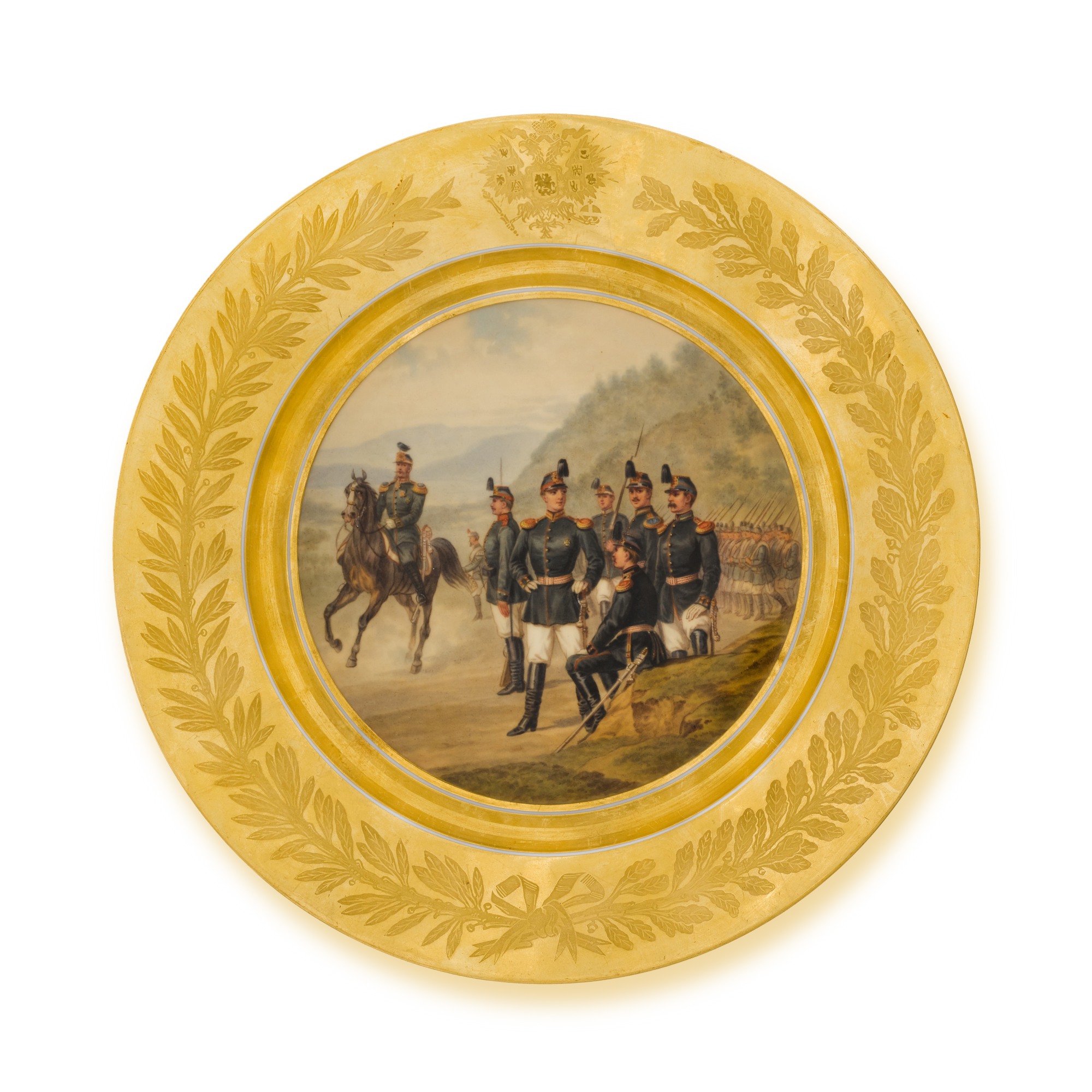
Unknown
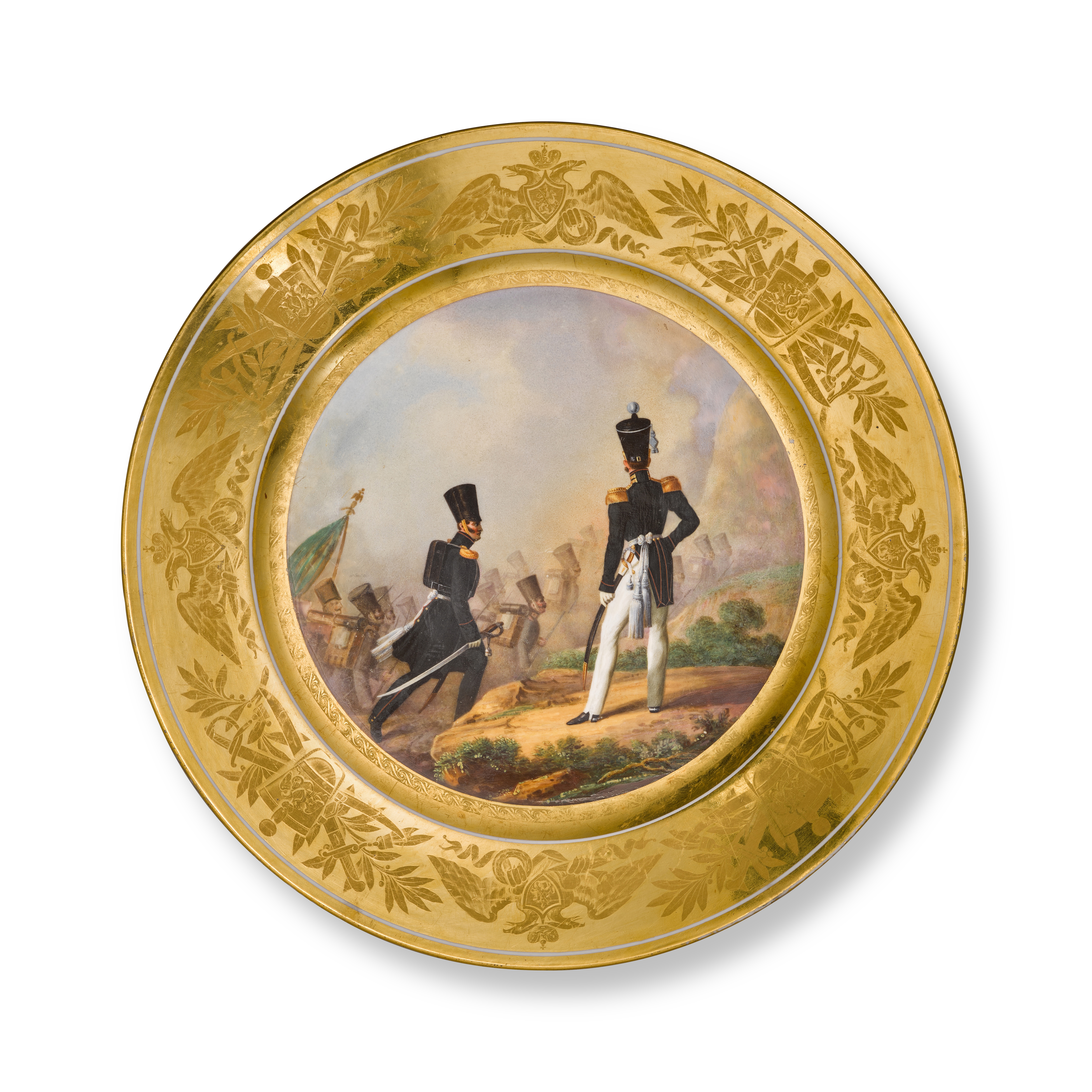
The 19th Infantry Division: a military porcelain plate, Imperial Porcelain Factory, St Petersburg, period of Alexander III, 1886
Ilya Kabakov, whose conceptual installations about Soviet communal life have entered the permanent collections of major museums including the Tate and MoMA, commands the most sustained critical respect of any artist from that generation. His prices at auction reflect not just market demand but the kind of canonical status that brings museum retrospectives and serious scholarly monographs. The Kabakov retrospective at the Hermitage Amsterdam in the early 2000s and subsequent shows across Europe did essential work in bringing his installations to audiences who might otherwise never have encountered them. The critical conversation around Russian art has been shaped significantly by a handful of scholars and curators whose work deserves acknowledgment.
Matthew Drutt's curatorial work on the Russian avant garde, along with the scholarship produced around the Costakis Collection, which is now largely housed at the State Museum of Contemporary Art in Thessaloniki, established the archival backbone that serious collectors rely on. The publication of Norton Dodge's research into nonconformist Soviet art, and the collection he built at Rutgers University's Zimmerli Art Museum, created an American institutional anchor for material that might otherwise have remained in private hands indefinitely. The Zimmerli remains one of the most important research destinations for anyone serious about this field. What feels genuinely alive right now is the growing interest in artists who sit between generations and resist easy categorization.
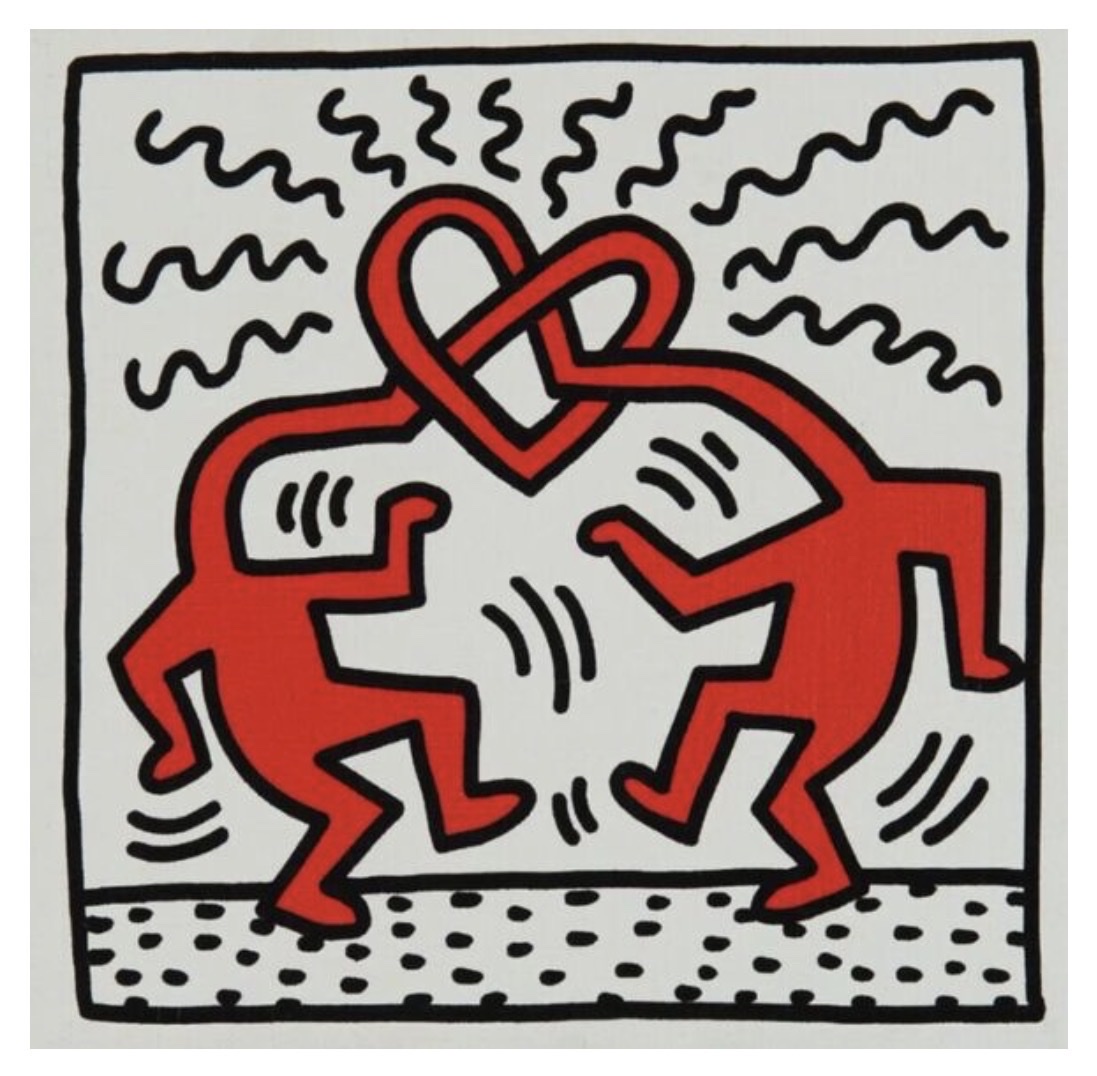
Oleg Kudryashov
Untitled, No. 2388
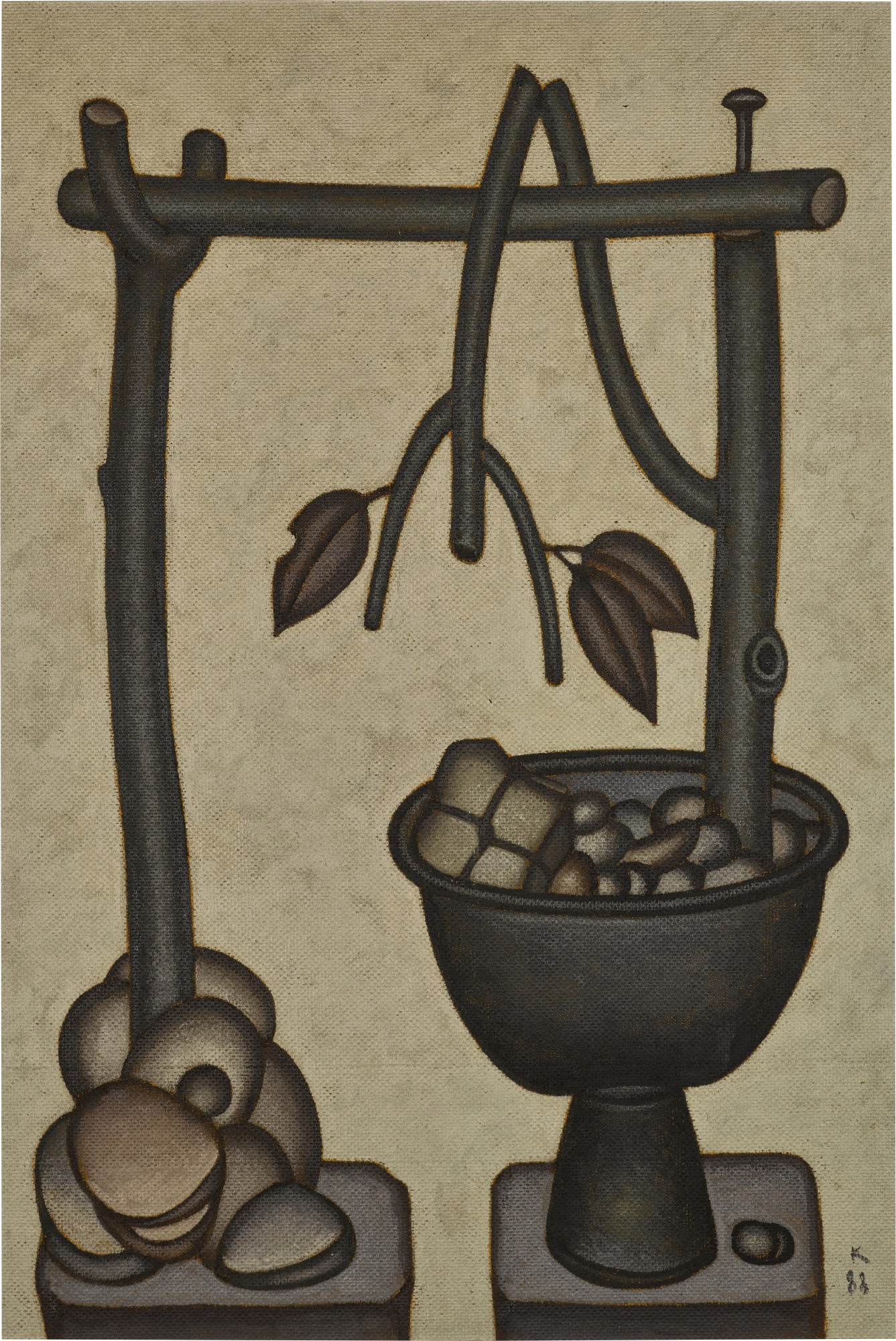
Vladimir Yankilevsky, whose layered figurative and symbolic work drew on surrealism and personal mythology simultaneously, is being reconsidered by younger curators who see in his practice a precedent for contemporary artists working at the border of the personal and the political. Dmitri Krasnopevtsev, whose austere still lifes of broken vessels and desiccated objects carry a philosophical weight that feels almost meditative, has attracted collectors who approach him the way others approach Giorgio Morandi: as an artist whose quietness is actually a form of intensity. The fact that both are well represented on The Collection reflects a curatorial instinct that the market is beginning to catch up with. The current geopolitical climate has introduced a layer of complexity that any honest observer must acknowledge.
Some collectors have paused, uncertain about the cultural optics of buying Russian art in a moment of international tension. But the more thoughtful voices in this conversation have made the opposite argument: that the artists who suffered under Soviet censorship, who were bulldozed quite literally by their own government, who painted in secret and circulated their work through samizdat networks, deserve more engagement now, not less. Erik Bulatov, whose text based paintings interrogated Soviet ideology from inside it, and Pavel Pepperstein, whose surrealist political imagery carries on a distinctly Russian tradition of dissident imagination, are artists whose work feels particularly urgent when the relationship between state power and individual expression is being tested again. Where the energy is heading feels like a question with several answers at once.
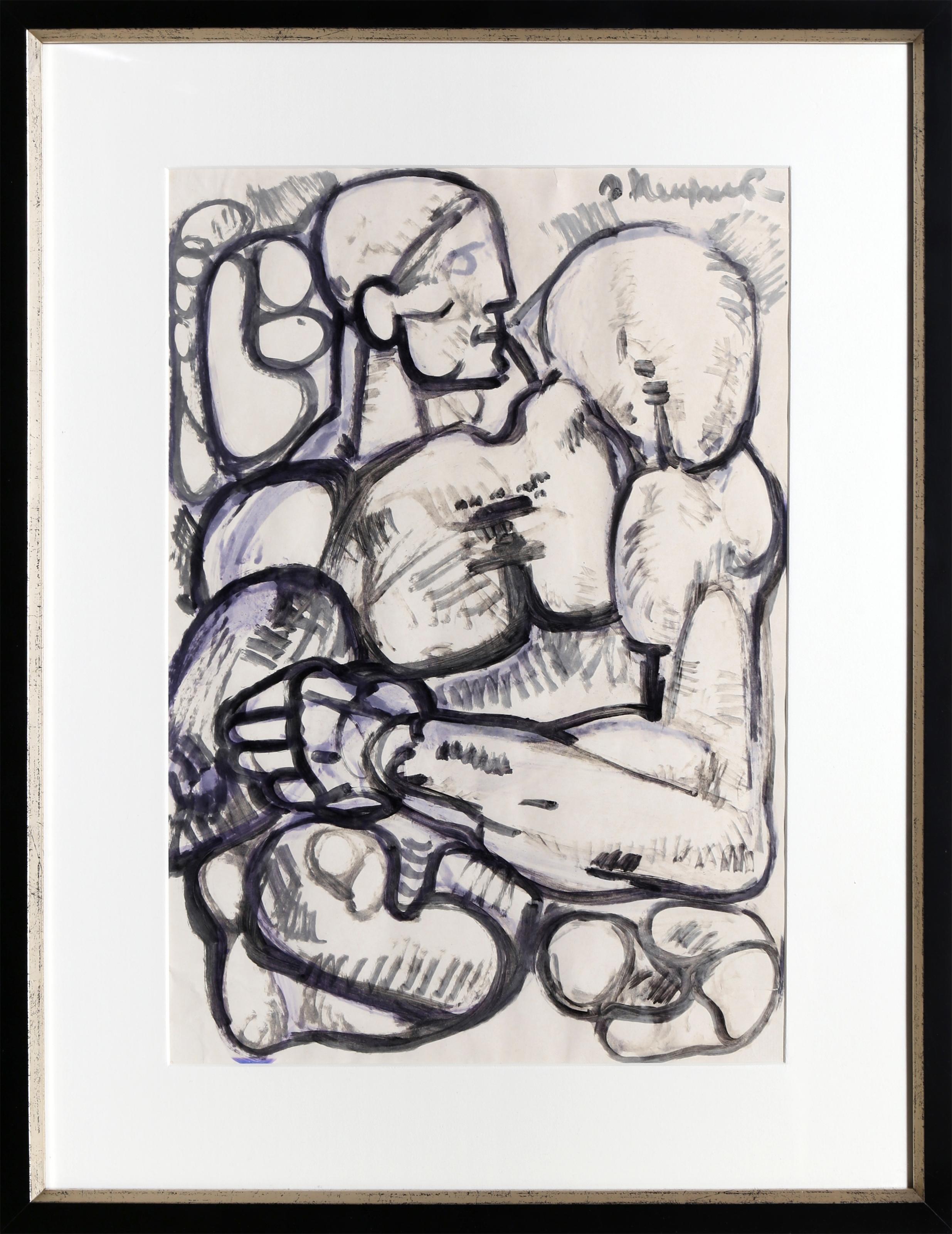
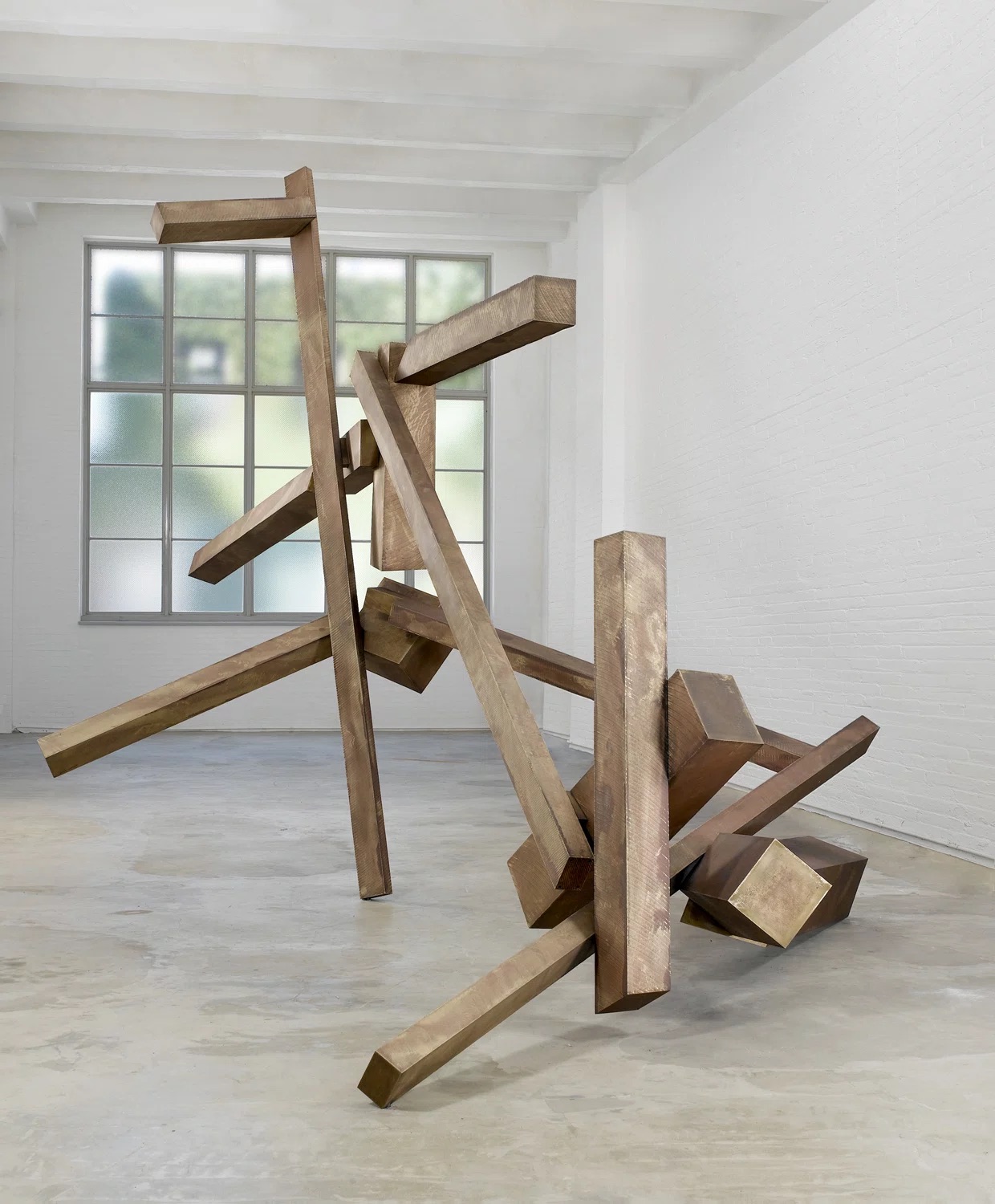
Ernst Neizvestny
Study For Sculpture
The canonical modernists, Chagall and Kandinsky above all, are settled territory in the best sense: deeply collected, institutionally supported, and still capable of producing surprises when an exceptional work comes to market. The nonconformists are in a moment of active reassessment, with auction results and exhibition activity both tracking upward. And the younger generation, artists like Roman Minin and Ella Kruglyanskaya, who process Russian visual culture through a contemporary lens, are beginning to attract the kind of speculative attention that precedes broader recognition. The through line connecting all of them is something that resists easy summary but that any collector who has spent time with this work will recognize immediately: a certain quality of spiritual seriousness, a sense that art is not decoration but necessity.