Perspective
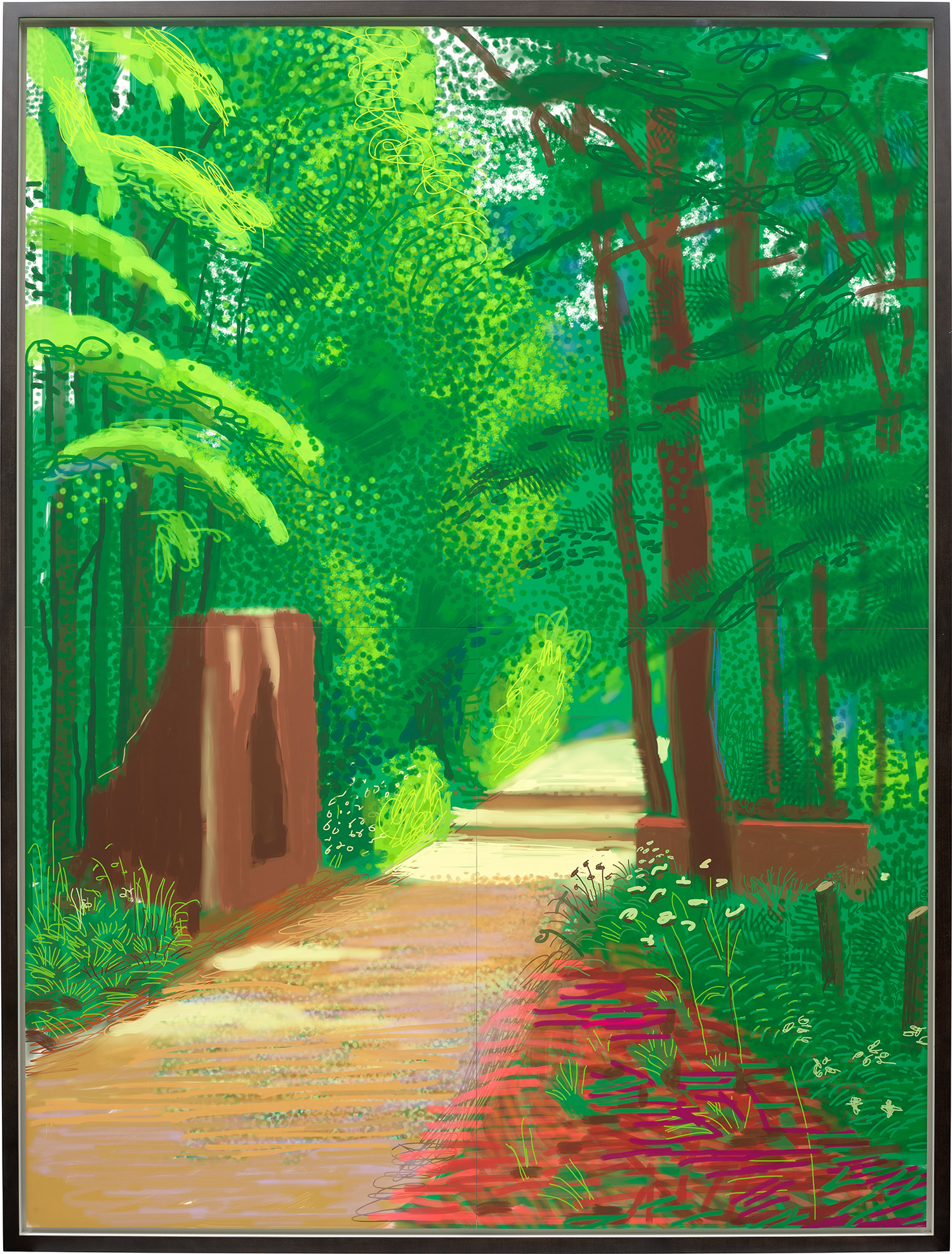
David Hockney
Untitled
The Art of Seeing What Others Miss
There is a particular kind of collector who gravitates toward works concerned with perspective, and they tend to share a quality that is difficult to name precisely. Call it a tolerance for ambiguity, or perhaps an appetite for it. These are people who do not merely want a beautiful object on their wall. They want something that continues to work on them, that shifts slightly depending on where they stand, what mood they bring to the room, what they had for breakfast.
Works that interrogate how we see rather than simply offering something to look at have a way of becoming permanent companions in the truest sense. They change as you change. Living with a work that plays seriously with perspective is unlike living with almost any other category of art. The experience is genuinely daily in a way that can surprise even seasoned collectors.
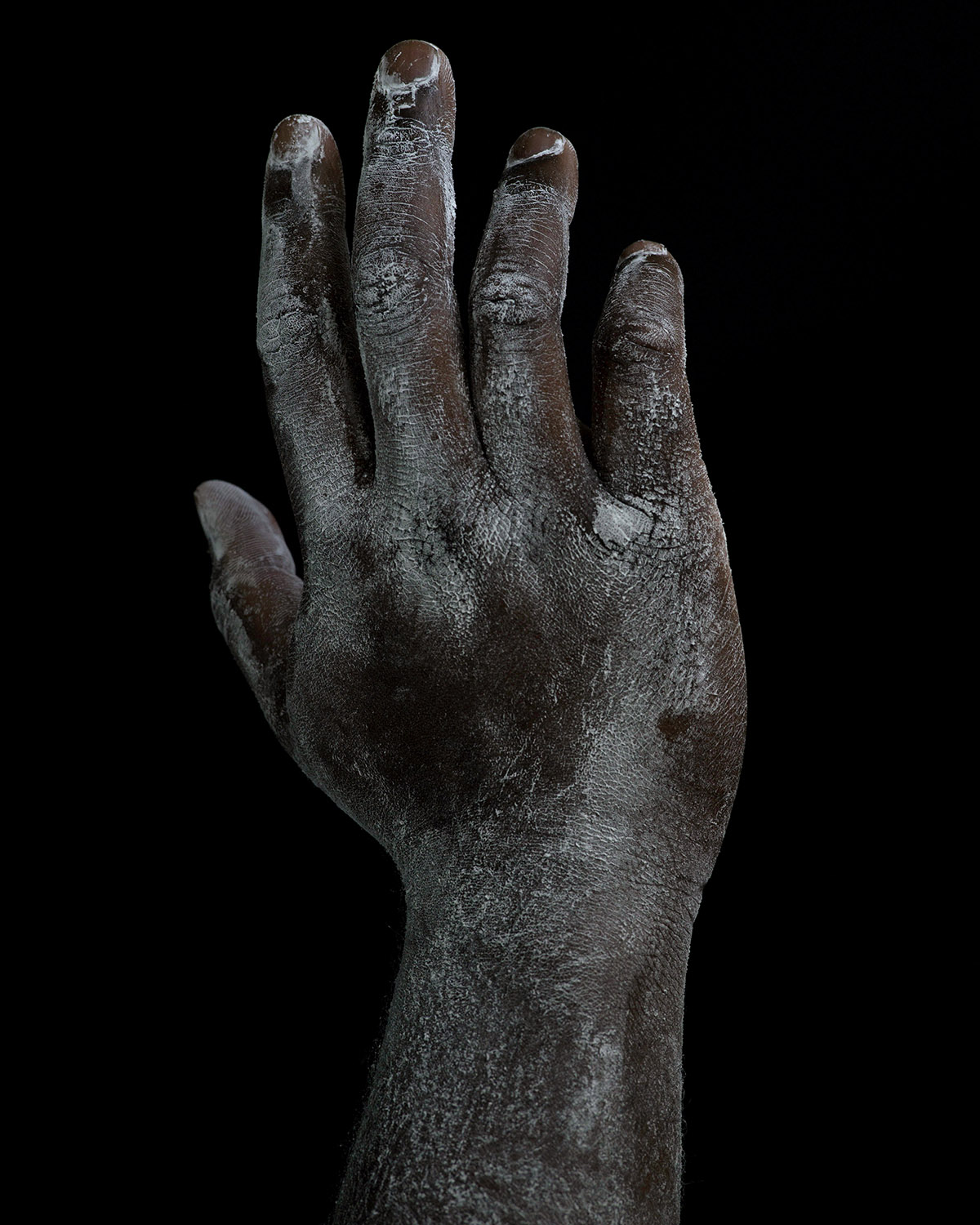
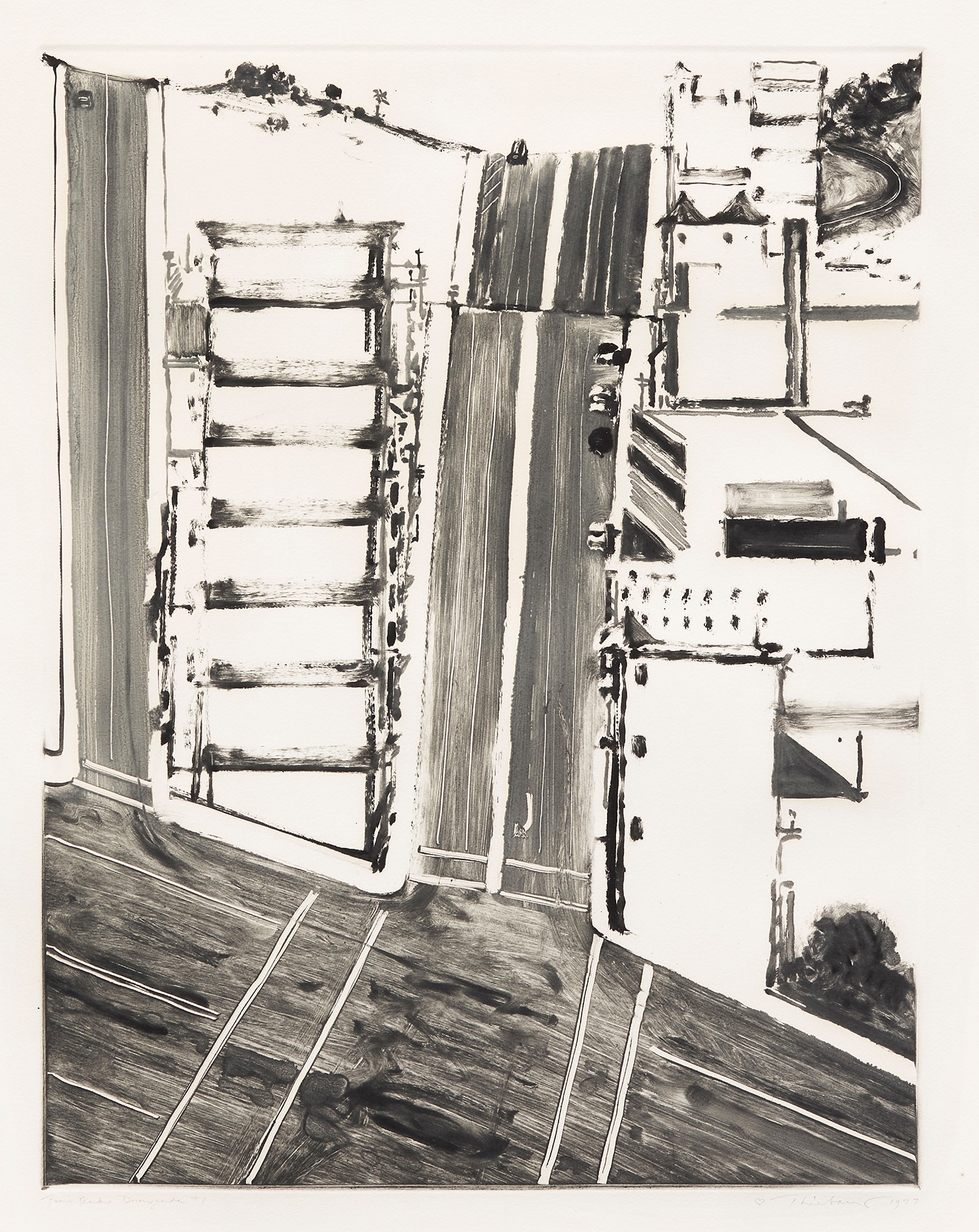
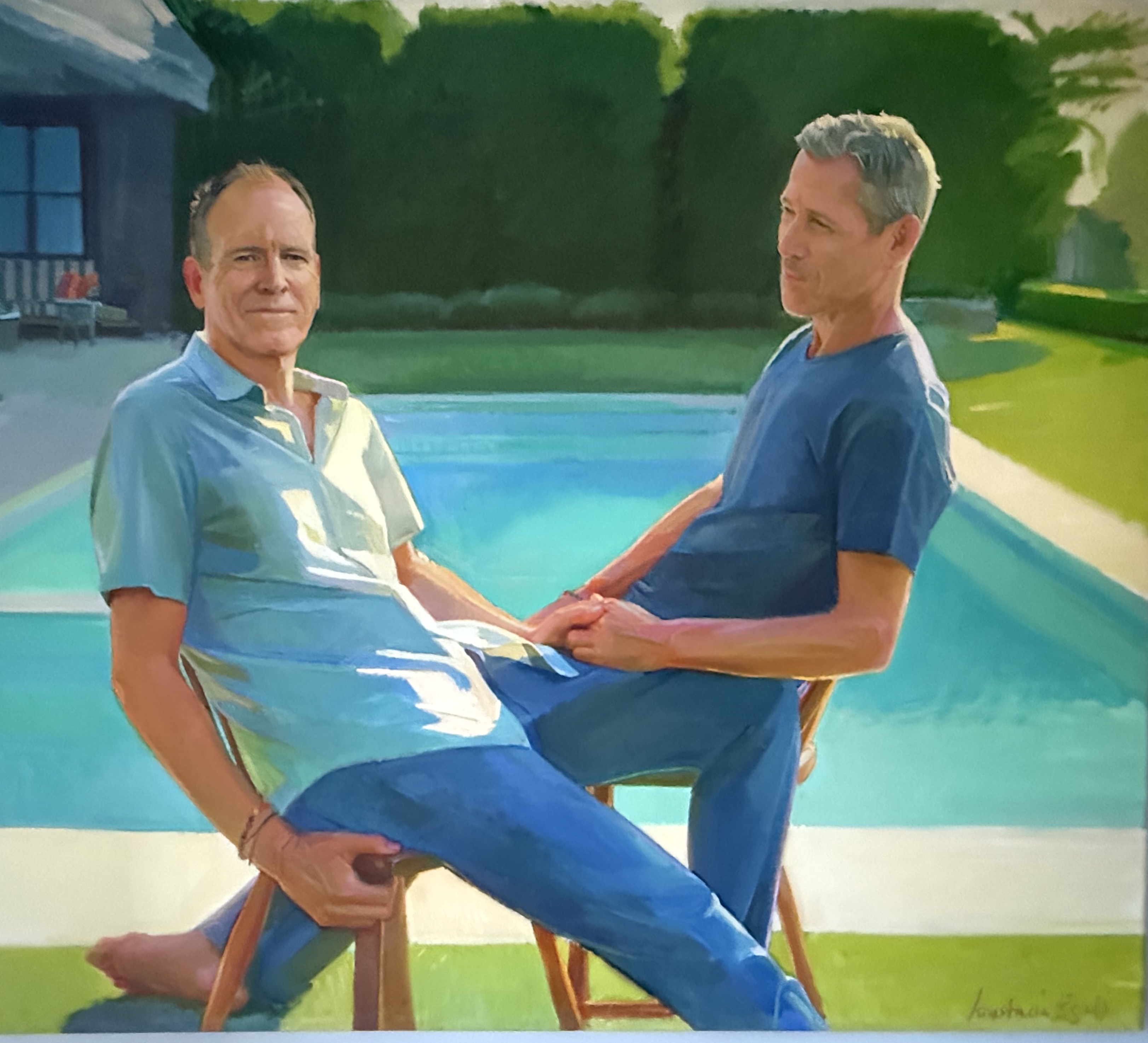
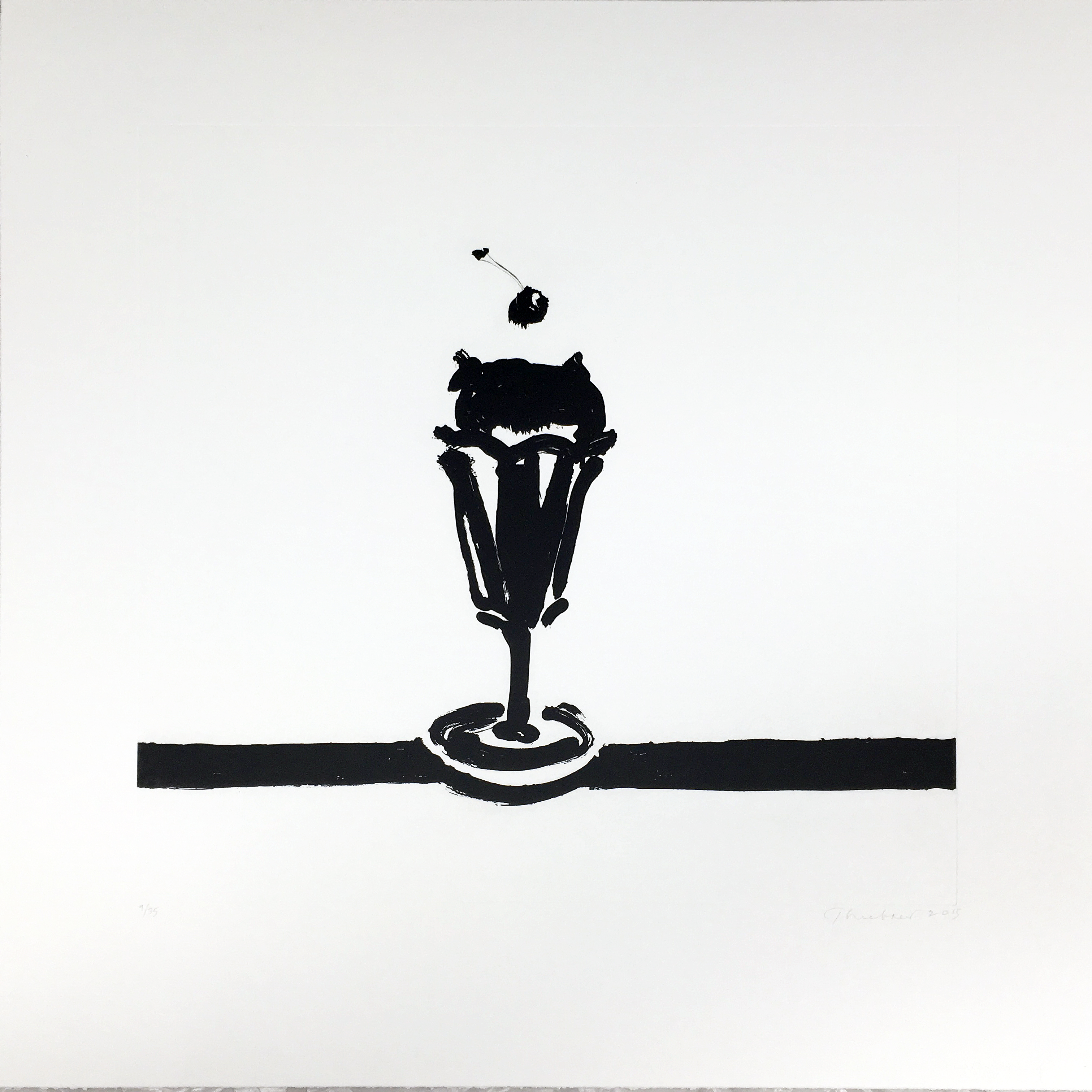
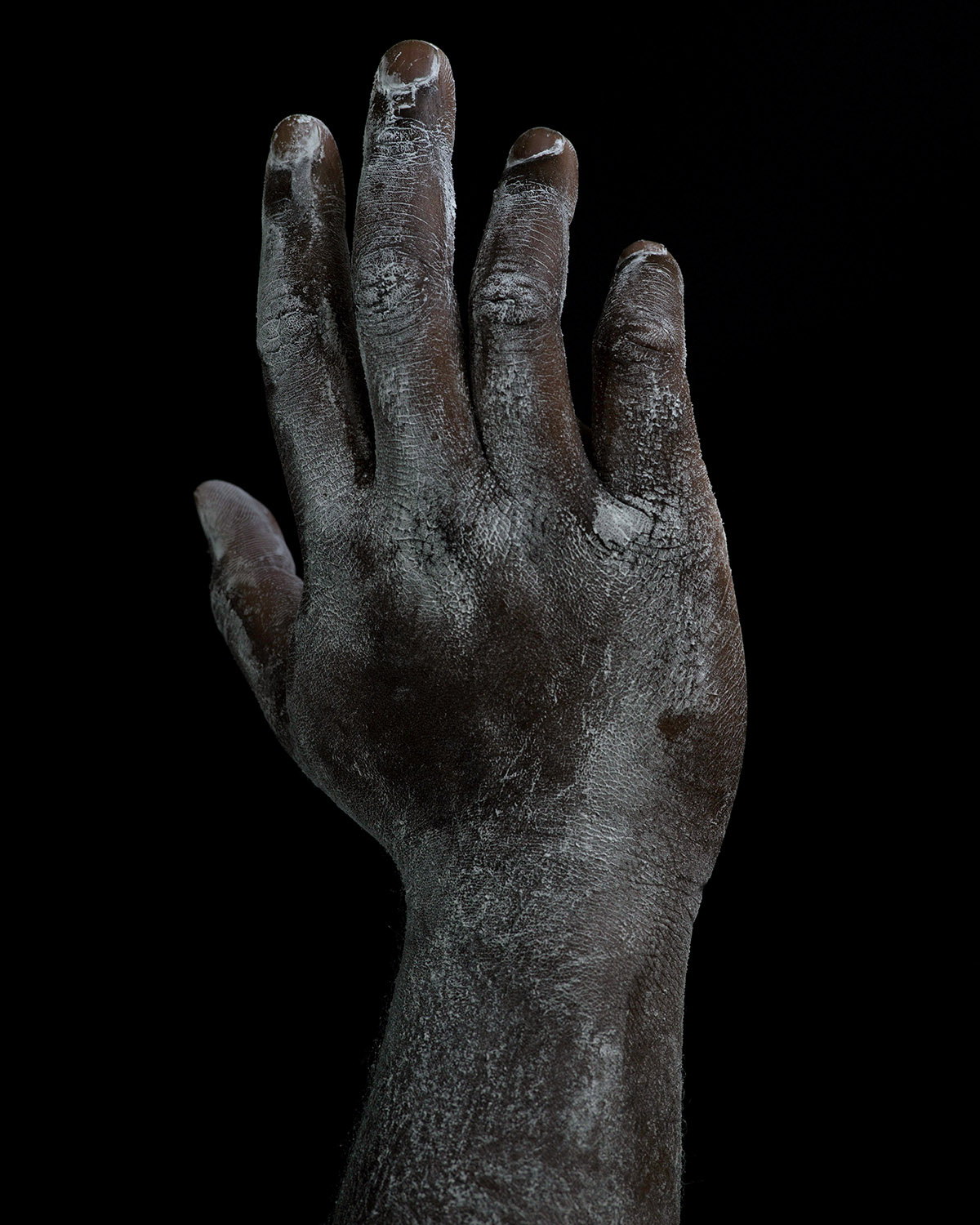
Raymond Thompson Jr.
Tunnelitis #1, 2019
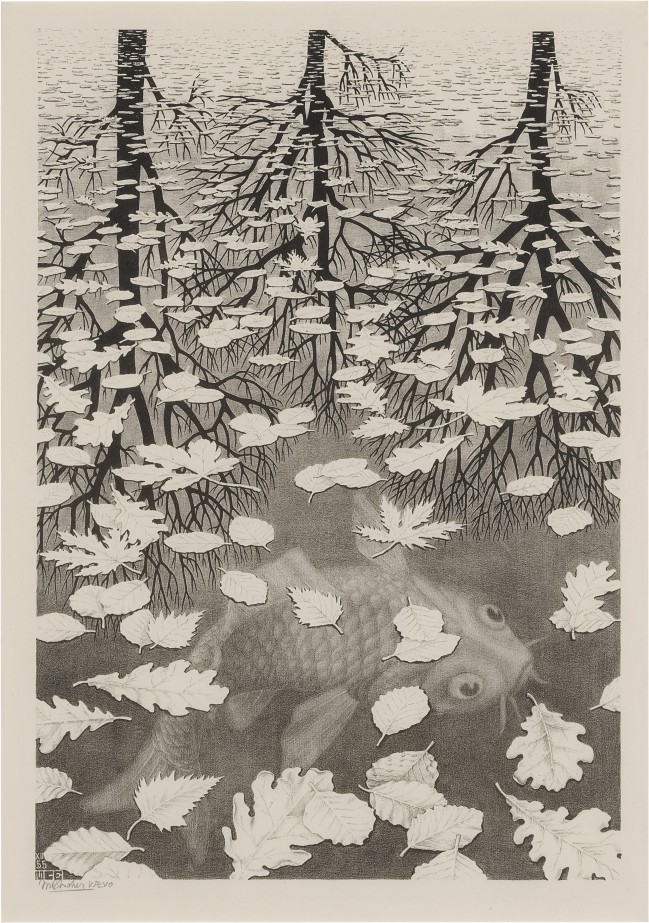
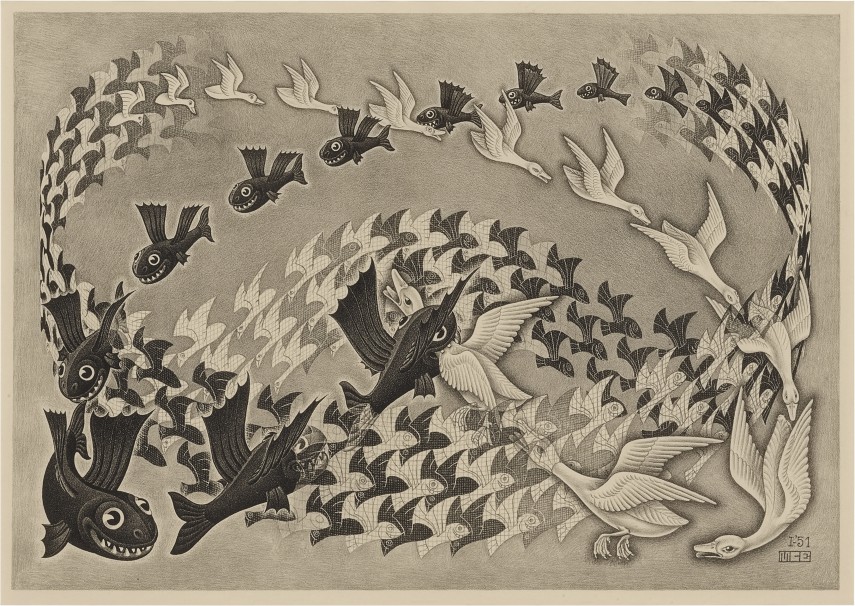
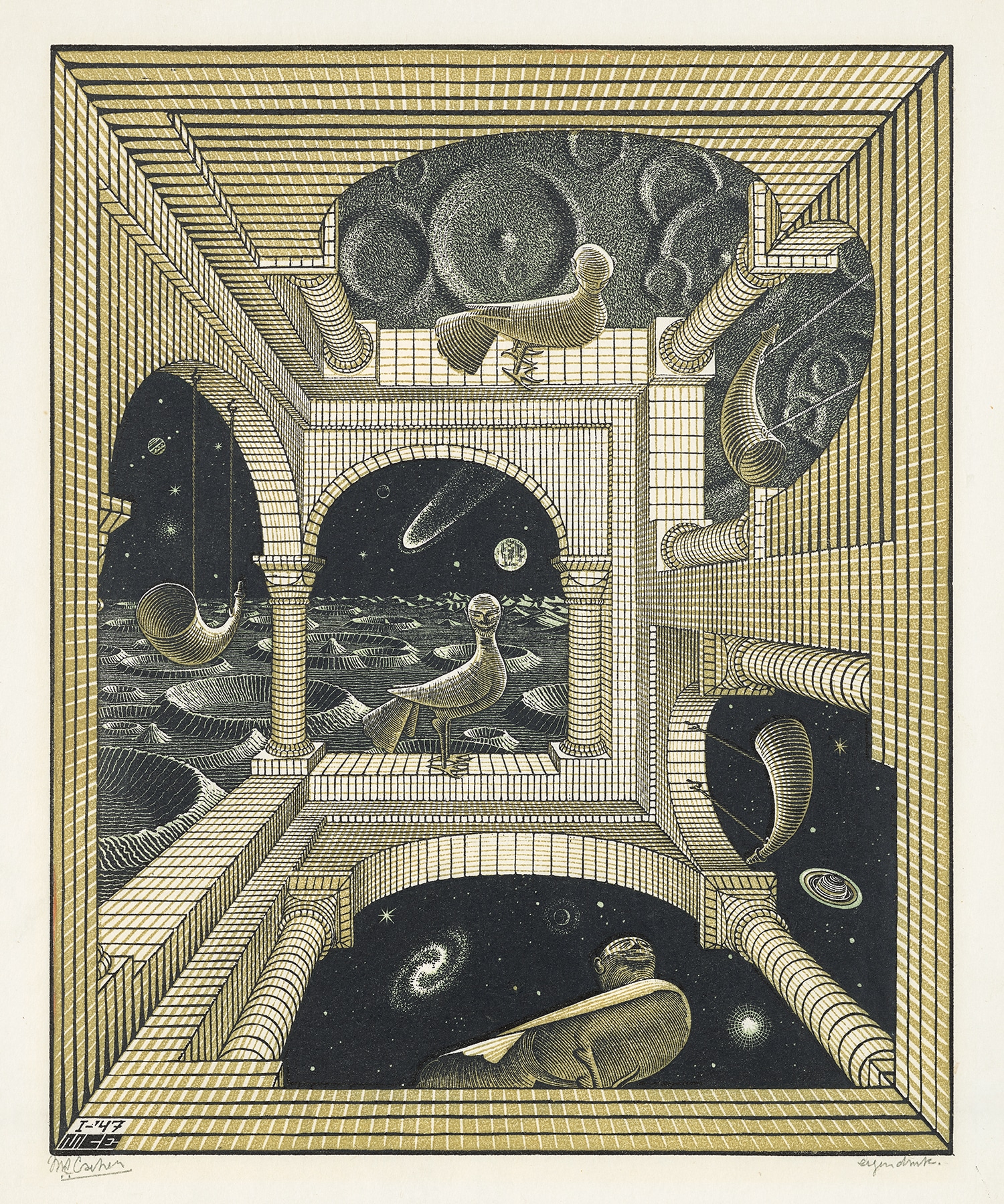
A Patrick Hughes painting, with its vertiginous reverse perspective that makes flat canvas appear to surge forward and recede depending on your position, will behave differently at eight in the morning than it does at dusk. The same is true of M. C. Escher's architectural impossibilities, which reward sustained attention and punish casual glancing.
When you commit to this kind of work, you are committing to a relationship that asks something of you each time. What separates a good work from a great one in this territory comes down to whether the perceptual trick is the point or merely the vehicle. The weakest works in this category are essentially optical puzzles dressed as art. They generate a single aha moment and then go quiet forever.
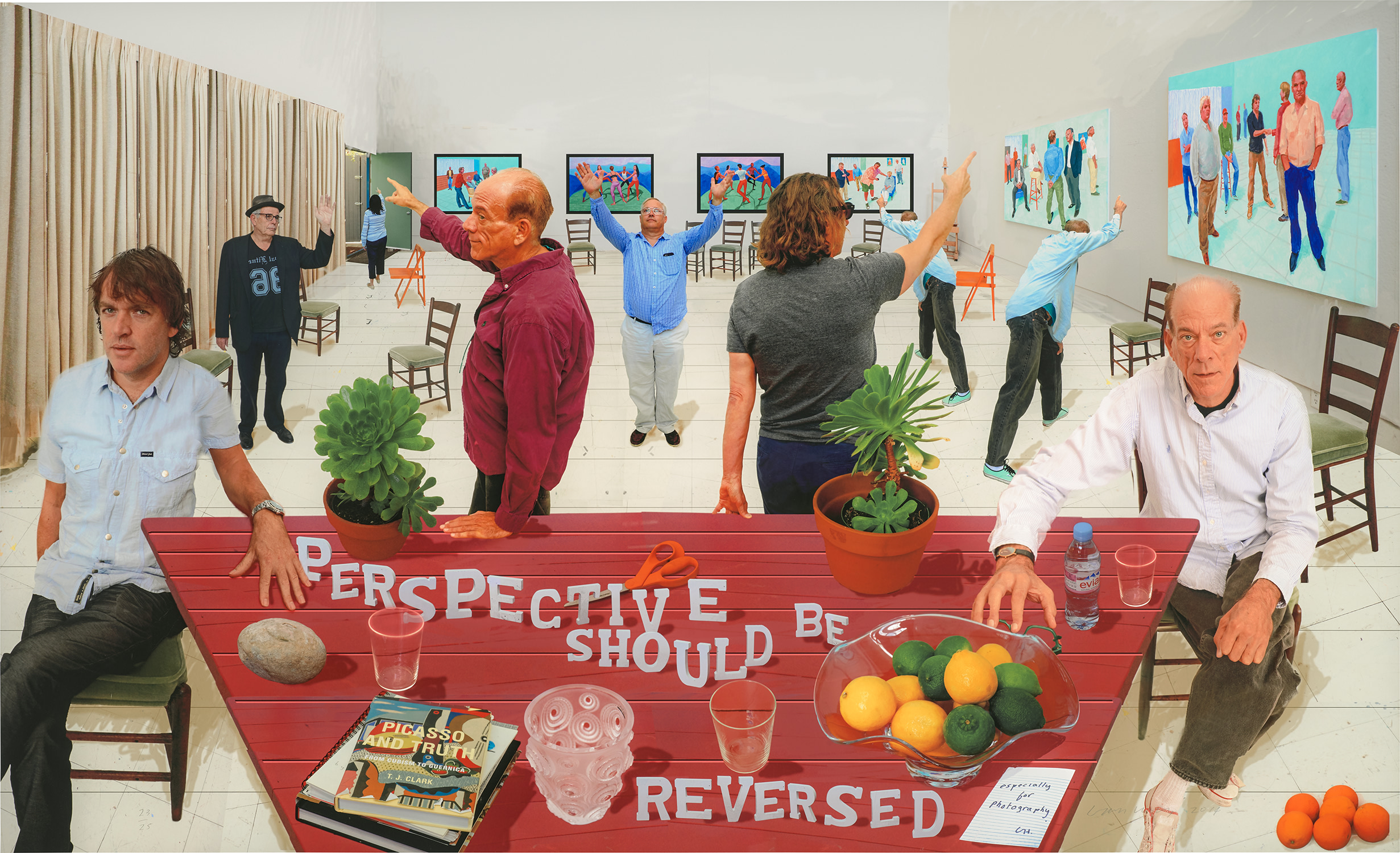
David Hockney
Untitled
The strongest works use perspective as a way to say something larger about how reality is constructed, how authority operates, how memory distorts, or how power shapes what we are permitted to see. Escher understood this instinctively, which is why his prints from the 1950s and 1960s have retained their critical seriousness even as they became among the most reproduced images in the history of printmaking. David Hockney's sustained inquiry into cubism and the moving eye, particularly his photographic collages from the early 1980s which he called Joiners, achieved something similar. They do not simply show you a fractured view.
They make a philosophical argument about the inadequacy of the single fixed viewpoint. For collectors building seriously in this area, certain names stand out as anchors. Hockney remains one of the safest long positions in the contemporary market, with consistent auction performance and institutional backing that rarely wavers. His works on The Collection reflect the breadth of his inquiry into pictorial space over decades.
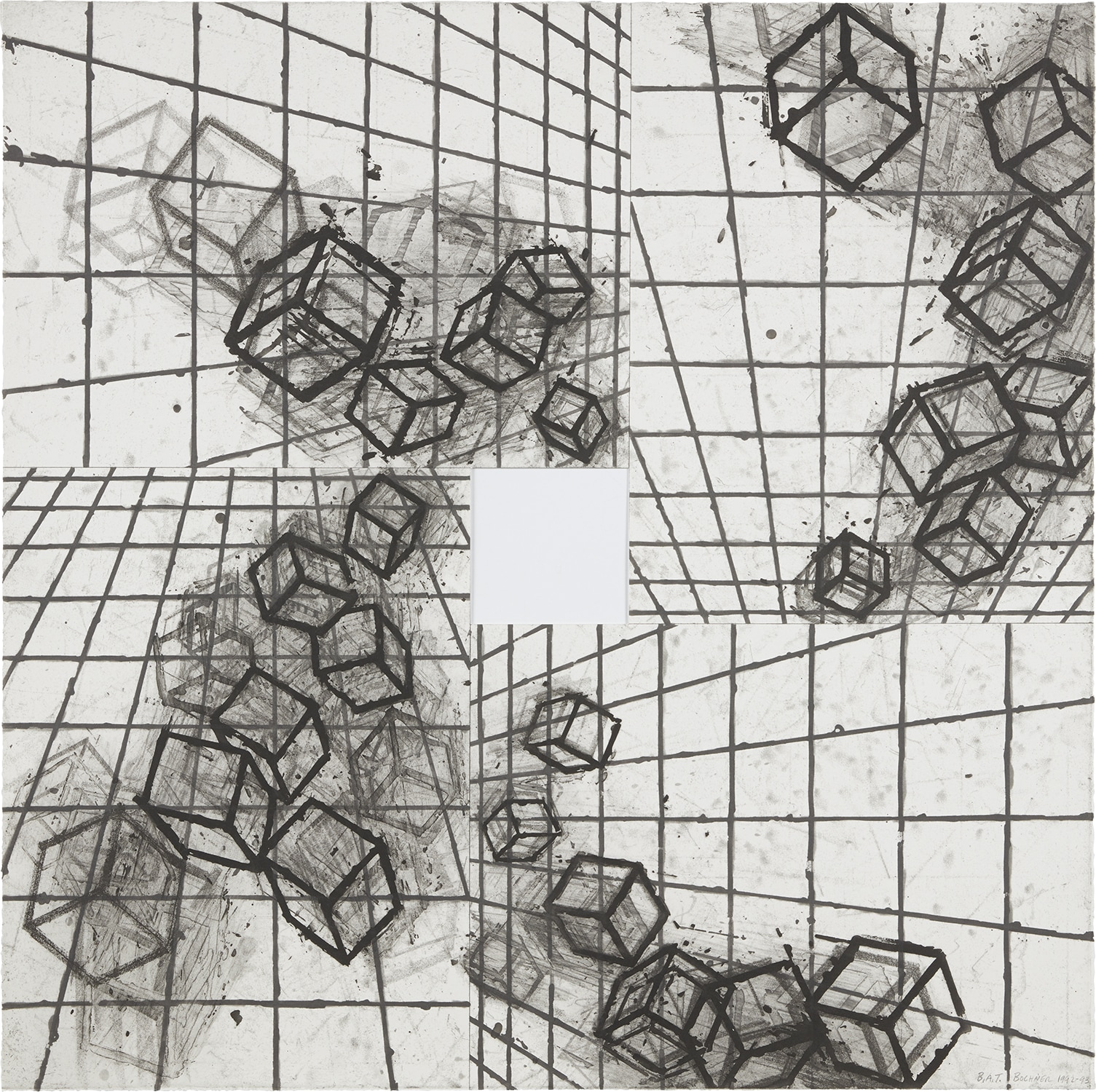
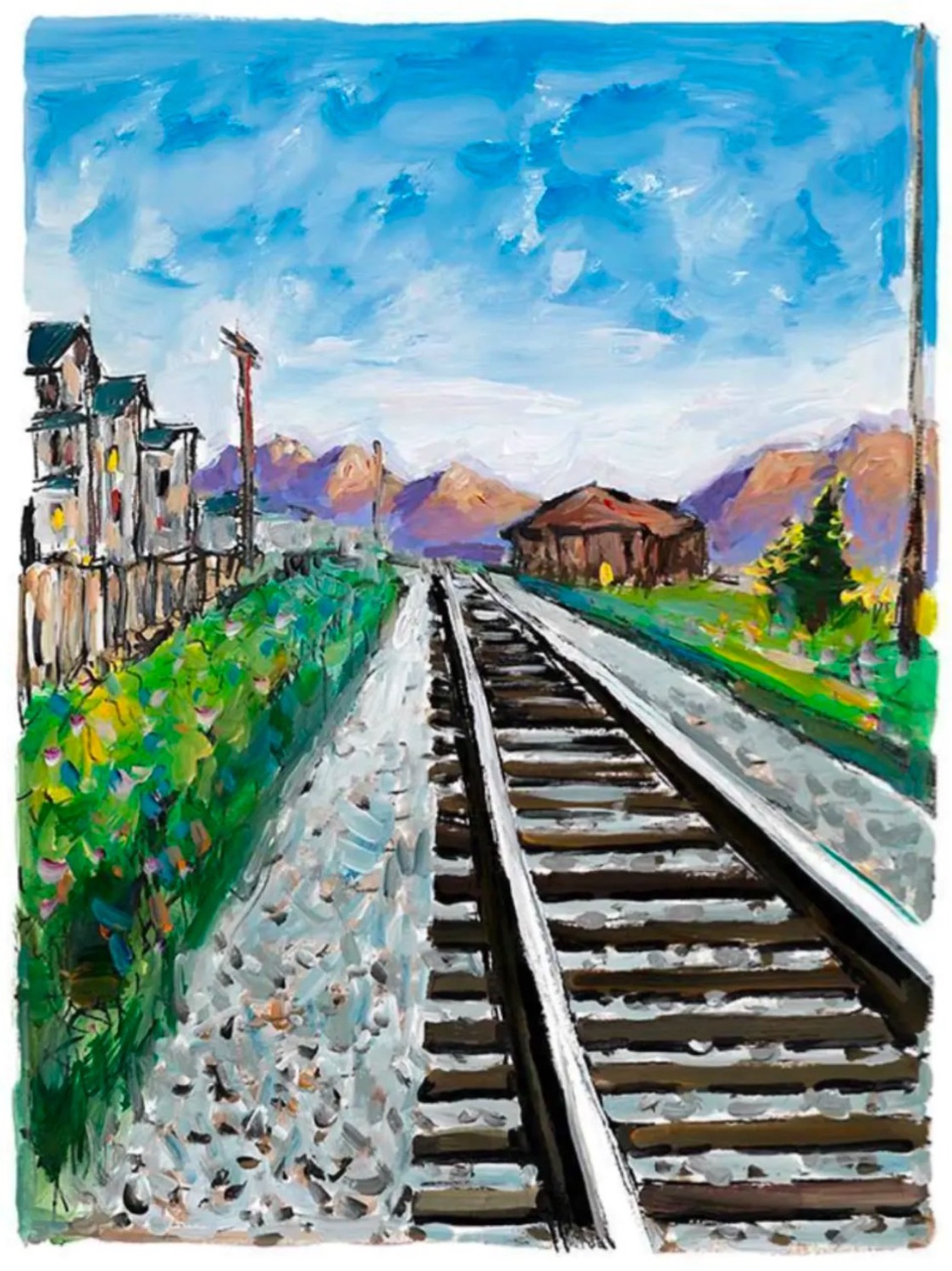
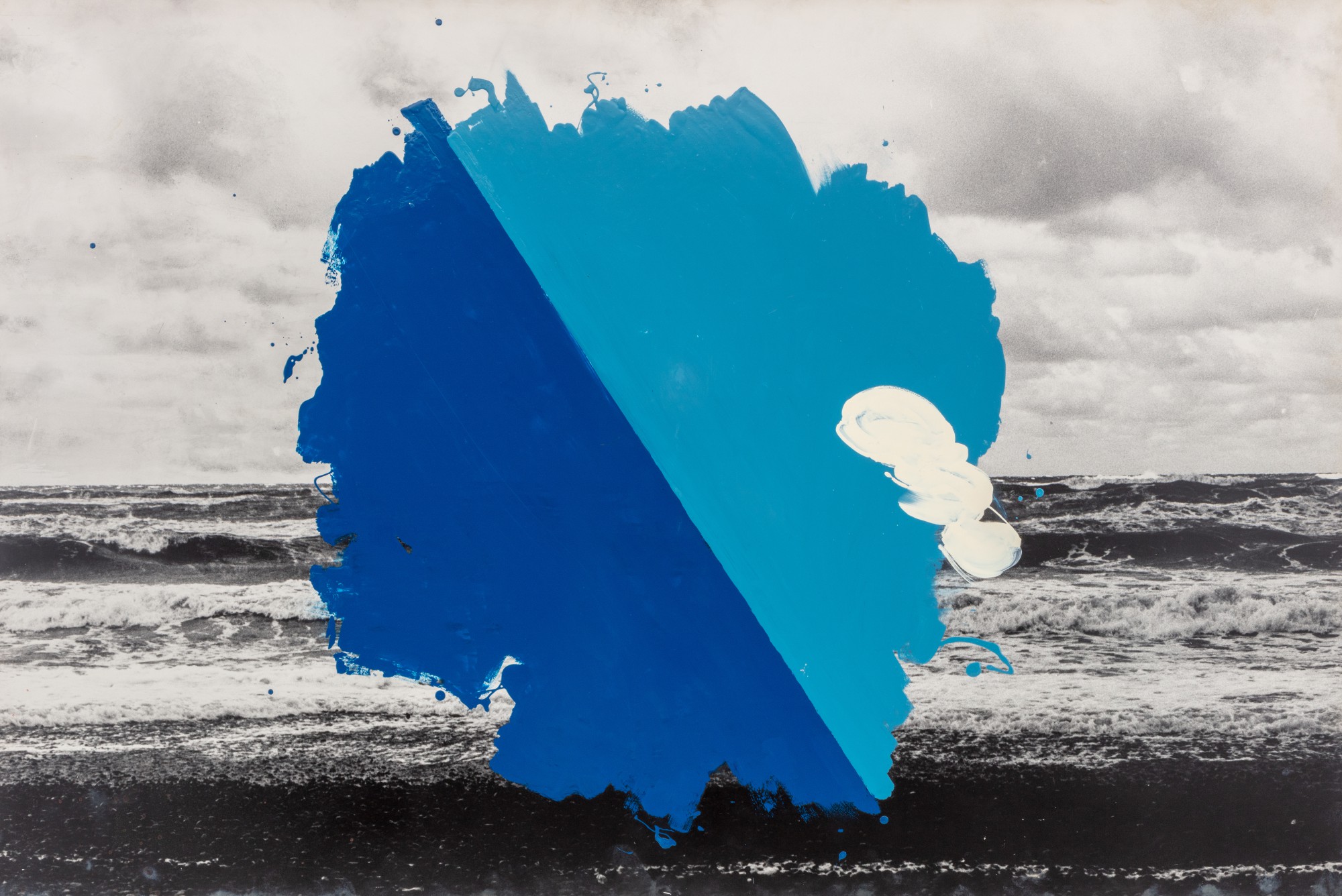
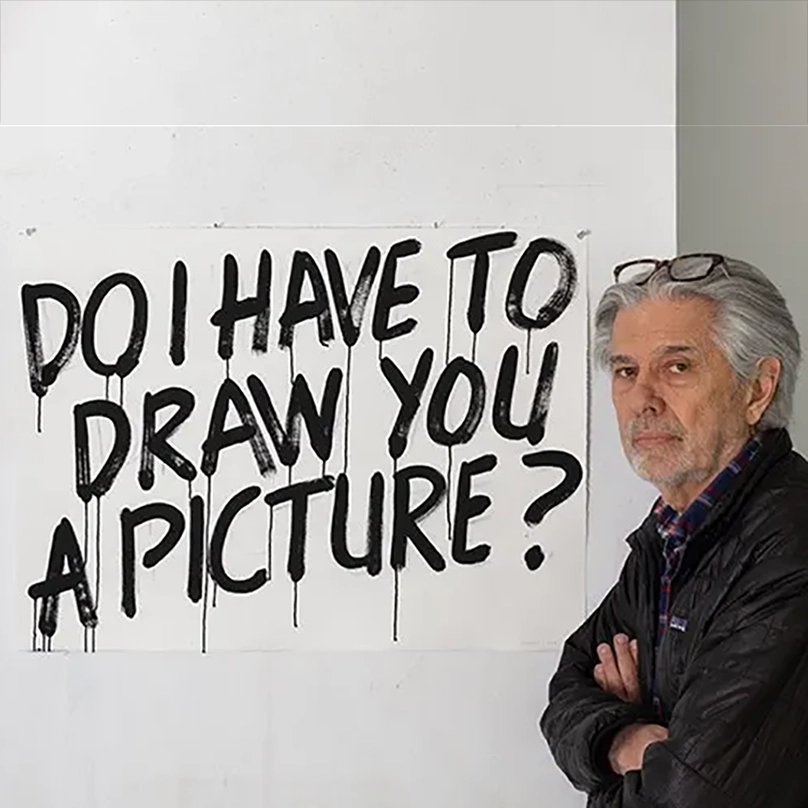
Mel Bochner
Vanishing Point (K.W. 1993.01)
Mel Bochner, whose conceptual work engaged deeply with measurement and spatial language in the late 1960s, is undervalued relative to his historical importance and the influence he has had on younger artists working with text and space. Utagawa Hiroshige and Katsushika Hokusai represent extraordinary opportunities within the Japanese woodblock tradition, where Western collectors still sometimes underestimate the sophistication of the spatial thinking at work. Hiroshige's ability to compress vast atmospheric depth into a single sheet of paper is a masterclass in the considered use of the picture plane. Among less immediately obvious figures on The Collection, Abelardo Morell deserves serious attention.
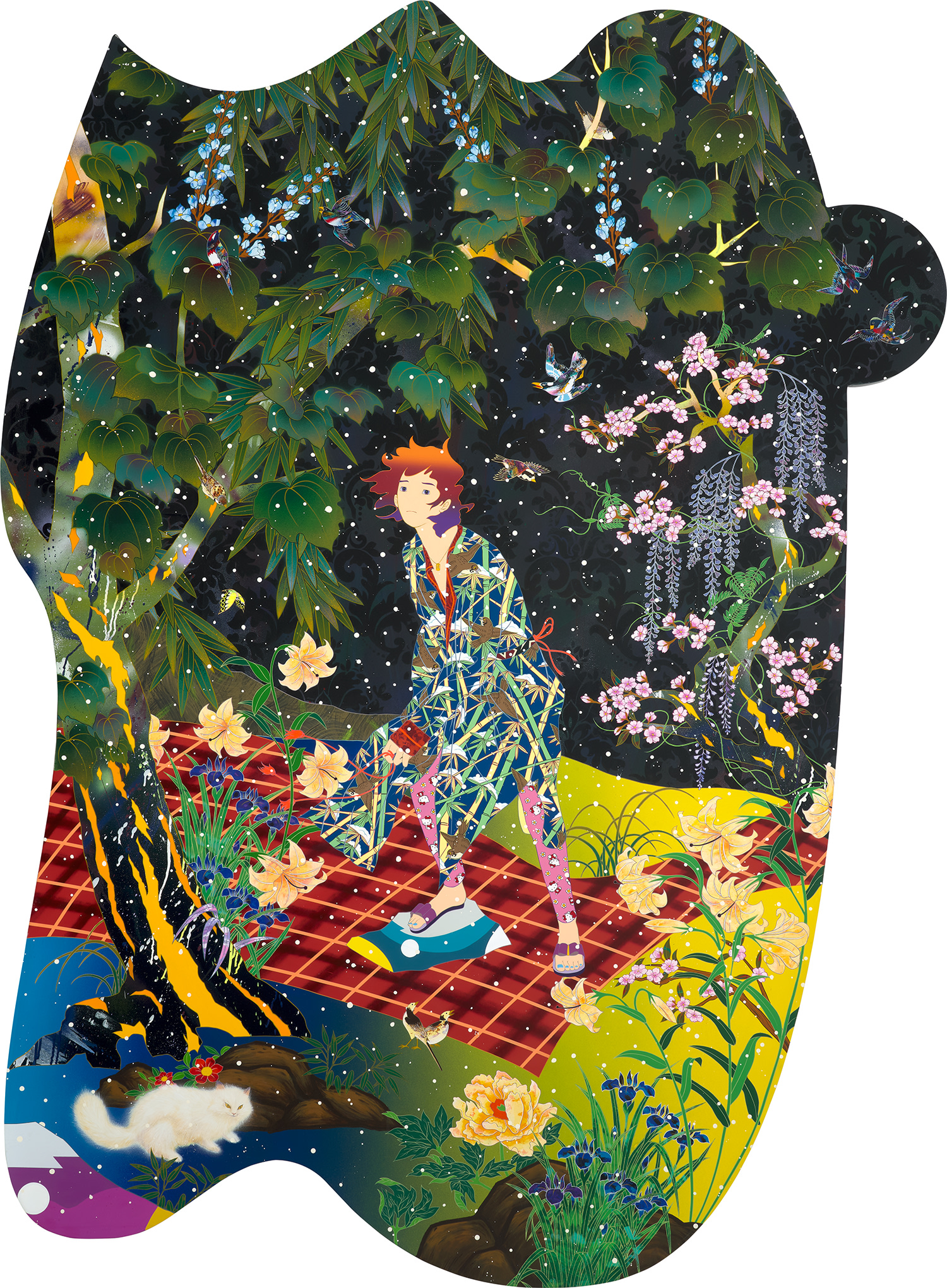
His camera obscura photographs, which project the outside world onto interior surfaces, collapse the distinction between the observing space and the observed one in ways that feel increasingly relevant to contemporary conversations about surveillance and image saturation. Raymond Thompson Jr. is a younger artist working through questions of spatial and cultural representation with a freshness that positions him well for critical recognition in the coming years. Liu Ye's intimate paintings, which borrow from picture book illustration and modernist composition simultaneously, reward close looking and have been building steadily at auction as Chinese contemporary collecting matures and diversifies internationally.
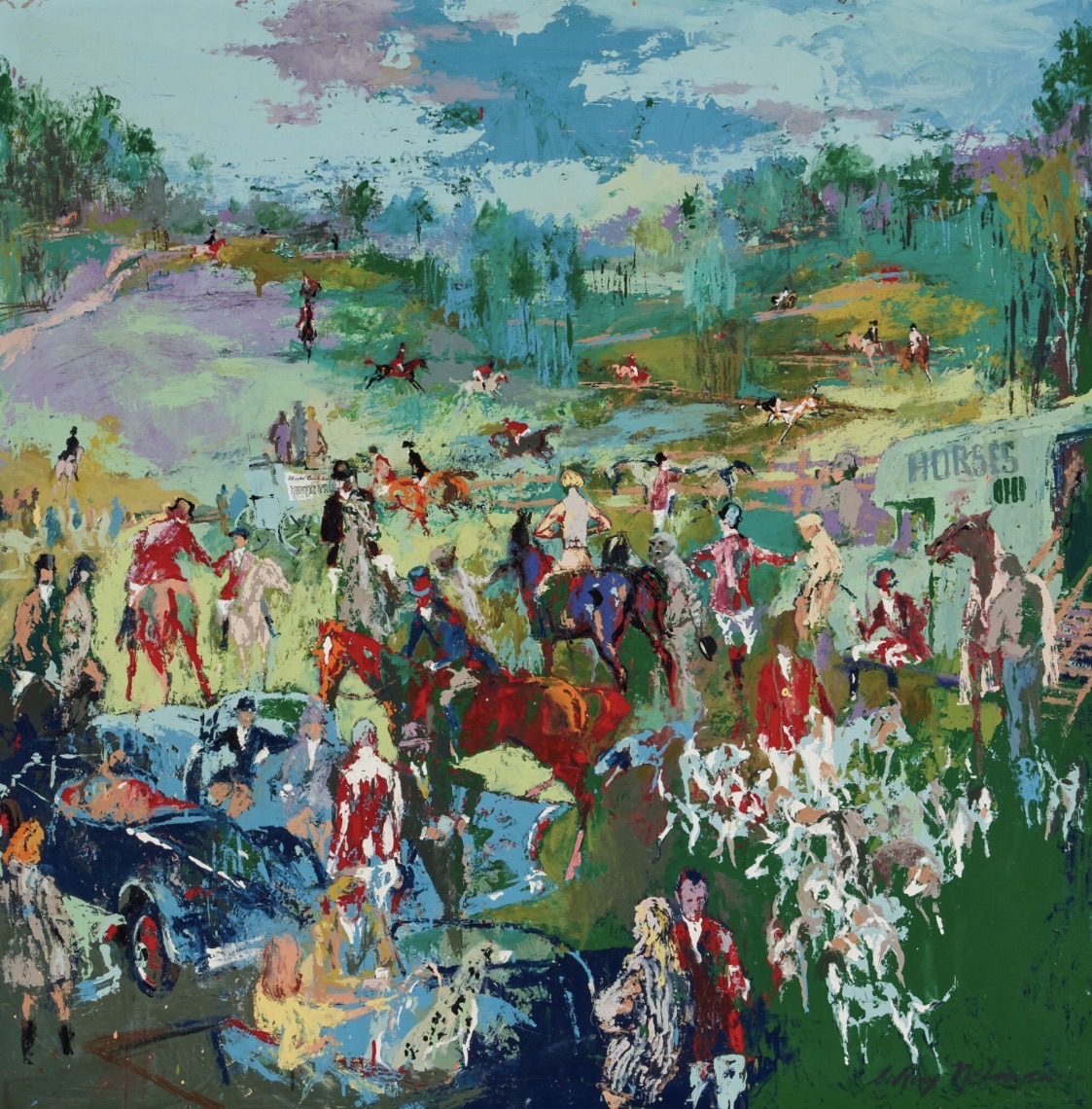
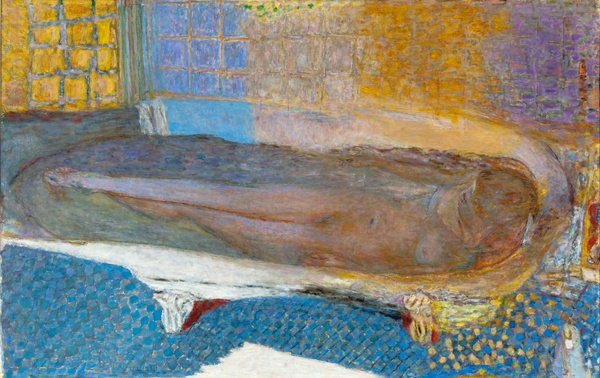
Liu Ye
A View of My Teacher's Back 背影
The secondary market for perspective driven work is genuinely strong at the moment, in part because the category spans media in a way that attracts different buyer communities simultaneously. Photography collectors, print collectors, painting collectors, and works on paper specialists all find compelling reasons to compete for the same lots. This cross category appeal tends to support prices during softer market cycles and creates real upward pressure during strong ones. Escher prints, which trade frequently, have shown resilience even during period corrections, partly because the collector base is unusually global and the work reproduces poorly enough that original prints retain their aura.
Hockney works across all media continue to find enthusiastic bidding at the major houses. Practically speaking, there are several things worth asking any gallery or dealer before committing to a work in this area. If you are considering a print or photograph, ask directly about the edition size, the number of artist proofs, and whether any institutional editions exist. Escher's estate has been careful about this, but the market is crowded with reproductions of varying legitimacy, and provenance documentation matters enormously.
For works that depend on their physical presence for their full effect, like the Hughes reverspectives or any large scale photograph, ask about condition under different lighting conditions and whether the work has been displayed under UV exposure for extended periods. Color shift and surface fatigue can be invisible in gallery lighting but become apparent when a work moves to a domestic setting with different ambient light. Finally, ask whether the work has been exhibited publicly, since institutional exhibition history adds measurably to long term value and tends to be reflected in resale performance. Perspective, as a collecting category, rewards patience and genuine curiosity more reliably than almost any other.
It is not a category that flatters the trophy buyer or the trend follower. But for collectors who are genuinely interested in what pictures are doing rather than merely what they look like, it offers something rare. It offers works that think, works that ask questions, works that have the uncommon decency to admit that what you see depends entirely on where you are standing.