Vladimir Yankilevsky
Artist Spotlight
Vladimir Yankilevsky, A Vision Beyond Borders
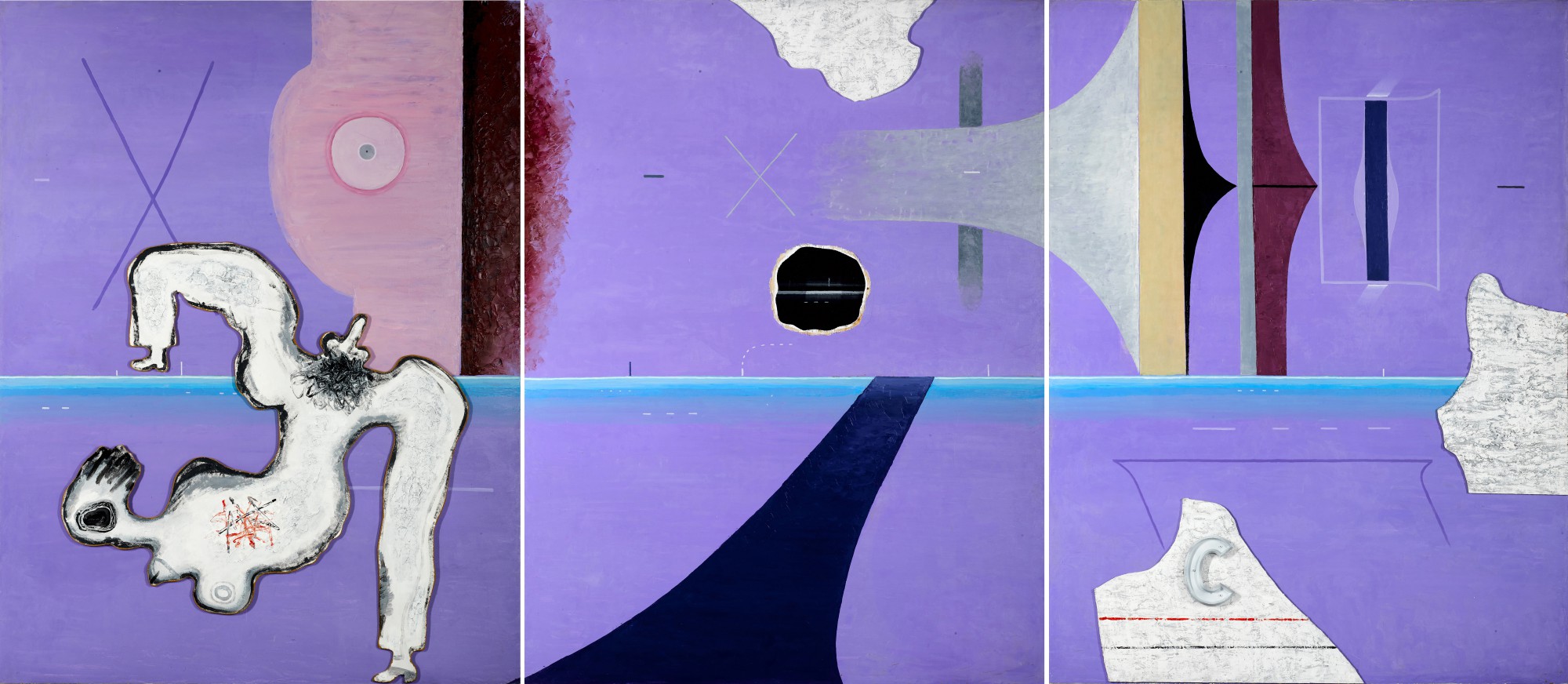
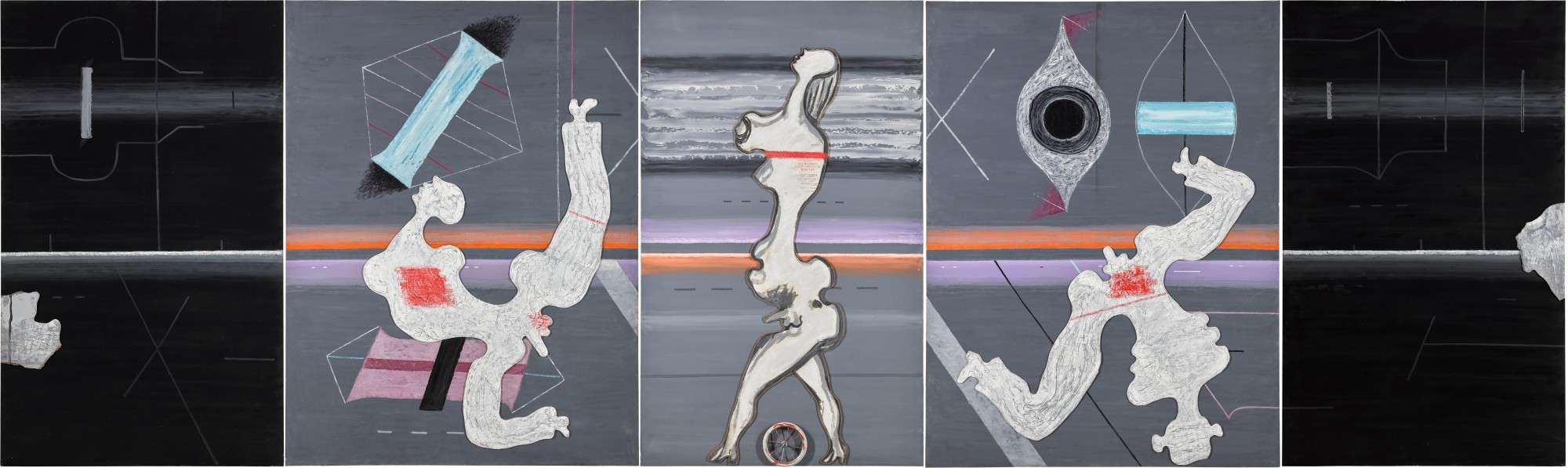
In the winter of 1962, a group of Soviet artists carried their paintings into the Manezh exhibition hall in Moscow and changed the course of Russian art history. Among them was a young Vladimir Yankilevsky, barely twenty four years old, whose presence at that watershed moment would define not only his own career but the entire arc of nonconformist art in the Soviet Union. When Nikita Khrushchev toured the show and unleashed his furious condemnation of abstract and experimental work as degenerate filth unworthy of the Soviet people, Yankilevsky and his peers did not retreat. They went deeper… Continue reading
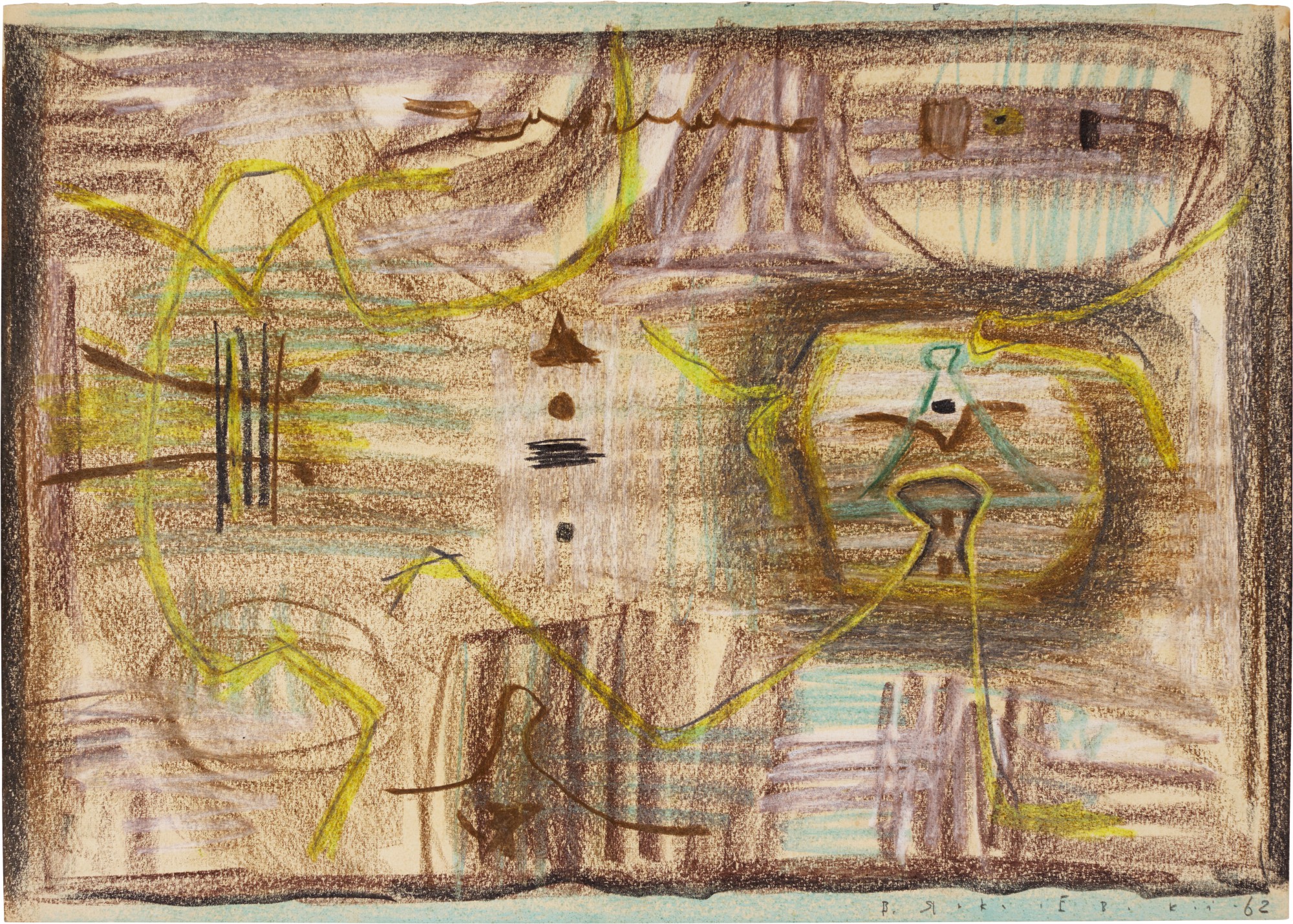
Artists in conversation
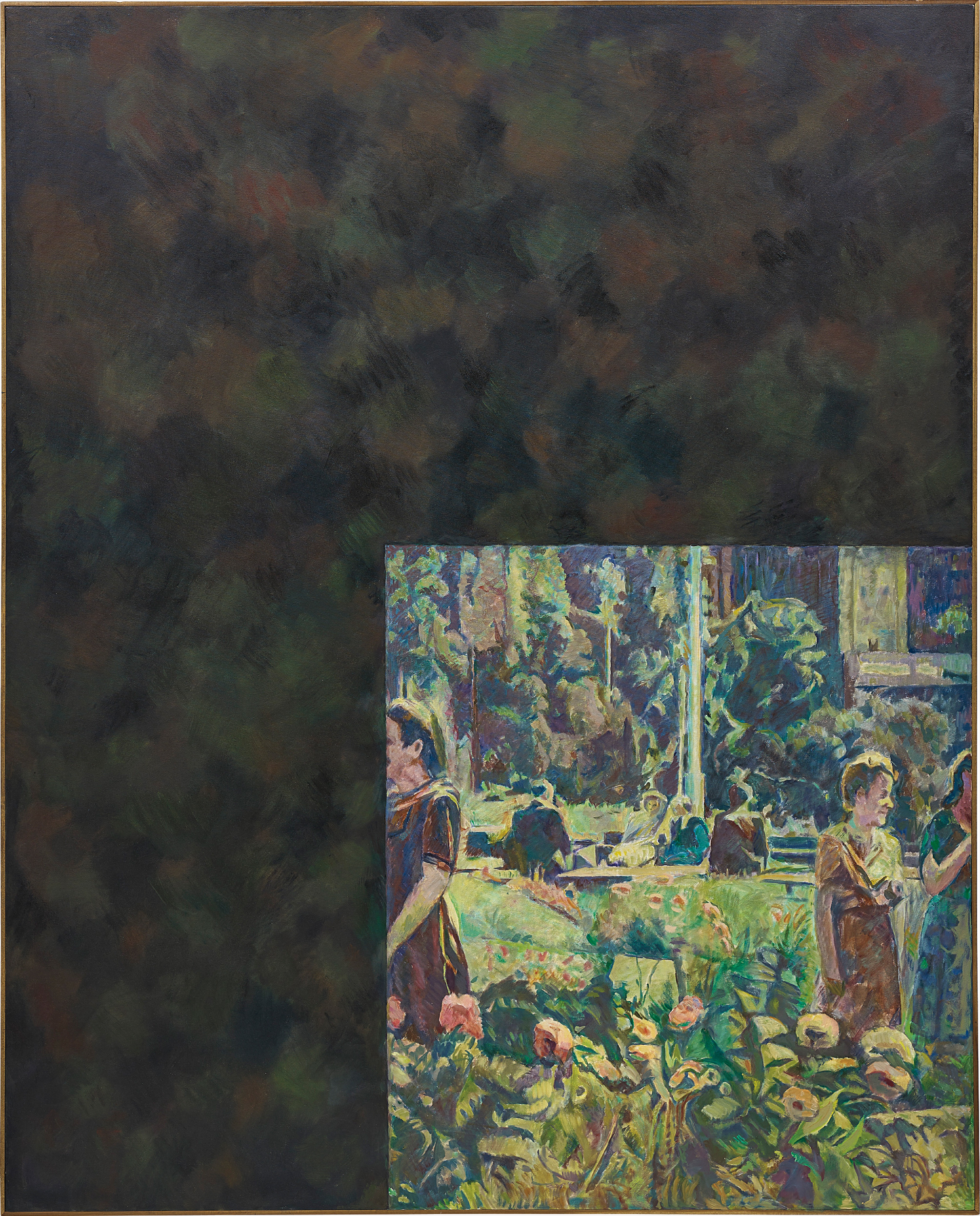
Ilya Kabakov
Kabakov shared Yankilevsky's roots in Soviet nonconformist art and similarly used surreal, conceptual installations and mixed media to dissect the oppressive psychological landscape of Soviet daily life. Both artists transformed mundane Soviet imagery into powerful meditations on alienation and the human condition.
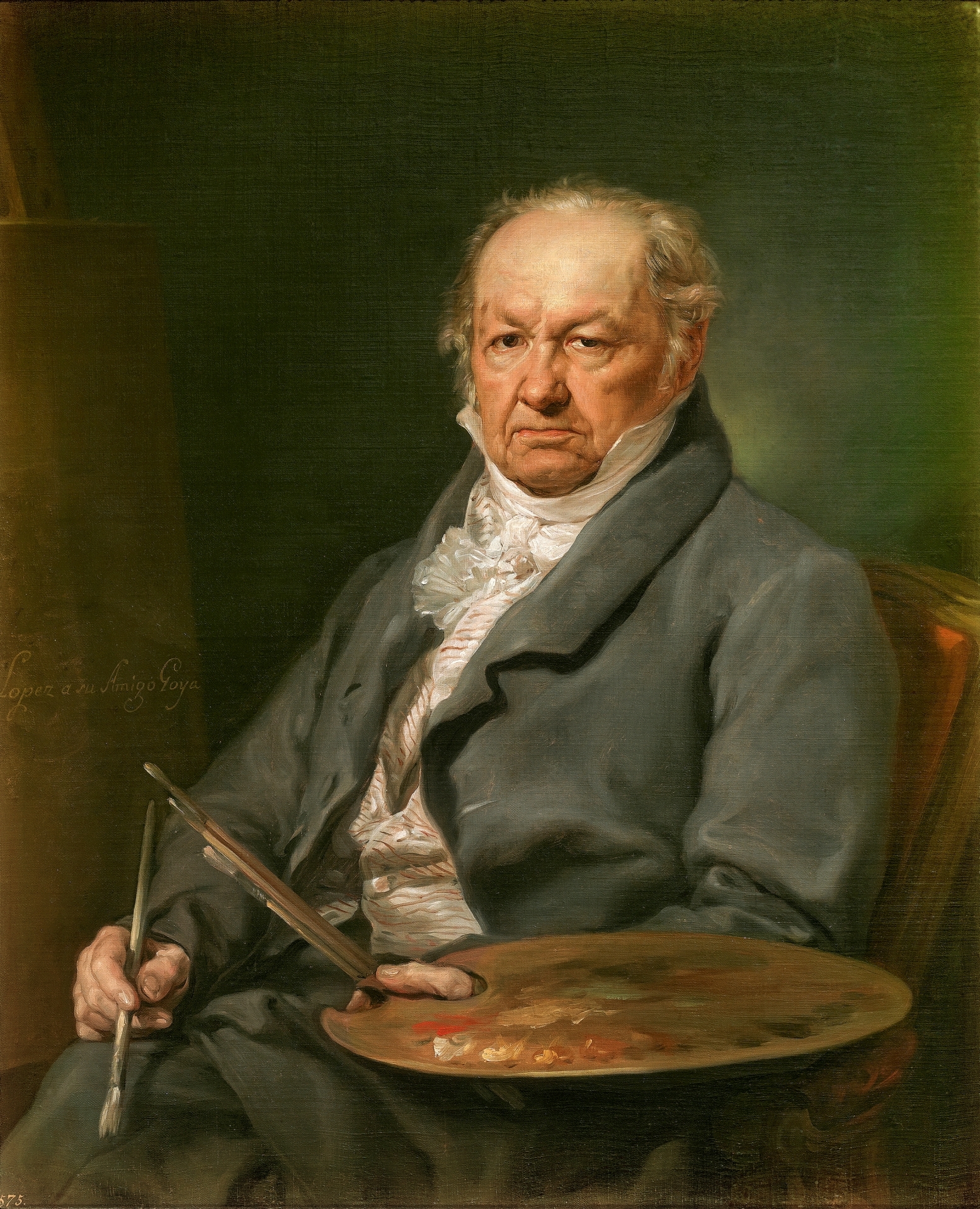
Francisco Goya
Goya's nightmarish and psychologically disturbing imagery, particularly in his Black Paintings and Saturn series, parallels Yankilevsky's use of disorienting and dark visual language to expose oppressive mental and political states. Both artists used expressive figuration to confront the darkest dimensions of human experience and societal control.
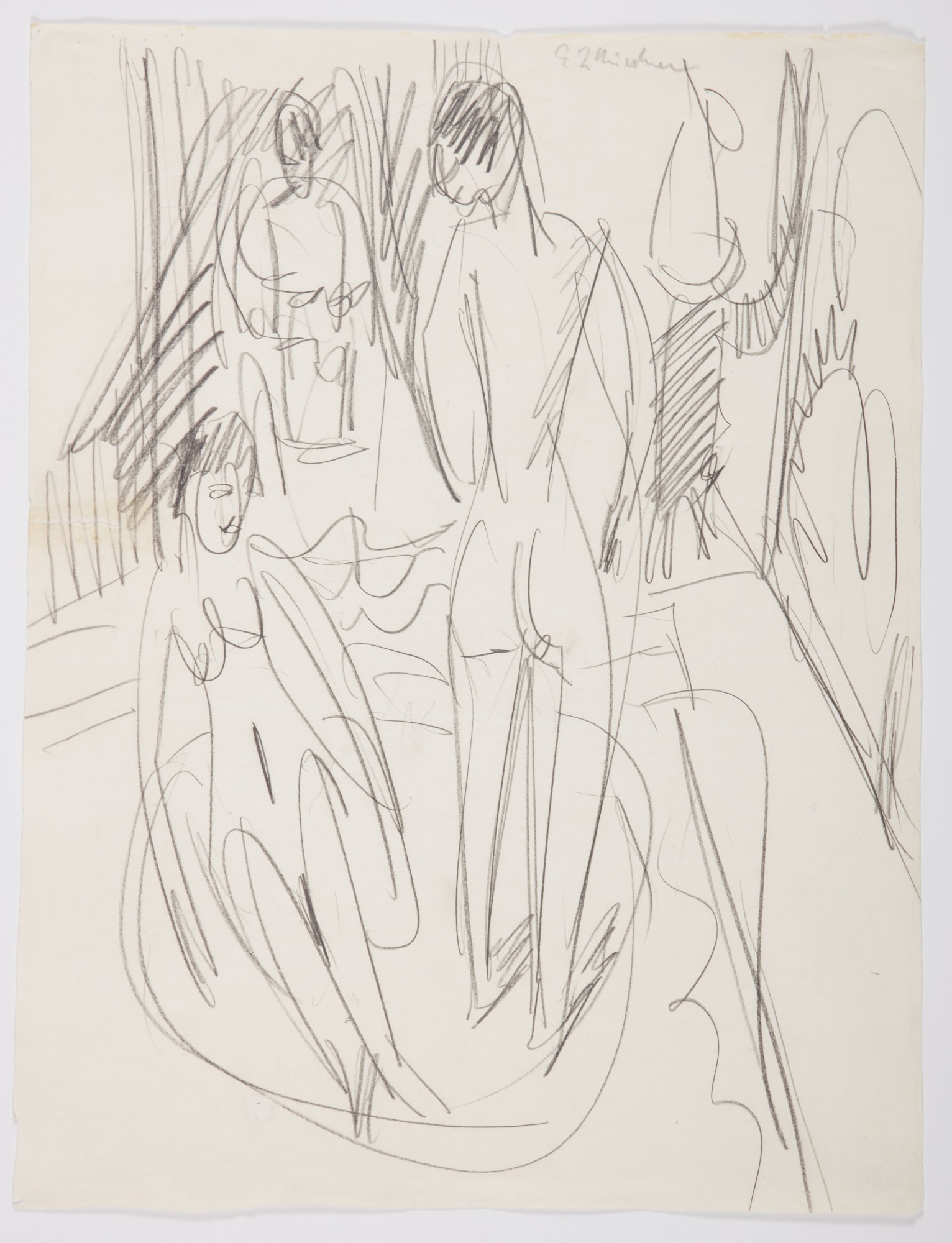
Ernst Ludwig Kirchner
Kirchner's expressionist approach to fragmented, anxious figuration and his use of vivid color to convey psychological tension closely resonates with Yankilevsky's passionate and expressive visual language. Both artists used distorted human forms to communicate states of confinement and existential unease within repressive cultural environments.
Artists who inspired them
Pavel Filonov
Filonov's intense analytical method of building complex, labyrinthine compositions from fragmented forms provided a foundational visual and conceptual model for Yankilevsky's dense and multilayered triptych structures. His rejection of official Soviet aesthetics in favor of deeply personal symbolic systems was a direct precedent for Yankilevsky's nonconformist practice.
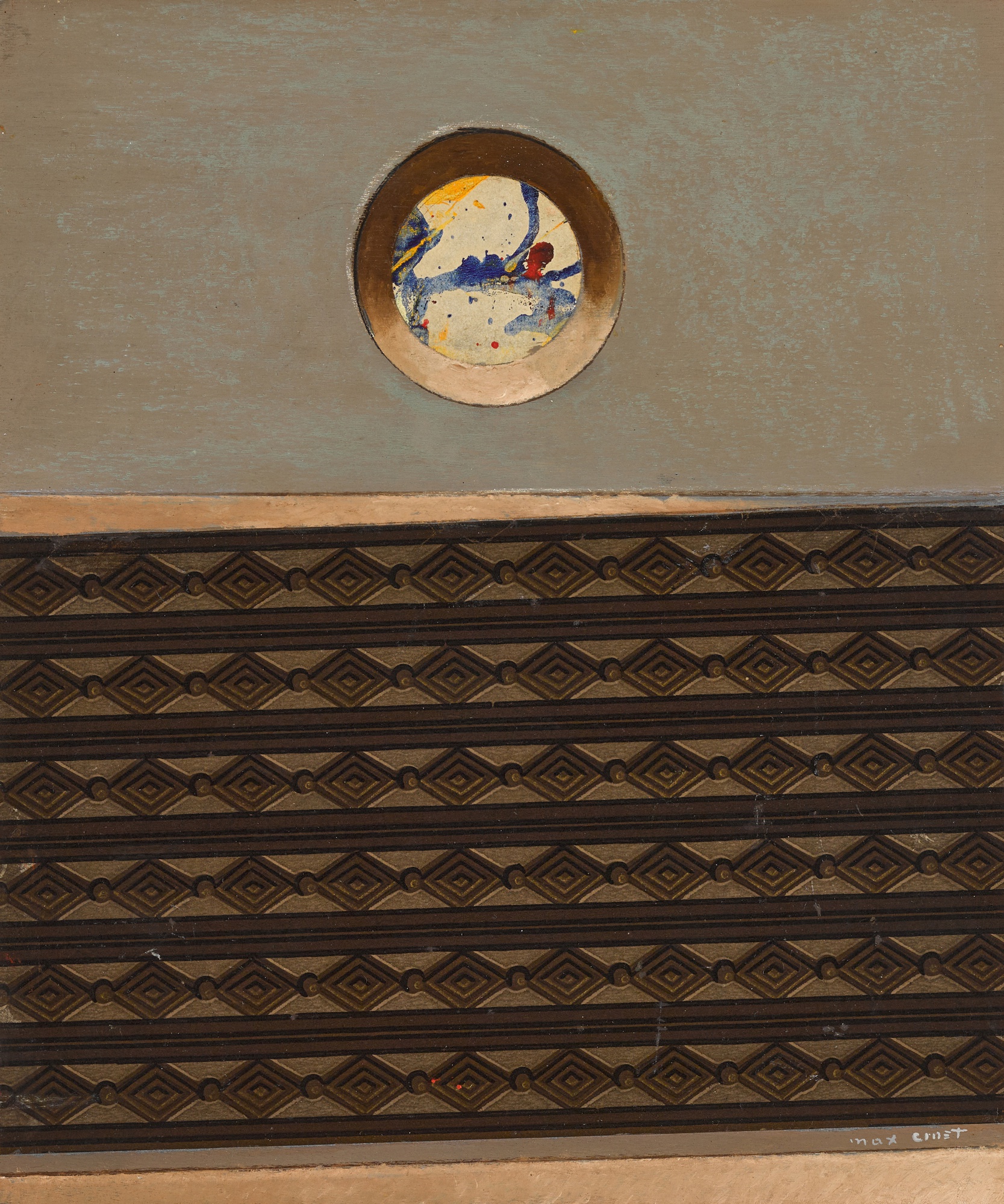
Max Ernst
Ernst's surrealist techniques of assemblage, collage, and dreamlike juxtaposition of industrial and organic imagery directly informed Yankilevsky's use of assembled mixed media and his construction of uncanny psychological spaces. Both artists treated the assembled object as a vehicle for accessing subconscious and politically charged states of mind.
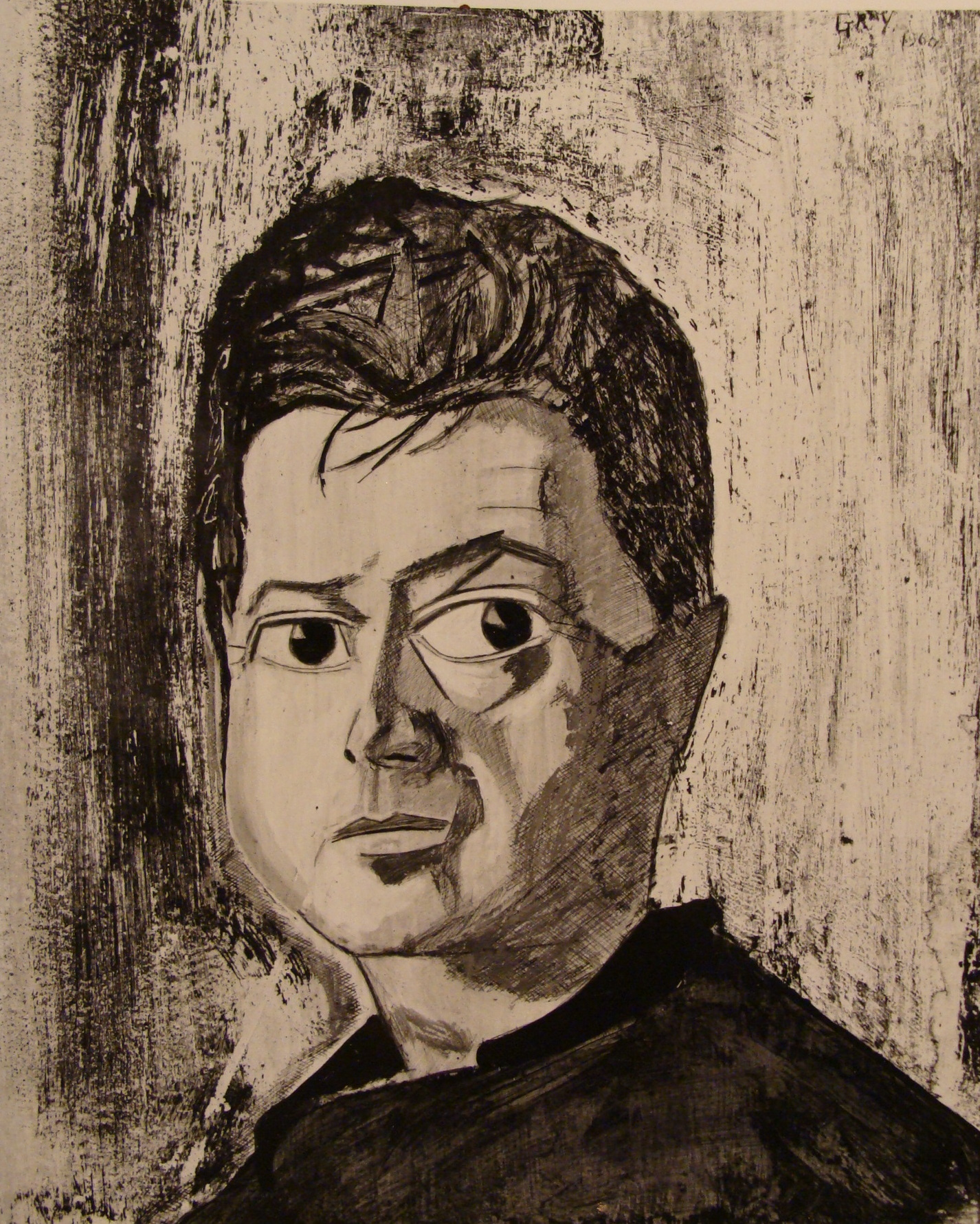
Francis Bacon
Bacon's visceral distortion of the human figure to express psychological entrapment and existential anguish resonated strongly with Yankilevsky's own exploration of bodies locked within oppressive mental and social structures. The nightmarish intensity and surreal figuration in Bacon's work provided a key international reference point for Yankilevsky's visual vocabulary.