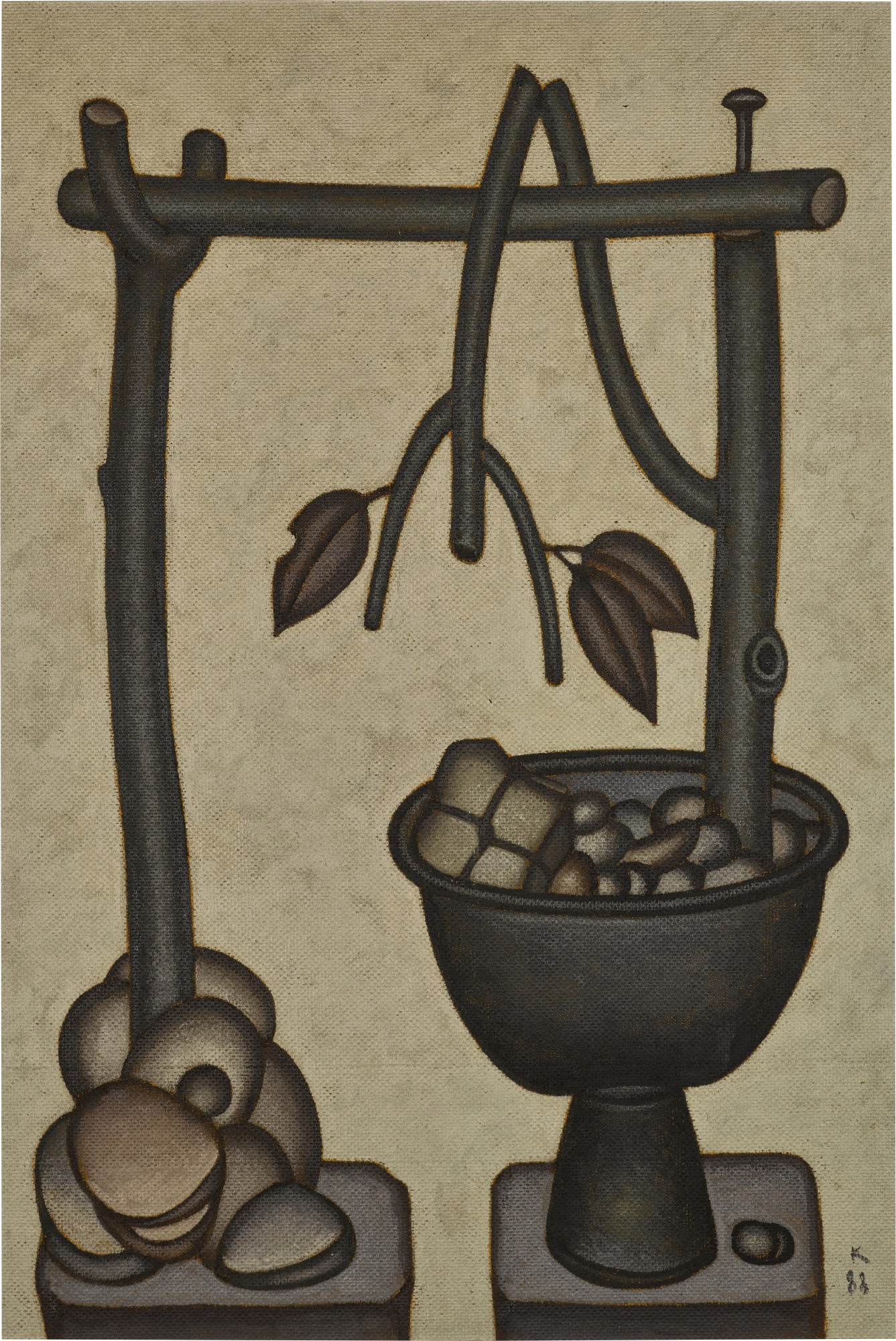
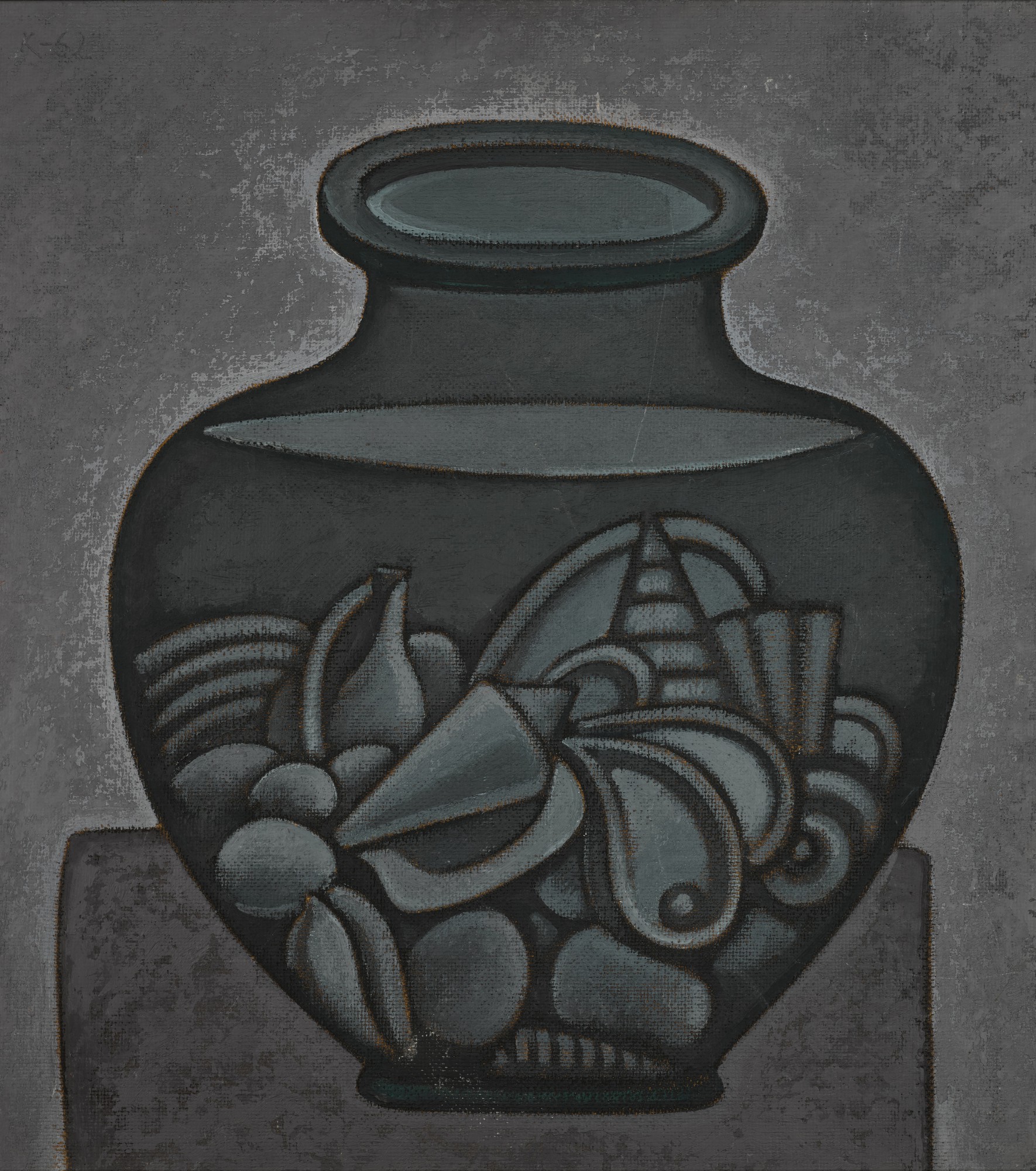
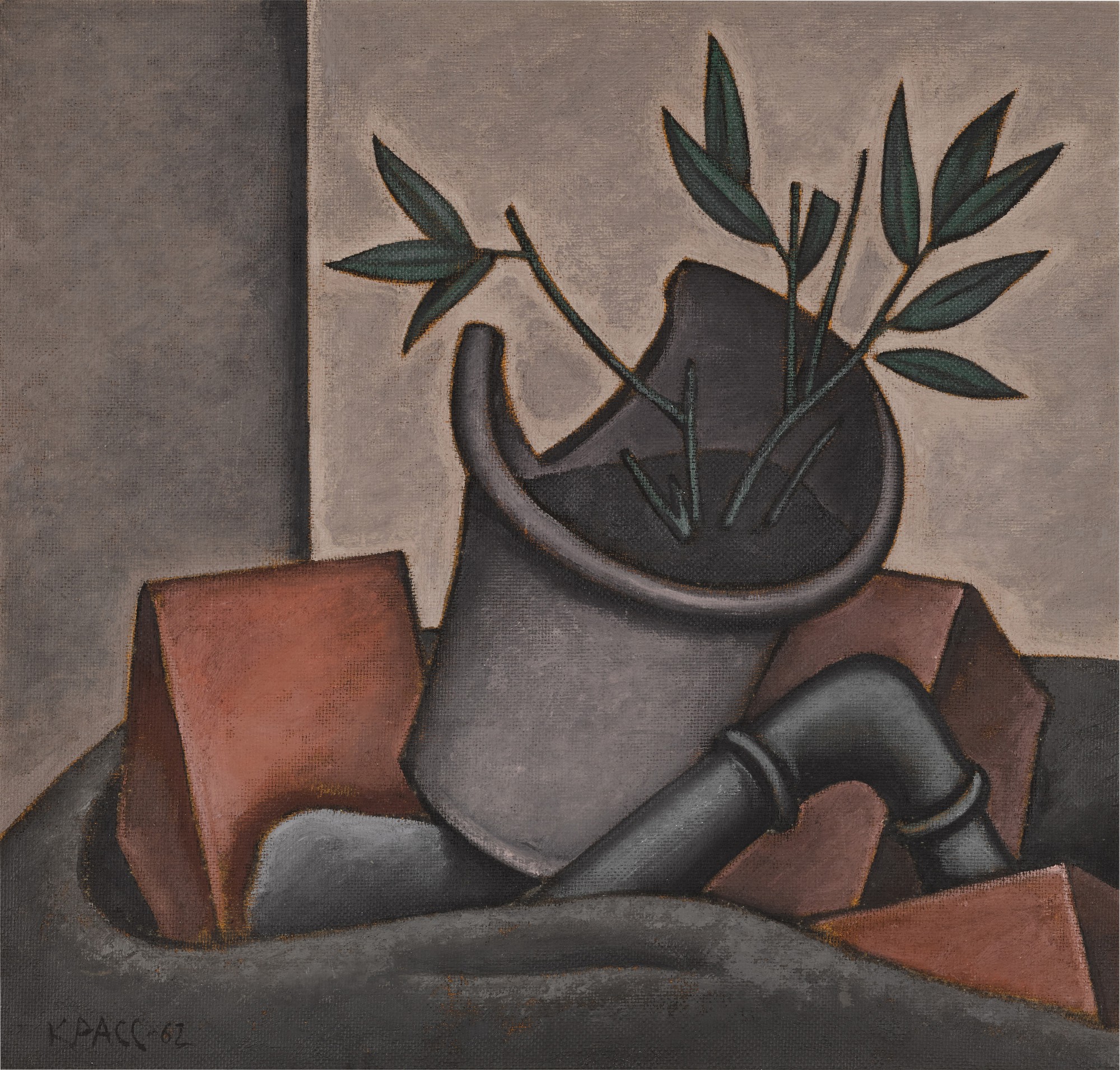
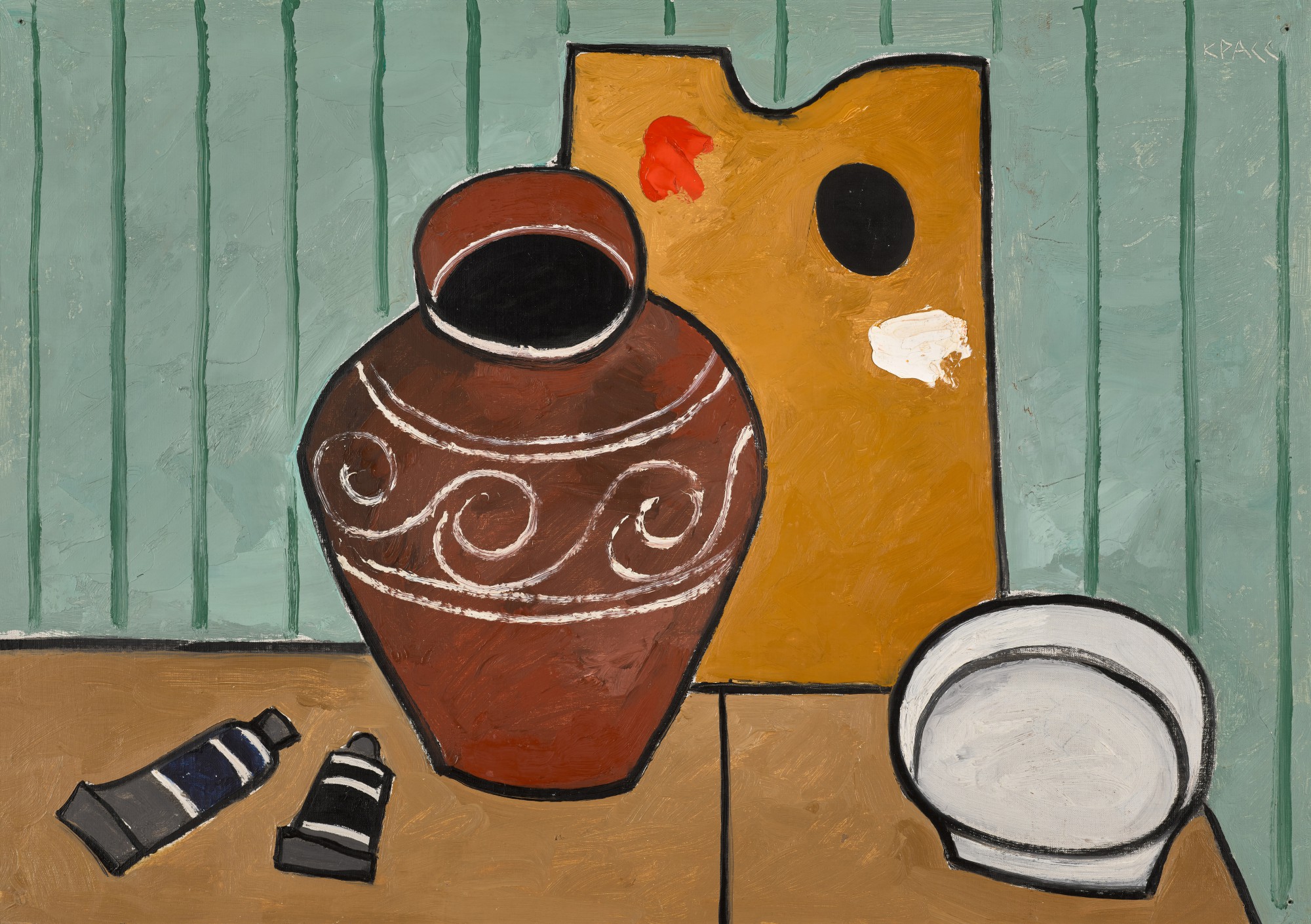
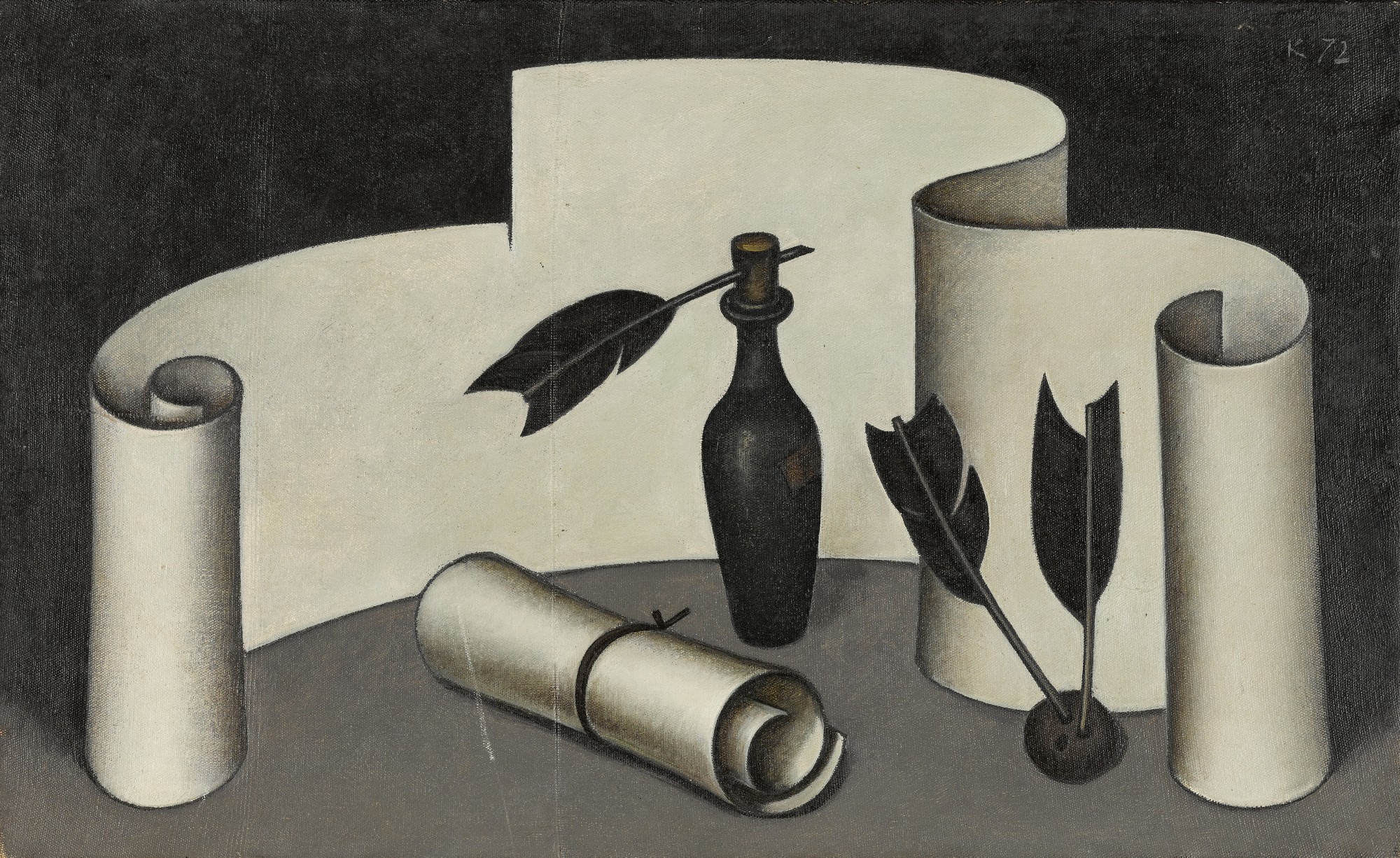
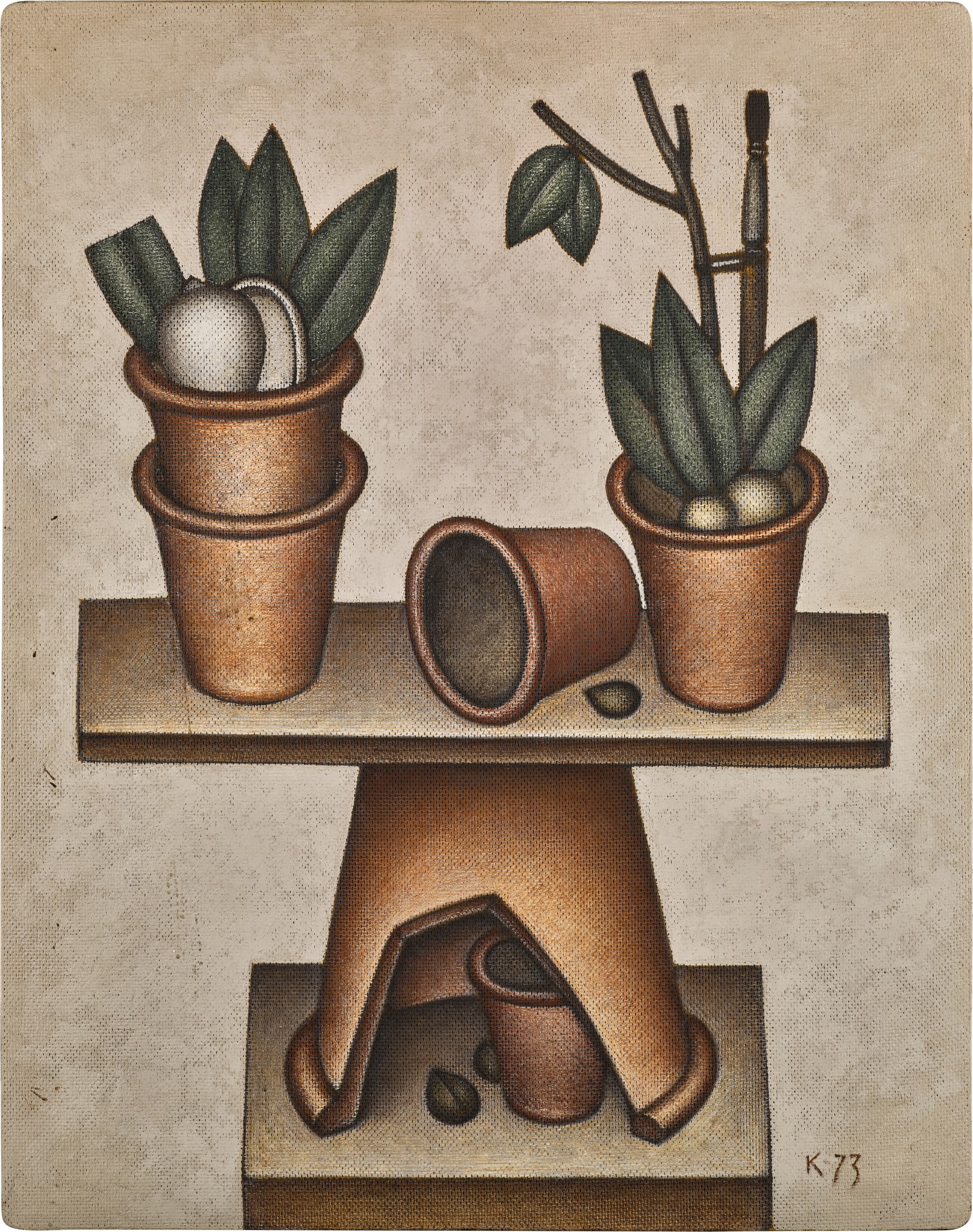
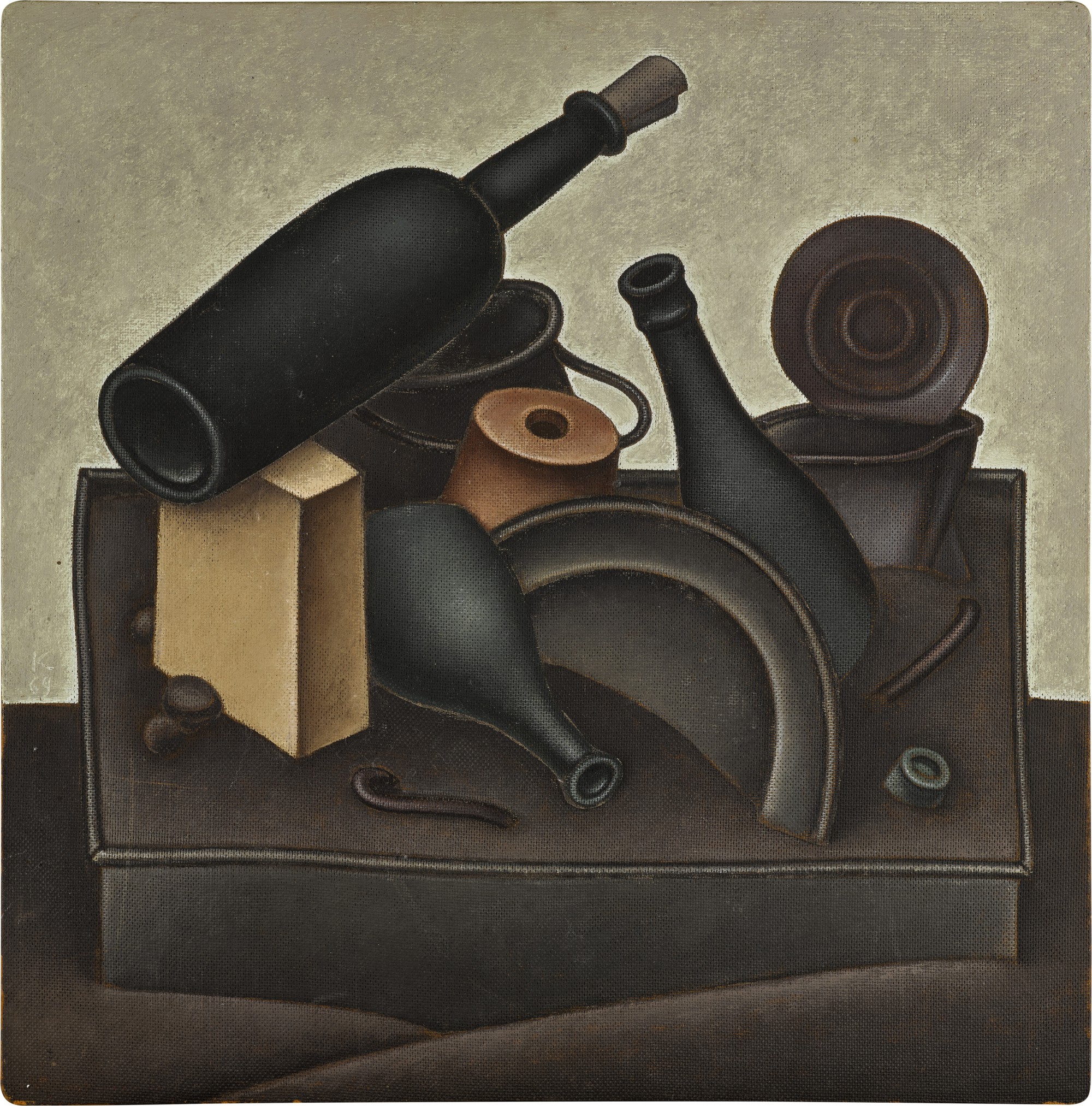
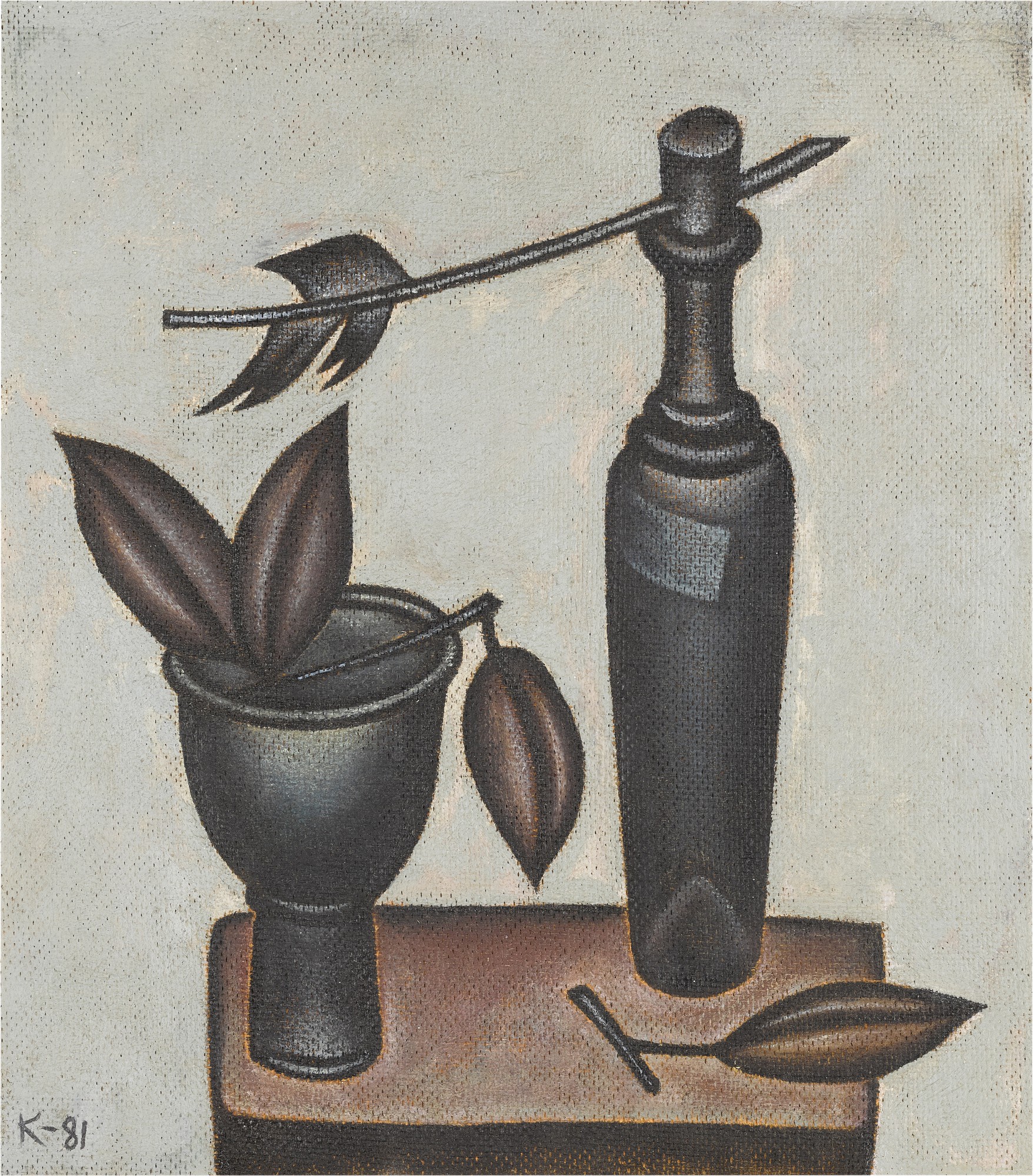
There is a particular quality of silence that greets you when you stand before a painting by Dmitri Krasnopevtsev. It is not the silence of emptiness but of deep attention, the kind that accumulates over centuries in monasteries and libraries, in rooms where old things are kept and quietly honored. That sensation has drawn a growing number of collectors and curators back to his work in recent years, as major Russian nonconformist art has gained serious institutional momentum in Western Europe and North America. Auction results at Sotheby's and Christie's have reflected a sustained and deepening appreciation for Krasnopevtsev's singular vision, with his intimate oil paintings on masonite achieving prices that would have been unimaginable during the decades when they circulated in secret among a small circle of Moscow intellectuals. Krasnopevtsev was born in Moscow in 1925 and came of age during one of the most culturally suppressive periods in Soviet history. The ideological machinery of Socialist Realism demanded that art serve the state, celebrate labor, and project optimism. Krasnopevtsev turned away from all of this with a quiet but absolute conviction. He studied at the Moscow Art Institute, where he received a formal academic training that gave him a technical foundation he would spend the rest of his life subverting toward entirely personal ends. The tension between his rigorous draughtsmanship and his deeply inward subject matter became one of the defining qualities of his mature work. His artistic development unfolded largely in isolation from official Soviet culture. While contemporaries such as Oscar Rabin, Ernst Neizvestny, and the artists associated with the 1974 Bulldozer Exhibition were making confrontational gestures against the Soviet system, Krasnopevtsev pursued a more internalized form of resistance. His nonconformism was philosophical rather than polemical. He built a world of objects on his canvas that belonged to no particular ideology and no particular moment in history: clay amphorae, cracked vessels, bones bleached pale as paper, dried seed pods, feathers, scrolls, and the occasional painter's tools resting as if just set down. These were the relics of human making and human passing, arranged with the gravity of a private rite. The muted palette Krasnopevtsev developed over decades is one of the most recognizable and most discussed aspects of his practice. Working in ochres, grays, dull whites, and the deepest earthen browns, he created a tonal world that seems to exist outside of time, somewhere between the ancient Mediterranean and a scholar's studio in old Moscow. His preferred support, masonite, contributed to this quality. The smooth, unforgiving surface of the board gave his paint a particular density and flatness, compressing space in a way that feels both archaic and completely modern. Works such as Still Life with Shells and Still Life with Broken Flower Pot demonstrate this compression with extraordinary refinement: objects float against indeterminate grounds, casting soft shadows that suggest light without revealing its source. Among the most celebrated works in his career are compositions in which the objects themselves seem to be in dialogue, as though they carry memories of use and meaning that outlast the human hands that touched them. Composition with a Broken Branch brings a spare lyricism to this theme, the fractured natural form rhyming with the cracked and worn vessels that populate so many of his canvases. Still Life with Scroll, Bottle and Three Feathers and Still Life with Feather and Scrolls return to the motif of writing and its fragility, the scroll as a vessel for language that is itself subject to disintegration. Case with Objects in the Ground pushes this meditation further, suggesting burial and preservation at once, the earth as archive. His work on paper, including pencil and ink drawings that demonstrate how complete and fully realized his vision was even in the most economical of mediums, reveals the structural intelligence underlying every composition. For collectors, Krasnopevtsev presents a rare convergence of art historical significance and aesthetic coherence. He is not an artist whose work requires considerable interpretive apparatus to be experienced deeply. A single canvas can hold the attention for a long time on purely visual terms, and then continue to give when approached through the lens of his philosophical preoccupations with mortality, duration, and the dignity of humble things. Works on masonite, his most characteristic support, are particularly sought after and should be examined for the evenness and integrity of the ground, as well as for the subtle warmth or coolness of his tonal arrangements, which vary across periods. Collectors who have followed this market closely note that his smaller, more concentrated compositions often contain some of his most resolved thinking. Within the broader history of twentieth century art, Krasnopevtsev occupies a distinctive position that invites comparison with several traditions while remaining entirely his own. His metaphysical preoccupations place him in conversation with Giorgio de Chirico and the Italian Pittura Metafisica movement, while his devotion to the still life as a vehicle for profound meaning recalls the Spanish bodegón painters, especially Francisco de Zurbarán, whose austere arrangements of vessels and cloth carry a similar weight of contemplation. Among his Soviet contemporaries, Vladimir Weisberg shared something of his interest in the meditative possibilities of restrained color, and Eduard Steinberg brought a comparable philosophical seriousness to abstraction. Yet Krasnopevtsev's language remains unmistakably his own, rooted in a personal iconography that he refined over four decades without significant deviation or dilution. Krasnopevtsev died in Moscow in 1995, just as Russia was opening to the wider world and his work was beginning to be seen internationally on its own terms rather than primarily as a document of Soviet dissidence. That context matters, but it is not what keeps his paintings alive. What keeps them alive is their absolute commitment to the idea that looking carefully at a broken pot or a dried shell is an act of genuine consequence, that the world of objects holds within it all of the tenderness and grief and wonder that constitute a human life. In a moment when the art world is drawn with renewed seriousness toward artists who pursued deeply personal visions outside institutional support, Krasnopevtsev stands as one of the most rewarding discoveries a collector can make.