Post-Impressionism
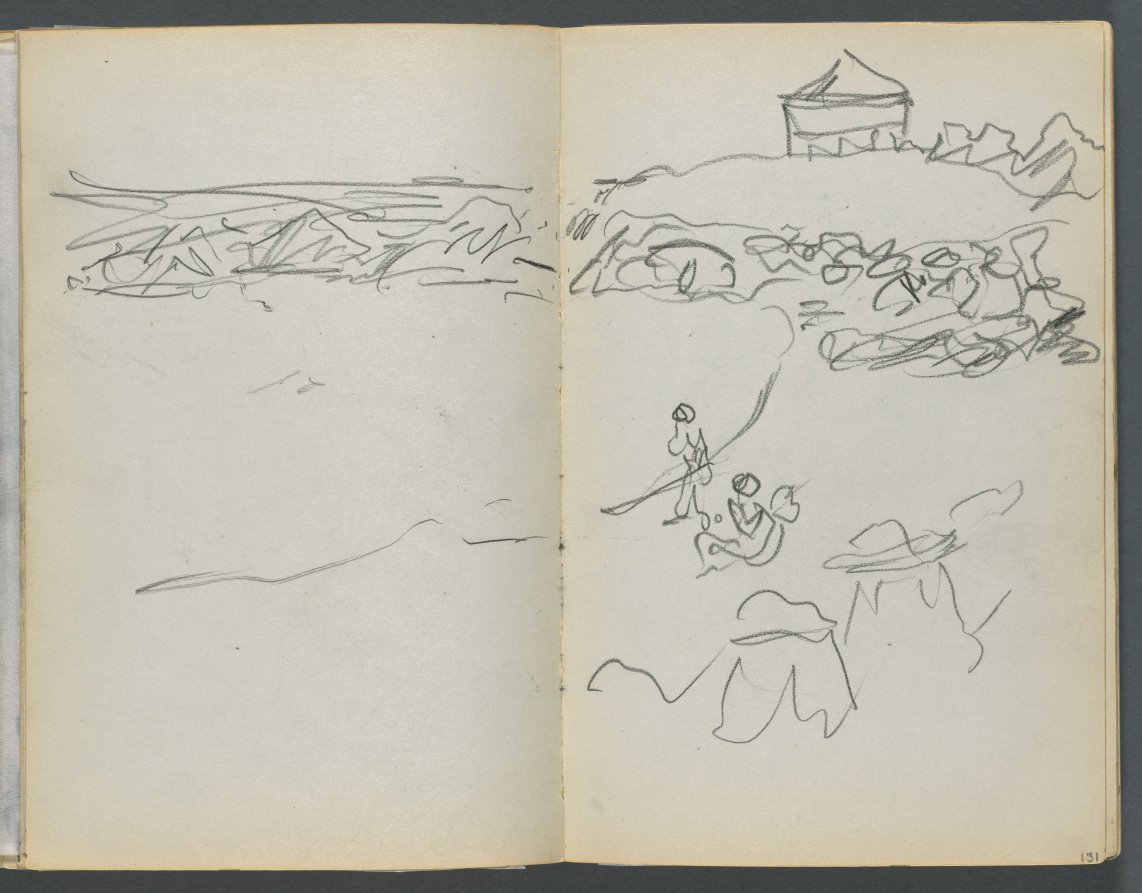
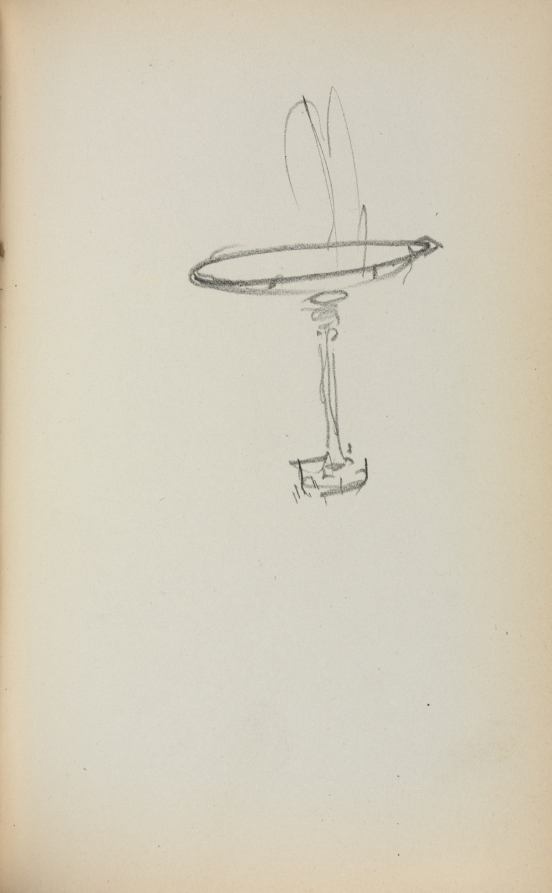
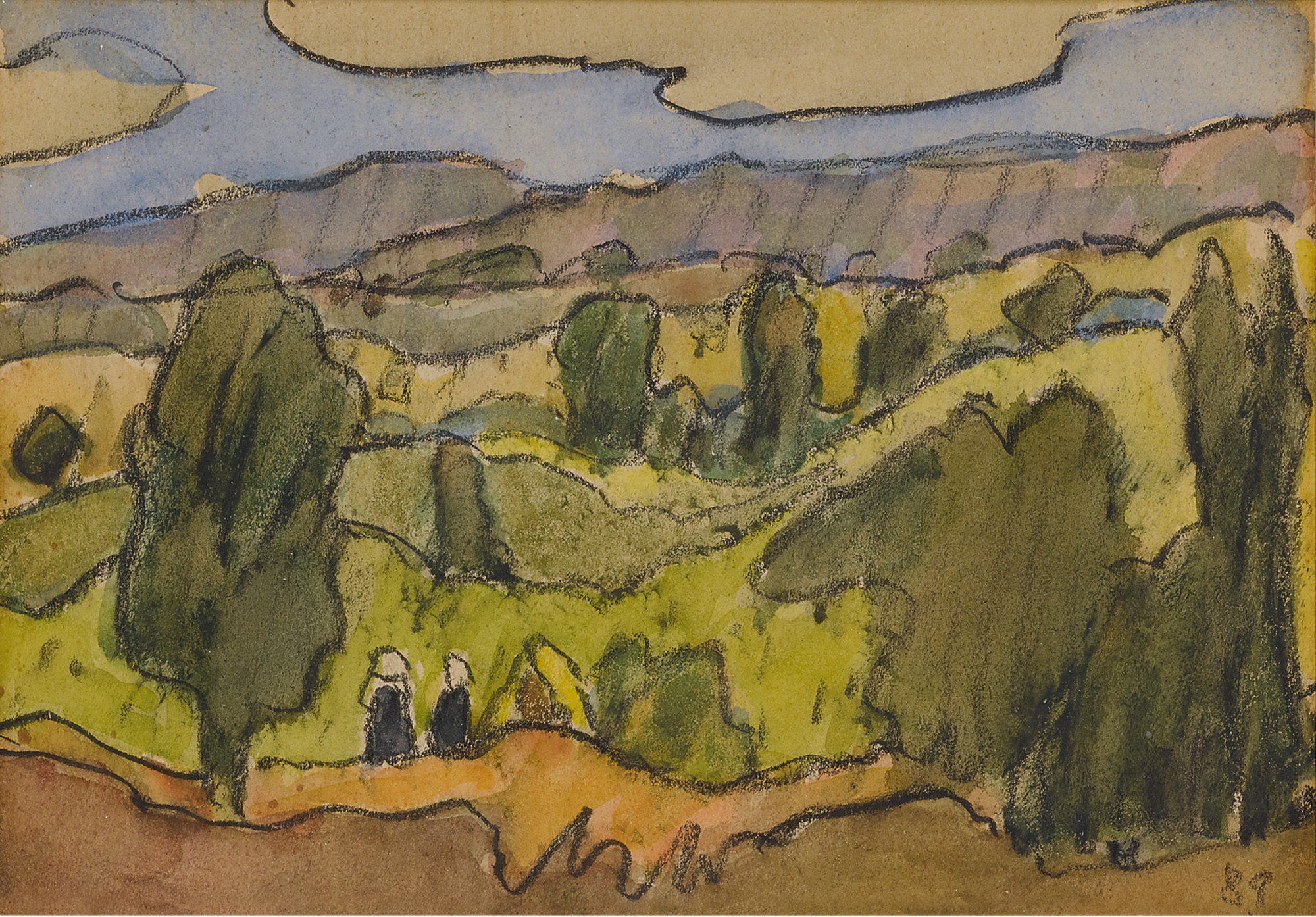
Maurice Prendergast
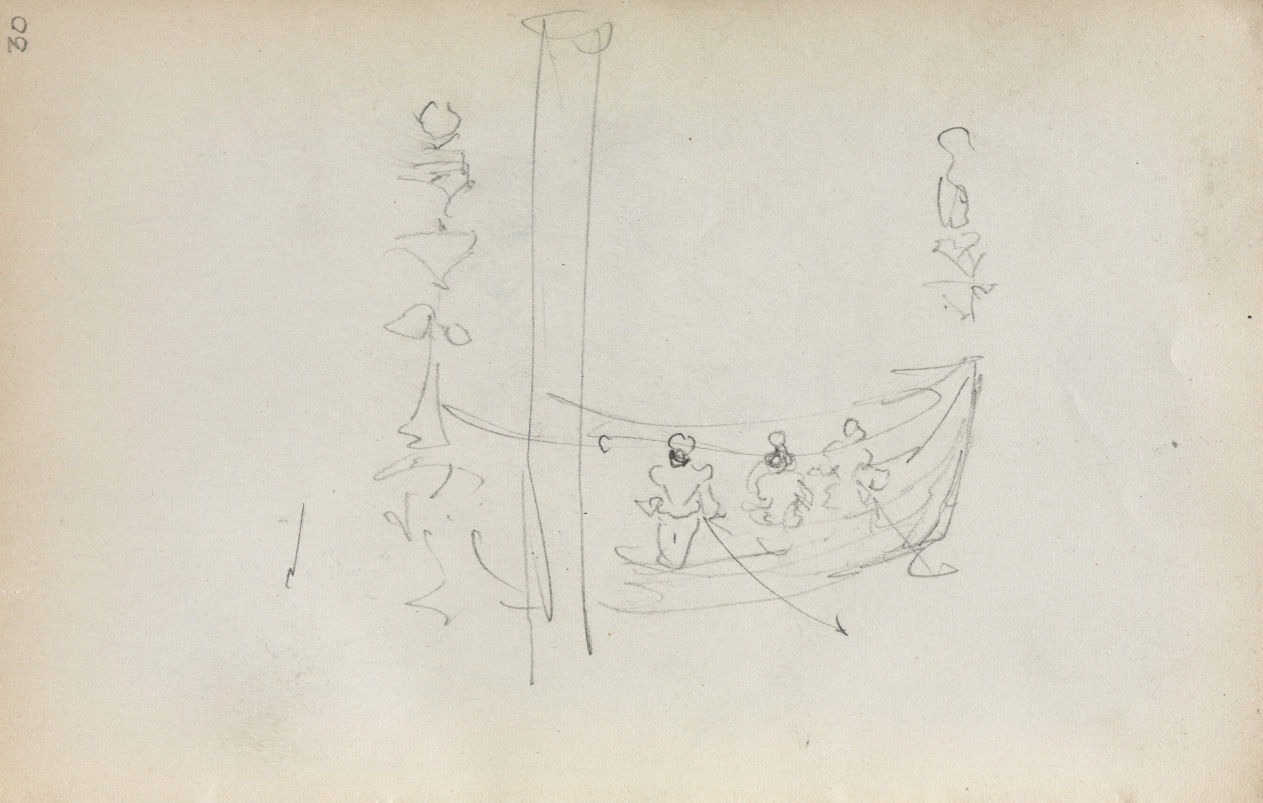
Sketchbook, The Dells, N° 127, page 130 & 131: Coastal View, 1919
Color, Feeling, and the Art of Living Well
There is a particular quality of light in a Post Impressionist painting that collectors describe almost physically, as something felt in the chest before it registers in the eye. These are works that were made to be lived with, not merely looked at. The movement that loosely spans the 1880s through the early decades of the twentieth century produced some of the most emotionally direct and visually generous art in Western history, and collectors who have spent time around these works tend to develop a quiet devotion to them that deepens over years. It is not nostalgia exactly.
It is more like recognition. What draws serious collectors to this area is the combination of intellectual ambition and sensory pleasure that defines the best work. Post Impressionism is not a single style but a constellation of intensely personal visions, each artist pushing against the optical objectivity of Impressionism toward something more structural, more symbolic, or more psychologically charged. That diversity is itself part of the appeal.
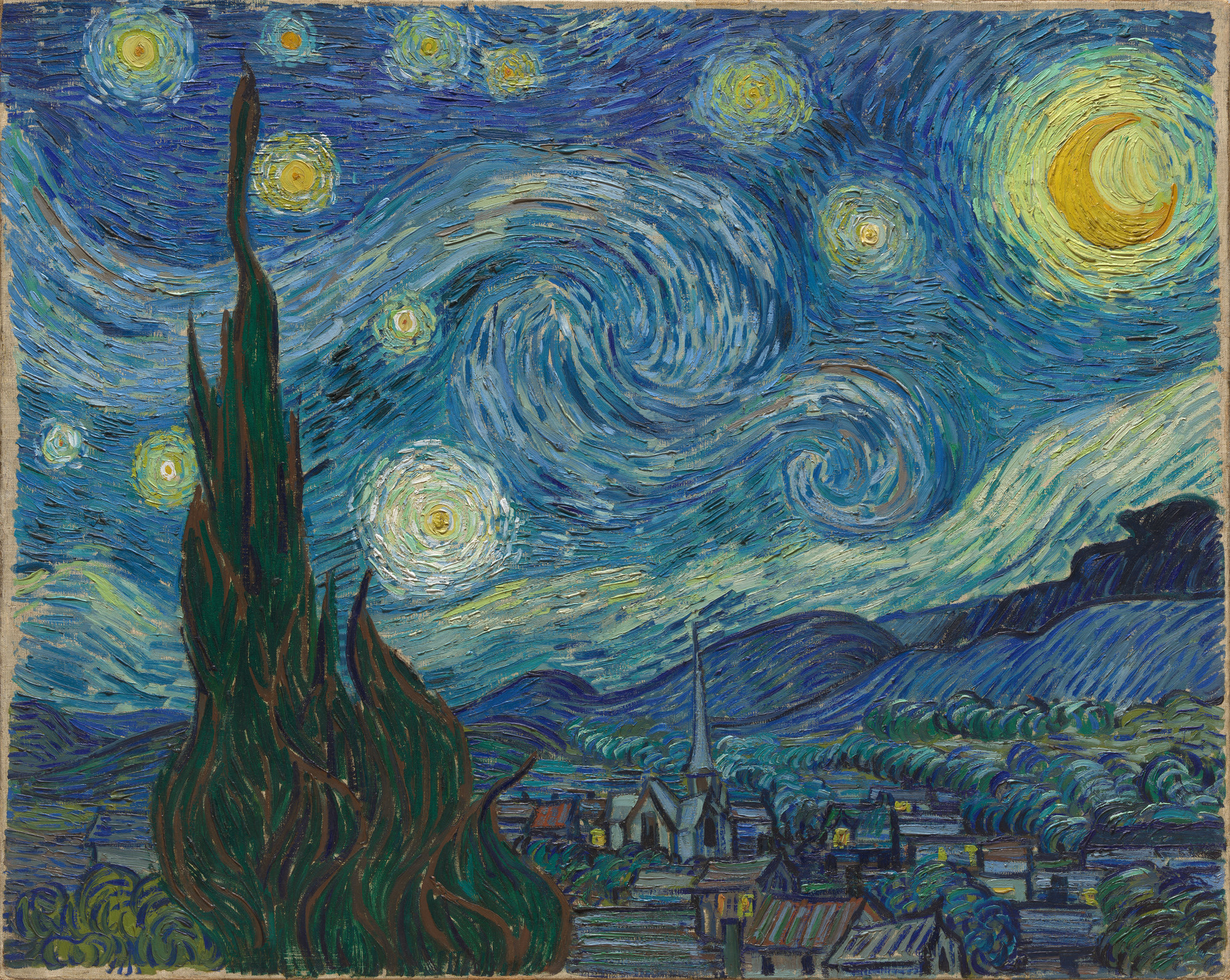
Vincent van Gogh
Starry Night
A collection built around this period can hold enormous range while still feeling coherent, spanning from the geometric rigor of Cézanne's investigations of form to the chromatic explosions of the painters who would later be called Fauves. For a collector, this breadth means there is always more to discover, always a new argument to make through acquisition. Separating a good work from a great one in this category requires attention to the quality of the artist's thinking within the picture. A competent Post Impressionist painting can be decorative and pleasant.
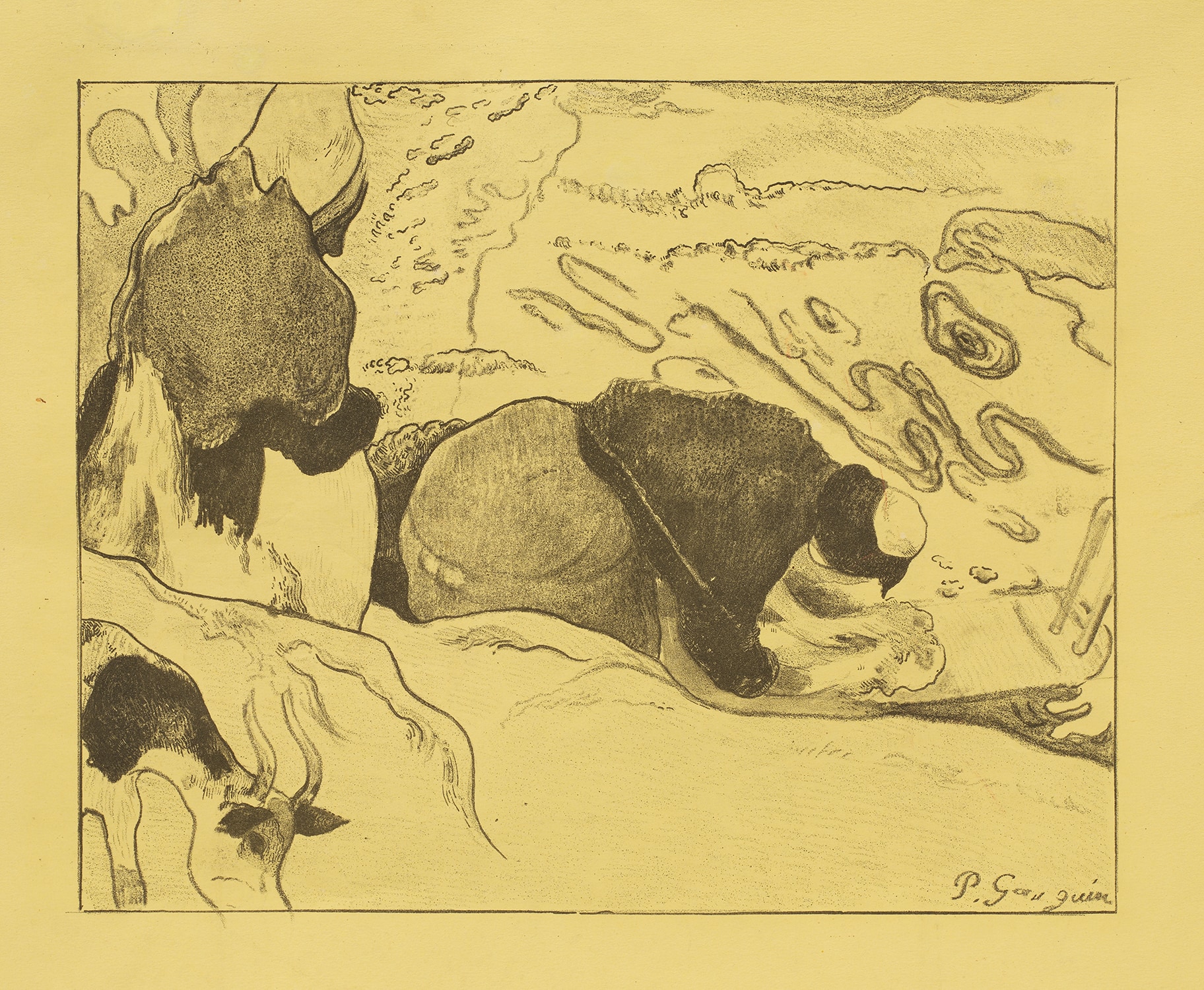
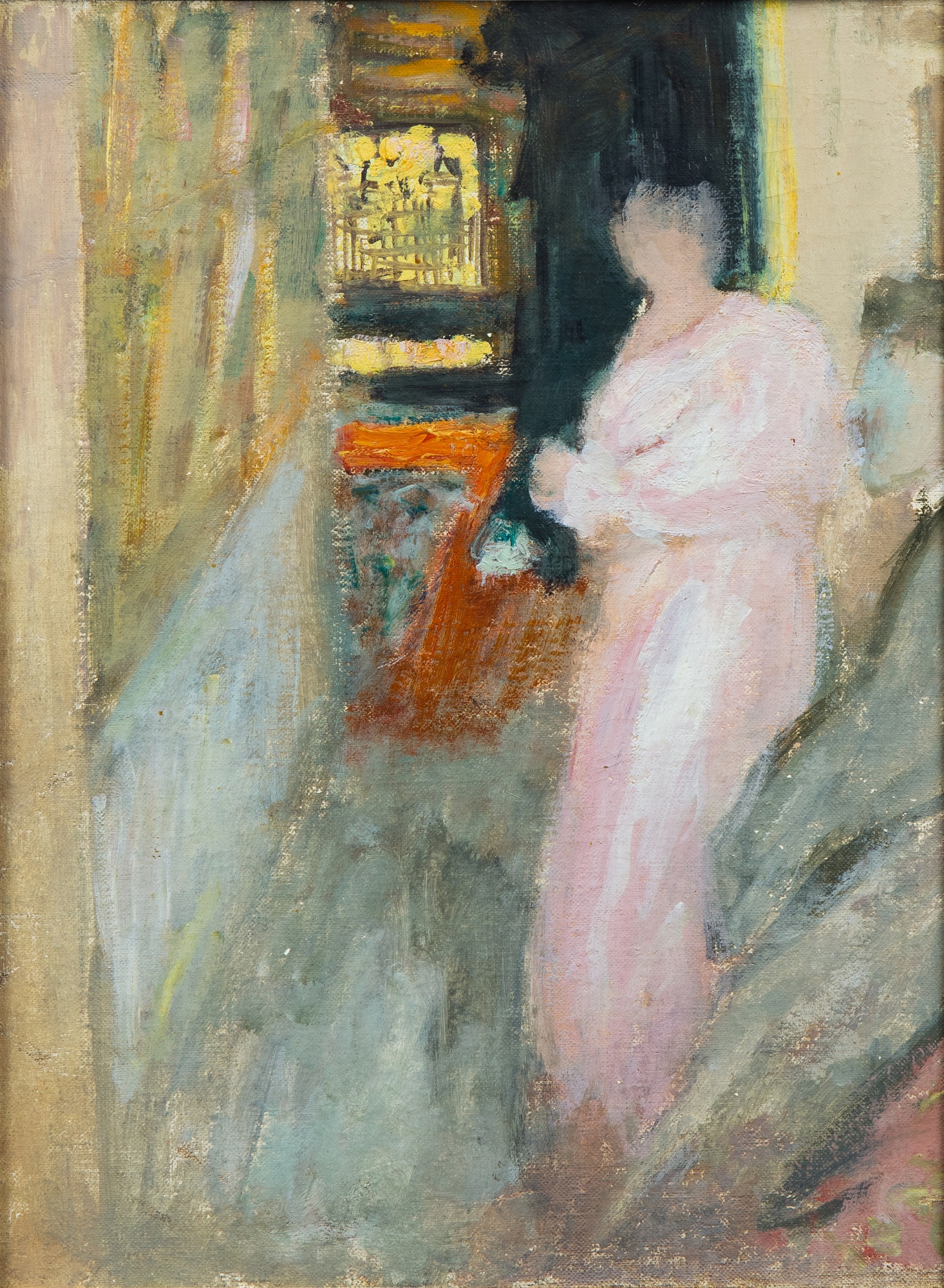
A great one feels necessary. Look for evidence of the artist's particular obsession working itself out on the surface, whether that is Gauguin wrestling with spiritual meaning through flattened color in his Breton and later Polynesian works, or Bonnard constructing a domestic scene where the palette becomes almost hallucinatory despite the ordinariness of the subject. Provenance matters enormously in this category, as does exhibition history. Works that passed through significant collections or appeared in landmark shows carry a kind of institutional endorsement that the market consistently rewards.
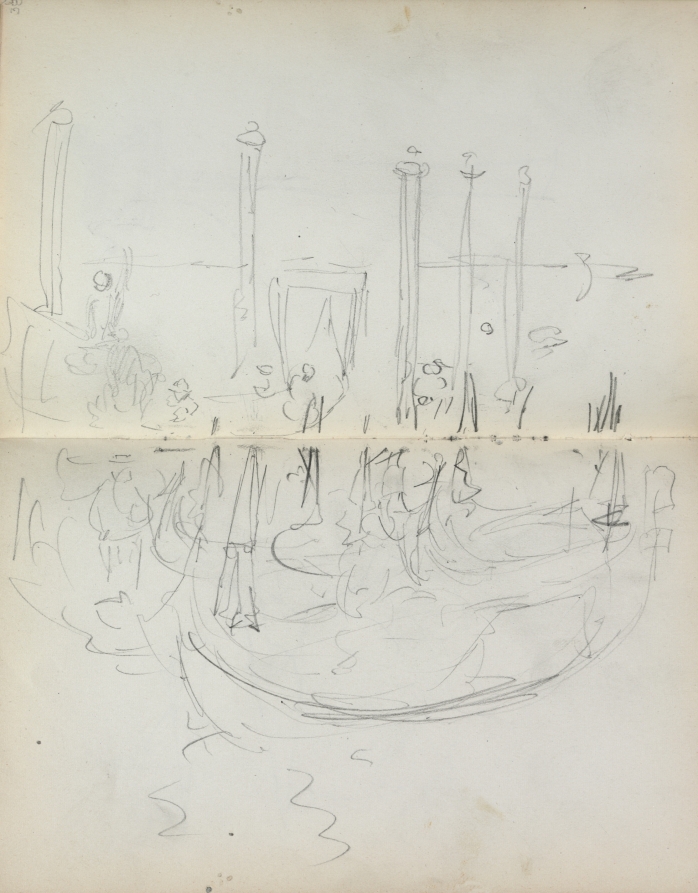
Maurice Prendergast
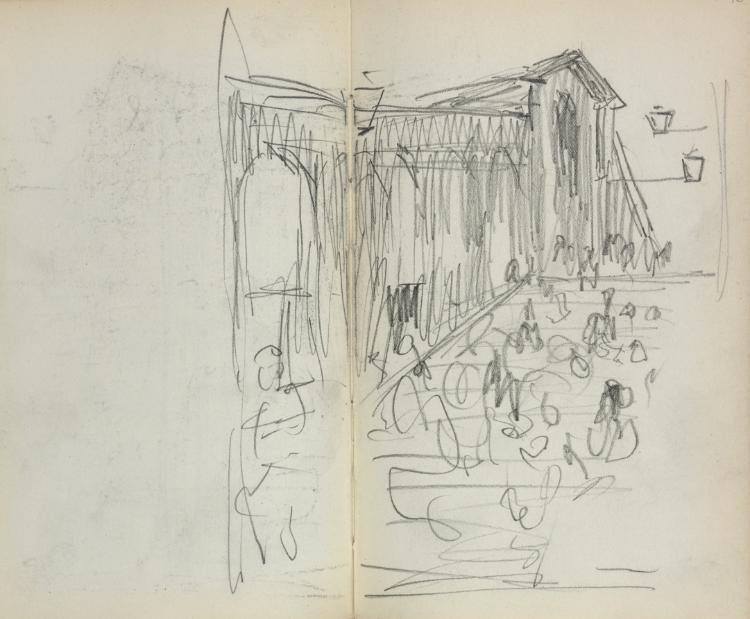
Italian Sketchbook: Venetian Harbor View (page 37 & 38), 1898
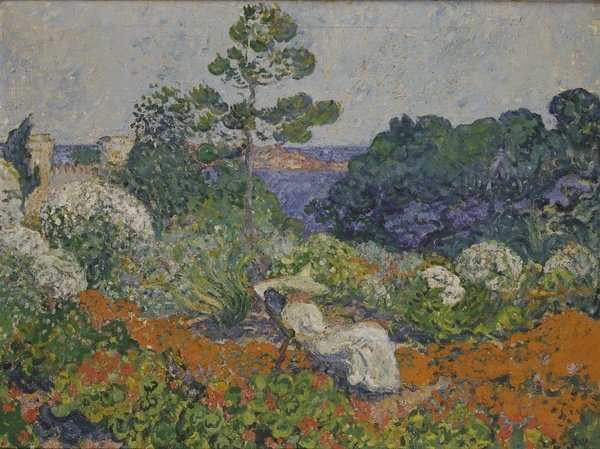
Among the artists well represented on The Collection, a few stand out as particularly strong long term holdings. Maurice Prendergast is a genuinely underestimated figure whose reputation has steadily risen as scholars and collectors have reconsidered the breadth of American Post Impressionism. His mosaic like surfaces, built from hundreds of small touches of pure color, feel remarkably contemporary to a twenty first century eye trained on pattern and saturation. Pierre Bonnard remains one of the great pleasures of the collecting world, an artist whose intimist interiors and sunlit gardens reward prolonged attention in ways that reproductions never adequately convey.
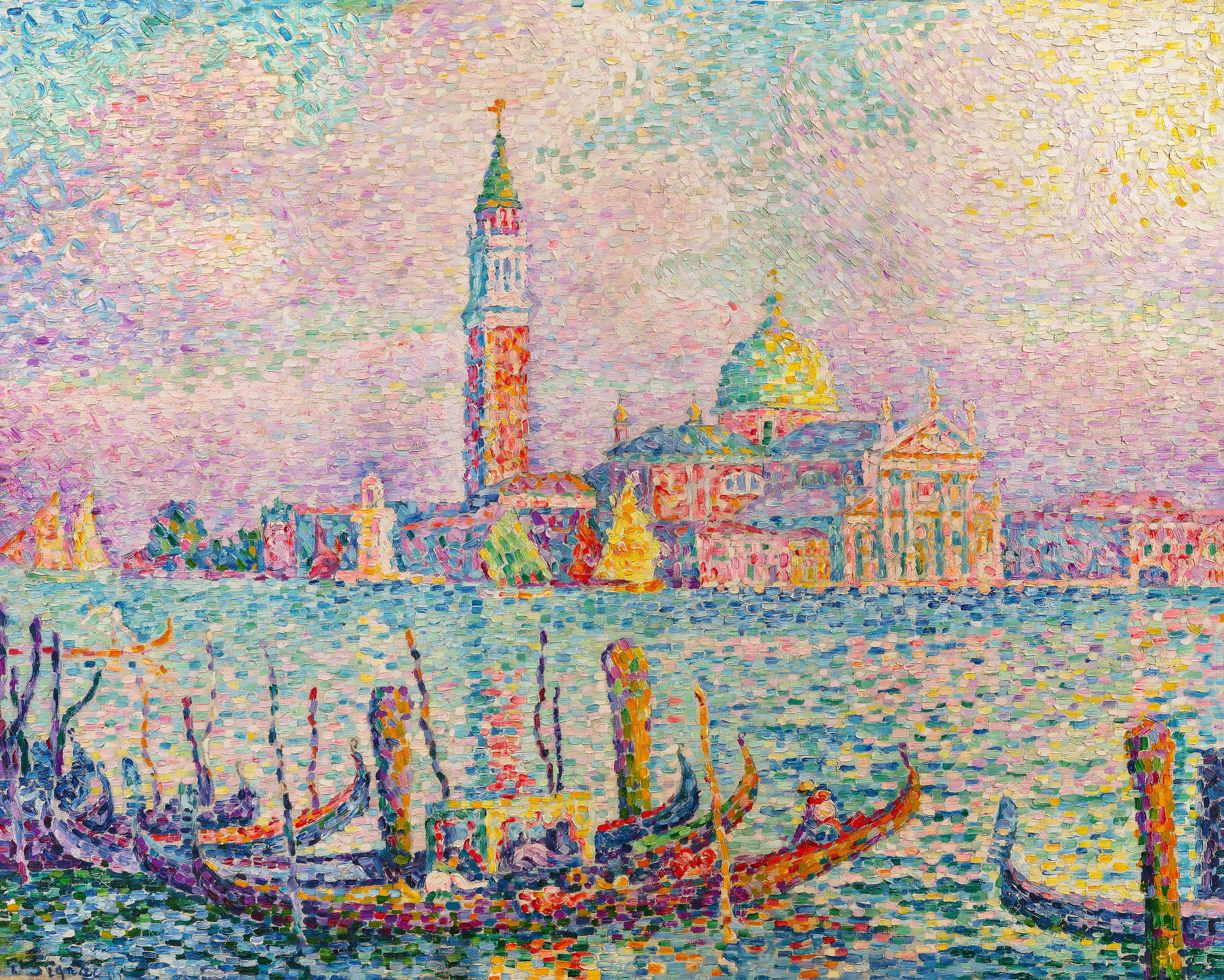
Paul Signac, working within the Pointillist method he developed alongside Seurat in the 1880s, produced harbor and coastal scenes of remarkable luminosity that hold their value reliably at auction. And Toulouse Lautrec, whether in his lithographic work or his paintings, operates at the intersection of psychological acuity and radical graphic invention, qualities that appeal to both art historians and collectors with genuinely modern taste. The question of emerging or underrecognized value in this space is genuinely interesting right now. Louis Valtat has been quietly reassessed over the past decade, his vivid, freely brushed canvases now recognized as an important bridge between Post Impressionism and early Fauvism.
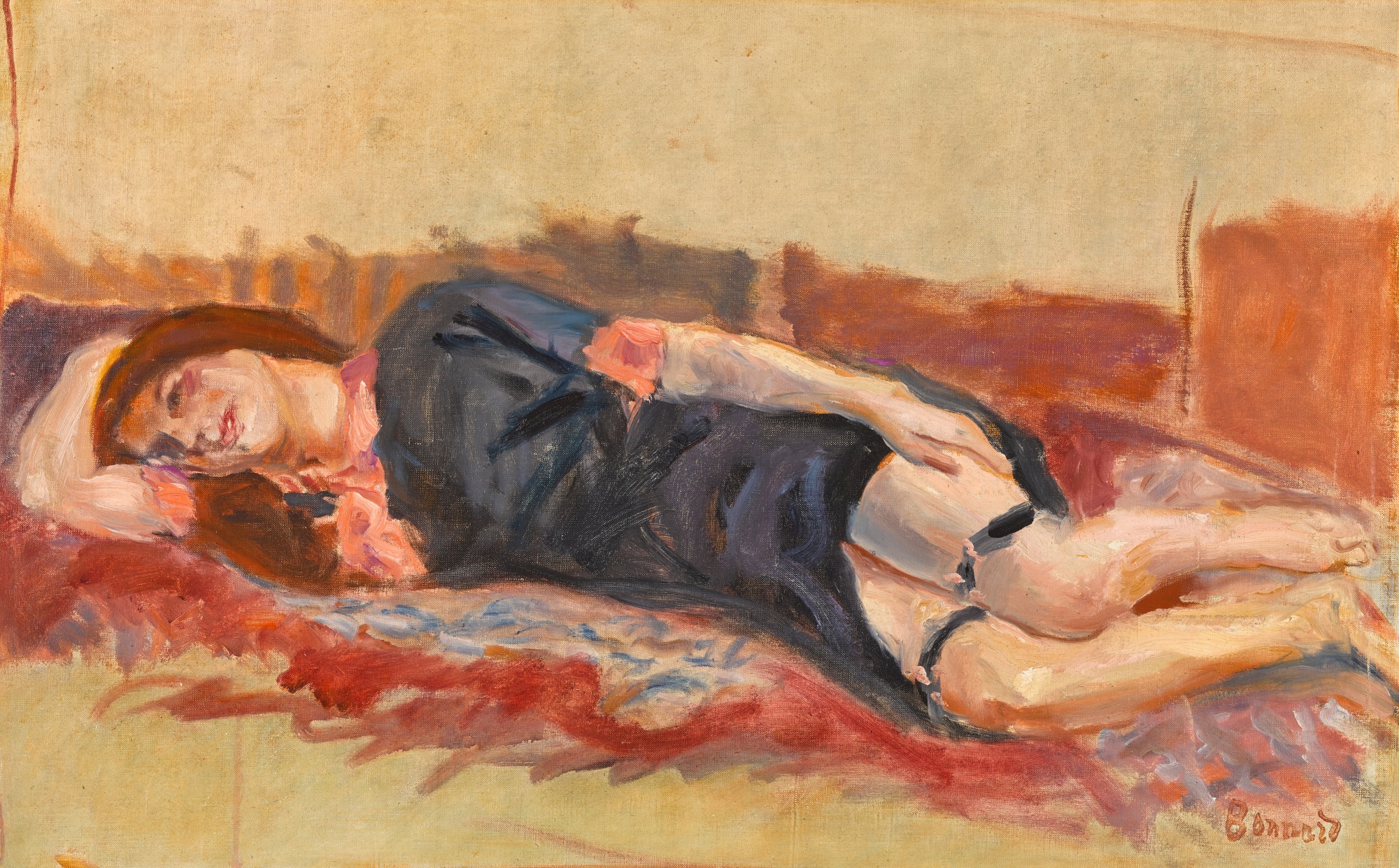
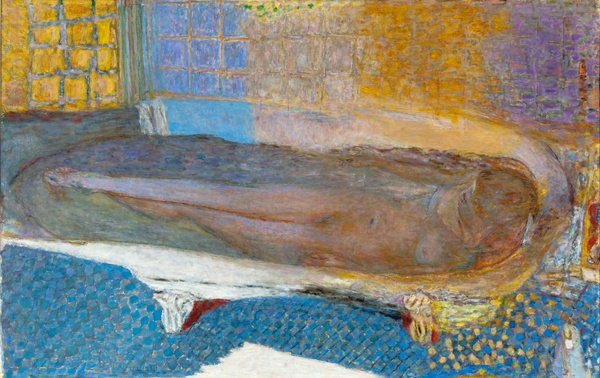
Pierre Bonnard
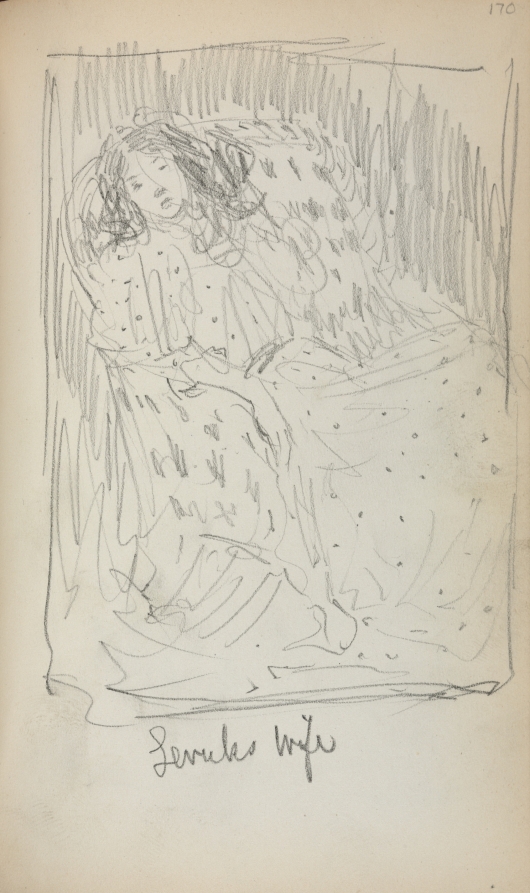
Femme allongée (ébauche), 1909
Émile Bernard, whose role in shaping the Synthetist ideas that influenced both Gauguin and van Gogh was long overshadowed by those more famous names, represents a serious intellectual and aesthetic proposition at prices that have not yet fully reflected his historical importance. Maximilien Luce, working within the Neo Impressionist tradition, produced politically engaged urban scenes that speak to contemporary audiences interested in the intersection of form and social content. These are artists where attentive collectors willing to do the research can still find significant upside. At auction, works from this period have demonstrated sustained strength across the major houses, though the market is not uniform.
Works on paper and prints by artists like Toulouse Lautrec carry their own logic, with condition and rarity of the specific edition driving value significantly. Paintings by the canonical figures command prices that can feel prohibitive for younger collectors, but the secondary market for works by artists like Charles Camoin, Henri Lebasque, and Gustave Loiseau remains genuinely accessible while offering real quality. The Nabis painters, Bonnard, Vuillard, and Maurice Denis, have seen consistent institutional interest, which tends to translate into auction stability. Works that have appeared in major retrospectives or been reproduced in the standard catalogue raisonné for a given artist carry a meaningful premium and tend to sell more predictably.
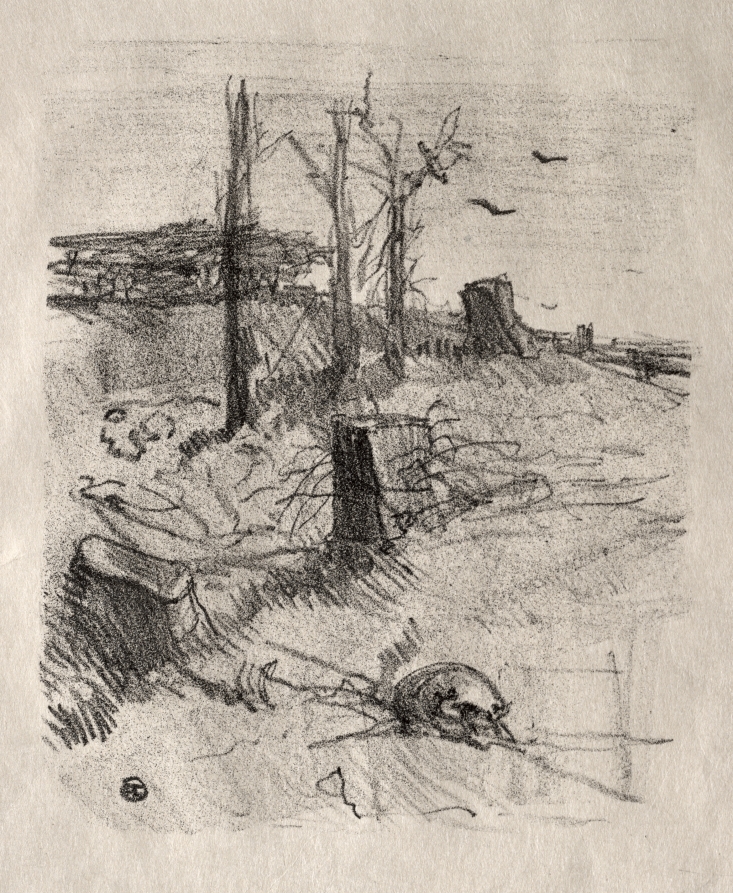
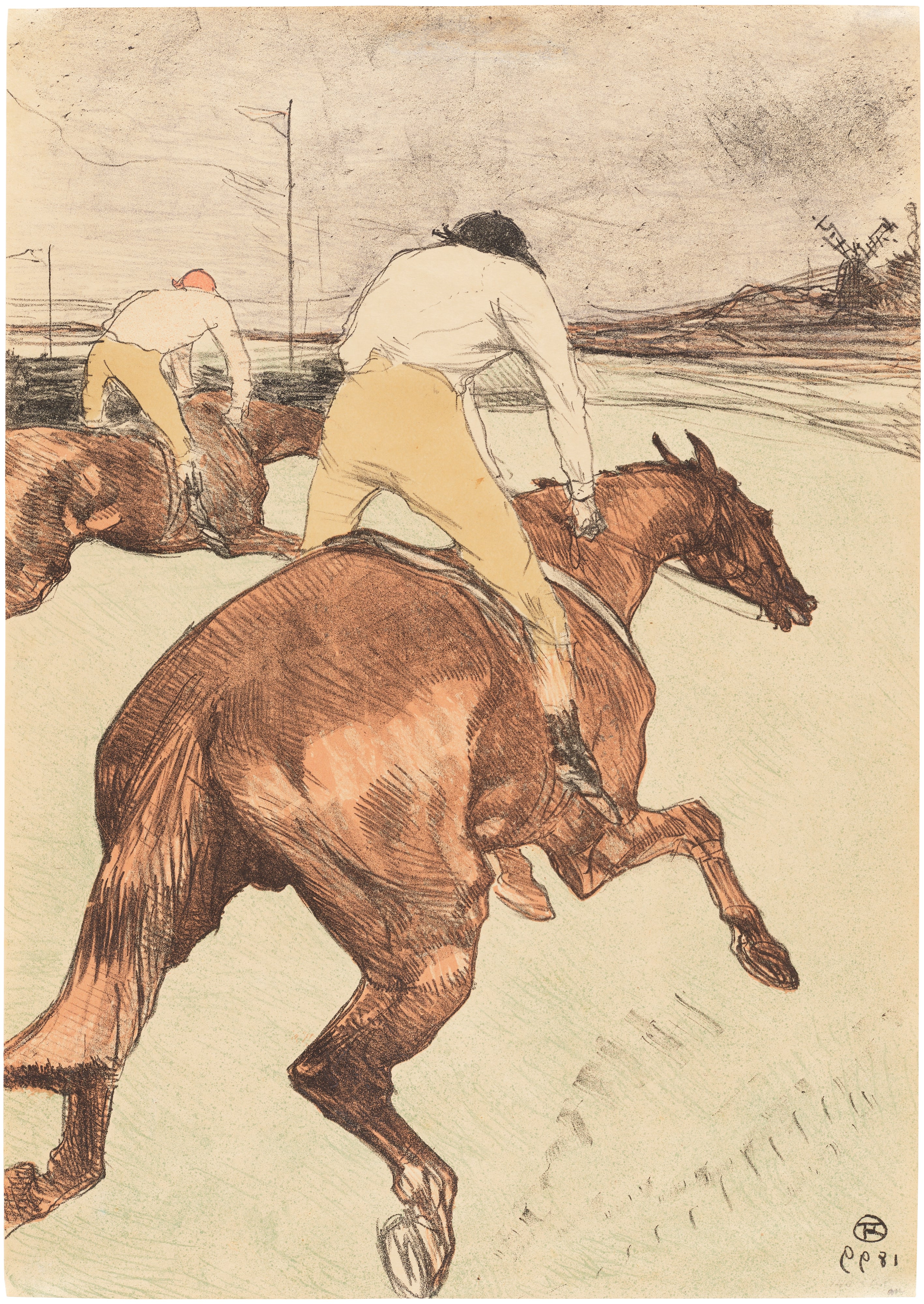
Henri De Toulouse-lautrec
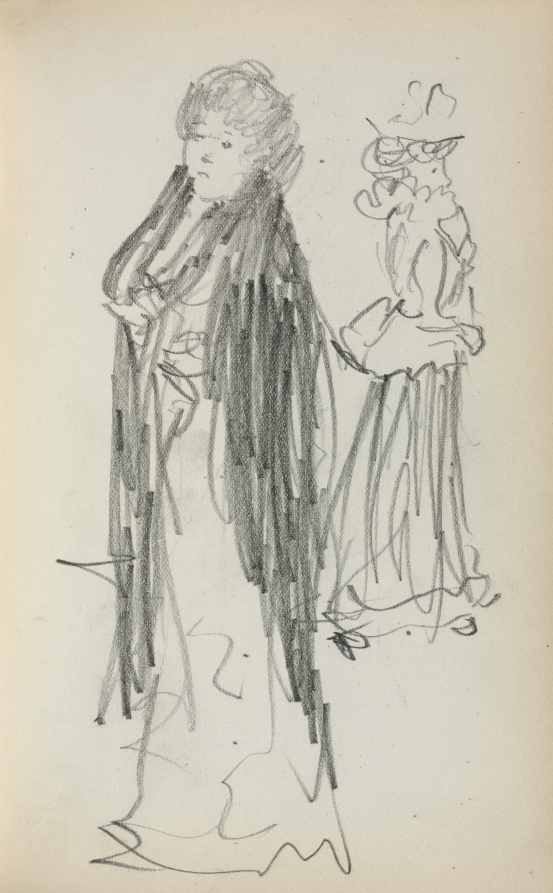
Un Cimetière en Galicie, 1898
Condition is a particular concern with works from this period, especially paintings from the 1880s and 1890s where early synthetic pigments and experimental supports sometimes introduced long term instability. Always ask for a condition report and, for significant acquisitions, commission an independent conservation assessment before purchase. Ask a gallery or dealer about any previous restoration, and specifically about the stability of the paint layer. For works on paper, including the prints and drawings that represent some of the most accessible entry points into this market, ask about light exposure history, as fading in watercolors and pastels from this period can be irreversible.
Framing matters too. Works that have been correctly glazed with UV protective glass and kept away from direct light will hold their condition and therefore their value across generations. One of the quiet pleasures of collecting in this area is that these works were made by artists who believed deeply in the relationship between art and daily life. Bonnard painted the rooms he lived in.
Prendergast painted the parks and beaches where ordinary people gathered. Vuillard made interiors feel like private universes of light and pattern. Living with these works does something to the quality of attention in a room. That is not a small thing, and collectors who have built substantial holdings in Post Impressionism often speak about it in terms that go beyond investment logic entirely.
The market rewards quality here. So does time.