
Paul Cézanne
20
Works
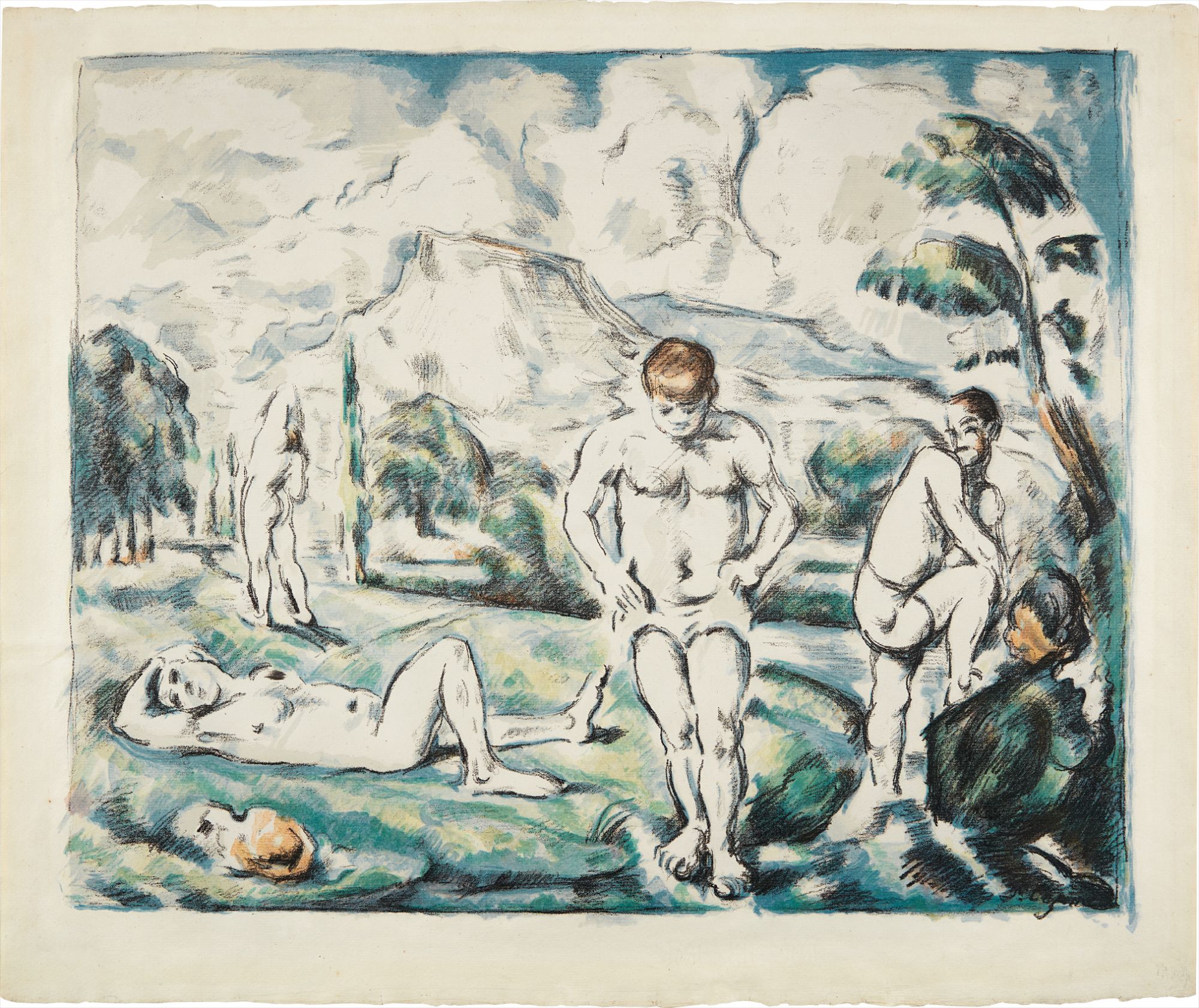
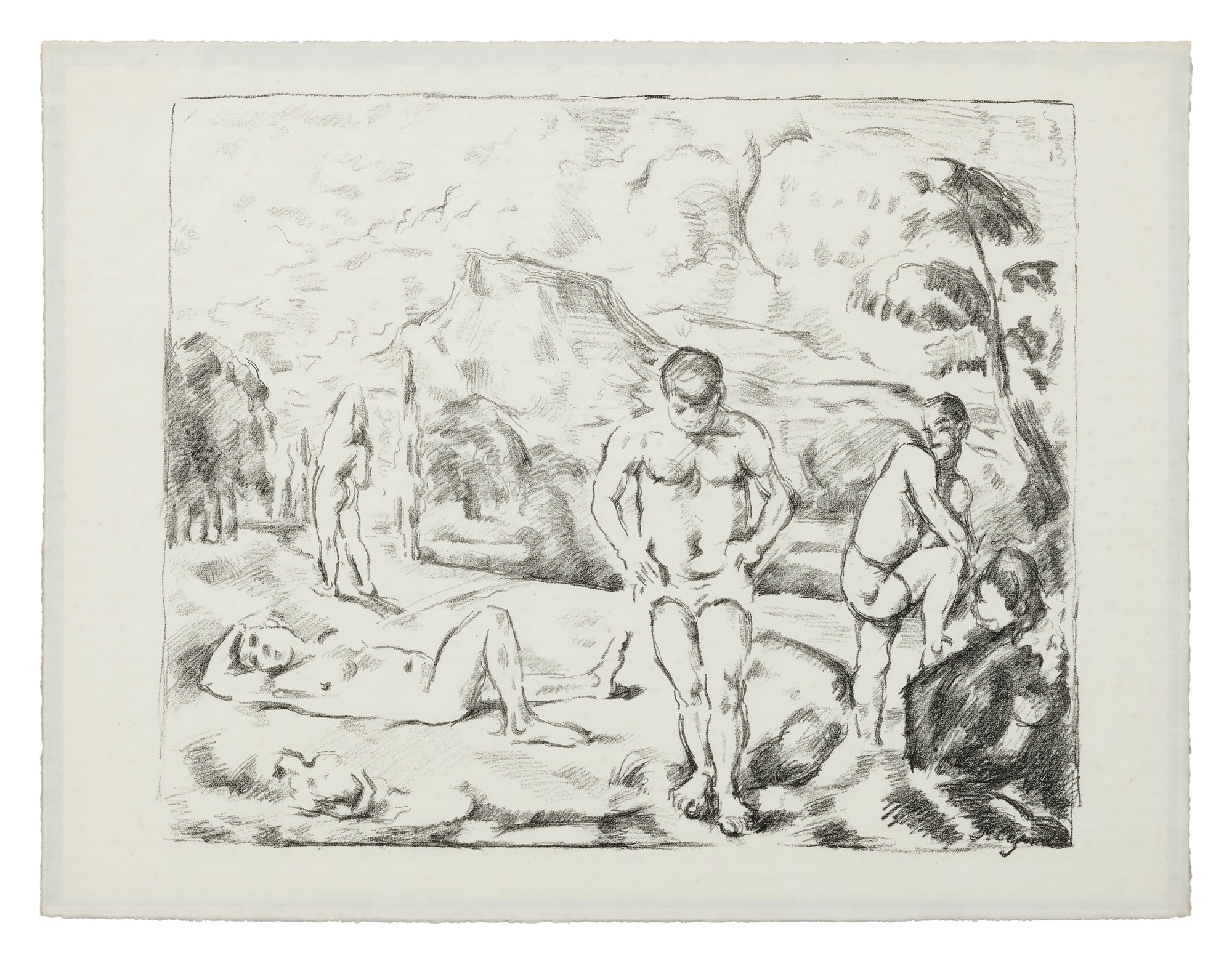
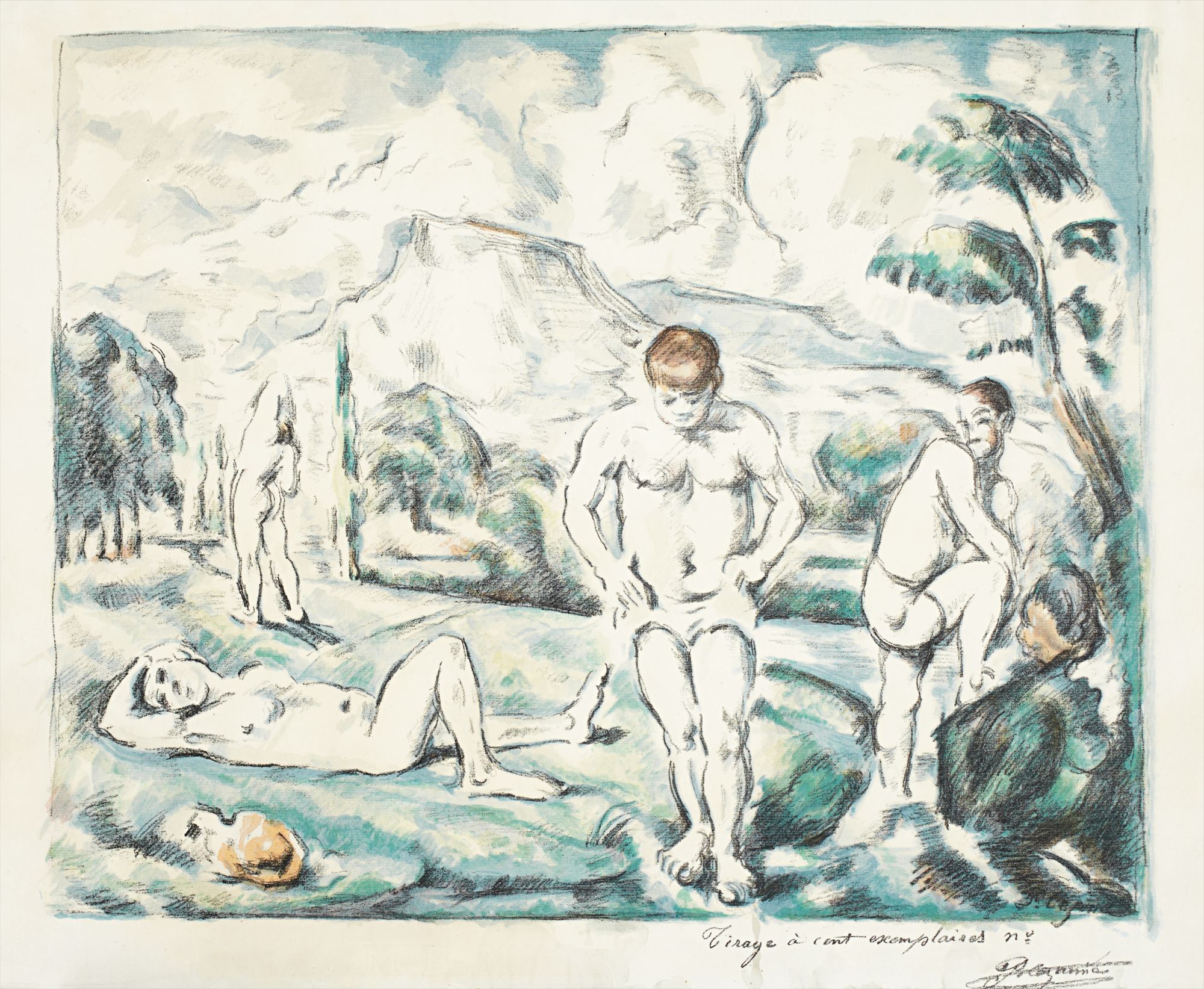
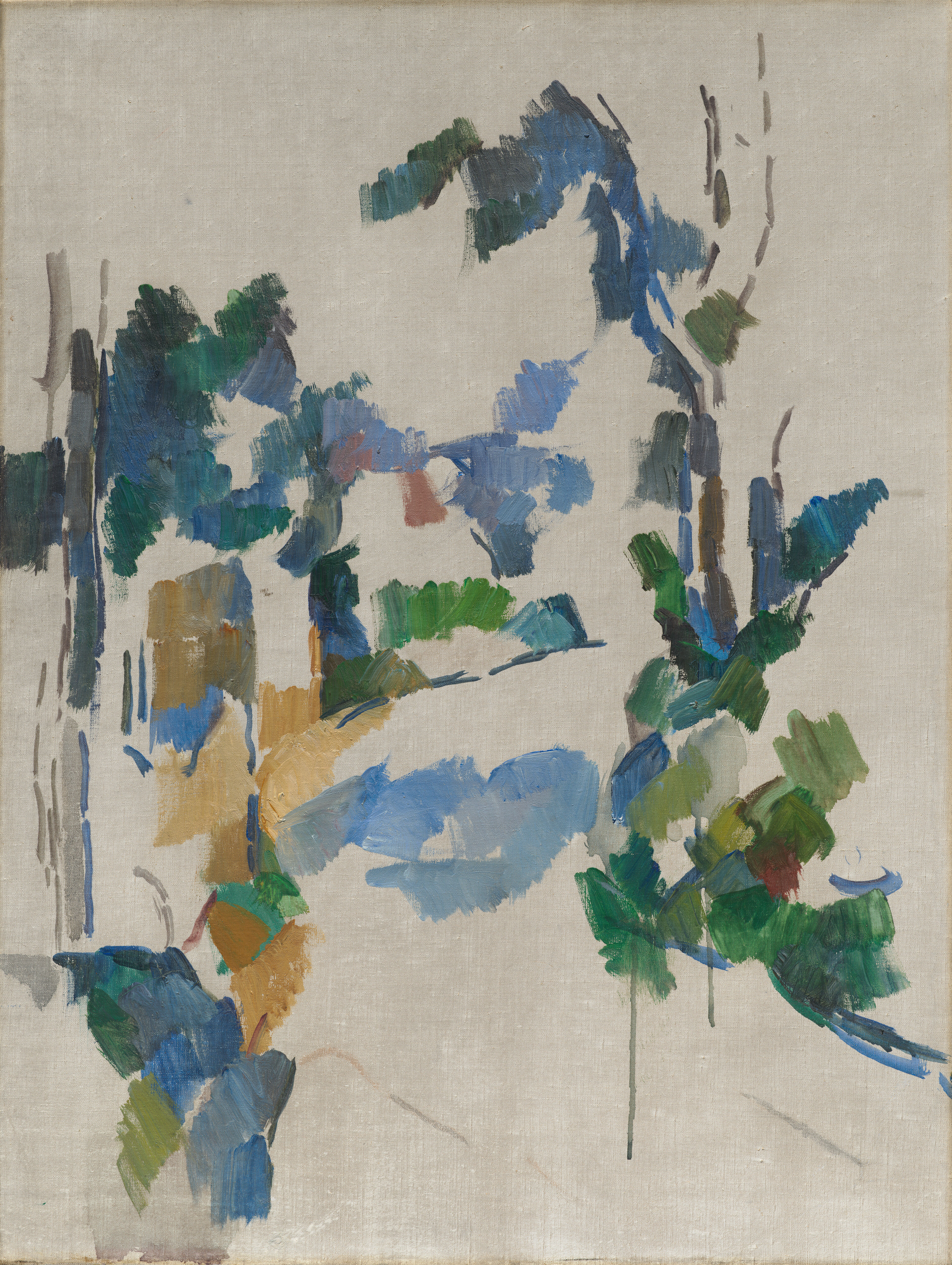
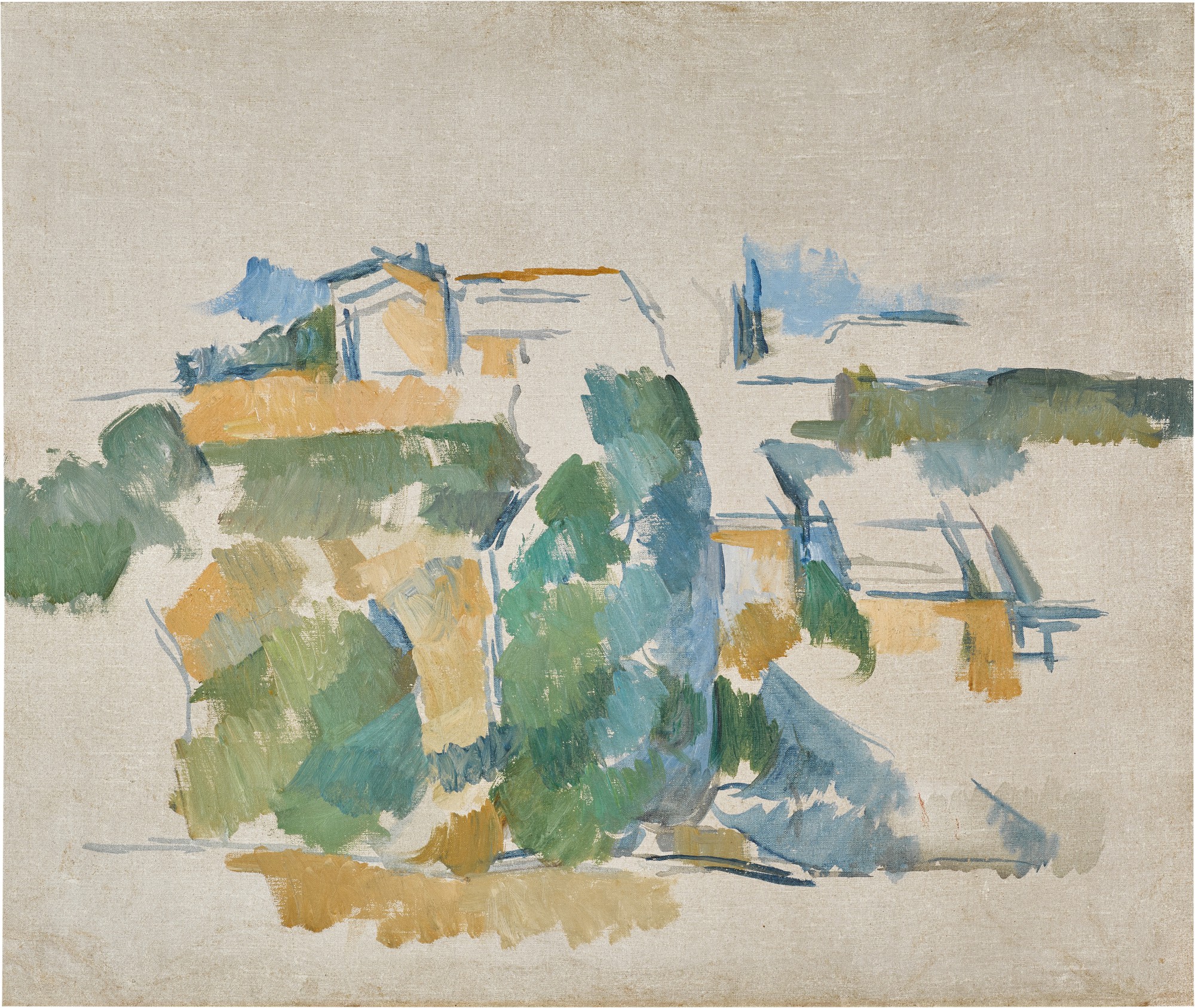
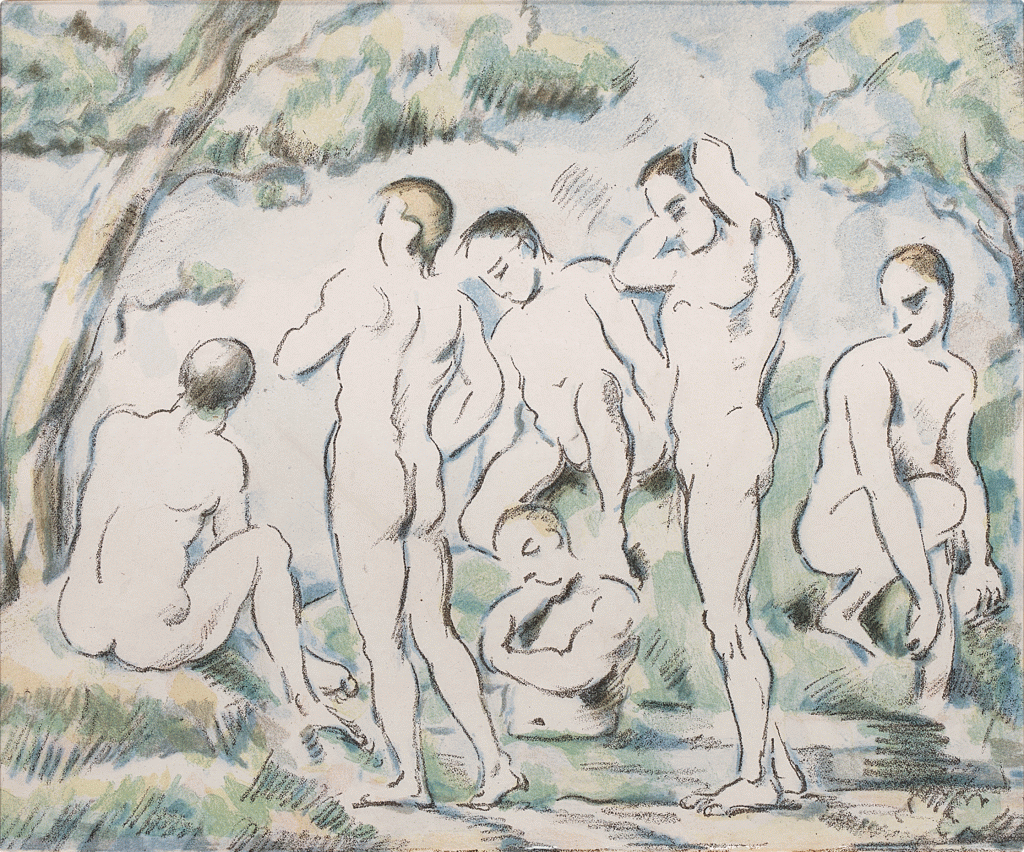
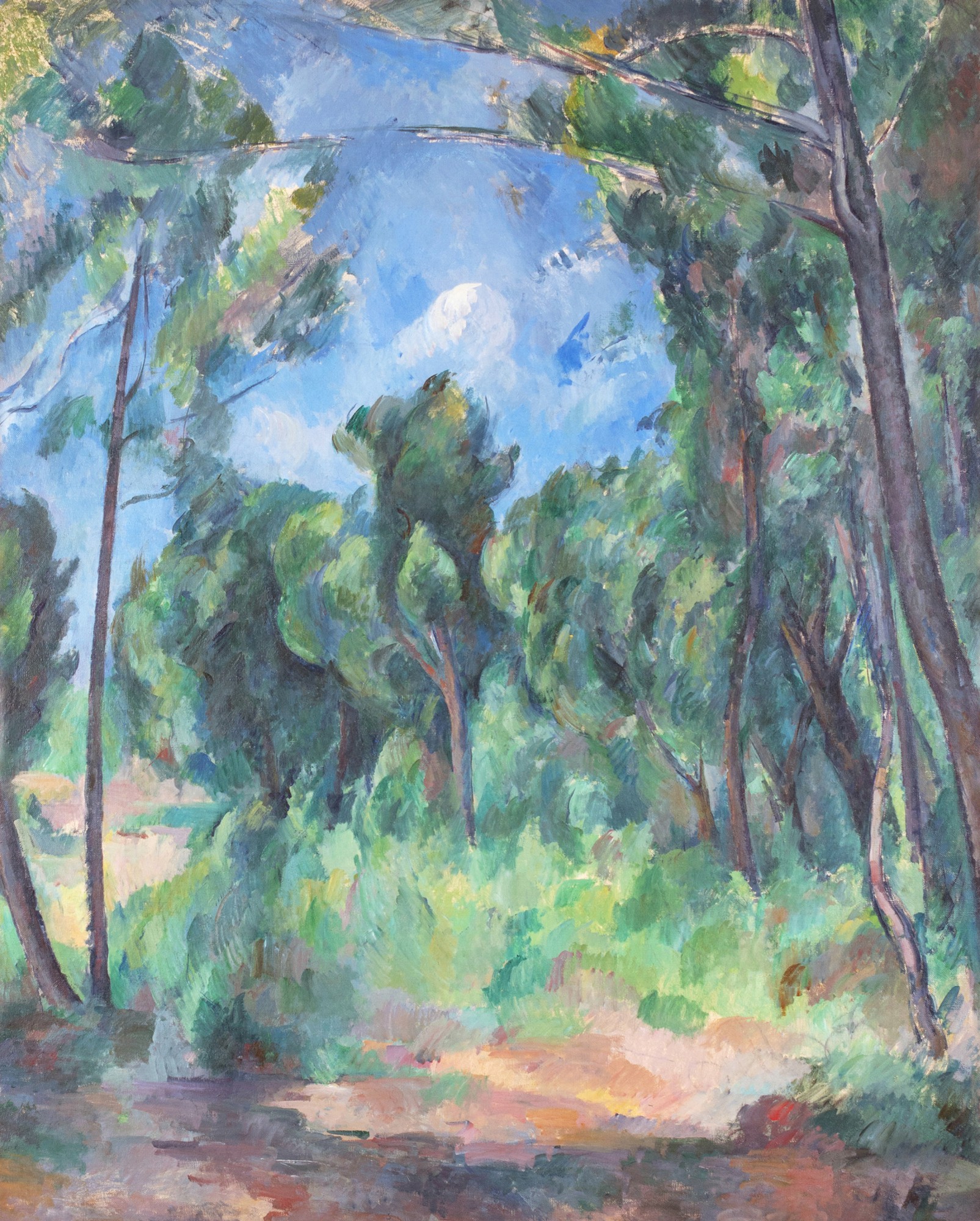
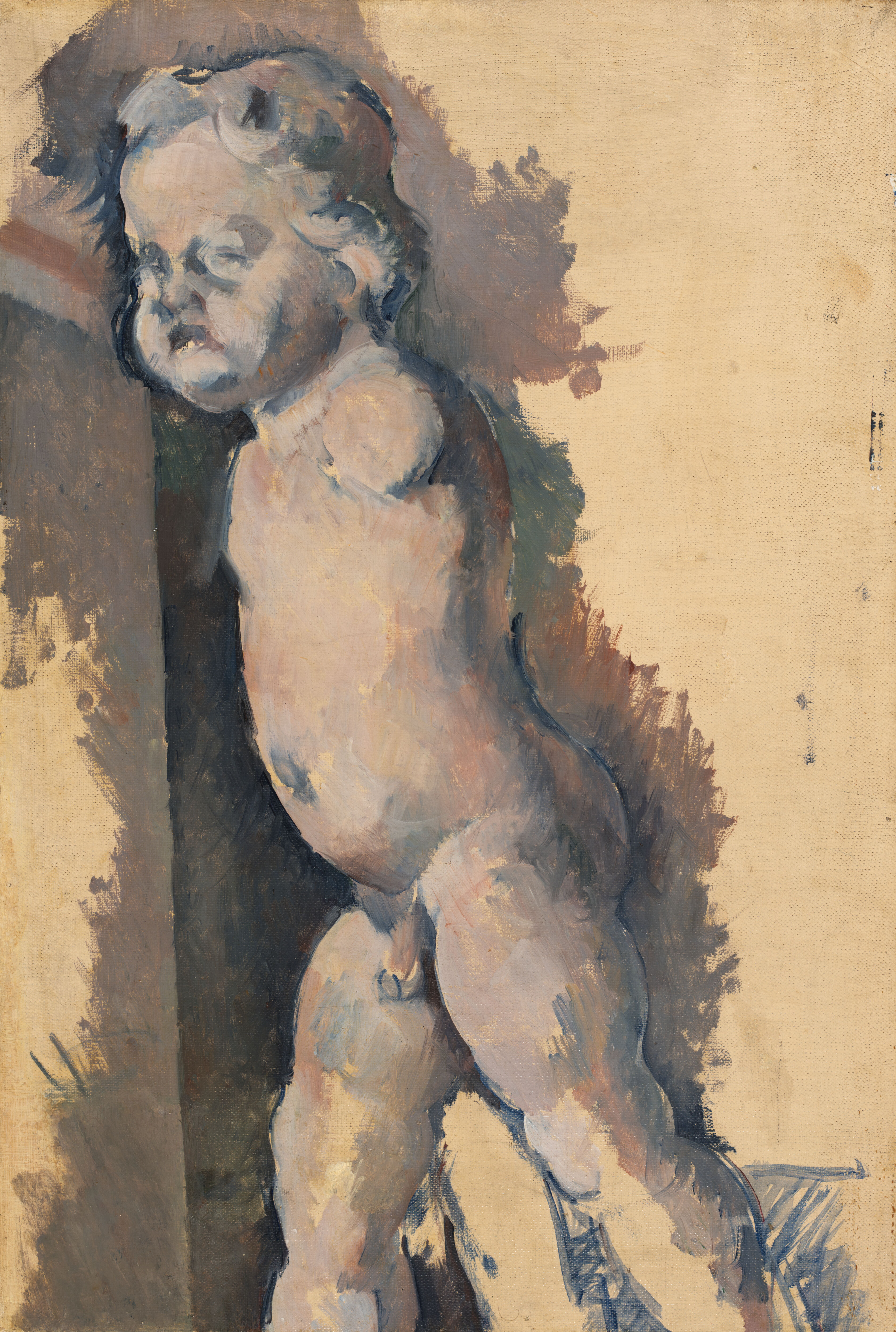
Paul Cézanne (1839–1906) was a French Post-Impressionist painter whose revolutionary approach to form, color, and pictorial structure laid the conceptual groundwork for much of 20th-century modernism. Born in Aix-en-Provence, he initially studied law before pursuing painting in Paris, where he became acquainted with Impressionist circles and exhibited in early Impressionist shows. However, Cézanne gradually distanced himself from Impressionism's fleeting, atmospheric concerns, developing instead a methodical, analytic approach to rendering nature in which geometric structure and the relationship between planes of color took precedence over momentary sensation. Cézanne's mature work is characterized by his distinctive use of parallel brushstrokes — often called his 'constructive stroke' — and his careful modulation of color to convey volume and spatial depth without relying on traditional chiaroscuro. His celebrated series of paintings of Mont Sainte-Victoire, his Card Players canvases, his multiple treatments of bathers (Les Grandes Baigneuses), and his still lifes of apples and oranges are among the most studied and admired works in Western art history. These paintings reveal an obsessive reworking of motifs, as Cézanne sought to 'treat nature by the cylinder, the sphere, the cone' — a dictum that directly anticipated Cubism and abstraction. Cézanne's influence on subsequent generations was profound and far-reaching. Pablo Picasso famously called him 'the father of us all,' and Henri Matisse echoed this reverence. Despite working in relative isolation in Provence for much of his life and receiving limited recognition during his early career, a landmark solo exhibition at Ambroise Vollard's gallery in 1895 brought him belated critical attention. His posthumous retrospective at the Salon d'Automne in 1907 had a seismic effect on the avant-garde, catalyzing the development of Cubism and shaping the entire trajectory of modern art.
Spotted by
Artists in conversation