Charles Camoin

Charles Camoin

French(September 23, 1879 – 1965)
15

Works

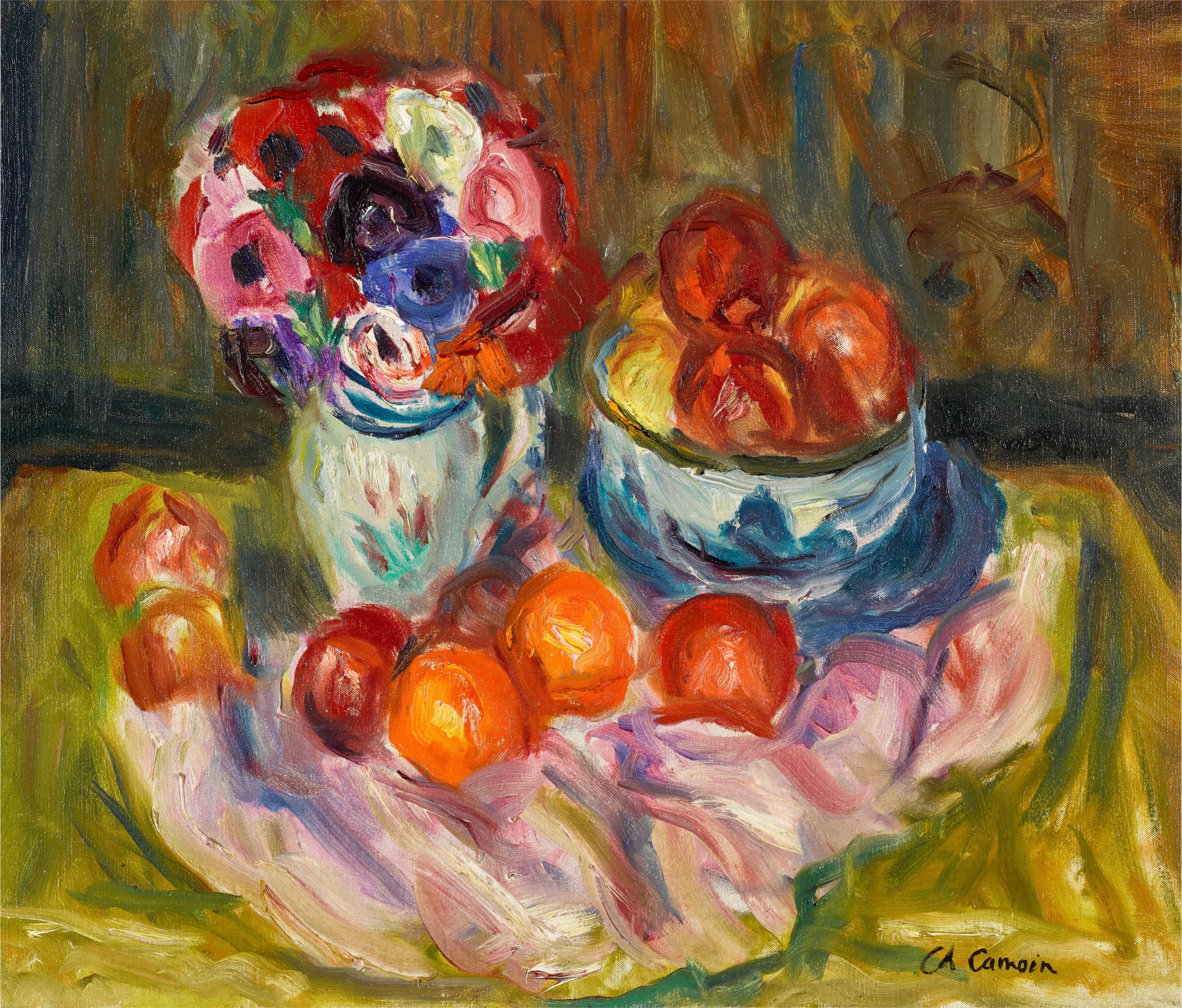
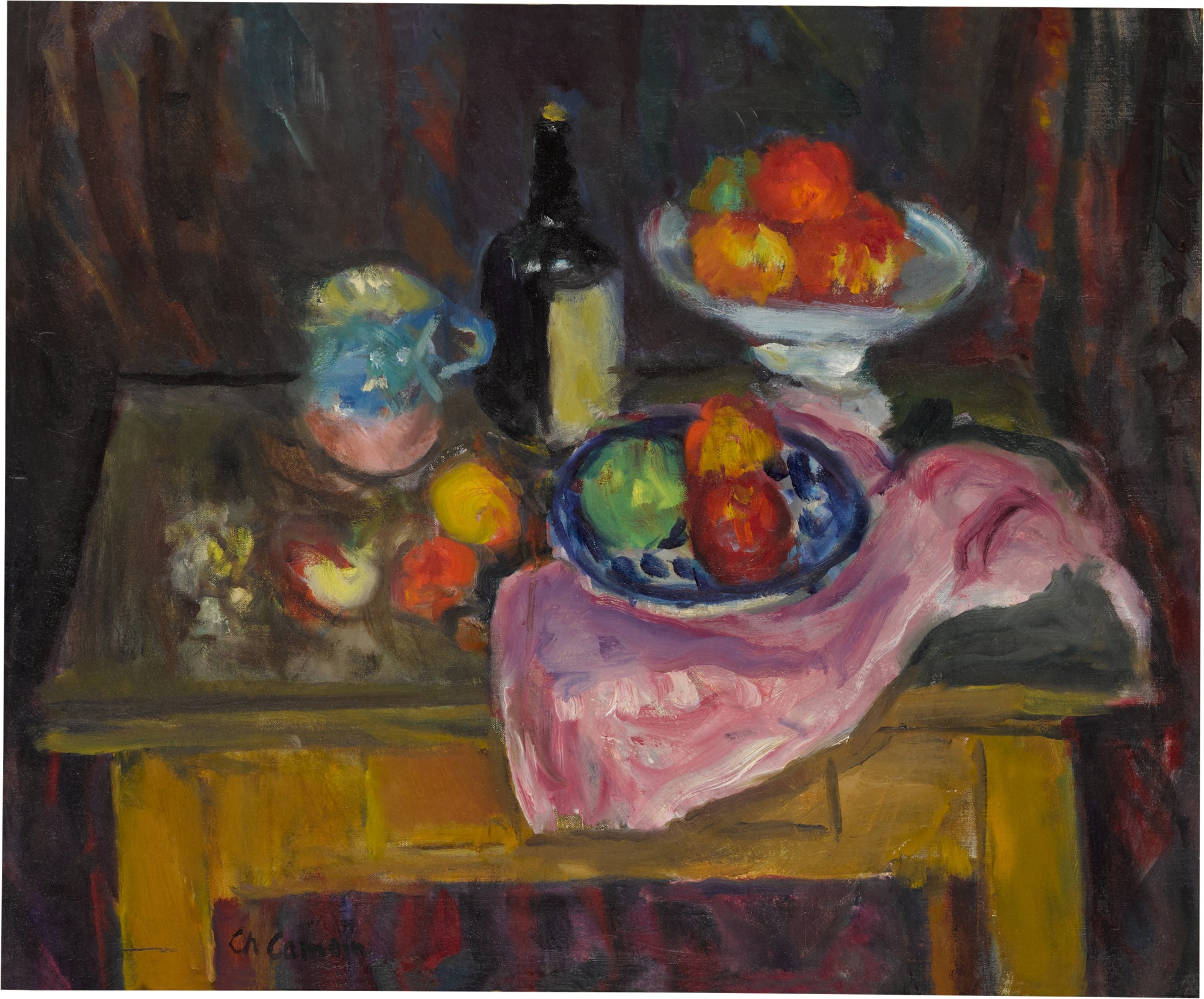
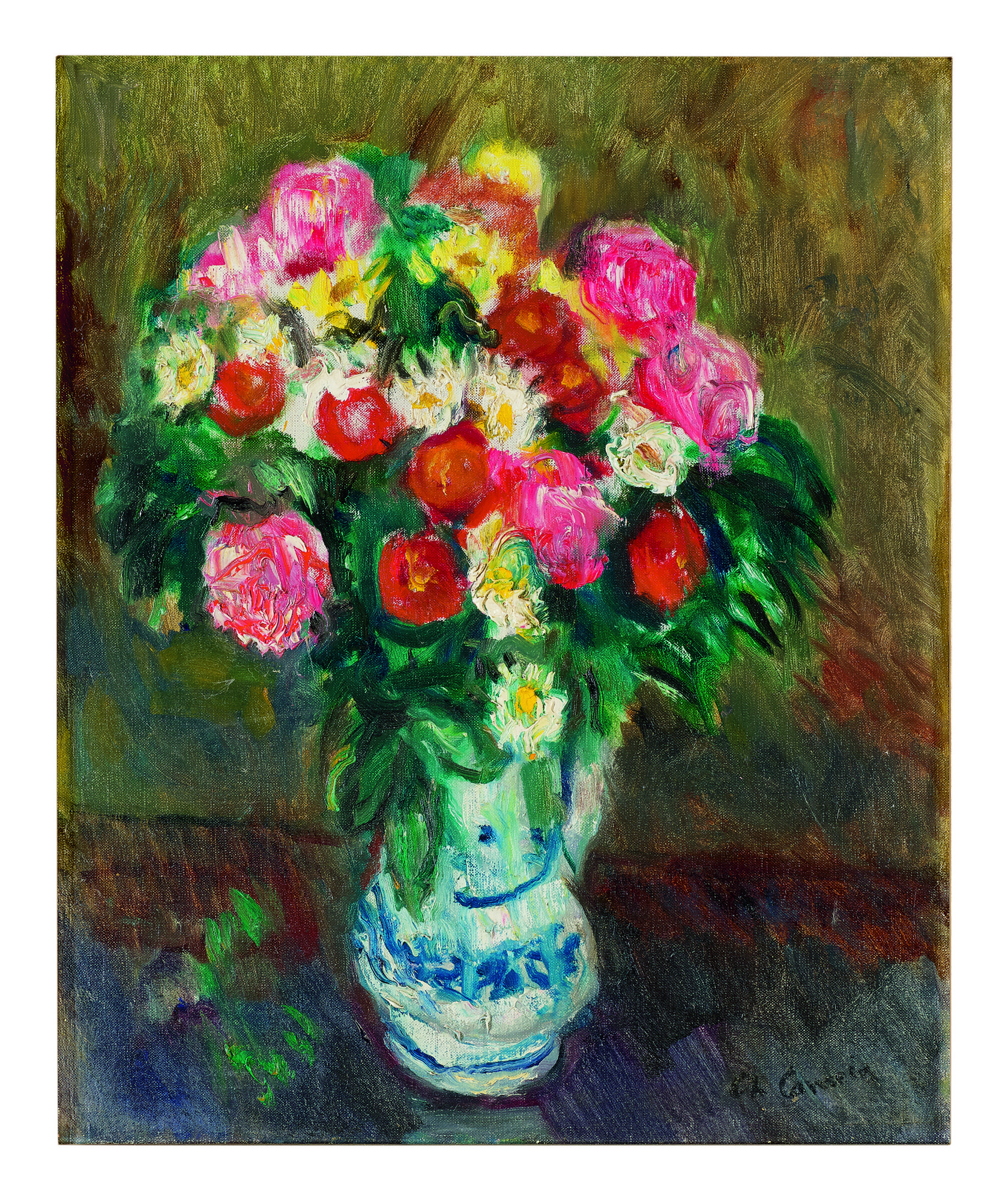
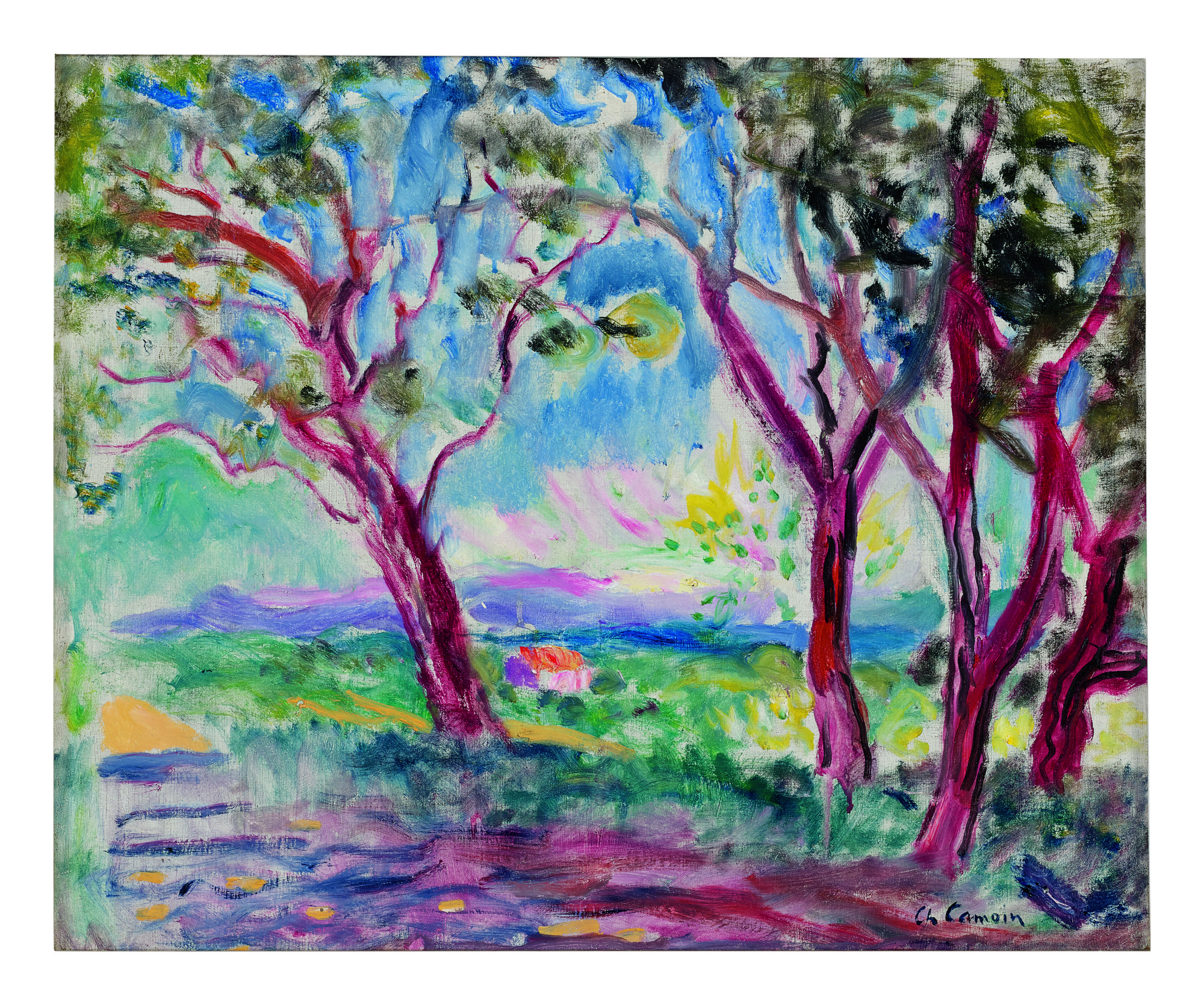
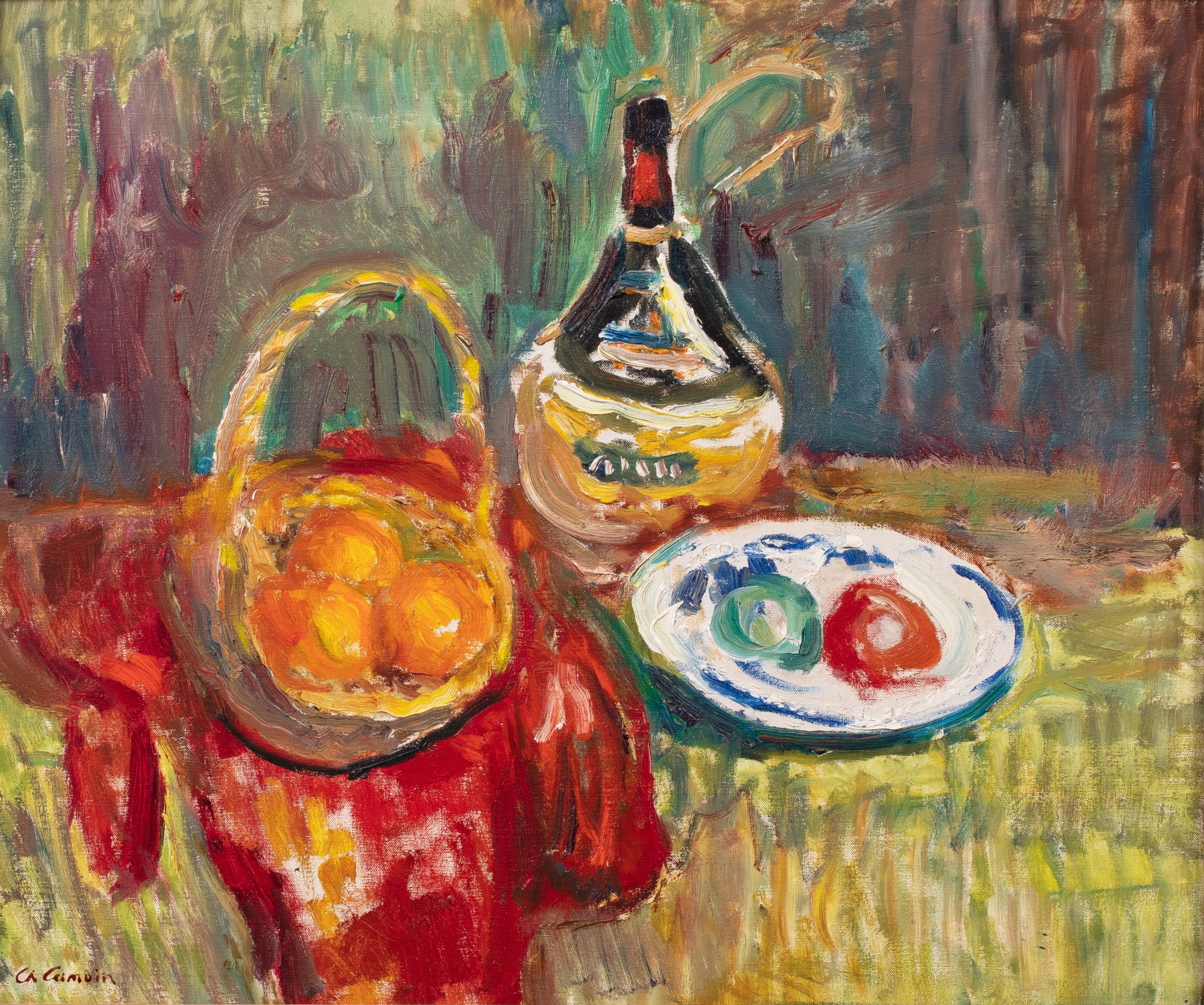
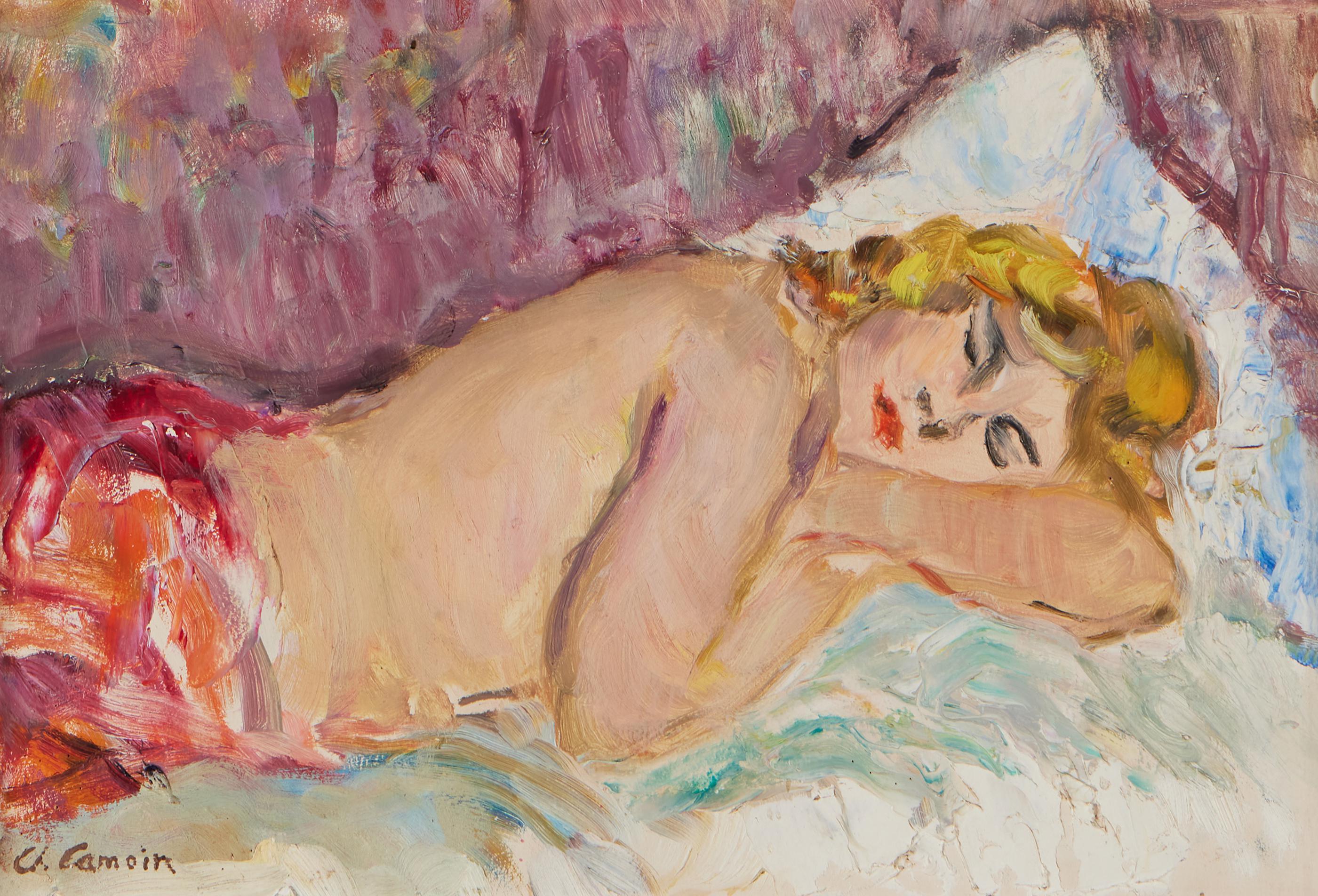
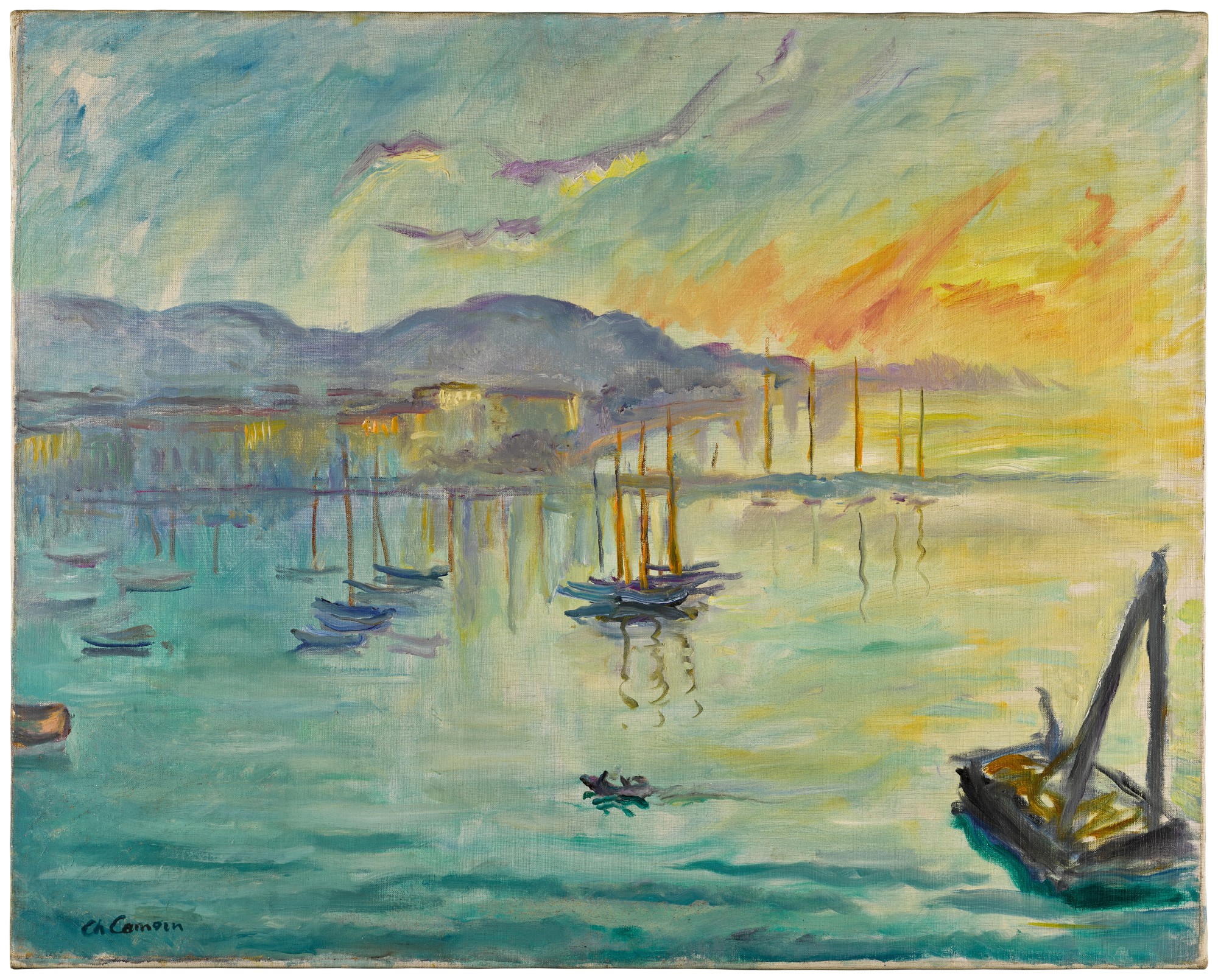
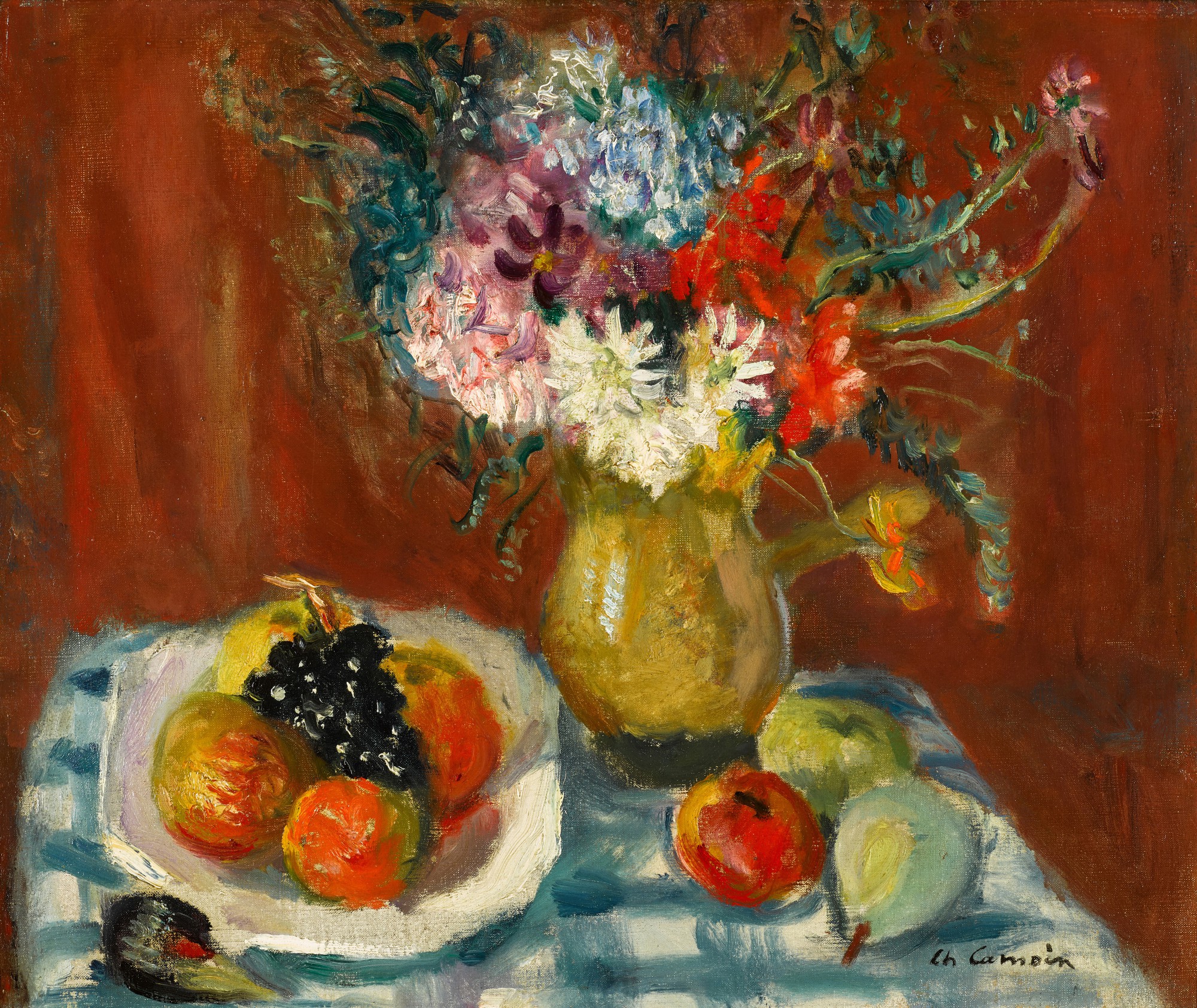
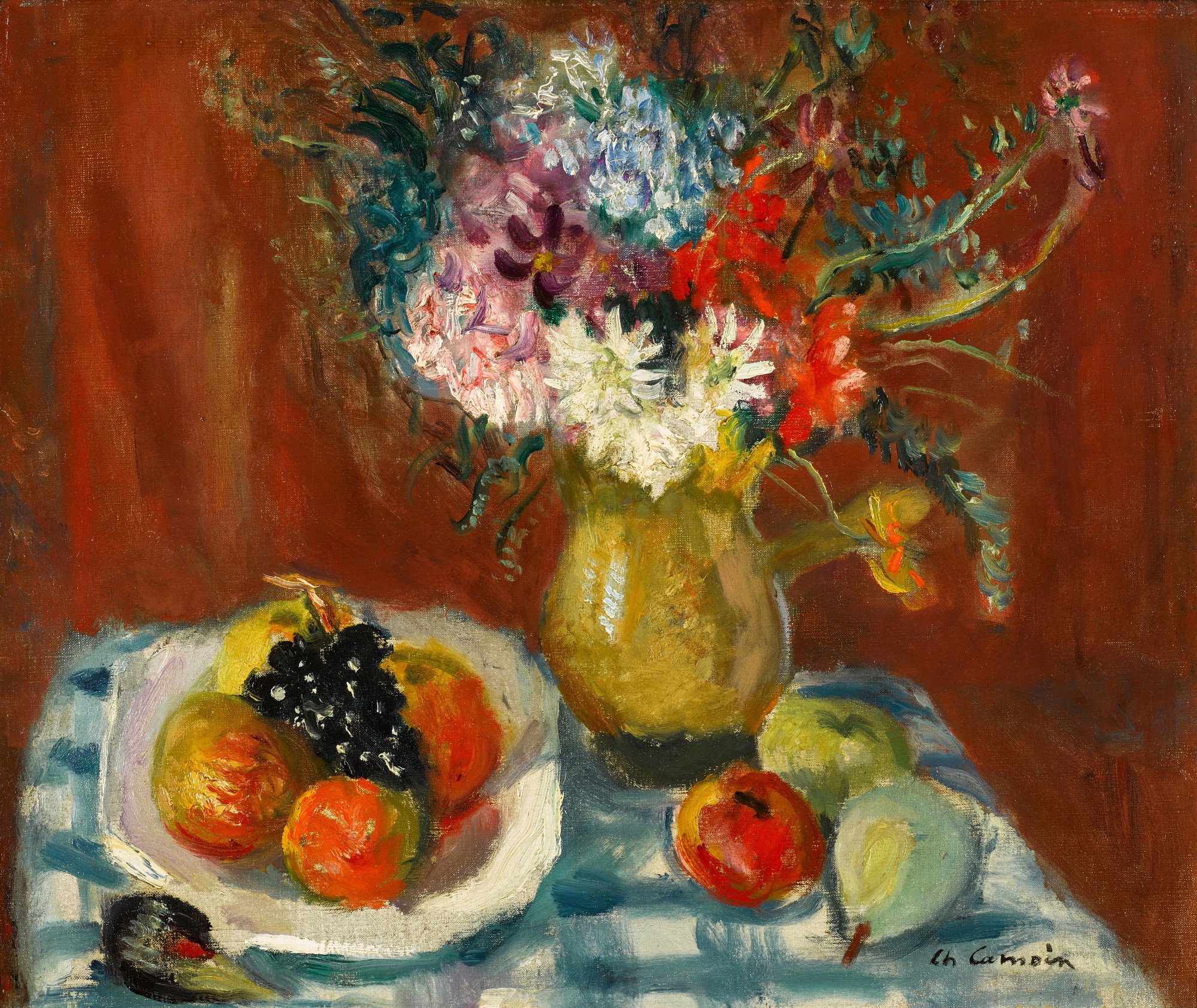
Charles Camoin was a French Fauvist painter who played a significant role in the development of early 20th-century modernism. Born in Marseille, he studied at the École des Beaux-Arts in Paris under Gustave Moreau, where he befriended Henri Matisse and Albert Marquet. Camoin became associated with the Fauves after exhibiting at the legendary 1905 Salon d'Automne, where the movement earned its name. His work from this period is characterized by bold, expressive color and loose brushwork, though his palette was often more restrained than that of Matisse or André Derain. Throughout his career, Camoin painted primarily landscapes, portraits, and still lifes, often depicting scenes from the South of France, Morocco, and Paris. He was particularly drawn to Mediterranean light and atmosphere, which he captured with a subtle sensitivity to color harmonies. Unlike some of his Fauvist colleagues who moved toward greater abstraction, Camoin maintained a commitment to observable reality while preserving the expressive color relationships he had developed during the Fauvist period. His work shows the influence of both Cézanne and Renoir, whom he knew personally, and he developed a mature style that balanced structure with sensuous color. Camoin enjoyed a long and productive career, exhibiting regularly at the Salon d'Automne and Salon des Indépendants. While perhaps less celebrated than Matisse or Derain, he is recognized as an important figure in the Fauvist movement and early modernism. His paintings are held in major collections including the Musée d'Art Moderne de la Ville de Paris, and his work provides valuable insight into the transition from Fauvism to the more moderate modernist approaches that characterized much French painting in the mid-20th century.

Artists in conversation

Get the App