Édouard Vuillard

Édouard Vuillard

French(November 11, 1868 – 1940)

56

Works

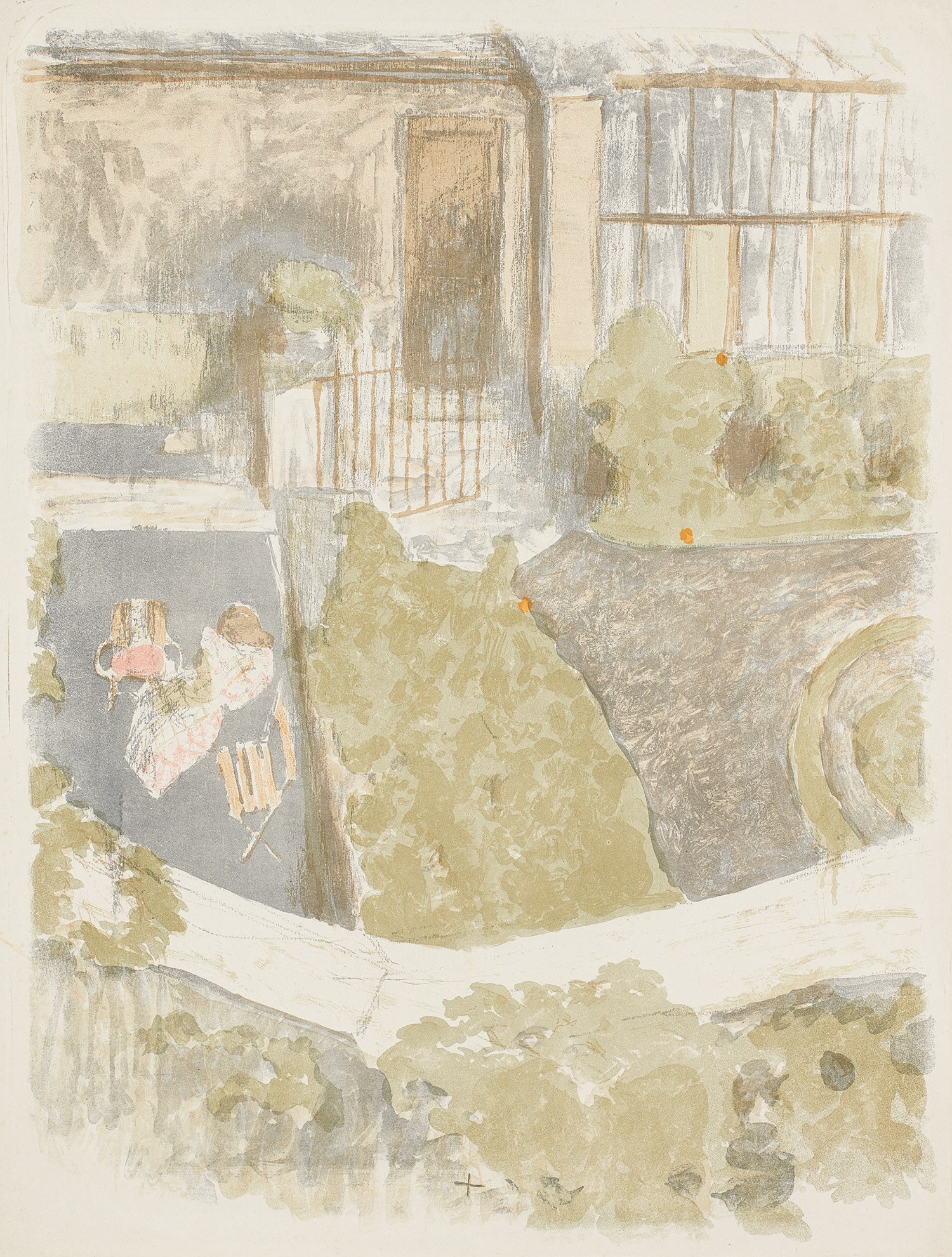
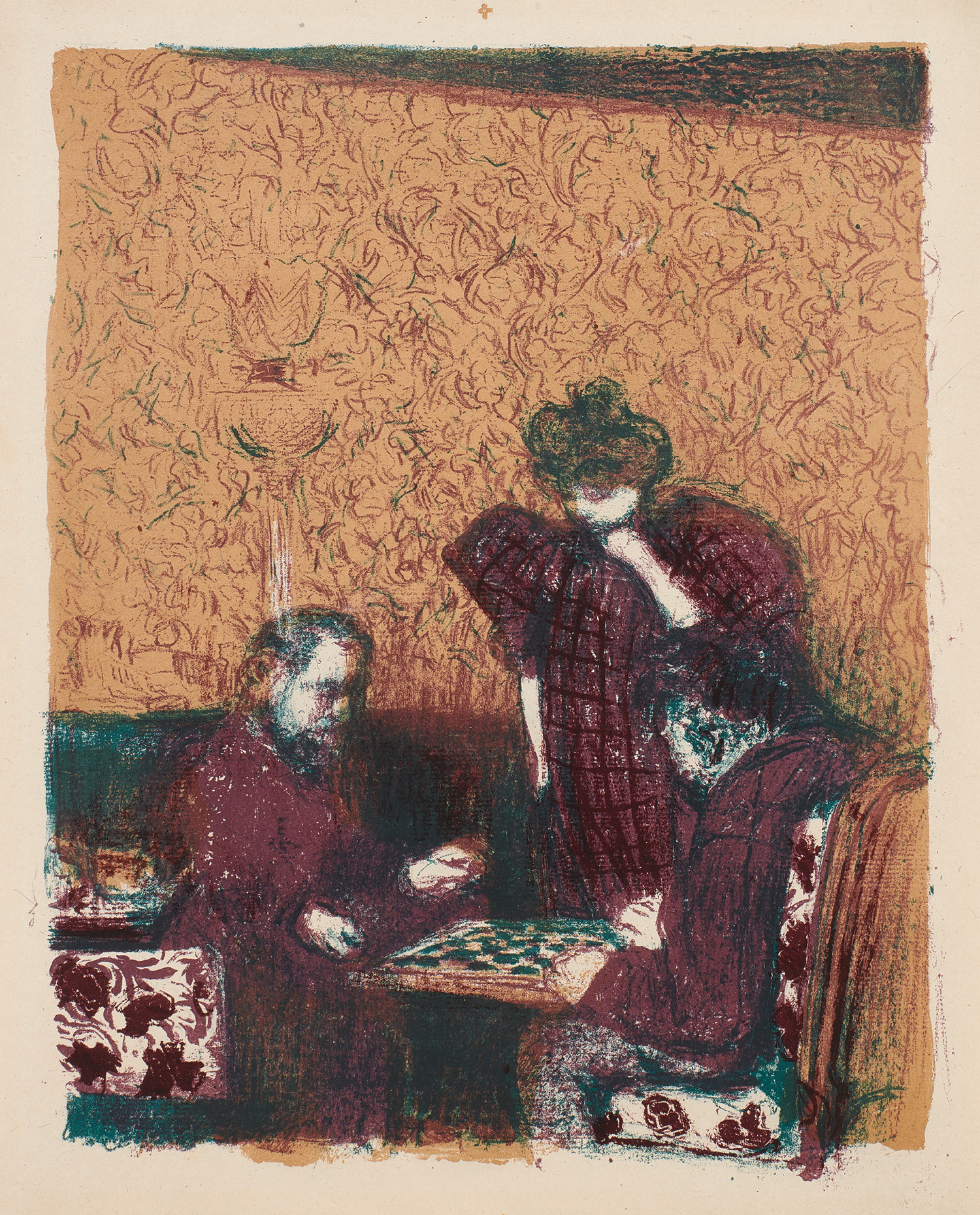
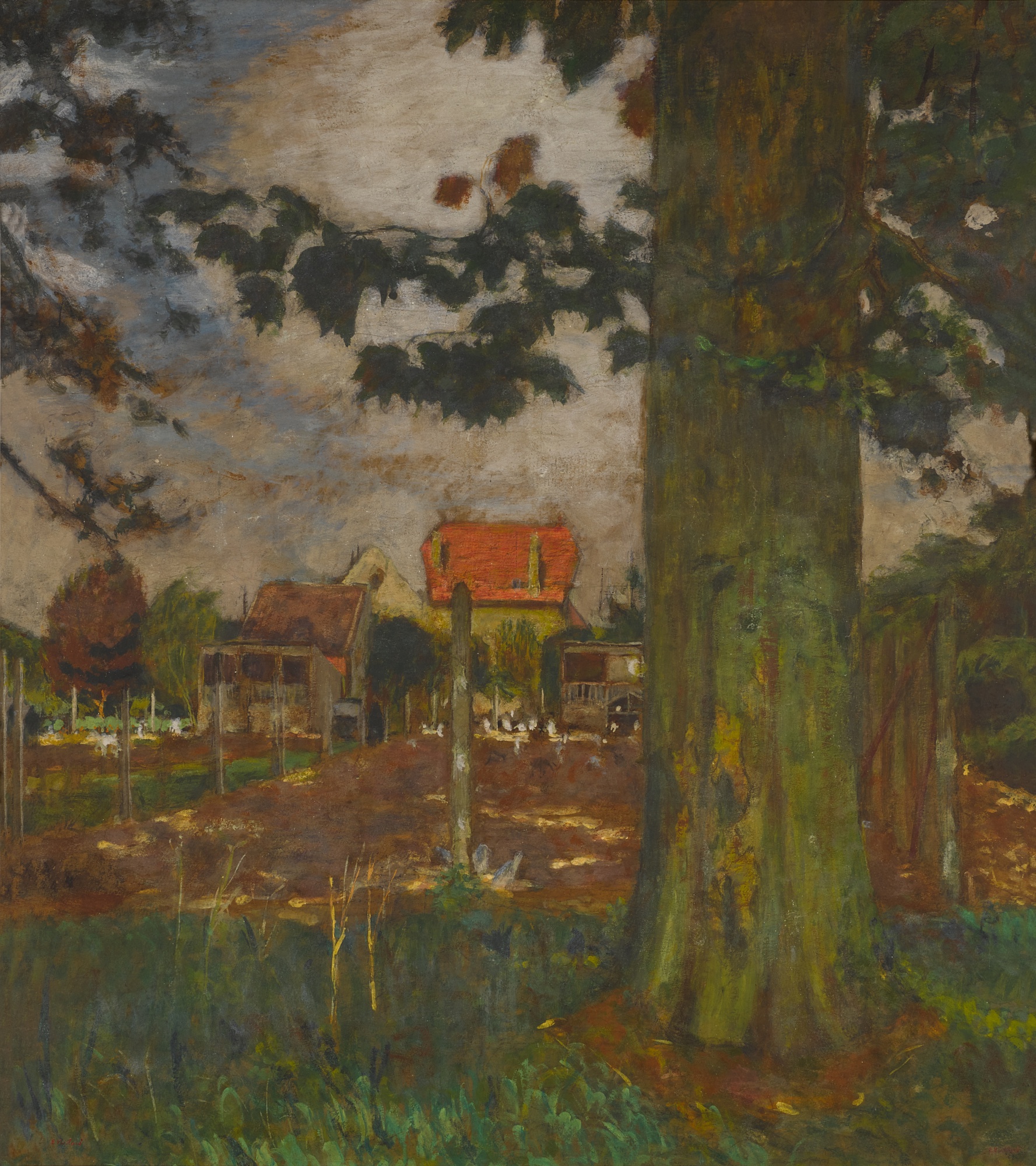
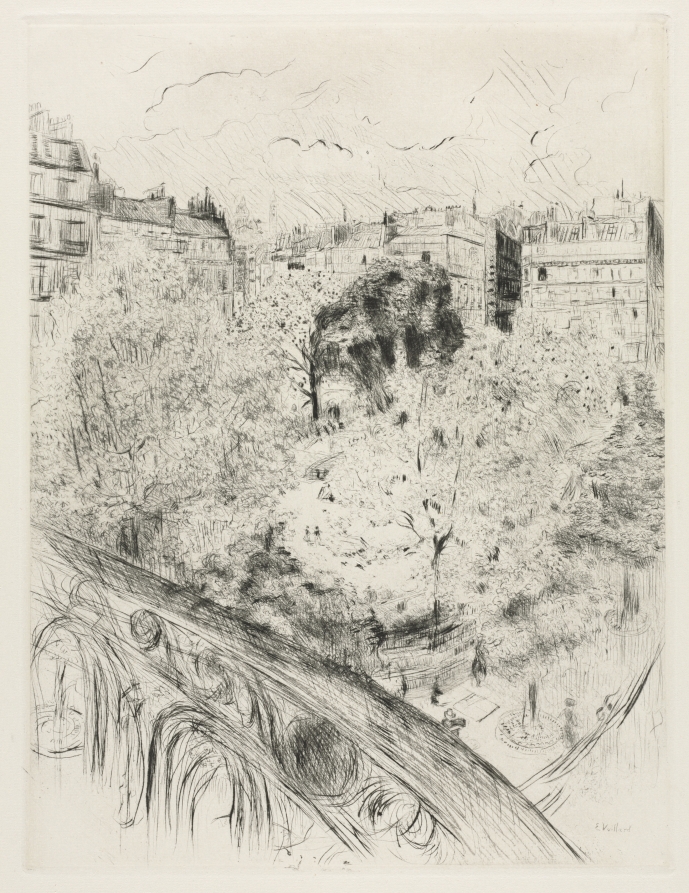
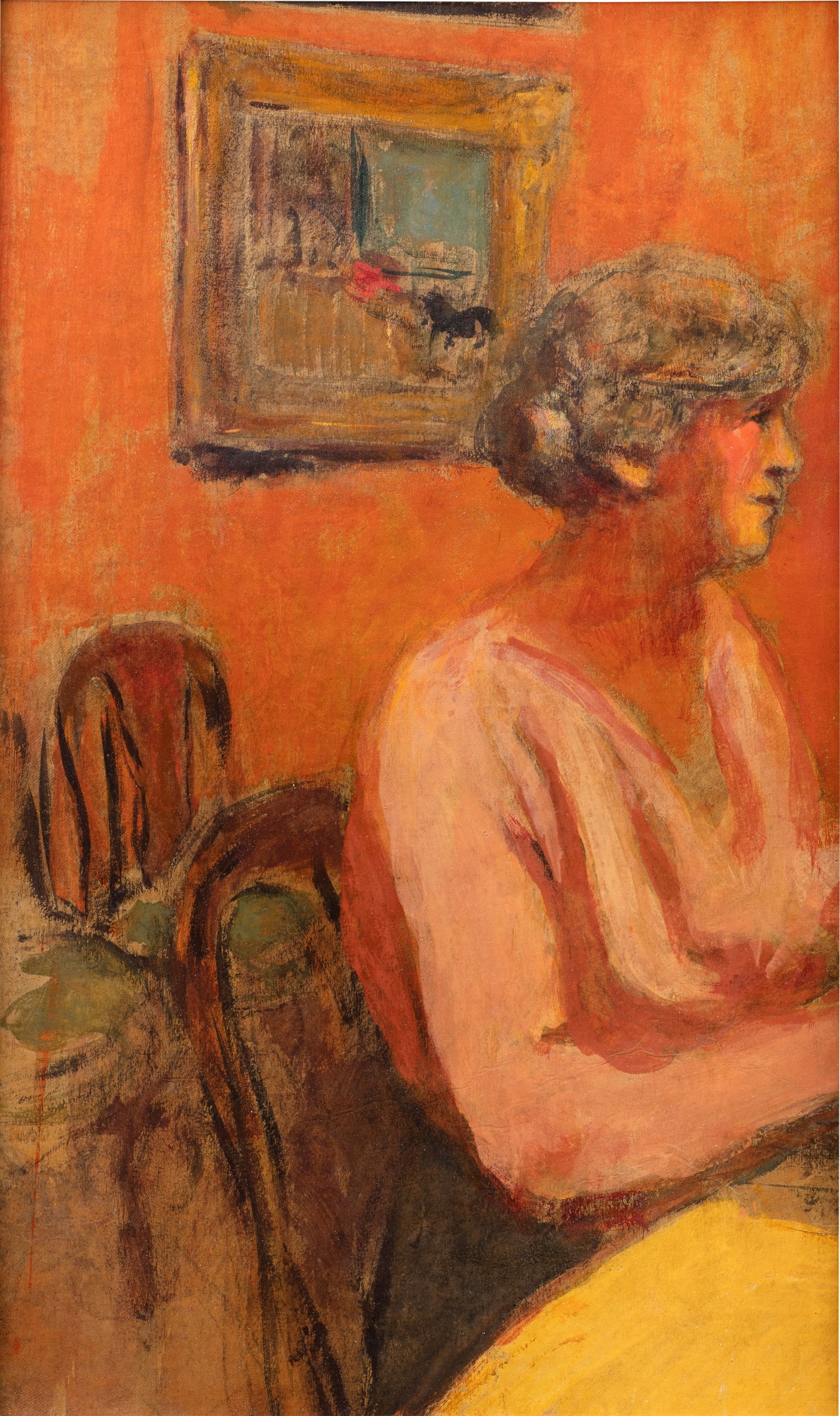
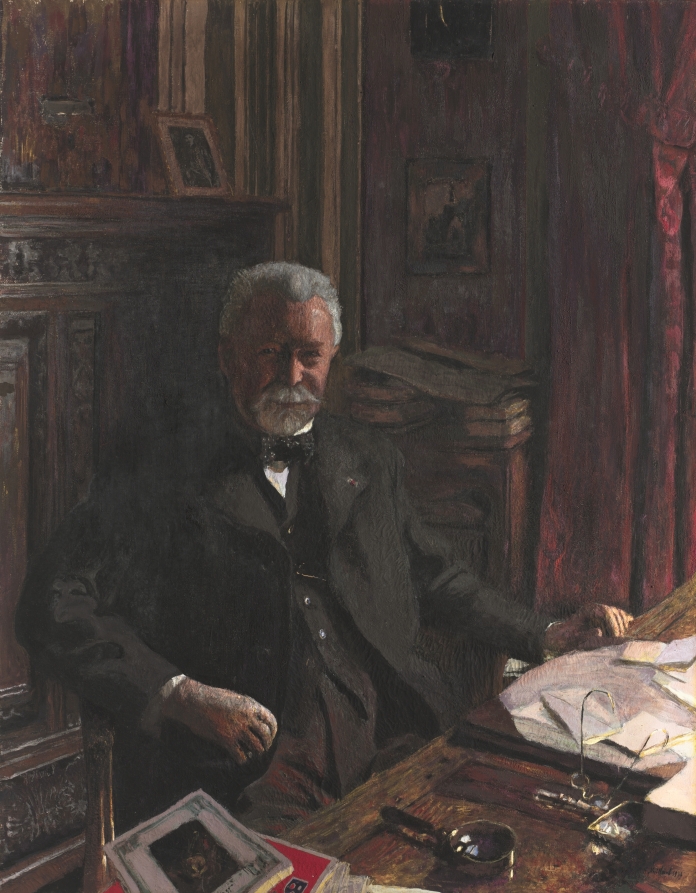
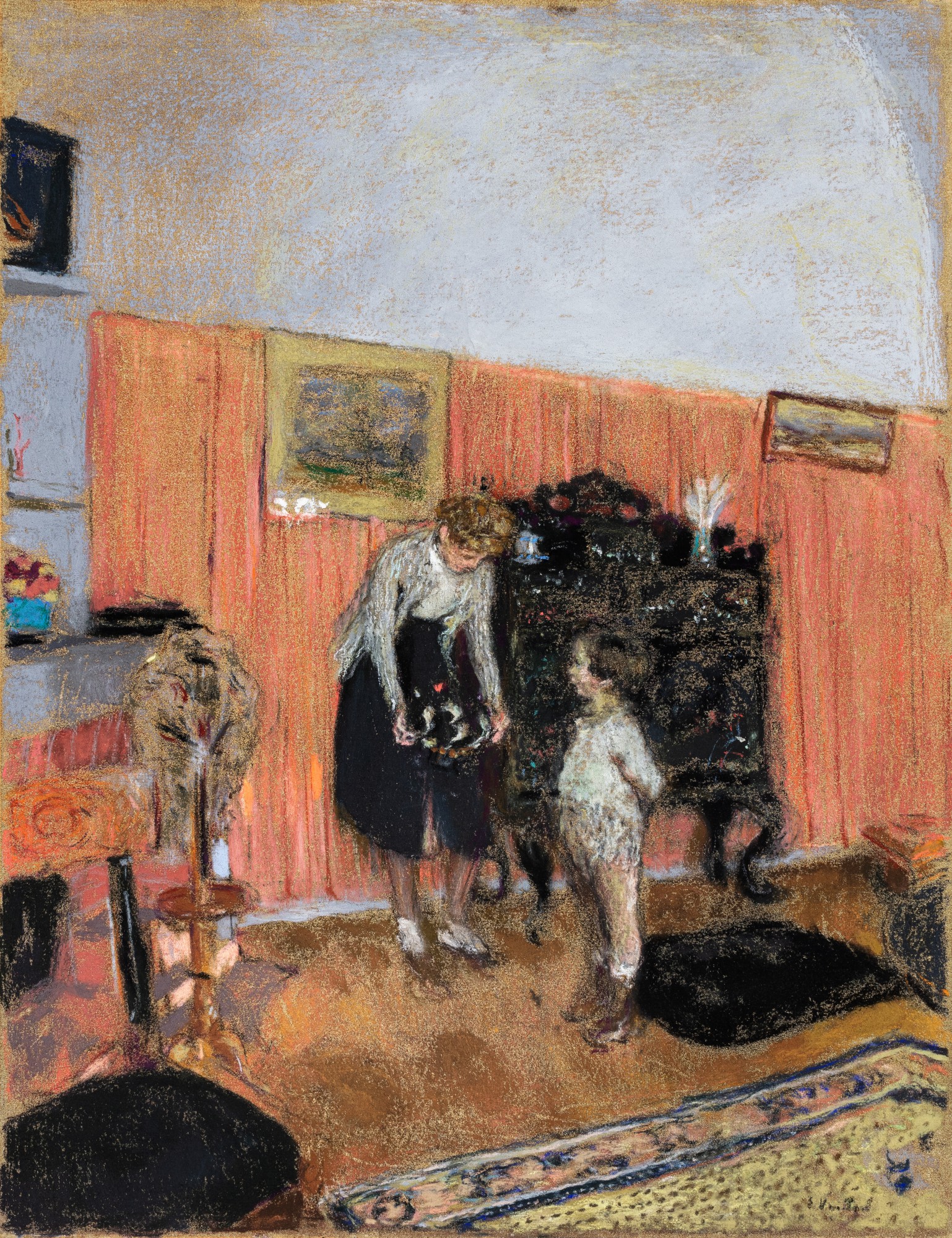
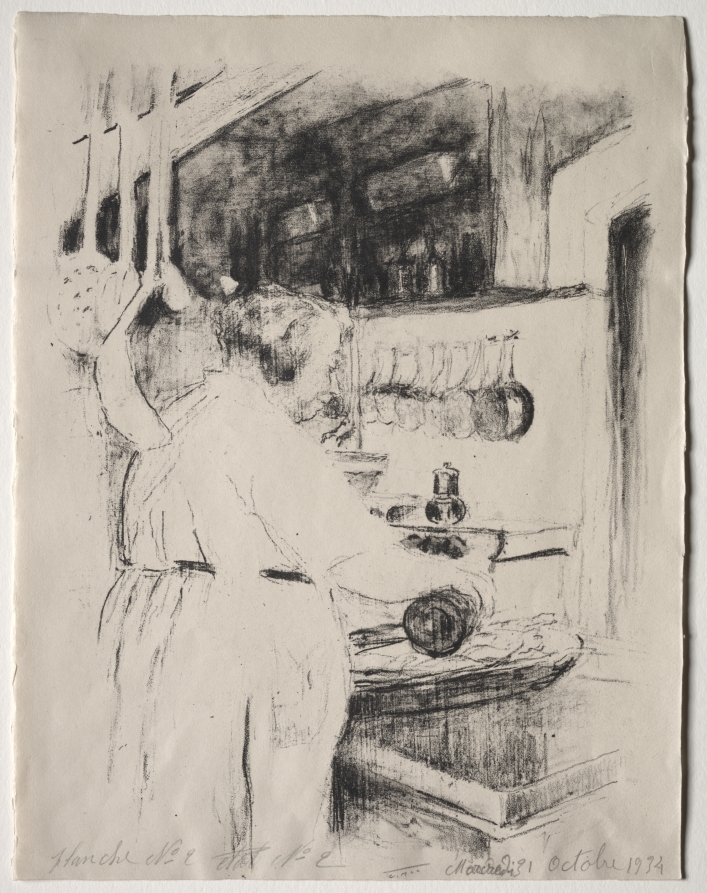
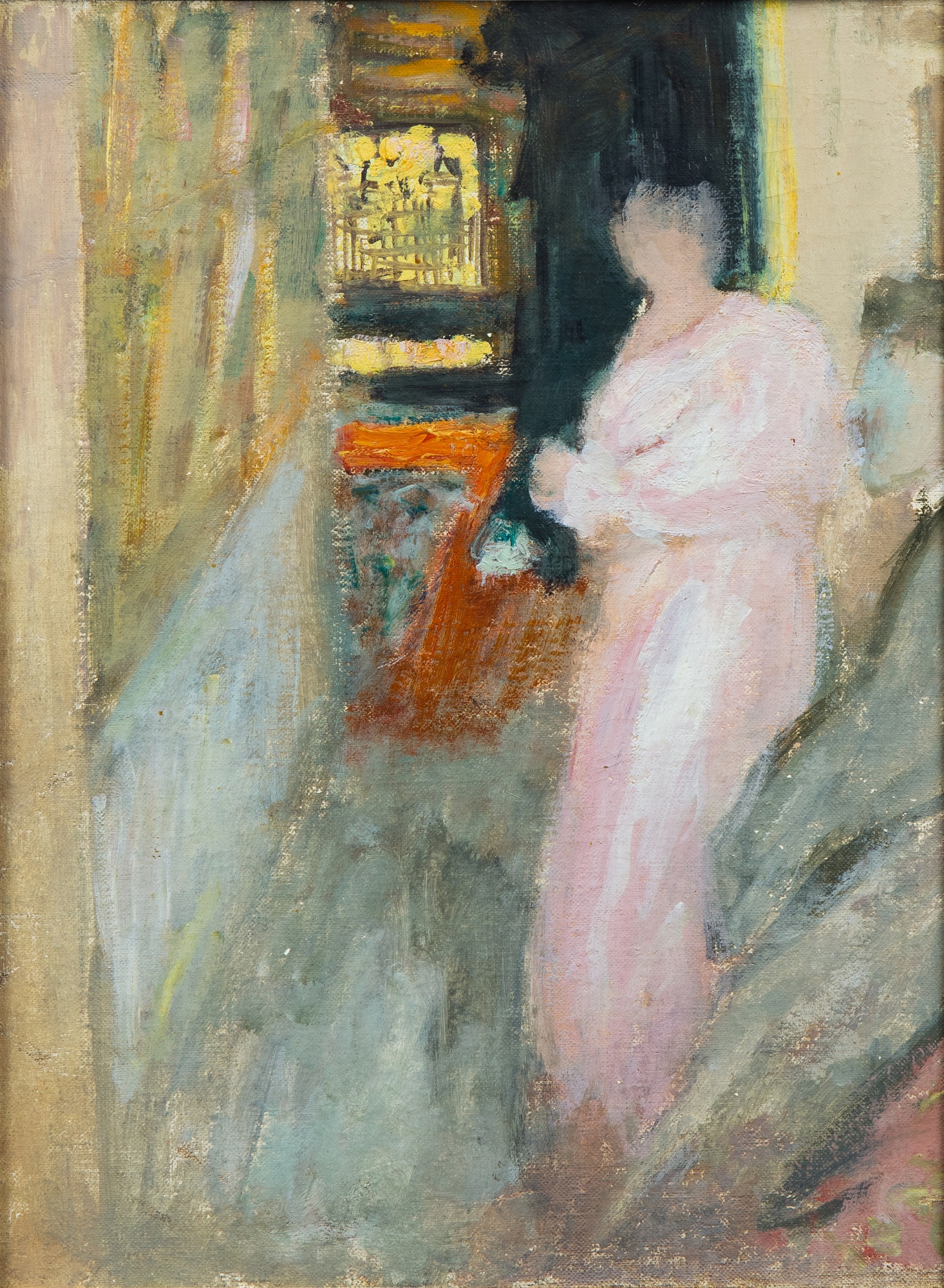
Édouard Vuillard was a French painter and printmaker associated with the Post-Impressionist movement known as the Nabis ("prophets" in Hebrew), a group of avant-garde artists who rejected naturalism in favor of flattened perspectives, decorative patterns, and symbolic content. Working primarily in Paris during the Belle Époque and beyond, Vuillard became renowned for his intimate domestic interiors, where he masterfully captured the quiet poetry of everyday bourgeois life. His paintings typically featured family members, friends, and domestic servants in cluttered, pattern-rich interiors, where wallpapers, textiles, and furnishings created complex visual tapestries that nearly absorbed the human figures within them. This distinctive approach, often called "intimisme," blurred the boundaries between figure and ground, creating atmospheric compositions that feel both immediately familiar and mysteriously enigmatic. Vuillard's technique combined elements of Impressionism with the Nabis' emphasis on decorative flatness and Japanese-influenced composition. He frequently worked in distemper (a mixture of glue and pigment) on cardboard, which gave his paintings a matte, fresco-like quality that enhanced their domestic, unpretentious character. Among his most celebrated works are his interior scenes from the 1890s, including paintings of his mother and sister in their dressmaking workshop, as well as large-scale decorative panels commissioned by wealthy Parisian patrons such as the Natanson brothers and Alexandre Natanson. These panels, which adorned private residences, demonstrated his ability to work on an architectural scale while maintaining his characteristic intimacy and attention to pattern and color relationships. Throughout his career, Vuillard also produced numerous portraits, theater designs, and prints, and he remained productive well into the 20th century, though his later work became more naturalistic and less experimental than his groundbreaking Nabis period. His influence extended to subsequent generations of artists interested in domestic subjects and decorative painting, and his work is now held in major collections worldwide, including the Musée d'Orsay in Paris, the Metropolitan Museum of Art in New York, and the National Gallery in London. Vuillard's ability to transform mundane domestic scenes into richly textured, psychologically resonant compositions secured his place as one of the most distinctive voices in late 19th and early 20th-century French art.

Collectors

Also spotted by

Artists in conversation

Get the App