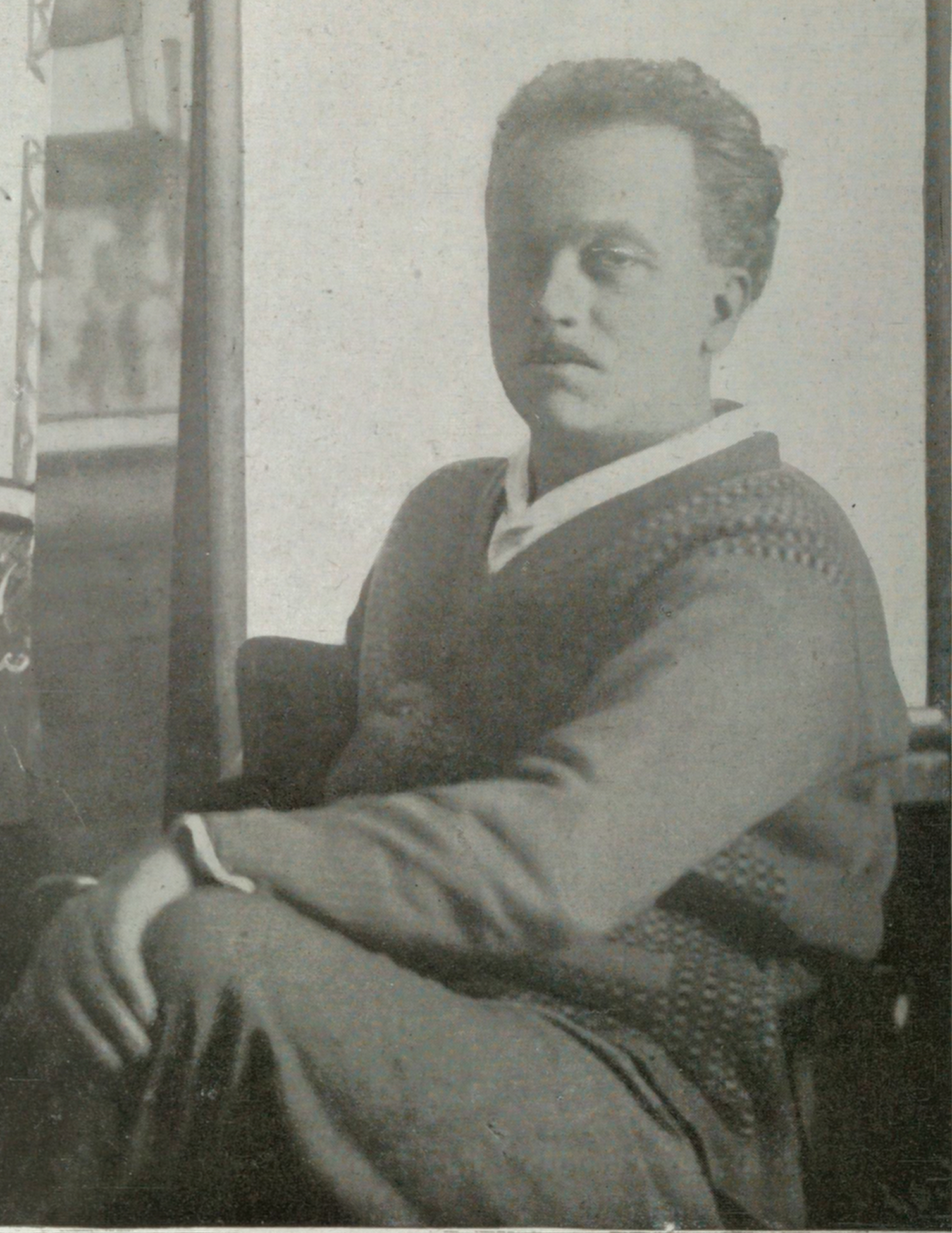
Raoul Dufy
4
Followers
Artist Spotlight
Raoul Dufy: The Joy of Pure Color
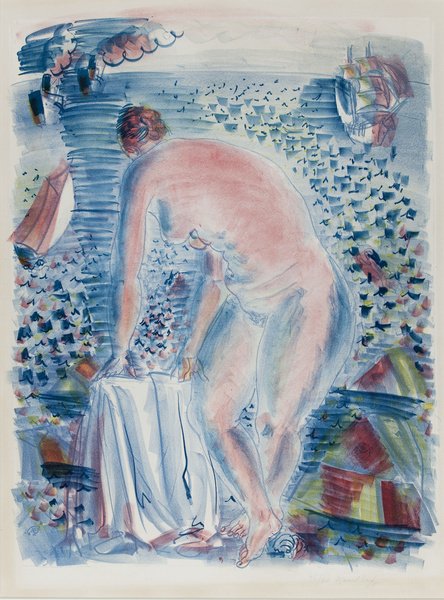
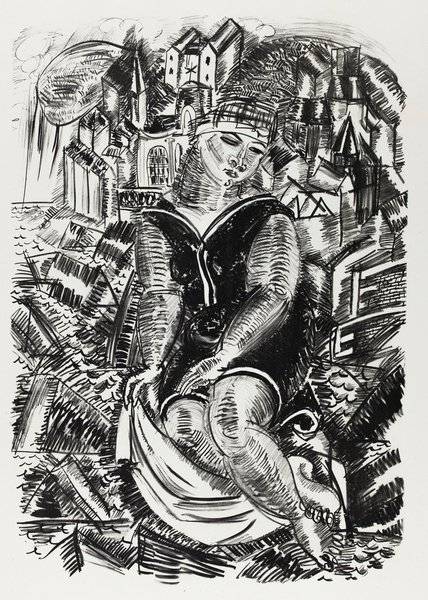
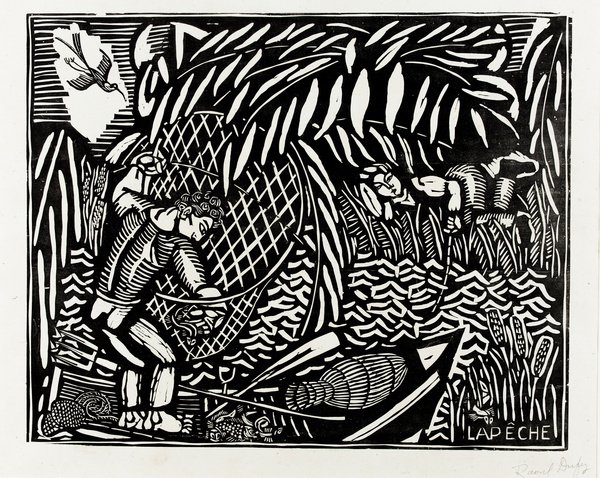
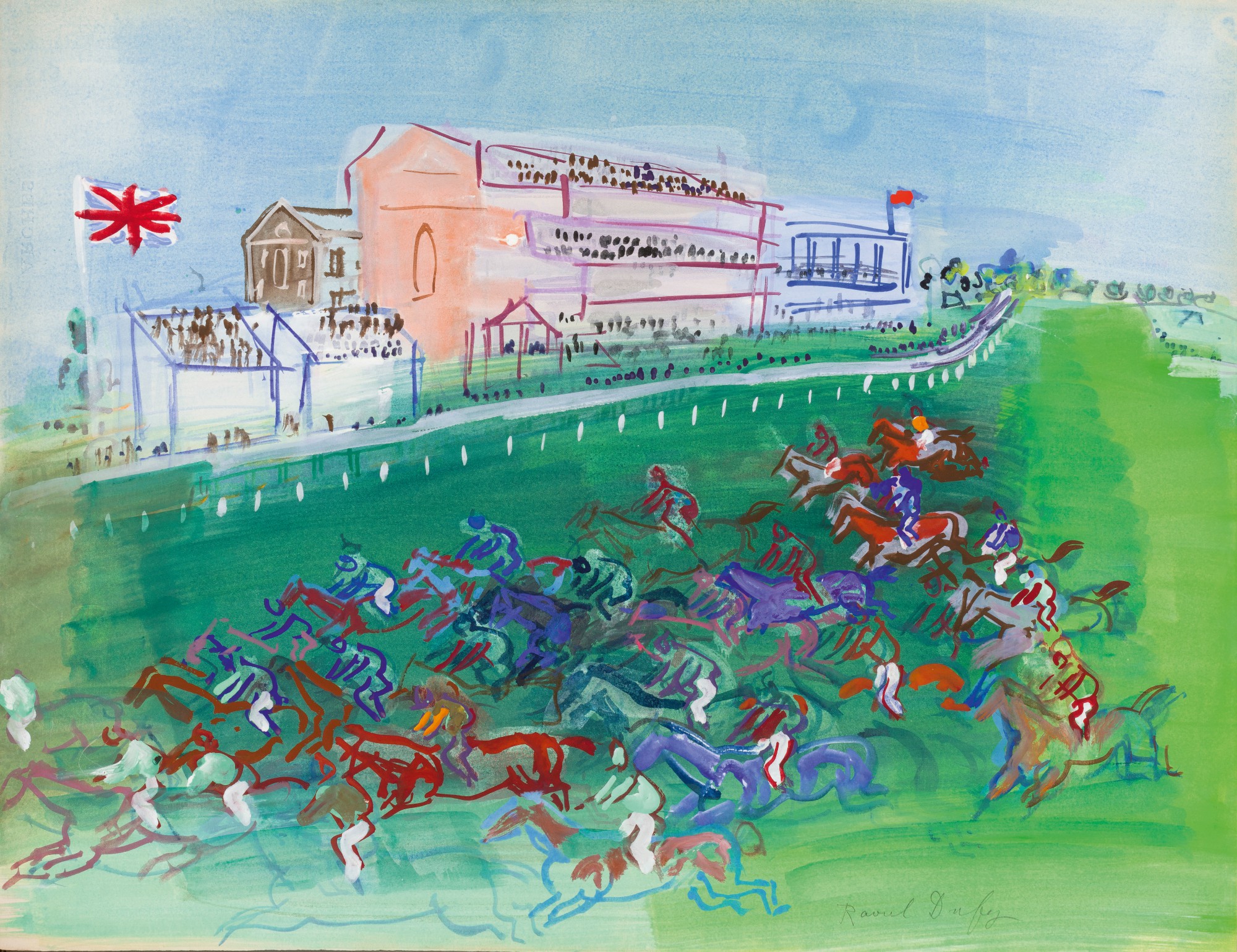
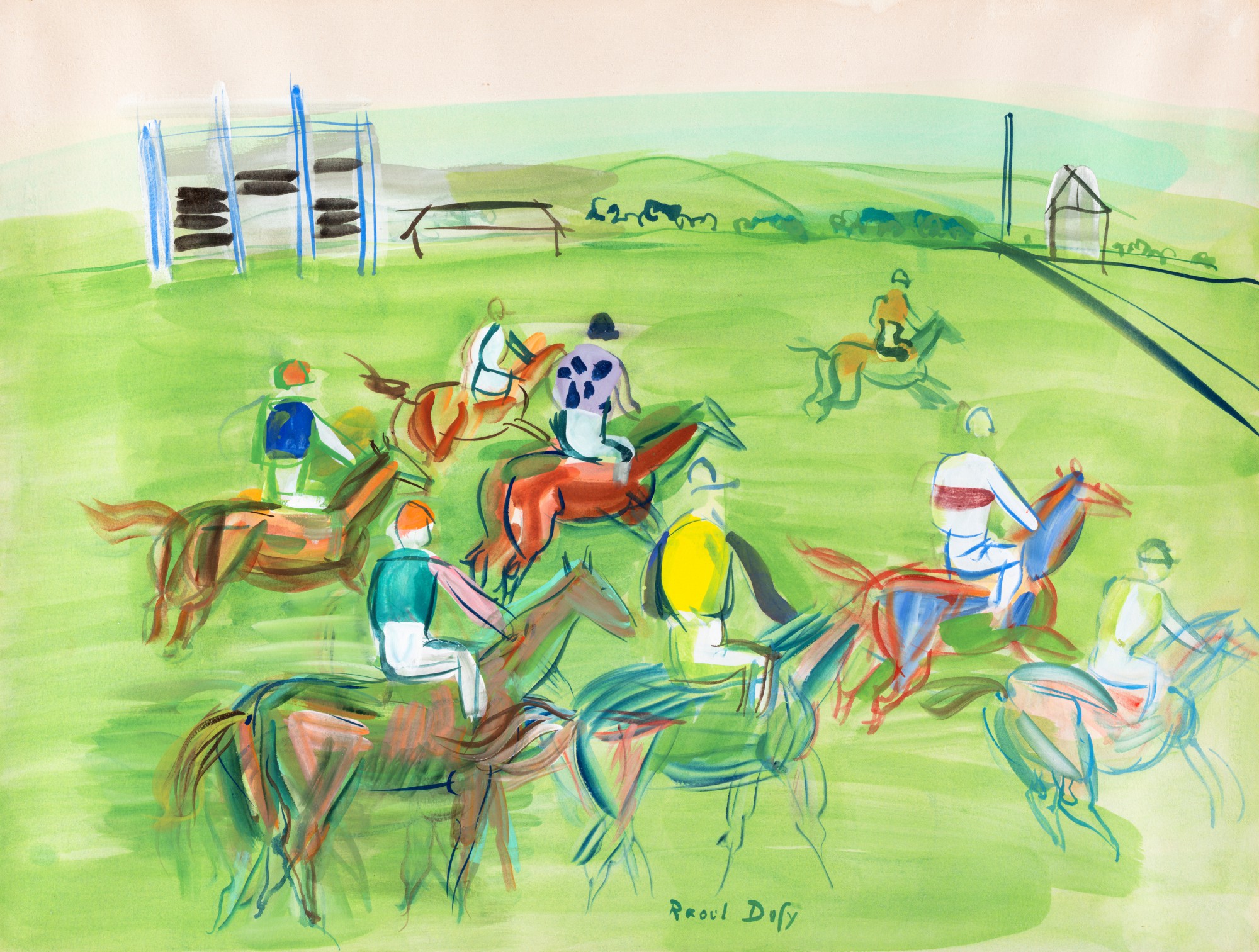
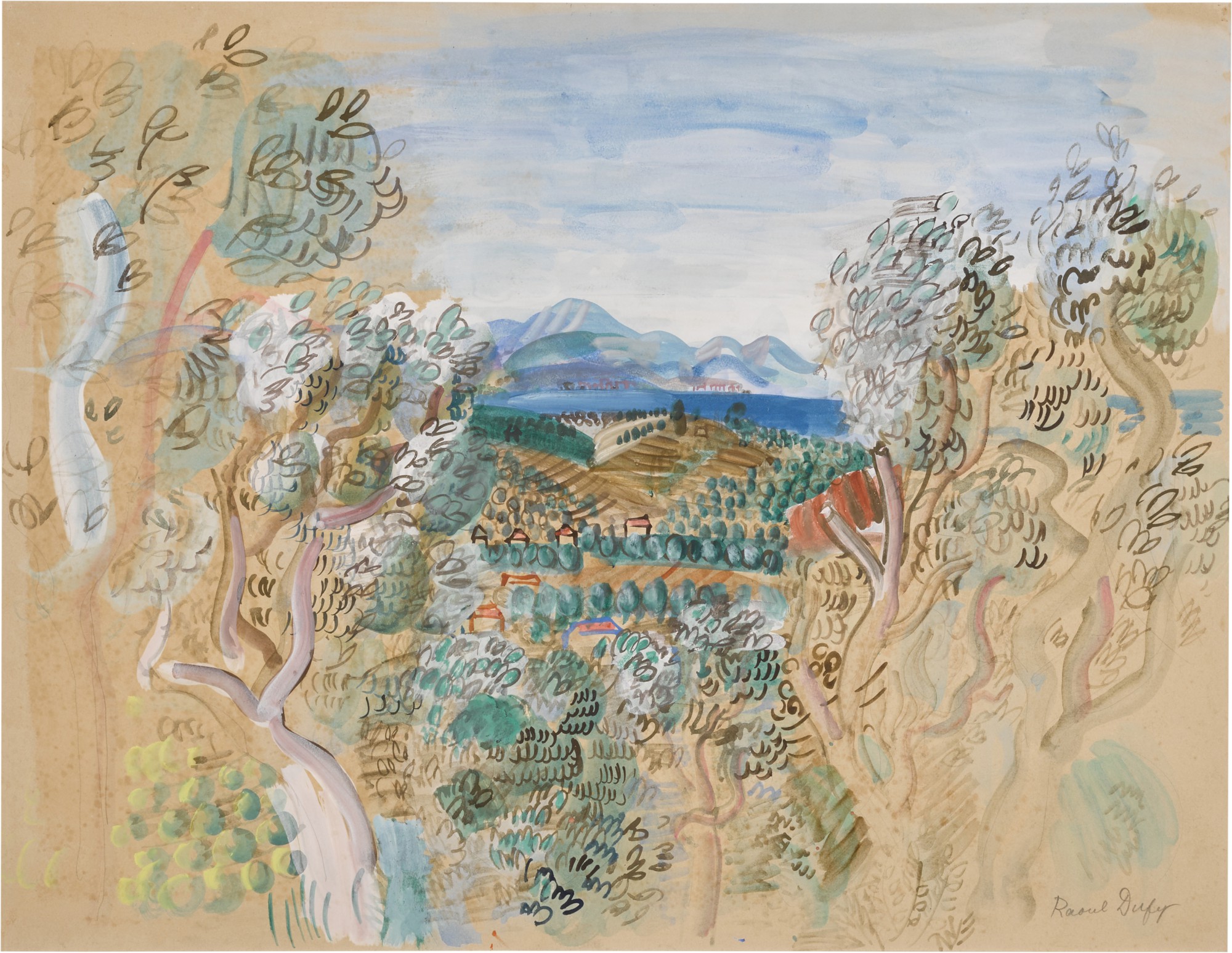
There is a moment, standing before a Raoul Dufy canvas, when the world seems to breathe a little easier. The French master had a singular gift: the ability to distill the pleasure of being alive into line and pigment, to make a regatta on the Normandy coast or an afternoon at Longchamp feel like the most wonderful thing that ever happened. It is no accident that major institutions from the Musée d'Art Moderne de la Ville de Paris to the Museum of Modern Art in New York have returned to Dufy again and again, and that his work continues to command serious attention at auction and in private… Continue reading

Also spotted by

Artists in conversation
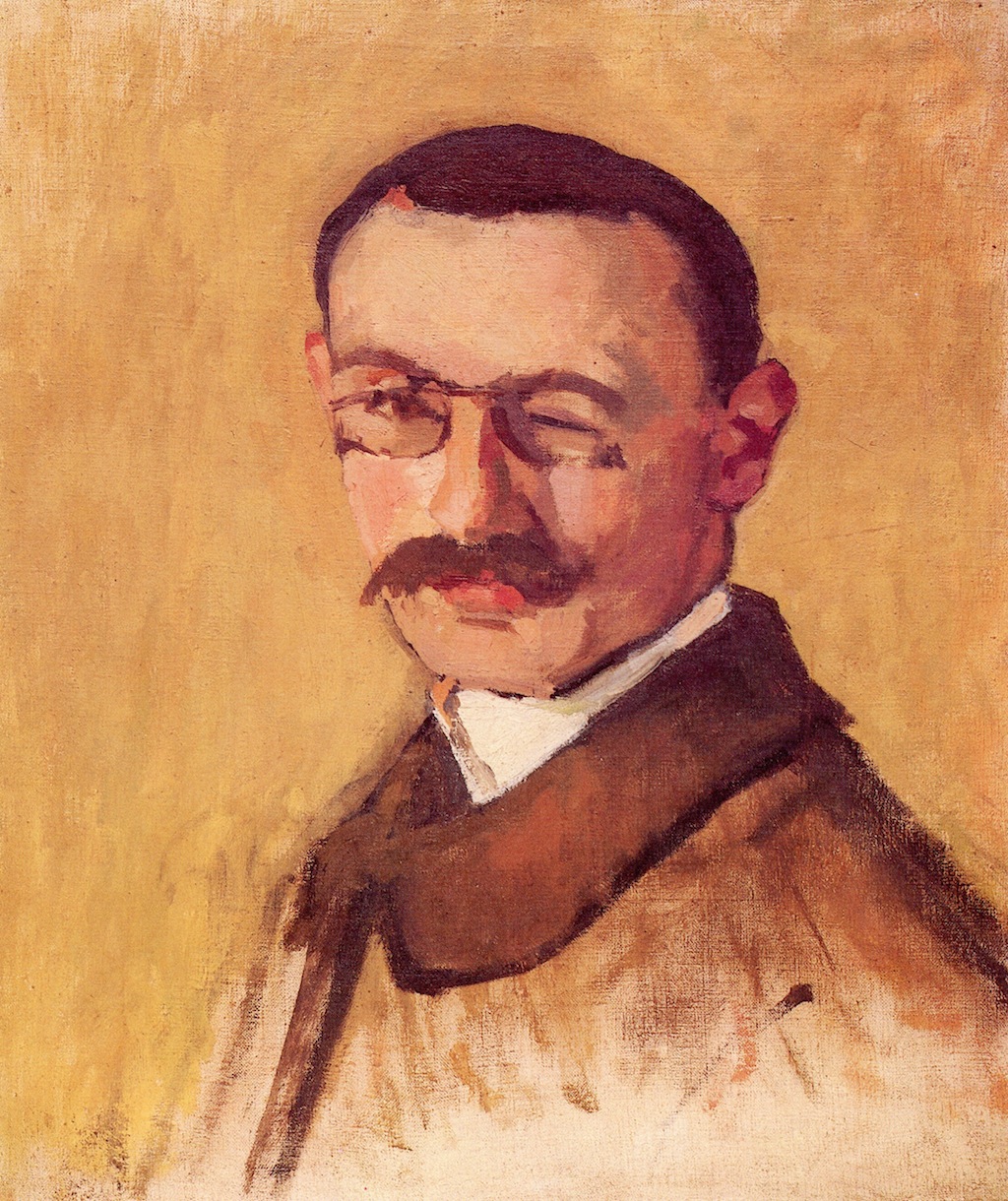
Albert Marquet
Marquet shared Dufy's Fauvist roots and love of ports, harbors, and coastal leisure scenes rendered with fluid, economical brushwork and luminous color. A collector drawn to Dufy's joyful maritime subjects would find immediate kinship in Marquet's breezy, light filled quayside paintings.
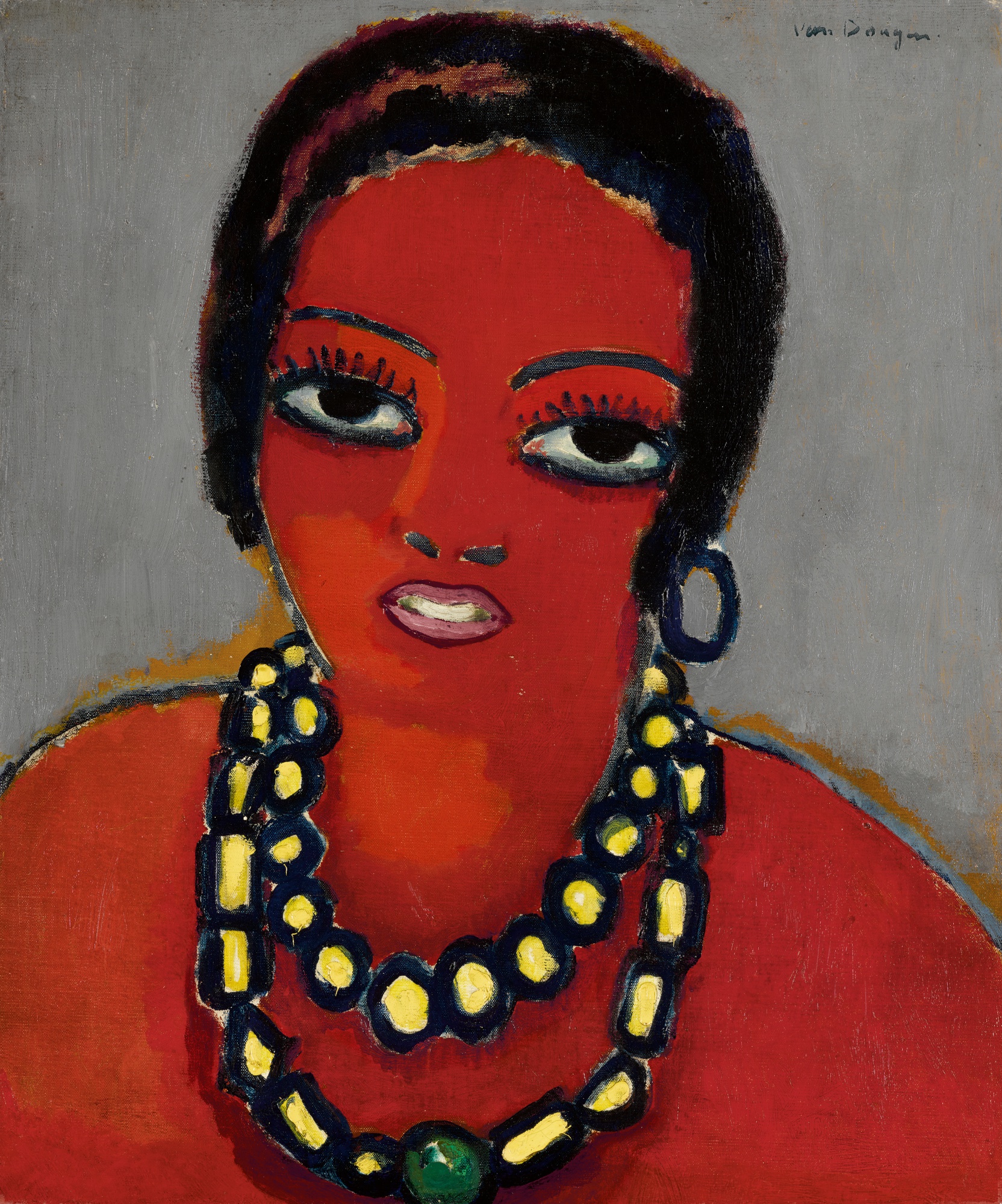
Kees van Dongen
Van Dongen was a fellow Fauvist who depicted glamorous modern leisure life, fashionable society, and festive gatherings with bold, decorative color and expressive line, qualities central to Dufy's own vision. Both artists captured the hedonistic pleasures of early twentieth century European society with vibrant, celebratory palettes.
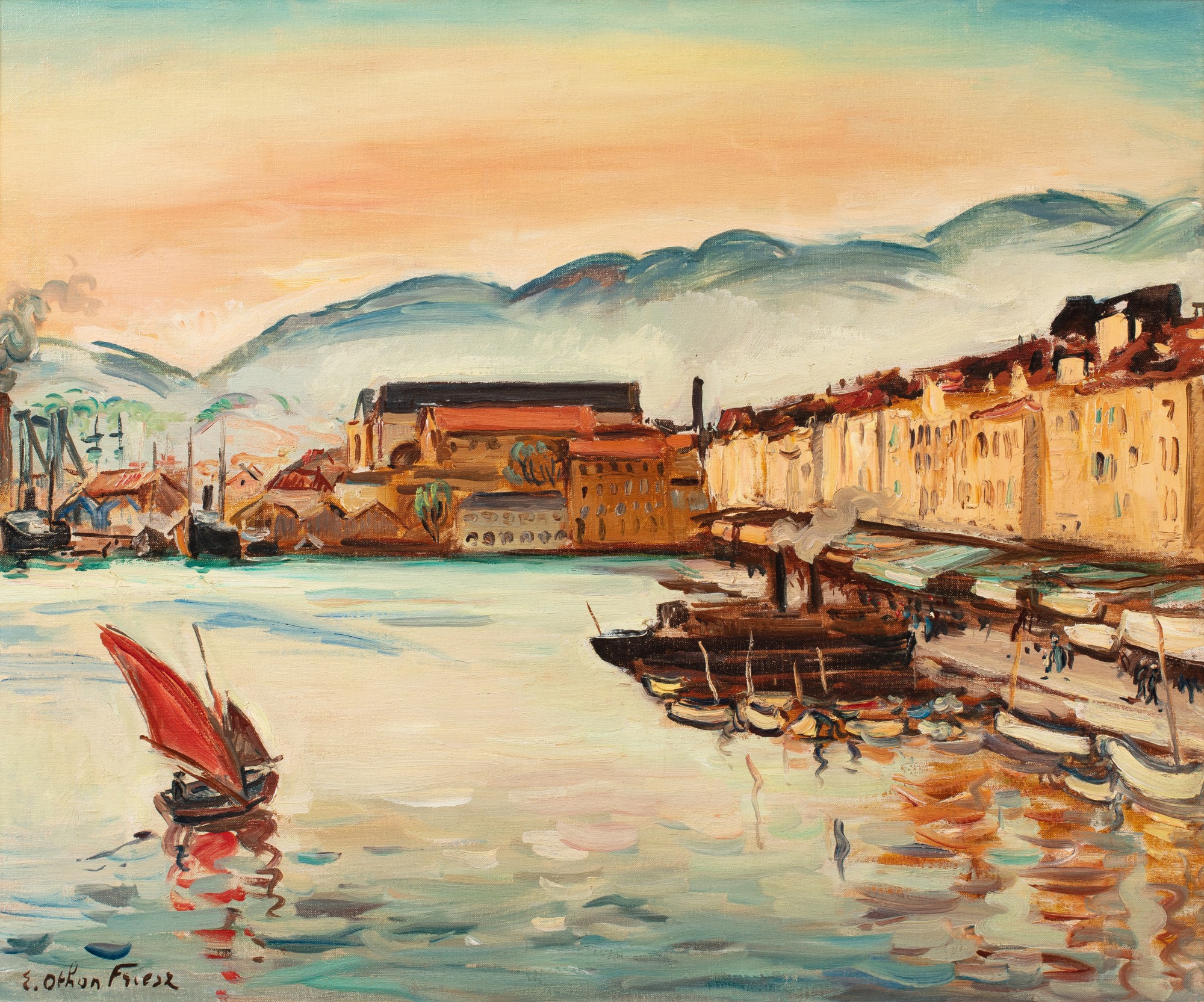
Othon Friesz
Friesz was a close colleague of Dufy from Le Havre who pursued a parallel path through Fauvism, painting landscapes and leisure scenes with similarly animated color and lyrical brushwork. Their shared origins and aesthetic preoccupations make Friesz a natural discovery for admirers of Dufy's decorative Post Impressionist style.
Artists who inspired them
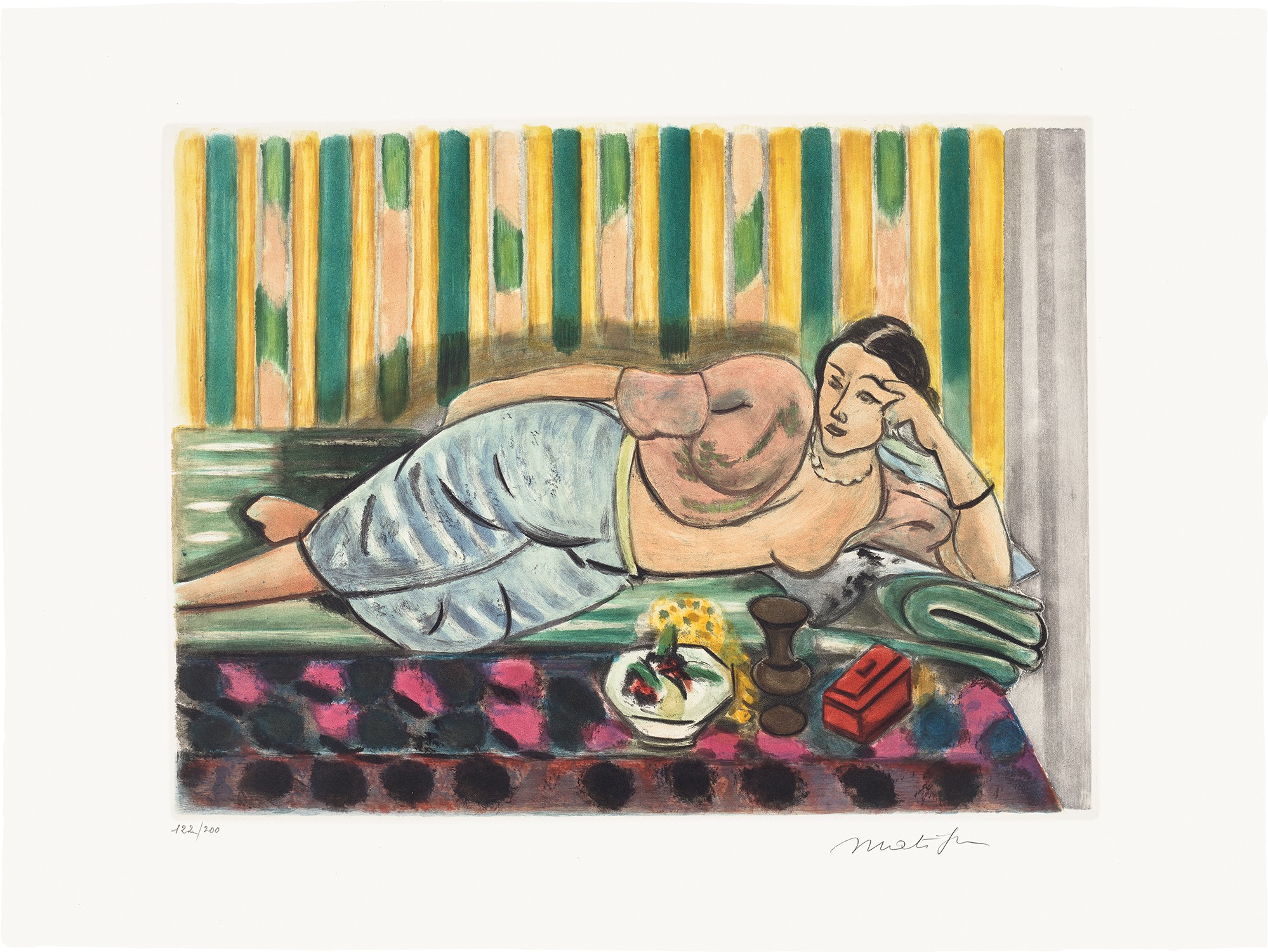
Henri Matisse
Dufy himself credited seeing Matisse's 'Luxe, Calme et Volupté' at the 1905 Salon des Indépendants as the transformative moment that converted him to Fauvism and its use of pure, expressive color liberated from naturalistic description. Matisse's decorative flatness and joyful chromatic freedom became the cornerstone of Dufy's entire mature style.
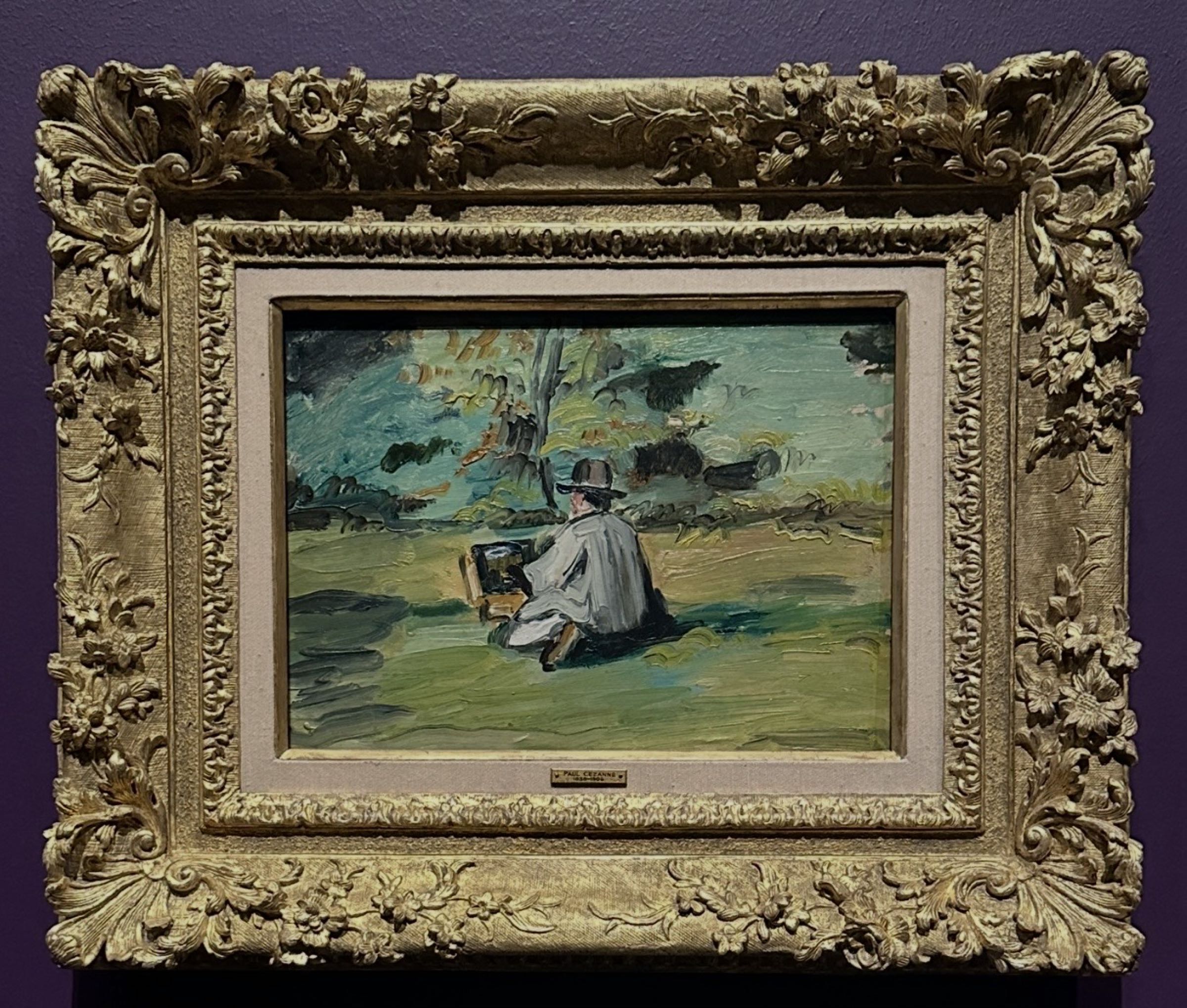
Paul Cézanne
During a brief but significant Cézannist phase around 1908, Dufy studied Cézanne's structured approach to form and pictorial architecture, which grounded his otherwise exuberant colorism with a degree of compositional discipline. This influence helped Dufy develop his signature method of separating line from color wash as independent pictorial elements.
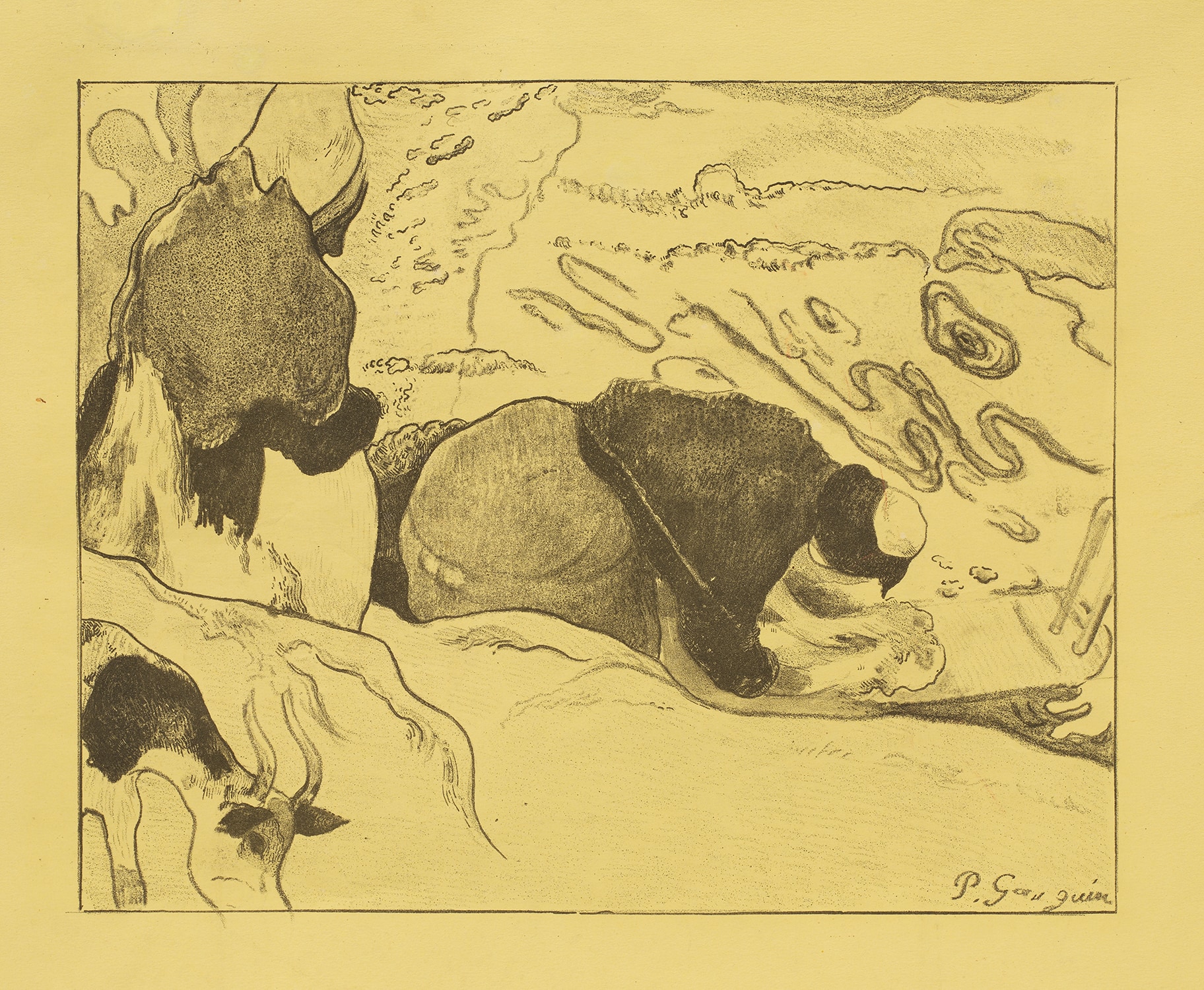
Paul Gauguin
Gauguin's use of non naturalistic, decorative color and boldly outlined flat forms provided an important precedent for the Post Impressionist generation that shaped Dufy's development. Gauguin's embrace of color as an expressive and symbolic rather than descriptive tool fed directly into the Fauvist revolution that Dufy absorbed.
Artists they inspired
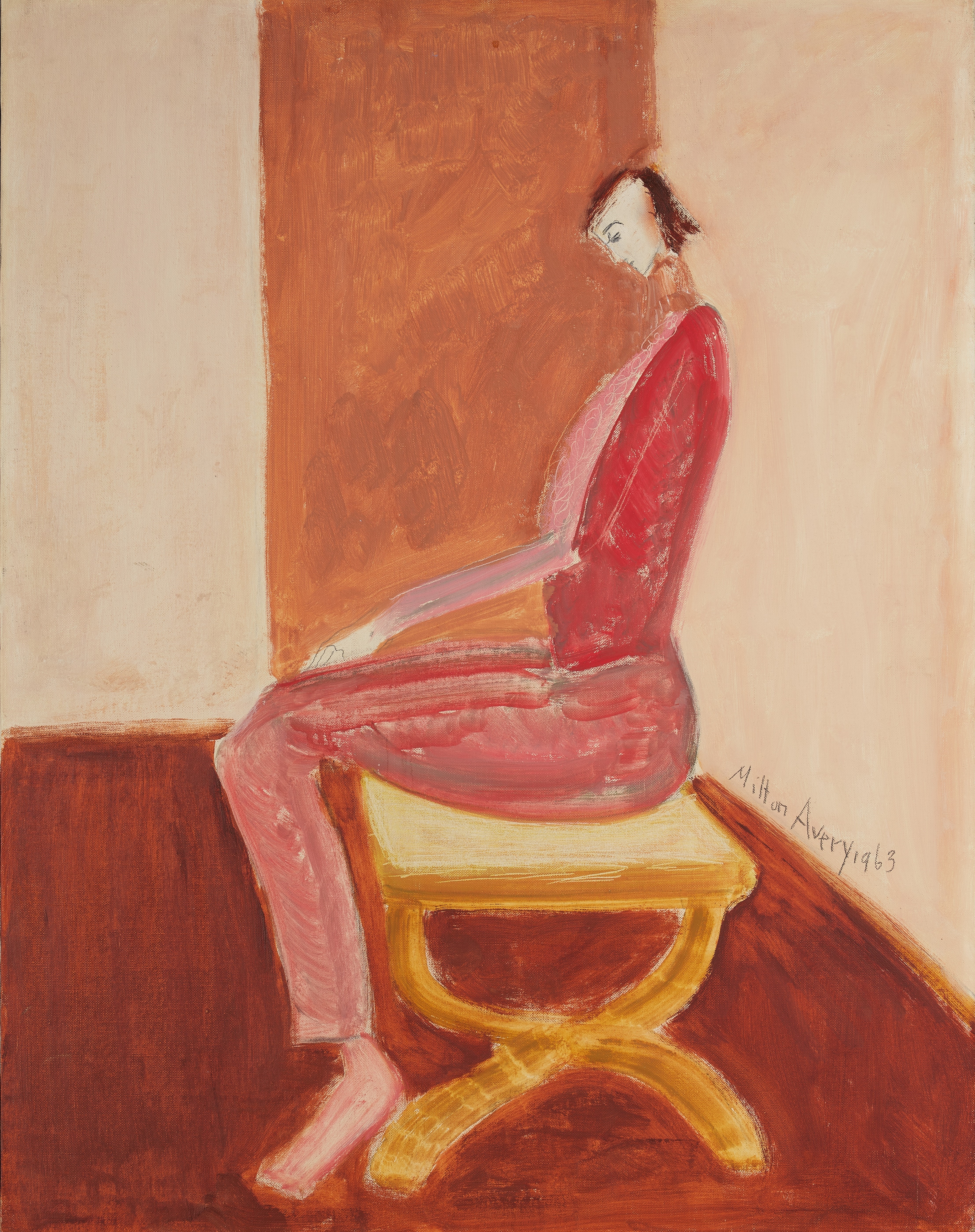
Milton Avery
Avery absorbed Dufy's approach of using luminous, high keyed color laid in fluid, simplified washes over spare linear drawing to depict leisure scenes, beaches, and figures in nature. His characteristically lyrical and decorative simplification of form owes a clear debt to the pictorial language Dufy pioneered.
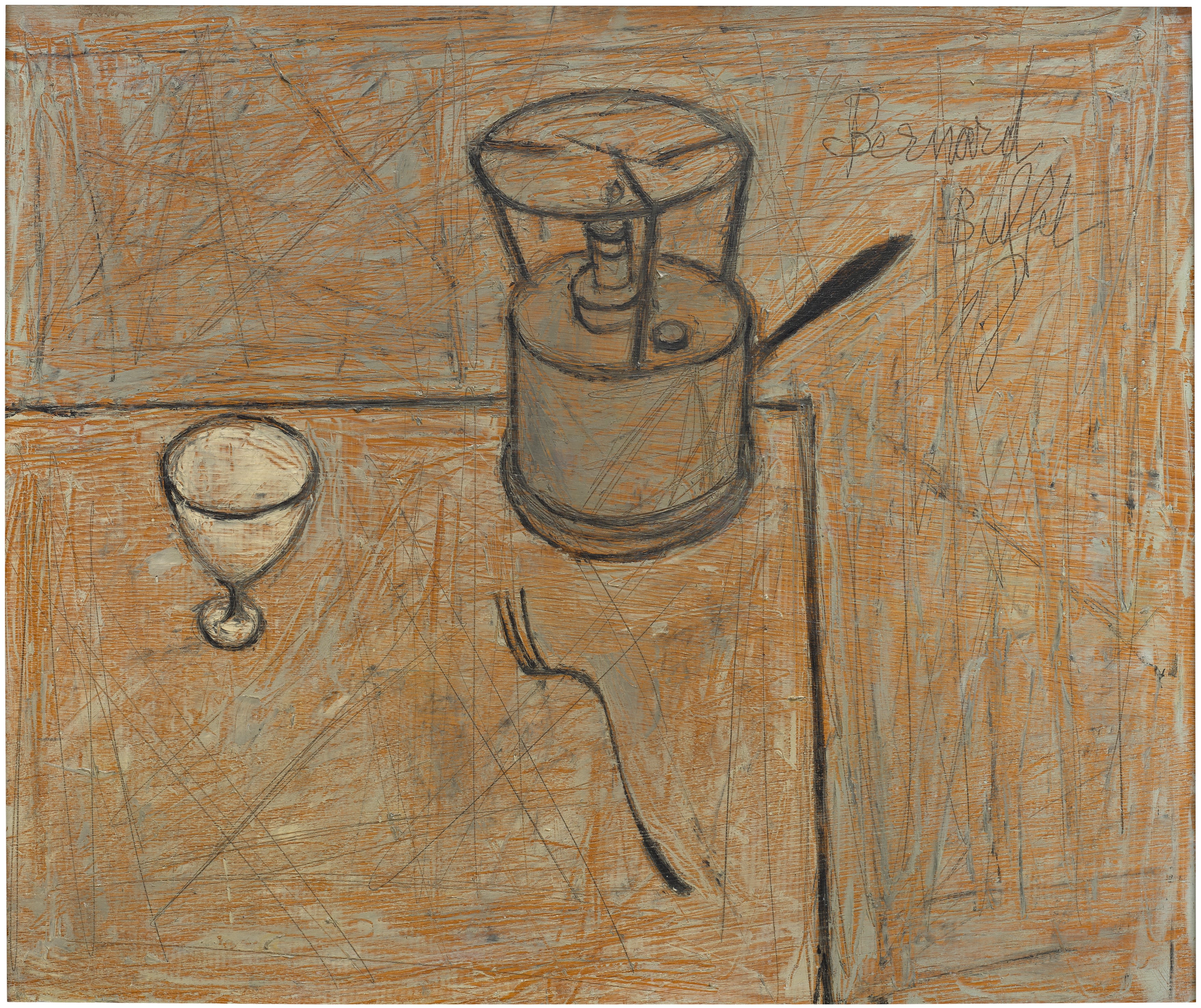
Bernard Buffet
Buffet emerged in France in the decade following Dufy's peak fame and adopted a similarly graphic, line driven approach in which strong contour drawing coexists with areas of applied color, a structural principle Dufy had made central to French modern painting. While Buffet's tonality is starker, his reliance on expressive linear scaffolding reflects Dufy's lasting formal influence on postwar French figuration.