Sporting
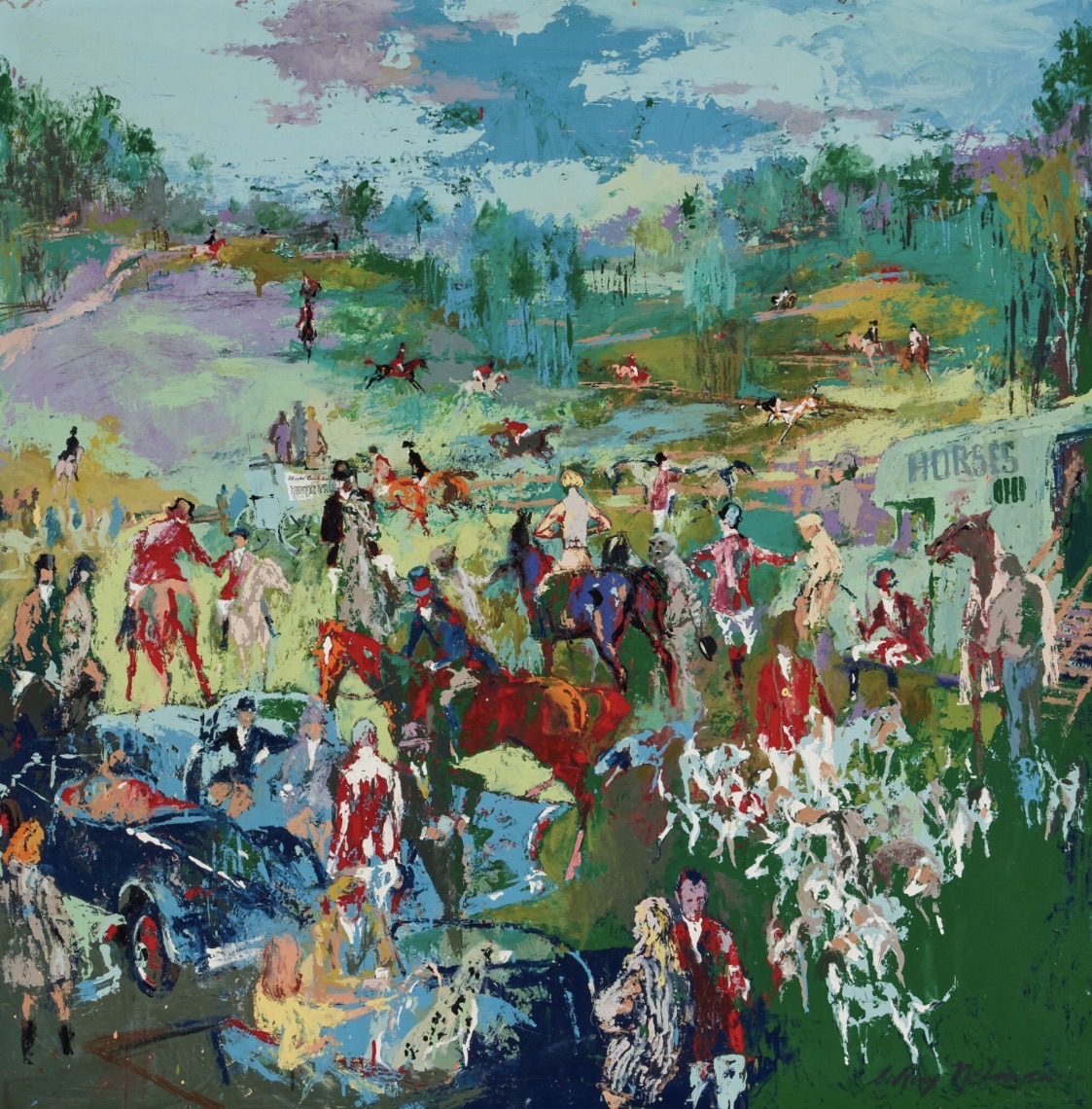
LeRoy Neiman
Moore County Hounds, 1959
The Chase, The Field, The Eternal Game
There is something almost primal about sporting art. Long before photography could freeze a horse mid gallop or capture the arc of a fly rod over still water, painters were doing something more ambitious than recording action. They were constructing mythology. The gentleman on horseback, the huntsman at dawn, the jockey coiled in concentration before the gate opens: these were not simply scenes of leisure.
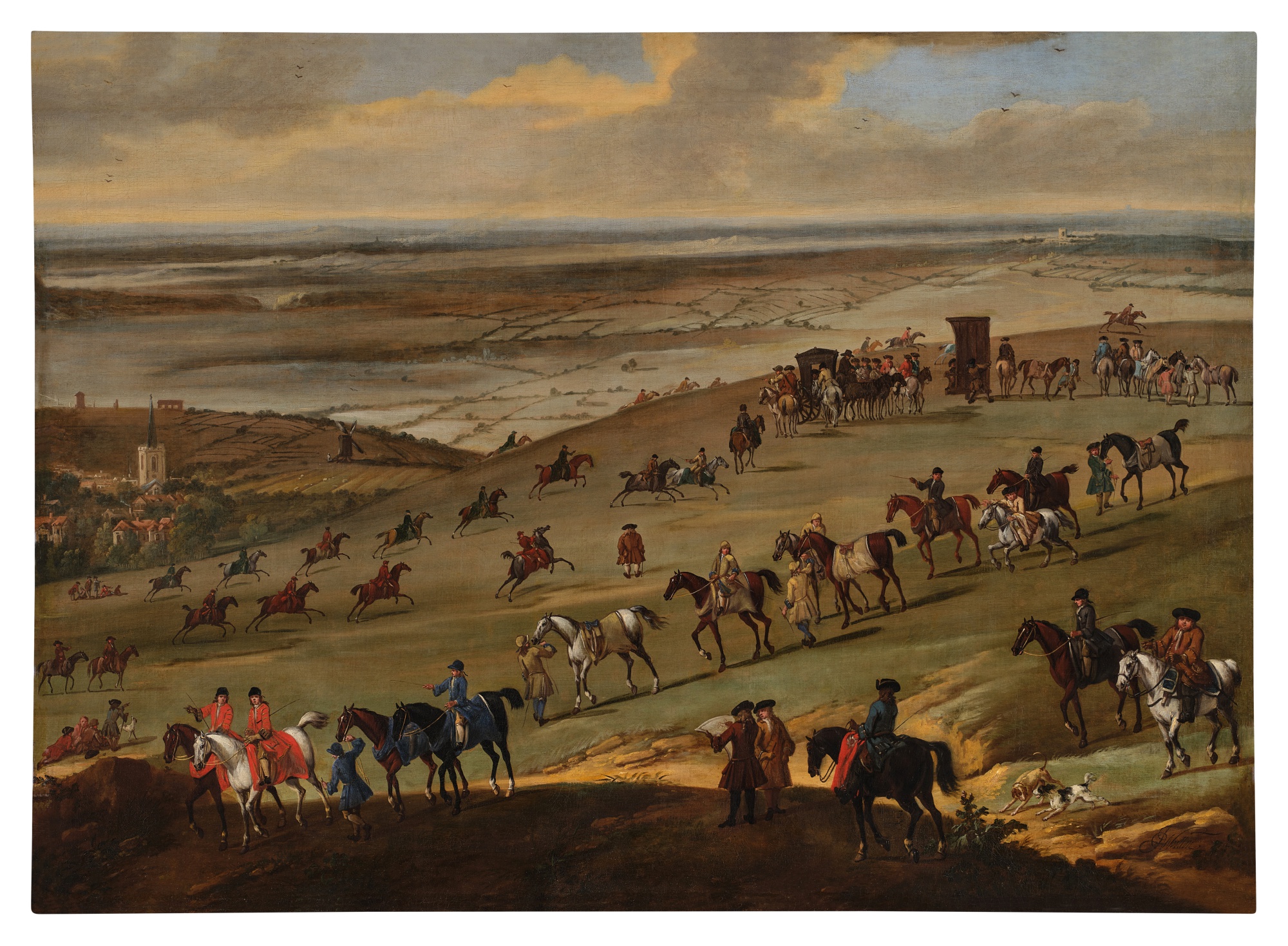
They were statements about land, power, class, and the particular kind of beauty that arrives only when skill meets risk. The tradition stretches back at least to the seventeenth century in England, where the country estate and everything that happened on its grounds became the defining subject of a whole school of painting. By the early eighteenth century, artists like John Wootton were producing large scale equestrian compositions that owed a clear debt to Flemish and Italian precedents while remaining distinctly, unapologetically English in their social ambitions. Wootton, who worked in the first decades of the 1700s and became one of the most sought after painters of horses and hunting subjects in Britain, understood that a well placed portrait of a prize stallion could carry as much political weight as a portrait of its owner.
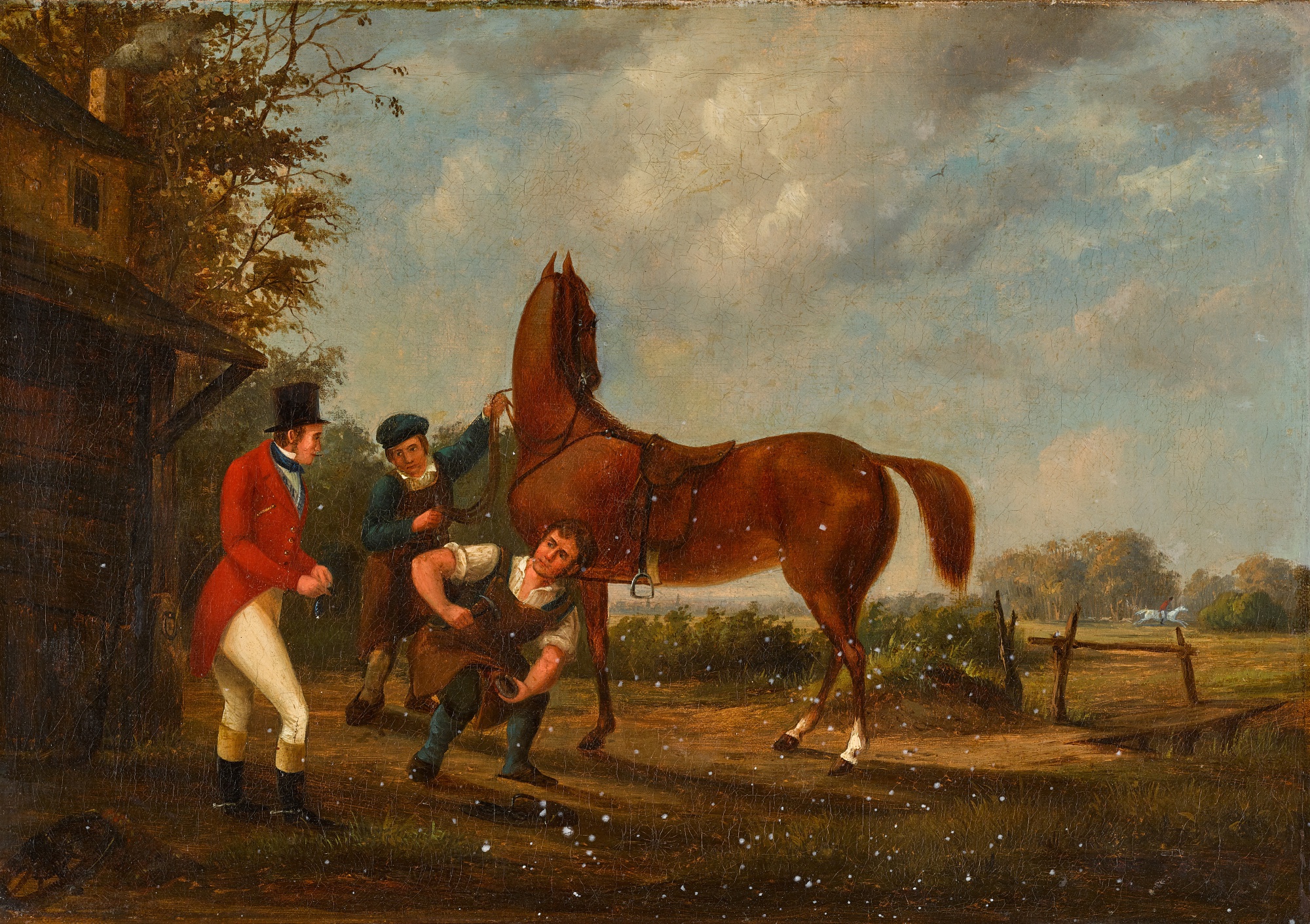
John Ferneley Snr.
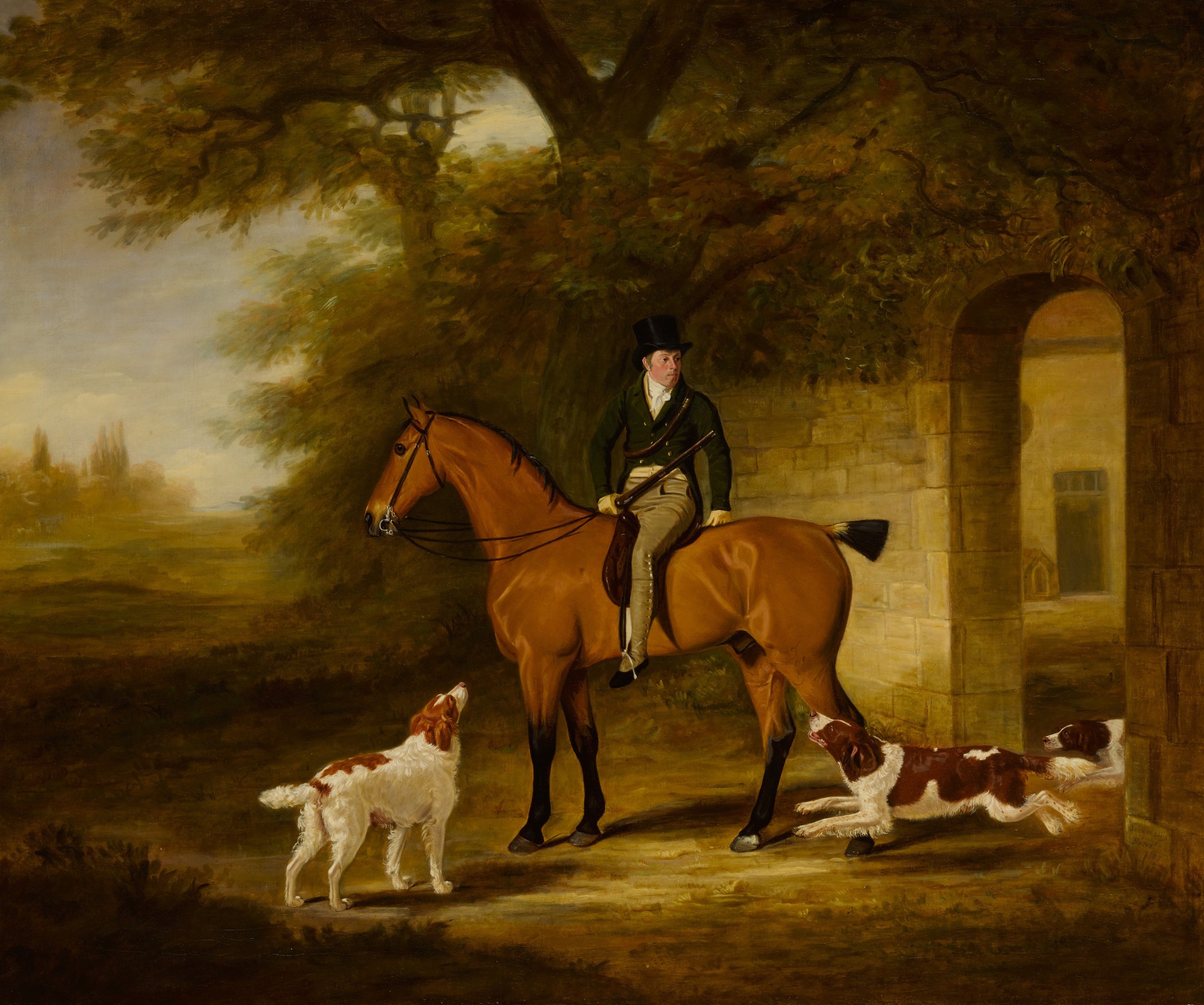
A Chestnut Hunter with Robert Day up
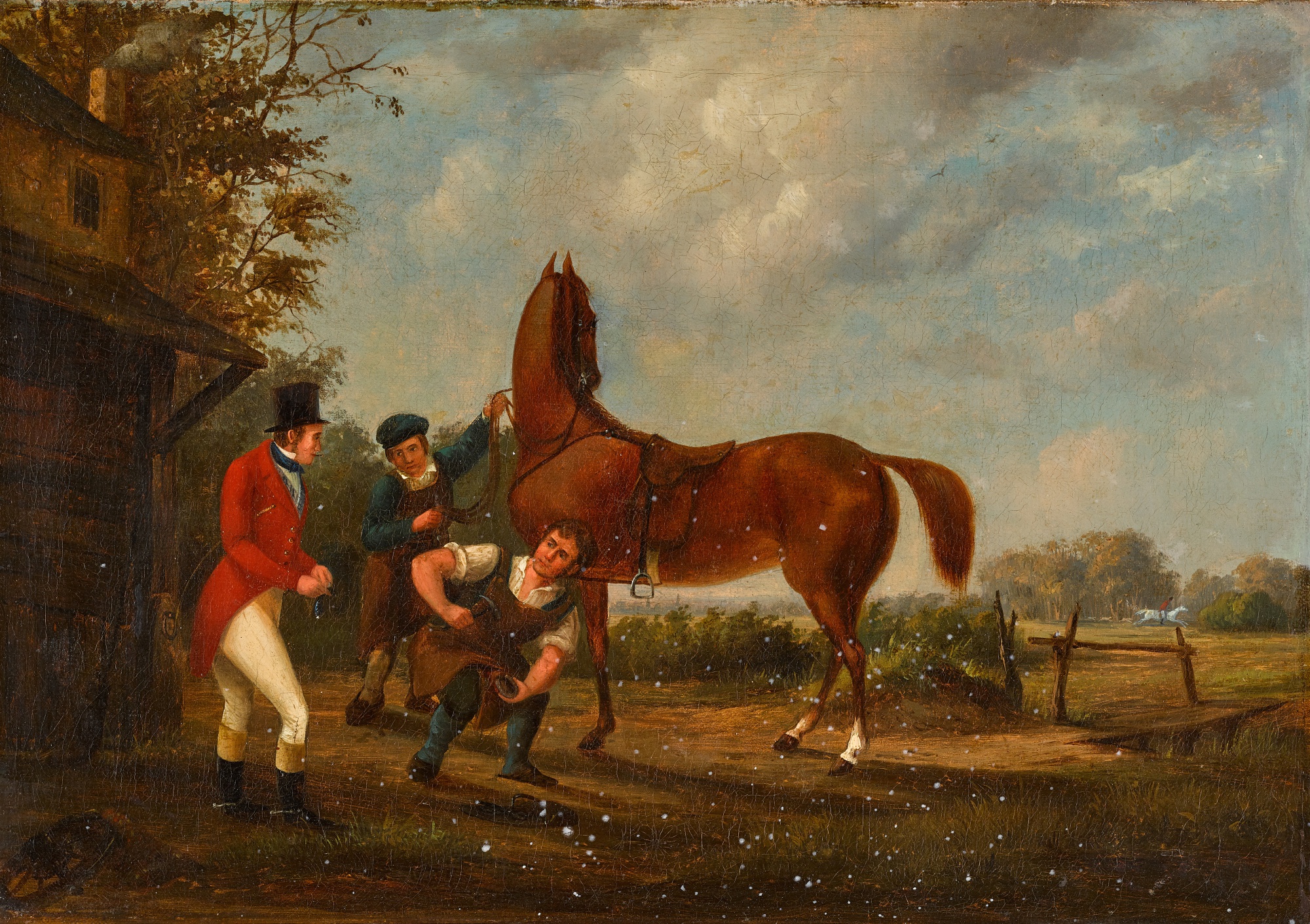
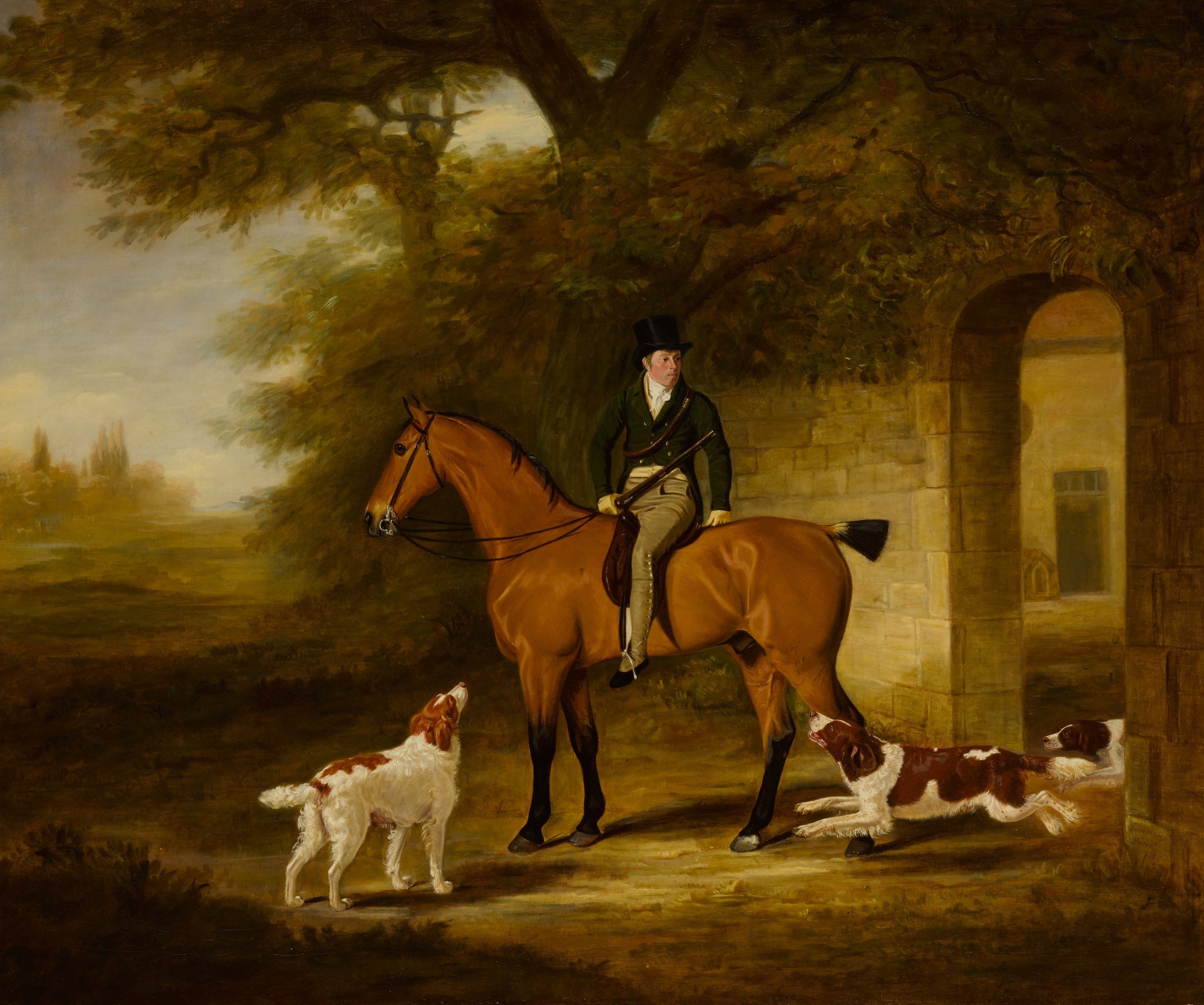
His patrons included members of the most powerful aristocratic families in the country, and he painted not just for posterity but for prestige. John Ferneley Snr., working a generation later out of Melton Mowbray in Leicestershire, pushed the sporting portrait into new territory. His hunting scenes achieved a documentary precision combined with genuine compositional elegance, and he was the artist of choice for the hard riding Midlands hunting set of the early nineteenth century.
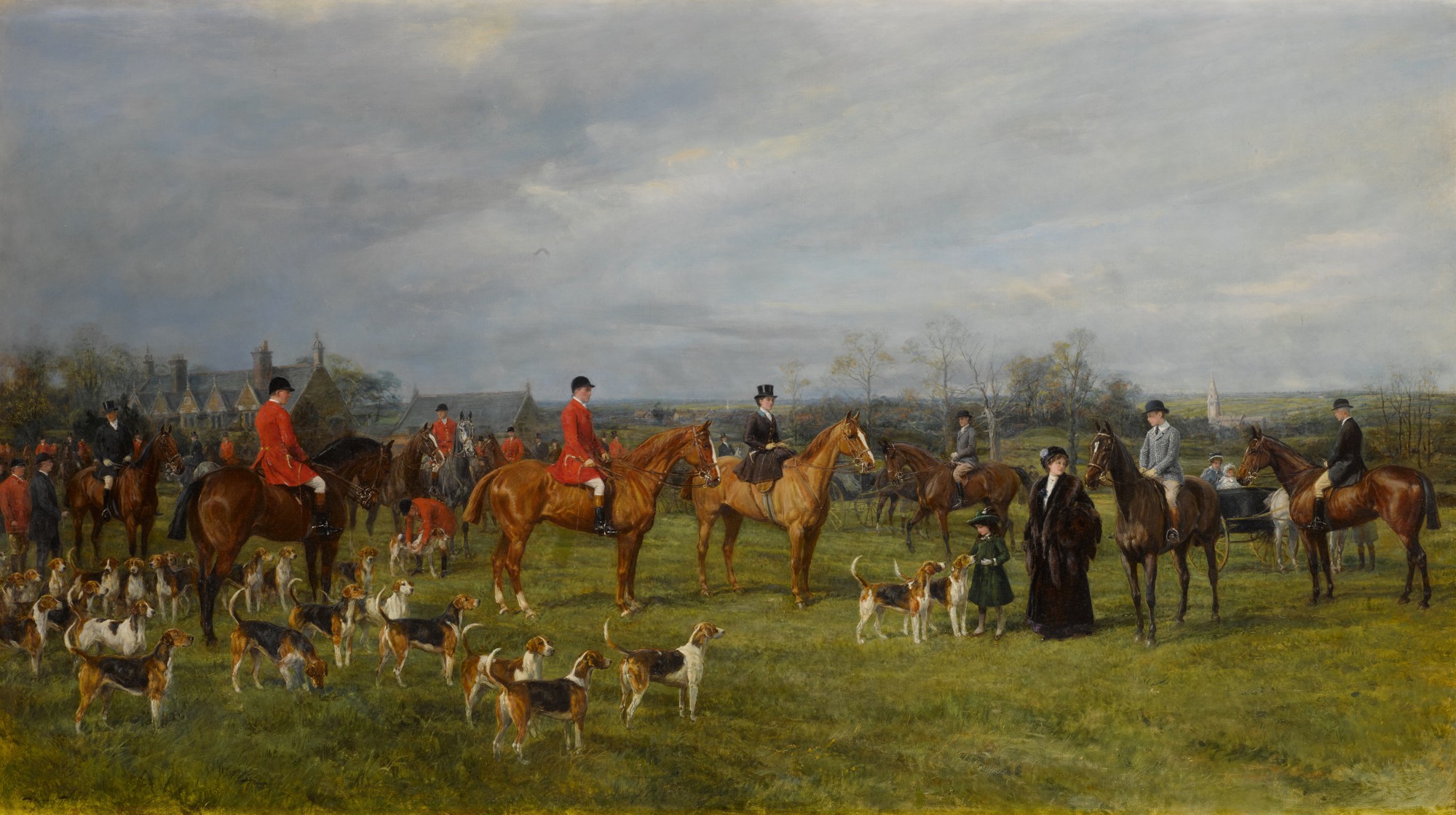
What Ferneley understood, and what separates the best sporting painters from mere illustrators, is that animals carry emotion. A horse caught at the moment of refusal, or a hound frozen mid scent, can tell you everything about the drama unfolding around it. The Irish School painters working in this same early nineteenth century period brought a similarly grounded, unsentimental eye to the subject, capturing the texture of Irish field sports with an authenticity that reflected intimate, lived knowledge of the landscape and the rituals played out across it. Across the nineteenth century the subject broadened considerably.
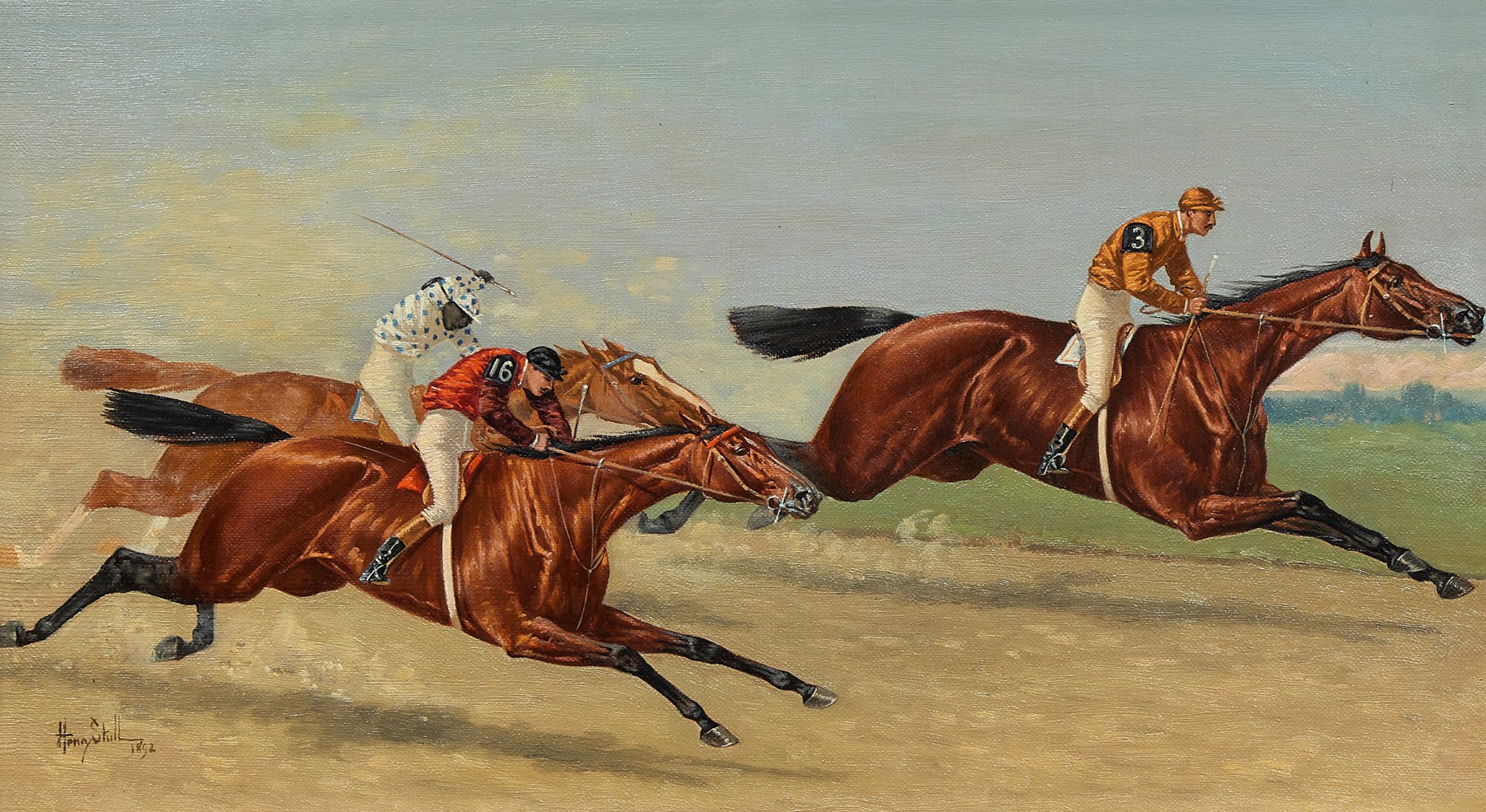
Henry Stull
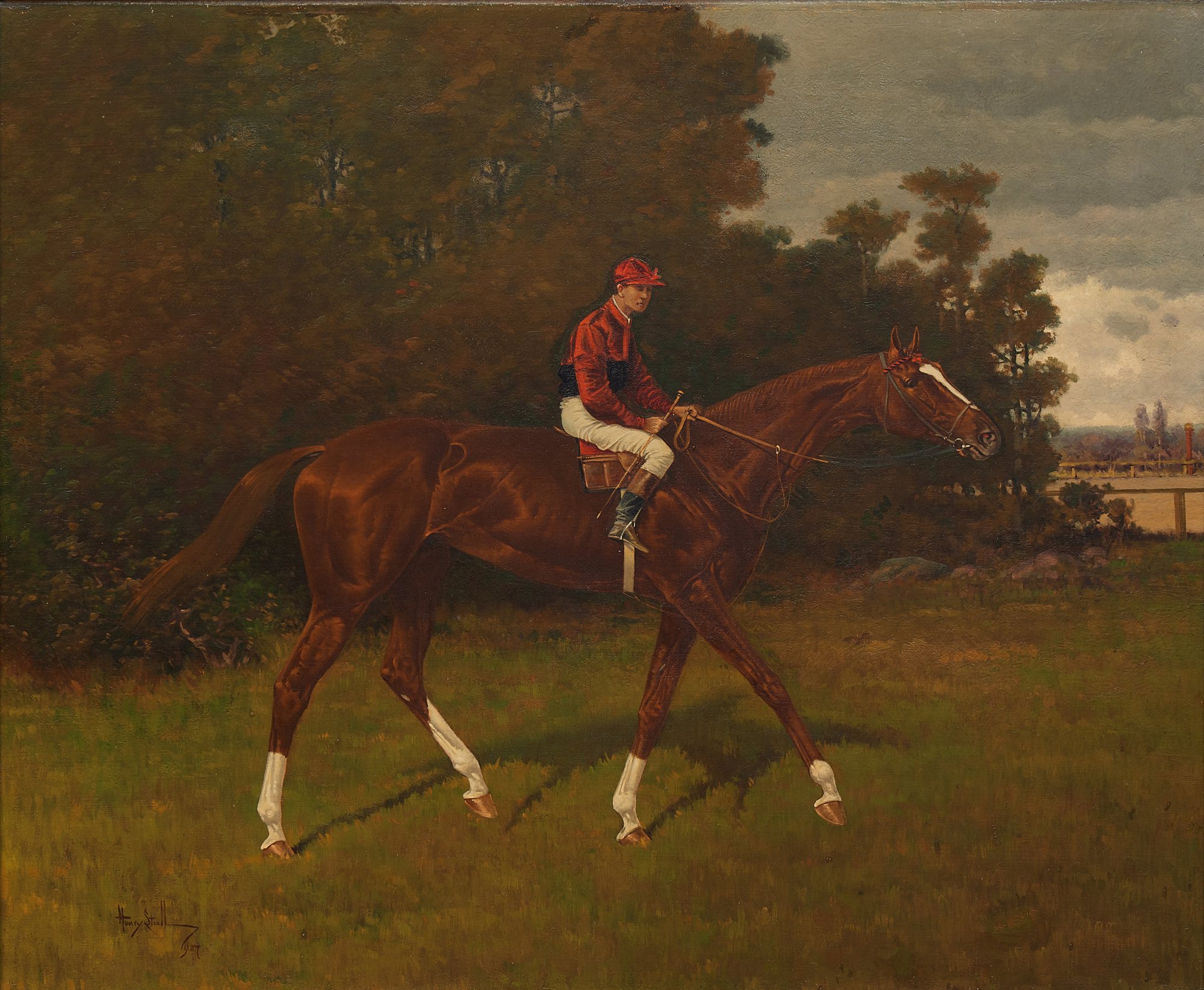
Charles Edward Owned by William H. Dubois with Jockey Up
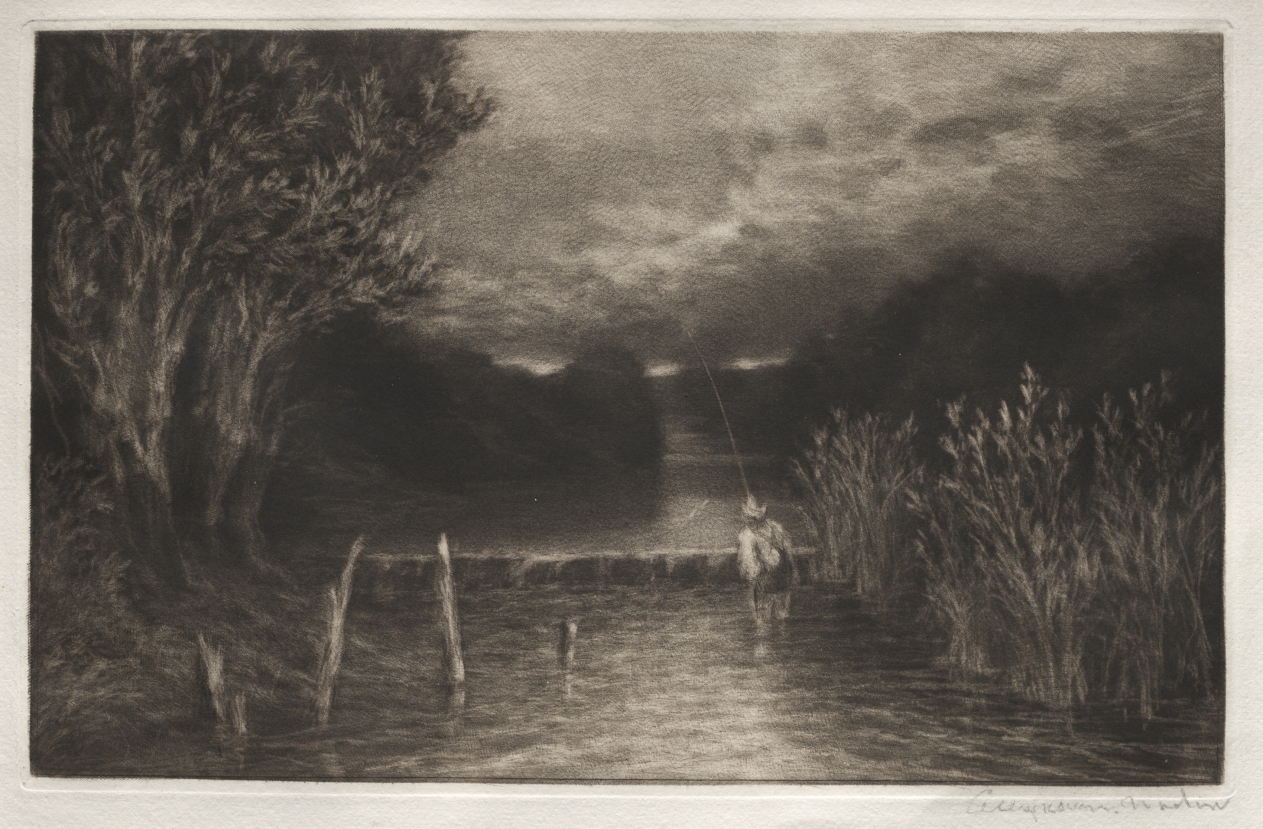
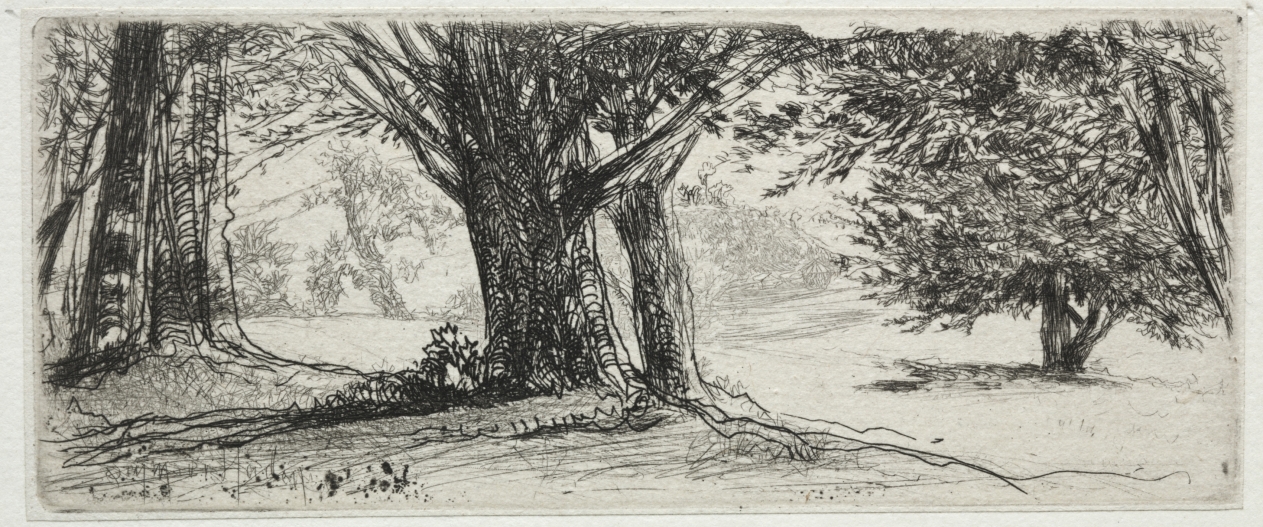
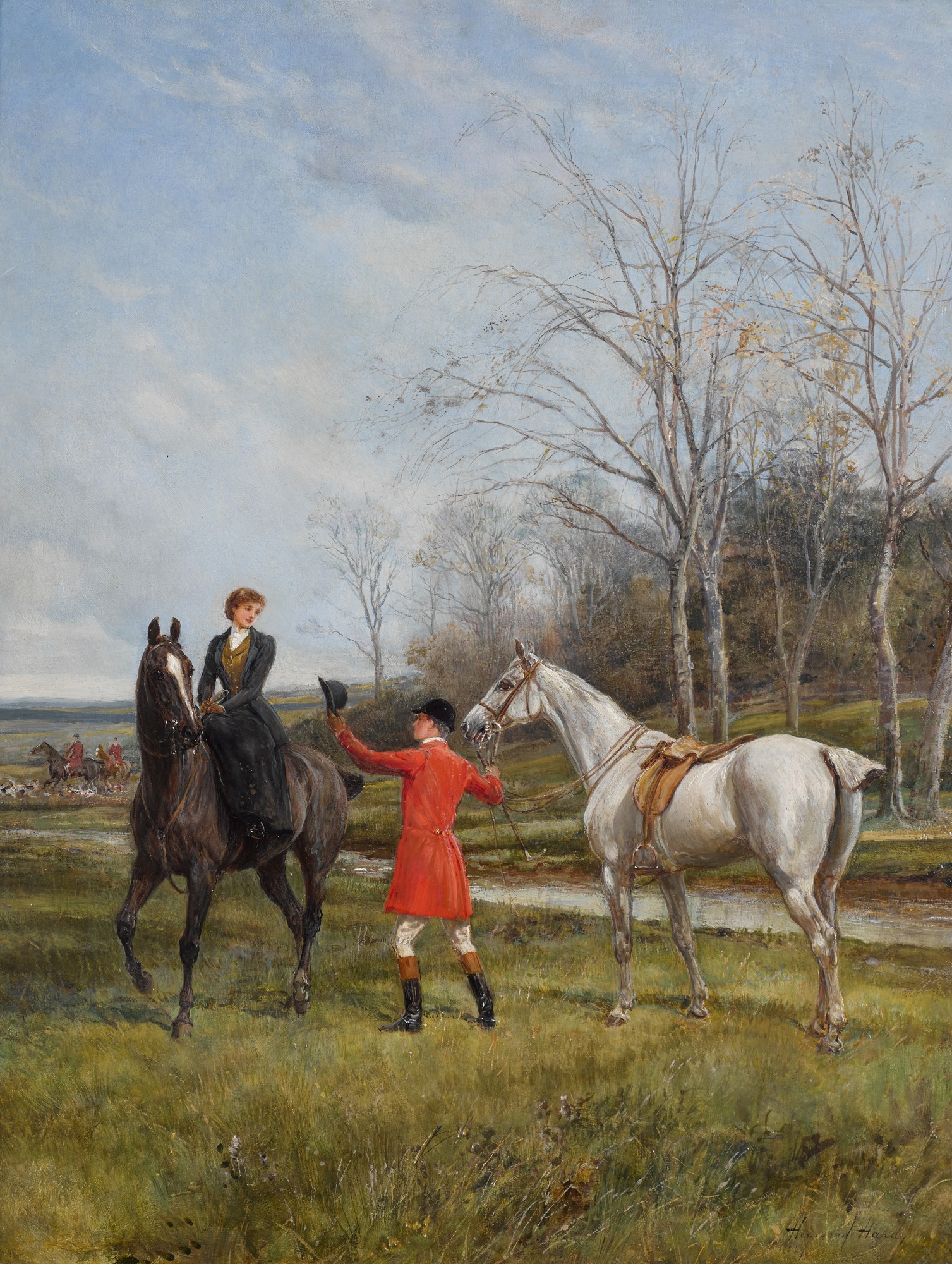
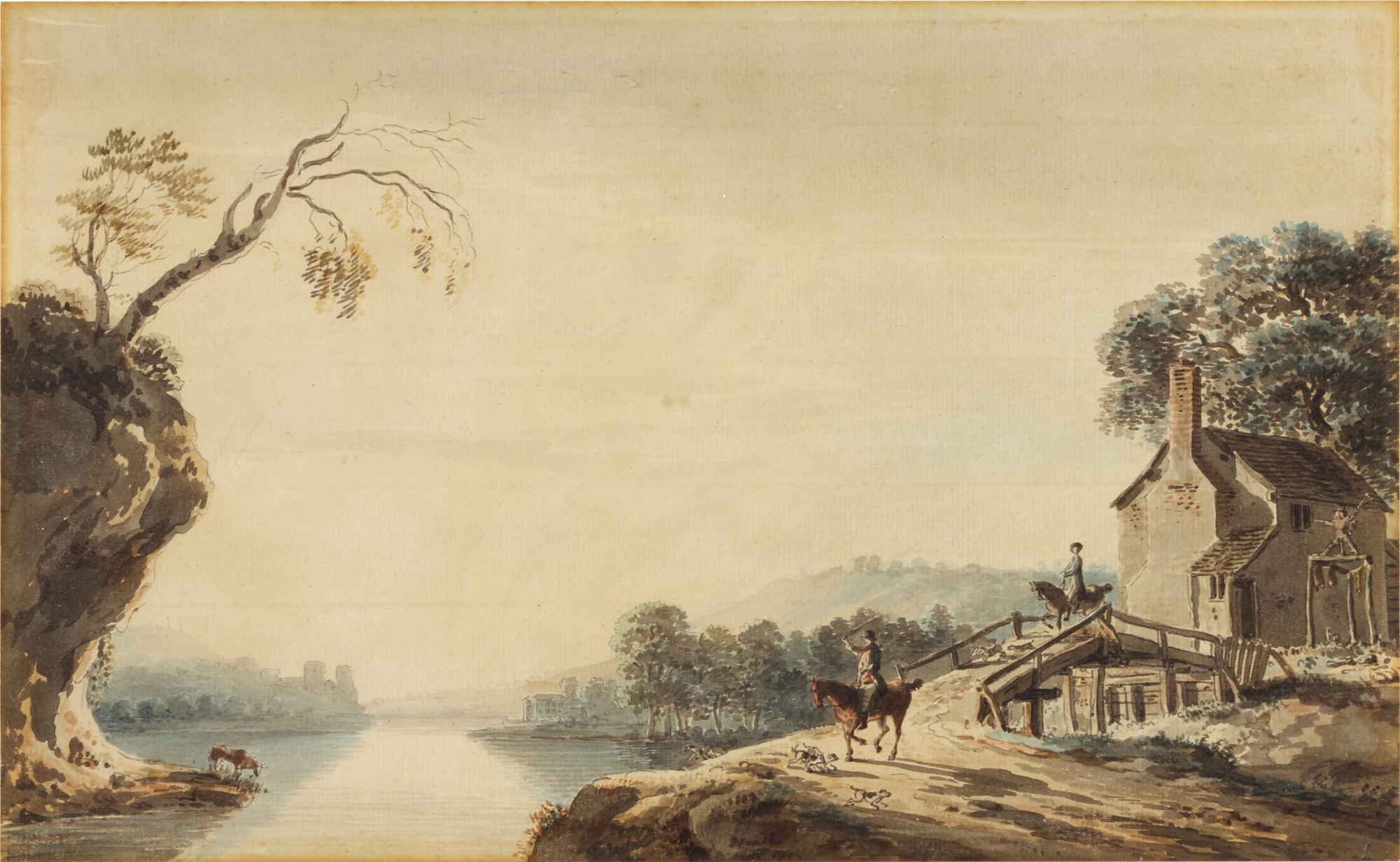
Heywood Hardy brought a warmth and narrative charm to hunting and riding scenes that made his work enormously popular with Victorian audiences, and the best of his canvases have a storytelling quality that keeps them alive well beyond their moment. Henry Stull, working in America, applied comparable dedication to thoroughbred racing, building a body of work that documented the great horses and tracks of the Gilded Age with an almost archival care. Meanwhile in the realm of printmaking, Francis Seymour Haden was transforming the etching needle into an instrument of atmospheric precision, and while his subjects often leaned toward landscape, his work belongs to the same tradition of close, reverential attention to the natural world that sporting art at its best has always embodied. Paul Sandby, working in watercolour and gouache through the latter half of the eighteenth century, similarly helped establish the visual vocabulary through which the British countryside and its activities would be understood and represented for generations.
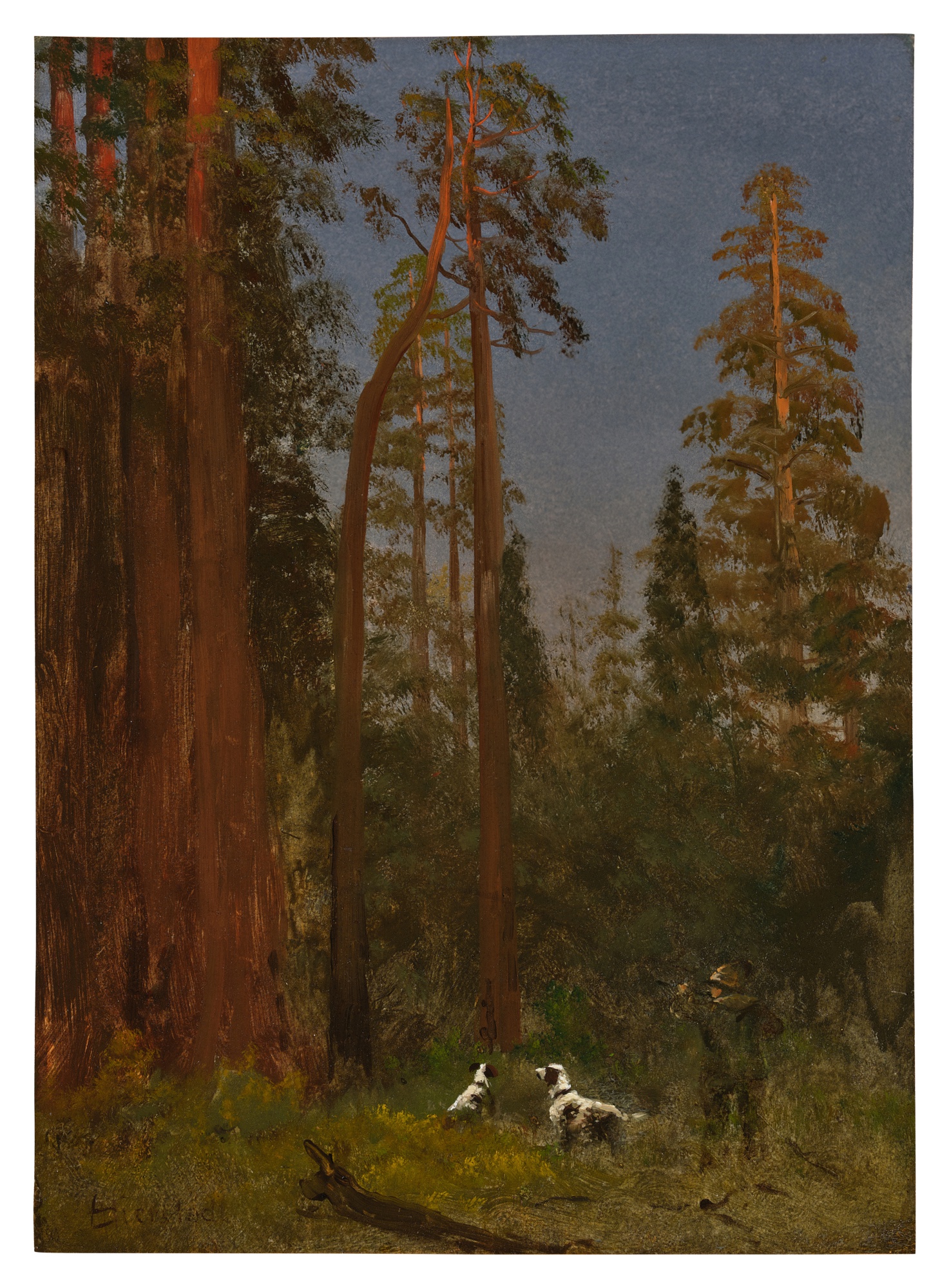
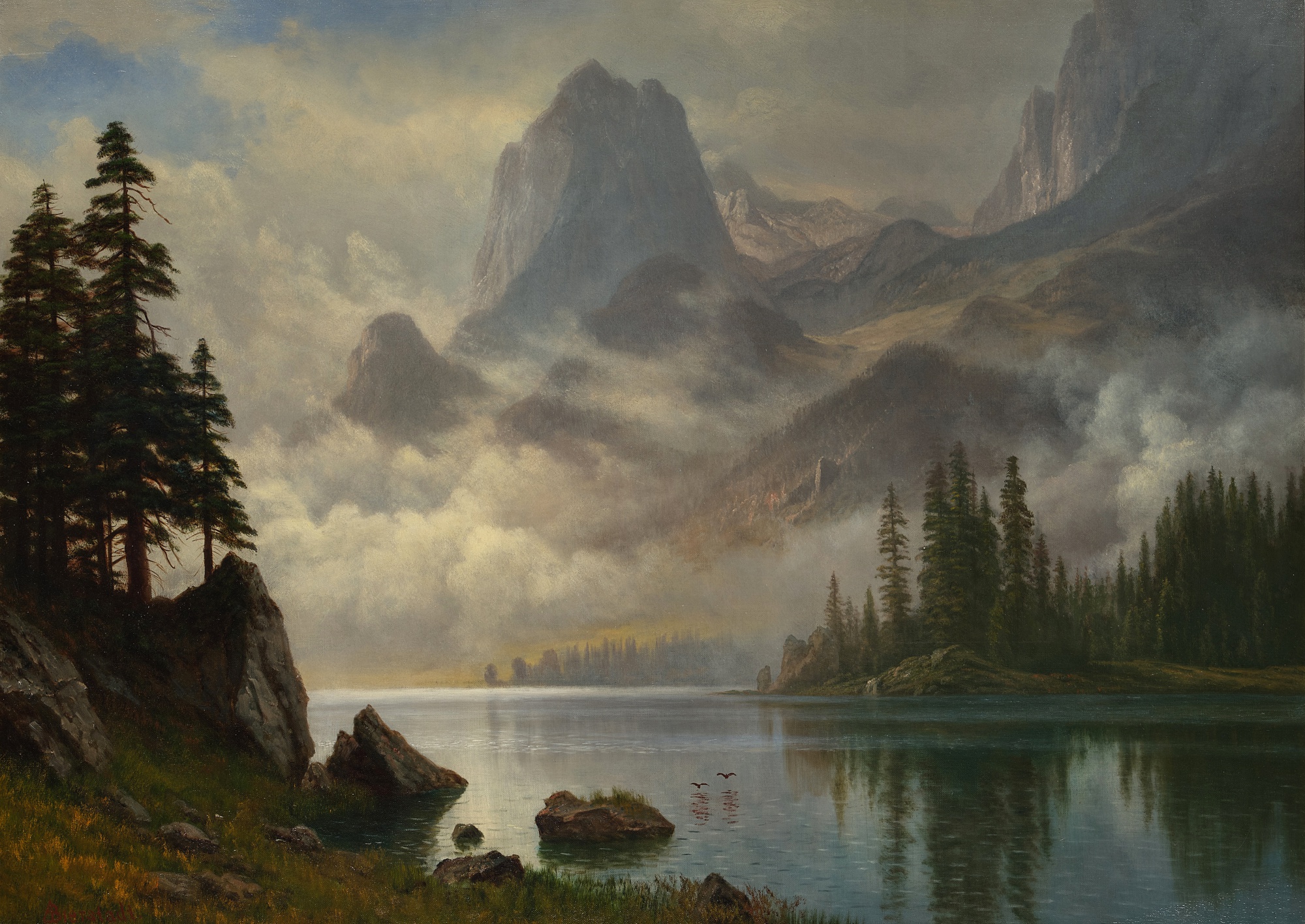
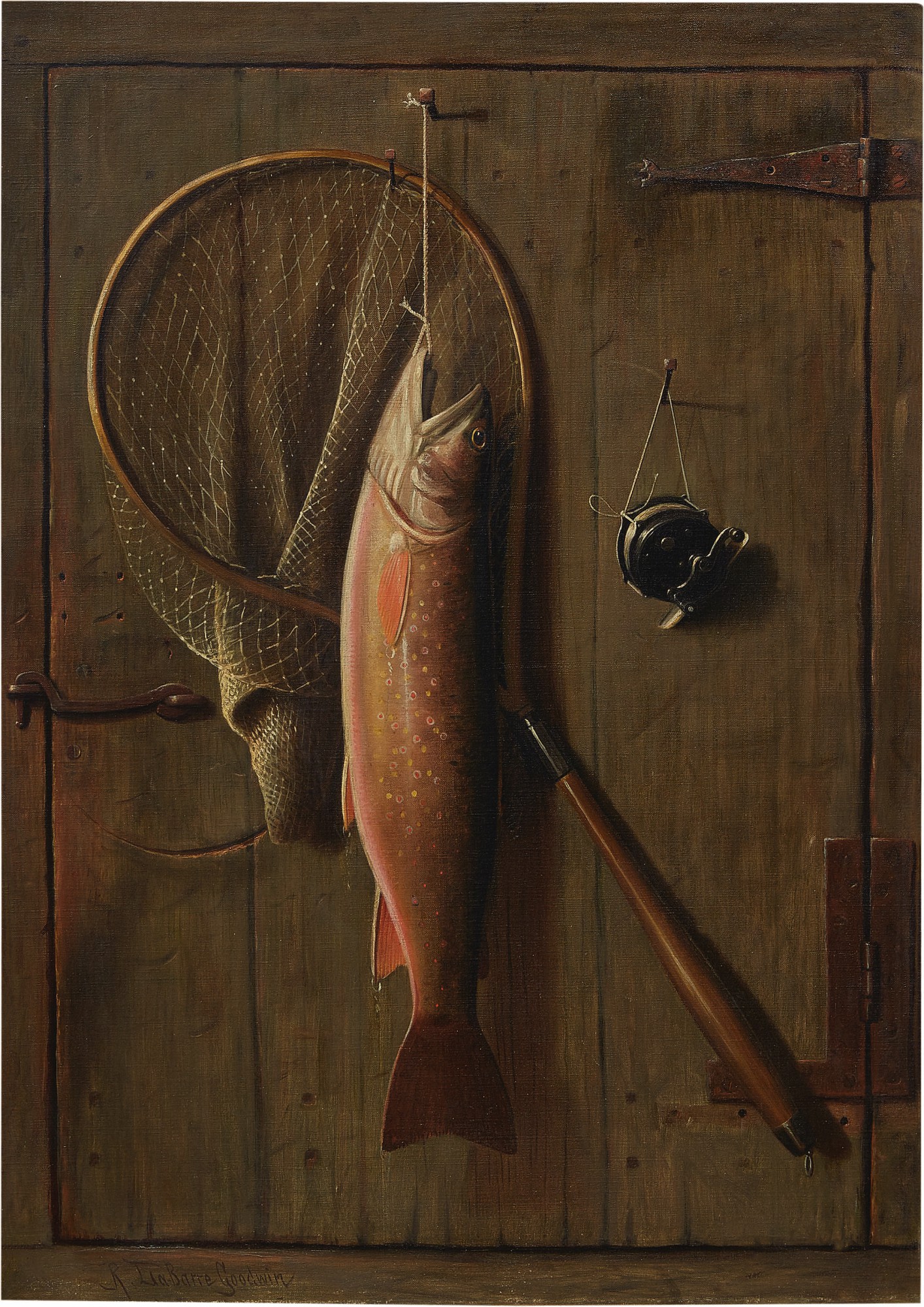
The American West opened up an entirely different chapter. Albert Bierstadt brought grand, almost operatic scale to landscapes that had previously existed only in explorers' journals, and while his sublime mountain vistas are not sporting paintings in the strict sense, they belong to the same imaginative universe: the idea that the natural world is the arena in which human character is tested and revealed. Richard LaBarre Goodwin took a quieter, more intimate approach to the American sporting tradition, painting hunting still lifes with a trompe l'oeil virtuosity that connected him directly to the Dutch and Flemish traditions from which so much of this genre descends. His canvases of game bags, shotguns, and hunting gear hanging on rough wooden doors have a tender materiality that elevates them far beyond trophy painting.
LeRoy Neiman
Moore County Hounds, 1959
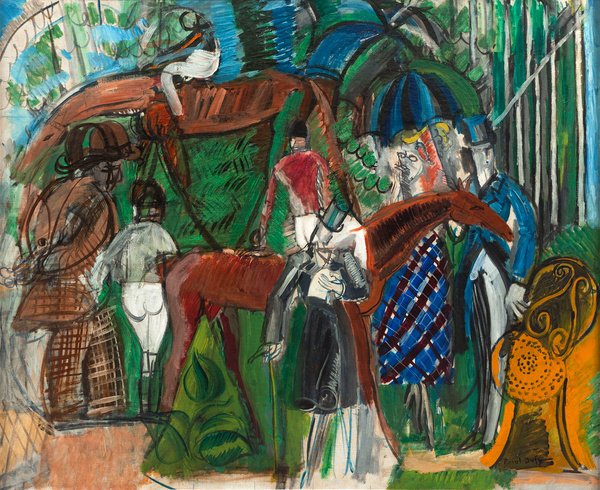
The twentieth century brought new energy and new arguments to sporting art. Raoul Dufy, who loved horses and racetracks with something close to obsession, brought the full chromatic force of his post Fauvist palette to scenes at Epsom, Longchamp, and Deauville, dissolving the boundaries between sport, fashion, and pure painterly pleasure. His racing scenes shimmer with a crowd's energy in a way that no academic painting had quite managed before. Then there is LeRoy Neiman, who remains one of the most debated figures in American art precisely because of how seriously he took the sporting subject at a moment when the art world was moving decisively toward abstraction and conceptualism.
His kinetic, saturated canvases of boxing matches, golf tournaments, and Olympic events captured something real about spectacle and athleticism, even as critics questioned whether spectacle itself was enough. What unifies this long tradition, from Wootton's aristocratic equestrian portraits to Neiman's television bright celebrations of athletic spectacle, is a belief that human beings in motion, in competition, in relationship with animals and landscape and one another, constitute a subject worthy of sustained artistic attention. The sporting image has always been a place where social aspiration, aesthetic pleasure, and genuine human drama intersect. The works gathered in this category on The Collection reflect the full range of that ambition, from the controlled elegance of the English hunting tradition to the bravura energy of twentieth century American sports culture.
Raoul Dufy
Le paddock, 1913
Together they make the case, quietly but convincingly, that painting sport is not a lesser calling. It is simply one of the oldest ways we have of asking what we value, and who we want to be.