Maximilien Luce
Artist Spotlight
Light, Labor, and Luminous Beauty
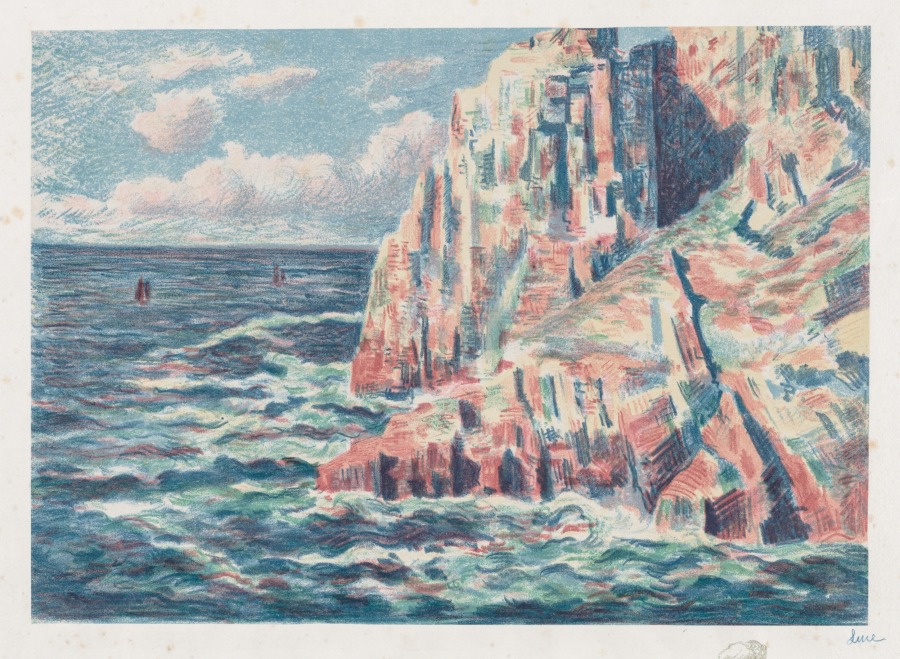
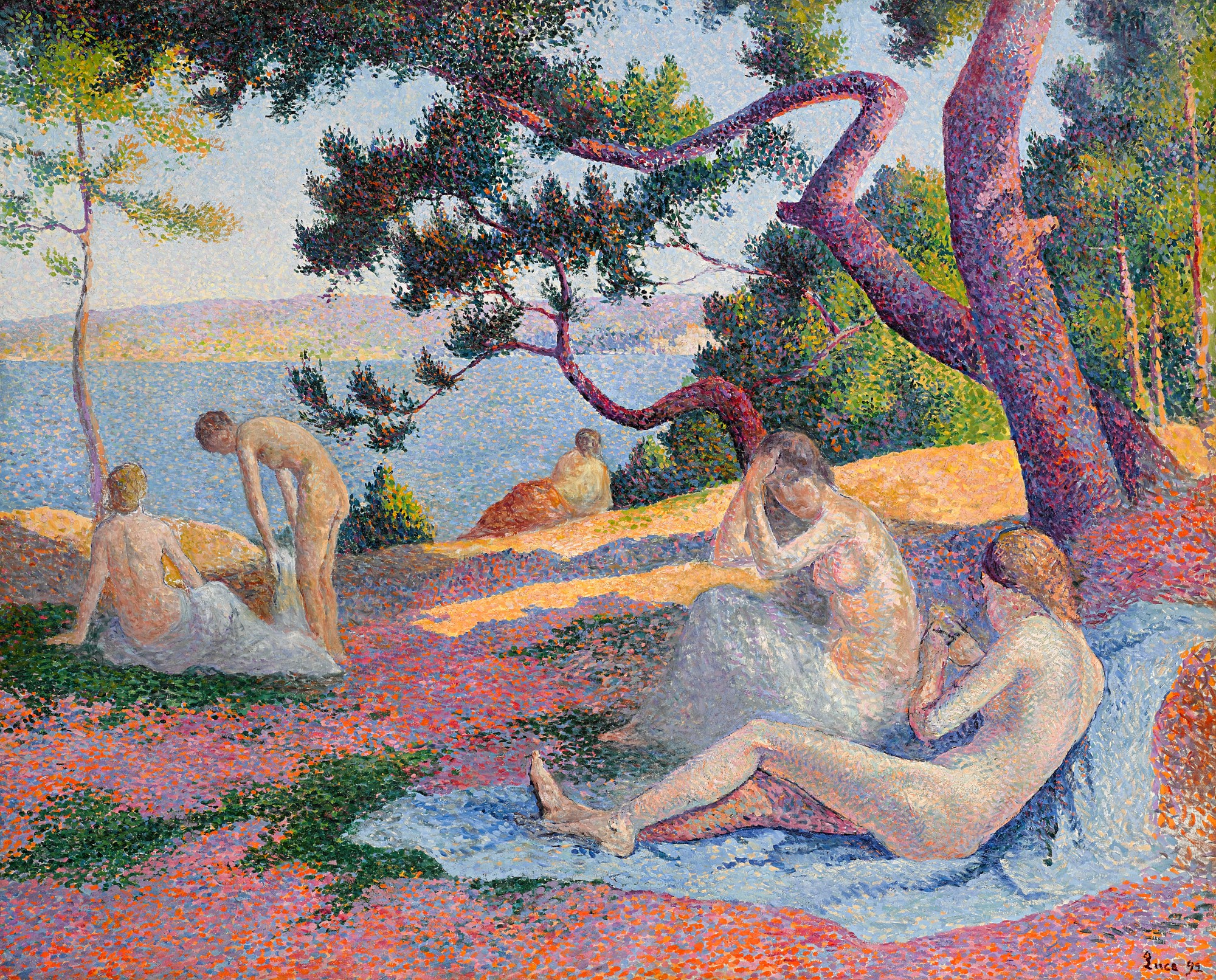
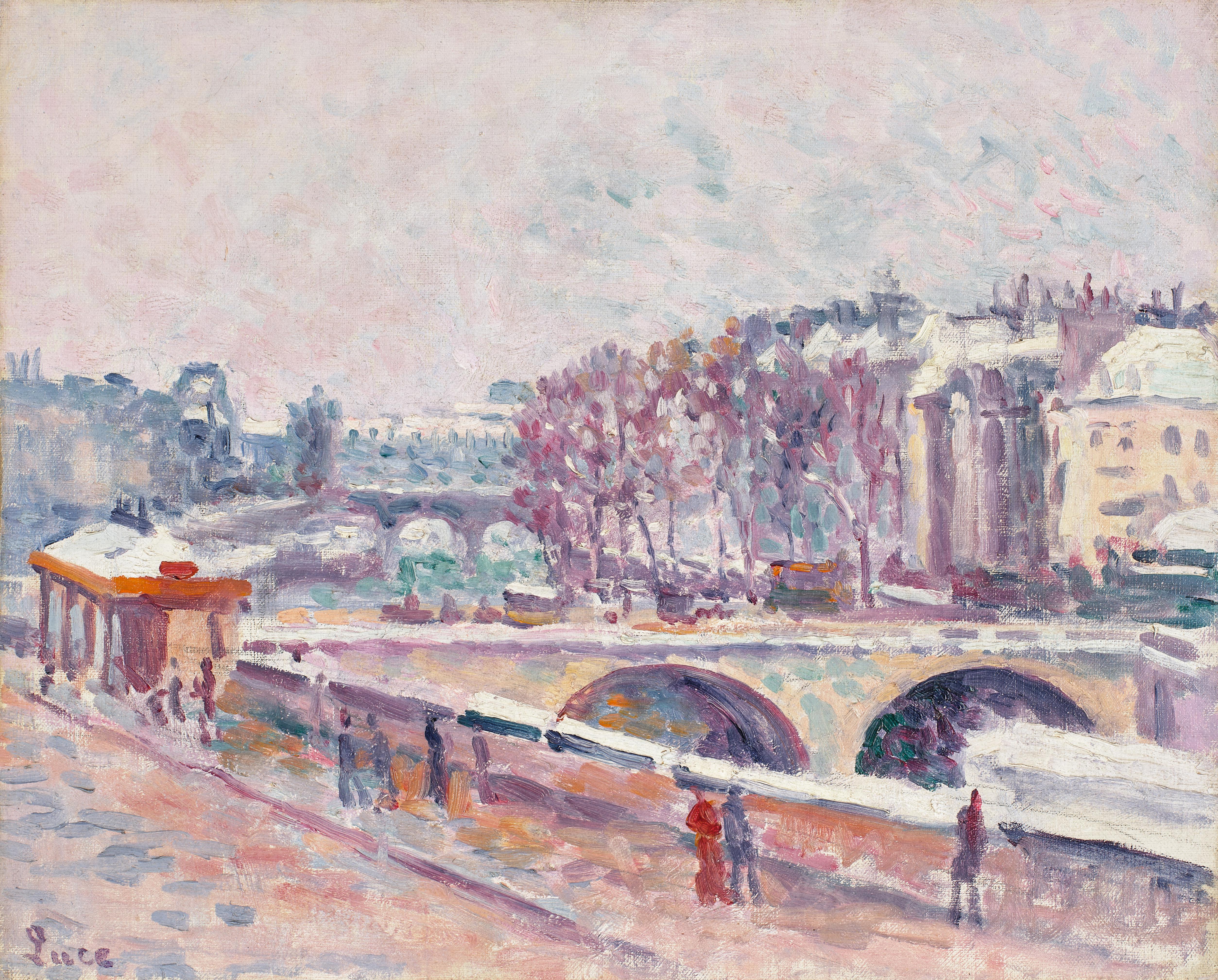
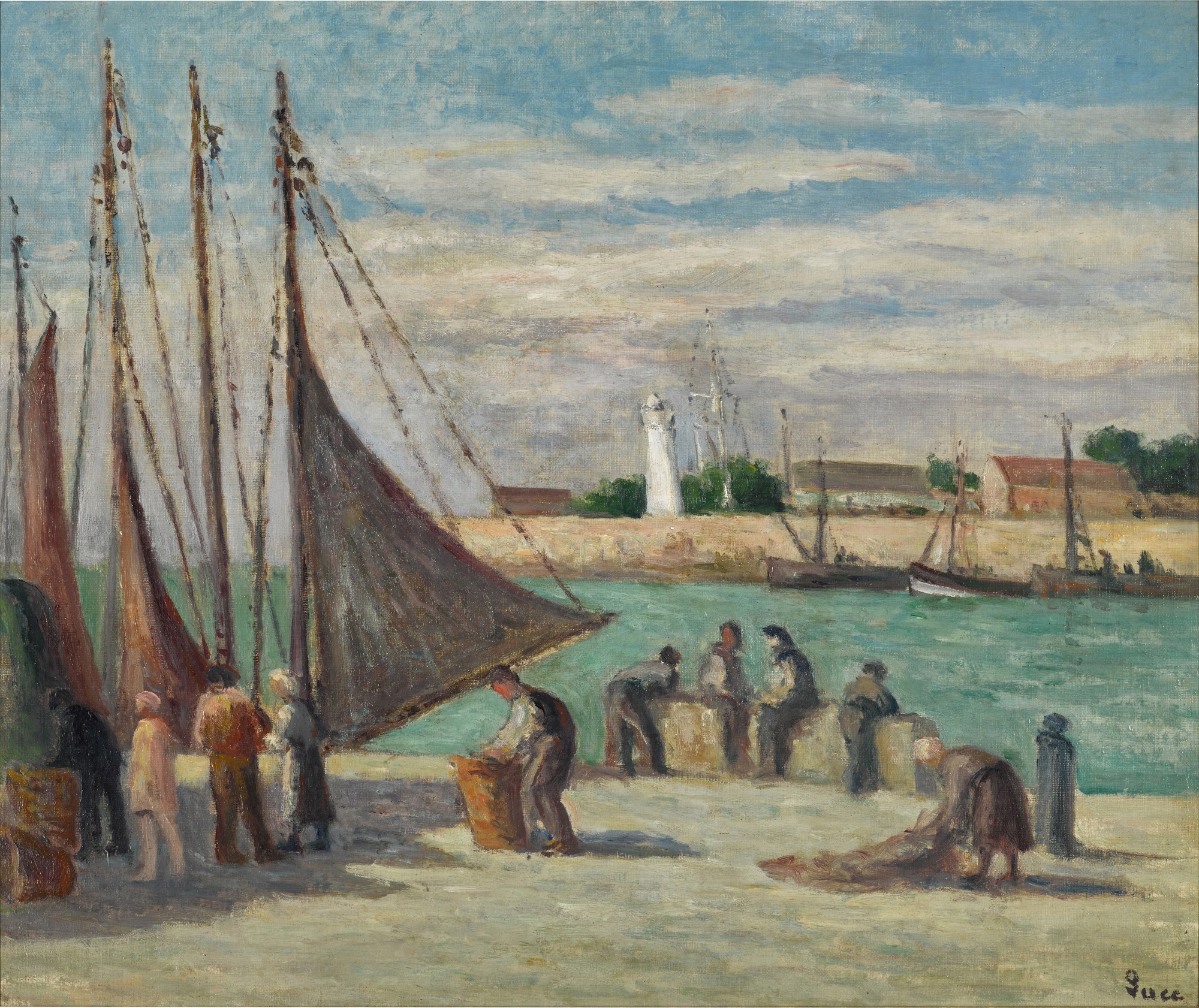
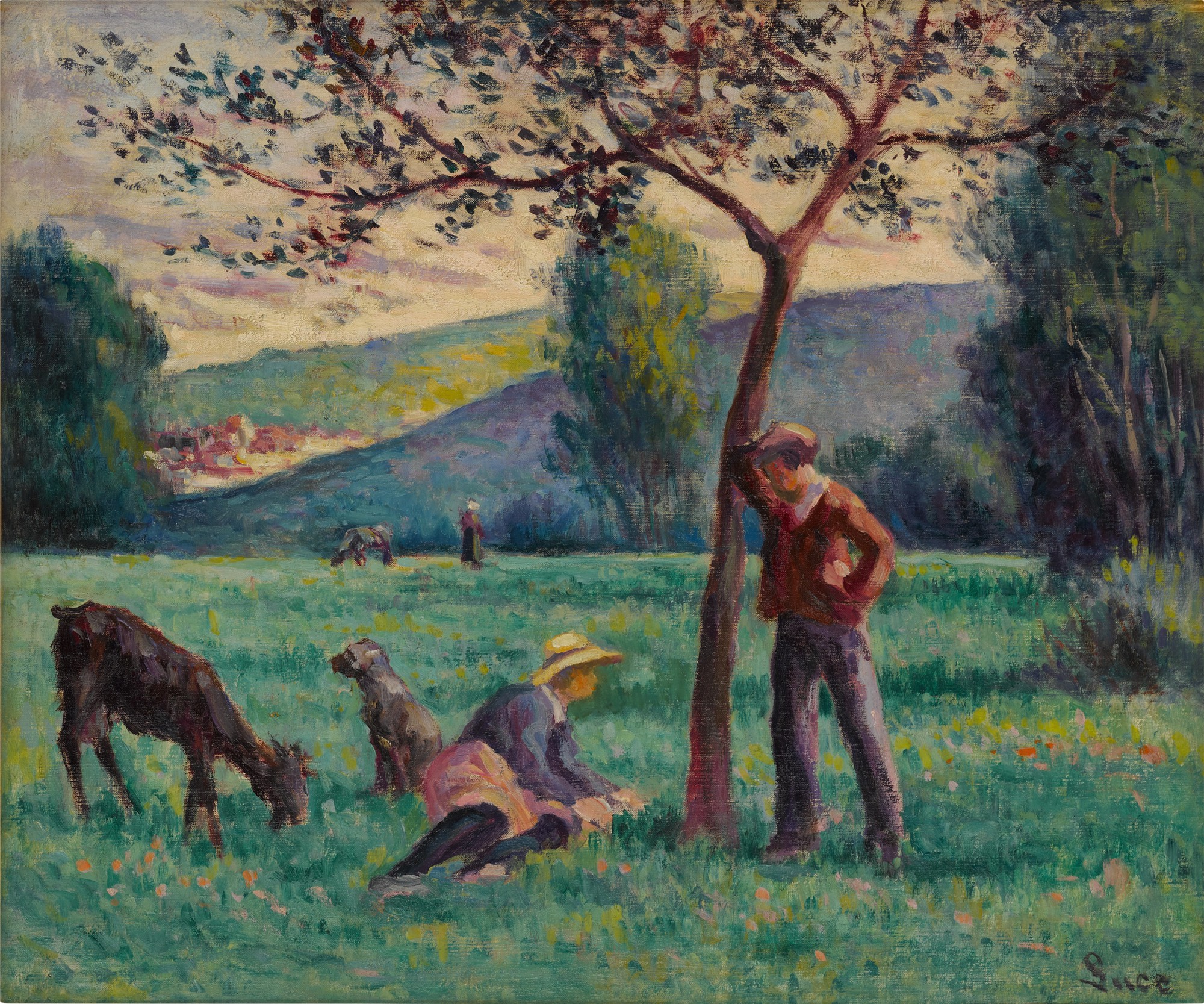
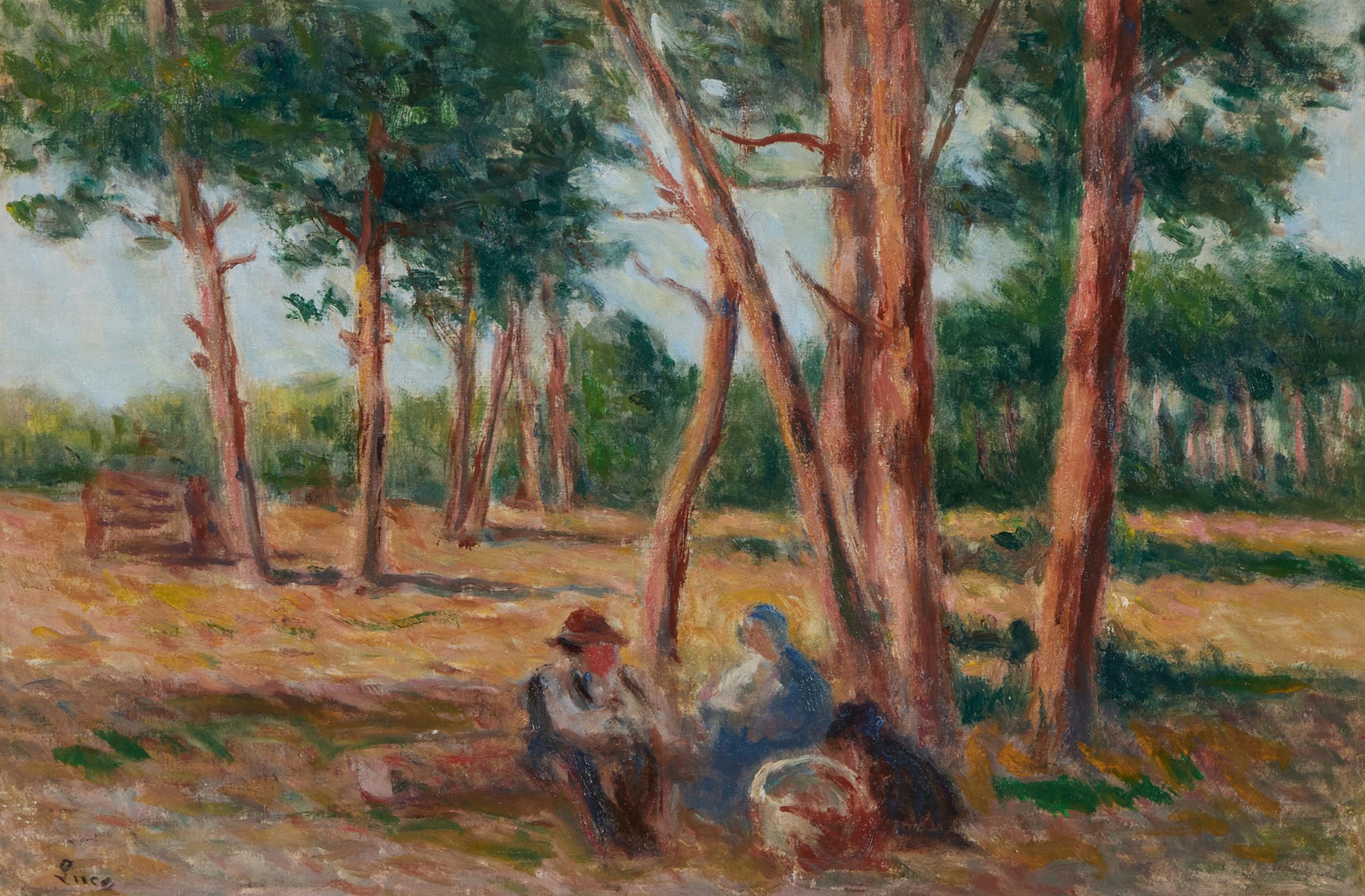
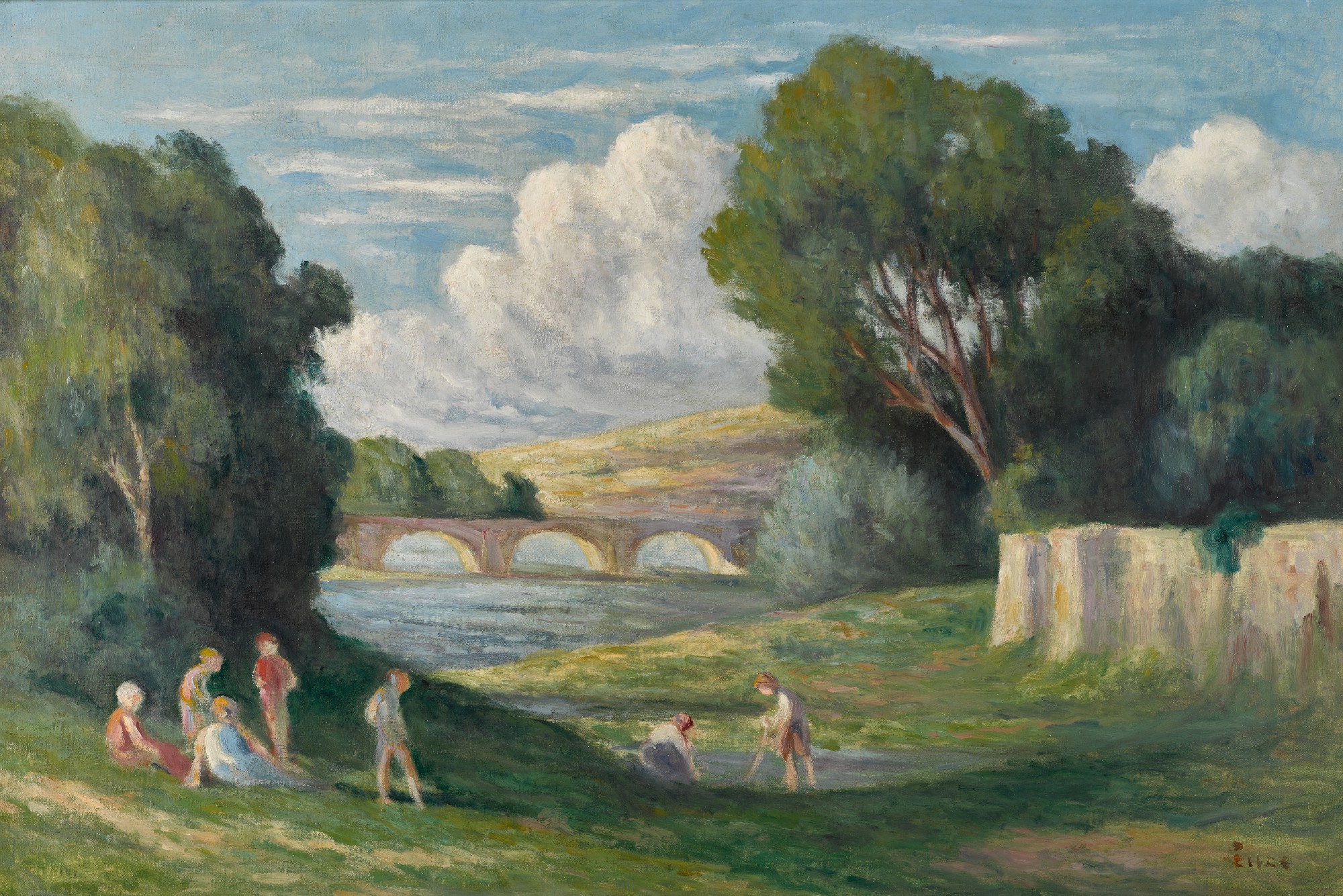
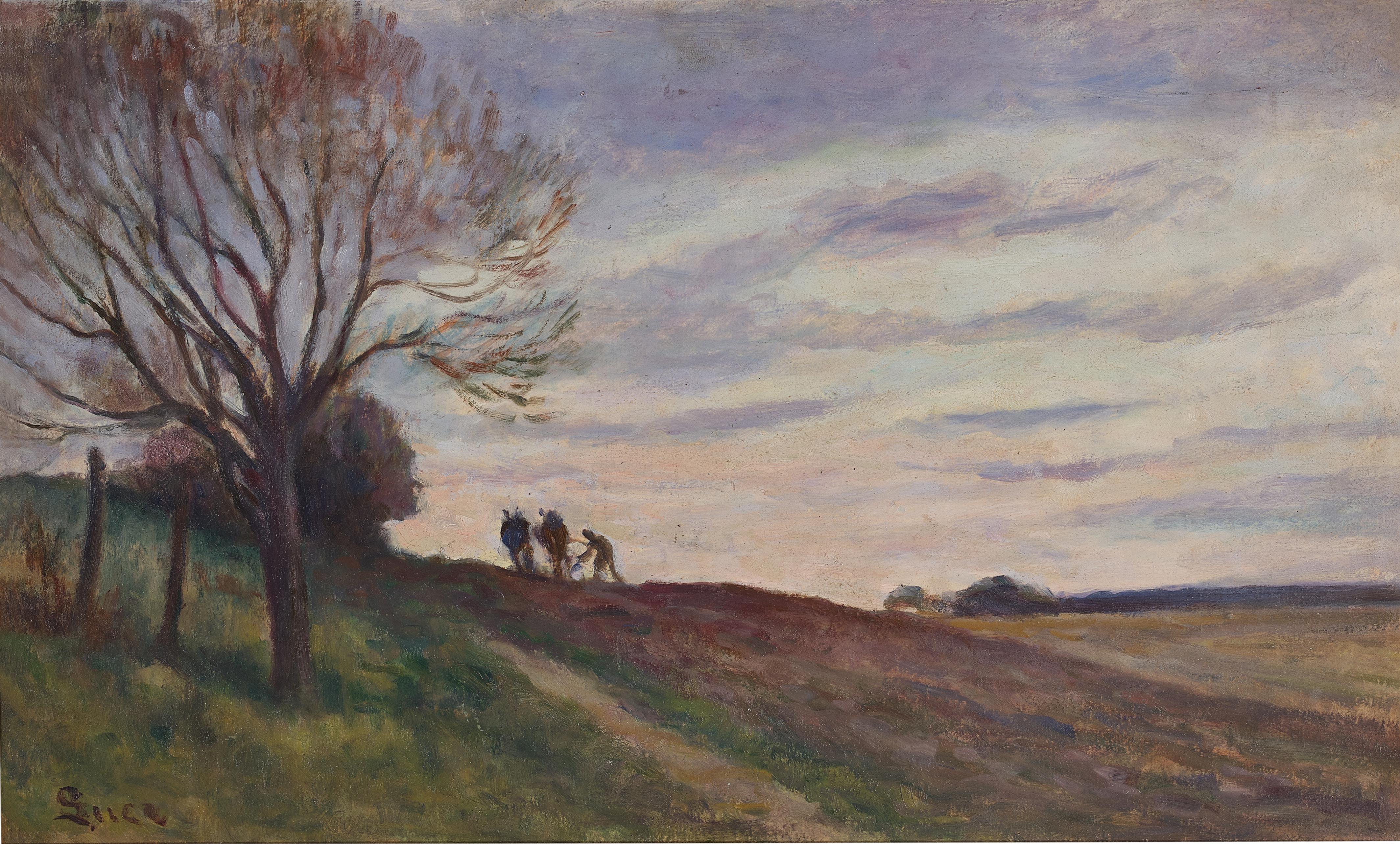
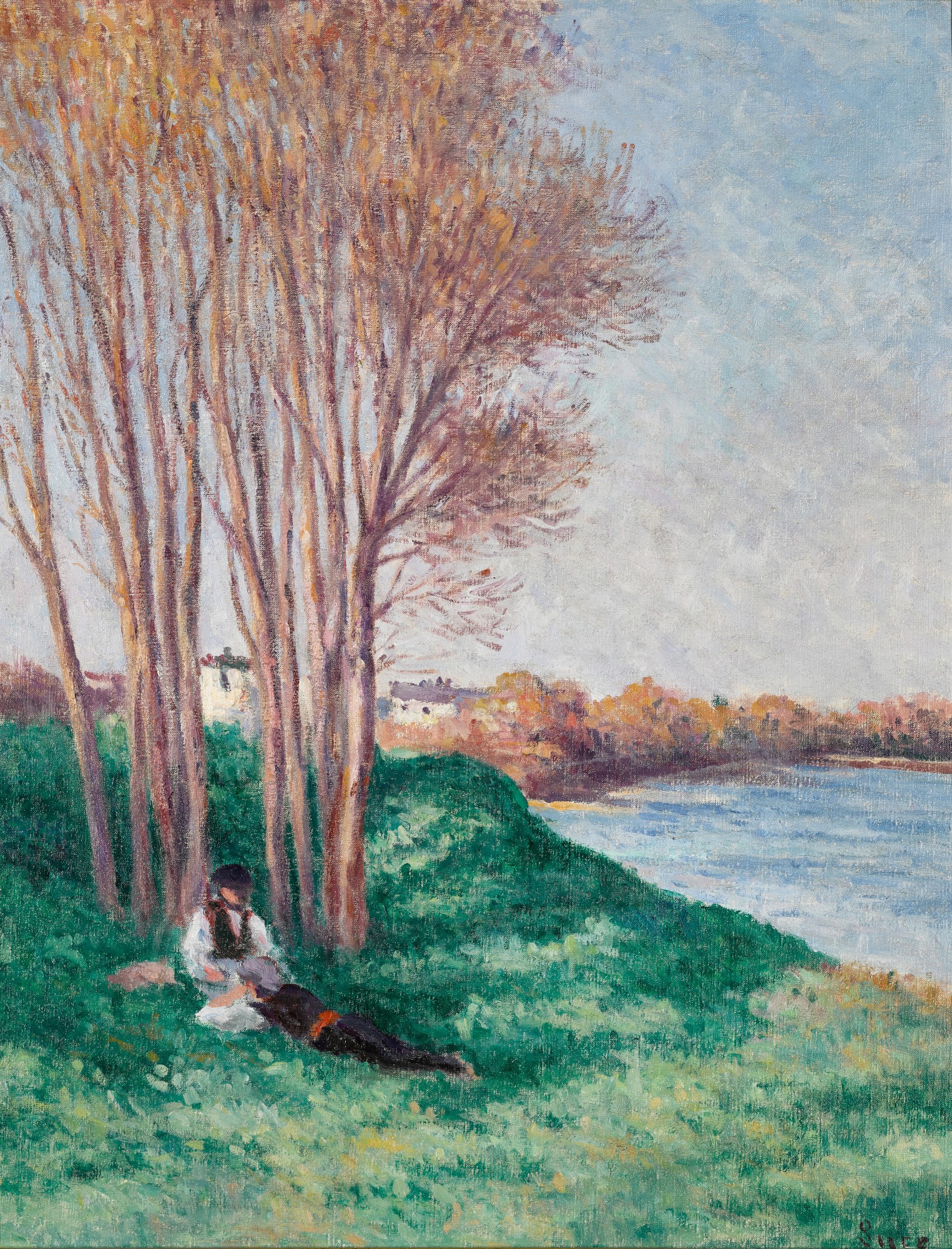
There is a particular kind of painter whose work rewards patience, whose canvases open slowly like a conversation deepening over time. Maximilien Luce is such a painter. Though his name may not ring out as immediately as those of his celebrated contemporaries Georges Seurat or Paul Signac, museum curators and serious collectors have long known that Luce represents something singular within the Neo Impressionist canon: a voice at once technically brilliant and morally committed, a man who painted sunlight on water with the same conviction he brought to depicting the dignity of workers and the… Continue reading
Spotted by
Artists in conversation
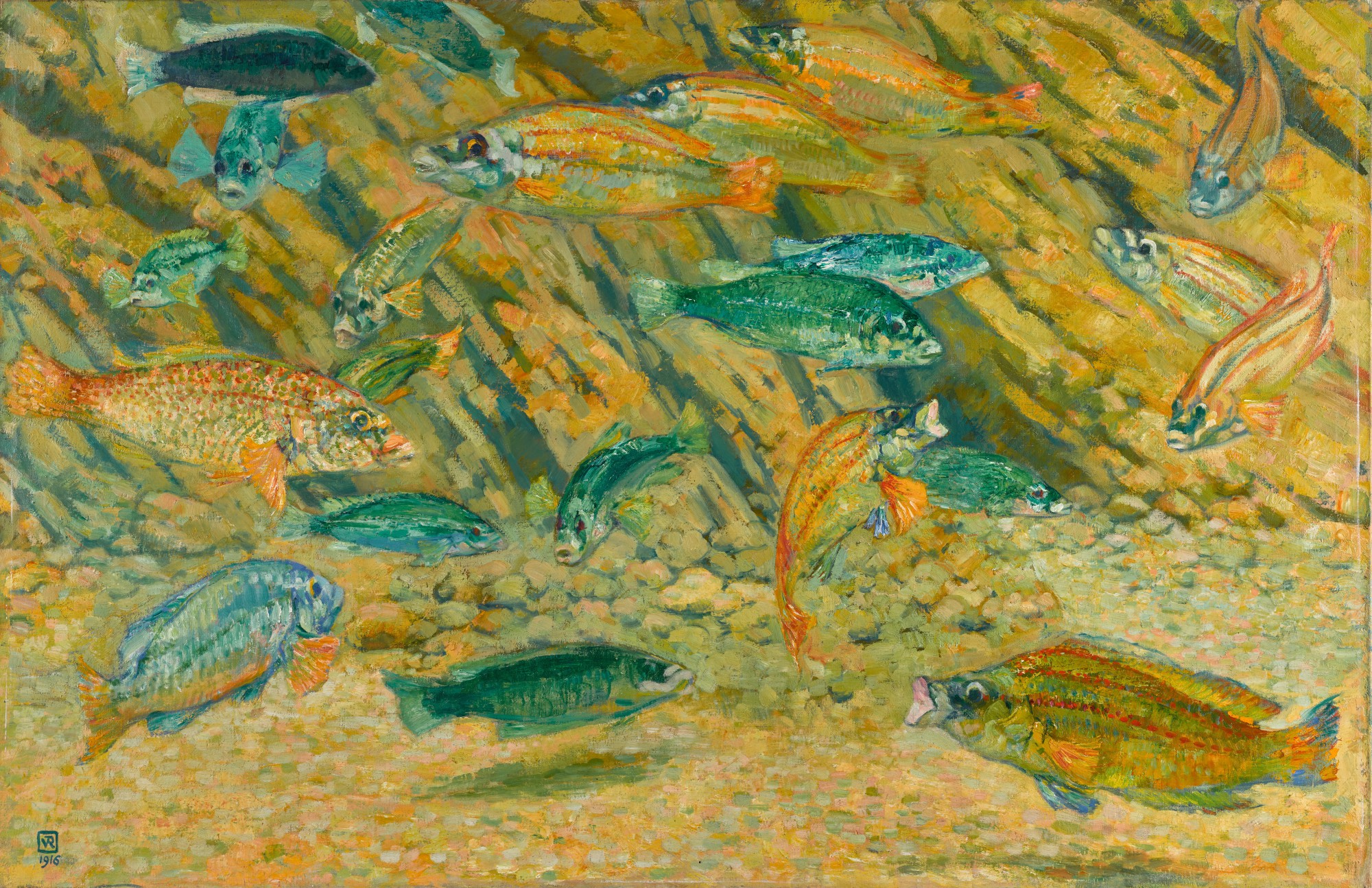
Théo van Rysselberghe
Van Rysselberghe was a leading Neo-Impressionist who applied the Divisionist technique to landscapes, urban scenes, and figure studies in a manner closely parallel to Luce's own pointillist practice and atmospheric light studies.
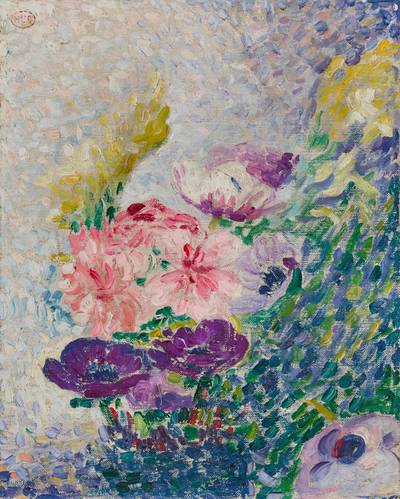
Henri Edmond Cross
Cross shared Luce's commitment to Neo-Impressionist color theory and worked extensively in oil with richly divided chromatic brushwork, producing landscapes and figure compositions that sit within the same stylistic and theoretical territory as Luce's output.
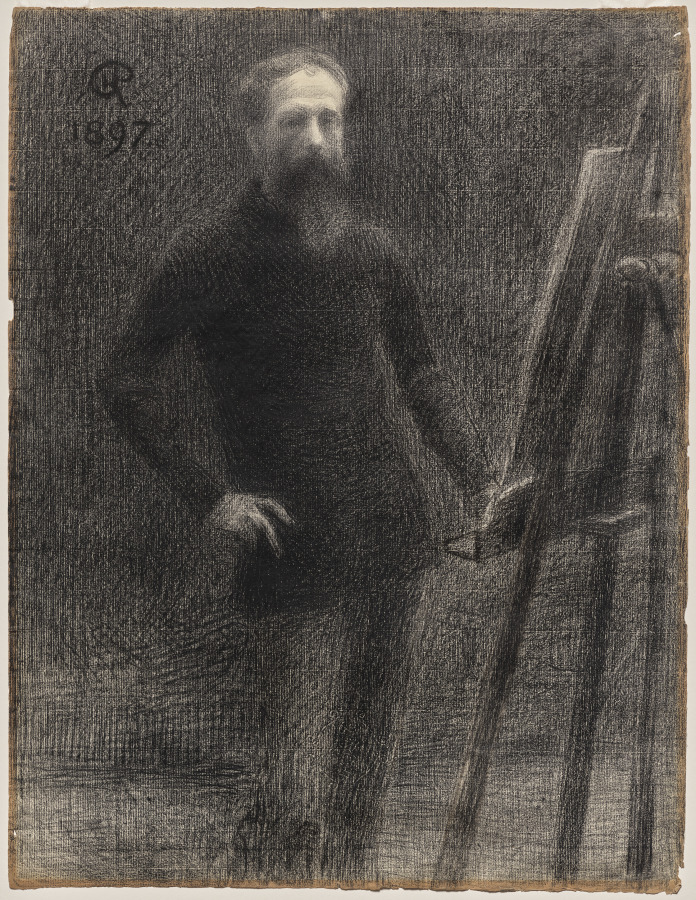
Hippolyte Petitjean
Petitjean was a close associate of the Neo-Impressionist circle who employed Divisionist techniques in his depictions of working figures and landscape, placing his work in direct aesthetic kinship with Luce's painterly approach and social subject matter.
Artists who inspired them
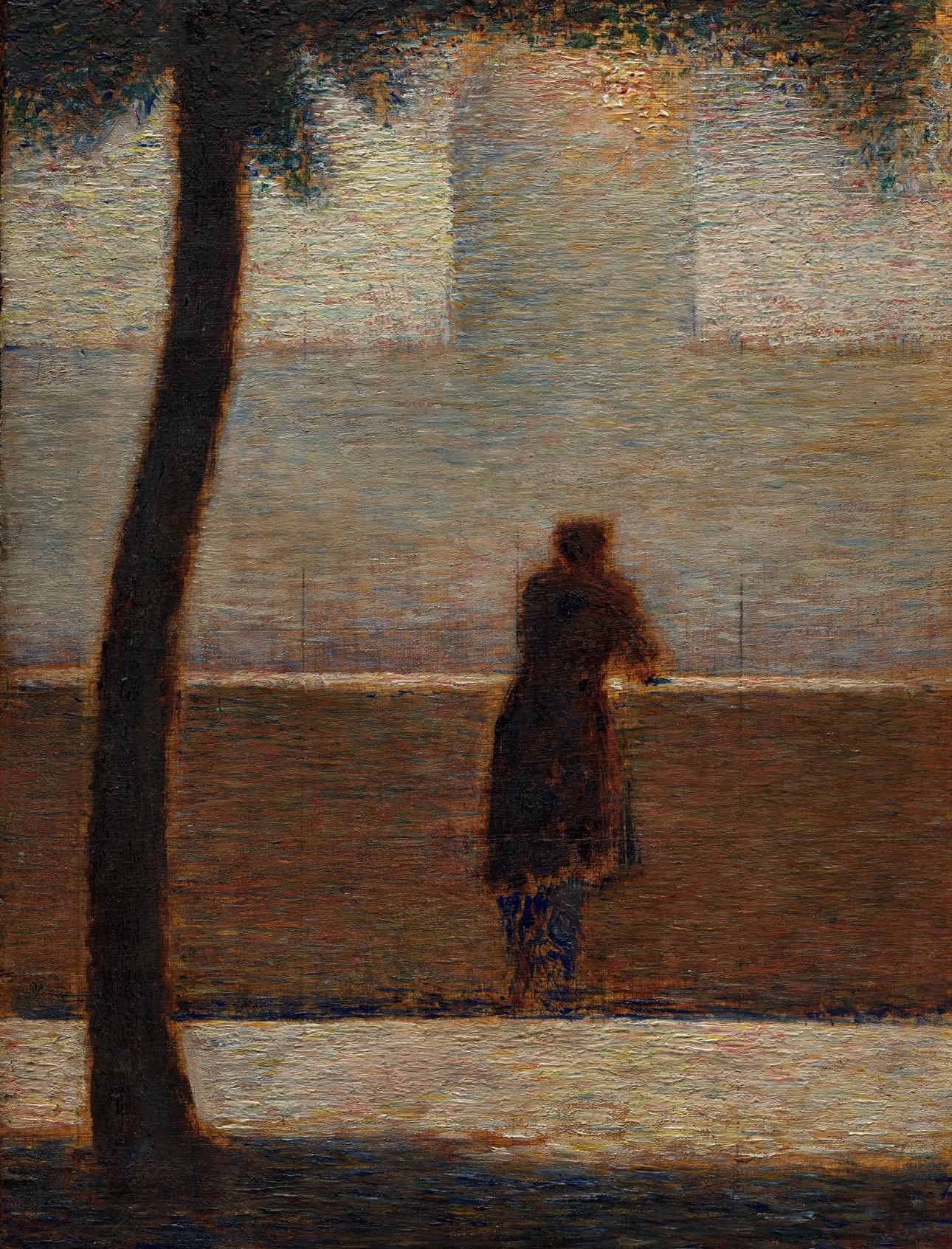
Georges Seurat
Seurat invented the Pointillist method that Luce adopted in the late 1880s, and his systematic approach to color division and optical mixing became the foundational technical framework for Luce's entire mature painting practice.
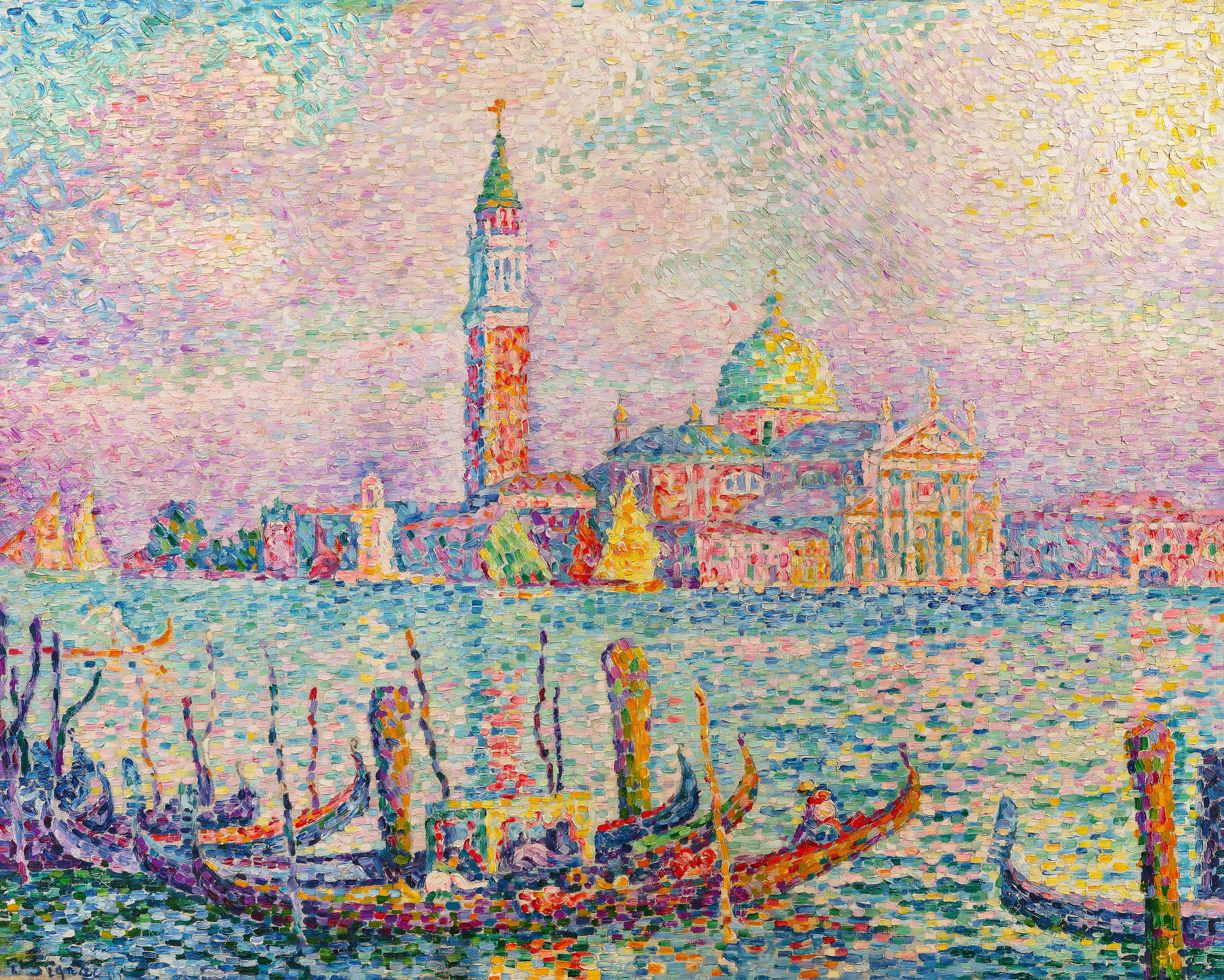
Paul Signac
Signac was a personal friend and mentor who introduced Luce to the Neo-Impressionist circle and reinforced both the Divisionist technique and the anarchist political convictions that shaped the social content of Luce's most important works.
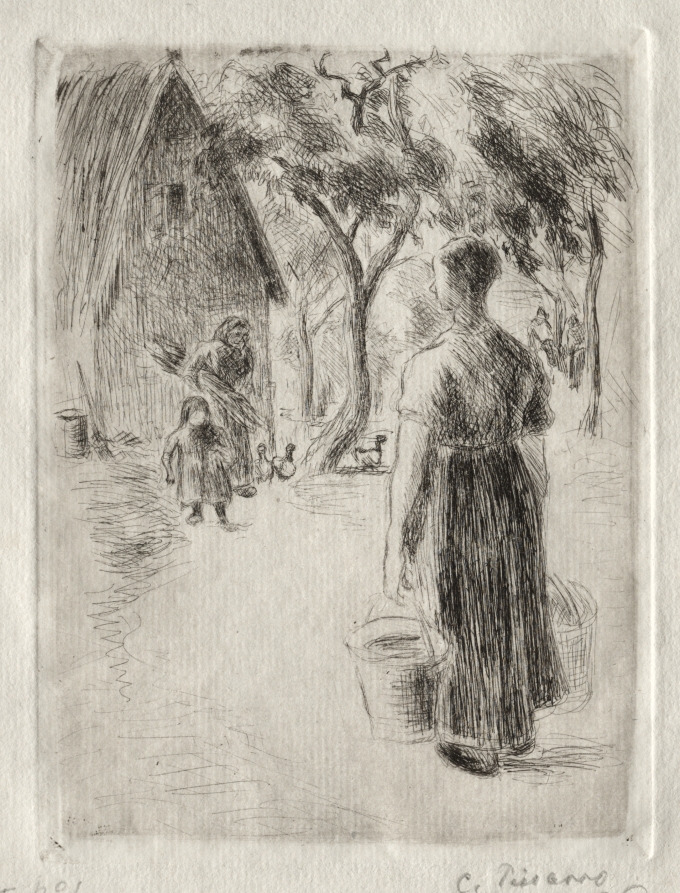
Camille Pissarro
Pissarro befriended Luce in the 1880s and shared his anarchist sympathies alongside a deep commitment to depicting rural and working class labor, directly influencing both the political sensibility and the landscape oriented subject matter in Luce's art.