Oil On Cardboard
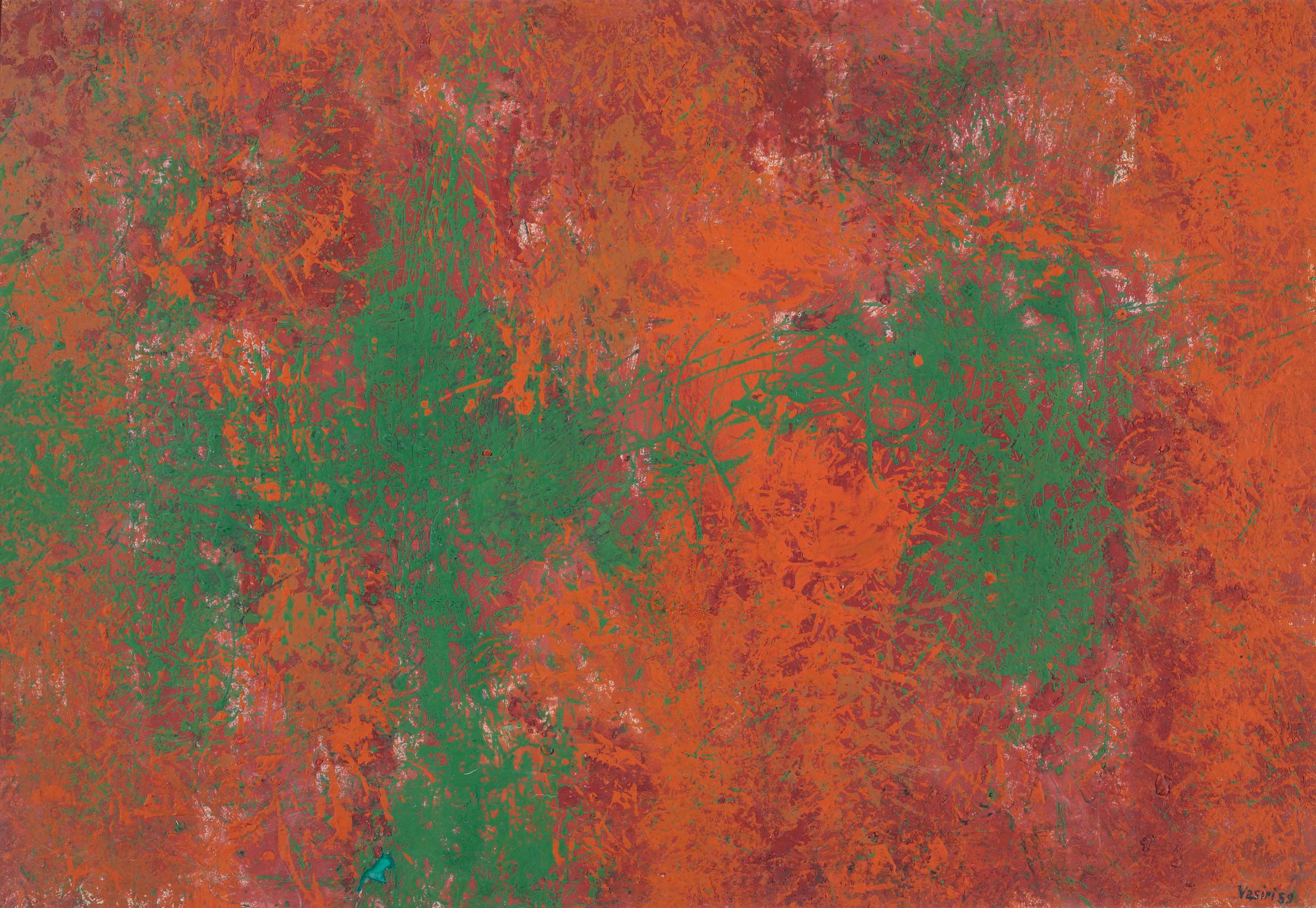
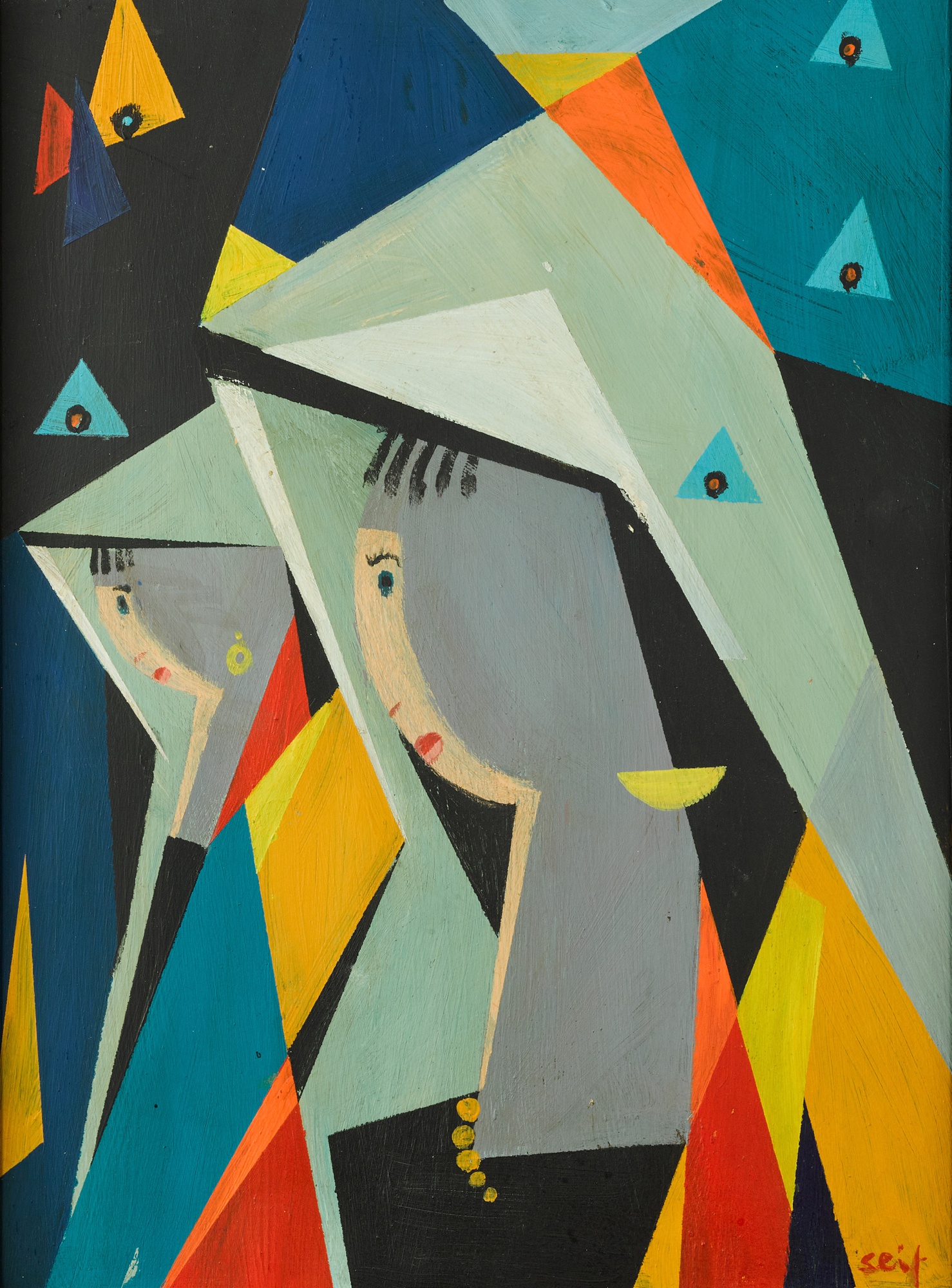
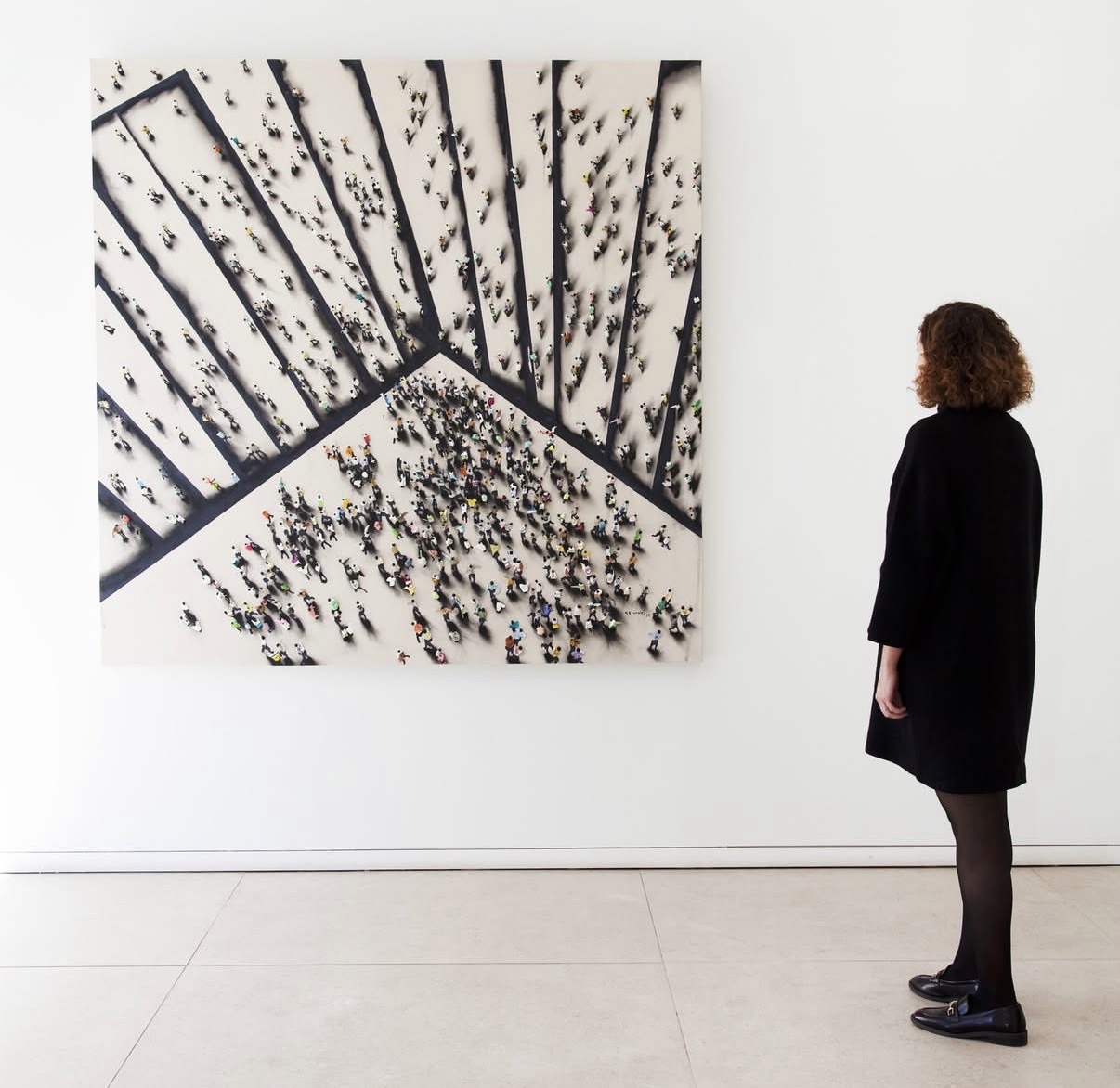
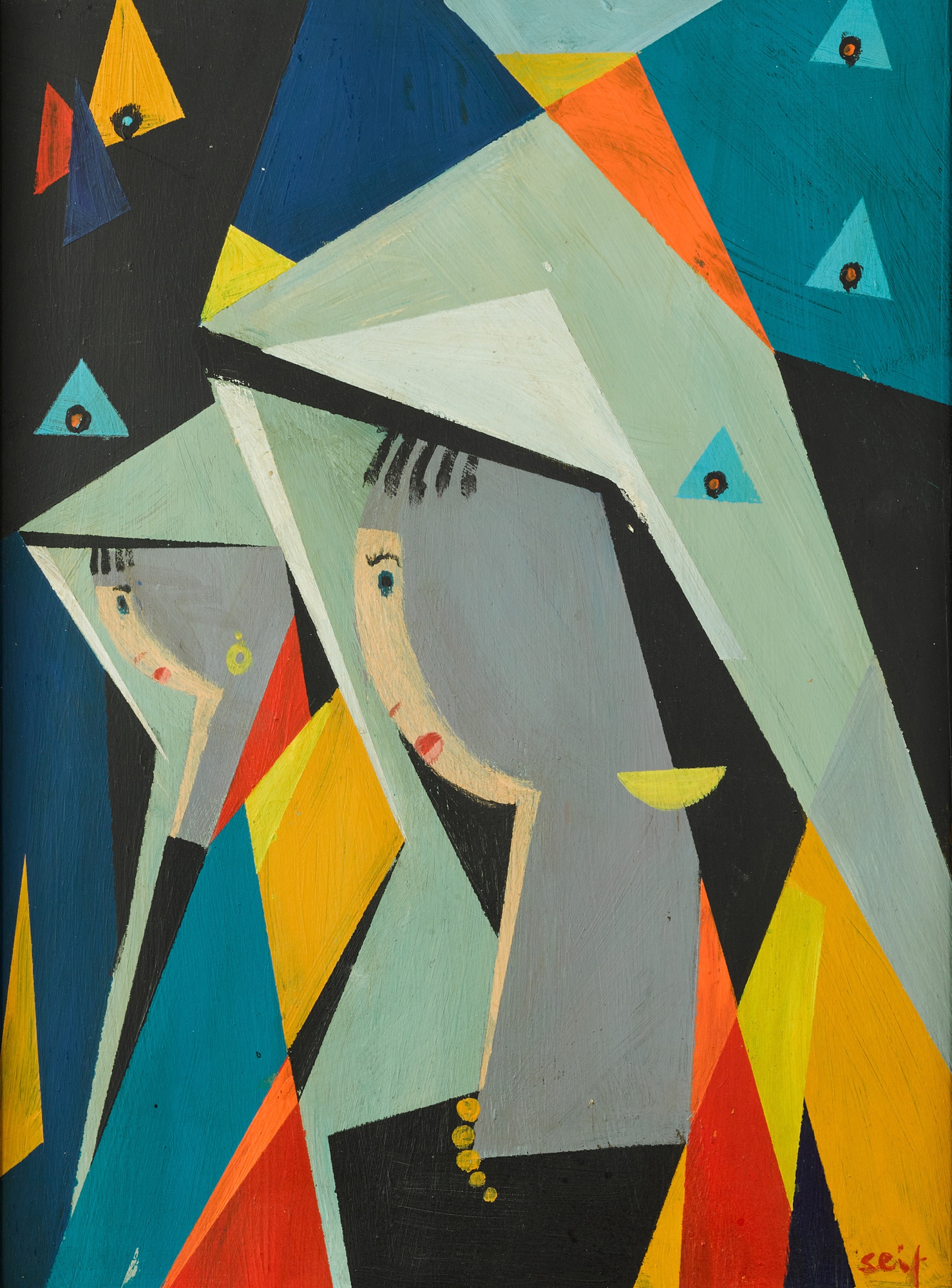
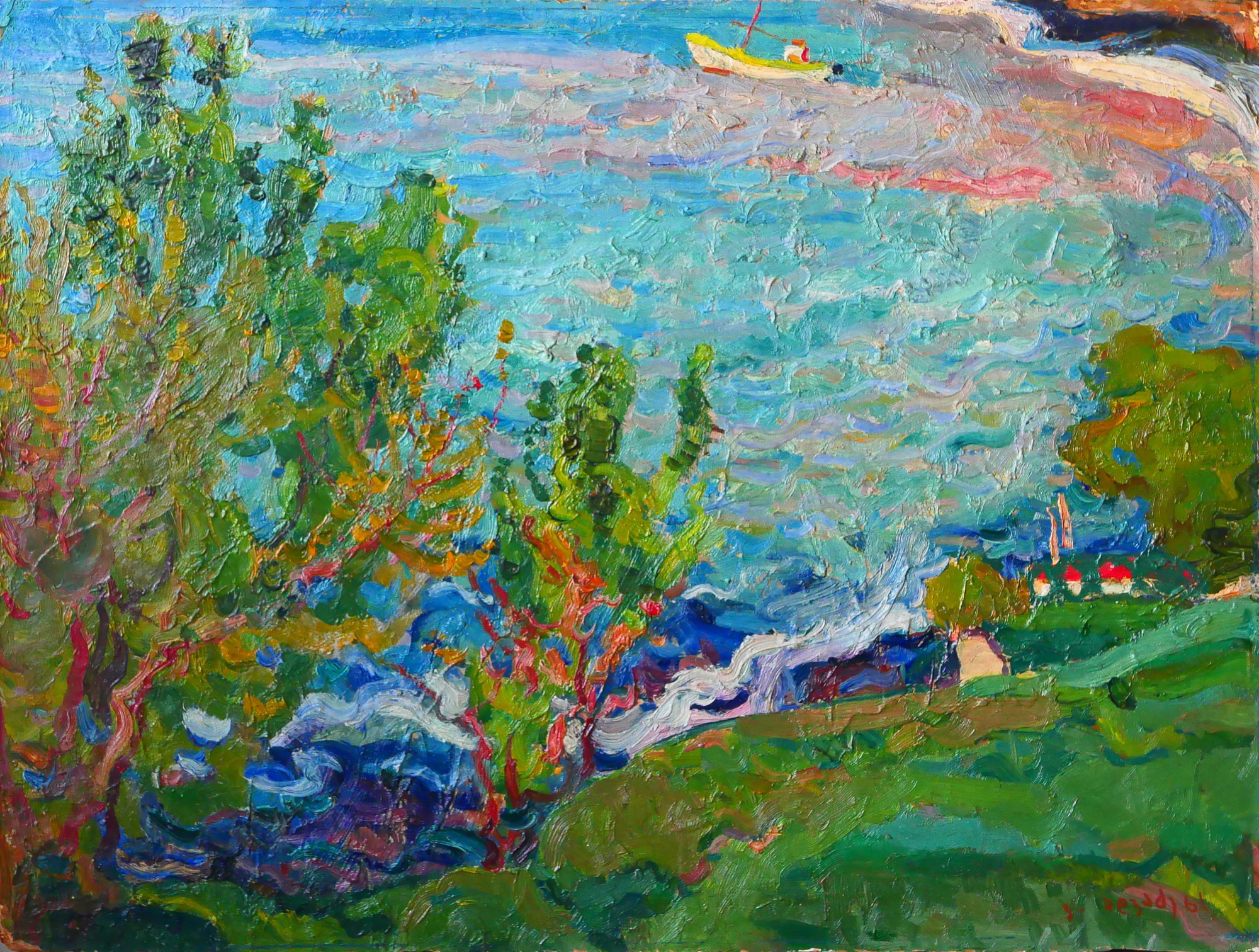
Mohsen Vaziri Moghaddam
Untitled (From the ‘Shape and Space’ series), 1959

The Humble Support That Keeps Surprising Everyone
When a small oil on cardboard by Henri de Toulouse Lautrec came to auction at Christie's Paris a few seasons ago, it sold for nearly three times its high estimate. The work was not a finished canvas, not a grand statement. It was a study, gestural and raw, made on the kind of cheap board an artist grabs when the idea arrives faster than the preparation. What that result told seasoned buyers was something the market had been quietly confirming for years: the support matters far less than the touch, and sometimes the informal support brings you closer to the touch than anything else.
Oil on cardboard occupies a peculiar and fascinating position in the hierarchy of media. For much of the twentieth century it was treated as a footnote, a provisional category, something the auction cataloguers noted almost apologetically. Works on paper commanded attention; paintings on canvas carried prestige. Cardboard sat between those categories, neither fully one nor the other, and that ambiguity kept prices artificially low for a long time.
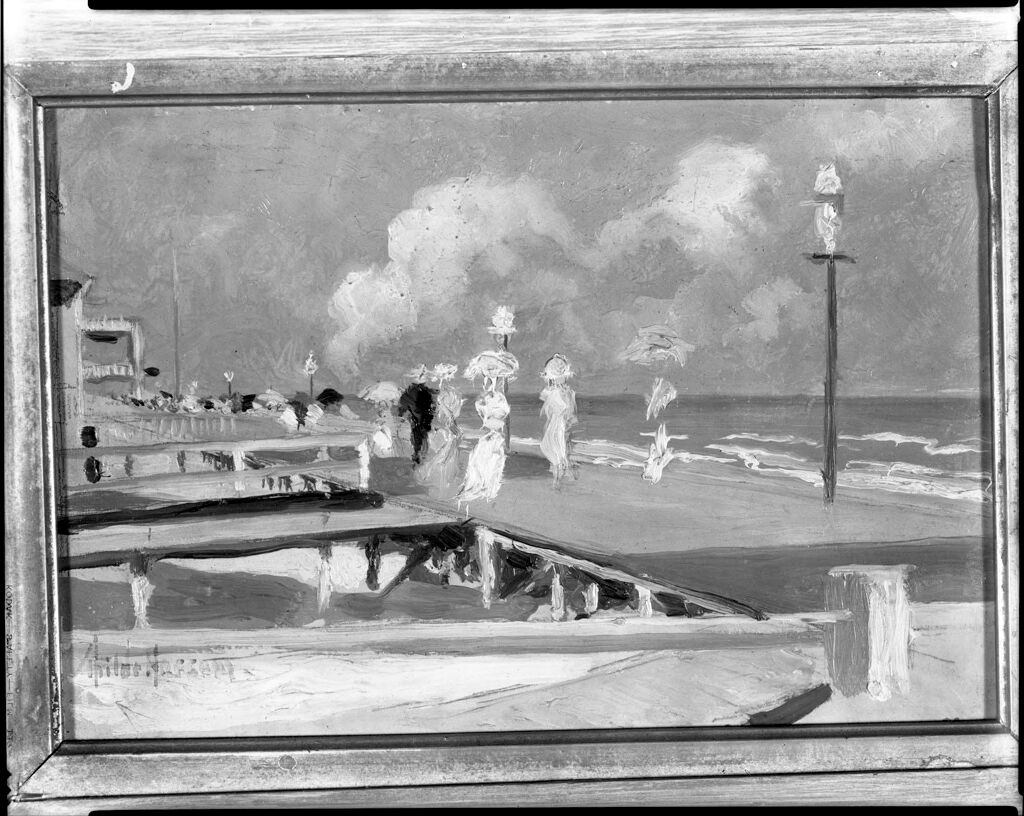
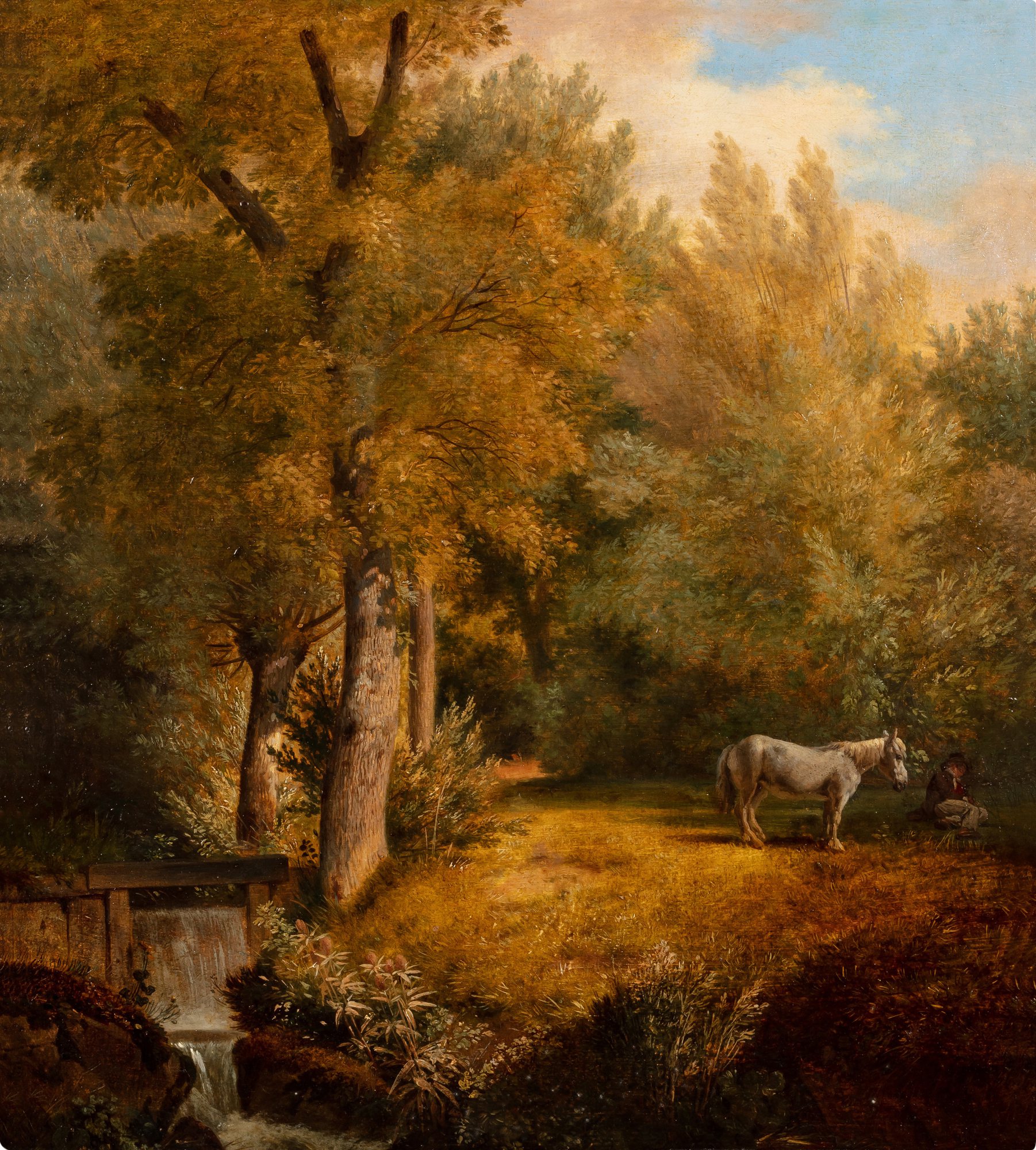
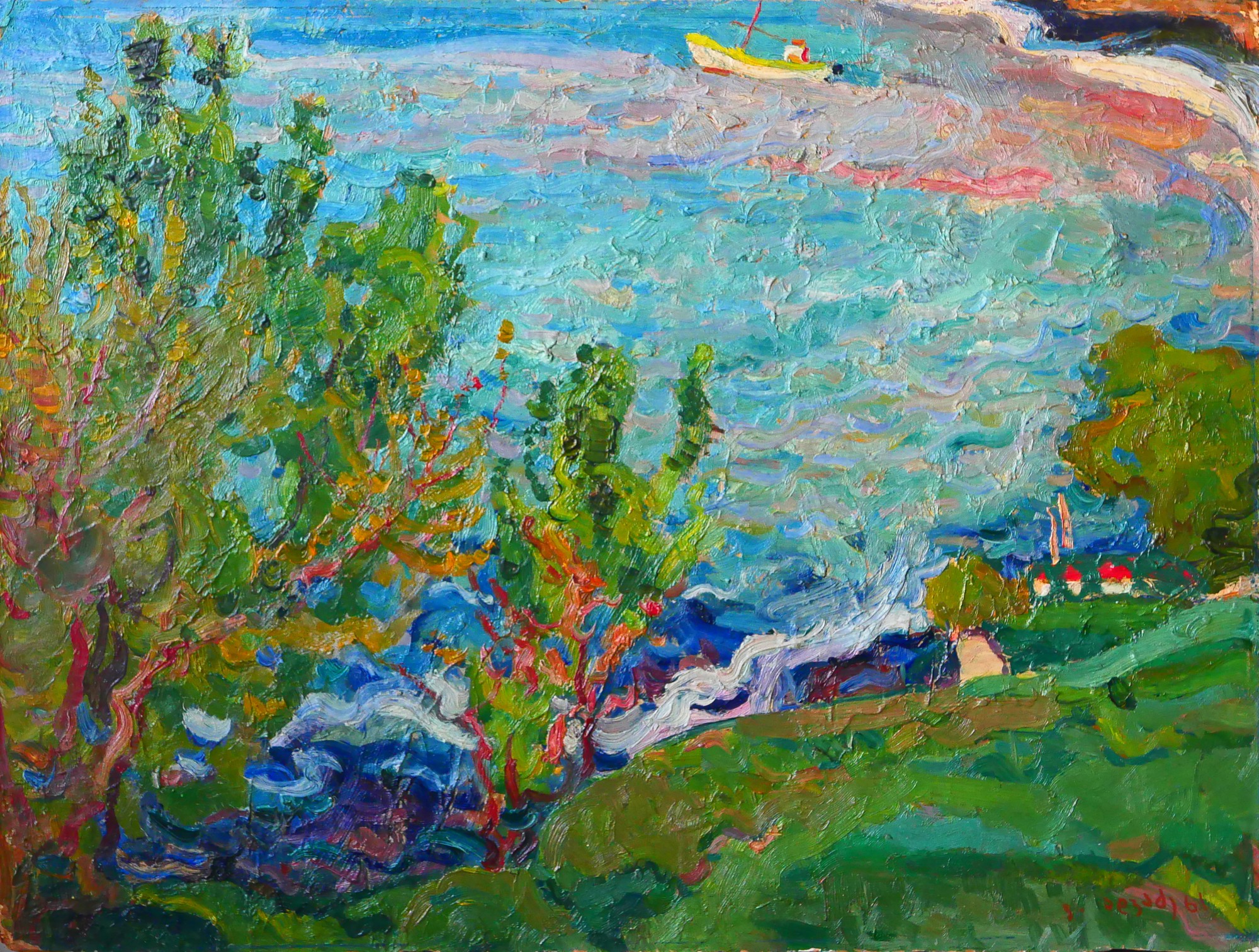
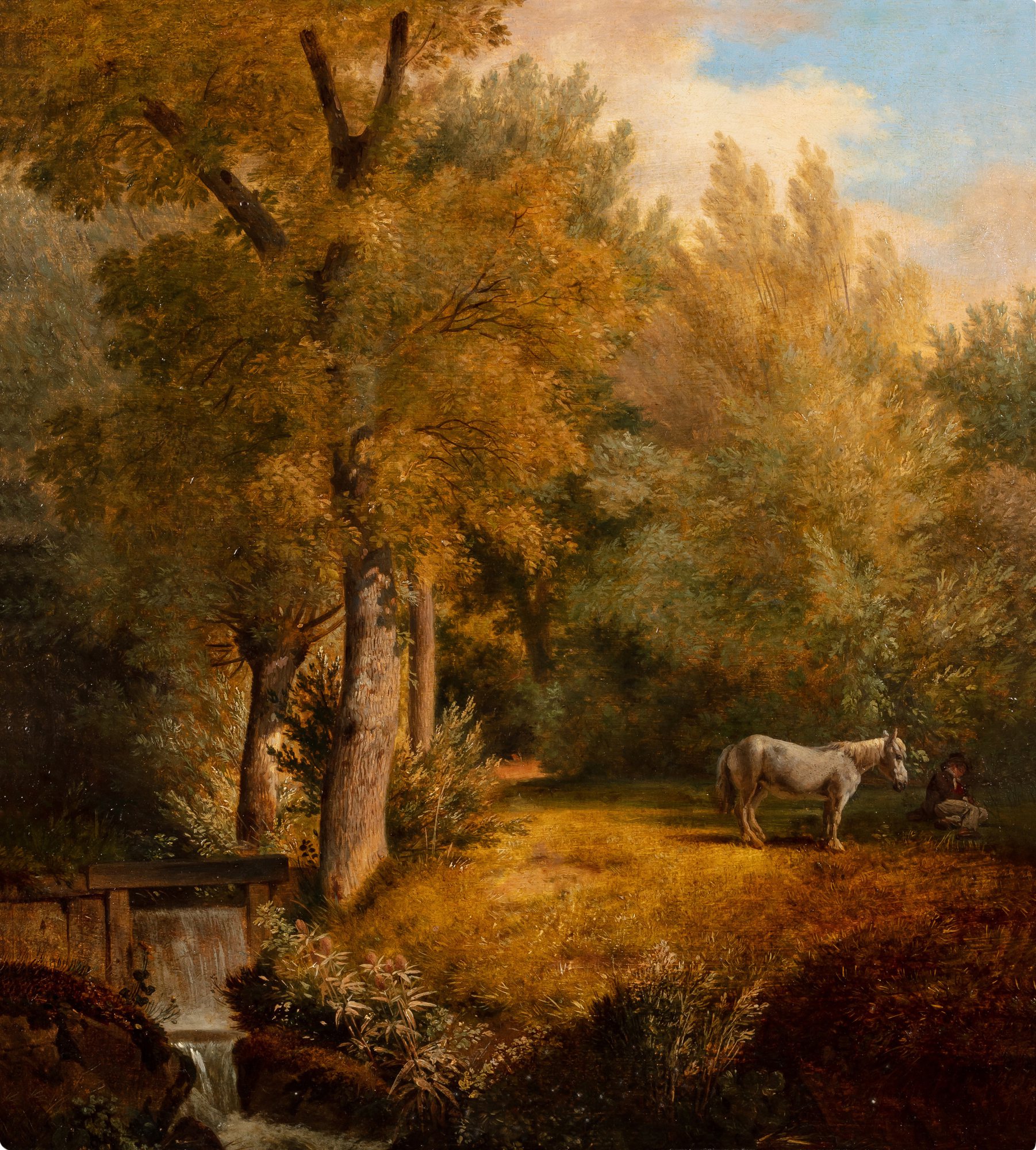
Imitator of Childe Hassam
Boardwalk by the Sea
That suppression, as collectors who moved early understood well, was an opportunity rather than a verdict. The critical reassessment gained visible momentum through a series of exhibitions that emphasized process and materiality over finish and scale. The Centre Pompidou's sustained interest in Arte Povera and related tendencies drew renewed attention to artists who worked with whatever was available, and that curatorial lens spread outward. Shows examining the working methods of the Fauves and the Cubists, particularly those mounted in Paris and Basel in the early 2010s, consistently demonstrated that some of the most electrifying moments in early modernism happened on cardboard.
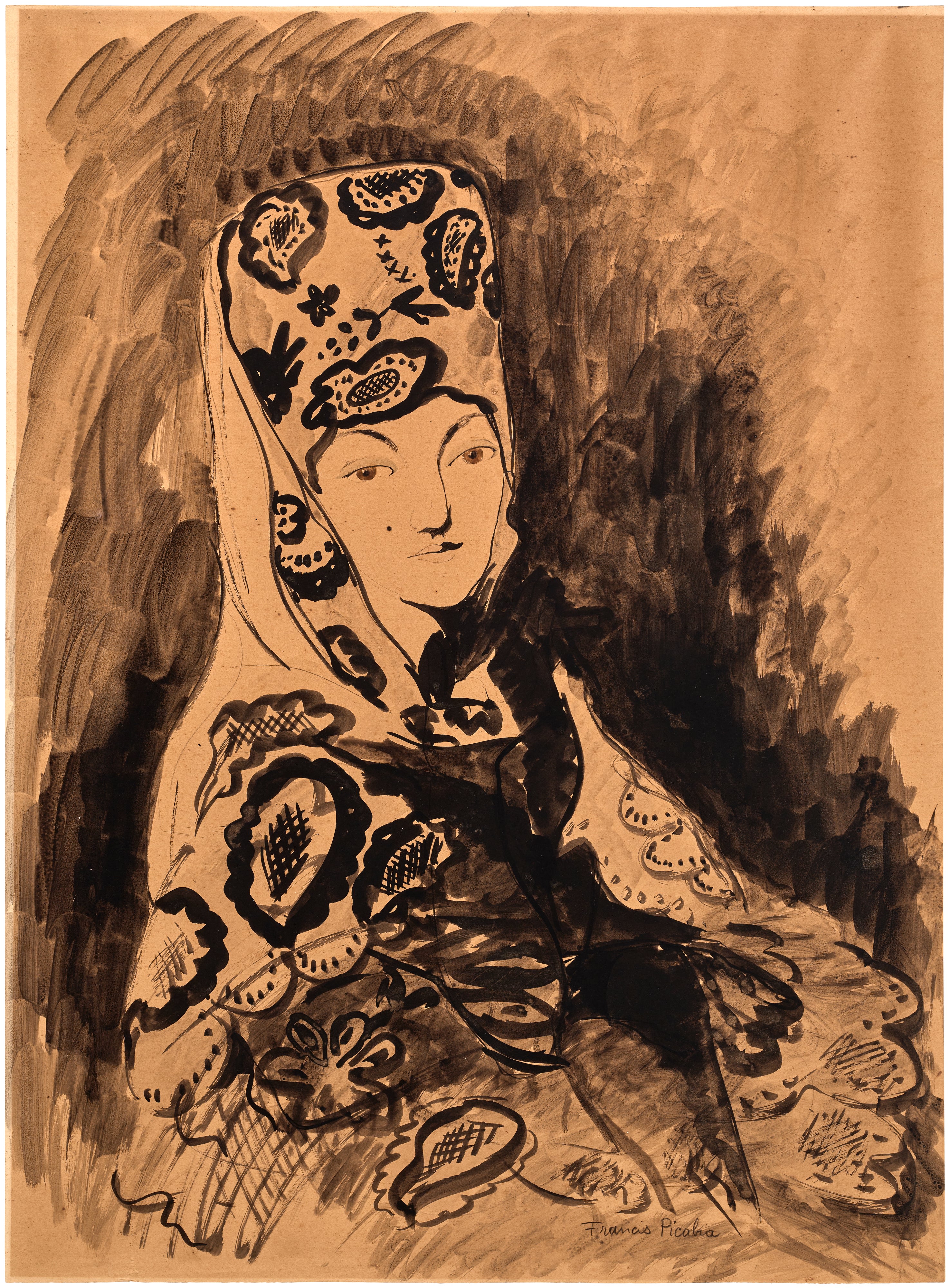
Georges Braque kept cardboard in his studio not as a concession but as a preference for certain kinds of color work, and museum visitors who encountered those pieces up close understood immediately why. The auction results that have shaped collector thinking most decisively in recent years tend to cluster around artists whose reputations were built on canvas but whose cardboard works reveal something unguarded. Francis Picabia, well represented on The Collection, is a case in point. His works on cardboard from the Dada and post Dada periods carry an improvisational energy that his larger finished works sometimes discipline away.
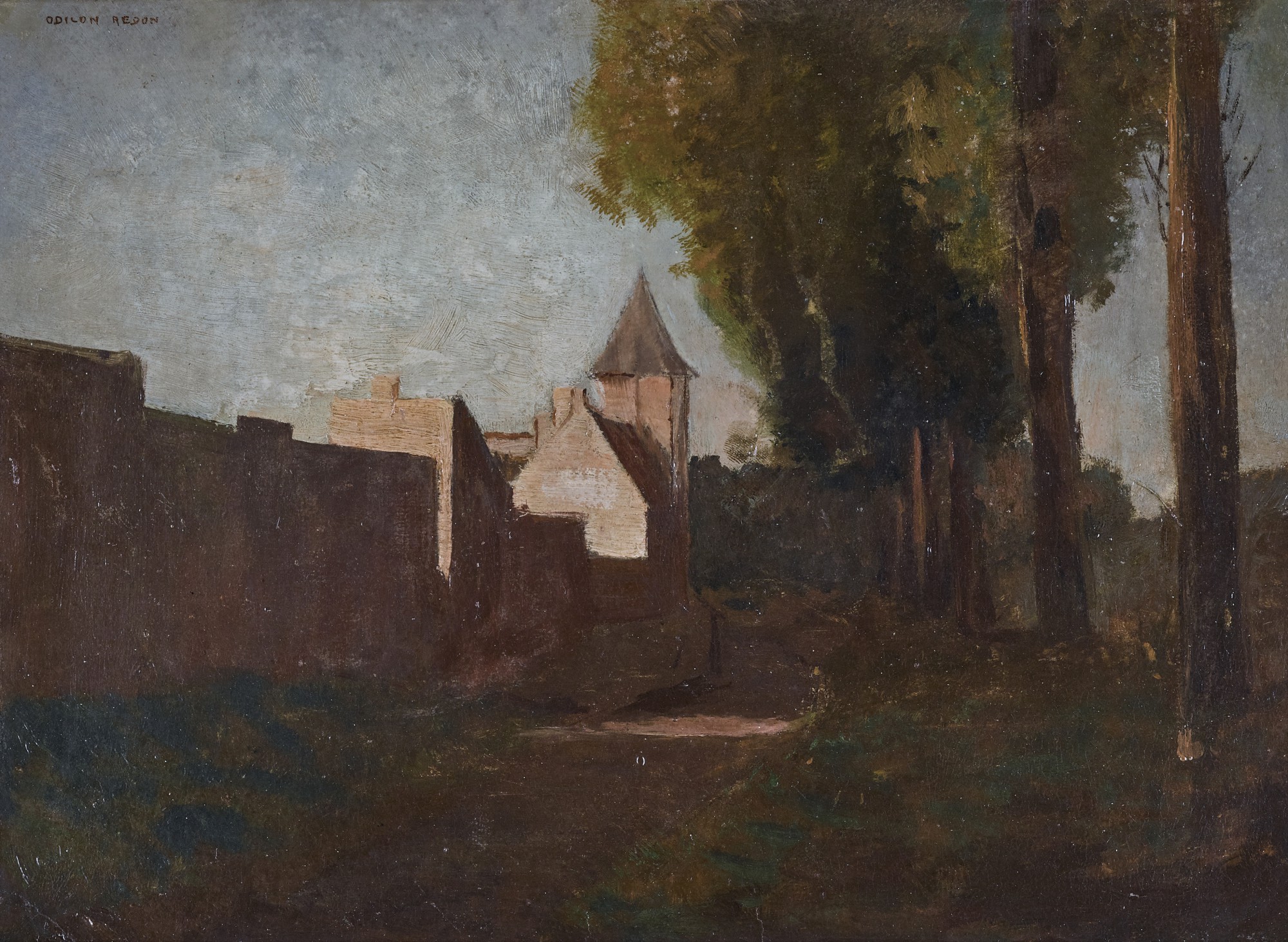
Odilon Redon
Village fortifié
When Sotheby's offered a Picabia oil on cardboard in their impressionist and modern art sales, the room responded with genuine competition, and the final price reflected a buyer community that has stopped waiting for permission to take these works seriously. Odilon Redon presents a similar dynamic. His smaller works on cardboard, particularly the pastels and oils he made as private meditations, have become among the most sought objects in his market precisely because their scale and intimacy feel contemporary rather than historical. Institutional collecting in this area has accelerated meaningfully.
The Museum of Modern Art has long held oil on cardboard works as part of its permanent collection without making much of the support category itself, but recent acquisitions and display choices suggest a more deliberate embrace. The Musée d'Orsay's engagement with Toulouse Lautrec's working materials has influenced how younger curators at regional institutions think about what belongs on the wall versus what belongs in storage. When a work on cardboard moves from study room to gallery, it signals a shift in what we believe deserves sustained looking. That shift is well underway.
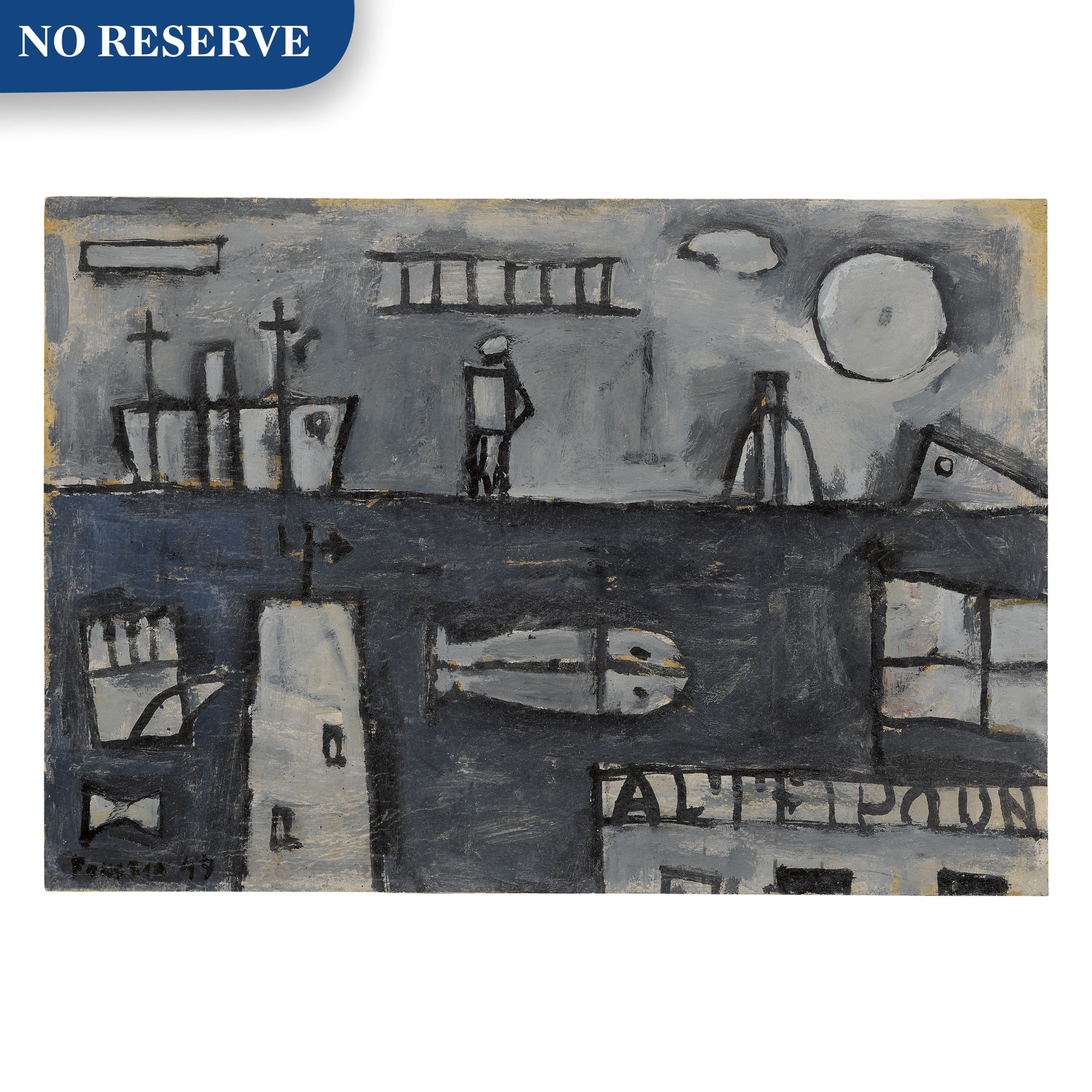
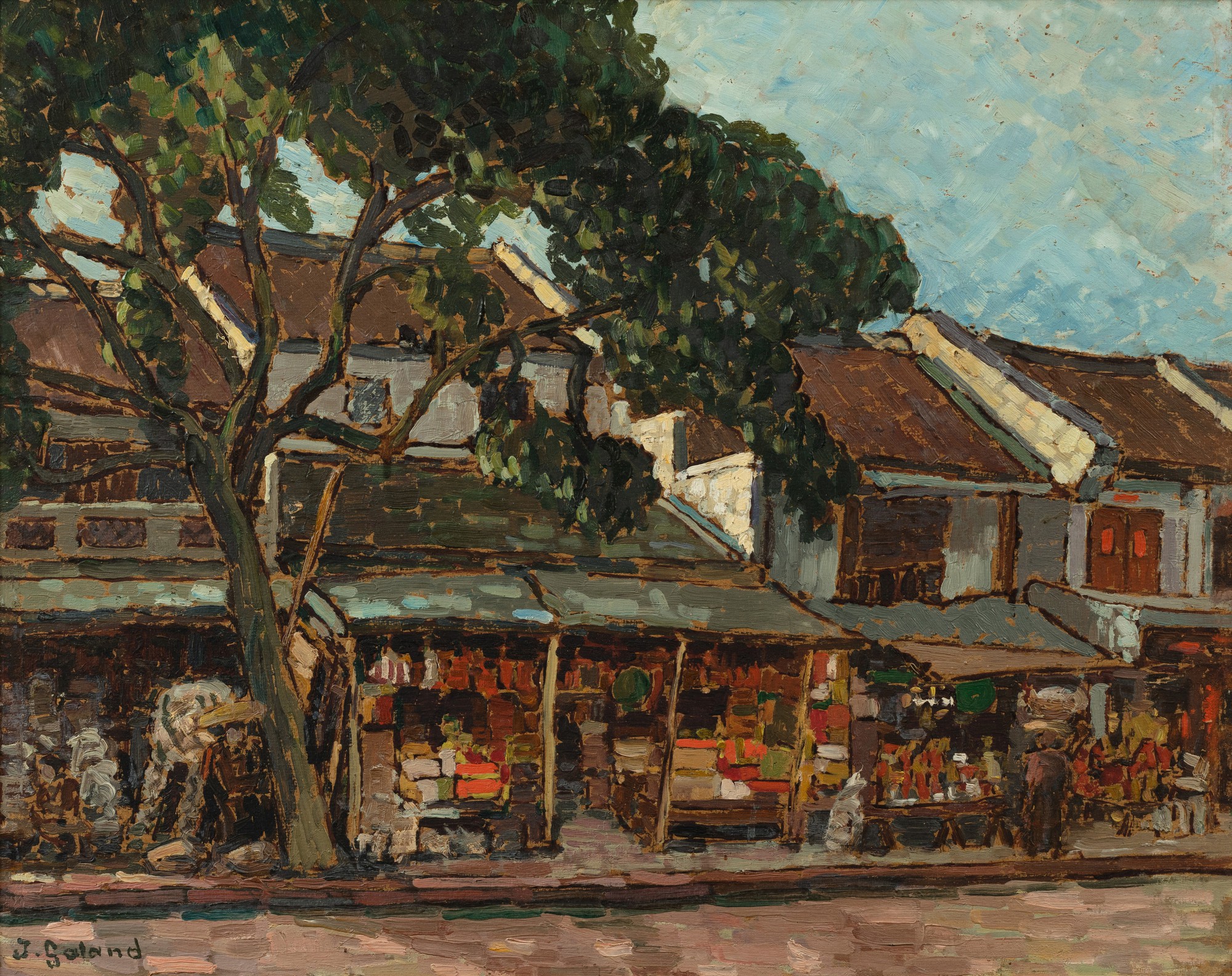
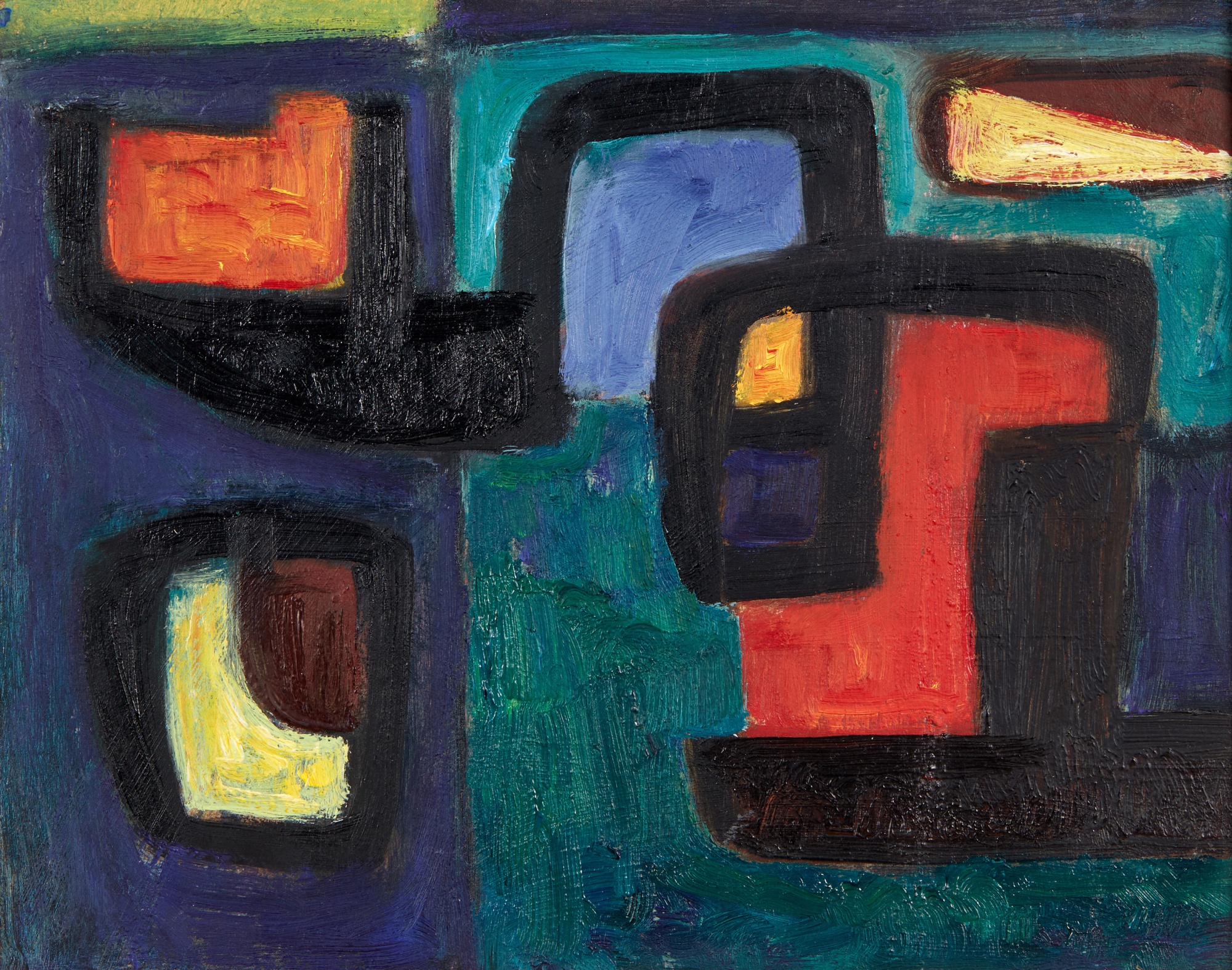
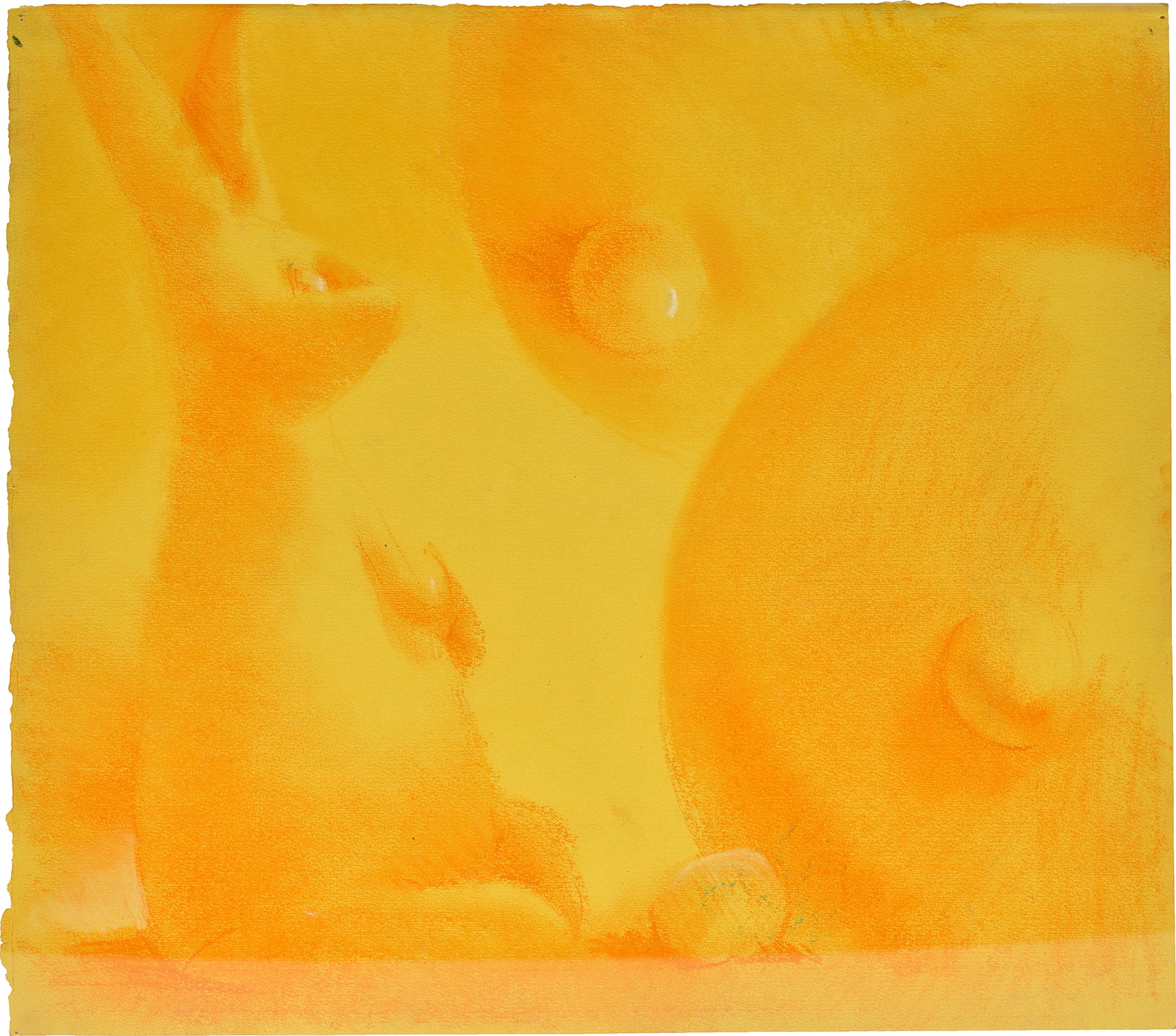
Gonzalo Fonseca
Puerto, 1949
Among living artists, the question of support has become part of a broader conversation about sincerity and intention. Henry Taylor, whose work appears on The Collection, has spoken about the way unconventional supports free him from certain kinds of expectation. There is a directness available on cardboard that primed canvas can actually obstruct, and a growing number of artists working across figurative and abstract modes have arrived at similar conclusions. Bernard Aubertin's fire and material investigations, Emilio Scanavino's mark based work, and the structural curiosity of Gonzalo Fonseca all touch on questions of surface and resistance that oil on cardboard makes visceral and immediate.
The writers and curators shaping this conversation are not, for the most part, writing about cardboard as a category. They are writing about materiality, about the relationship between support and gesture, about what gets preserved and what gets discarded in the making of art. Isabelle Graw's work on painting's status as a commodity form is relevant here, as is the ongoing critical attention to how artists from the mid century École de Paris, figures like Shafic Abboud and Louis Marcoussis, navigated between intimacy and ambition. Frieze and Artforum have both published substantial pieces on process based practices that inevitably circle back to the question of what we mean when we call something a finished work.
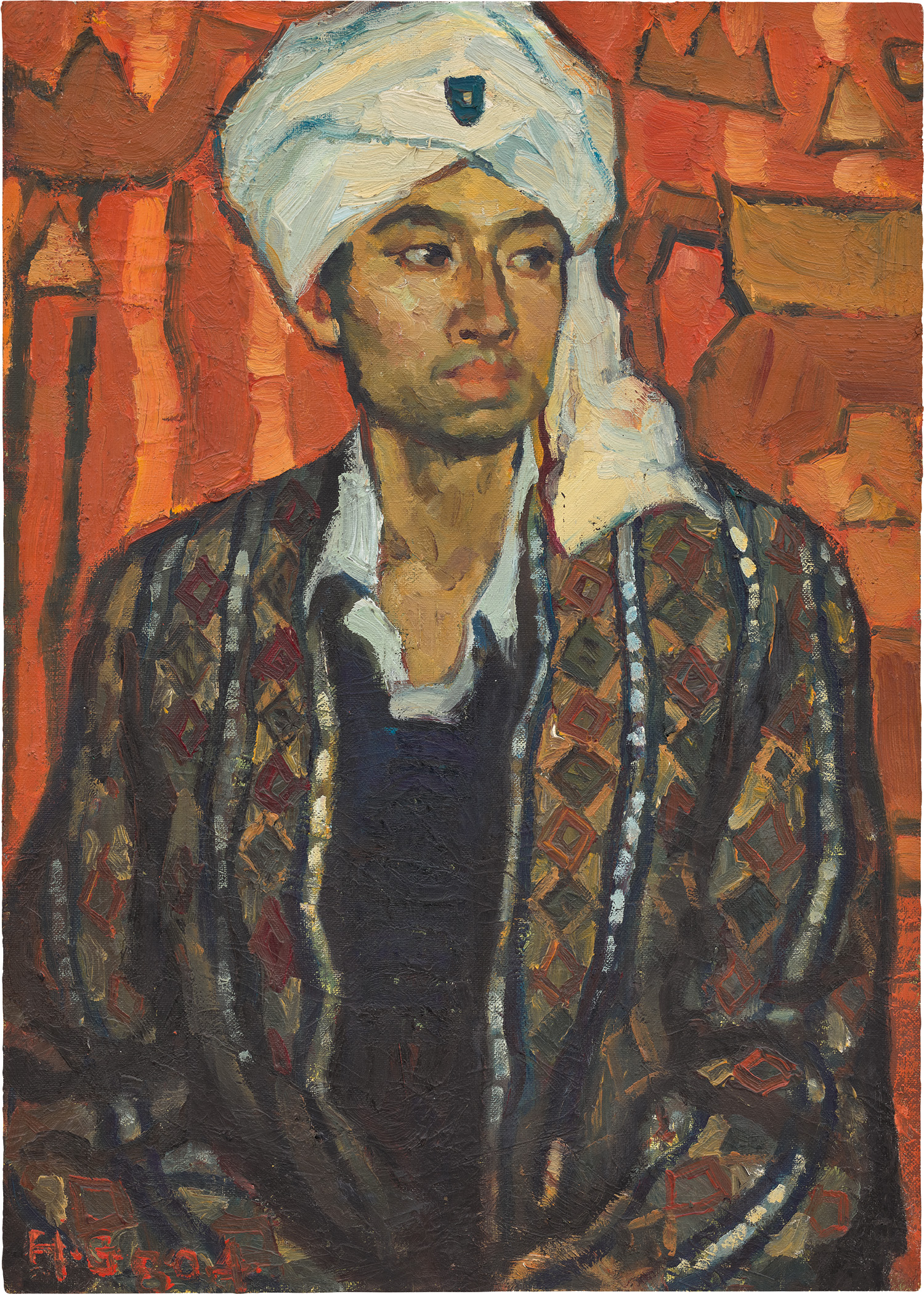
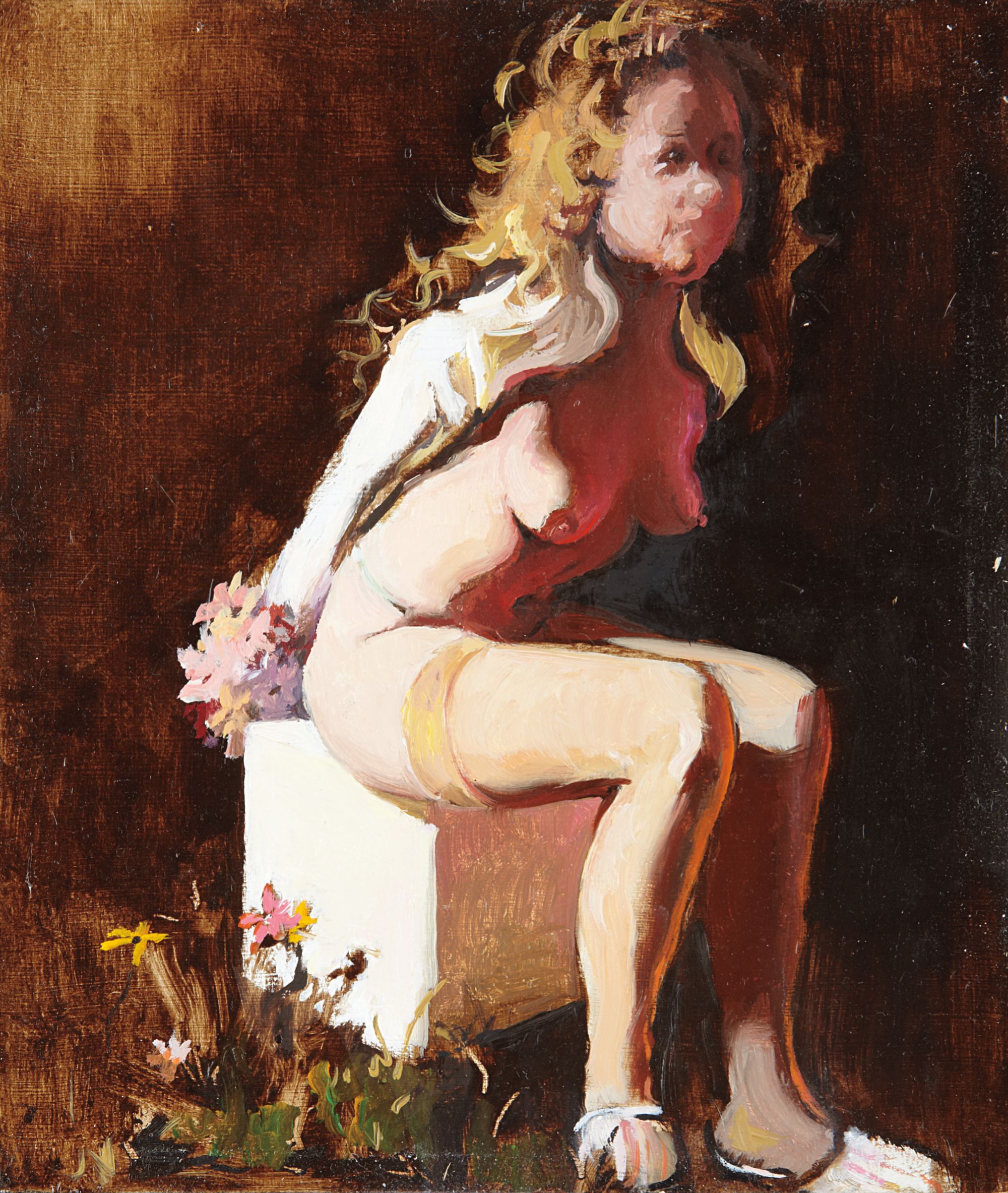
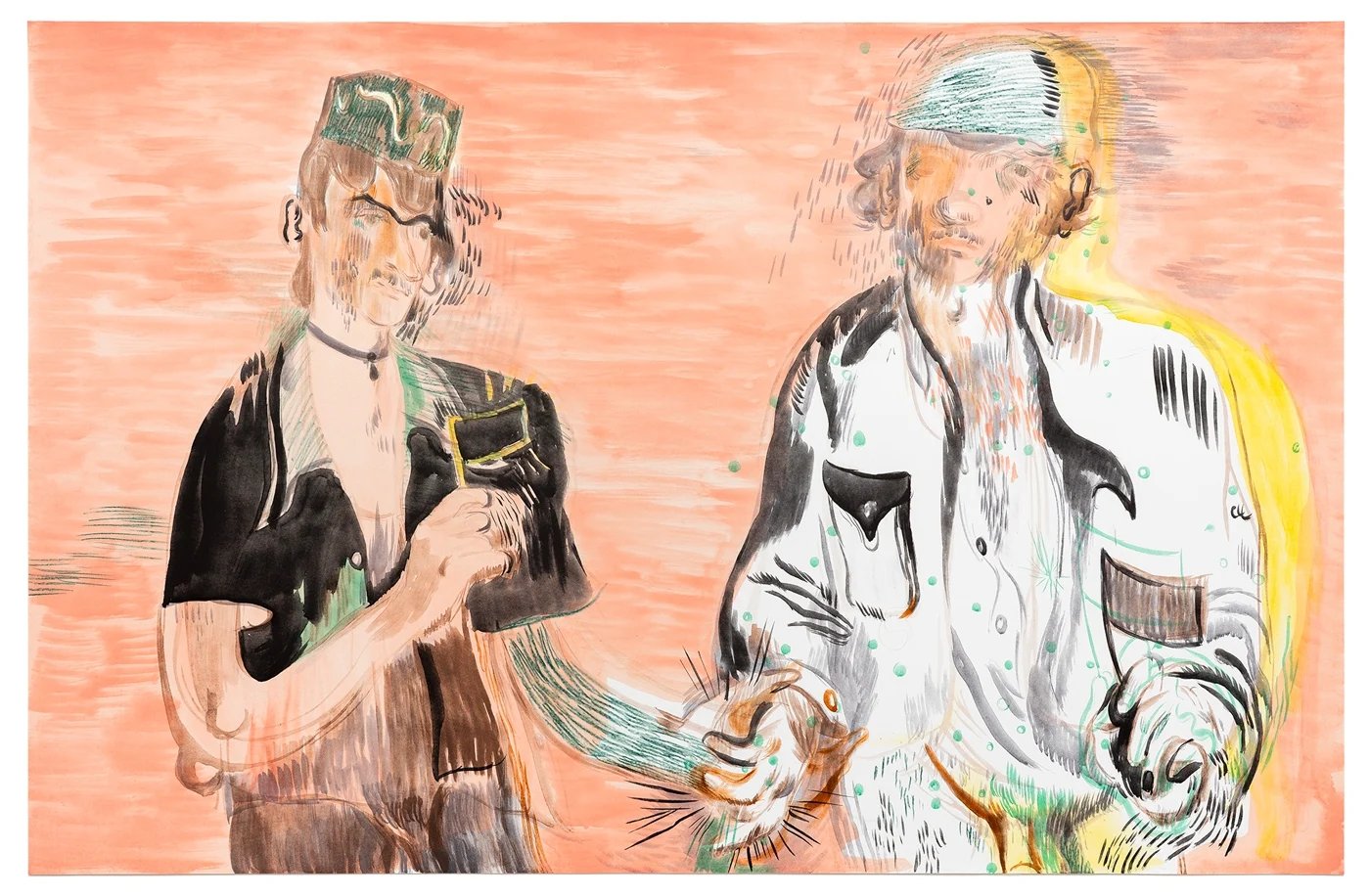
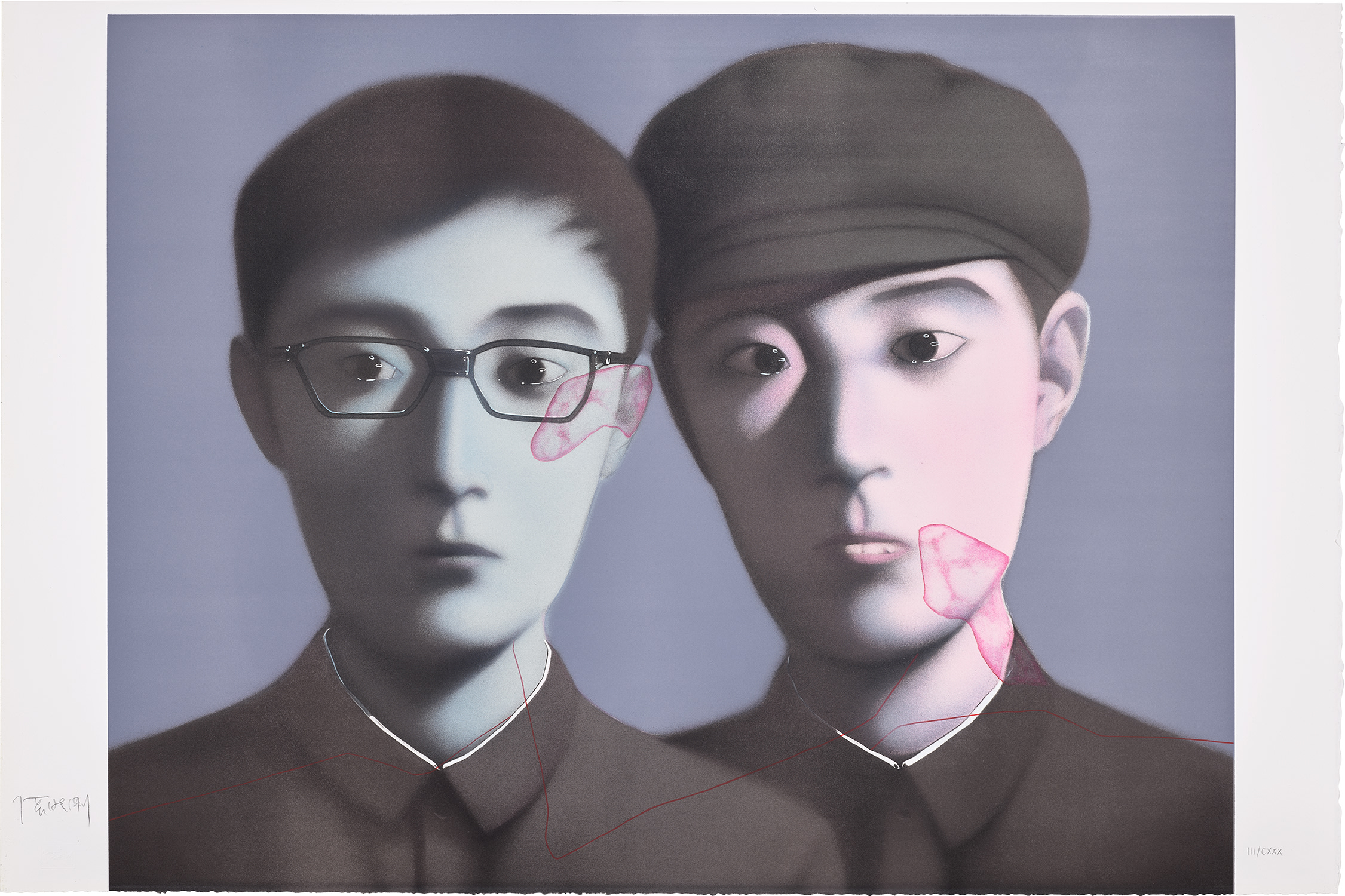
Zhang Xiaogang
Portrait of Ma Xiangsheng, 1982
What feels alive right now is the growing recognition that cardboard is not a lesser support but a different one, with its own set of demands and its own set of rewards. The absorption of oil into cardboard creates a particular kind of matte surface that some painters find more responsive than stretched canvas. The fragility of the support becomes part of the work's meaning, a reminder that the moment of making was not inevitable, that the object survived by luck as much as intention. Collectors who understand that framing find themselves looking differently at everything from a quick Toulouse Lautrec sketch to a fully realized Picabia composition.
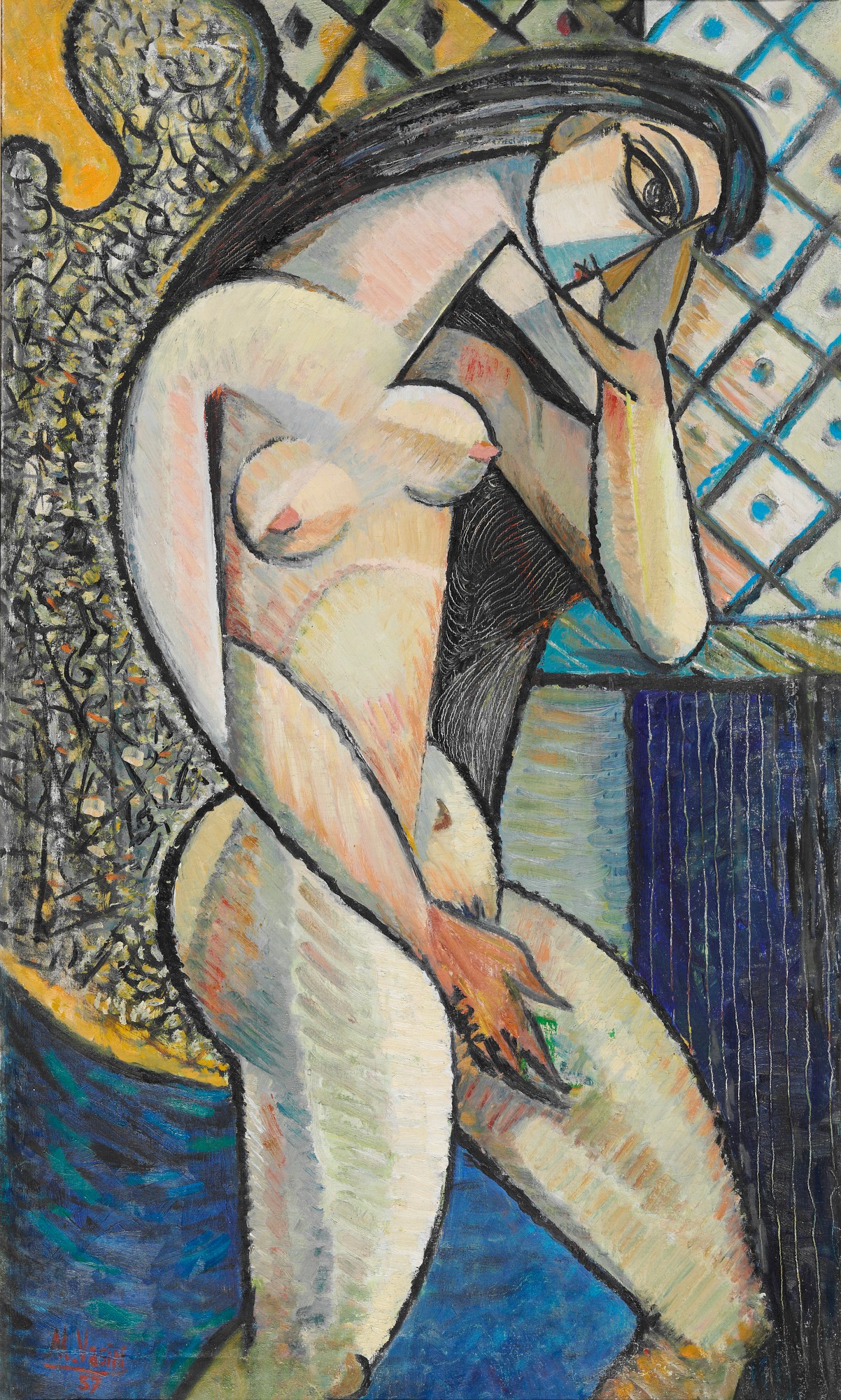
The surprises ahead are likely to come from geographic directions the Western market has undervalued. Artists like Mohsen Vaziri Moghaddam, working at the intersection of Iranian modernism and European abstraction, made works on modest supports that are only now receiving the institutional attention they have always deserved. Seif Wanly's contribution to Egyptian modernism, similarly, has been documented and preserved in ways that make serious collecting newly possible. The energy in this category is not exhausted.
It is, if anything, just finding its proper audience.