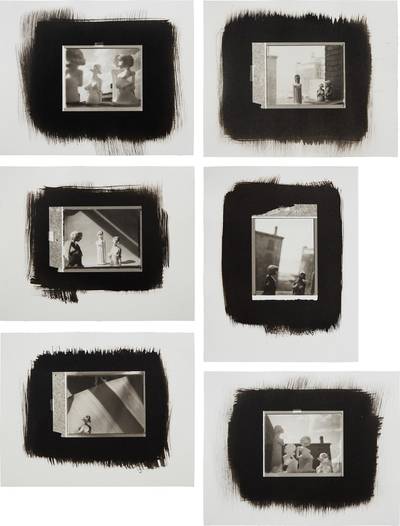
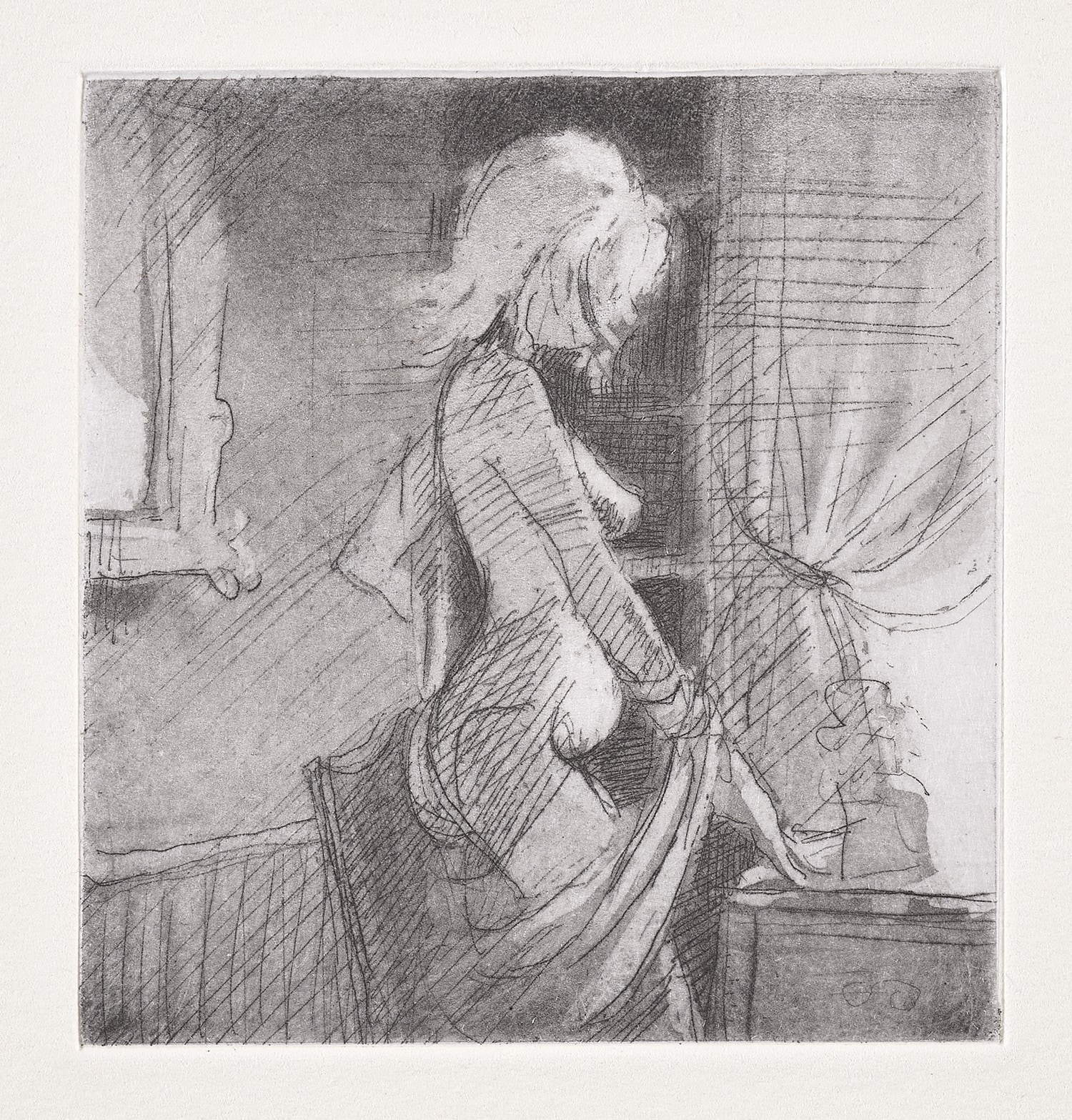
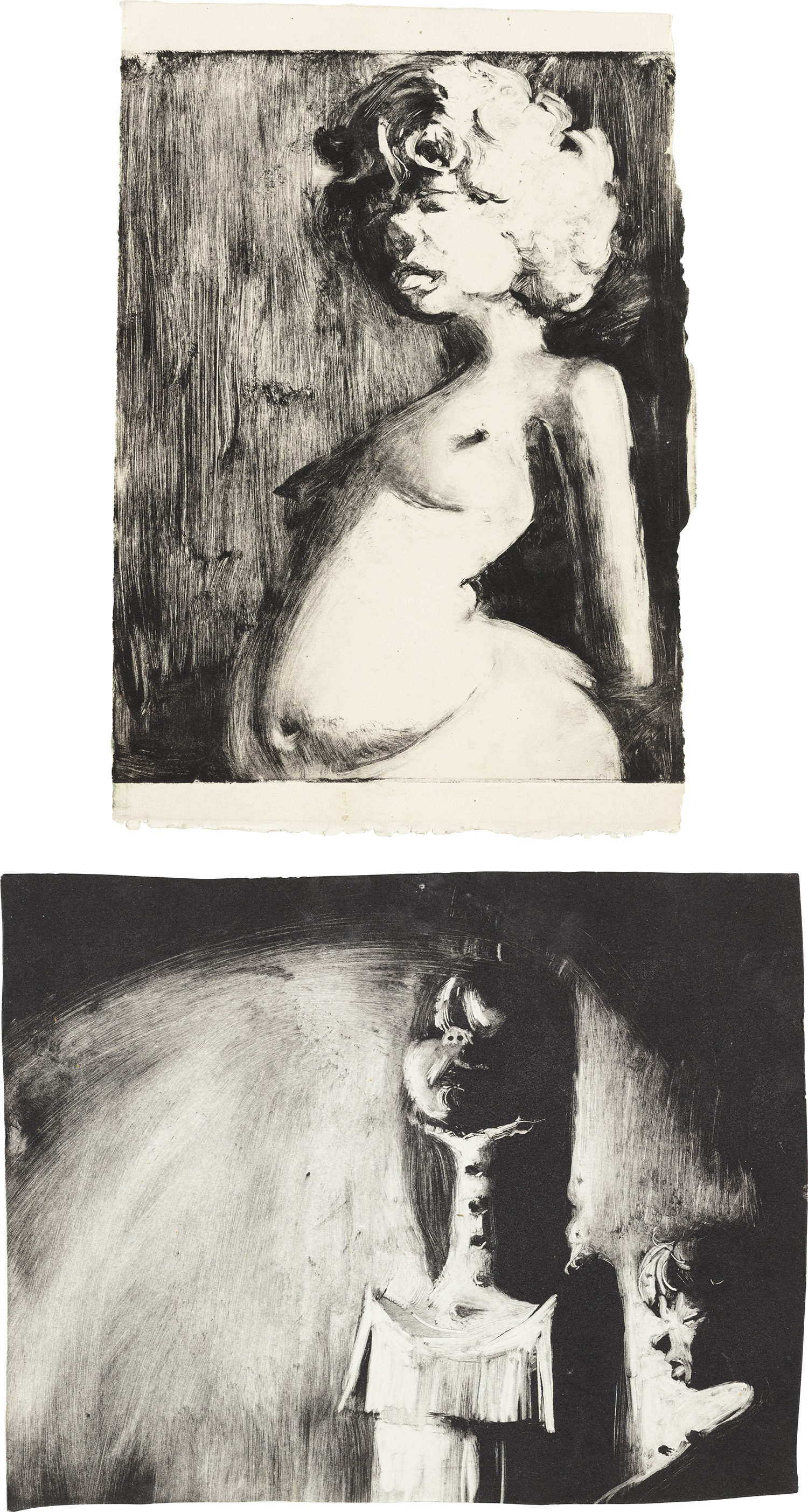
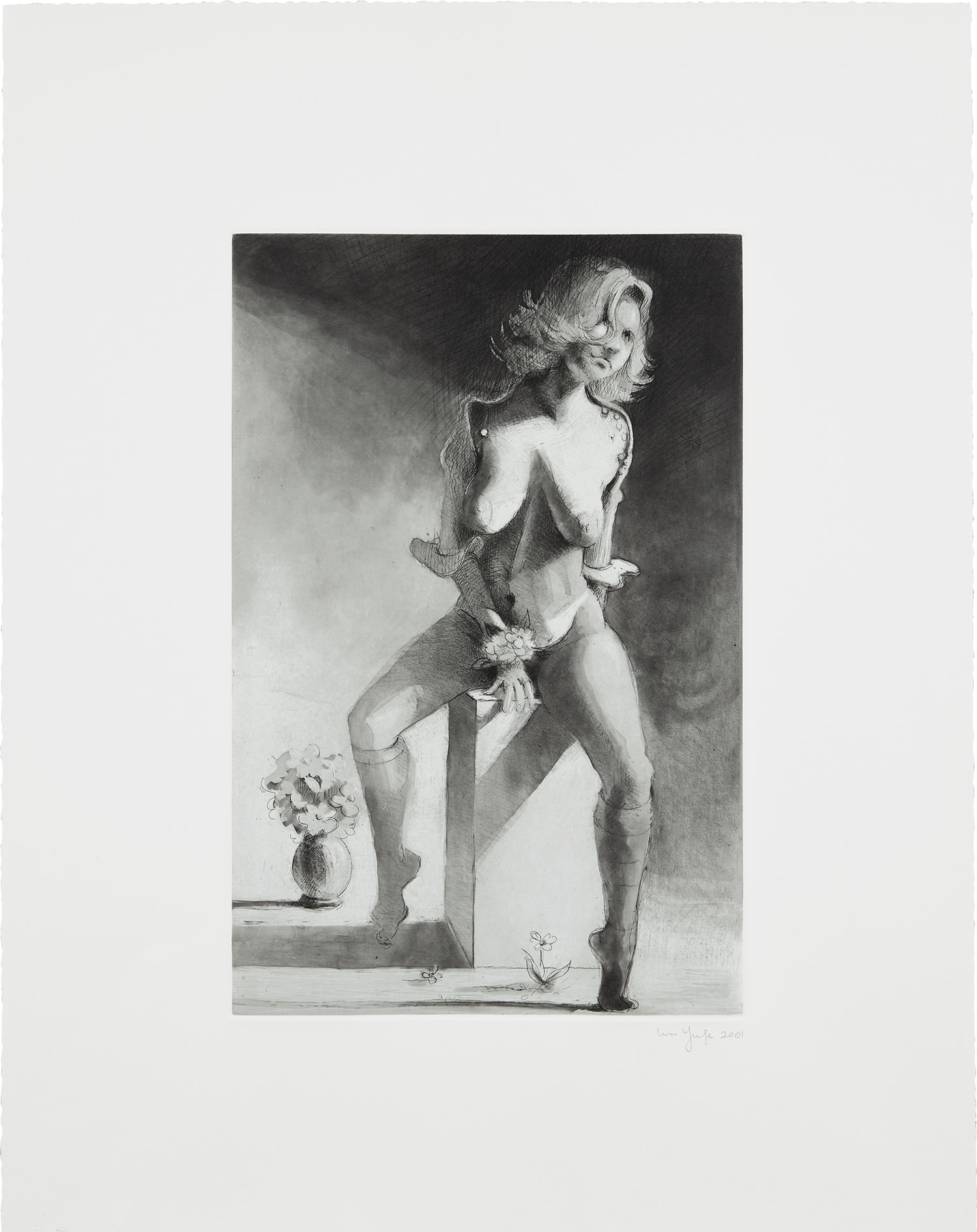
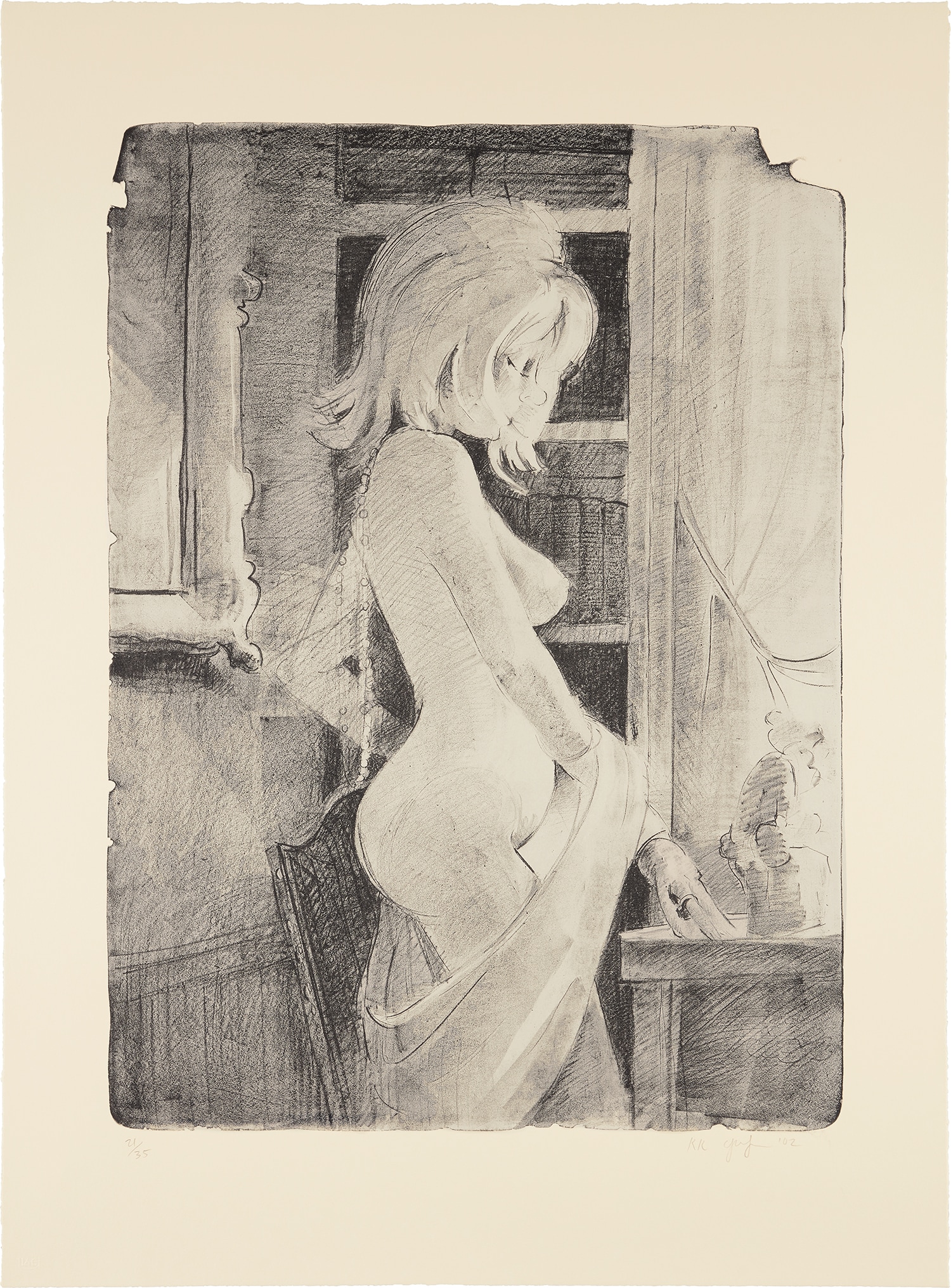
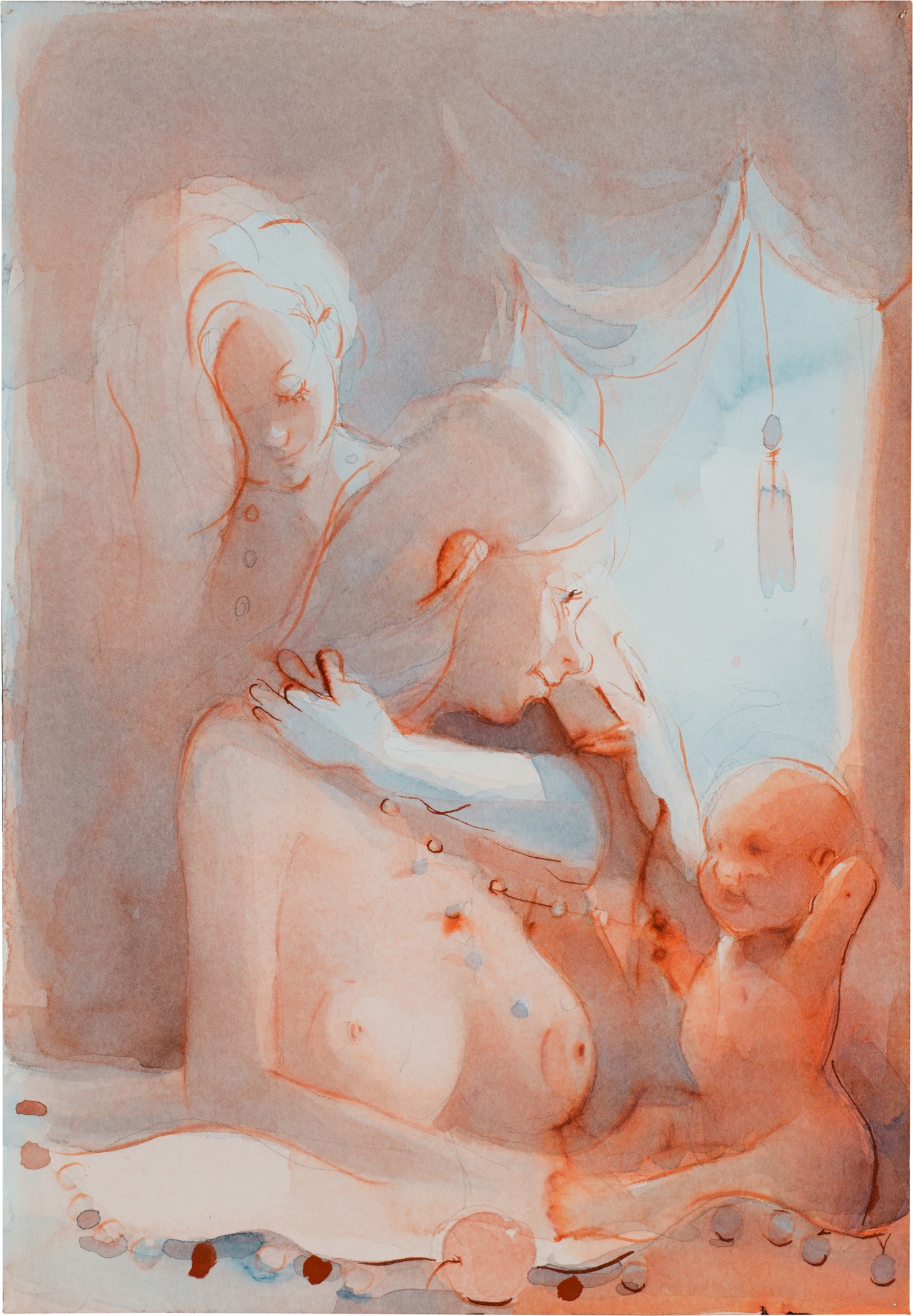
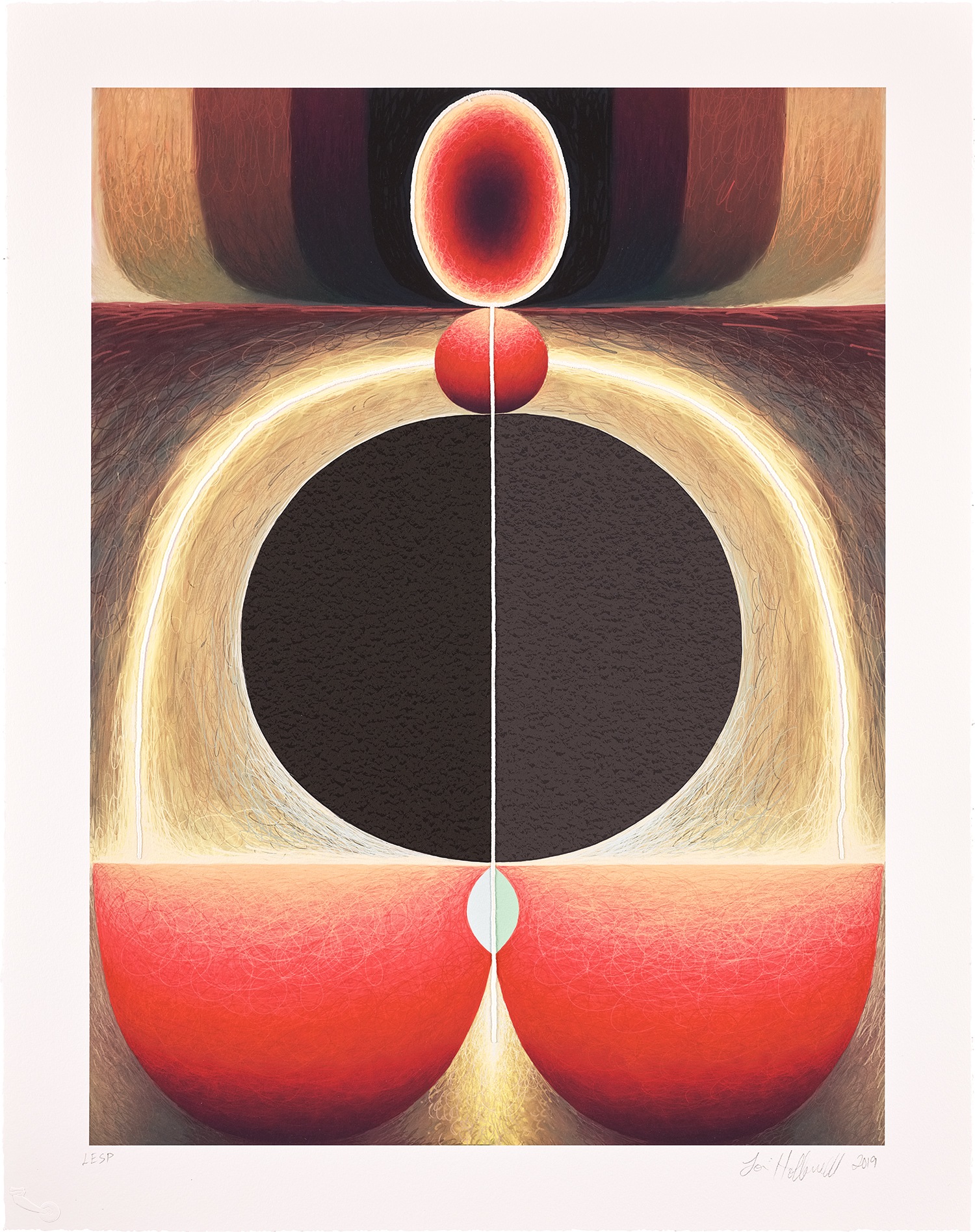
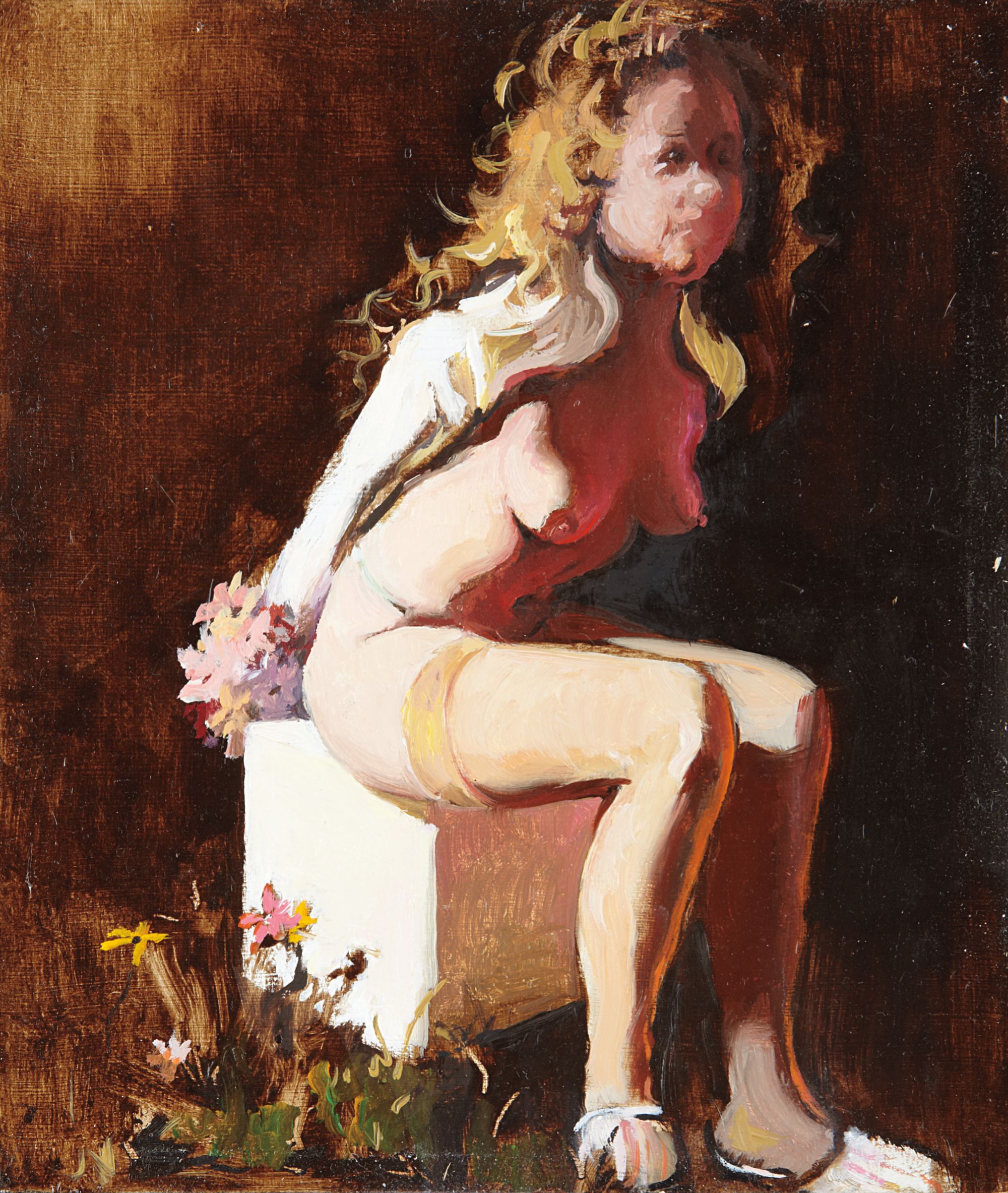
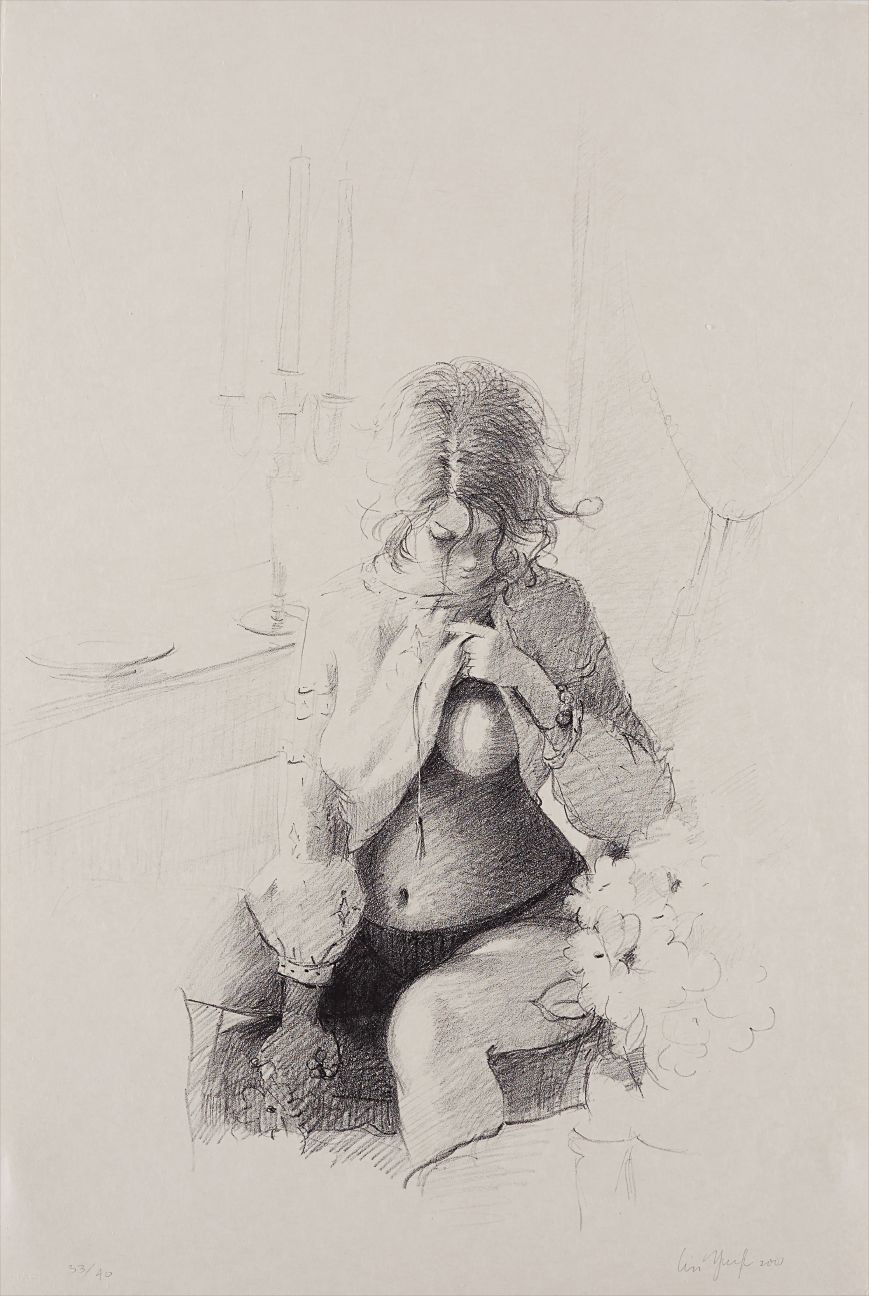
There are painters who court controversy, and then there is Lisa Yuskavage, who has spent four decades building a body of work so singular, so formally dazzling, and so emotionally complex that the art world has had little choice but to keep returning to it. Her 2023 survey at the Rose Art Museum at Brandeis University drew renewed critical attention to the full arc of her practice, reminding audiences why her canvases remain among the most debated and beloved in contemporary American painting. At a moment when figurative painting has reasserted itself at the very center of the market and the museum, Yuskavage looks less like a provocateur and more like a prophet. Born in Philadelphia in 1962, Yuskavage grew up in a working class Catholic household, an upbringing that left deep imprints on her visual imagination. The iconography of religious painting, the charged atmosphere of guilt and grace, the way devotional images aestheticize the body: all of these would resurface, transformed, in her mature work. She studied at the Tyler School of Art in Philadelphia before earning her MFA from Yale School of Art in 1986, where she studied alongside a generation of painters who would reshape American figuration. Yale in the mid 1980s was a pressure cooker of competing ideas about what painting could and should do, and Yuskavage emerged from it with a fiercely independent vision. Her early career was marked by a deliberate and somewhat scandalous rejection of the prevailing critical orthodoxies. Through the late 1980s and into the 1990s, she developed the imagery that would define her: voluptuous, often nude female figures rendered in luminous, candy colored light, posed in ambiguous dreamlike settings that reference everything from Boucher and Cranach to Playboy and pulp illustration. These were not paintings that fit neatly into any existing feminist framework, nor were they comfortable for viewers who preferred their figuration safely distanced by irony. Yuskavage insisted on sincerity, on beauty, and on the radical act of taking her subjects seriously on their own terms. The breakthrough years of the mid 1990s produced some of her most arresting and discussed work. Series such as The Bad Habits, begun around 1994 and 1995, introduced the charged, theatrical compositions that would become her hallmark. Works from this period, including the charcoal drawings of The Black Bunny Series from 1995, works like Tit Love, Fellatial Love, and Ass Love, demonstrated that her command of draftsmanship was every bit as rigorous as her color sense. These drawings are not peripheral studies but fully realized works in their own right, showing a line that is simultaneously classical and deeply strange. Her paintings from 1996 through 1998, including Foodeater and the unforgettable Laura and Shrink, deepened her investigation of psychological states, of hunger and desire and vulnerability, articulated through the female body with an acuity that no purely theoretical approach could match. What distinguishes Yuskavage as a technician is her extraordinary handling of light. She has spoken at length about her study of Old Master glazing techniques, and you can feel it in the way her figures seem to generate their own internal glow, as though lit from within by something between desire and unease. The pastel hues she favors are deceptive: they feel sweet on first encounter and then reveal themselves to be deeply ambivalent, the colors of a fairytale that has started to curdle at the edges. Works like Wee Smiley from 2003 and Weee from 2004 show this sensibility at full power, the figure at once innocent and knowing, the paint surface alternately tender and vertiginous. Kathy on a Pedestal, an etching and aquatint on Shikibu Gampi Chine colle, demonstrates how fully her graphic work extends and enriches her painted universe rather than simply illustrating it. From a collecting perspective, Yuskavage represents one of the more compelling propositions in the contemporary market. Her work is held by the Whitney Museum of American Art, the Museum of Modern Art in New York, and the Hirshhorn Museum and Sculpture Garden in Washington D.C. , institutional endorsements that speak to the sustained seriousness with which the field regards her practice. Her long association with Marianne Boesky Gallery in New York, which has published editions including the Bad Habits series, has made a range of her work accessible across different price points, from major oil paintings to prints and works on paper. Collectors new to her practice would do well to begin with the prints and drawings, which offer an intimate window into her thinking and carry the same formal intelligence as her canvases. The watercolors and pencil works, such as Boy and Weee, are particularly prized for the directness and spontaneity they reveal. Placing Yuskavage within art history requires a wide lens. She is clearly in conversation with the European figurative tradition, with Cranach and Correggio, with Courbet and Boucher, but she is equally engaged with American popular culture of the mid twentieth century, with the vernacular imagery of pin ups and illustrated magazines. In this she shares certain preoccupations with painters like John Currin and Eric Fischl, artists who have similarly refused to abandon the figure even when abstraction seemed to carry the critical imprimatur. Yet her emotional register is distinctly her own: more tender than Currin, more psychologically interior than Fischl, more willing to let her subjects exist in a space of genuine ambiguity rather than satirical distance. The legacy of Lisa Yuskavage is still being written, and that is precisely what makes her so vital. She has remained committed to a practice that asks genuine questions about how we look at women, how painting encodes desire, and what it means to make images of beauty in a culture that is both saturated with and suspicious of them. At a time when a younger generation of painters, many of them women, are grappling with exactly these questions, Yuskavage stands as a foundational figure, someone who held the line when it was genuinely difficult to do so. Her paintings are not comfortable, but they are alive in a way that the most comfortable paintings never quite manage to be, and that aliveness is what collectors, curators, and fellow artists keep returning to, year after year.