Francis Picabia
“
35
Works
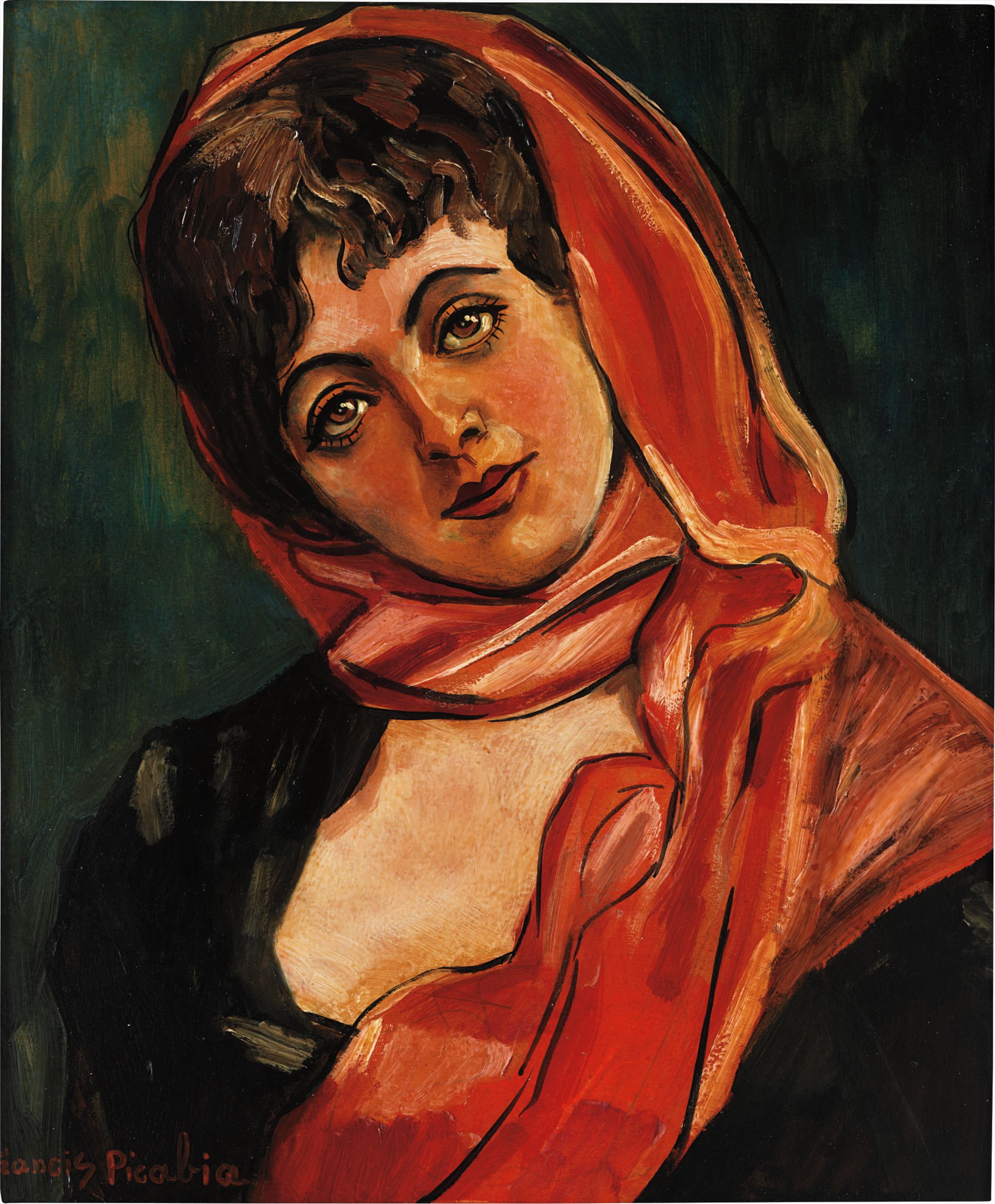
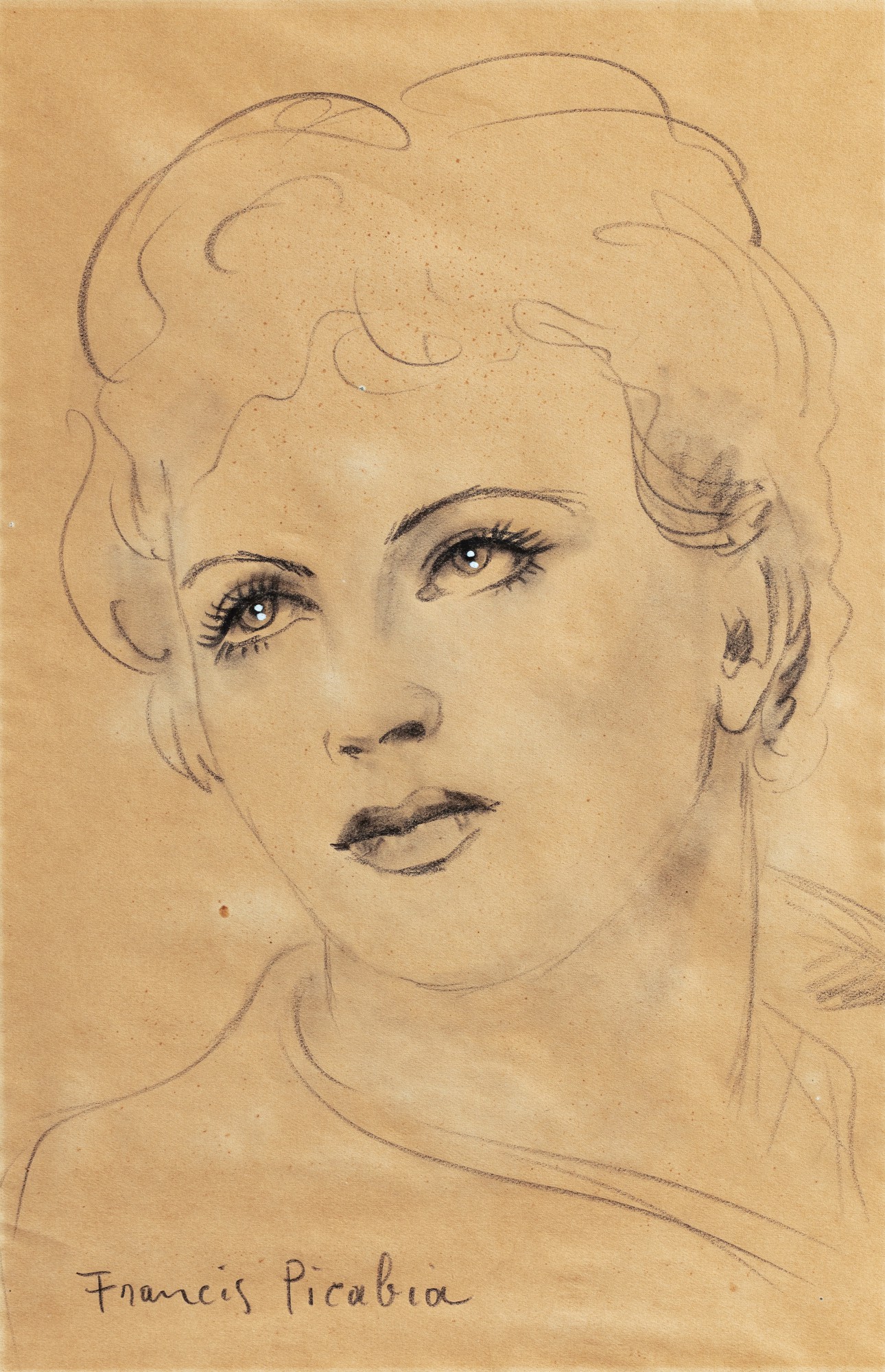
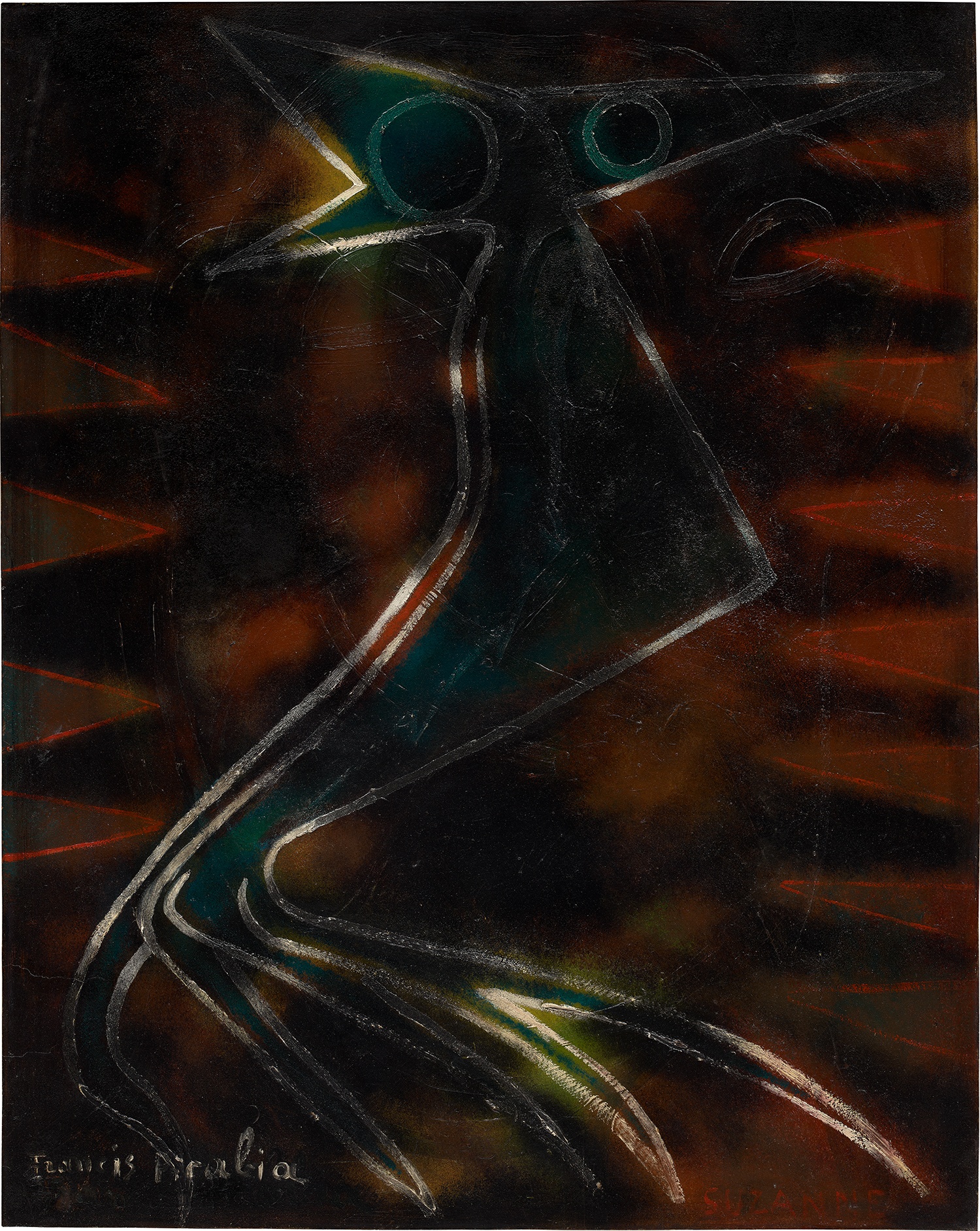
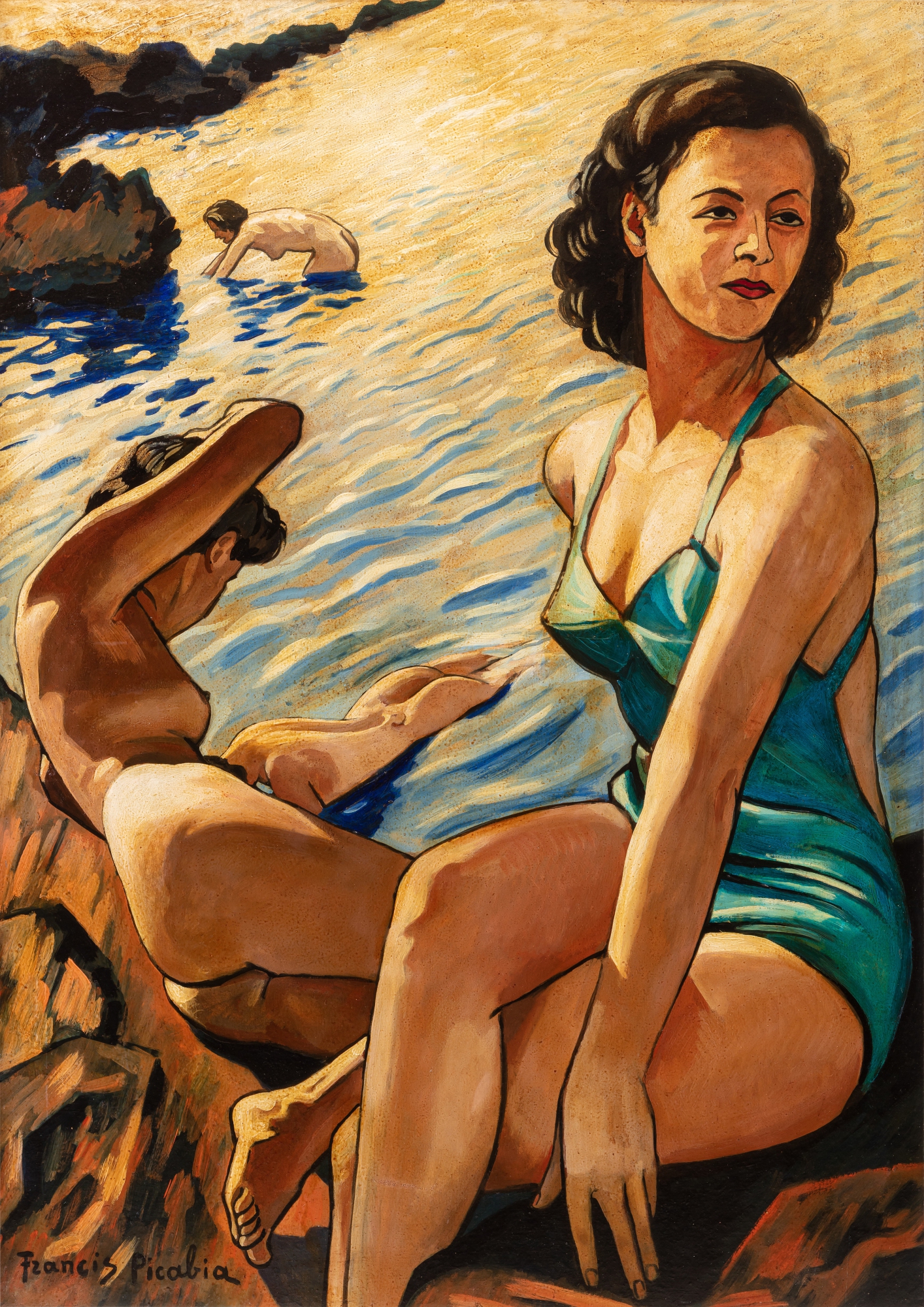
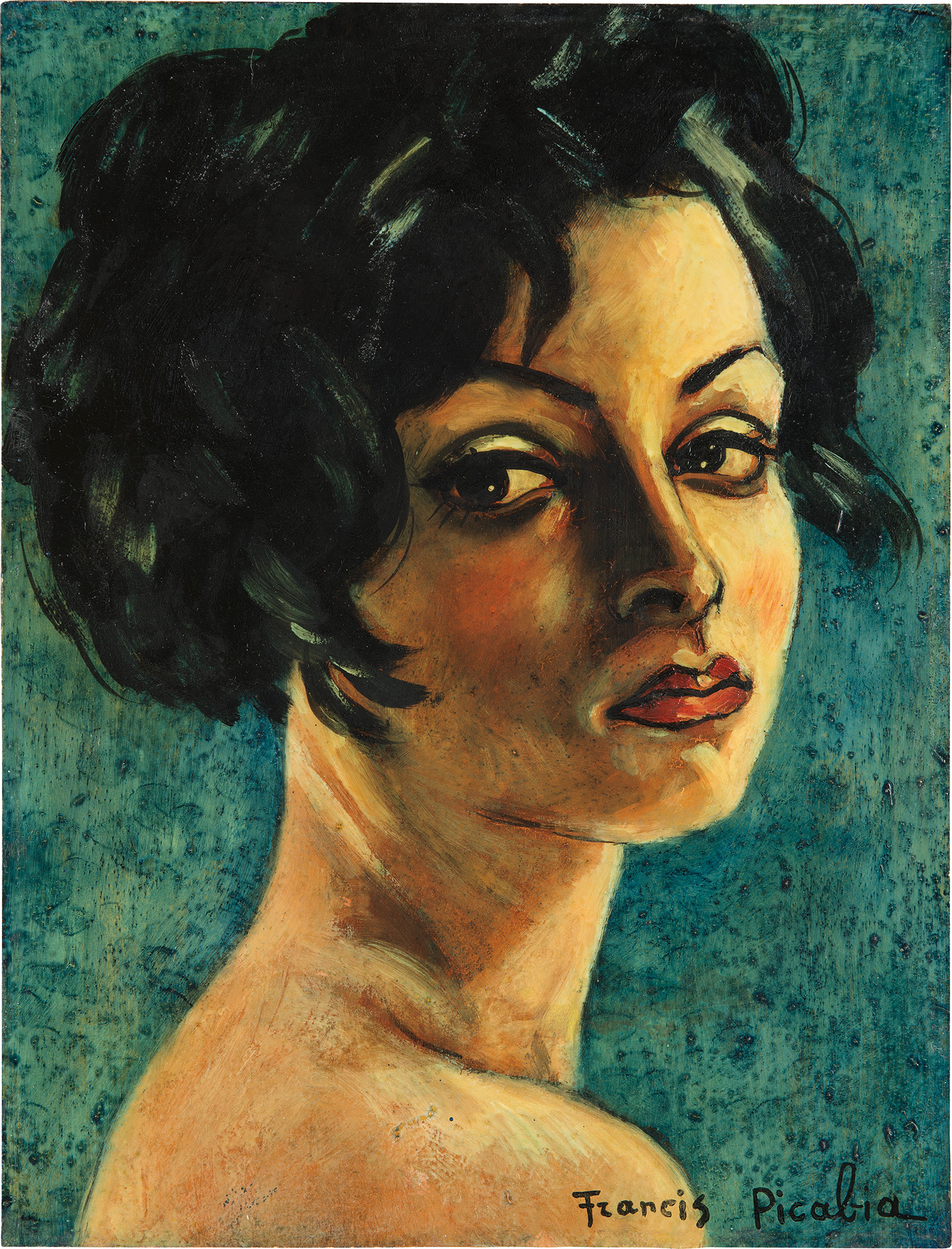
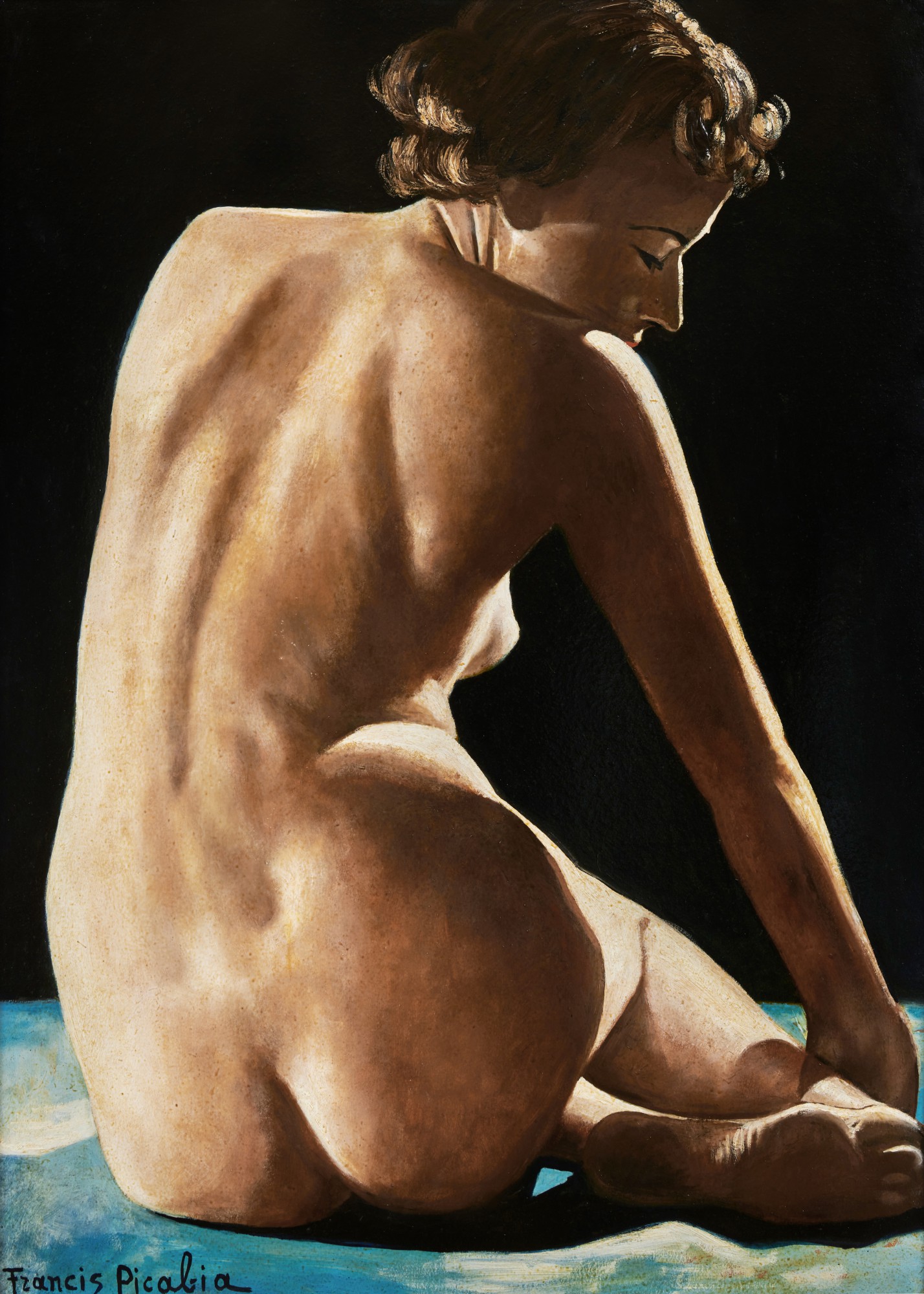
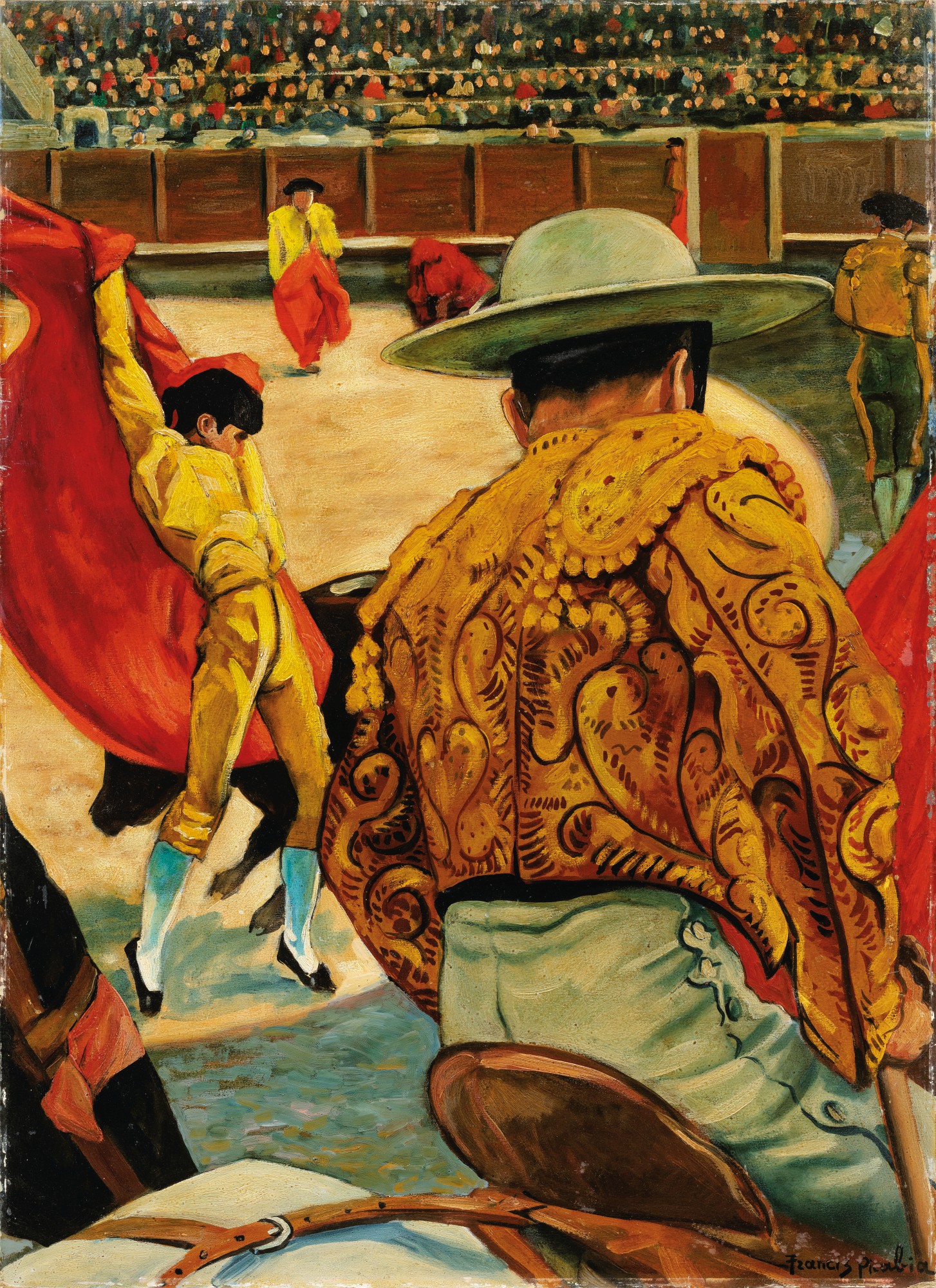
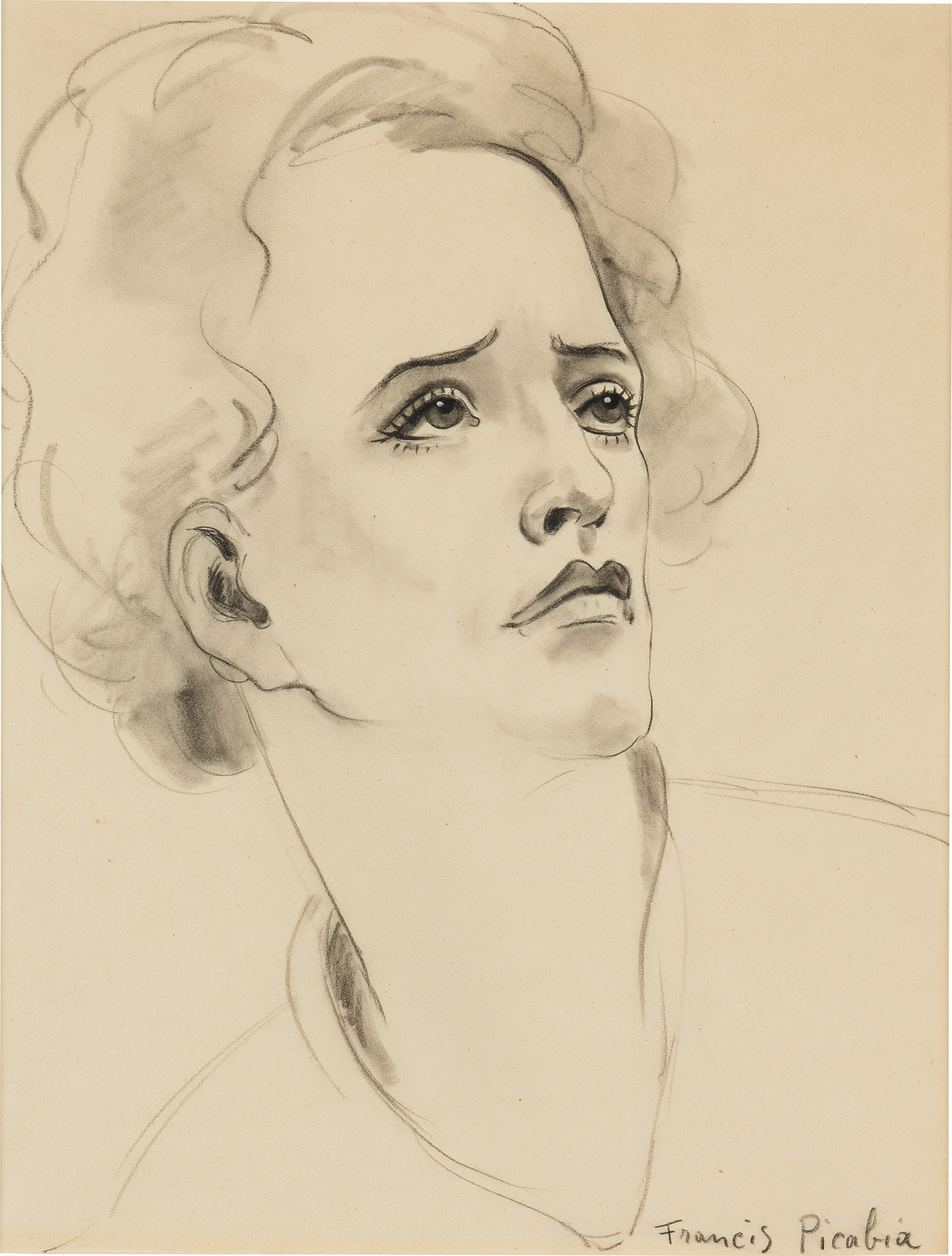
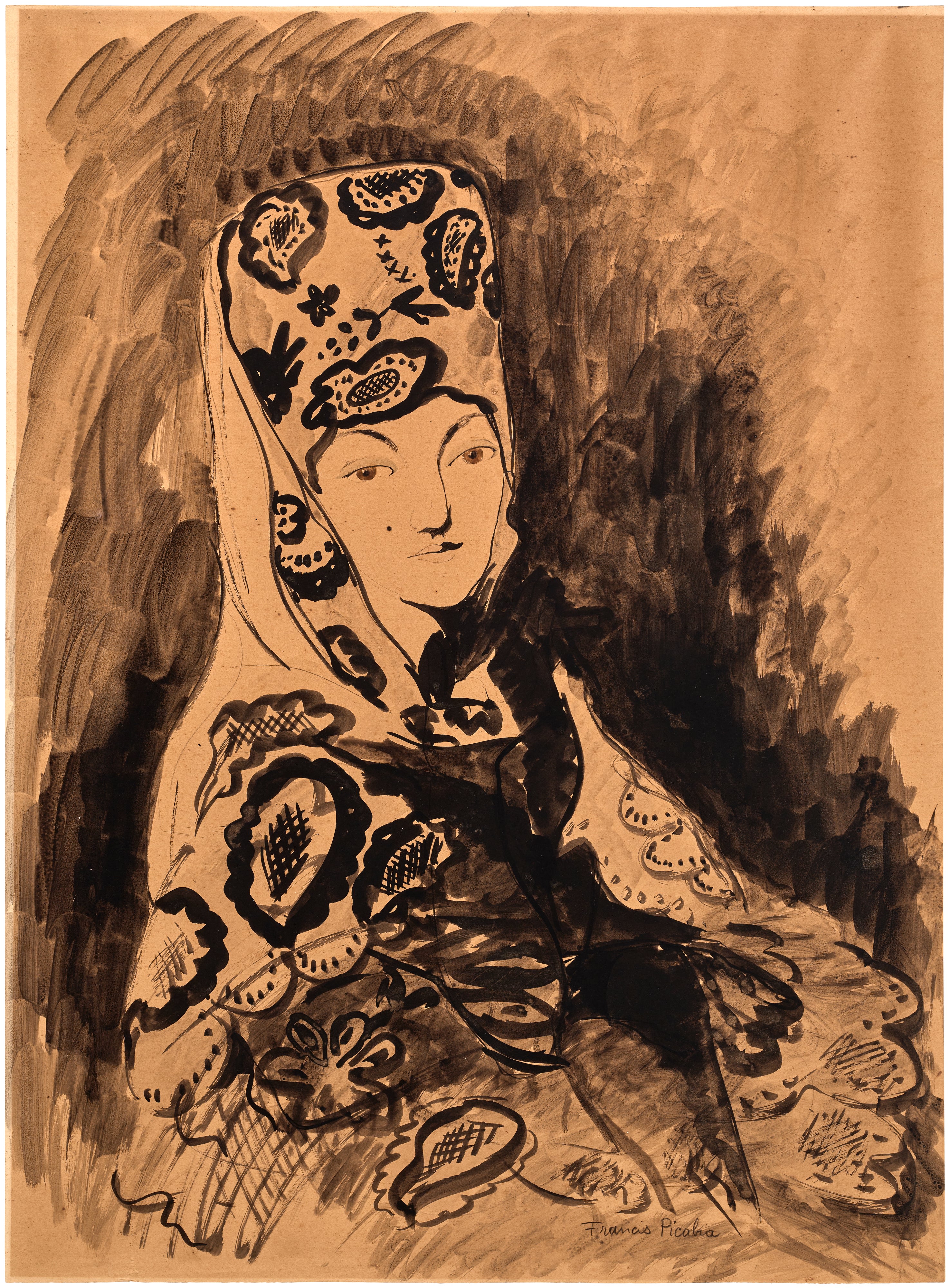
Francis Picabia was a French avant-garde painter, poet, and typographer who became one of the most restlessly inventive artists of the early 20th century. Born in Paris to a Spanish father and French mother, Picabia moved fluidly through multiple artistic movements, including Impressionism, Fauvism, Cubism, Dada, and Surrealism, never remaining committed to any single style for long. His chameleonic approach to art-making and his willingness to contradict himself made him a controversial yet influential figure. Alongside Marcel Duchamp and Man Ray, Picabia was instrumental in bringing Dada to America, and his magazine "391" became a crucial platform for avant-garde ideas during the 1910s and 1920s. Picabia's work is characterized by dramatic stylistic shifts and a provocative, often irreverent attitude toward artistic conventions. His early Cubist works gave way to mechanical drawings that depicted anthropomorphized machines, such as "Parade Amoureuse" (1917) and "Universal Prostitution" (1916-17), which satirized modern society's mechanization. During his Dada period, he created some of the movement's most iconic works, including absurdist paintings and collages that challenged traditional notions of beauty and meaning. Later in his career, Picabia shocked the art world by returning to figurative painting, including his controversial "Transparencies" series and kitsch-influenced works that many critics initially dismissed but which have since been re-evaluated as prescient critiques of taste and artistic hierarchies. Picabia's legacy lies in his radical freedom and refusal to be categorized, anticipating postmodern approaches to art-making by several decades. His influence can be traced through subsequent generations of conceptual artists, appropriation artists, and those who challenge the boundaries between high and low culture. Major retrospectives at institutions including the Museum of Modern Art and Centre Pompidou have solidified his reputation as a crucial, if enigmatic, figure in 20th-century art history. His willingness to embrace contradiction, destroy his own reputation, and continually reinvent himself makes him a particularly relevant figure for contemporary discussions about artistic authenticity and the nature of creativity itself.
Spotted by
Artists in conversation