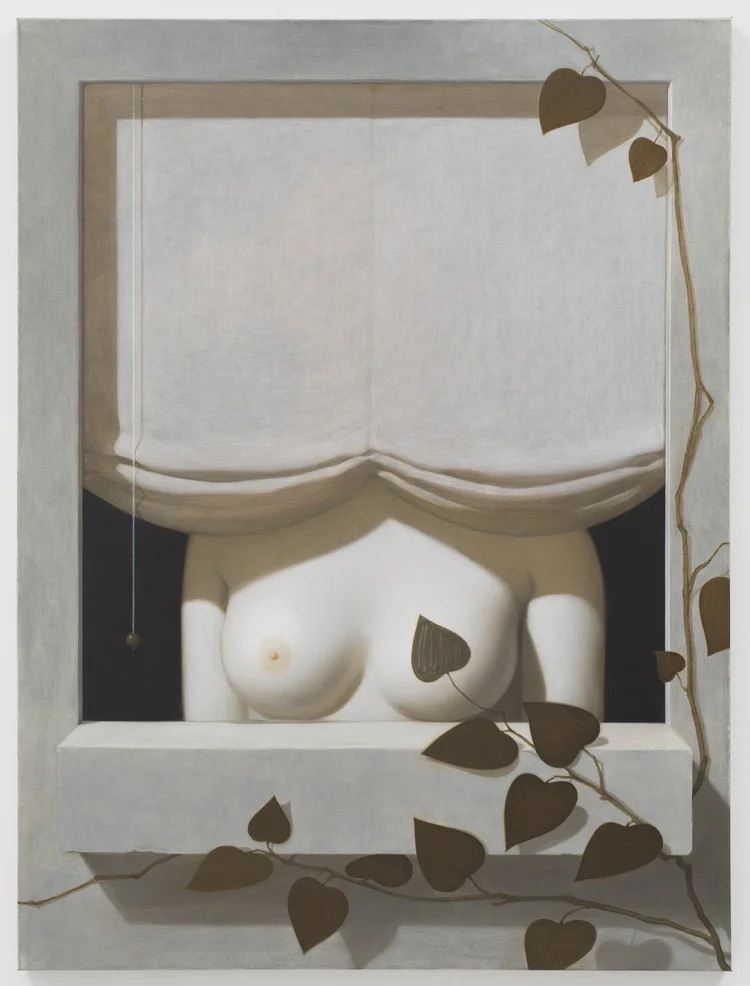
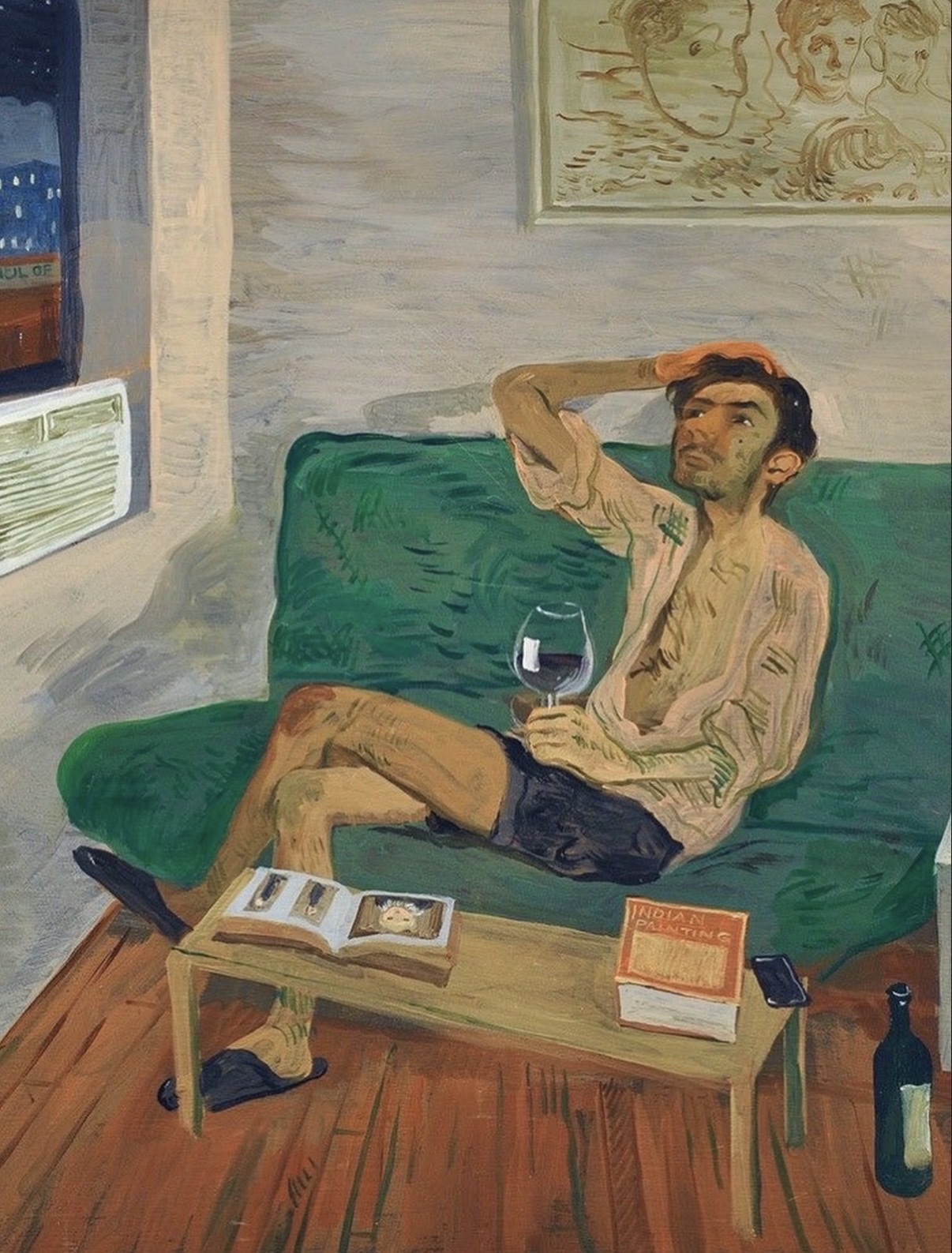
Nude
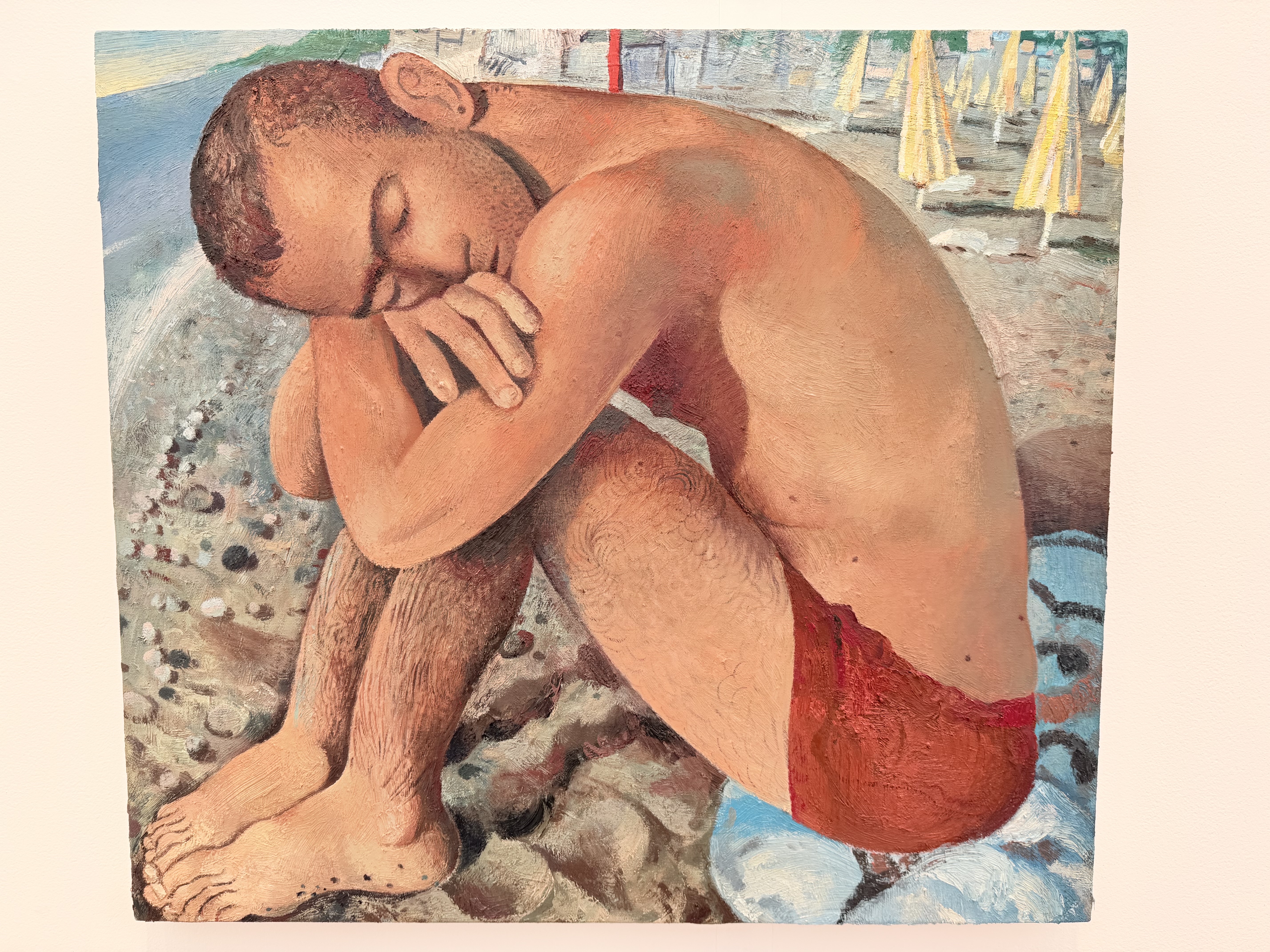
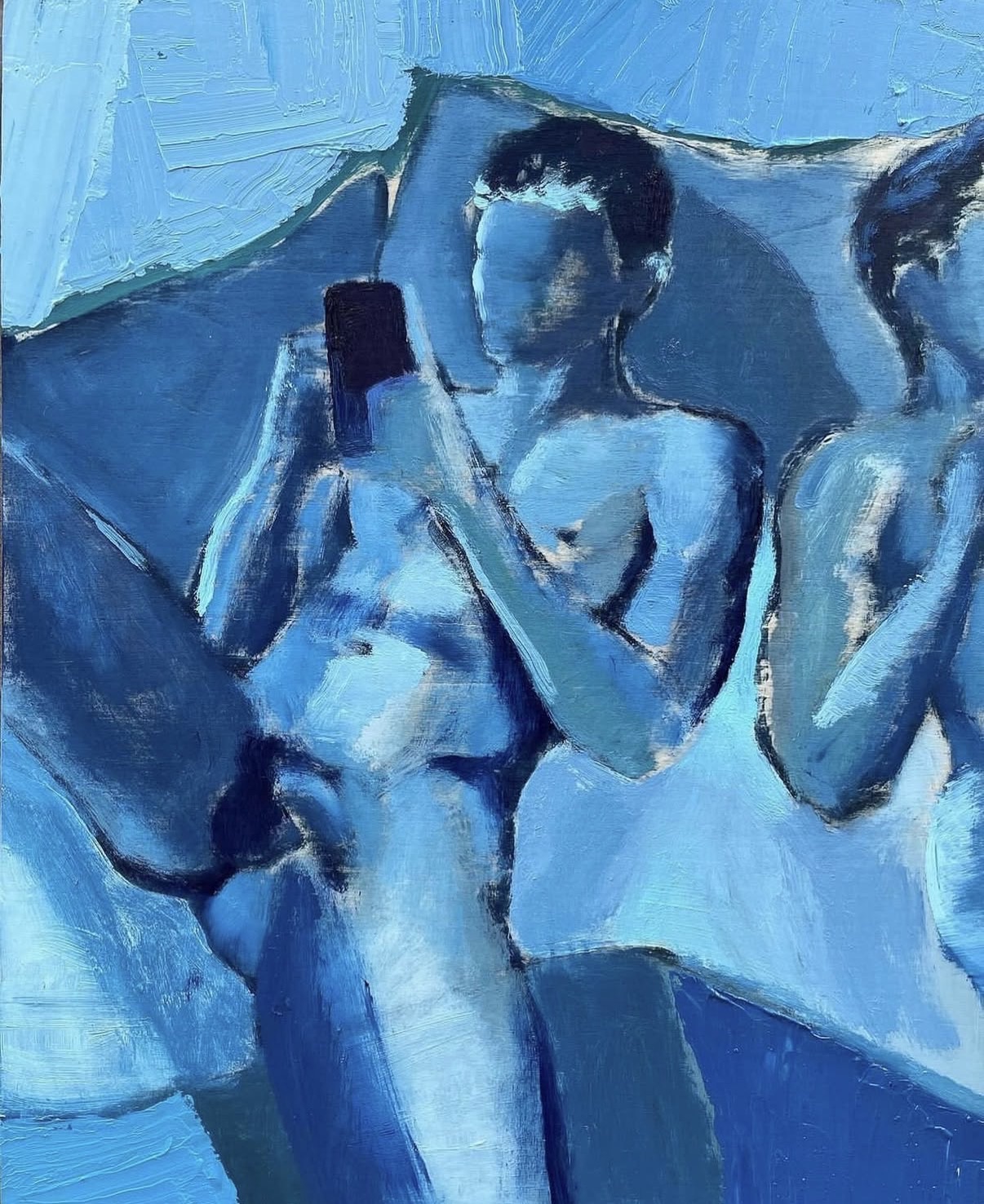
Louis Fratino
Ale in Liguria, 2025
The Nude: Art's Most Contested, Enduring Subject
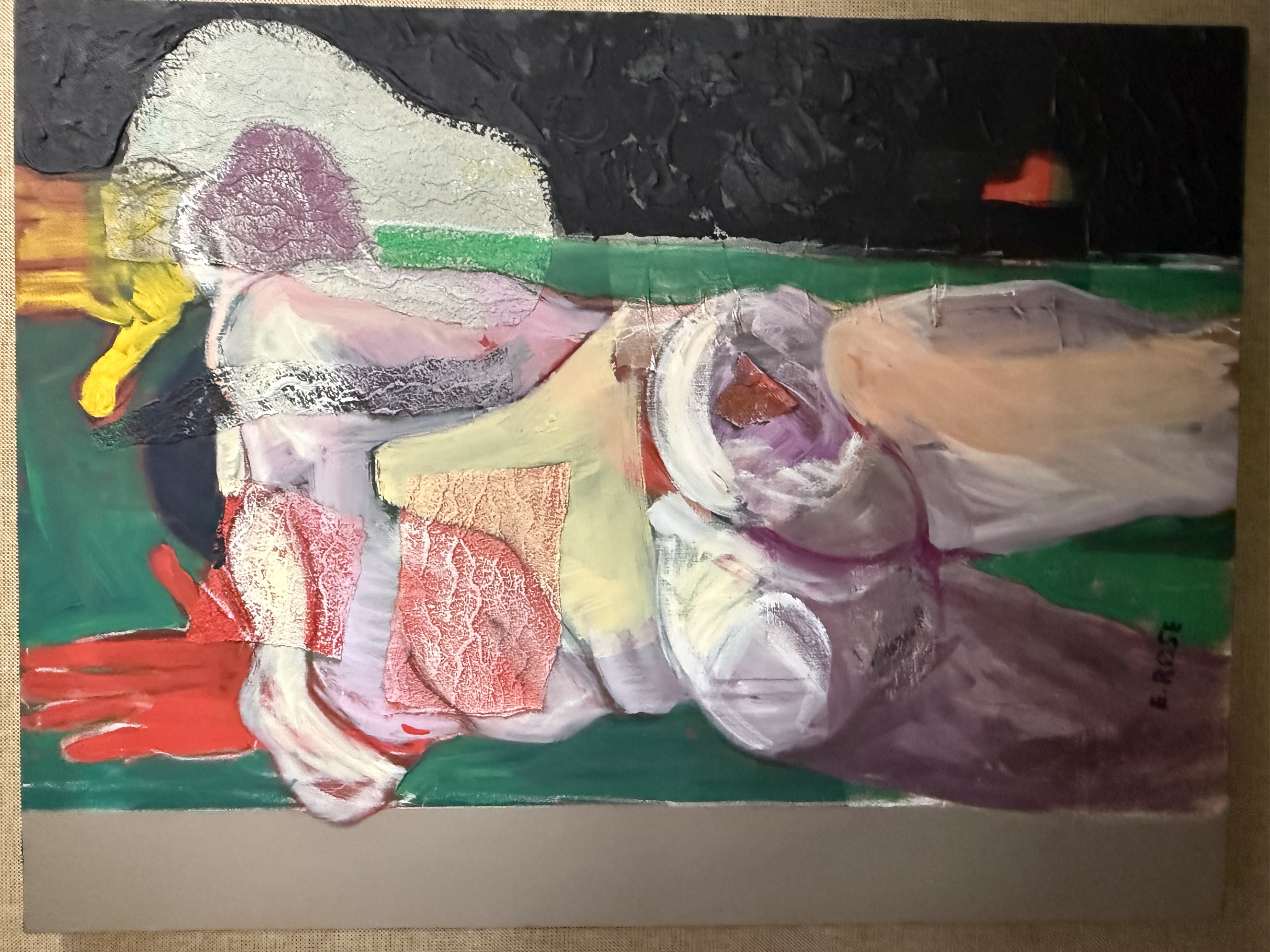
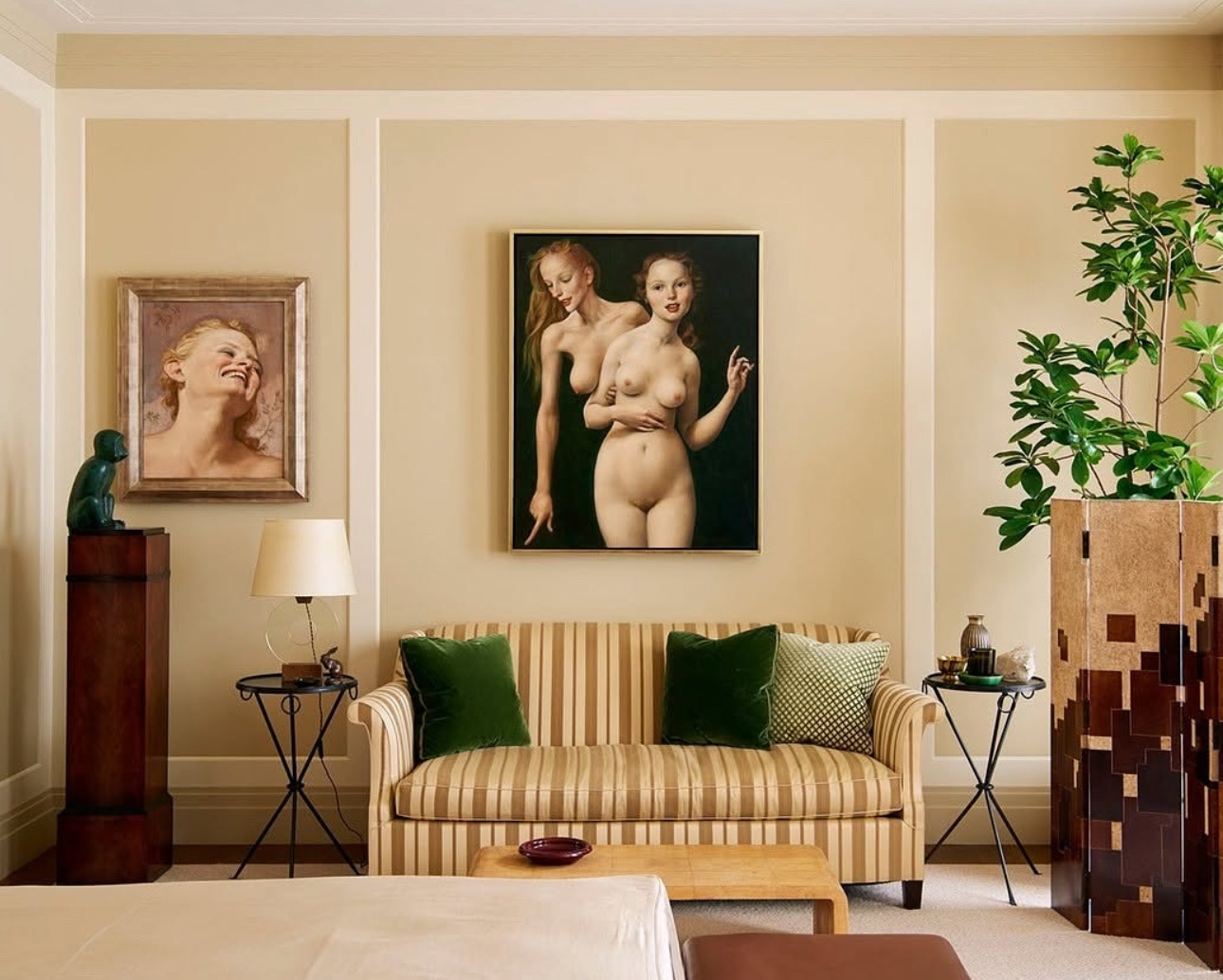
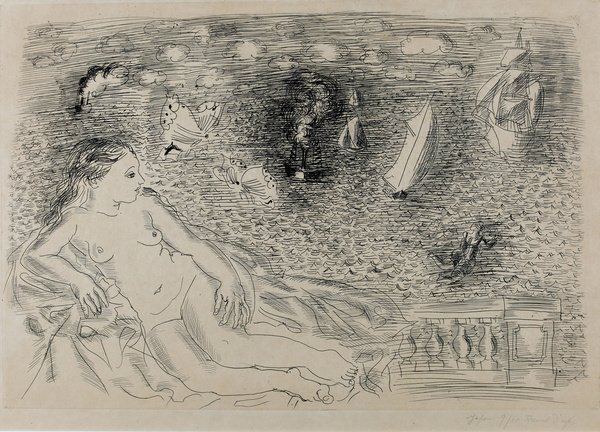
There is no subject in the history of Western art that has been more fought over, more philosophized about, more legislated against, and more obsessively returned to than the unclothed human body. From the marble kouroi of ancient Greece to Thomas Ruff's digitally sourced confrontations with desire and looking, the nude has served as a kind of pressure gauge for whatever a given culture most needs to negotiate: beauty, mortality, power, shame, freedom. It is never simply a body. It is always an argument.
The nude as a formal category, distinct from mere nakedness, was codified in Western art long before the term itself existed. Greek sculptors of the fifth century BCE understood the idealized body as a vehicle for the divine, a philosophy that Renaissance artists absorbed and transformed when they returned to classical models in the fifteenth century. Michelangelo's figures on the Sistine Chapel ceiling, completed in 1512, elevated the nude to something theological, insisting that the body in its perfection was itself a form of praise. This idea of the nude as ideal persisted for centuries and set the terms against which every subsequent departure would be measured.
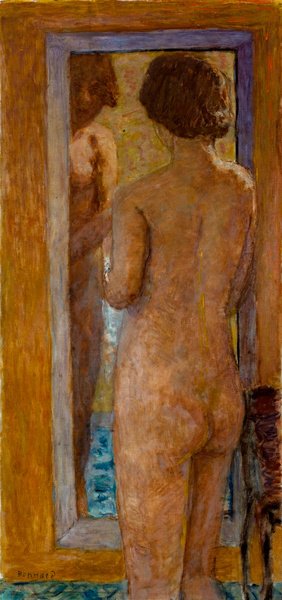
Pierre Bonnard
Femme à sa toilette, 1934
The nineteenth century is where things become genuinely interesting, because it is where the cracks in that classical ideal became impossible to ignore. When Édouard Manet exhibited Olympia at the Paris Salon of 1865, critics were not simply scandalized by nudity. They were destabilized by the way the figure looked back, refusing the passive availability that academic painting had encoded into the reclining female form for generations. That confrontational gaze changed what the nude could do.
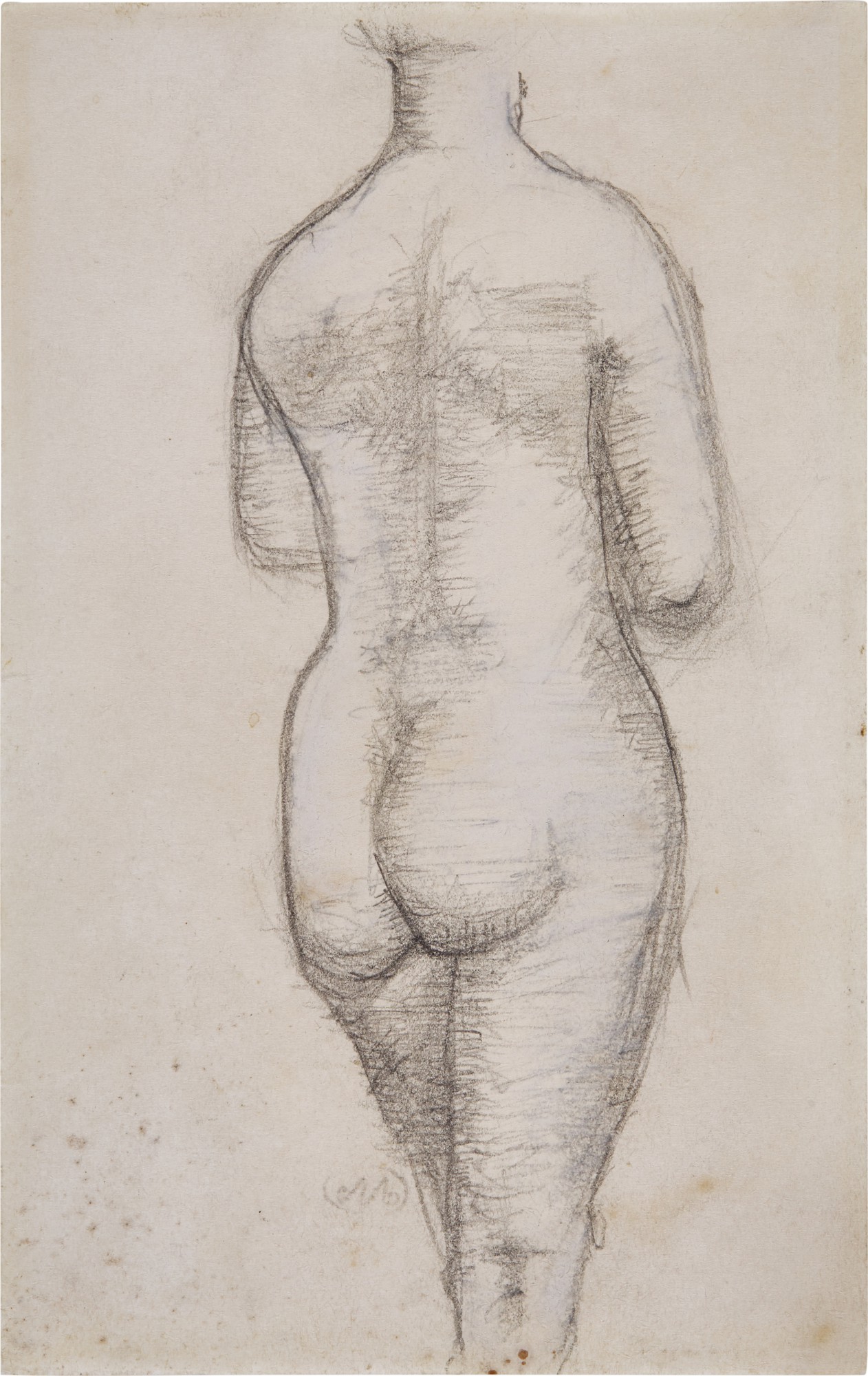
It opened a door through which Edgar Degas walked when he began his relentless series of bathers in the 1880s and 1890s, depicting women washing themselves with an intimacy that felt almost accidental, observed rather than composed. Degas is well represented on The Collection, and his drawings in particular reward close attention for the way they treat the body as a problem of weight and movement rather than a problem of beauty. The early twentieth century saw the nude fracture into a dozen competing visions simultaneously. Pablo Picasso's Les Demoiselles d'Avignon from 1907 is the canonical rupture, breaking the female body into planes and angles borrowed from African masks and Iberian sculpture and reassembling something jagged and unsettling in its place.
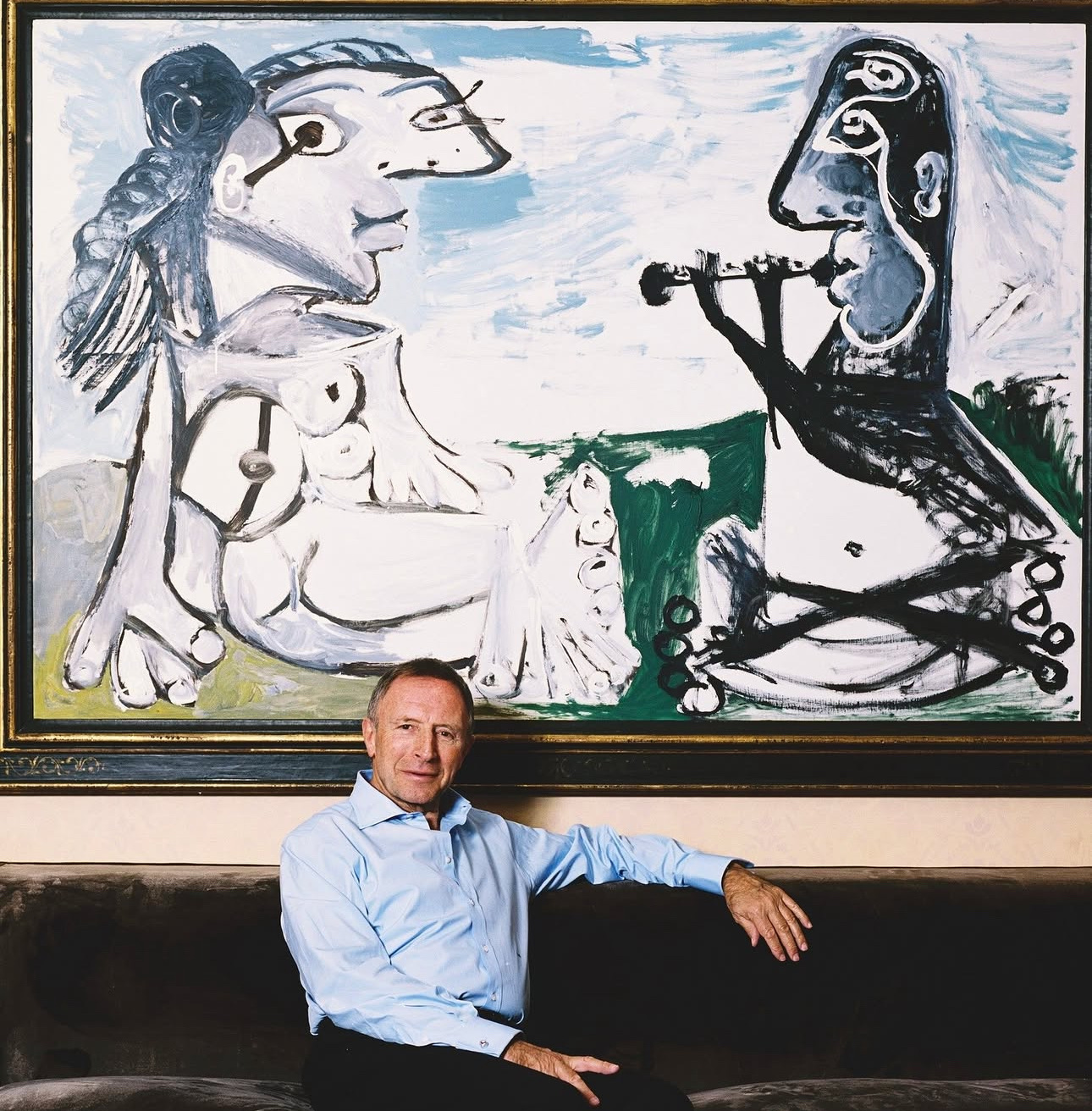
Pablo Picasso
L’Aubade, 1967
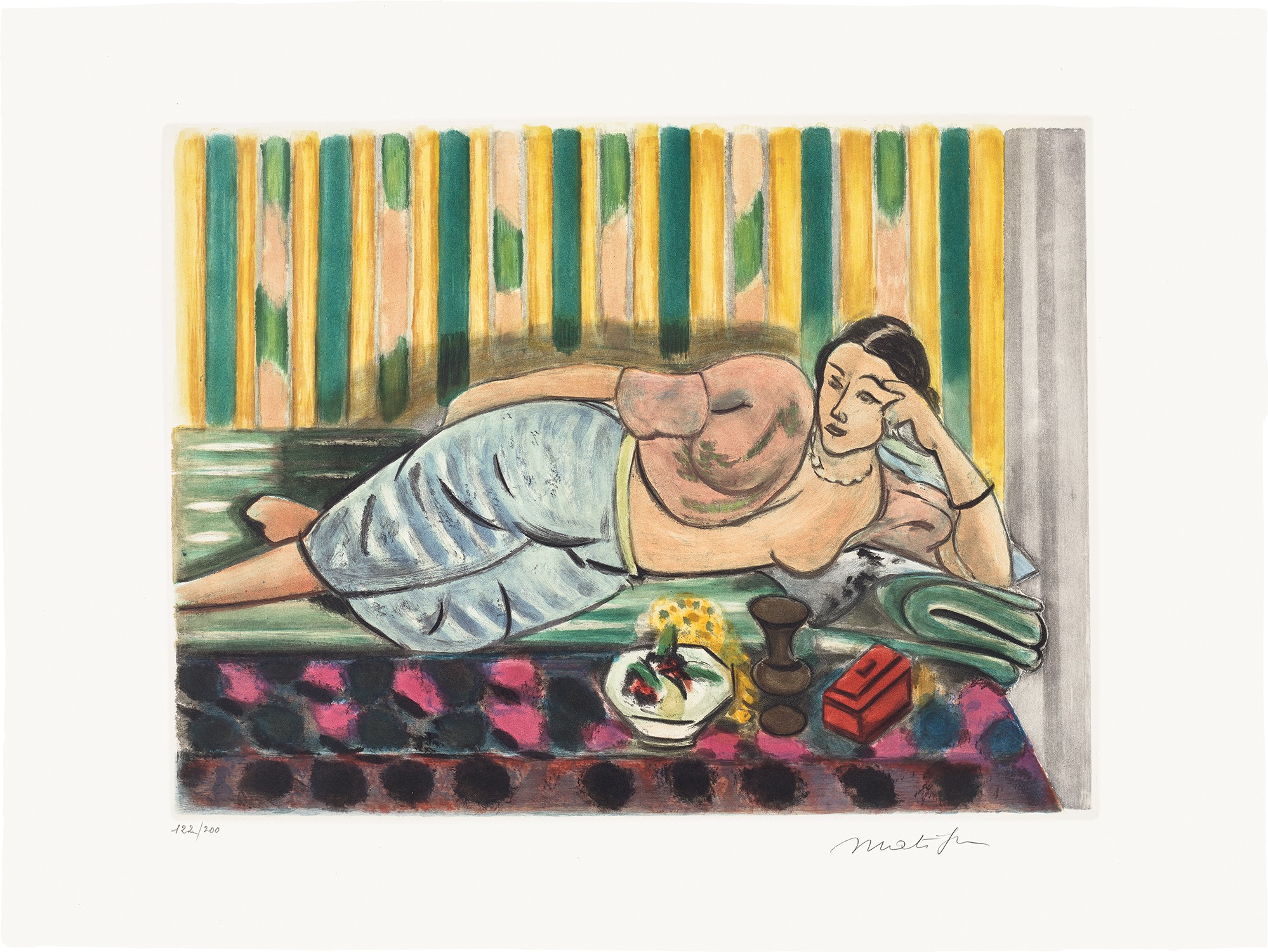
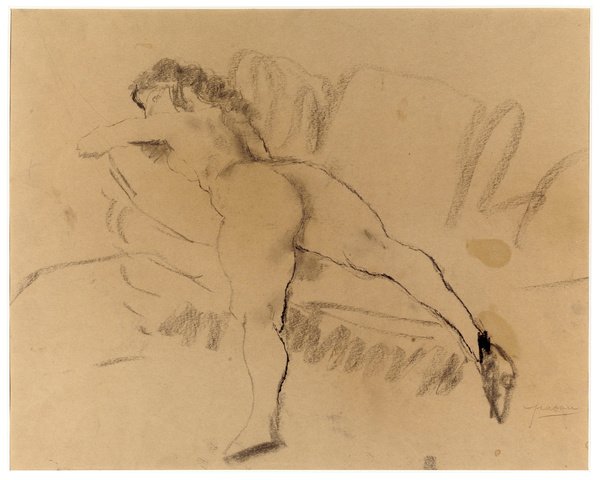
Picasso's engagement with the nude runs through virtually his entire career and constitutes one of the great sustained investigations in modern art. Alongside him, Henri Matisse pursued a different and in some ways equally radical path, using color and flattened line to find a sensuous directness that had nothing to do with classical idealization. Amedeo Modigliani, working in Paris in the same period, distilled the nude to an almost iconic elongation, his figures mysterious and self contained. Jules Pascin, another Paris figure of that era, brought a more restless, sketchlike energy to his nudes, all nervous line and psychological ambiguity.
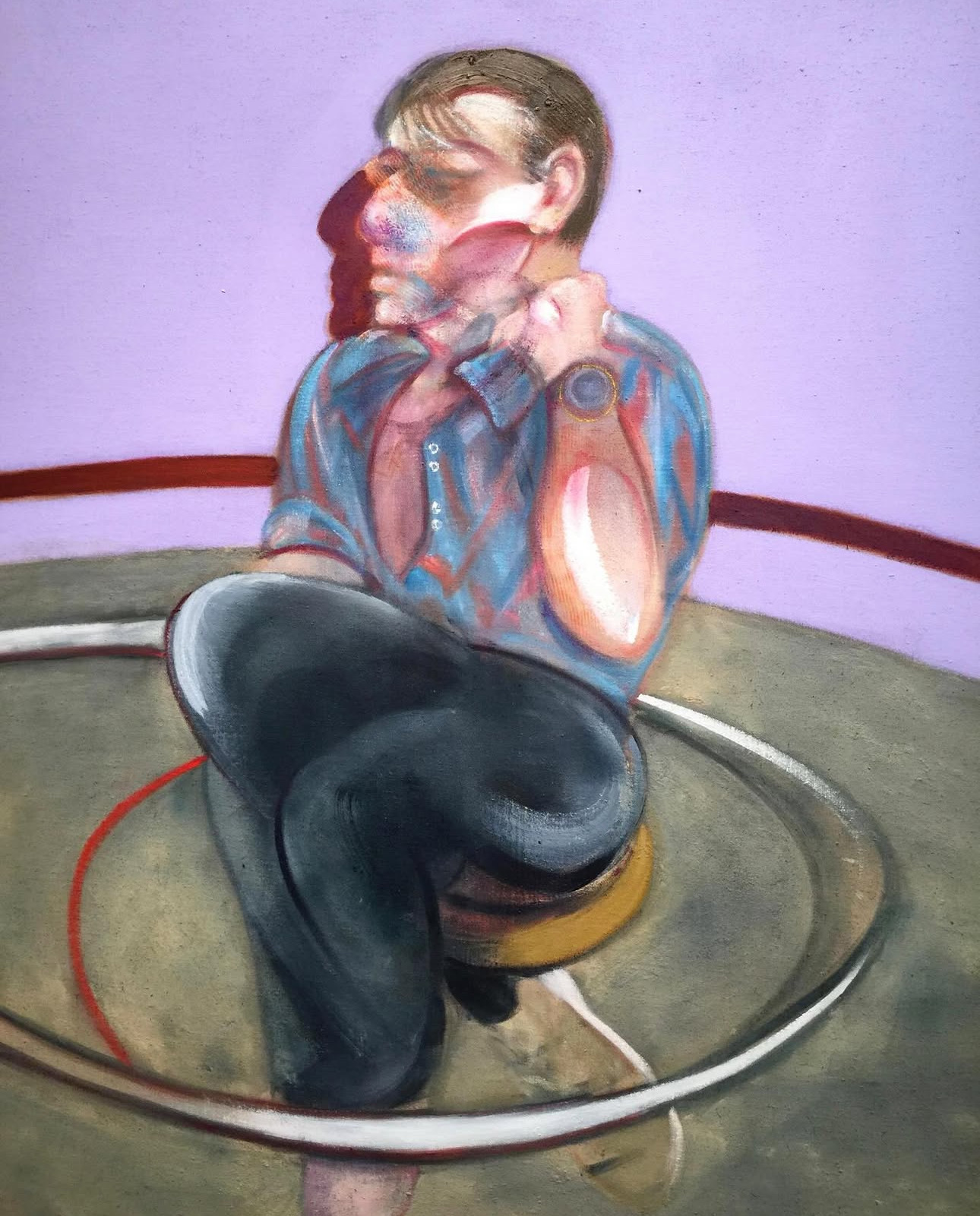
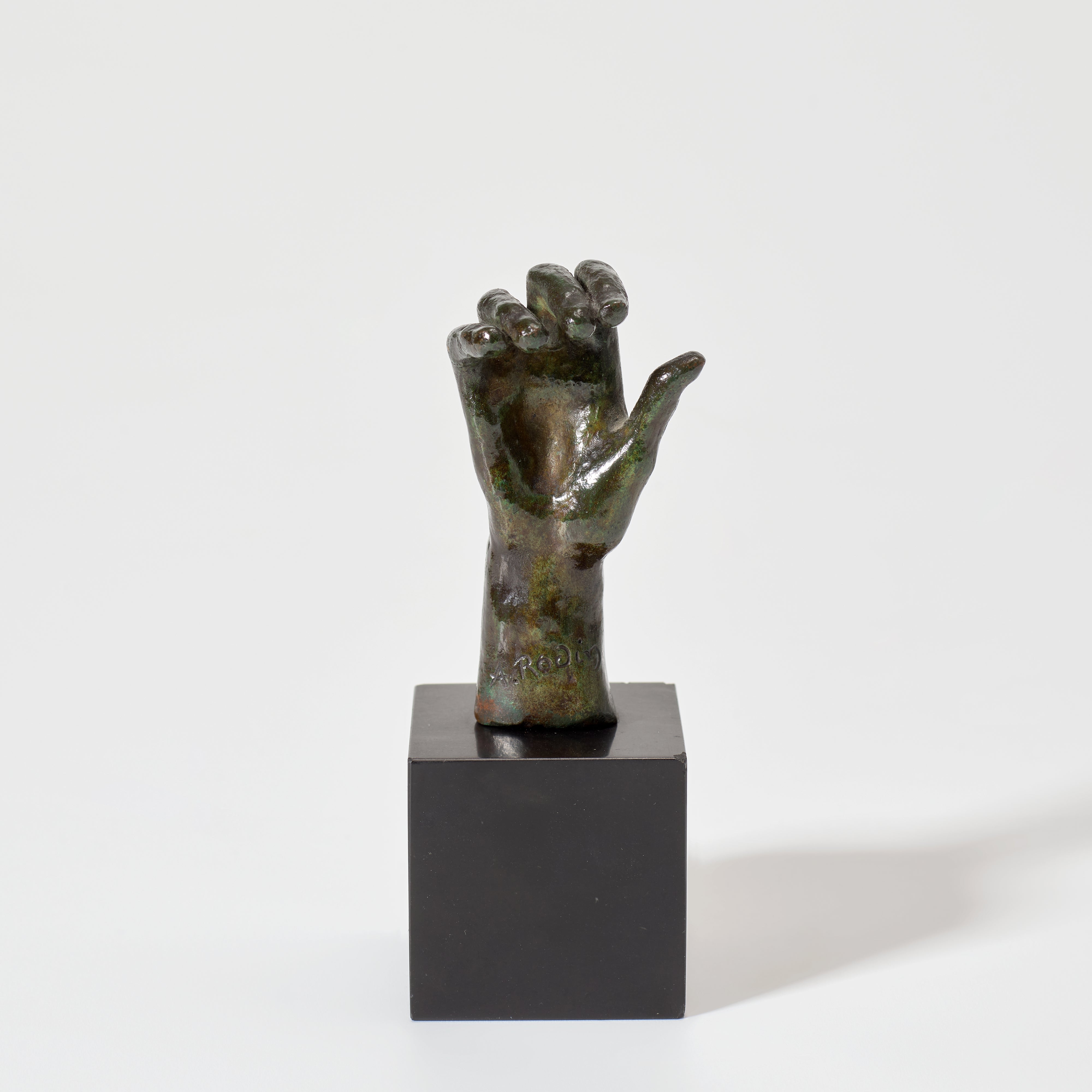
Aristide Maillol and Auguste Rodin, approaching the body through sculpture, remind us that the nude is not only a painter's question. Rodin's surfaces vibrate with suggestion while Maillol's figures are dense with Mediterranean calm, and both are present in the works on The Collection in ways that reward direct comparison. The postwar period staged a reckoning with everything the nude had come to represent. Francis Bacon reanimated the body as a site of anguish, his figures smeared and screaming in existential isolation, drawing on photography and wrestling imagery to produce something that felt both ancient and brutally contemporary.
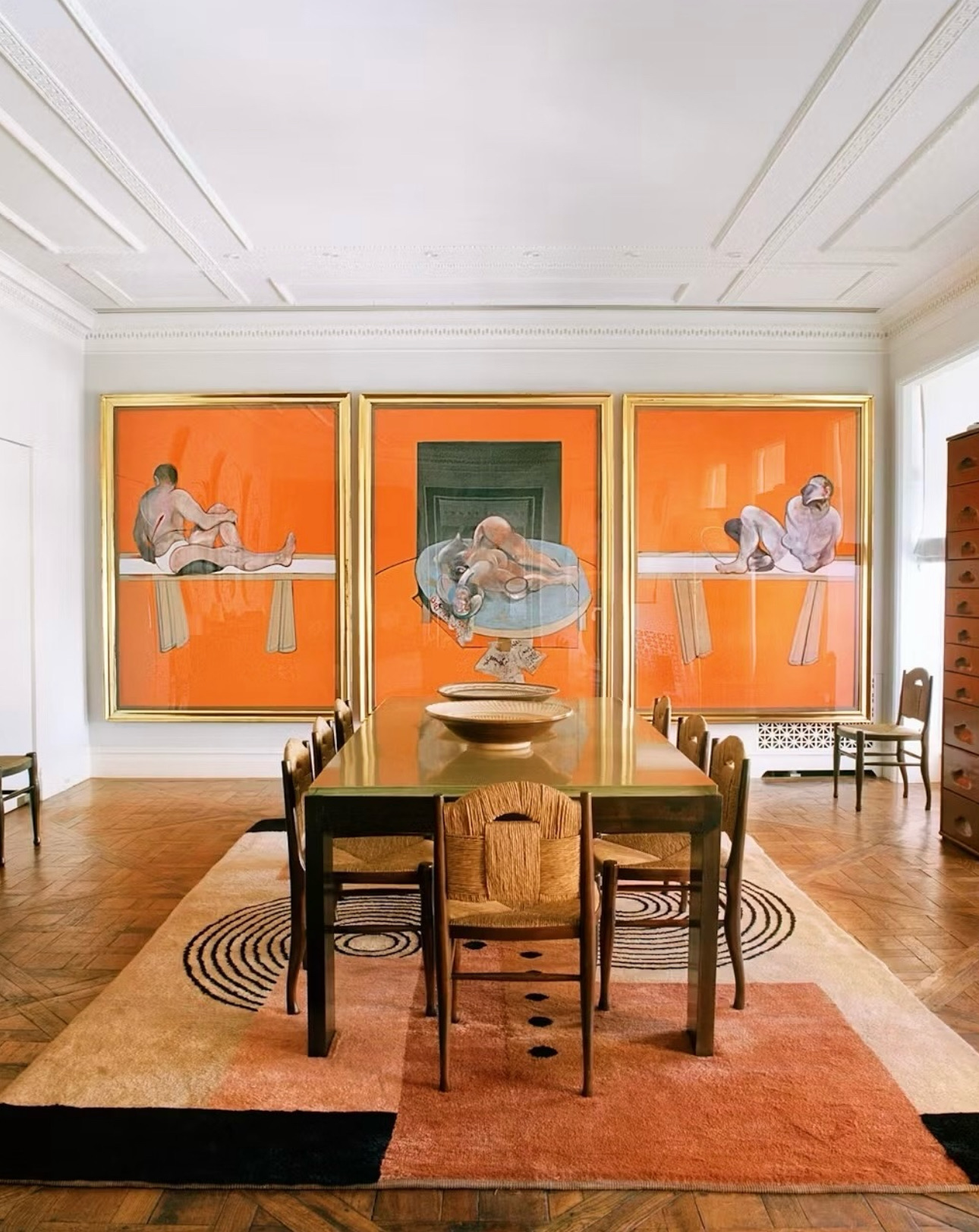
Francis Bacon
Studies from the Human Body, 1979
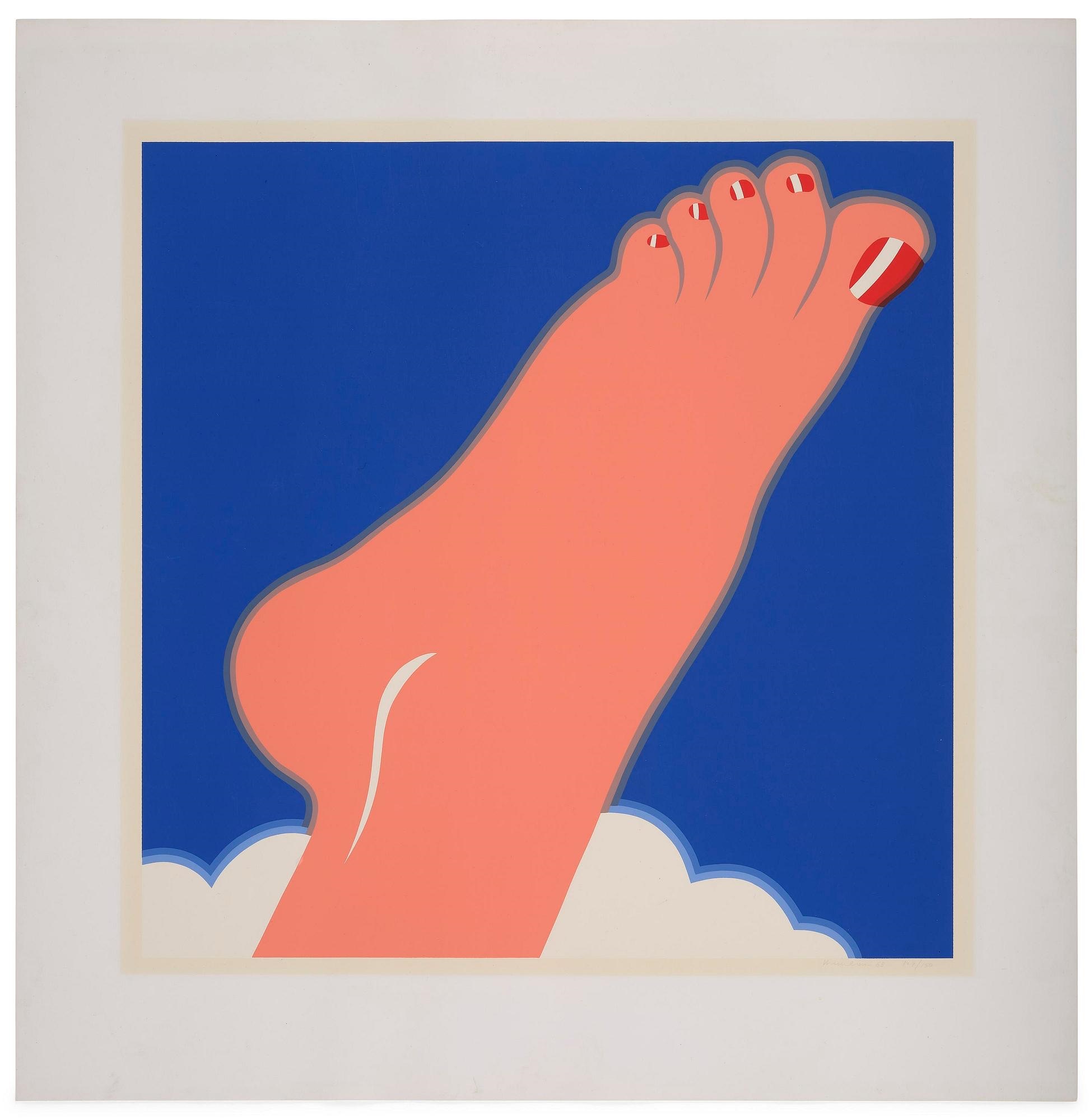
Bacon understood that the nude body could carry trauma in a way no clothed figure could quite match. Meanwhile, American artists of the 1960s approached the nude through an entirely different lens. Tom Wesselmann's Great American Nude series, which he began in 1961, stripped the female body back to a graphic emblem, fragmenting it into mouth, breast, and gesture against flat fields of domestic color. Roy Lichtenstein borrowed the simplified line of commercial illustration to similar ends, and Andy Warhol turned the celebrity body into a repeating unit of cultural production.
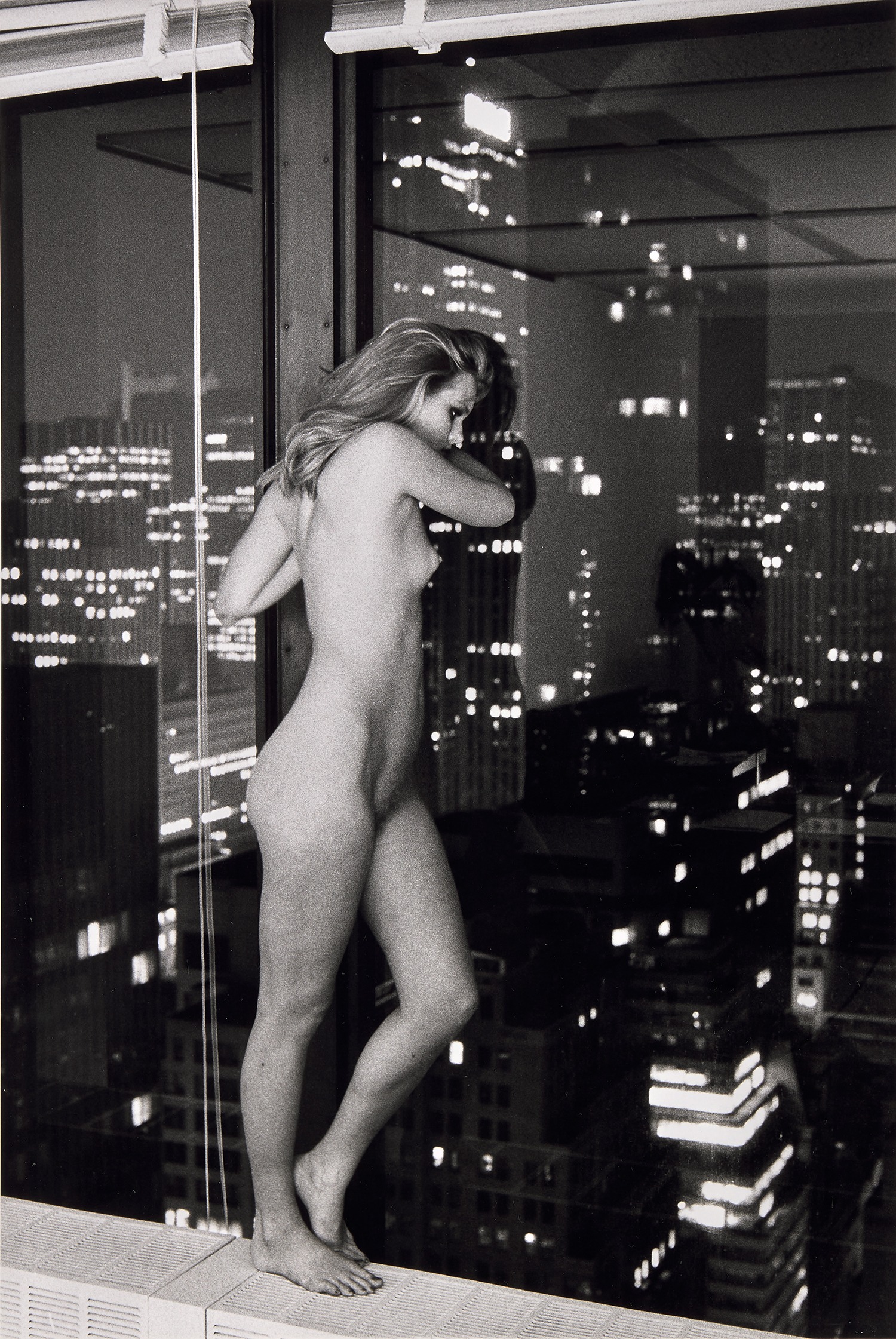
These artists dominate the American half of what The Collection offers in this subject, and together they reframe the nude as a question about mediation and desire in consumer culture. Photography has always had a complicated relationship with the nude because the camera appears to eliminate the distance between idealization and reality. Helmut Newton made that complication central to his work, his photographs staging a kind of theater of power and glamour in which nudity became a form of armor as much as exposure. Edward Weston found something almost sculptural in the body through extreme formal control, while Bill Brandt, working in a distinctly British register, used high contrast printing and wide angle distortion to make the body strange, monumental, and elemental.
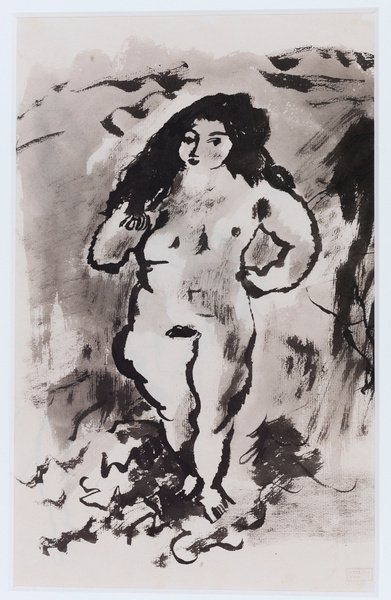
Jules Pascin
Nu debout, 1917
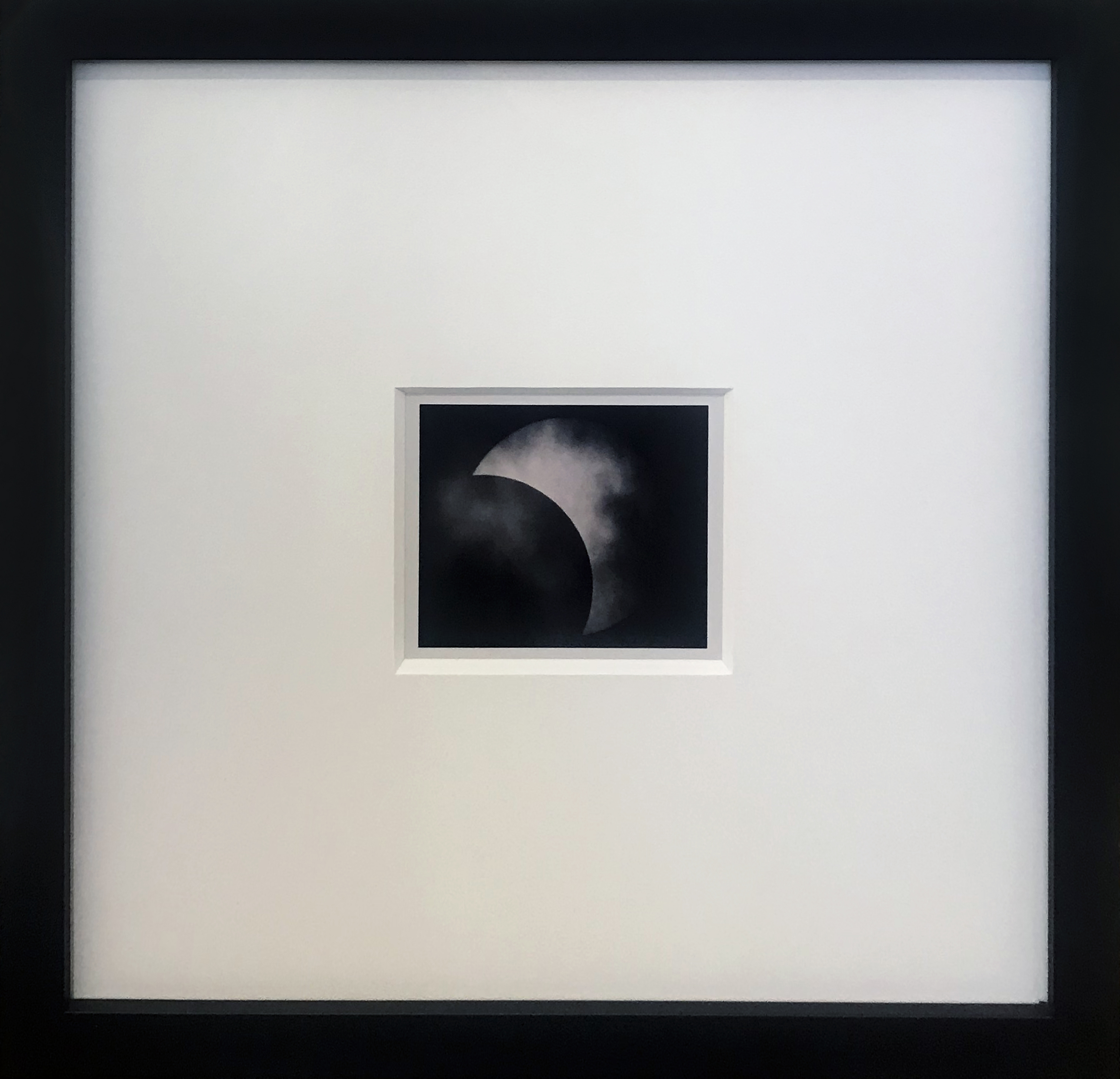
Herb Ritts brought a classical clarity to his photographs that consciously echoed Greek sculpture, creating images that sit at an interesting intersection of commerce and high art aspiration. Thomas Ruff's nude works, sourced and manipulated from internet imagery, complete a kind of genealogy that runs from the marble ideal to the pixelated screen. What sustains the nude as a subject is precisely its refusal to be settled. Lisa Yuskavage's painted figures, candied in color and psychologically loaded, insist that the female nude still has strange and uncomfortable territory to explore.
George Condo brings his synthetic figuration to bear on bodies that seem to collapse genres and centuries simultaneously. Vanessa Beecroft's durational performances, in which real bodies are arranged like living paintings, ask whether the nude can exist without representation at all. The subject has survived every proclamation of its exhaustion because it keeps turning out to be the place where the most essential questions get asked. On The Collection, the breadth and depth of works gathered under this subject amounts to an argument about what it means to look at another body, and what that looking has always really been about.