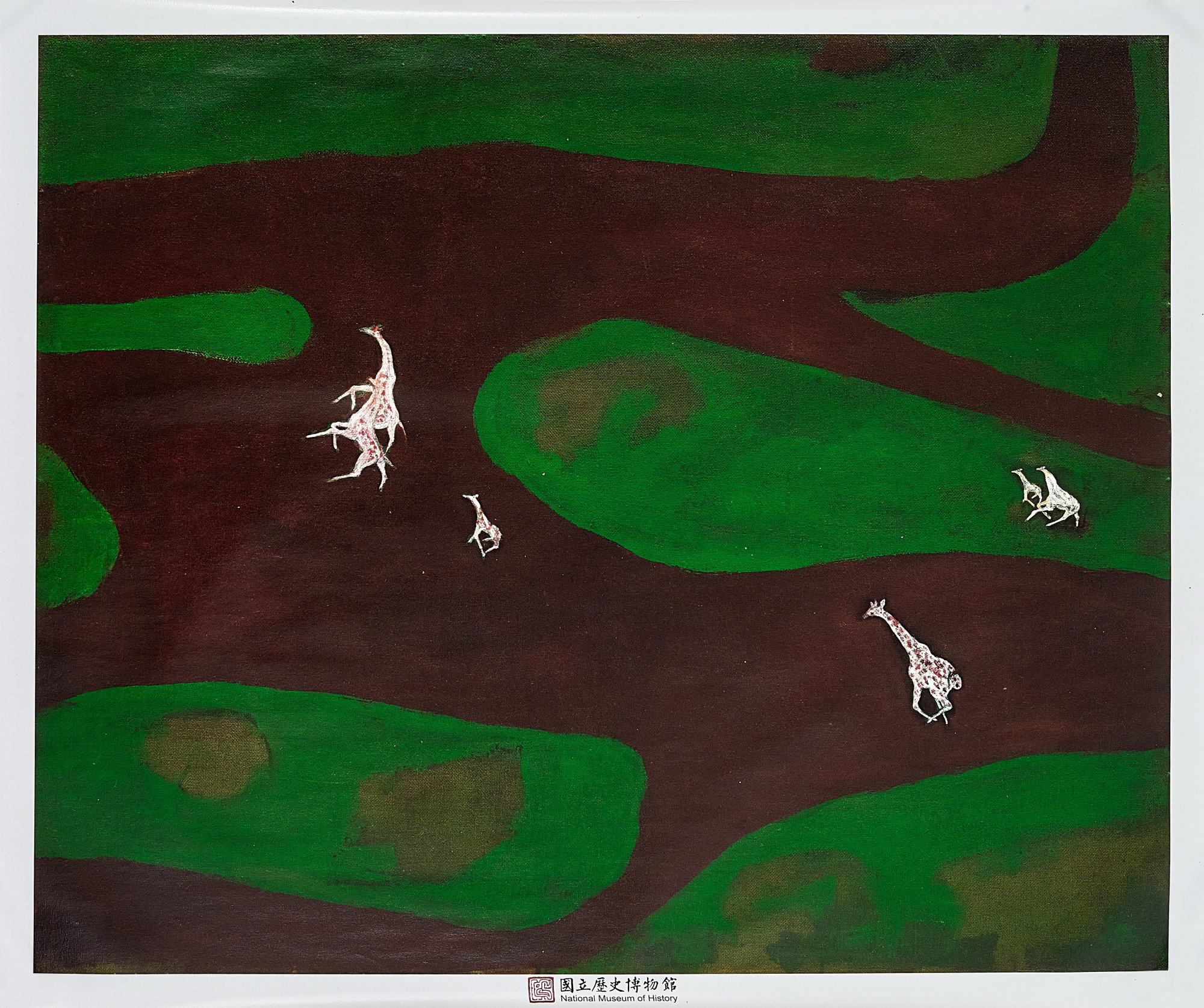
Sanyu
Artist Spotlight
Sanyu: Where East Meets Timeless Elegance
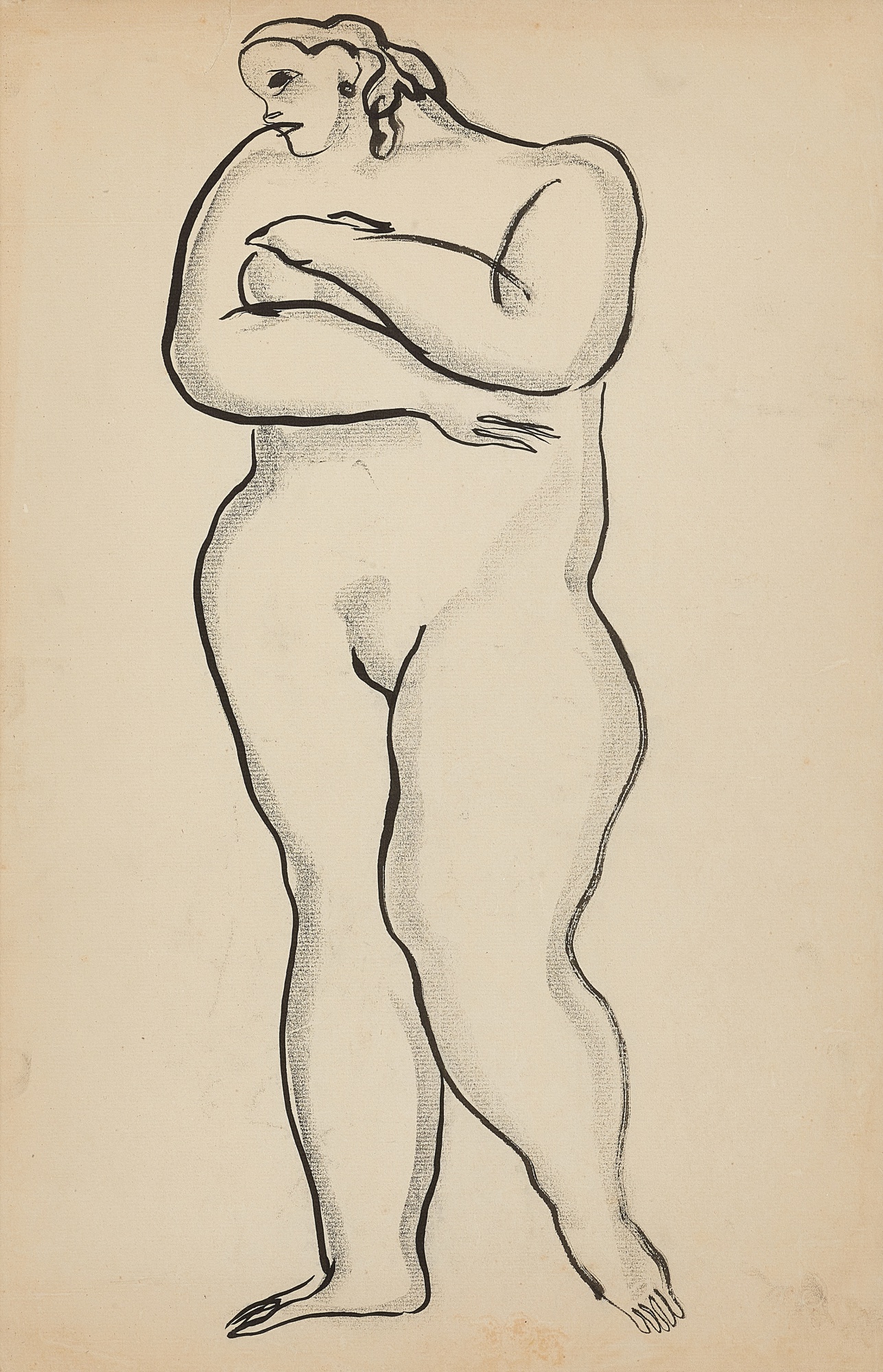
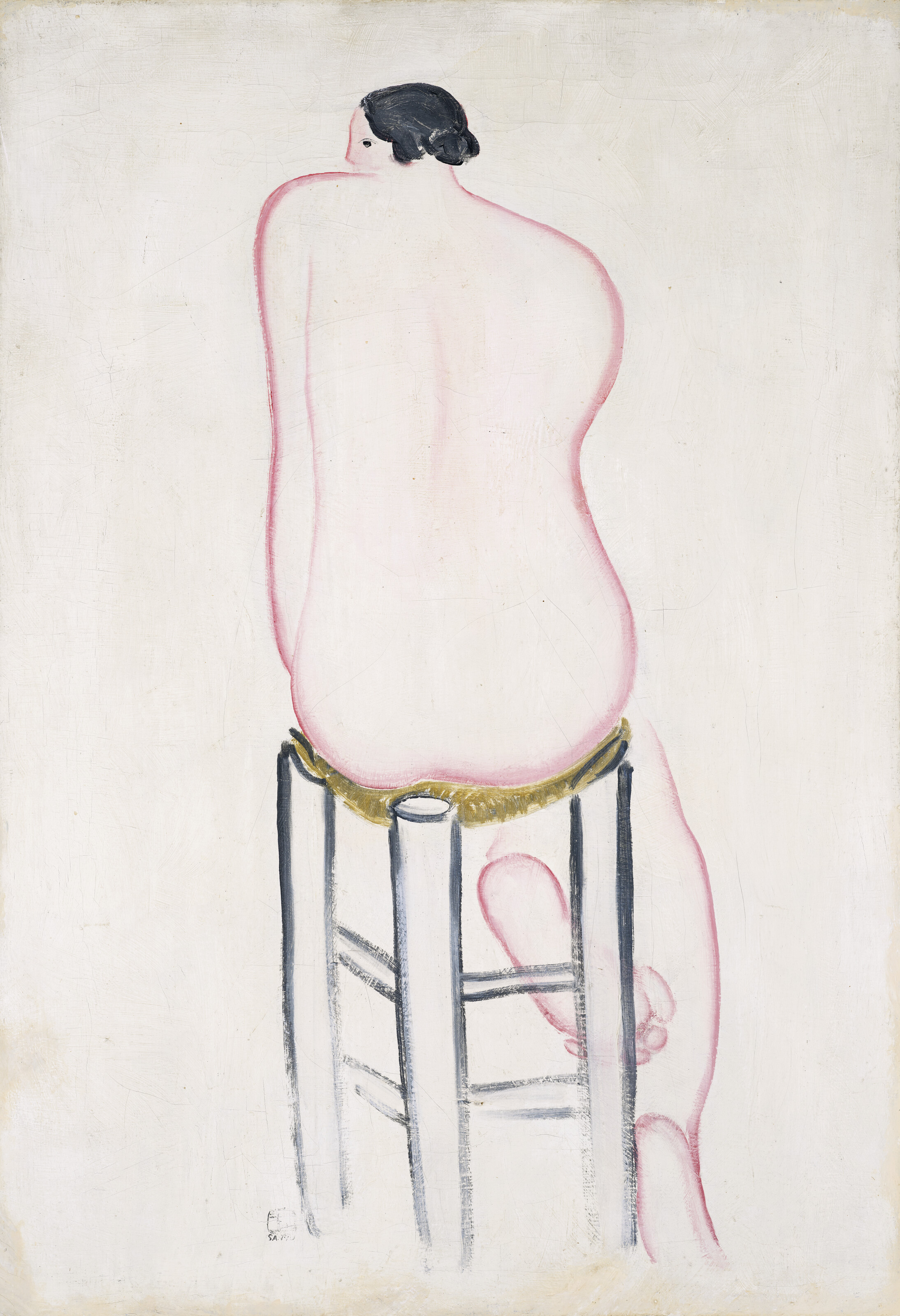
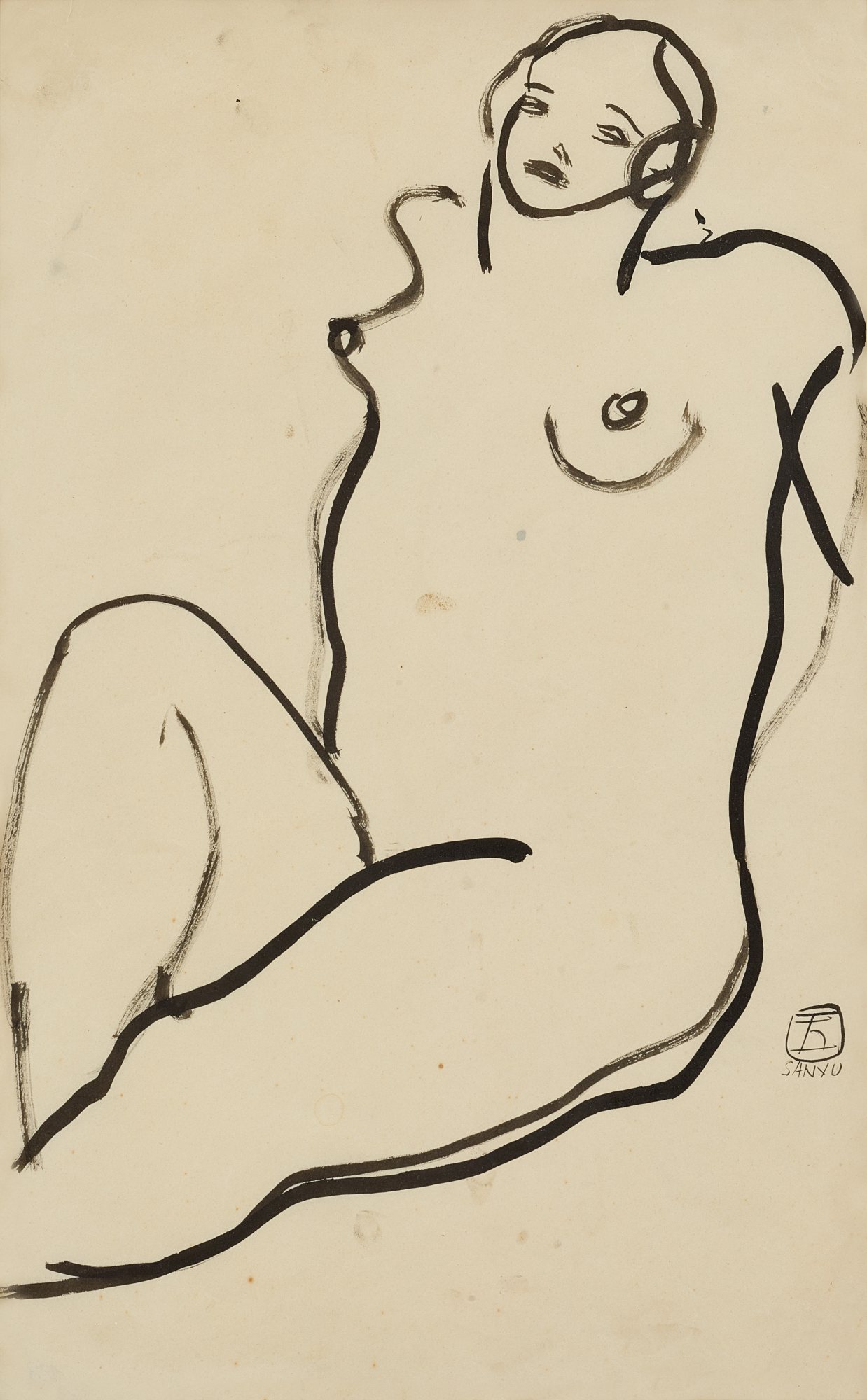
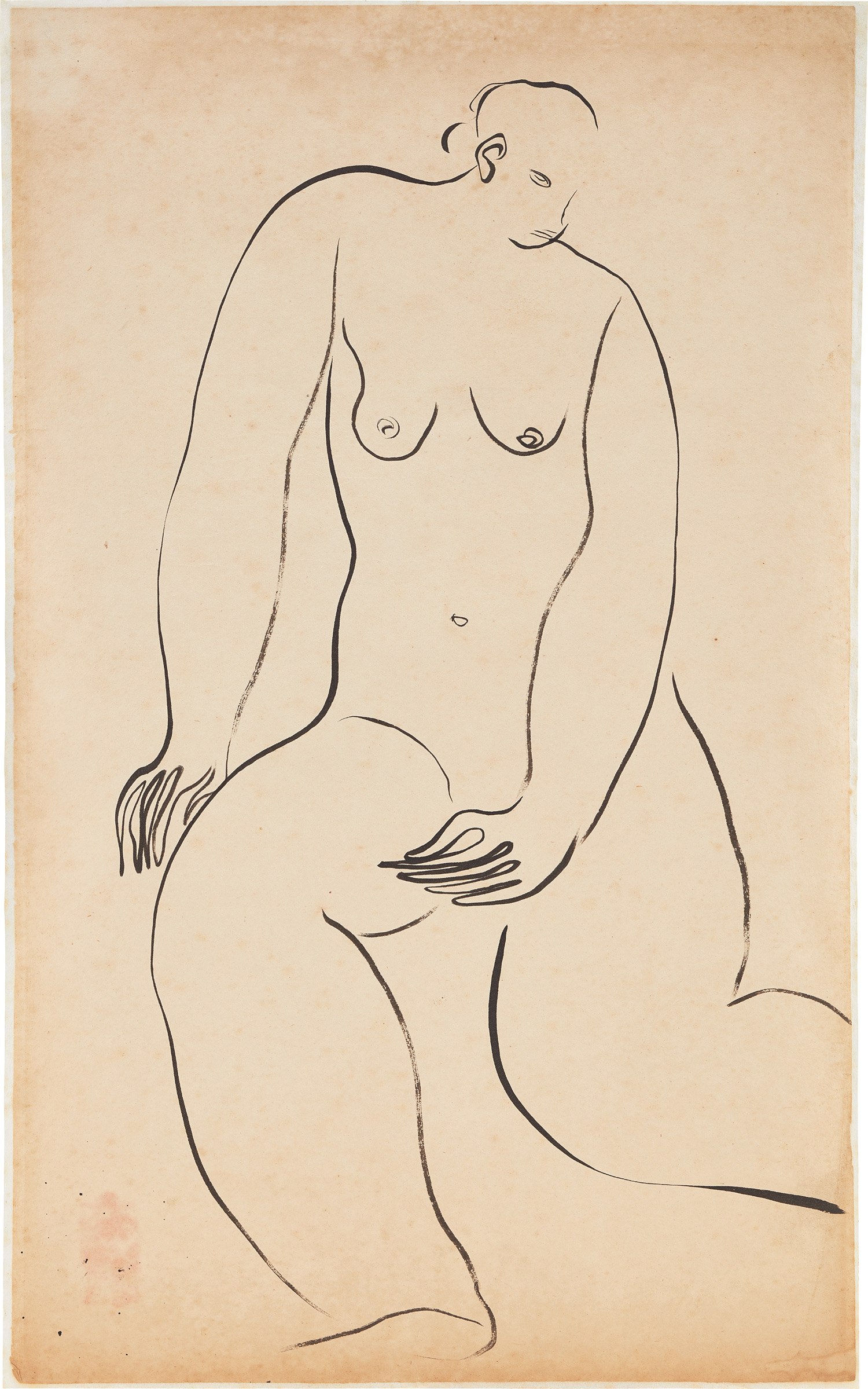
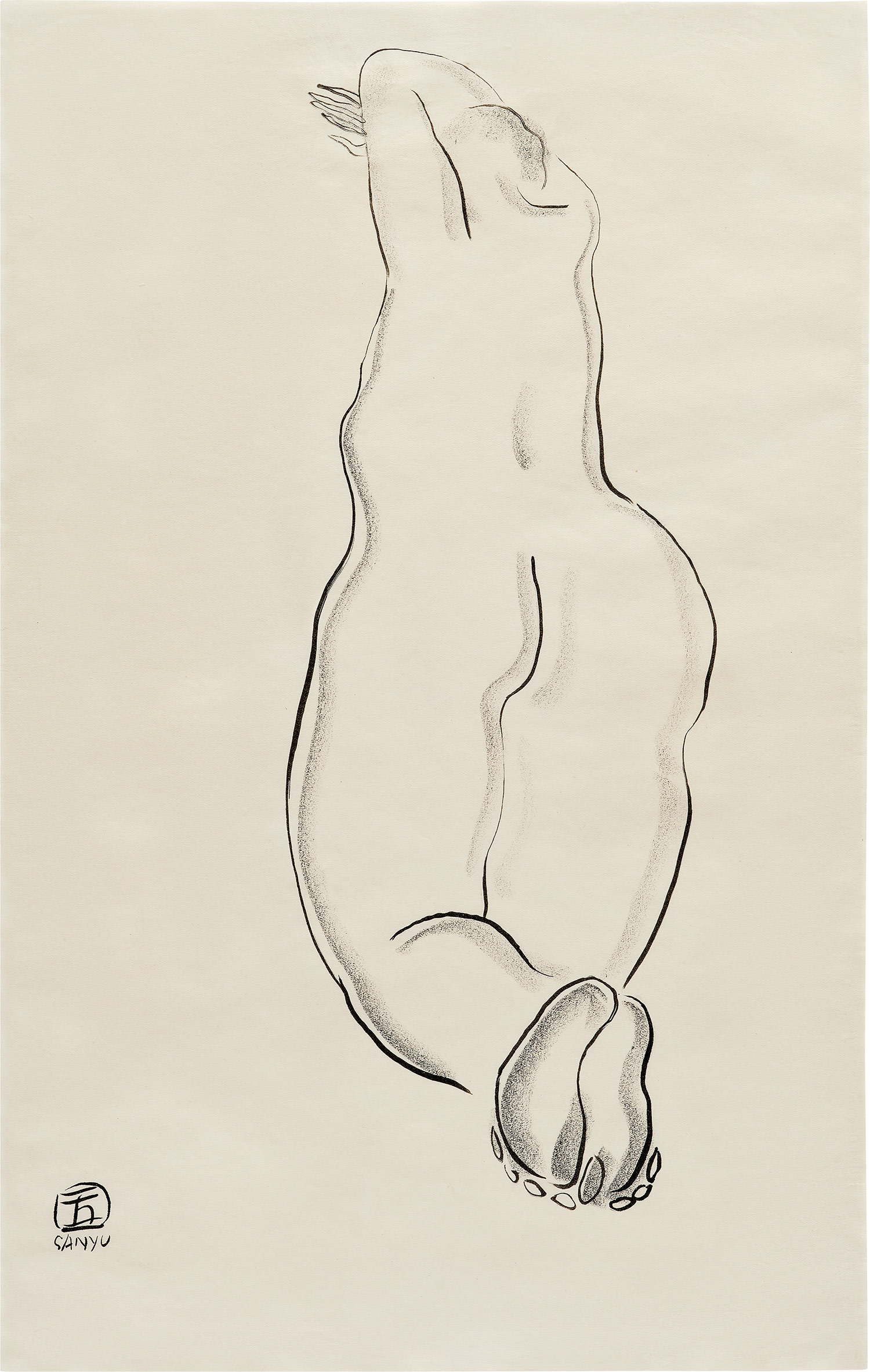
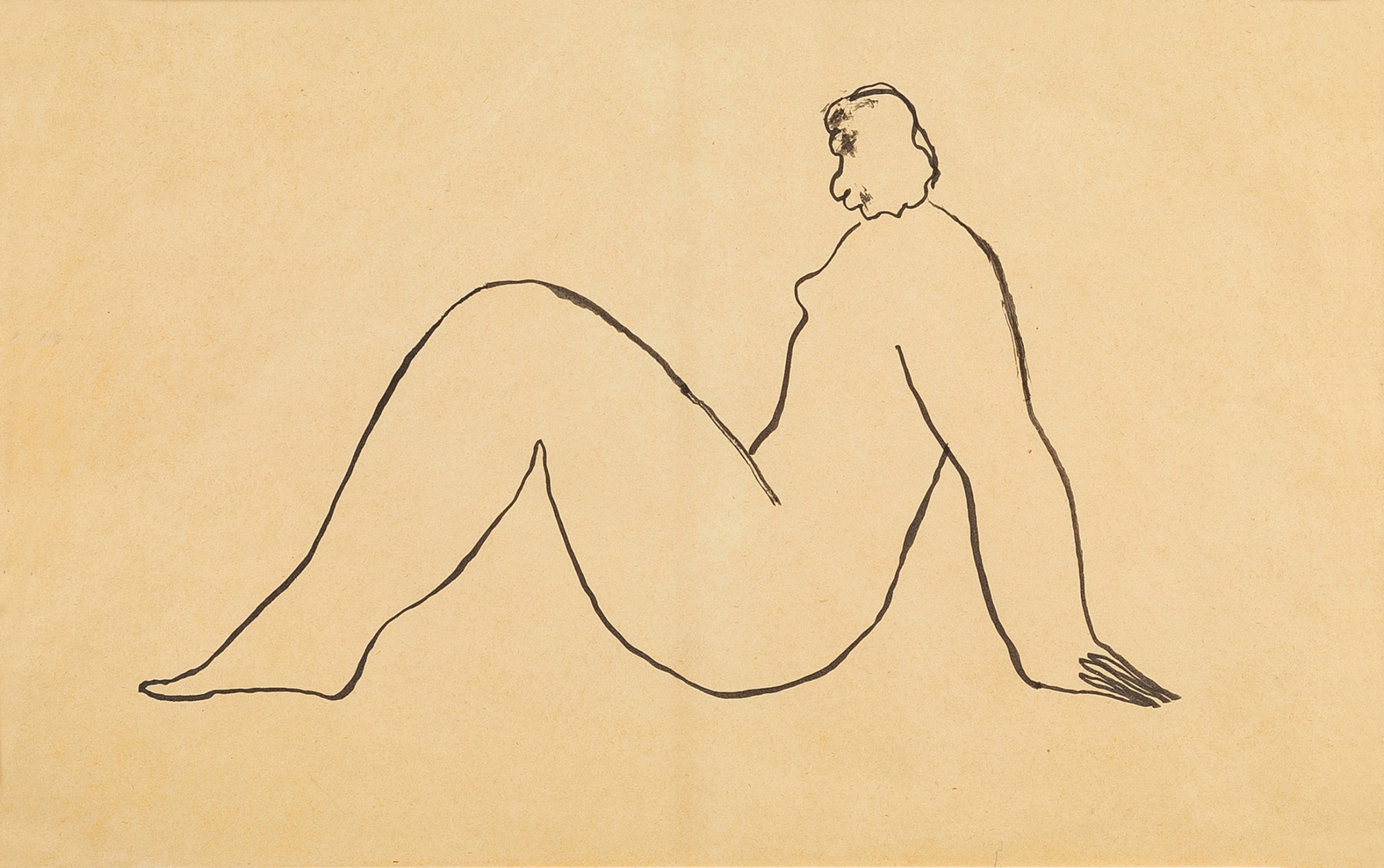
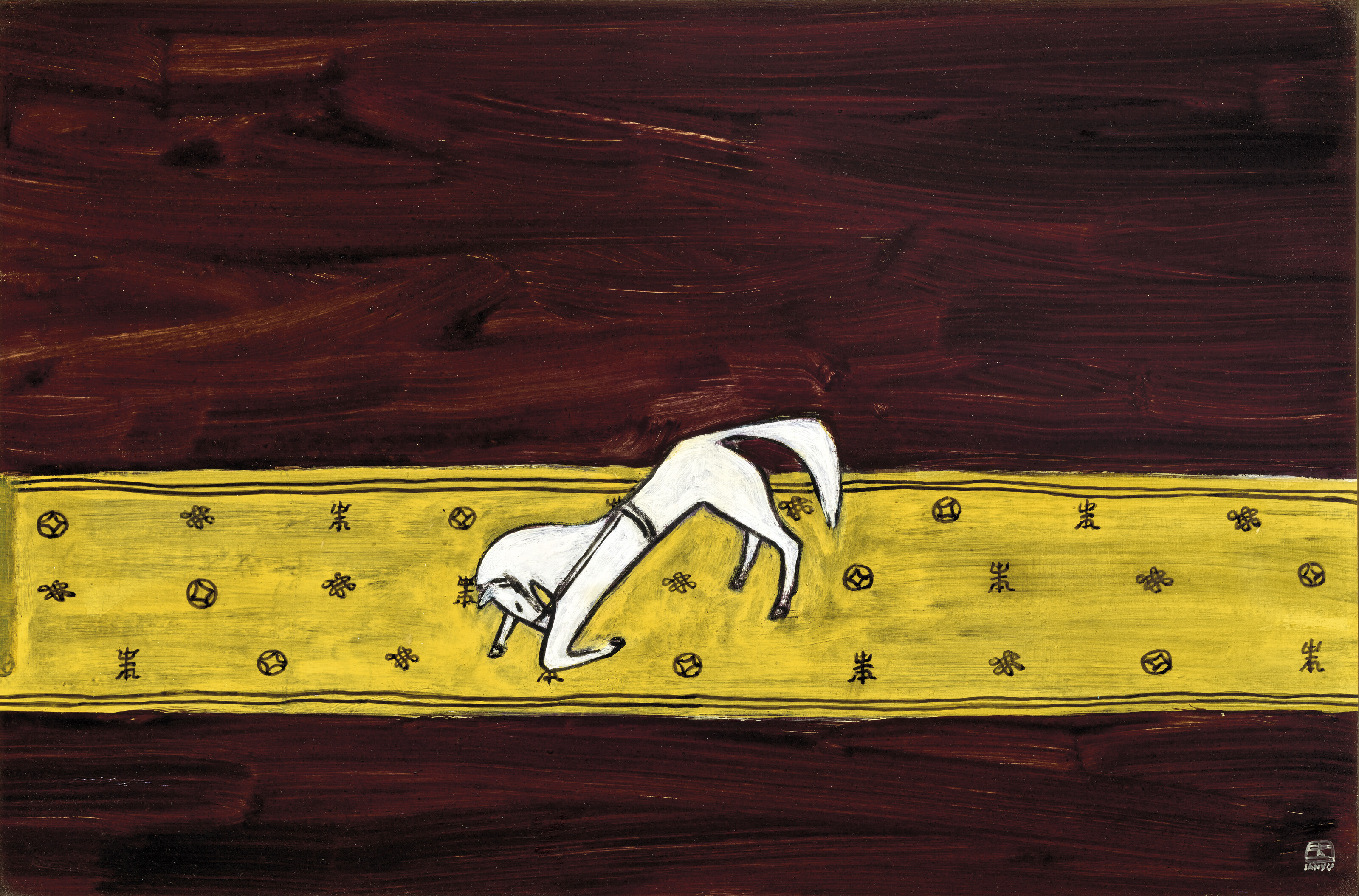
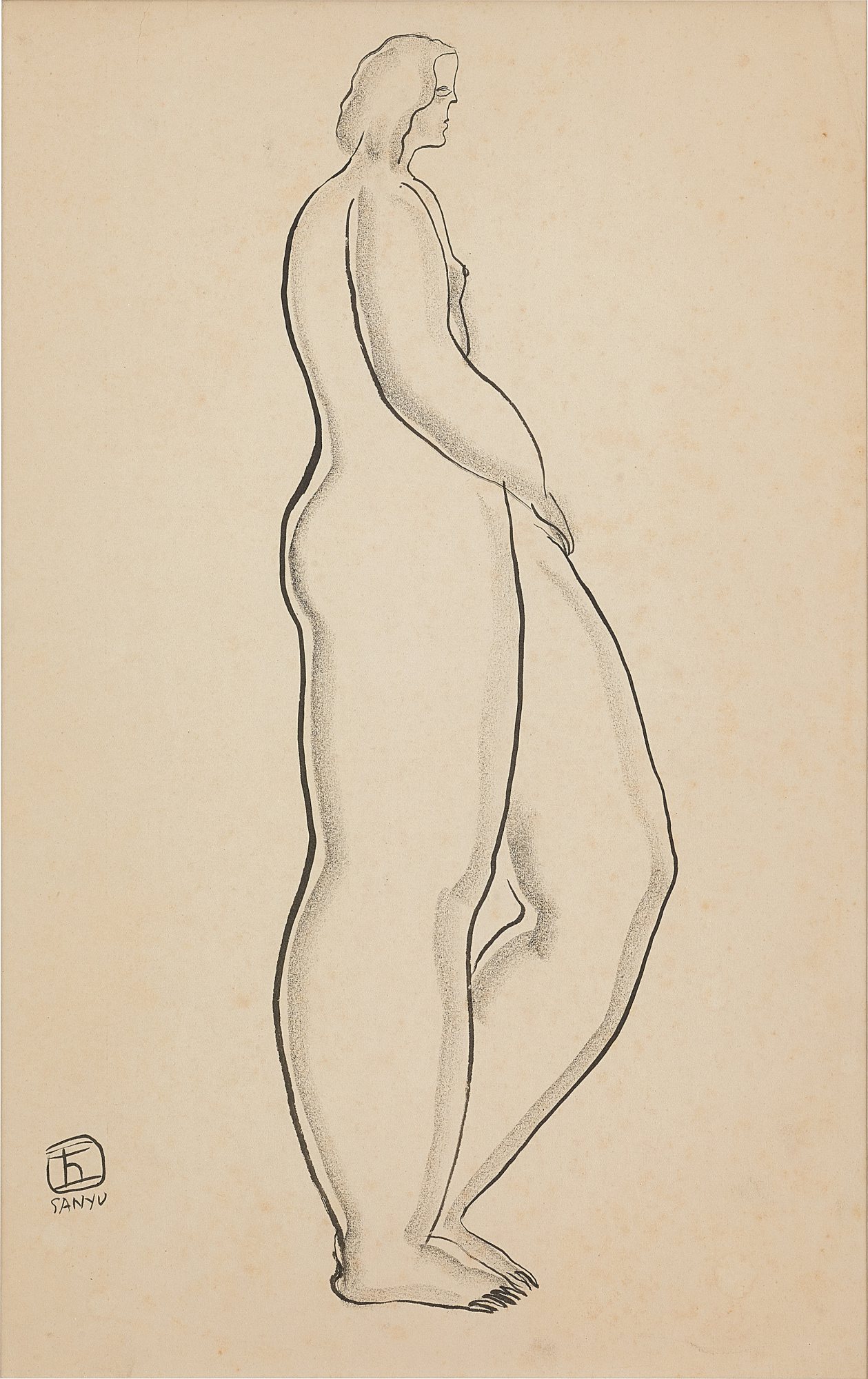
When Christie's Hong Kong brought a major group of Sanyu's works to auction in recent years, the rooms filled with a particular kind of reverence, the sort usually reserved for artists whose reputations have long outpaced their availability. Sanyu's paintings and drawings, intimate in scale yet enormous in presence, routinely set records for modern Chinese art at auction. His "Five Nudes," a luminous canvas that distills the female form into something approaching pure calligraphic gesture, achieved tens of millions of Hong Kong dollars and announced to the global market what a devoted circle… Continue reading
Artists in conversation
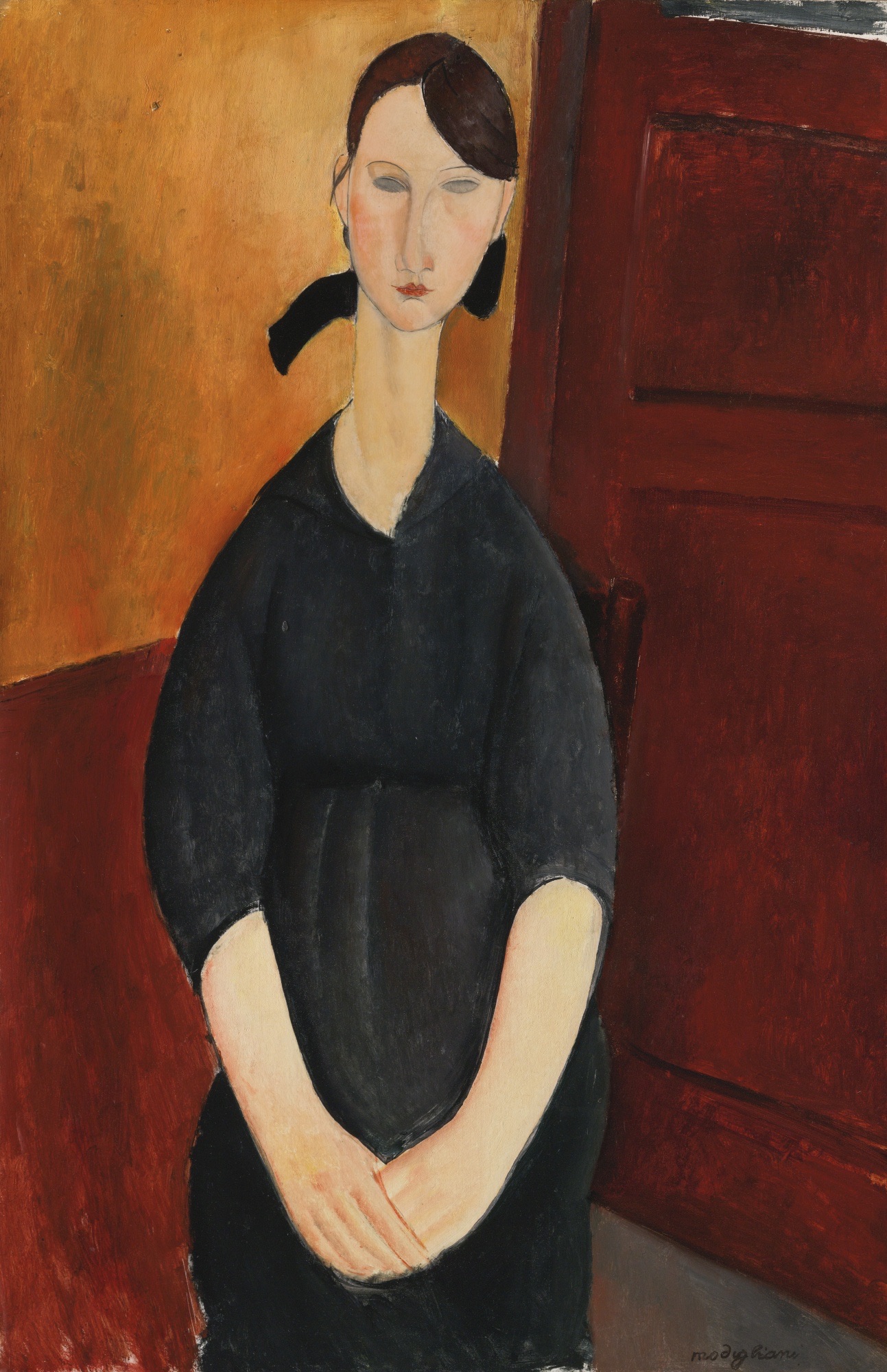
Amedeo Modigliani
Modigliani shared Sanyu's focus on elongated nude figures rendered with elegant simplicity and a lyrical, almost contemplative line quality. Both artists worked in the Paris art scene and produced intimate figure studies that prioritized formal beauty over academic realism.
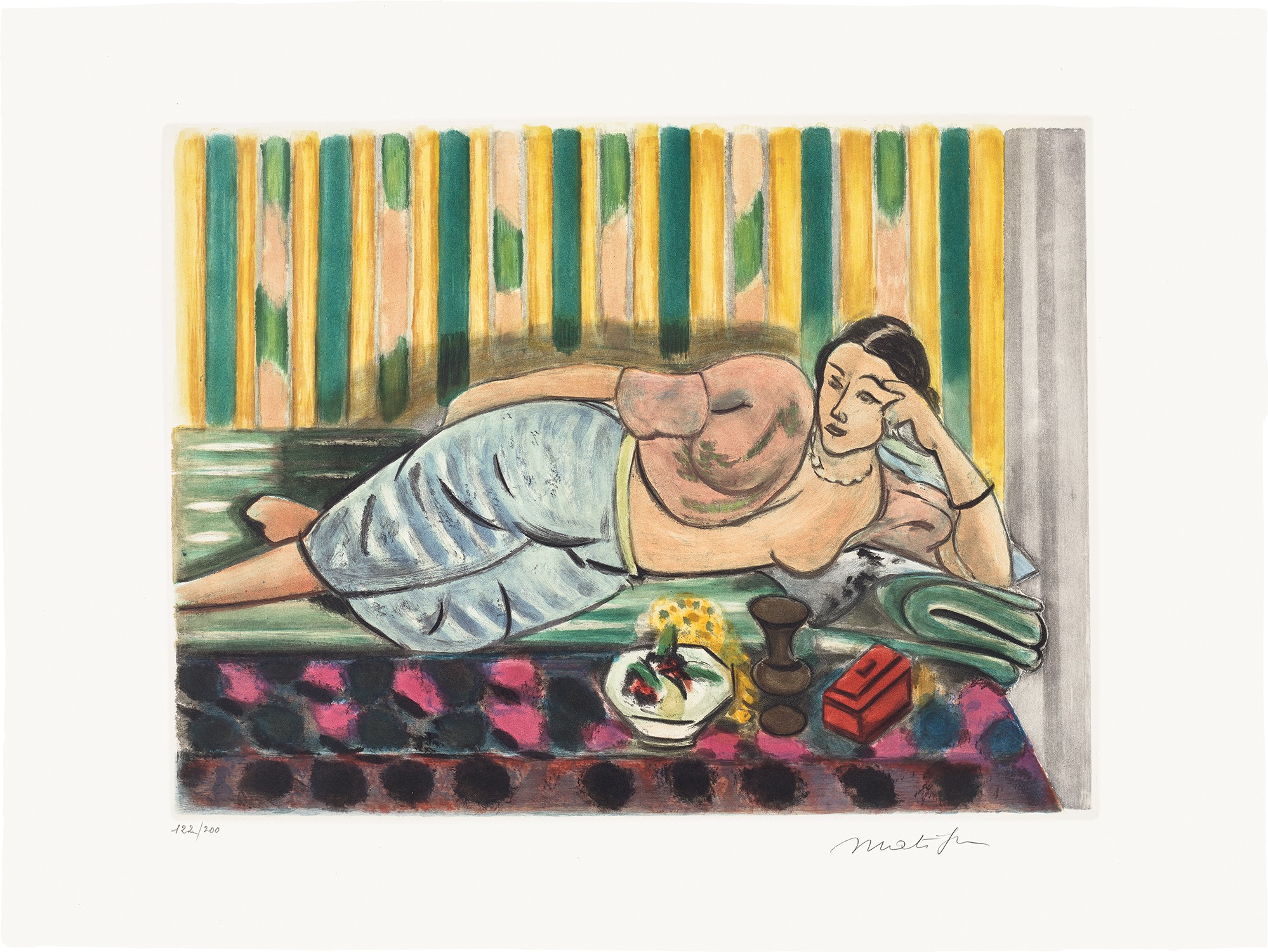
Henri Matisse
Matisse pursued a similar reductive approach to the nude and still life, stripping forms down to essential outlines with bold yet serene compositional choices. His integration of decorative flatness and expressive economy of line parallels Sanyu's fusion of Eastern brushwork sensibility with Western modernism.
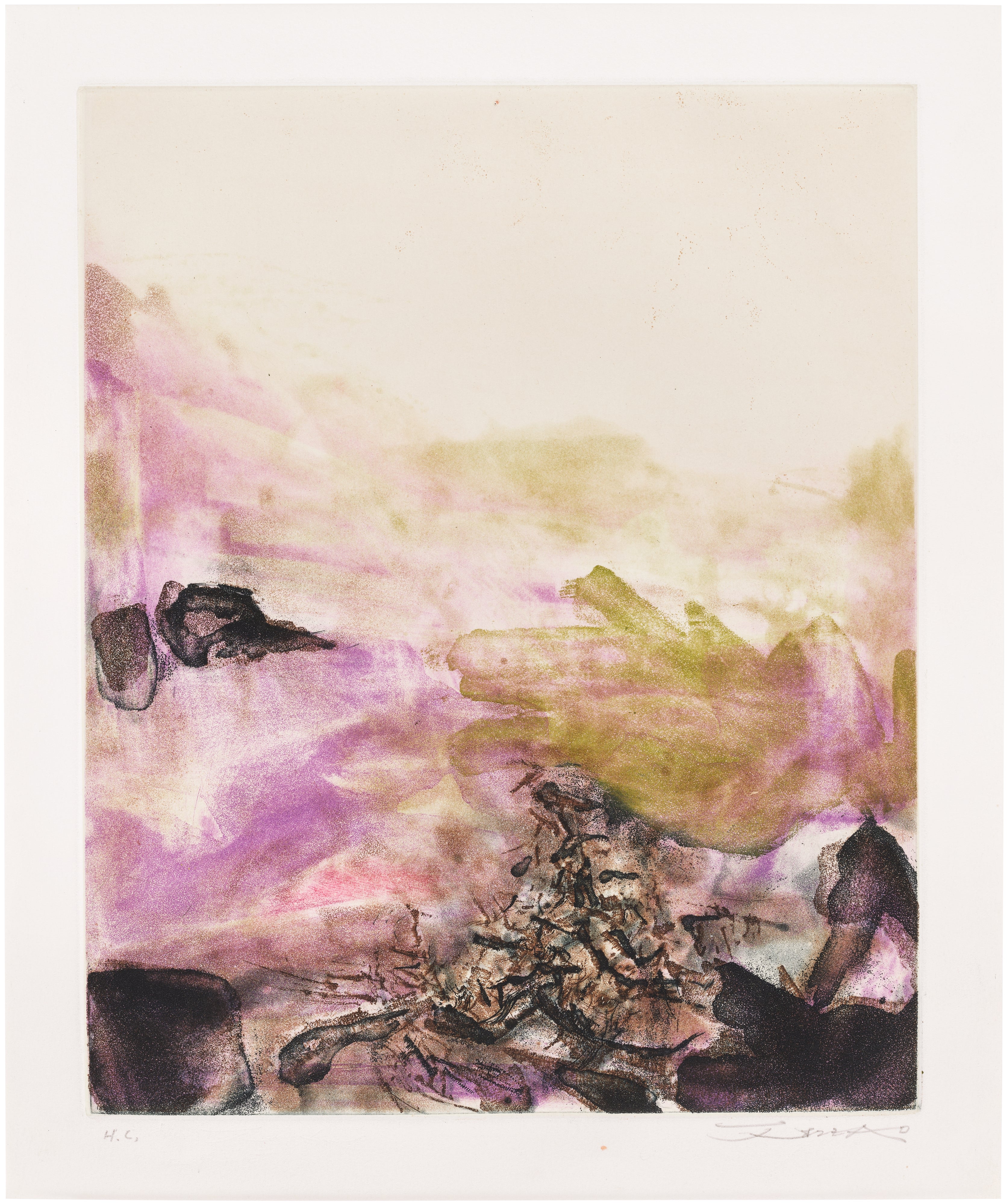
Zao Wou-Ki
Zao Wou-Ki was a fellow Chinese expatriate artist working in Paris who similarly synthesized traditional Chinese aesthetic principles with European modernist abstraction. Both painters occupy a unique cross-cultural space that bridges Eastern philosophy and Western avant-garde practice.
Artists who inspired them
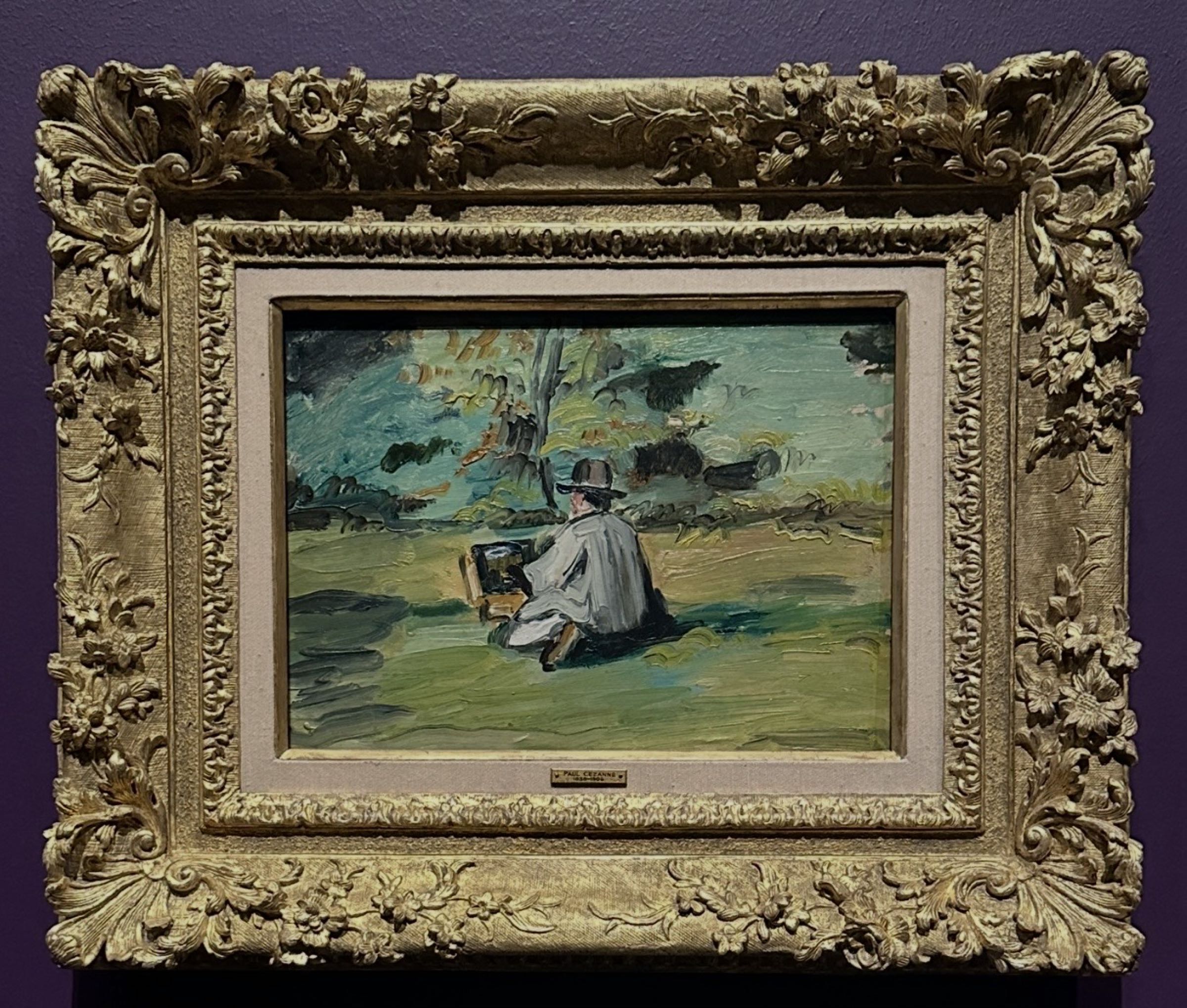
Paul Cézanne
Cézanne's structural reduction of form and his pioneering approach to still life composition deeply informed Sanyu's own pared-down still lifes and his interest in geometric simplification. Sanyu absorbed Cézanne's lessons while in Paris and translated them through a lens shaped by Chinese ink painting traditions.
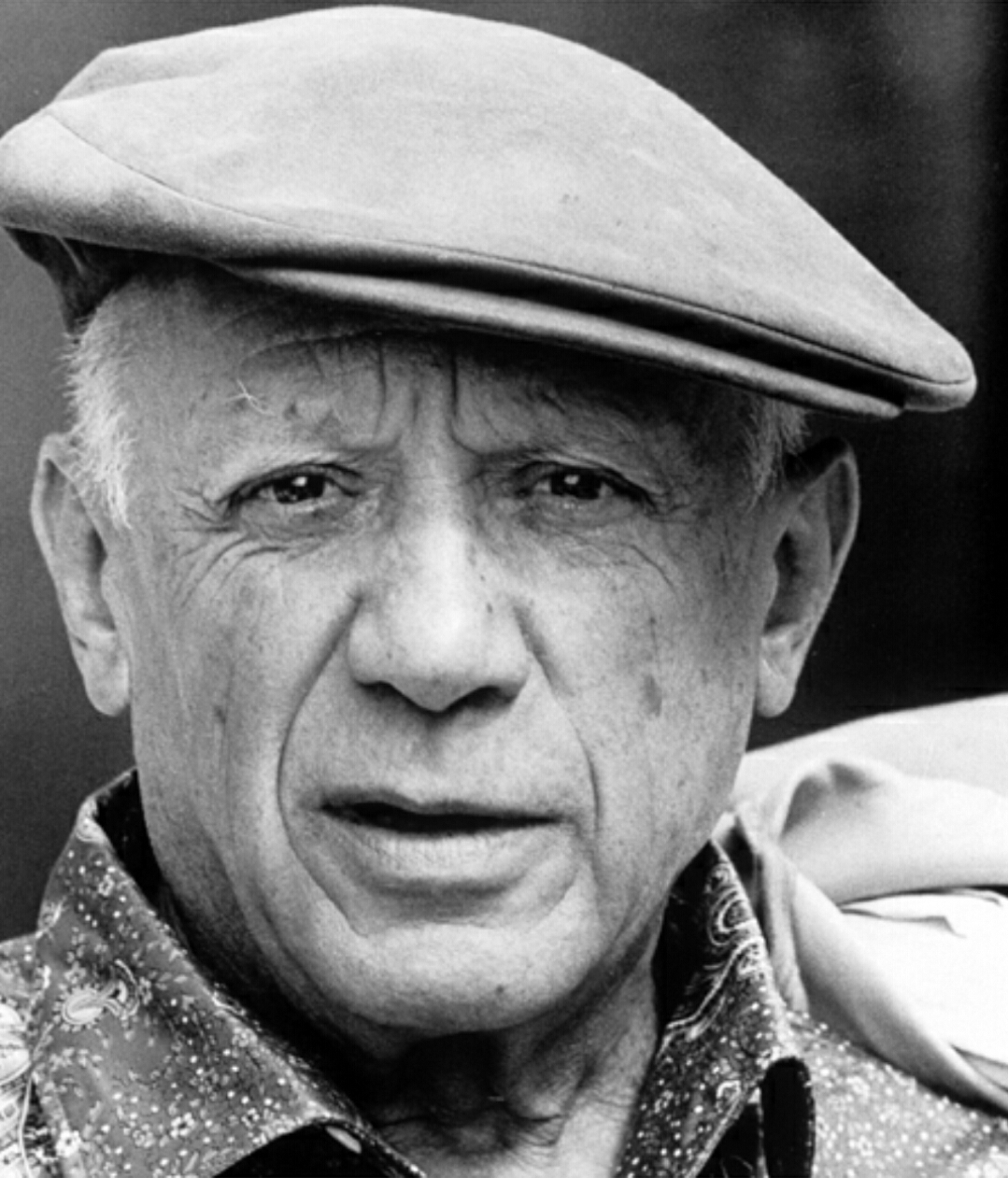
Pablo Picasso
Picasso's bold formal experimentation and his reimagining of the human figure as a vehicle for conceptual and aesthetic exploration were key touchstones for Sanyu during his formative years in Paris. Sanyu engaged with Cubist ideas while ultimately finding his own more fluid and minimalist figurative language.
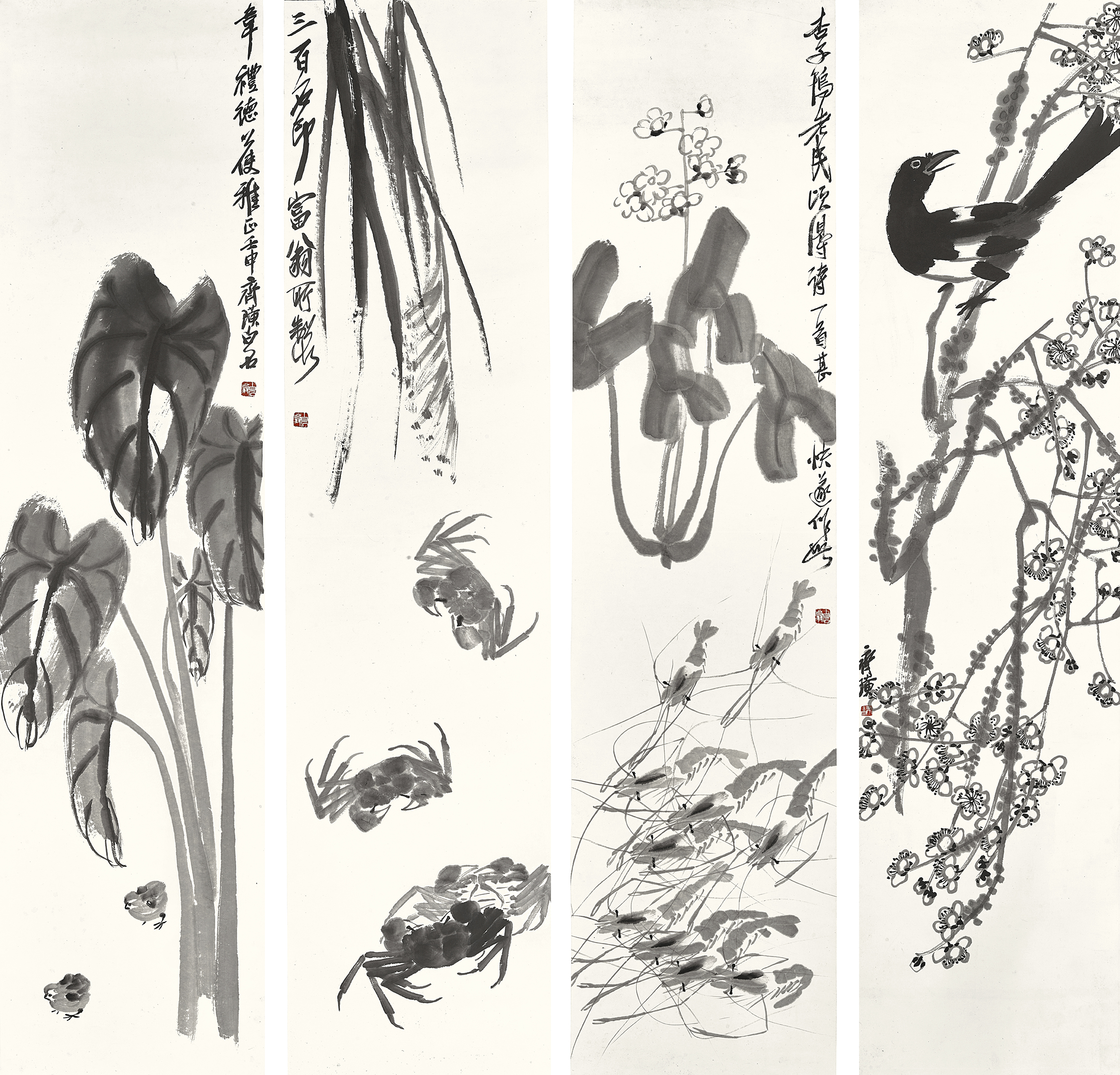
Qi Baishi
Qi Baishi's mastery of Chinese ink painting and his ability to capture animals and nature with minimal yet expressive brushstrokes provided a foundational aesthetic model for Sanyu. The economy of line and the meditative quality present in Sanyu's animal paintings reflect the enduring influence of this classical ink tradition.