Painting
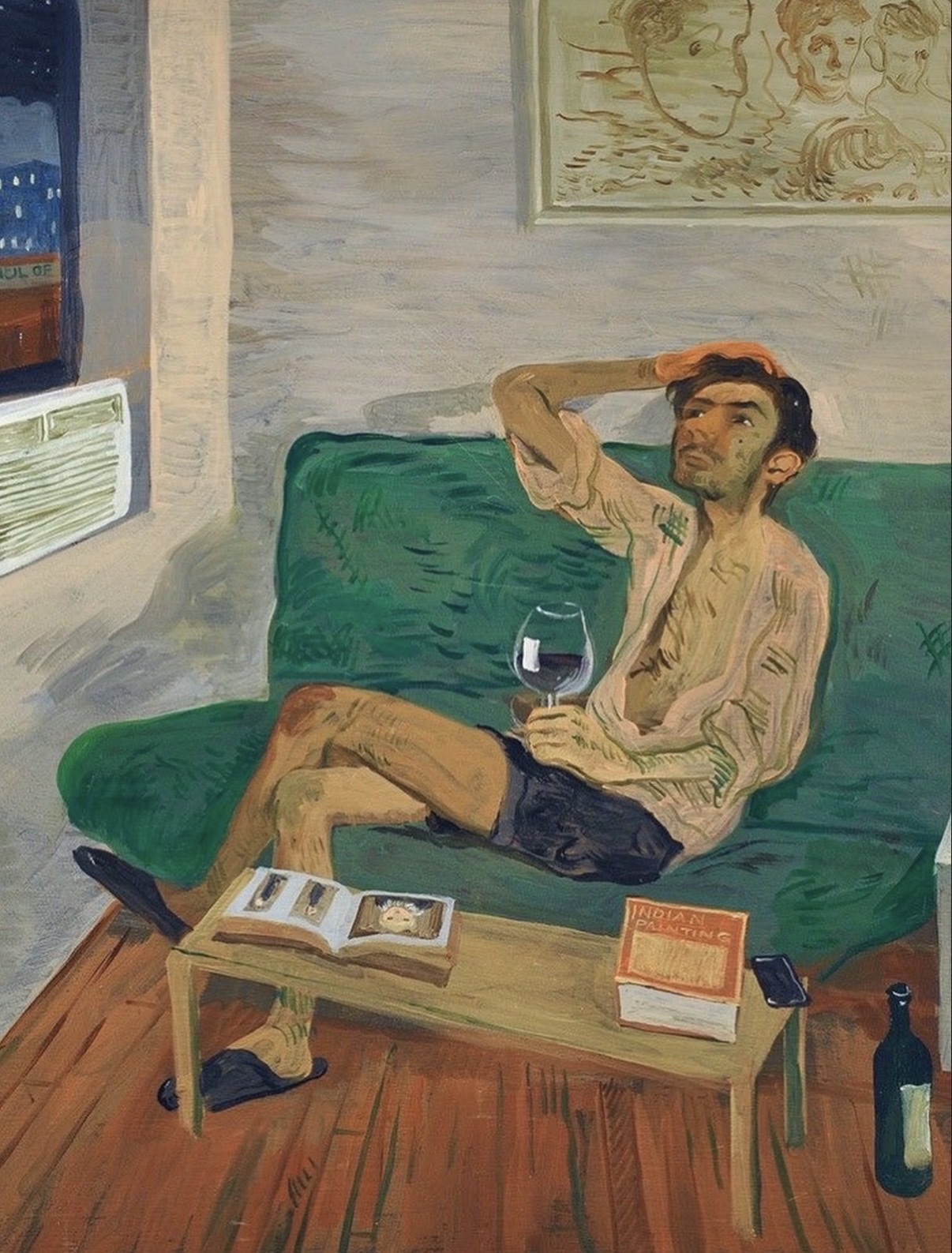
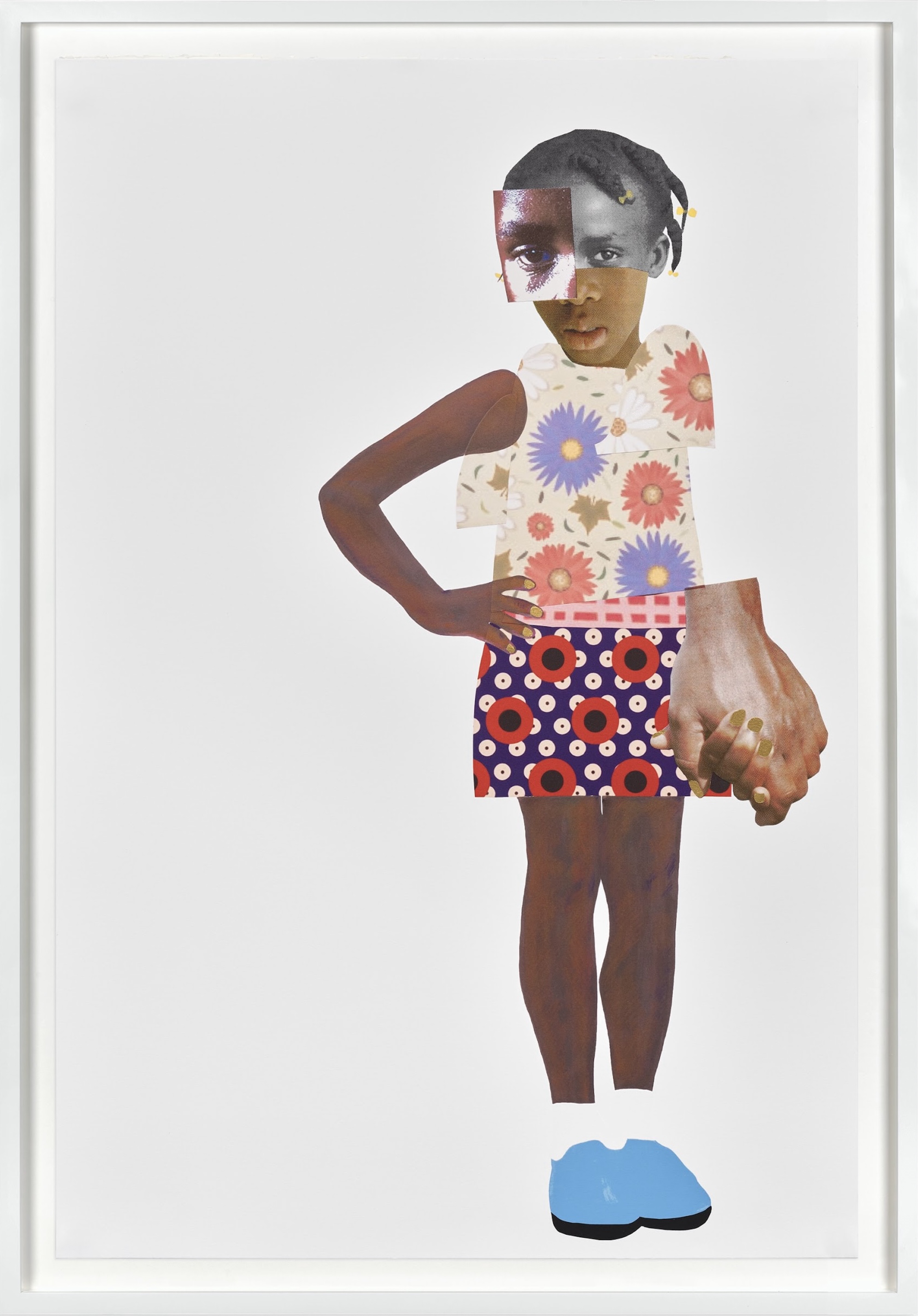
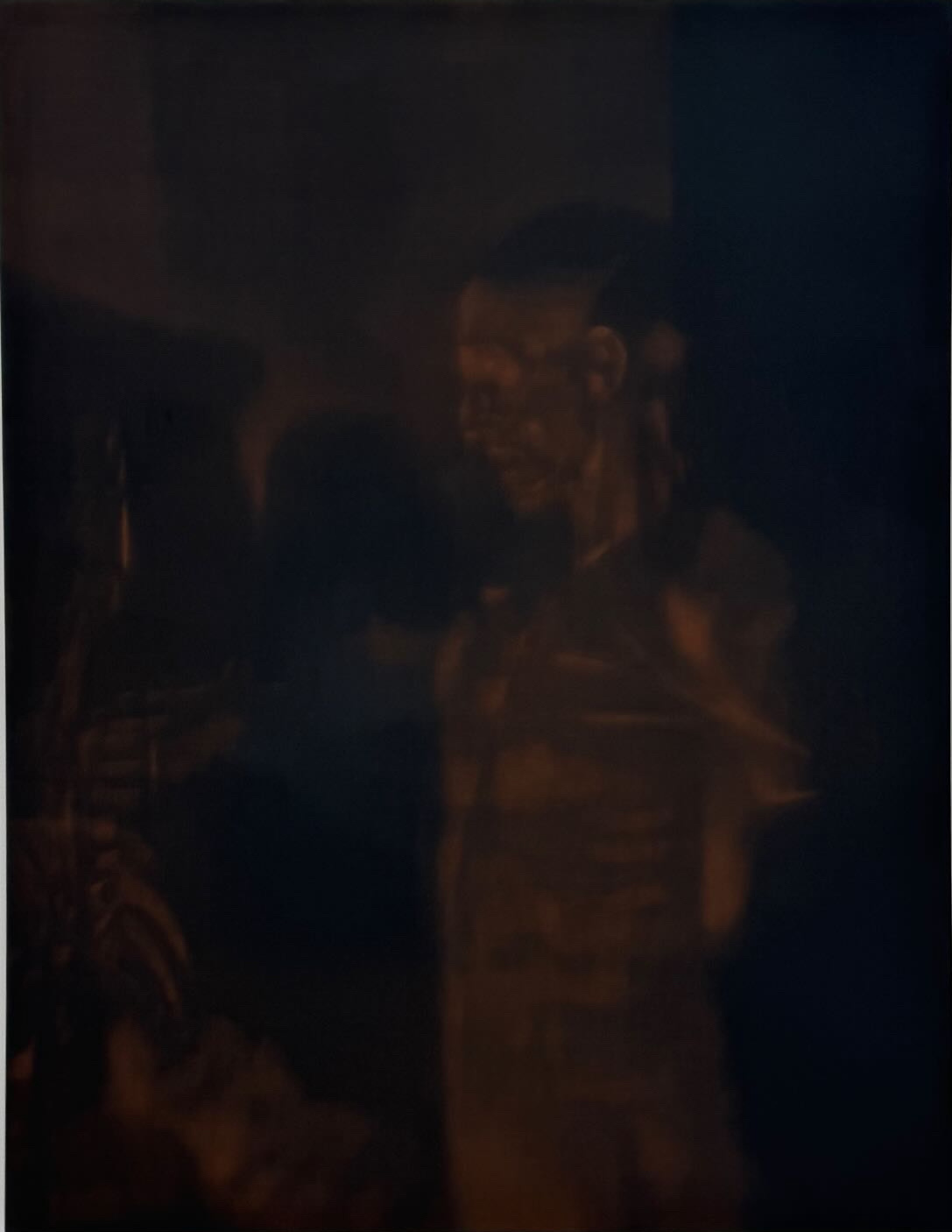
Salman Toor
Self-Portrait with Wine Glass

Paint Never Lies: The Eternal Argument
There is a moment, standing in front of a painted surface, when you stop thinking about what the image represents and start feeling the physical fact of it. The drag of a loaded brush, the transparency of a glaze, the abrupt decision to leave something unresolved. Painting communicates on a frequency that bypasses language, and that is precisely why, despite every obituary written for it over the past century and a half, it refuses to vacate the room. It remains the medium against which all others are measured, argued with, or defined in opposition to.
The story of painting is so long it barely has a beginning. The Lascaux cave paintings in southwestern France, dated to roughly 17,000 years ago, demonstrate not just an early human impulse to mark surfaces but a sophisticated understanding of how pigment behaves on stone, how contour can suggest volume, how a line can carry speed and life. From that point forward, painting evolved through Egyptian fresco, Greek panel work, the tempera traditions of medieval Europe, and the revolutionary introduction of oil paint in the fifteenth century, a development attributed most famously to the Flemish painters and one that fundamentally altered what painting could do. Oil dried slowly, could be reworked, allowed for the kind of luminous depth that tempera simply could not achieve.
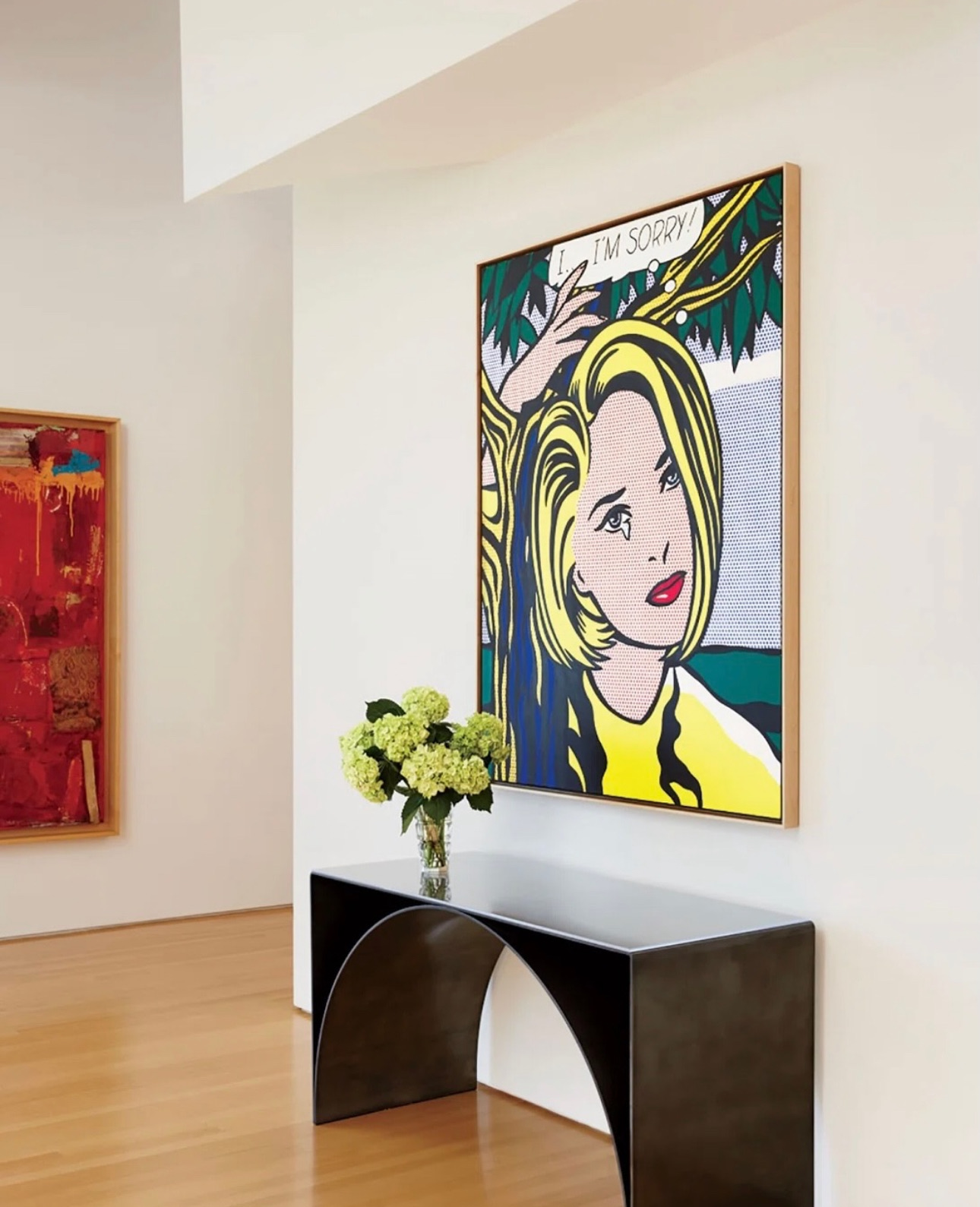
Roy Lichtenstein
I'm Sorry!, 1965
Everything that followed was shaped by that shift. By the nineteenth century, painting was both the most prestigious art form in the Western world and the one most violently contested. The French Academy set the terms, annual Salons determined careers, and history painting sat at the top of a rigid hierarchy. Then a group of artists in Paris began working differently, taking their canvases outdoors, chasing light instead of narrative.
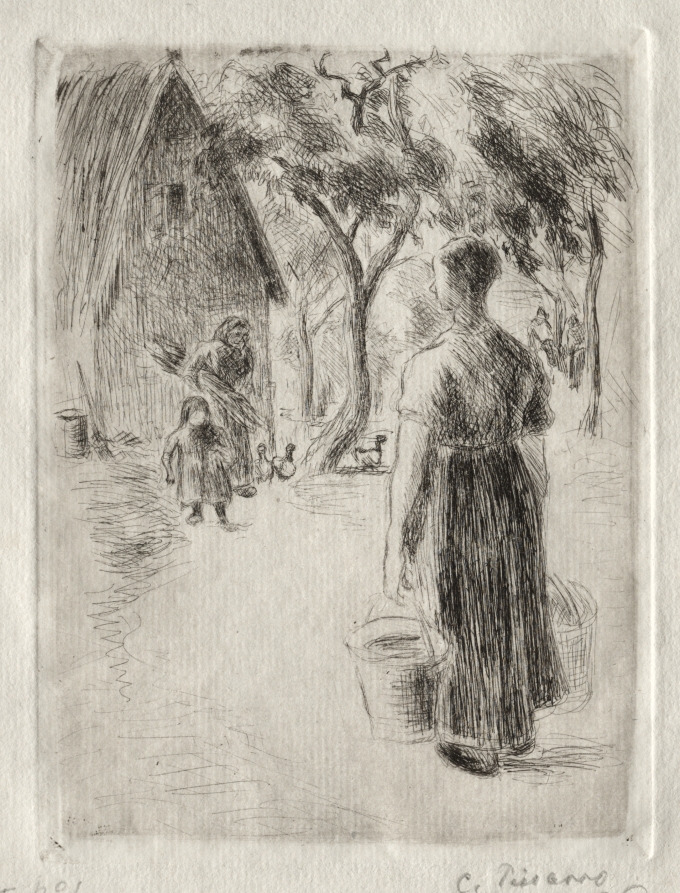
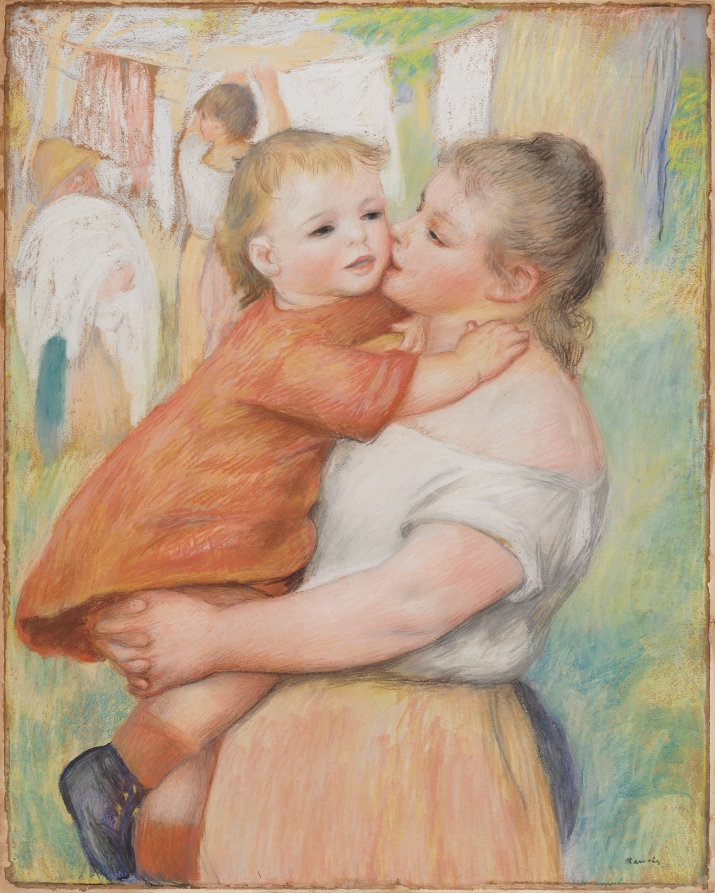
When Claude Monet, Pierre Auguste Renoir, Camille Pissarro, and Édouard Manet showed their work at independent exhibitions throughout the 1870s, they were not simply offering a new style. They were proposing a new definition of what painting was for. The first Impressionist exhibition in 1874, held at the studio of photographer Nadar on the Boulevard des Capucines, scandalized critics and enchanted a smaller but growing public. The broken brushwork, the high key color, the commitment to the immediate sensation over the constructed ideal: these were not failures of craft but declarations of intent.
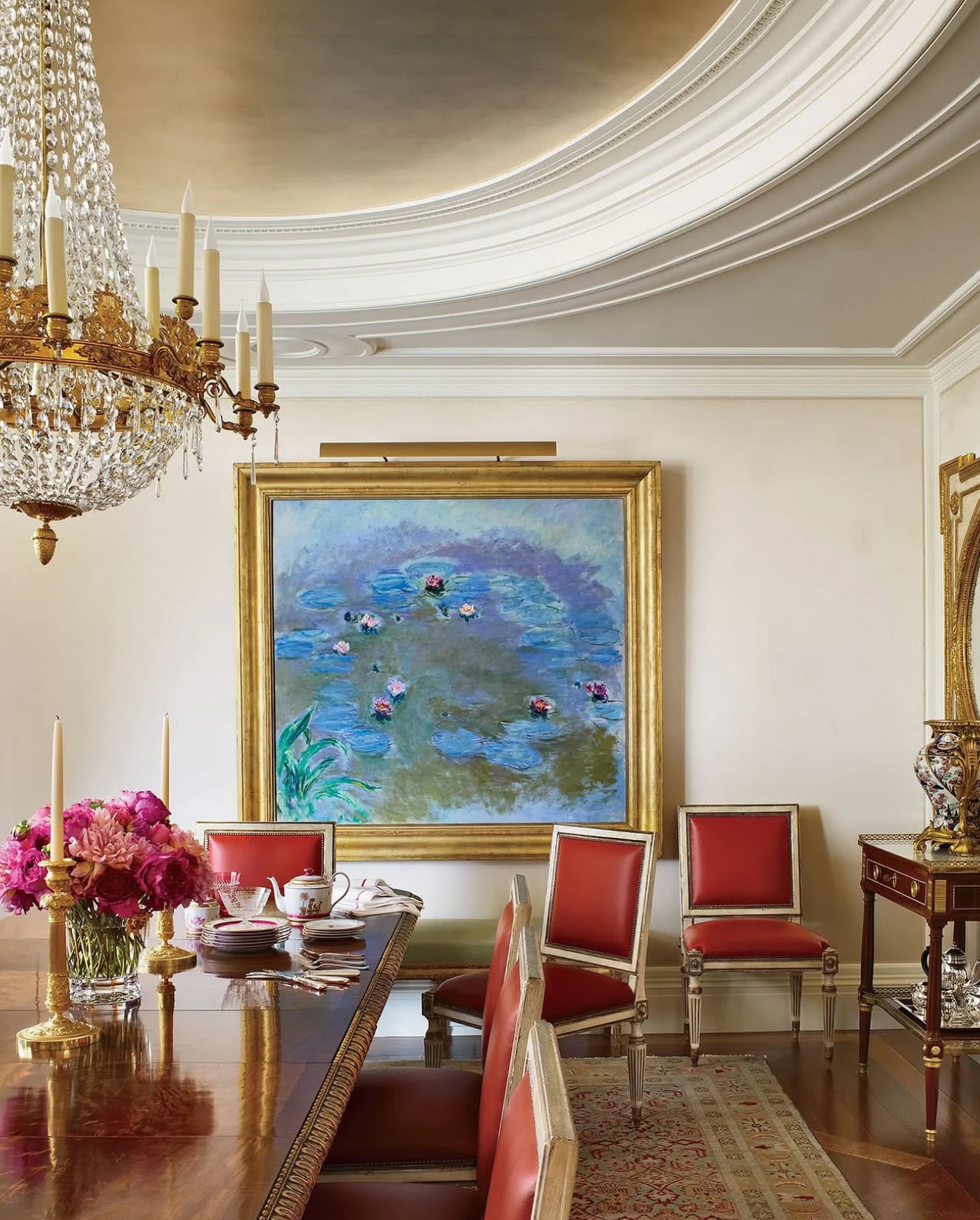
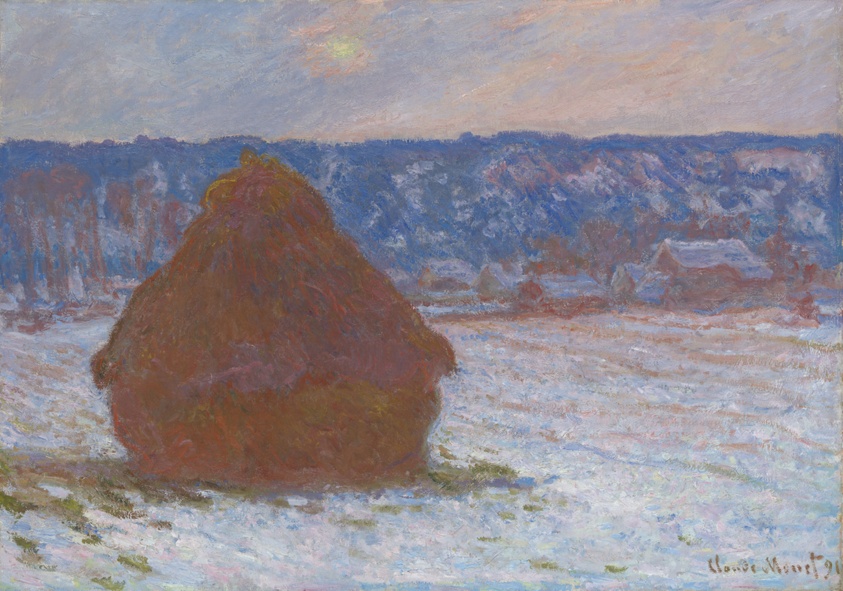
Claude Monet
Nymphéas (Water Lilies)
What the Impressionists opened, subsequent generations rushed through. Post Impressionist painters like Henri de Toulouse Lautrec brought painting into contact with commercial culture and the world of print. The twentieth century arrived with even greater urgency. Pablo Picasso and Georges Braque fractured the picture plane entirely with Cubism around 1907 to 1914, proposing that a painting could show multiple perspectives simultaneously and still cohere as an image.
Max Ernst brought the unconscious into oil paint through automatism and collage based techniques. Francis Bacon, working in London from the 1940s onward, turned the figure into something raw and psychologically exposed, using paint not to describe the body but to enact the feeling of existing inside one. Each of these moves was a conversation with everything that came before, painting arguing with itself across centuries. Technique has always been both the medium's constraint and its freedom.
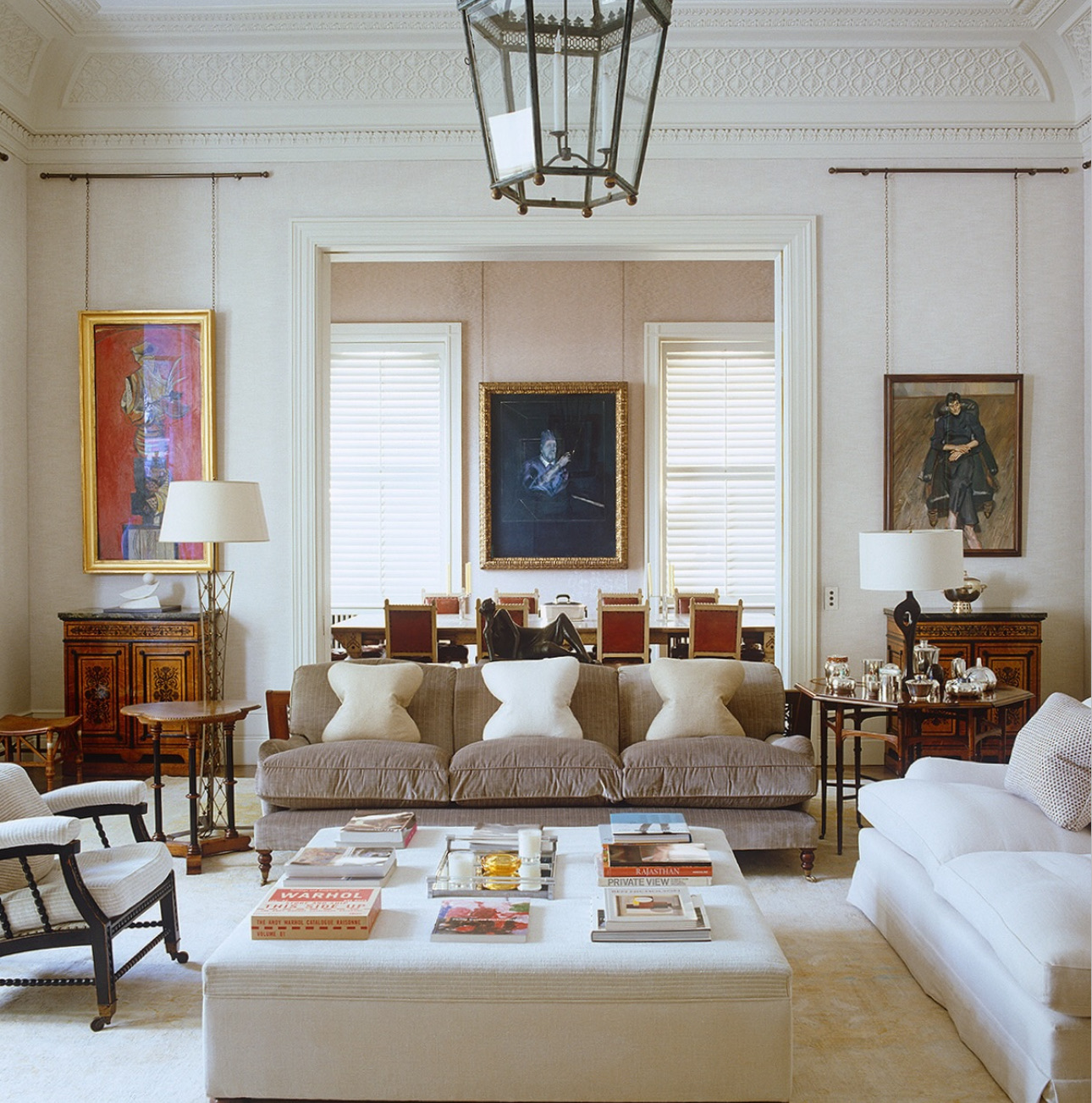
Francis Bacon
Untitled
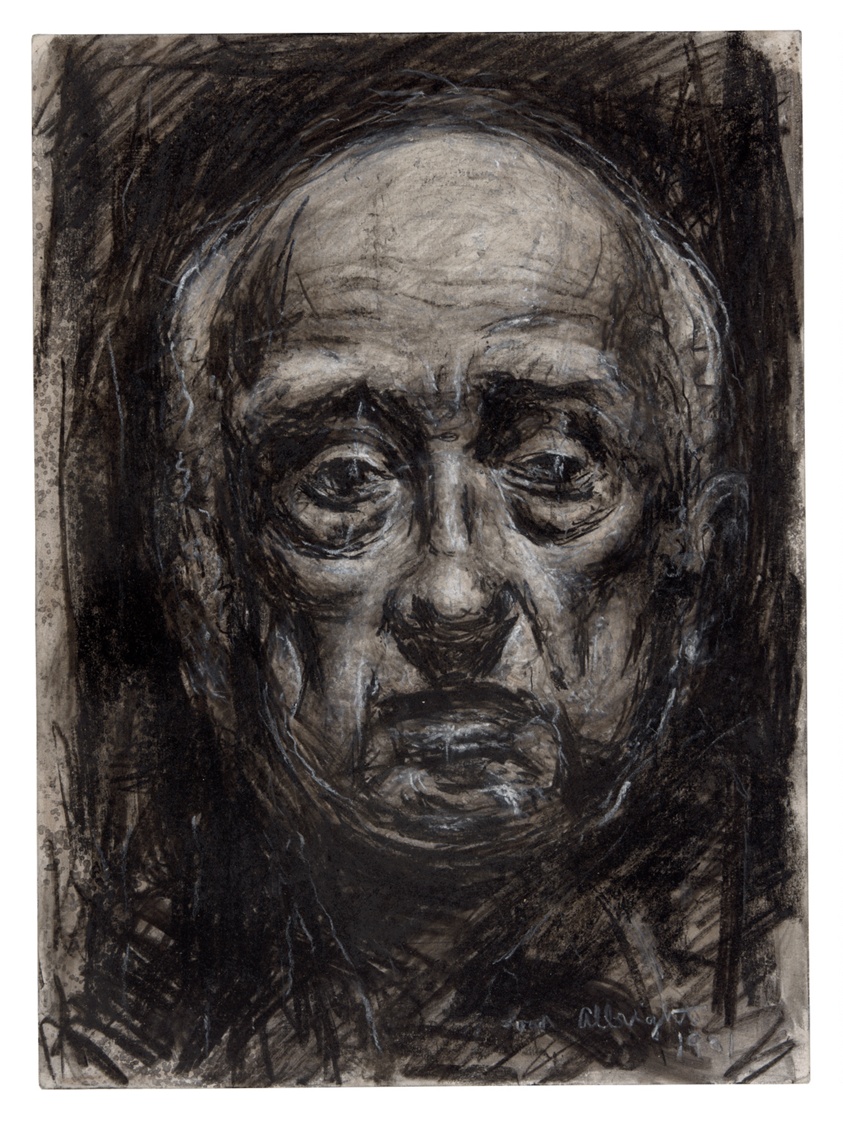
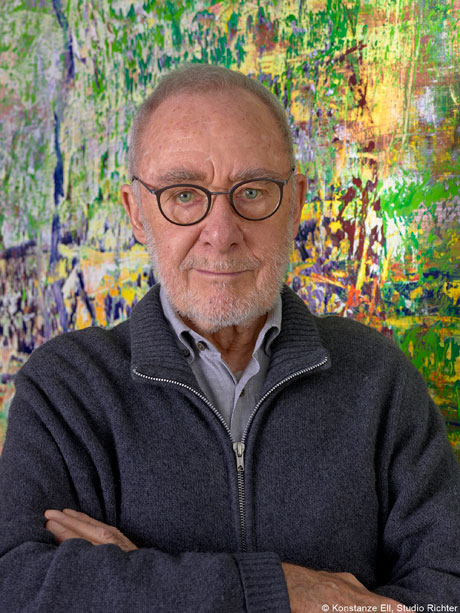
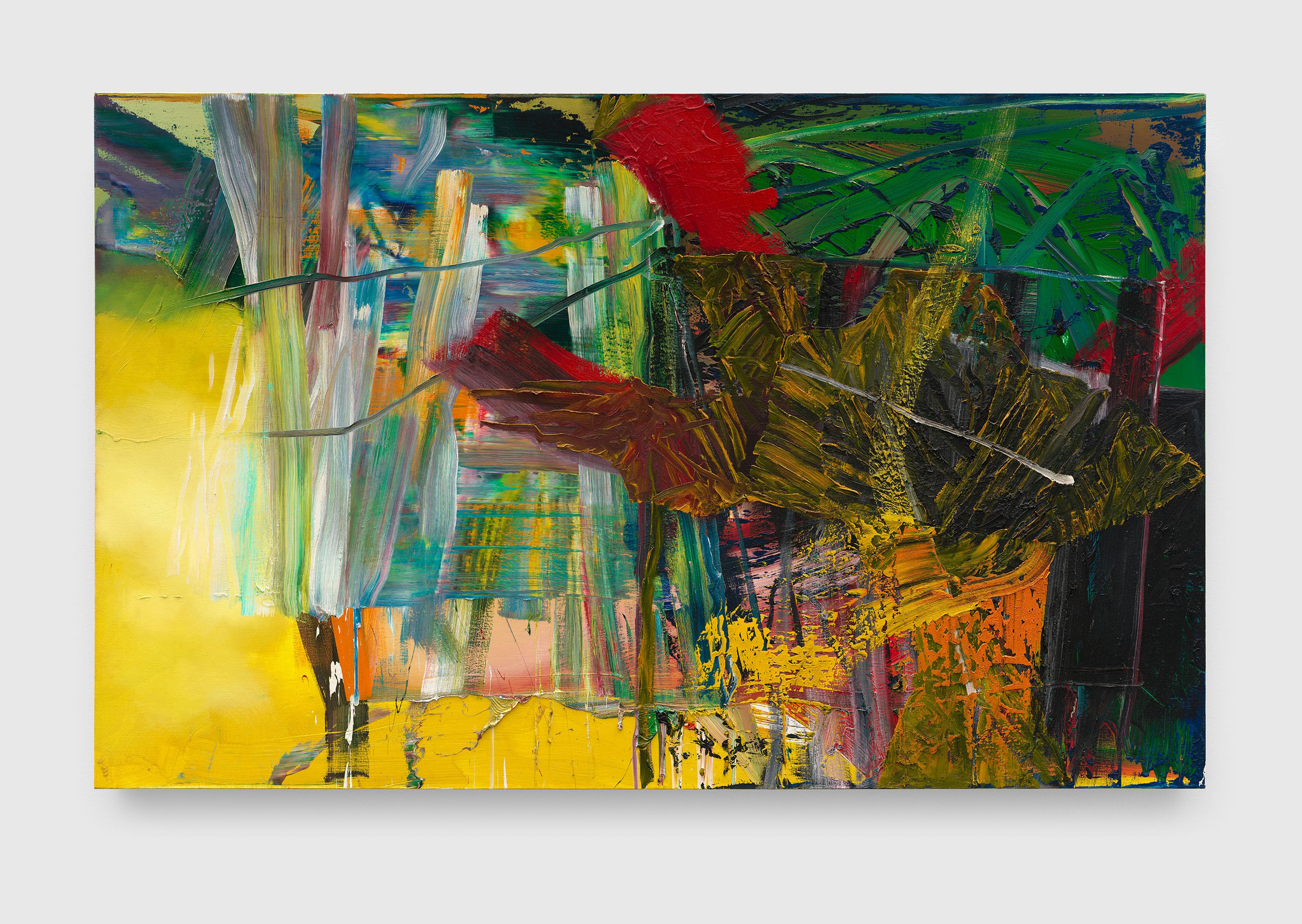
The materials themselves carry meaning. Ivan Albright, who worked with extraordinary slowness and obsessive surface detail over months and sometimes years on a single canvas, understood that paint applied in a certain way could make the skin of his subjects look genuinely diseased with time. Chaïm Soutine applied pigment with a violence that left the canvas feeling agitated long after it dried. Gerhard Richter has spent decades moving between photorealist painting and gestural abstraction, sometimes within a single body of work, using the contrast itself as the subject.
His squeegeed surfaces and layered photo paintings ask what painting can honestly claim to know about representation in an age of mechanical images. These are not merely technical choices. They are philosophical ones. The question of painting's cultural authority has been tested repeatedly.
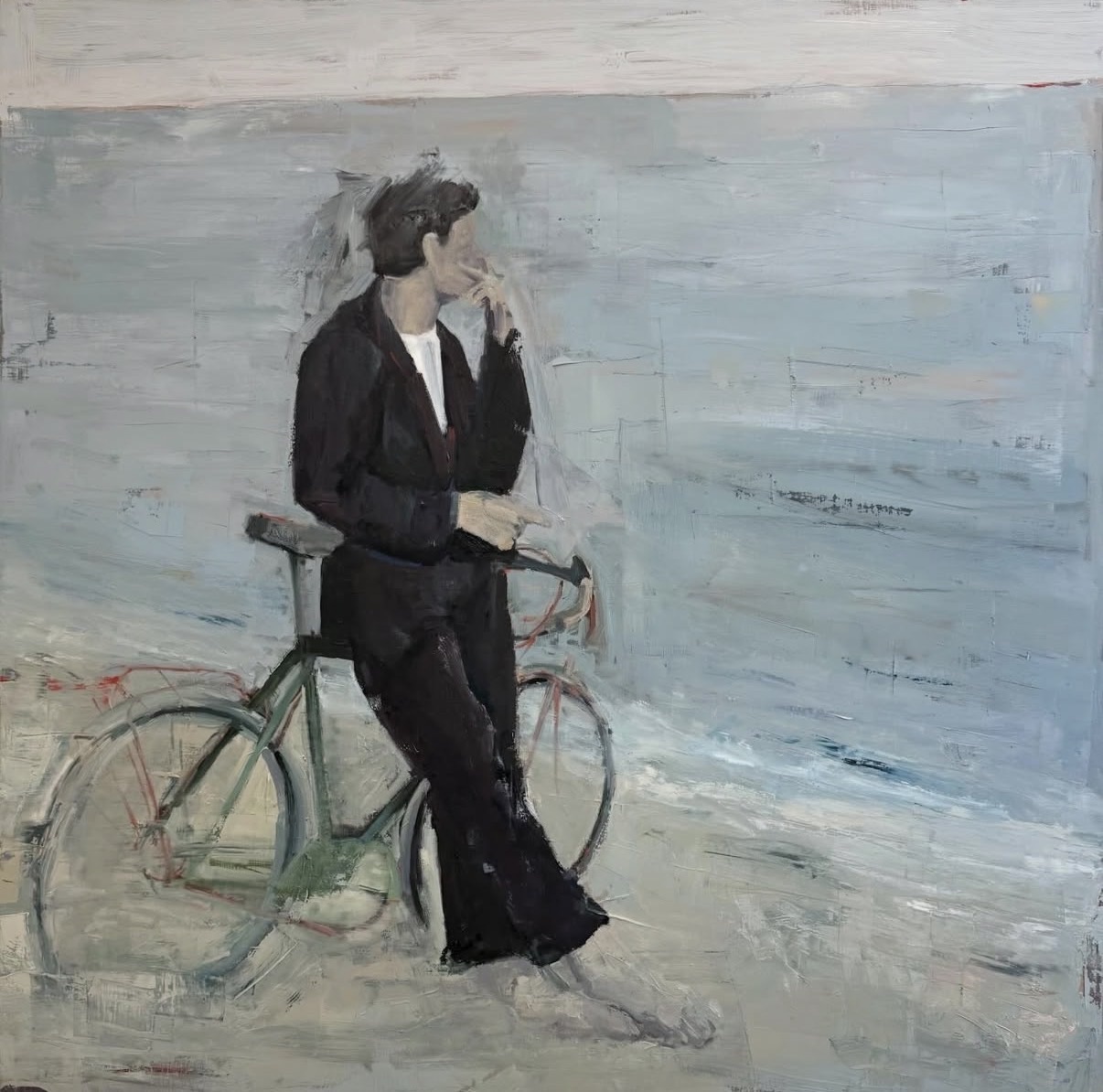
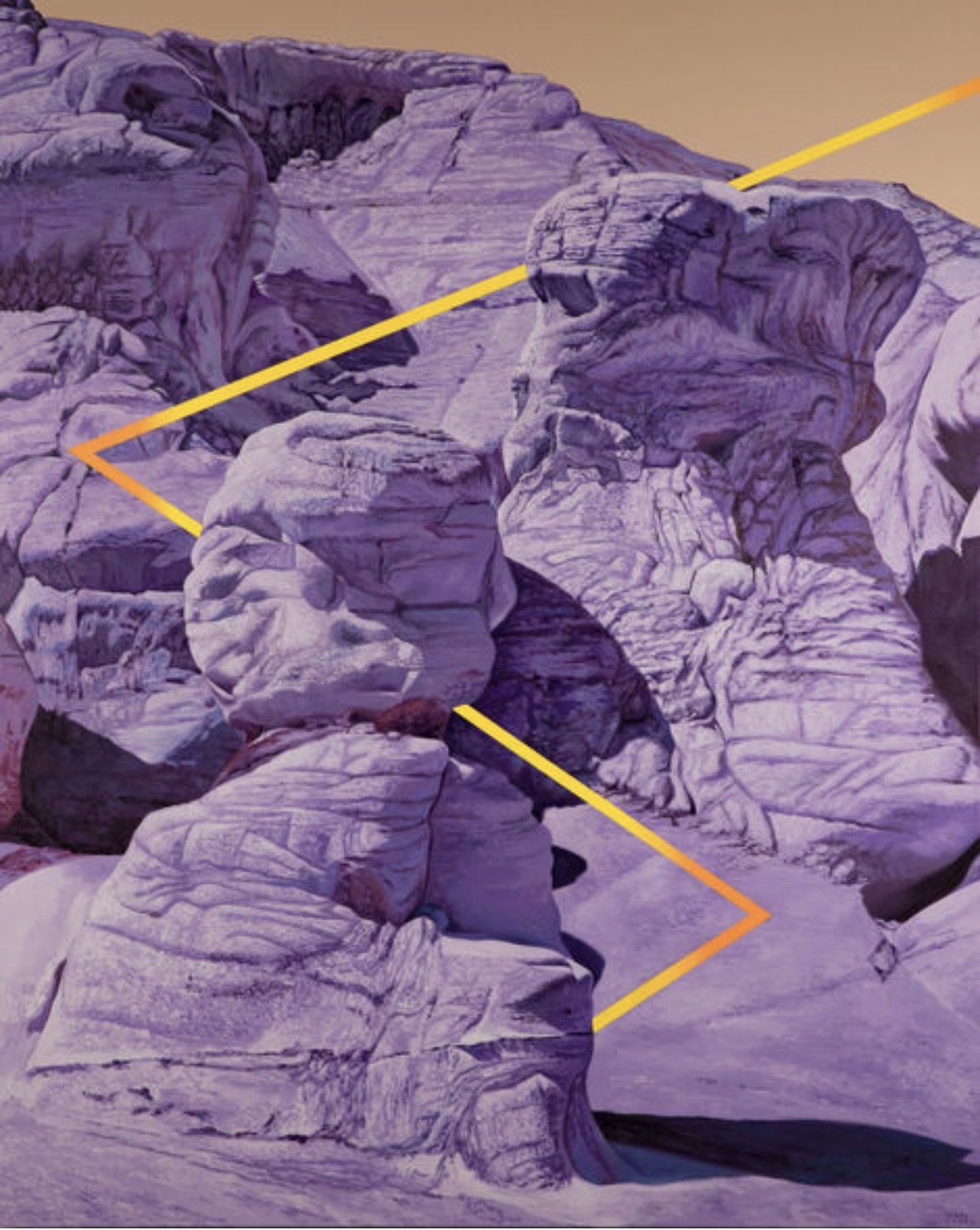
Patrick Vrem
Ride by the Water
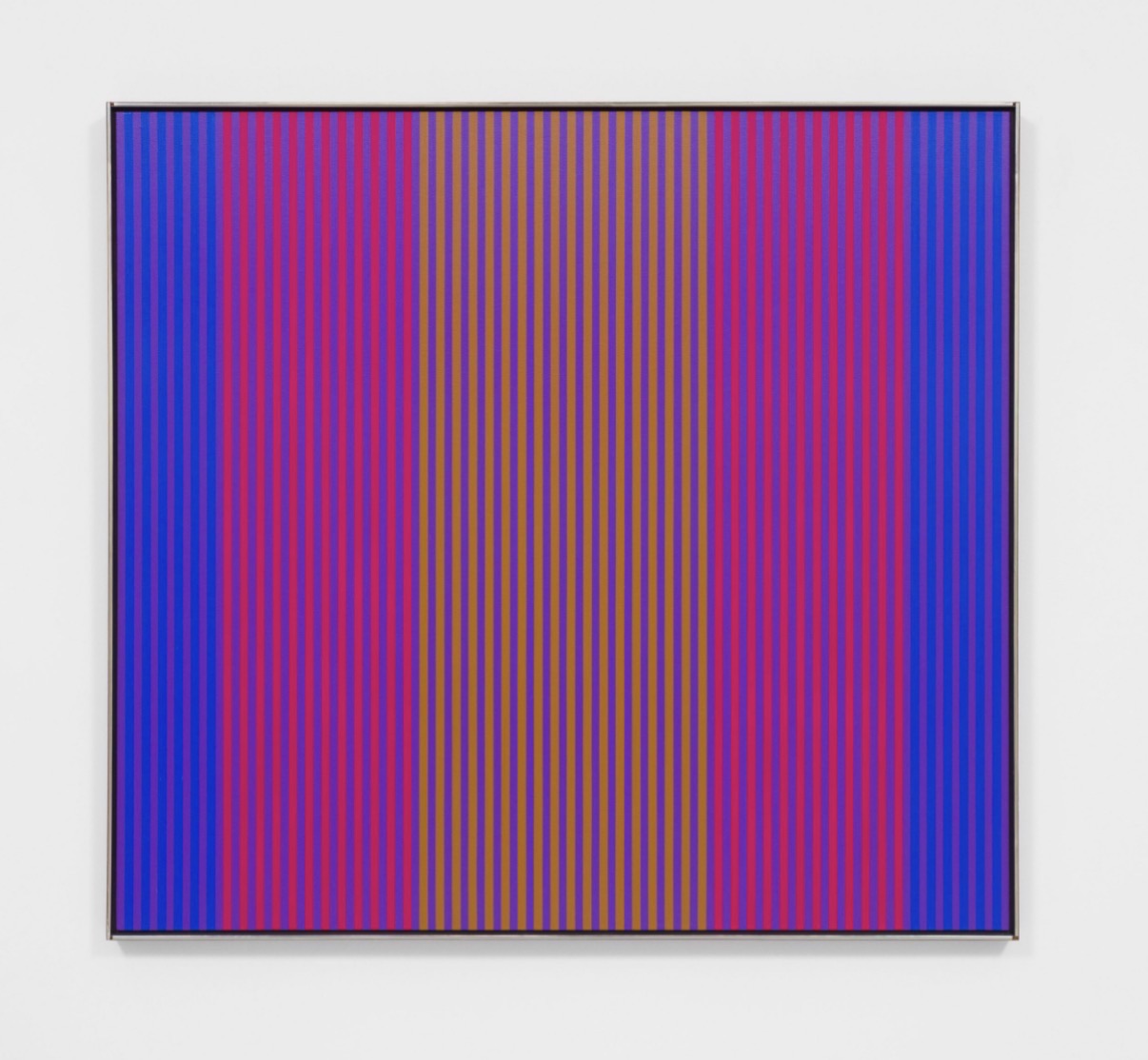
In 1981, the New York art world was electrified by the exhibition A New Spirit in Painting at the Royal Academy in London, which declared a return to expressive, figurative work after a decade dominated by Conceptual art. Neo Expressionism brought painters like George Condo and Francis Bacon back into heated critical conversation alongside newer figures. A decade earlier, Ellsworth Kelly had been demonstrating, quietly and with great conviction, that color and shape alone could carry the full weight of a painting's meaning, no gesture required, no narrative implied. Yayoi Kusama, working with obsessive dot patterns across decades, expanded what a painted surface could mean psychologically and perceptually.
Georgia O'Keeffe, painting in New Mexico from the 1930s onward, created a body of work that was simultaneously abstract and rooted in specific place and light. The medium has never required a single definition to function. Today, painting occupies a complicated but energized position in the broader art world. It is collected with enormous appetite, debated with genuine heat, and practiced by artists working across every conceivable tradition and approach.
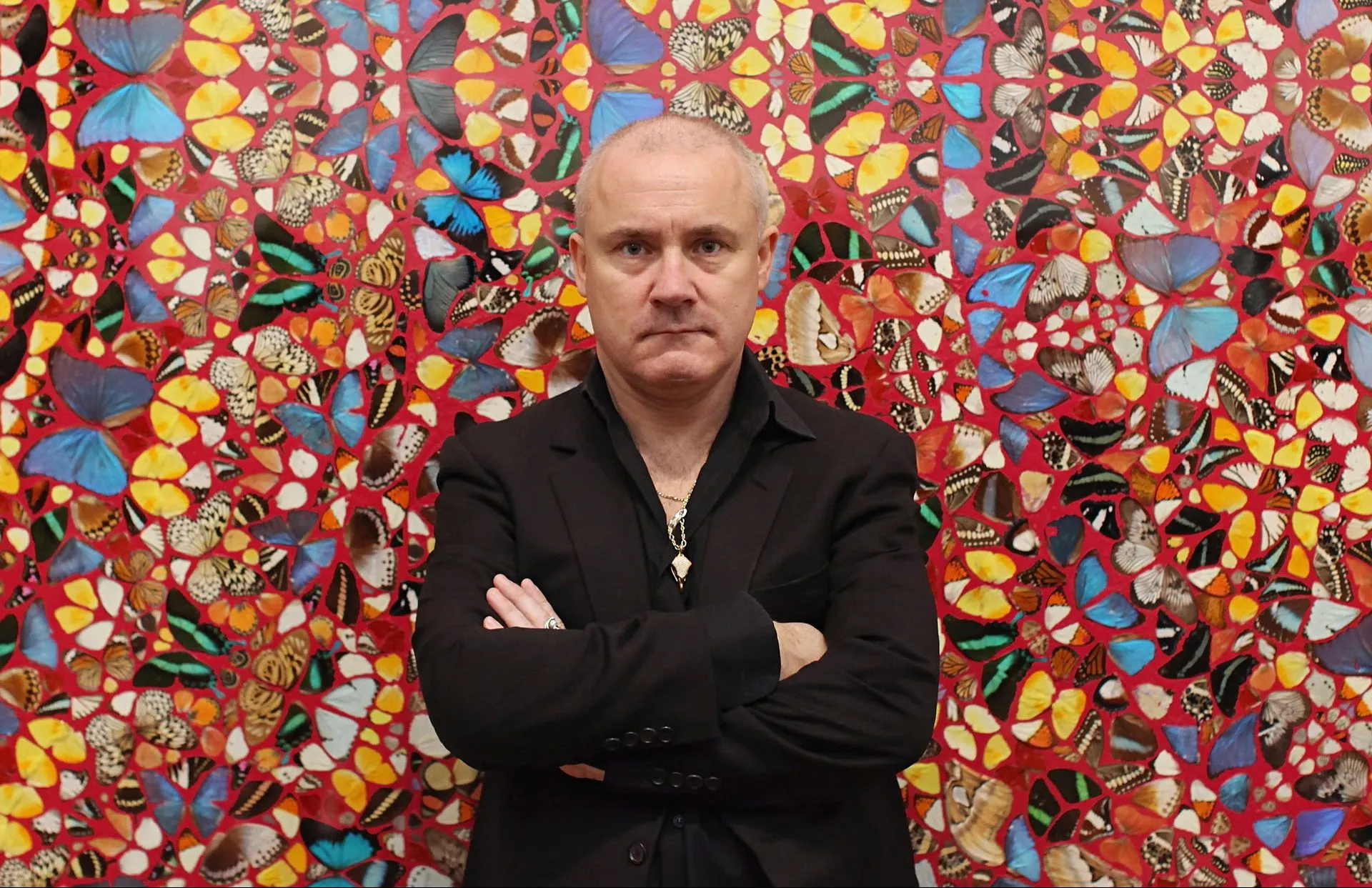
The works gathered on The Collection reflect exactly this breadth, from the luminous Impressionist surfaces of Monet and Pissarro to the conceptual weight of Damien Hirst, from the formal clarity of Ellsworth Kelly to the psychological intensity of Francis Bacon. What connects them is not style or era but the fundamental commitment to the painted surface as a site of meaning. Denman Waldo Ross, the Harvard theorist and prolific painter whose work appears in depth on The Collection, reminds us that painting has always been as much about thinking as it is about seeing. The best paintings make those two things indistinguishable from each other, and that is why, after all this time, the argument shows no sign of ending.