.jpg/400px-Kris_Humphries_NJ_Nets_2009_(cropped).jpg)
Edward Weston
“
85
Works
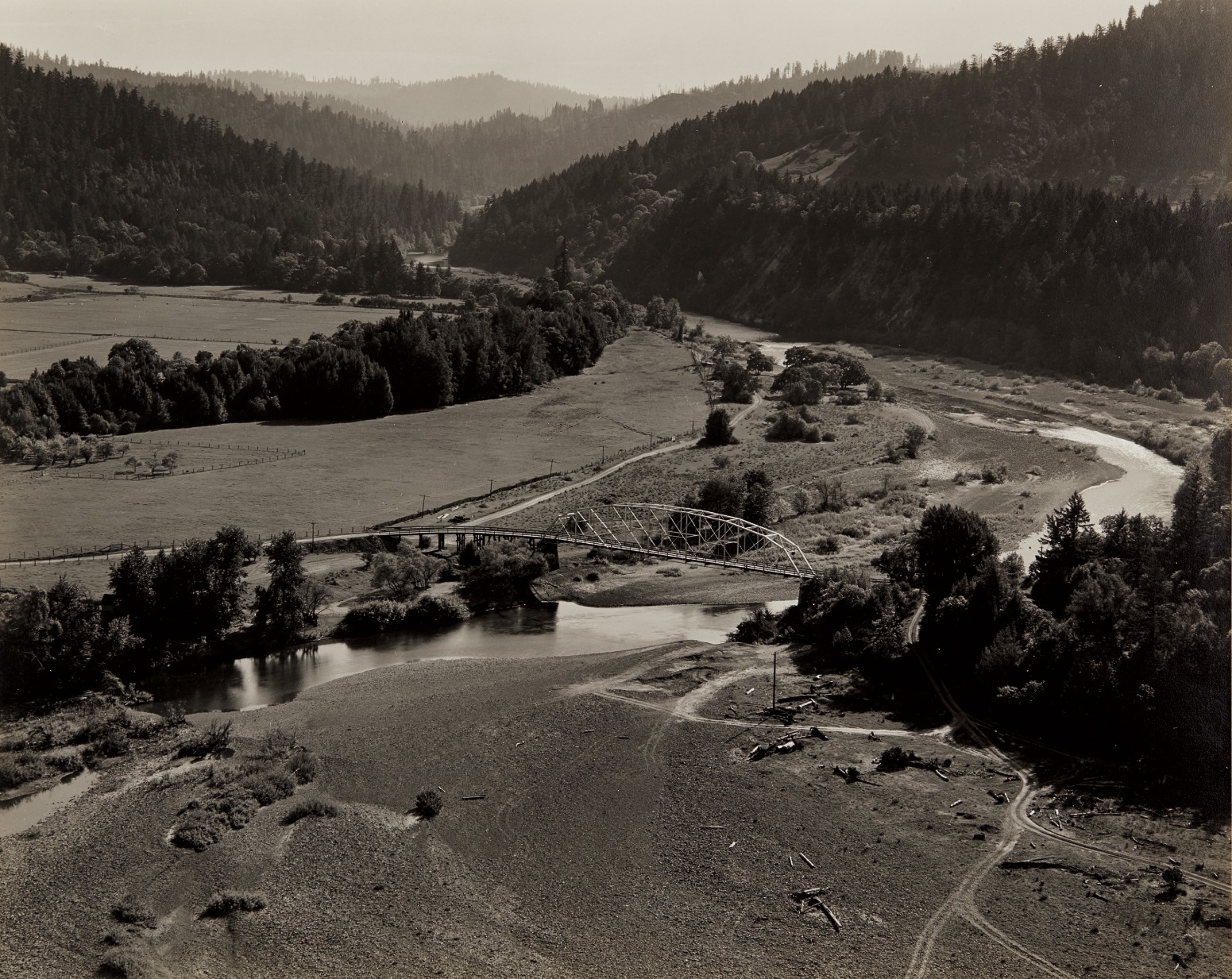
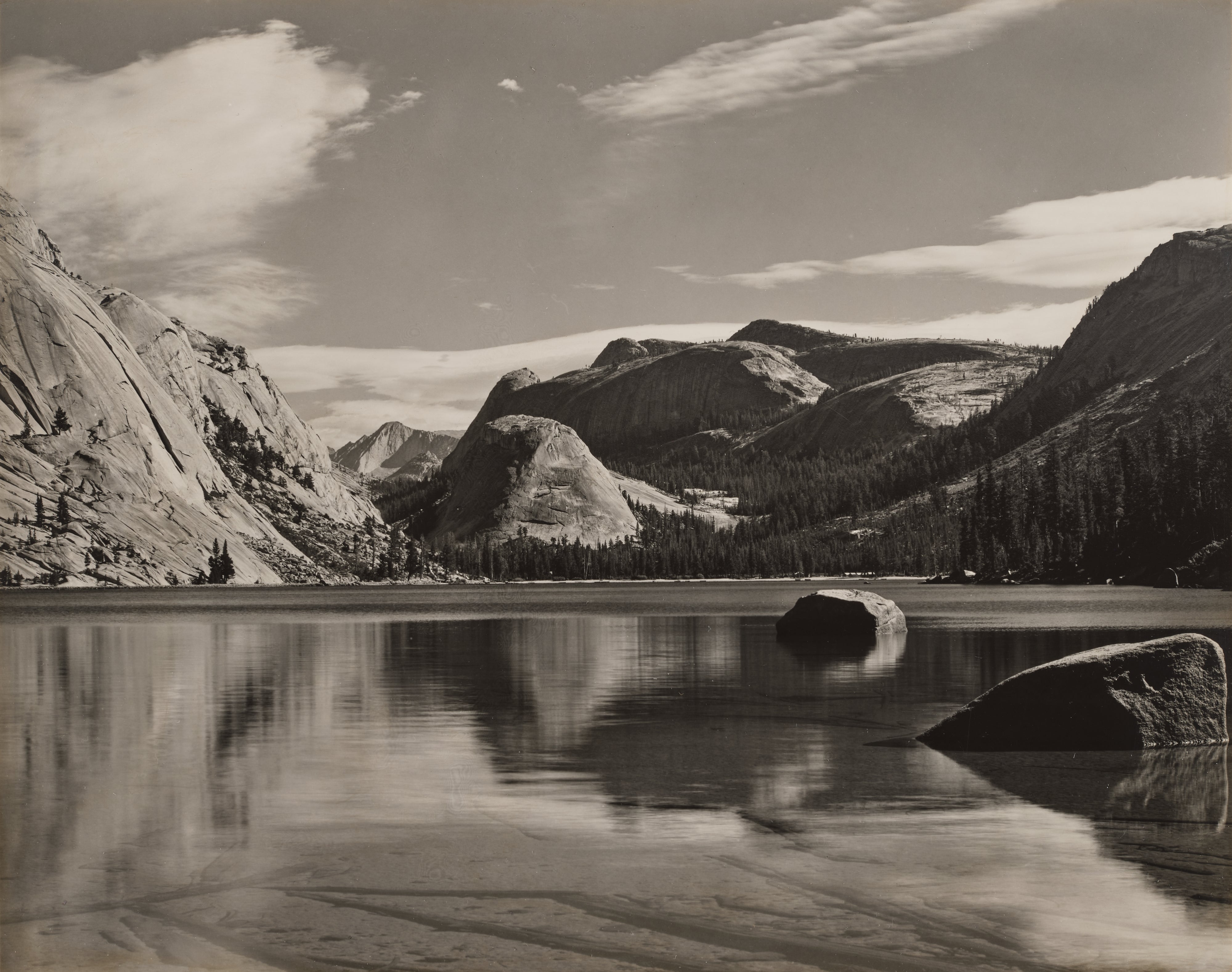
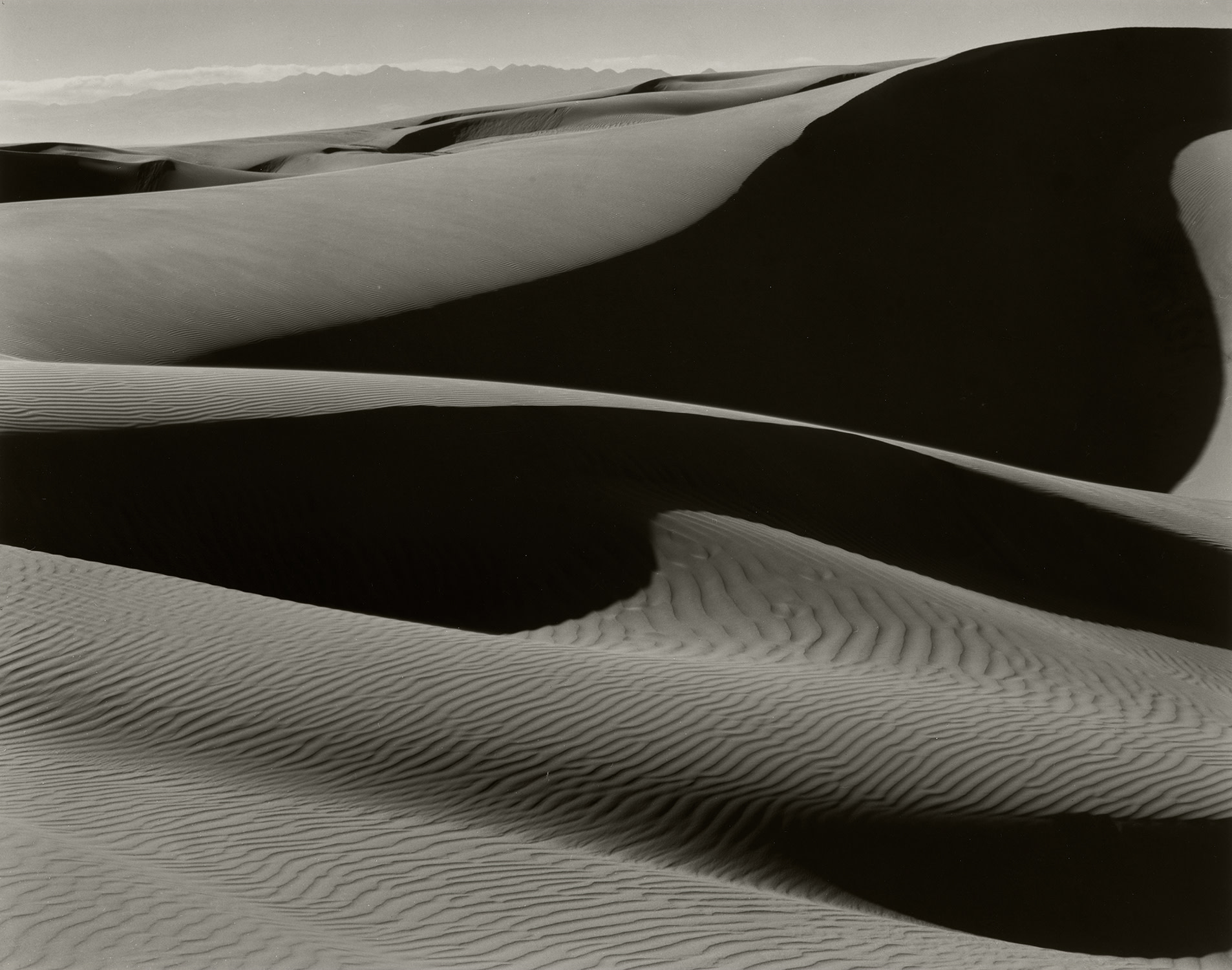
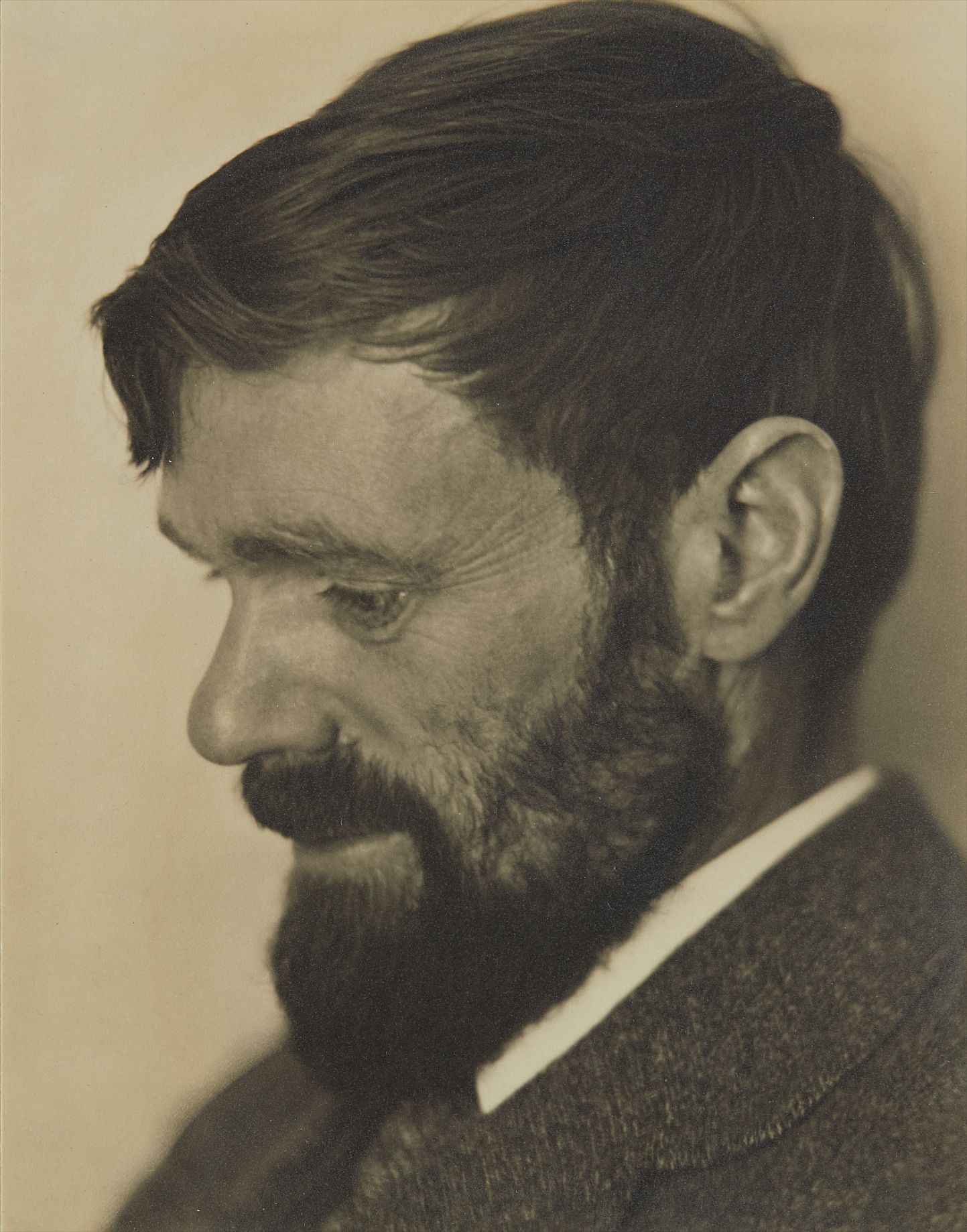
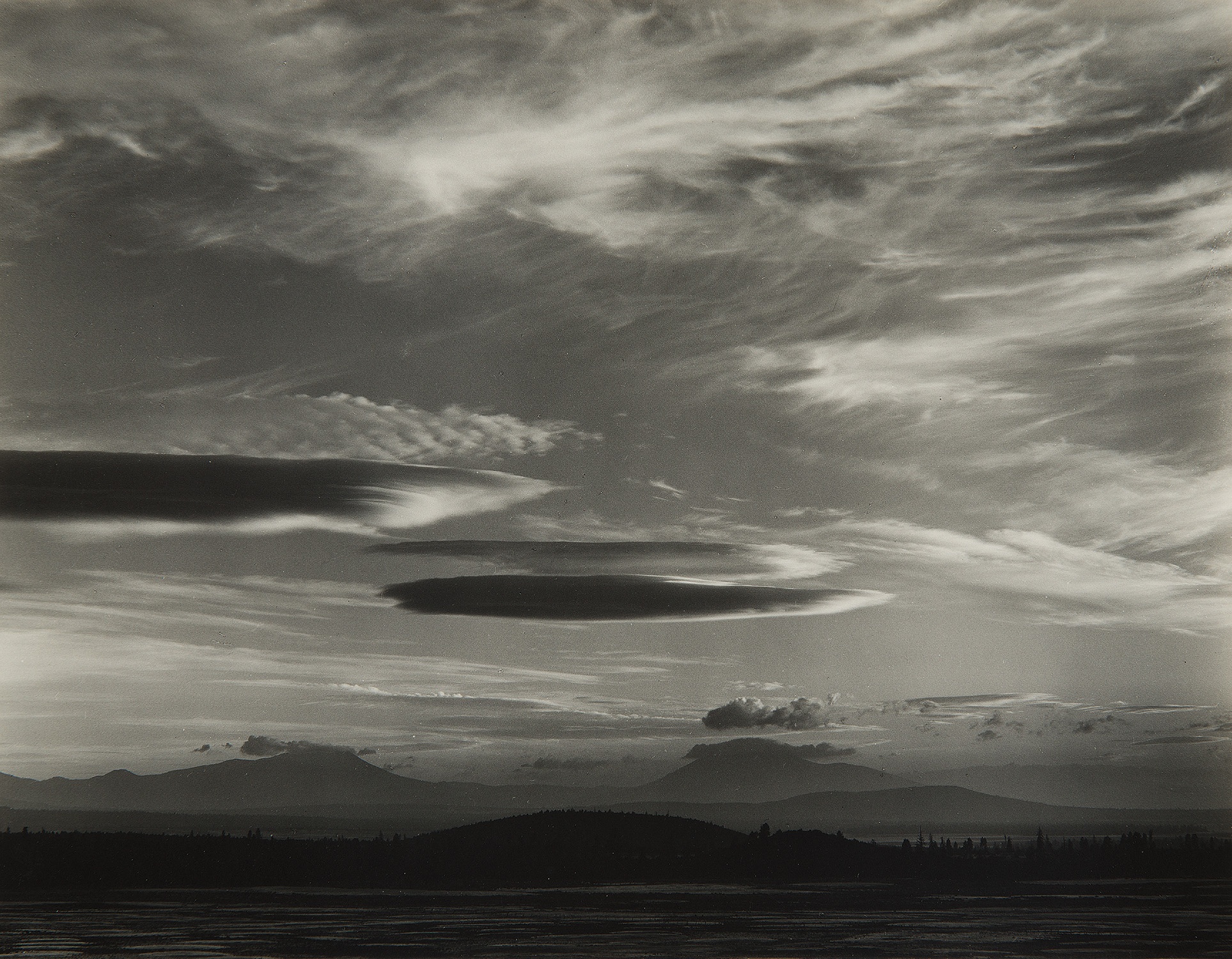
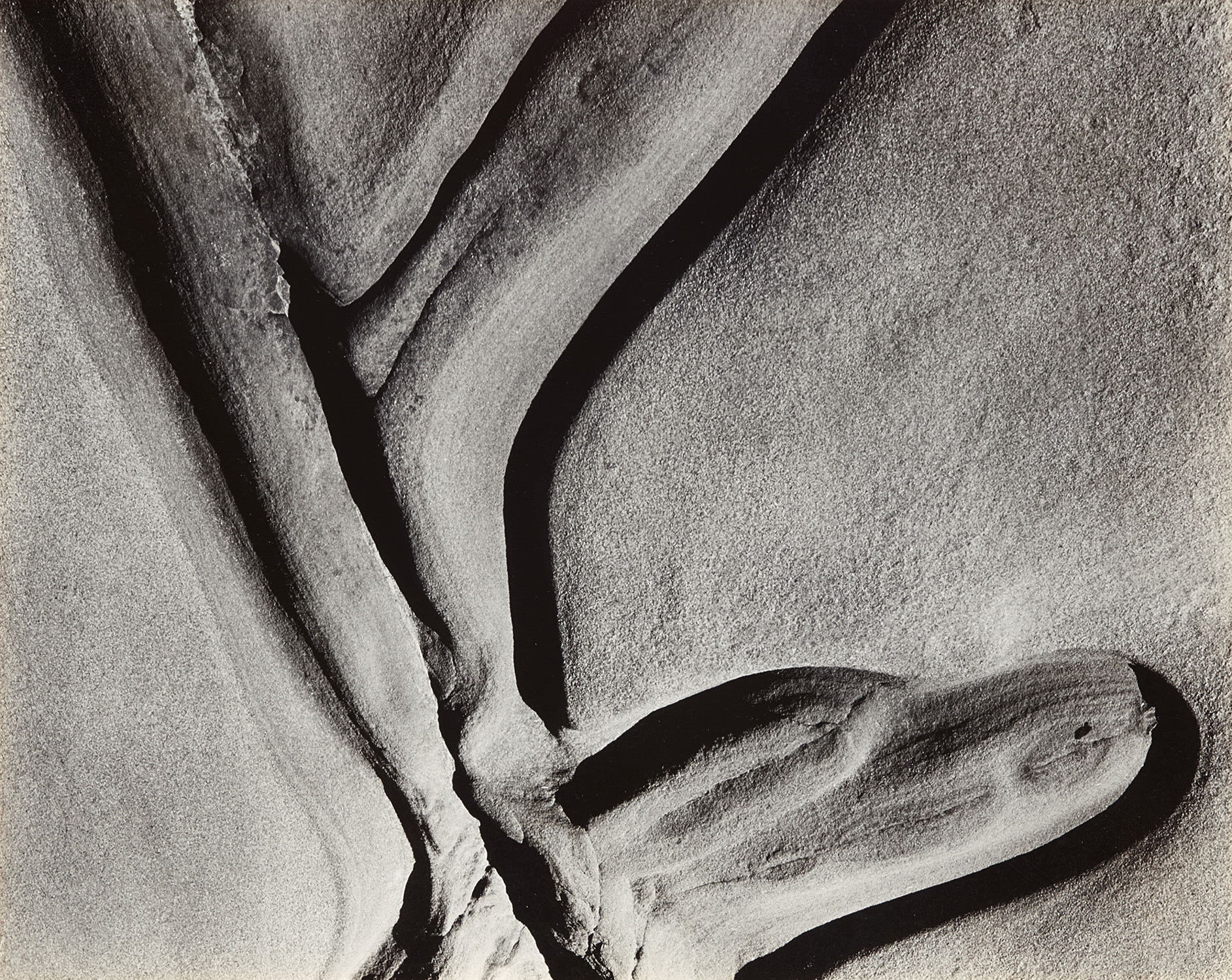
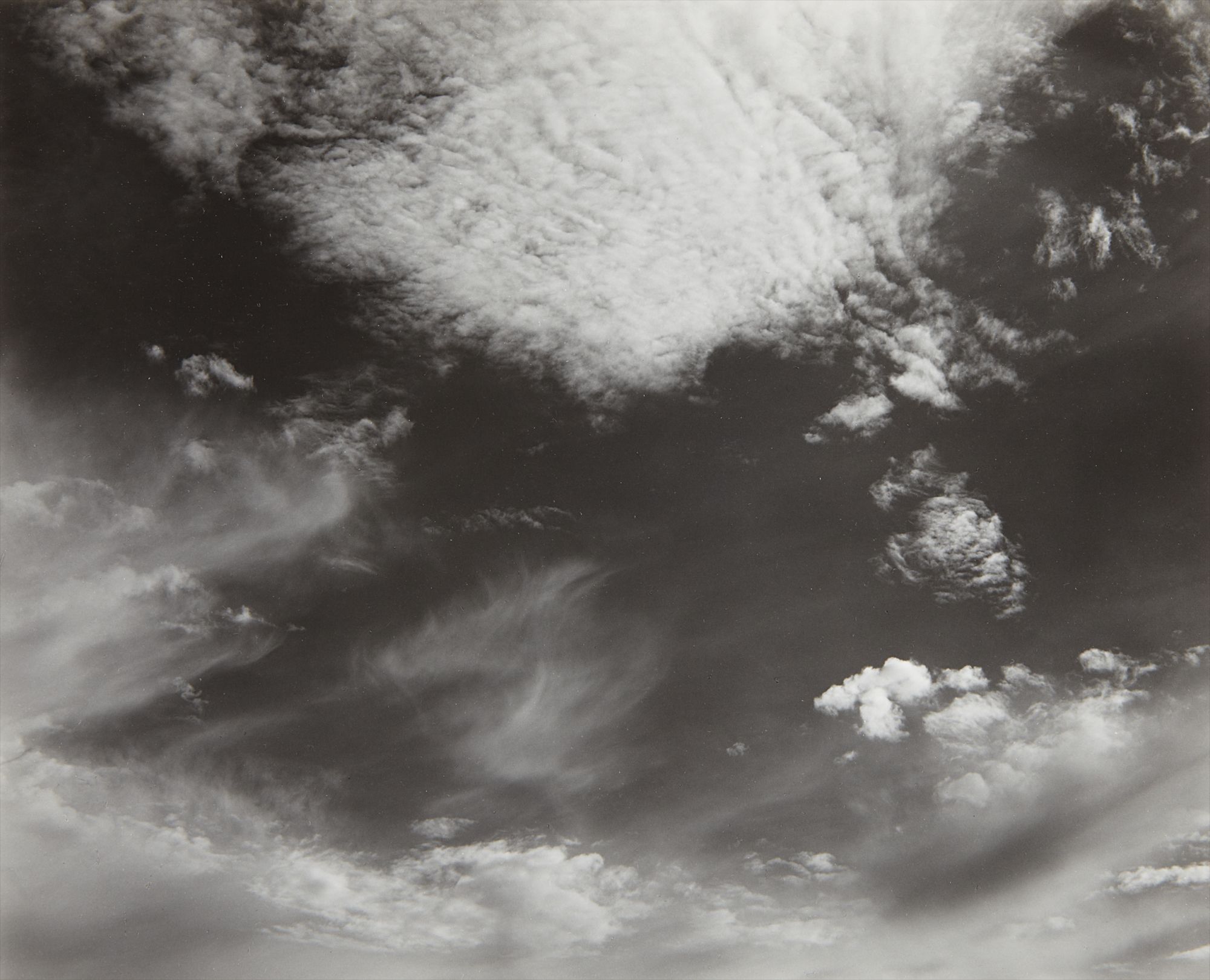
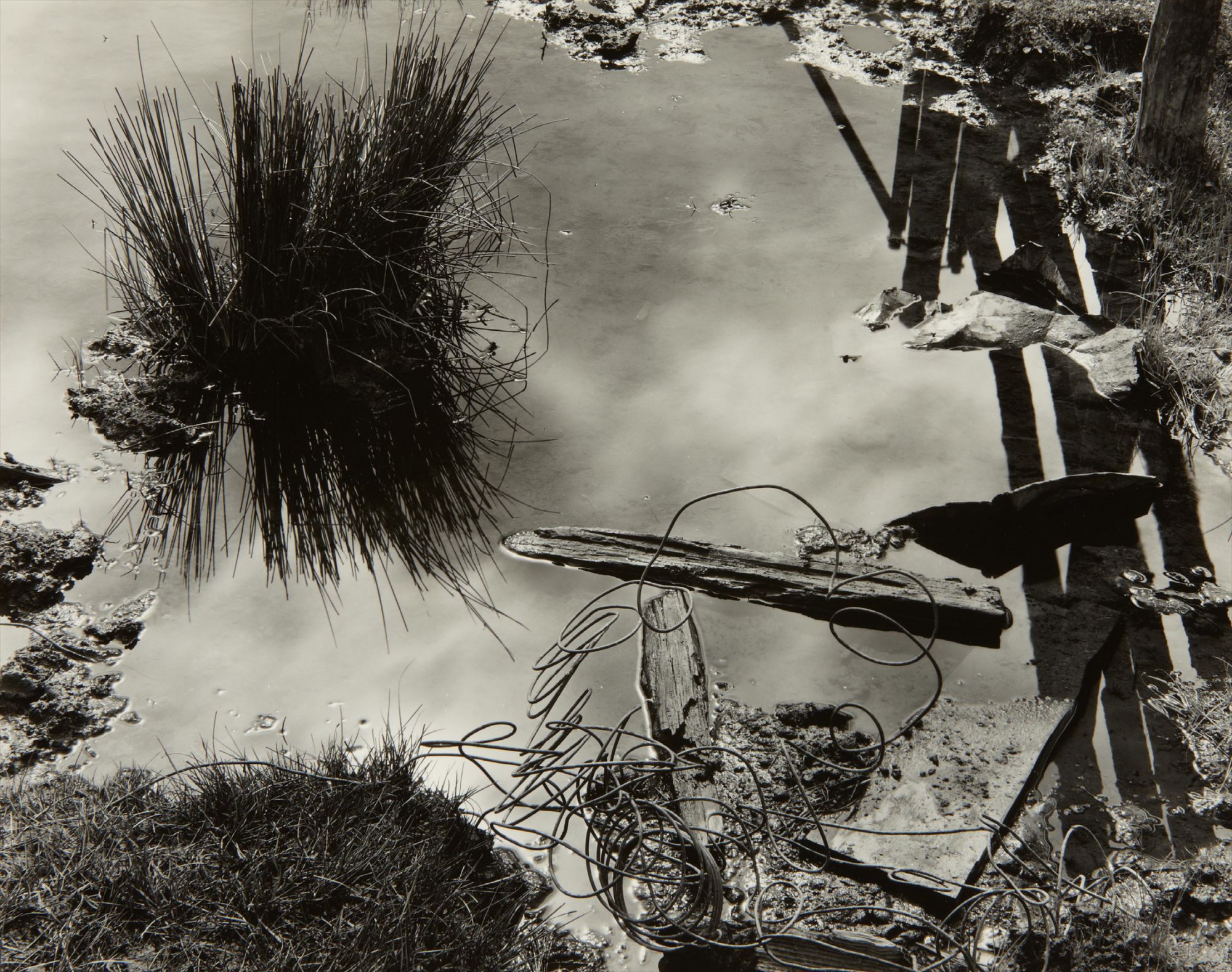
Edward Weston was one of the most influential American photographers of the 20th century, renowned for his precisely composed, sharply focused photographs that elevated everyday subjects to iconic status. Working primarily with an 8x10 inch view camera, Weston developed a modernist aesthetic that emphasized pure form, rich tonal range, and meticulous craftsmanship. His work spanned portraiture, landscapes, nudes, and still lifes, but he is perhaps best known for his close-up studies of natural forms—peppers, shells, vegetables, and rock formations—that transformed mundane objects into abstract, sculptural compositions of extraordinary beauty and sensuality. Weston's career evolved dramatically from his early soft-focus pictorialist work to the sharp-focus modernism that would define his legacy. In 1927, he began his groundbreaking series of nudes, followed by his iconic pepper studies (1929-1930), including the famous "Pepper No. 30," which demonstrated his ability to reveal the inherent abstract qualities and formal power of simple subjects. His Point Lobos photographs of twisted cypress trees, eroded rocks, and kelp captured the dramatic California coastline with unprecedented clarity and vision. In 1937, Weston became the first photographer to receive a Guggenheim Fellowship, which enabled him to travel extensively throughout California and the West, producing some of his most celebrated landscape work. As a founding member of the f/64 group alongside Ansel Adams, Imogen Cunningham, and others, Weston championed straight photography and sharp focus as artistic imperatives, rejecting the manipulated, painterly approaches that had dominated earlier art photography. His influence on photographic modernism was profound and lasting, establishing photography as a legitimate fine art medium and inspiring generations of photographers to pursue clarity, precision, and the revelation of form. His daybooks, published posthumously, provide invaluable insight into his artistic philosophy and working methods, cementing his status as both a master practitioner and important theorist of the photographic medium.
Spotted by
Artists in conversation