Muted

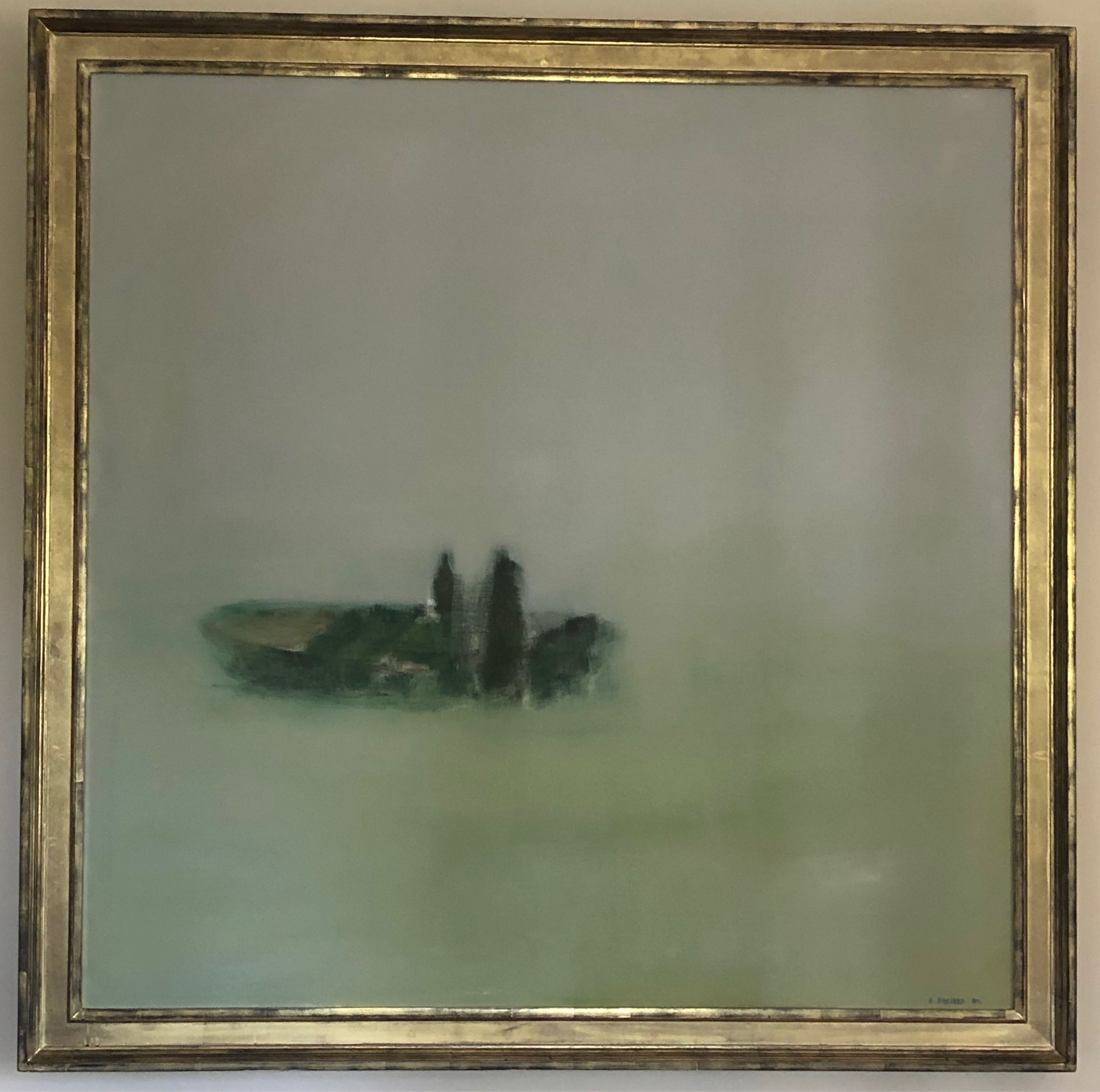
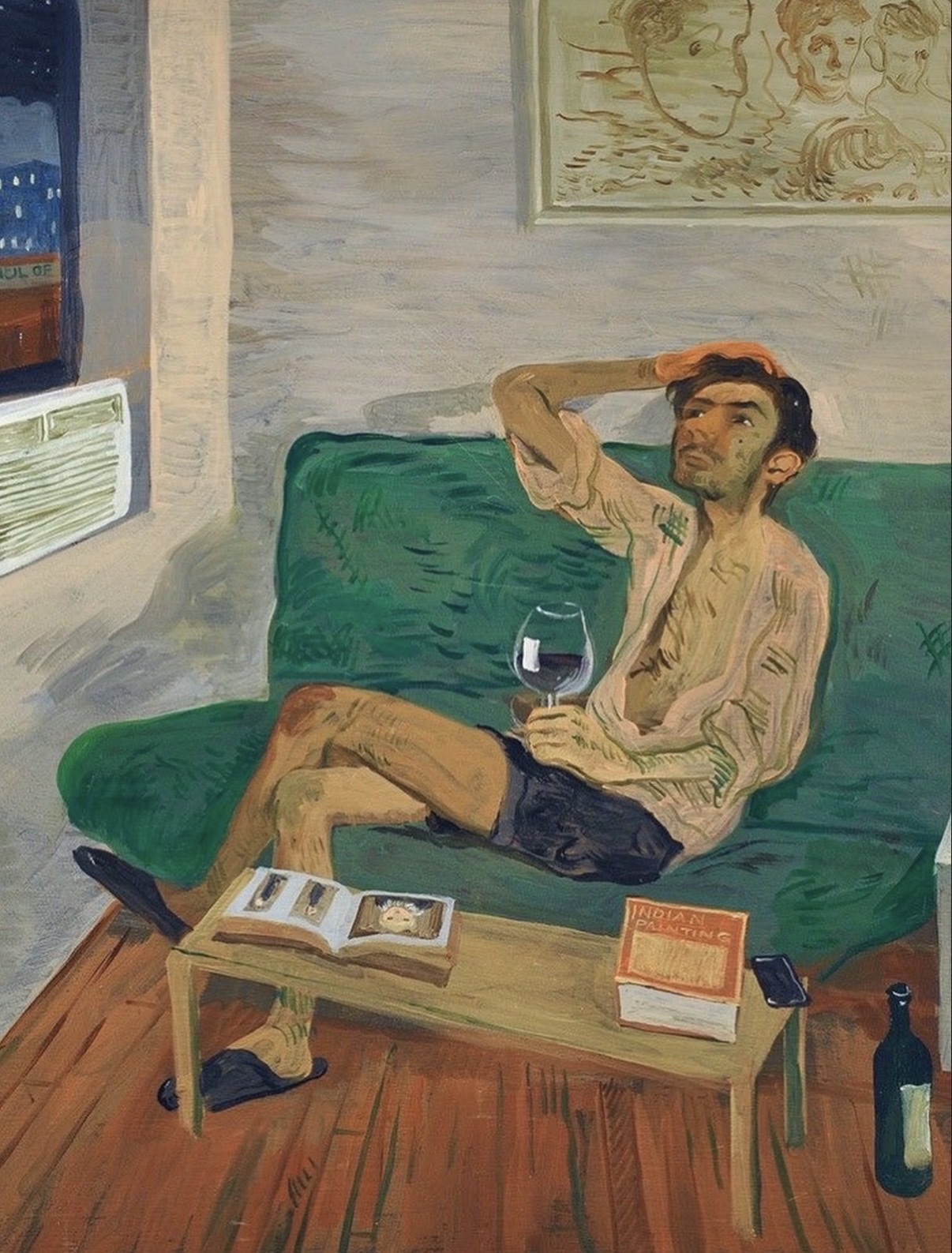
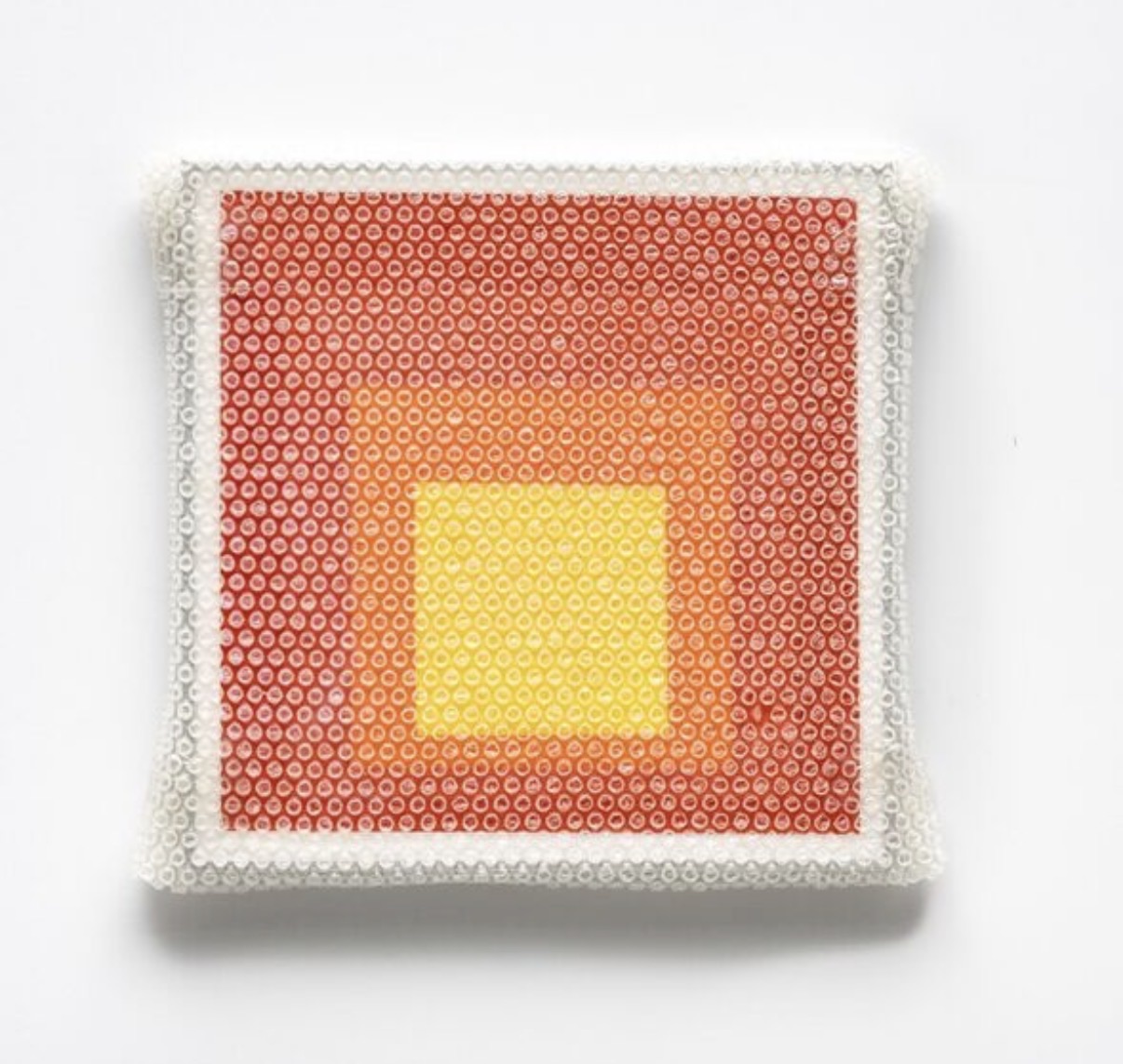
Tammi Campbell
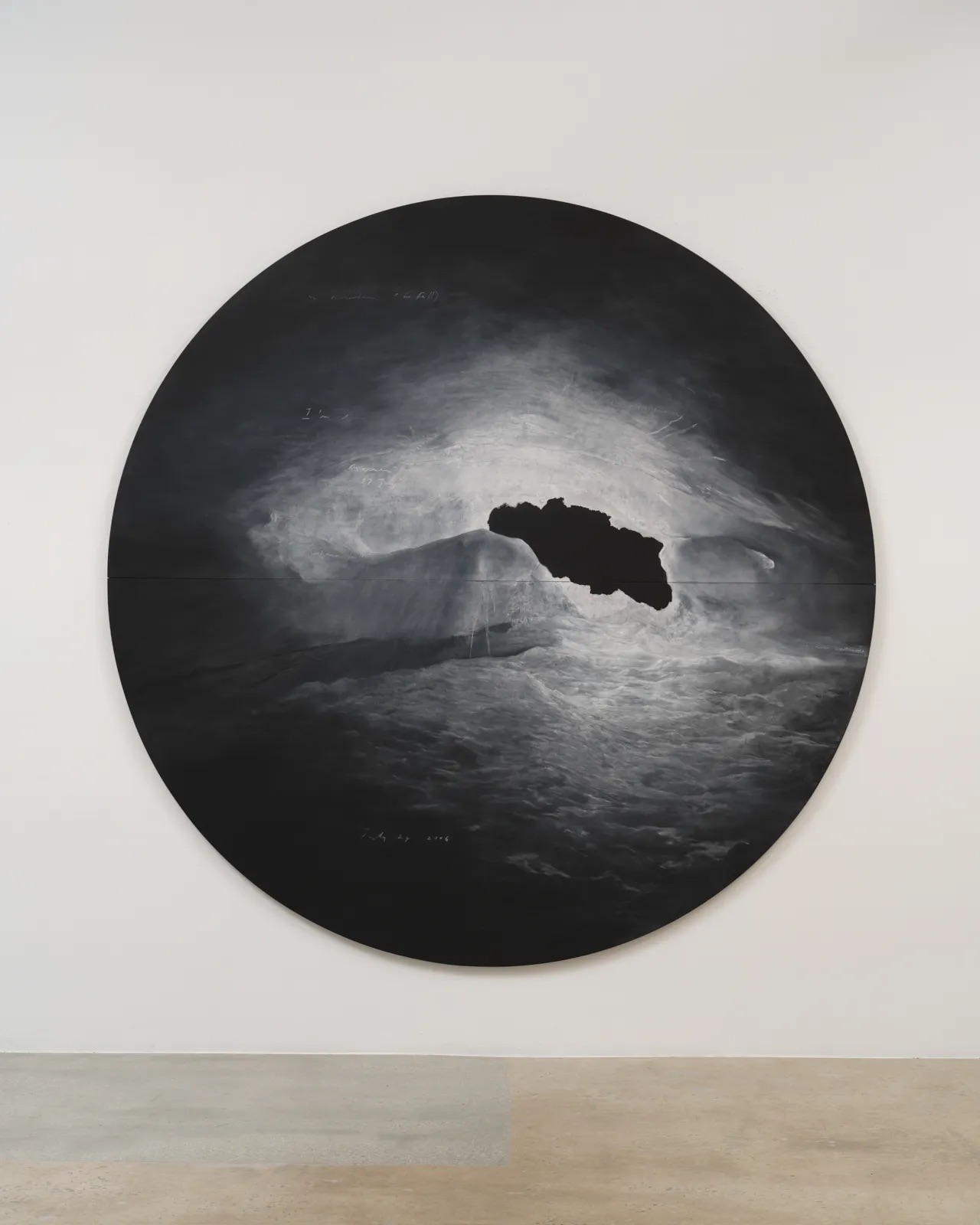
I DON'T WANT NO RETROSPECTIVE, 2024

The Quiet Power of Holding Back
There is a particular kind of collector who finds themselves drawn not to the loudest work in the room, but to the one that asks something of you. Muted works operate in this register. They require stillness, a willingness to stay in front of them longer than feels entirely comfortable, and a certain trust that what is withheld is as meaningful as what is shown. For collectors who have moved through a few phases of acquiring, who have perhaps owned work that announced itself boldly and found it exhausting to live with over time, the appeal of restraint becomes something close to a philosophy.
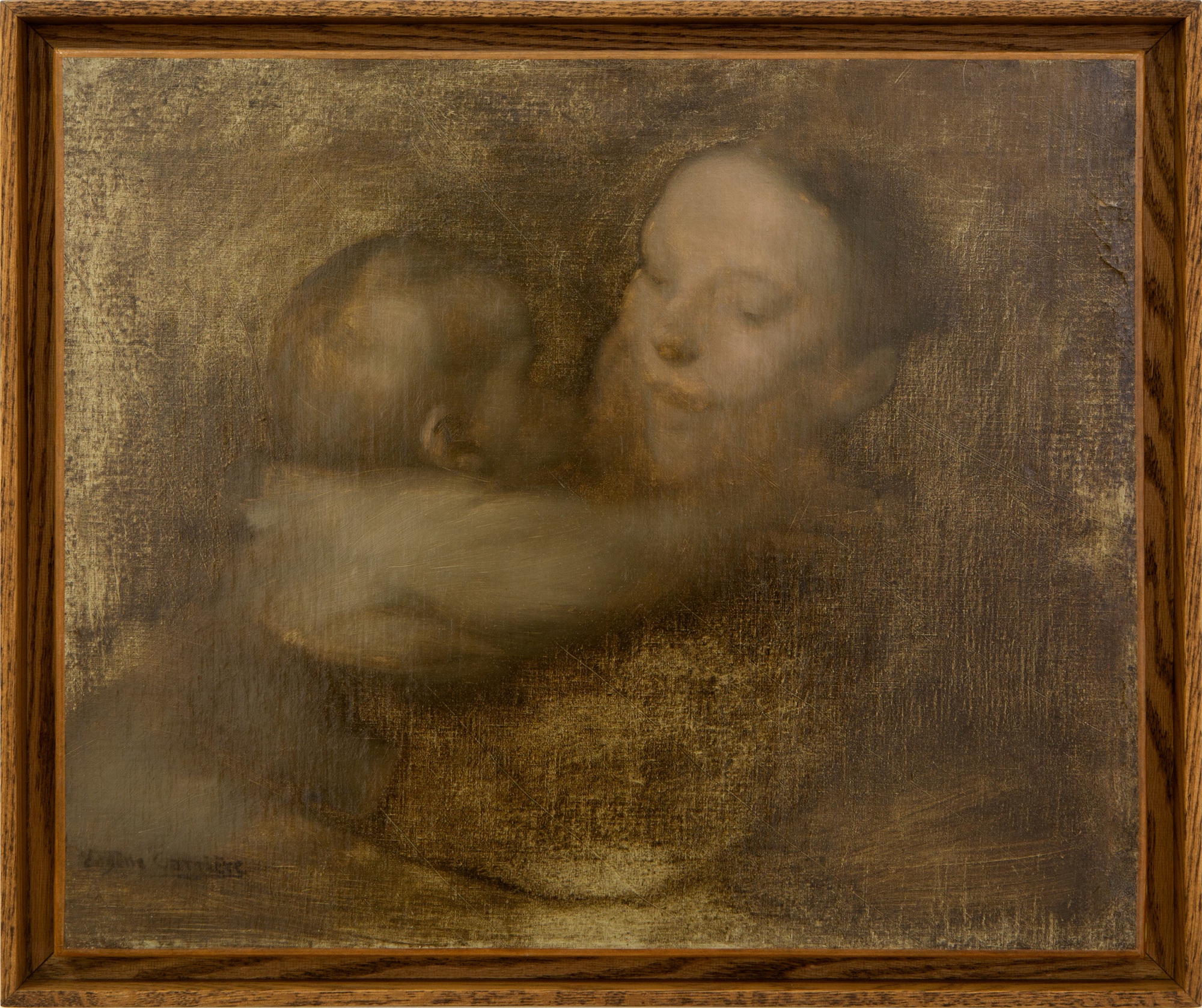
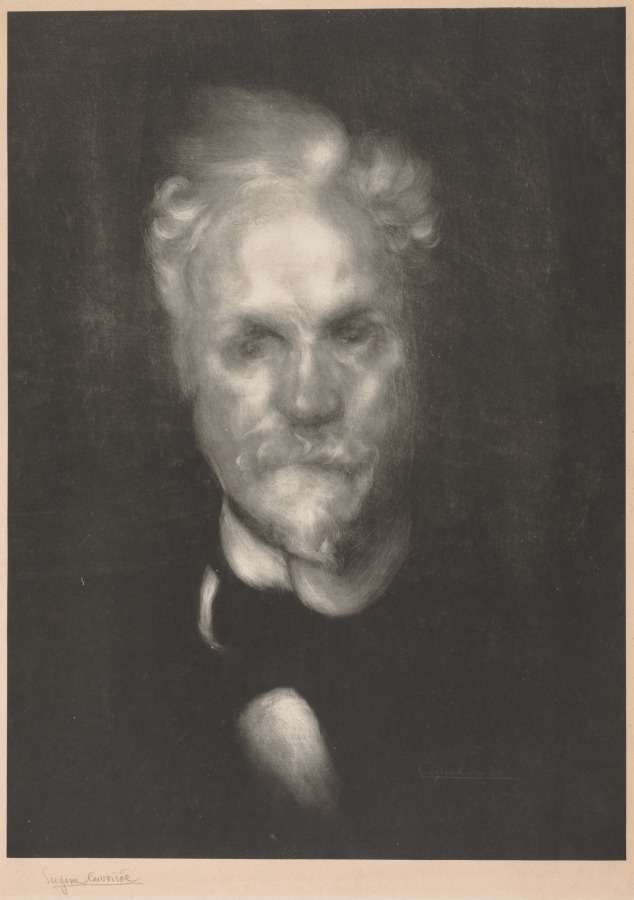
The experience of living with a muted work is genuinely different from living with something declarative. A Eugène Carrière painting, with its characteristic smoky dissolution of form, does not compete with the rest of a room. It seems to breathe at a different frequency. Visitors to your home may walk past it once and register something only vaguely, then find themselves standing before it on the third visit, finally arrested.
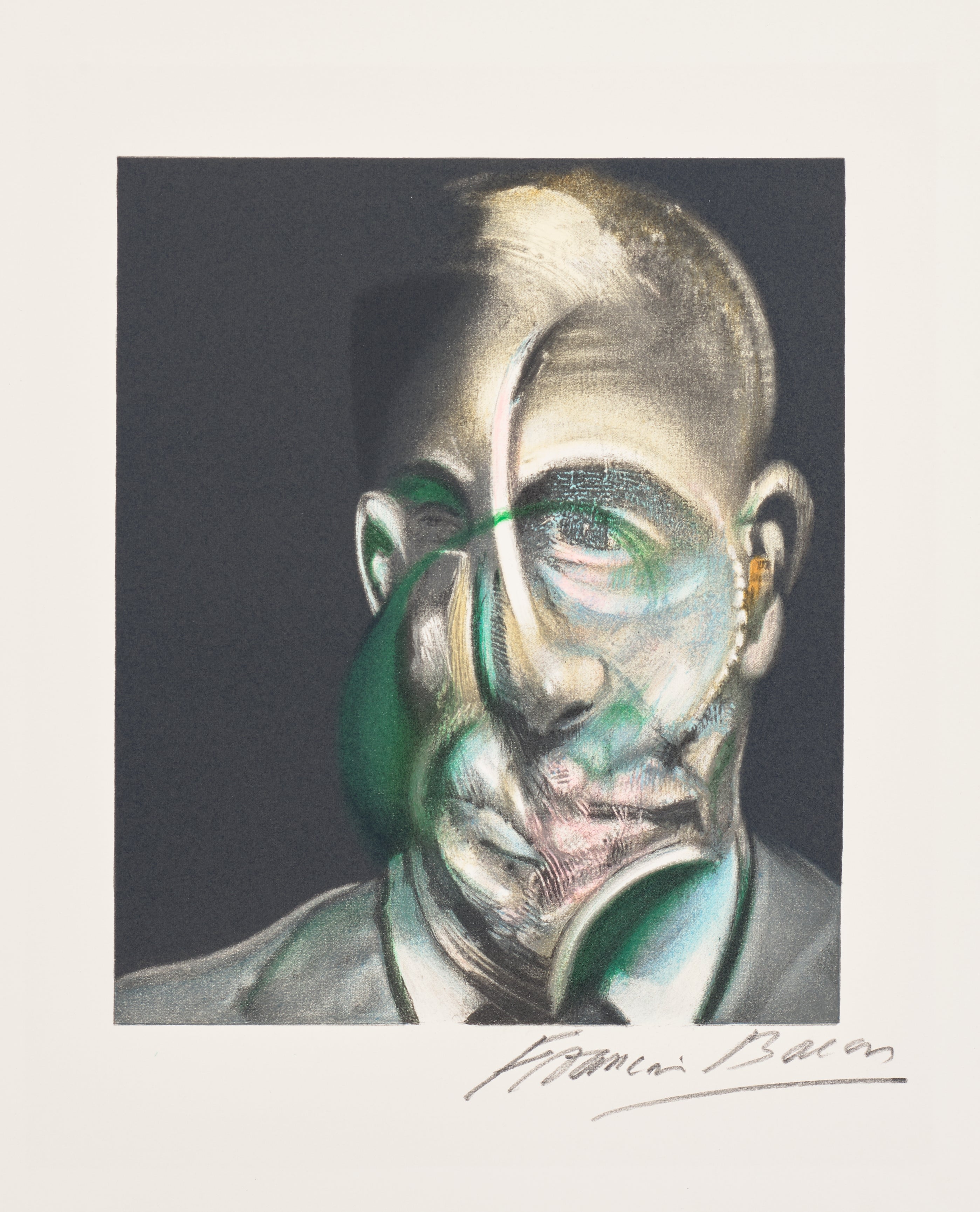
Eugène Carrière
Henri Rochefort, 1896
That delayed encounter is part of what makes this category so rewarding to collect. The work earns its place slowly, and once earned, it keeps it. What separates a good muted work from a truly great one comes down to intention. Restraint can be a compositional strategy, a formal choice made with precision and confidence, or it can simply be a failure of nerve.
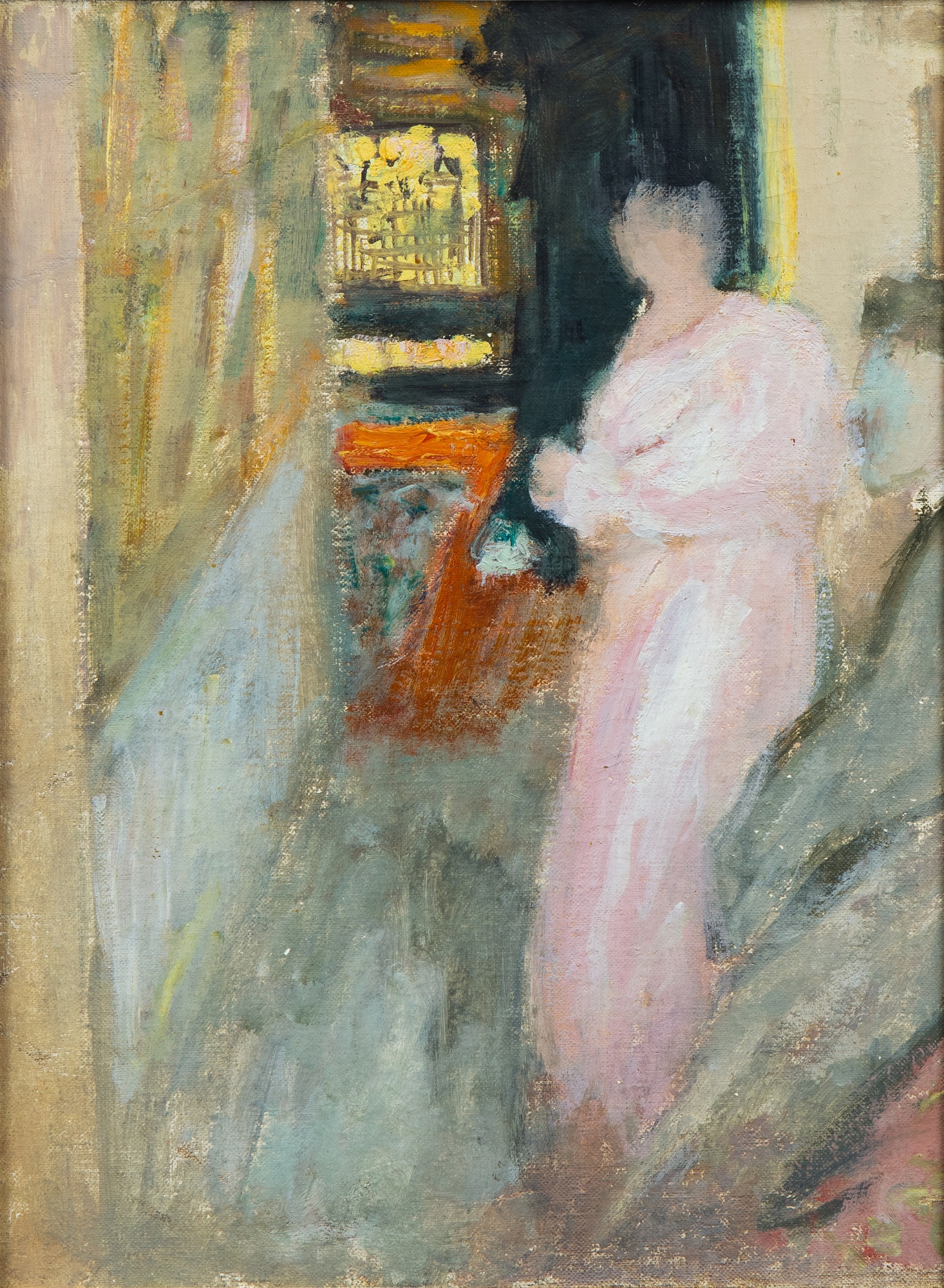
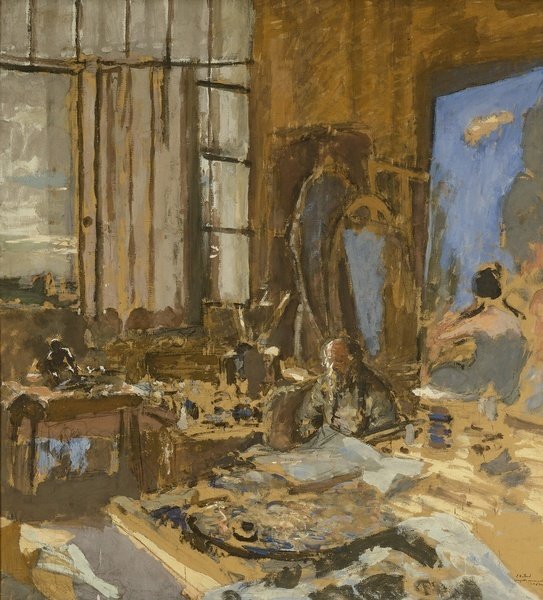
The collector's job is to tell the difference. A great muted work is never passive. Édouard Vuillard's interiors, for instance, compress enormous psychological intensity into flattened pattern and domestic quiet. The muted palette is doing structural work, not simply setting a mood.
Édouard Vuillard
Maquette pour un portrait de K.X. Roussel, 1930
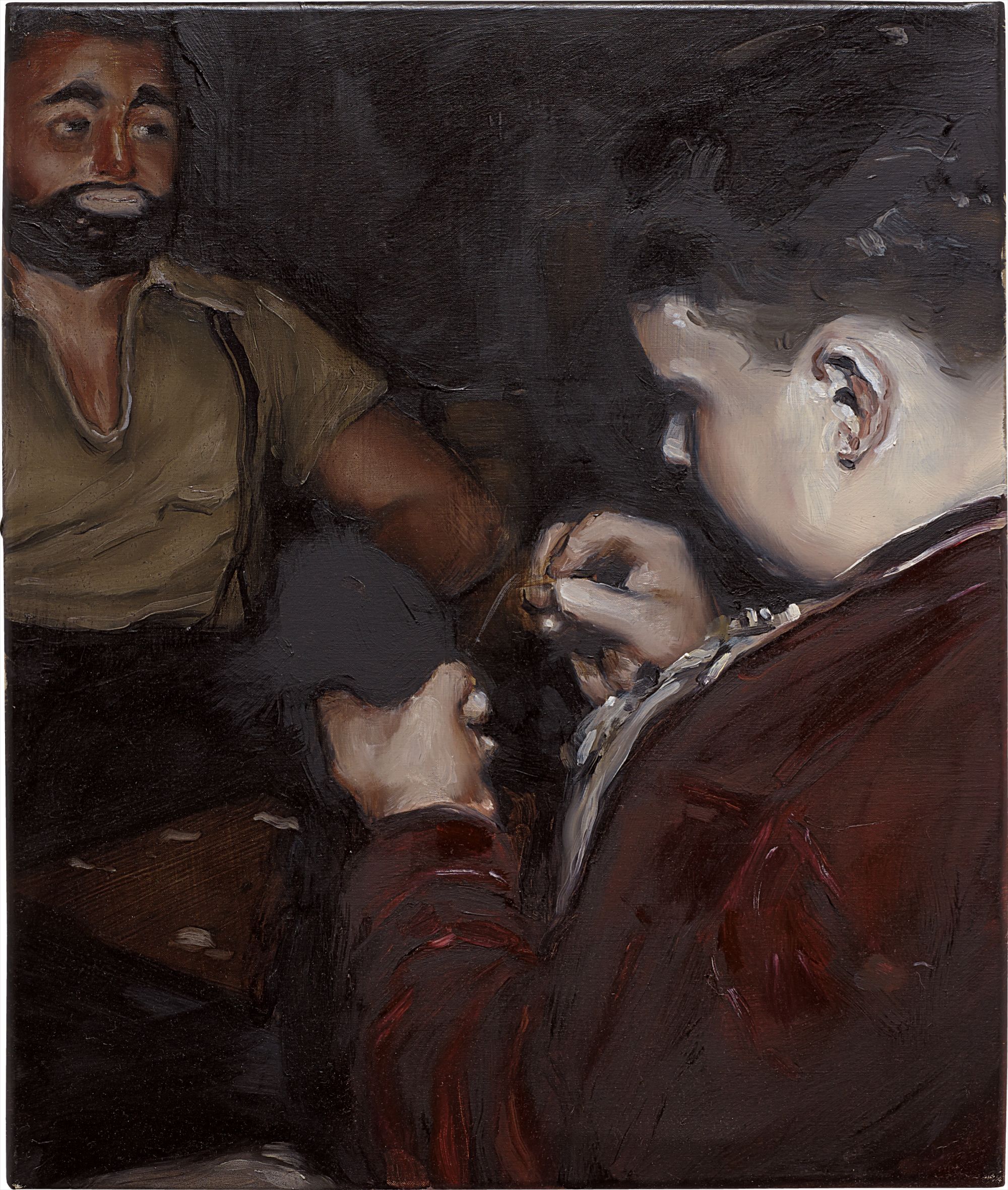
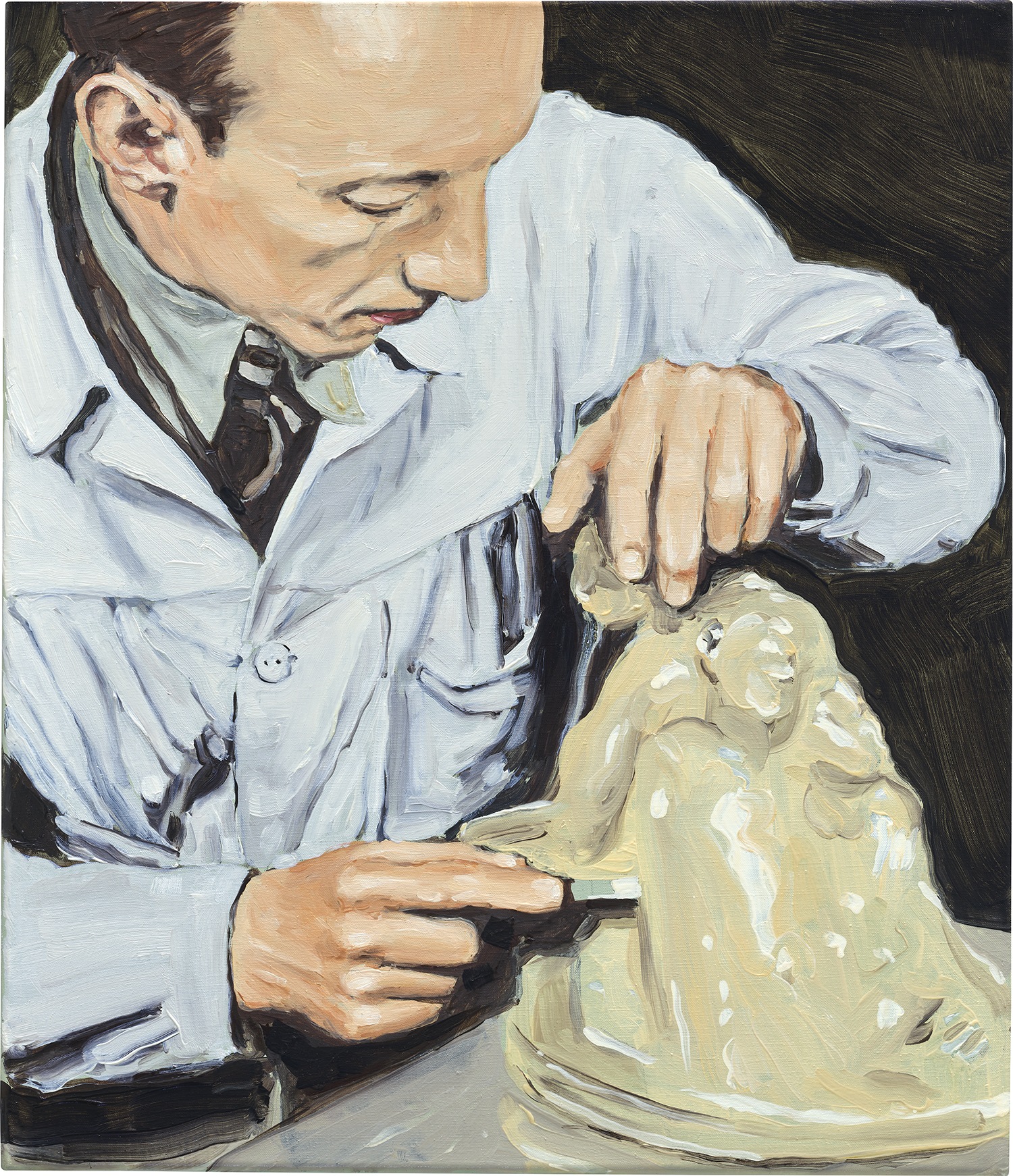
When you are looking at a work and asking yourself whether the understatement is earned, the question to bring is whether the suppression of color, gesture, or form creates tension or merely reduces presence. Among the artists well represented on The Collection, several reward close attention in this context. Michaël Borremans has spent decades building a practice around exactly this kind of productive withholding. His figures occupy ambiguous spaces, rendered in a palette that recalls Flemish Old Masters while remaining thoroughly contemporary in its psychological temperature.
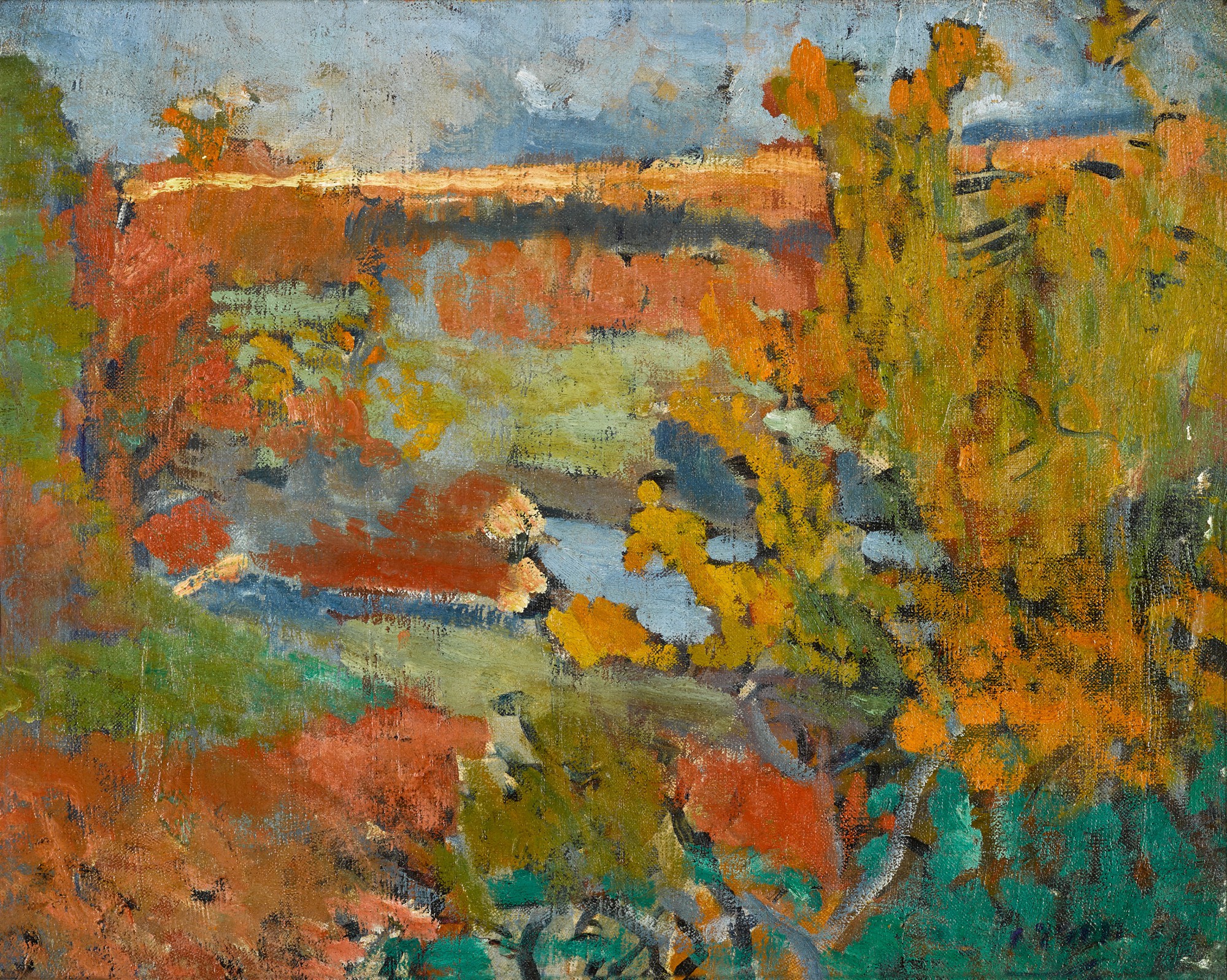
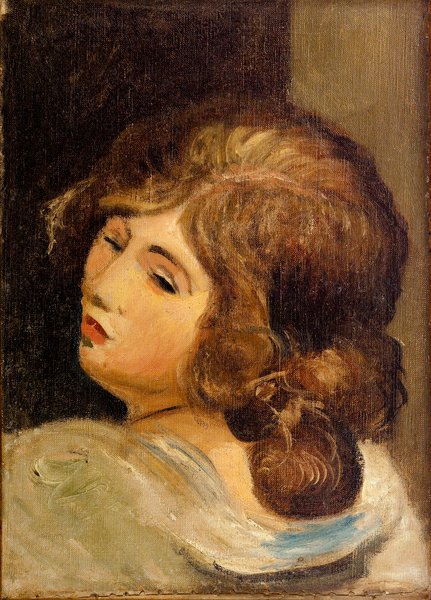
Works by Borremans have performed consistently at auction, with secondary market prices reflecting both institutional endorsement and genuine collector demand. His market has been relatively stable even during softer periods, partly because the collector base tends to be serious and to hold rather than flip. André Derain during his later period, less celebrated than his Fauvist years but arguably more interesting as a collecting proposition, worked in a similarly subdued tonal range that has attracted renewed scholarly attention in recent years. Tammi Campbell represents a genuinely important opportunity for collectors paying attention.
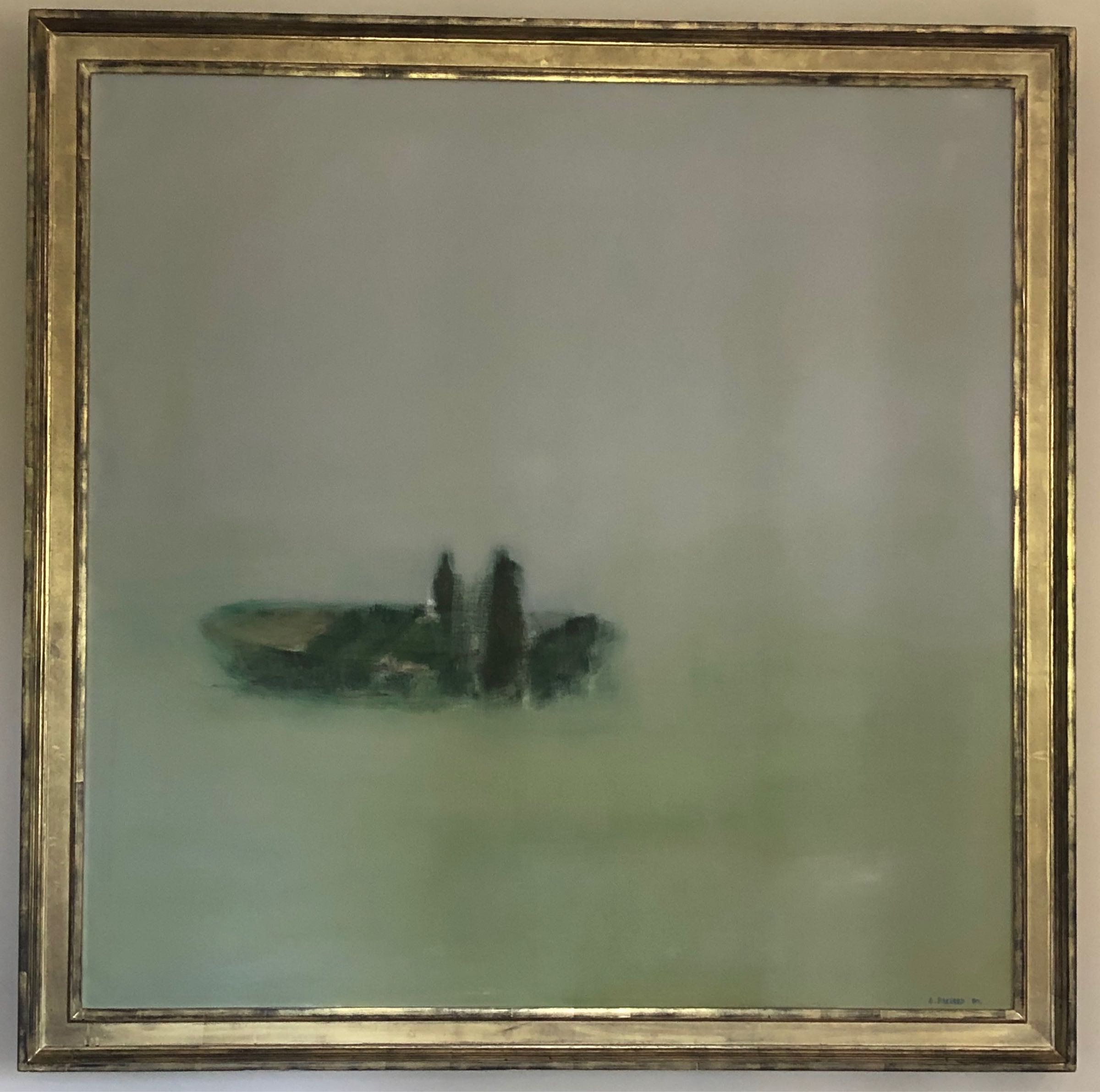
André Derain
Tête de femme, 1935
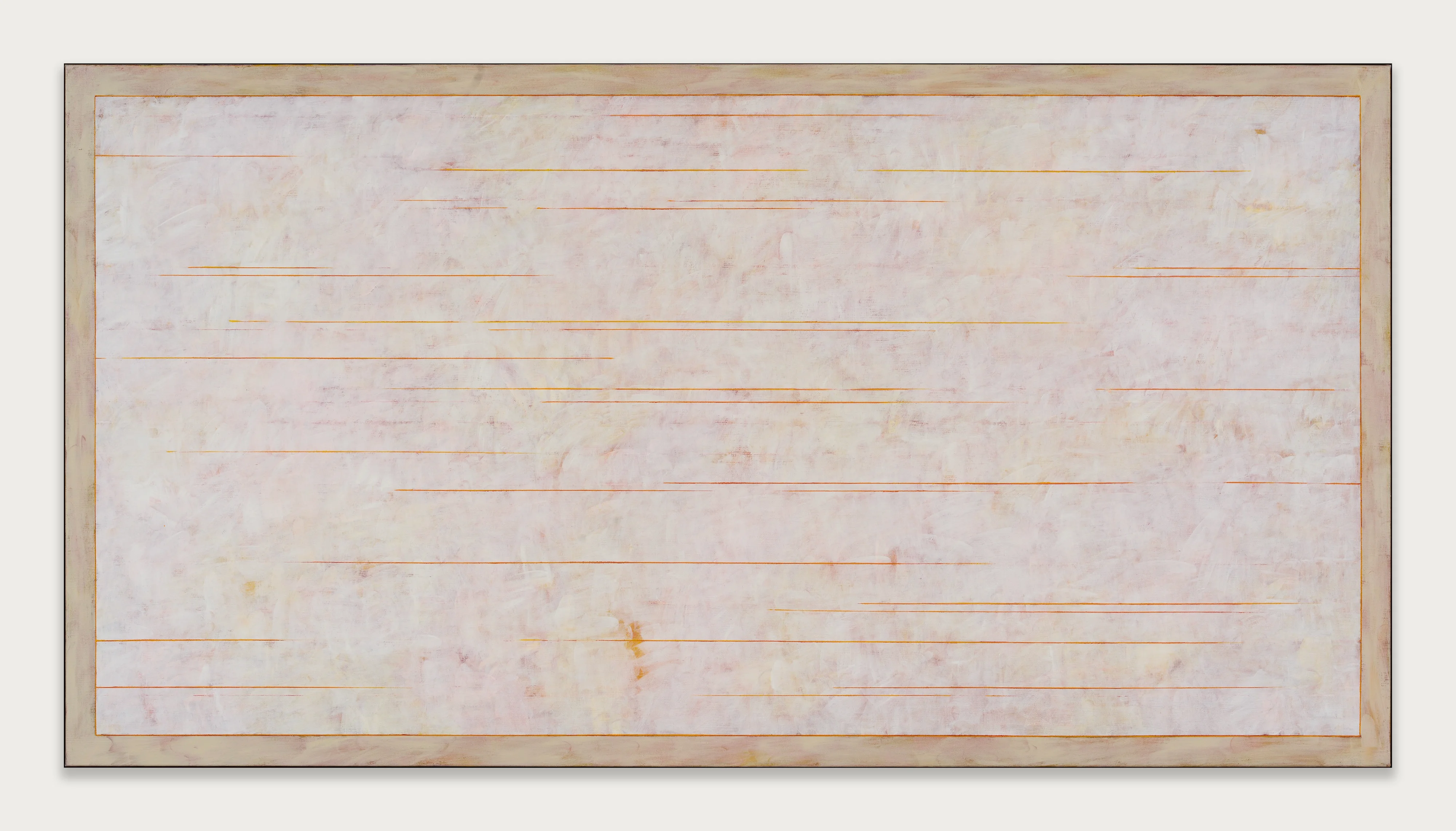
Her practice of repainting canonical works in ways that foreground the act of translation rather than the original image produces objects that are formally quiet but conceptually charged. She sits at an intersection that the market tends to reward once critical consensus catches up, and the sense among advisors who follow her closely is that the catching up is already underway. Claudio Verna, the Italian painter whose long career unfolded somewhat at the margins of the movements his work deserves to be read alongside, is another name worth understanding properly. His chromatic abstractions operate through accumulation and adjacency rather than contrast, and the market for serious Italian postwar work has been strengthening steadily.
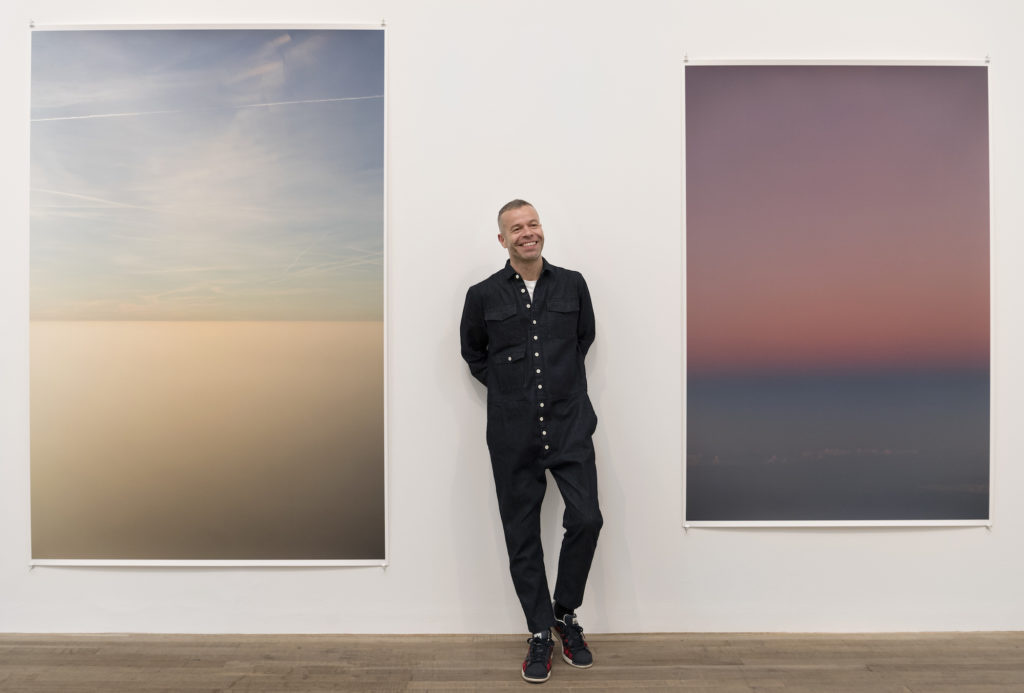
At auction, muted works present particular challenges that are worth understanding before you start bidding. The category does not photograph well, which means that works reproduced in catalogue images often appear less compelling than they are in person, and vice versa. This creates genuine opportunity for collectors who make the effort to see works before the sale, and genuine risk for those who rely entirely on digital images. Tillmans offers an instructive case here.
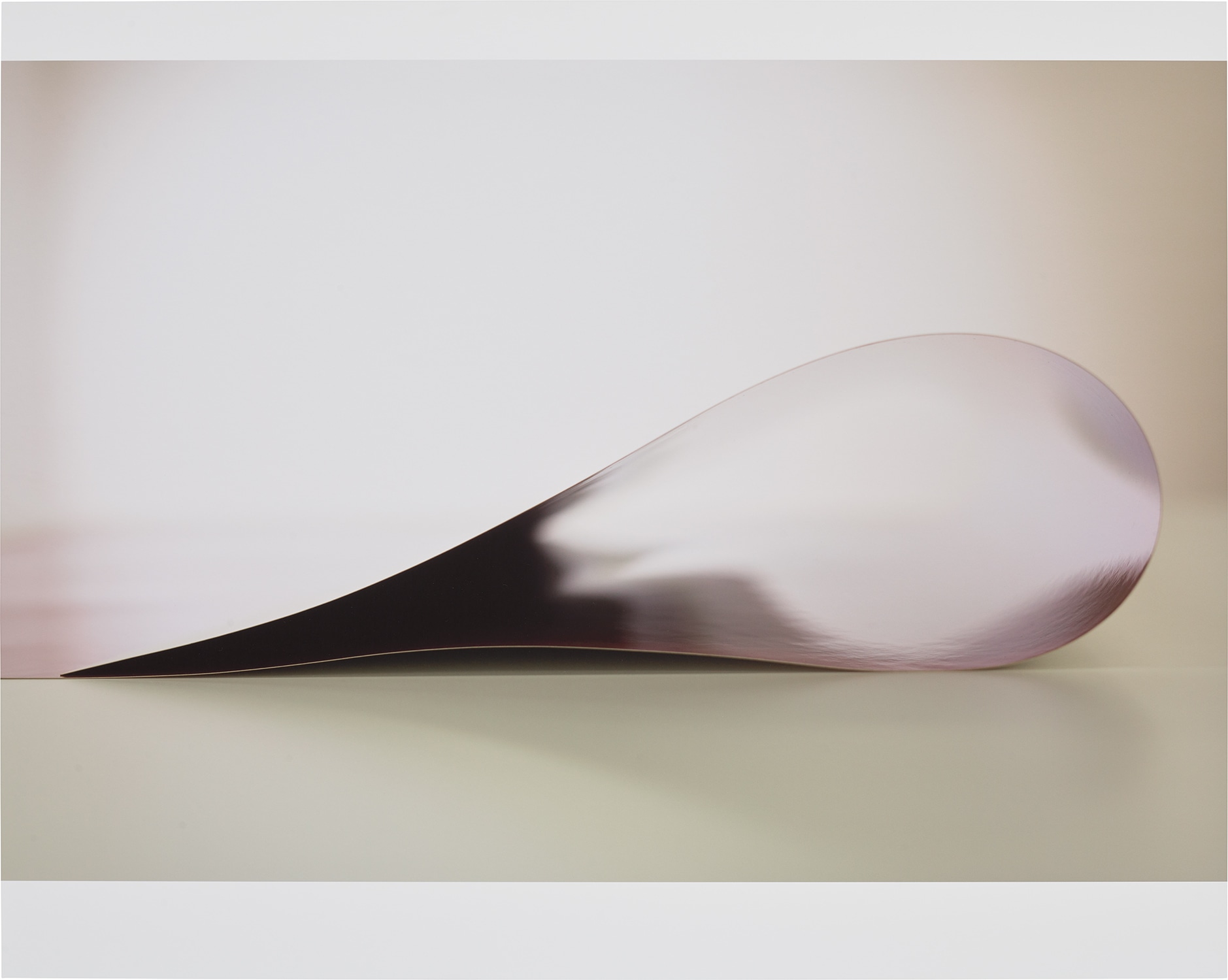
Wolfgang Tillmans
paper drop Oranienplatz, a
His photographic works, which can operate in registers of extreme visual quietness, have a physical presence that the screen entirely fails to convey. The shift from looking at a Tillmans reproduction to standing before the actual print is one of the more dramatic recalibrations you can experience in contemporary collecting. Condition is a particular concern in this category because the visual effects that make muted works powerful are often surface dependent in ways that more robust or heavily worked paintings are not. A thin glaze layer, a specific quality of ground preparation, an unusual paper stock chosen for its particular absorbency: these are the things that can be compromised by poor storage, lining, or restoration, and their loss can fundamentally alter what the work is doing.
When acquiring works with delicate surfaces, ask the gallery or vendor directly about the history of any restoration, and if possible consult a conservator you trust before finalizing a purchase. Sanyu, whose fluid economy of line and pale grounds produce an effect of immense refined quietness, is a painter whose works require this kind of scrutiny given the range of condition states that appear on the market. Displaying muted works well is its own skill. They tend to reward natural light but suffer under harsh directional spotlighting, which flattens exactly the tonal relationships the work depends on.
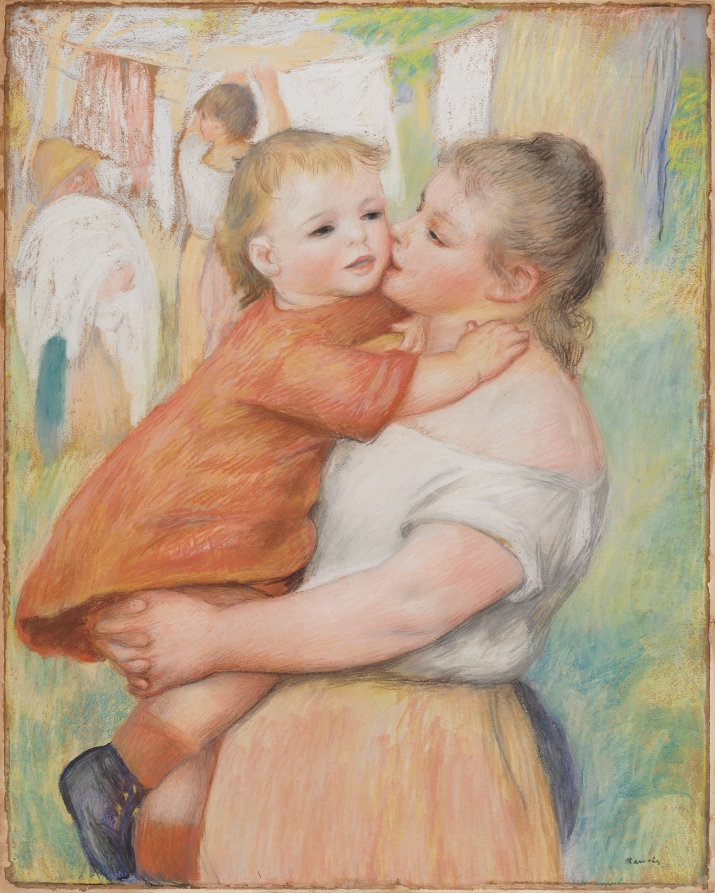
Renoir in his later work, and Francis Campbell Boileau Cadell in his most restrained Scottish interiors, both repay the kind of soft ambient light that many collectors reserve for works they consider more delicate. When a gallery tries to sell you a muted work under aggressive lighting and it still compels you, that is actually a meaningful test of its strength. If it only works in ideal conditions, be cautious. If it holds something back even when the light is against it, you are likely looking at the real thing.