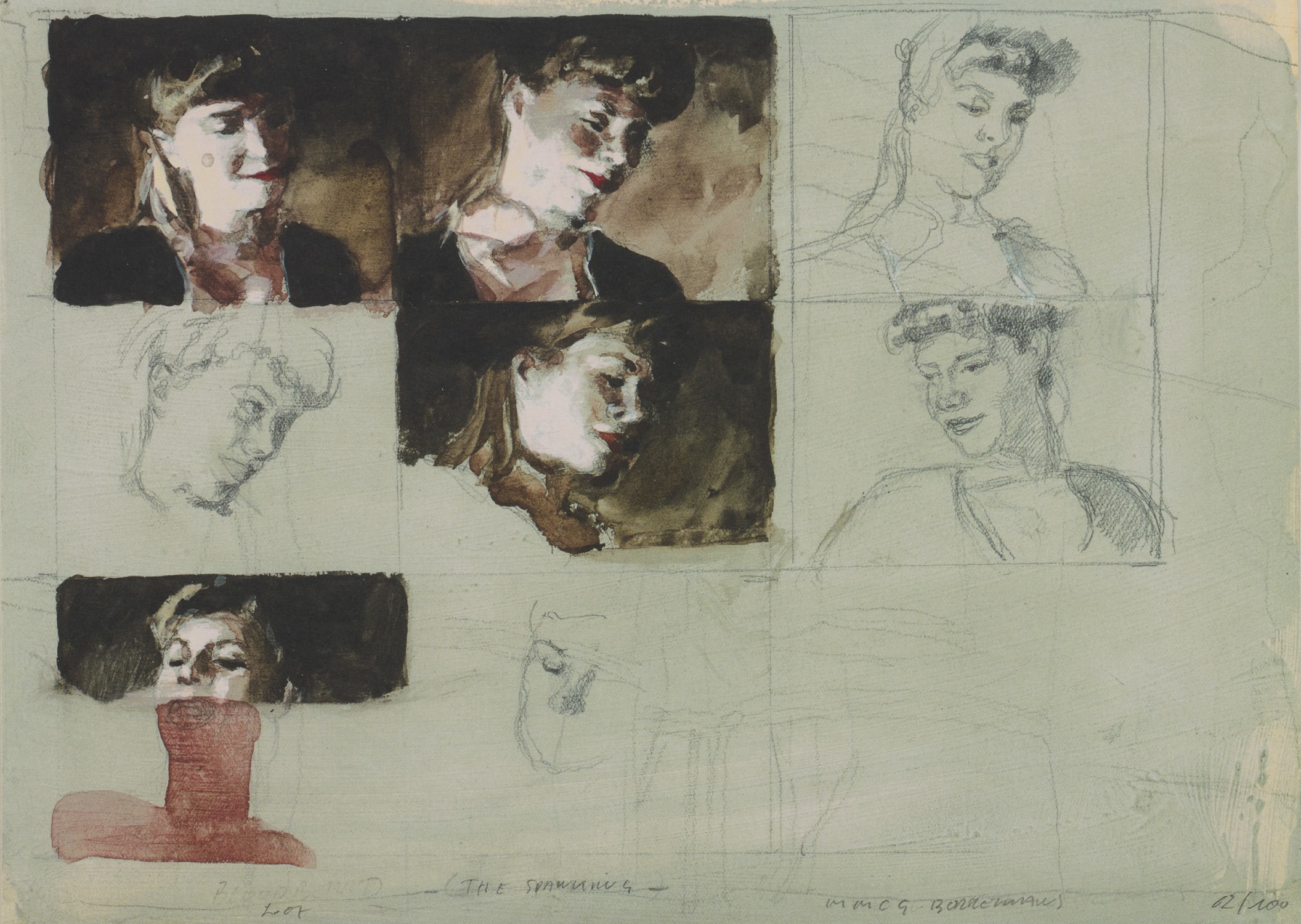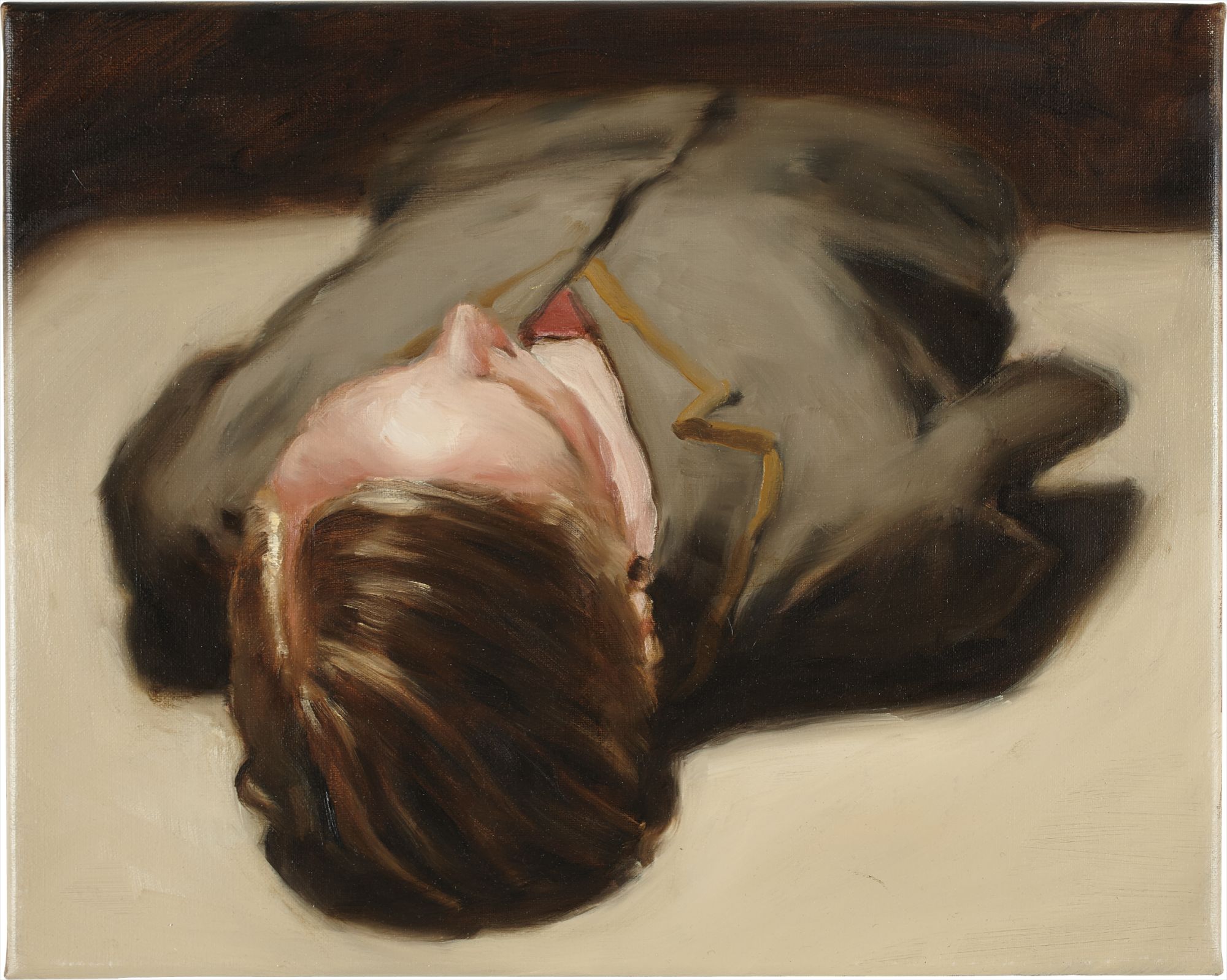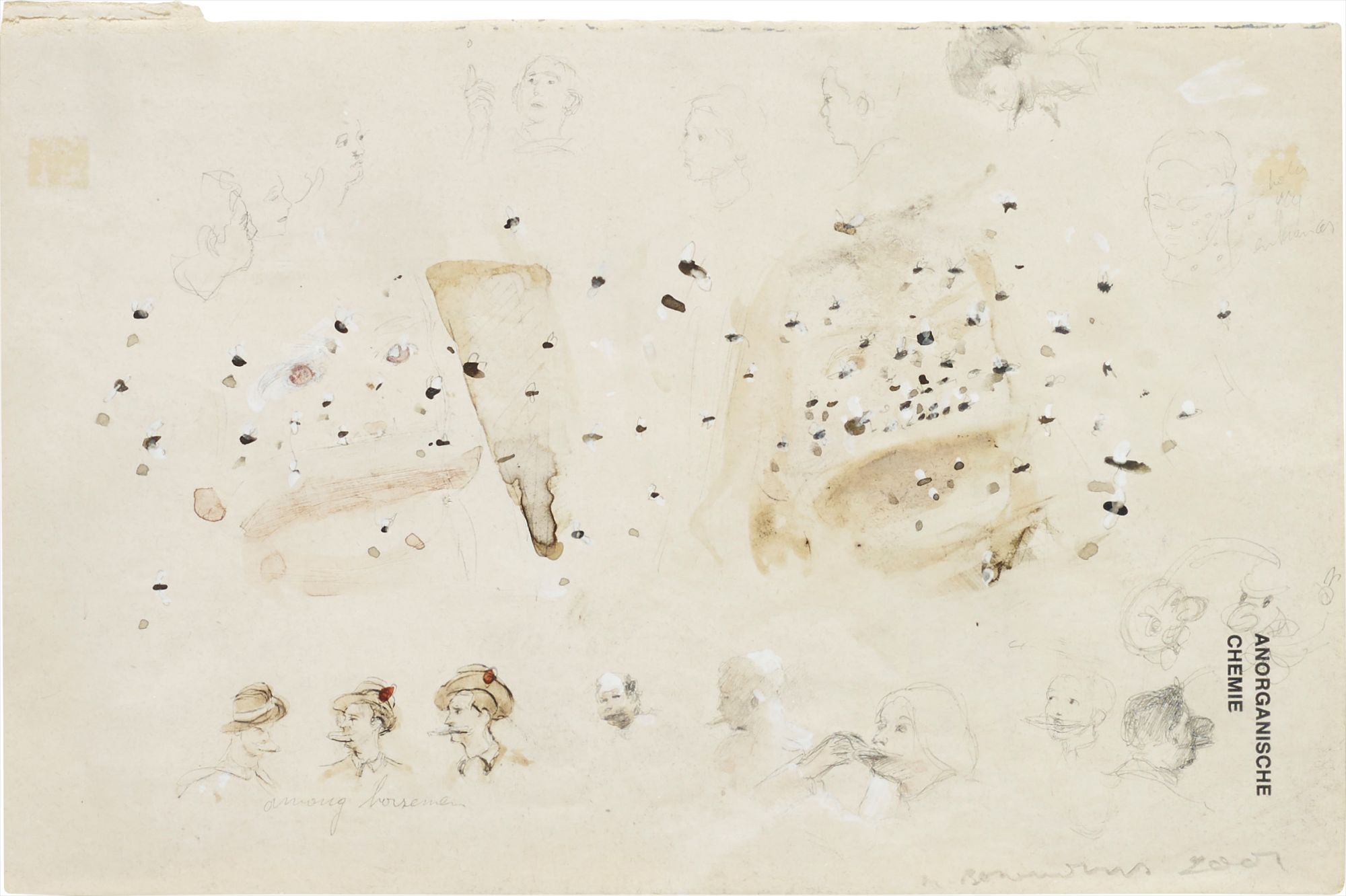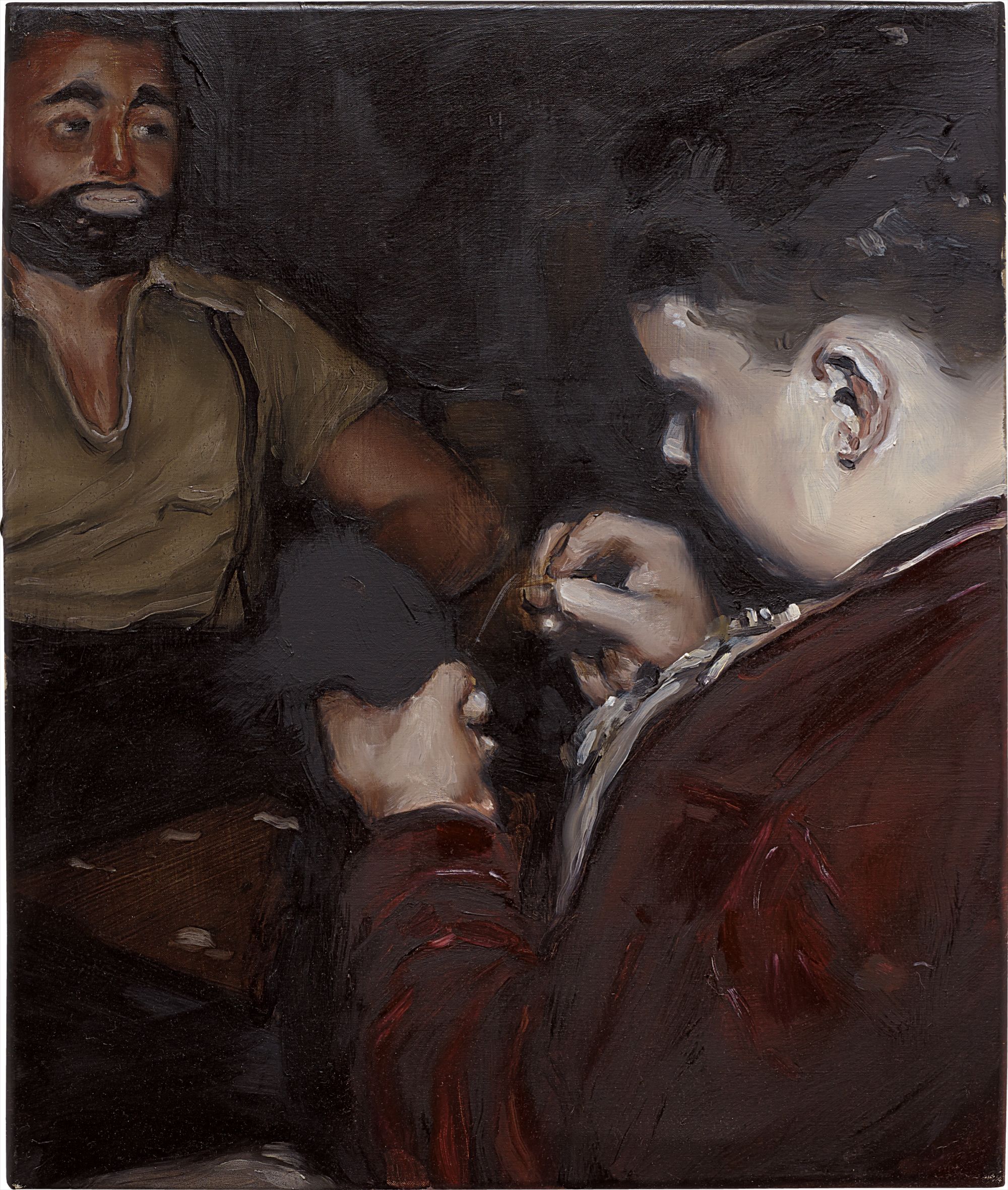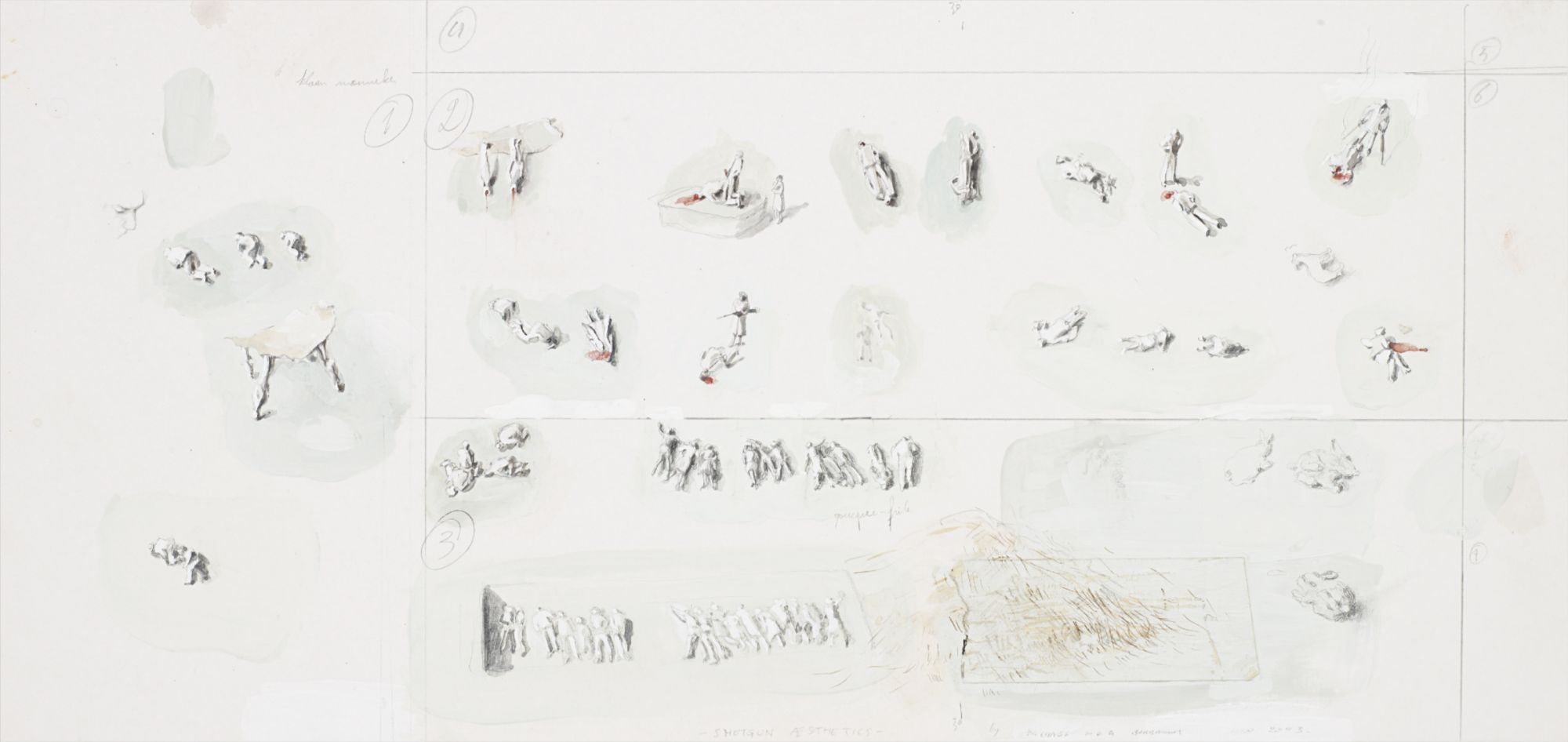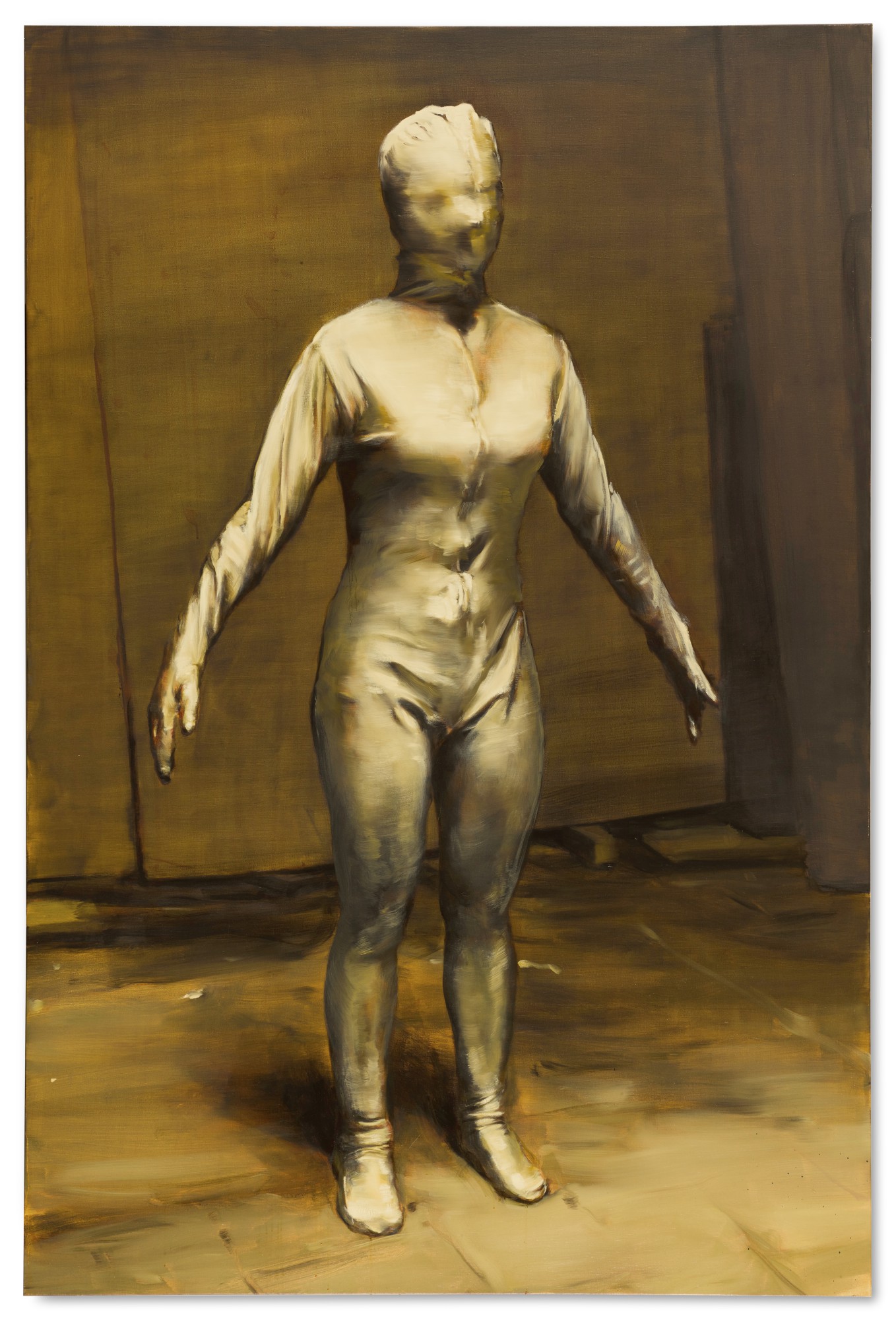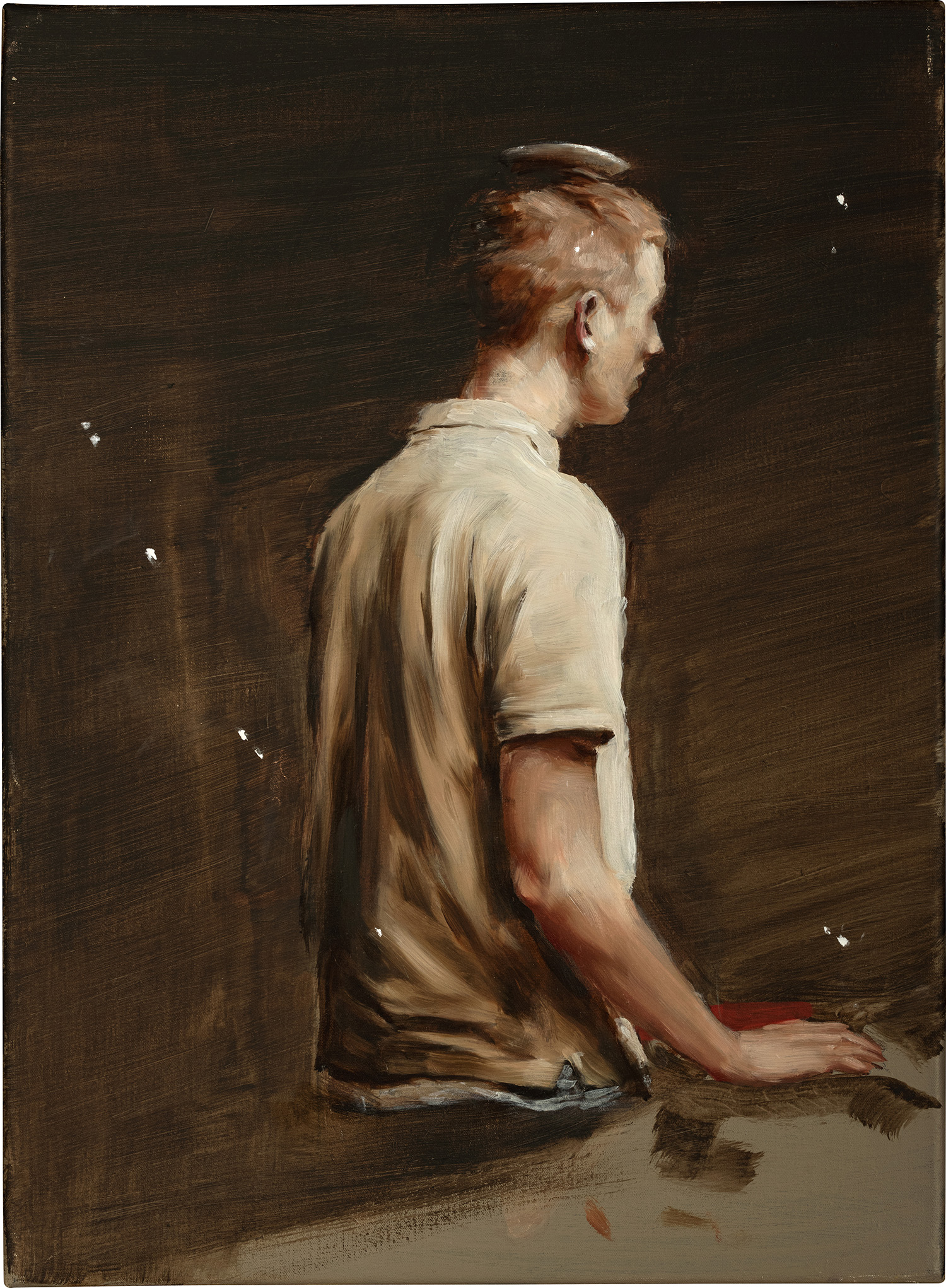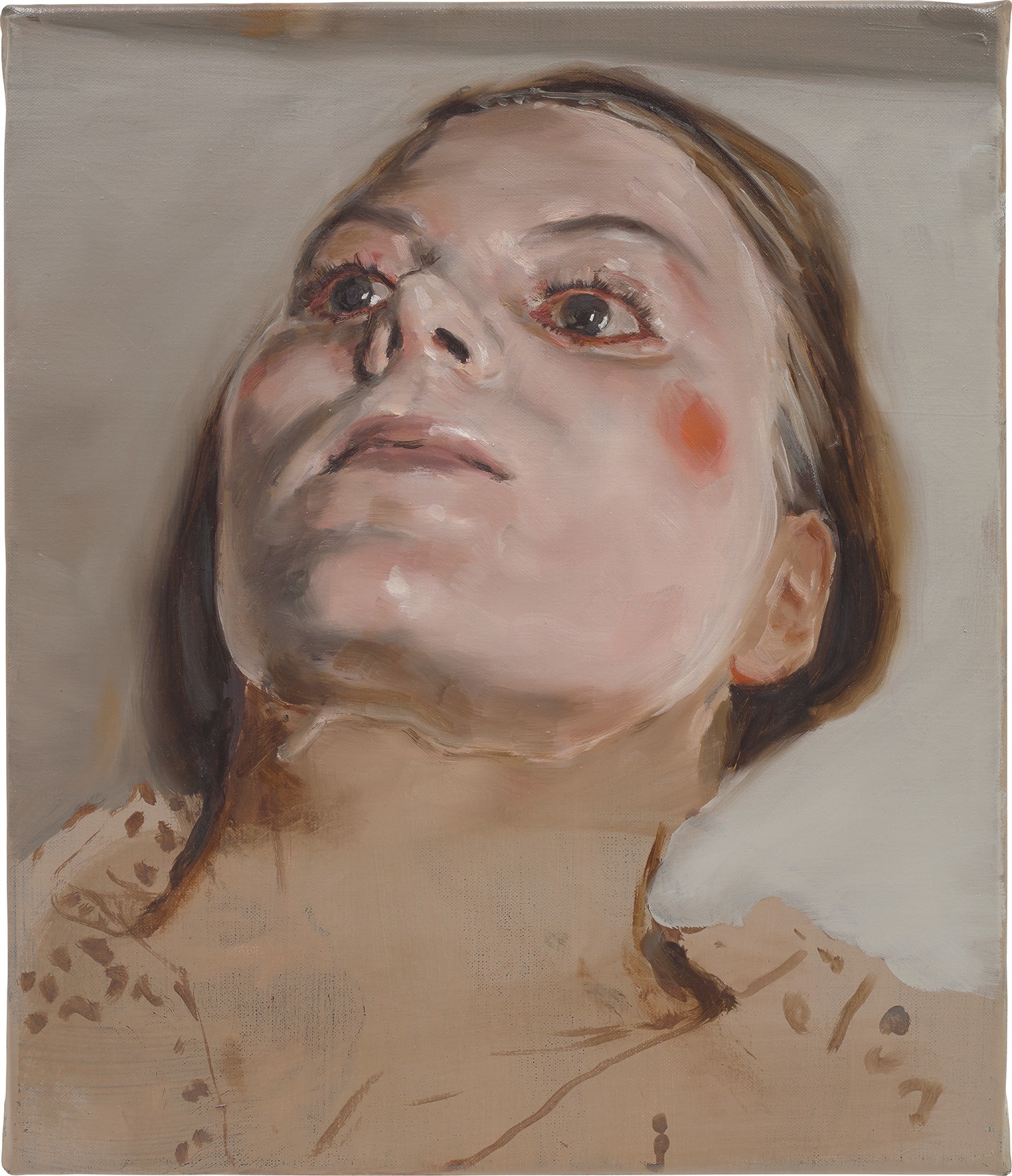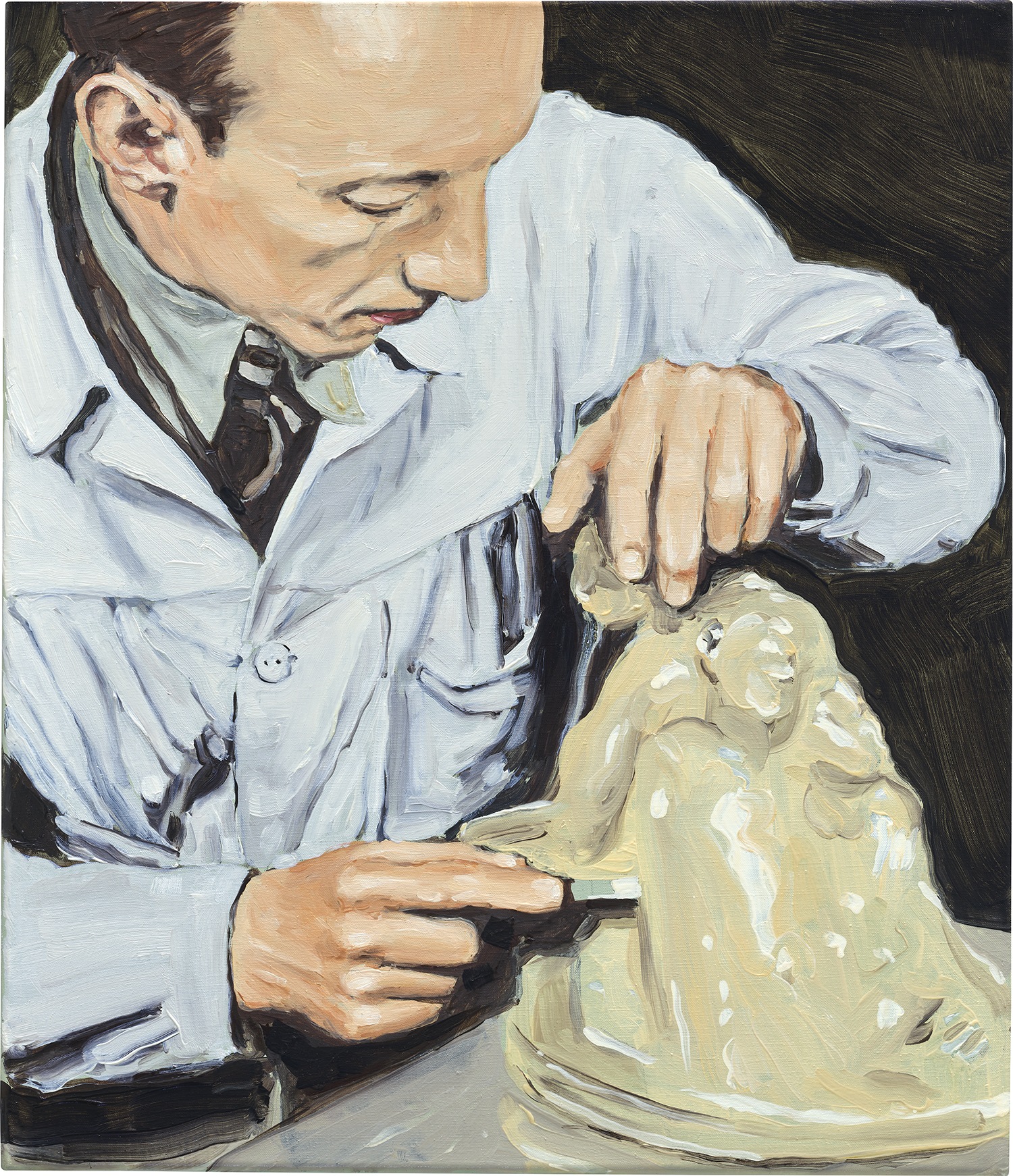
There is a particular kind of electricity in the room when a Michaël Borremans painting is unveiled. In 2018, his solo exhibition "Fire from the Sun" at the Dallas Museum of Art drew an outpouring of critical attention that confirmed what serious collectors had known for years: this quietly brilliant Belgian painter is among the most compelling figurative artists working anywhere in the world today. The show, featuring his unsettling and hypnotic oil paintings of infants engaged in ambiguous ritual acts, demonstrated with full force the paradox at the heart of his practice. Borremans makes work that is ravishing to behold and genuinely difficult to leave behind, work that lodges itself in the mind long after you have walked away from it. Born in Geraardsbergen, Belgium in 1963, Borremans came to painting relatively late, training first as a draftsman before immersing himself in the study of Old Master techniques and art history with a seriousness that would define everything that followed. He studied at the Royal Academy of Fine Arts in Ghent, and it was in that city that he began to develop the formal vocabulary that now feels entirely his own. The Flemish tradition was inescapable as a formative influence, and one can feel the weight of Velázquez, Goya, and Magritte in his canvases, not as borrowings but as deeply internalized reference points that have been metabolized into something singular. He did not exhibit seriously until his thirties, and that patience, that long period of looking and thinking, is legible in every inch of his surfaces. His emergence onto the international stage came through his long association with Zeno X Gallery in Antwerp, which remains central to his representation today alongside David Zwirner in New York and London. His breakthrough was swift once it arrived. By the early 2000s, museums and major private collections were taking notice, and he was invited to participate in prominent international exhibitions that placed him in conversation with the broader renewal of figurative painting then gaining momentum across Europe and the United States. Solo presentations at the Kunsthalle Wien in Vienna, the Museum Dhondt Dhaenens in his native Belgium, and later a landmark retrospective at the Musée d'Art Moderne de la Ville de Paris in 2014 cemented his status not merely as a regional talent but as a genuinely international force. To spend time with the works that define his practice is to understand why collectors return to him again and again. "The Butter Sculptor" from 2000 is an early masterwork, an oil on canvas in which a solitary figure engages in an act of peculiar, concentrated labor that resists any easy narrative resolution. "The Gap" from 2001, rendered in oil on cardboard, shows his willingness to work with humble supports in the service of images of great psychological density. "Prospects" from 2003 and "Sweet Disposition" from the same year demonstrate his command of atmospheric tension, the way he can charge a composition with anticipation or dread while maintaining the smooth, luminous surface of a work made with classical patience. "The Crack" from 2004 and "The Painting" from 2006 each reward sustained looking, offering no single explanatory key but instead a richness that deepens over time. His pencil and watercolour works on book pages, such as "Among Horsemen," reveal a draftsmanship of rare precision and wit, reminding viewers that his abilities extend well beyond the painted surface. What Borremans achieves technically is extraordinary. His paint surfaces have the warm, honeyed depth of seventeenth century Dutch and Flemish masters, achieved through a slow and disciplined layering process that recalls the patience of a craftsman rather than the urgency of a contemporary studio. His figures are rendered with an almost photographic precision, yet the spaces they inhabit are often stripped of context to an almost hallucinatory degree. A figure sits, stands, performs some small and cryptic action, and the viewer is left to supply whatever meaning they can, or to simply surrender to the pleasure and strangeness of the image itself. This tension between technical mastery and narrative opacity is the engine of his work, and it is what makes each canvas feel simultaneously familiar and genuinely strange. The market for Borremans has grown steadily and significantly alongside his critical reputation. His works appear at Christie's, Sotheby's, and Phillips with regularity, and strong results have been recorded consistently at auction over the past two decades. Collectors who entered early have been rewarded not only financially but aesthetically, as the coherence and ambition of his body of work has become clearer with each passing year. Serious collections across Europe, the United States, and Asia now include his paintings and drawings, and institutional acquisitions at major museums have further underscored his standing. For collectors considering his work today, the drawings and works on paper offer a compelling entry point, demonstrating the full range of his intelligence in a more intimate format, while the oil paintings on canvas and panel represent the heart of a practice that is still very much in motion. In the broader landscape of contemporary figurative painting, Borremans occupies a position that is genuinely his own while existing in productive dialogue with a rich lineage. One thinks naturally of Luc Tuymans, his fellow Belgian whose influence on European figurative painting has been vast, and of Marlene Dumas, the South African artist whose psychologically charged figures share something of Borremans's unsettling presence. Further back, the shadows of Francis Bacon and Giorgio de Chirico fall across his images in ways that feel earned rather than derivative. He belongs to a tradition of painters for whom the human figure is never simply a subject but always a site of philosophical inquiry, a place where questions about consciousness, power, desire, and time can be staged without being answered. What makes Borremans matter so urgently now is precisely what has always made great painting matter: the refusal to be exhausted by interpretation. In an era saturated with images that explain themselves instantly and demand nothing of the viewer, his canvases insist on mystery as a value, on slowness as a form of respect for both the act of painting and the act of looking. To own a Borremans is to live with a sustained and generative question, a presence in your home that continues to think at you across the years. That is a rare thing, and collectors who have recognized it have been drawn into a conversation with one of the most genuinely original painters of his generation.