Military
Unknown
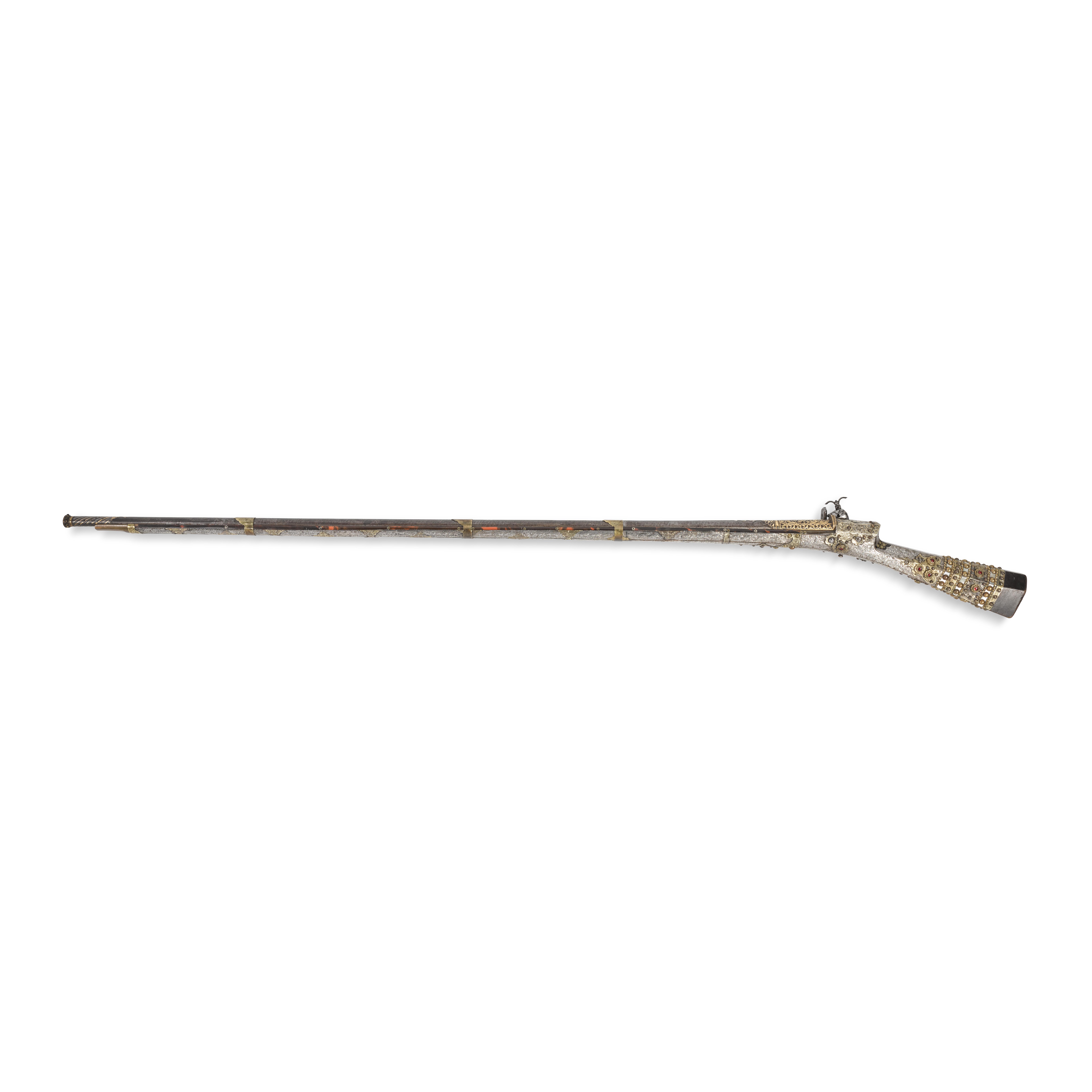
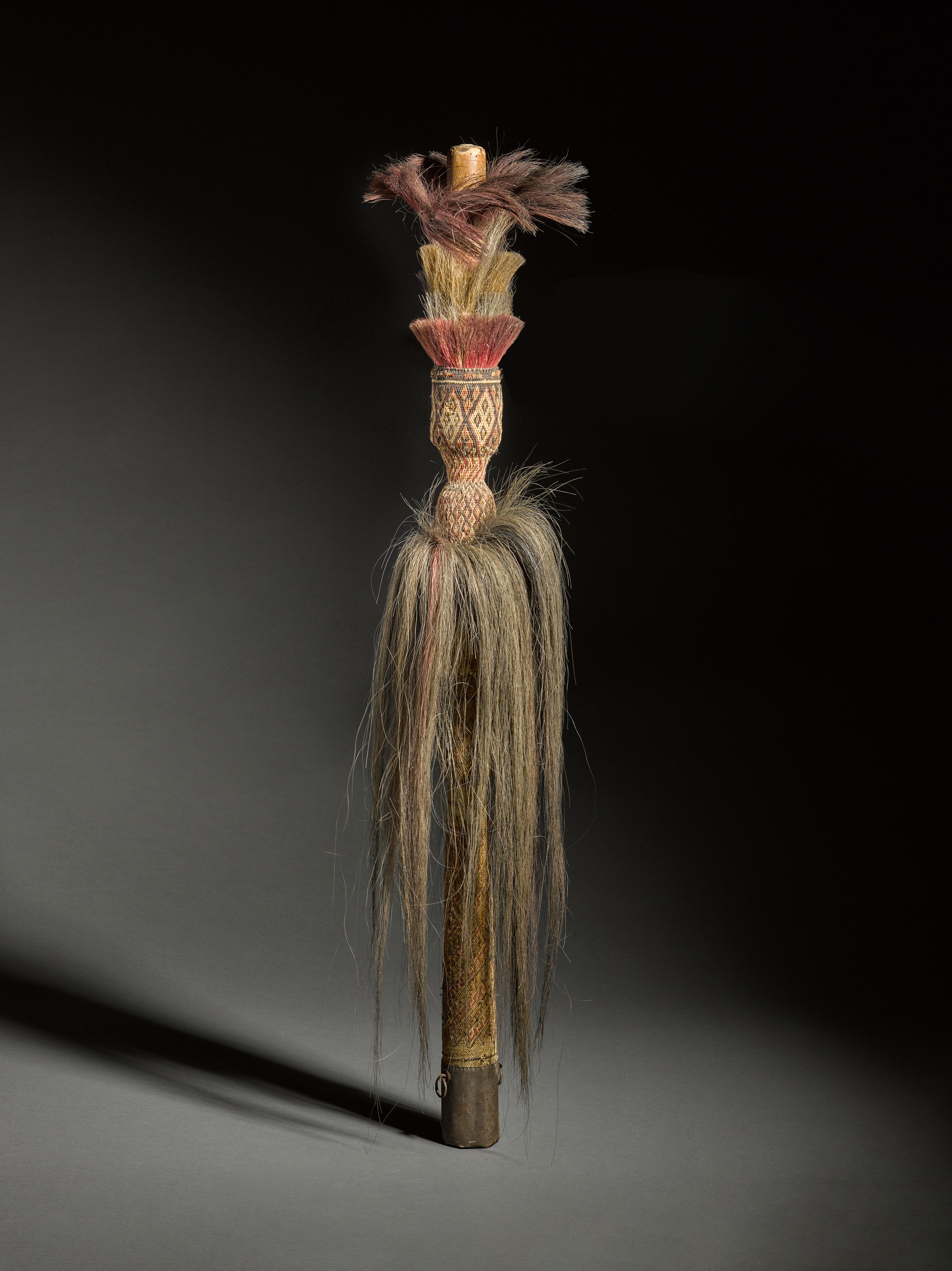

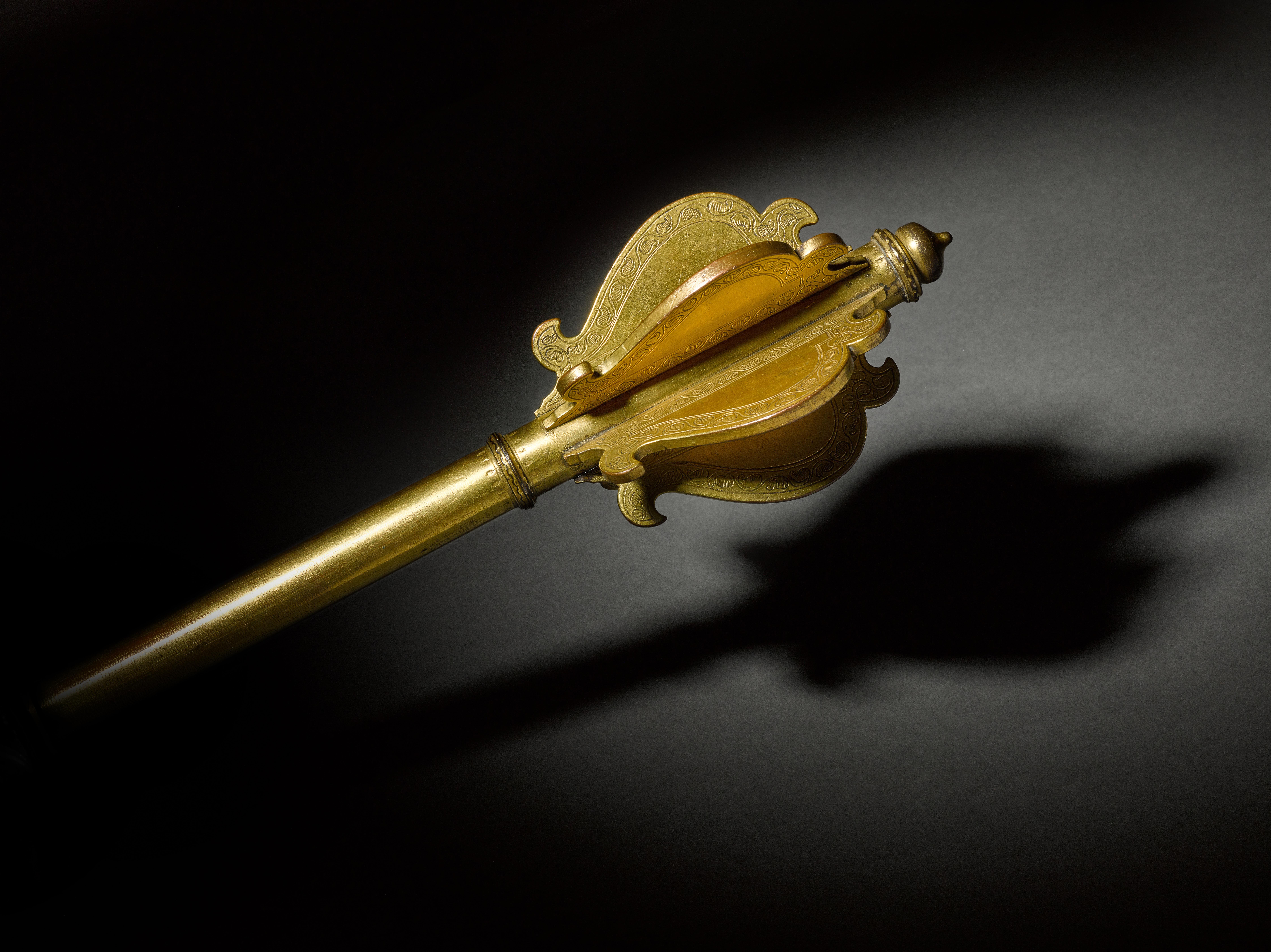
A Rare Ottoman Tombak Flanged Mace, Turkey, 17th or 18th Century
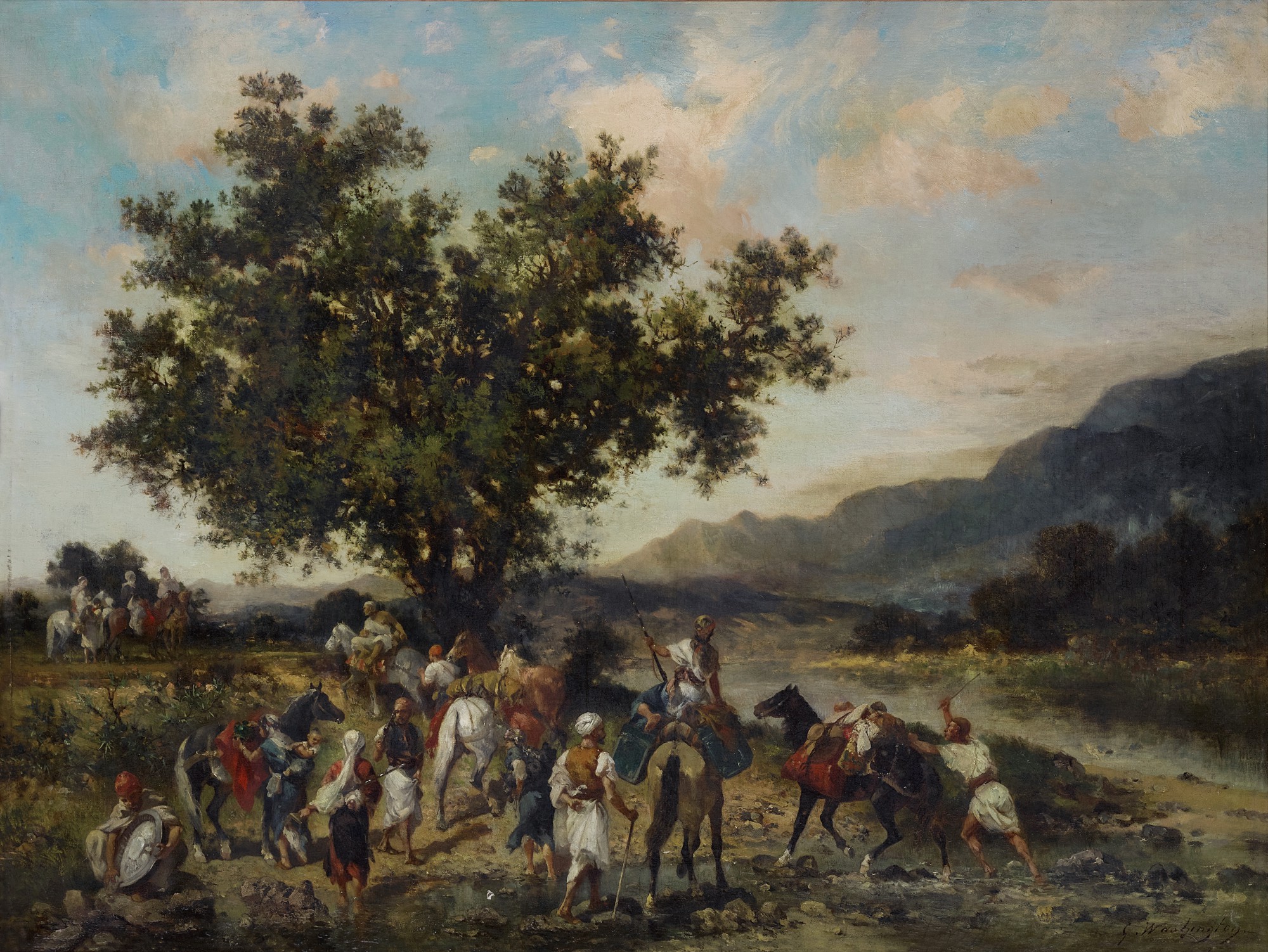
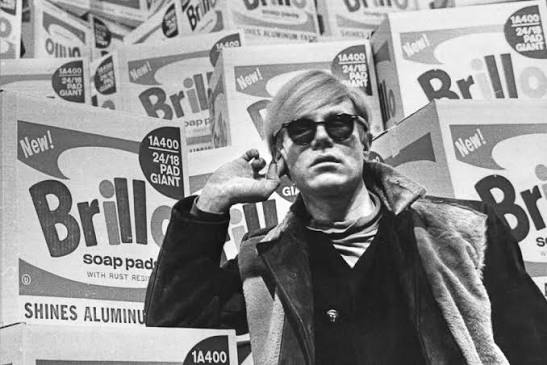
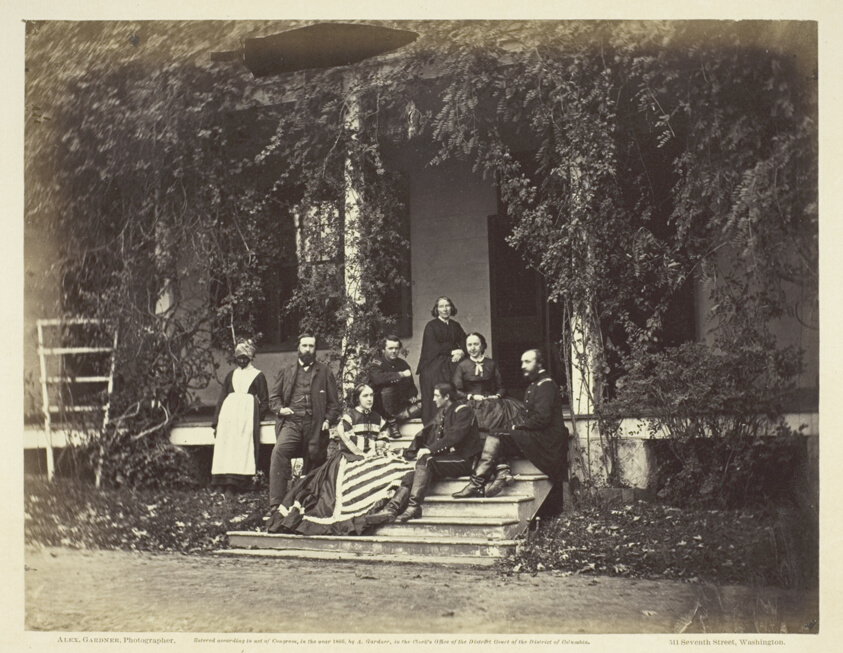
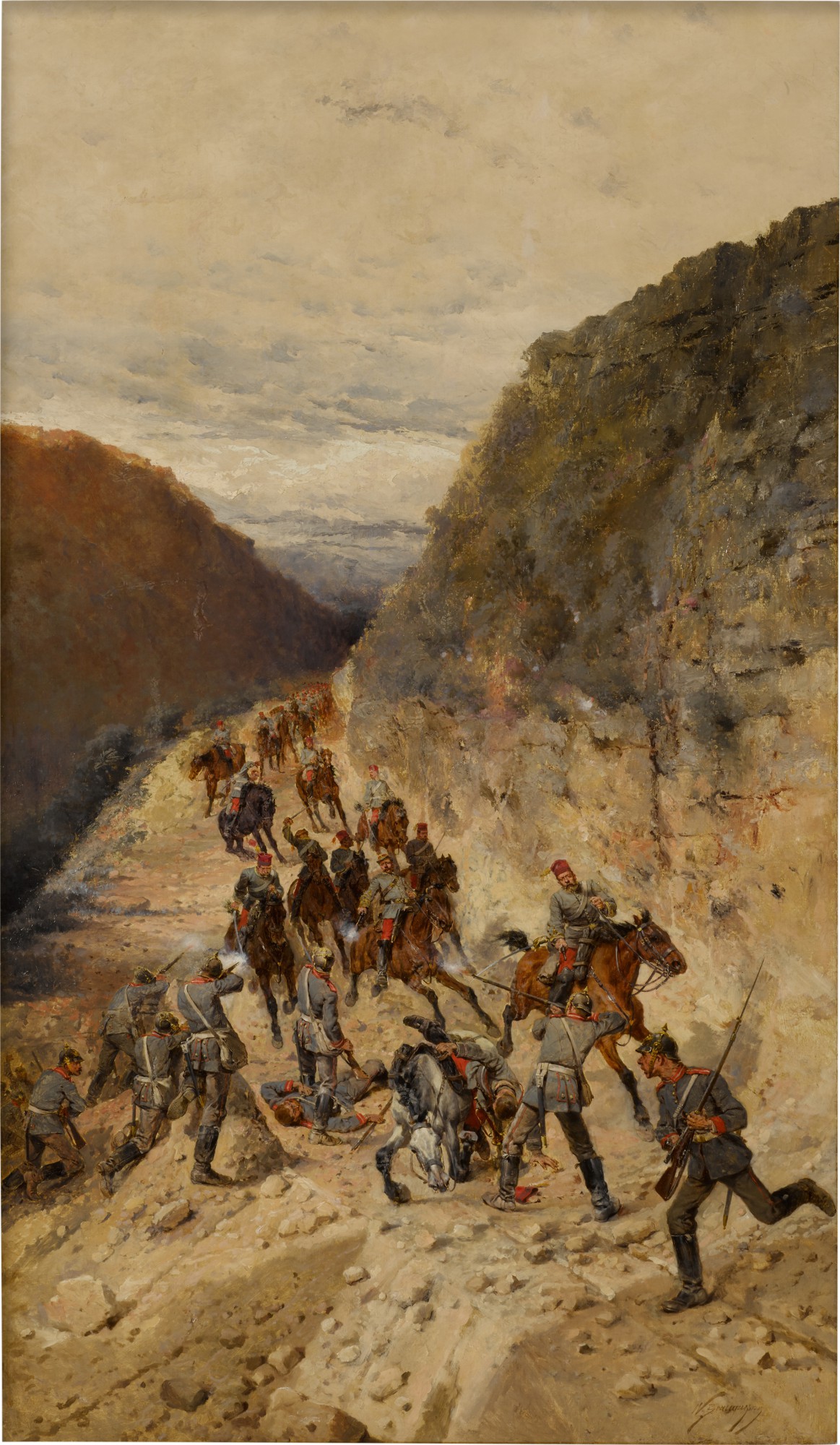
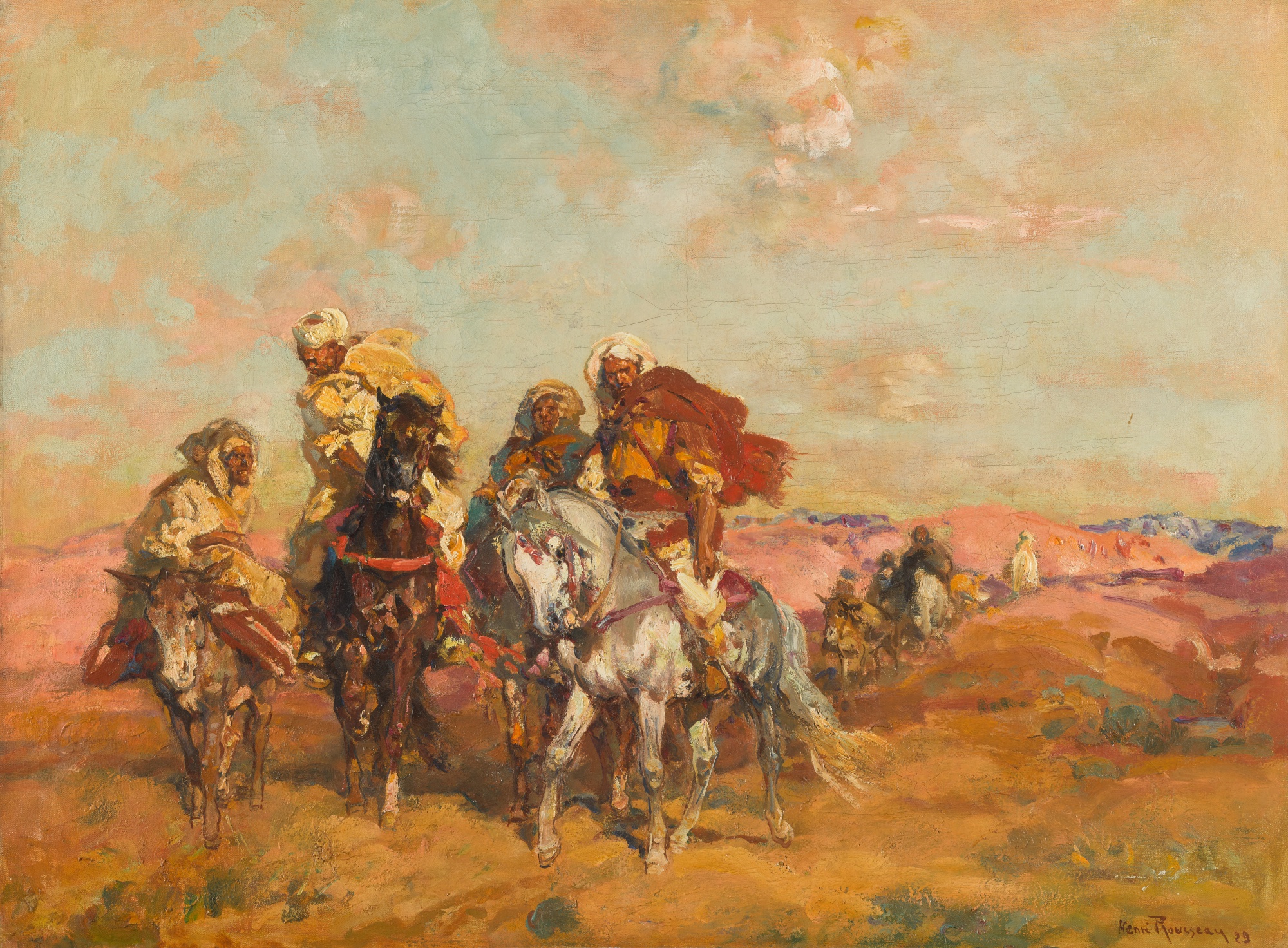
The Art of War, Collected With Purpose
There is something quietly powerful about living with art that records the human cost of conflict. Collectors who are drawn to military subject matter rarely arrive there by accident. They tend to be people who find the distance between beauty and violence fascinating, who want their walls to ask difficult questions rather than offer easy comfort. The best works in this category carry an almost unbearable tension: the formal qualities that make them arresting as images are inseparable from the gravity of what they depict.
That paradox is precisely what makes them compelling to return to, morning after morning. The category is broader than it first appears. It encompasses the photographic pioneers who dragged wet plate equipment onto actual battlefields, the salon painters who transformed military pageantry into something operatic and strange, and the printmakers and illustrators who shaped public understanding of wars their audiences would never see. What unites these works is a quality of witness.
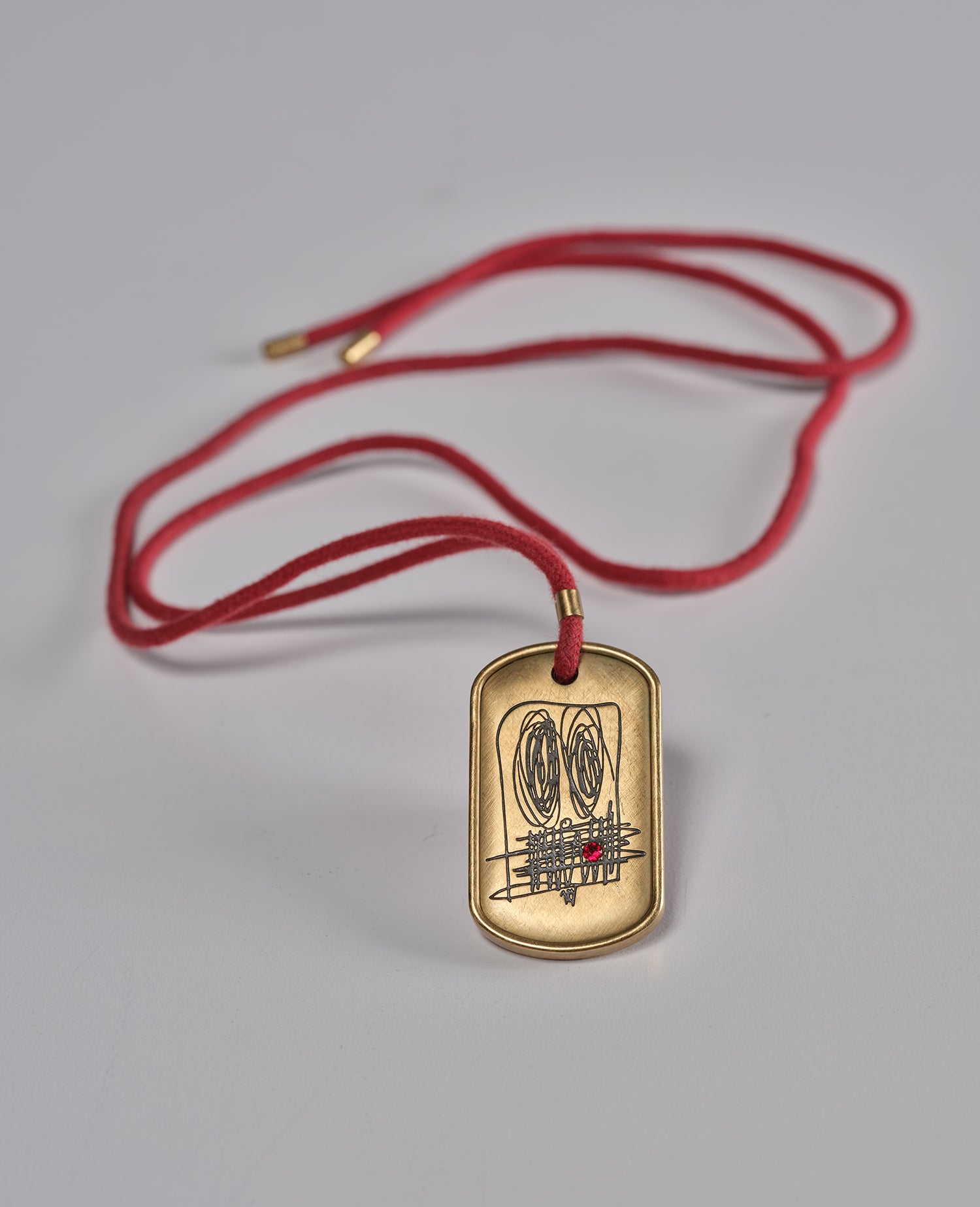
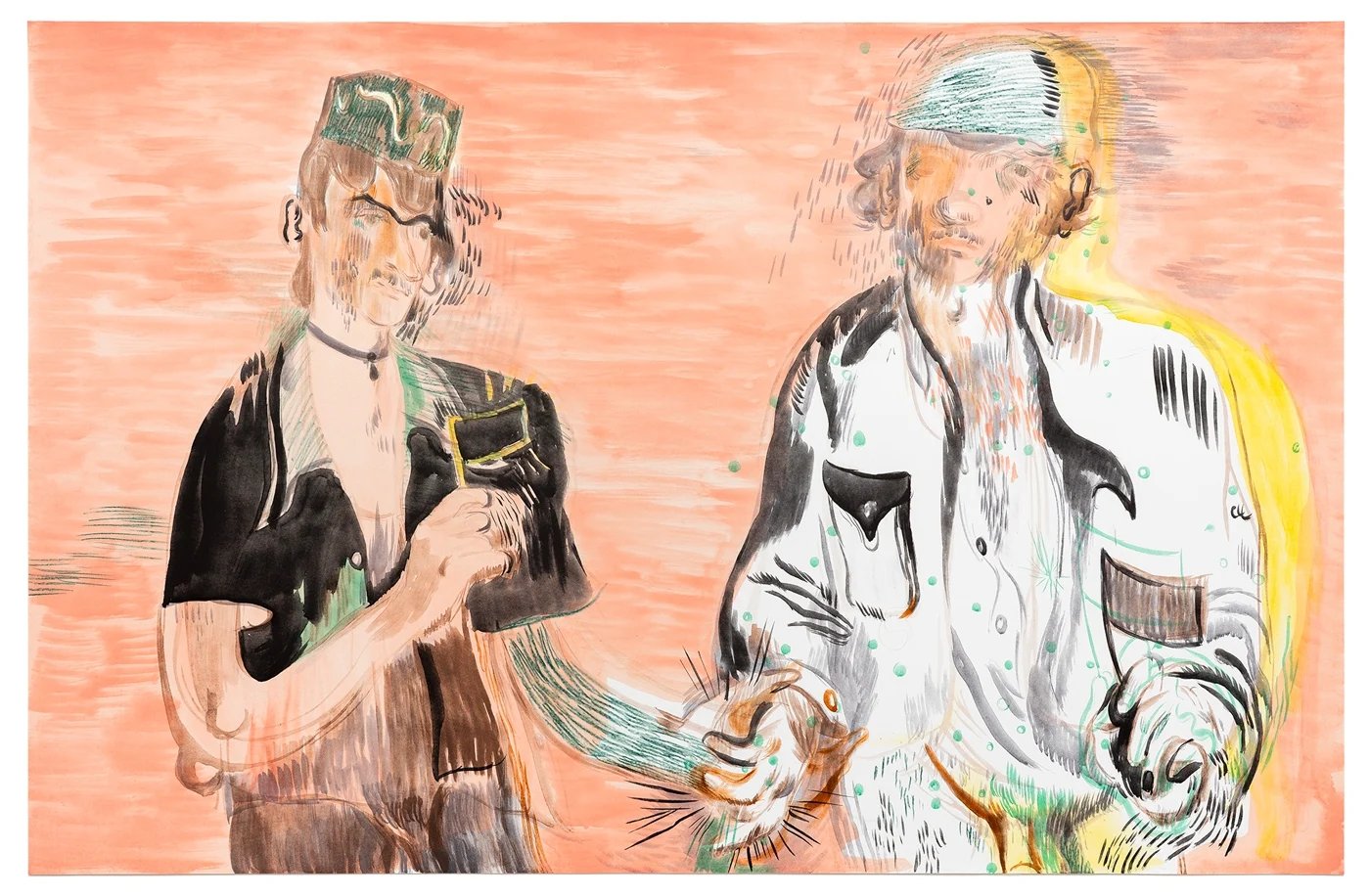
Rashid Johnson
Anxious Men Gold Military Tag
The strongest pieces feel like testimony rather than illustration. That distinction matters enormously when you are deciding what to acquire and what to pass over. So what separates a good work from a great one here? Proximity is the first thing to consider, in every sense.
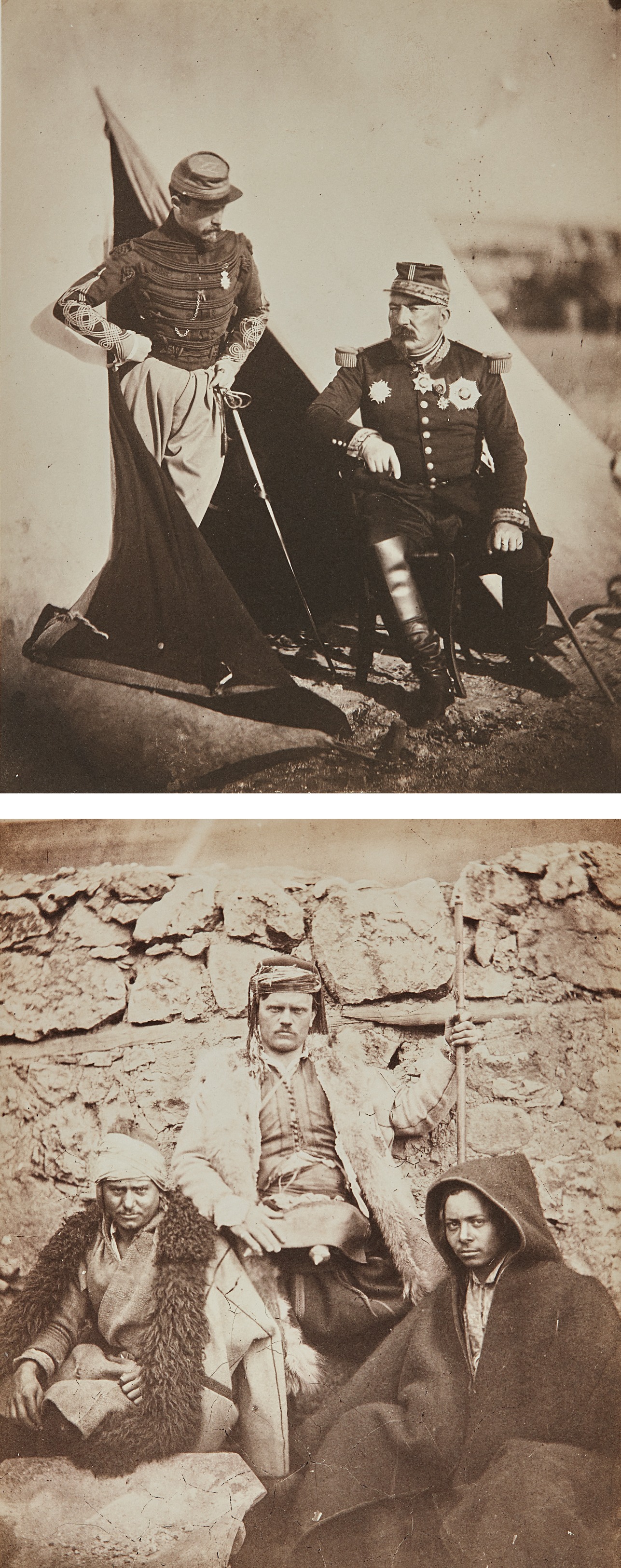
Was the artist actually present? Roger Fenton traveled to Crimea in 1855 with a converted wine merchant's wagon serving as his darkroom, and the works that resulted have an authority no studio composition can replicate. Timothy O'Sullivan photographed the aftermath of Gettysburg under conditions that are almost incomprehensible to imagine. The closer an artist was to the event, the more the work tends to resist sentimentality, and sentimentality is the great enemy of serious military art.
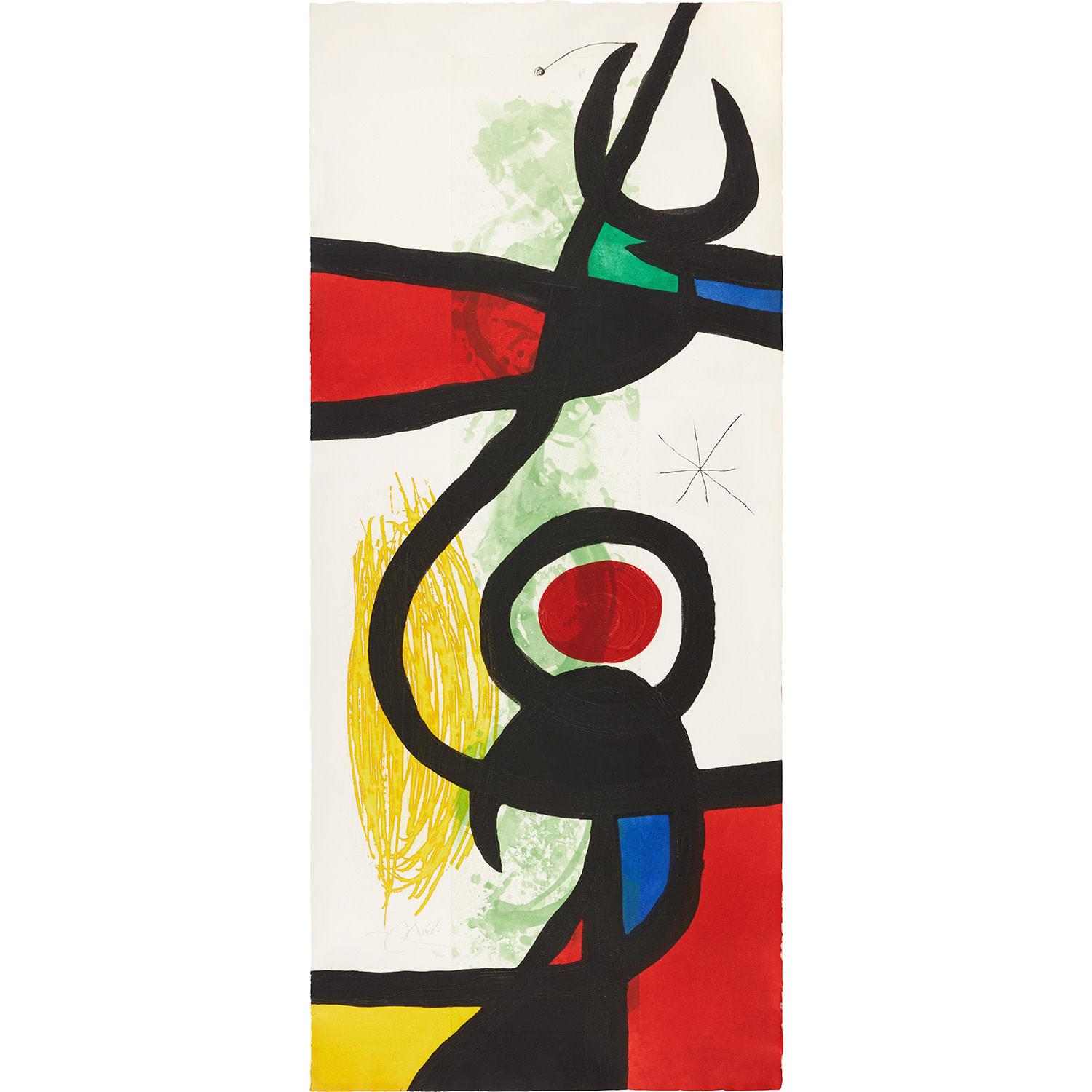
Joan Miró
Les Grandes manœuvres (The Great Maneuvers) (D. 575)
Beyond biography, look for formal restraint. Works that strain for drama often betray their own subject matter. The finest examples in this genre tend to be quieter than you expect. Within the artists well represented on The Collection, several stand out as particularly strong collecting propositions.
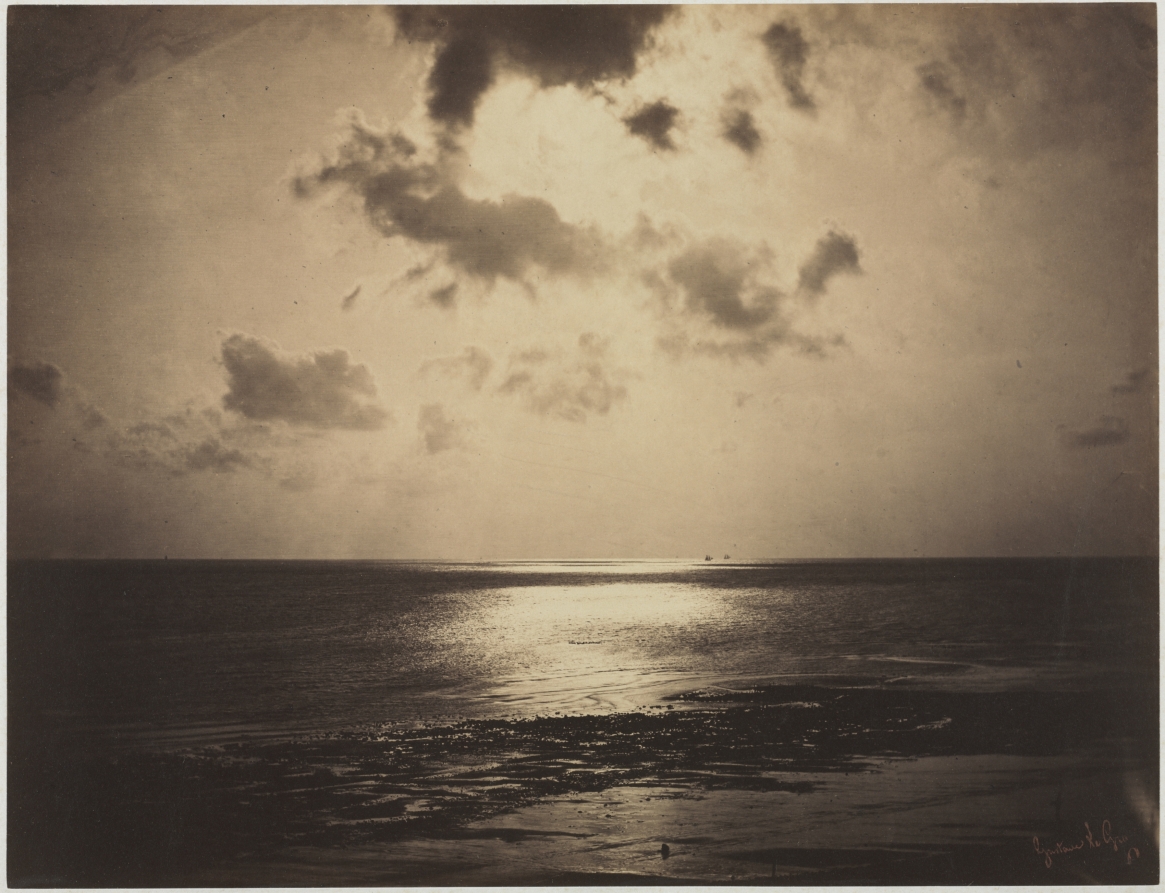
Gustave Le Gray, whose career is better known for his seascapes, brought the same atmospheric sophistication to his military work, and pieces by him occupy a rarefied position in the market where fine art photography and historical document become genuinely indistinguishable. James Robertson, who worked in the Crimea at around the same time as Fenton, is in some ways even more undervalued. His prints have not yet attracted the same institutional attention, which means there is still room for a thoughtful collector to build a meaningful holding at prices that reflect skill rather than celebrity. Felice Beato, who documented conflicts across Asia from the 1850s onward, sits at a compelling intersection of ethnographic photography and war imagery, and his works are increasingly sought by museums across Europe and the United States.
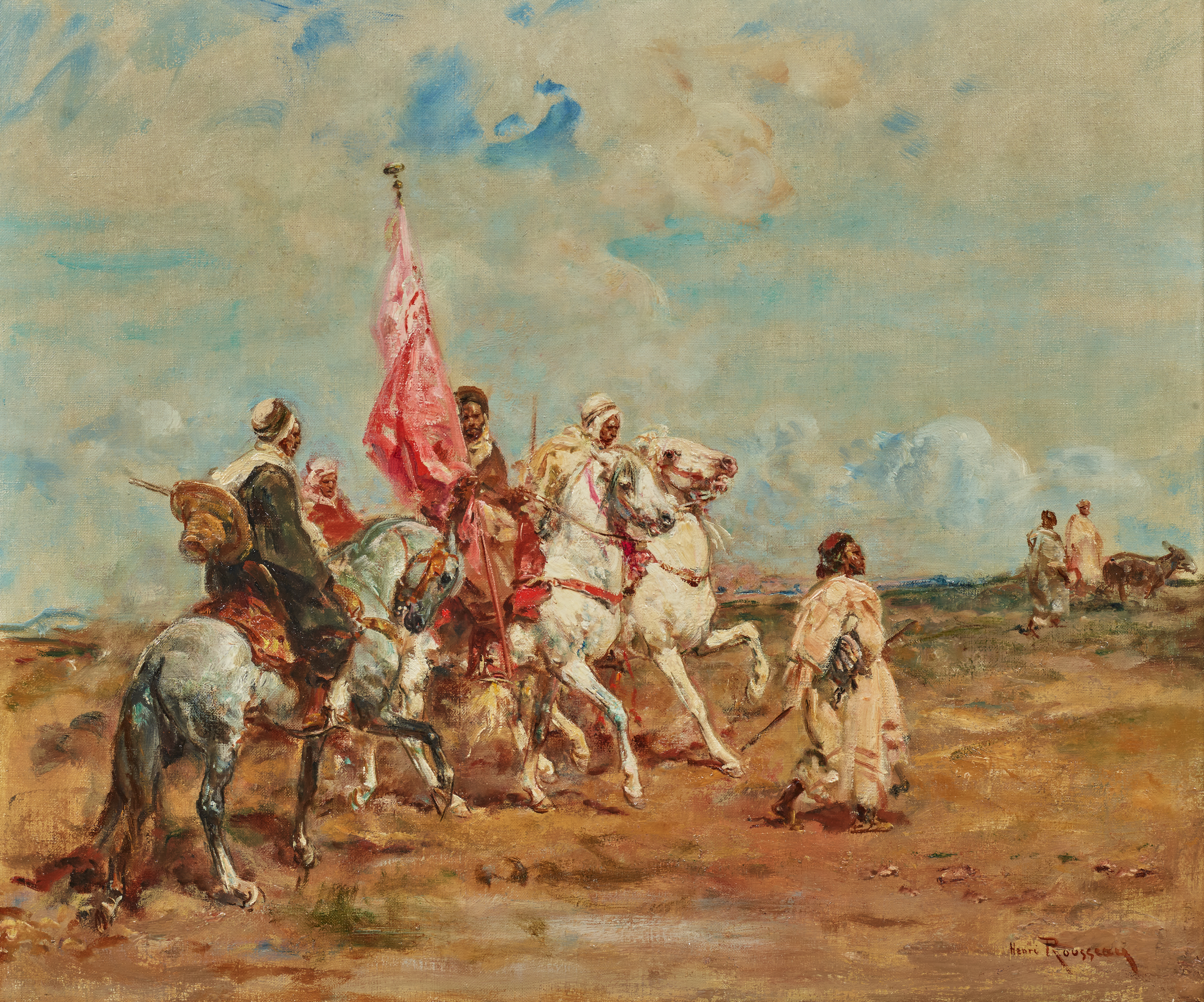
Henri Rousseau
Preparing for the Charge
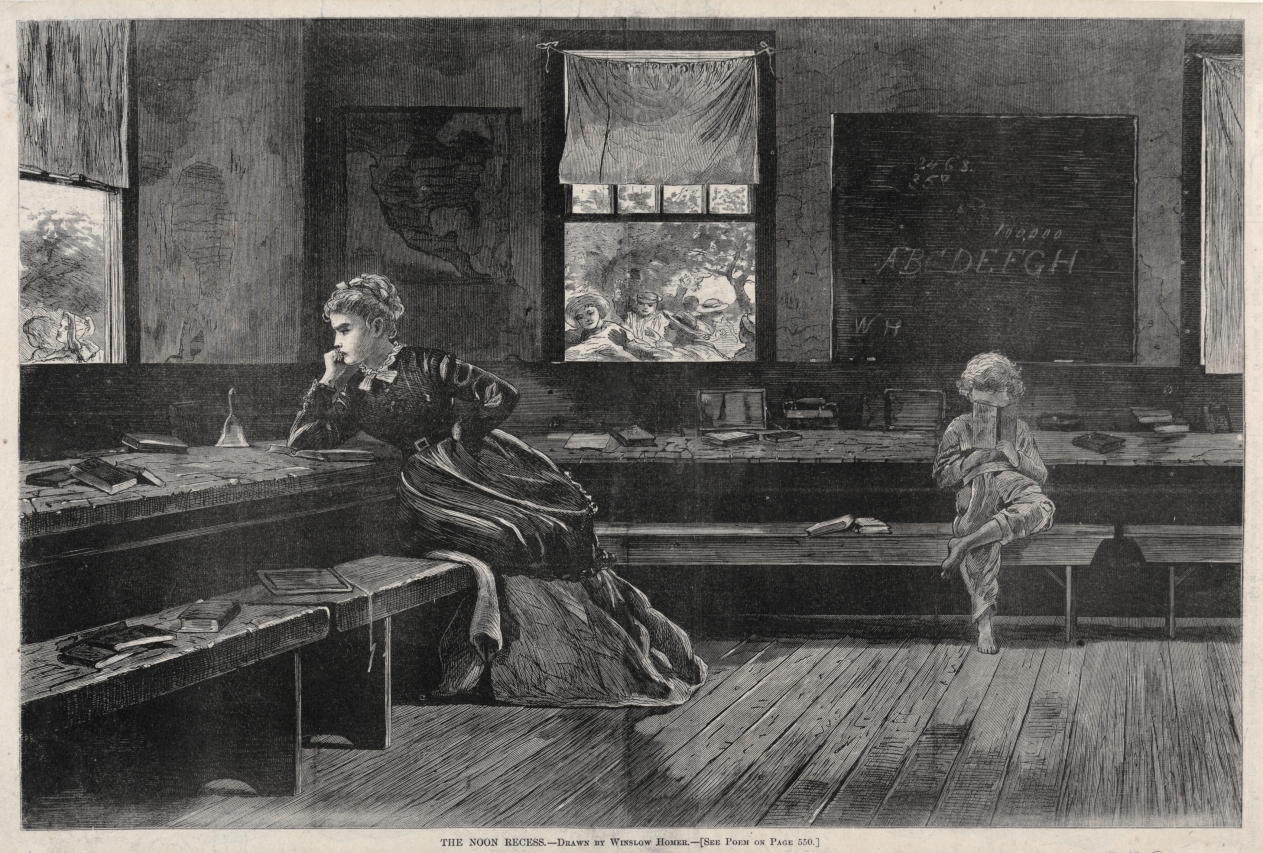
When museum interest accelerates, secondary market prices tend to follow. Winslow Homer is the great American exception in this company. His Civil War illustrations for Harper's Weekly from the 1860s launched a career that would eventually produce some of the most celebrated paintings in American art, and works from that early period connect the collector to a pivotal biographical moment. Homer was not yet the painter of Prout's Neck and thundering ocean light.
He was a young man trying to make sense of something enormous, and you can feel that in the work. Édouard Detaille represents an entirely different tradition, the French academic military painter who brought genuine craft and obsessive historical accuracy to his canvases. His reputation faded with the academy that produced him, but there is a renewed critical conversation around his work that serious collectors should pay attention to. Prices for accomplished academic military painting have been rising steadily as the category is reassessed.
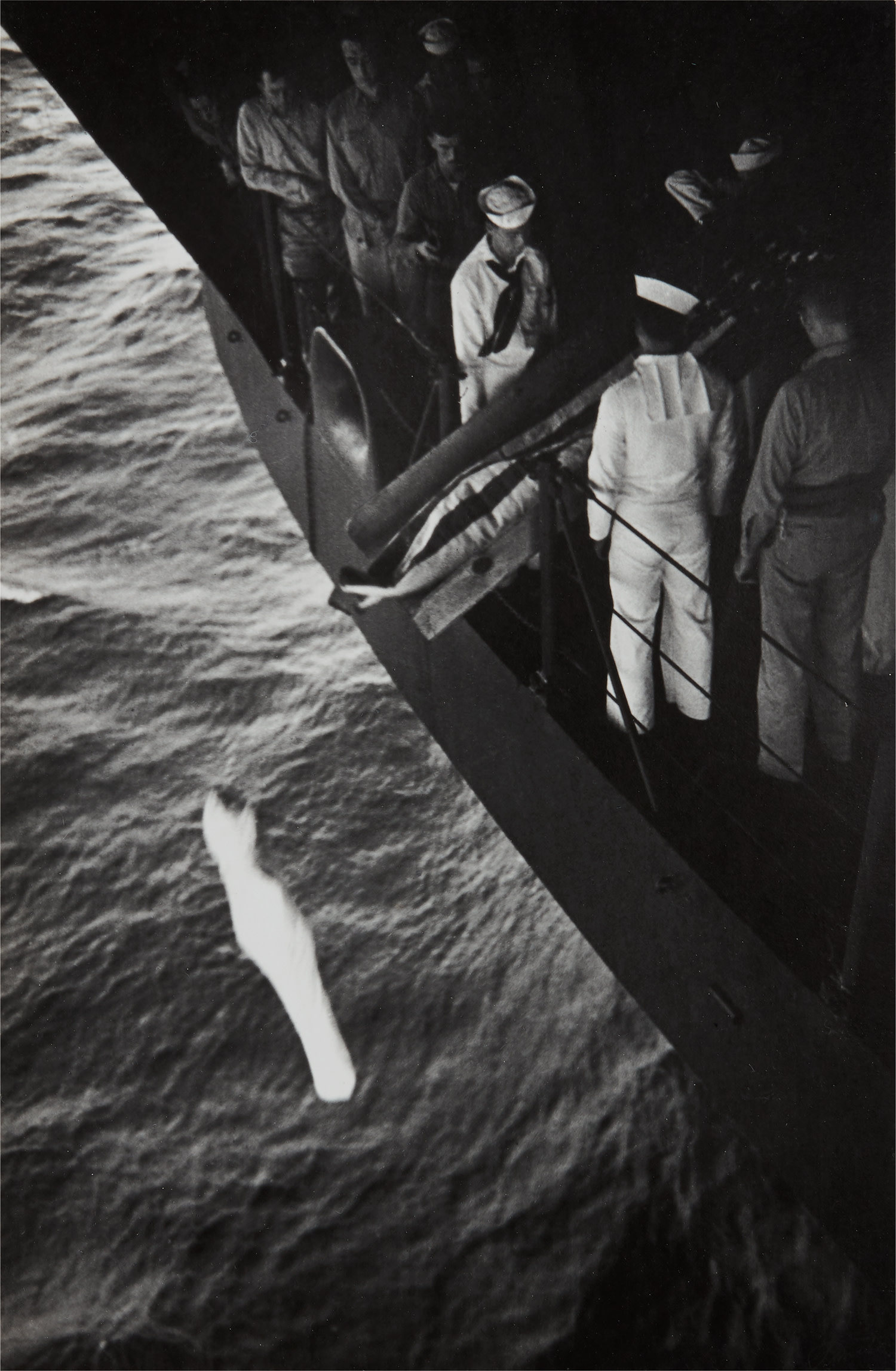
W. Eugene Smith
Burial at Sea, from the U.S.S. Bunker Hill Marshall Islands Campaign, 1960
For collectors with an eye on emerging or underrecognized figures, the photographic work produced by institutional and governmental bodies during the First and Second World Wars offers genuinely interesting territory. The works attributed to the Photographic Section of the U.S. Air Service and the American Expeditionary Forces represent a category where provenance and historical significance often outrun current market pricing.
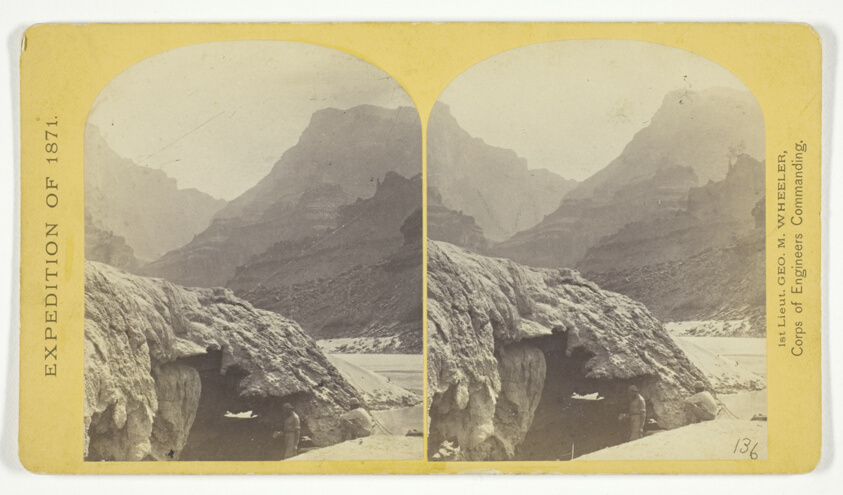
These are documents that shaped public consciousness, produced by skilled operators working within a bureaucratic structure that has obscured individual authorship. As the art world continues to interrogate questions of authorship and collective production, expect this material to attract more serious curatorial attention. Carl Mydans, whose career extended from the Second World War through Korea, is another figure whose market has not fully caught up with his historical importance. At auction, strong military photography from the nineteenth century has performed consistently well when condition is sound and provenance is clear.
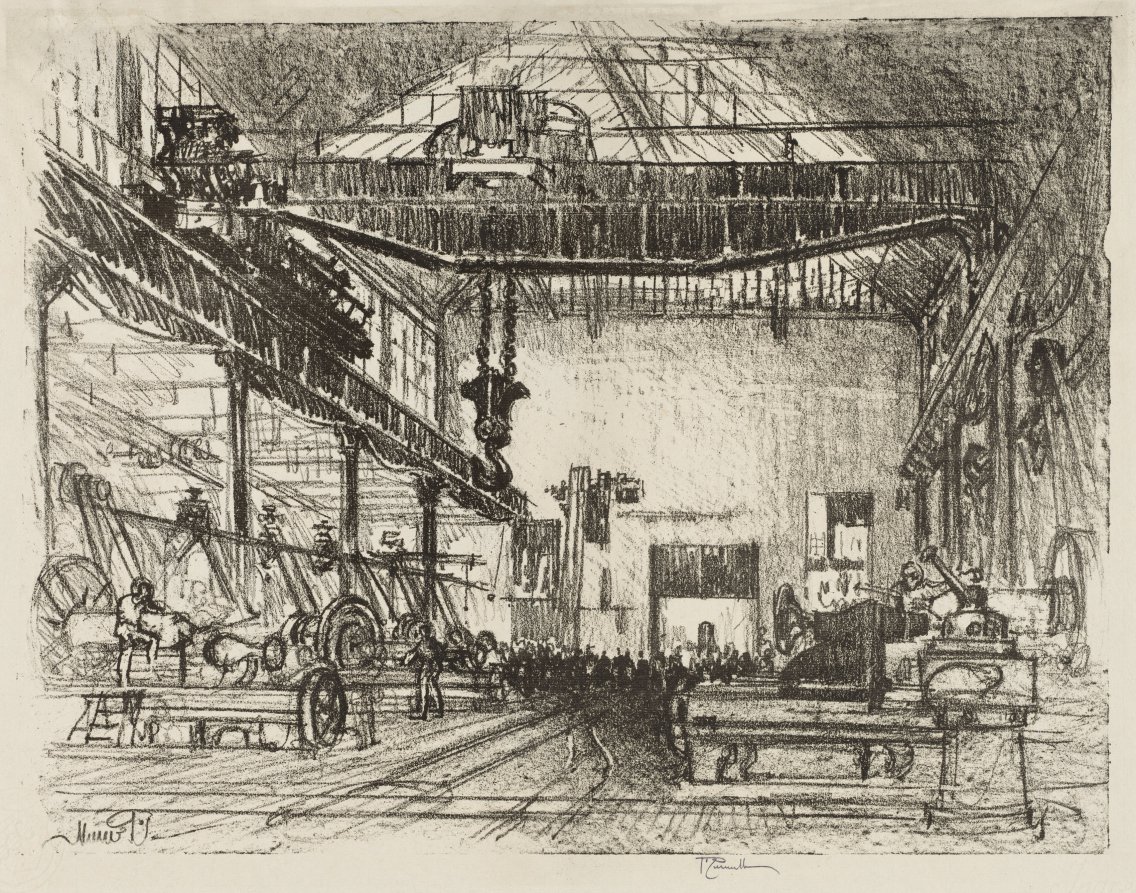
Albumen prints are particularly sensitive to light exposure, and any serious collector should ask for a detailed condition report that addresses fading, foxing, and whether any restoration work has been carried out. For works on paper, including the lithographs and etchings of Joseph Pennell or Auguste Louis Lepère, framing history matters. Works that have been behind glass in stable environments are in a different category from those that have lived in rolling estate sales for decades. Always ask a gallery whether a print is from the original edition and what the total edition size was.
For unique works, ask about exhibition history, because institutional exhibitions create a paper trail that supports both authenticity and future resale value. Display considerations for military art deserve more thought than they usually receive. These are not neutral objects, and context shapes how viewers engage with them. A Fenton photograph of Crimean officers has a completely different charge hanging beside a contemporary work than it does in a room of period furniture and Victorian decorative arts.
Neither approach is wrong, but each is a curatorial decision with real consequences for how the work reads. The most interesting collections in this area tend to place historical military works in conversation with contemporary responses to conflict, creating a dialogue across time that neither body of work could sustain alone. That kind of thinking is what transforms a collection from an accumulation into an argument.