Roger Fenton
Artist Spotlight
Roger Fenton: Vision That Made History
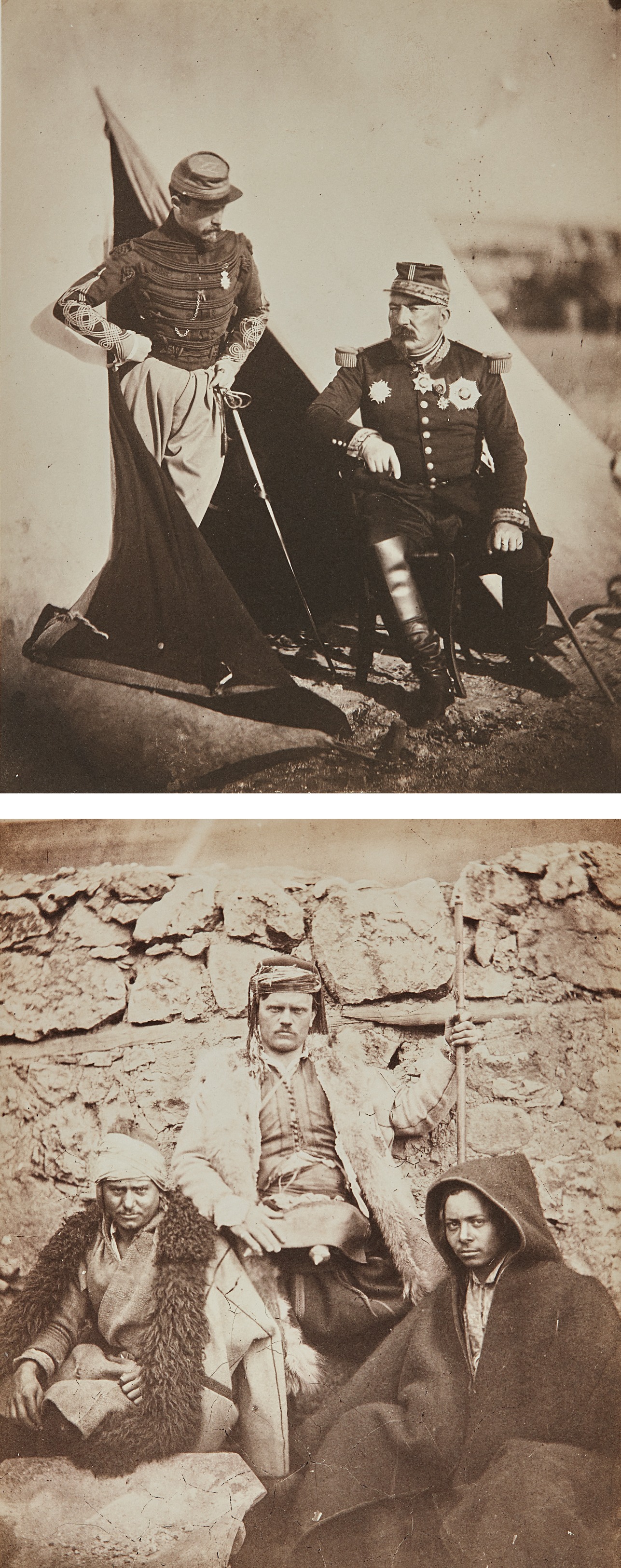
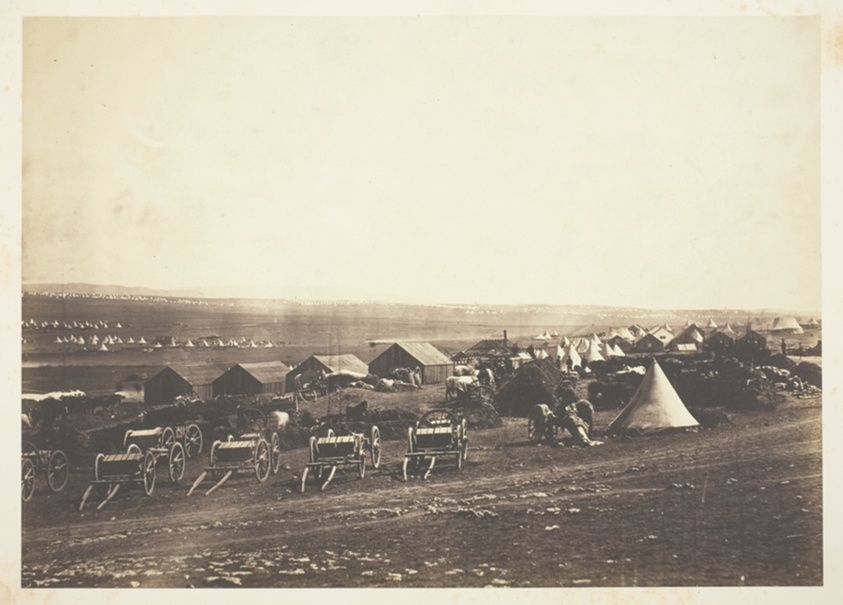
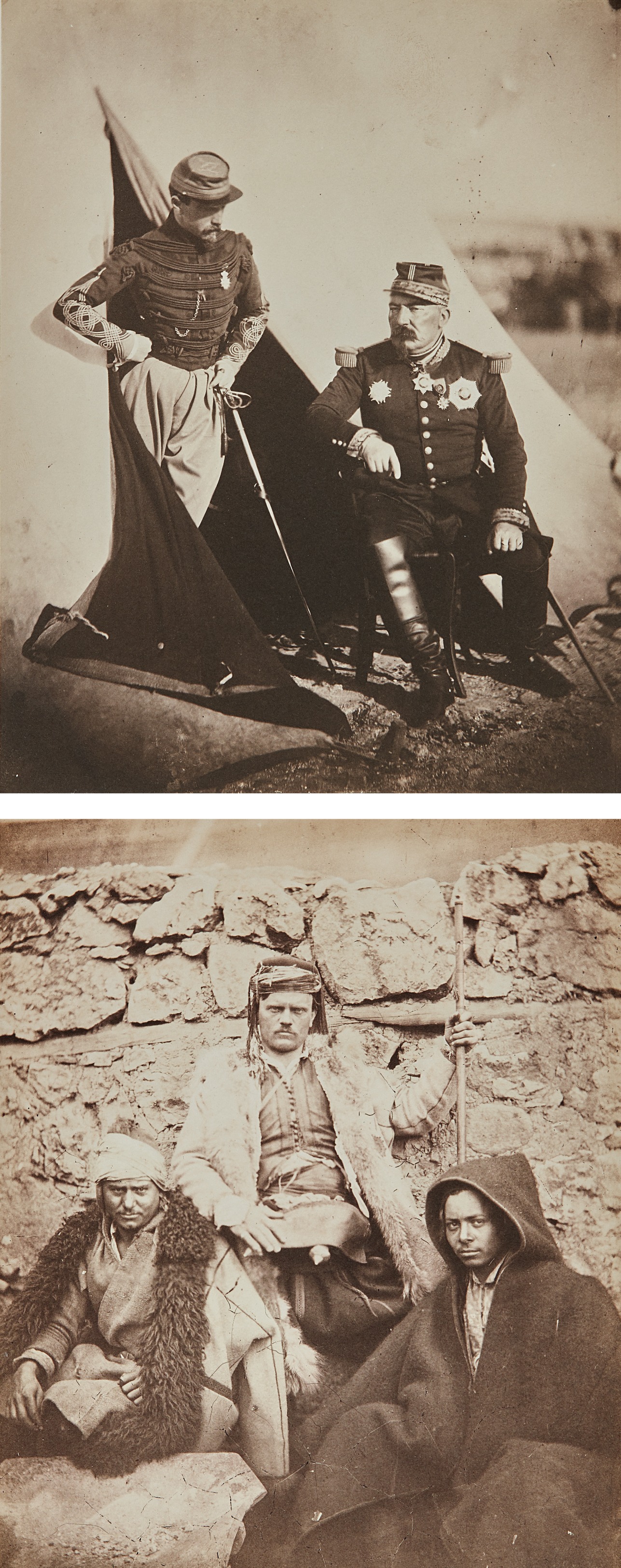
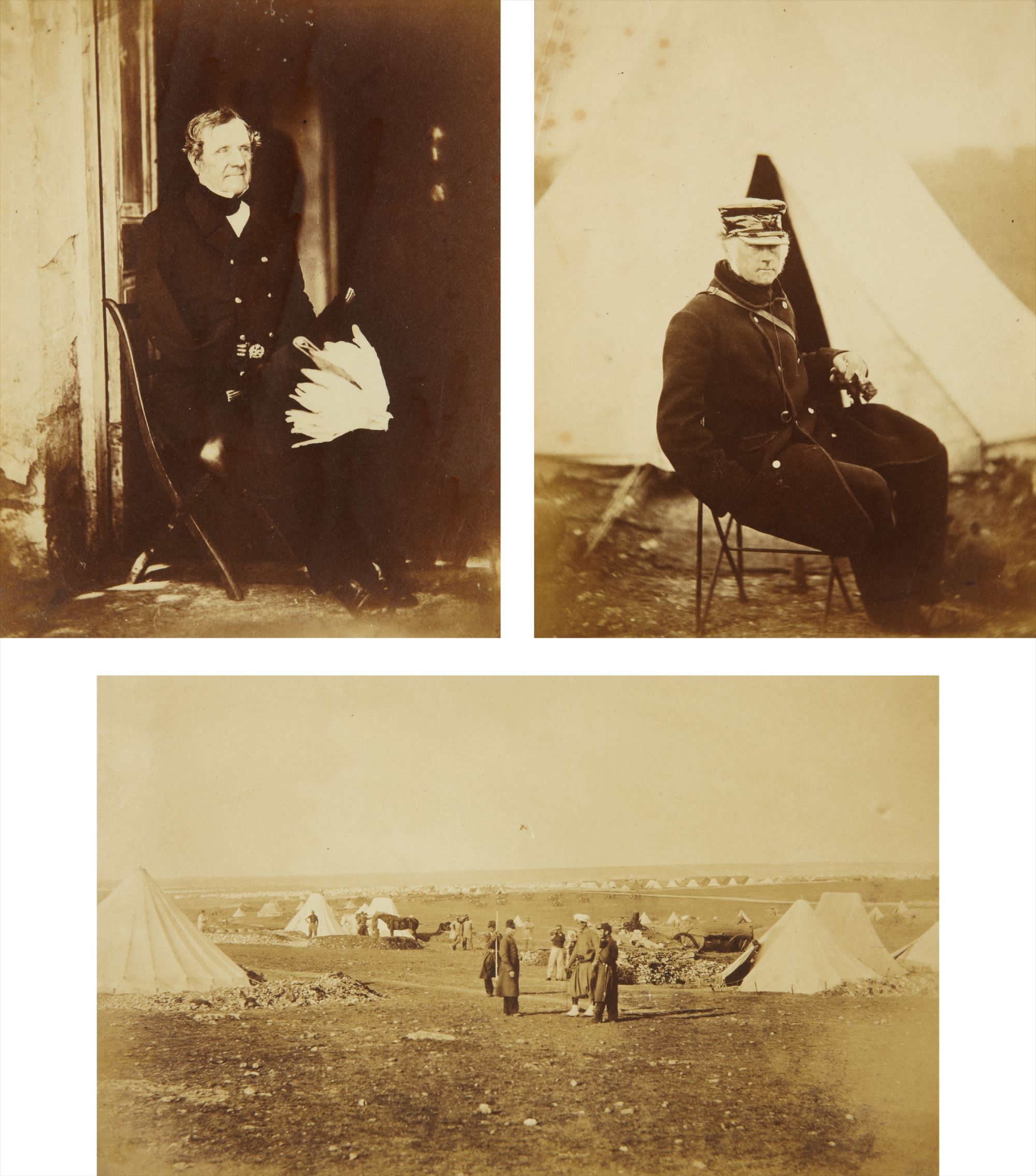
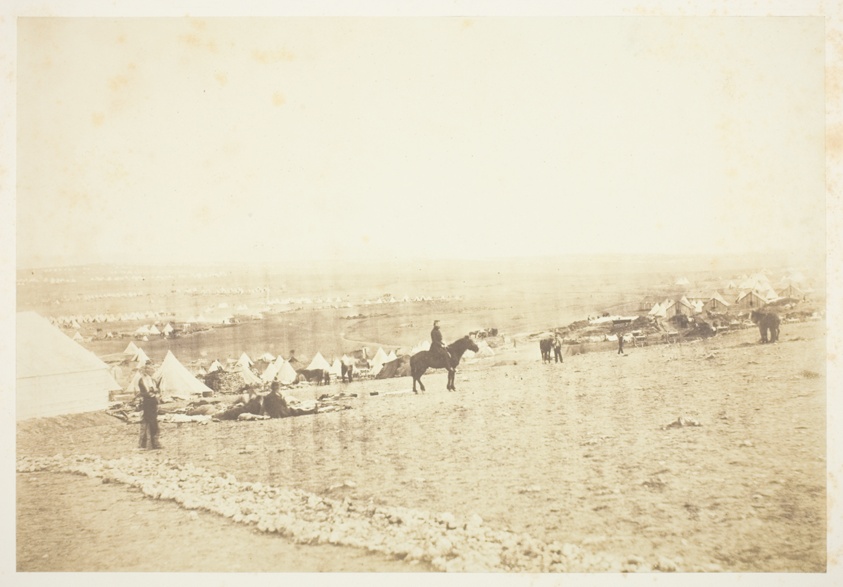
Picture the Crimean Peninsula in the spring of 1855. The air carries the smell of gunpowder and salt water. Across the scarred landscape around Balaklava, amid the chaos of one of the nineteenth century's most brutal conflicts, a man emerges from a converted wine merchant's wagon outfitted as a darkroom, carrying a camera into territory no photographer had meaningfully entered before. Roger Fenton, a barrister turned artist turned pioneer, was about to change forever what photography could be and what it could witness. That moment of radical ambition, nearly 170 years ago, continues to… Continue reading
Artists in conversation
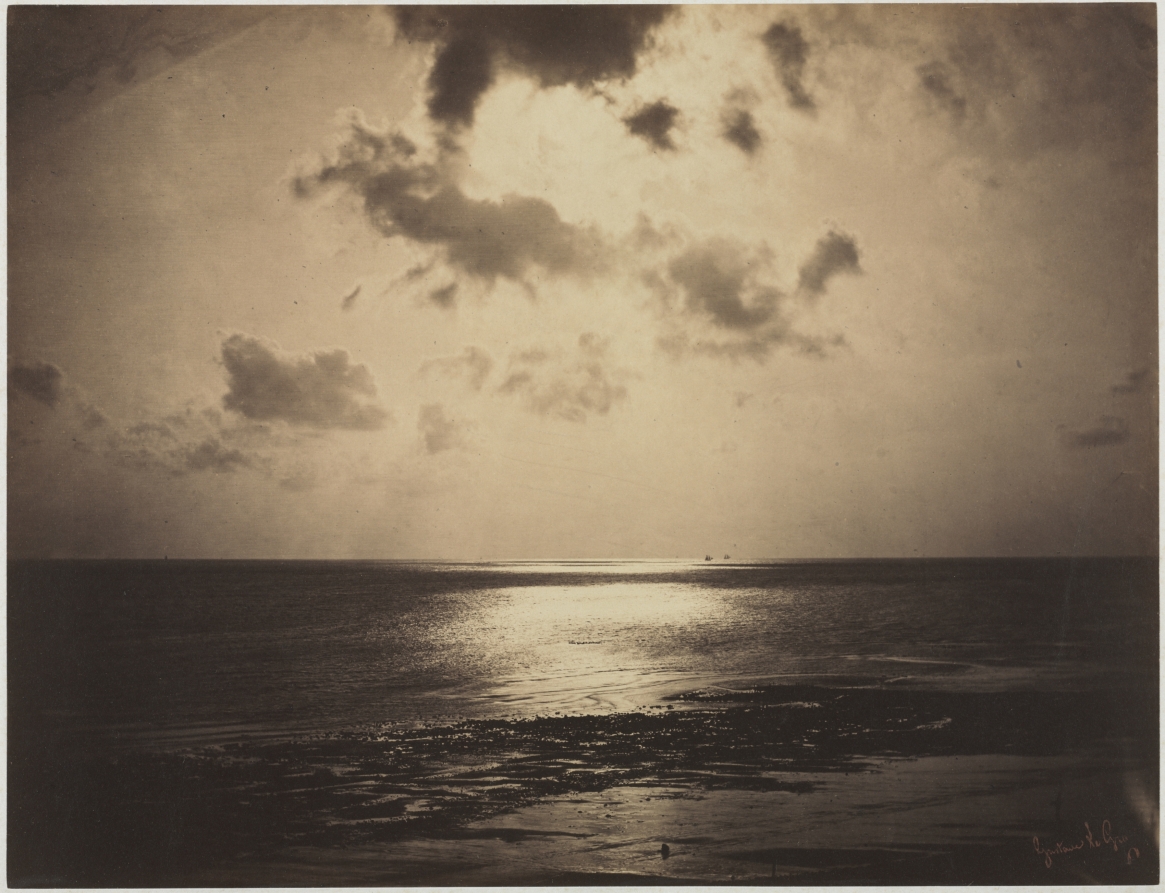
Gustave Le Gray
Le Gray was a contemporary pioneer of early photography who produced technically refined landscapes and seascapes using similar wet collodion and salted paper processes. Both photographers elevated the medium to an art form with a shared emphasis on tonal richness and compositional elegance.
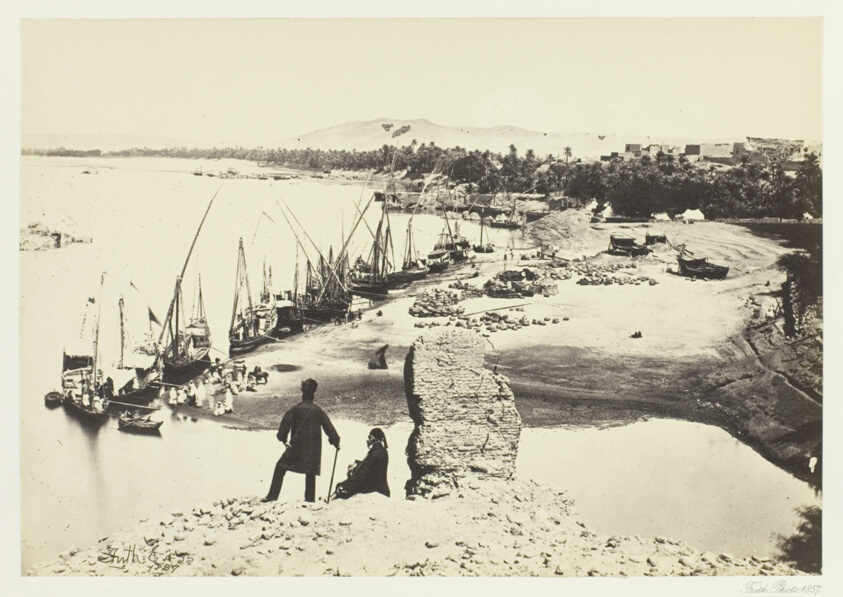
Francis Frith
Frith was a fellow British Victorian photographer renowned for documentary landscape and architectural photography that closely mirrors Fenton's serene and detailed approach. His large format images of Egypt and the Holy Land share the same spirit of careful observation and historical record.
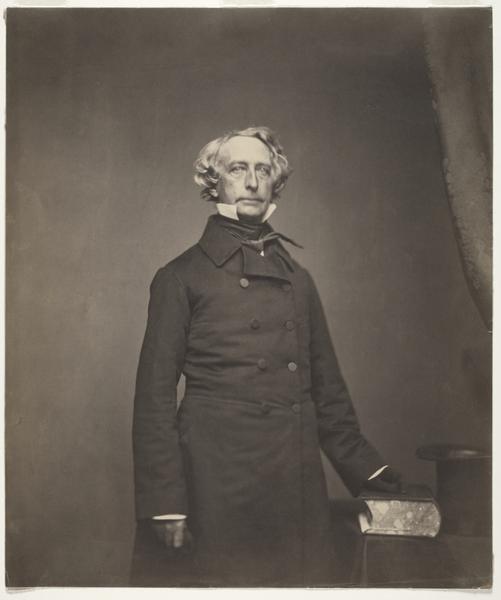
Mathew Brady
Brady was the foremost American photographer of the Civil War era whose documentary battlefield and portrait work parallels Fenton's pioneering coverage of the Crimean War. Both men used photography to bring the realities of military conflict to civilian audiences for the first time.
Artists who inspired them
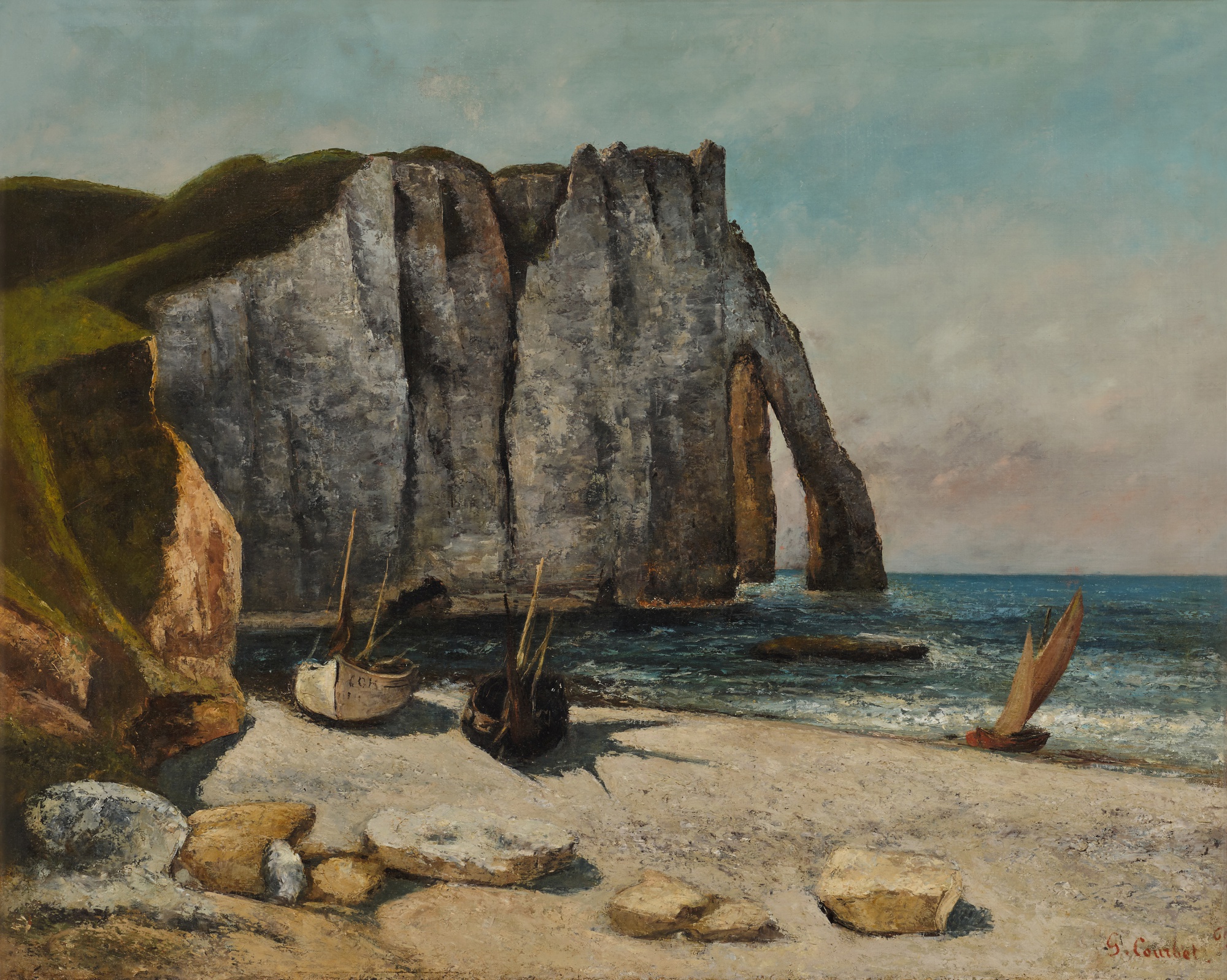
Gustave Courbet
Courbet's Realist movement, which championed unidealized depictions of everyday subjects and landscapes, aligned closely with Fenton's documentary and landscape photographic ambitions. Fenton studied painting in Paris during Courbet's rise and absorbed the Realist commitment to honest observation.
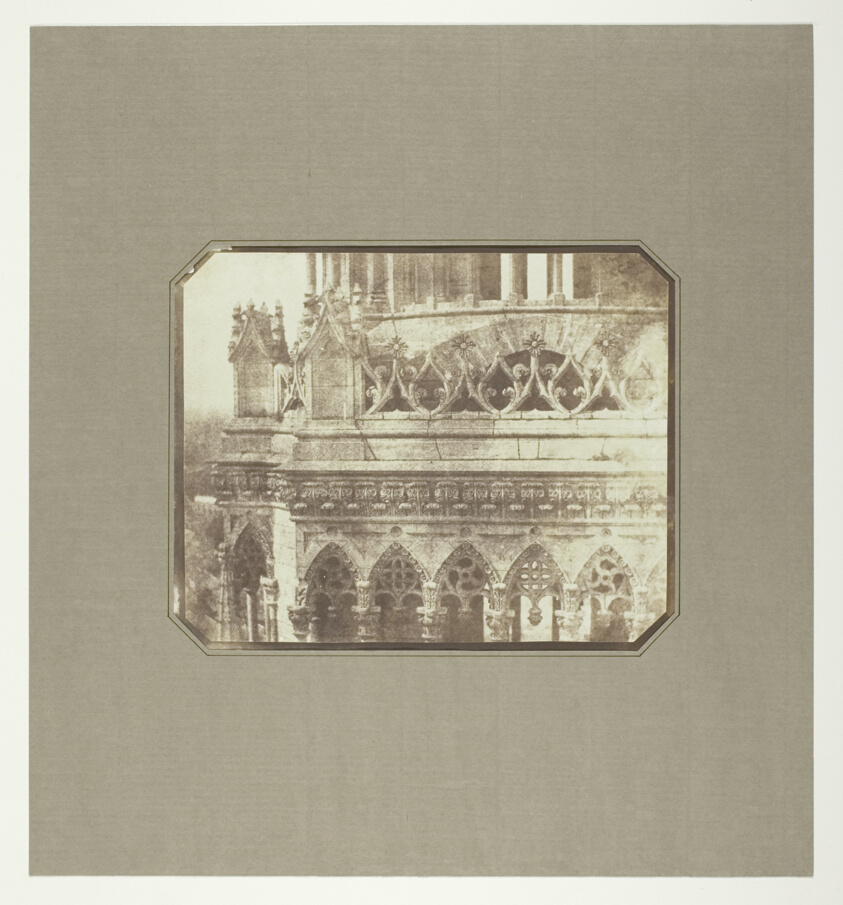
William Henry Fox Talbot
Talbot's invention of the calotype and salted paper print process provided the direct technical foundation upon which Fenton built his photographic practice. Fenton's early work with paper negatives owes a clear debt to Talbot's pioneering experiments in British photography.
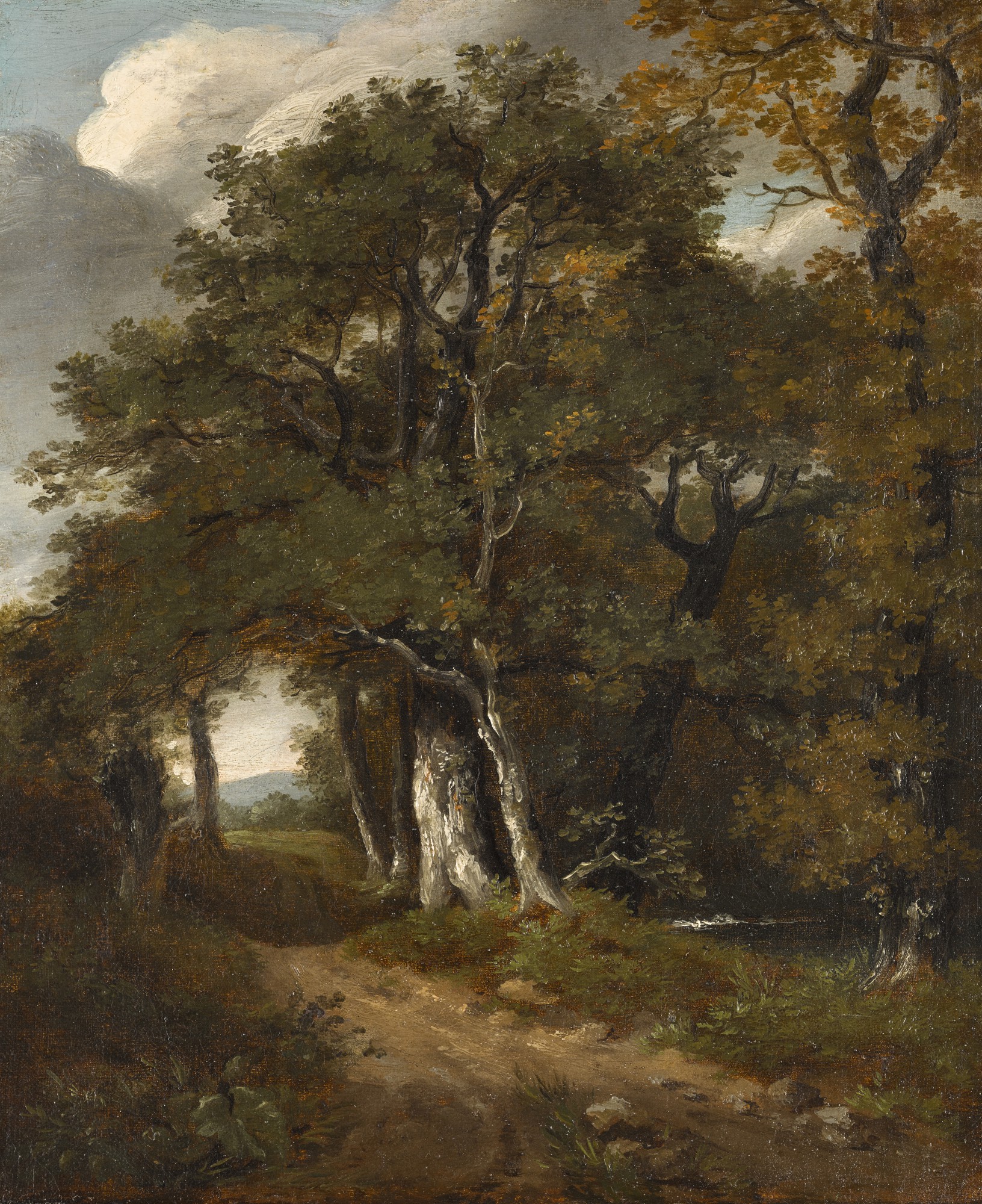
John Constable
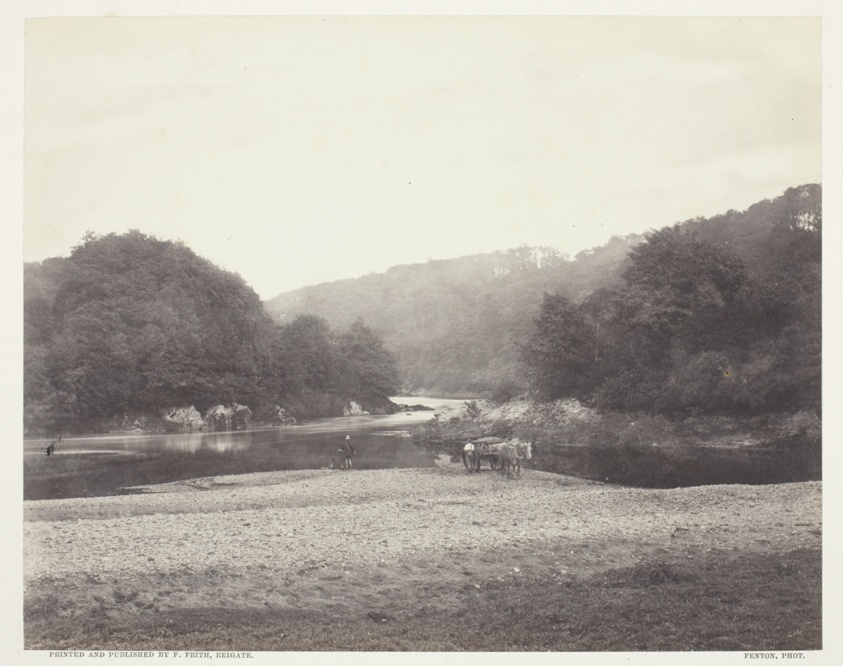
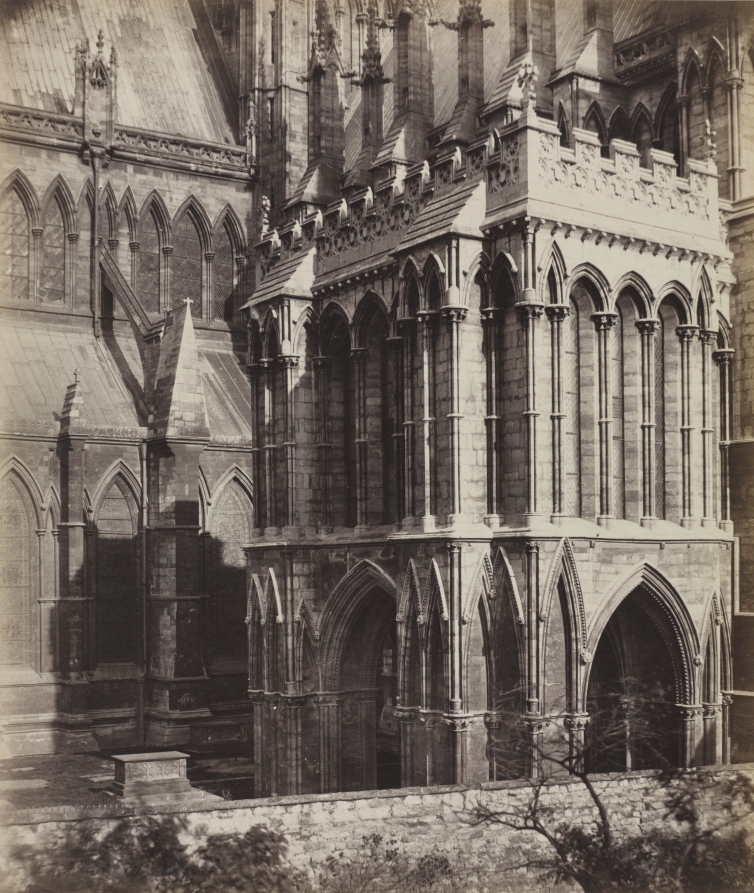
Constable's Romantic celebration of the British landscape, with its atmospheric light and naturalistic detail, shaped the aesthetic sensibility Fenton brought to his landscape photography. Fenton's pastoral and architectural studies reflect a photographic translation of Constable's reverence for the English countryside.