Winslow Homer
1
Followers
Artist Spotlight
Winslow Homer, America's Most Honest Eye
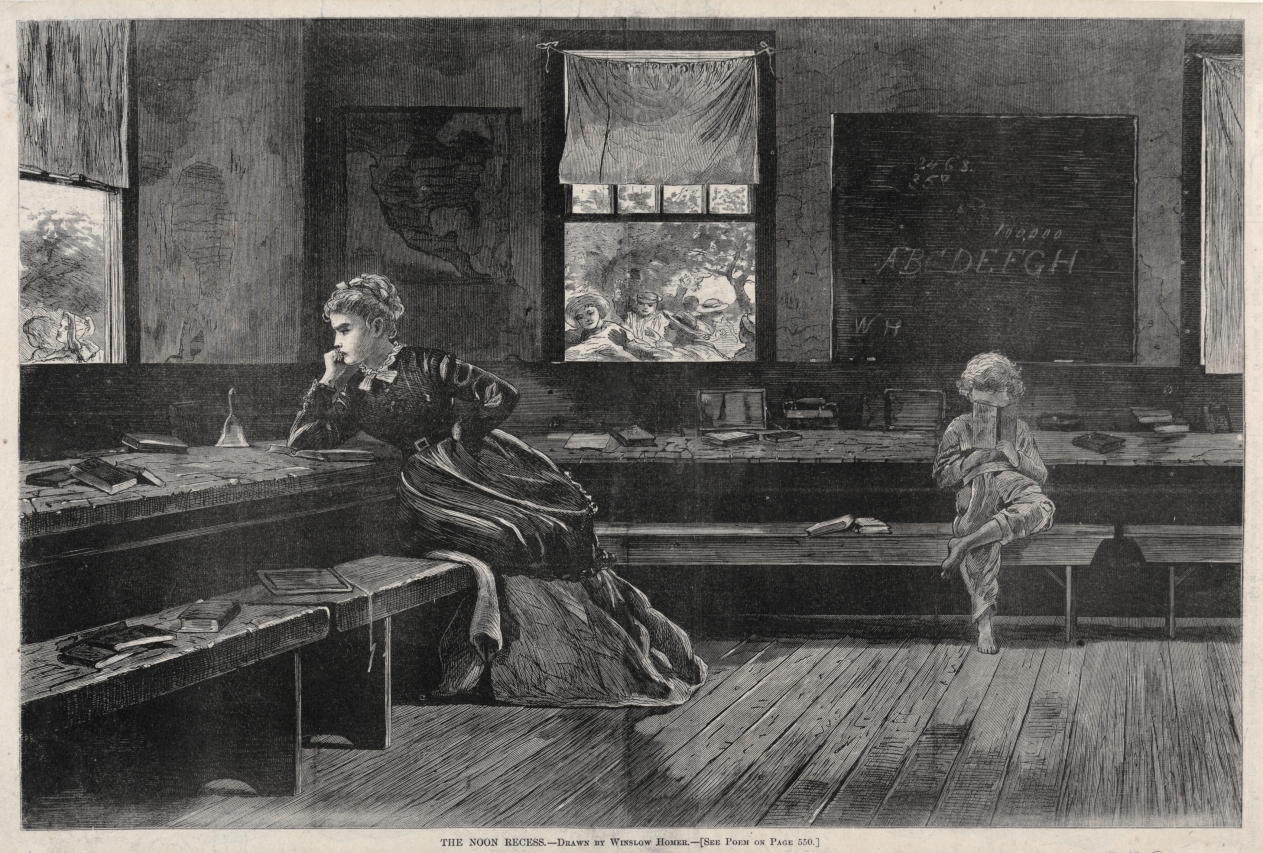
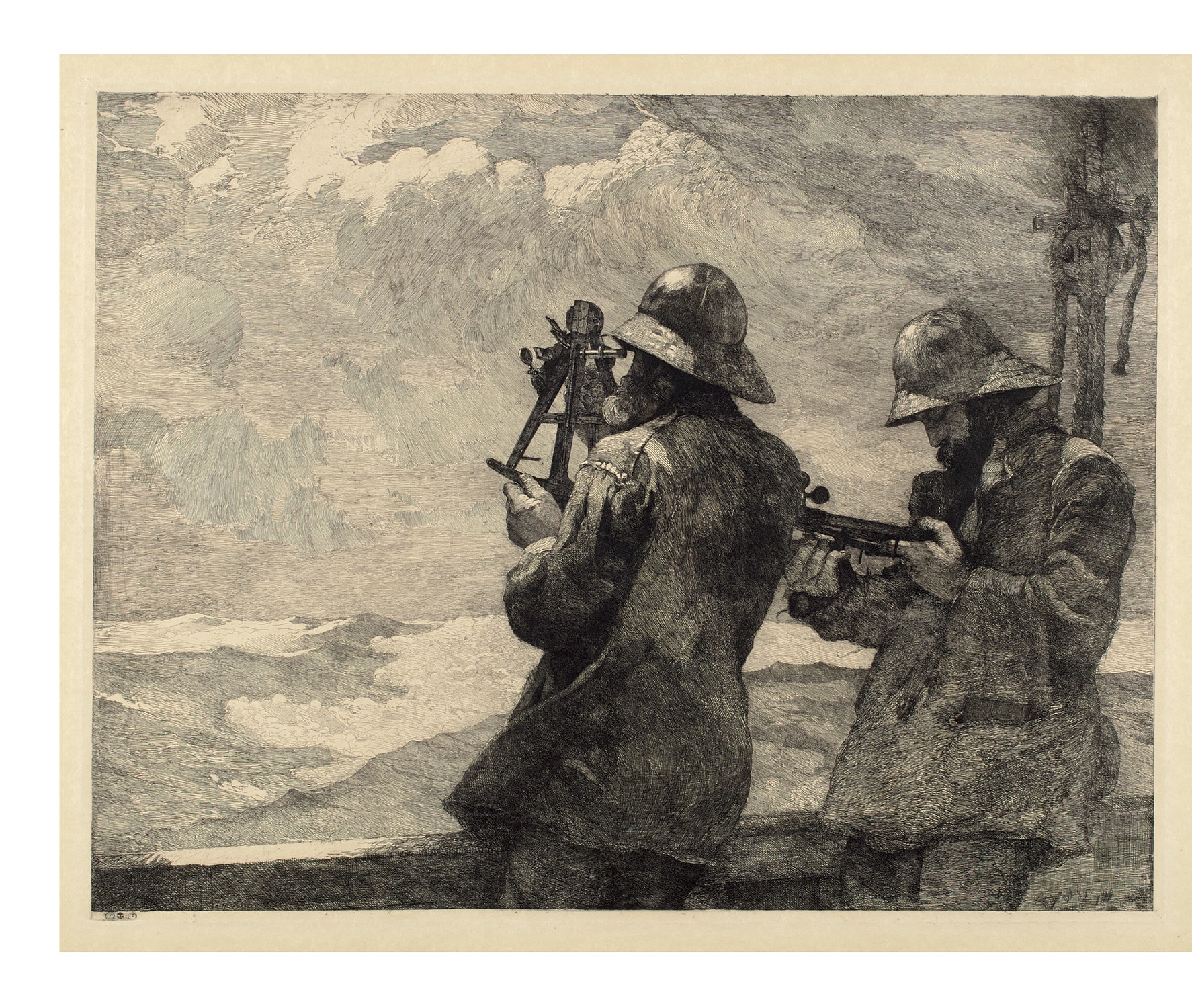
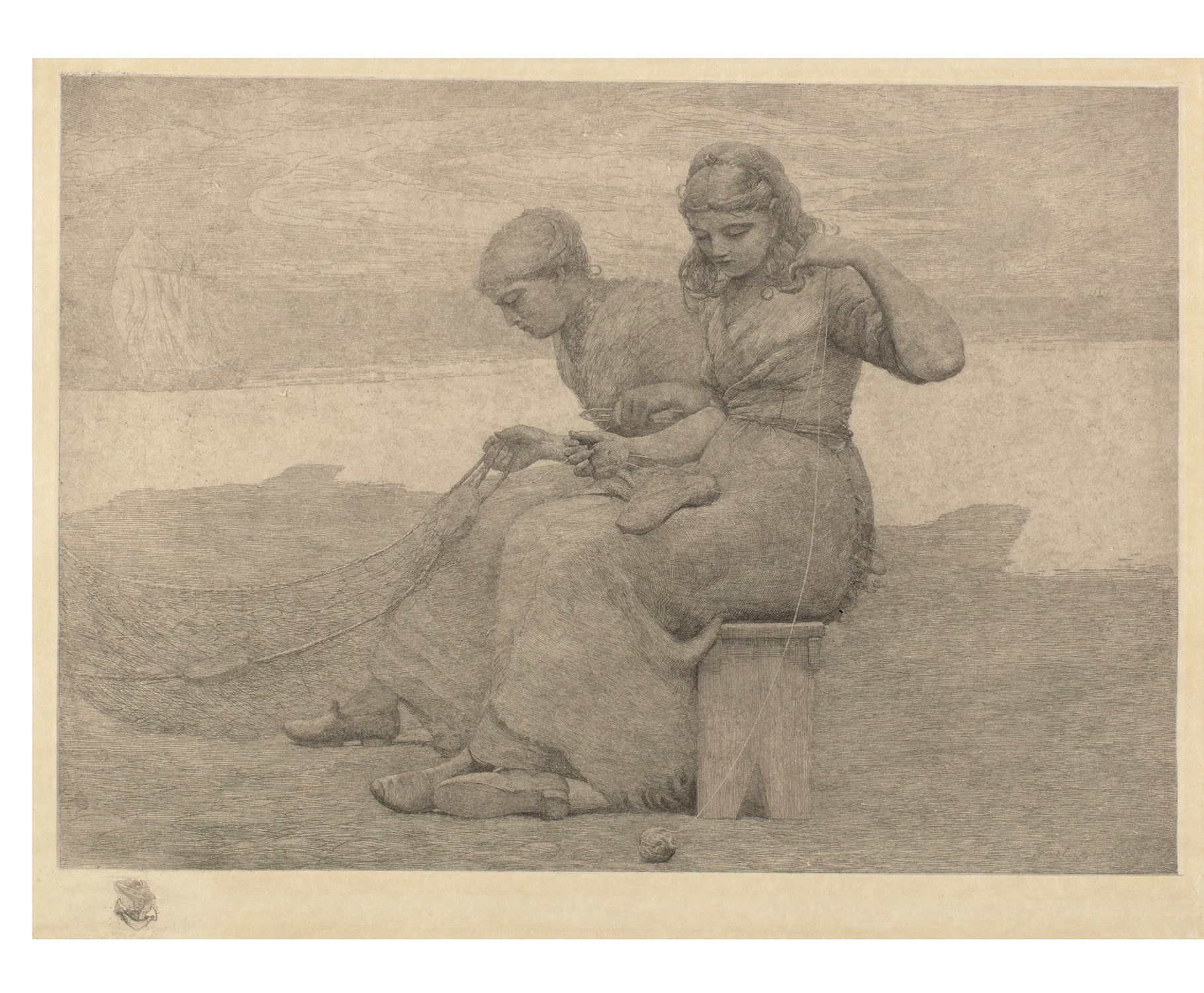
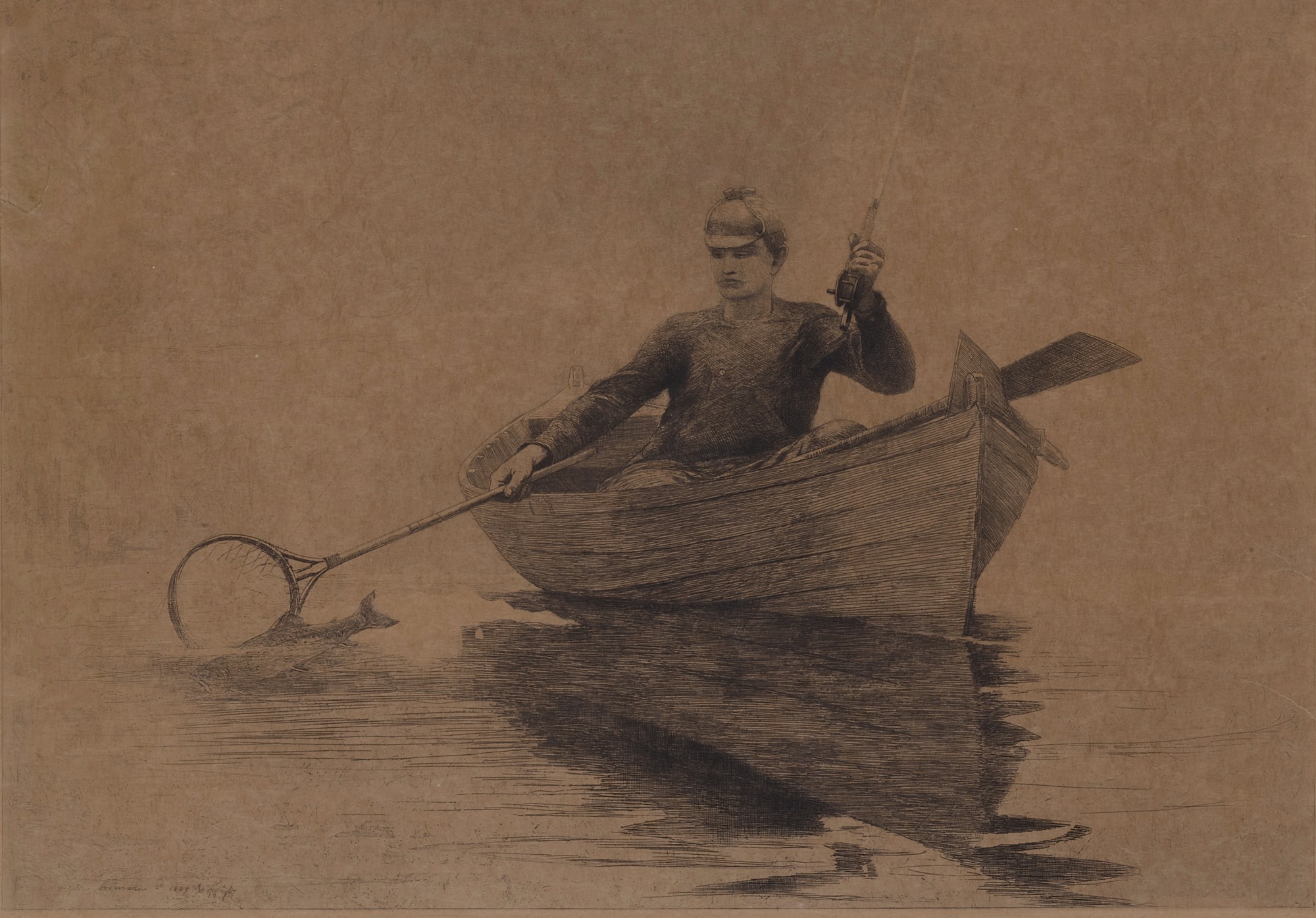
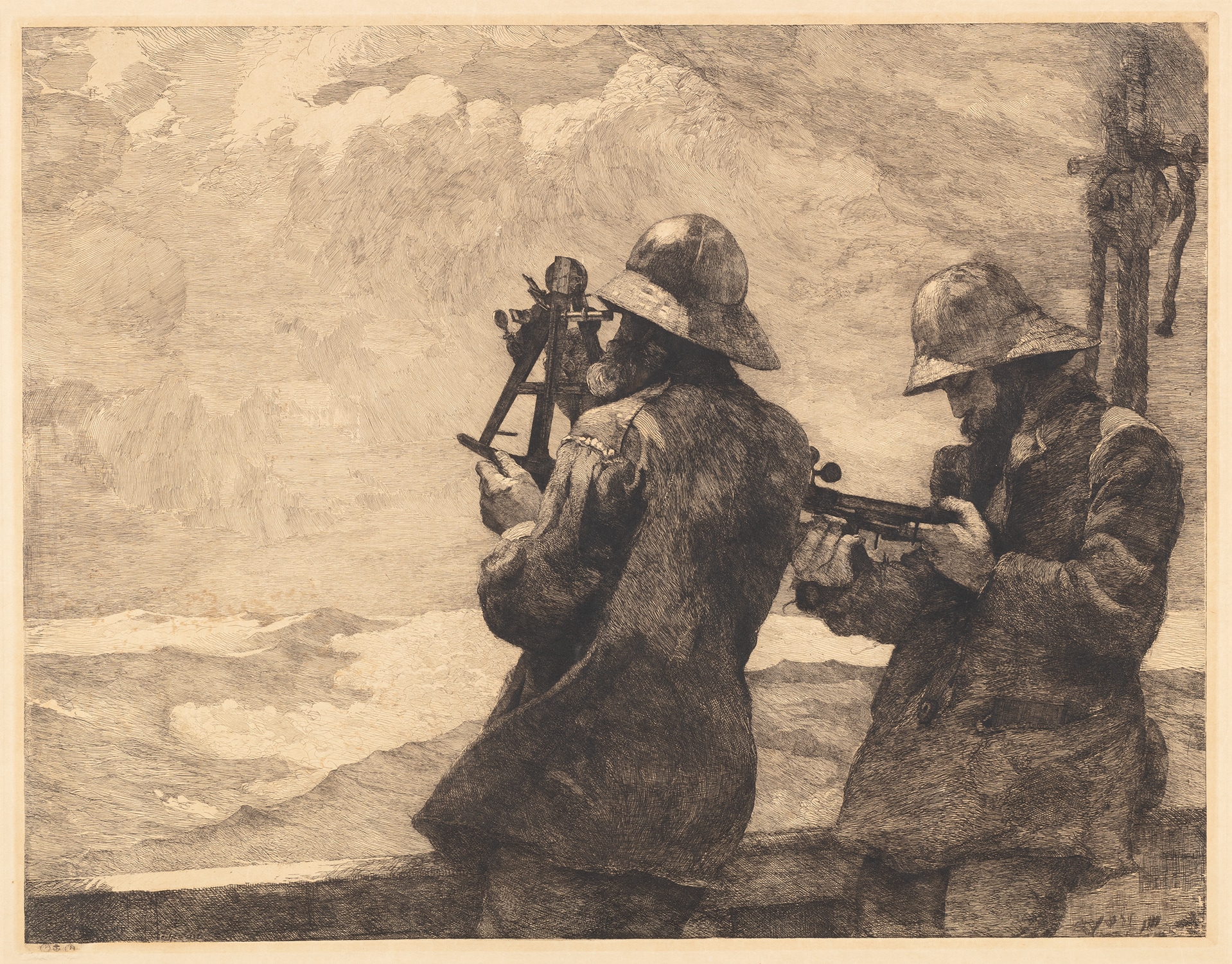
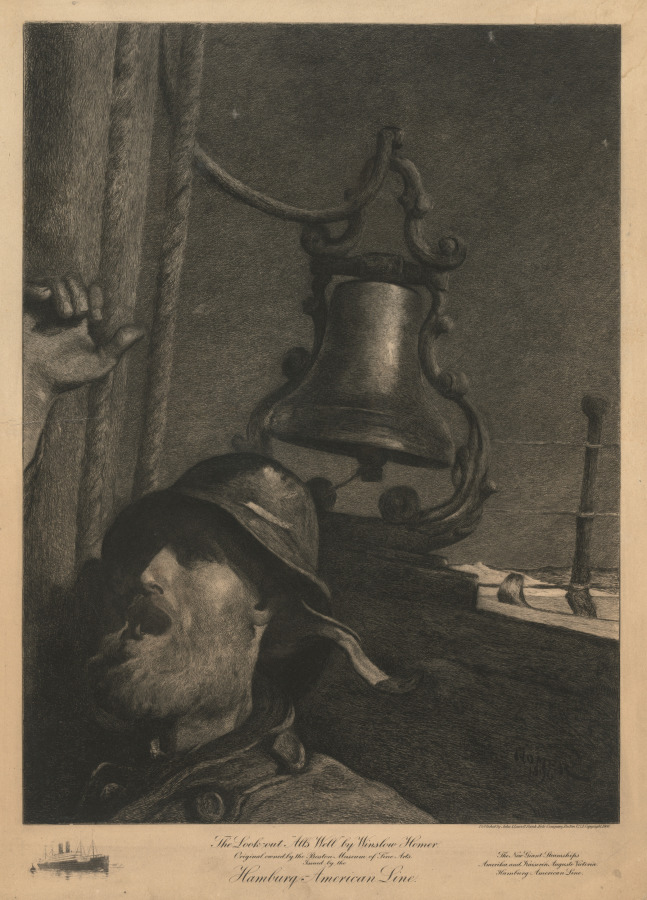
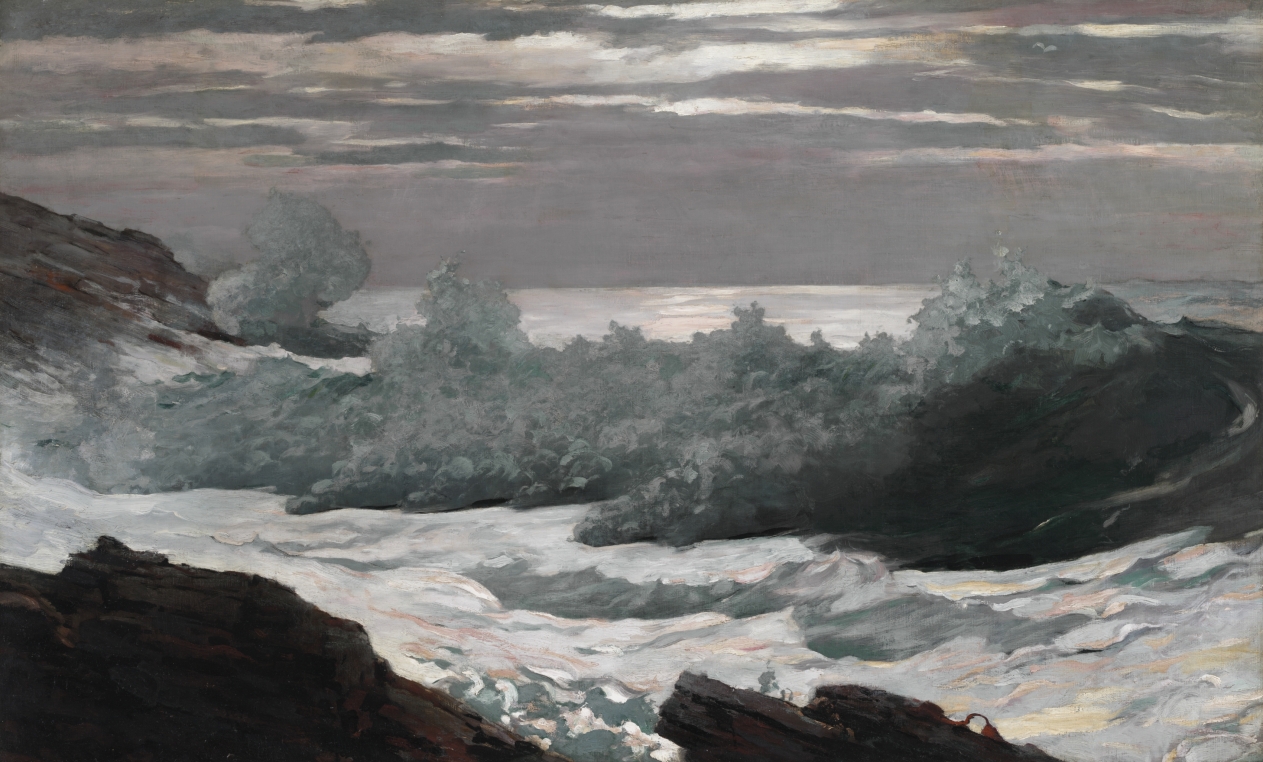
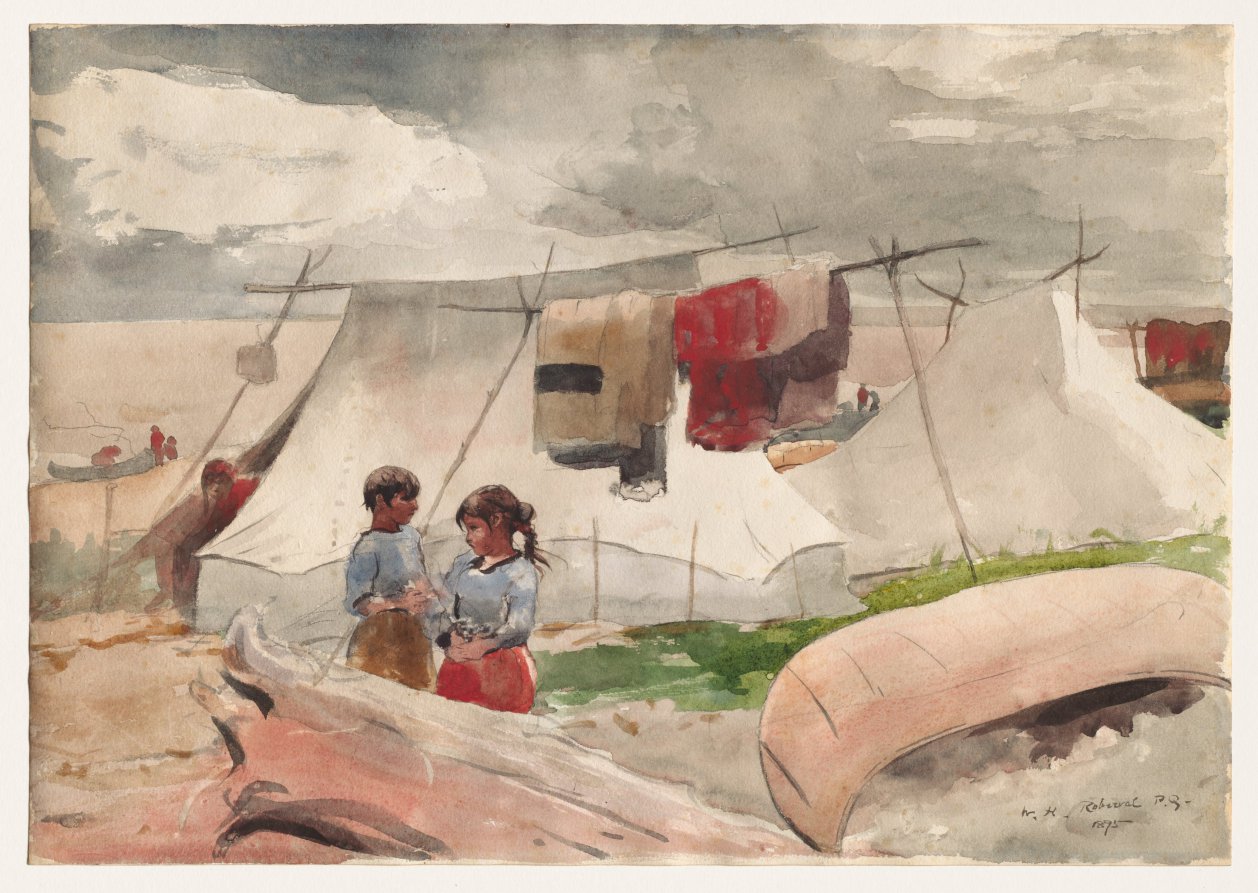
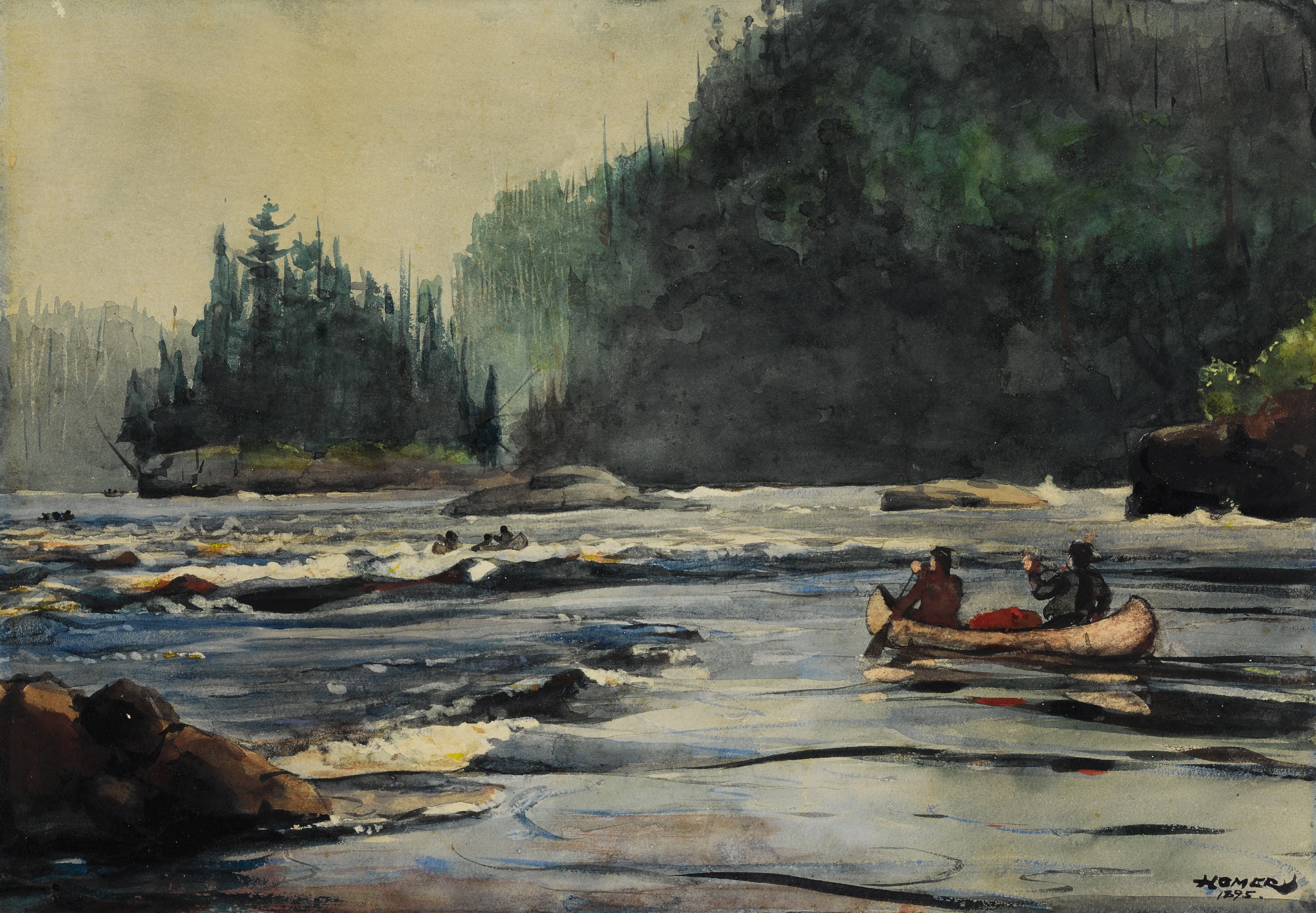
Stand before Winslow Homer's "The Blue Boat" at the Museum of Fine Arts in Boston and you will understand immediately why this artist continues to command reverence more than a century after his death. The painting radiates a quality that is almost impossible to manufacture: truth. Truth about light on water, truth about solitude, truth about the particular texture of American wilderness. Homer's work has never fallen out of fashion because it was never fashioned in the first place. It was observed, felt, and set down with a directness that still feels startling today. Winslow Homer was born… Continue reading
Artists in conversation
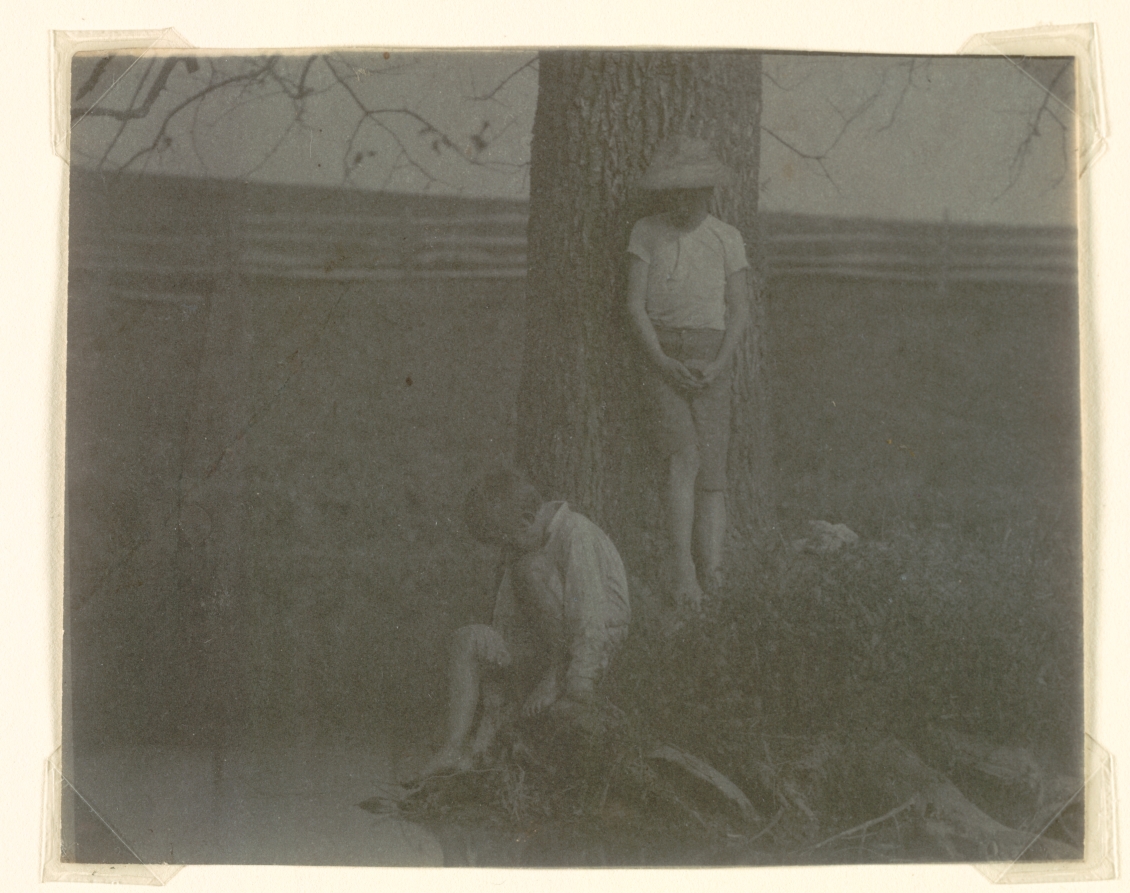
Thomas Eakins
Eakins shared Homer's commitment to unflinching American realism and figurative painting rooted in direct observation of everyday life and outdoor pursuits. Both artists rejected sentimentality in favor of honest documentary depictions of their contemporary world.
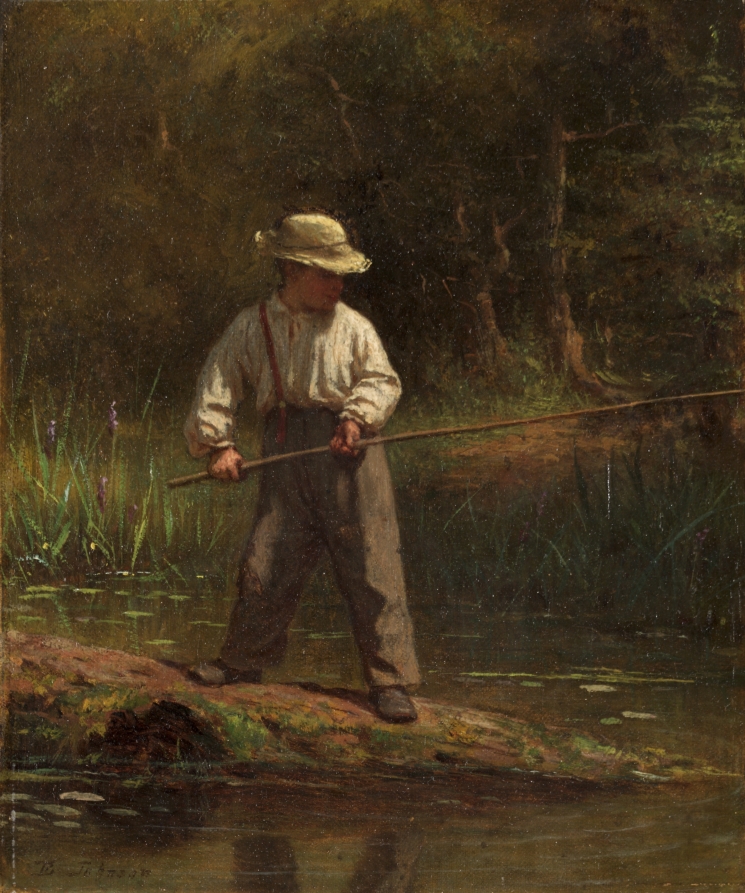
Eastman Johnson
Johnson paralleled Homer in his narrative figurative compositions documenting American social life including scenes of Civil War era subjects and rural genre scenes. His observational realism and interest in ordinary American people closely mirrors Homer's thematic and stylistic concerns.
John Singer Sargent
Sargent shared Homer's mastery of watercolor and a direct painterly approach to capturing light and outdoor scenes with expressive confidence. Both artists worked as leading American painters of the 19th century who brought vigorous observational energy to their subjects.
Artists who inspired them
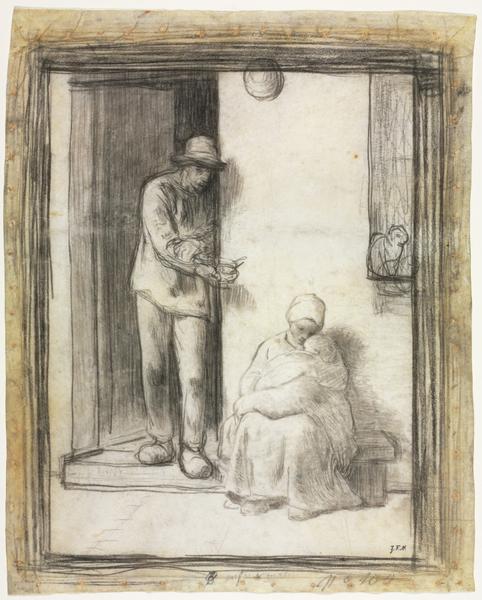
Jean-François Millet
Homer encountered Millet's work during his pivotal 1867 trip to France and absorbed his approach to depicting rural laborers and ordinary people with dignity and monumental simplicity. Millet's unidealized peasant scenes directly informed Homer's own honest portrayals of American working life.
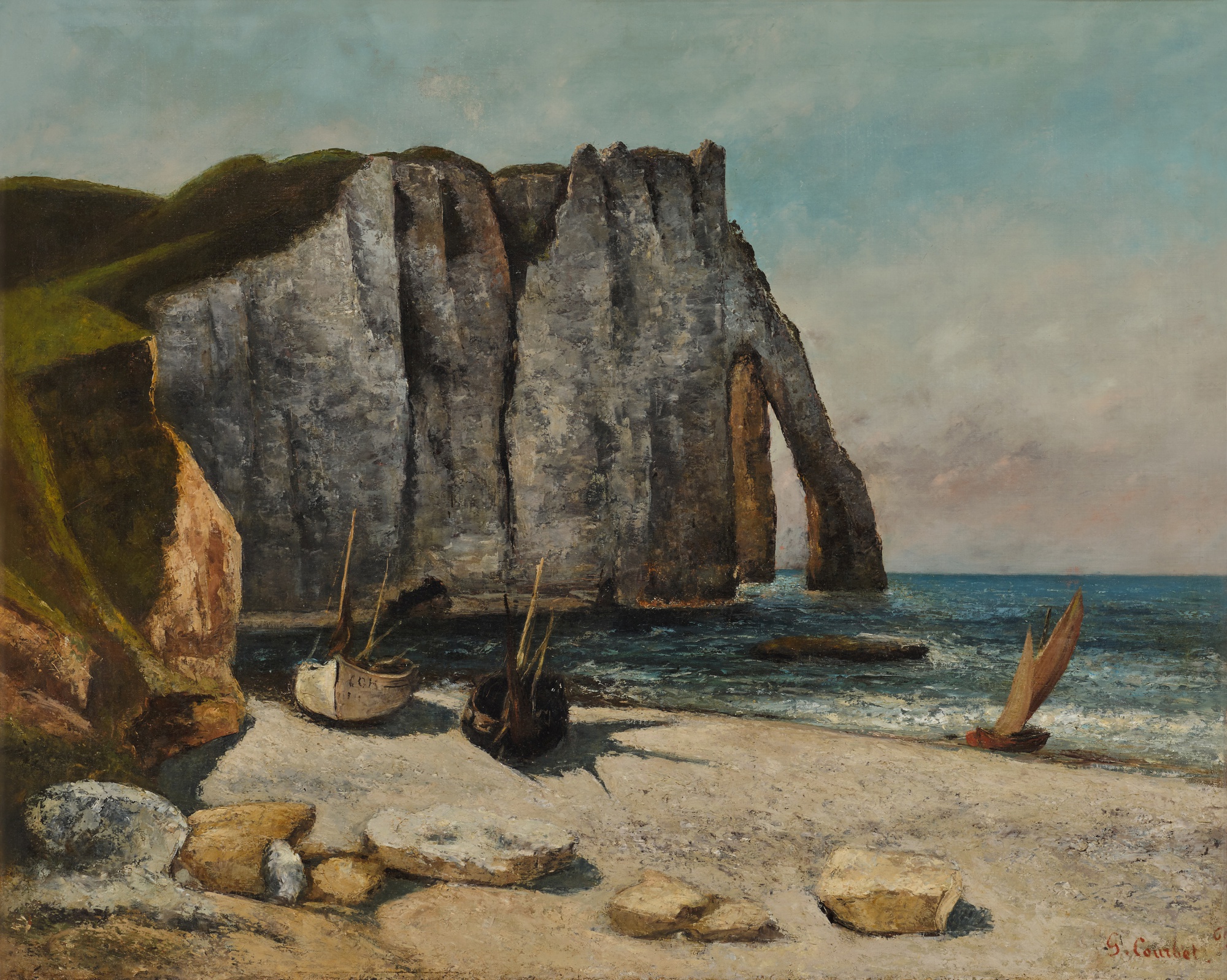
Gustave Courbet
Courbet's bold Realist philosophy of painting contemporary life without academic embellishment resonated strongly with Homer's own artistic direction. His robust handling of paint and insistence on truthful observation of nature and people helped shape Homer's rejection of academic convention.
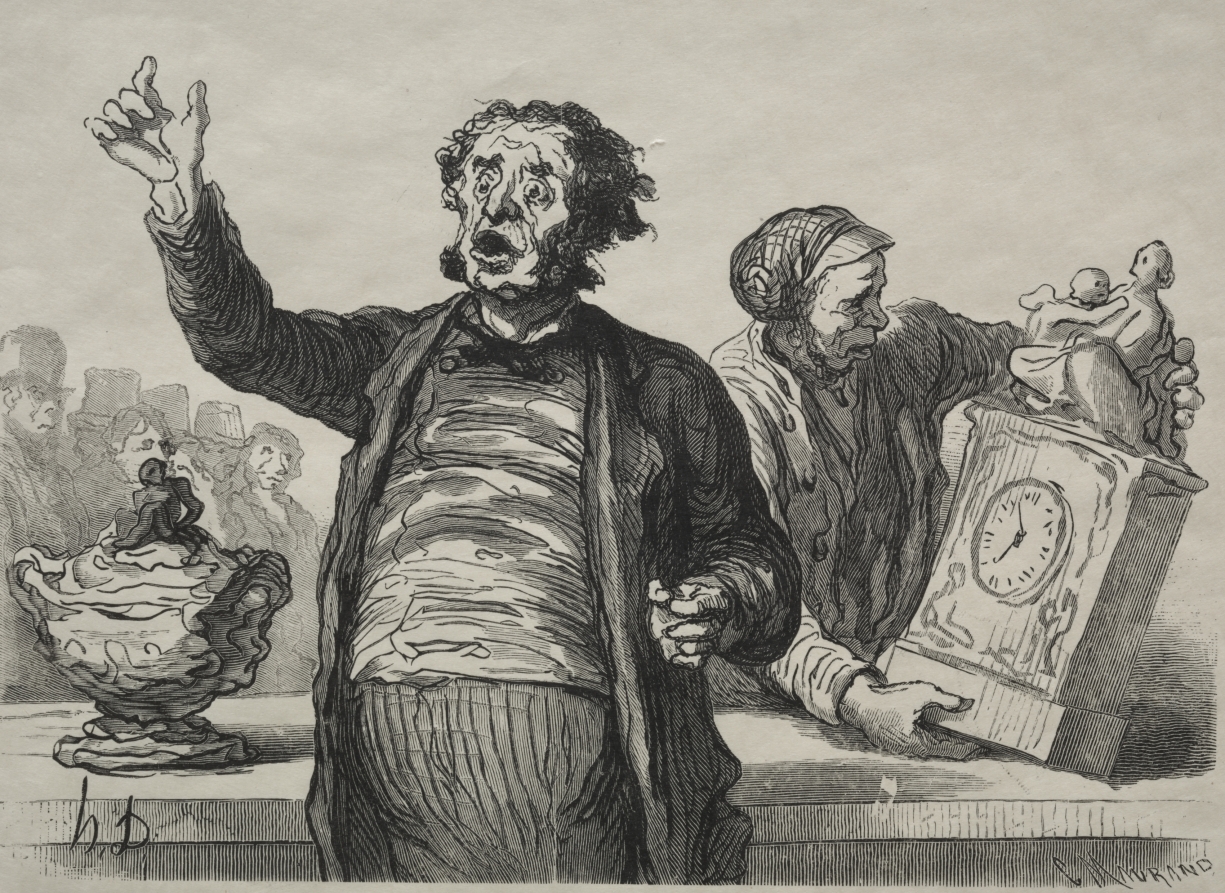
Honoré Daumier
Daumier's work as a printmaker and illustrator using lithography and wood engraving to document social life with sharp observation provided an important model for Homer during his own formative years as a commercial illustrator. His narrative graphic strength and social documentary impulse clearly parallel Homer's early career approach.
Artists they inspired
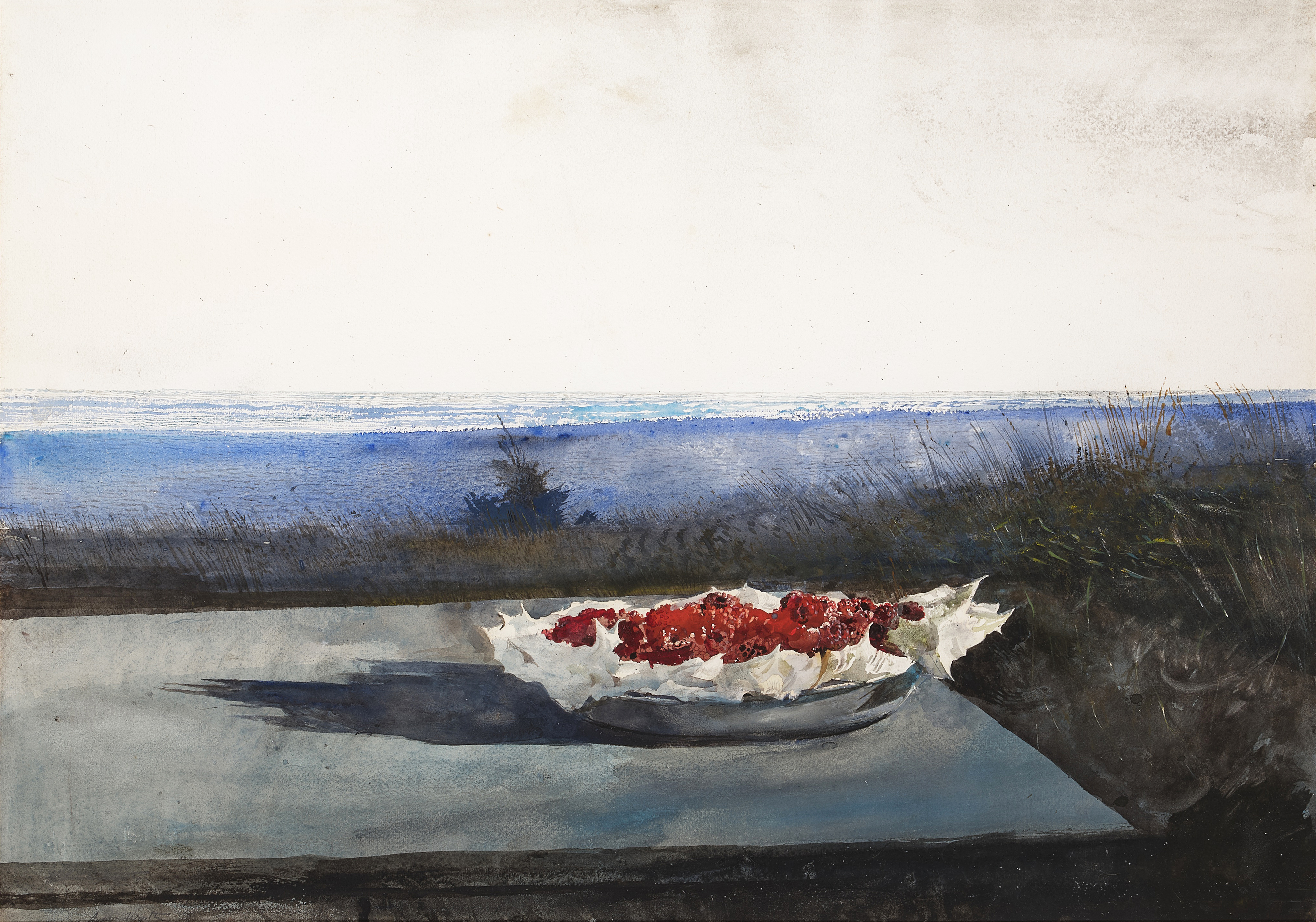
Andrew Wyeth
Wyeth's stark realist depictions of rural American landscapes and solitary figures carry forward Homer's tradition of emotionally charged yet unsentimental observation of the American environment. Wyeth openly acknowledged Homer as a foundational ancestor in the tradition of authentic American realist painting.
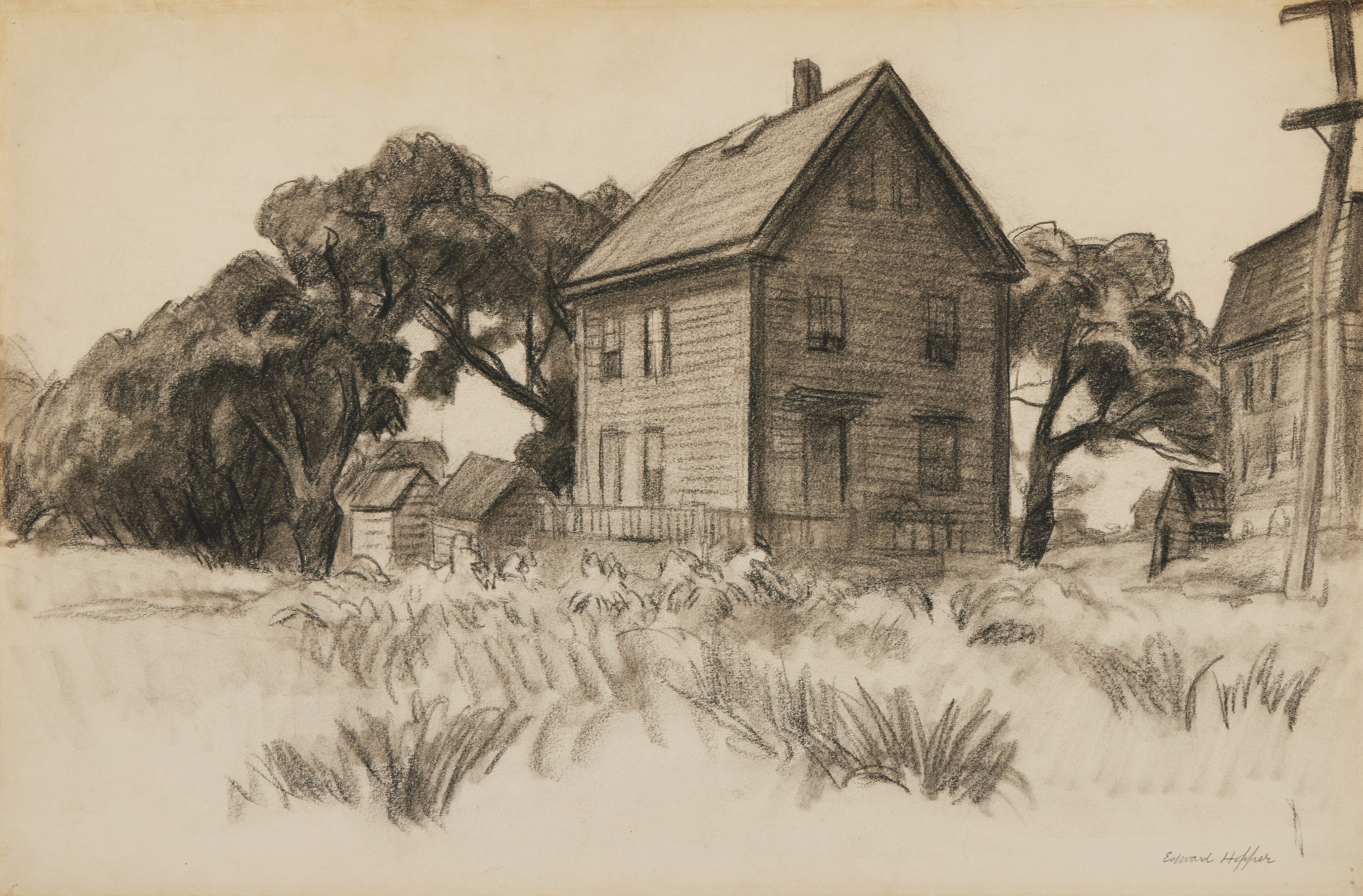
Edward Hopper
Hopper inherited Homer's ability to imbue spare American scenes with a mood of quiet tension and psychological depth rooted in direct observation rather than academic formula. His use of strong light contrasts and solitary human figures in landscape settings reflects Homer's lasting impact on American realist painting.
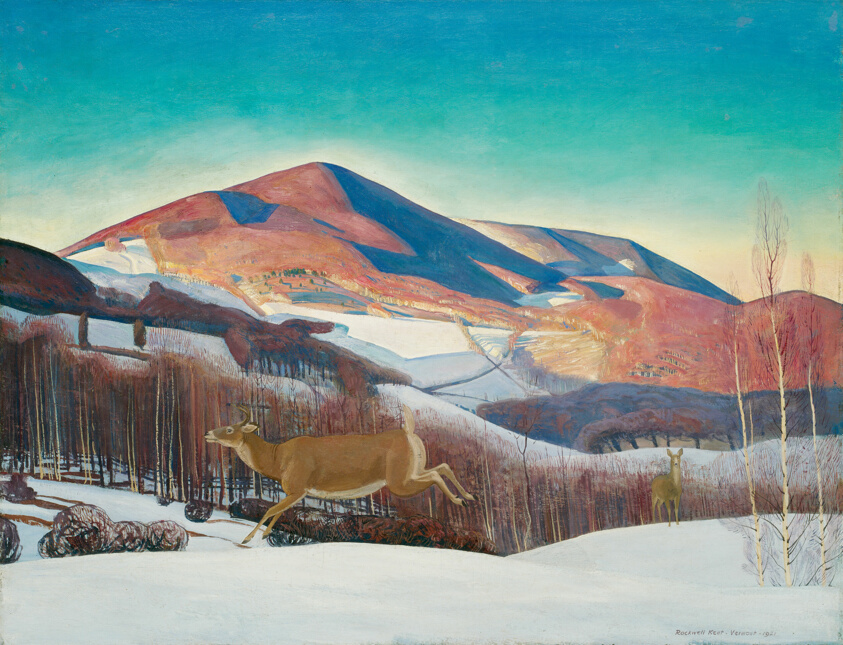
Rockwell Kent
Kent's dramatic depictions of wild coastal and arctic landscapes with solitary figures battling elemental nature directly extend the tradition Homer established in his late Maine seascape paintings. Kent's bold graphic clarity and fascination with humanity confronting rugged natural environments show a clear debt to Homer's powerful late work.