Gustave Le Gray
41
Works
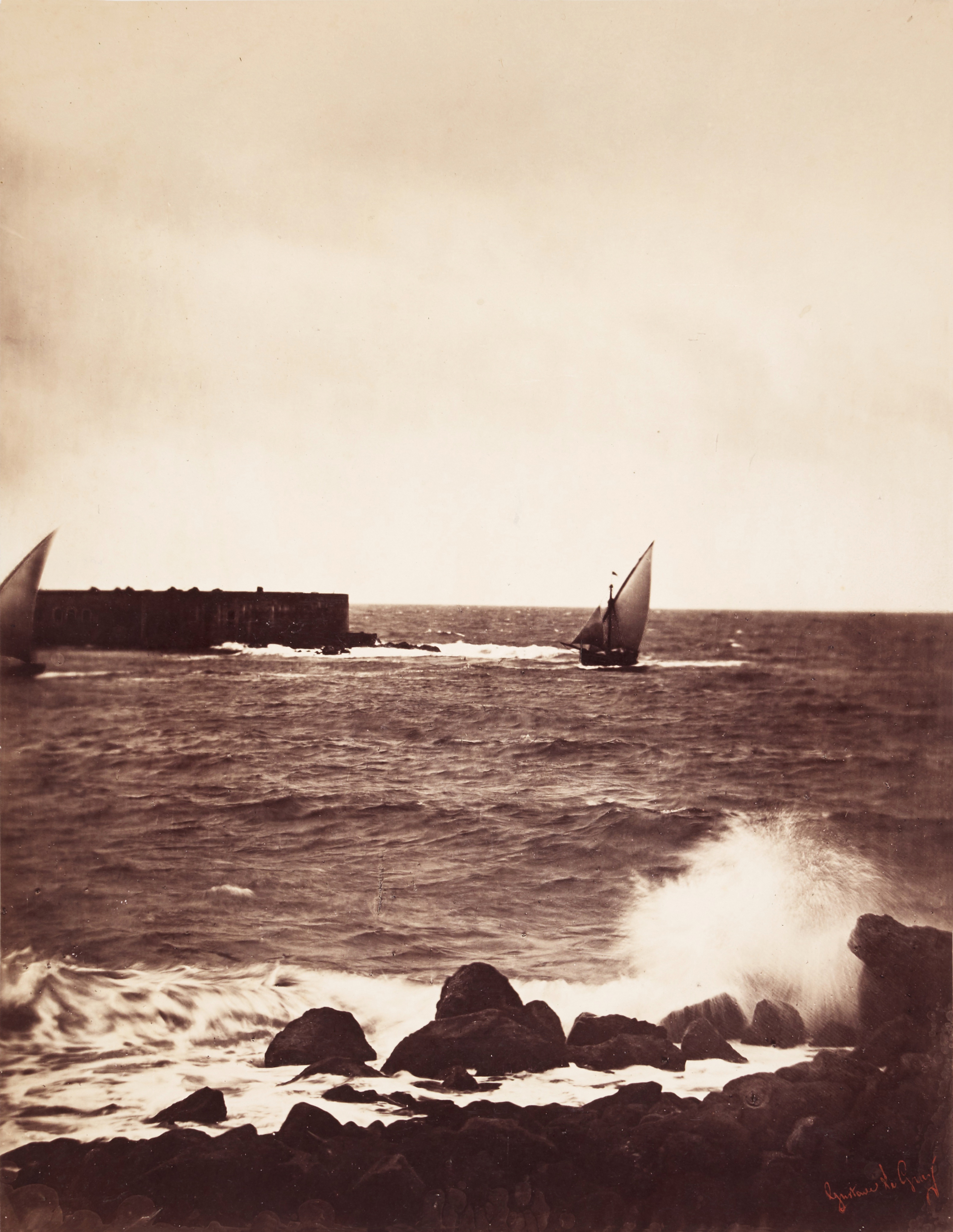
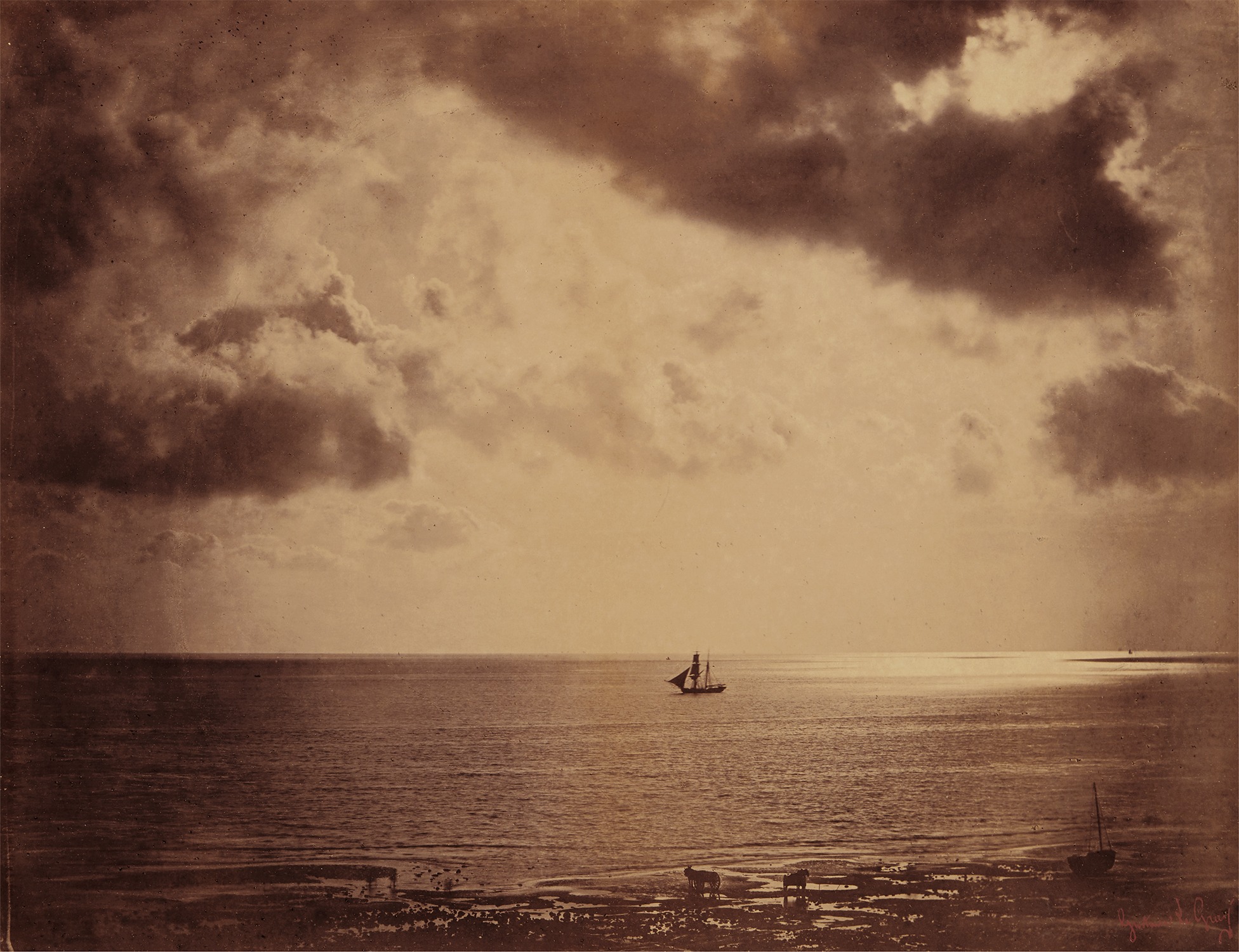
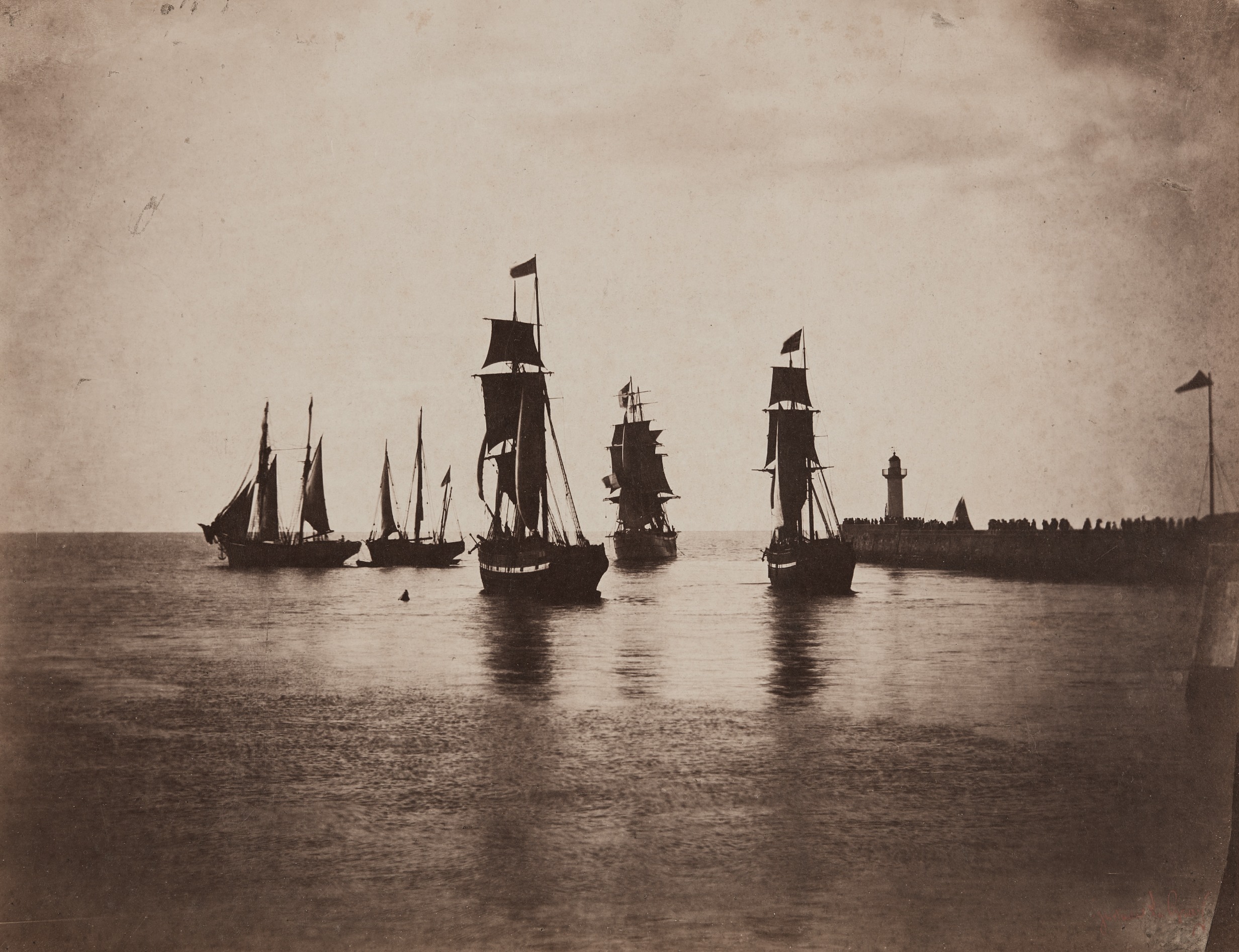
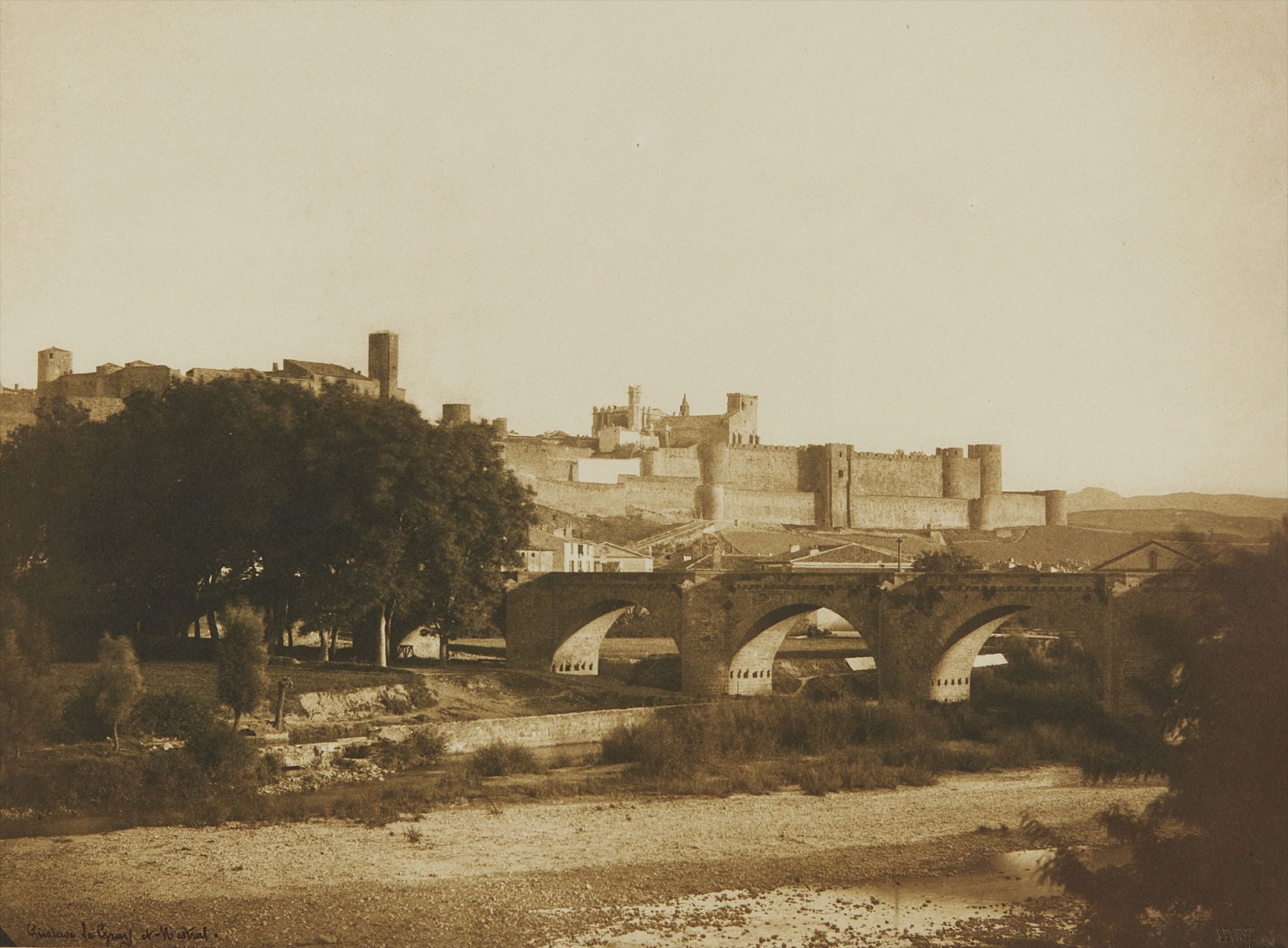
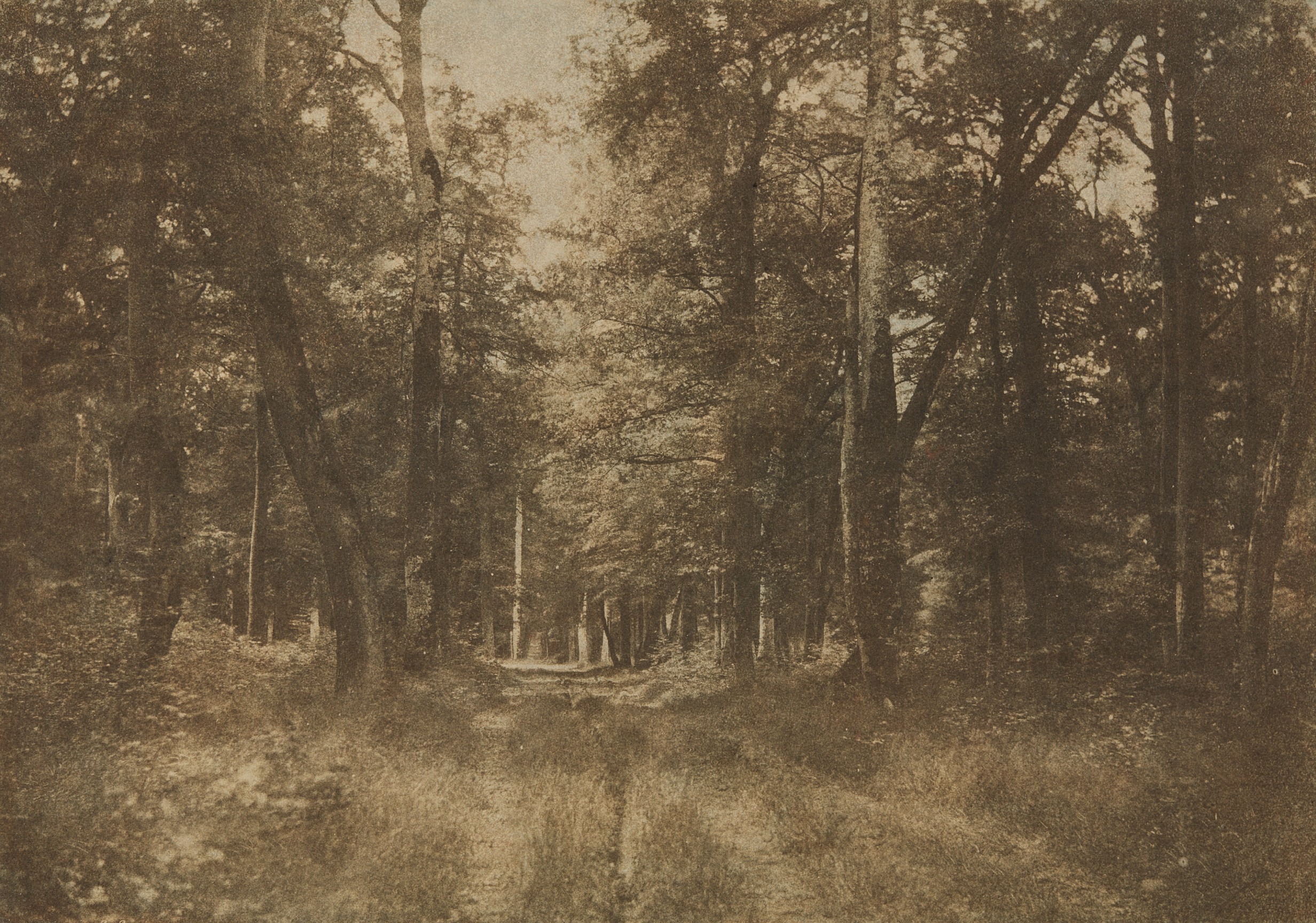
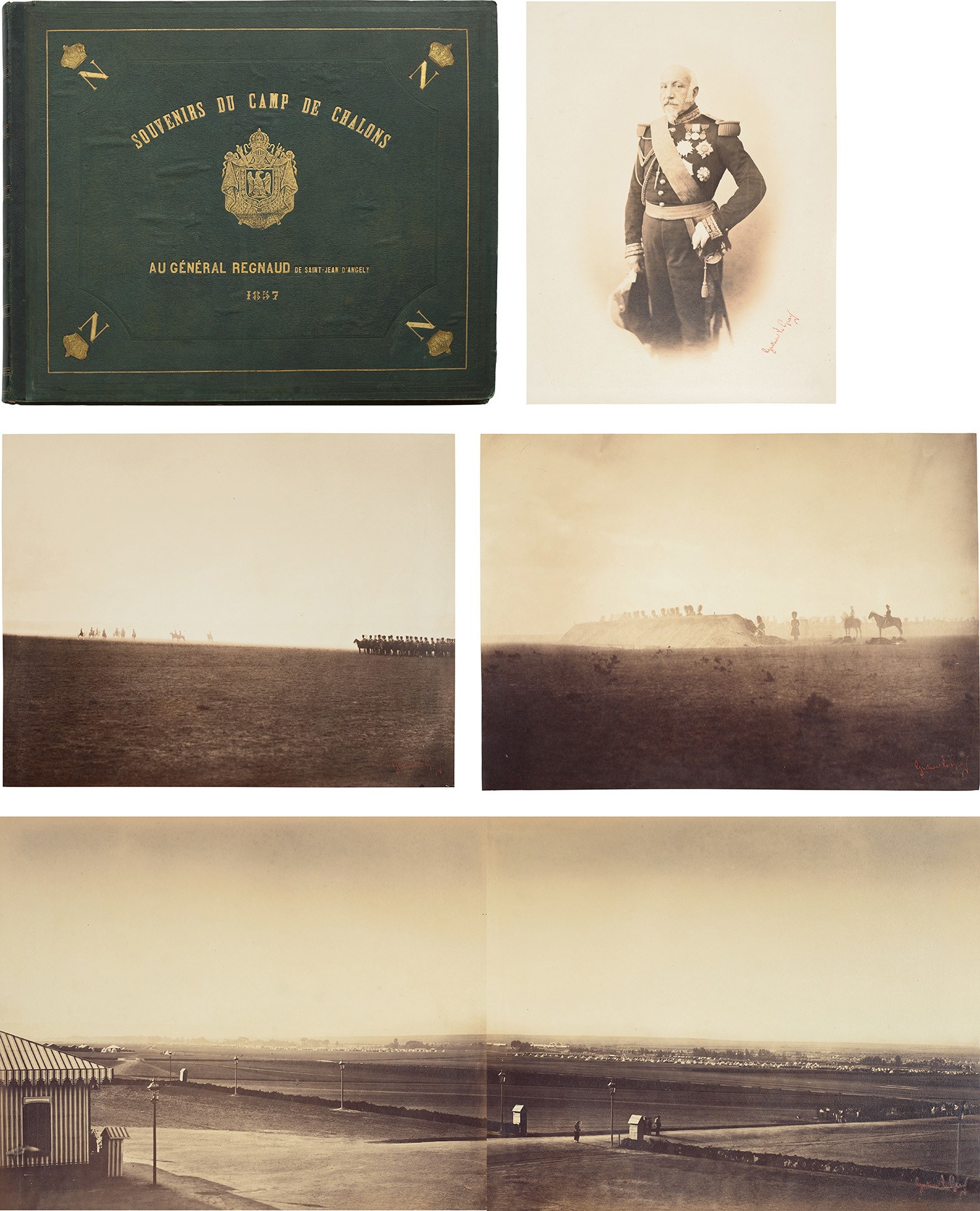
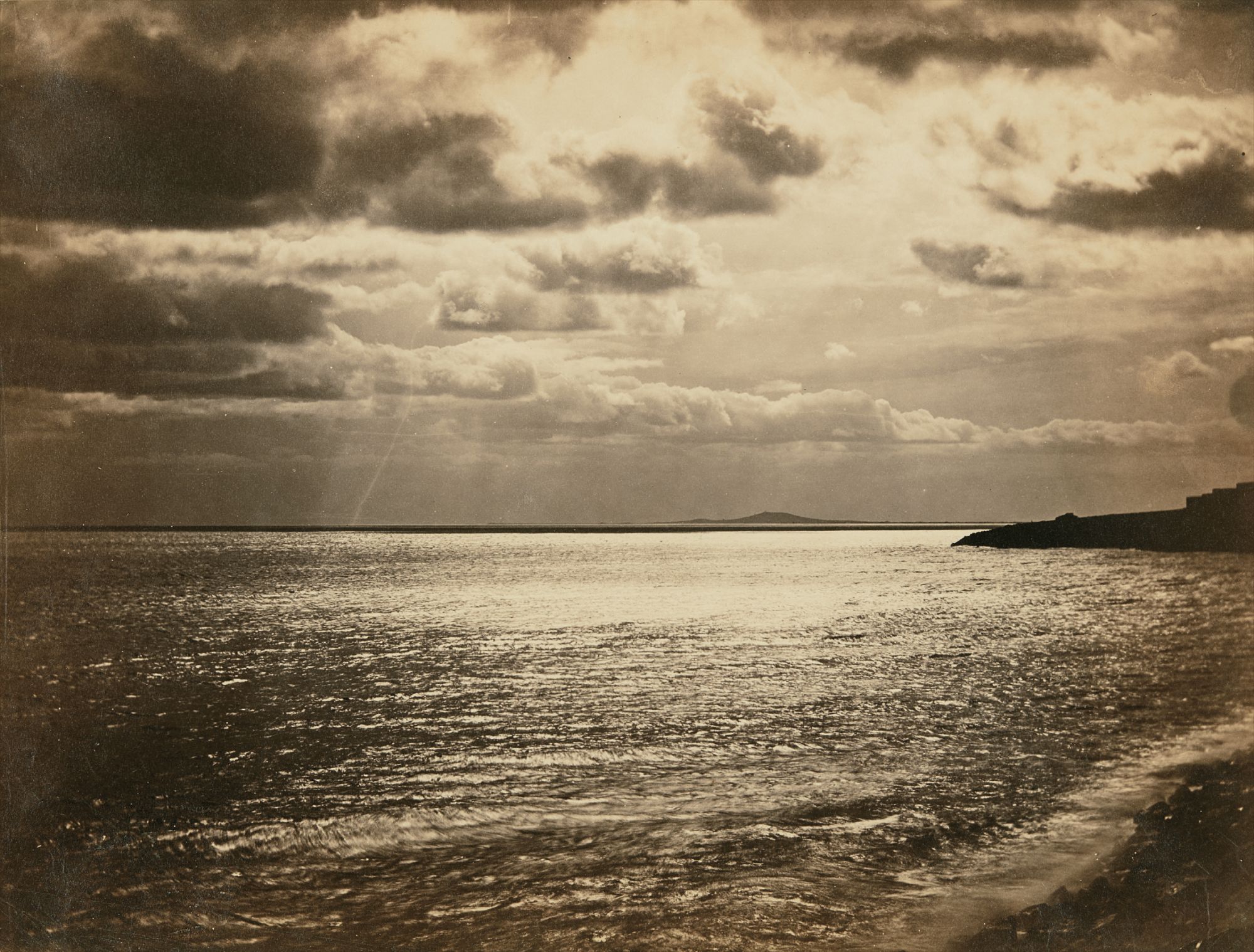
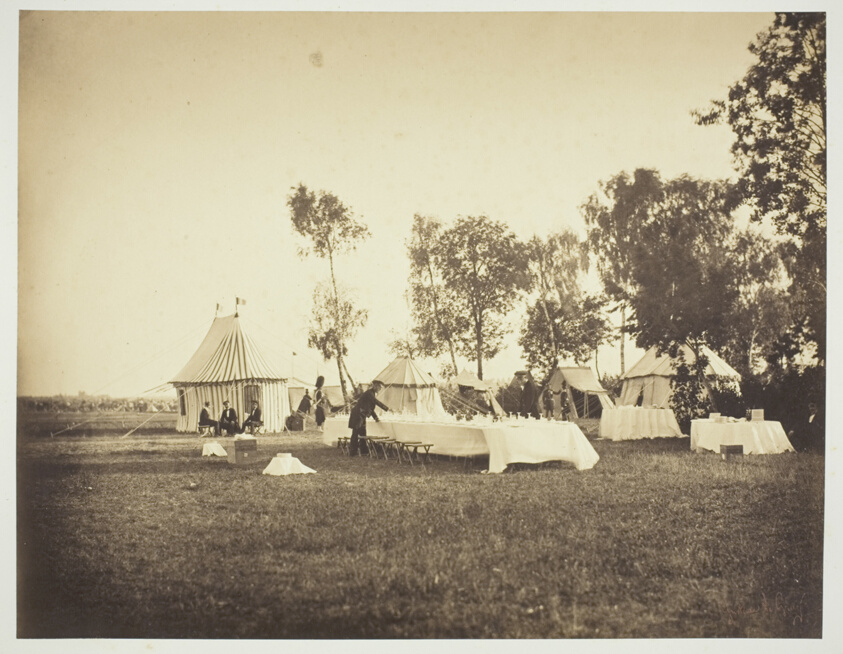
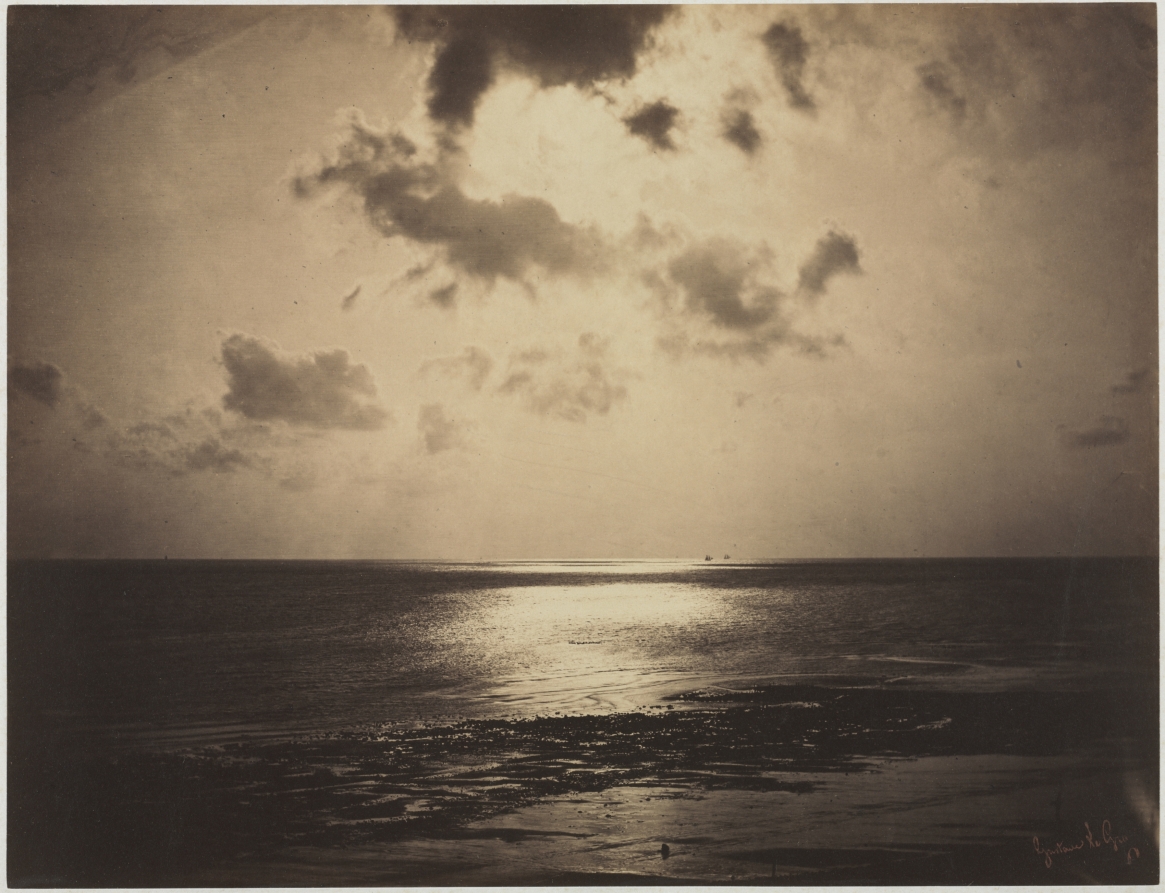
Gustave Le Gray was a pioneering French photographer who played a crucial role in elevating photography to the status of fine art during the medium's formative years in the mid-19th century. Born Jean-Baptiste Gustave Le Gray, he initially trained as a painter in the studios of Paul Delaroche before turning to photography in the late 1840s. Le Gray became renowned for his technical innovations and aesthetic sophistication, particularly his mastery of the waxed paper negative process and his revolutionary seascape photographs. His work combined technical precision with painterly composition, demonstrating that photography could achieve the same artistic heights as traditional fine arts. Le Gray's most celebrated works are his dramatic seascapes created at Sète and Normandy between 1856 and 1858, which featured unprecedented tonal range and captured both sea and sky with remarkable detail—a technical achievement accomplished through combination printing using separate negatives for sky and water. He also produced influential architectural photographs, including stunning images of the forest of Fontainebleau, and served as the official photographer to Napoleon III, documenting military camps and official ceremonies. His Parisian studio on the Boulevard des Capucines became a gathering place for artists and intellectuals, and he taught many students who would become important photographers in their own right. Le Gray's significance extends beyond his individual achievements to his role in establishing photography as a legitimate artistic medium. His insistence on high artistic standards and his refusal to compromise technical quality helped photography gain acceptance in salon exhibitions and among art collectors. Despite financial difficulties that led him to abandon his Paris studio in 1860 and eventually relocate to Egypt, where he spent his final years teaching drawing and painting, Le Gray's legacy as one of the most important photographers of the 19th century remains secure. His work is now held in major museum collections worldwide and continues to be celebrated for its technical mastery and aesthetic beauty.
Spotted by
Artists in conversation