Timothy O'Sullivan
Artist Spotlight
Timothy O'Sullivan: Light Across Uncharted Ground
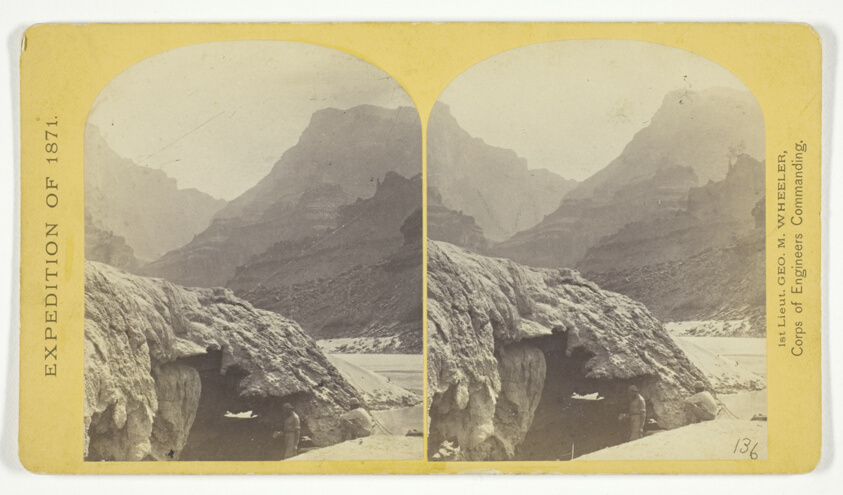
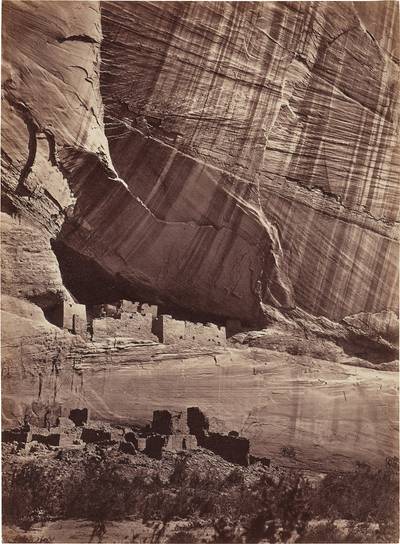
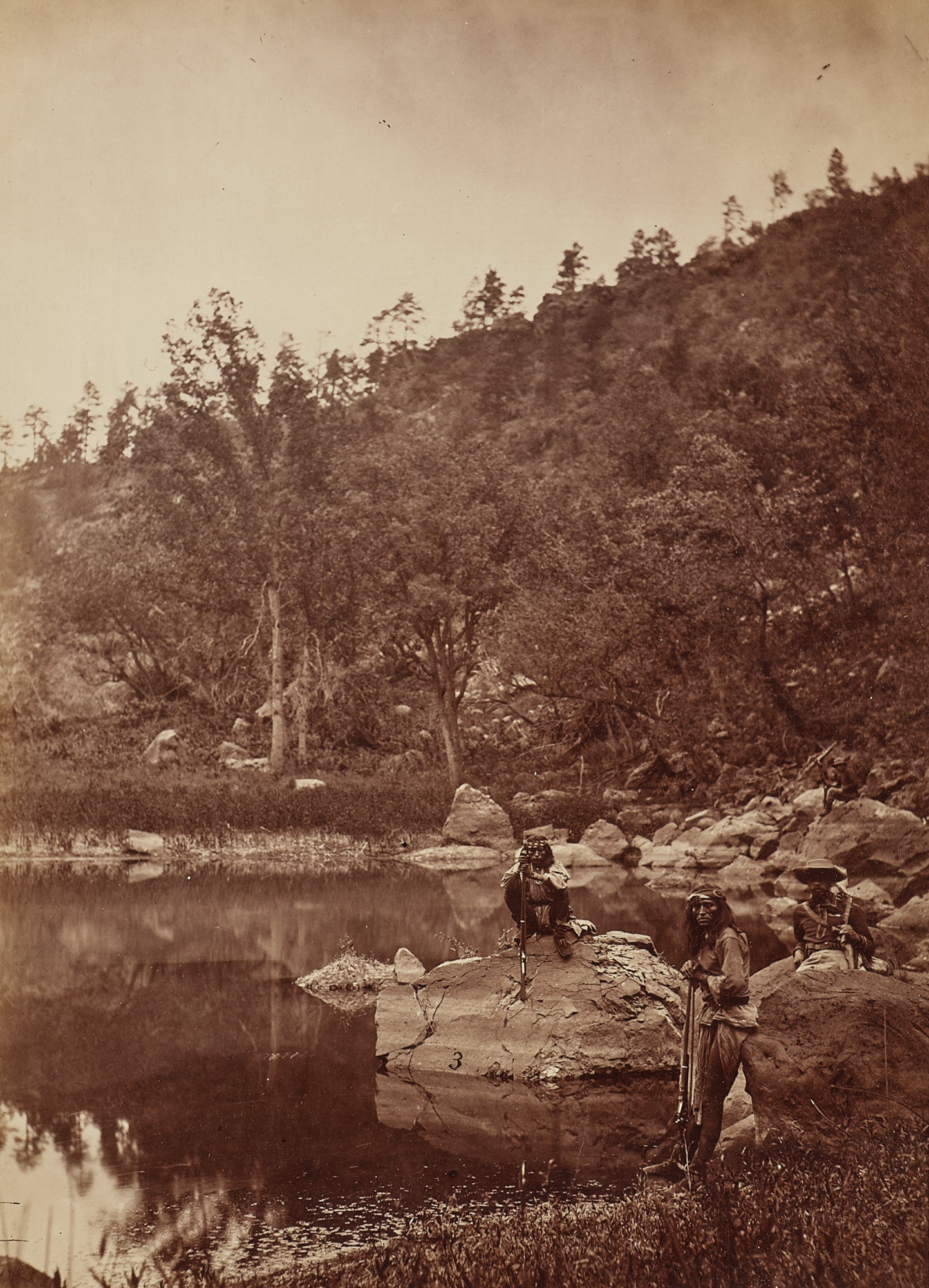
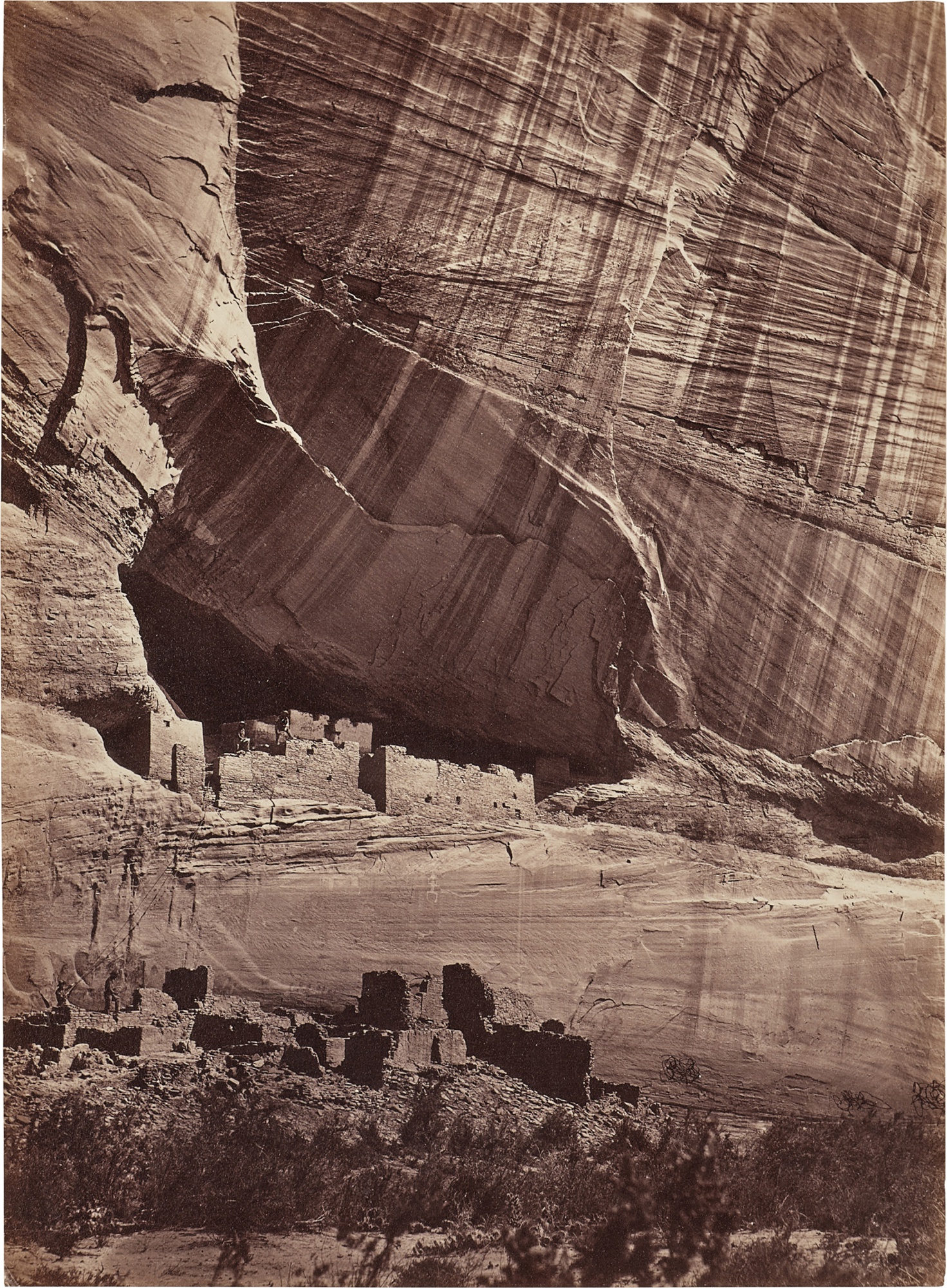
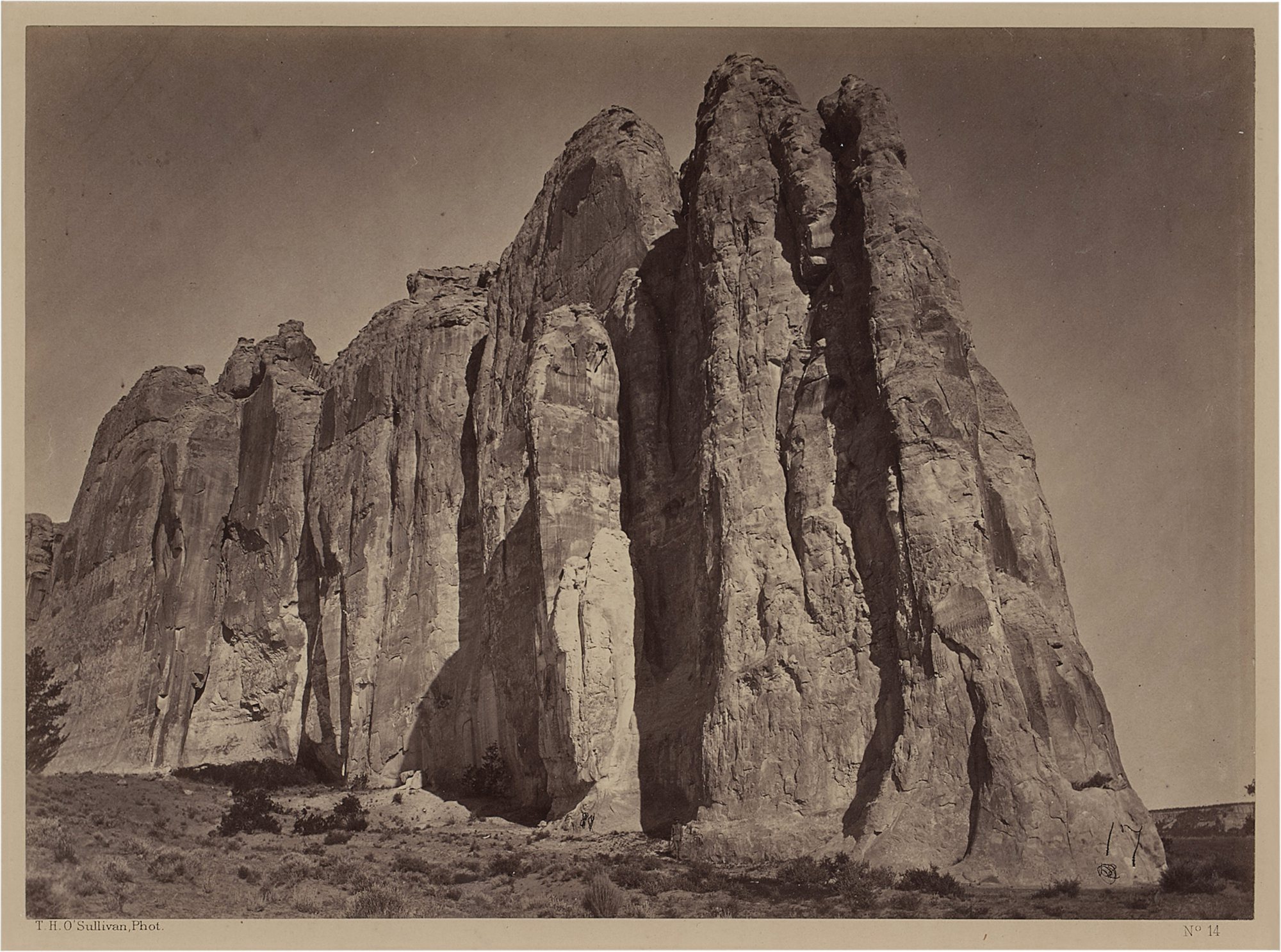
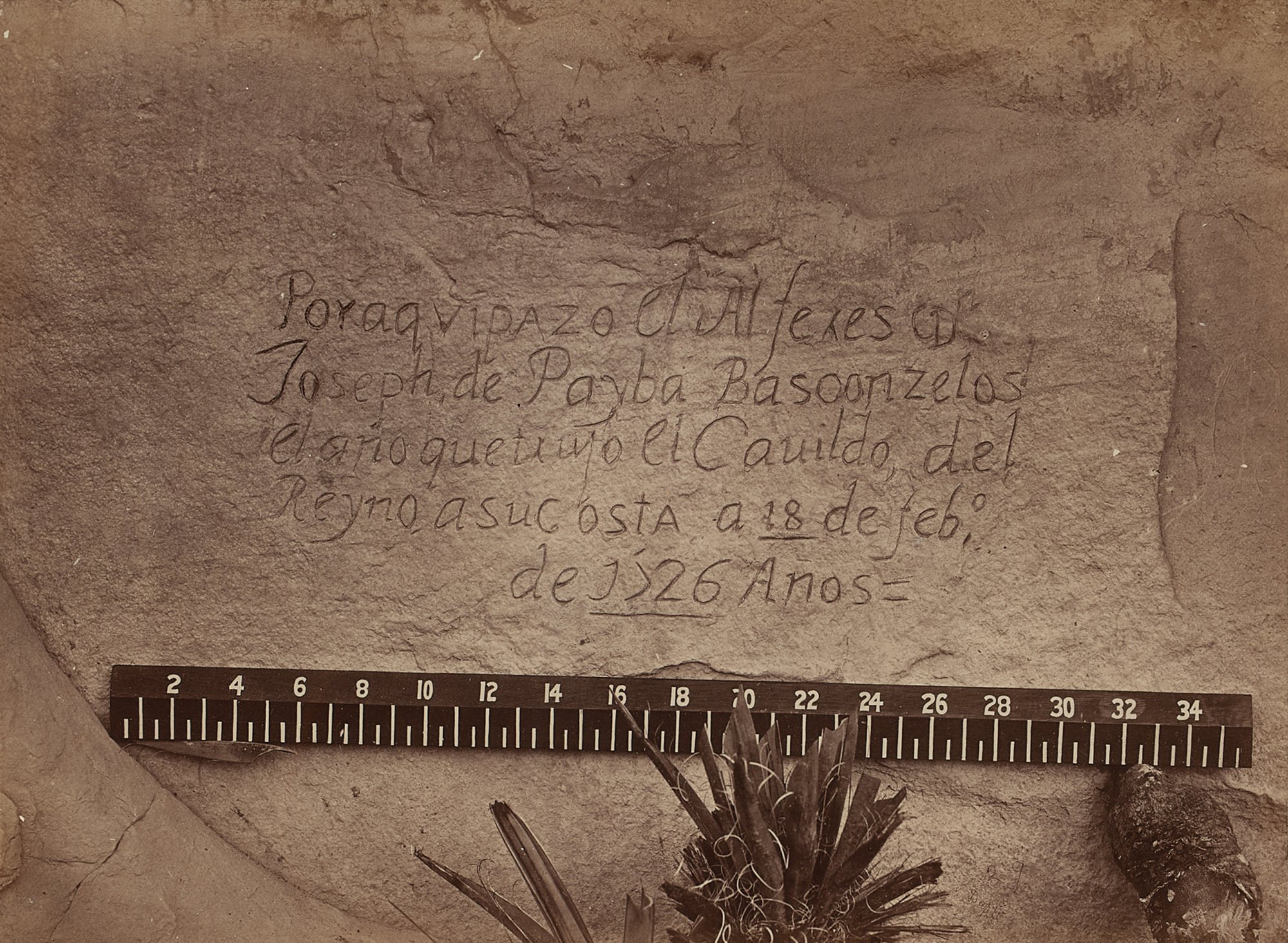
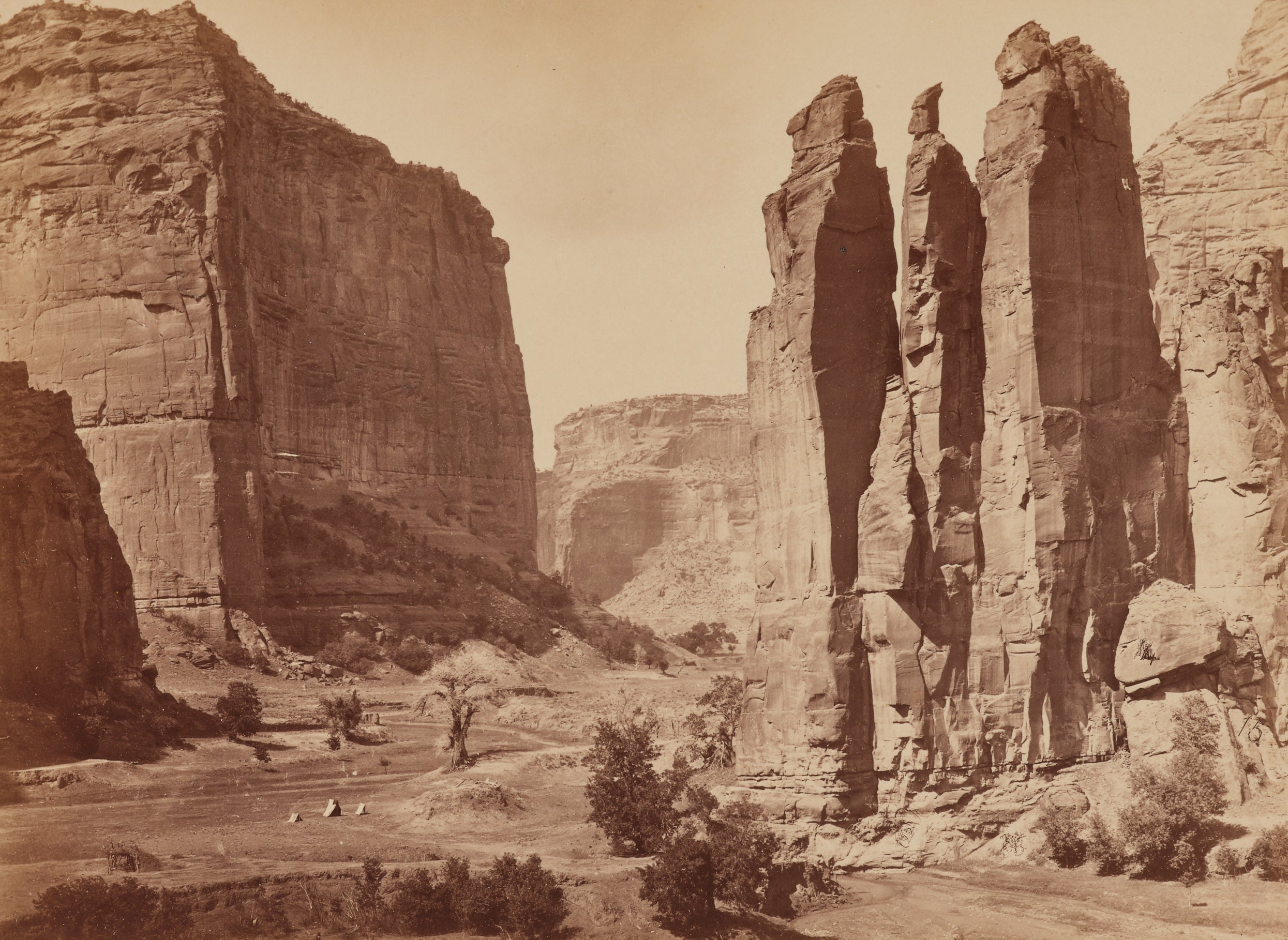
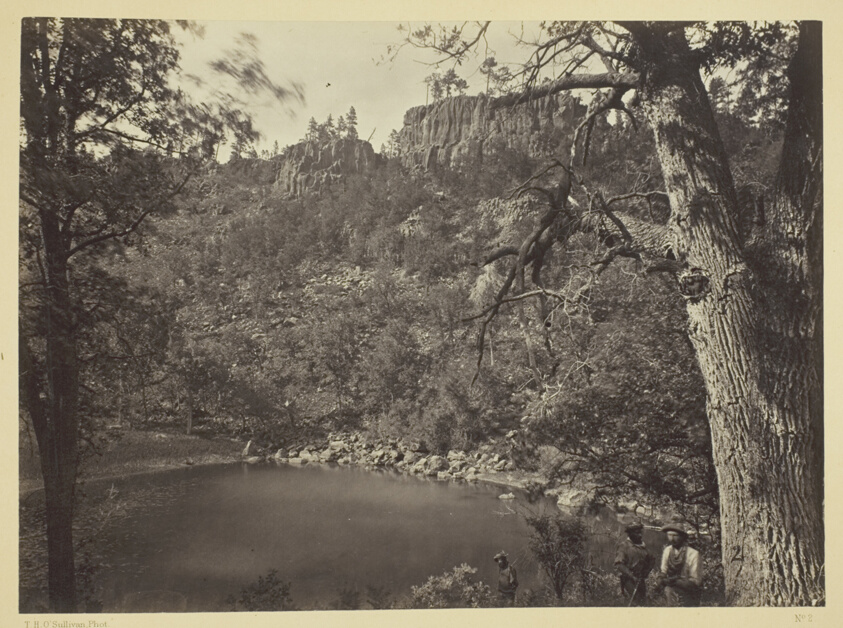
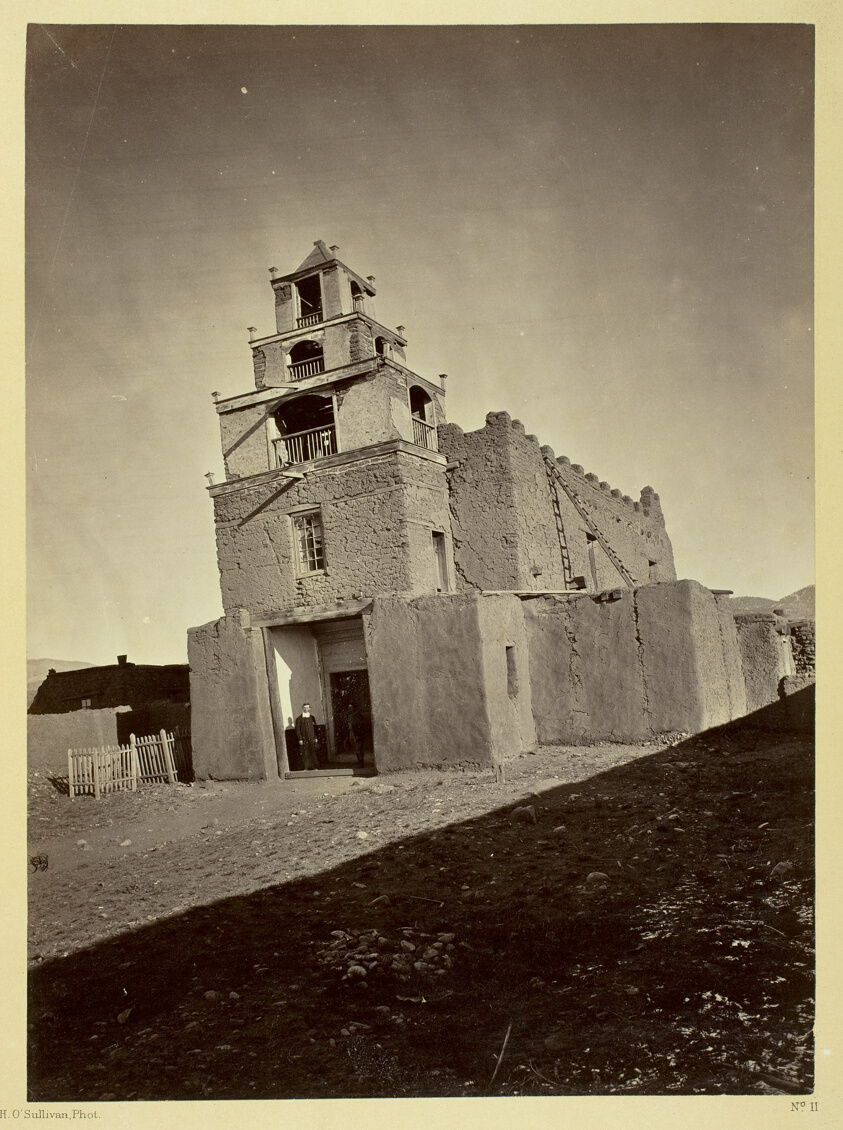
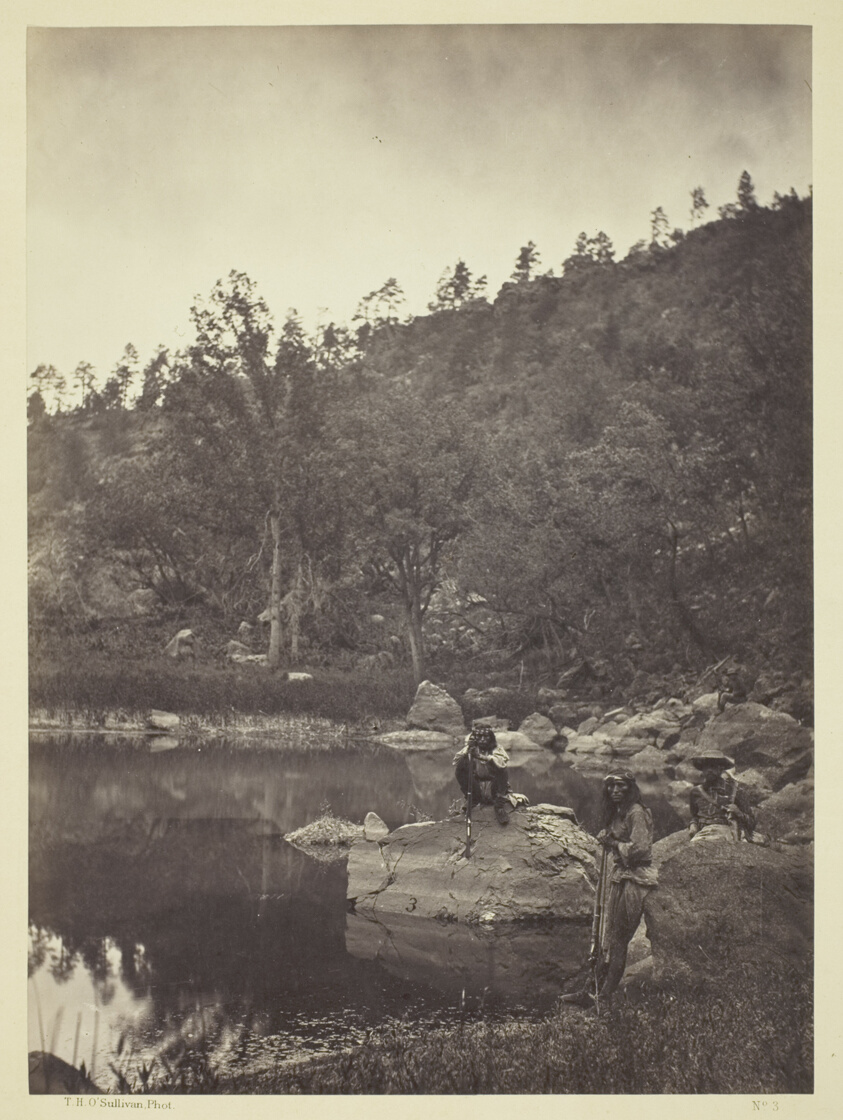
There are photographs that document, and then there are photographs that witness. Timothy H. O'Sullivan belonged firmly to the second category, and the art world has never stopped returning to his work to understand why. The Getty Museum, the Library of Congress, and the Metropolitan Museum of Art all hold significant bodies of his prints, and major survey exhibitions in recent decades have repositioned him not merely as a historical documentarian but as one of the supreme visual artists of the nineteenth century. When a set of his Wheeler Survey albumen prints appears at auction, the room… Continue reading
Spotted by
Artists in conversation
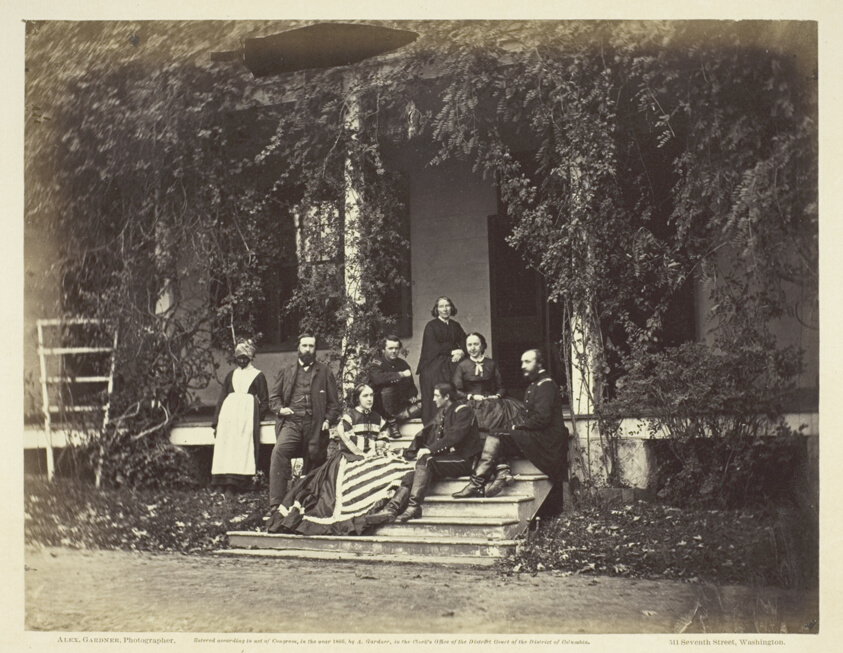
Alexander Gardner
Gardner worked alongside O'Sullivan documenting Civil War battlefields with wet collodion glass plates, producing equally unflinching images of death and destruction. Both photographers shared a commitment to stark documentary realism in depicting the American conflict.
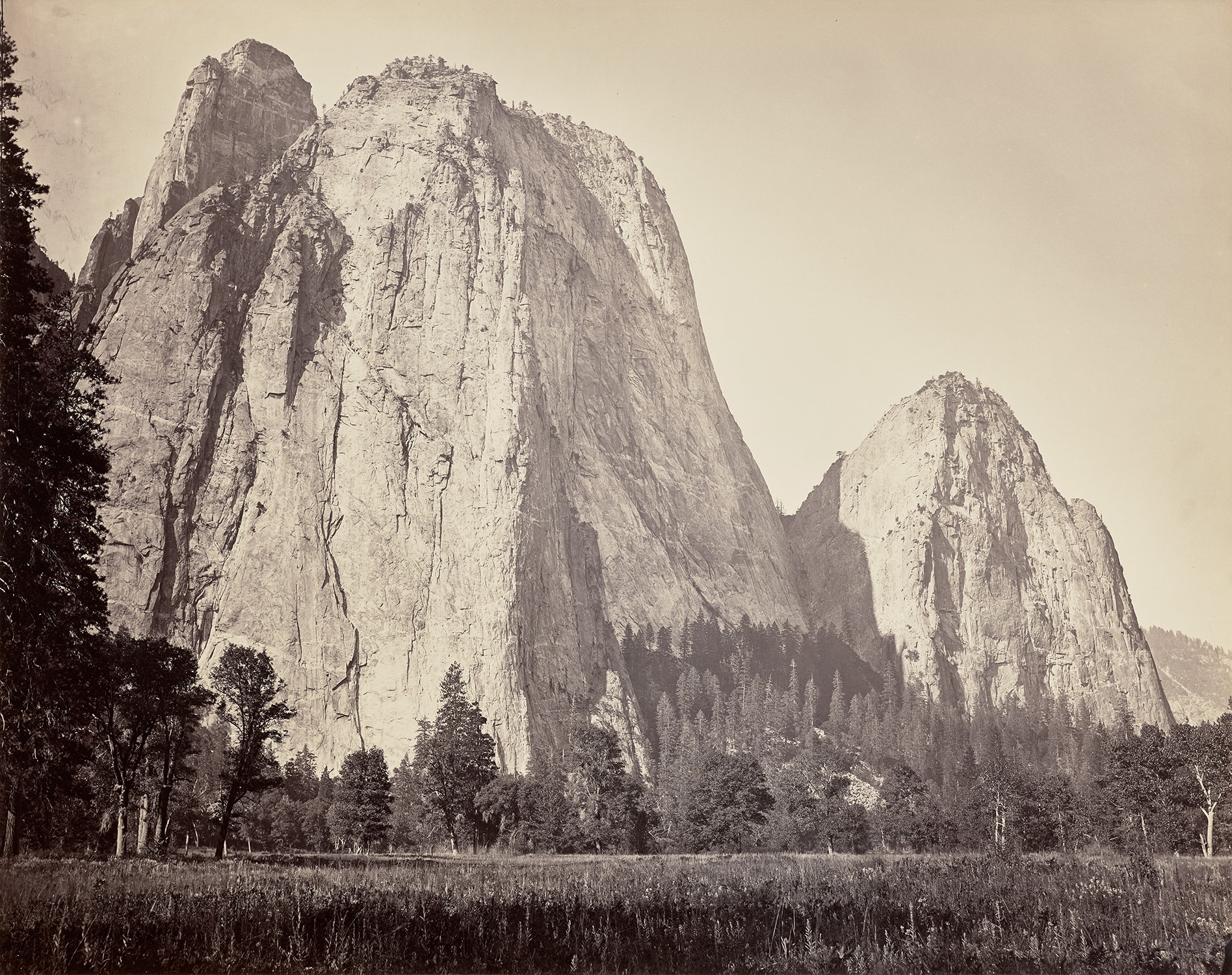
Carleton Watkins
Watkins was a contemporary Western landscape photographer who also produced monumental large format images of sublime American scenery under demanding field conditions. His formal compositional power and focus on the grandeur of the West closely parallels O'Sullivan's survey photography.
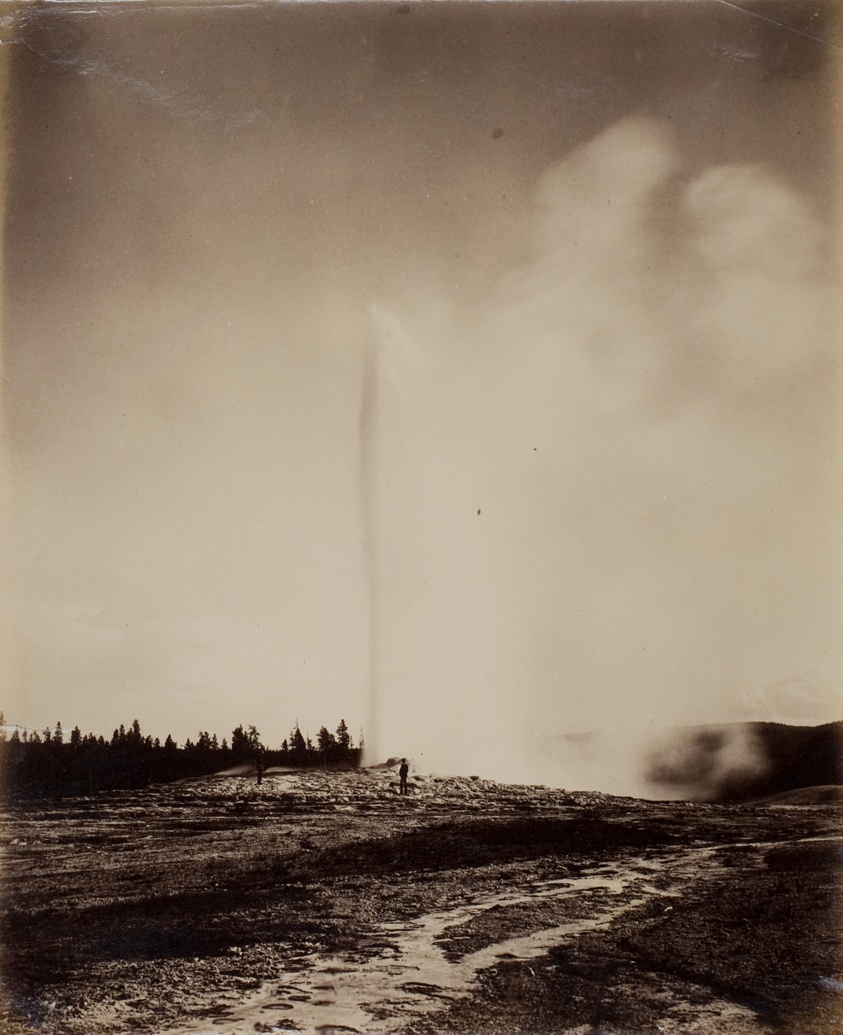
William Henry Jackson
Jackson similarly documented the American West on government geological surveys using cumbersome wet plate technology in remote terrain. His large format landscape photographs share O'Sullivan's sense of vast atmospheric scale and historical documentary purpose.
Artists who inspired them
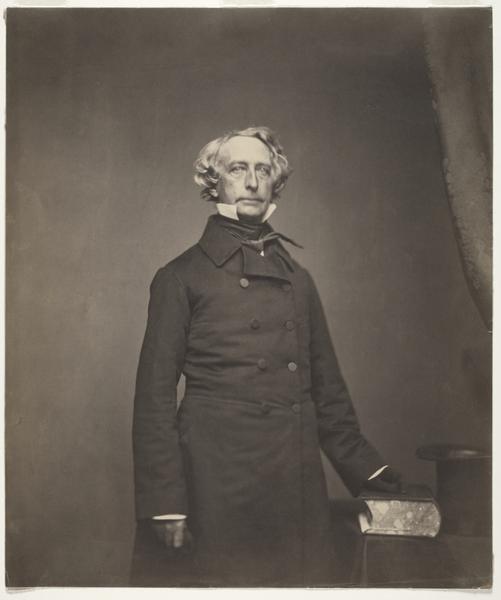
Mathew Brady
O'Sullivan began his photographic career working directly in Brady's studio and field operations during the Civil War, learning both the technical craft and the documentary ambition that would define his career. Brady's commitment to photographing the war as a historical record was foundational to O'Sullivan's own approach.
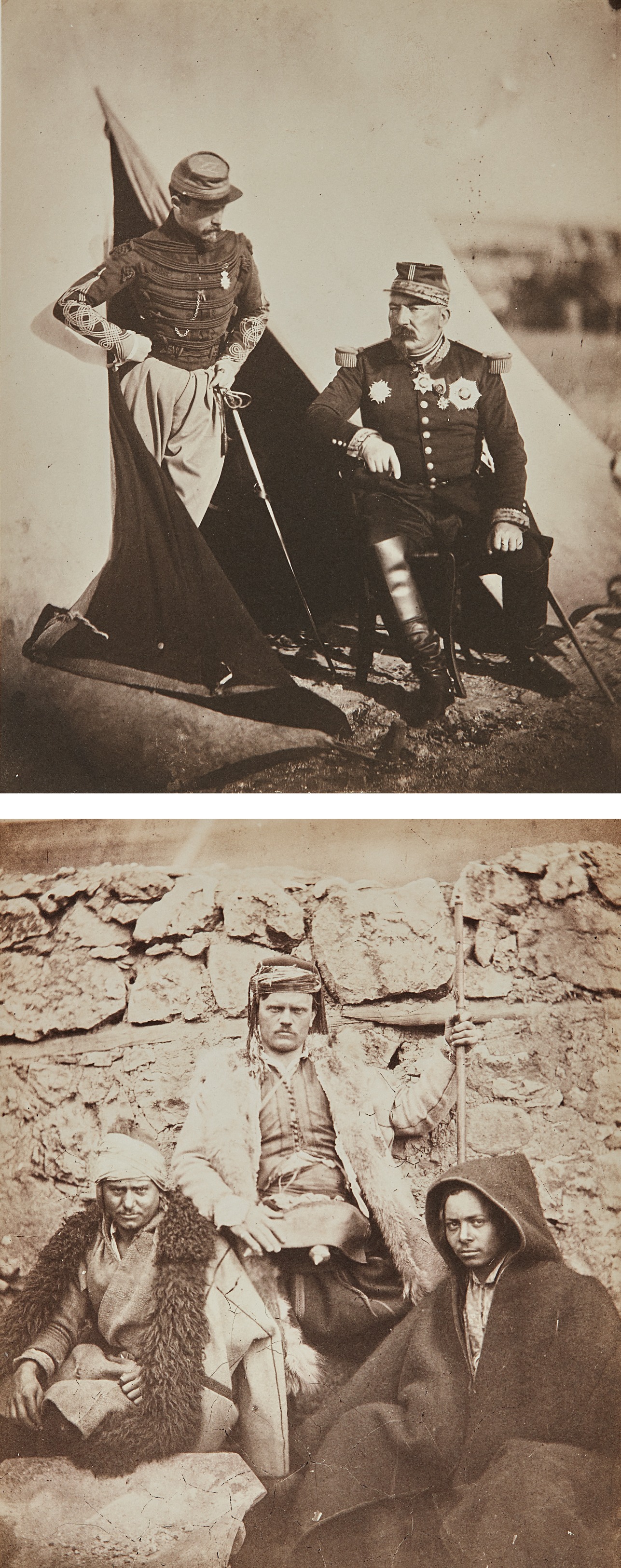
Roger Fenton
Fenton pioneered large scale war photography during the Crimean War, establishing the model of the documentary field photographer working under difficult combat conditions. His practice of bringing heavy photographic equipment into active military zones directly preceded and influenced how O'Sullivan approached his Civil War documentation.
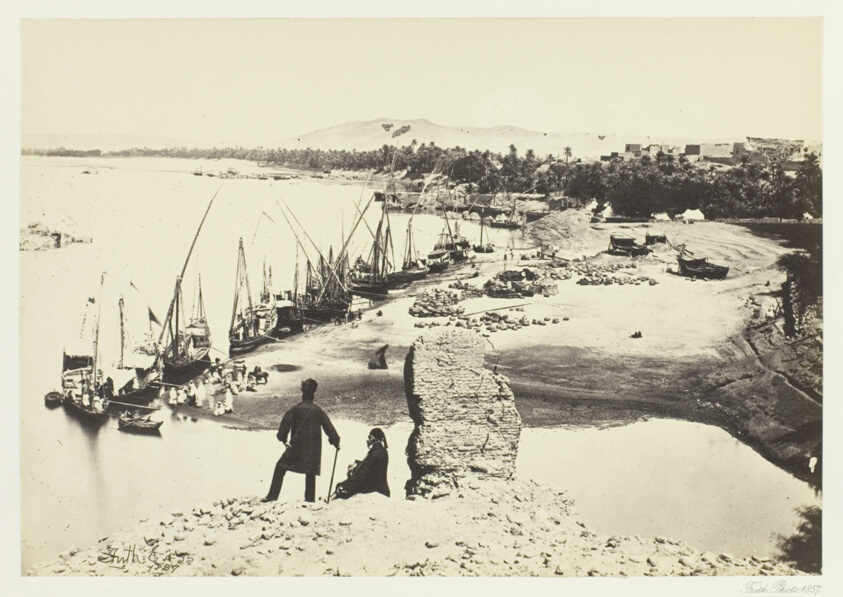
Francis Frith
Frith's ambitious large format landscape and architectural photography across Egypt and the Middle East demonstrated how photography could systematically document vast and remote territories. His example of using photography as a tool of geographic and cultural survey informed the spirit of O'Sullivan's Western expedition work.
Artists they inspired
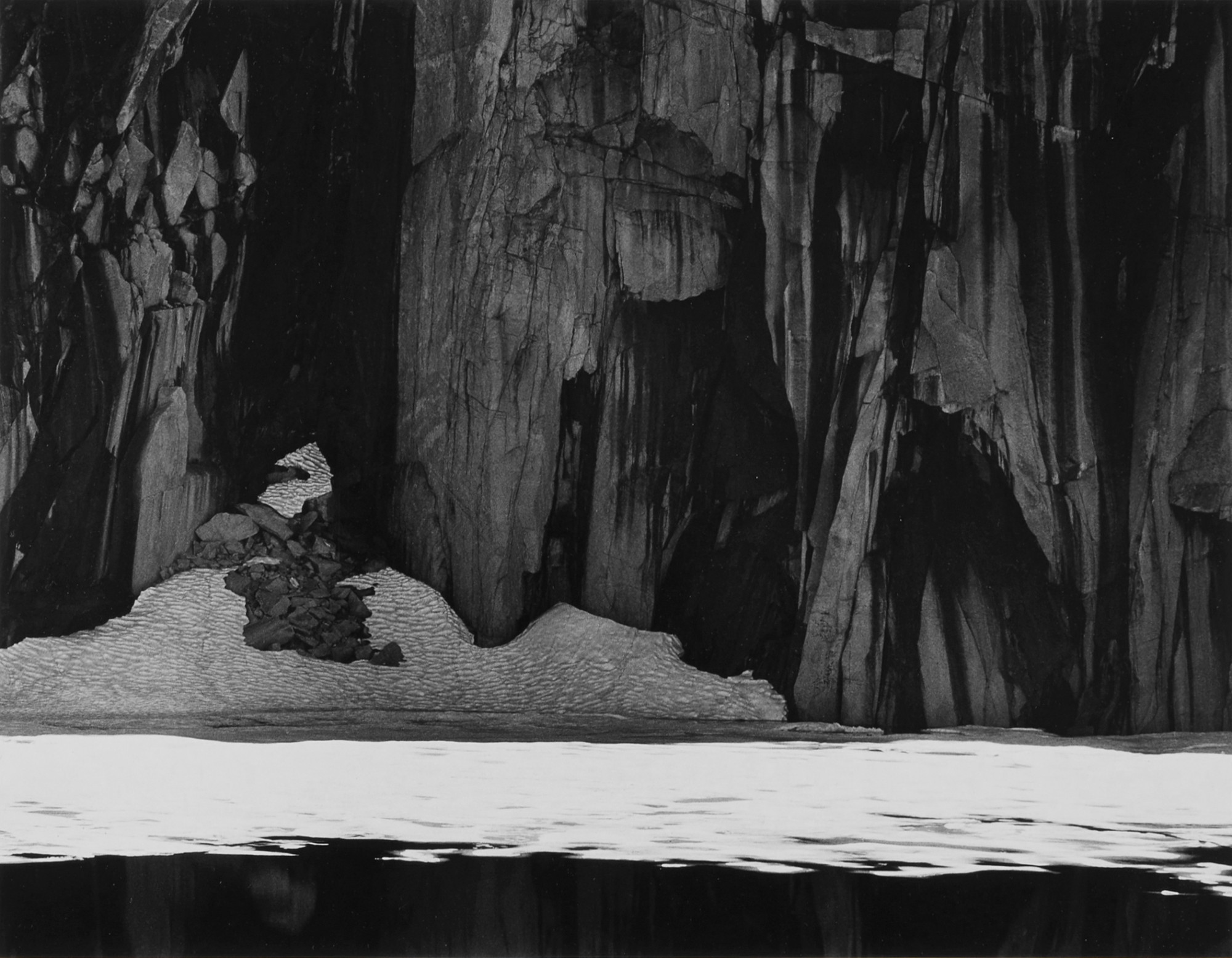
Ansel Adams
Adams drew extensively on O'Sullivan's tradition of grand formal landscape photography of the American West, citing 19th century survey photographers as essential predecessors. His approach to rendering vast Western terrain with tonal precision and compositional authority is deeply indebted to O'Sullivan's pioneering work.
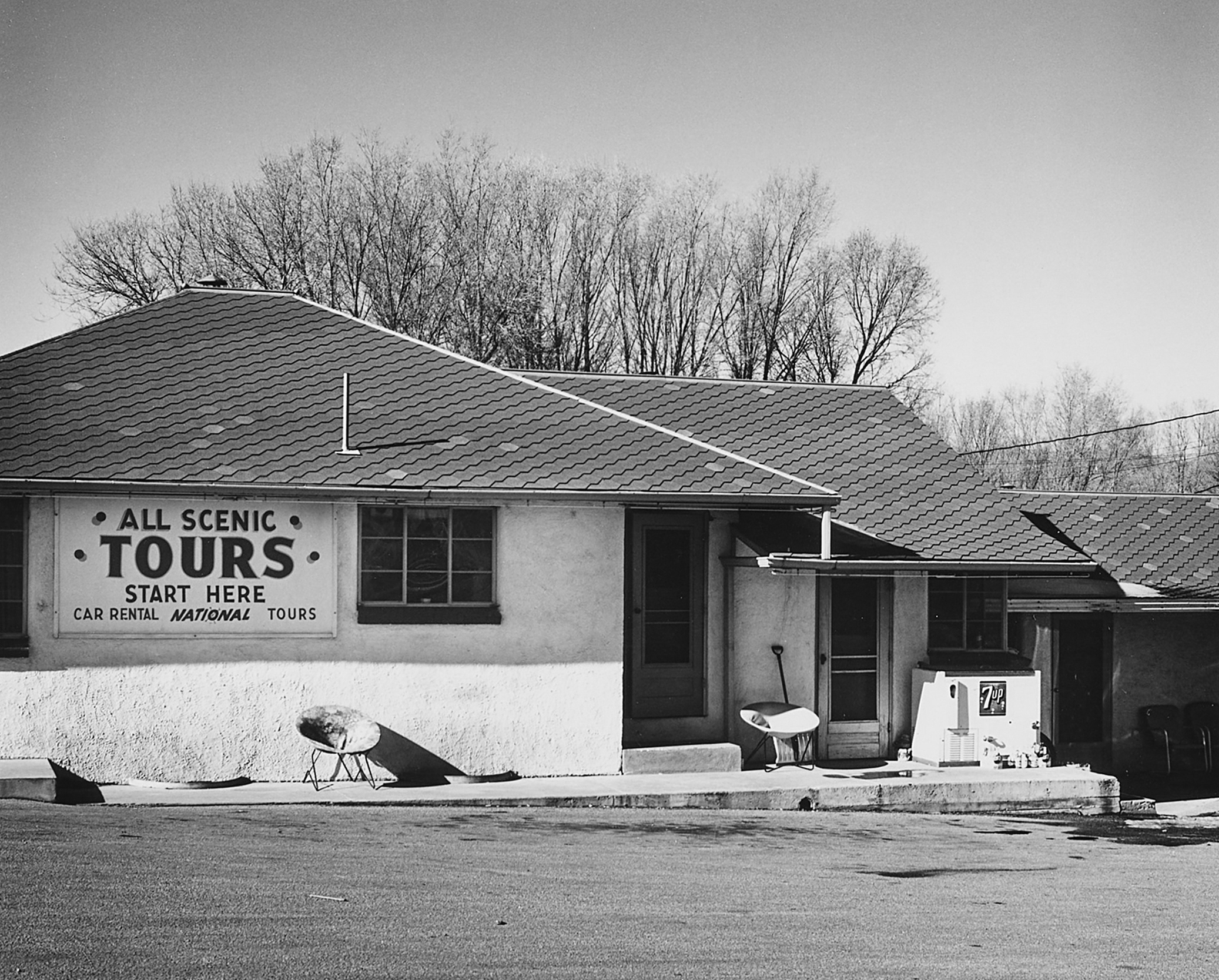
Robert Adams
Robert Adams engaged directly with the legacy of O'Sullivan's Western survey photography in his own documentary landscape work, acknowledging the earlier photographer's stark honest vision of the American landscape. His stripped down formal approach and commitment to truthful documentation reflect O'Sullivan's enduring influence on American photography.
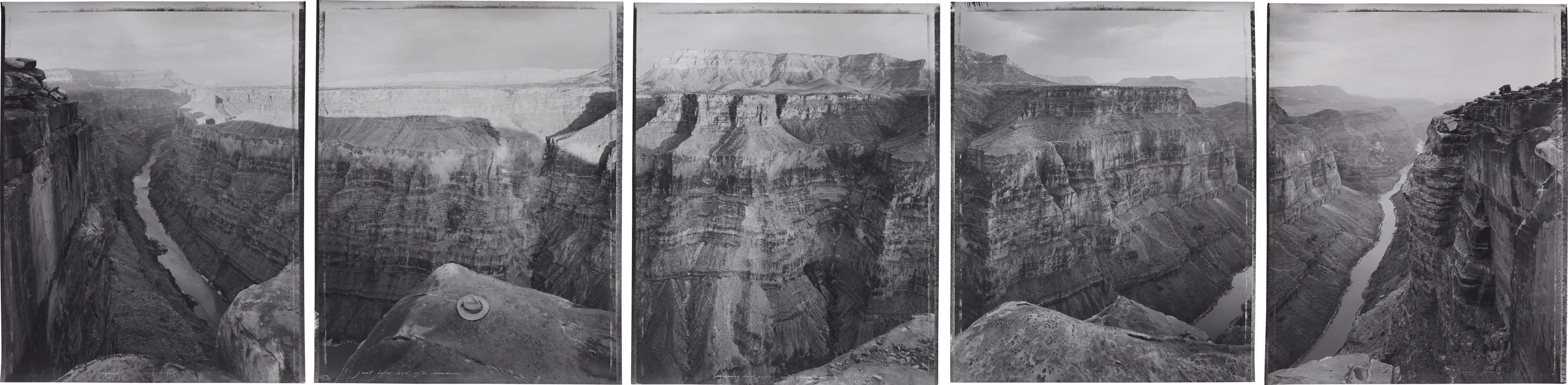
Mark Klett
Klett led the Rephotographic Survey Project which systematically returned to and rephotographed O'Sullivan's exact Western survey locations, placing O'Sullivan at the explicit center of his artistic inquiry. This project confirmed O'Sullivan's fundamental role in shaping the tradition of documentary landscape photography in America.