Digital Art
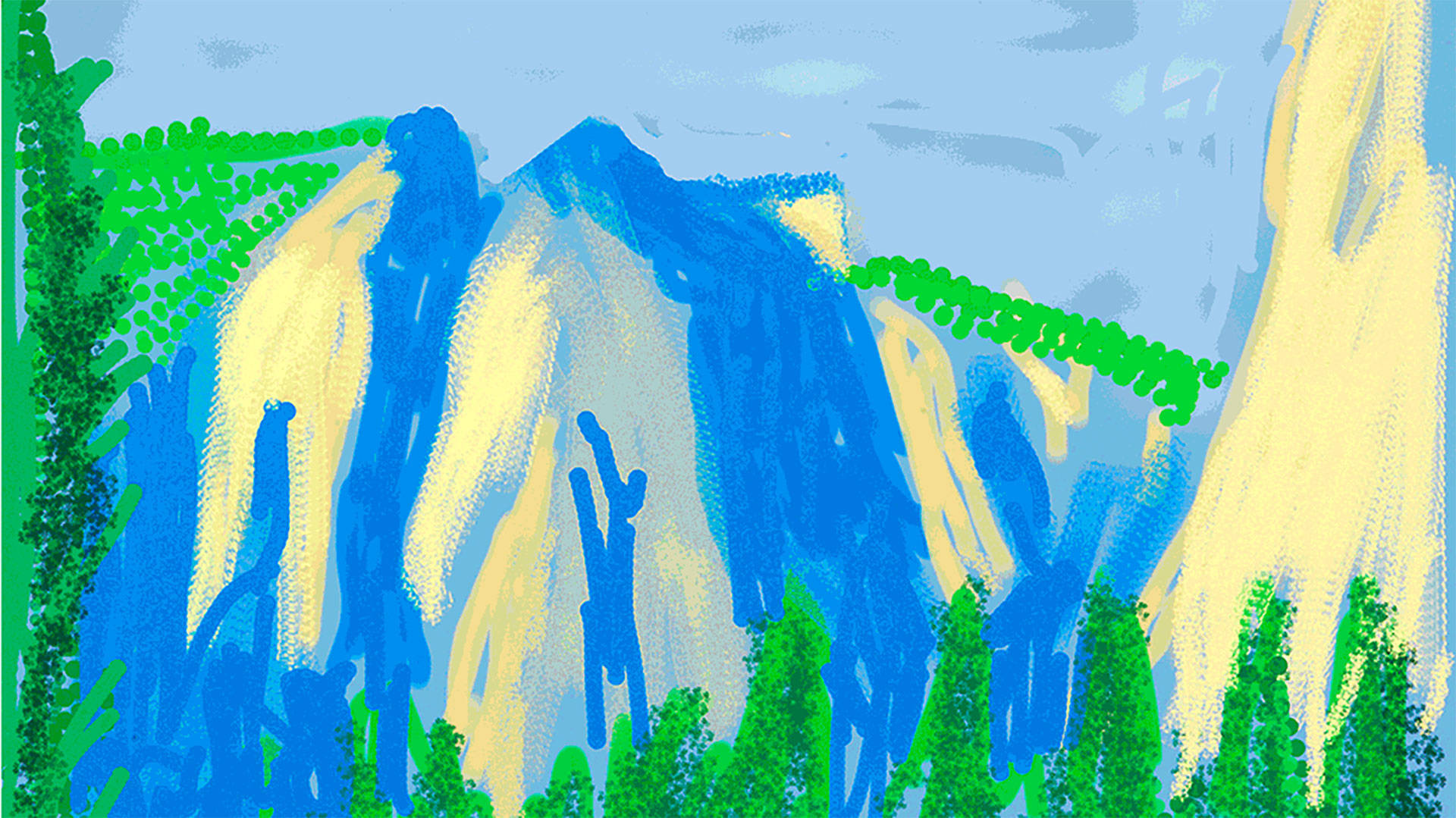
David Hockney
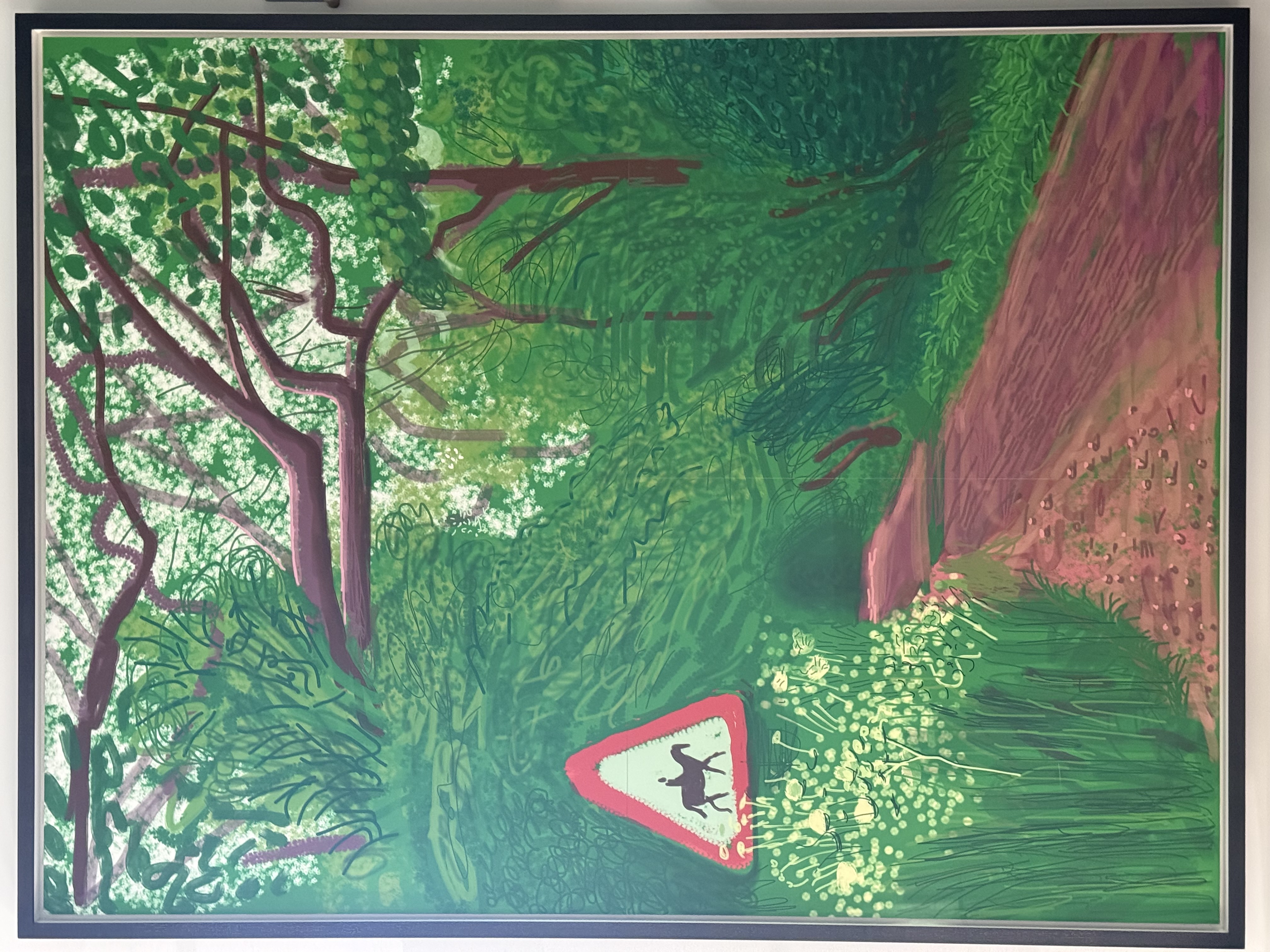
Yosemite I, October 16th 2011, 2011


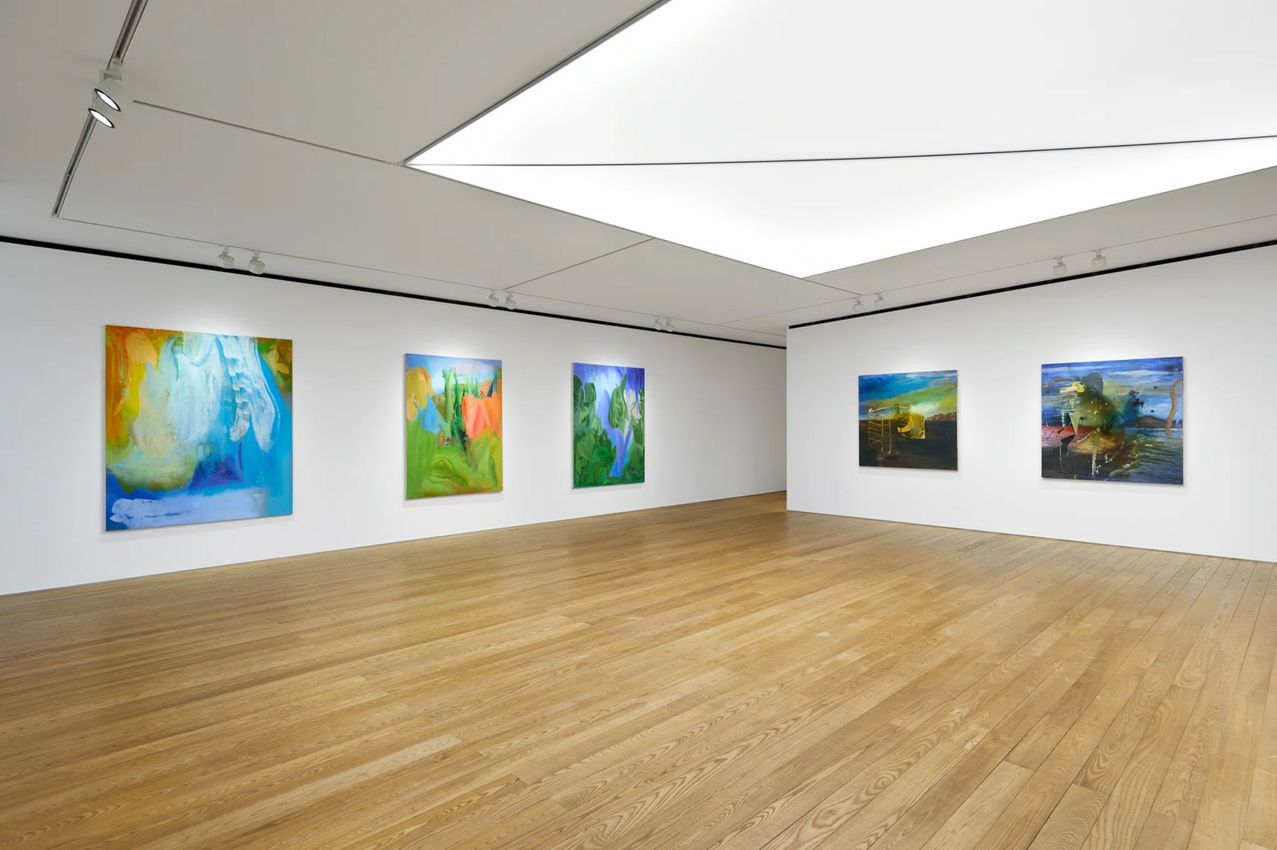
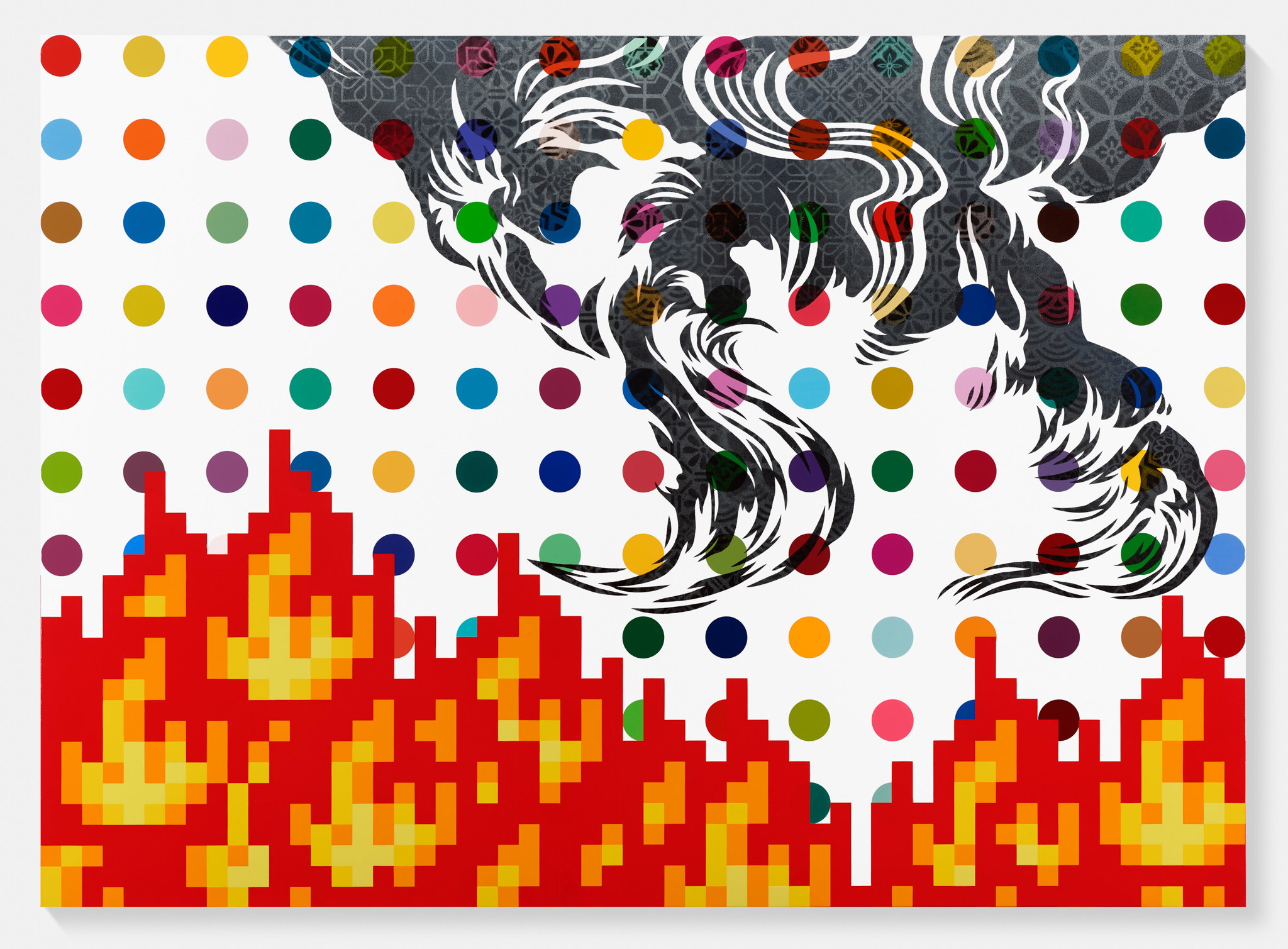
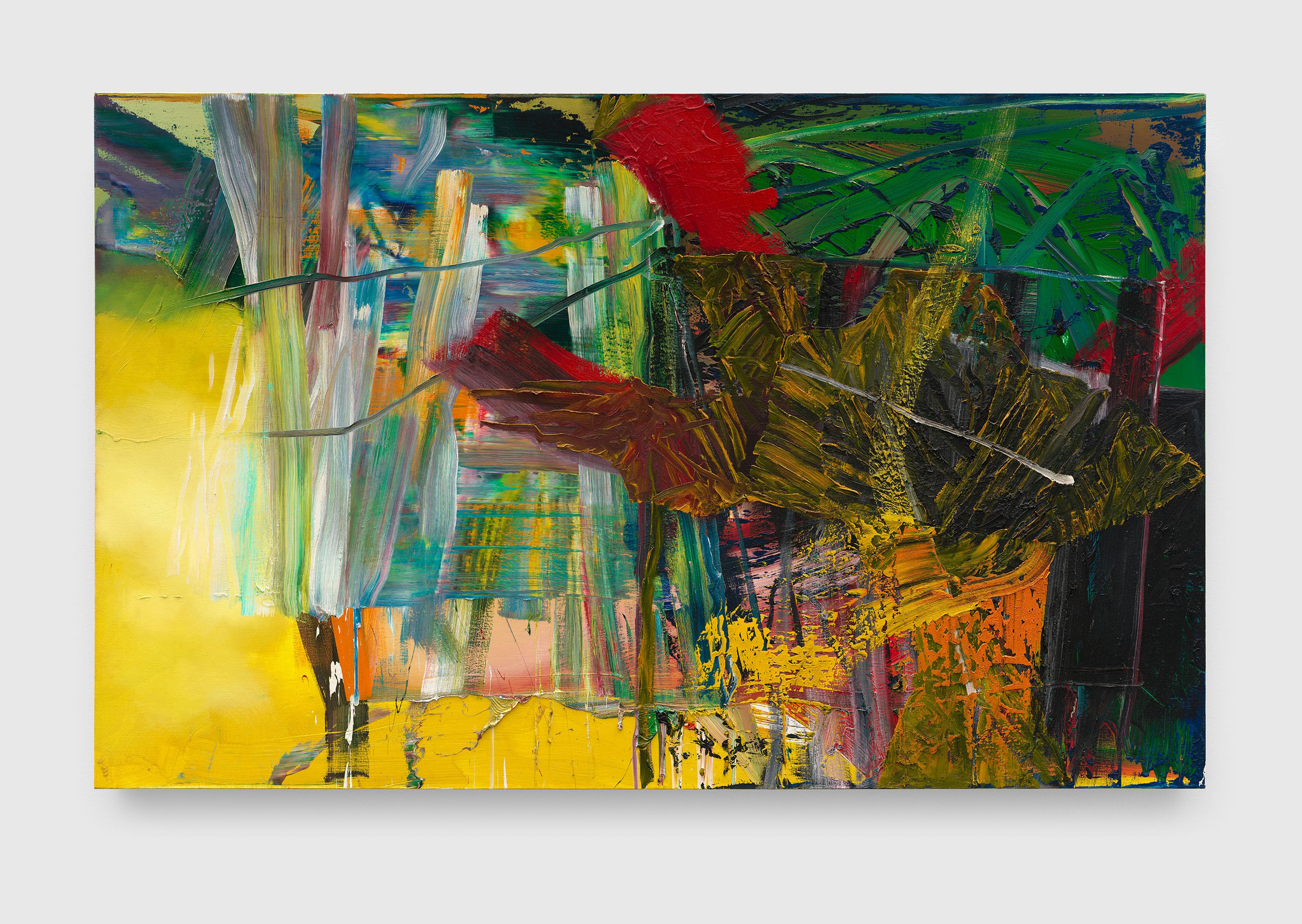
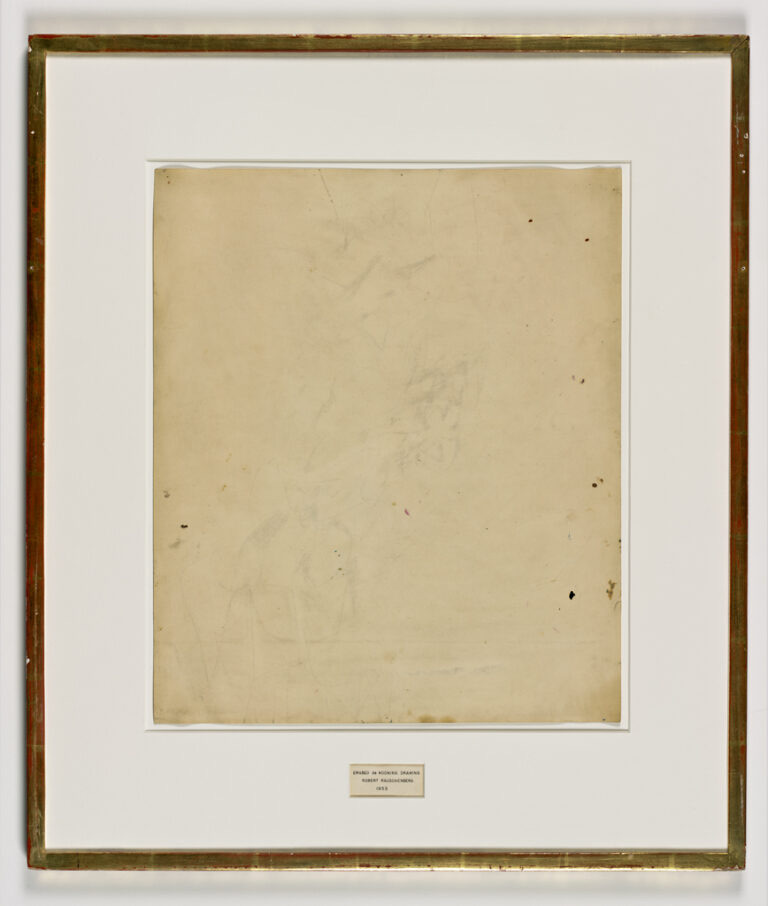
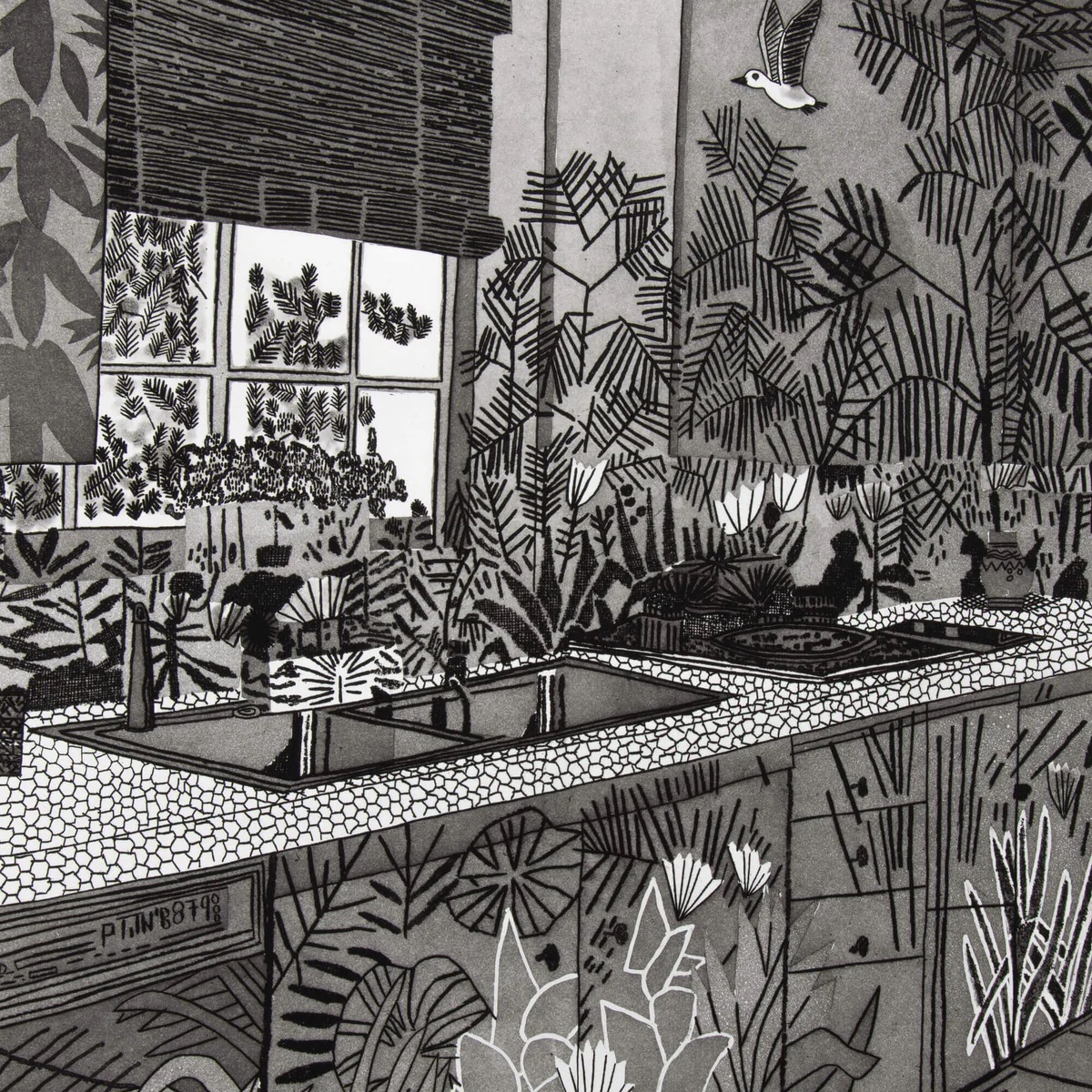
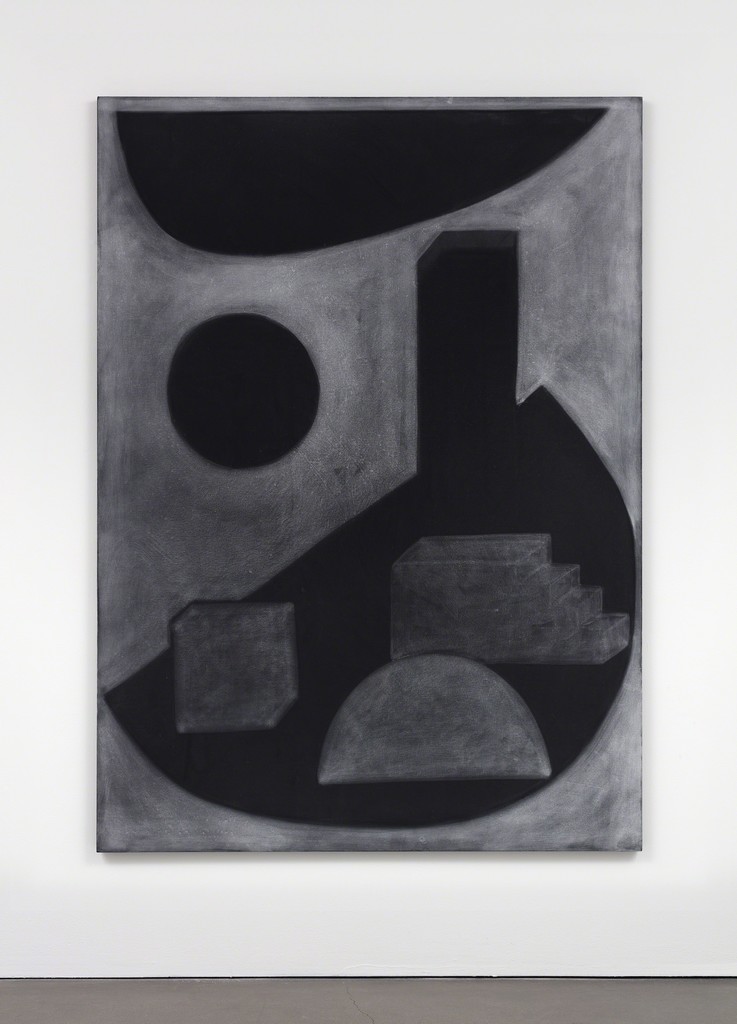
The Screen Is Now the Wall
There is a particular kind of collector who first encounters a digital work and feels something unexpected: not the cool remove they anticipated, but a pull. The image moves, or it breathes, or it watches you back. Living with digital art is not the passive experience that skeptics assume. The screen becomes a presence in a room in ways that static objects rarely achieve, and the works that hold a collector's attention over years tend to be those that reveal something new depending on the light, the hour, or simply your own shifting mood.
This is what draws serious collectors into the category and what tends to keep them there long after the novelty of the technology has worn off. The question of what separates a good digital work from a great one is, in many ways, no different from the question you would ask about painting or sculpture. Does the work have genuine artistic necessity, or does it use its medium as a crutch? The worst digital art hides behind its own spectacle.
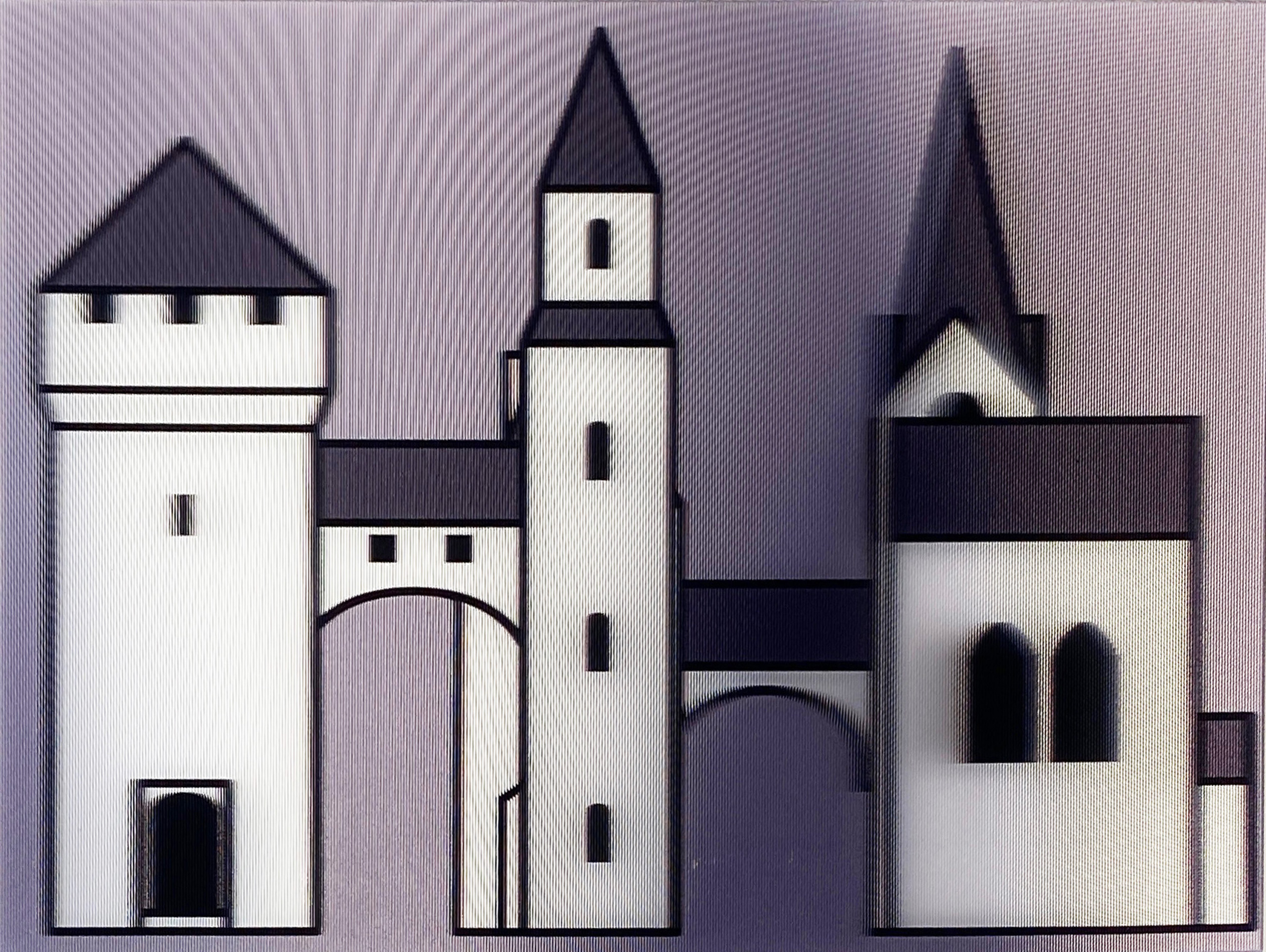
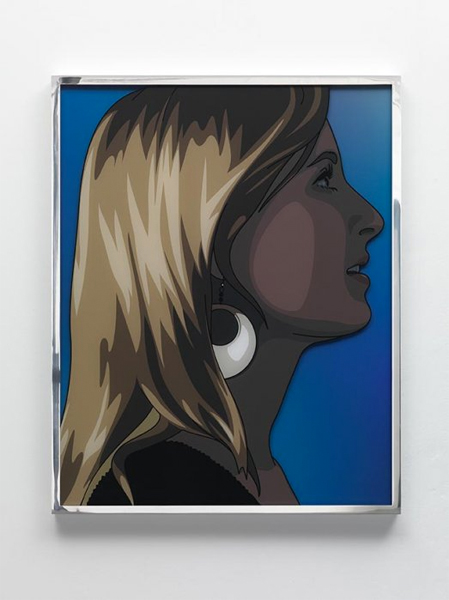
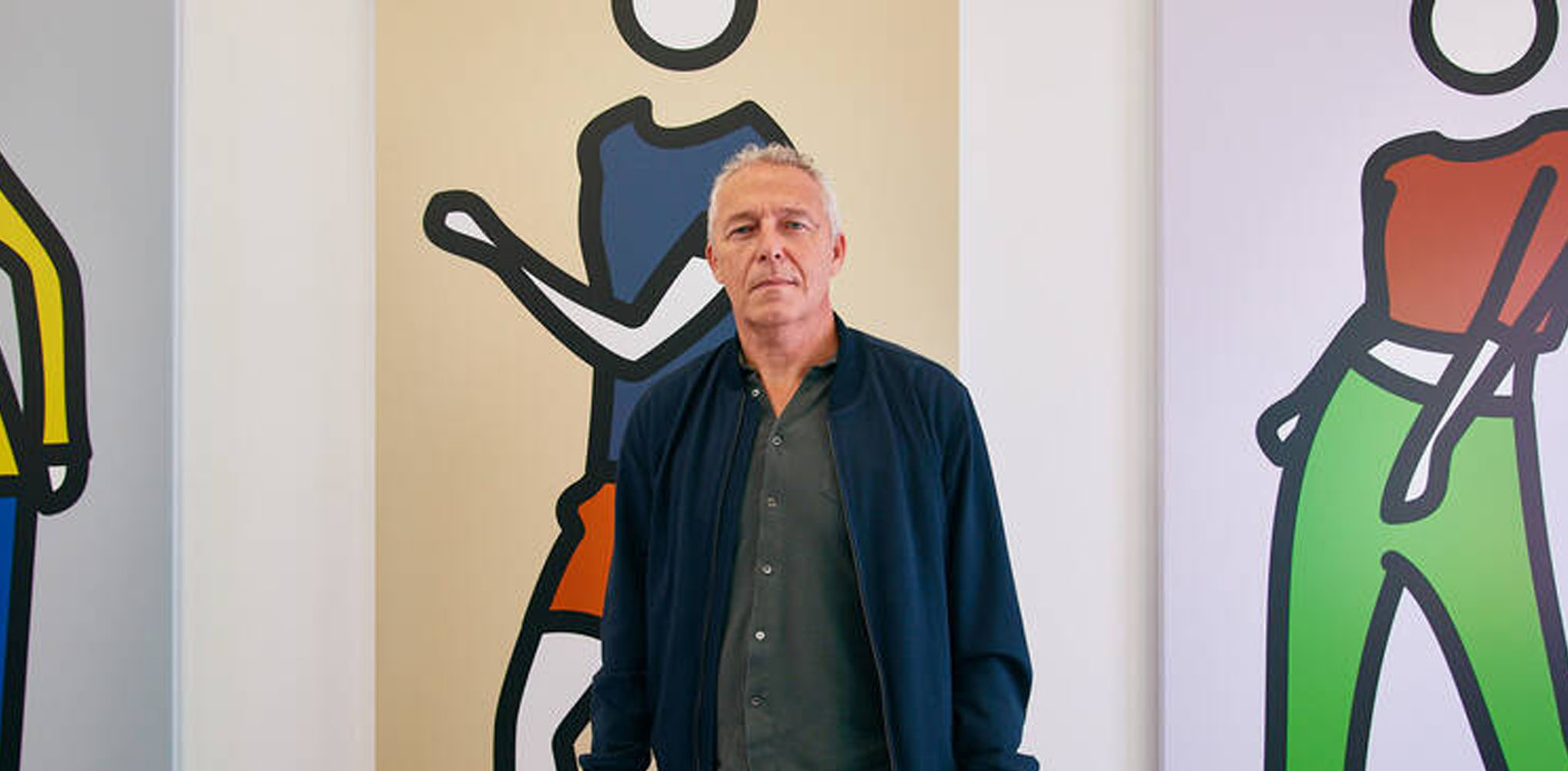
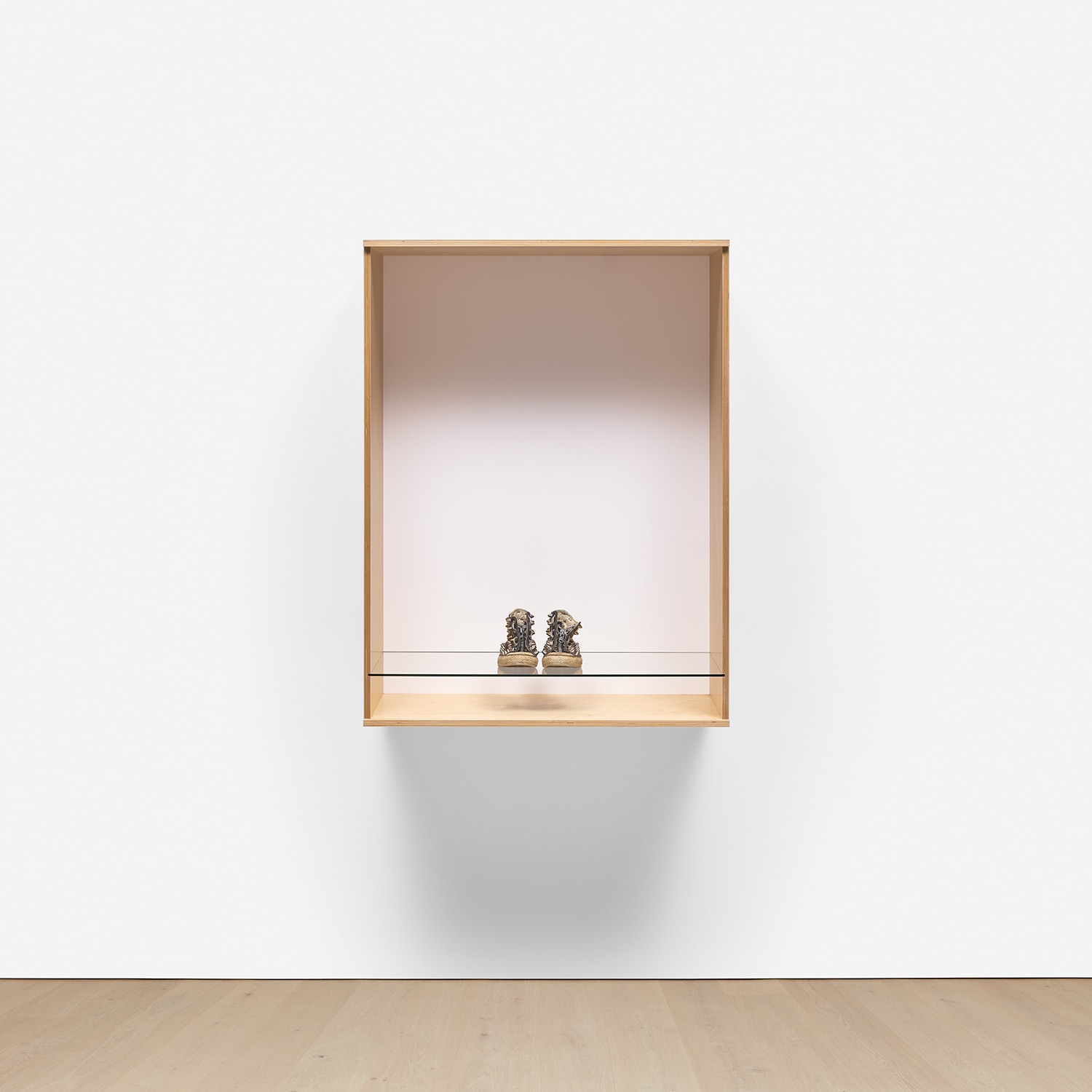
Julian Opie
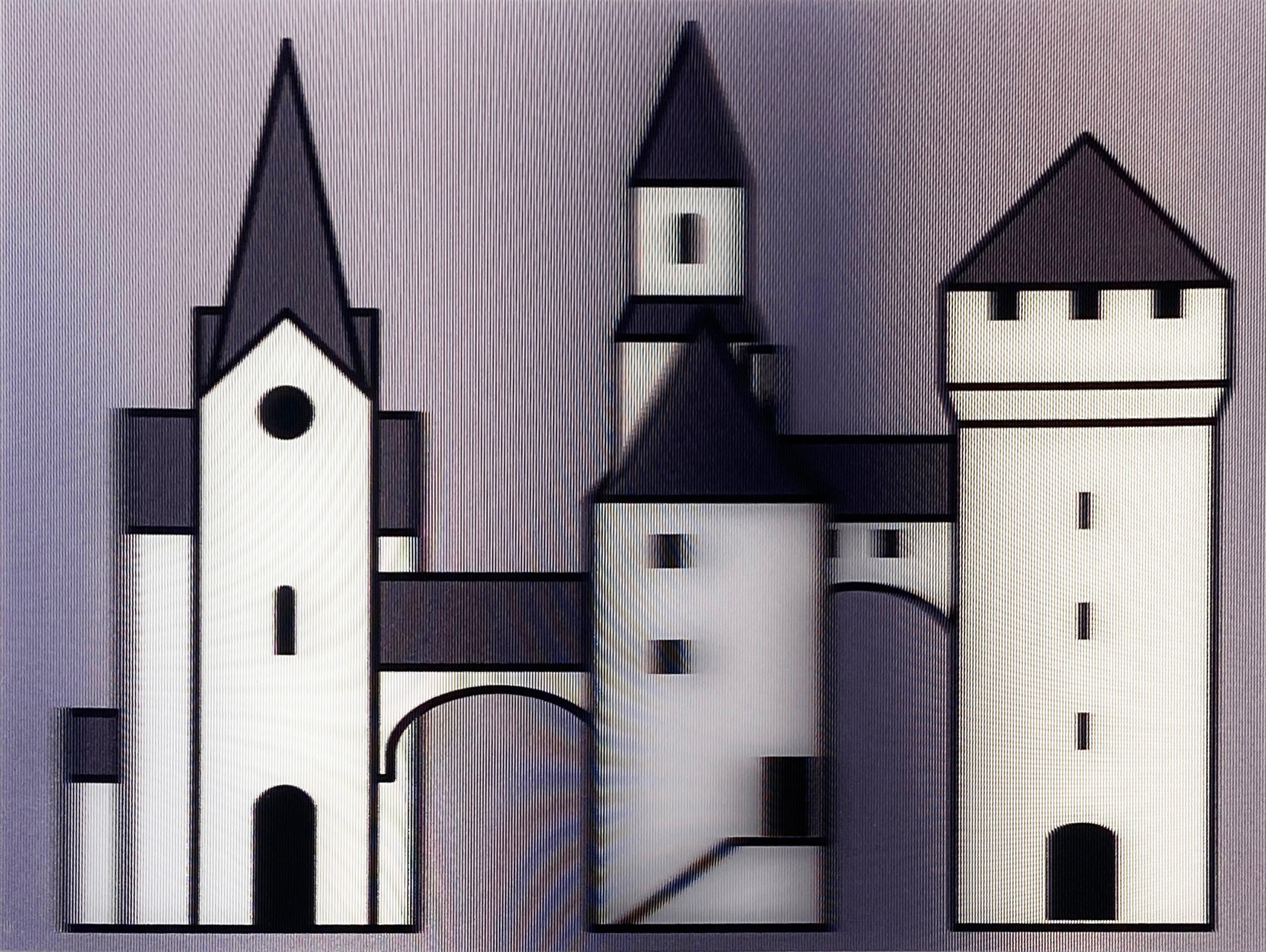
Medieval Village #1, 2019
The best uses the properties of the digital, the mutability, the light emission, the potential for duration and movement, to say something that could not have been said any other way. When Cory Arcangel strips a Super Mario Bros. cartridge down to nothing but its procedurally generated clouds, the gesture is both wry and genuinely melancholy. The work could not exist in any other form, and that irreducibility is the mark you are looking for.
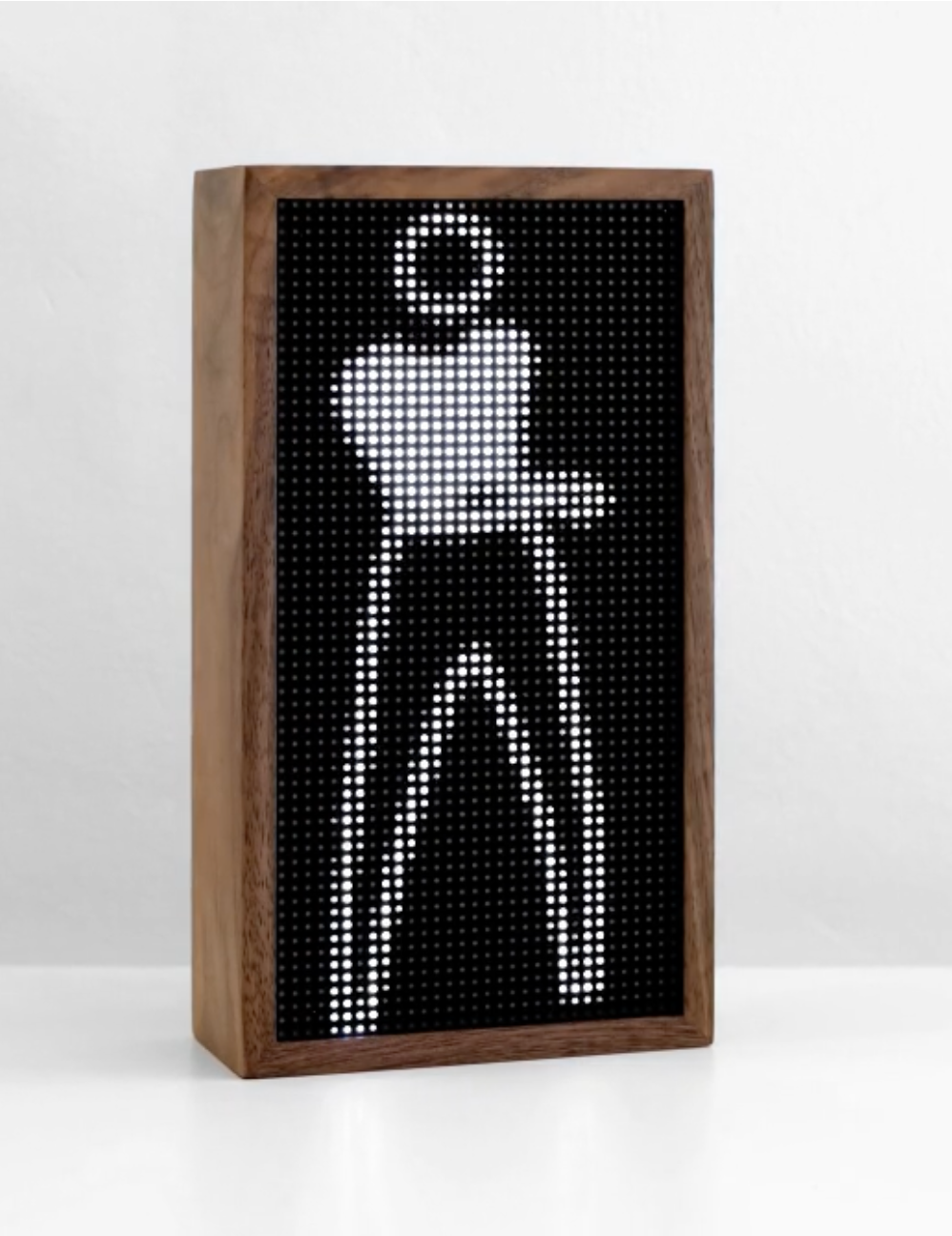
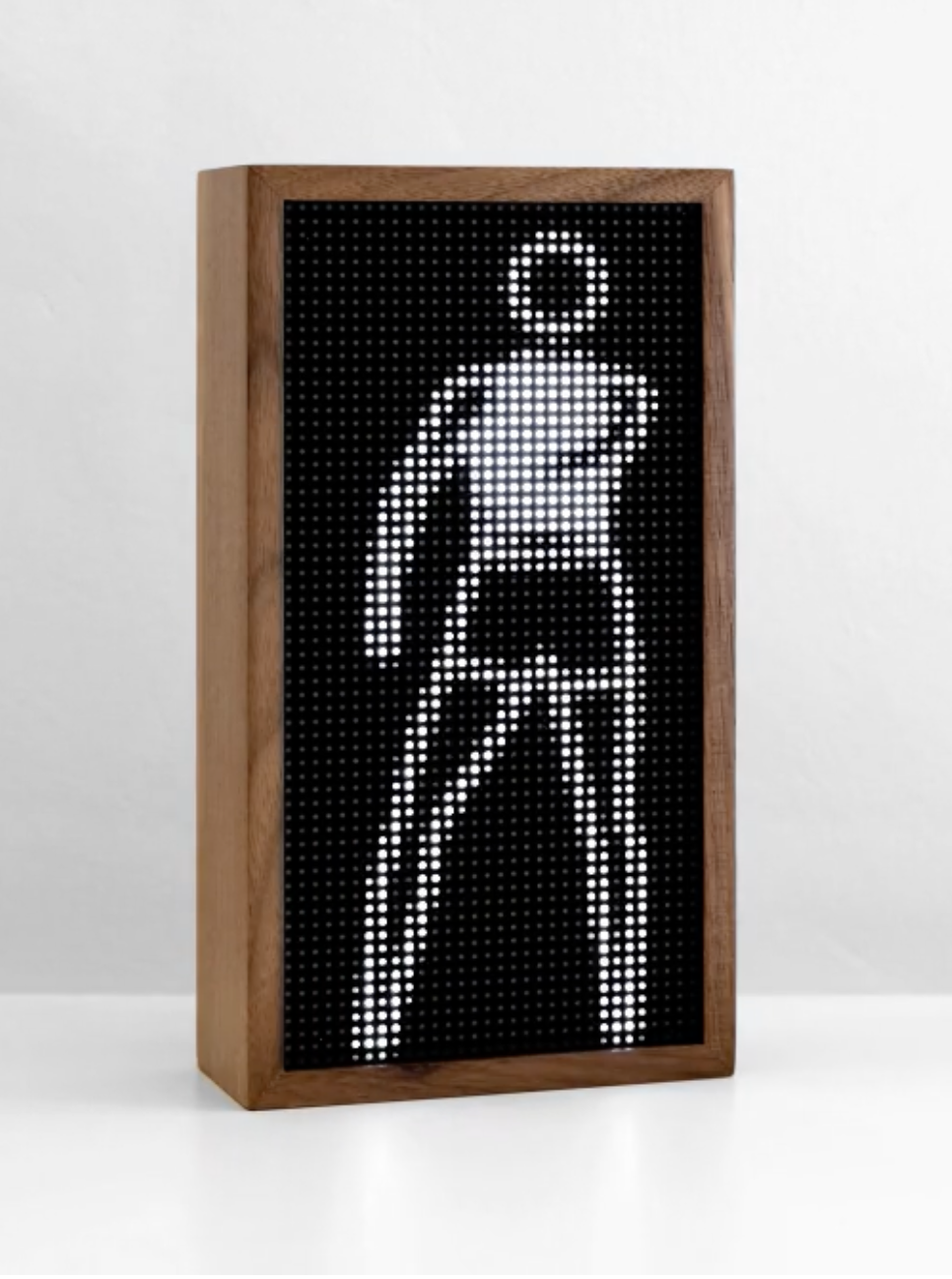
For collectors building a serious position in this space, a handful of artists stand out as particularly important anchors. Julian Opie is as well represented on The Collection as anywhere, and rightly so. His work moves fluidly between digital and physical manifestations, which makes it exceptionally legible to collectors navigating both worlds. His LED portraits and animations have a deceptive simplicity that rewards long looking, and his market has remained remarkably stable across economic cycles.
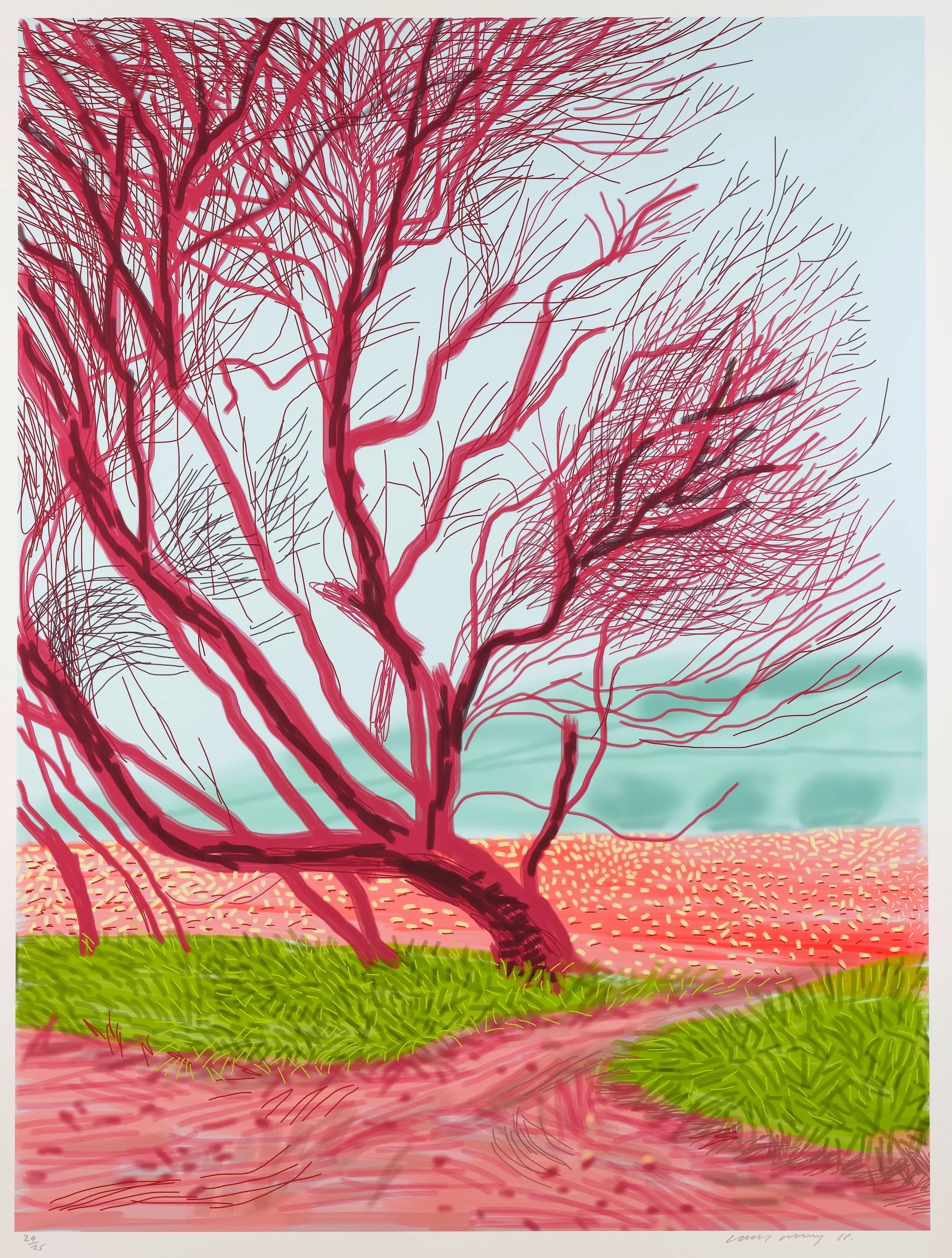
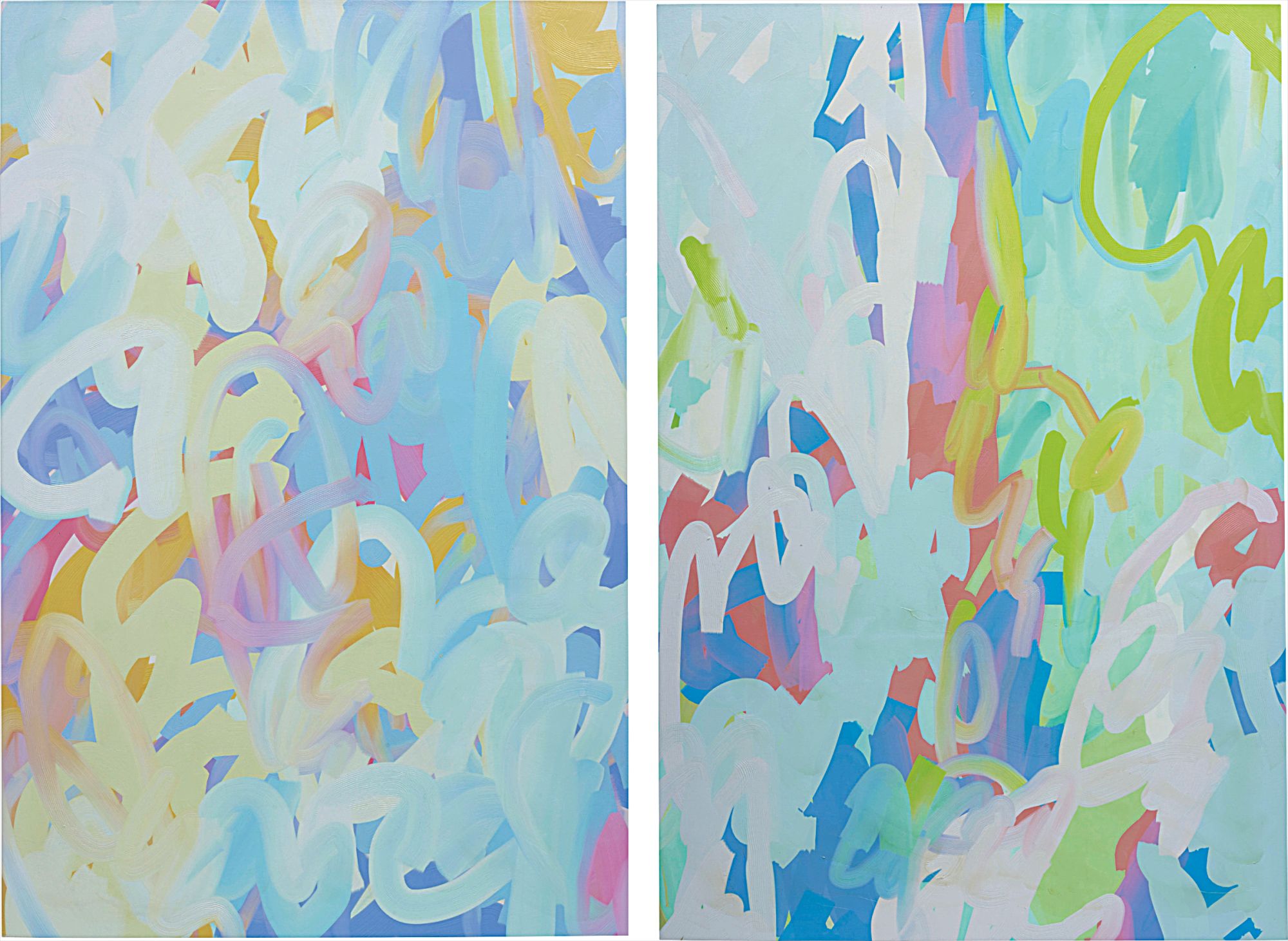
David Hockney
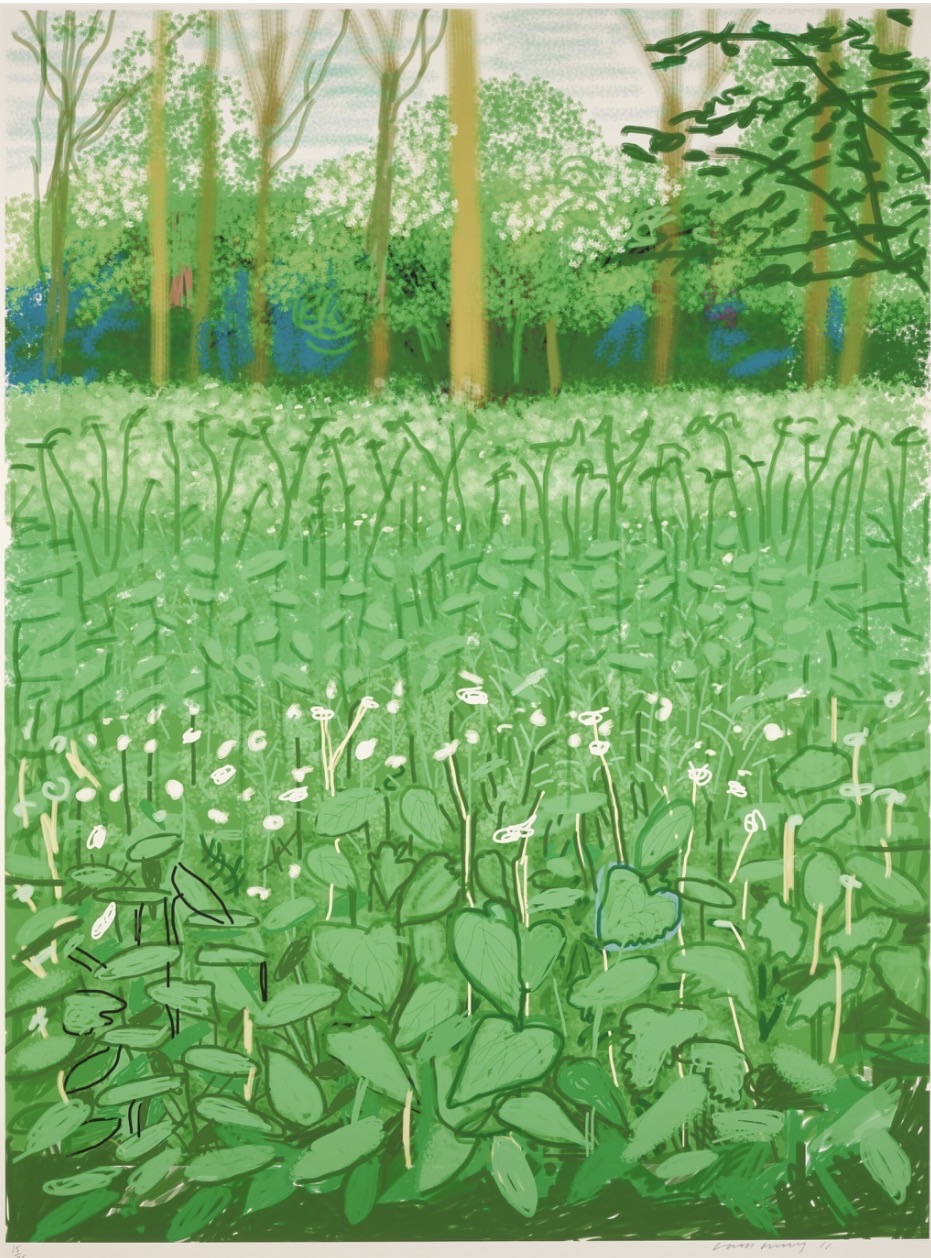
The Arrival of Spring in Woldgate, East Yorkshire in 2011, 2011
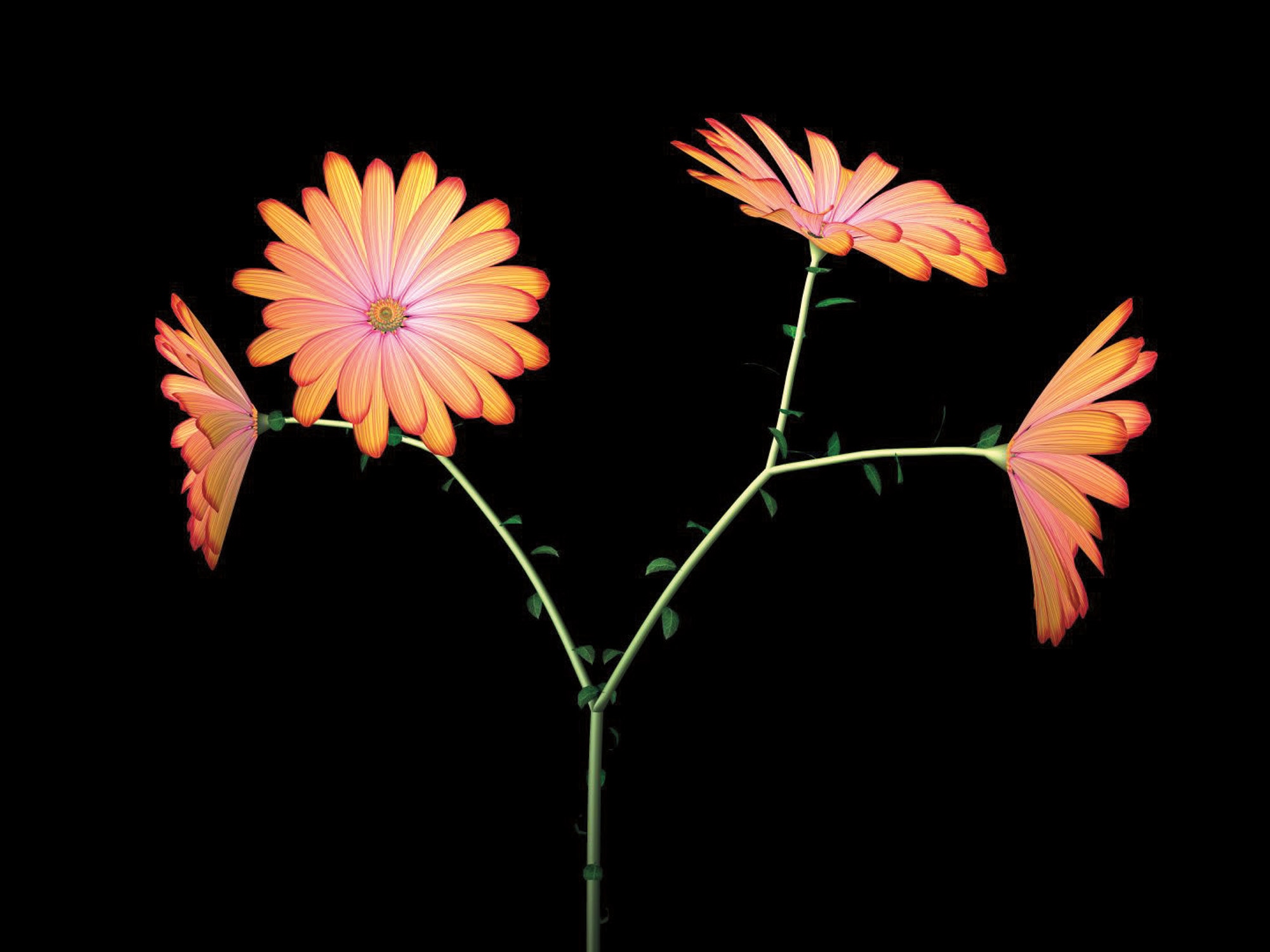
David Hockney's explorations of the iPad as a primary tool produced some of the most talked about works of his late career, and they raised fundamental questions about authenticity and touch that the art world is still working through. Owning one of those works now feels like holding a document of a very particular moment in art history. Refik Anadol occupies a different register entirely. His large scale data paintings have made him one of the most publicly visible artists working anywhere, and the institutional appetite for his work, from the Museum of Modern Art to major architecture commissions, suggests a market floor that is unlikely to shift dramatically.
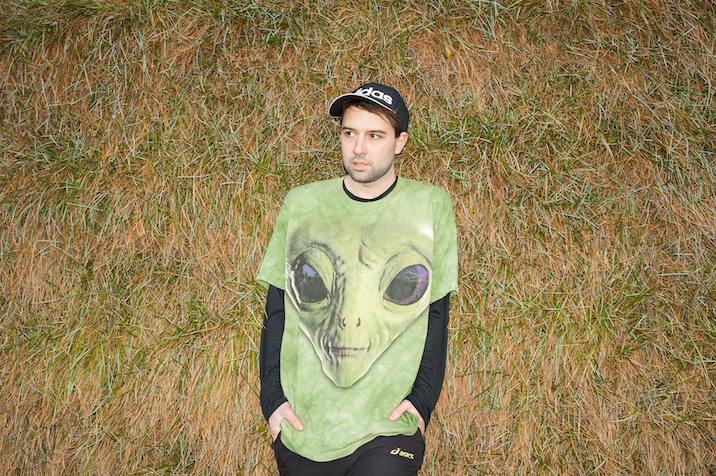
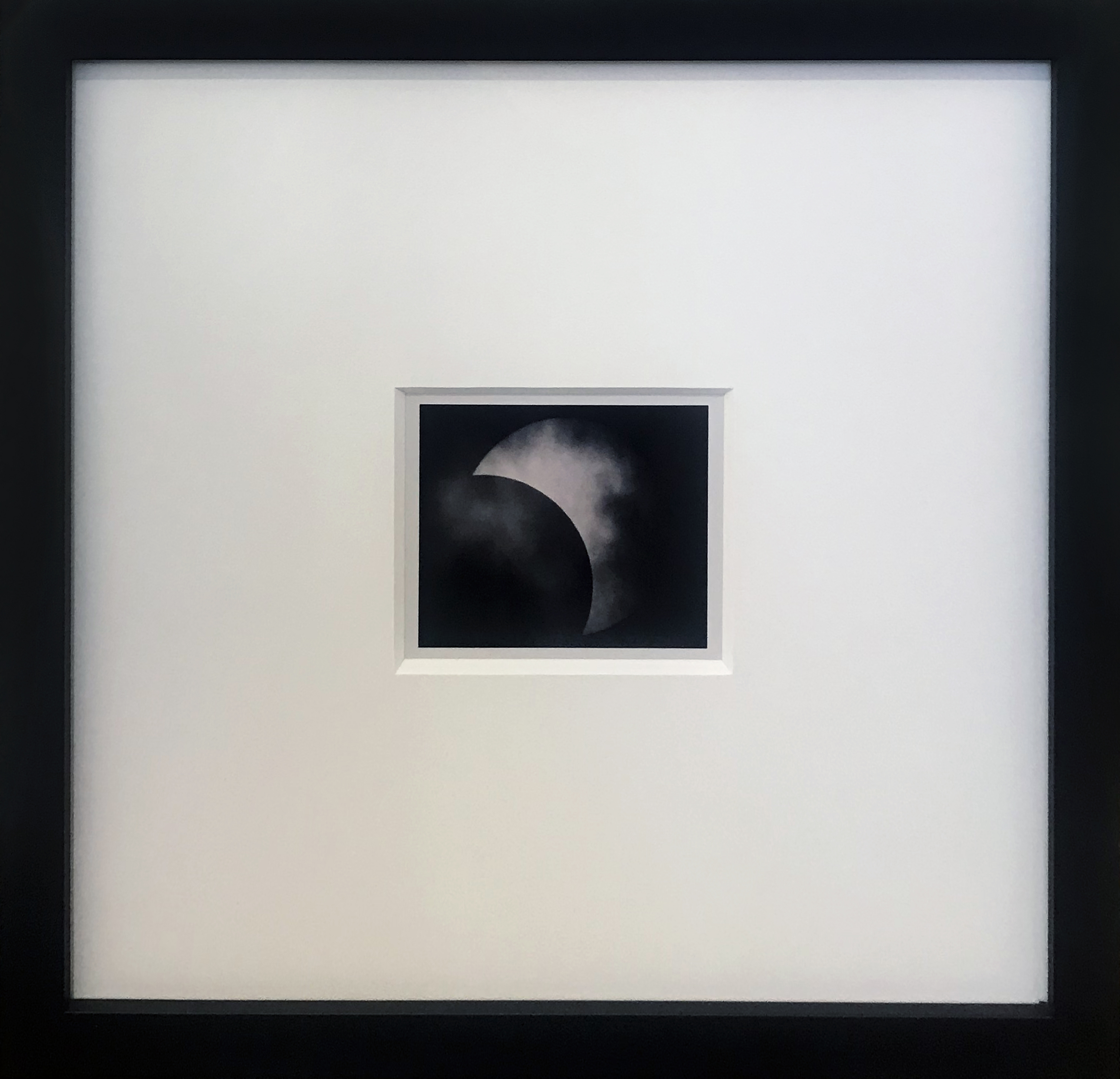
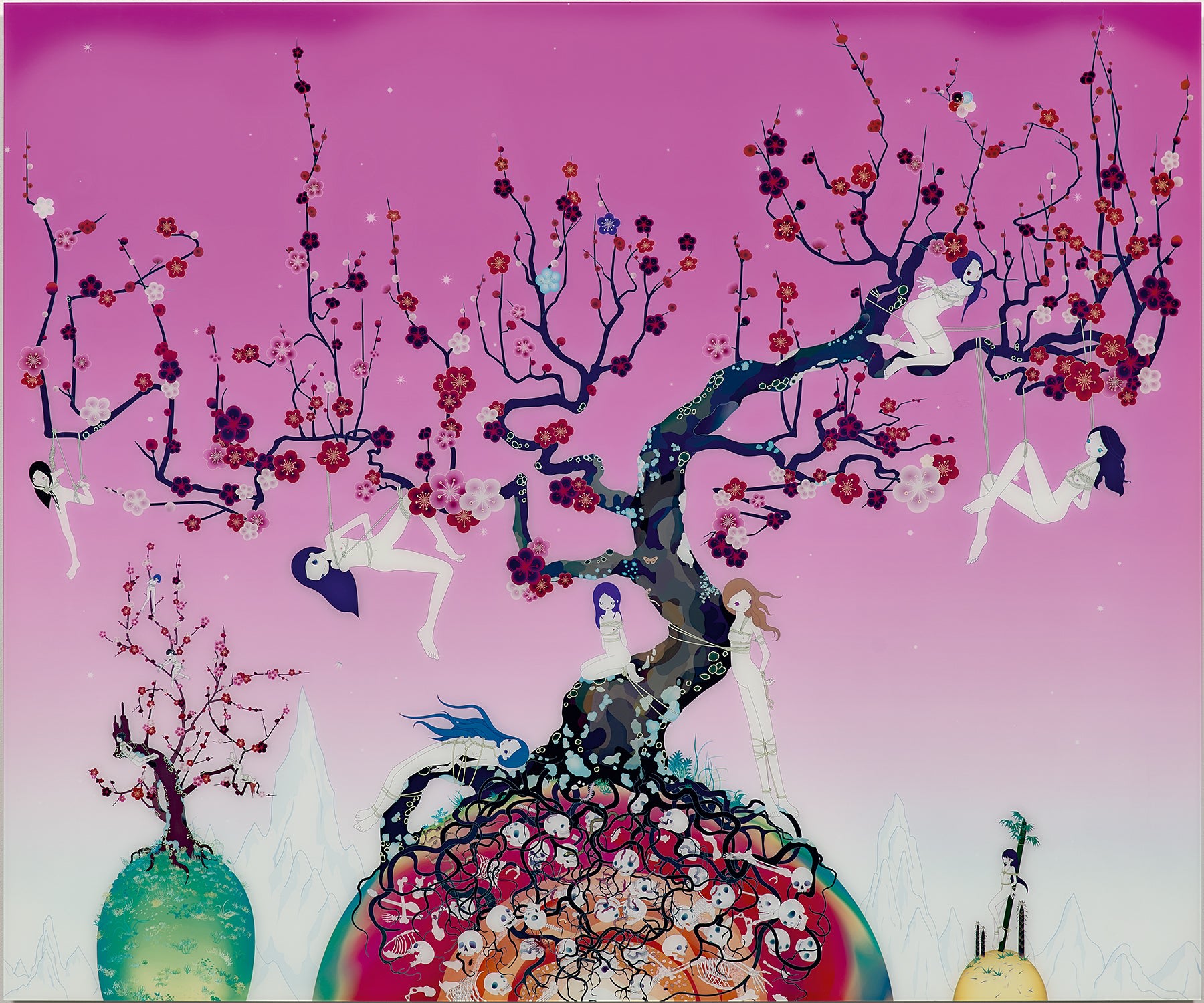
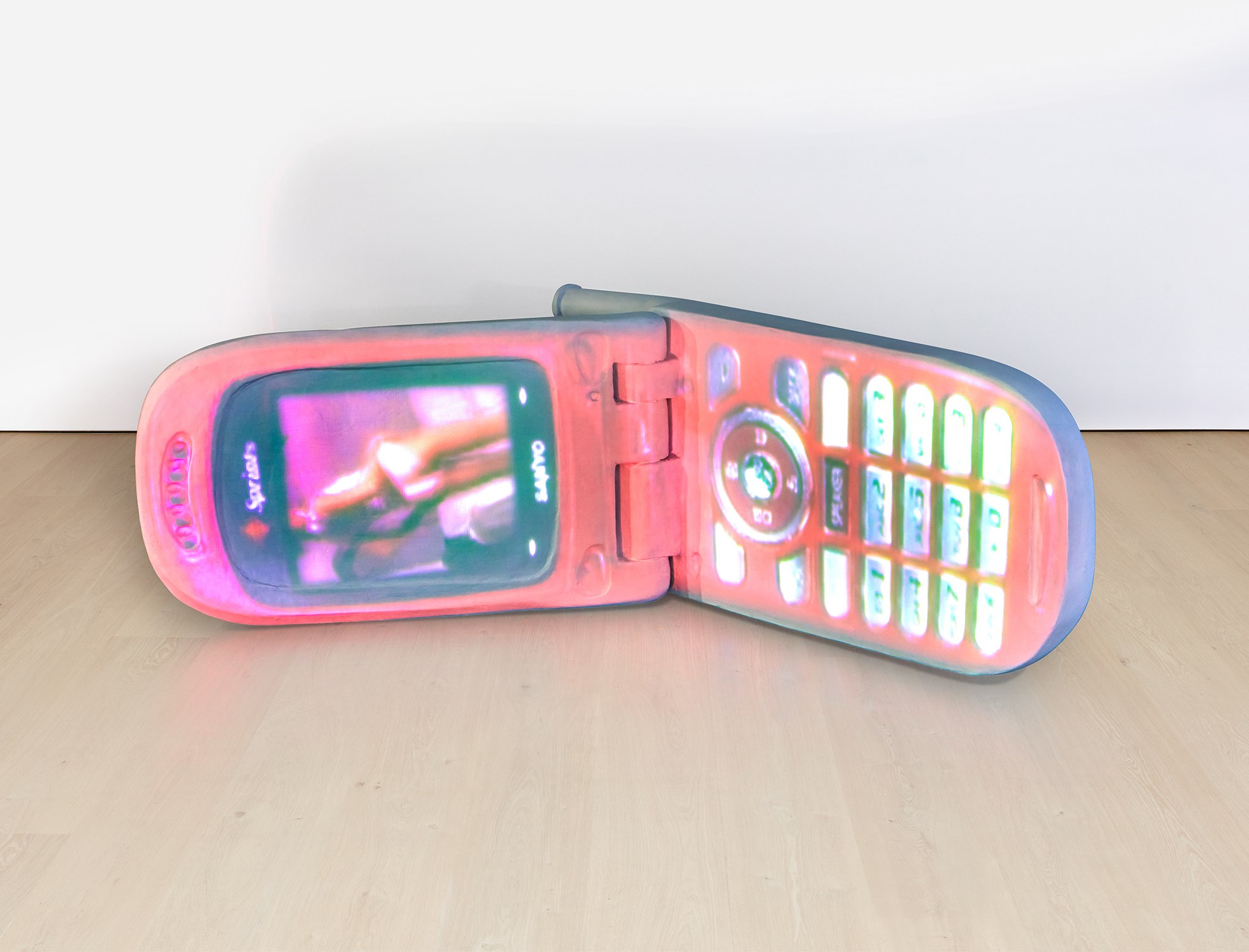
Petra Cortright is perhaps the most underrated figure on this list in terms of her critical standing relative to her market position. She has been working rigorously since the mid 2000s, her internet native sensibility is genuinely her own, and collectors who have followed her closely tend to speak about her work with the kind of conviction that suggests real long term confidence. Thomas Ruff's engagement with digital imaging over decades has produced some of the most rigorous thinking about what photography means in a world where images are constructed rather than captured, and his secondary market reflects that sustained critical attention. Among younger and less established figures, Petra Cortright's peers in the internet art generation are worth close attention, and Michael Manning sits squarely in that conversation.
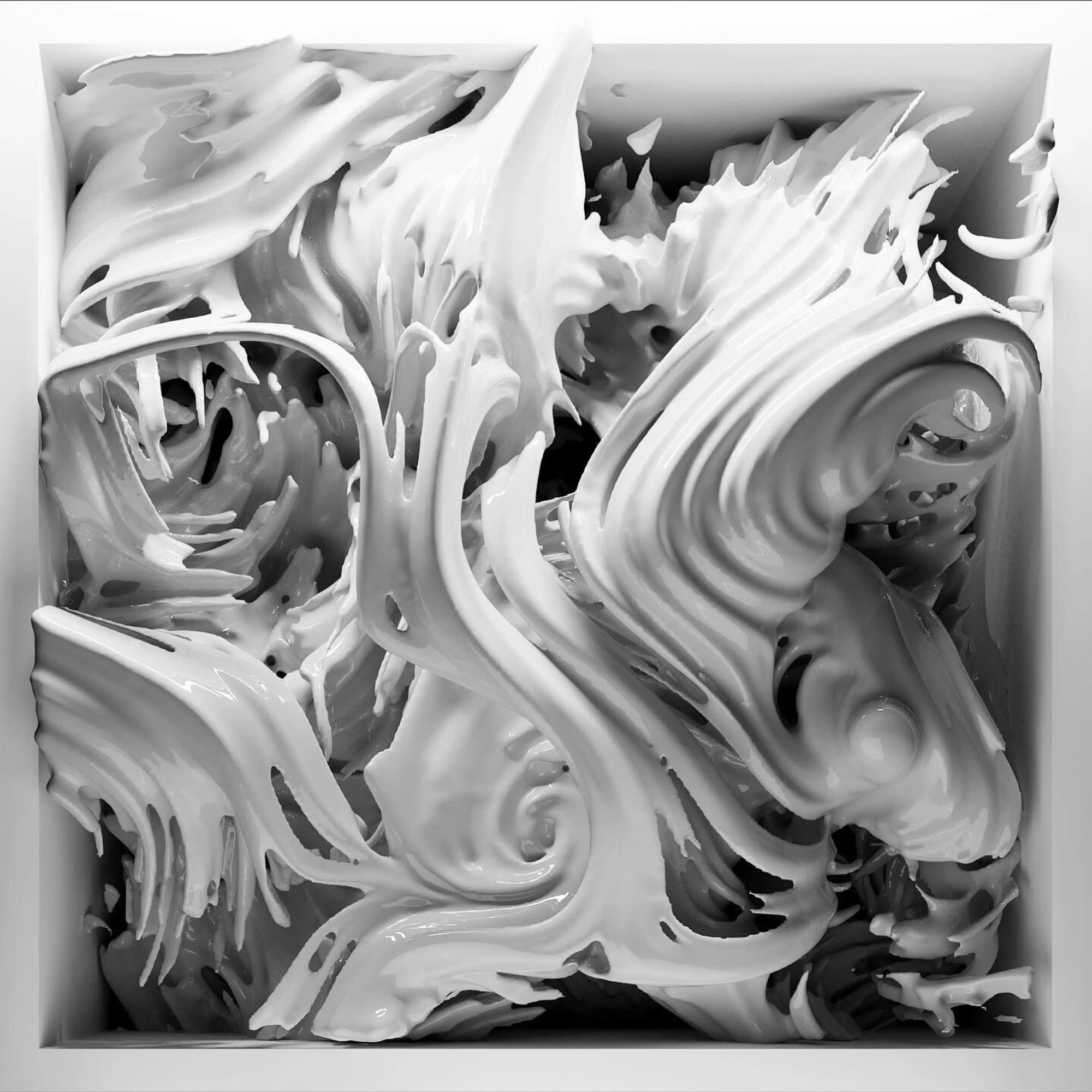
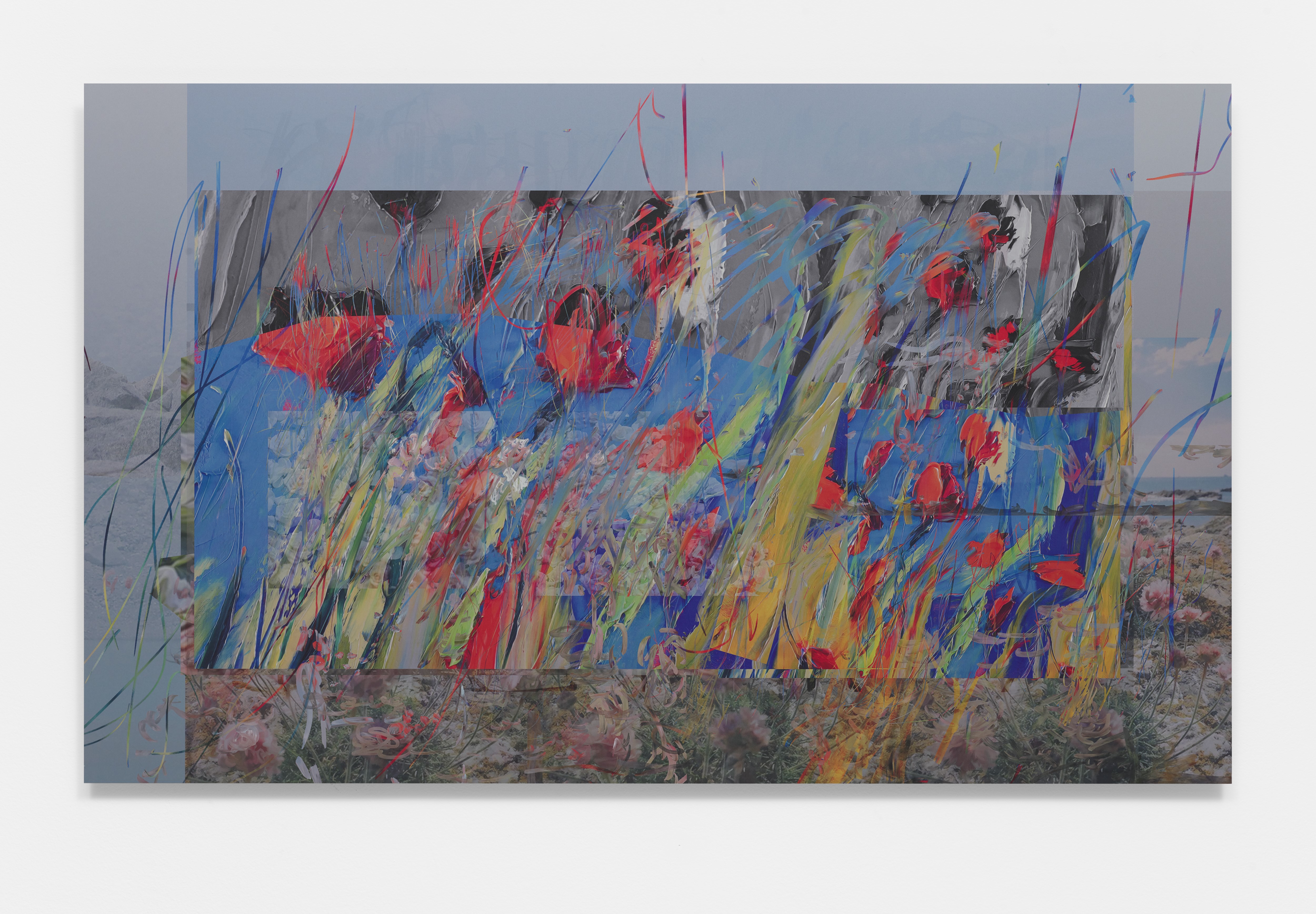
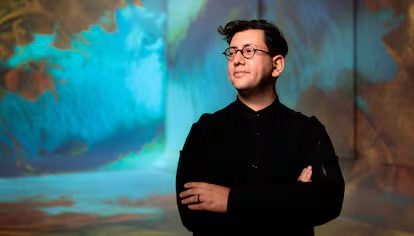
Refik Anadol
Quantum Memories: Noise A, B and C, 2020
His paintings made with drawing apps and touchscreens carry a particular tenderness that feels distinctive and genuinely hard to categorize, which is usually a sign worth noting. Travess Smalley has built a practice around digital abstraction that sits in interesting dialogue with the history of print, and his work is still priced at a level that represents real opportunity. Camilla Engström and Xiyao Wang are both artists whose trajectories are early enough that collectors with patience and conviction are in a position to engage meaningfully before the market catches up to the critical interest that is already there. The secondary market for digital art has matured considerably since the NFT turbulence of 2021 and 2022, which burned some collectors and produced enormous skepticism that, to some degree, the broader category did not deserve.
The artists who held their value through that period and after tended to be those with strong gallery relationships, institutional exhibition histories, and clear provenance for their editions. The lesson for collectors is a familiar one: market enthusiasm untethered from art historical substance is a poor foundation. Works by artists like John Gerrard and Jennifer Steinkamp, both of whom have long exhibition records and serious curatorial attention behind them, have demonstrated the kind of stability that reflects genuine cultural value rather than speculative momentum. On the practical side, there are a few things worth asking before any acquisition.
The edition question is central: digital works often exist in editions, and understanding the total edition size, what distinguishes different tiers within an edition, and whether there is an artist's proof in existence will affect both the work's uniqueness and its long term market behavior. Display conditions matter more than many collectors initially realize. The hardware a work was intended for, its aspect ratio, its resolution requirements, and whether the work degrades or changes over time on different screens are all legitimate questions for a gallery. The best galleries working in this space will have documentation protocols and update provisions in their contracts, and if they do not, that is itself information.
Storage and condition are less fraught than with works on paper or canvas, but the relationship between a digital work and the specific software or hardware environment it requires is something to understand clearly before you commit. The artists on The Collection who work in this medium are, broadly speaking, represented by galleries that take these questions seriously. That is the right place to start.