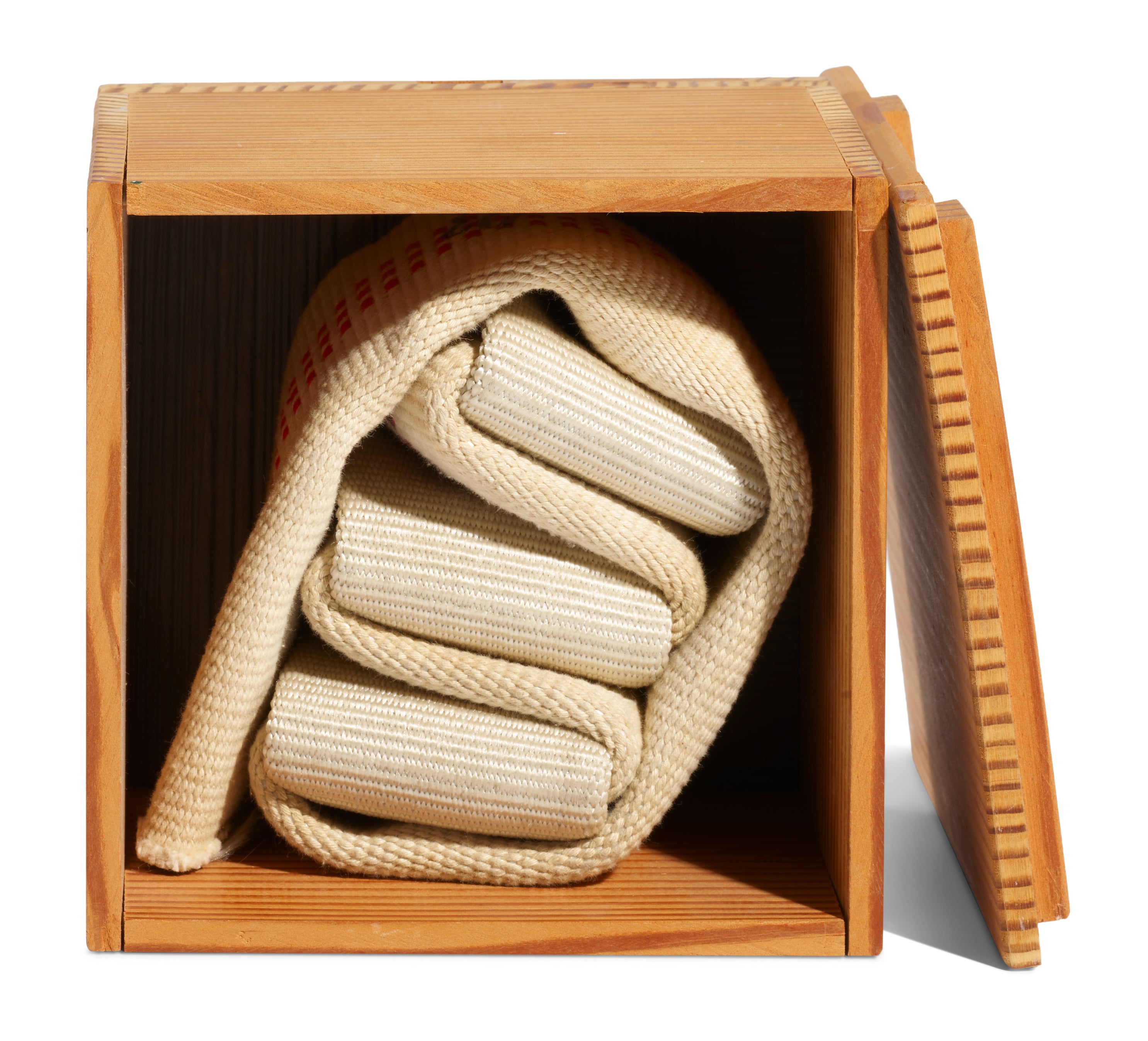
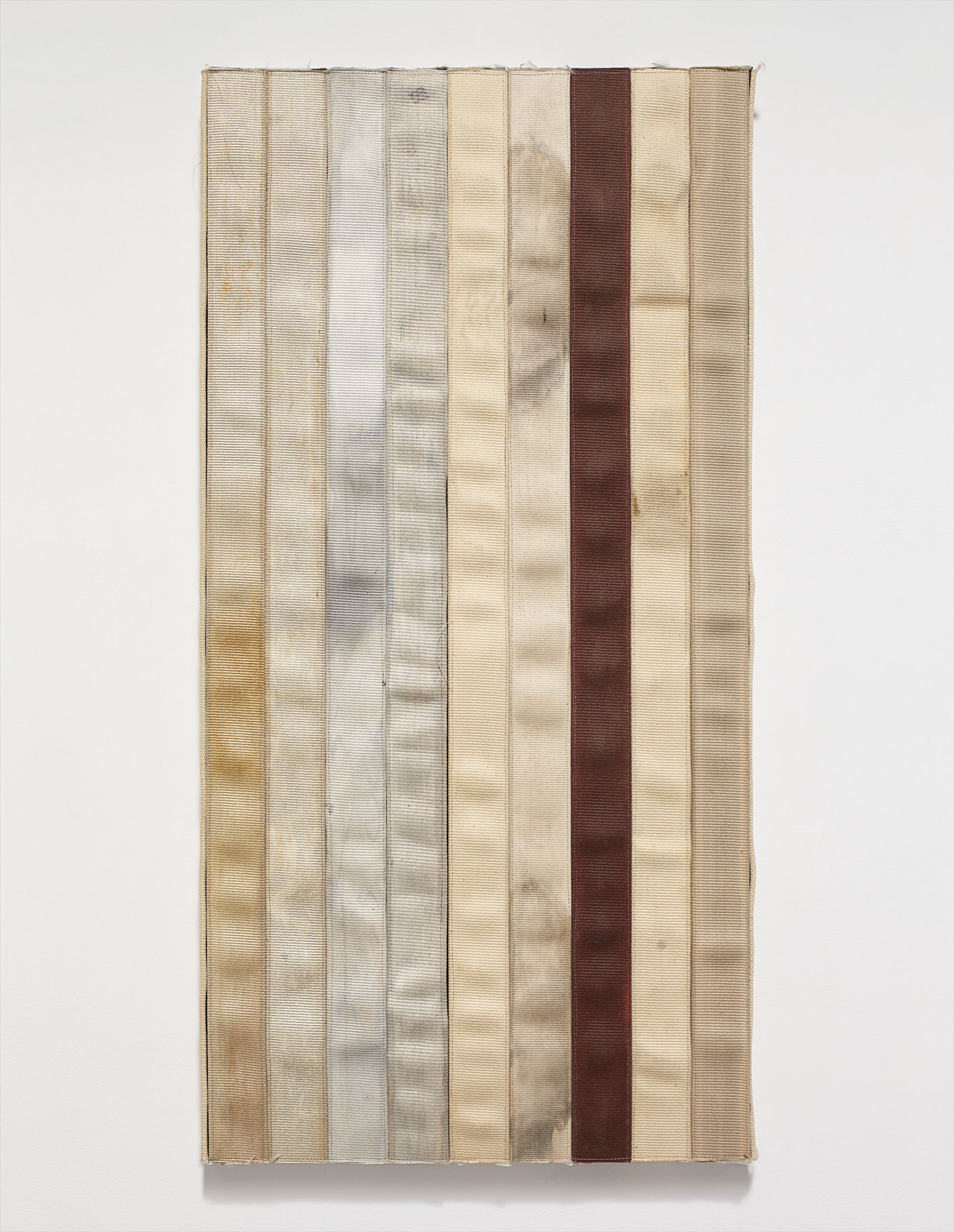
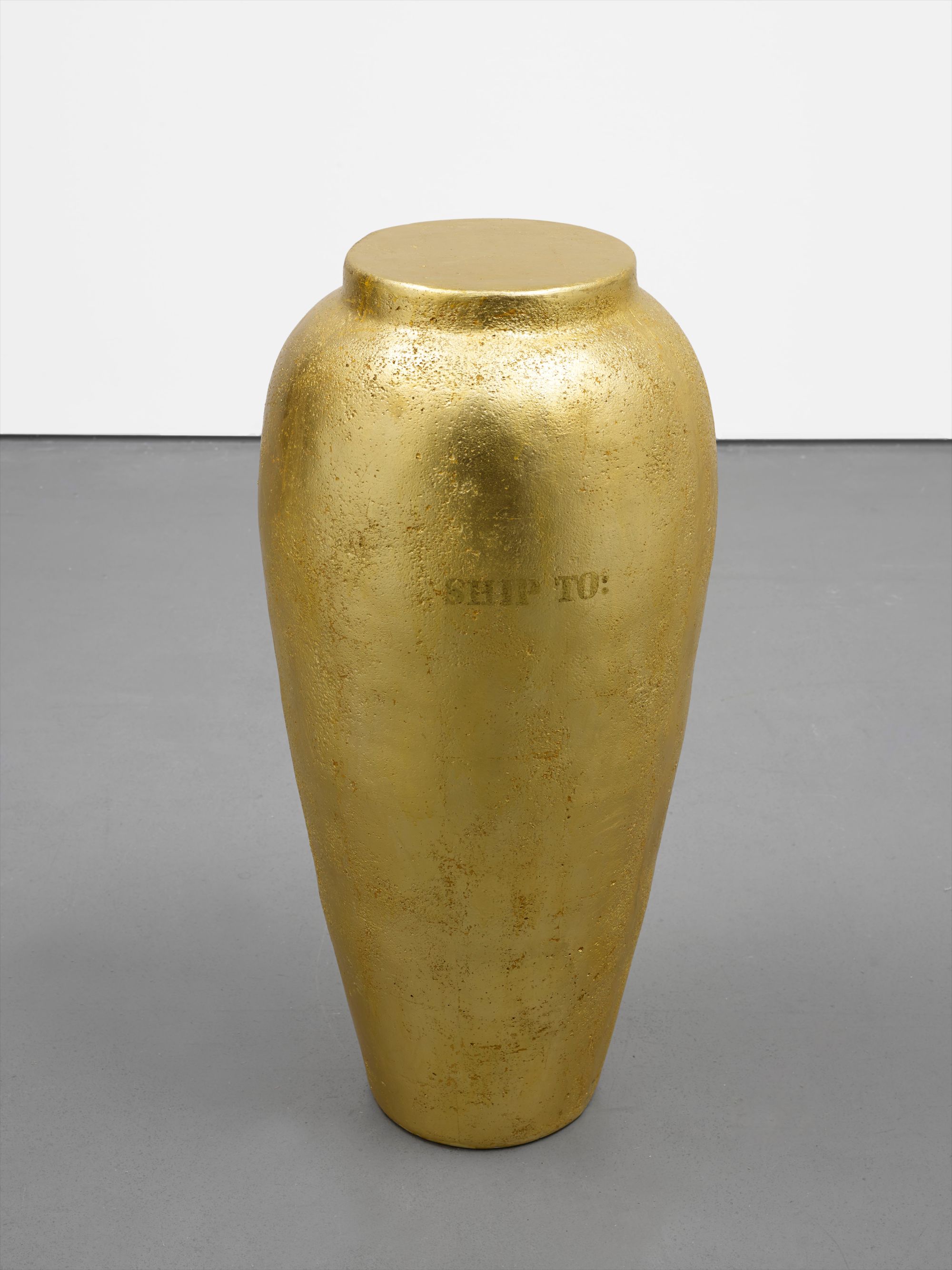
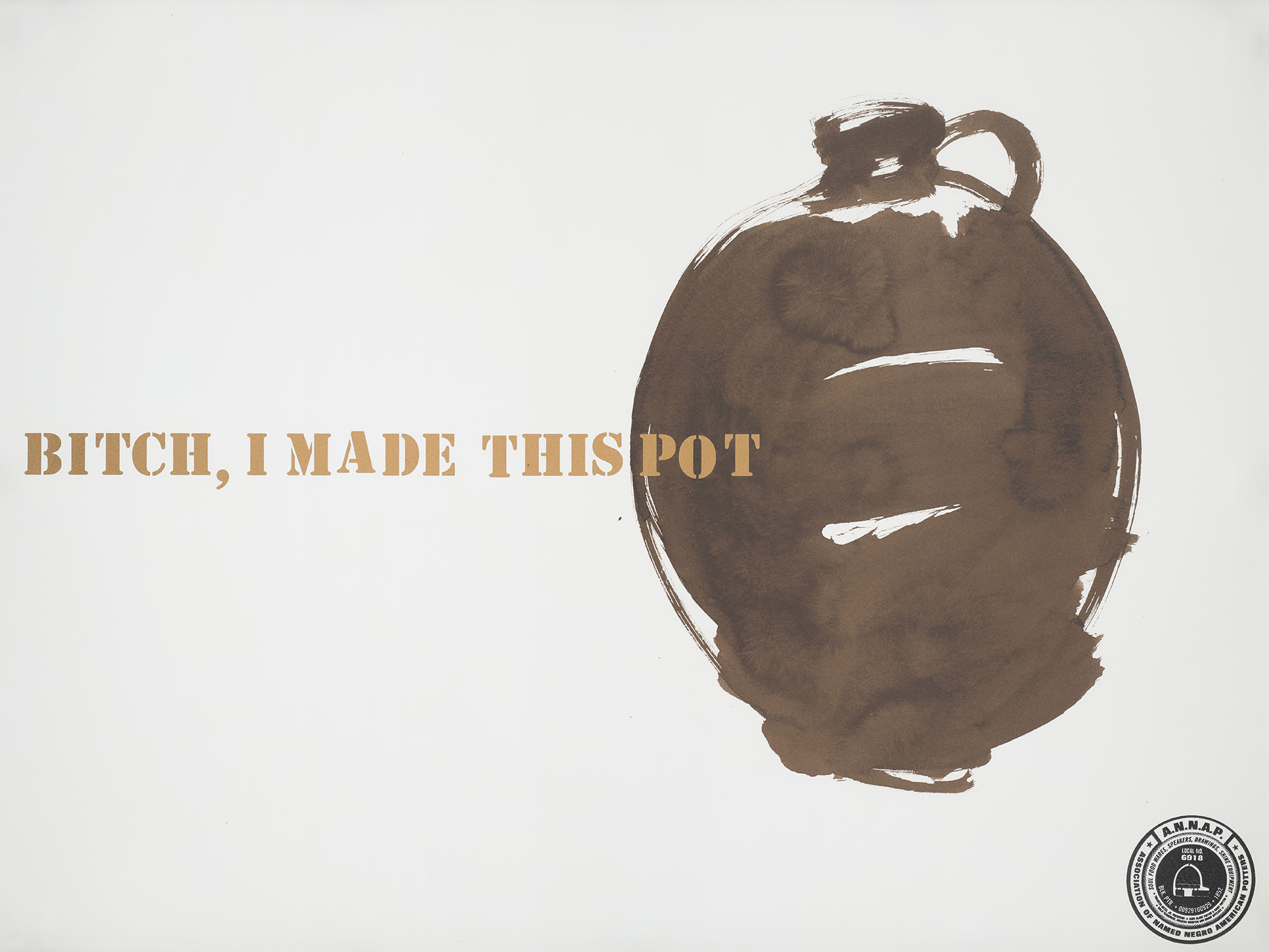
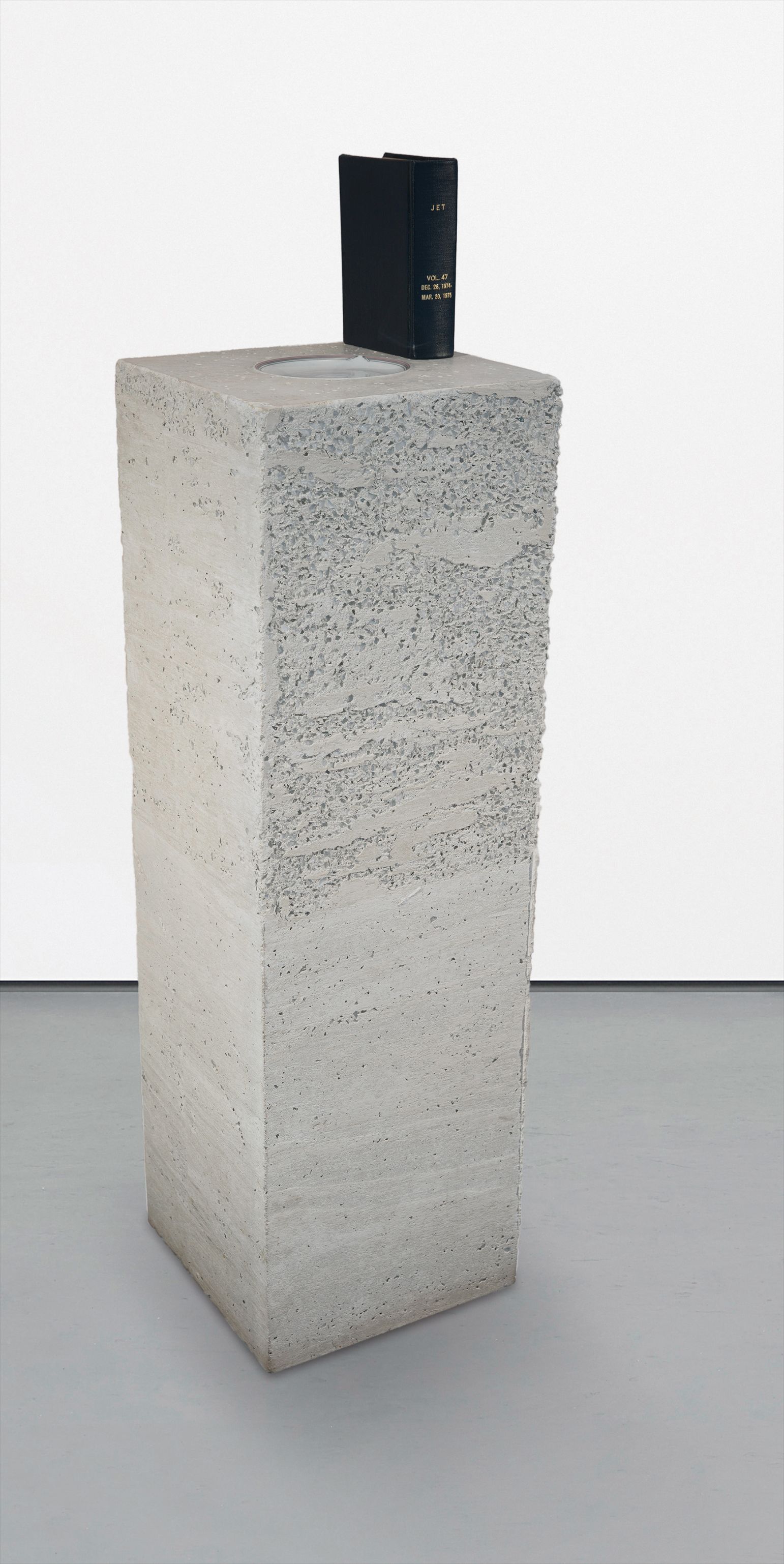
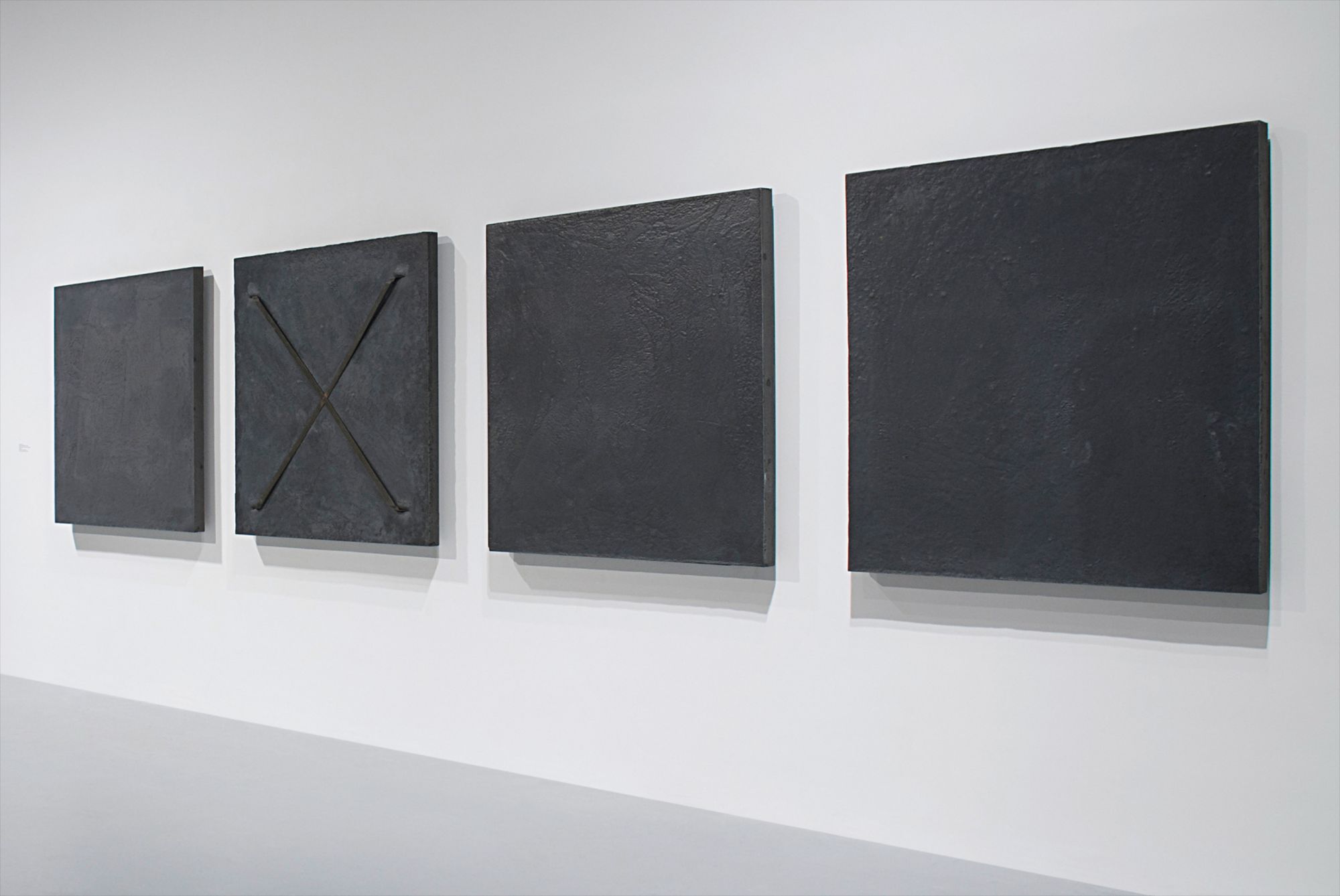
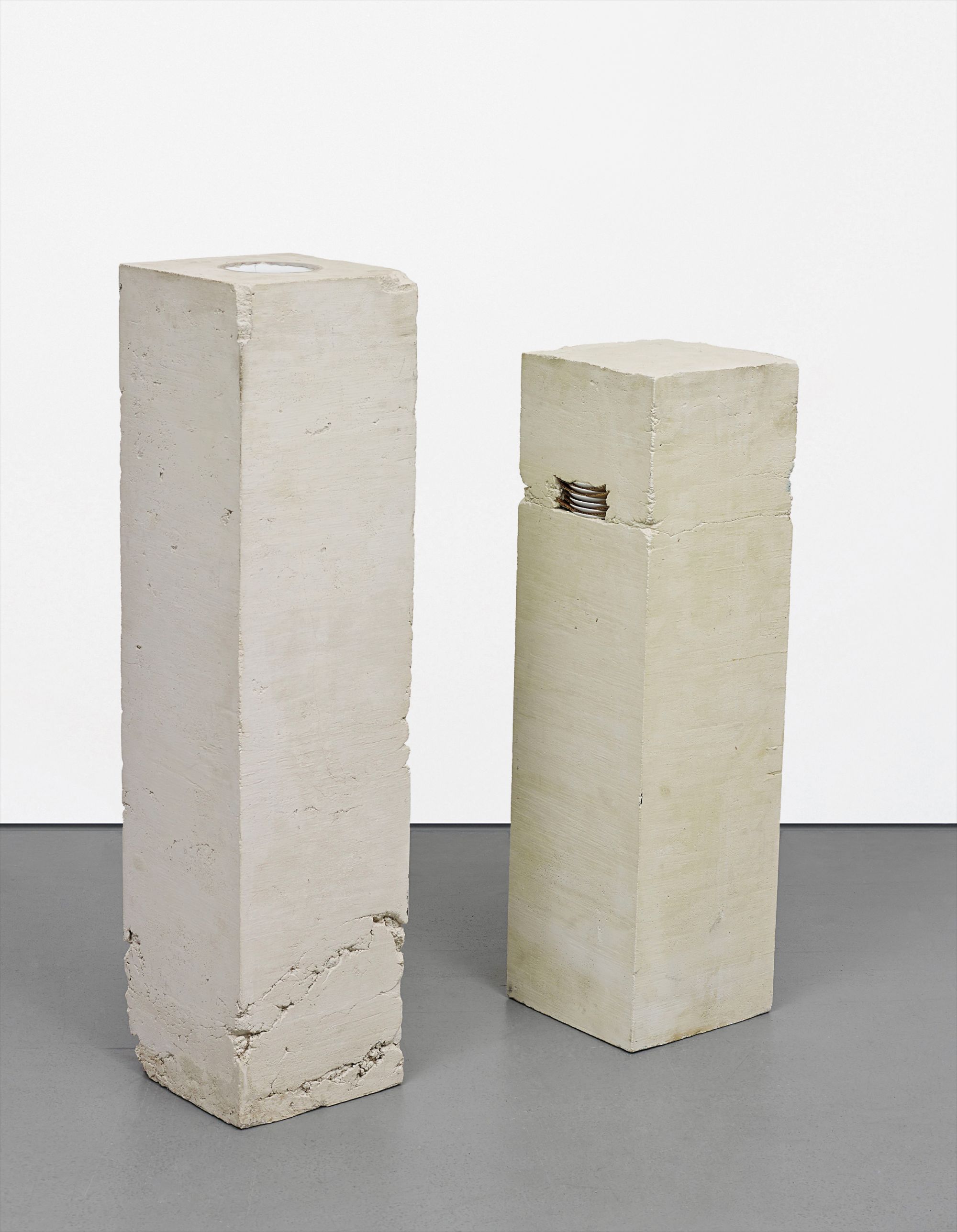
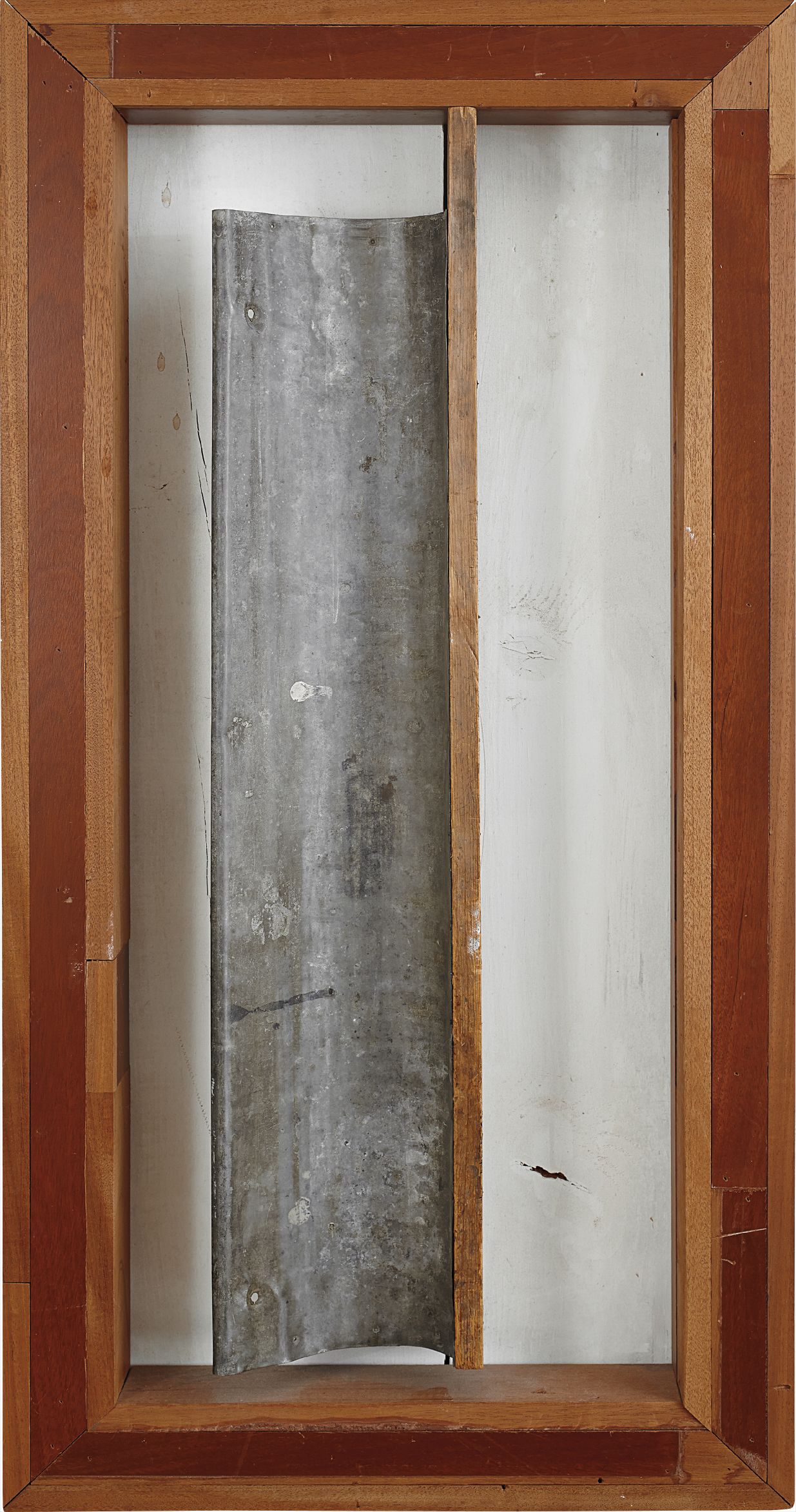
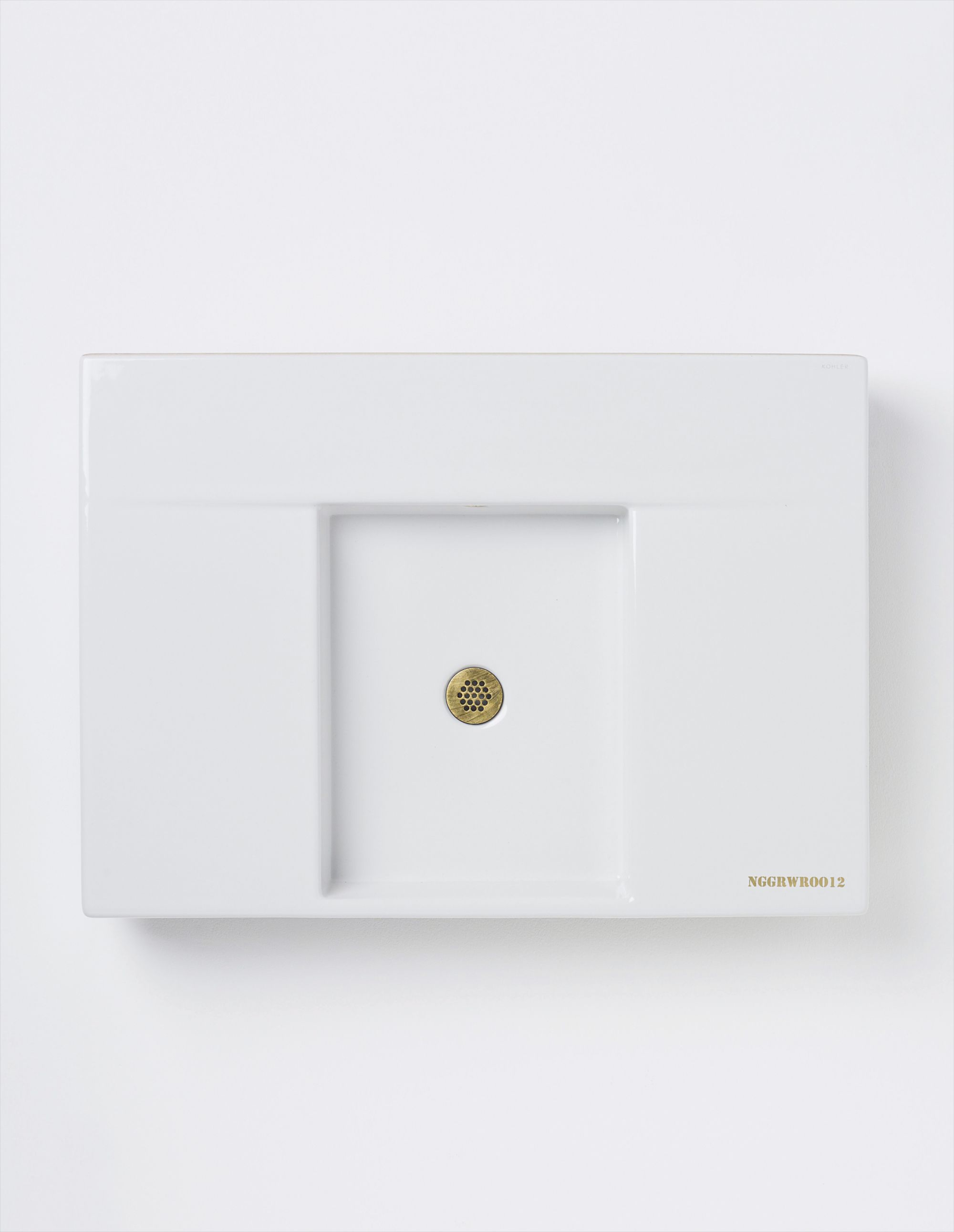
In the spring of 2023, Theaster Gates opened a sweeping survey at the Serpentine Galleries in London, a show that drew together his ceramic vessels, architectural salvage sculptures, and archival installations into one of the most emotionally resonant exhibitions the institution had hosted in years. The presentation confirmed what those paying close attention had long understood: Gates is not simply one of the most important artists working in America today, he is one of the most important thinkers about what art can actually do in the world. His work does not merely comment on community and repair. It enacts them. Gates was born in Chicago in 1973 and grew up steeped in the rhythms of the Black South Side, a neighborhood whose architectural grandeur and economic neglect would become the central subject of his life's work. He studied urban planning at Iowa State University and later pursued ceramics and religious studies, training in Japan under the influence of the Mingei folk craft movement. That unlikely combination, civic infrastructure, spiritual practice, and the physical labor of making ceramics by hand, produced an artistic sensibility unlike anything else in contemporary art. He returned to Chicago not as a transplant or an observer but as someone determined to act from within. The early development of his practice was inseparable from the Rebuild Foundation, the nonprofit he established to transform vacant and decommissioned buildings on the South Side into functioning cultural spaces. The Stony Island Arts Bank, a former savings bank on the South Side that Gates purchased from the city of Chicago for one dollar in 2012 and restored over several years, became the most celebrated example of this method. It now houses a library, archival collections including the personal archives of Frankie Knuckles and the record collection of Theaster Gates Studio, and serves as an ongoing site of community programming. For Gates, the building is not a backdrop for art. It is the art. His studio practice has evolved in parallel with this civic work, and the two are impossible to fully separate. Gates is an accomplished ceramicist whose vessels draw on African American vernacular traditions, Japanese folk pottery, and the legacy of Dave Drake, the enslaved South Carolina potter who inscribed poems on his jars in the antebellum South. His ceramic works carry this layered history in their surfaces, their weight, and their silence. Equally central to his visual language is the decommissioned fire hose, a material that appears across multiple bodies of work and carries unmistakable historical resonance. In the context of American civil rights history, the fire hose was a weapon turned against peaceful Black protesters in Birmingham in 1963. In Gates's hands, it becomes a structural and symbolic element, coiled, embedded, or stretched across surfaces of concrete and porcelain, transforming an instrument of state violence into something approaching the condition of architecture or even scripture. Among the works that best illuminate this vision are pieces such as Mantle with Hose II and Embedded Hose Tight, both from 2011 and 2012, in which the fire hose is integrated into dense, wall mounted reliefs that feel simultaneously like ruins and monuments. Strata in Cedar from 2013 layers wood with decommissioned fire hose and glass, its geological title suggesting time compressed into material form. The Stand Ins for a Period of Wreckage series, rendered in white concrete and porcelain, conjures the idea of absence and substitution, figures that hold a place in history for bodies that were not permitted to occupy it. Dirty Red from 2016 and Afrostack, with its layering of concrete, porcelain, glass, and books, extend this logic into more overtly archival territory, stacking materials as if preserving cultural evidence against forgetting. Each work rewards sustained looking and rewards equally the kind of contextual knowledge that Gates invites viewers to bring. On the international exhibition circuit, Gates has been a consistent and influential presence for well over a decade. He has participated in Documenta in Kassel and represented the United States alongside other distinguished voices at the Venice Biennale. His institutional footprint spans the Tate in London, the Whitney Museum of American Art in New York, the Art Institute of Chicago, and the Guggenheim. He has also been awarded the Artes Mundi Prize and the Nasher Prize for Sculpture, two of the most significant honors available to contemporary artists. These distinctions reflect not only the quality of his objects but the coherence and ambition of a practice that refuses to separate aesthetic achievement from social consequence. For collectors, Gates represents a particularly meaningful kind of acquisition. His work sits at the intersection of sculpture, installation, and conceptual practice in ways that make it both visually commanding and intellectually generative. The fire hose works are the most immediately recognizable and have demonstrated sustained demand at auction, with major pieces achieving strong results at Christie's and Phillips in recent years. The ceramic vessels, though less monumental in scale, are among the most historically literate objects being made in contemporary ceramics today and invite comparison with artists such as Edmund de Waal and Lucie Rie while remaining entirely distinct. Collectors drawn to socially engaged practice will also find meaningful parallels with the work of Rick Lowe, Kara Walker, and Rashid Johnson, artists who similarly use the materials and histories of Black American life to make work of lasting formal beauty. What makes Gates essential to the story of art in this century is precisely the quality that can be hardest to articulate: moral seriousness worn lightly. His work is never didactic, never reducible to a message, and yet it is always asking something of the person who encounters it. He builds spaces where people can gather, he makes objects that hold grief and hope in equal measure, and he insists by example that the conditions under which art is made and received are as much a part of the artwork as the object itself. To collect Theaster Gates is to participate in an expanding vision of what culture can be.