Birds
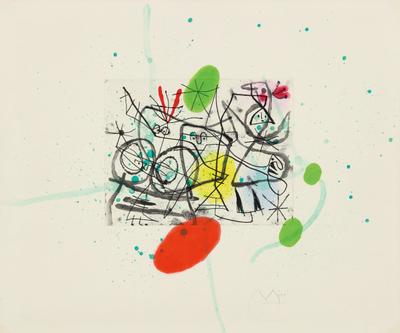
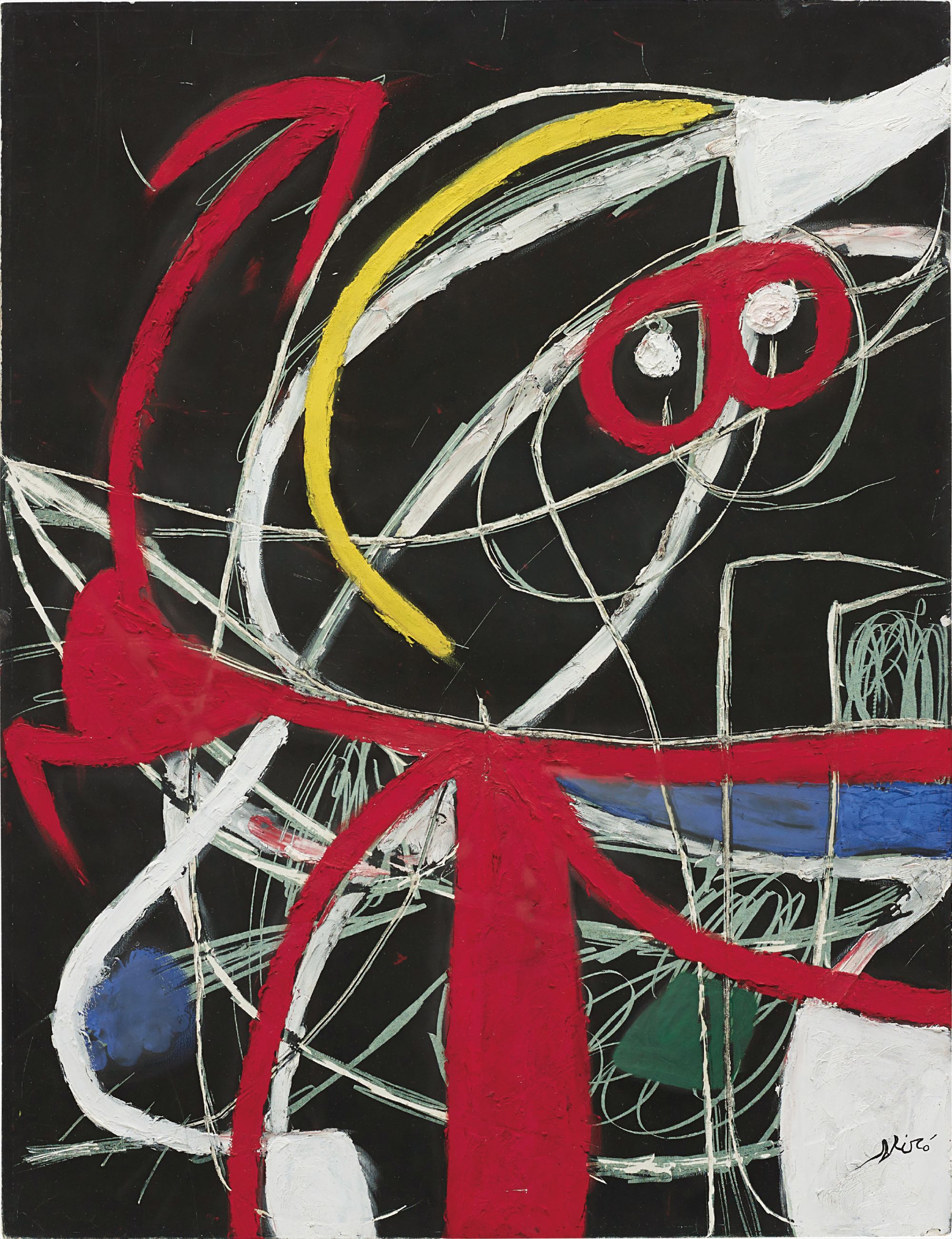
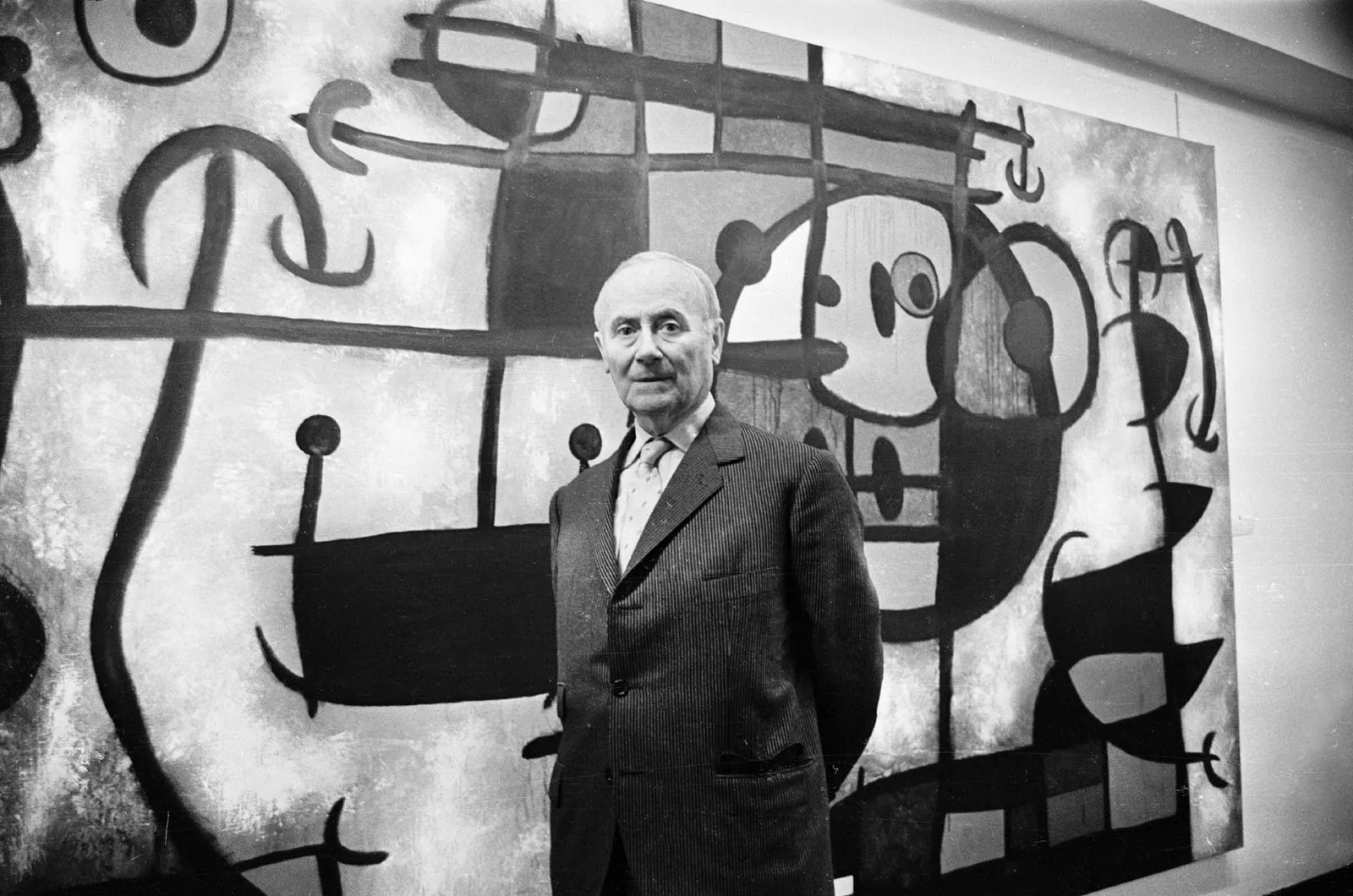
Joan Miró
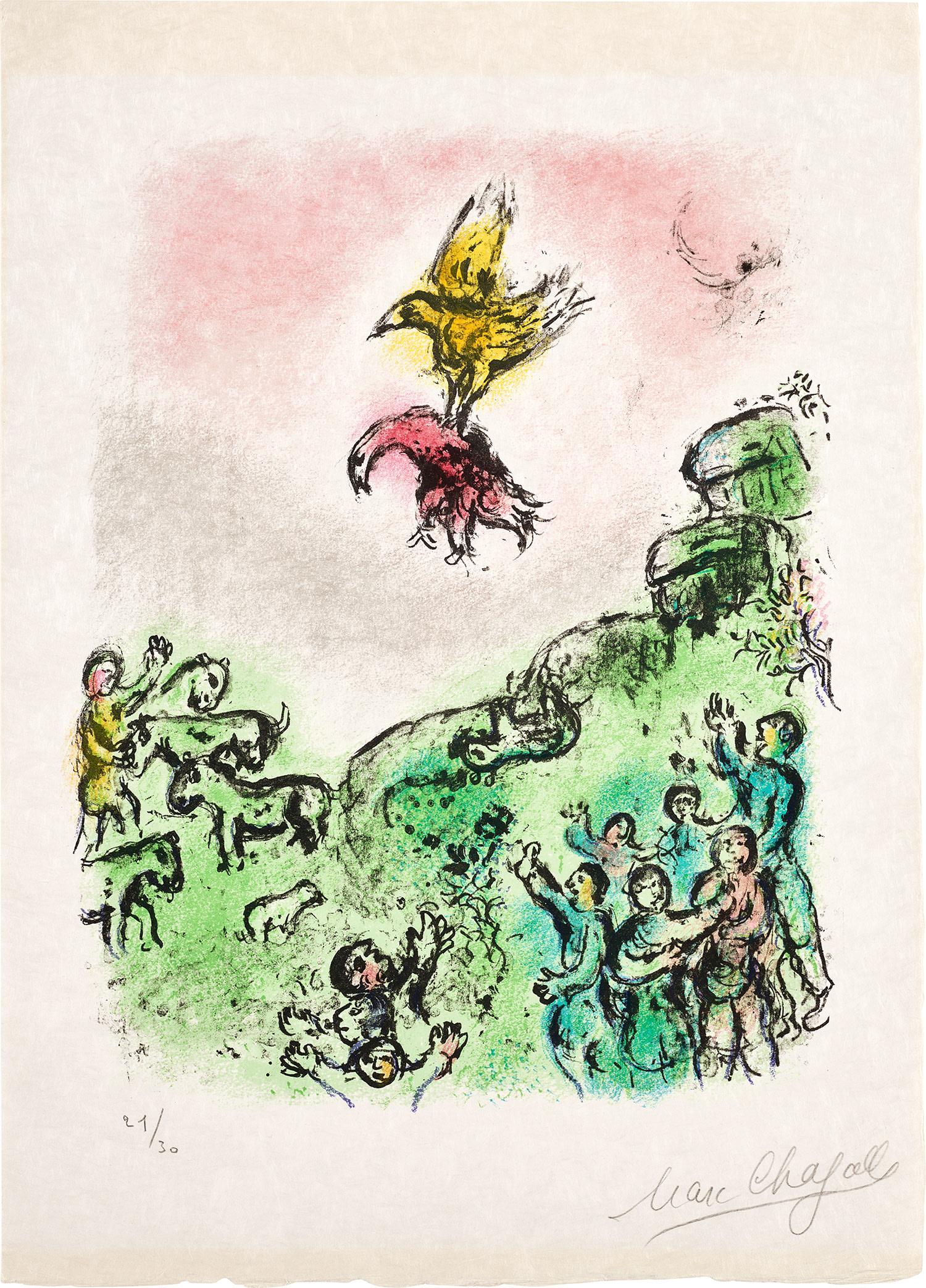
Préparatifs d'Oiseaux III (Bird Preparations III), 1963
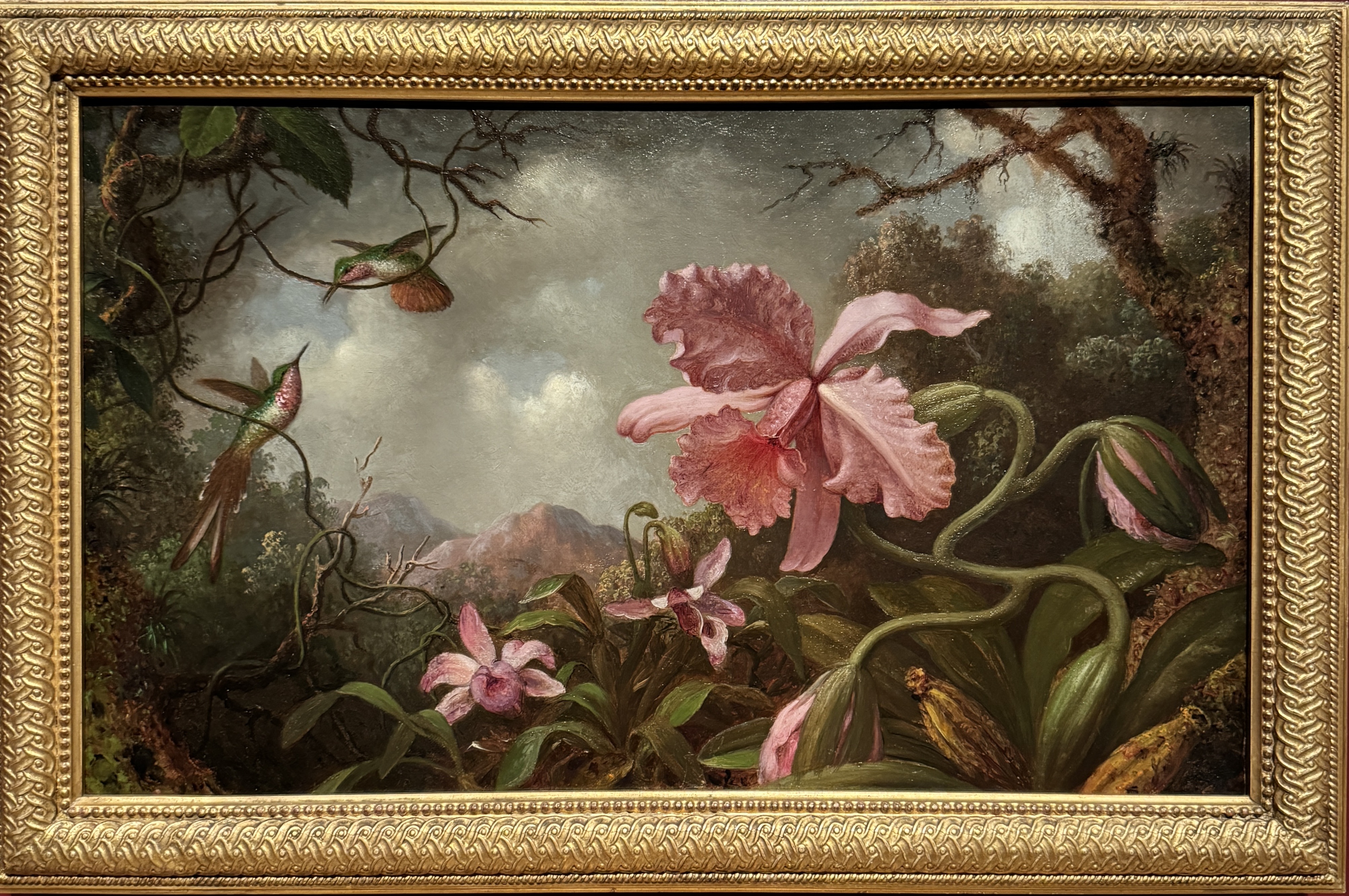
On Wings: Art's Most Restless Subject
There is something about birds that refuses to stay still in the imagination. They have always occupied a peculiar position in human culture, poised between the earthly and the celestial, between the domestic and the wild. In art, they arrive carrying the weight of mythology, of omen, of longing. They perch on the shoulders of gods and saints.
They fill the margins of medieval manuscripts. They spiral through the dreams of Surrealists. No other subject has been so consistently visited across so many cultures, centuries, and conceptual frameworks, and none has remained so stubbornly alive as a vehicle for meaning. The bird as artistic subject predates written history.
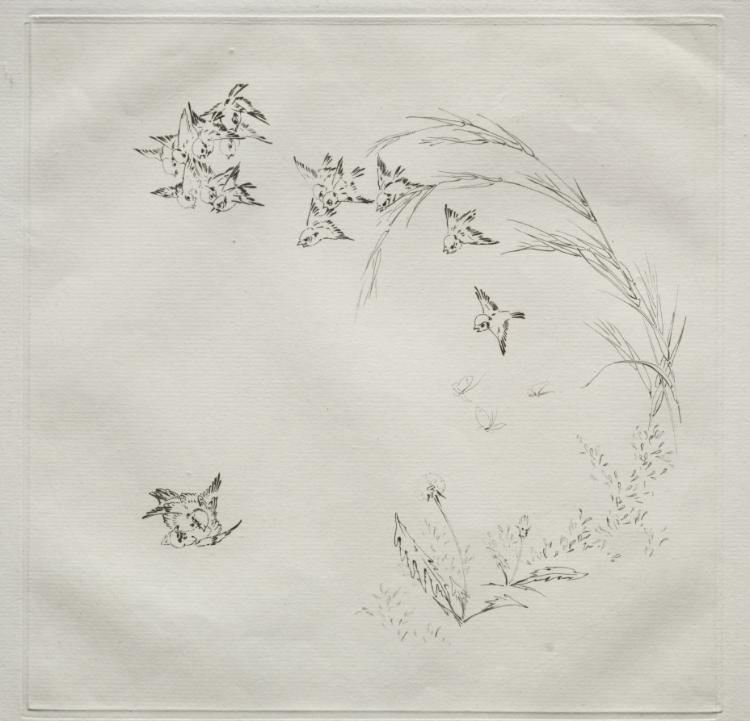
James McNeill Whistler
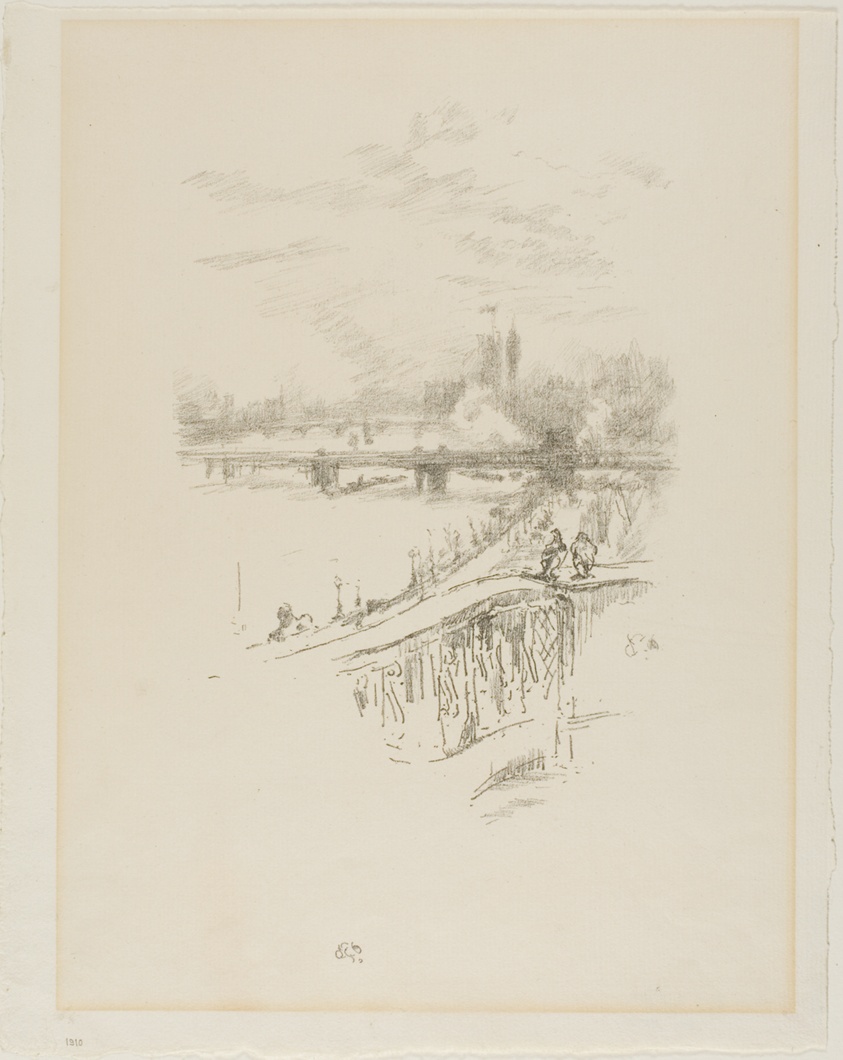
Savoy Pigeons, 1896
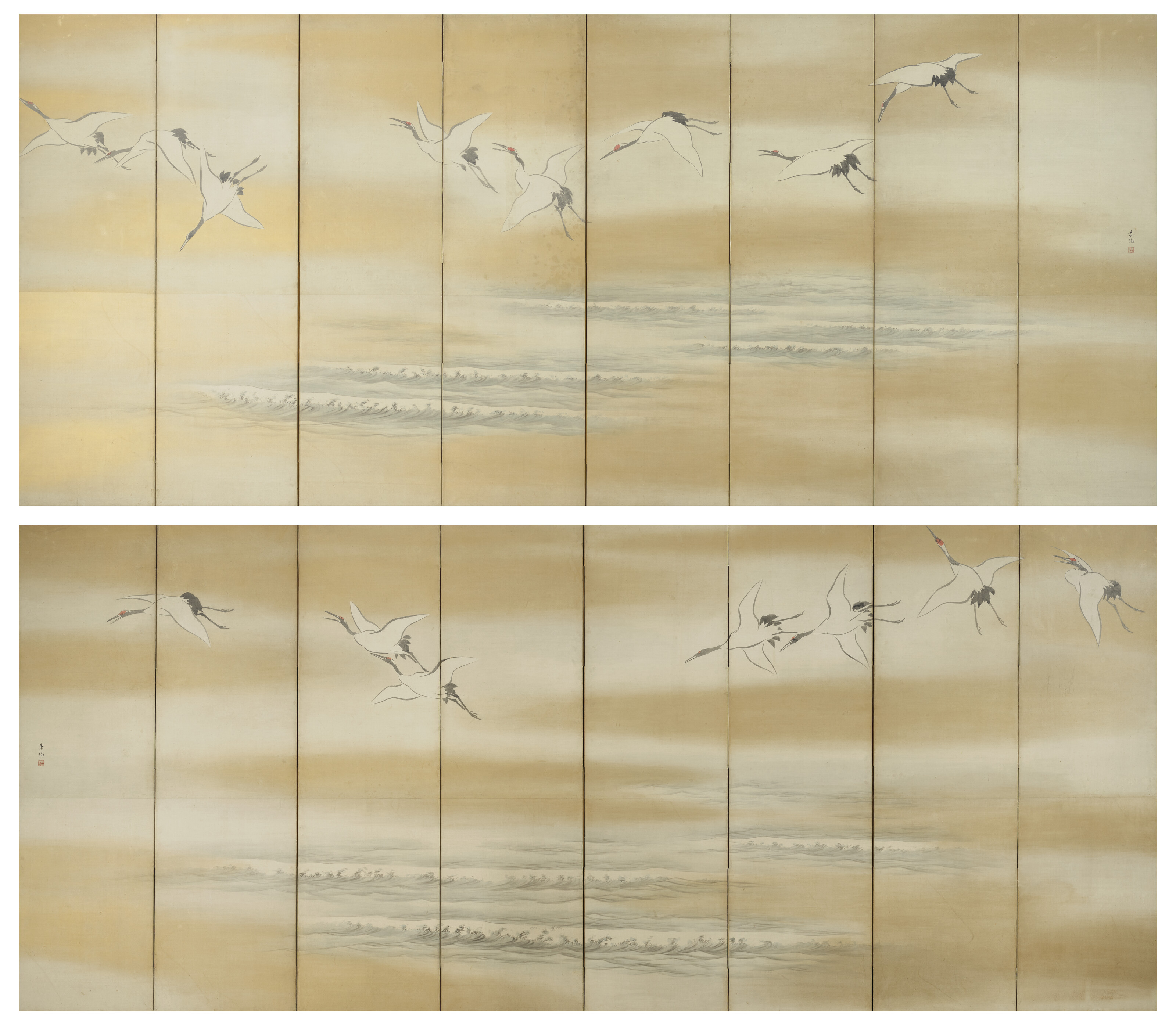
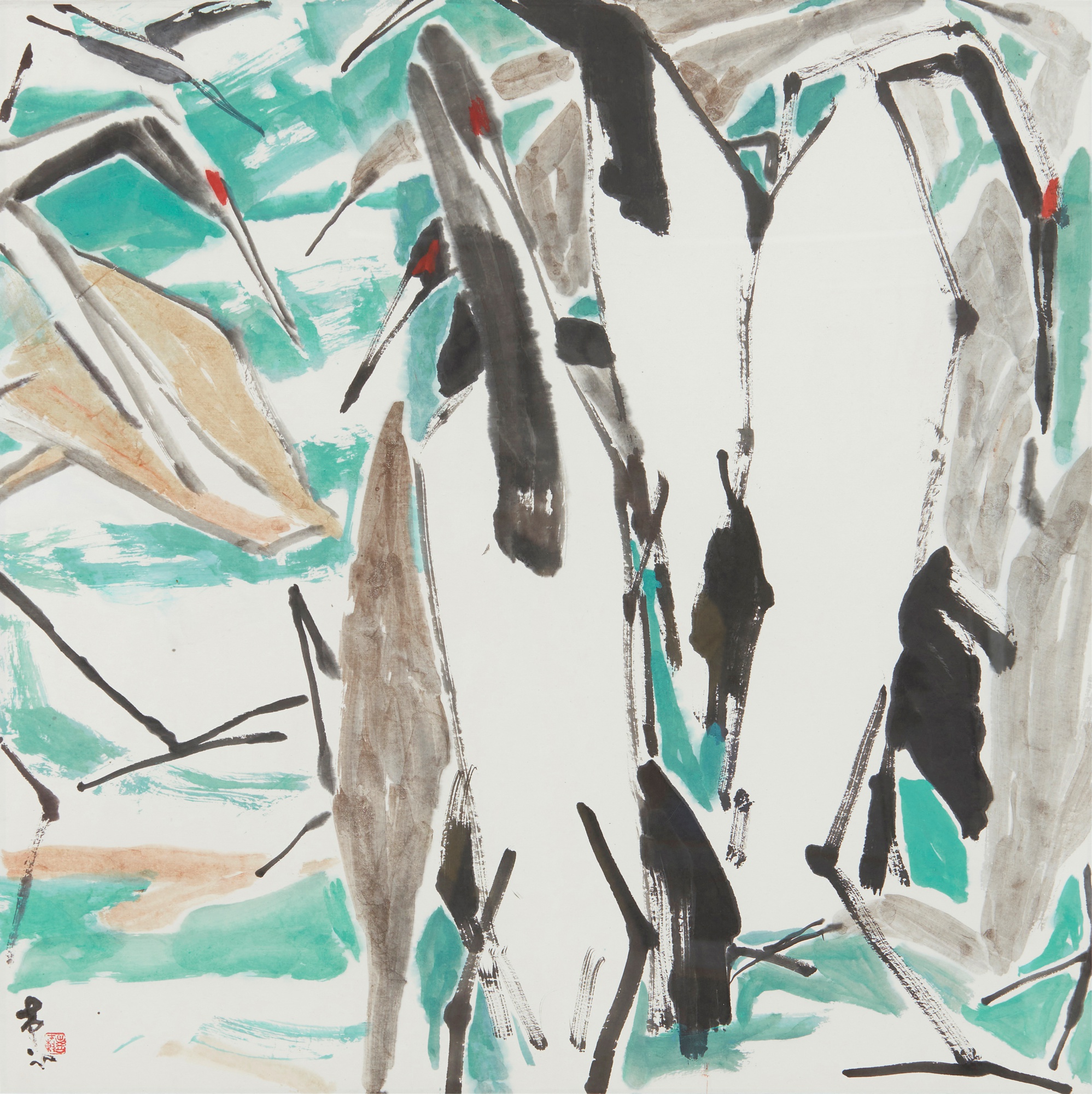
The caves at Lascaux contain bird forms dating to around 17,000 BCE, and Egyptian hieroglyphics elevated specific species, the ibis, the falcon, the vulture, to the status of divine language. In Chinese painting, birds appear as early as the Tang Dynasty, typically paired with flowers and branches in a genre known as huaniaohua, or bird and flower painting. This tradition carried enormous cultural prestige, demanding from its practitioners not mere botanical accuracy but a kind of philosophical alignment with the natural world, a discipline of observation so sustained it became meditation. It is within this lineage that Chen Wen Hsi, the Singapore based Chinese master, occupies such a singular position.
His gibbons are famous, but his birds, rendered with a fluid gestural confidence that bridges classical ink tradition and modernist abstraction, are among the most quietly riveting works you can encounter. He is particularly well represented on The Collection, and spending time with those works is to understand how a living brushstroke can carry centuries of accumulated looking. The Western tradition arrived at birds through a different door. Dutch and Flemish still life painters of the seventeenth century incorporated dead game birds into lavish compositional arrangements that were really arguments about wealth, mortality, and the pleasures of the table.
Johann Adalbert Angermeyer
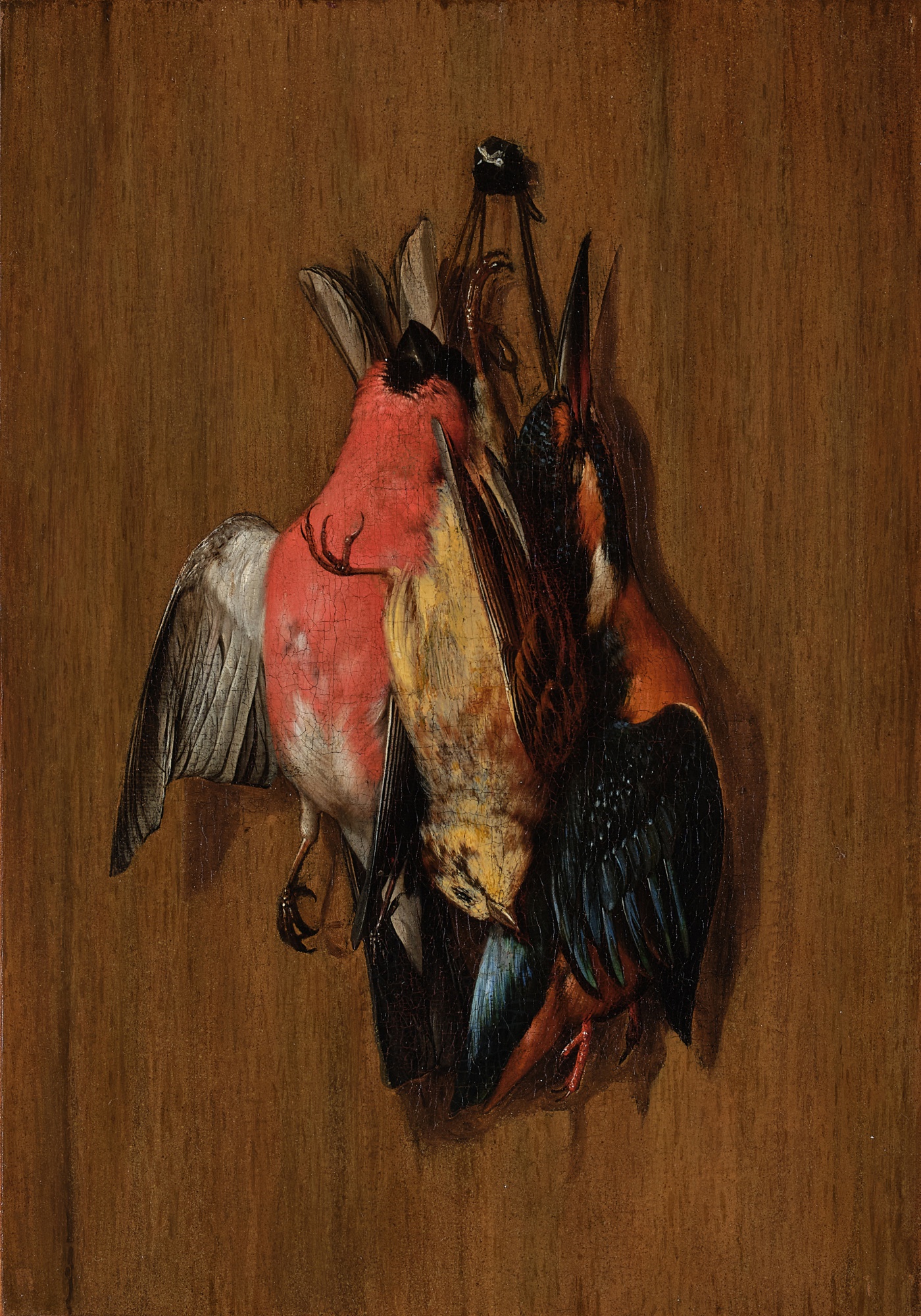
Still life of a bullfinch, a goldfinch, and a kingfisher
Johann Adalbert Angermeyer, the Bohemian painter working in the early eighteenth century, extended this tradition with meticulous attention to plumage and feather texture, turning the still life into something close to natural philosophy. His works on The Collection reward close looking. The detail is almost troubling in its precision. But even in their stillness, his birds carry a charge, something of the life recently departed, which is perhaps the point.
By the nineteenth century, birds had become central to a broader cultural reckoning with the natural world. John James Audubon published his monumental Birds of America between 1827 and 1838, and its combination of scientific ambition and dramatic composition effectively redefined what nature imagery could do. The book was not illustration in the decorative sense. It was an argument, urgent and almost operatic, for the significance of the living world.
Bernard Buffet
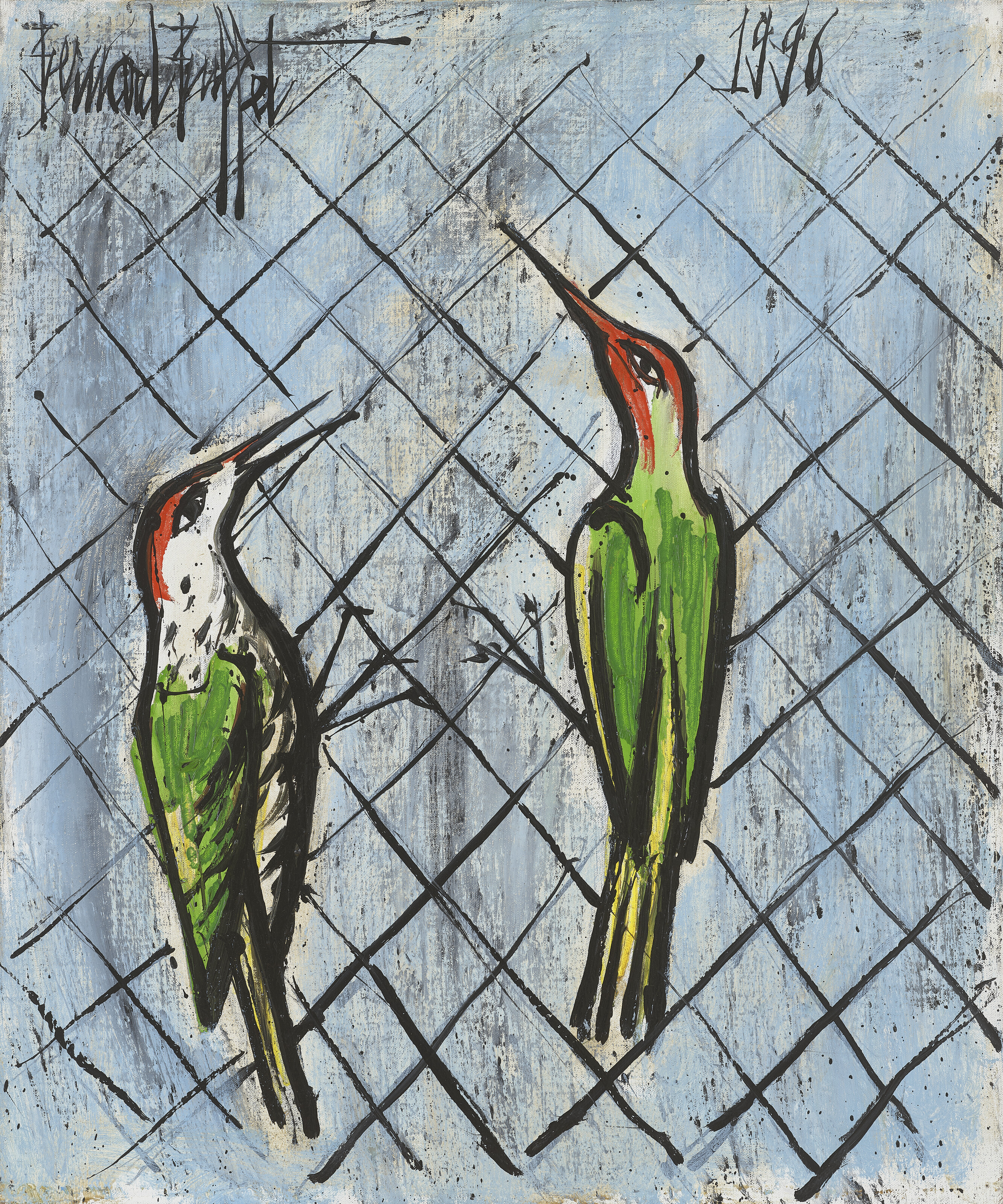
Deux gobe-mouches
Félix Bracquemond, the French printmaker and key figure in the development of Japanese influenced design in Europe, took a different approach. His celebrated 1866 service for the Haviland company, decorated with birds, insects, and botanical motifs drawn directly from Hokusai's Manga, helped bring ornithological imagery into the applied arts at the highest level. Bracquemond is well represented on The Collection, and his etchings demonstrate how birds became a channel through which Western artists processed their encounter with Japanese visual culture, flattened space, asymmetrical composition, and the radical beauty of ordinary nature. In the twentieth century, birds became something stranger and more interior.
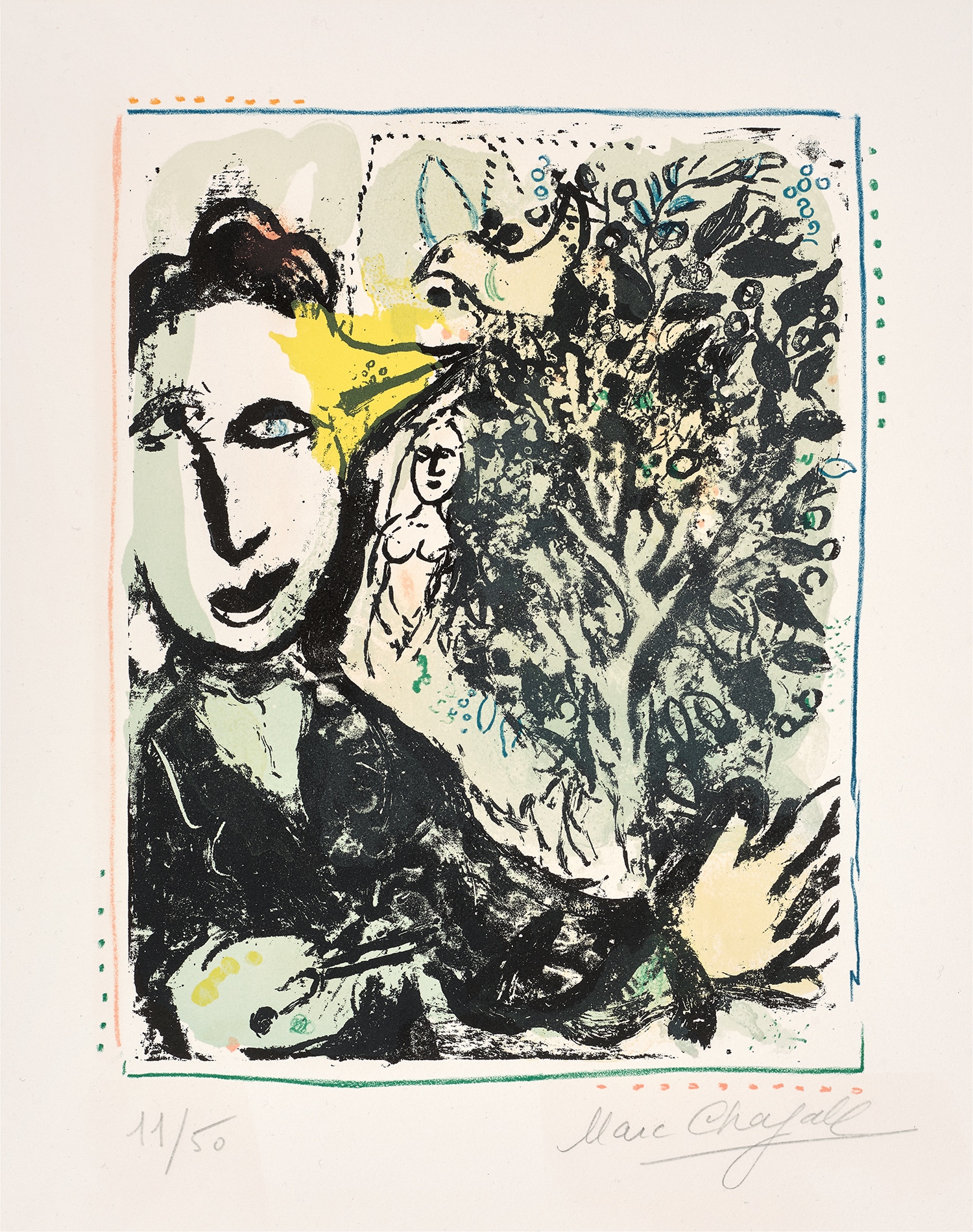
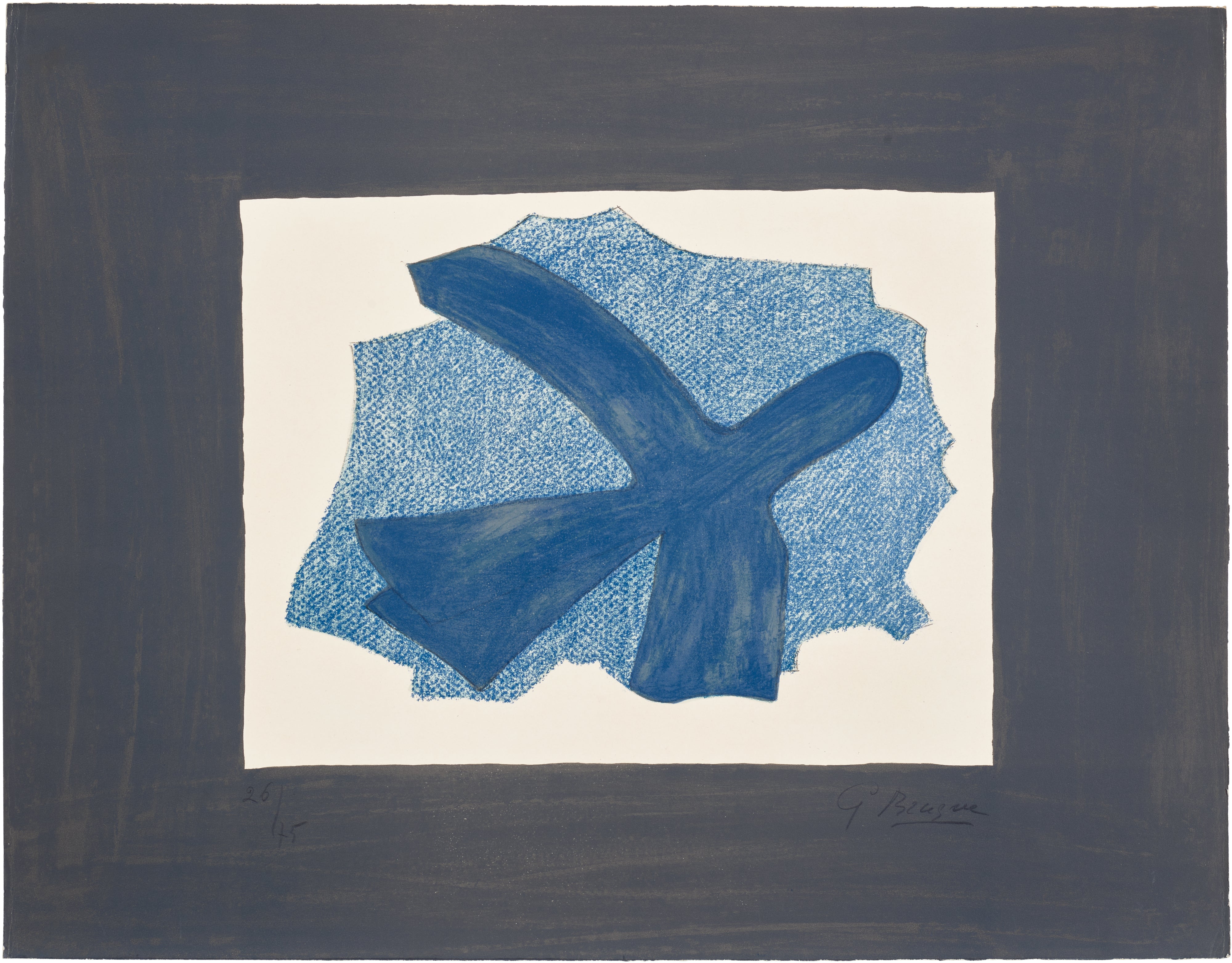
Georges Braque, who spent decades returning obsessively to the bird form, described it as the only subject that truly interested him in his later years. His birds are not illustrations of birds. They are glyphs, wedge shaped silhouettes pressed into atmospheric space, existing somewhere between symbol and sensation. The works on The Collection reflect this quality beautifully.
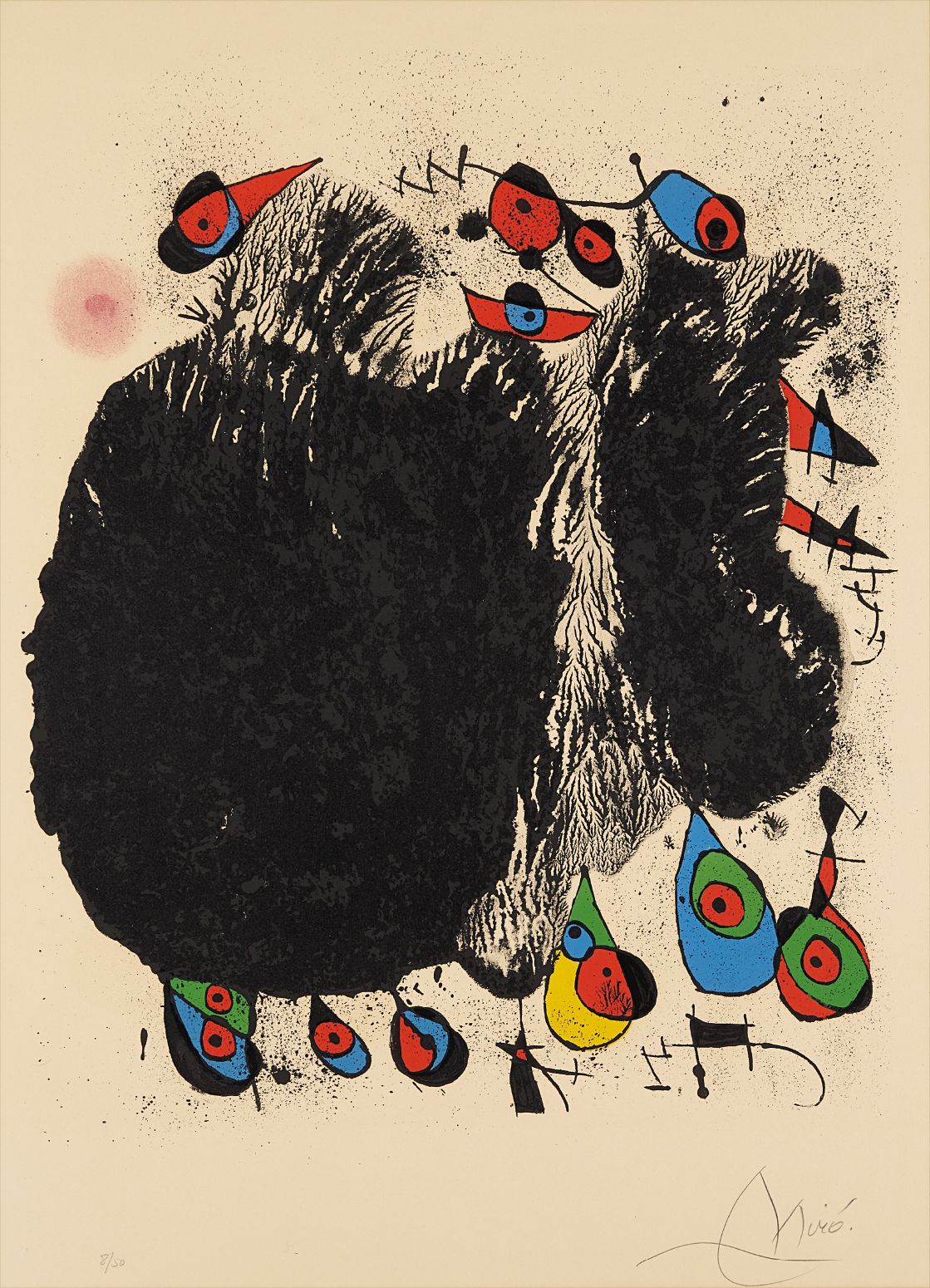
Joan Miró
La Cascade aux oiseaux
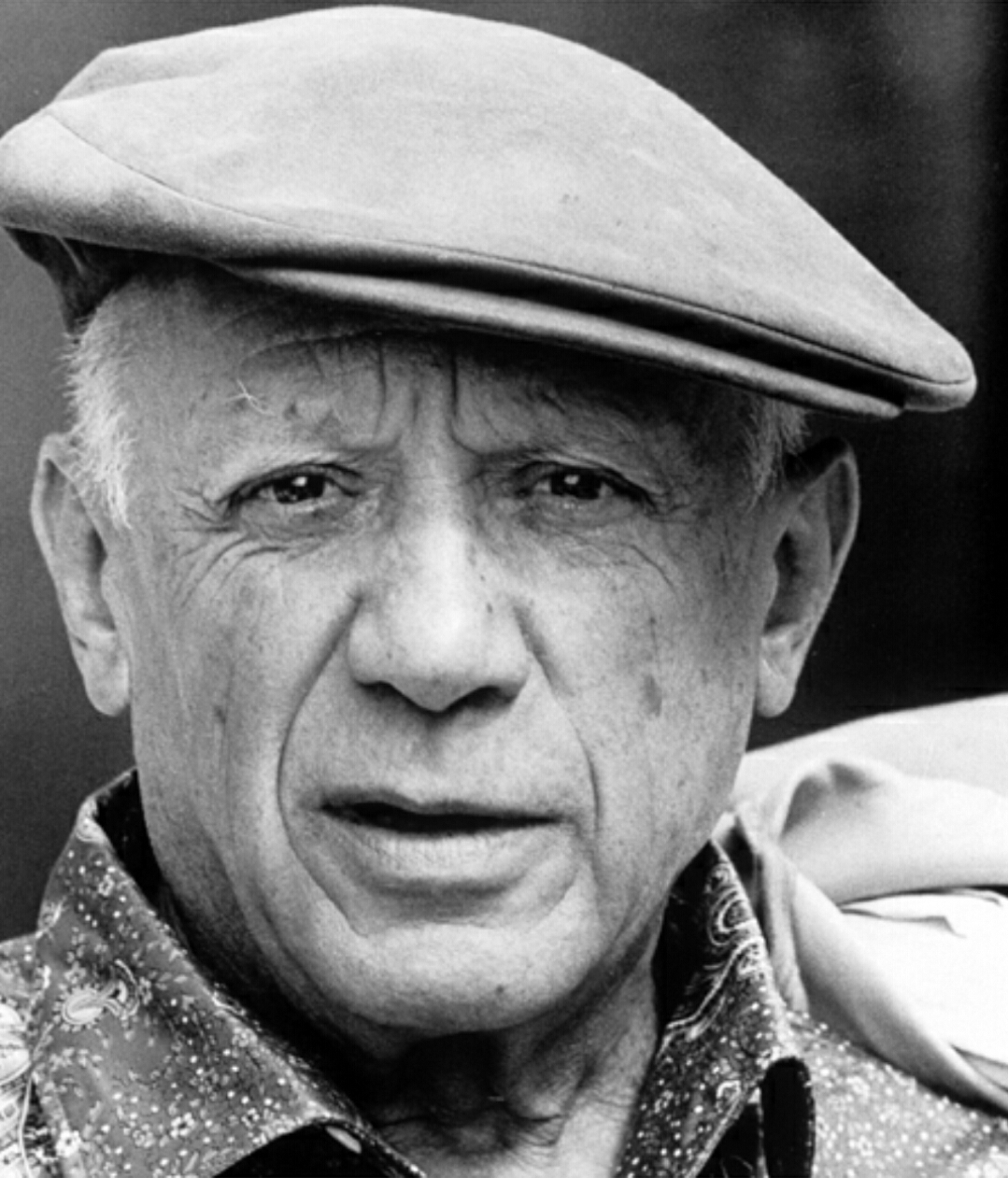
Joan Miró treated birds with characteristic warmth and mischief, turning them into primary colored emissaries from some joyful unconscious. For Miró, the bird was always ascending, always in motion, a sign of possibility rather than taxonomy. Pablo Picasso returned to the dove repeatedly, most famously in his 1949 lithograph adopted as the emblem of the World Peace Congress in Paris. The image became one of the most reproduced artworks of the twentieth century, which is a remarkable fact about a bird.
Surrealism found in birds a readymade symbol of the uncanny. Max Ernst, who identified so strongly with birds that he invented an alter ego named Loplop, the Bird Superior, wove avian imagery through decades of painting, collage, and sculpture. Birds in his work are never innocent. They are messengers from some unresolved interior territory, half familiar and half threatening.
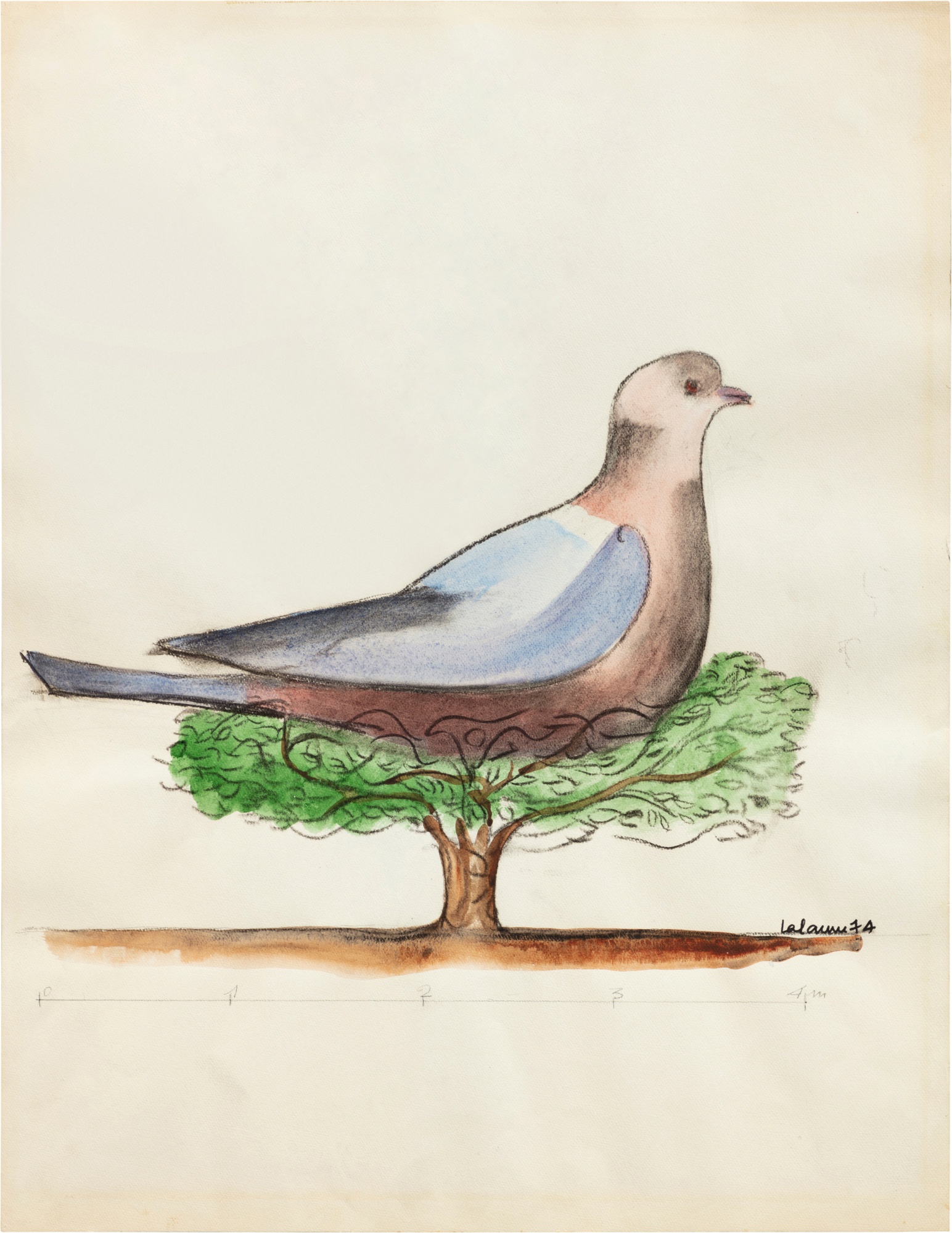
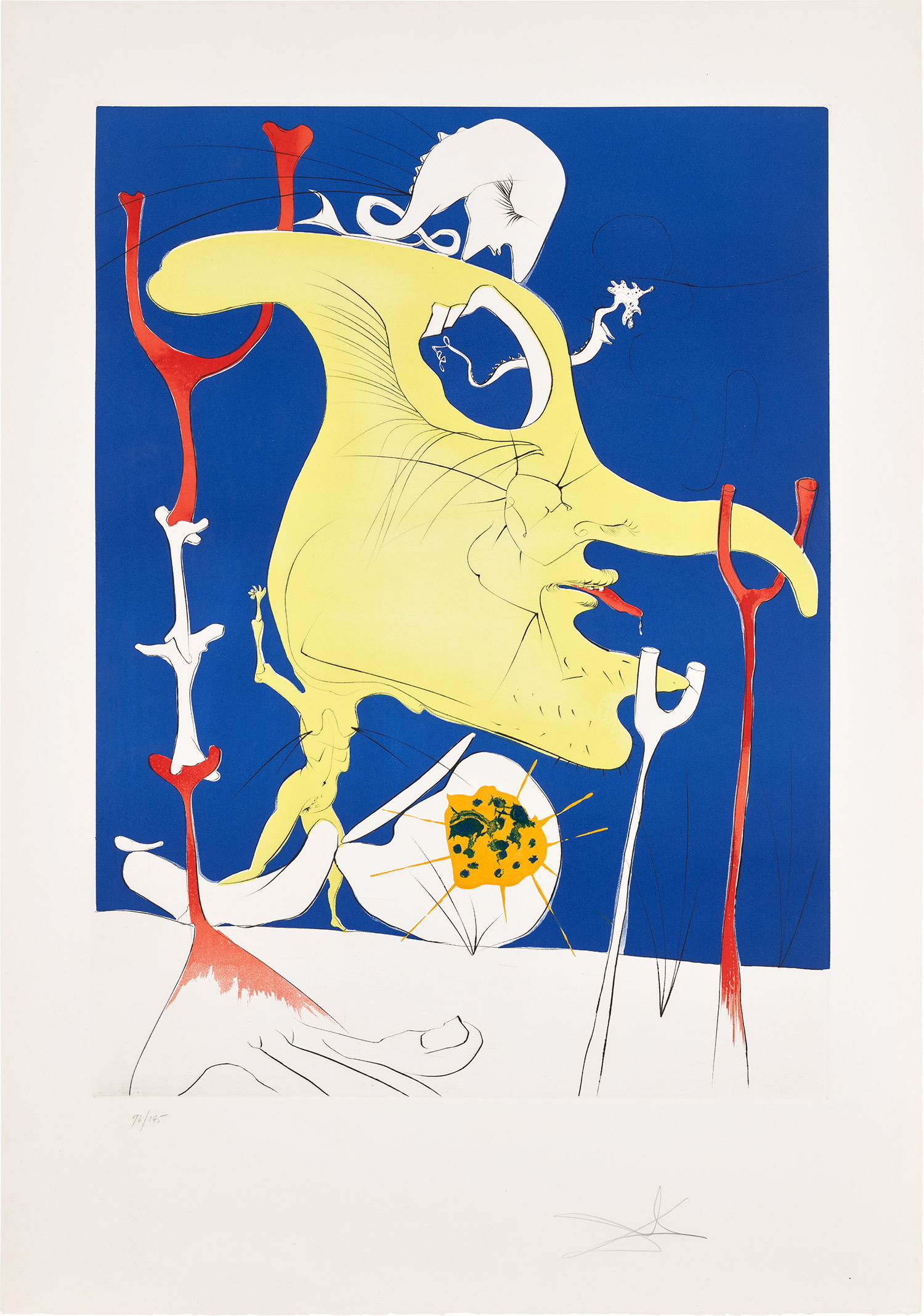
Salvador Dalí used birds differently, deploying their flight as a kind of visual grammar for desire and gravity, figures suspended between fall and ascent. Both artists are present on The Collection, and placed in conversation they illustrate how the same subject can be bent toward entirely different emotional registers. François Xavier Lalanne brought birds into three dimensions with a wit and sensibility all his own. His sculptural menagerie, beloved by collectors since the 1960s, treats animals including birds with a kind of tender absurdism that refuses easy categorization.
Are they design objects, sculpture, furniture, jokes. The answer is all of these things at once, which is why they endure. Meanwhile Masahisa Fukase, the Japanese photographer whose devastating series Ravens was made between 1975 and 1982 following the end of his marriage, transformed the bird into pure psychological weather. Those photographs are not about birds.
They are about grief, about what it feels like to have the sky turn against you. What the bird offers the artist is essentially inexhaustible. It carries the air. It navigates by instinct.
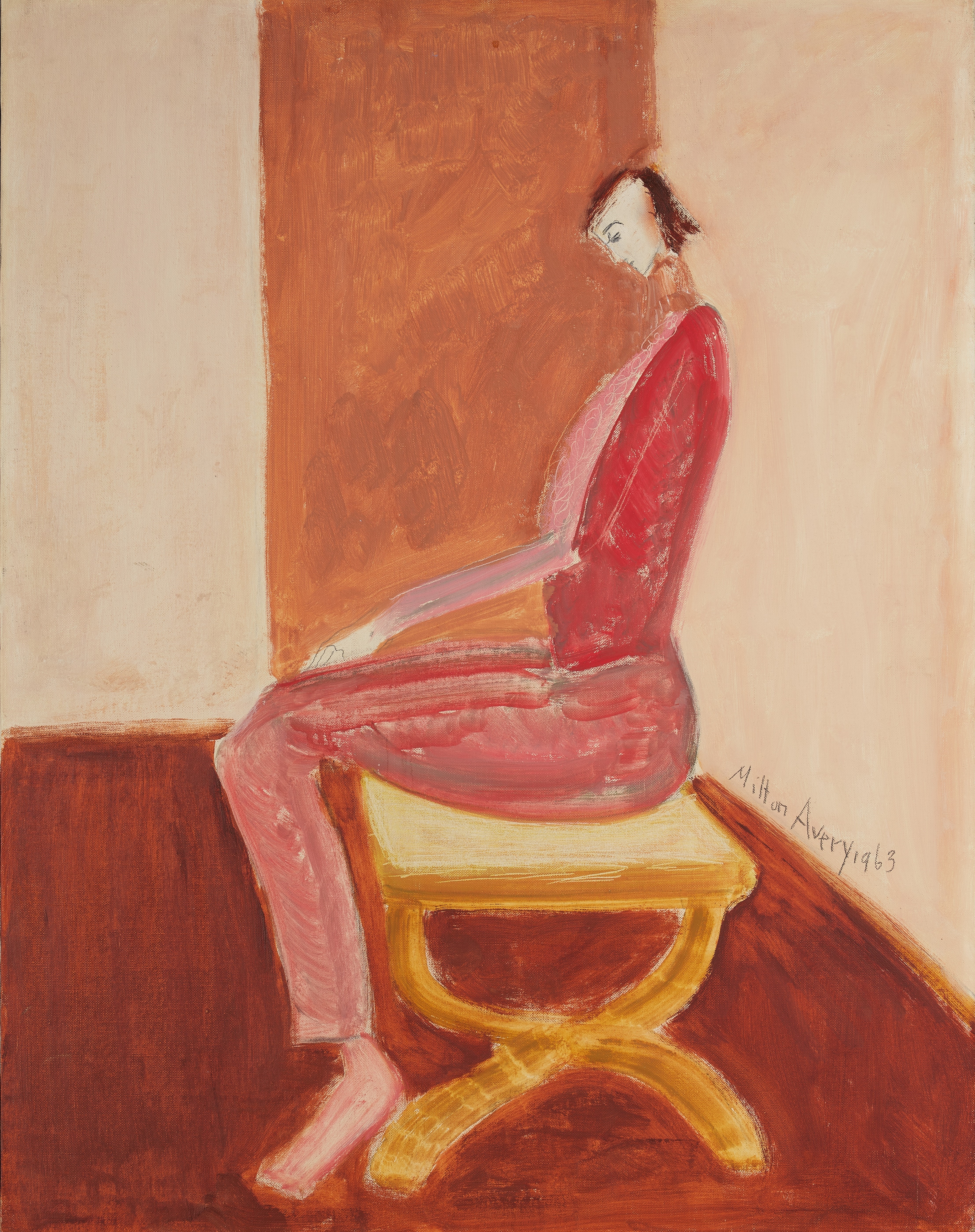
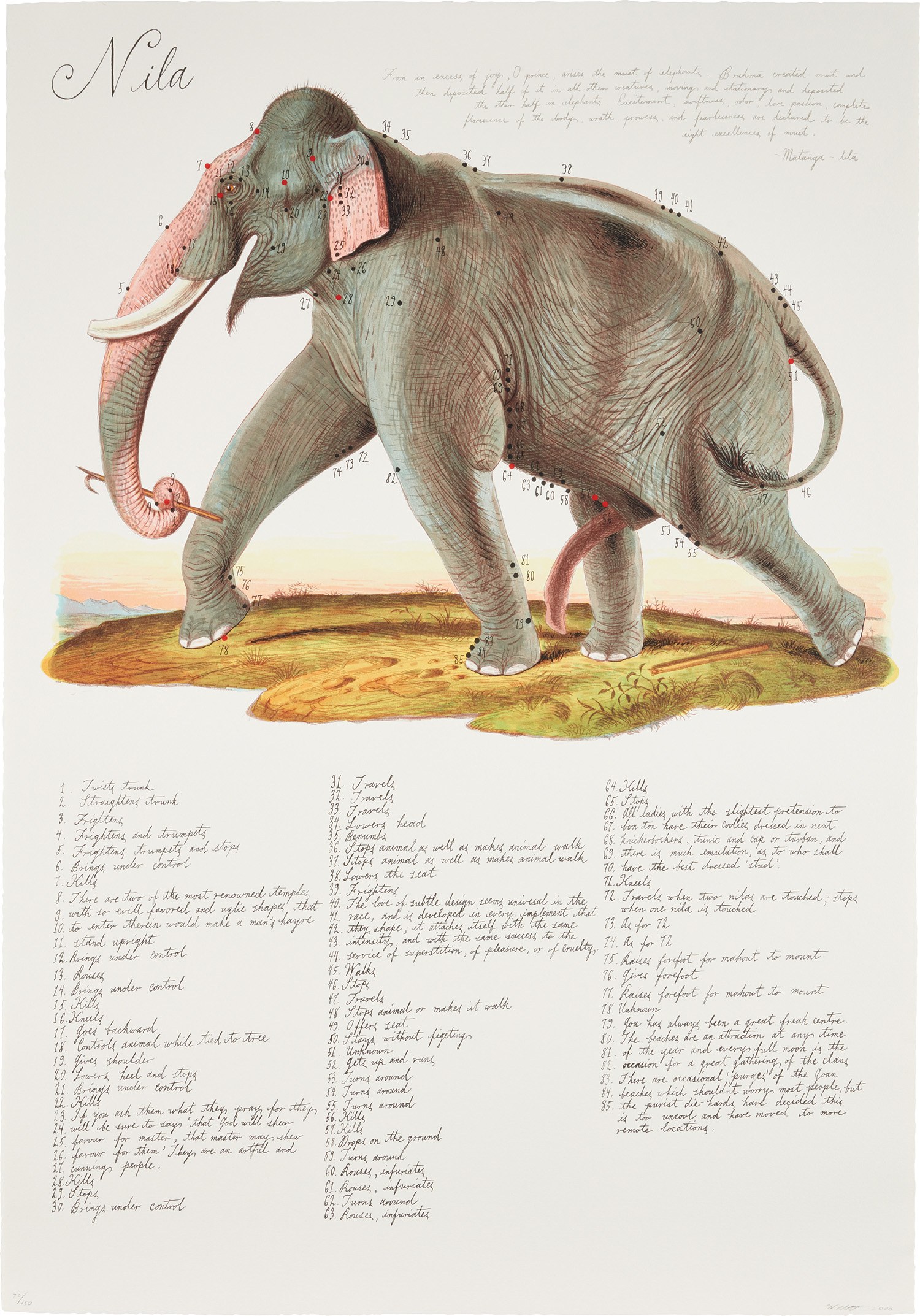
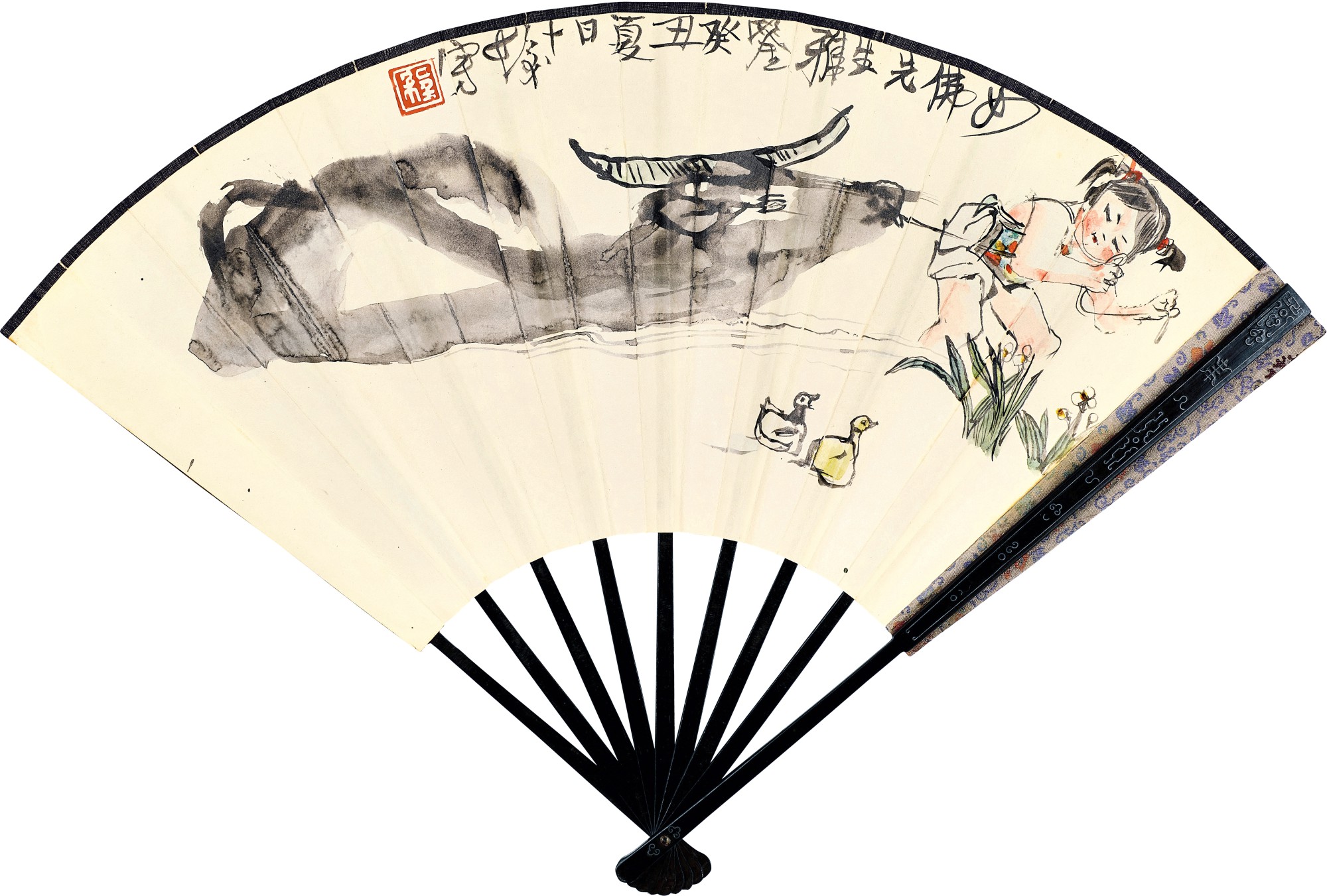
It sings without language. It departs and returns and departs again. Milton Avery, Winslow Homer, Walton Ford, Cheng Shifa, and Wu Guanzhong have each found in it something irreducible, something that resists being fully said in any other form. The bird remains one of art's most honest subjects, not because it is simple, but because it is always in motion, always just beyond the reach of the hand that tries to hold it.