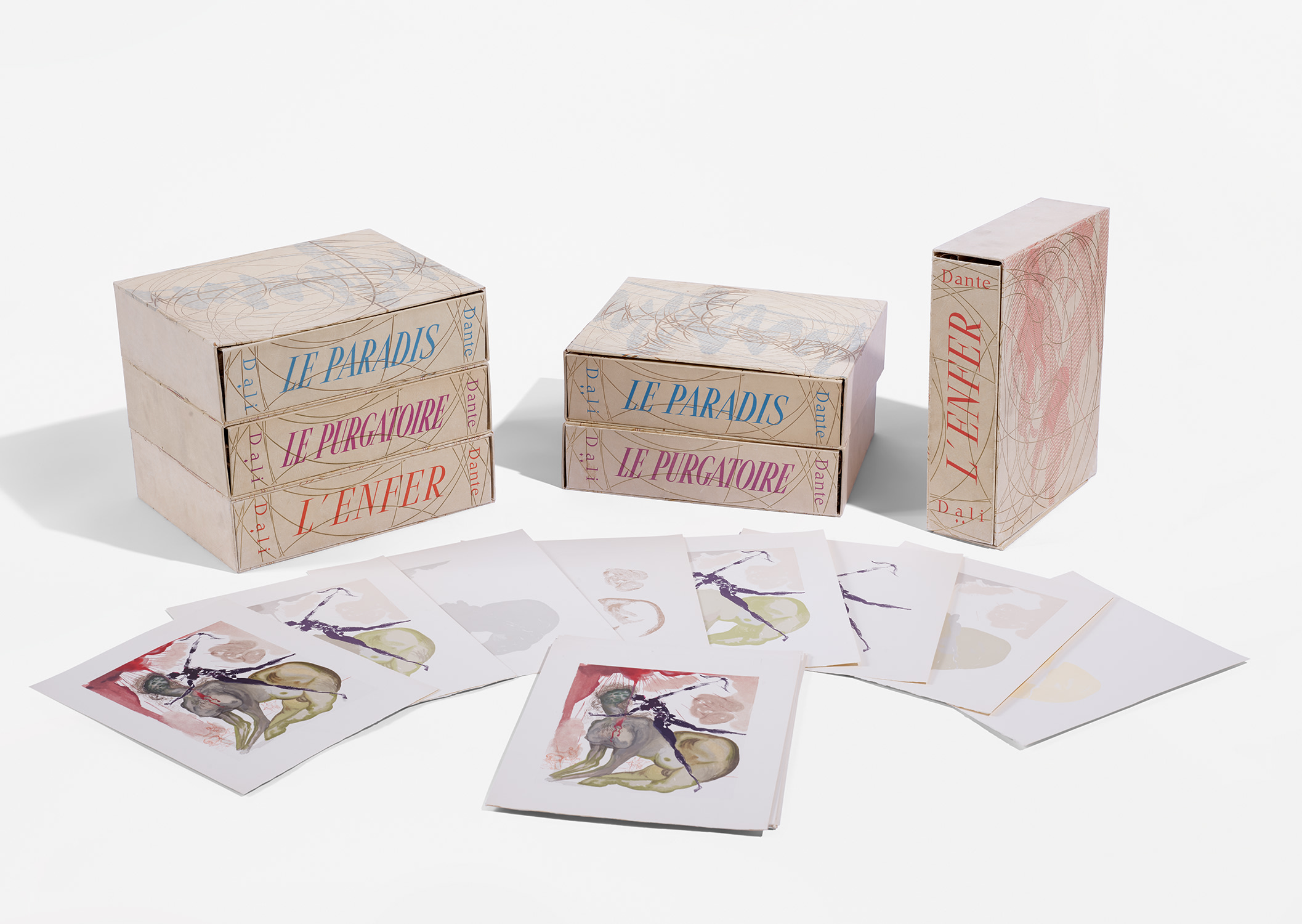
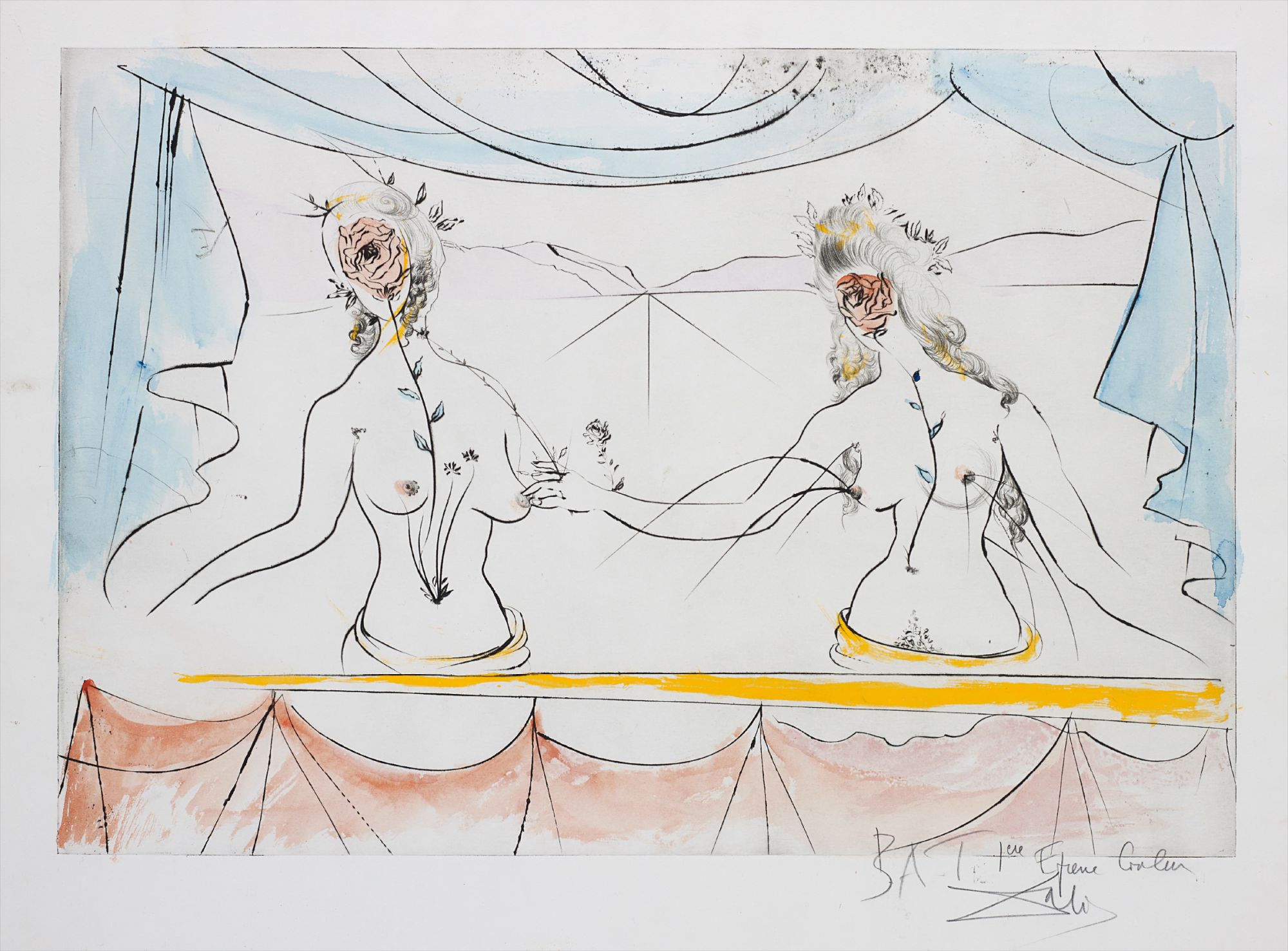
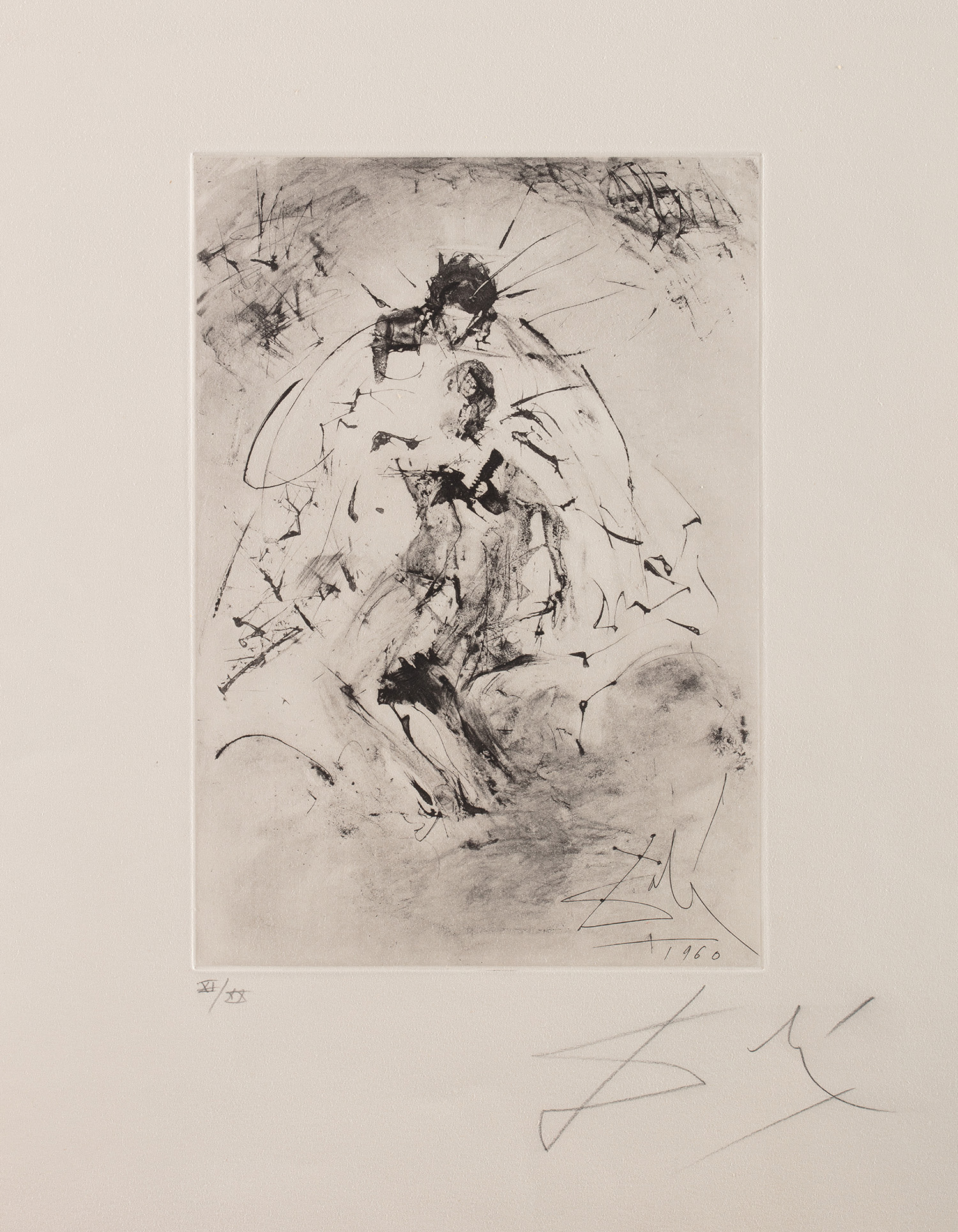
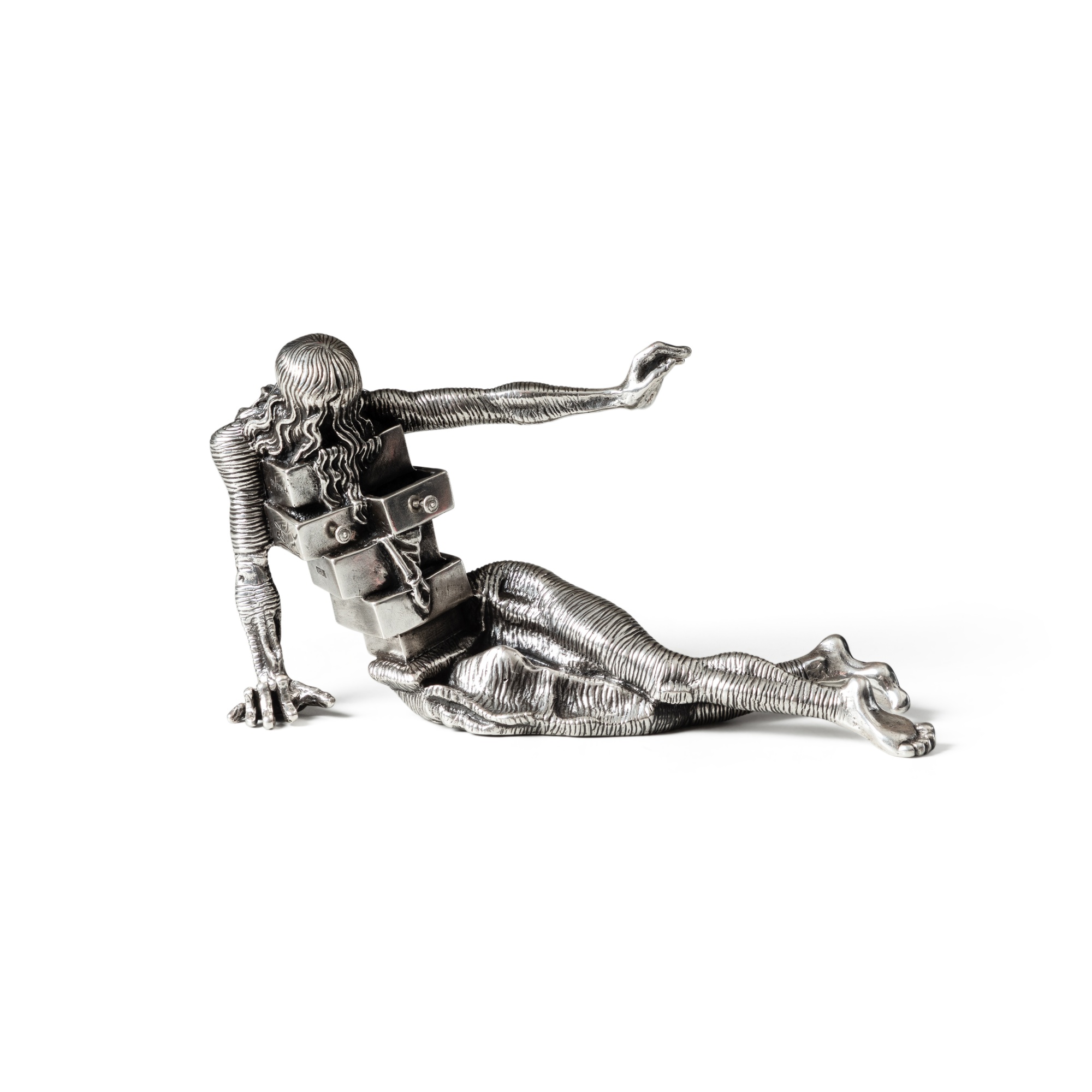
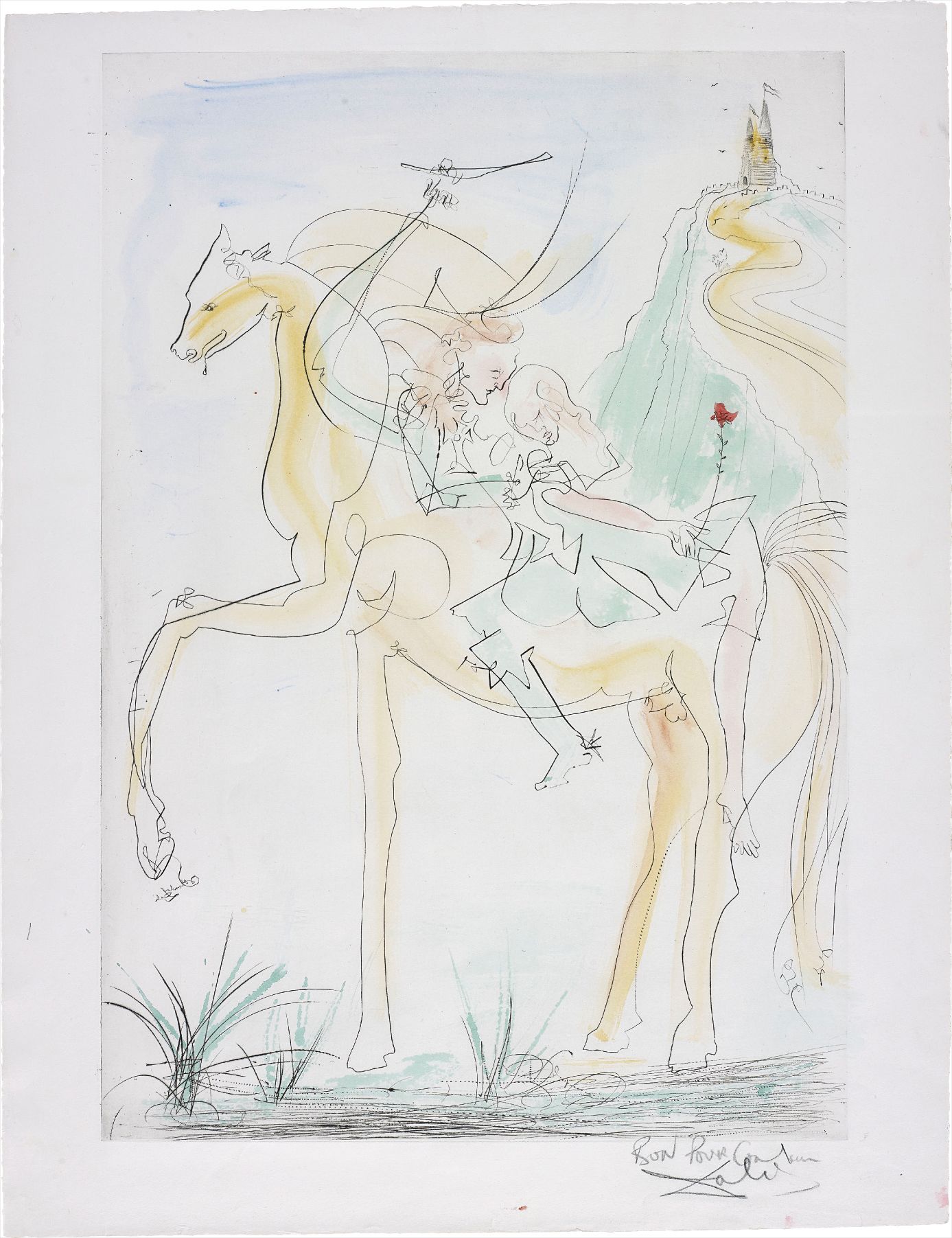
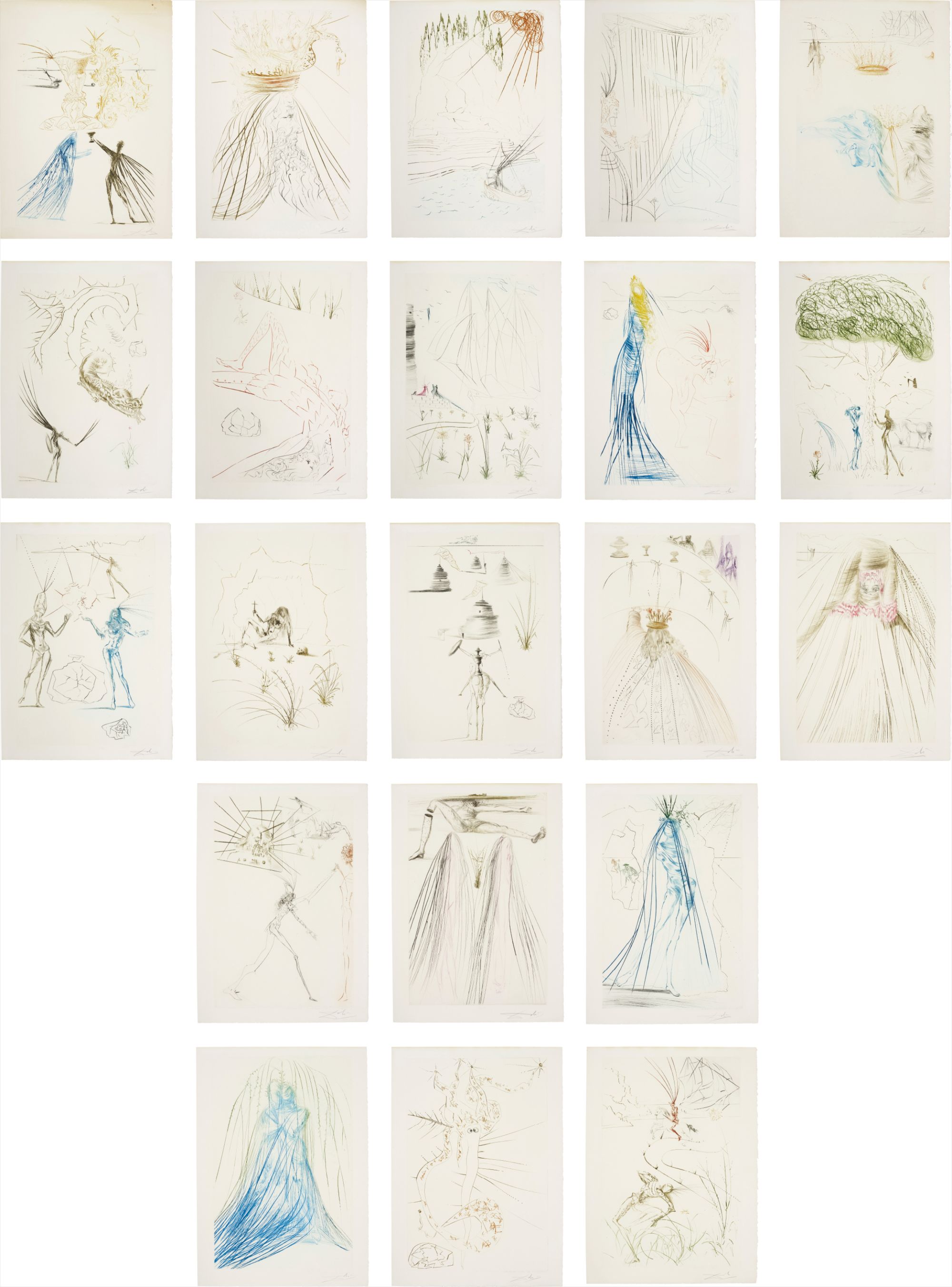
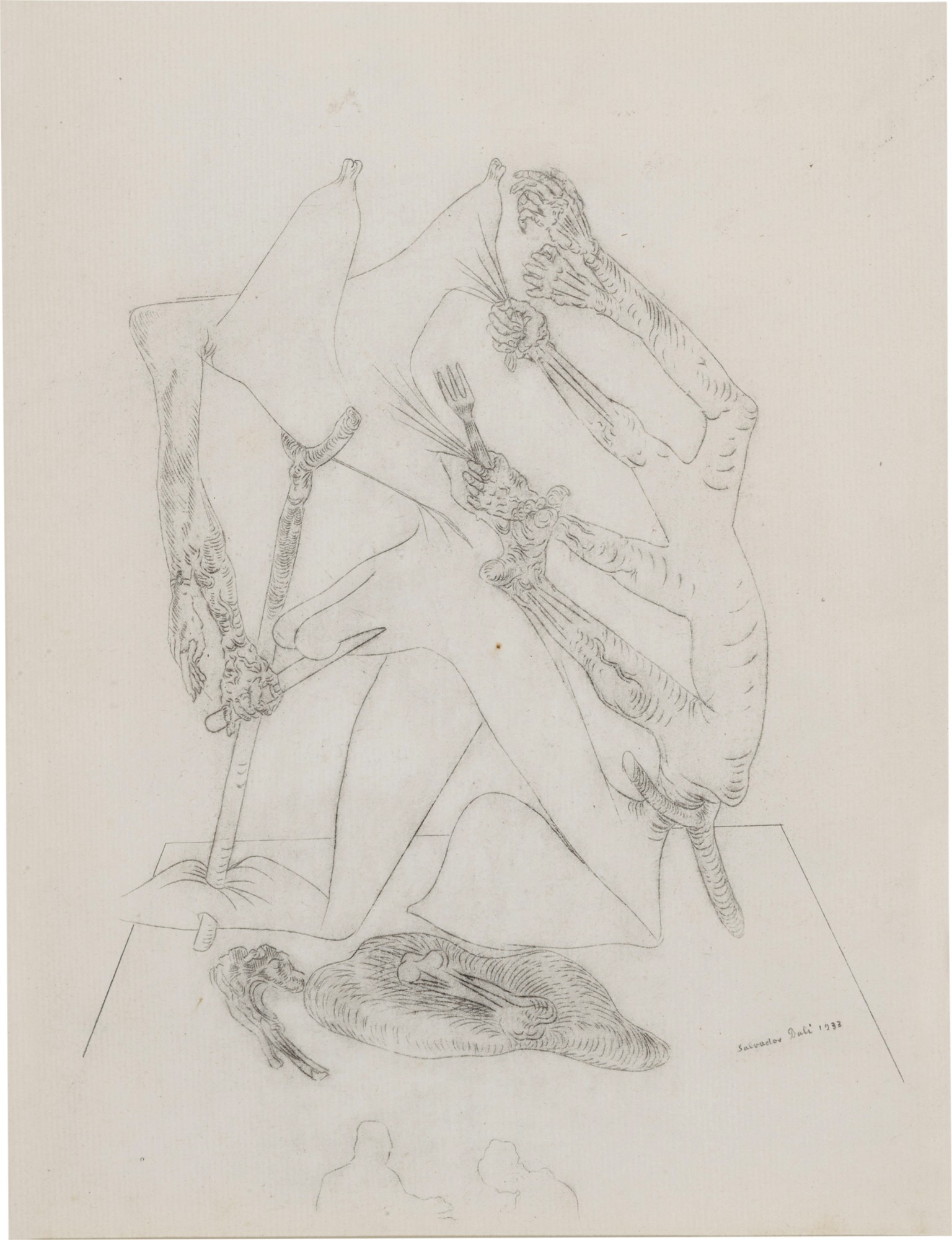
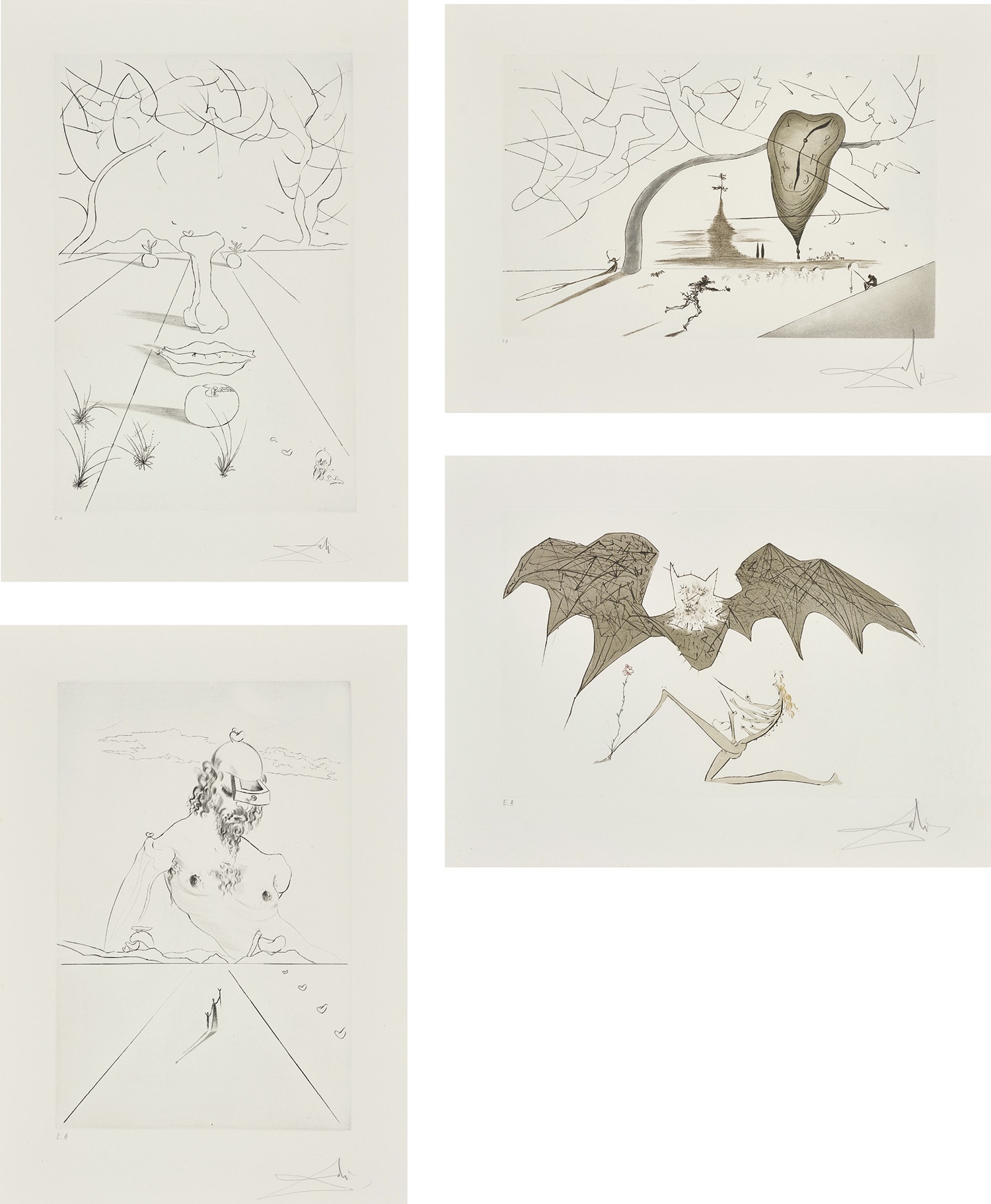
In the spring of 2023, the Dalí Theatre Museum in Figueres drew record numbers of visitors, a reminder that more than three decades after his death, Salvador Dalí remains one of the most sought after and deeply beloved figures in the history of Western art. The museum itself, which Dalí designed and considered his greatest single work, encapsulates everything that made him singular: the theatrical grandeur, the obsessive self mythology, the insistence that art and life be inseparable. Crowds move through its rooms with something closer to pilgrimage than tourism. That kind of enduring magnetism is rare, and it belongs entirely to Dalí. Salvador Domingo Felipe Jacinto Dalí i Domènech was born on May 11, 1904, in Figueres, a small town in Catalonia near the French border. He was the second child of a prosperous notary, and from his earliest years he was permitted, even encouraged, to inhabit a world of fantasy and willful eccentricity. His mother died when he was sixteen, a loss that left a permanent wound beneath the elaborate performances of confidence he would later stage for the world. The landscape of the Costa Brava, the rocky capes and luminous Catalan light around Cadaqués, shaped his visual imagination in ways that would resurface again and again across six decades of work. In 1922, Dalí enrolled at the Real Academia de Bellas Artes de San Fernando in Madrid, where he lived in the Residencia de Estudiantes alongside Federico García Lorca and Luis Buñuel. These friendships were electrifying and formative. He arrived already technically accomplished, working fluently through Impressionism, Pointillism, and Cubism with the methodical intensity of a student determined to master everything before he invented something new. He was expelled twice before completing his studies, famously declaring that no professor there was qualified to examine him. Whether or not one agrees with the audacity, the underlying self assessment was not entirely wrong. His encounter with the Surrealist movement in Paris in the late 1920s was the decisive turning point. Dalí met André Breton and joined the Surrealist circle in 1929, the same year he met Elena Ivanovna Diakonova, known as Gala, who would become his partner, muse, and business manager for the rest of their lives together. Drawing on Sigmund Freud's writings on dreams and the unconscious, Dalí developed what he called the paranoiac critical method, a way of training himself to produce hallucinatory imagery with total deliberateness rather than passive automatism. He wanted to paint dreams the way Vermeer painted interiors: with unflinching precision and an almost unbearable fidelity to detail. The result was a body of work that felt simultaneously ancient and entirely modern. The Persistence of Memory, completed in 1931 and now in the collection of the Museum of Modern Art in New York, remains the work most people call to mind first. Its melting watches draped over a barren Catalan landscape have become one of the most reproduced images in the history of art. But collectors and scholars have long understood that Dalí's range was far broader and stranger than any single icon can convey. His printmaking practice, which spanned drypoint, lithography, heliogravure, and extensive hand colouring, produced work of considerable intimacy and technical brilliance. His series paying homage to Goya's Caprichos, in which he reworked plates from around 1799 with his own drypoint interventions and unique colouring on Rives BFK paper, shows a deep dialogue with art history conducted on his own combative terms. His drawings and works on paper, including his 1935 Conté crayon and pencil piece Nourrice avec apparition de la statue de la liberté et tête aérodynamique avec soulier et verres, reveal a draughtsman of exceptional sensitivity working beneath all the showmanship. The market for Dalí has remained consistently strong for decades, and the diversity of his output makes him accessible to collectors at multiple levels of engagement. Major oil paintings appear at Christie's and Sotheby's with estimates well into the millions, but his works on paper, prints, and mixed media pieces offer serious collecting opportunities at more approachable price points without sacrificing quality or significance. What serious collectors look for in Dalí is the same thing that separates strong examples of any great artist's work: specificity of vision, technical ambition, and a clear relationship to the themes that define the broader practice. His mythological suites, his Surrealist gastronomy prints, and his homages to Leonardo and Duchamp all carry those qualities in abundance. Works with hand colouring and unique interventions are particularly prized because they occupy that fertile territory between the multiples and one of a kind objects, blending Dalí's democratic impulse with his hunger for singularity. Within art history, Dalí's natural neighbours include René Magritte, whose quieter, more philosophical Surrealism offers a useful counterpoint, and Max Ernst, whose collage based dreamscapes share Dalí's interest in layered, associative imagery. Giorgio de Chirico's metaphysical paintings, which predate Surrealism proper, cast a long shadow over the movement's sense of uncanny architecture and dreamlike space, and Dalí acknowledged that debt openly. His command of Old Master technique, absorbed through devoted study of Vermeer, Velázquez, and Raphael, also places him in a tradition of technical virtuosity that connects directly to the great figurative painters of earlier centuries. He belongs to Surrealism, certainly, but he also belongs to a much longer story about what painting can do when it refuses every limitation placed upon it. Dalí died on January 23, 1989, in Figueres, in the tower of the castle of Púbol that he had restored for Gala. He was buried in the crypt beneath the stage of his Theatre Museum, a final act of theatre that was also a genuine expression of belief: that his life and his art were one continuous creation. What endures is not simply the iconic imagery or the legendary persona but something more durable, which is the evidence of a mind that took imagination as seriously as any scientist takes empirical fact. To collect Dalí is to participate in one of the great adventures of twentieth century culture, and to look at his work closely is to understand, again and again, that the dream he was painting was always astonishingly, precisely real.