California
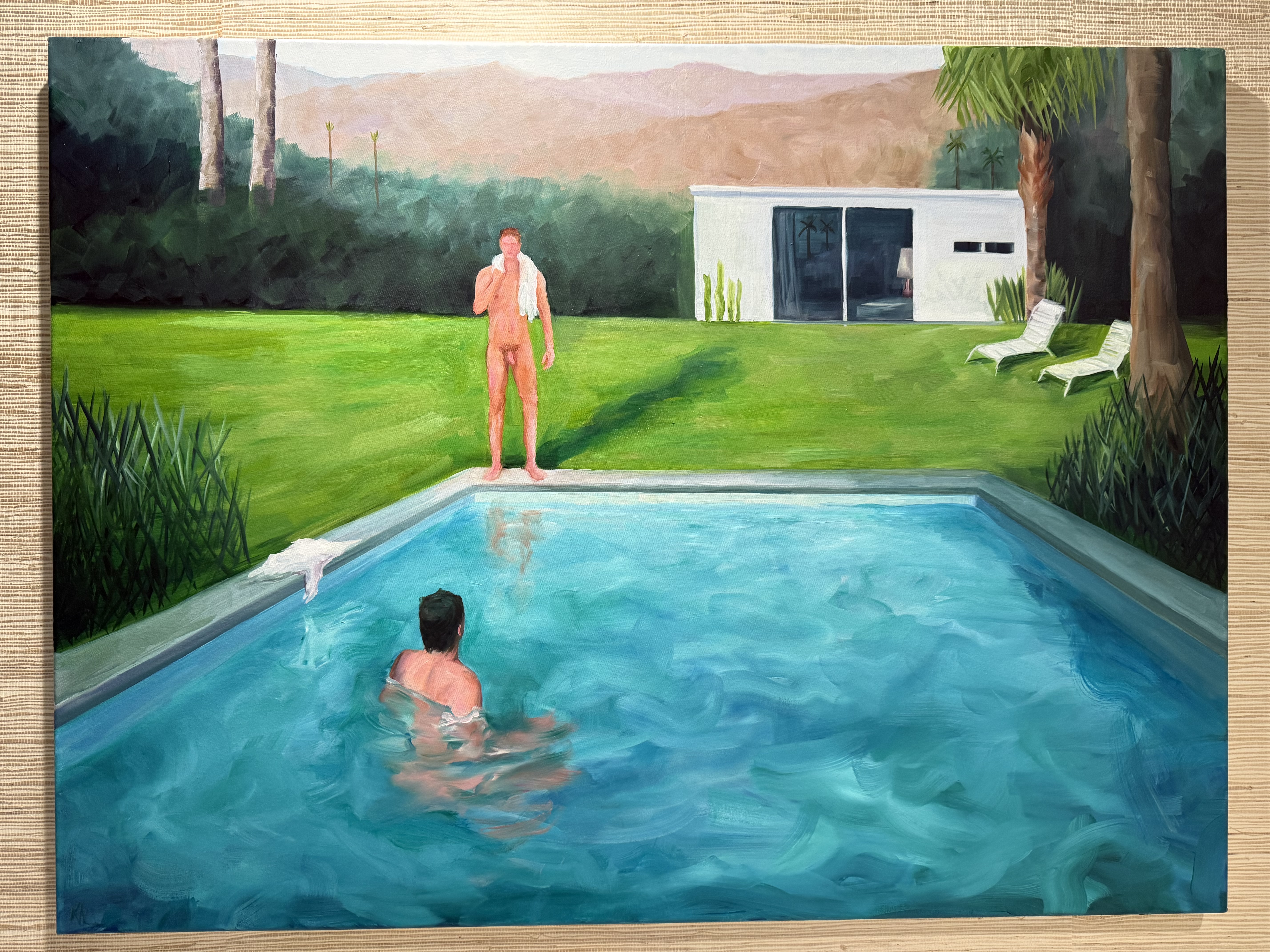
Kory Alexander
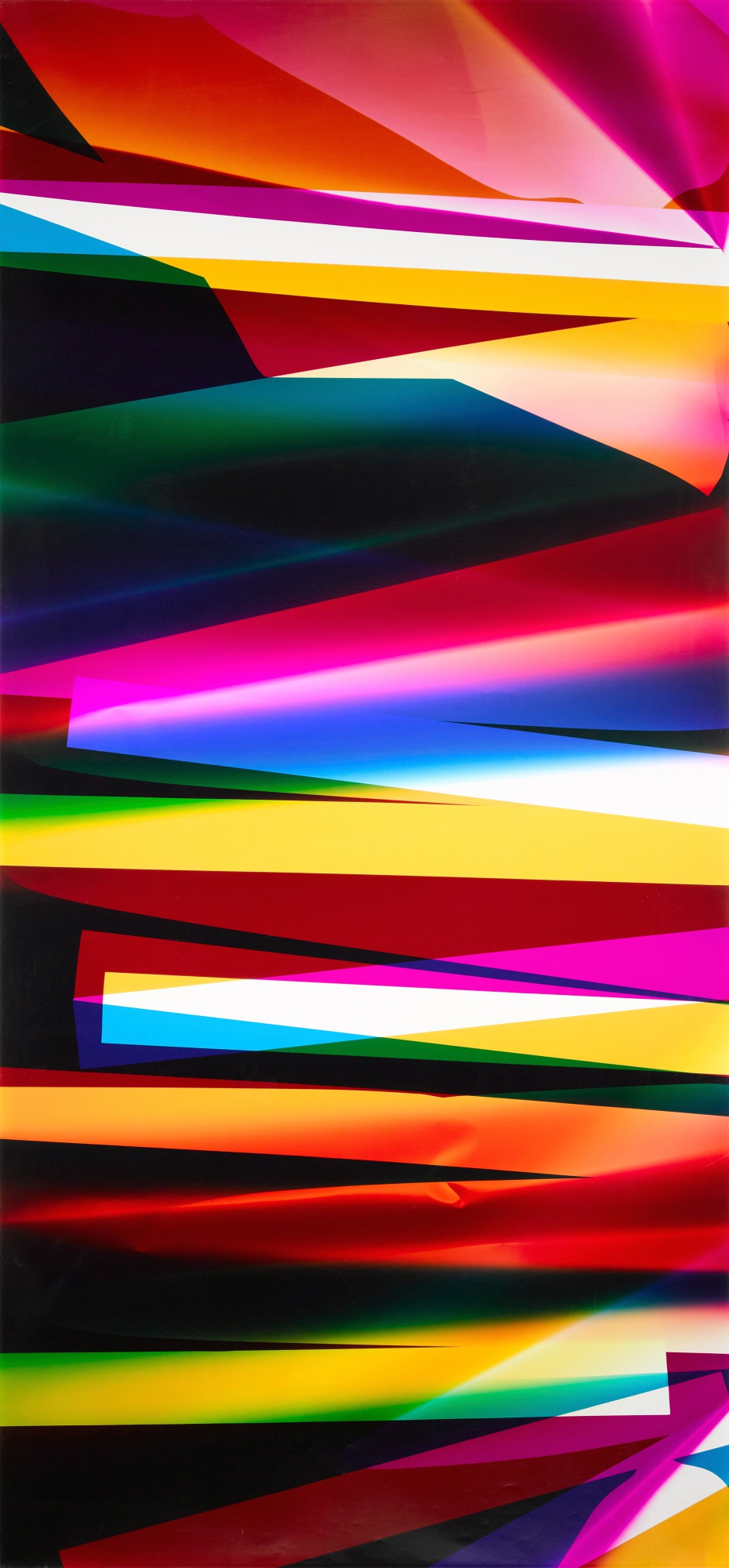
Unspoken Beginning, 2025
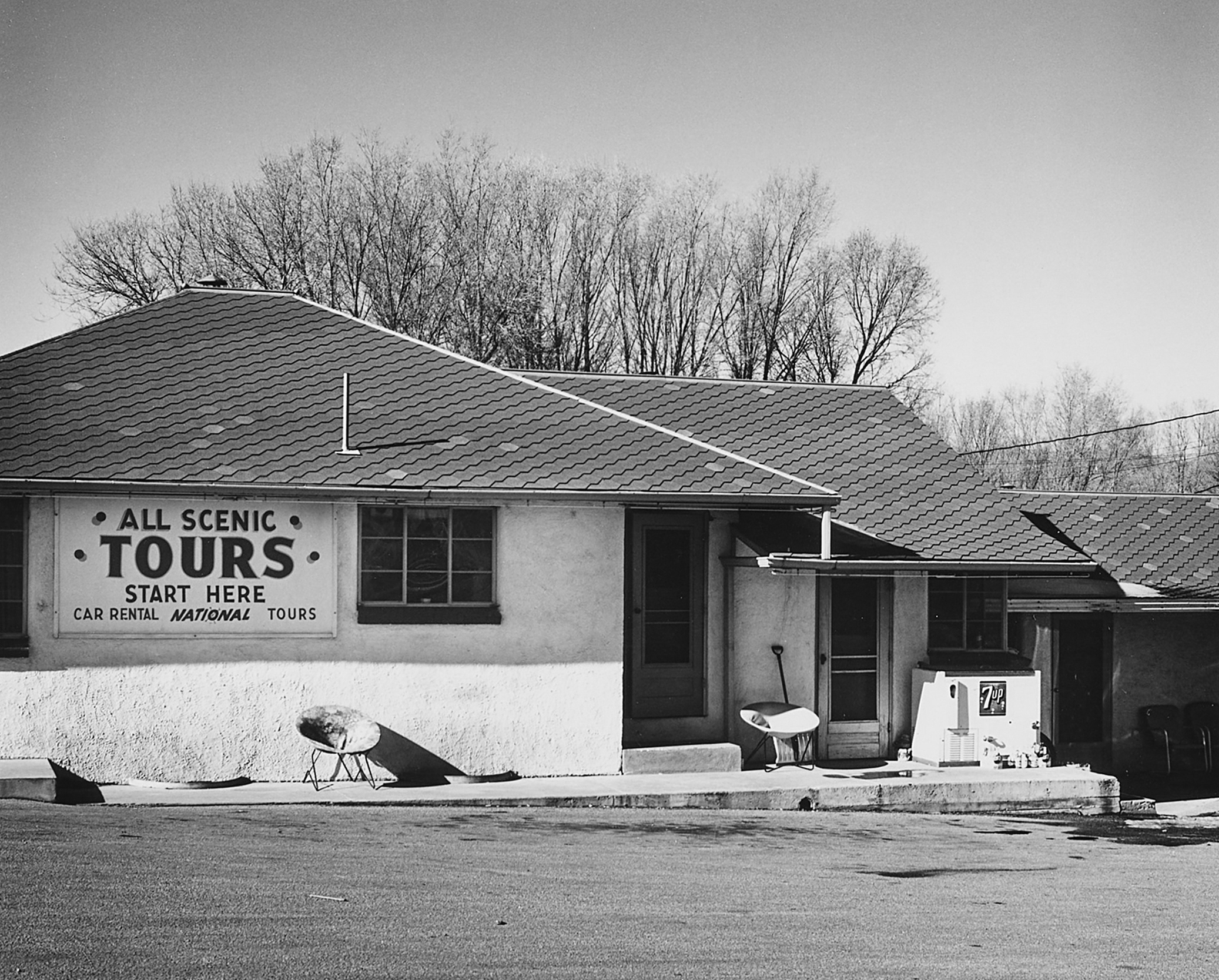
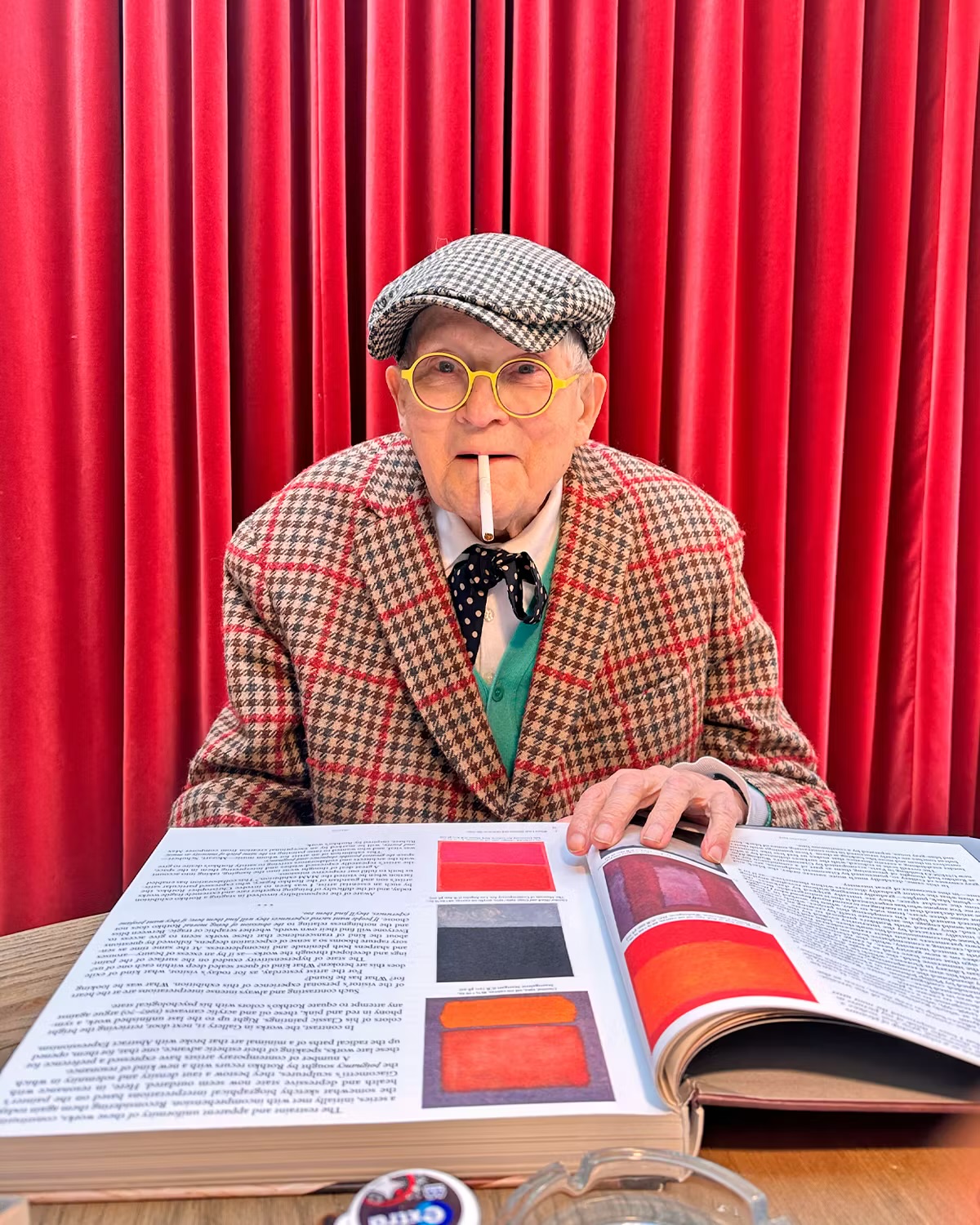
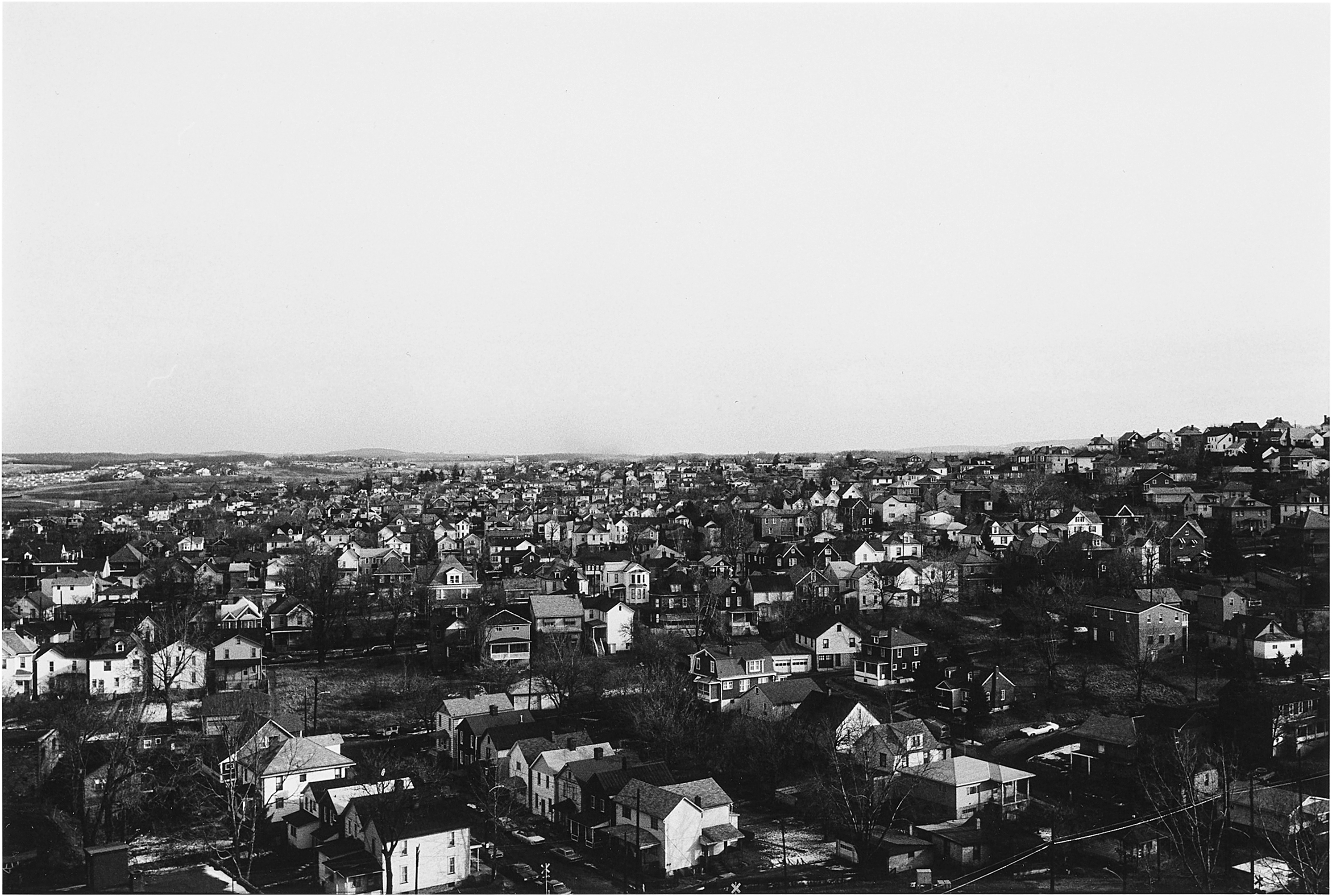
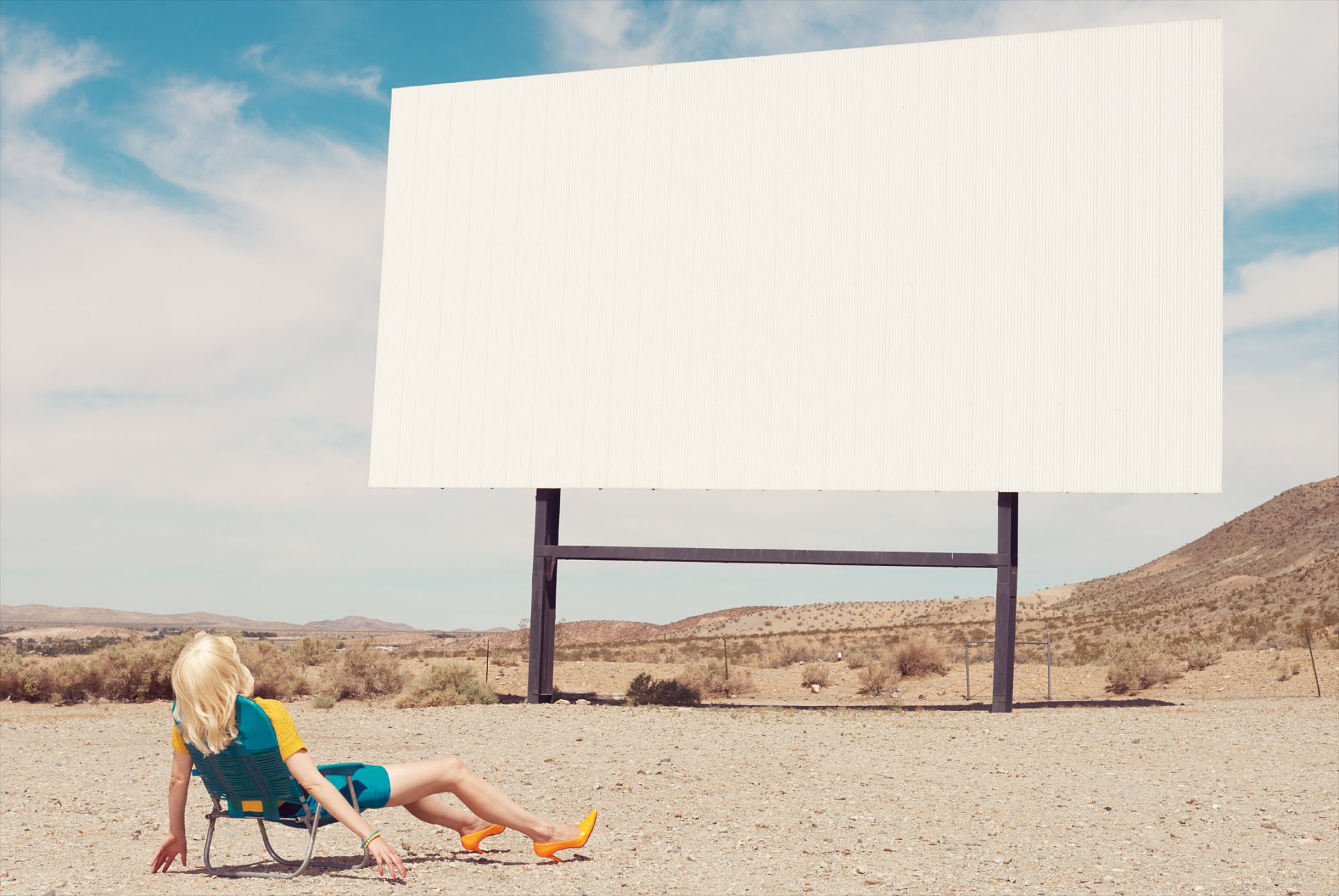
California Dreaming Has Never Cost More
When a vintage print by Ansel Adams sold at Christie's for well over six figures in recent years, the room barely flinched. That kind of number, once reserved for paintings, has become almost routine for California photography at auction. What the result signaled, more than any single transaction, was the degree to which the visual mythology of the American West has been thoroughly institutionalized, its most iconic images now treated as blue chip assets by collectors who once reserved that designation for oil on canvas. The market appetite for California as a subject, a geography, and a state of mind has only deepened in the years since the pandemic reshuffled collecting priorities.
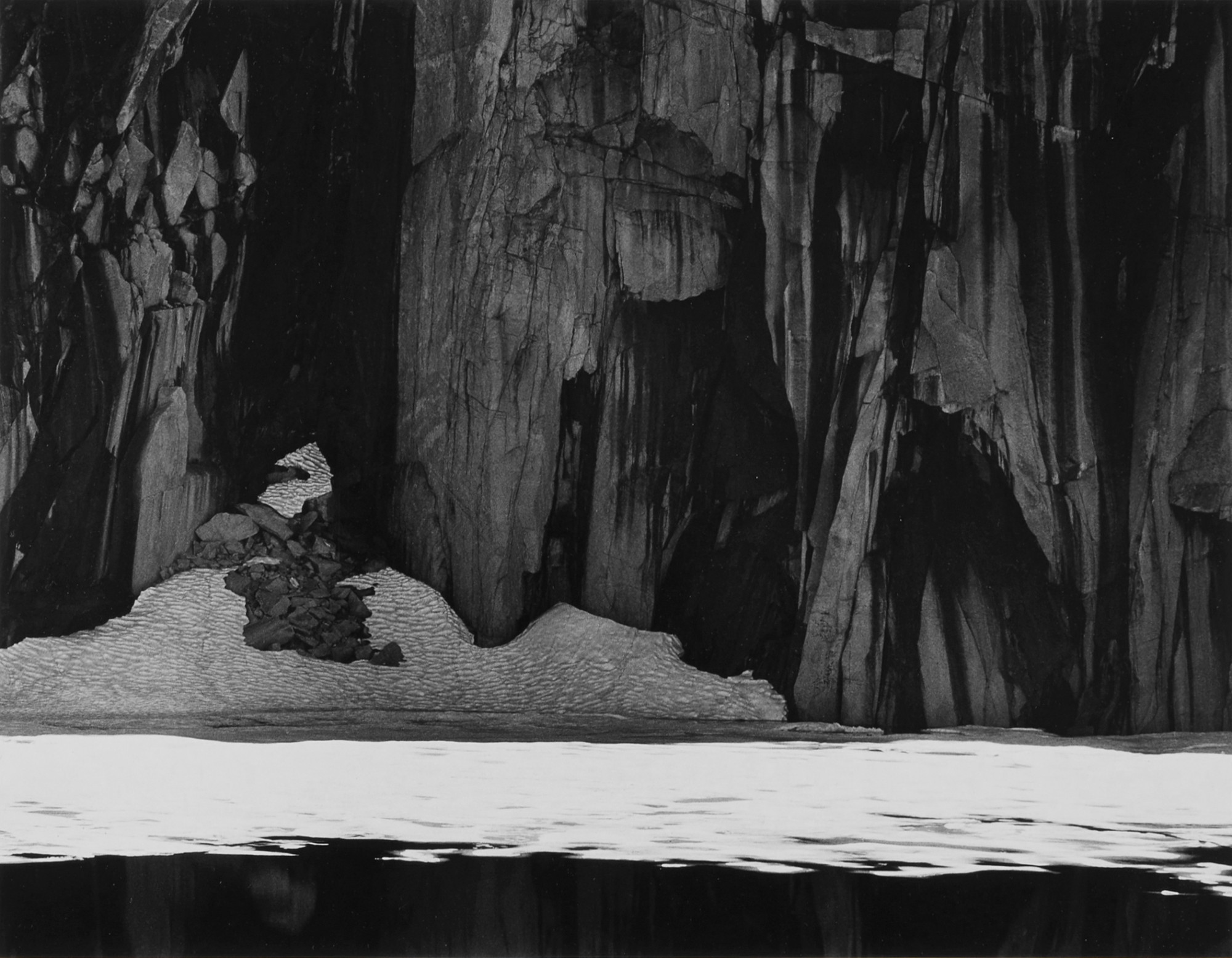
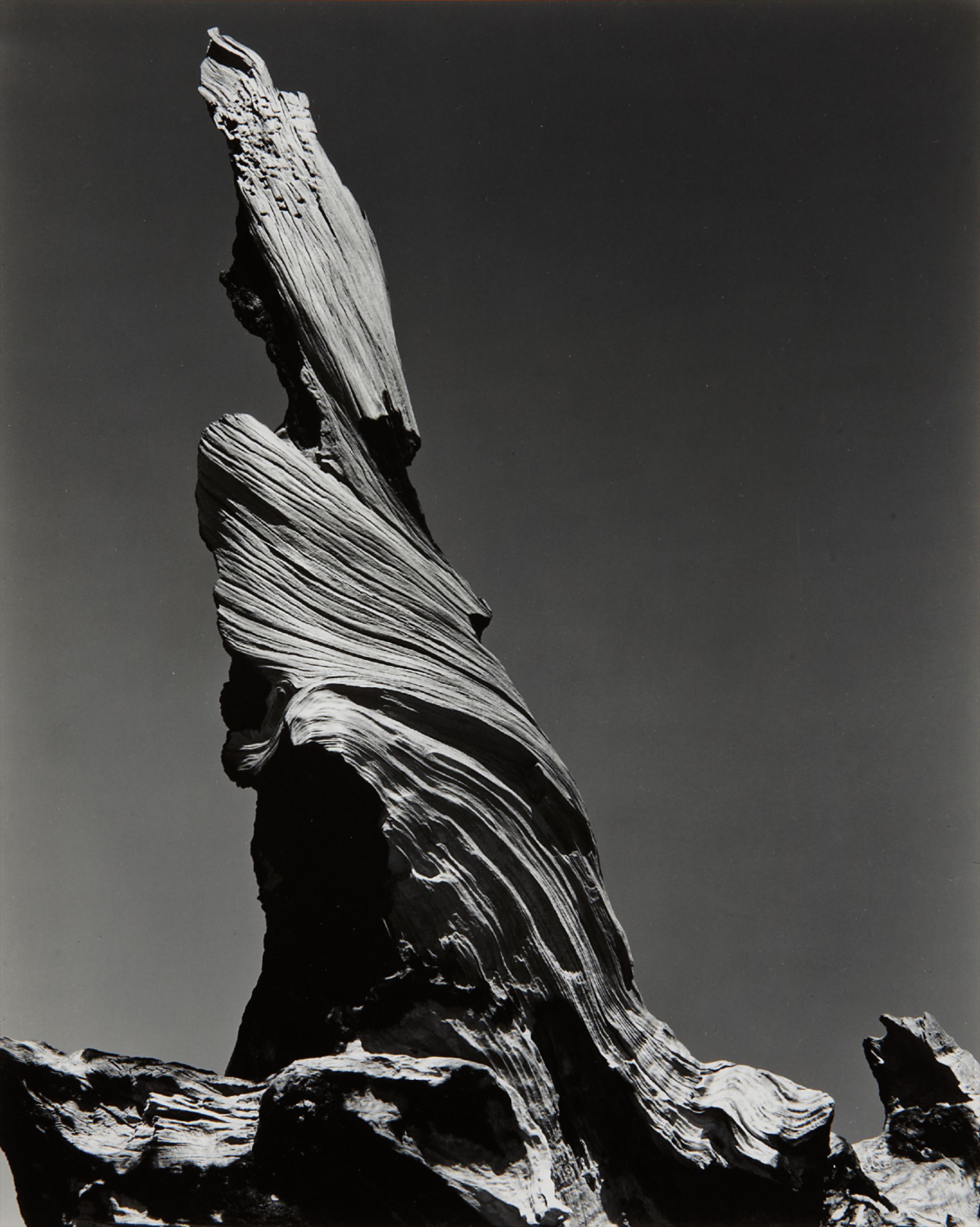
Works that locate the viewer in a specific relationship to land, light, and open space carry a particular resonance when so much of daily life moved indoors. Ansel Adams, whose archive is among the most extensively represented on The Collection, remains the anchor of this market. His large format prints of Yosemite and the Sierra Nevada have achieved a kind of cultural saturation that would normally signal the end of serious collector interest, yet demand shows no signs of softening. The tension between ubiquity and desire is part of what makes his market so fascinating to watch.
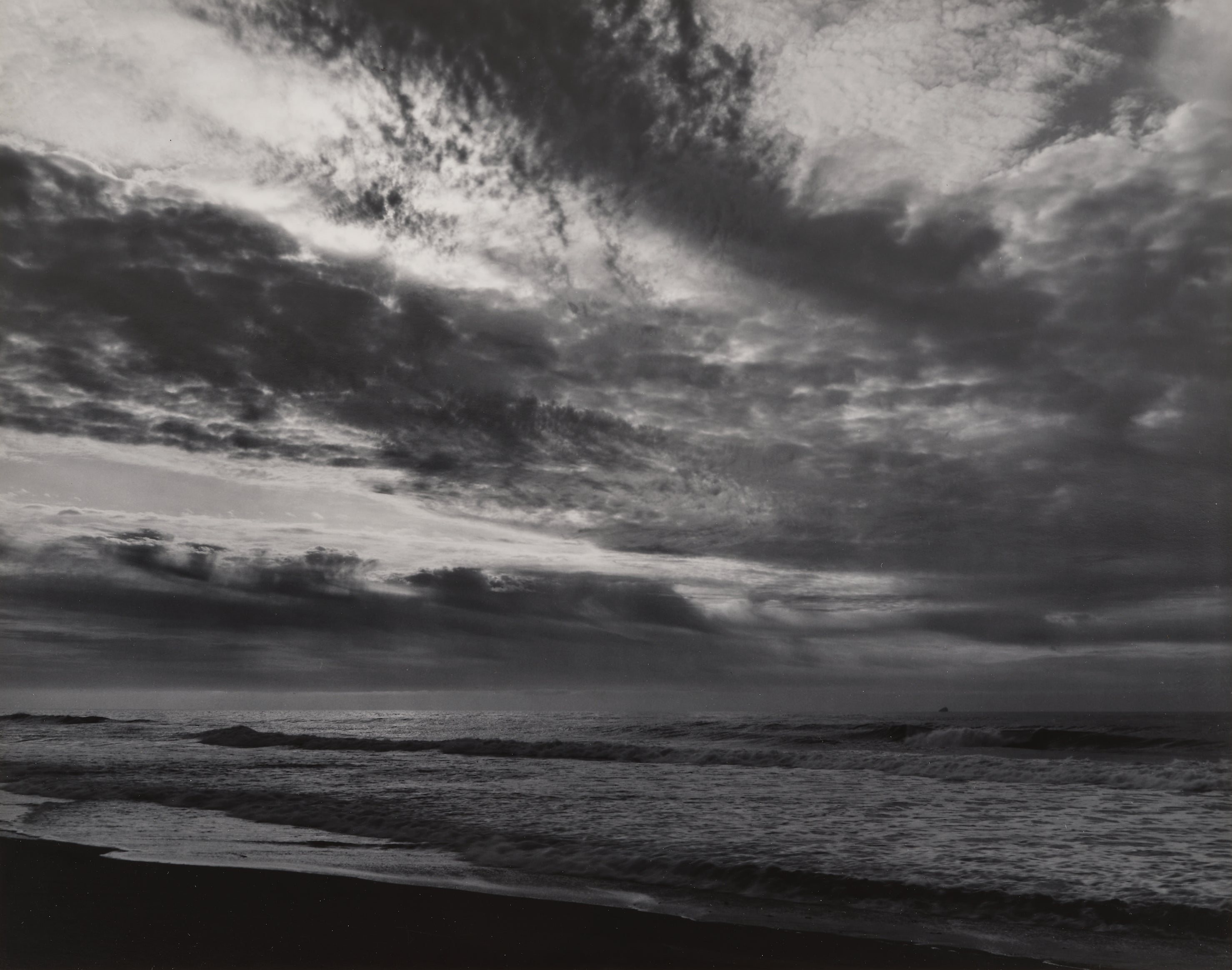
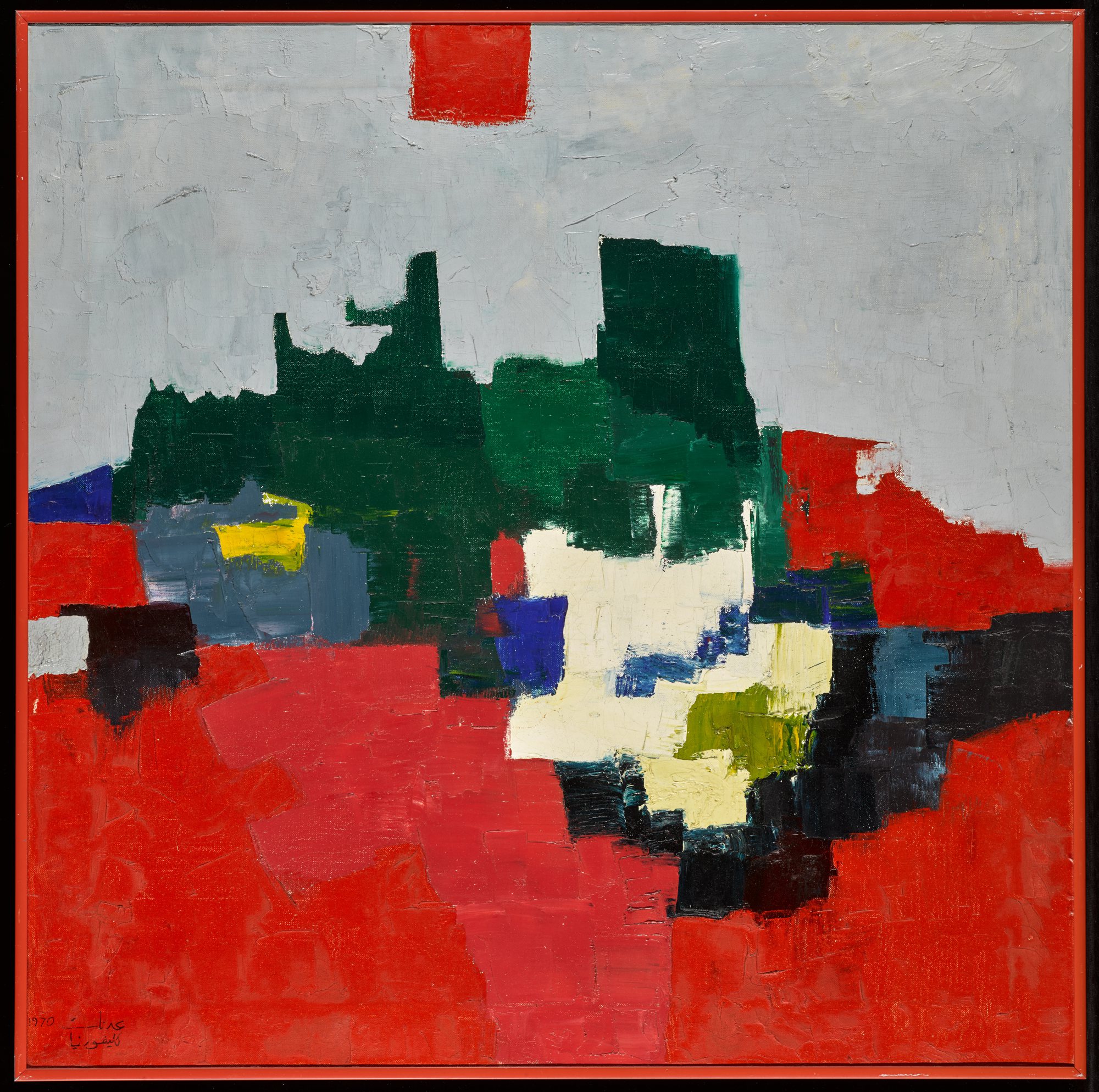
Ansel Adams
Beach, Evening, Northern California Coast
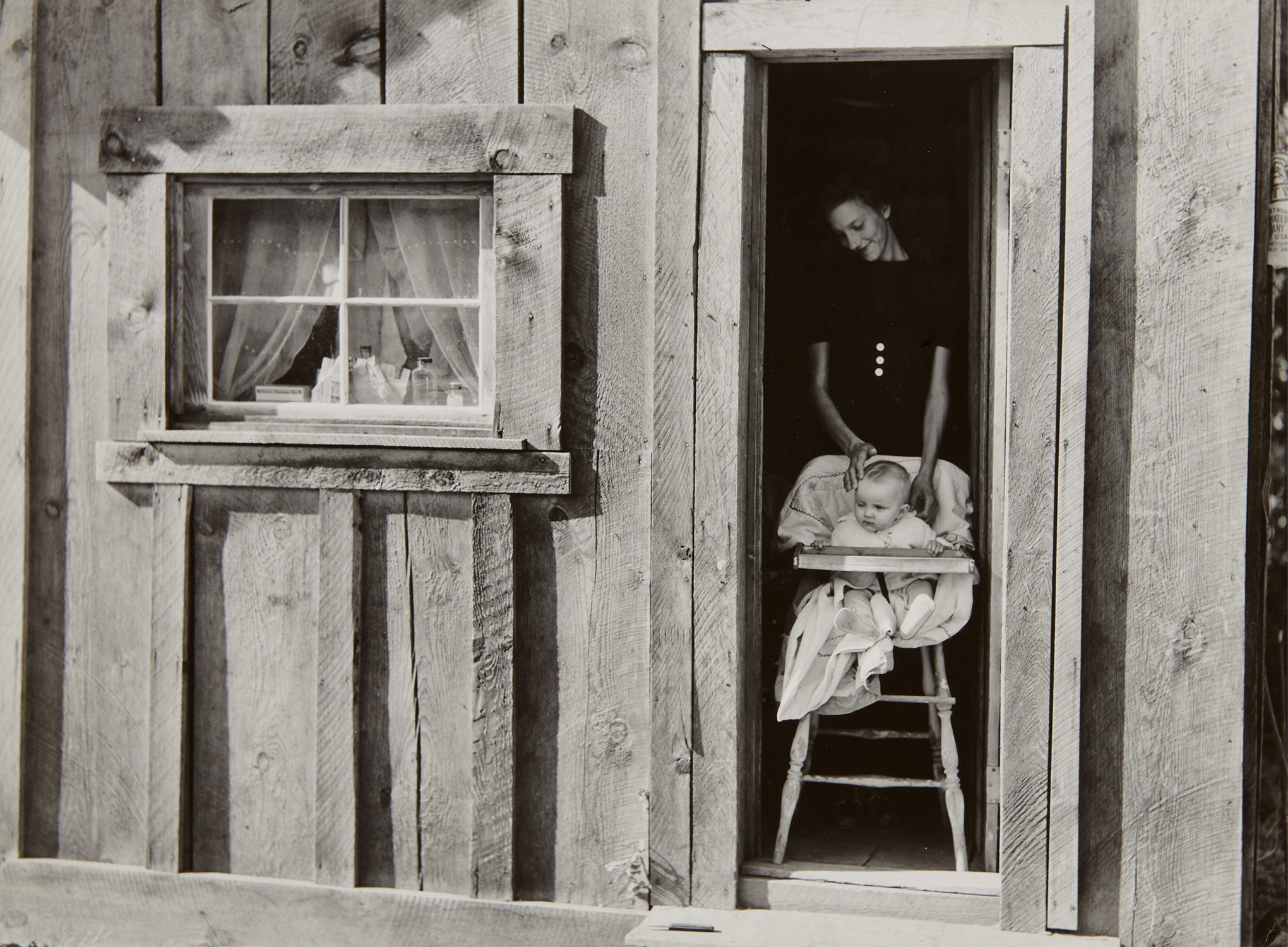
The institutional story around California photography has been equally compelling. The Getty Museum in Los Angeles, unsurprisingly, has been central to this conversation for decades, but recent years have seen other institutions asserting their positions with unusual confidence. The San Francisco Museum of Modern Art has continued to deepen its commitment to photographers working in and around the Bay Area, with a particular focus on figures like Dorothea Lange, whose Depression era work in the Central Valley now reads against the backdrop of ongoing agricultural labor politics with renewed urgency. Lange's market has grown steadily as social documentary photography has regained critical credibility, and her prints appear at auction with less frequency than collectors might wish, which keeps prices firm.
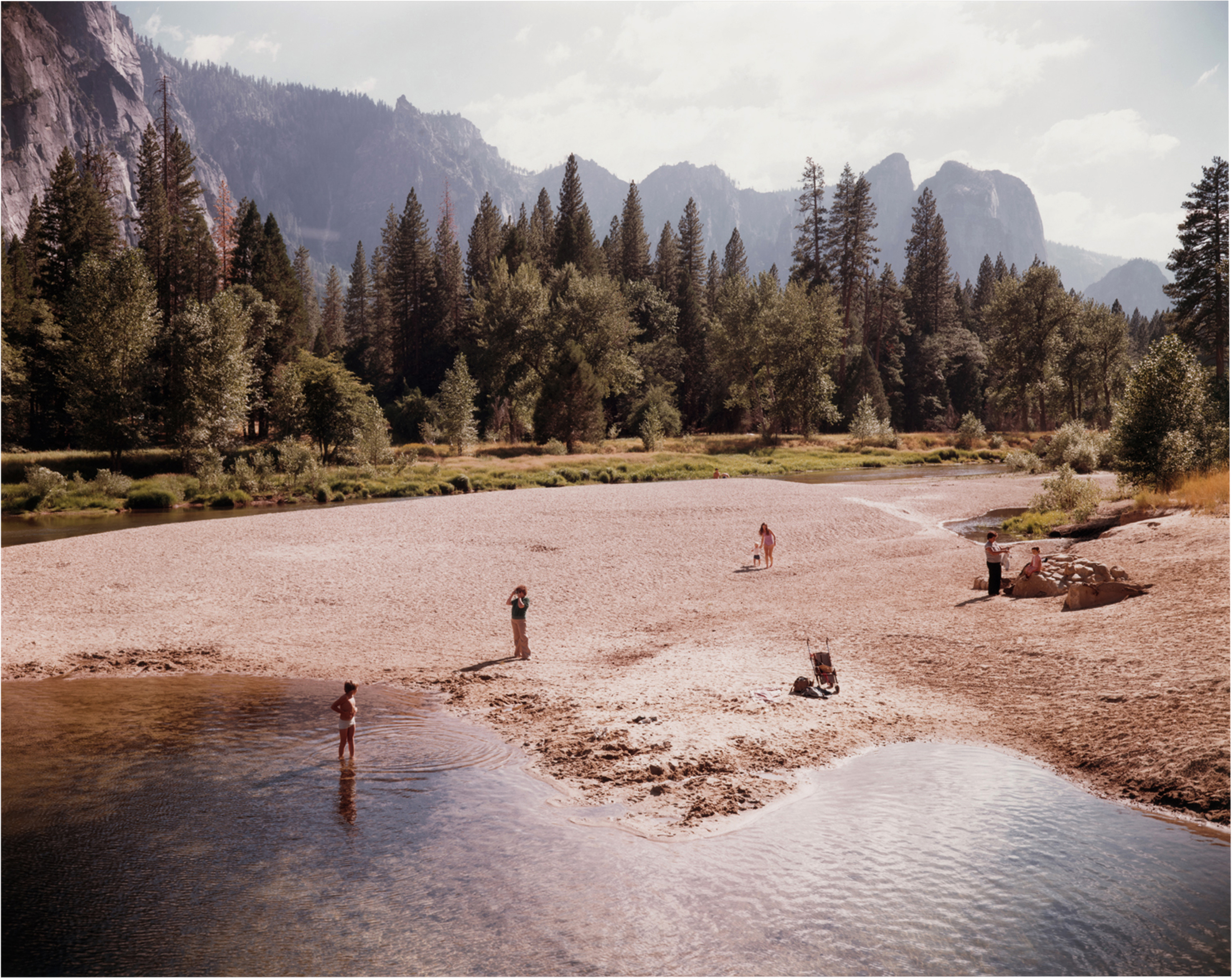
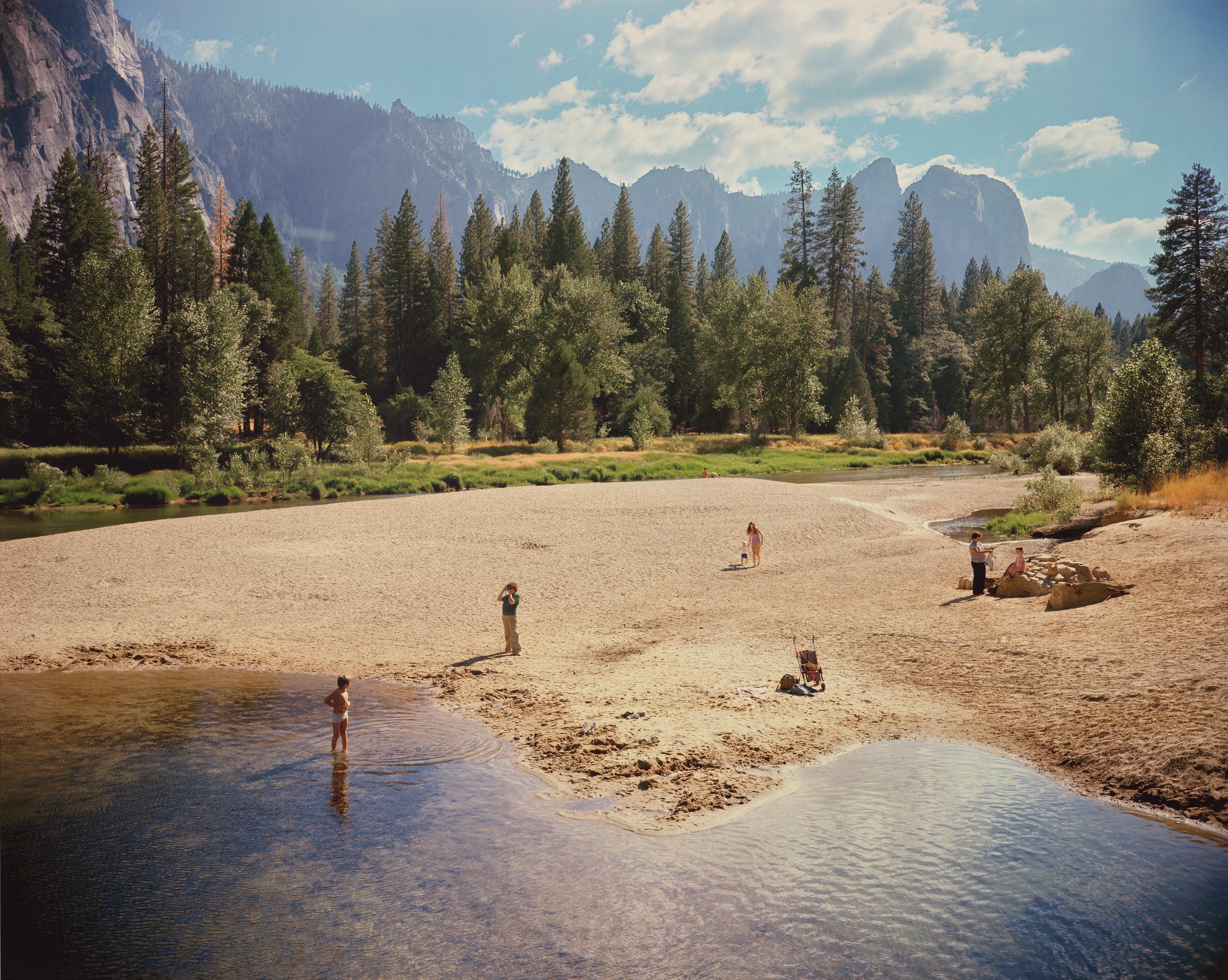
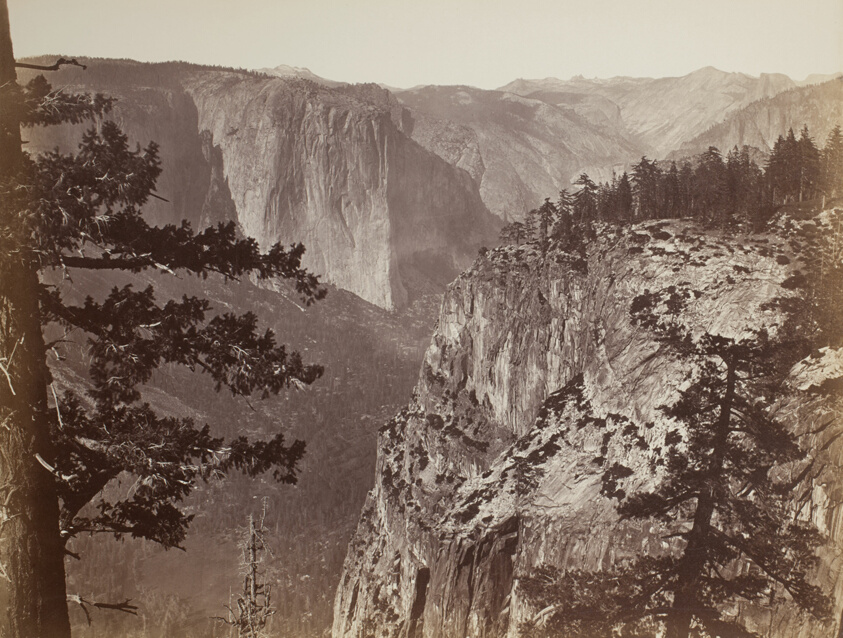
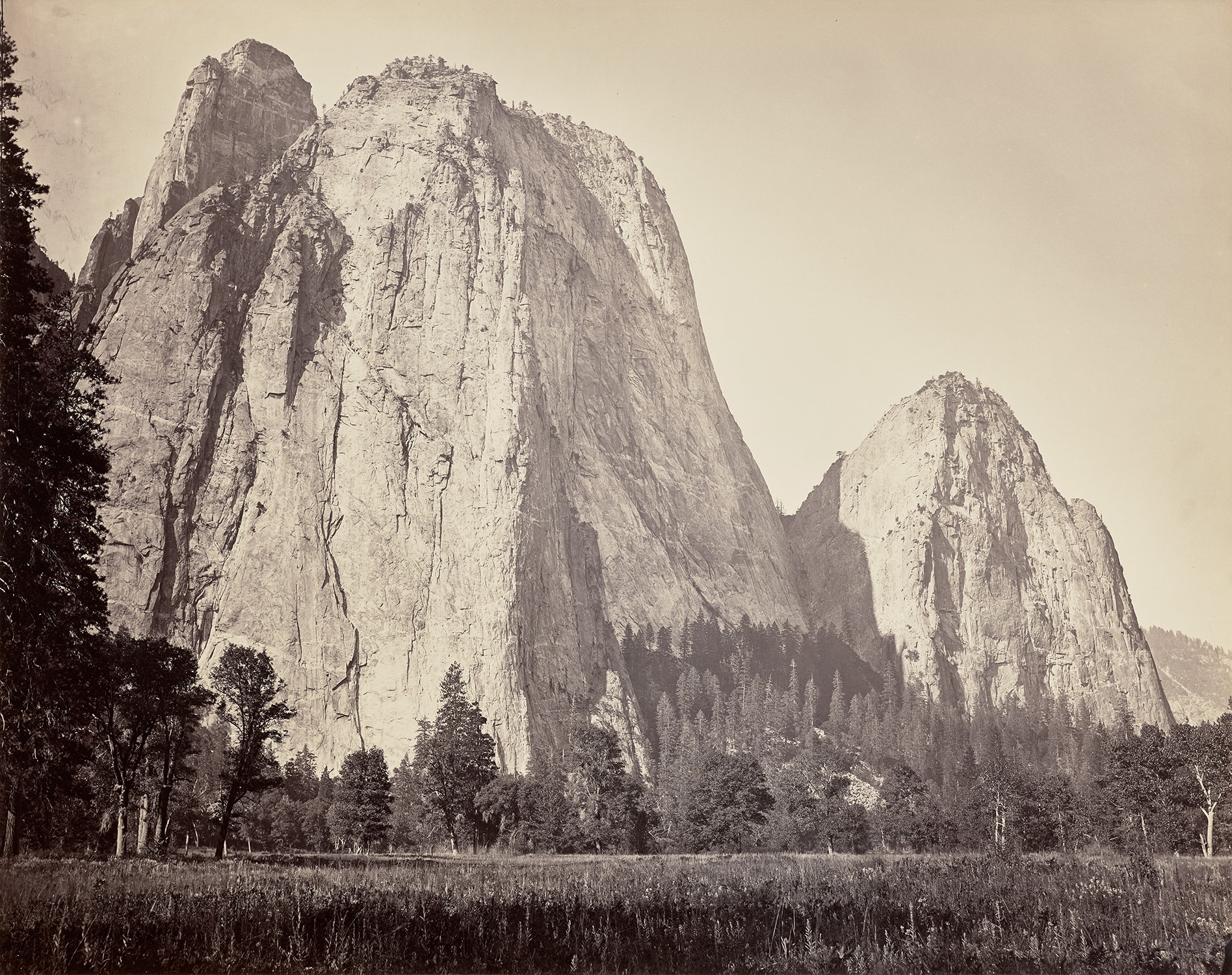
The conversation around landscape and representation in California art has also pulled figures like Carleton Watkins back into sharp focus. Watkins, who photographed Yosemite in the 1860s and helped build the legal and emotional case for its preservation, has been reconsidered through the lens of settler colonialism and the politics of wilderness as a concept. This is not simply an academic exercise. It has materially affected how his mammoth plate prints are contextualized in exhibitions and, consequently, how collectors approach them.
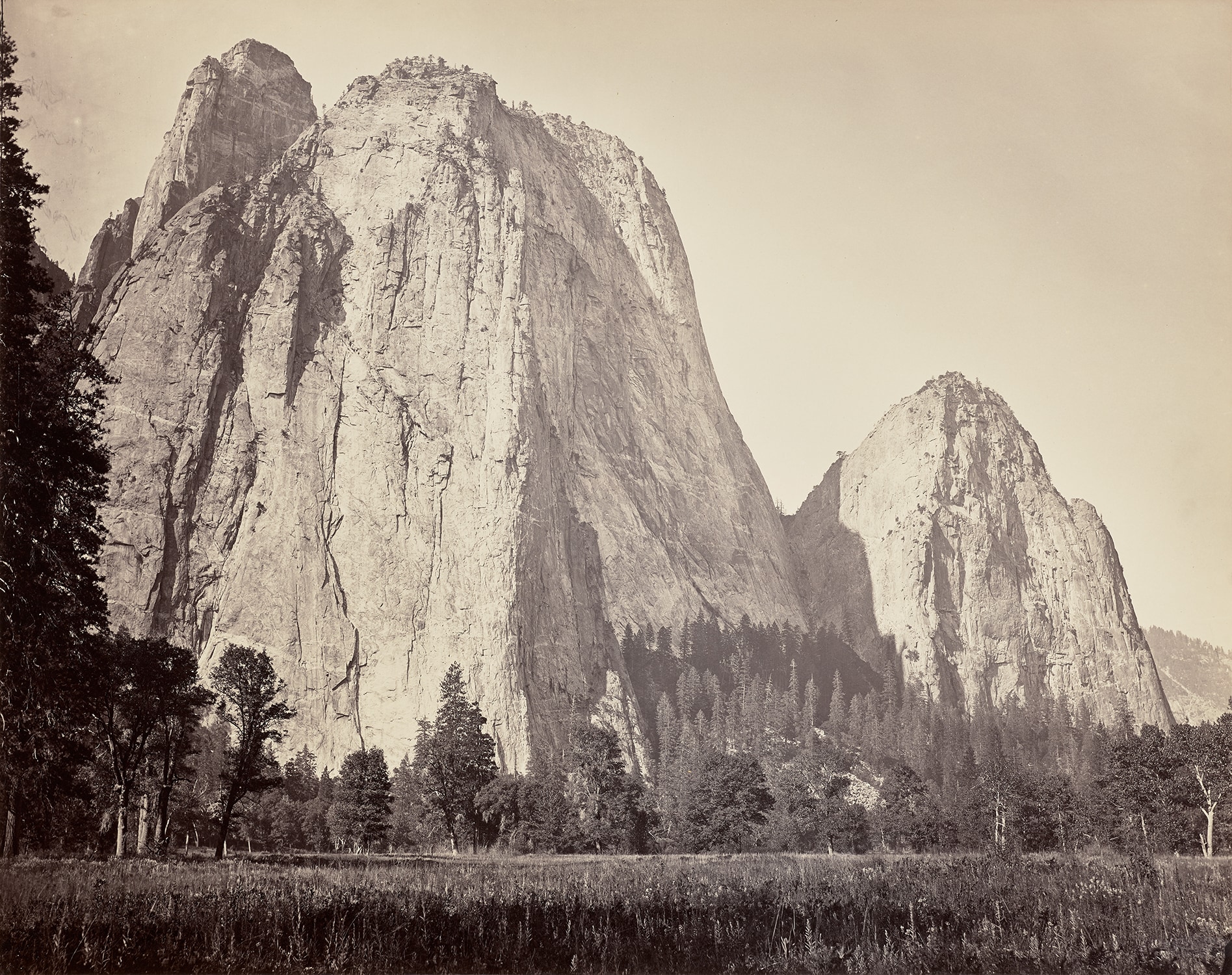
Carleton Watkins
Cathedral Rock, Yosemite
A Watkins albumen print is no longer just a beautiful object; it arrives carrying a weight of contested history that many sophisticated collectors find adds rather than subtracts from its interest. Edward Weston and his son Brett Weston bring a different register to the California canon, one rooted in modernist formalism rather than documentary or landscape traditions. Edward's peppers and shells and Point Lobos studies have been staples of the auction circuit for years, with strong results at both Sotheby's and Phillips. What feels more alive right now is the renewed attention to photographers who worked at the edges of the California myth rather than at its center.
Lewis Baltz, whose work dissected the suburban and industrial landscapes of Southern California in the 1970s and 1980s, has seen his critical and commercial standing rise considerably. His series on industrial parks in Orange County, once seen as austere and demanding, now looks almost prophetic. Institutions in Europe, particularly in Germany and Switzerland, have been especially active in acquiring Baltz, which has pushed his auction results upward and attracted new collector attention in the United States. The critical writing that has most shaped recent understanding of California as an art historical subject has come from unexpected directions.
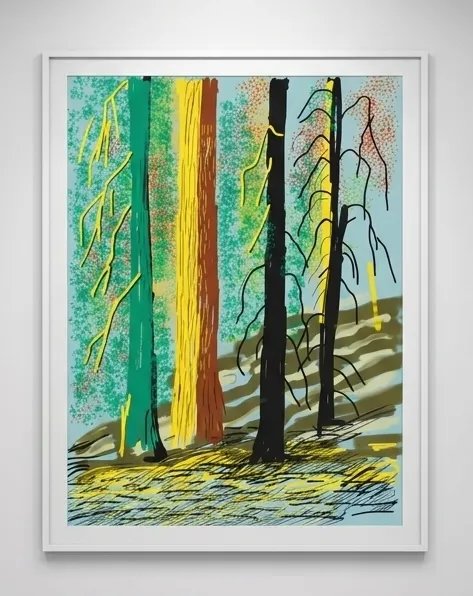
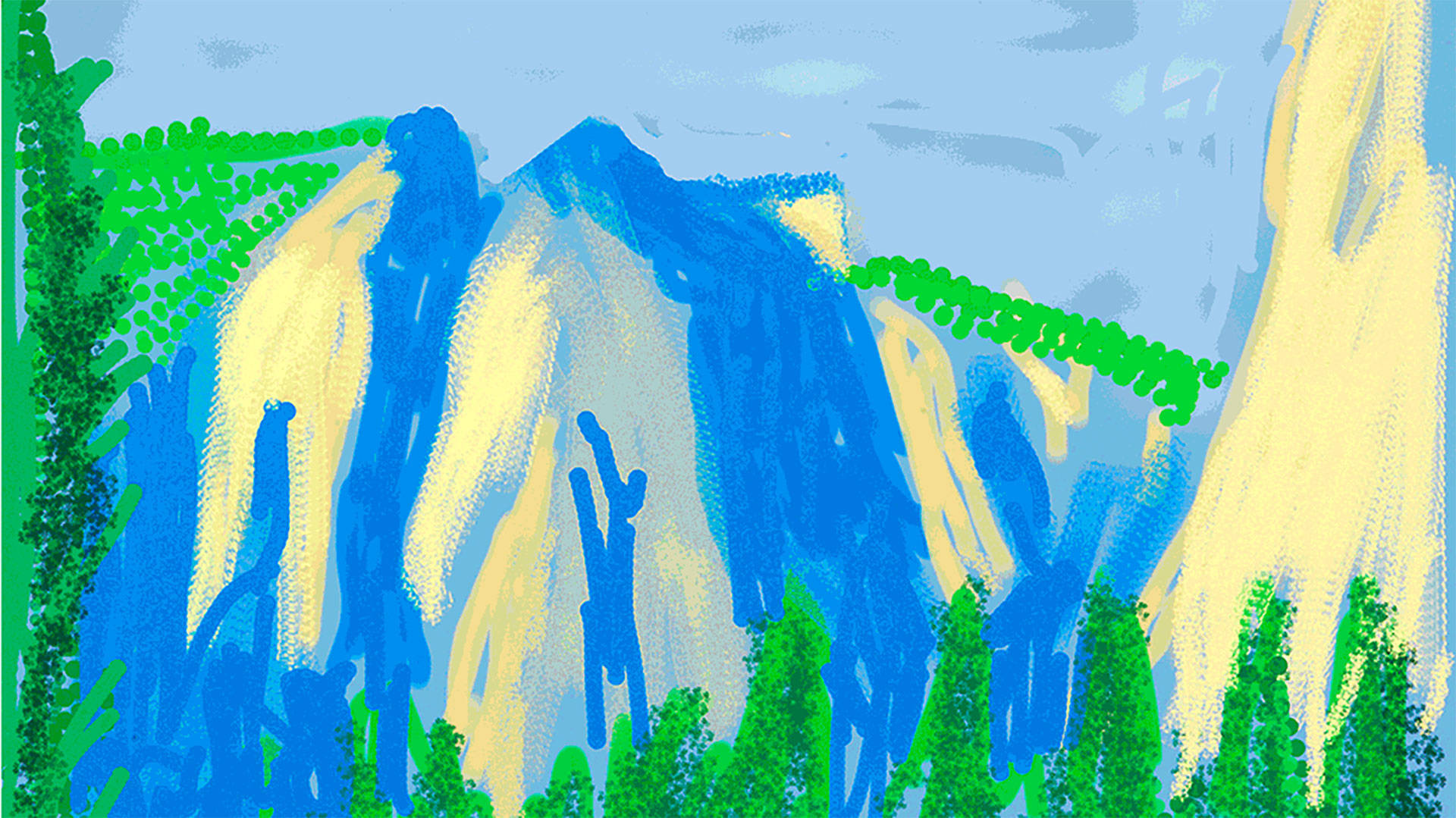
David Hockney
The Yosemite Suite No. 7, 2010
Scholars working on the relationship between photography and water rights, between landscape imagery and indigenous displacement, and between the postwar California dream and its ecological costs have generated a body of literature that is directly influencing curatorial practice. Publications like Aperture have run substantial features on figures such as Robert Adams, whose quiet, devastating photographs of the American West taken over decades document a landscape under pressure from development and drought. His work sits in dialogue with Ansel Adams not as a refutation but as a continuation, a willingness to look at what the earlier generation, for all its grandeur, sometimes looked past. David Hockney's California occupies a completely different register and a different market tier entirely.
His paintings and prints of swimming pools and Los Angeles light have been among the most commercially successful works of the past half century, and their presence in collections signals a very particular kind of ambition. Ed Ruscha, whose relationship to California is inseparable from his relationship to language and vernacular architecture, continues to attract serious institutional and private collection attention. His works feel as current as they did when he first photographed every building on the Sunset Strip in 1966, which is to say they feel both deeply of their moment and entirely outside of it. What surprises seem to be coming?
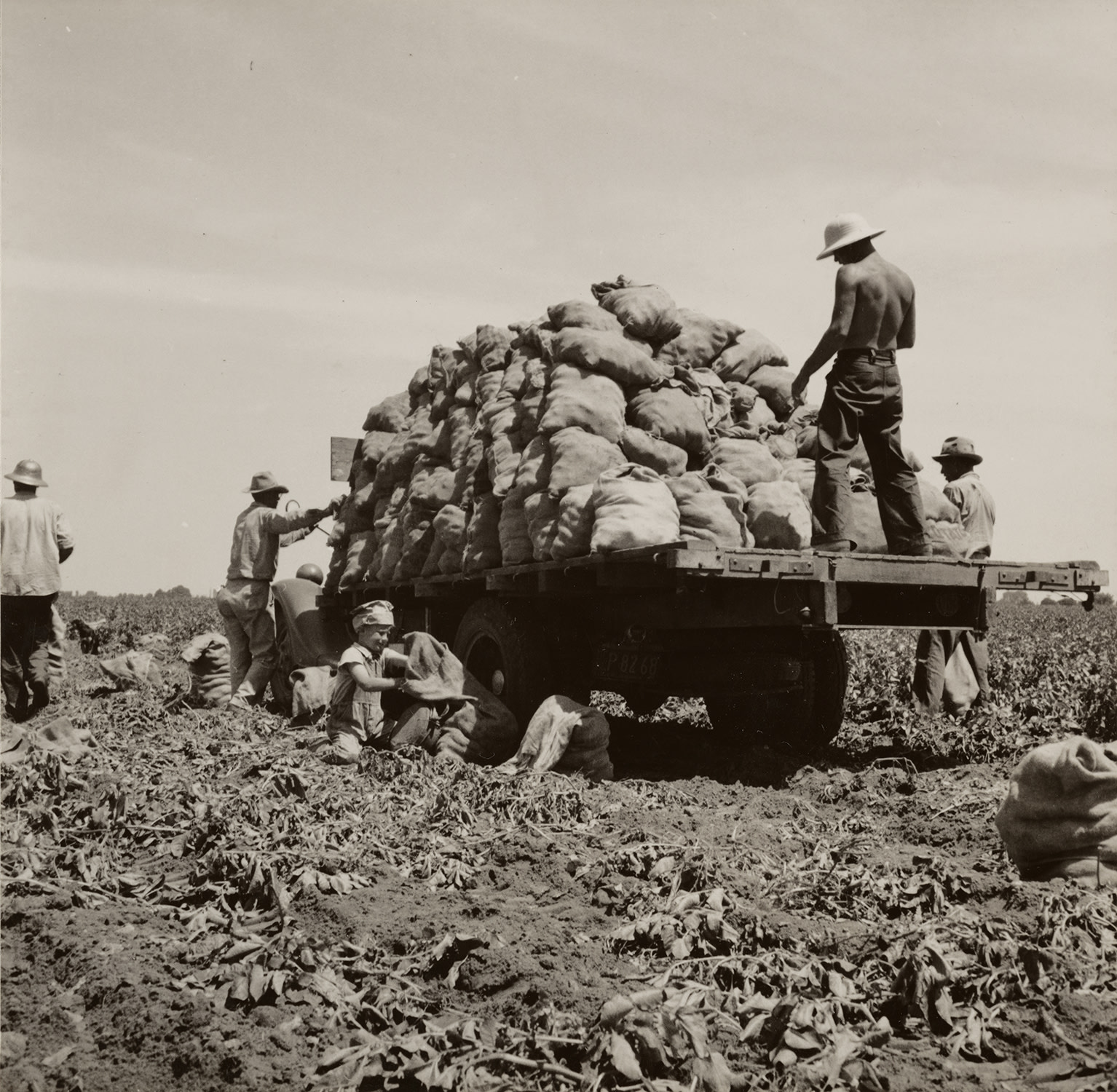
Dorothea Lange
Potato picking, Shafter, California
Watch the market for figures who sat at the intersections of communities that California nurtured but history has not always centered. Ruth Marion Baruch documented the Black Panther Party in Oakland in the late 1960s with a precision and intimacy that places her work in conversation with both documentary tradition and the politics of visibility. Kourtney Roy works in a deadpan California vernacular that engages with the mythology of the West through a distinctly contemporary and feminist lens. These are not emerging artists in the usual sense, but they are artists whose auction presence does not yet reflect their critical standing.
That gap is where the most interesting collecting happens, and California, with its inexhaustible capacity to generate and absorb mythology, continues to be exactly the right place to look.