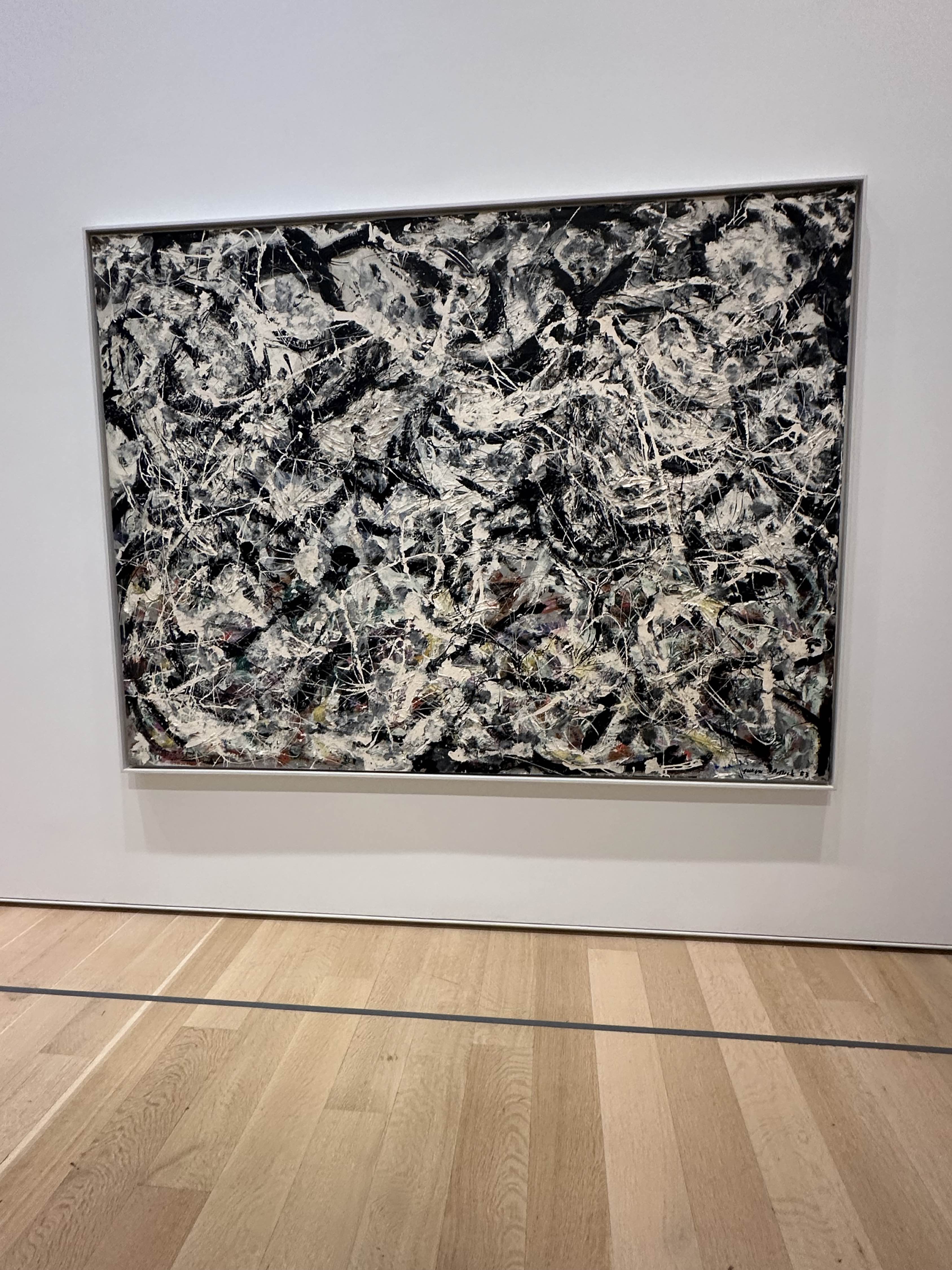

One: Number 31, 1950
Jackson Pollock's One: Number 31, 1950 is a monumental achievement of Abstract Expressionism and one of the most celebrated works in the canon of postwar American art. Created during the height of Pollock's drip painting period, this large scale canvas exemplifies his revolutionary technique of pouring and flinging paint across a surface laid flat on the floor, generating a dense web of interlocking black and white lines punctuated by subtle flashes of color. For collectors, this work represents the pinnacle of Pollock's artistic vision and a defining moment in the history of modern art, held permanently in the collection of the Museum of Modern Art in New York.
Est. Current Value
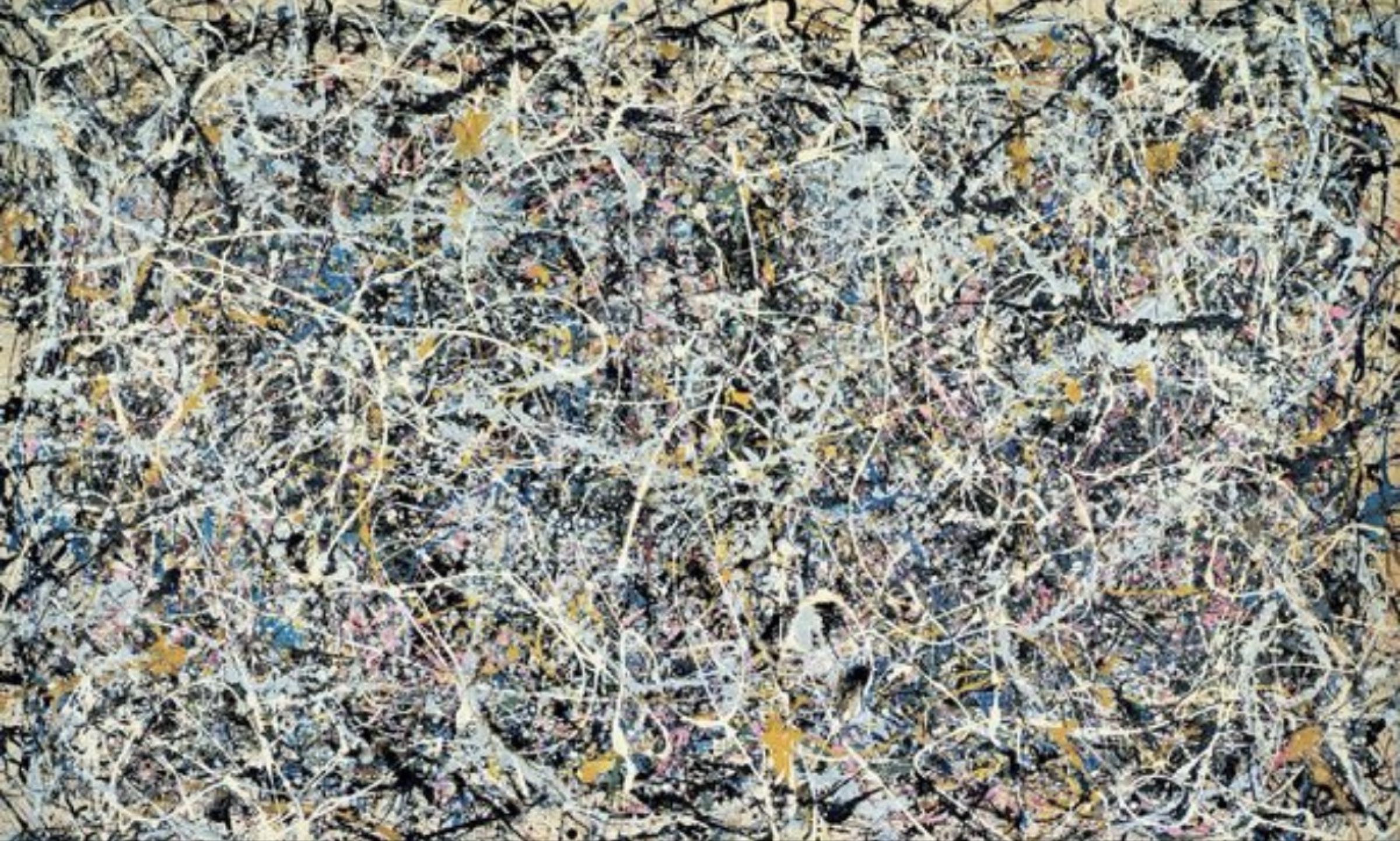
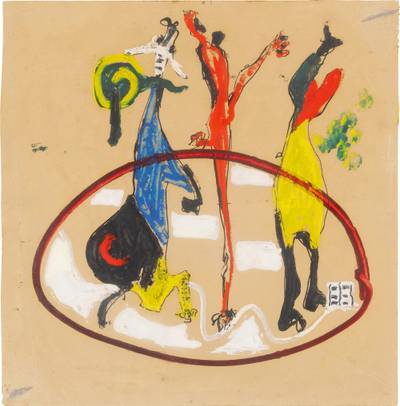
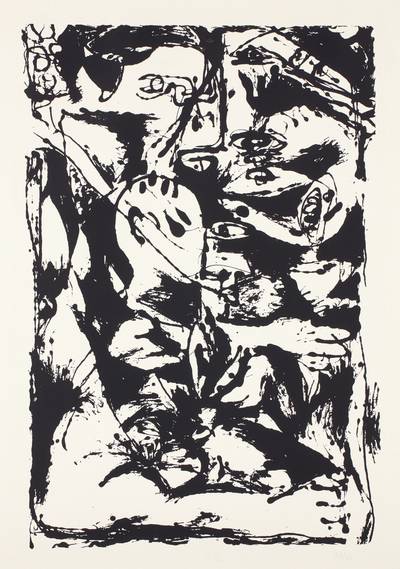
Spotted works by Jackson Pollock

Artists in conversation
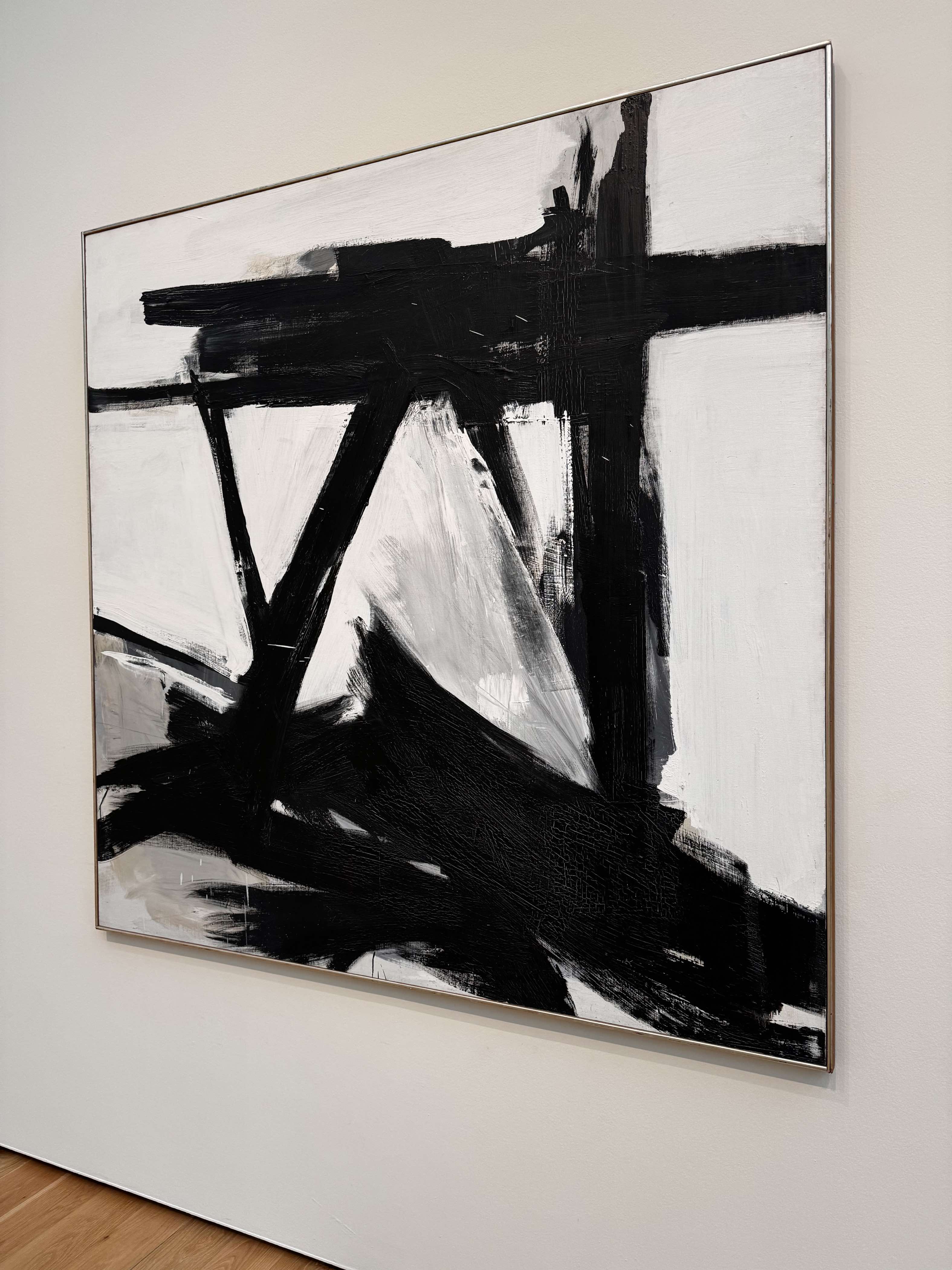
Franz Kline
American · b. 1910
Kline's large scale action paintings deploy sweeping gestural black strokes against white grounds with the same raw energy and monochromatic drama as One: Number 31, rooted in the same New York School moment and physical engagement with the canvas.
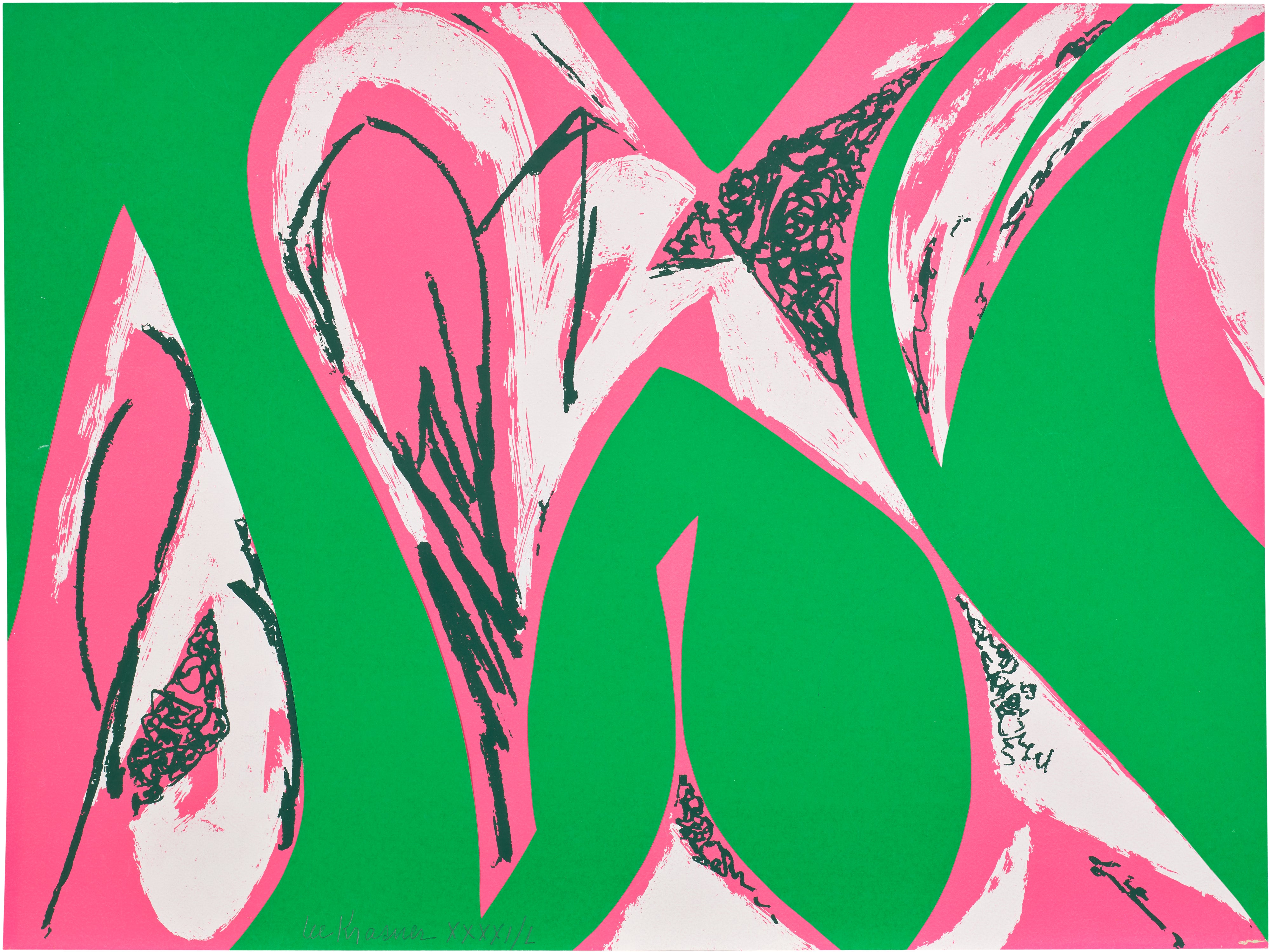
Lee Krasner
American · b. 1908
Krasner's large format gestural abstractions share Pollock's dense interlocking mark making, allover compositional structure, and the same Abstract Expressionist commitment to spontaneous physical gesture across an expansive canvas surface.
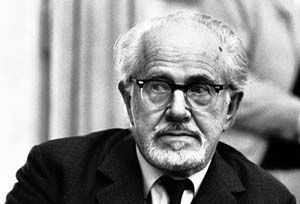
Mark Tobey
American · b. 1890
Tobey's white writing paintings create dense, allover webs of interlocking linear marks with no focal point, closely mirroring the non hierarchical dripped line networks and contemplative visual complexity that define One: Number 31.
Start the Discussion
Request access to join the discussion