Drip Painting
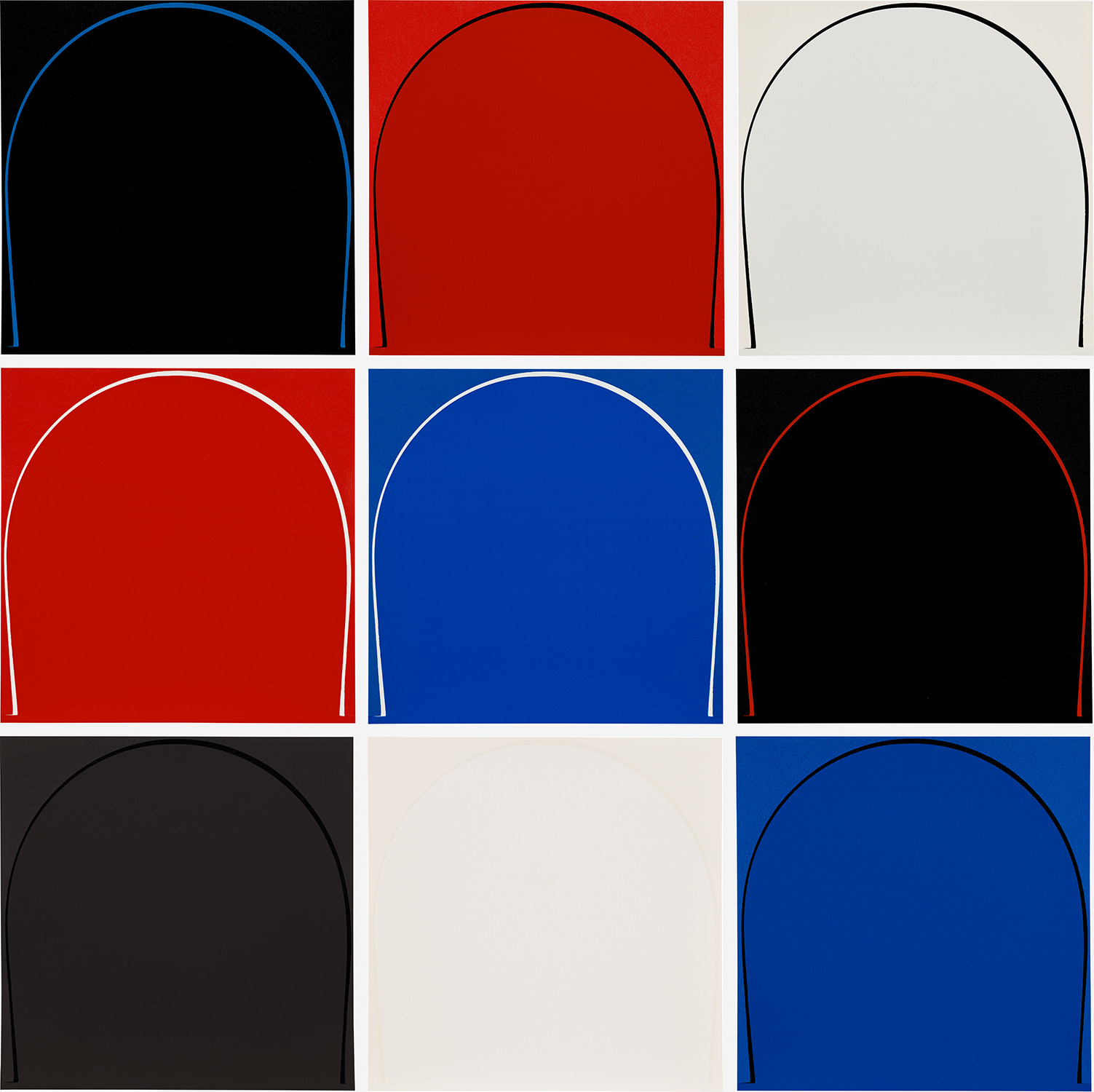
Tim Hawkinson
Paint Drip Mosaic, 1993

The Gravity of Chance: Collecting the Drip
There is something almost irrational about the hold that drip painting has over collectors, and yet here we are. Works in this tradition occupy a particular psychic space in a home or a gallery: they are restless and alive, they seem to shift with the light, and they reward the kind of sustained looking that most art only promises. Collectors who live with drip paintings often describe them as the works they cannot stop noticing, the ones that pull focus across a room and then offer something different every time you give them your full attention. That quality, the sense that a painting is still moving even when it has dried, is at the heart of the category's enduring appeal.
The method is deceptively simple in description and wildly complex in execution. Paint applied through gravity and gesture rather than through direct contact with a brush creates marks that no human hand could produce deliberately, and yet the artist's intention, energy, and decision making are embedded in every pooled edge and trailing filament. Collectors entering this area for the first time sometimes assume that the difficulty of making such work is lower than in traditional painting, but experienced advisors will tell you the opposite is true. The best drip works carry an almost choreographic quality, a sense that the artist was in total command of a process that was simultaneously beyond control.
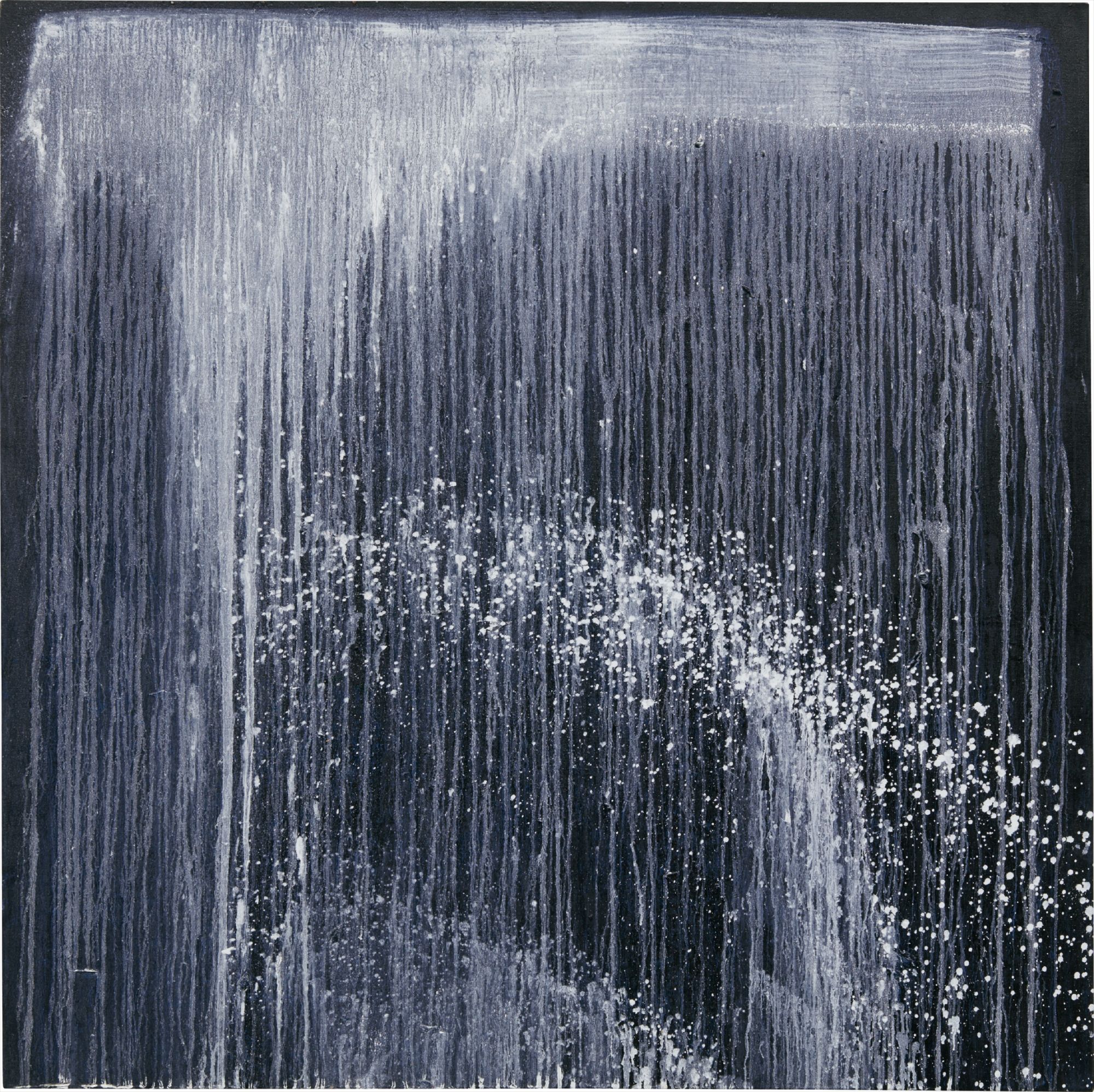
Pat Steir
Ice #2, 2002
So what separates a good work from a truly great one? Scale matters enormously in this tradition. The physical relationship between the artist's body and the support during making is encoded in the resulting marks, and works that feel too small can seem merely decorative rather than genuinely inhabited. Beyond scale, look for internal complexity and what some collectors call density of incident, meaning the way layers of poured or dripped paint create depth rather than a flat surface event.
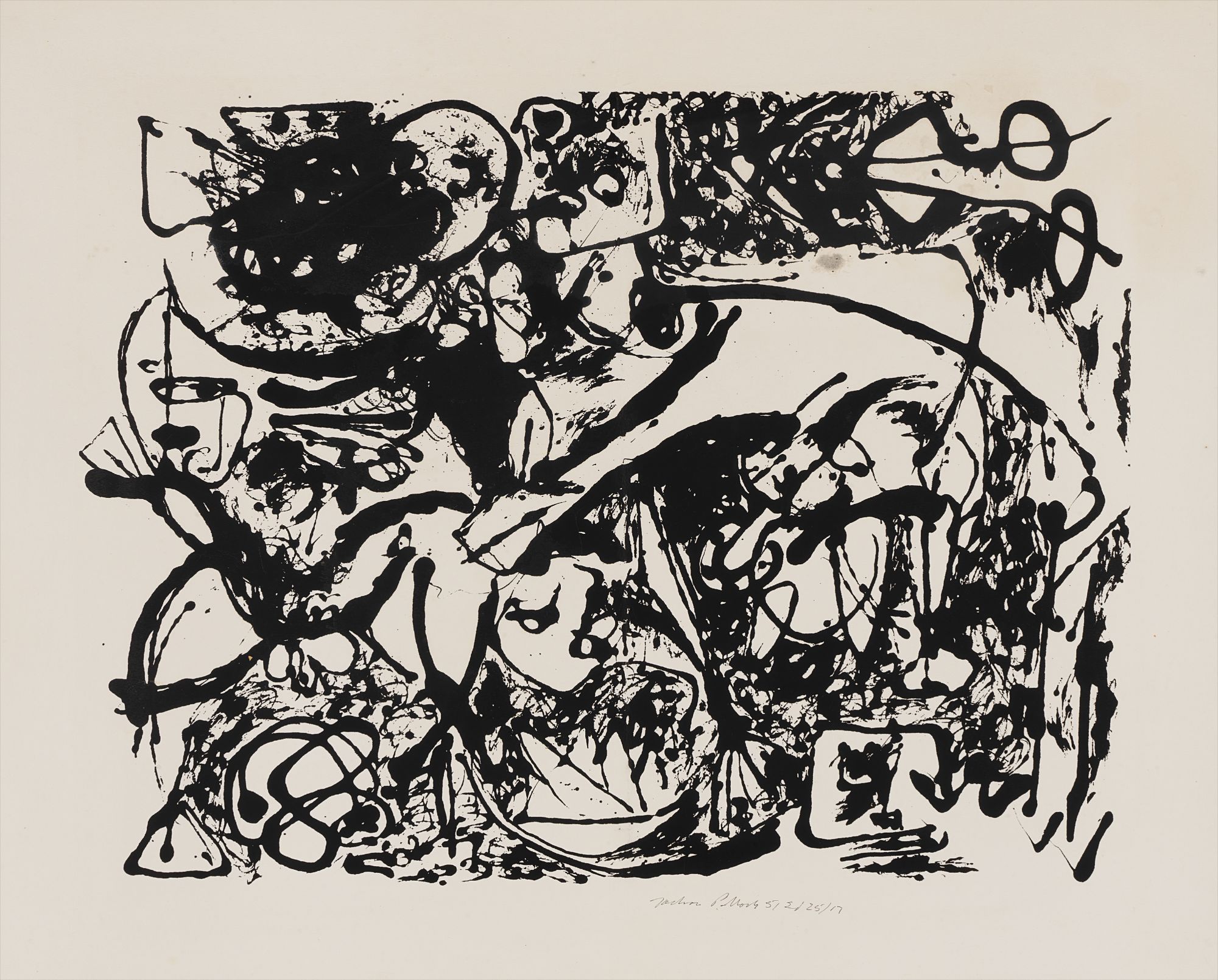
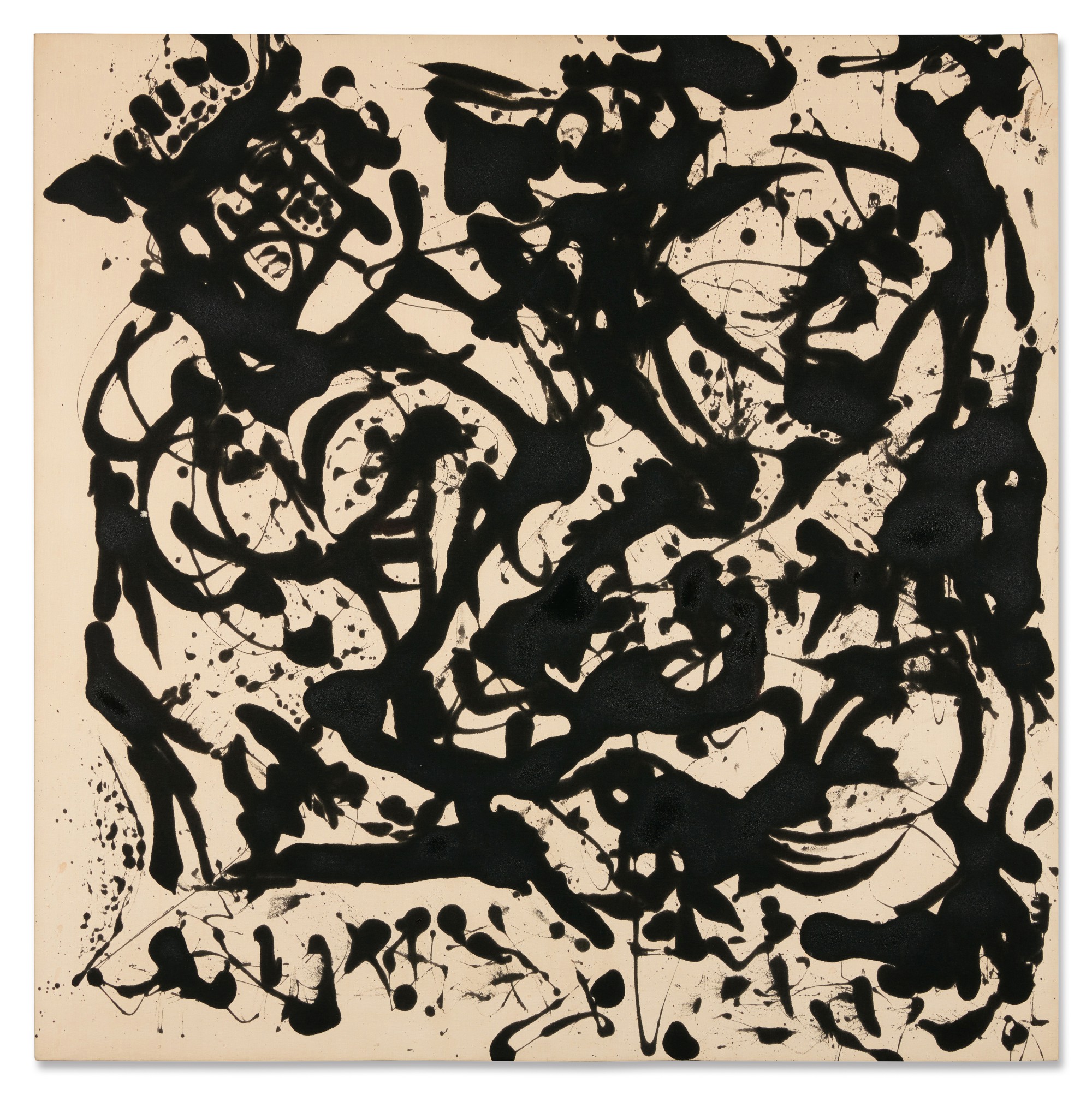
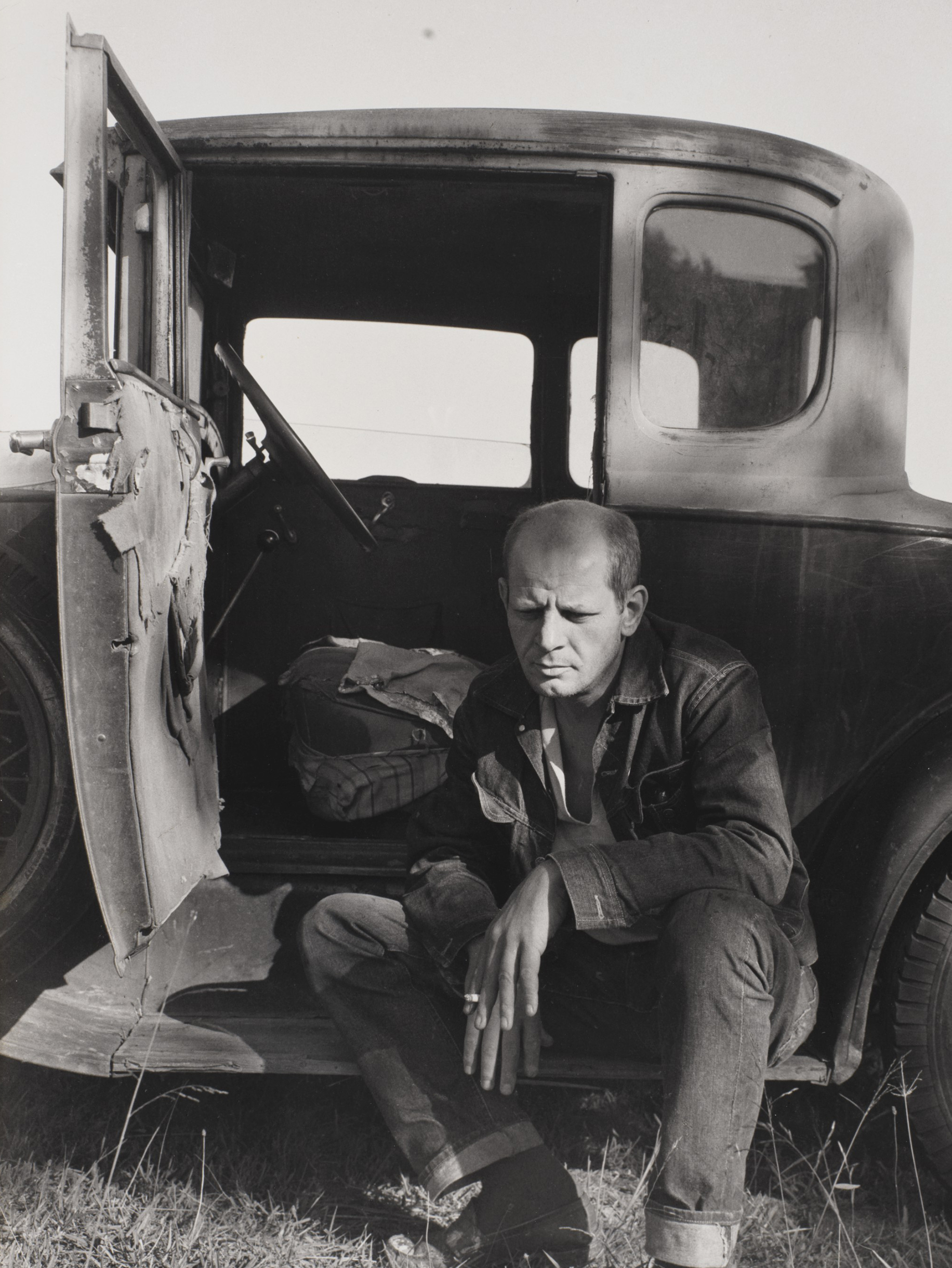
Chromatic relationships are equally important: the strongest works have a palette that feels considered rather than accidental, even when the process was ostensibly uncontrolled. Provenance and exhibition history carry weight here too, since works that have been seen and discussed in serious critical contexts tend to hold their value in ways that comparable but underpublicized pieces do not. Jackson Pollock remains the unavoidable center of this conversation. His drip works from the late 1940s and early 1950s redefined what painting could be, and his position in the market reflects that unambiguous art historical standing.
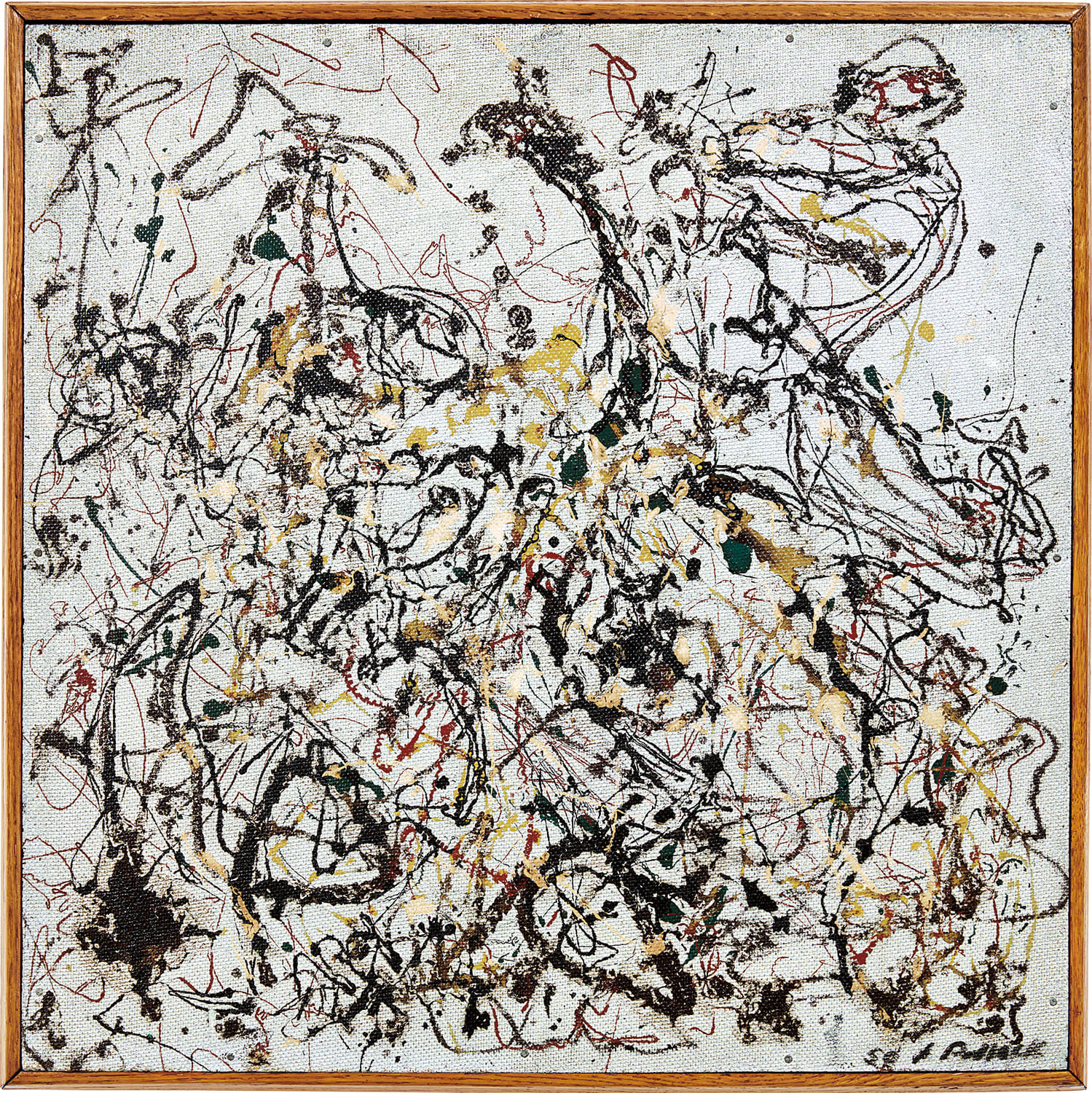
Jackson Pollock
Number 16, 1950
Pollock works represent a generational store of value, the kind of acquisition that serious institutional and private collectors treat as foundational. Pat Steir brings an entirely different but equally compelling intelligence to poured paint, working with cascading vertical streams that reference both Abstract Expressionism and East Asian ink painting traditions. Her works on The Collection represent an opportunity to engage with an artist who has been critically undervalued for years relative to her male contemporaries, a situation the market has been correcting meaningfully over the past decade. Ian Davenport approaches the pour with an almost scientific precision, using syringes and controlled flow to create works of formal elegance that sit at the intersection of process art and color field painting.
His work offers an accessible entry point to the category without sacrificing seriousness of intent. For collectors interested in emerging and underrecognized voices in this space, the field is genuinely rich right now. Artists working with industrial materials, unconventional supports, and culturally specific references to drip and pour traditions are producing work that feels urgent and unresolved in the best sense. Look particularly at painters exploring the relationship between poured paint and pattern languages from non Western traditions, and at sculptors who have borrowed the logic of the drip to think about three dimensional form.
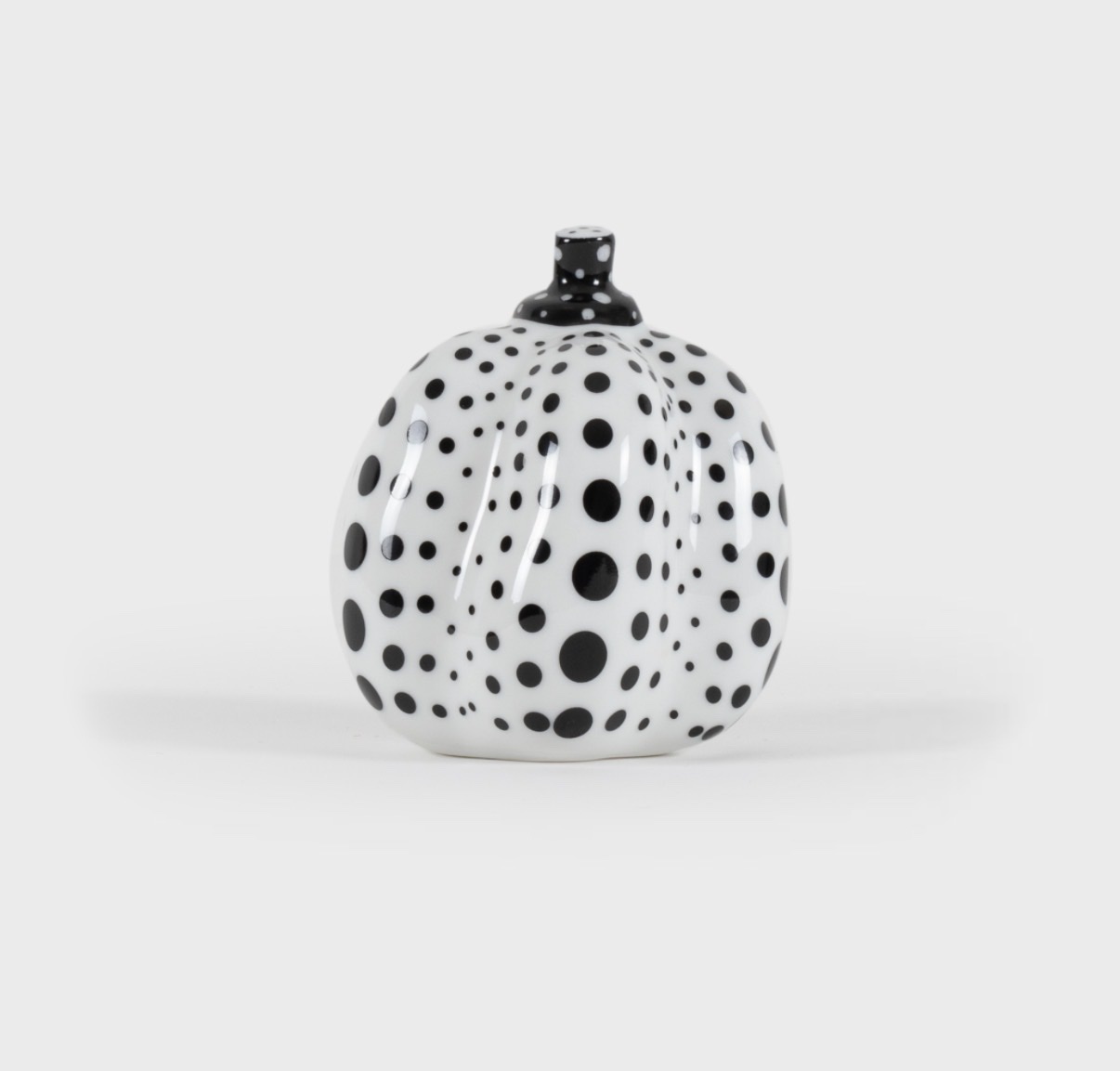
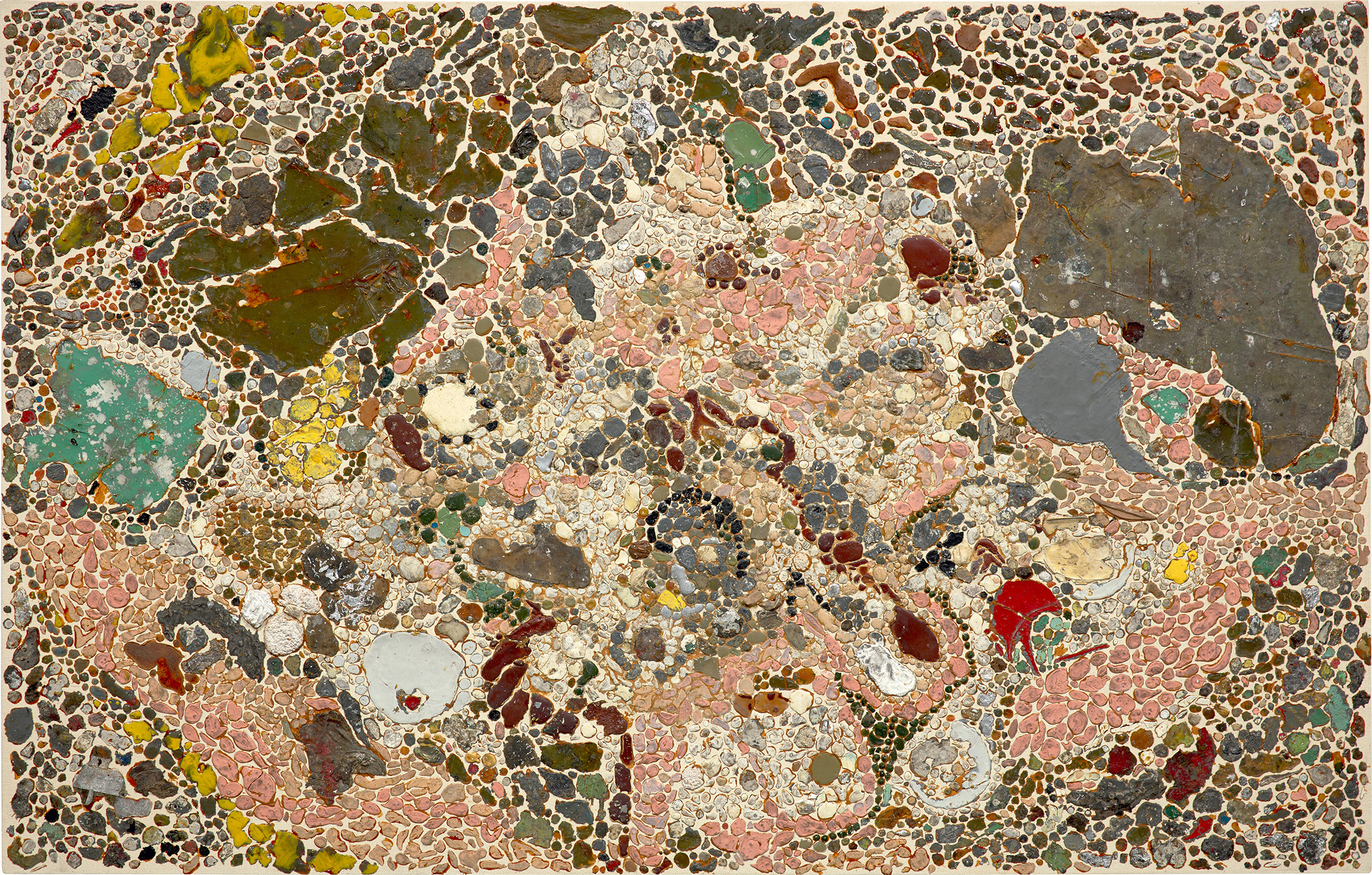
Tim Hawkinson
Paint Drip Mosaic, 1993
Tim Hawkinson, whose practice moves fluidly between media, brings a conceptual rigor to process based work that rewards deep collector attention. His presence in this conversation is a reminder that the drip is not simply a painterly technique but a way of thinking about time, labor, and the body. At auction, drip and pour paintings have shown remarkable resilience. Works by Pollock have achieved some of the highest prices ever recorded at auction, which can make the category feel inaccessible, but the secondary market for mid career and emerging artists working in this tradition is active and relatively liquid.
Works by Pat Steir have seen consistent appreciation at auction over the past five years, with her large scale pour paintings now commanding serious attention from institutional buyers. The category as a whole benefits from its visual legibility: these are works that photograph well, which matters in an era when secondary market momentum is partly driven by how work circulates on digital platforms. Practically speaking, condition is a real consideration with drip and pour works. Because the paint surface is often three dimensional and the layers can be fragile, storage and display require attention.
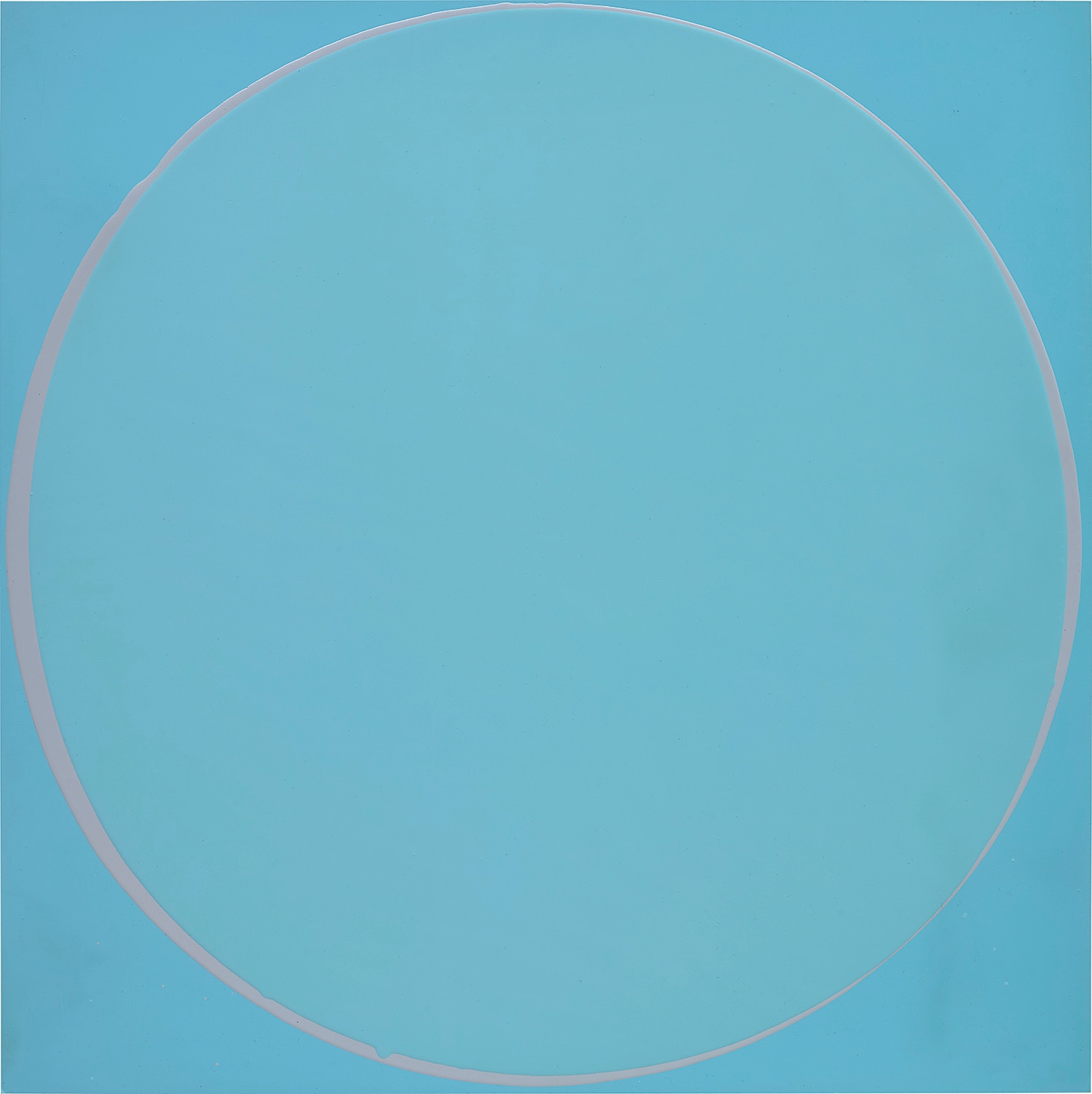
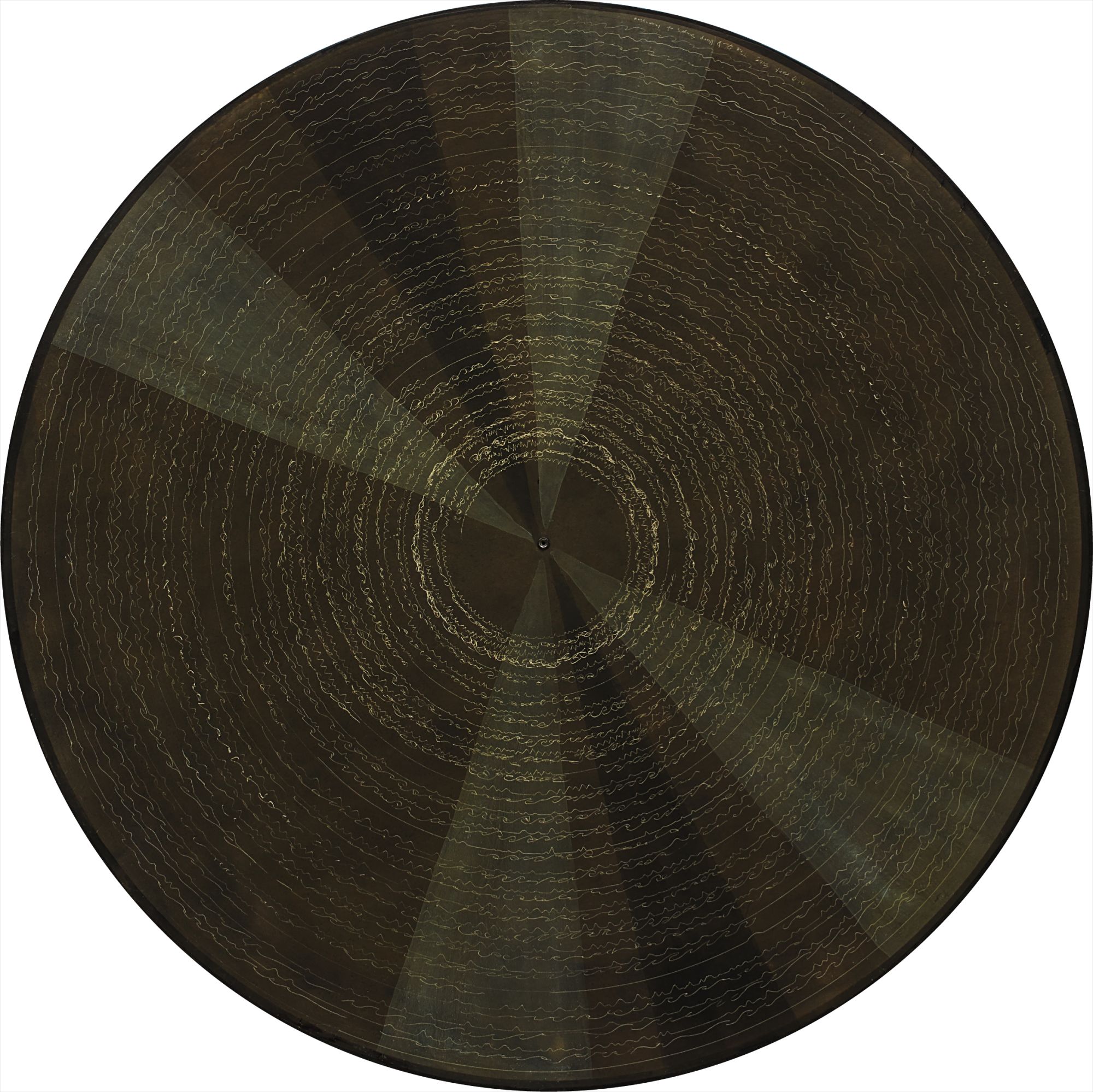
Ian Davenport
household paint on board, 2005
Works should never be stacked face to face, and hanging in environments with significant humidity fluctuation can cause problems over time. Ask any gallery selling such work for detailed condition reports and any conservation history. When it comes to editions versus unique works, be cautious: some artists working in this tradition have produced print editions that approximate the look of their paintings but carry none of the process logic that makes the originals valuable. Ask directly whether the work you are considering is unique and whether the artist makes editions.
The best gallery relationships in this category are built on exactly that kind of transparency, and dealers who resist the question are telling you something important.