Gestural Abstraction

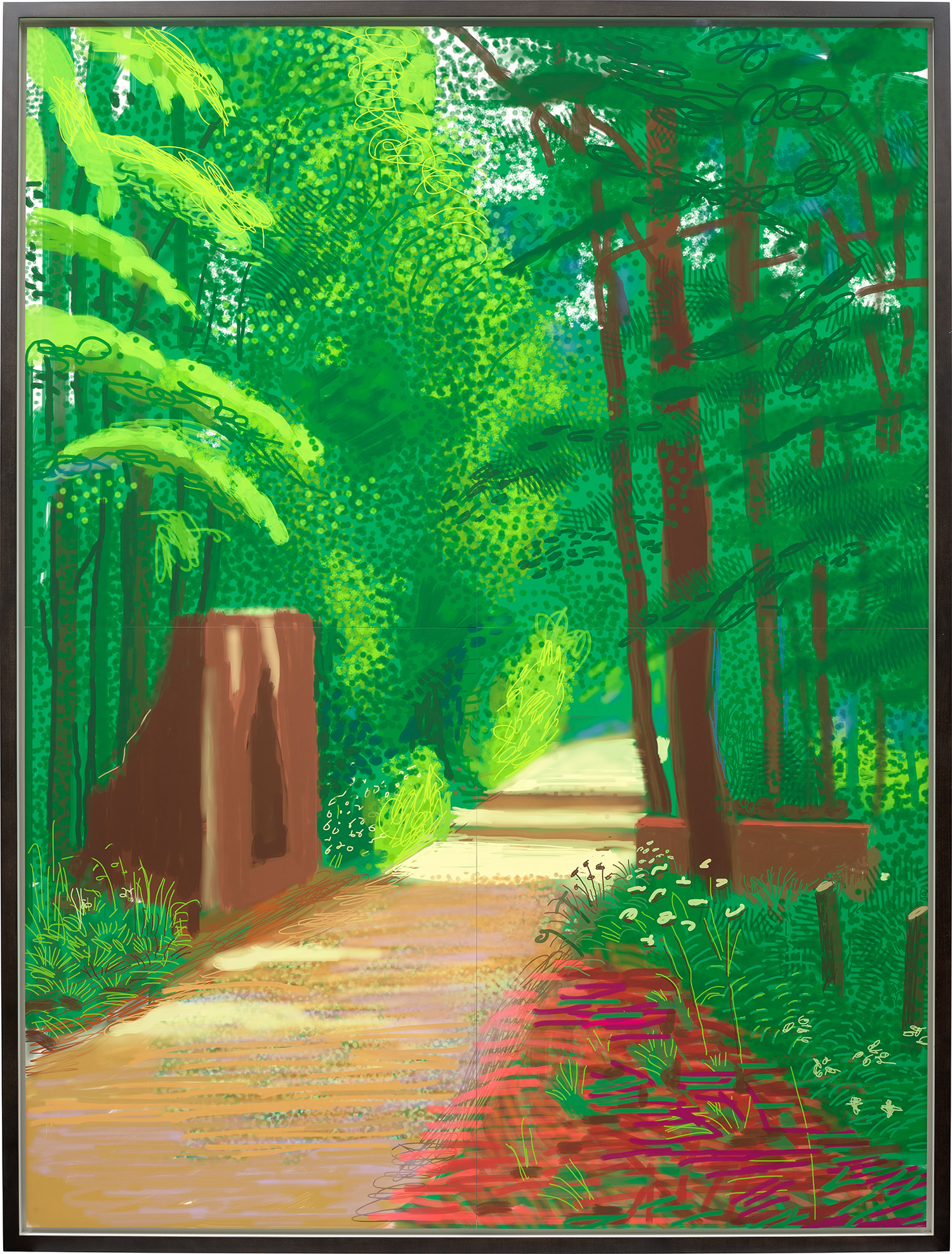
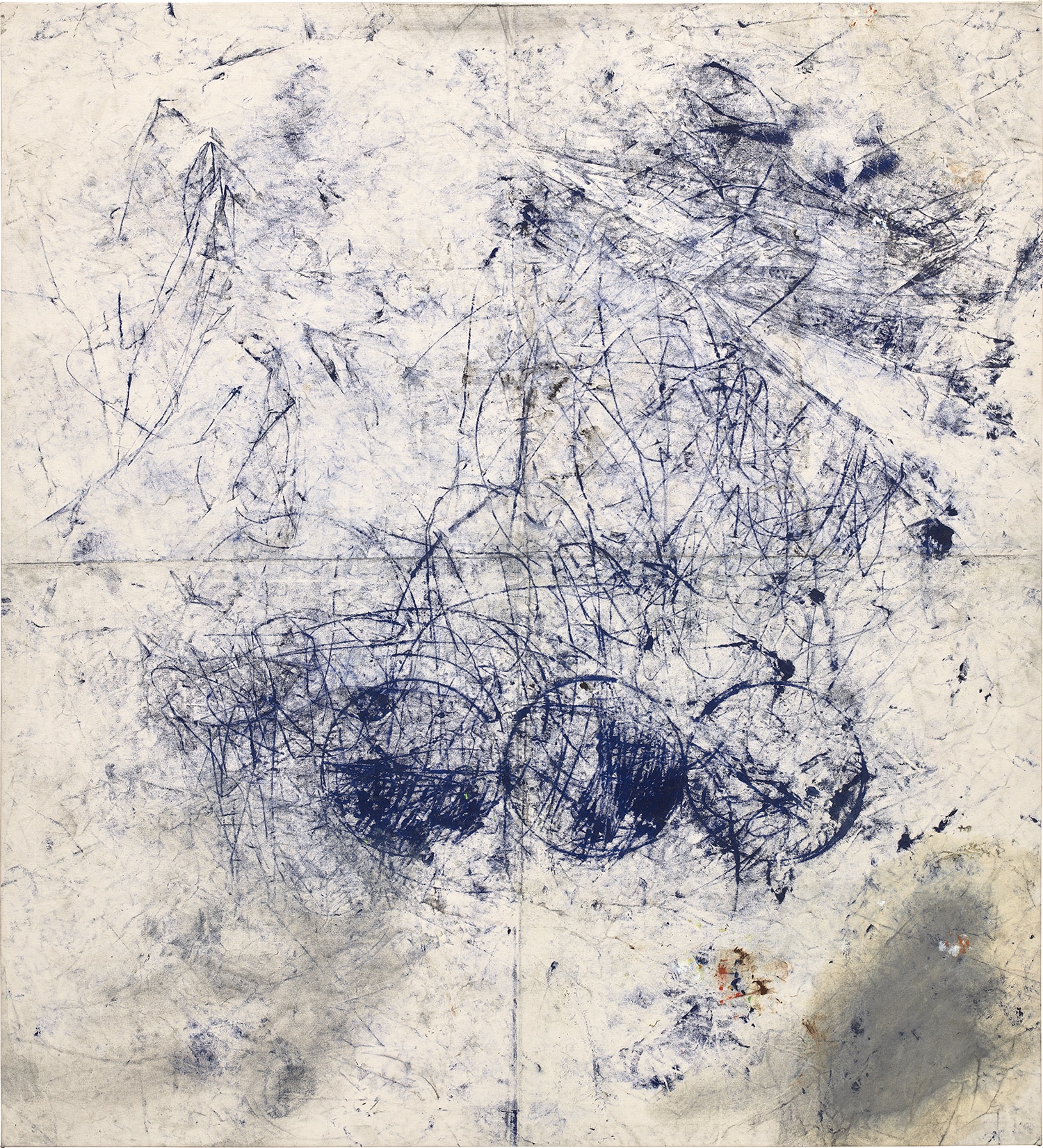
Jamie Nares
Step up, 2013

The Painting That Moves Before You Do
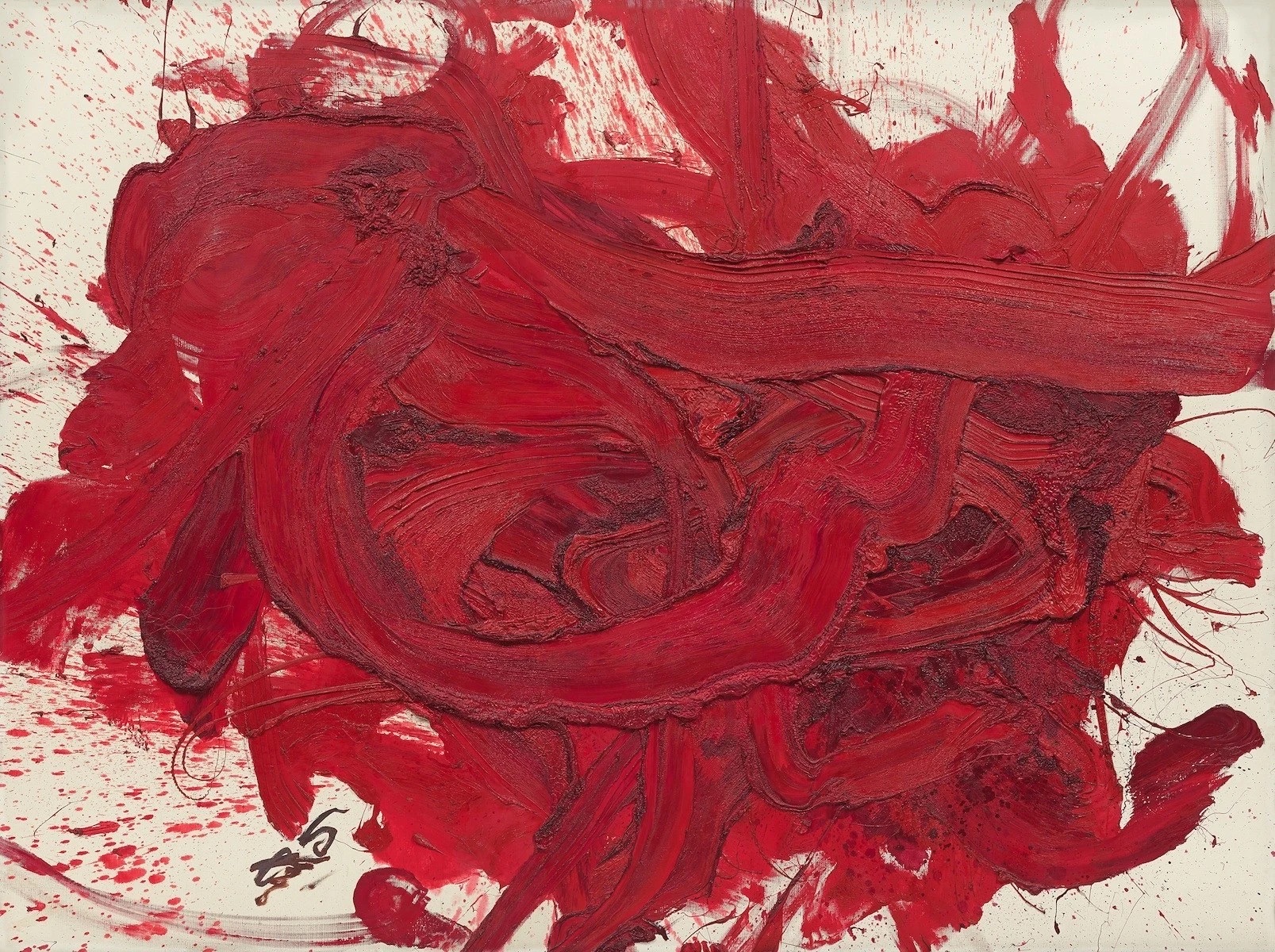
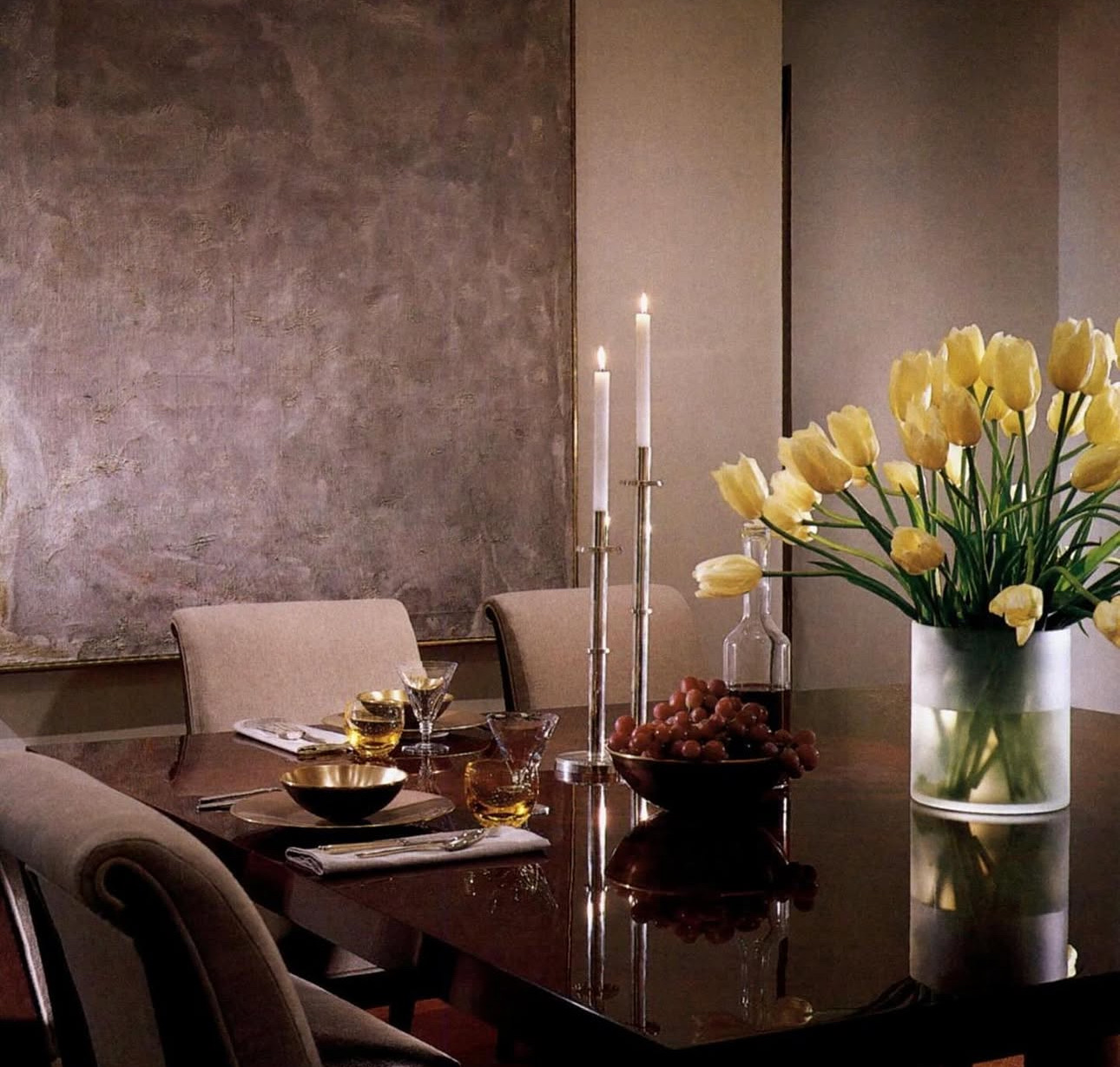
There is something almost irrational about the pull of gestural abstraction, and collectors who fall for it tend to fall hard. These are not paintings that explain themselves. They ask you to slow down, to stand close, to let the work work on you rather than the other way around. Living with a great gestural painting changes how you move through a room.
It stakes a claim on the light, on the silence, on the way a morning feels before you have said a word to anyone. What draws collectors to this area, beyond the obvious pleasures of color and surface, is the question of presence. A strong gestural work does not merely decorate a wall. It operates more like a person than an object, with a mood that shifts depending on the hour and your own state of mind.
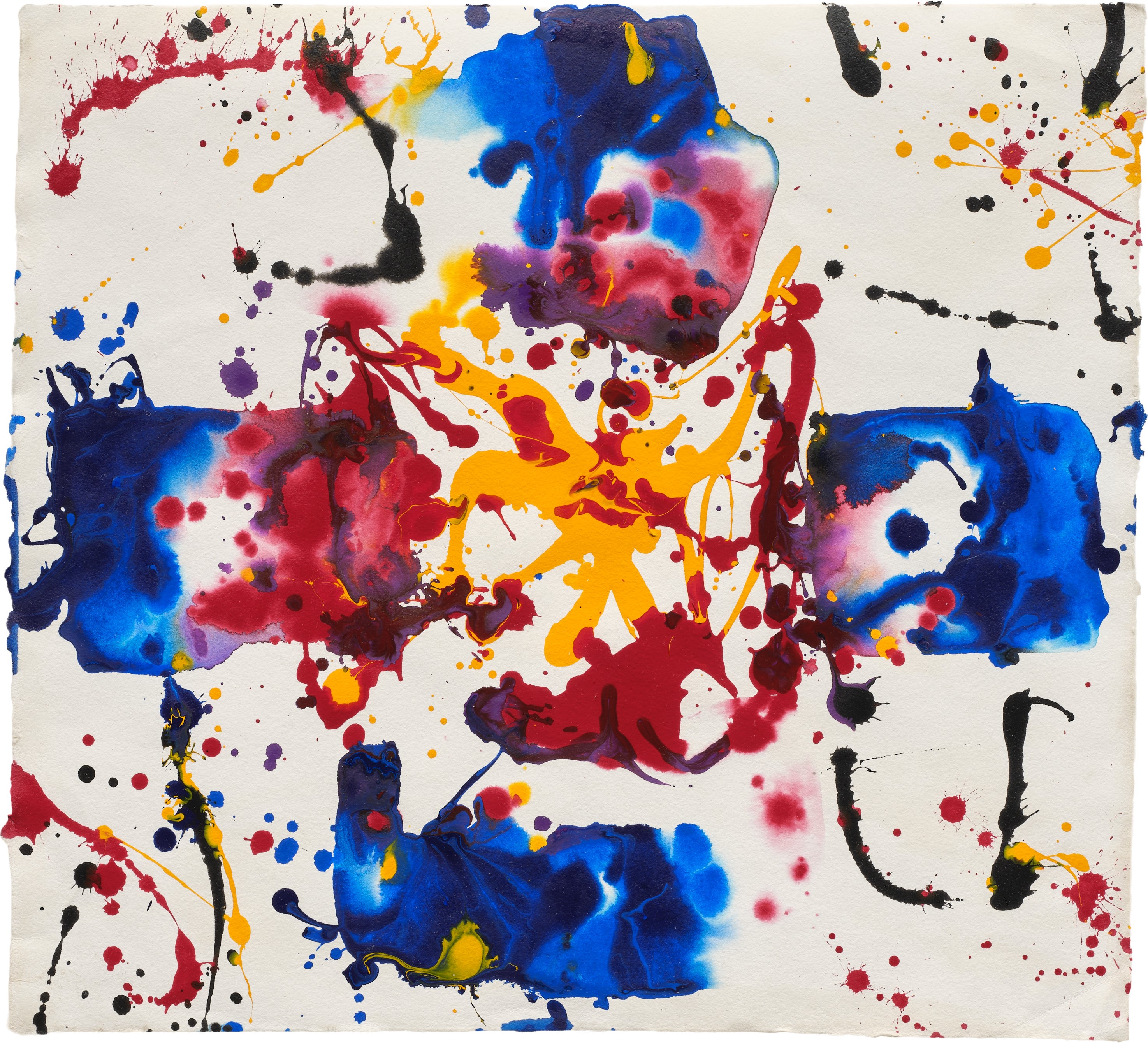
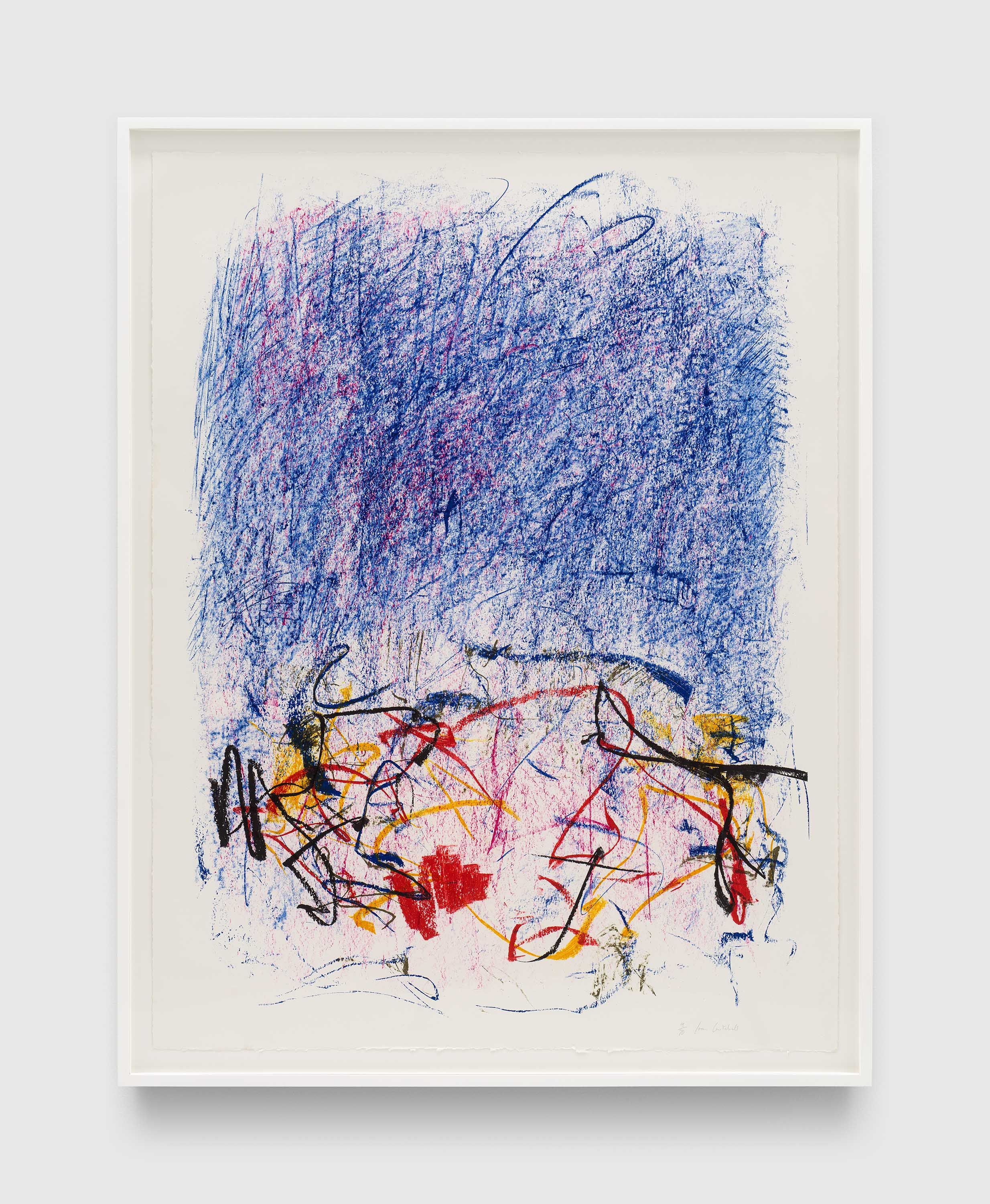
Sam Francis
Untitled, 1986
Collectors often describe an almost conversational relationship with these works over years of ownership. That is rare in any category and it is part of why demand has remained so durable across market cycles. Knowing what separates a good work from a great one takes time and looking, but there are some reliable guides. The best gestural paintings have inevitability to them, meaning the marks feel discovered rather than placed.
There is a difference between a painting where the artist wrestled something into being and one where gestures have simply been applied. Look for internal logic, the sense that the composition could not have resolved any other way. Scale matters enormously in this category. Works that were conceived at scale carry an energy that smaller works made in the same manner rarely replicate, and a painting that was always meant to be intimate has a different kind of concentration that can be equally compelling.
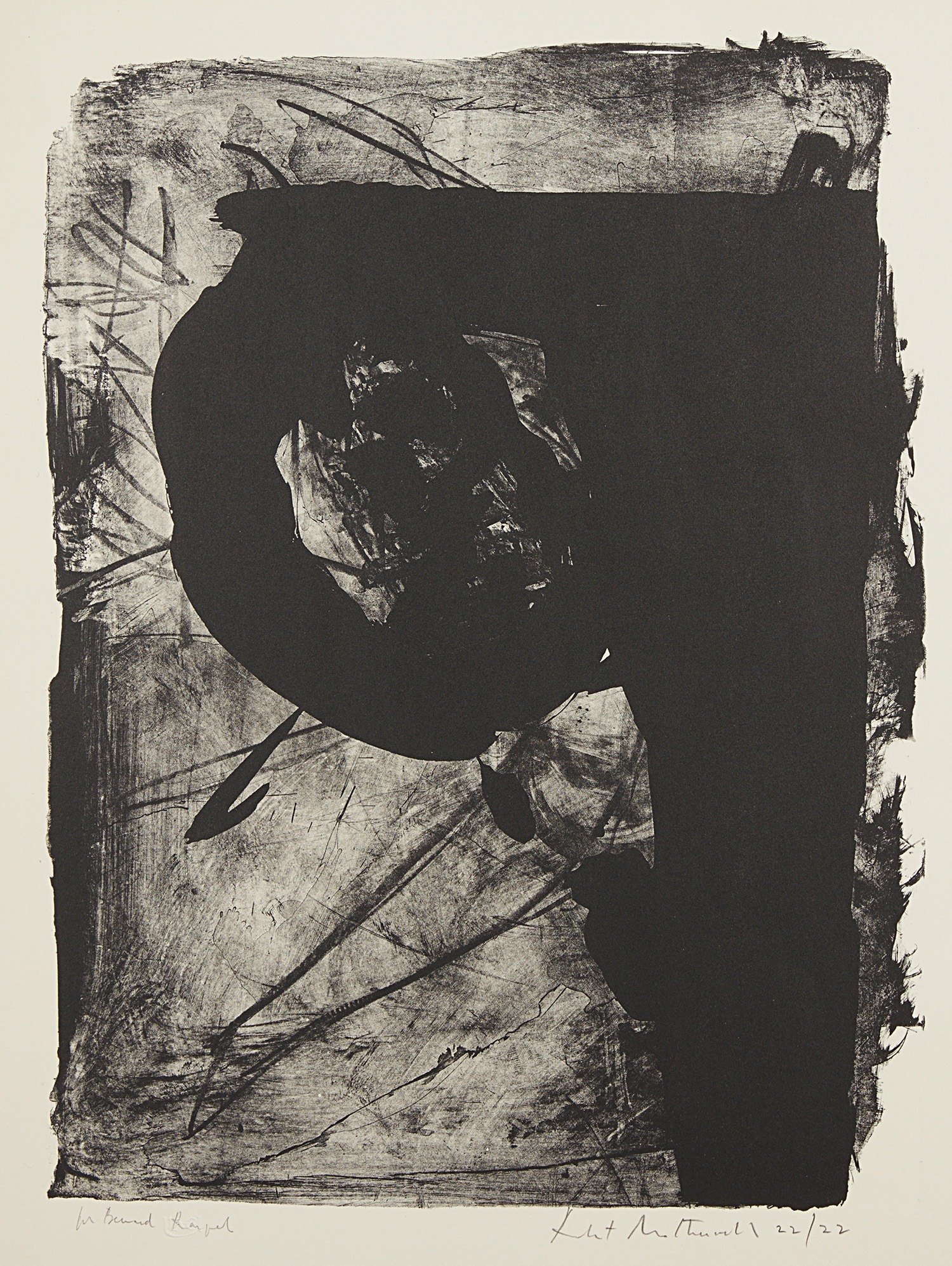
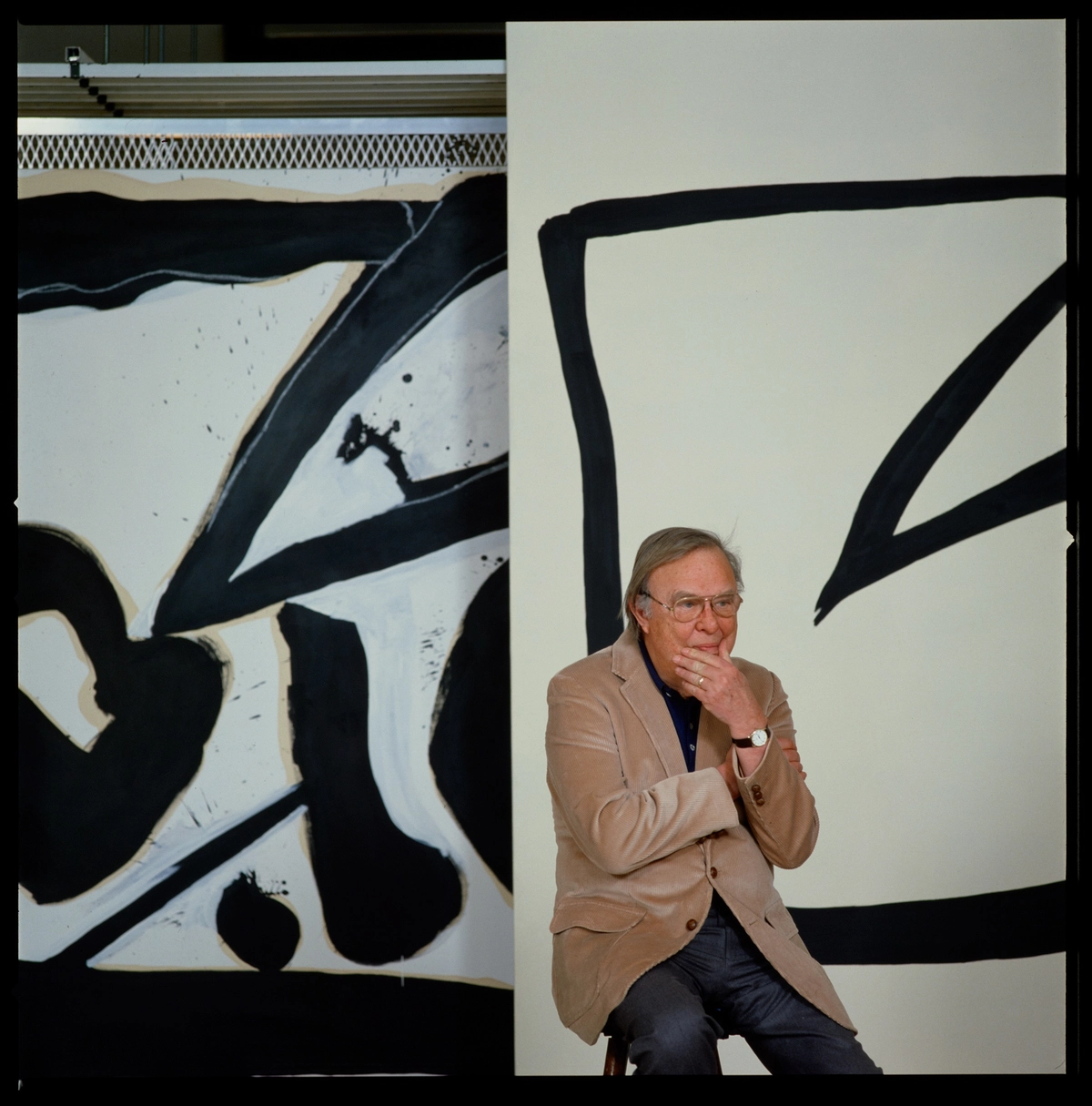
Robert Motherwell
Poet I
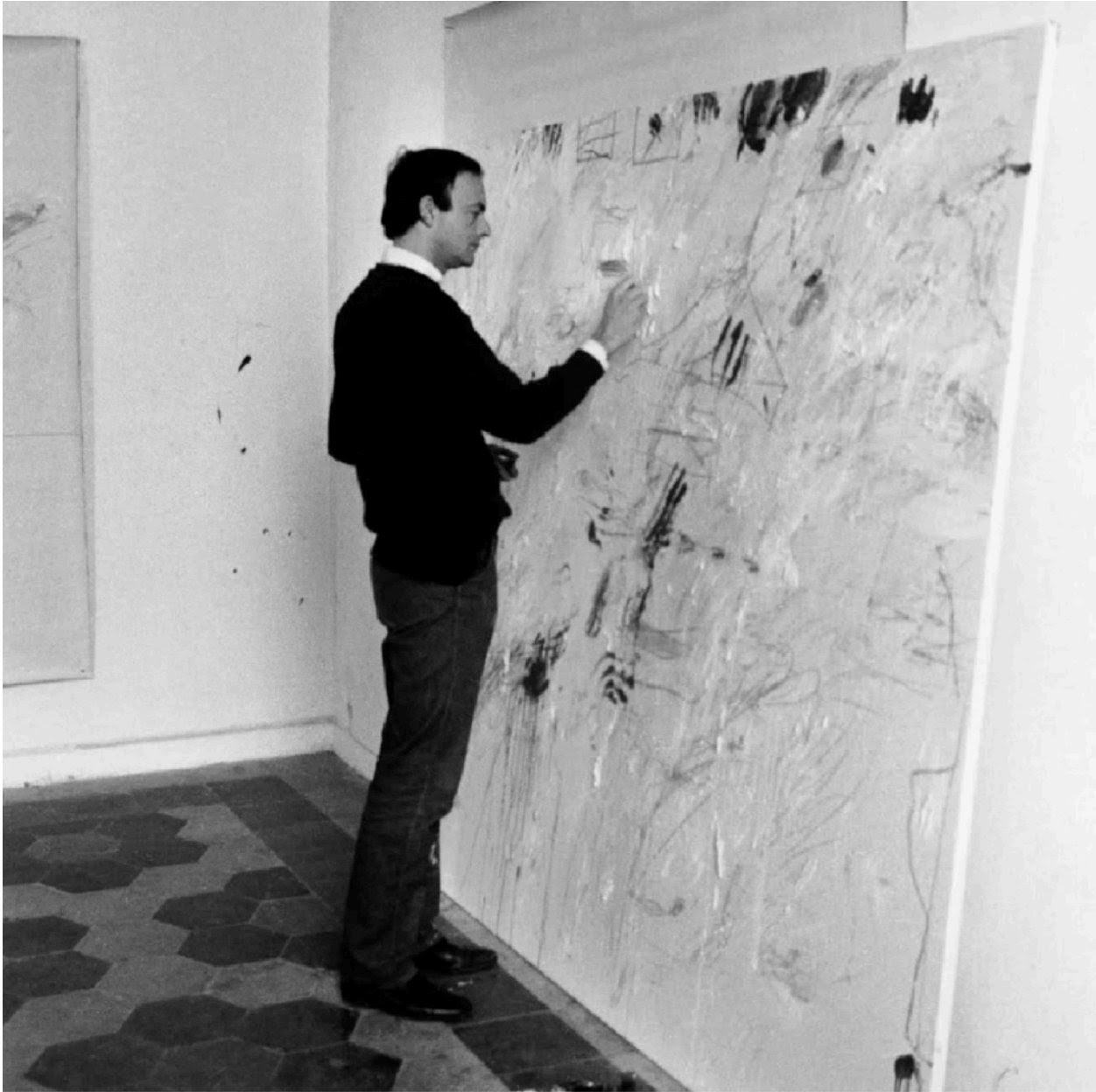
Provenance and exhibition history are also worth scrutinizing, not just for financial reasons but because they tell you something about how seriously a work was regarded in its own time. The Collection represents some of the most significant voices in this tradition at genuine depth. Robert Motherwell remains one of the strongest long term holds in the postwar American canon. His Elegy to the Spanish Republic series, begun in the late 1940s and extended across decades, produced some of the most emotionally charged paintings in twentieth century art, and works from that cycle continue to set records when they appear at auction.
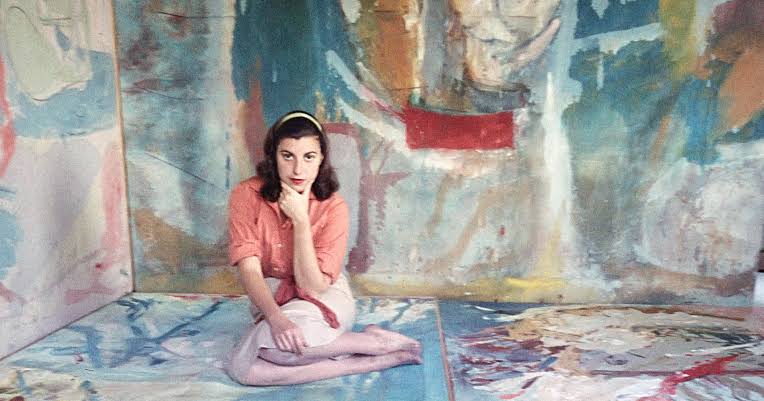
Joan Mitchell and Helen Frankenthaler represent two distinct but equally important strains of the color field and gestural intersection. Mitchell's dense layered surfaces reward the kind of sustained looking that only comes with ownership, while Frankenthaler's stained canvases have enjoyed a significant critical and market reassessment over the past decade. Sam Francis and Hans Hartung bring a transatlantic dimension that serious collectors often find compelling, particularly as the market has grown more globally oriented. Cy Twombly sits in a category almost unto himself, and the works on The Collection represent an exceptional opportunity to access an artist whose prices at the major houses have become increasingly stratospheric.
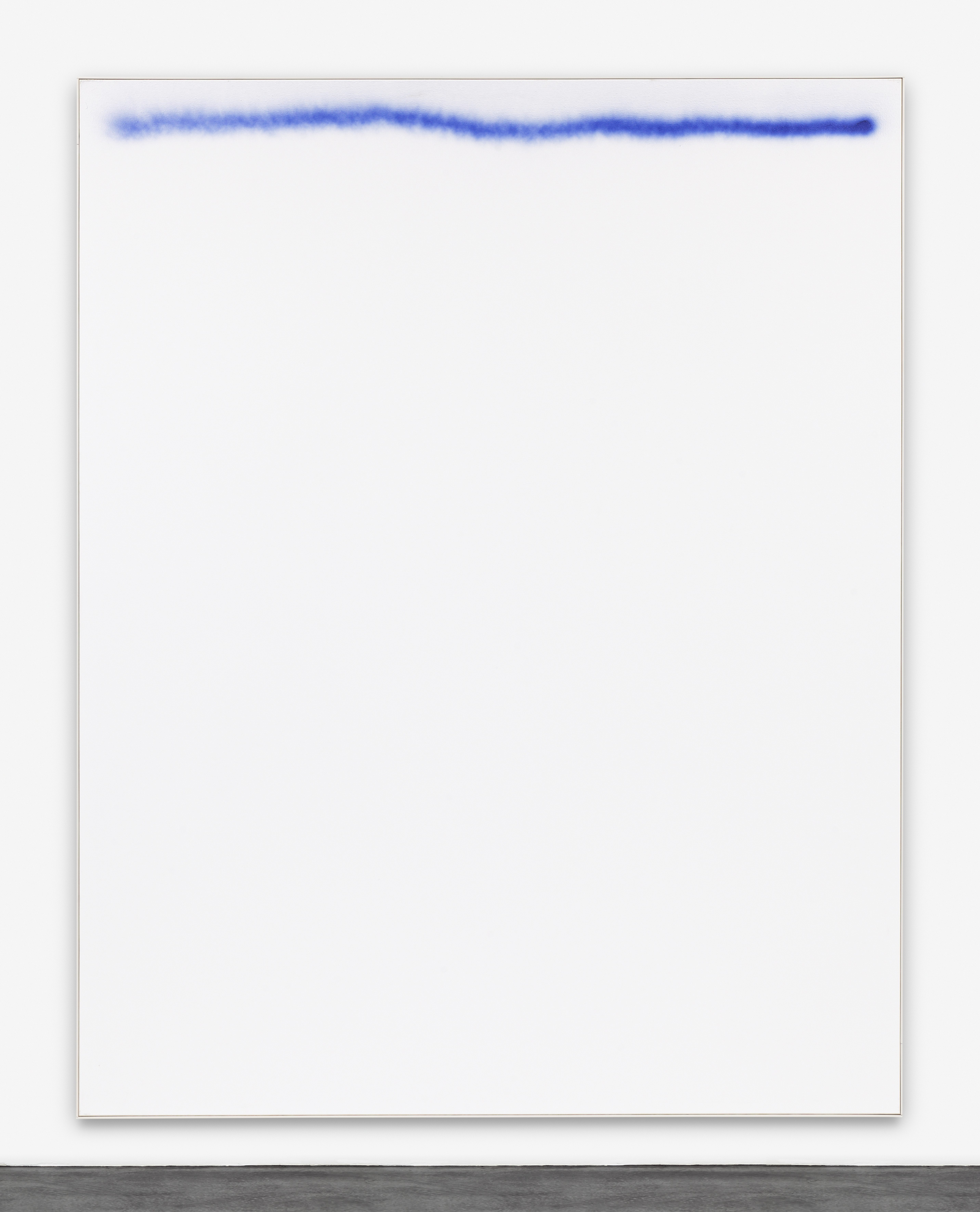
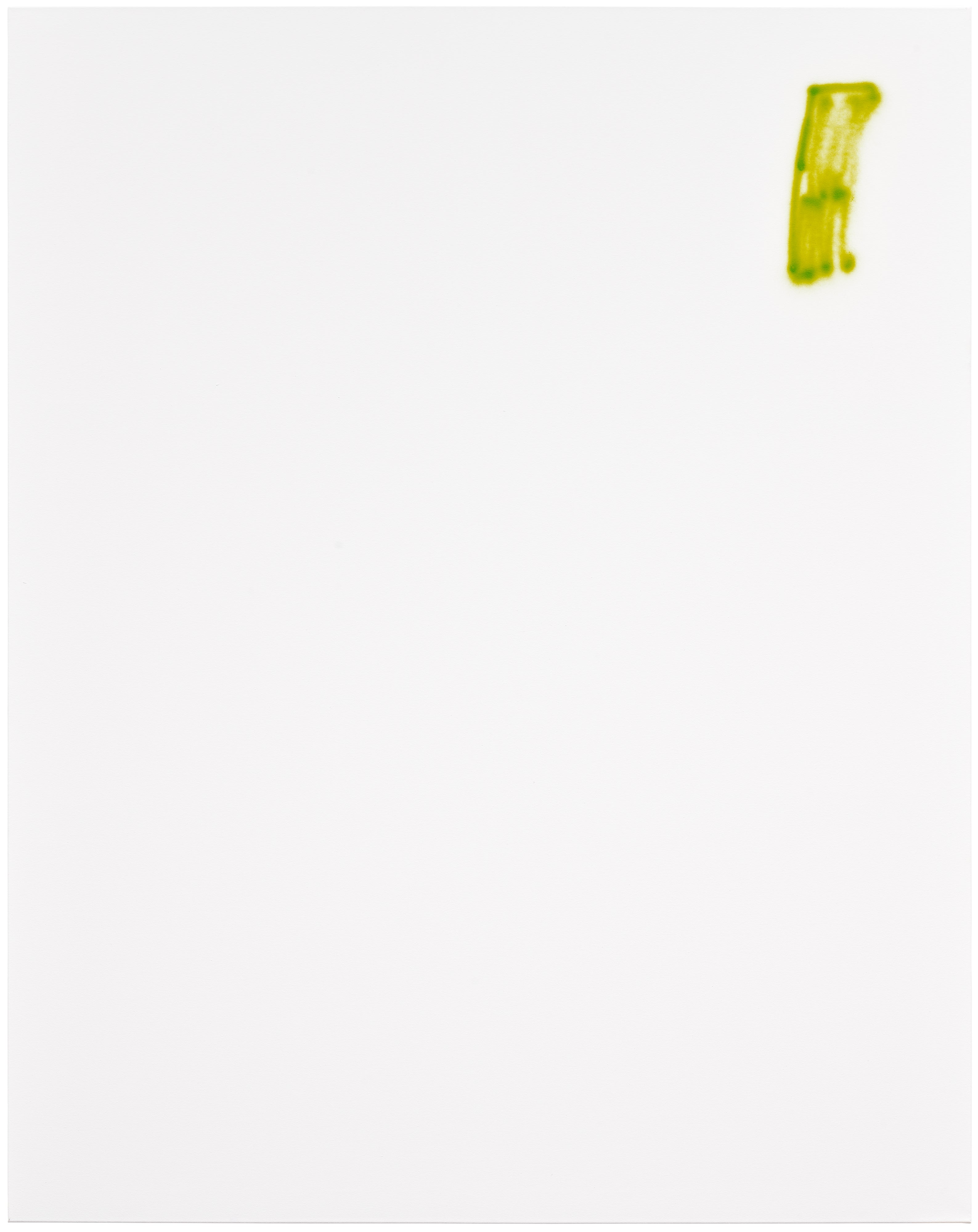
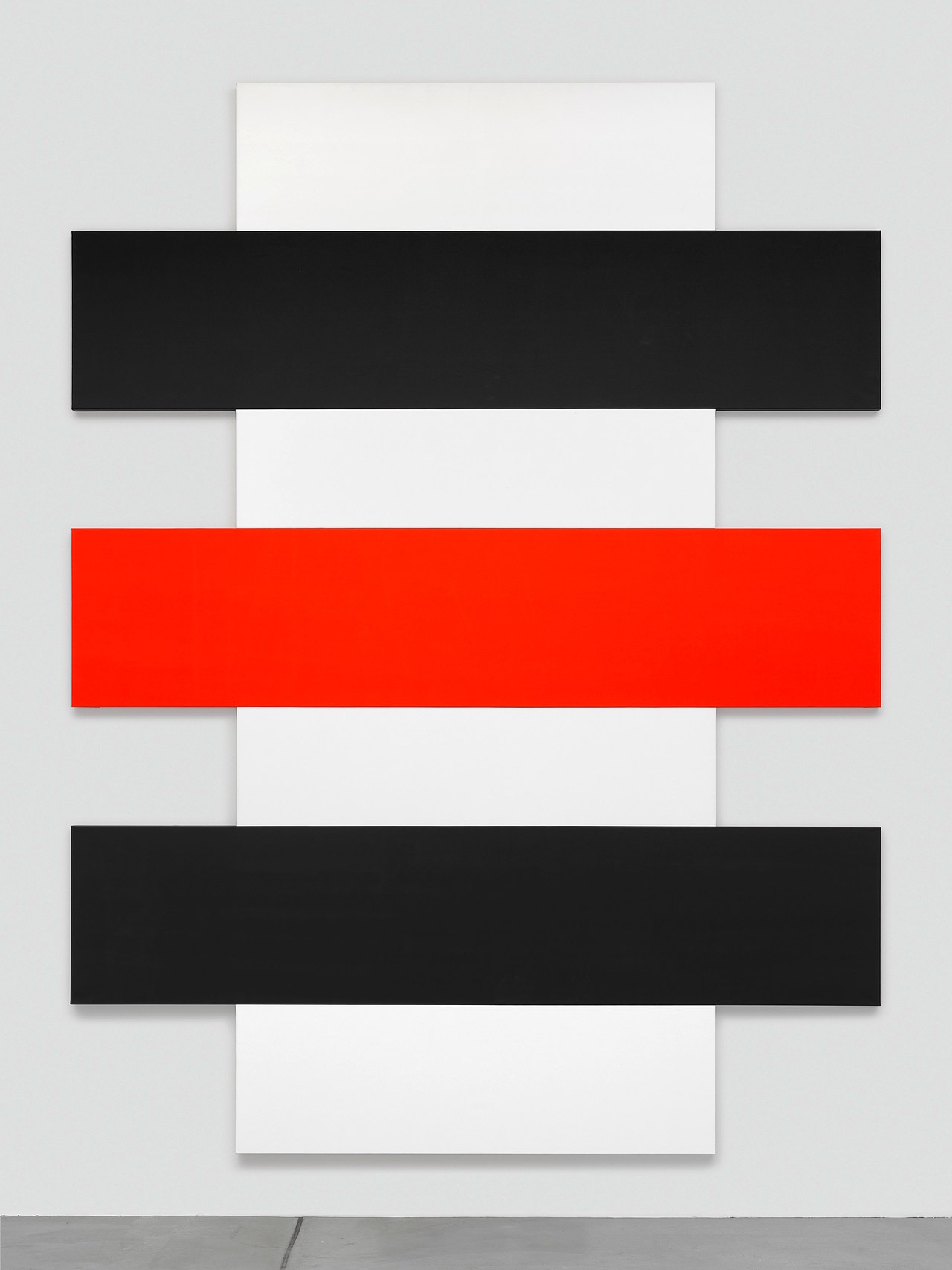
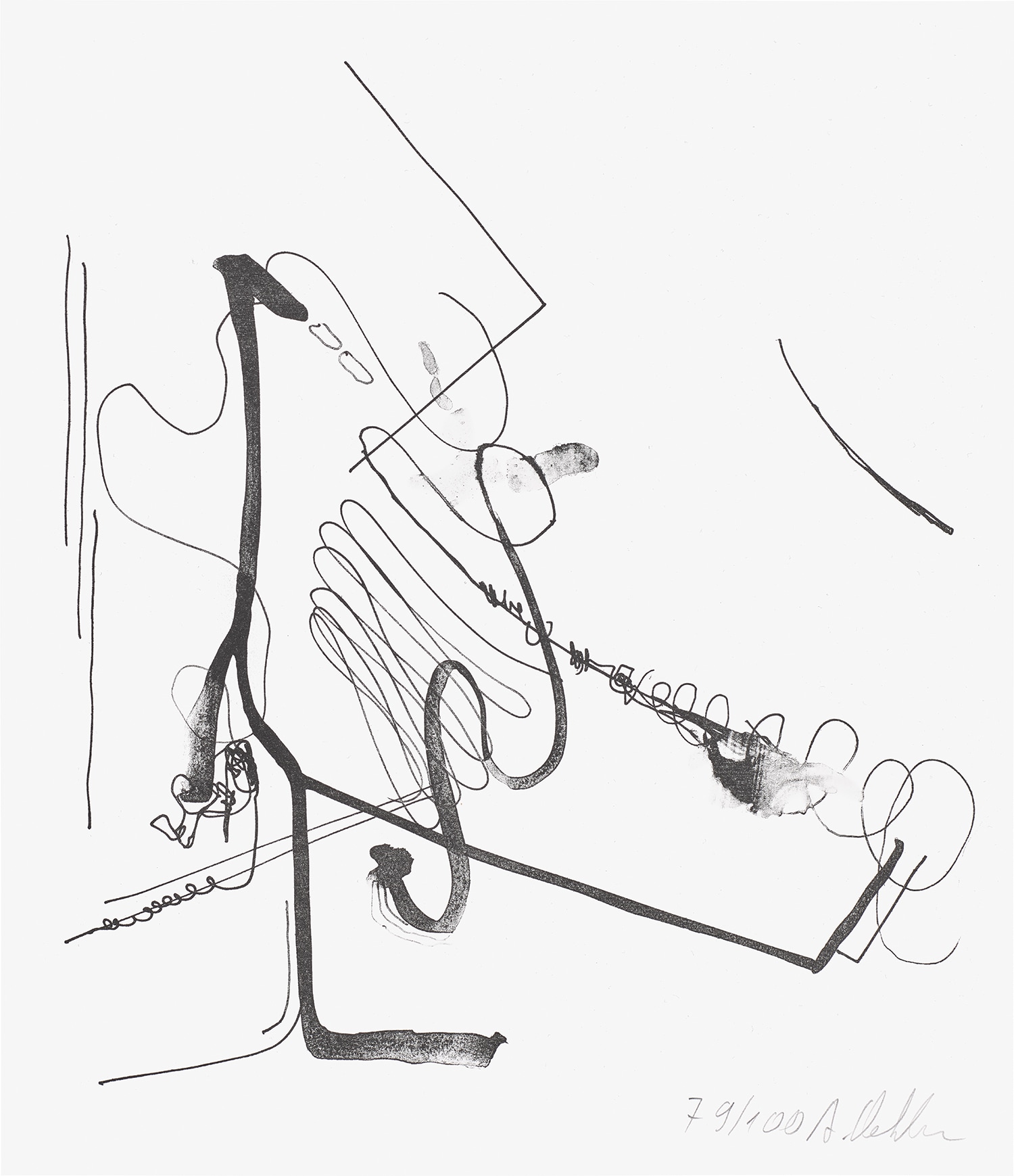
David Ostrowski
F (Sky's the limit), 2014
Among the artists working today, the strongest value arguments can be made for a group of painters who are either underrecognized relative to their historical significance or whose markets are still forming. David Ostrowski's spare, almost forensic approach to the gestural mark has attracted serious institutional attention in Europe, and his prices remain reasonable given the quality of the work and the solidity of his gallery relationships. Albert Oehlen has built a body of work that engages critically with the history of gestural painting in ways that have made him essential to the contemporary discourse, and his works on The Collection represent some of the most intellectually substantial offerings in the category. Georges Mathieu, a French artist who was staging his large scale spontaneous paintings before Pollock became a household name in Europe, remains somewhat undervalued in the English speaking market despite his enormous historical importance to the development of gestural abstraction internationally.
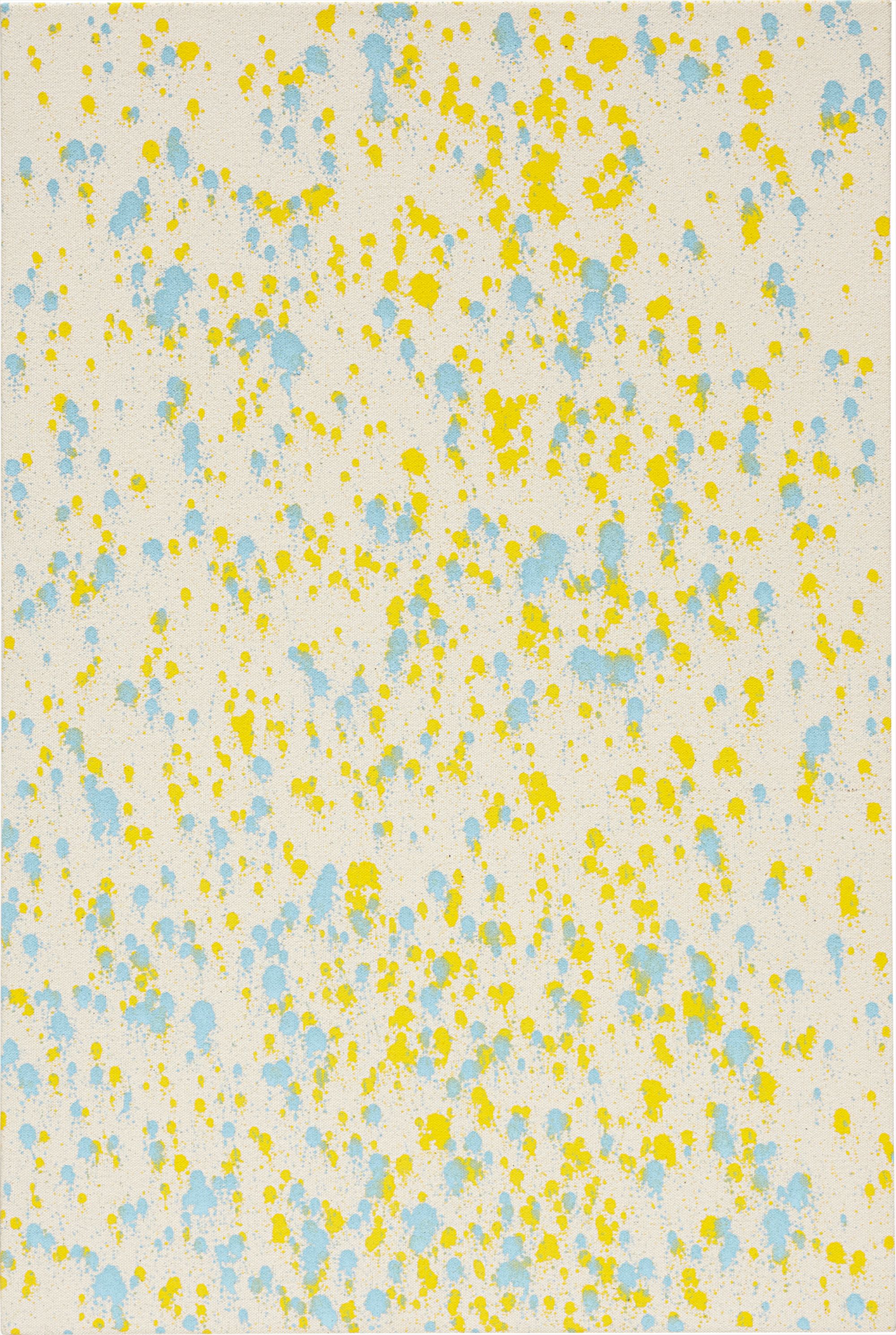
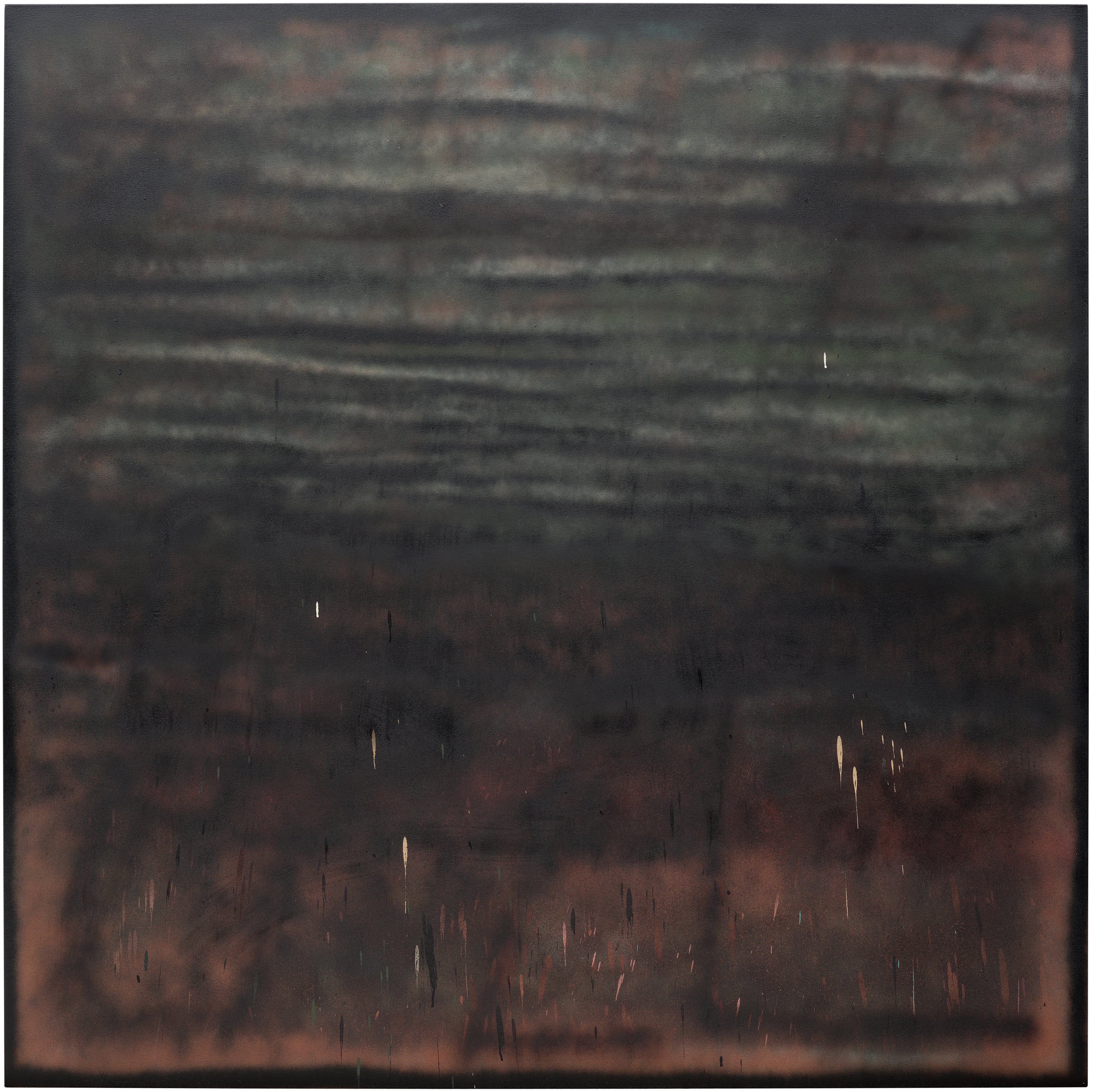
For collectors watching where the energy is moving among younger painters, Lucien Smith and Oscar Murillo have both established meaningful institutional track records without their markets becoming inaccessible. Smith's rain paintings introduced a mechanized remove from traditional gesture that felt genuinely new when they emerged around 2012 and continue to hold up under sustained scrutiny. Murillo brings a conceptual density to his practice that grounds the gestural elements in something more durable than aesthetic fashion. Christian Rosa and Ida Ekblad are both worth watching closely, as critical consensus around both artists has been building steadily and their works remain acquirable at levels that are likely to look very reasonable within a decade.
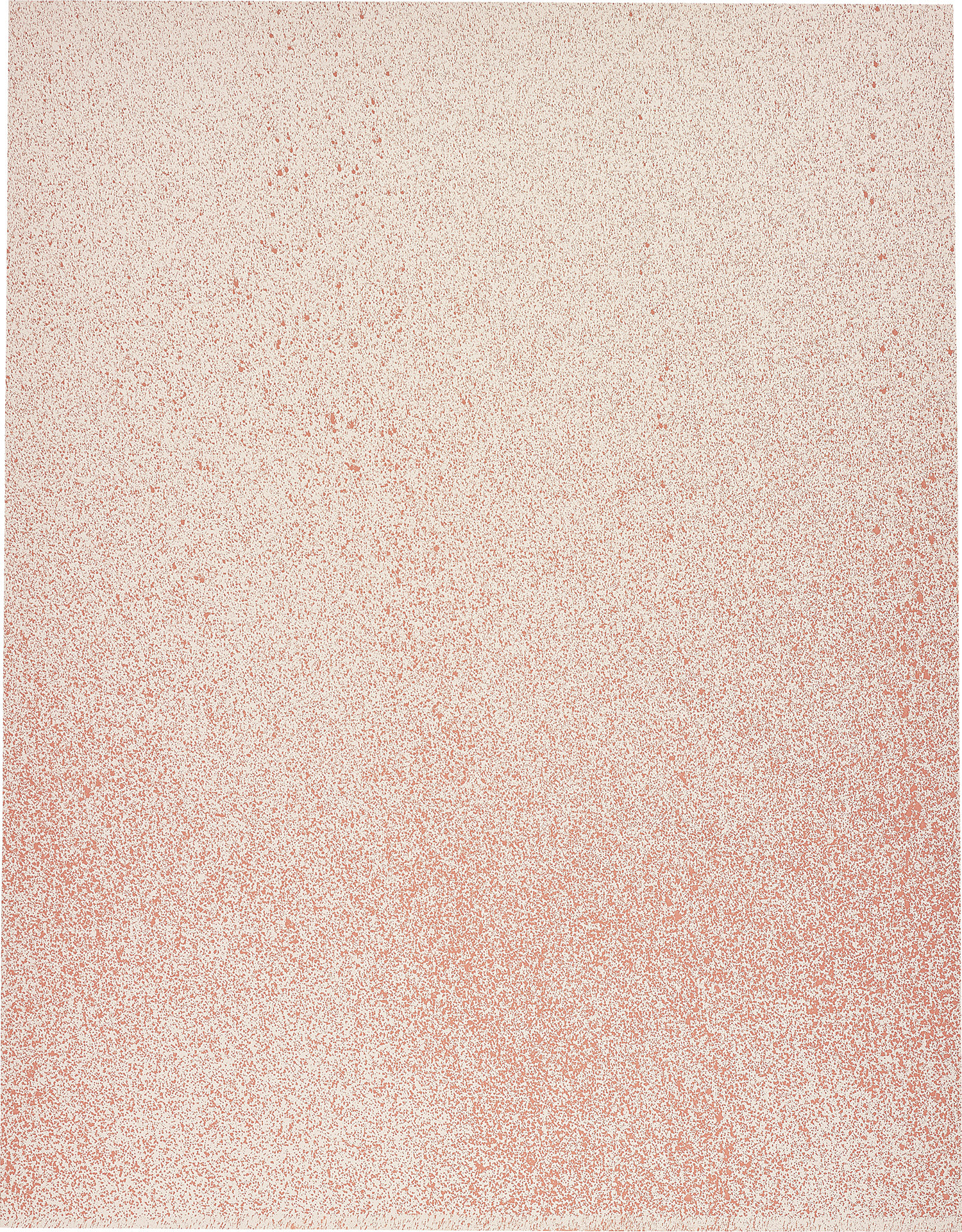
Lucien Smith
Five Second Frenchy, 2011
At auction, gestural abstraction has proven to be one of the more resilient categories across downturns. The postwar American market anchored by Pollock, Mitchell, and Frankenthaler has shown consistent strength at Christie's, Sotheby's, and Phillips over the past twenty years. The contemporary tier has been more volatile, as it always is, but works with strong exhibition histories and institutional endorsement have generally held their value even in softer seasons. Gerhard Richter occupies a unique position in that his abstract works and his photorealist works are essentially two separate markets that sometimes reinforce each other and sometimes diverge, but his squeegee abstractions have proven remarkably stable at the top of the market.
On the practical side, there are a few things every collector should know before acquiring in this category. Condition is paramount and unforgiving. Gestural surfaces are often built up with unconventional materials and application methods, which means they can be sensitive to light, humidity, and improper framing in ways that a more conventional painting might not be. Always request a full condition report and ask specifically about any consolidation or previous restoration.
When it comes to works on paper versus canvas, and editions versus unique works, the rule is generally to prioritize unique works if budget allows, as they carry the greatest long term value and the most direct relationship to the artist's hand. Ask your gallery or advisor about the work's exhibition history, whether it has been published in a catalogue raisonné, and what the resale history looks like if it has appeared at auction before. These questions are not just due diligence. They are the beginning of understanding what you are really bringing home.
![Zander Blom — Untitled [1.496]](https://rtwaymdozgnhgluydsys.supabase.co/storage/v1/object/public/artwork-images/auction-lots/UK010426-lot122.jpg)