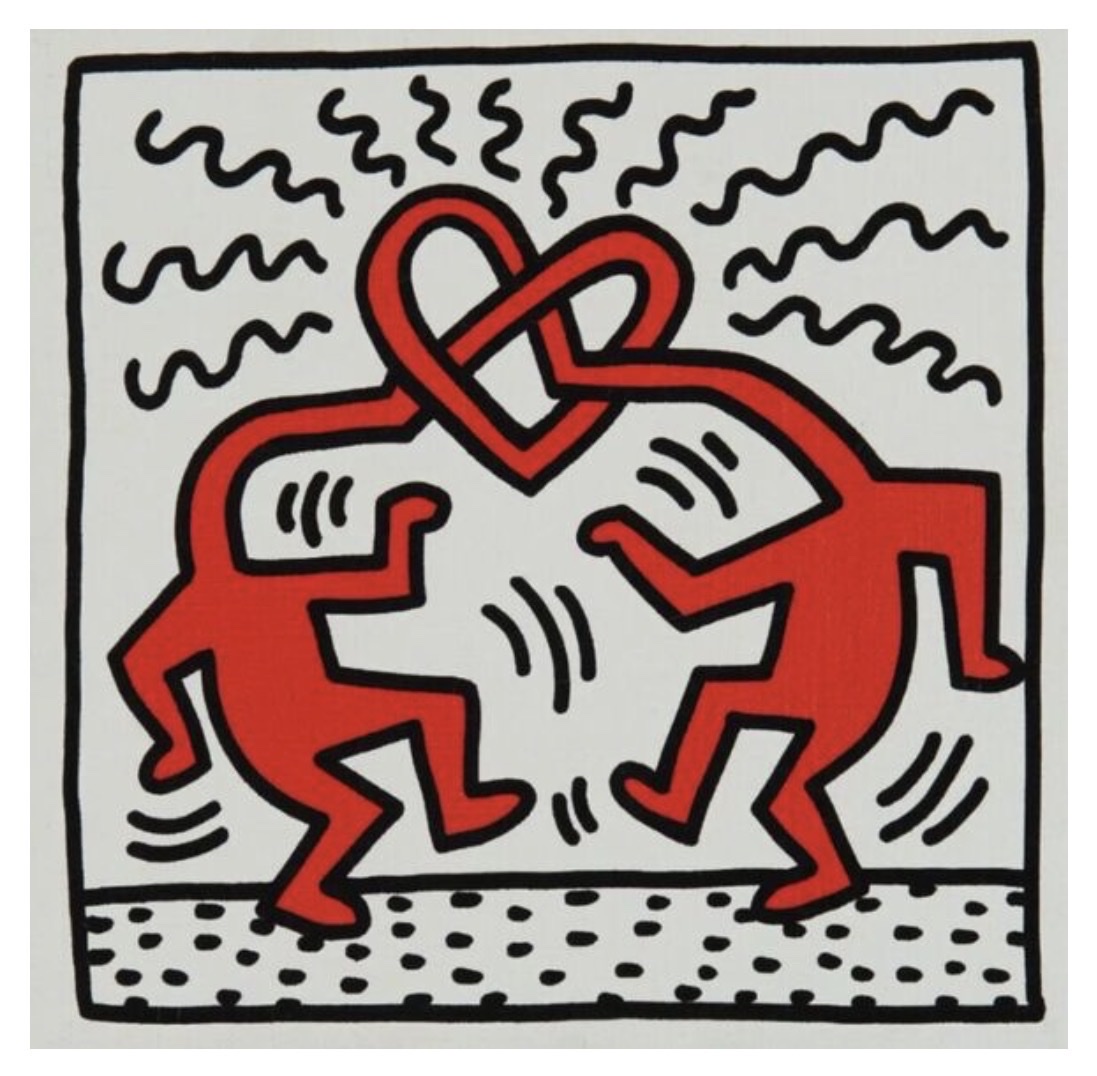
Mid Century Modern
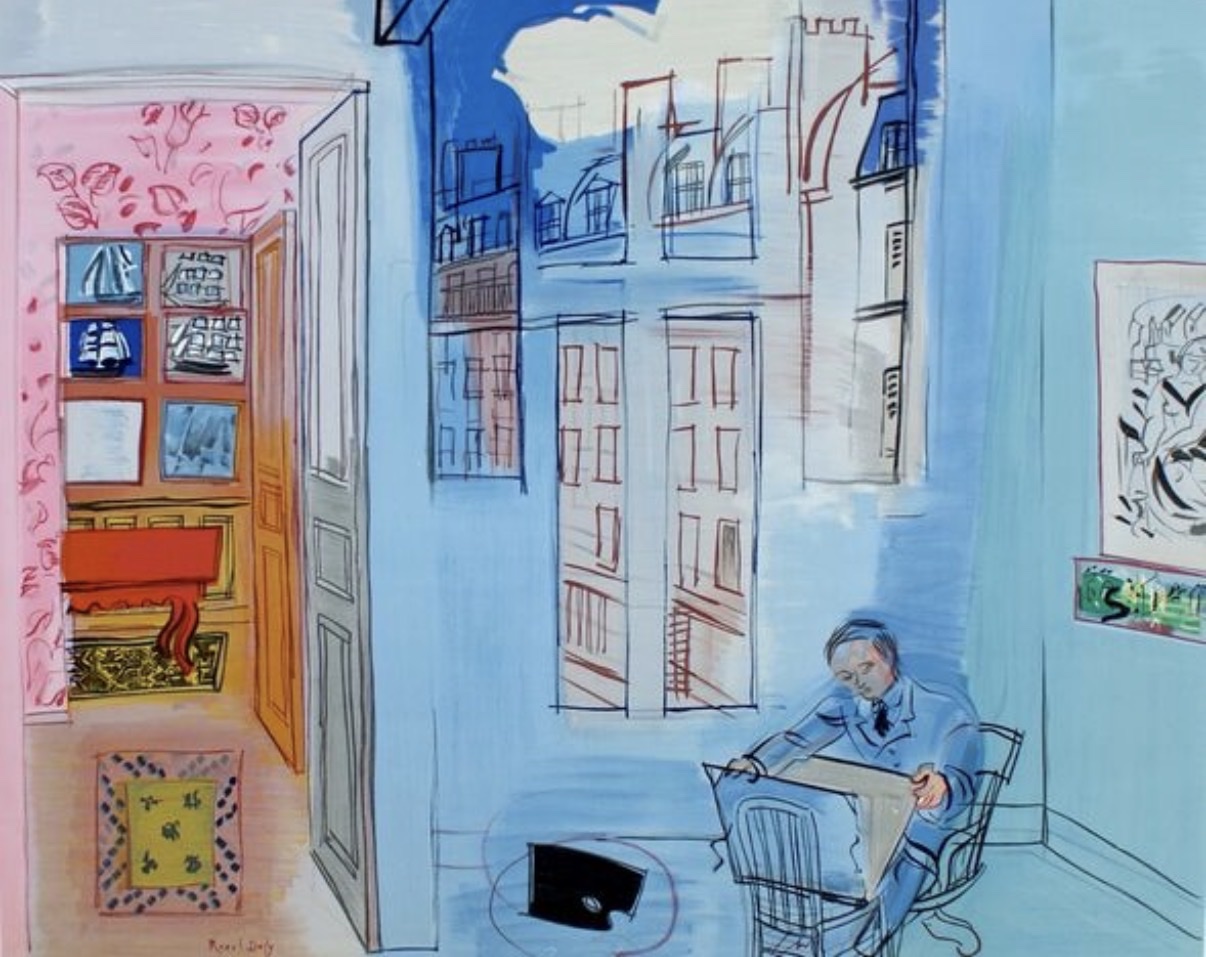
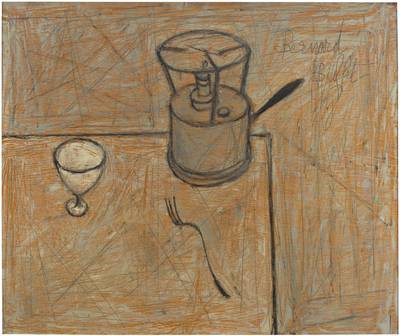
Raoul Dufy
L'atelier de Impasse Guelma, 1969


The Century That Refused to Sit Still
There is a particular quality of light that belongs to the mid twentieth century. You can see it in the photographs of Irving Penn, in the saturated grounds of Helen Frankenthaler's poured canvases, in the spare geometry of a Hans Wegner chair catching afternoon sun. It is the light of a world rebuilding itself from scratch, intoxicated by possibility, convinced that beauty and function and meaning could all be achieved at once. Mid Century Modern is the name we give to this conviction, a broad and generous term that holds within it painting, sculpture, photography, furniture, industrial design, and architecture, all united by the belief that the new forms demanded by a new world were not a compromise but a gift.
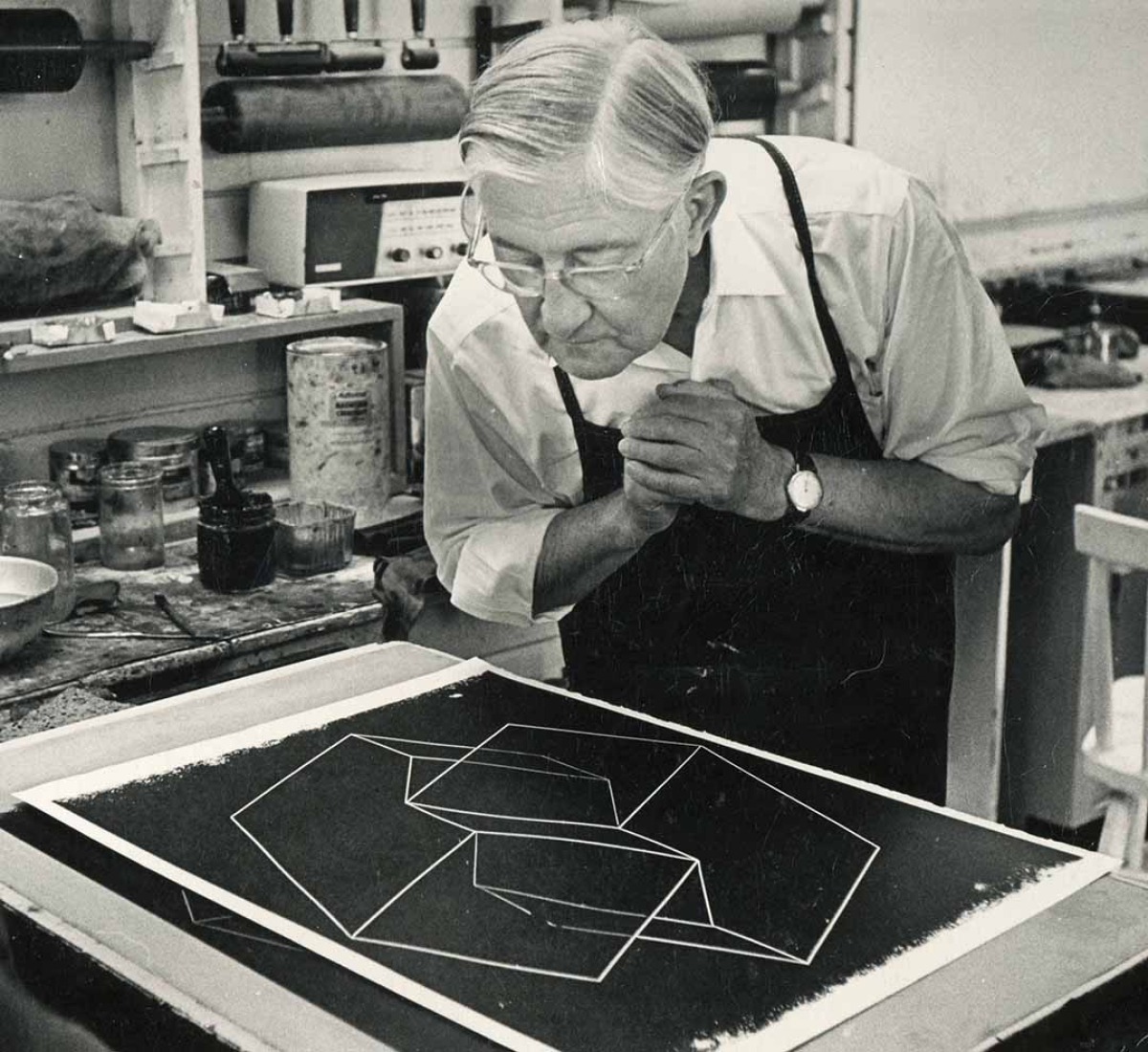
The movement's roots reach back to the interwar period, when the Bauhaus school in Germany was synthesizing fine art, craft, and industry into a unified vision of modern life. When the Nazis closed the Bauhaus in 1933, many of its leading figures scattered across Europe and eventually to the United States, carrying that vision with them like seeds. Josef Albers arrived at Black Mountain College in North Carolina in 1933 and spent the next two decades teaching an entire generation of American artists to think rigorously about color, perception, and the relationship between form and feeling. His later Homage to the Square series, begun around 1950, became one of the defining bodies of work of the era, a sustained investigation into how colors interact, deceive, and transform one another through proximity.
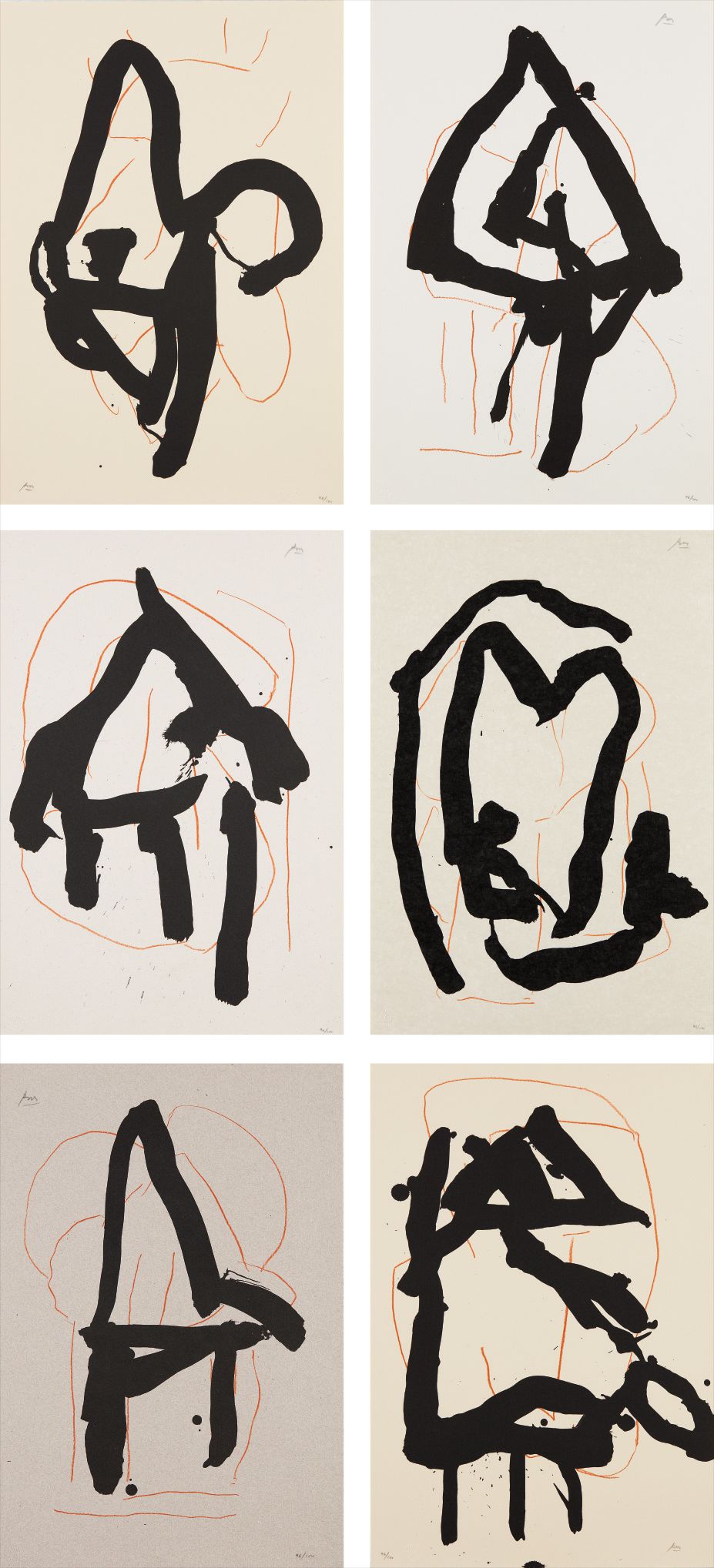
Robert Motherwell
Beau Geste pour Lucrece
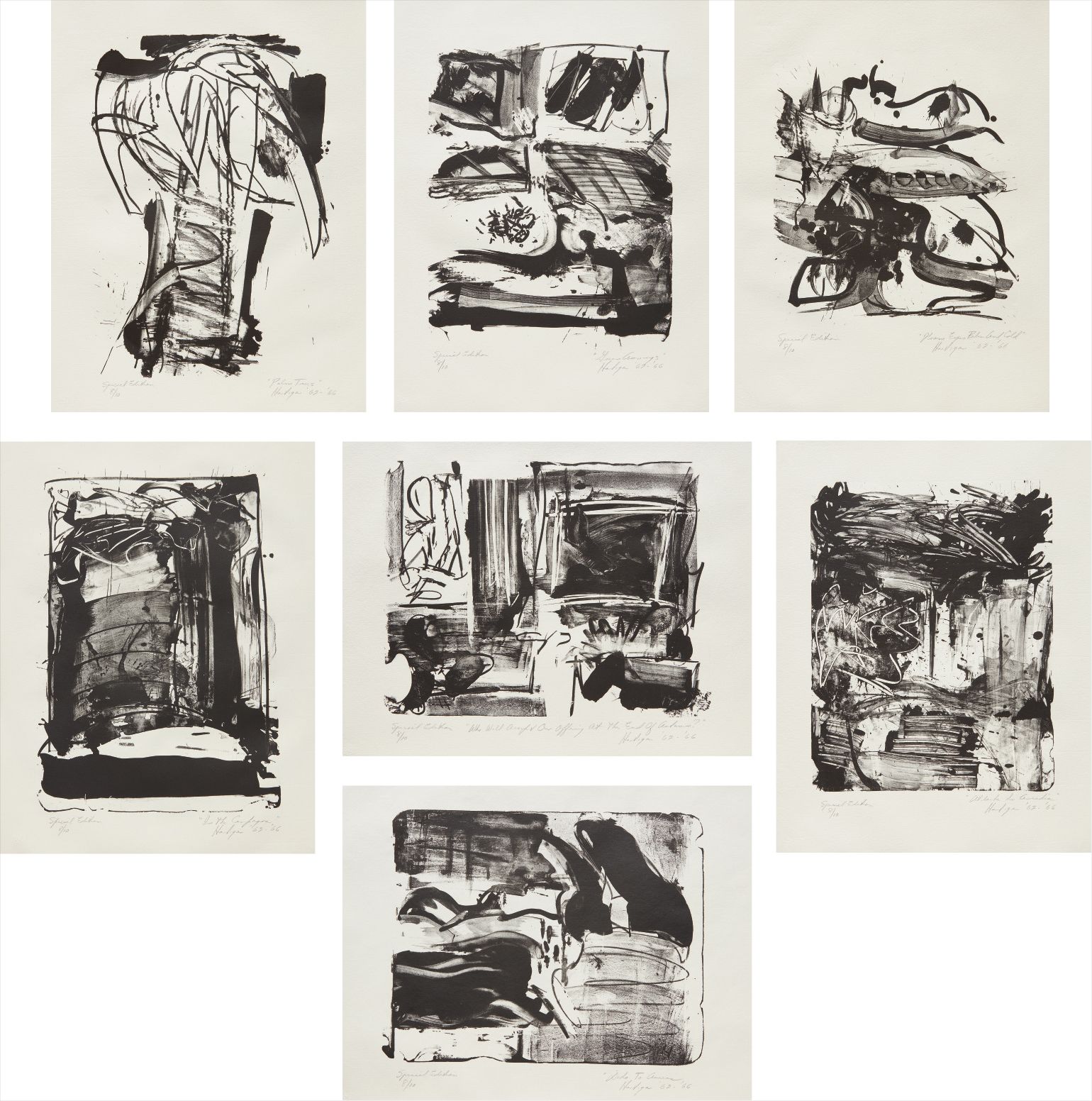
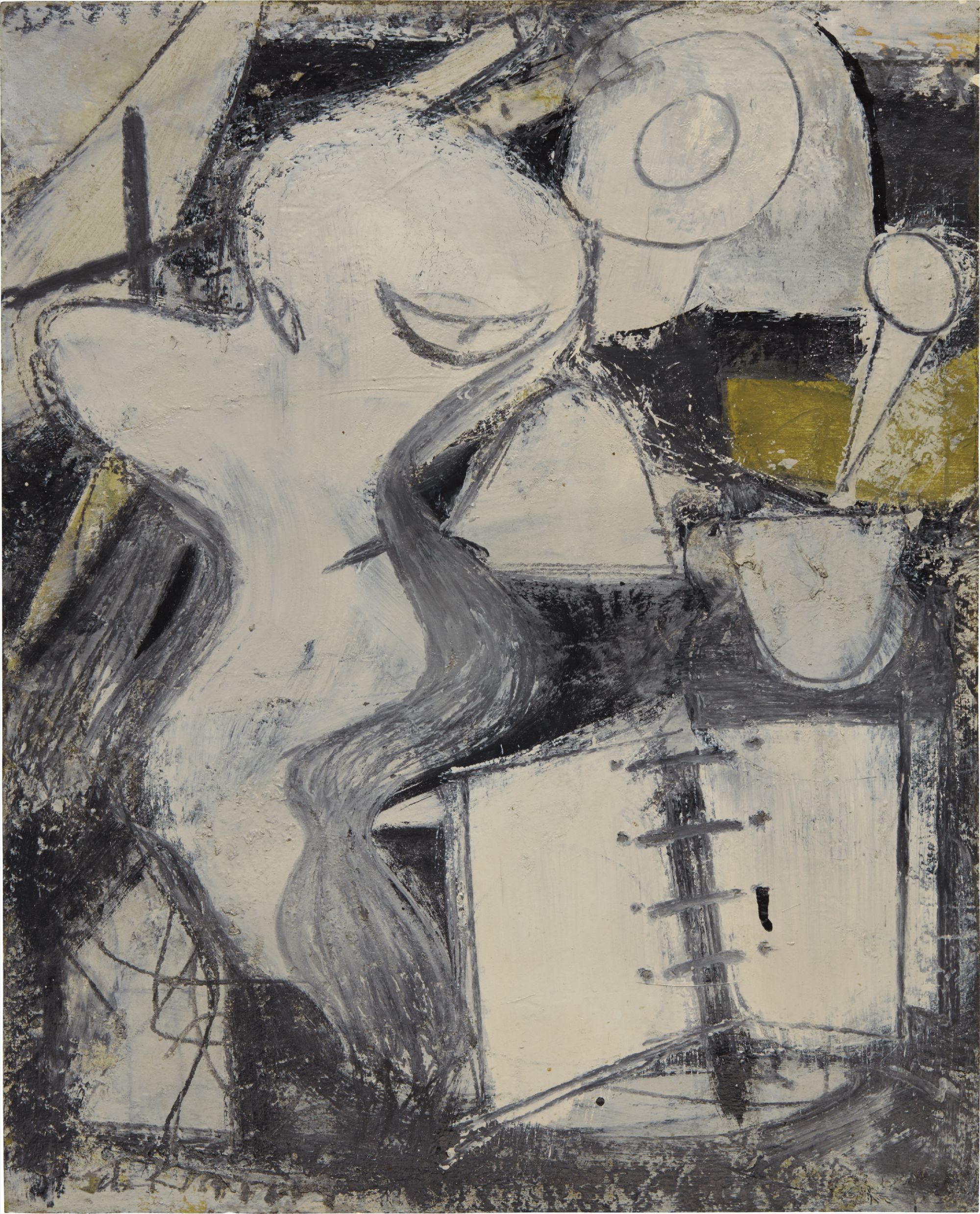
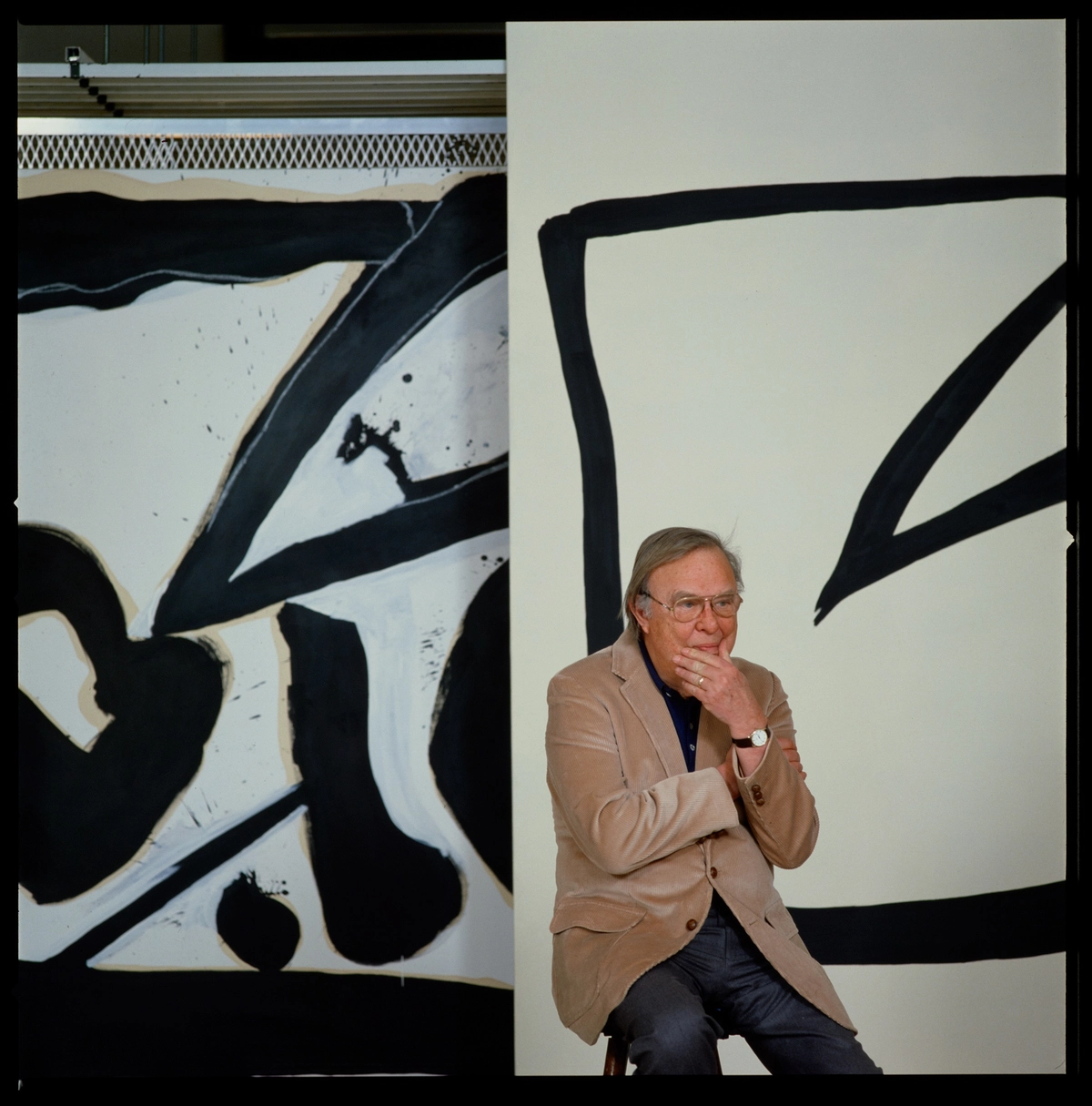
In New York, the energies were different and more explosive. The Abstract Expressionists who gathered in lower Manhattan in the late 1940s were not interested in refinement so much as rupture. Willem de Kooning and Robert Motherwell, both well represented on The Collection, worked in a mode of urgent improvisation that felt entirely new to American art. Motherwell's Elegy to the Spanish Republic, the long series he began in 1948, brought a deeply European sense of grief and history into the American idiom, monumental black ovals pressing against white grounds with the weight of something irreversible.
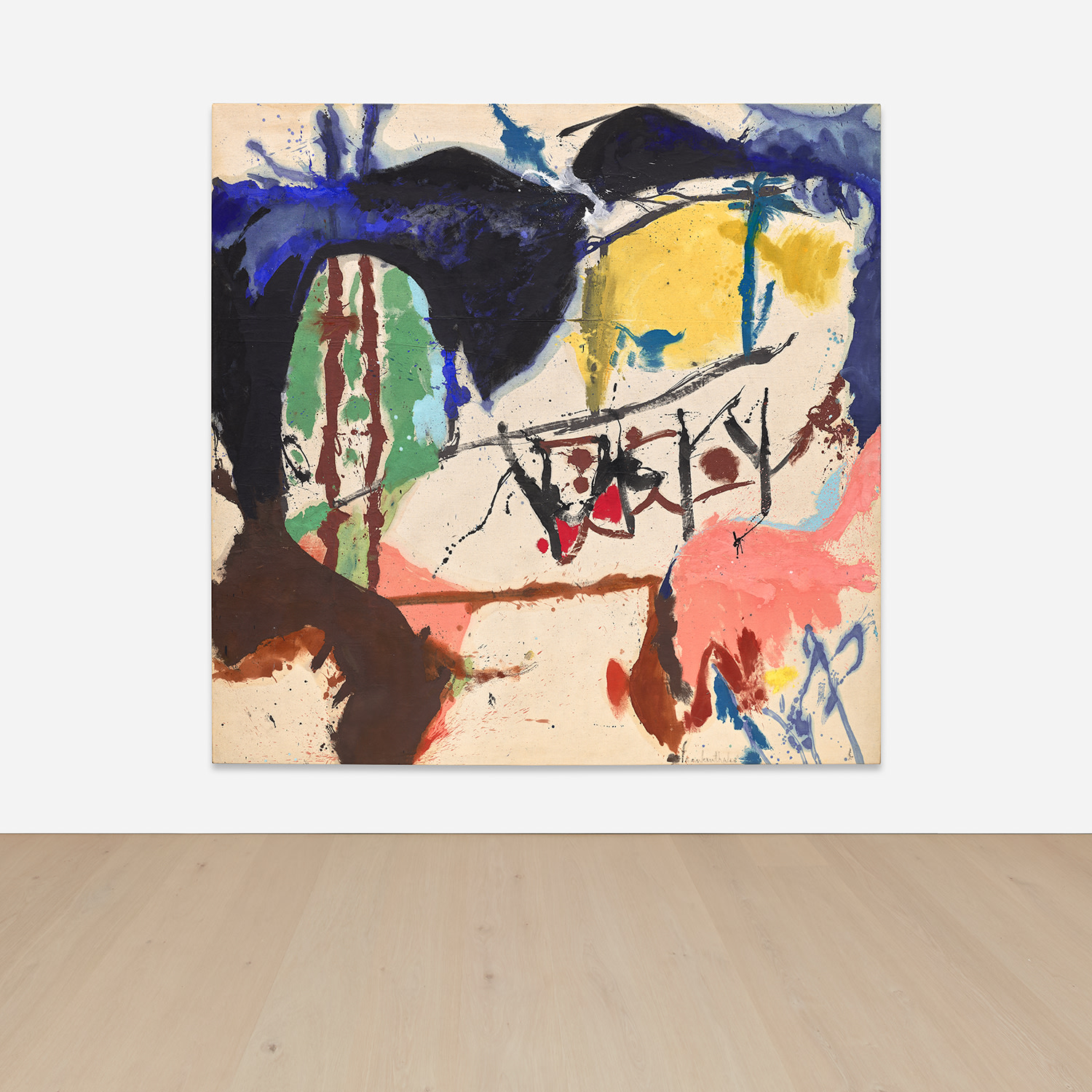
De Kooning, meanwhile, refused to choose between figuration and abstraction, tearing through both with a ferocious physical intelligence that influenced painters for decades after. The Color Field painters who followed in the 1950s and into the 1960s turned down the volume on that existential drama without losing the ambition. Helen Frankenthaler's staining technique, in which she poured thinned paint directly onto unprimed canvas laid on the floor, created a new kind of pictorial space, one where color seemed to bloom from within the fabric of the work rather than sitting on top of it. Kenneth Noland and Ellsworth Kelly pursued their own versions of this optical clarity, working with hard edges and pure color in ways that felt almost scientific in their precision but remained unmistakably sensuous.
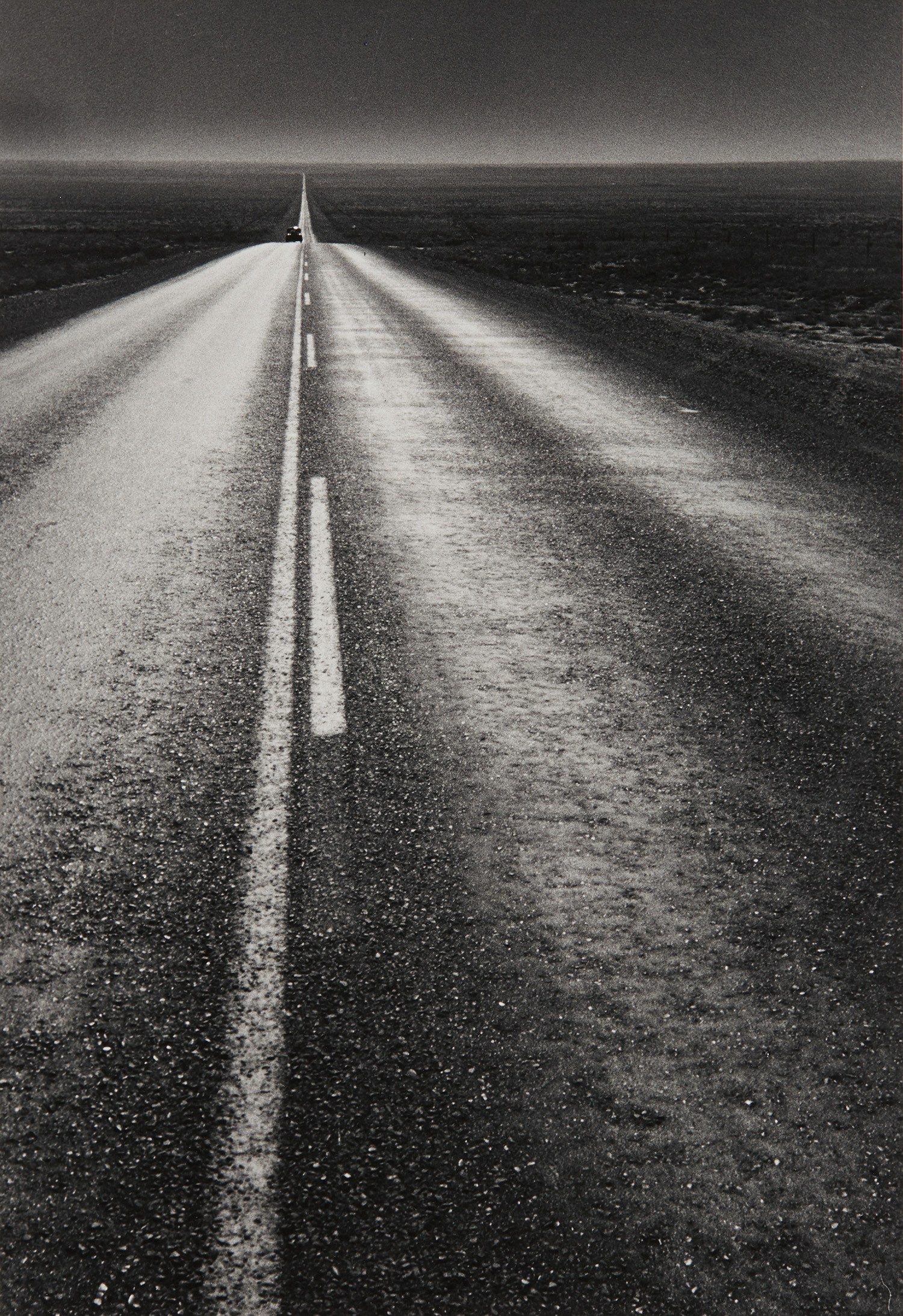
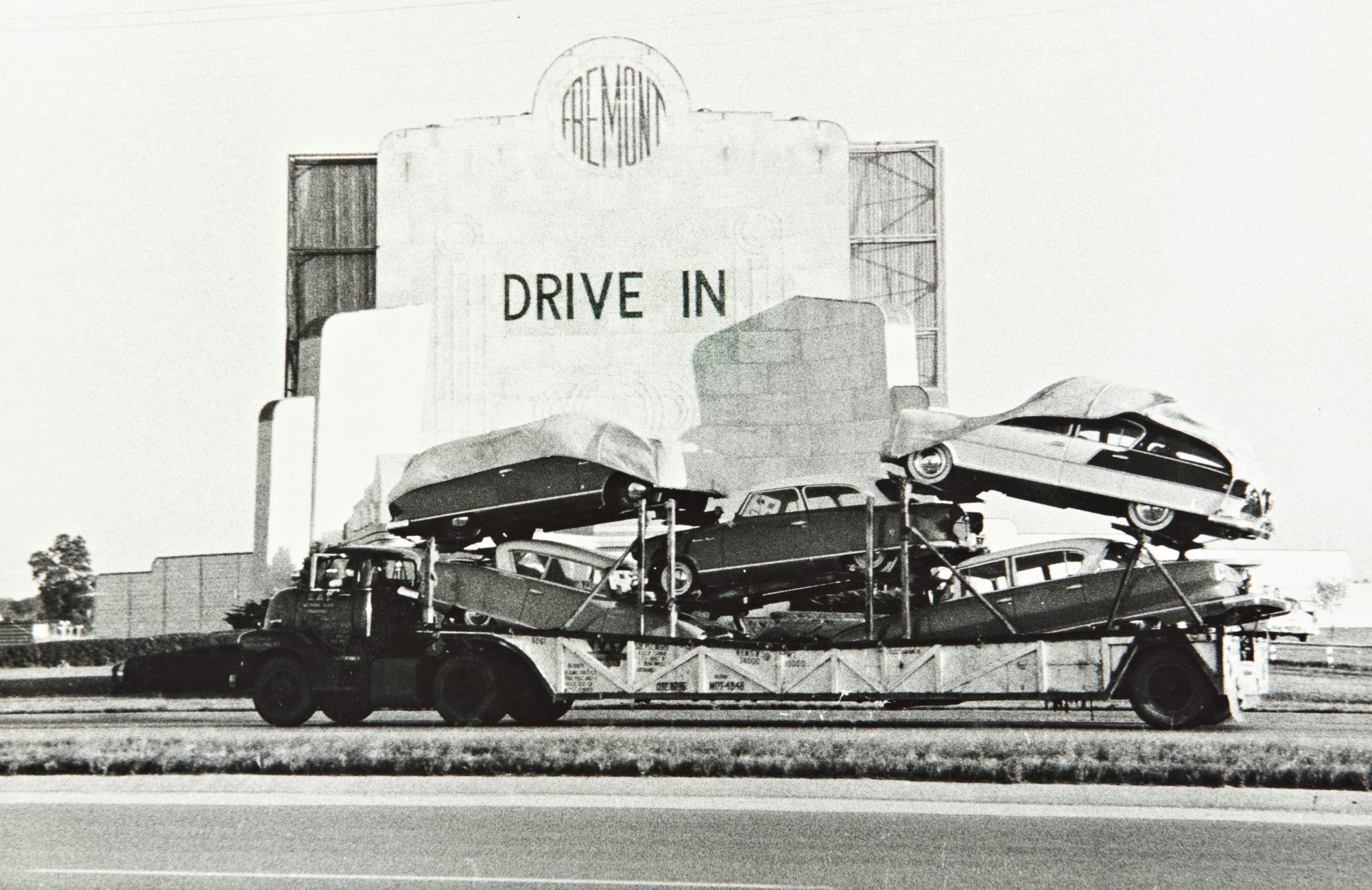
Robert Frank
U.S. 285, New Mexico
Adolph Gottlieb and Richard Diebenkorn approached the problem from different angles, one through mythic symbol and the other through the light of the California coast, yet both arrived at paintings of remarkable stillness and depth. Alongside the painters, a generation of photographers was documenting the texture of modern American life with equal seriousness and far greater intimacy. Robert Frank's book The Americans, published in 1958 after his Guggenheim fellowship road trip across the country, reframed what documentary photography could be. It was not journalism and not fine art in any conventional sense but something rawer and more personal, a meditation on loneliness and longing set against diners, jukeboxes, roadside flags, and faces that looked through rather than at the camera.
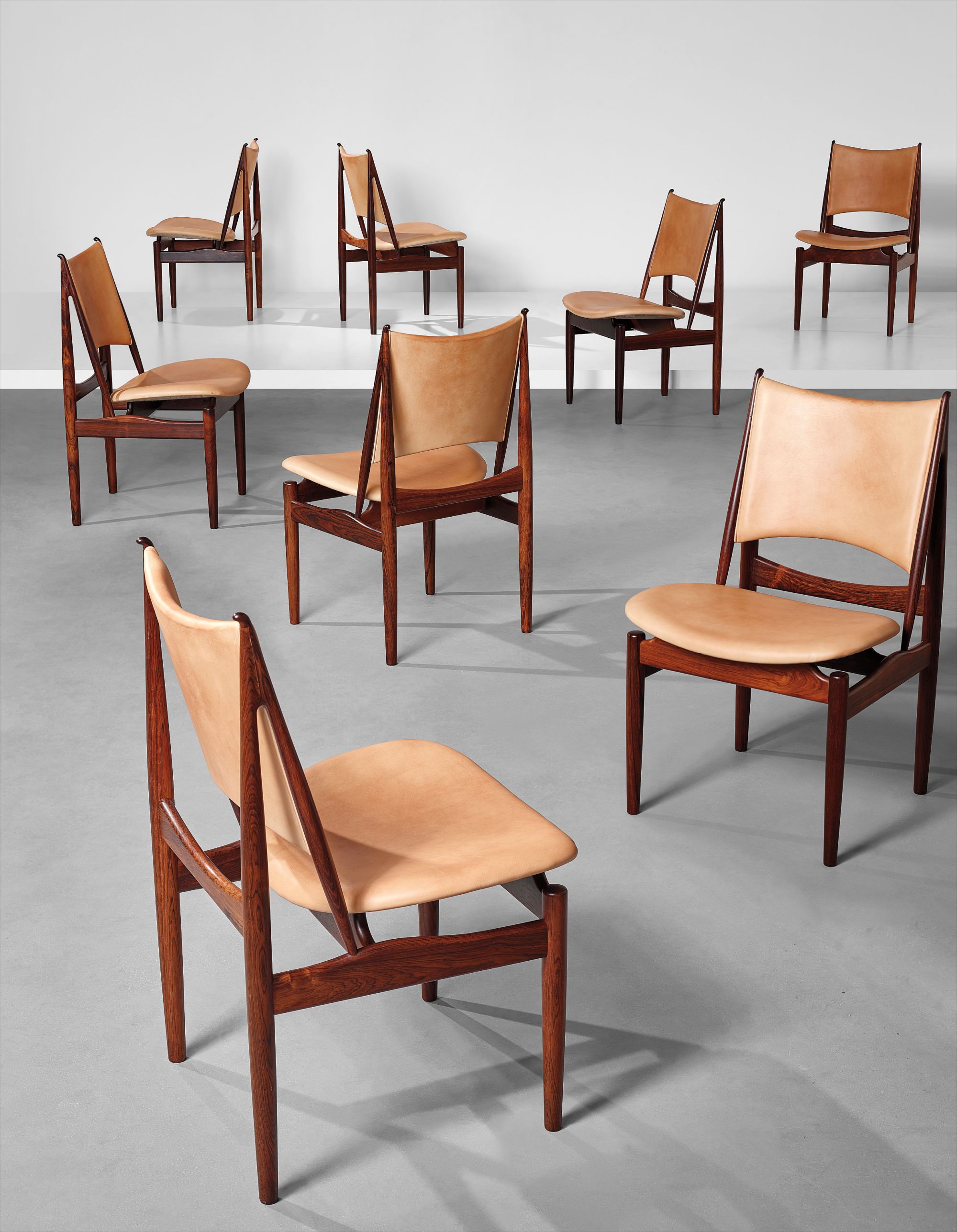
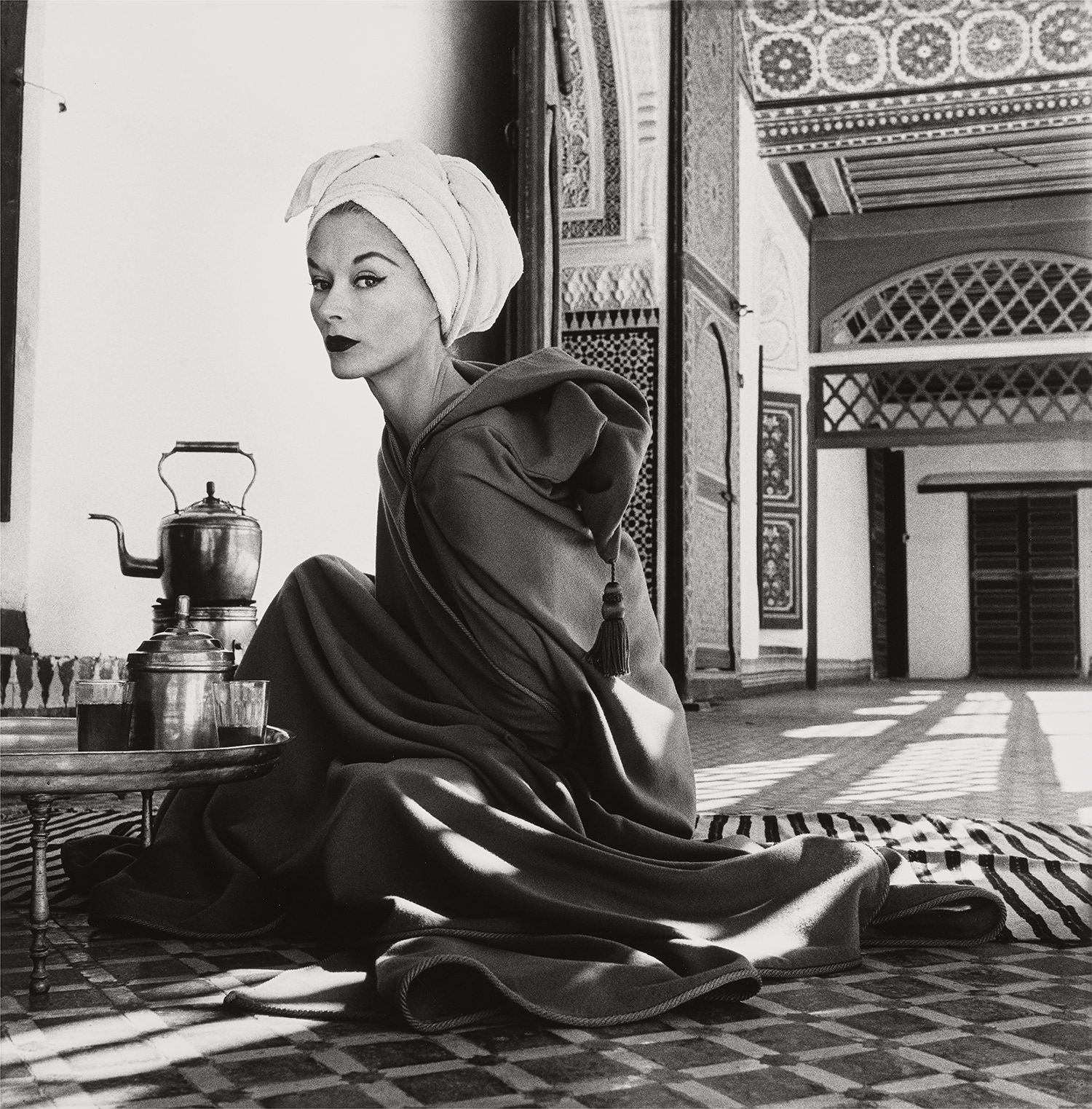
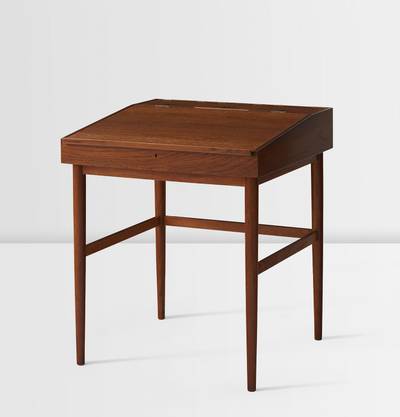
Diane Arbus, Garry Winogrand, and Lee Friedlander, who along with Frank were grouped under the New Documents label by curator John Szarkowski in his landmark 1967 Museum of Modern Art exhibition, brought a similar restlessness to the streets of New York. Their work sits in conversation on The Collection with the more formal elegance of Irving Penn and Richard Avedon, whose fashion and portrait work in the 1950s and 1960s translated modernist compositional rigor into commercial contexts without any loss of intelligence. The design dimension of Mid Century Modern is inseparable from its art historical story, and it would be a mistake to treat it as merely decorative background. Finn Juhl, Hans Wegner, and Ole Wanscher were working in Denmark during the 1940s and 1950s on furniture that treated the human body as something worth honoring, creating chairs and tables of extraordinary formal invention from natural materials shaped with near obsessive craft.
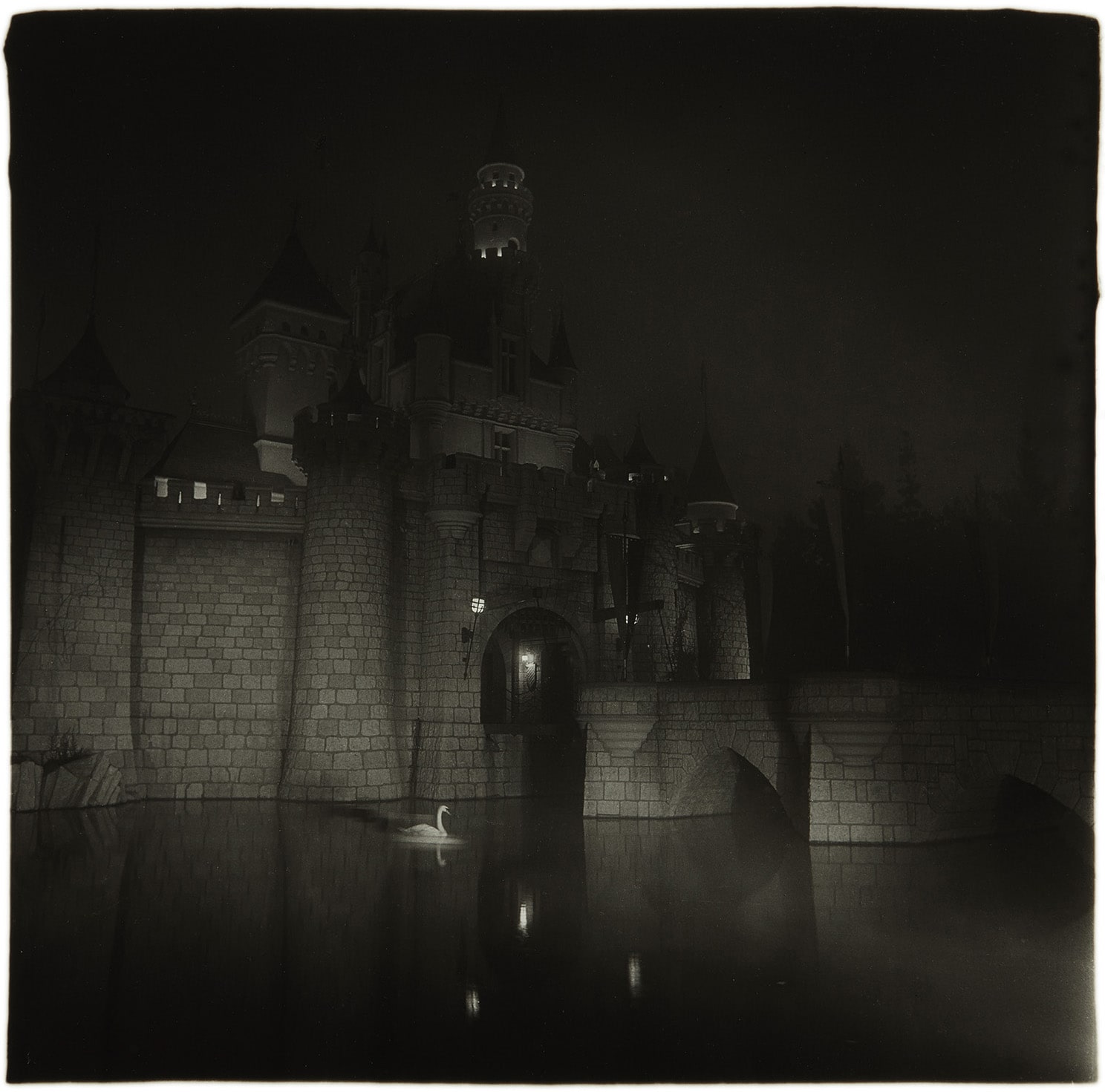
Diane Arbus
A castle in Disneyland, Cal.
Jean Royère in France and Gio Ponti in Italy were pursuing parallel visions of an interior world that was sensual, playful, and completely assured. Charlotte Perriand, who had collaborated with Le Corbusier in the 1920s before spending the war years in Japan, returned to Europe with an expanded sense of how nature, material, and function could be reconciled. These objects were not furnishings in the conventional sense but propositions about how life might be lived. What holds all of this together, across painting and photography and furniture and sculpture, is a particular ethical seriousness about form.
Joan Mitchell, Alexander Calder, Yves Klein, Lucio Fontana, Jean Dubuffet, and Karel Appel all worked from radically different premises and in radically different idioms, yet each understood that to make something new was also to make an argument about what mattered and why. The mid twentieth century, burdened as it was by catastrophe and electrified by postwar optimism in almost equal measure, produced artists who were not willing to coast. The works on The Collection carry that urgency still. You can feel it in the color, the scale, the refusal to be merely decorative.
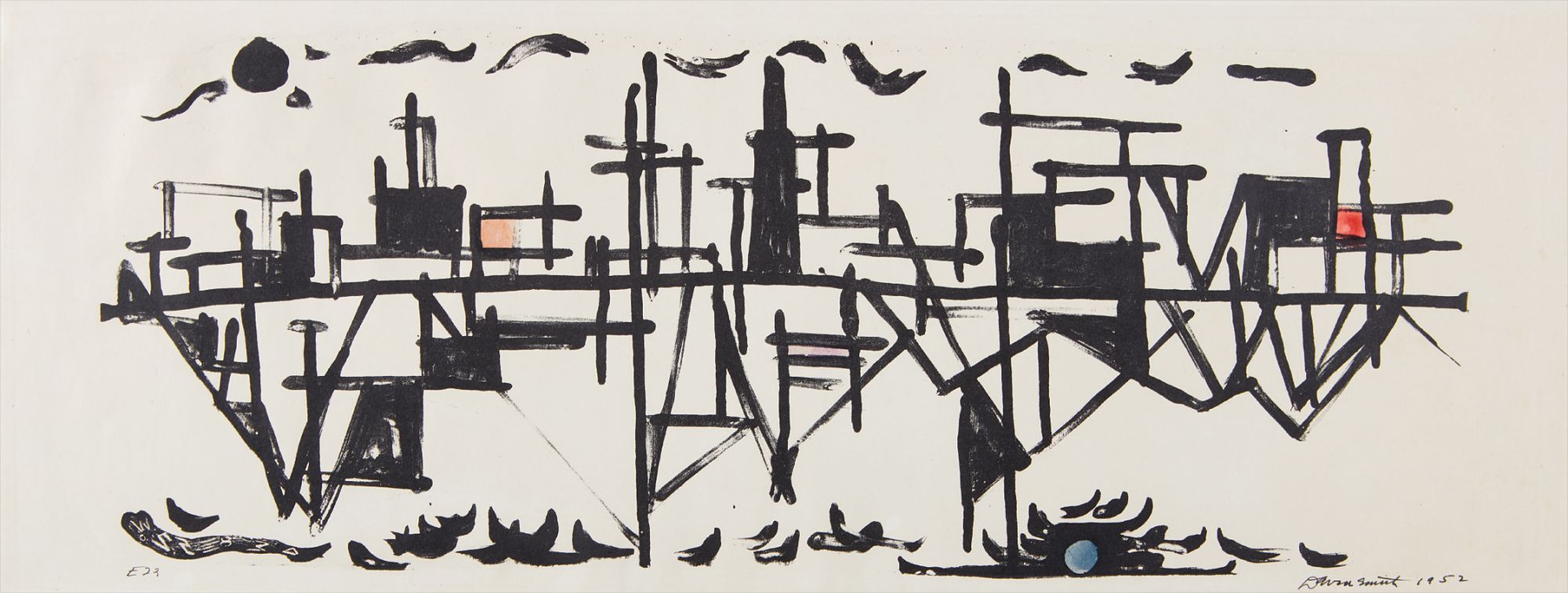
David Smith
Fishdocks
To collect Mid Century Modern is not an act of nostalgia. It is an ongoing conversation with a period that has not finished speaking.