Action Painting
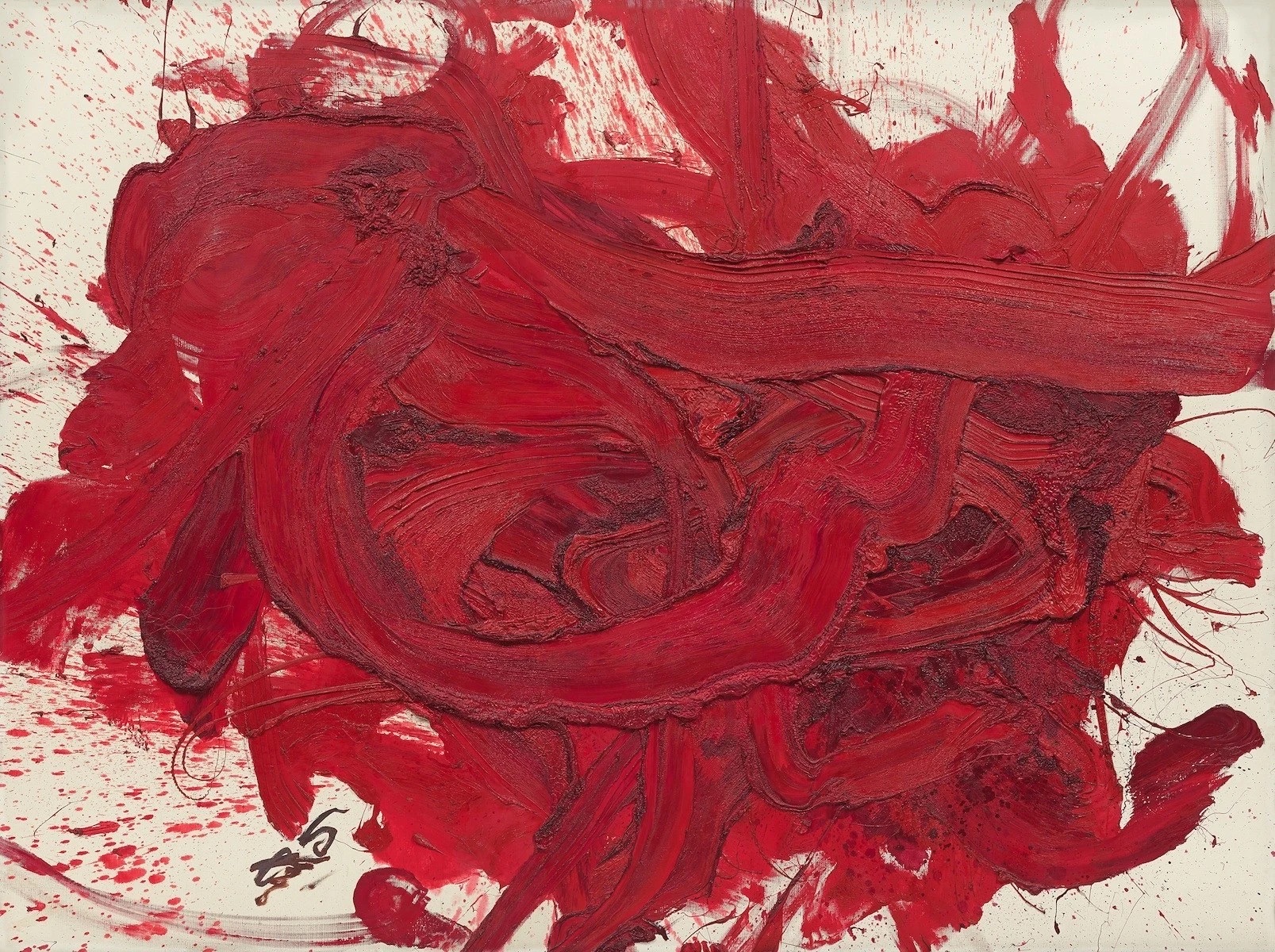
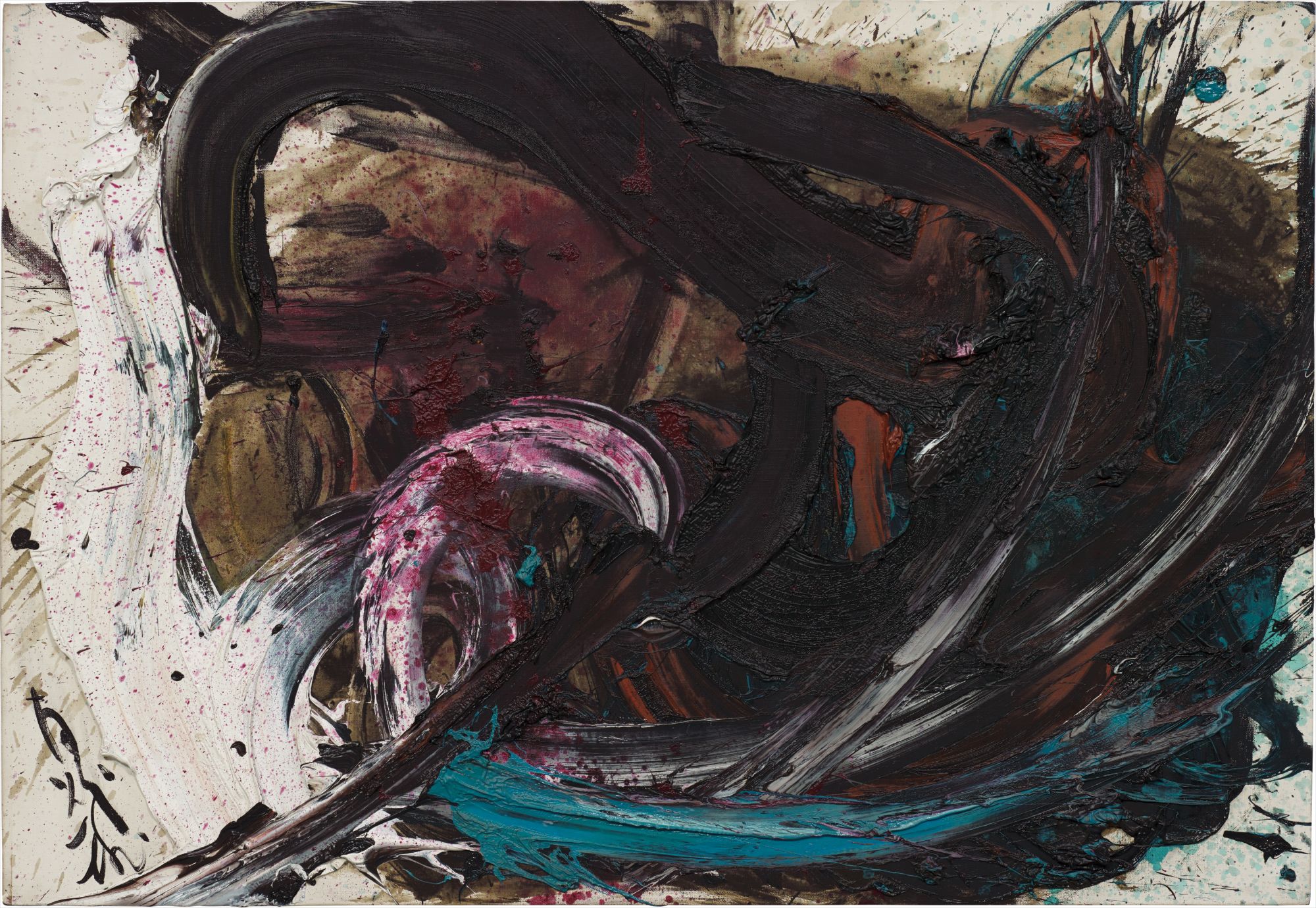
Kazuo Shiraga
Untitled

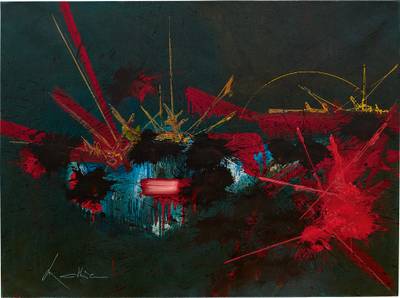


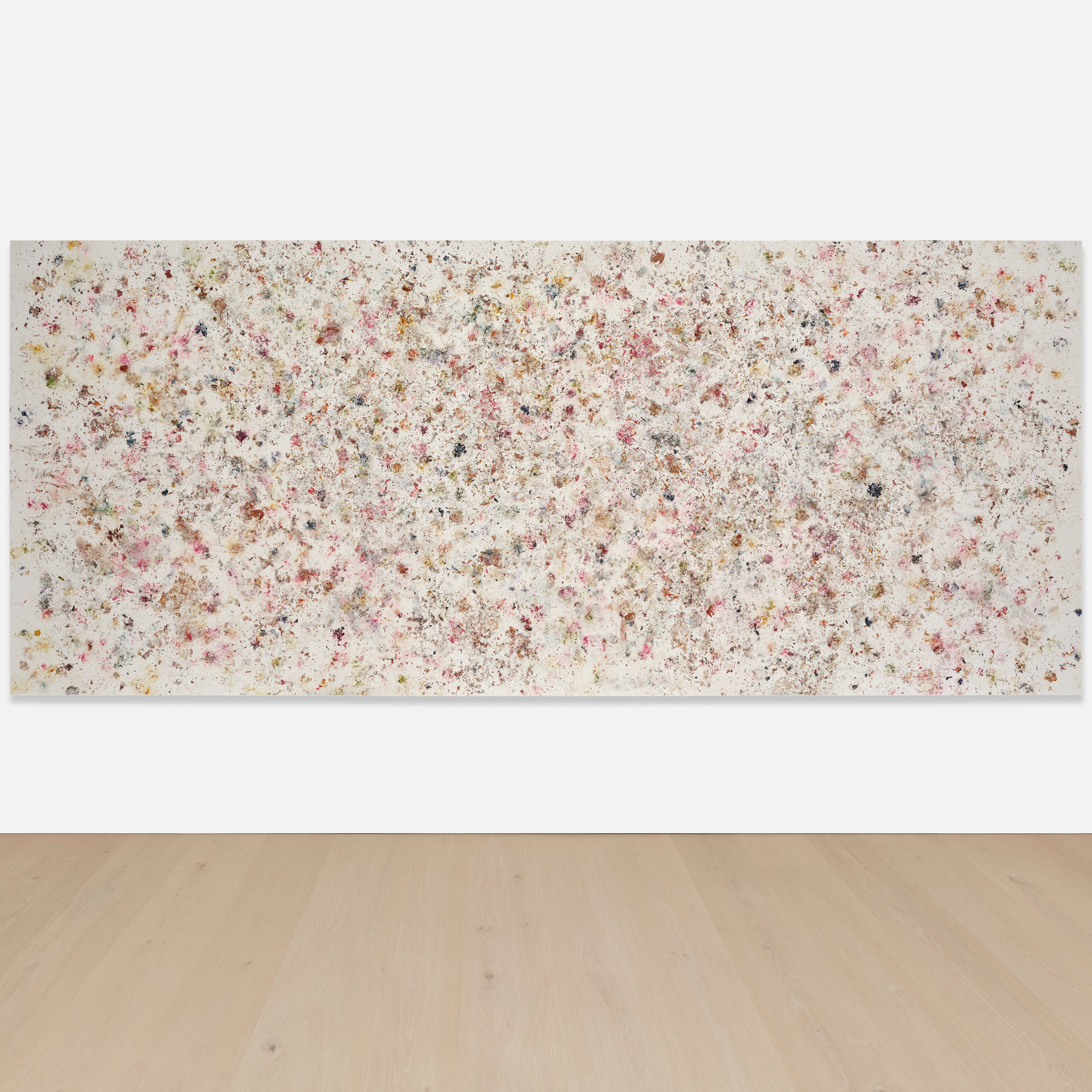
Paint as Pure Instinct, Nothing Held Back
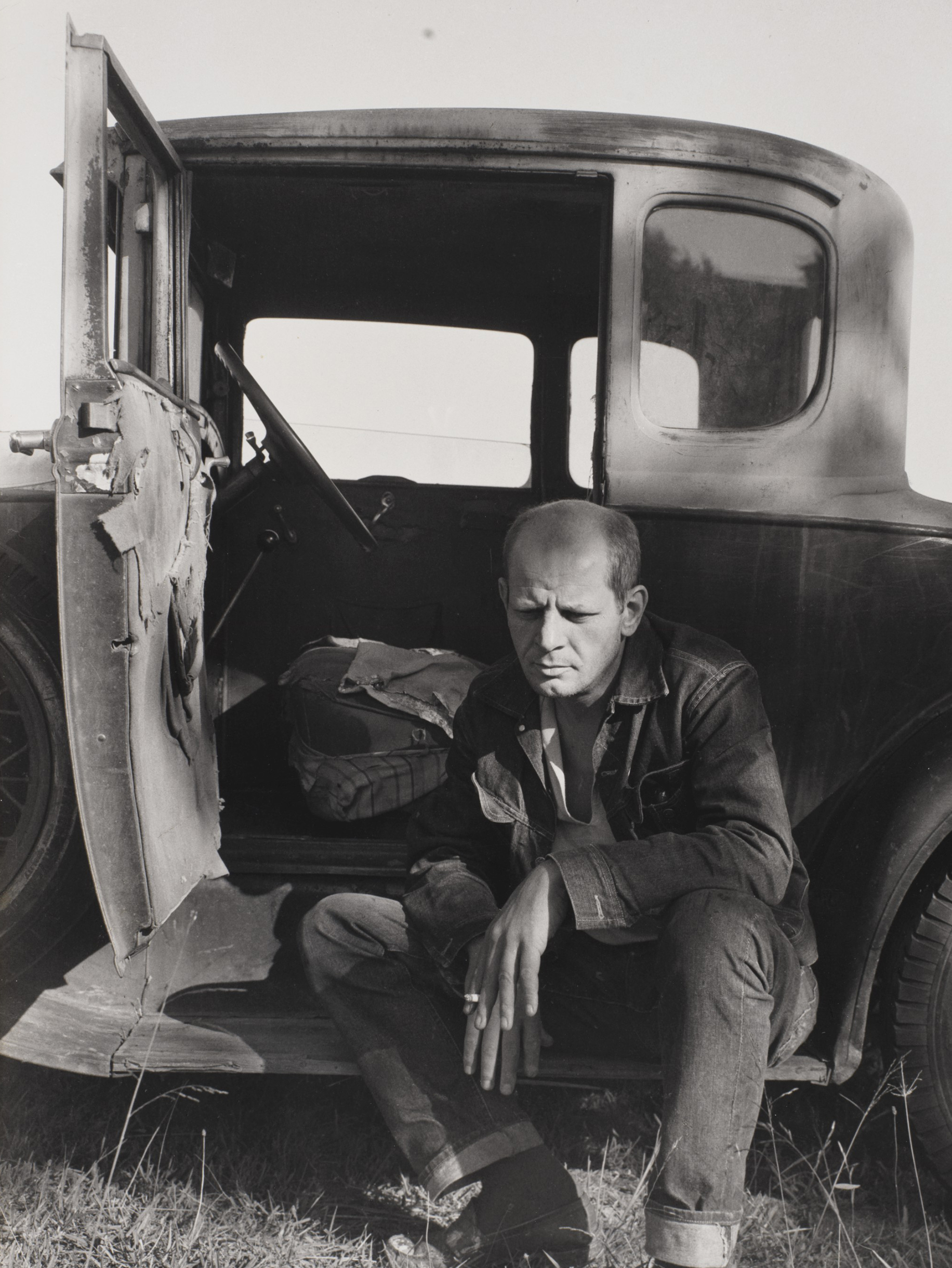
There is a moment, captured famously in Hans Namuth's 1950 photographs, when Jackson Pollock crouches over a canvas laid flat on the floor of his Springs studio, arm moving in broad arcs, paint flying. The image has become almost too familiar, reproduced so often it risks losing its charge. But look again. What Namuth caught was not a performance or a provocation.
It was a man genuinely trying to locate something true, using his body as the instrument and paint as the language. That is the essence of Action Painting, and it remains one of the most radical propositions in the history of modern art. The term itself came from the critic Harold Rosenberg, who introduced it in his 1952 essay 'The American Action Painters,' published in ARTnews. Rosenberg argued that for a new generation of American artists, the canvas had ceased to be a surface on which to represent or even to express something.
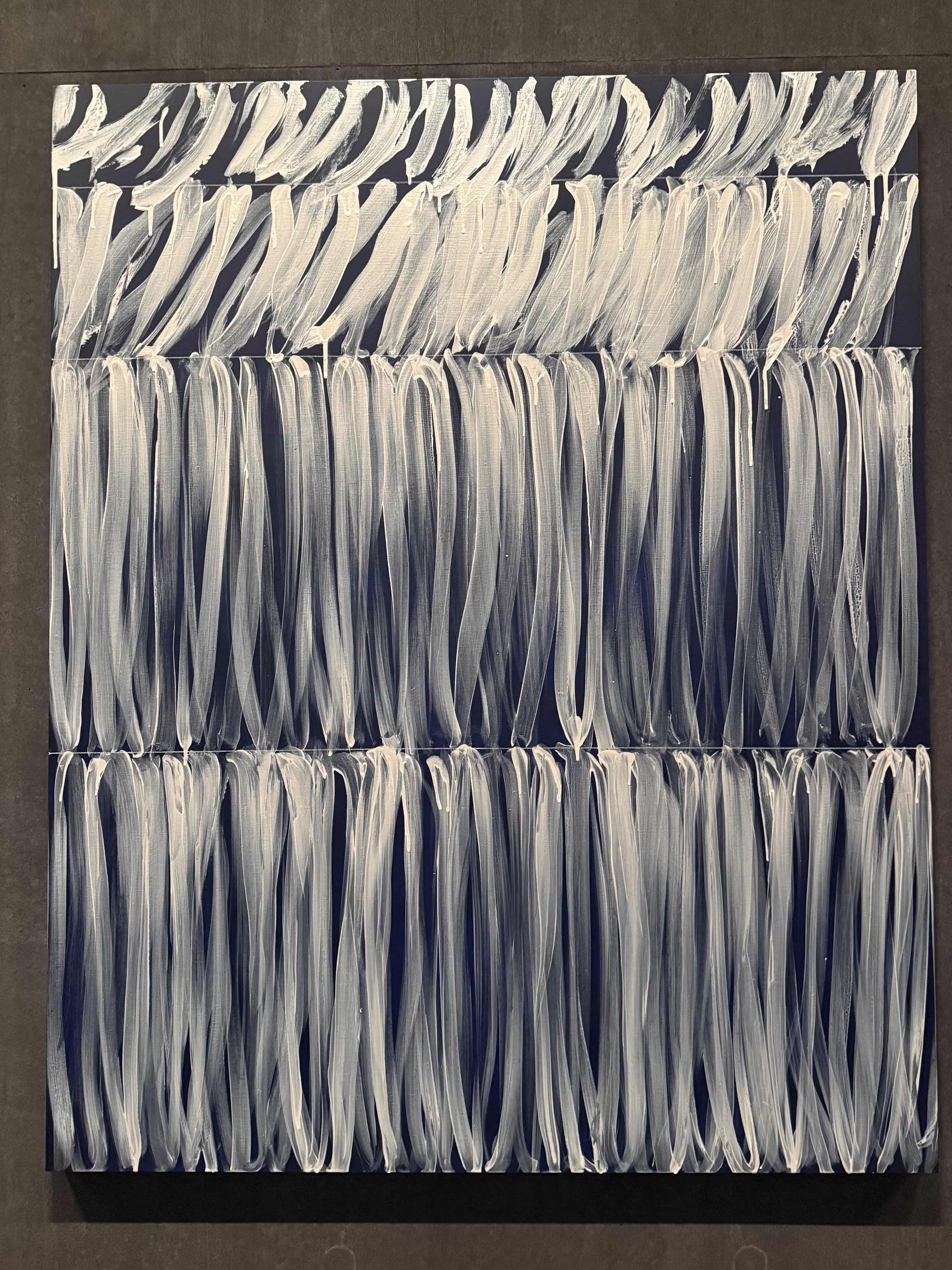
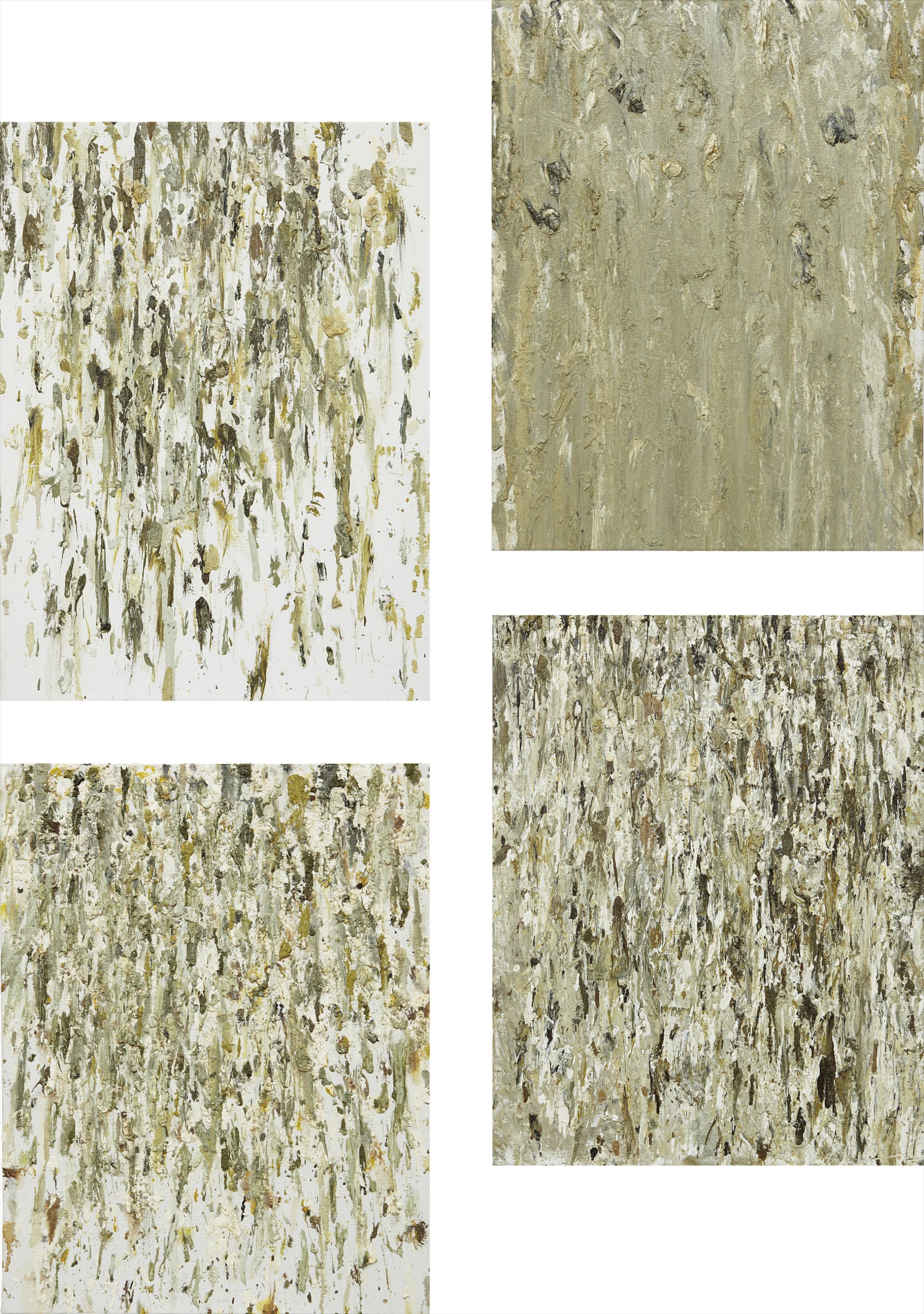
Lee Kun-Yong
Bodyscape 76-1, 2021
It had become an arena, a place of encounter between the painter and the act of painting itself. The painting was not the object. The painting was the event. This reframing was seismic.
It shifted attention from the finished work to the process that made it, and it permanently altered how artists and audiences alike thought about what painting could mean. The movement emerged from a particular moment of creative intensity in New York in the late 1940s and early 1950s, bound up with the broader flowering of Abstract Expressionism. Artists like Franz Kline, Willem de Kooning, and Joan Mitchell were working through their own urgent vocabularies, each arriving at abstraction by different routes. Kline's monumental black and white works, slashing architectural forms across large canvases, carried a physical directness that felt almost confrontational.
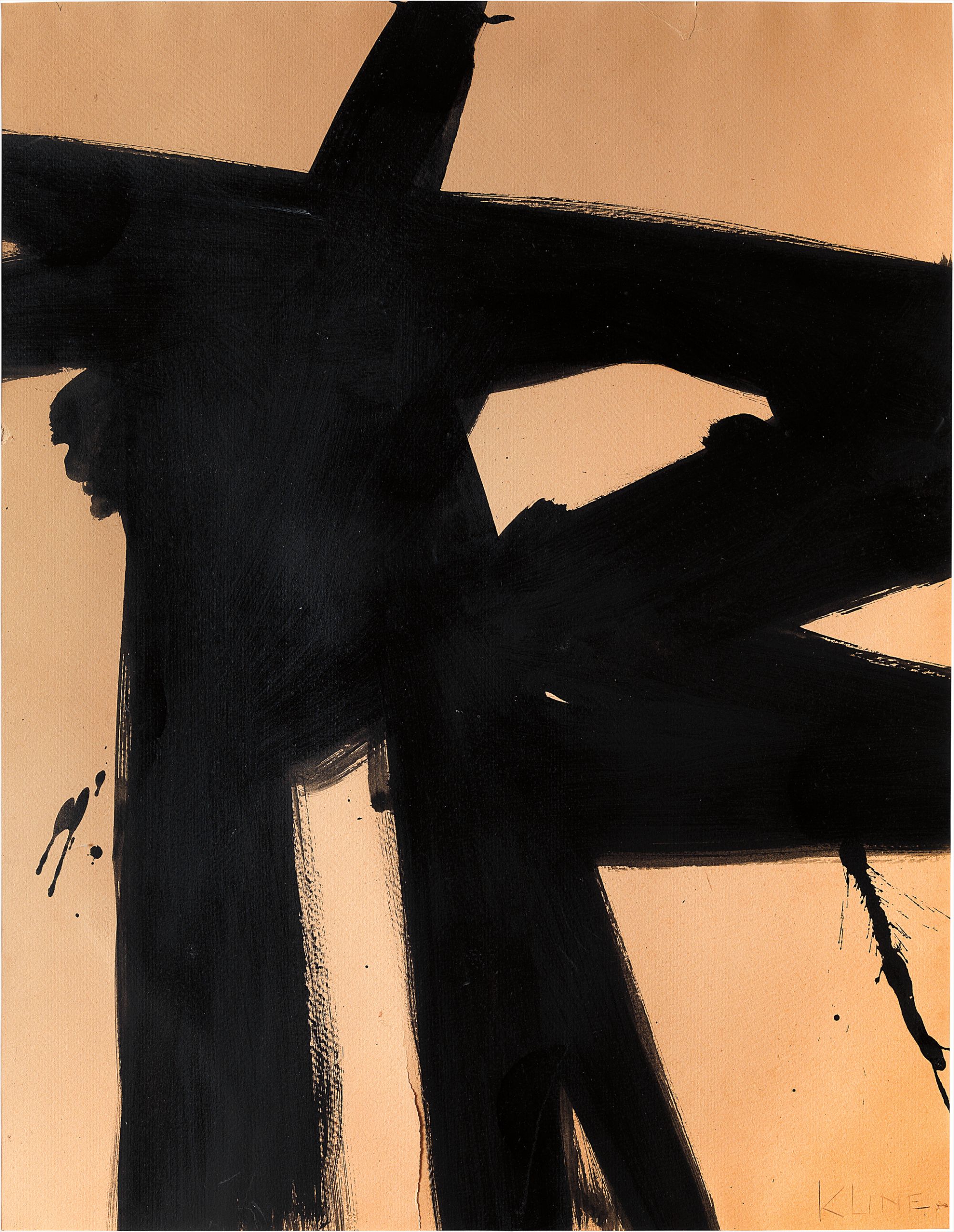
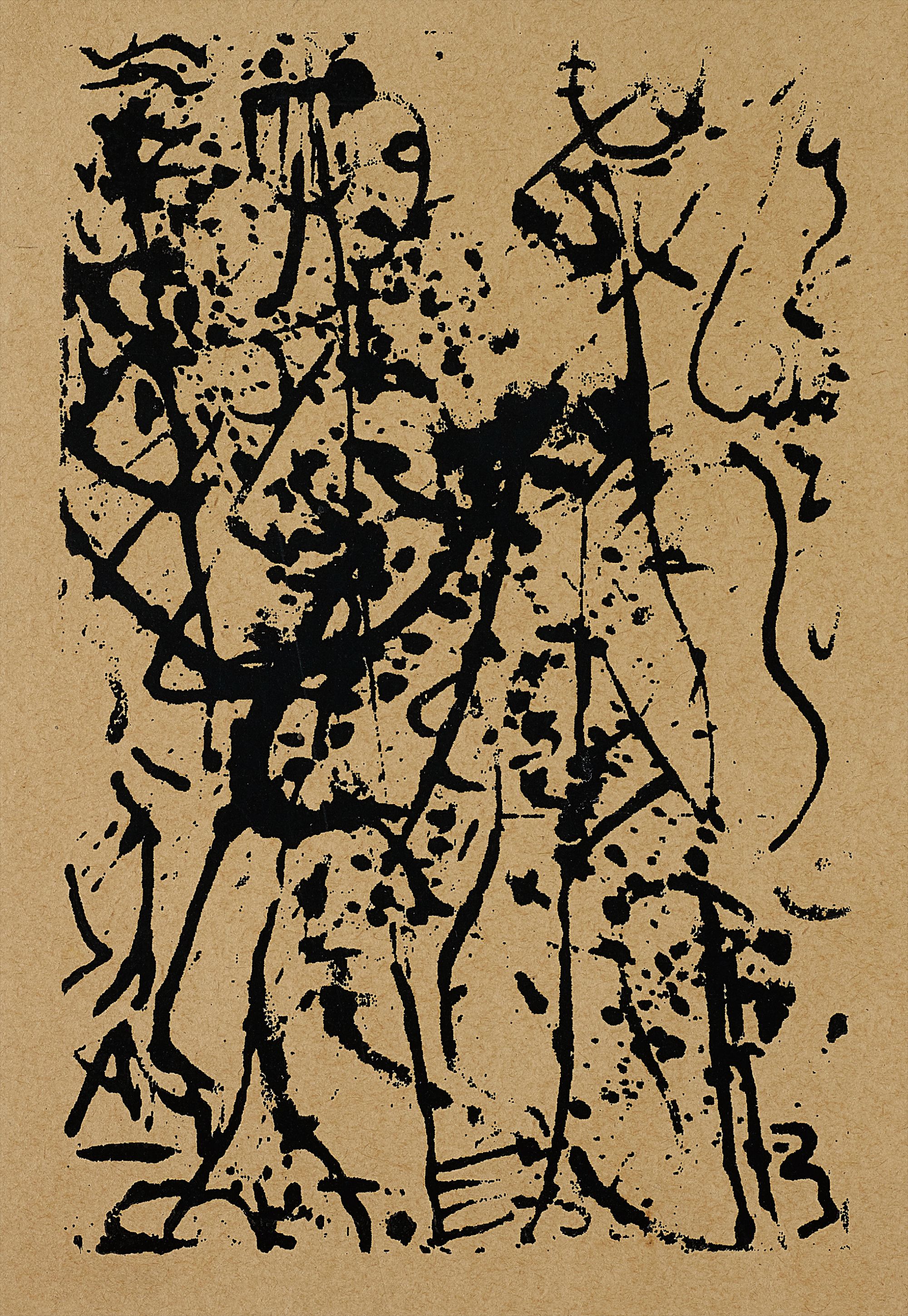
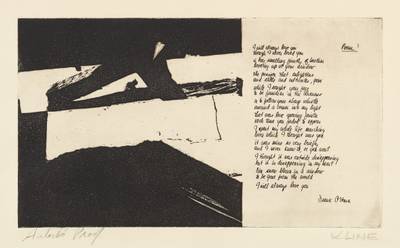
Franz Kline
Composizione astratta
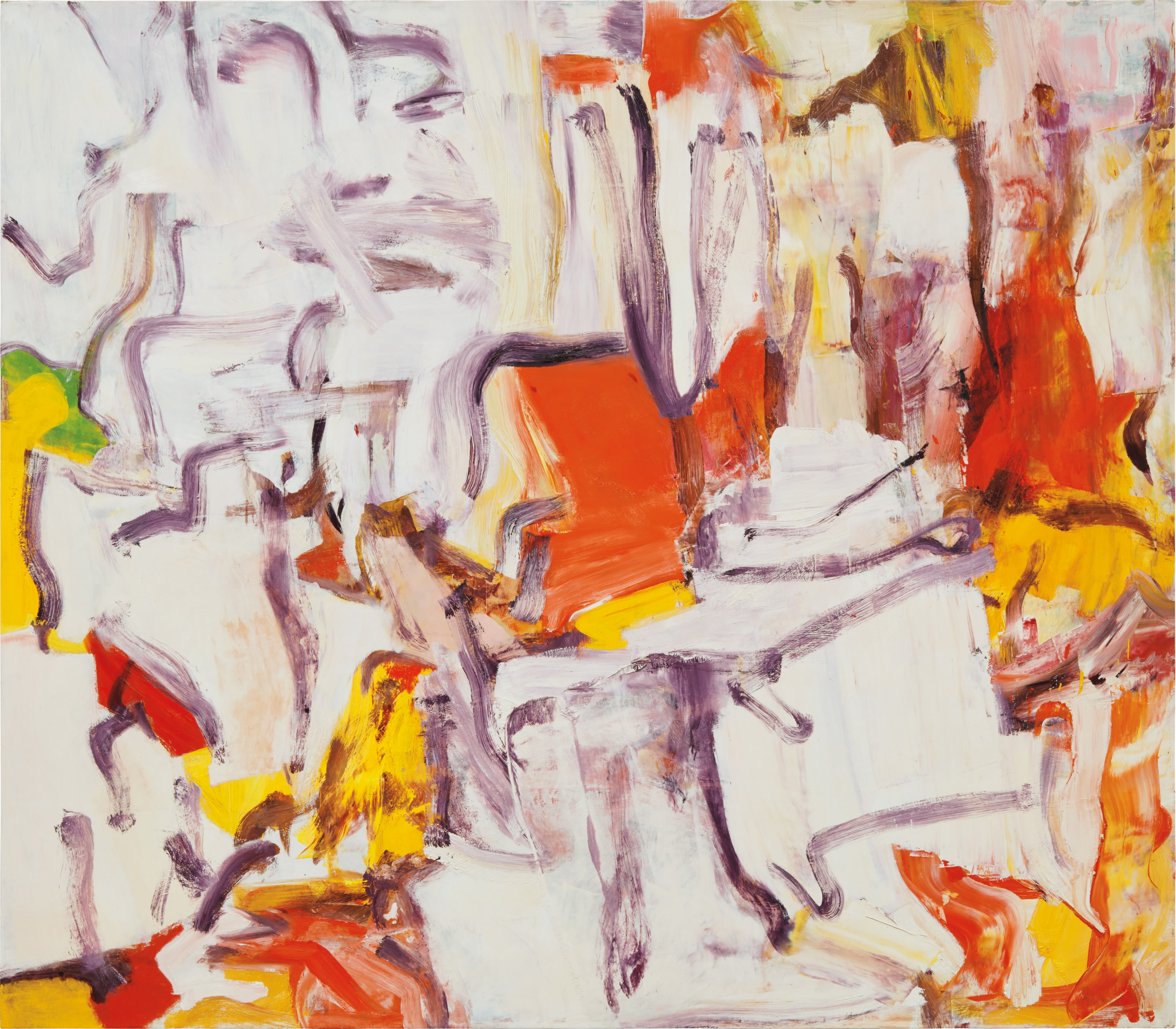
De Kooning's surfaces, built up and scraped back and reworked obsessively, were records of a sustained wrestling match between intention and accident. His wife, Elaine de Kooning, brought her own crackling energy to figurative and abstract work alike, often underestimated in the shadow of her husband but now rightly recognized as a central figure of the period. What unified these artists was a shared conviction that authenticity lived in the gesture, in the trace of the body moving through space and time. Norman Bluhm, who spent formative years in Paris before returning to New York, brought a lyrical sensibility to gestural painting that sat somewhere between European informalism and the rawer American approach.
Georges Mathieu, working in Paris at roughly the same moment, was staging his own radical acts of painting, sometimes completing large canvases in front of live audiences, treating speed and spontaneity as moral imperatives rather than mere technique. The transatlantic dimension of this movement is often underplayed. Ideas were moving in both directions, and the urgency of gesture was being discovered independently and simultaneously in studios on different continents. In Japan, the Gutai group, founded in 1954 by Jiro Yoshihara, was pushing gestural practice into territory even more extreme.
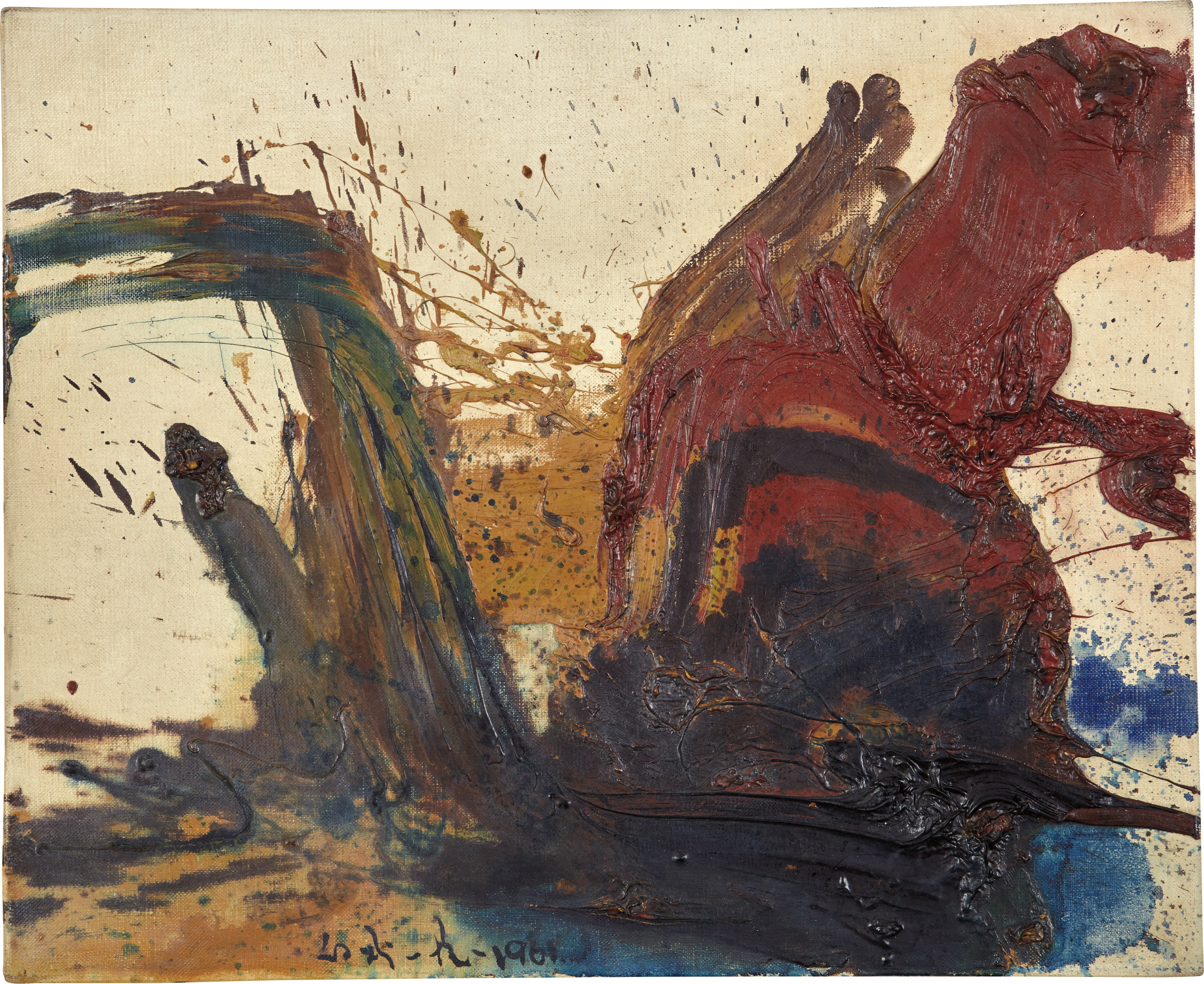
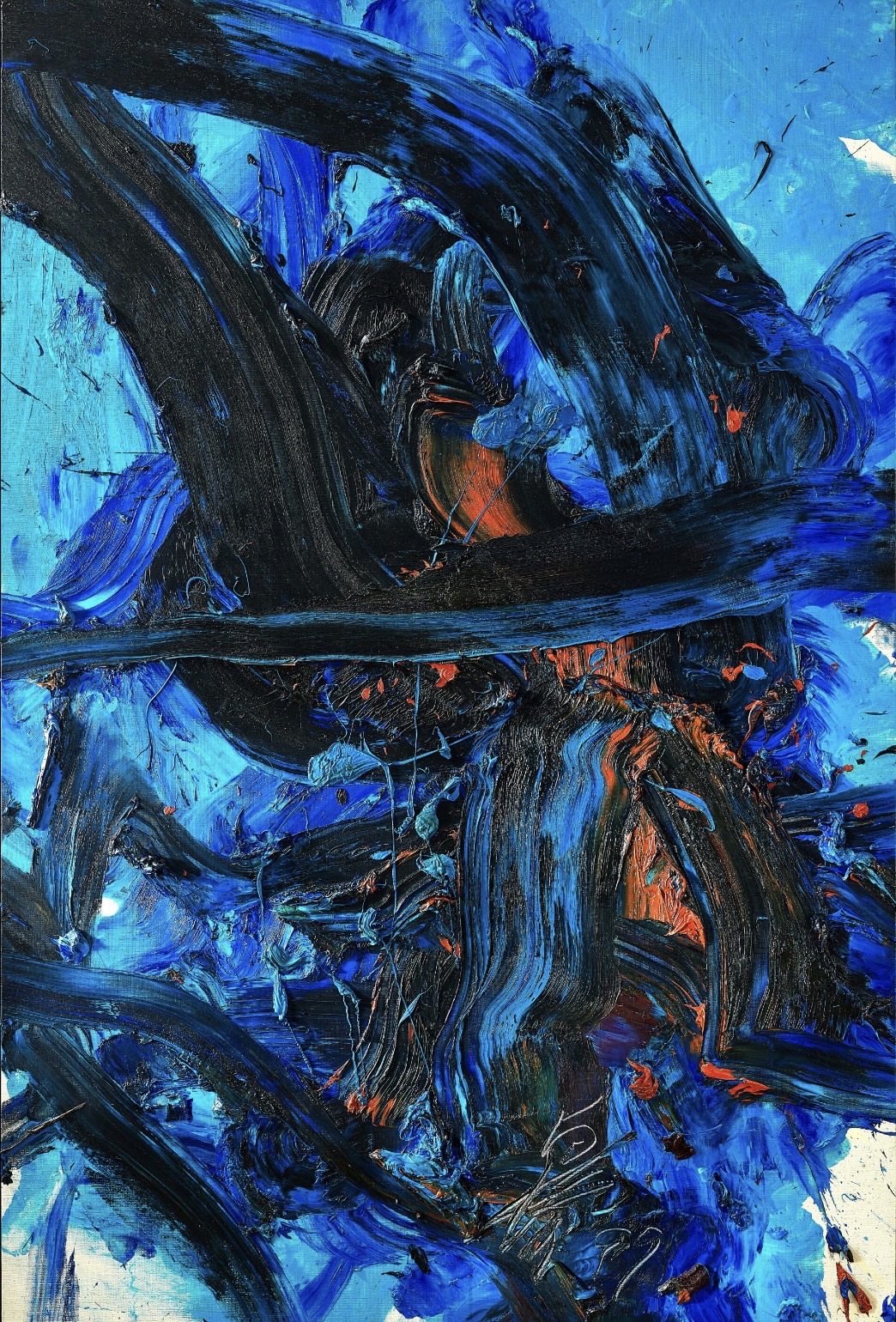
Kazuo Shiraga
"In front of me lay an austere road to originality. Run forward, I thought, run and run, it won’t matter if I fall down... Let me do it with my hands, with my fingers. Then, as I ran, thinking that I was moving forward, it occurred to me: Why not feet? Why don’t I paint with my feet?" Kazuo Shiraga, 1955
Kazuo Shiraga, one of the most compelling figures associated with Gutai and well represented on The Collection, famously painted with his feet, suspending himself by rope above the canvas and dragging his body through the paint. Shozo Shimamoto, another Gutai member, threw bottles of paint at canvases and drilled holes through them. These were not stunts. They were serious investigations of what it meant to make a mark, to put oneself physically inside the act of creation.
Where Pollock had lowered himself to the level of the canvas, Shiraga collapsed the distance entirely, making his whole body the brush. The legacy of Action Painting runs directly into the work of artists who came after, absorbing its lessons and pushing them in new directions. Hermann Nitsch, the Austrian artist associated with Viennese Actionism, extended the logic of bodily engagement into genuinely confrontational territory, his large scale works made with blood and paint carrying a ritualistic intensity that owes something to the gestural tradition even as it breaks sharply from it. Kristin Baker, whose dynamic paintings channel the speed and color of motorsport through an Action Painting sensibility, brings a contemporary urgency to the gestural mode.
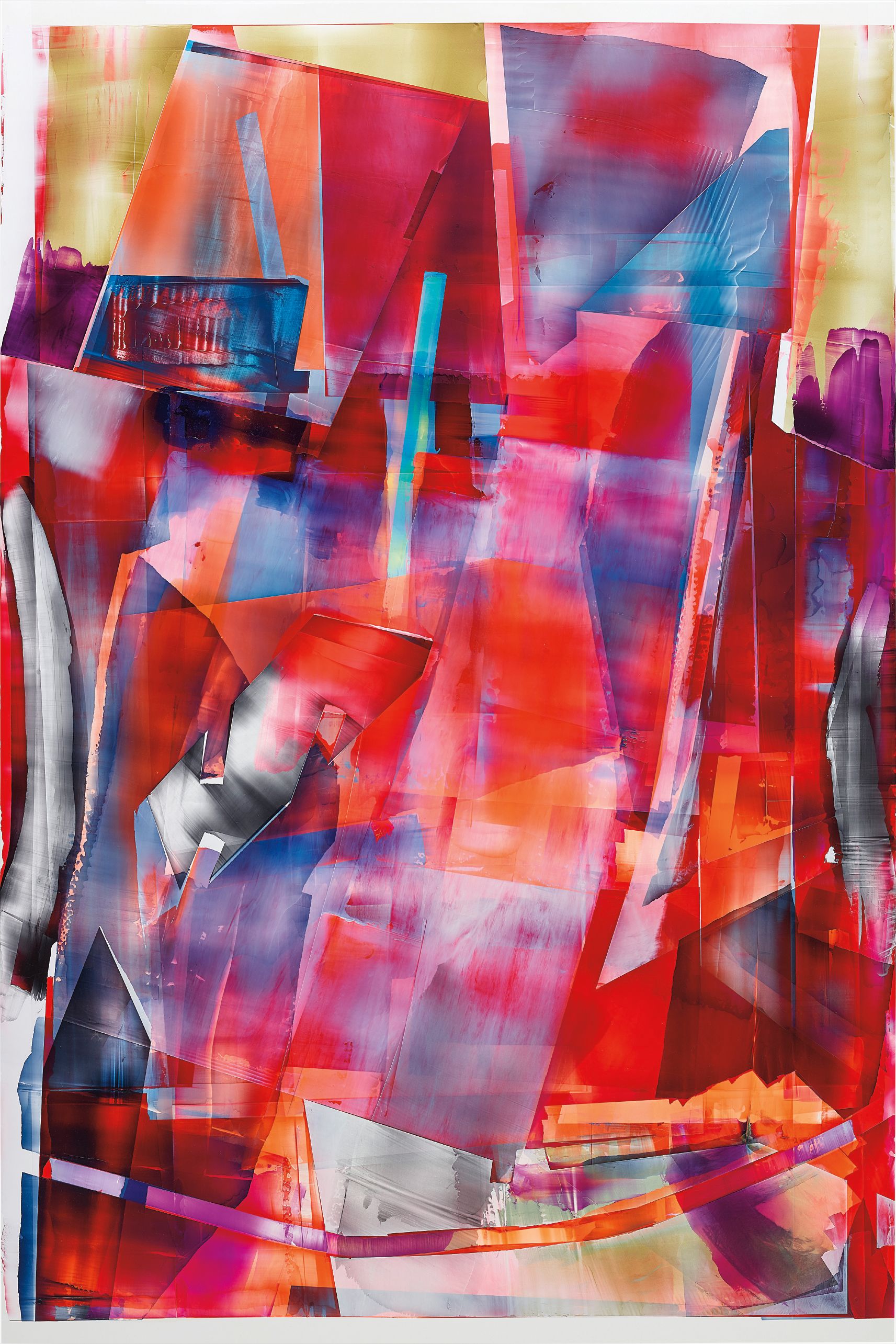
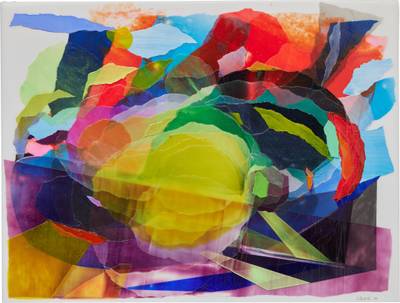
Kristin Baker
Back a Horse, 2011
Cecily Brown draws on de Kooning's charged surfaces while opening the work to figuration and narrative, proving that gesture and meaning are not opposites. The materials and methods of Action Painting carry their own philosophy. Working at scale, using industrial paints, moving with the whole arm rather than just the wrist, pouring and dripping rather than applying, these choices were not incidental. They were statements about where truth resided, in the big arc rather than the careful touch, in the mark that could not be predicted or fully controlled.
Adolph Gottlieb and Clyfford Still, though working in modes adjacent to pure gesture, shared this conviction that painting needed to feel discovered rather than constructed. The canvas held evidence of a real encounter, and that evidence was the work. What Action Painting gave us, ultimately, was permission. Permission to value process as much as product, to trust the body's intelligence alongside the mind's, to treat speed and accident not as failures of control but as sources of genuine knowledge.
That permission echoes through contemporary practice in ways both obvious and subtle. Austin Lee and Dan Colen, each in their own way, engage with gesture and spontaneity in conversation with this history. Vik Muniz has returned to Pollock's iconography directly, finding in it an inexhaustible source of questions about reproduction, originality, and what a painting actually is. The works on The Collection gathered under this tradition span continents and decades, from the foundational gestures of Pollock and Kline to the visceral intensity of Shiraga and Nitsch to the knowing fluency of Brown and Baker.
Together they tell a story about painting as a physical act, urgent and unresolved, always happening now. That quality of nowness is what Action Painting invented and what it still, at its best, delivers.