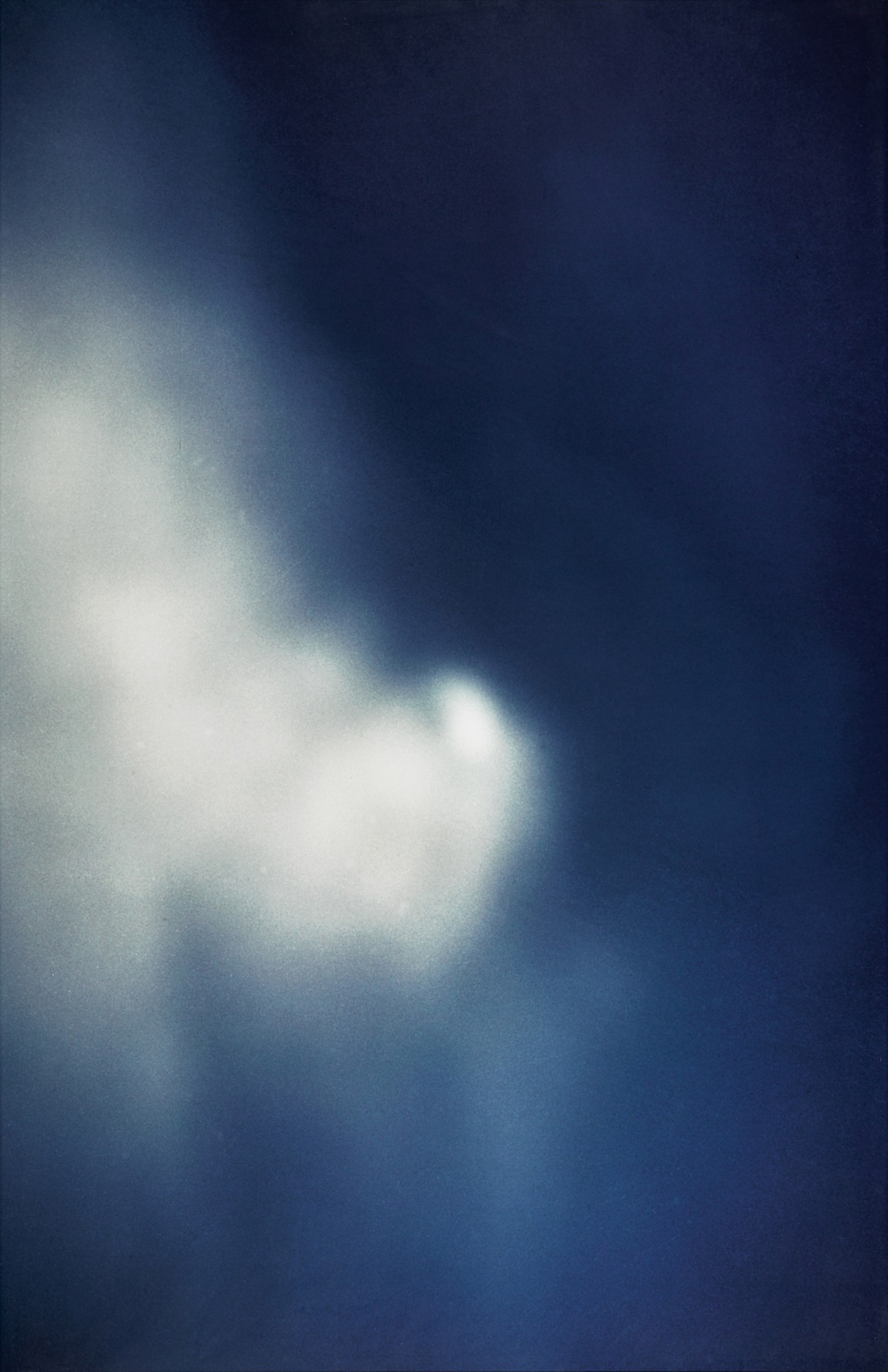
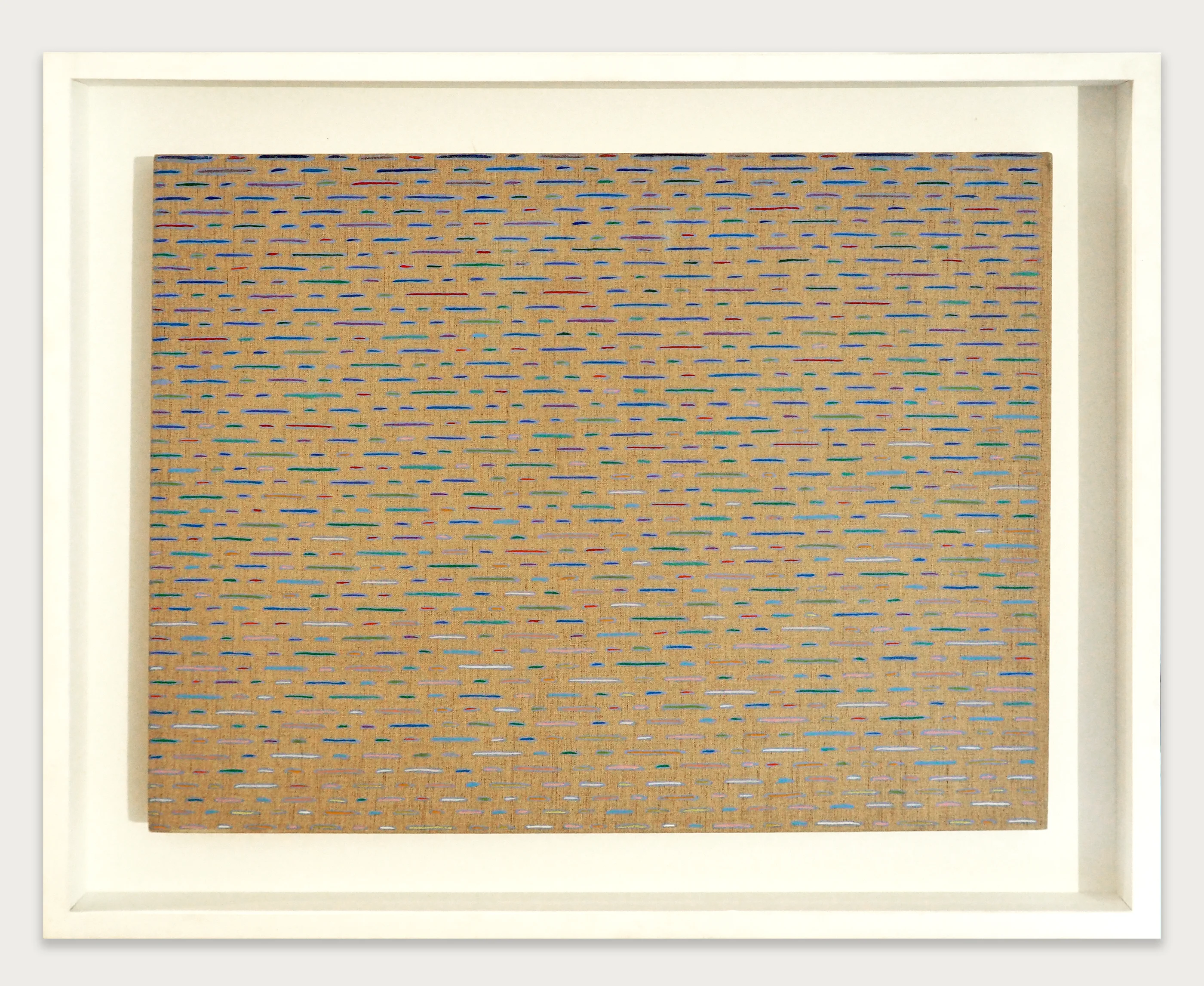
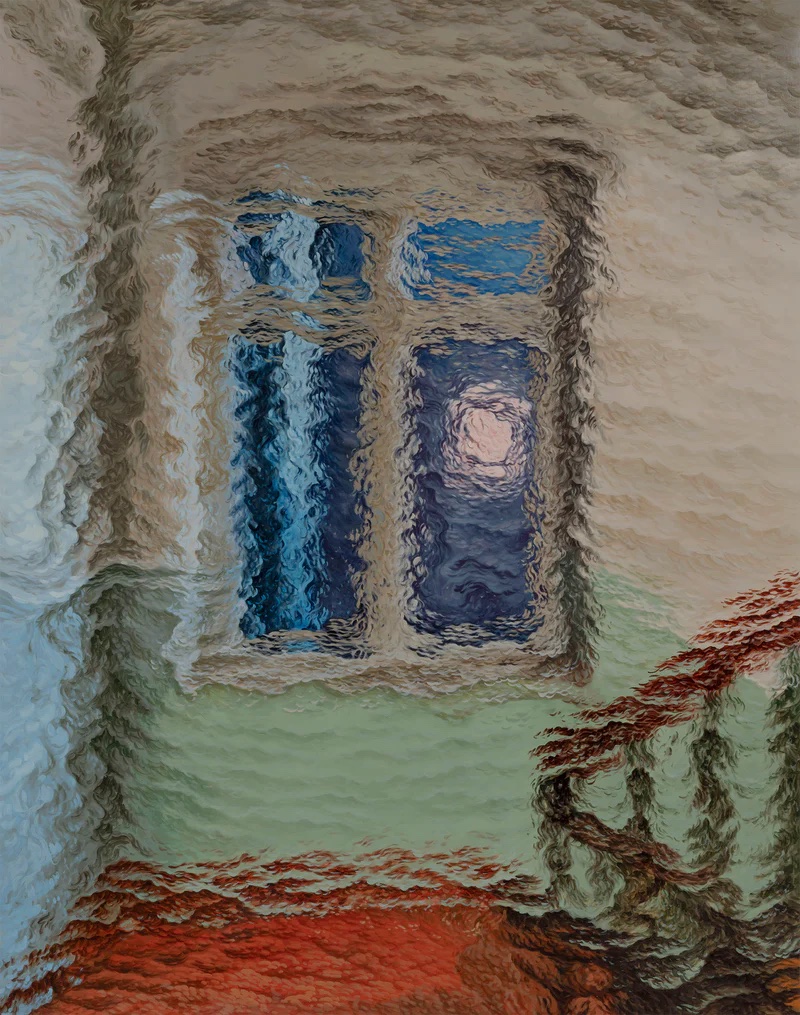
Optical
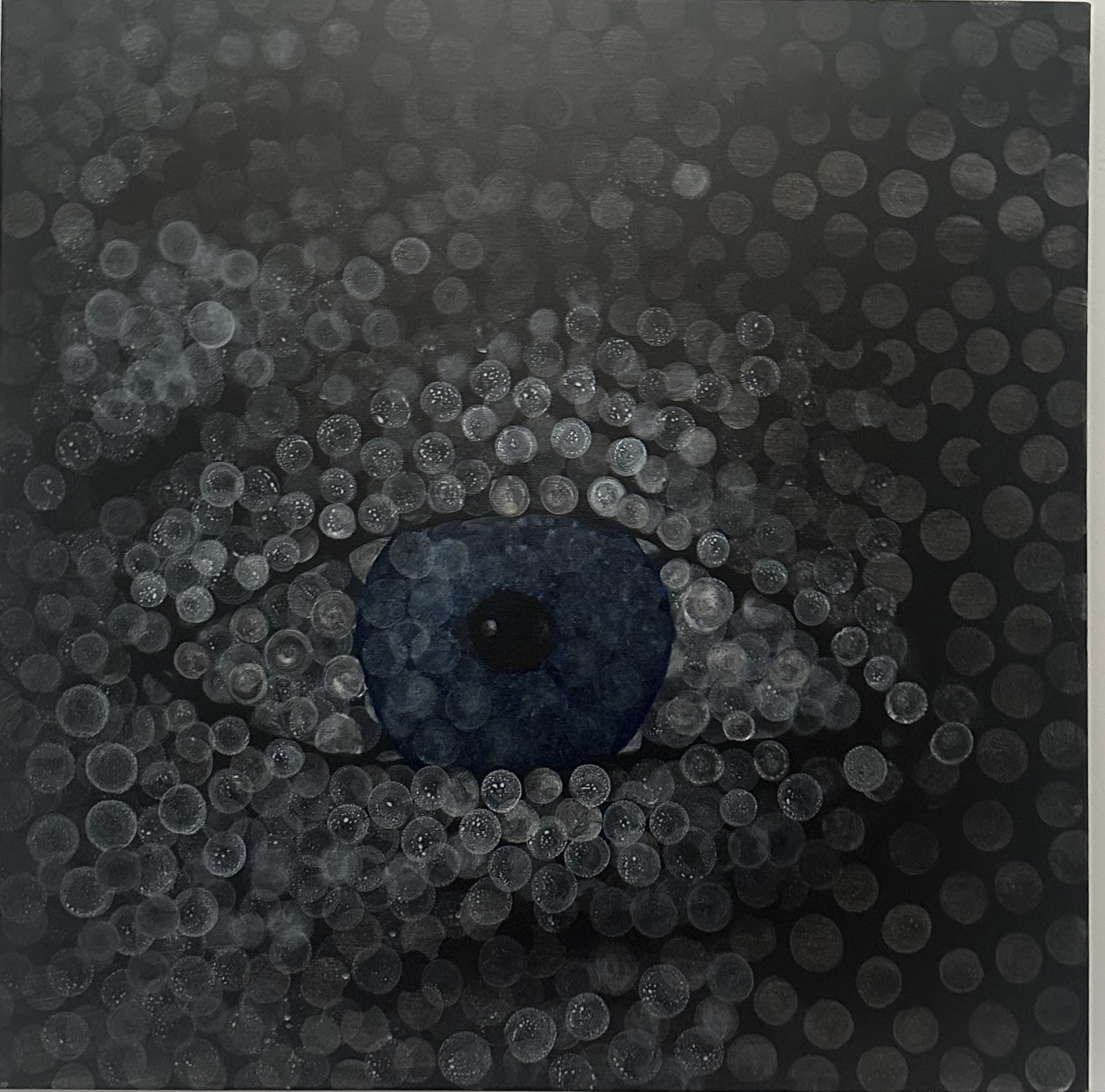
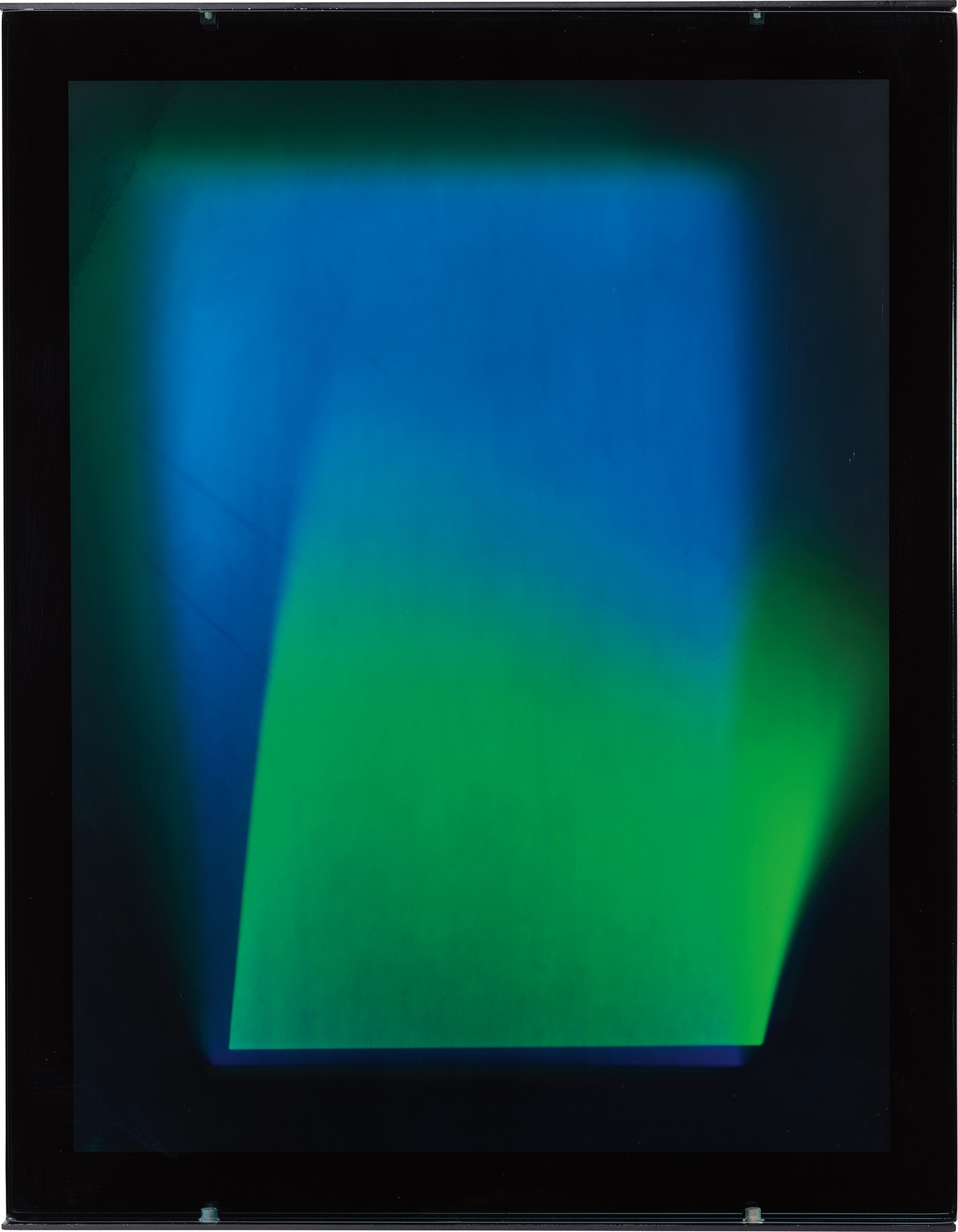
Unknown
Untitled

The Art That Rewires Your Brain
There is something almost defiant about choosing to live with optical art. It asks something of you every time you walk past it. Unlike a landscape or a portrait, which can recede into comfortable familiarity, a great op work never quite lets you settle. It vibrates, shifts, breathes.
Collectors who are drawn to this territory often describe a specific moment of surrender, the realization that the painting is doing something to them rather than simply being looked at. That quality, at once unsettling and exhilarating, is precisely what makes it so compelling as a collecting category. The visual phenomenon is only part of the appeal. Collectors who build seriously in this area often talk about the intellectual rigor behind the work, the sense that they are living with ideas made visible.
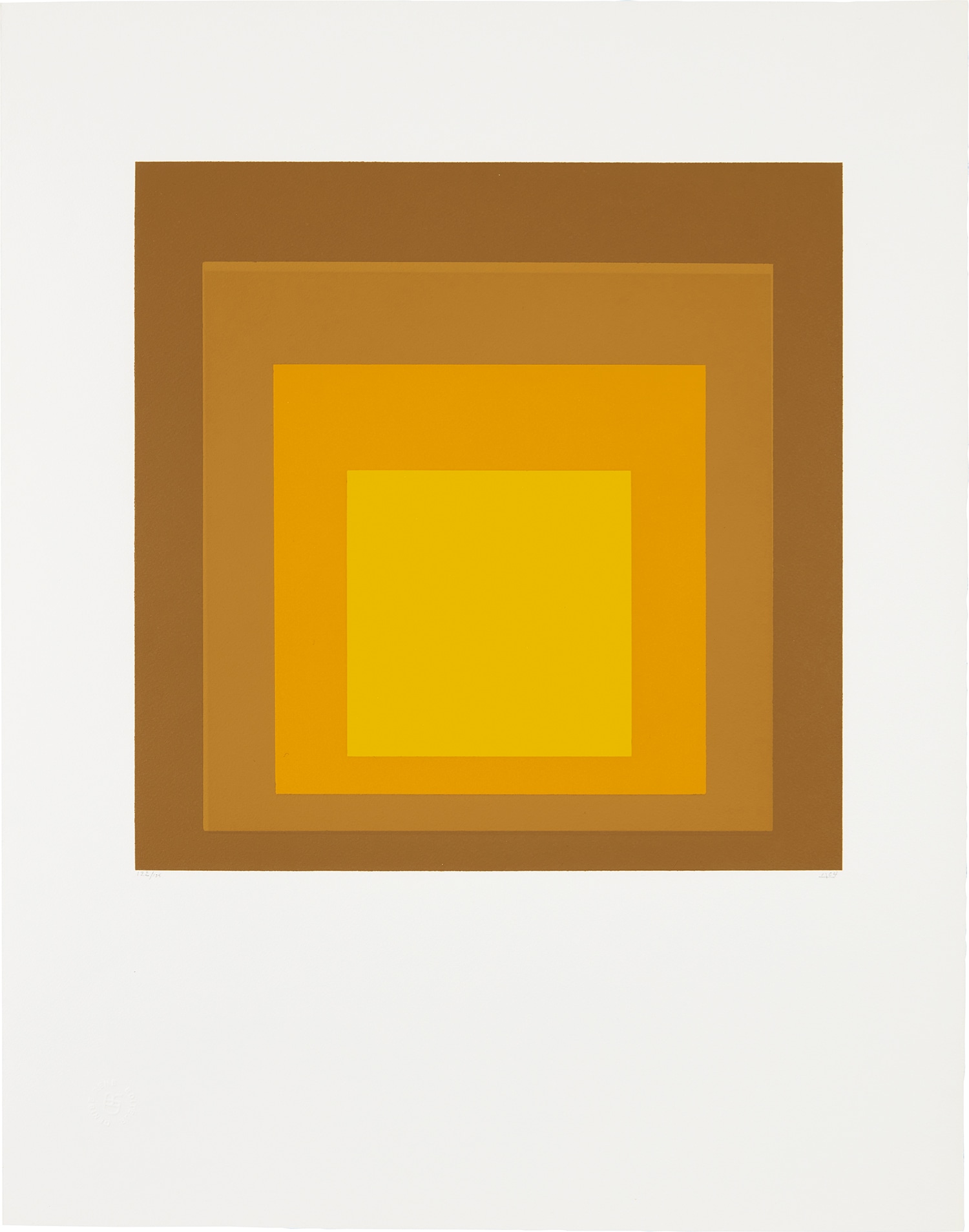
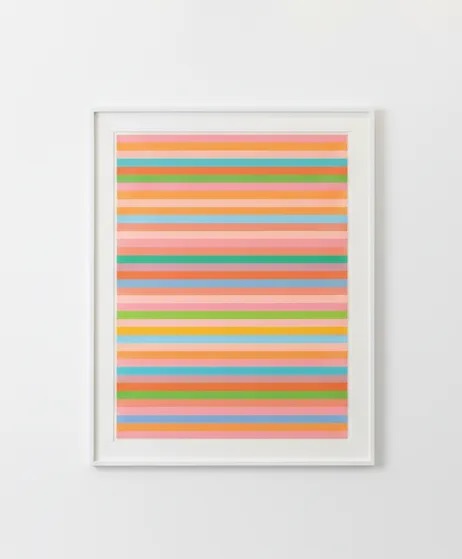
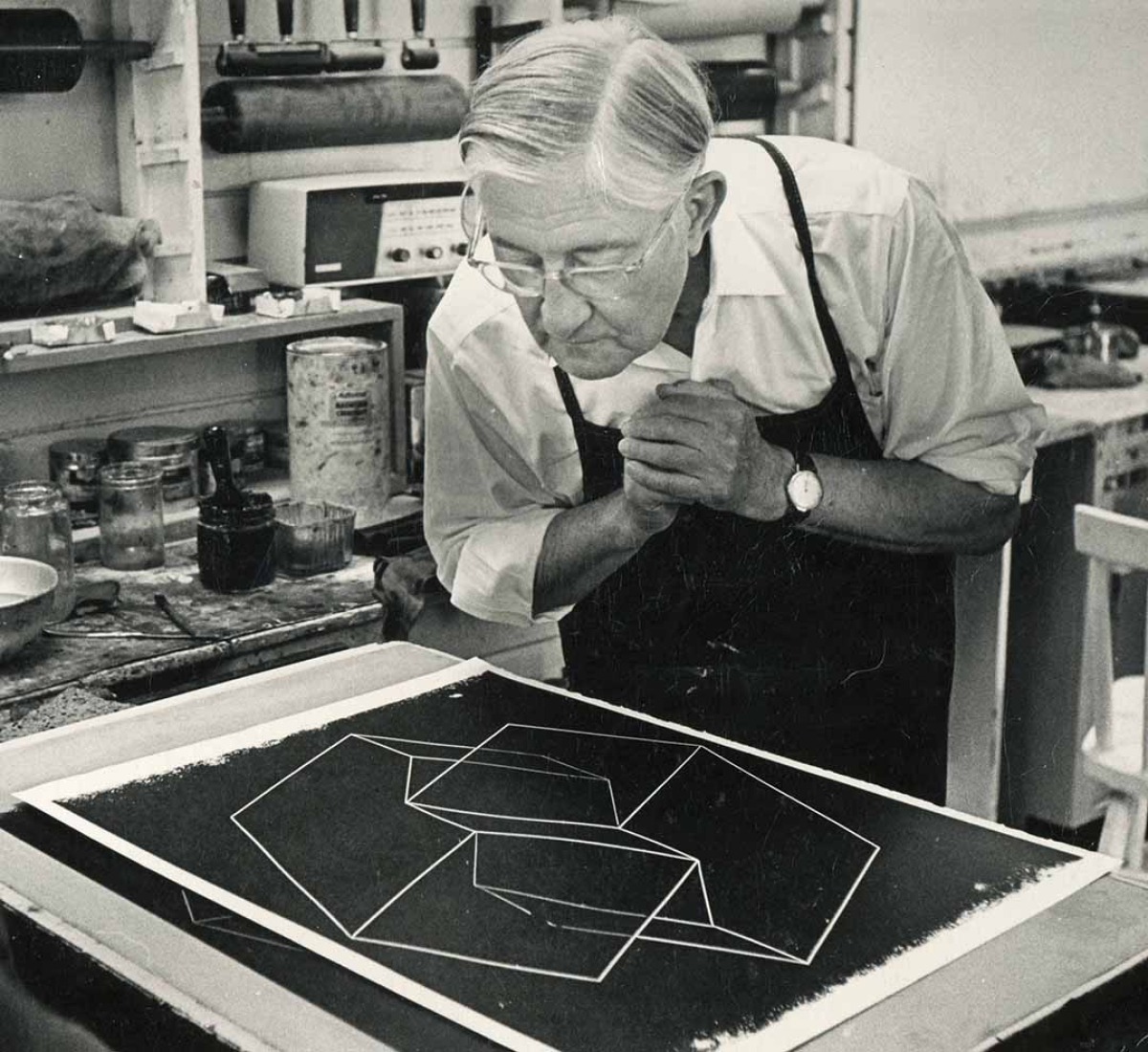
Josef Albers
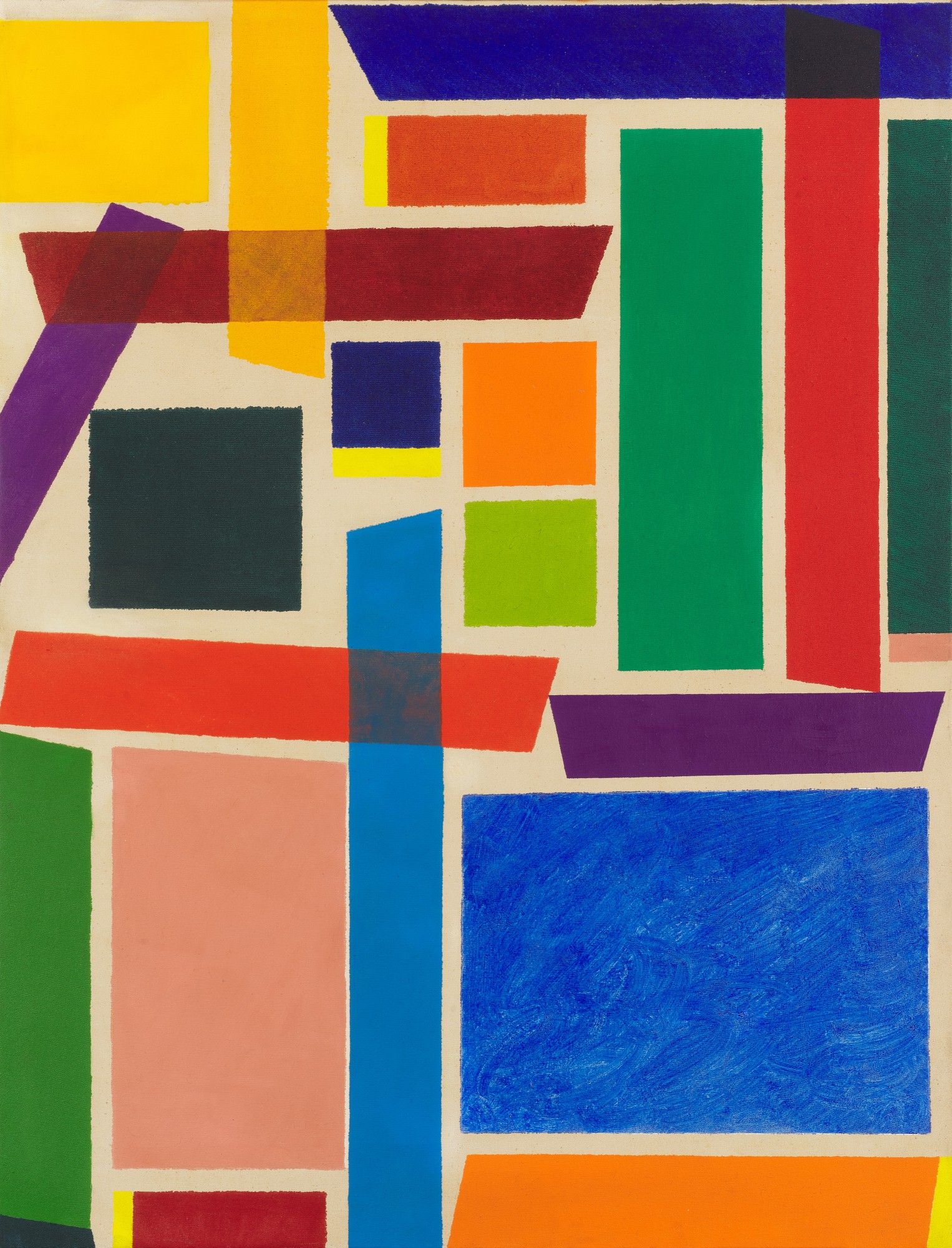
Hommage au Carré (Homage to the Square): one plate (D. 160.2)
These are paintings built on systems, on mathematics, on the precise calibration of color intervals and spatial frequency. Josef Albers spent decades at Yale investigating the interaction of colors, and his conclusions were not merely aesthetic they were almost philosophical. To own a work that embodies that kind of thinking is to have something genuinely alive on the wall, something that changes depending on the light, the hour, your position in the room. What separates a good work from a great one in this category comes down to a few critical factors.
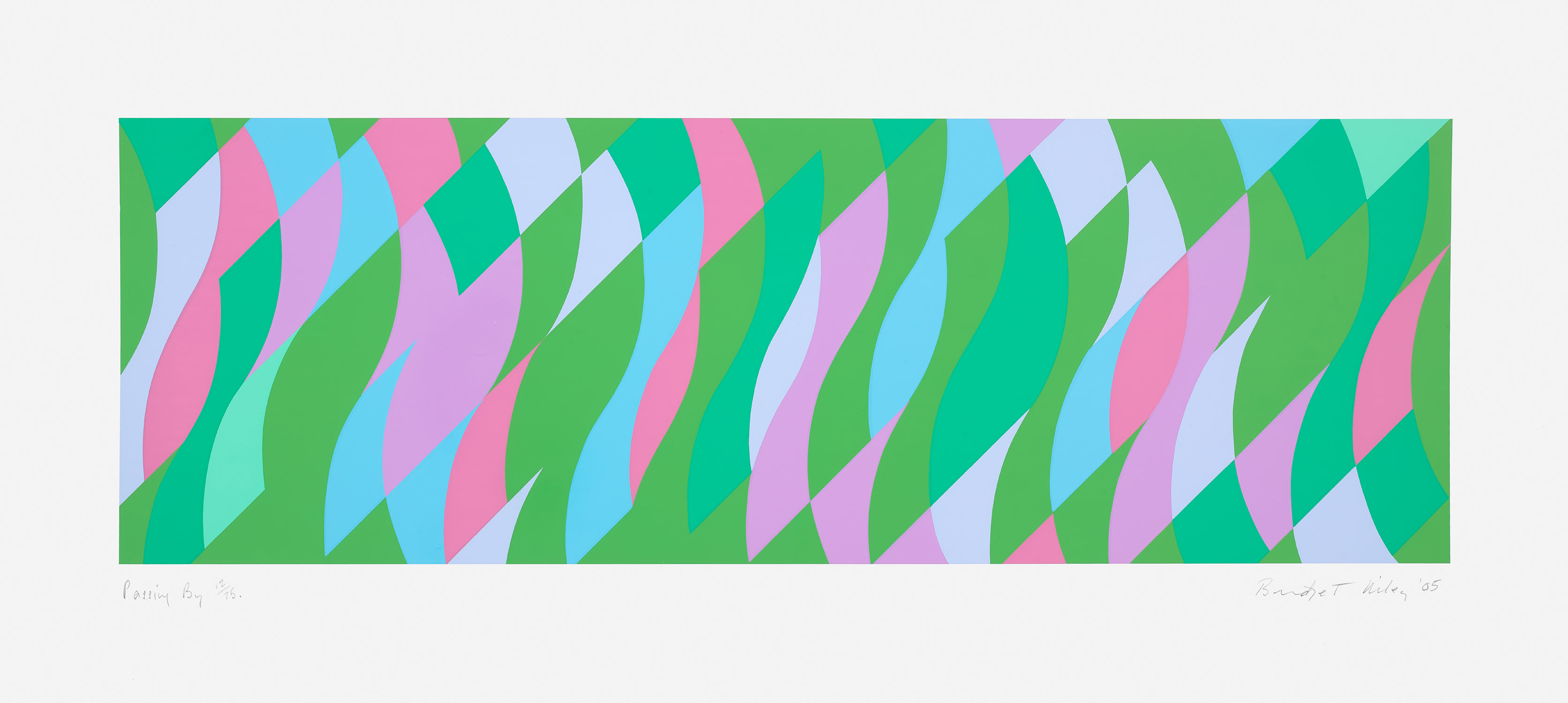
First, there is the question of optical intensity. The very best works create effects that feel genuinely involuntary, where the perceptual response is not something you choose to have but something that happens to you. Bridget Riley, who is exceptionally well represented on The Collection, understood this at a cellular level. Her early black and white works from the 1960s remain among the most physiologically immediate paintings ever made.
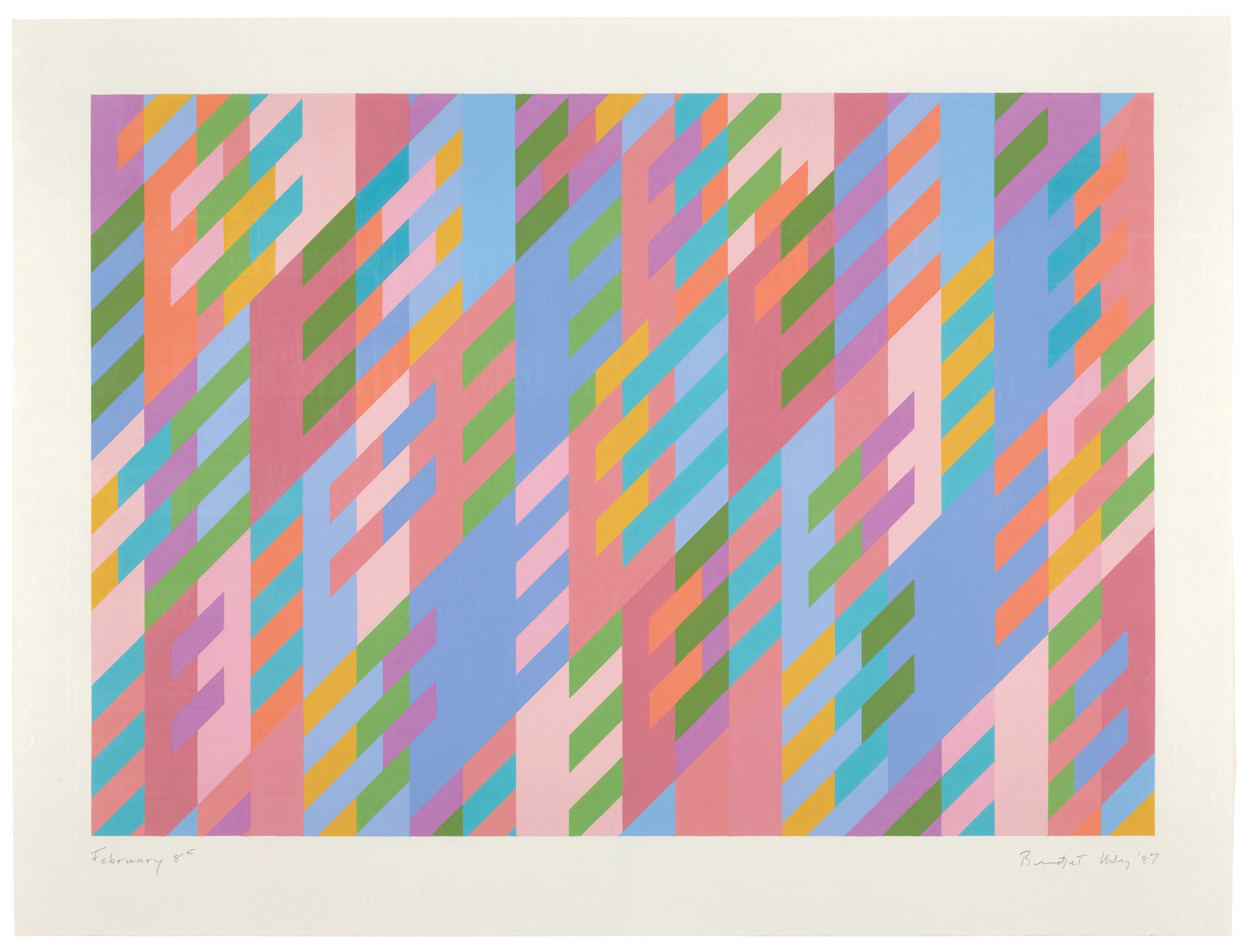
Bridget Riley
February 8th
When you encounter a work like this up close, the visual pulse is real and inescapable. That intensity is not accidental. It is the result of years of preparatory studies, and works with a clear lineage to that investigative process carry enormous intellectual and market authority. Beyond optical power, condition is everything in this category.
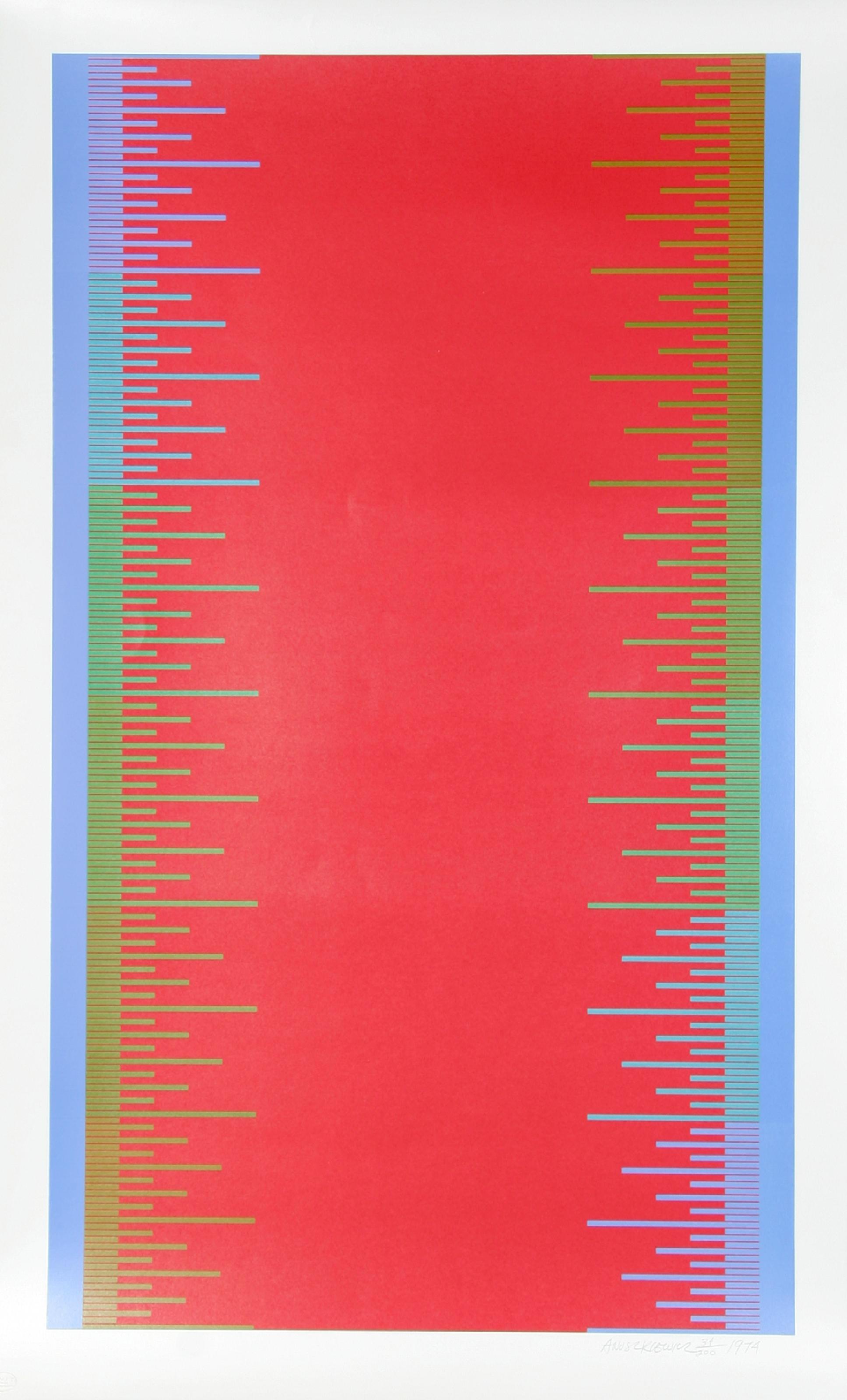
The edges of a Riley canvas, the precise registration of color bands in a Vasarely composition, the flatness of the painted surface across a Richard Anuszkiewicz, all of these are load bearing elements. A small restoration, a touch of inpainting on a key stripe, can fundamentally compromise the calibration of the whole. When you are looking at a work in this category, ask specifically about any restoration history and request an ultraviolet examination report. Yellowed varnish on an op painting is also a serious concern, as it shifts the very color relationships the artist was building toward.
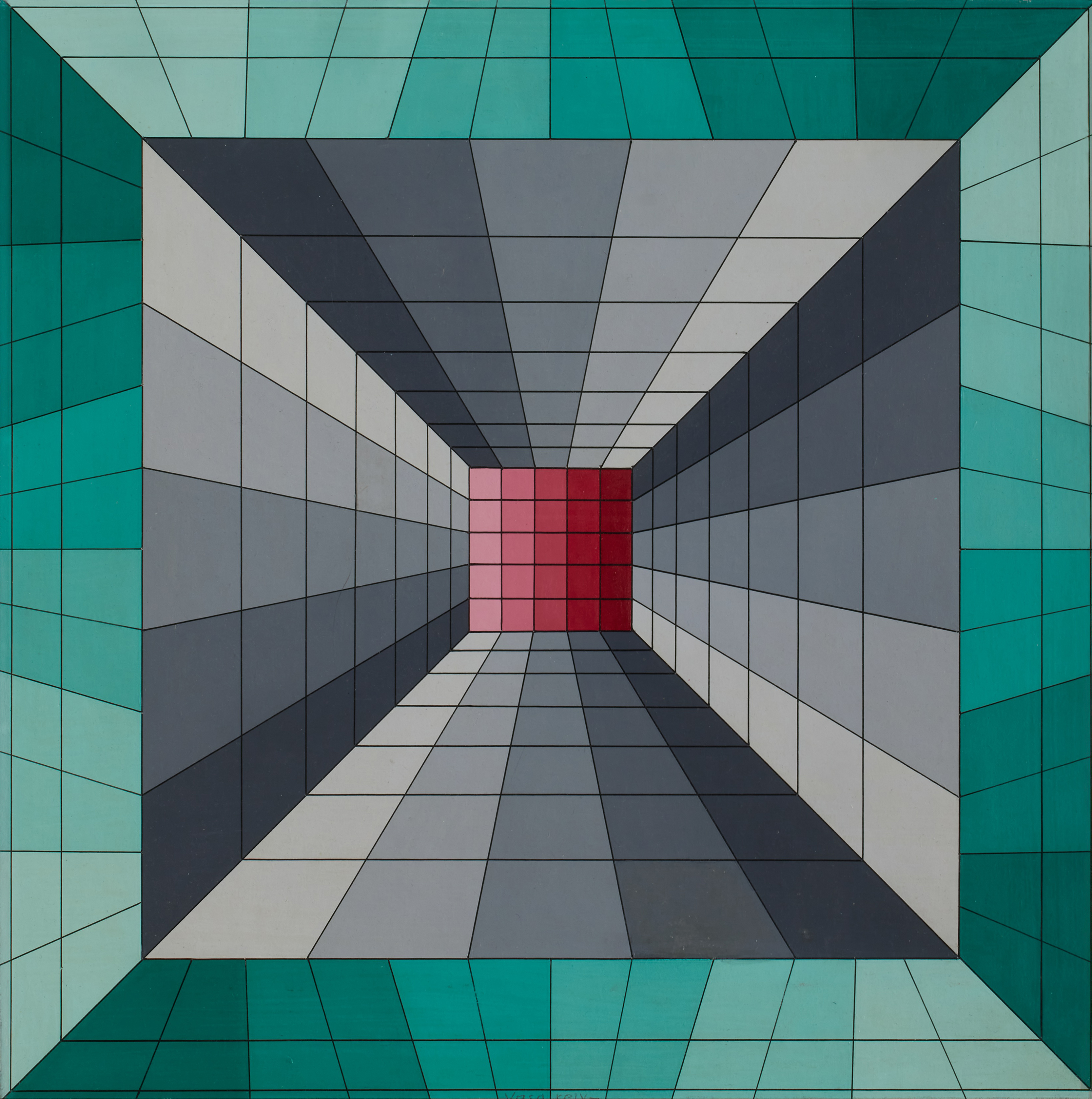
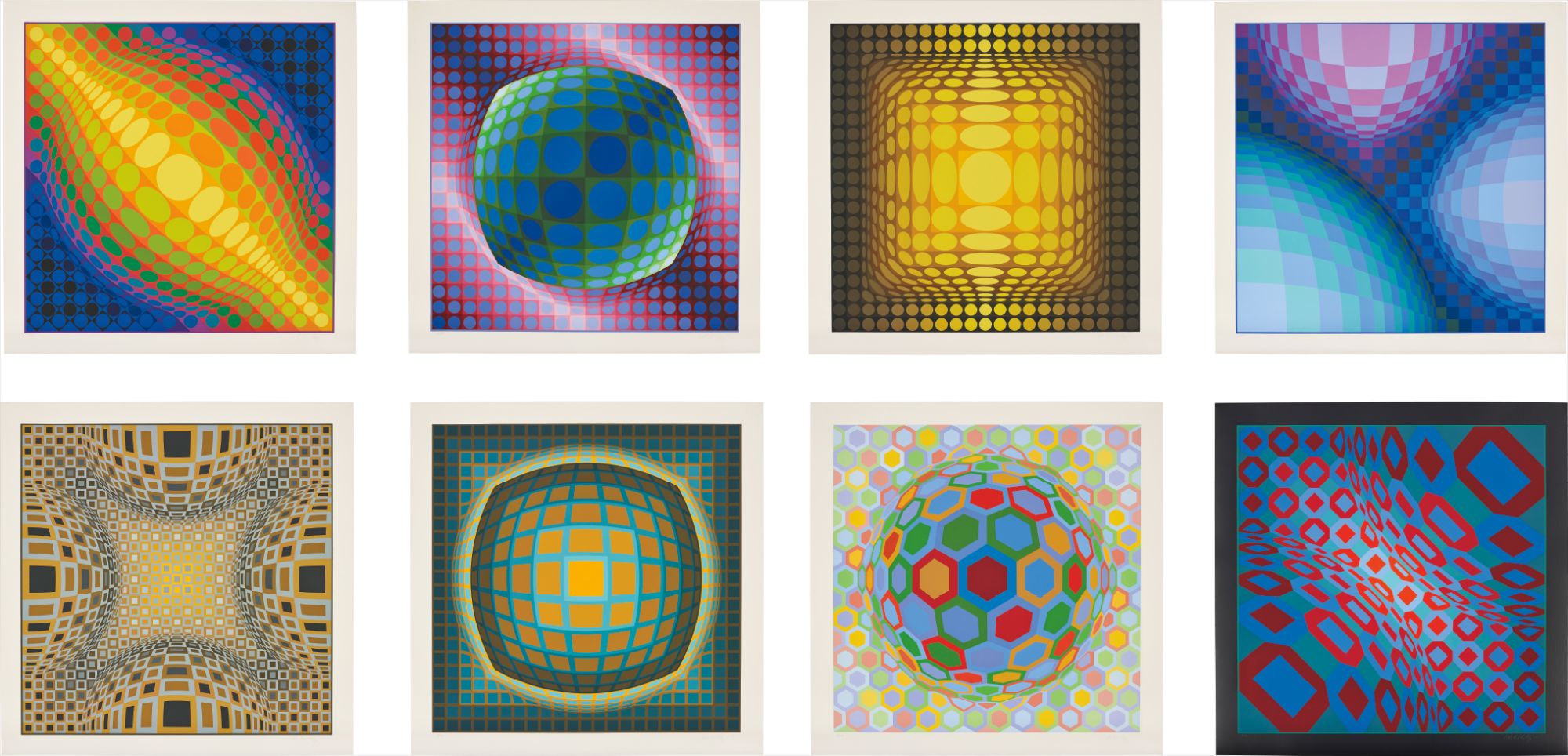
Victor Vasarely
Nilas, 1984
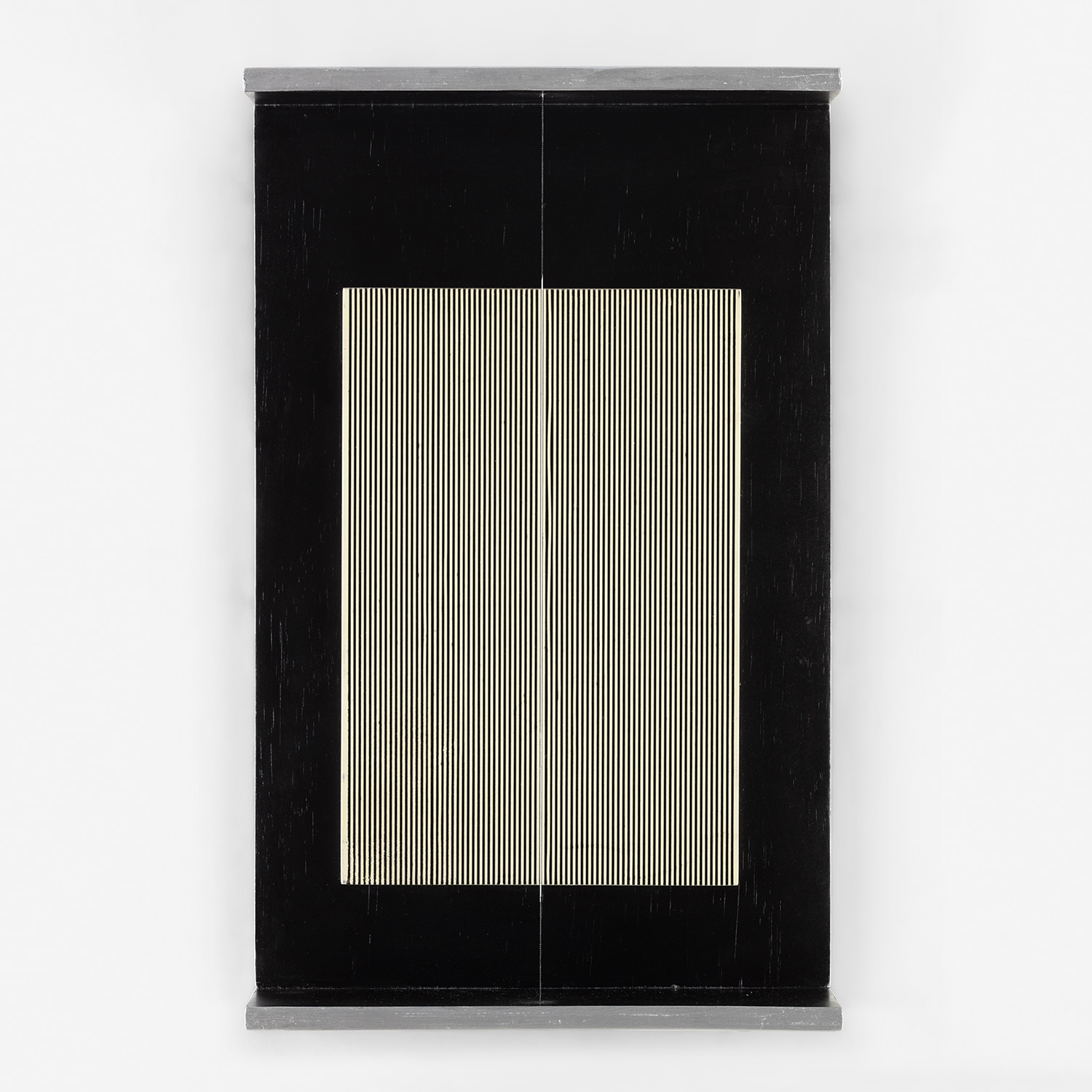
These are not abstract concerns. They directly affect both the visual experience and the resale value. Victor Vasarely is the artist most associated with the movement's theoretical ambitions, and his works in multiple mediums including silkscreen editions and painted multiples created for broad distribution remain highly accessible entry points for new collectors. That accessibility has sometimes worked against his market reputation, but serious collectors recognize that his best unique works, the large scale paintings from the 1960s and 1970s, sit among the most sophisticated objects the movement produced.
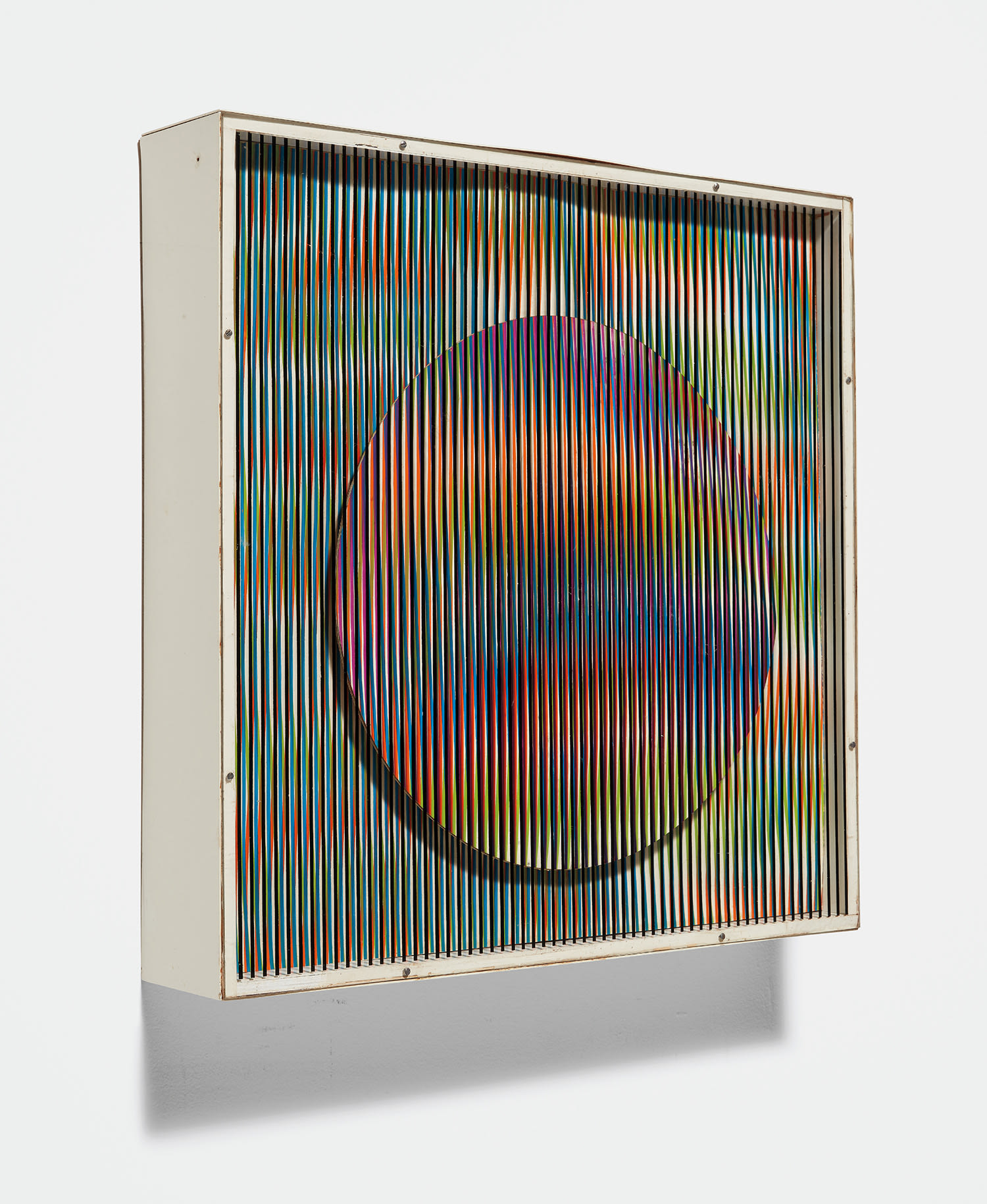
Carlos Cruz Diez, the Venezuelan master whose Chromosaturation environments transformed rooms into instruments of color perception, is another figure whose work on The Collection rewards close attention. His chromatic works on paper and cardboard constructions are undervalued relative to their importance and are still acquirable at prices that will likely look generous within a decade. Jesús Rafael Soto similarly occupies a position where critical reputation and market pricing have not yet fully aligned. For collectors with an eye toward emerging territory, the conversation opens in interesting directions.
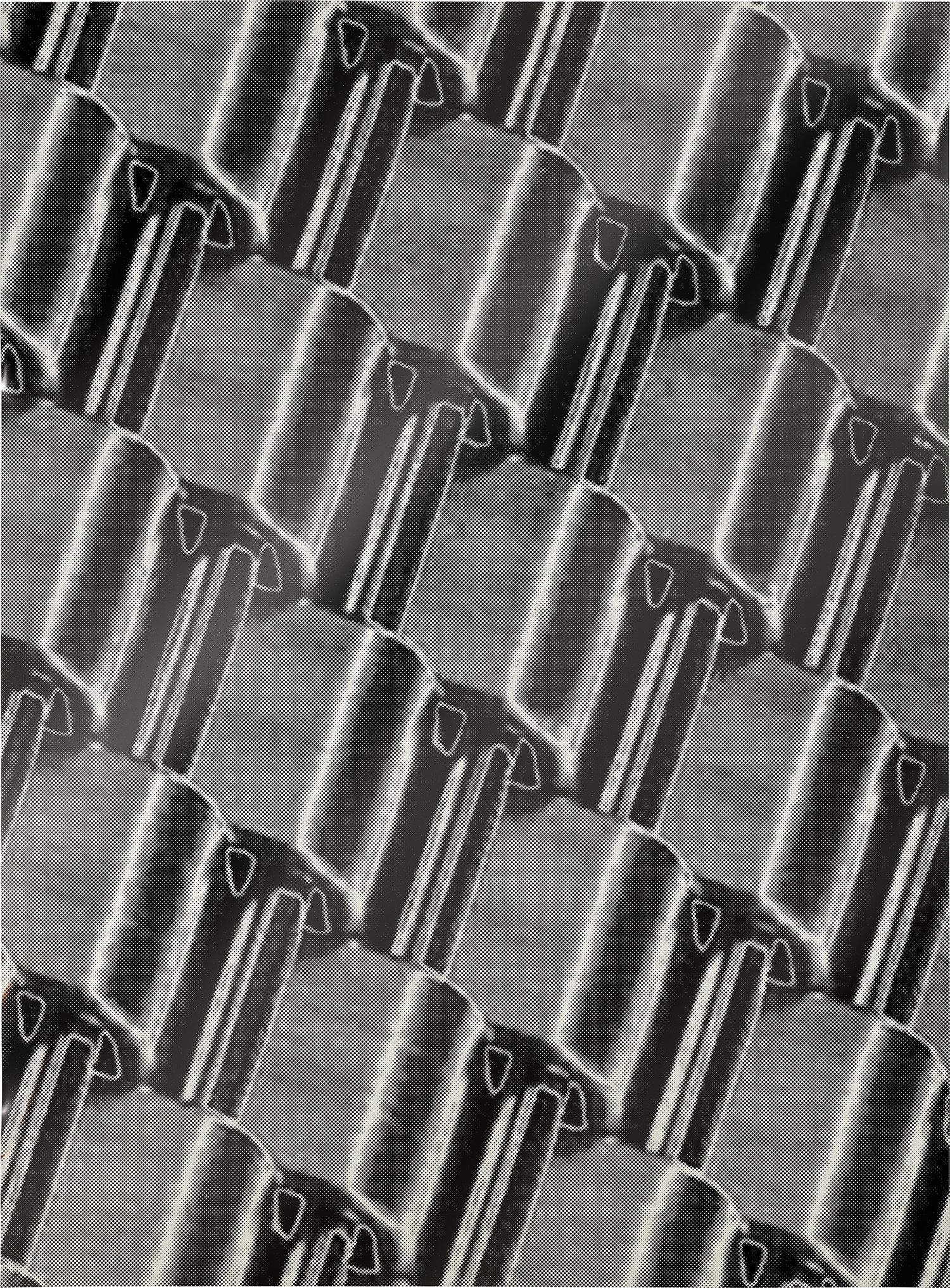
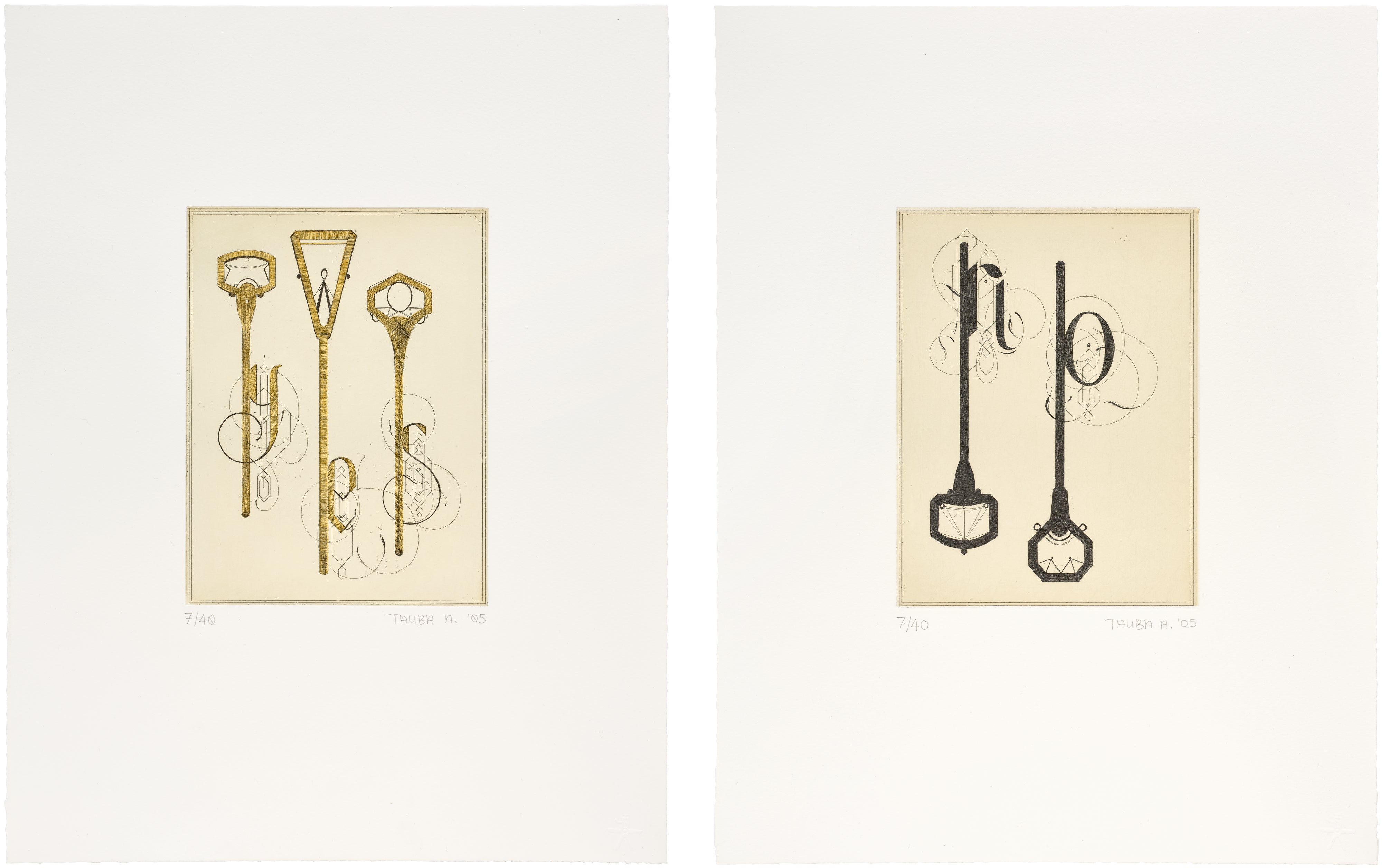
Tauba Auerbach
A Flexible Fabric of Inflexible Parts
Tauba Auerbach, whose work sits in a fascinating space between optical painting and structural inquiry, represents perhaps the most intellectually rigorous voice working in this vein today. Their woven paintings and folded canvases interrogate the same questions about perception and surface that Albers and Riley raised, but through a distinctly contemporary materiality. Works by Auerbach have shown consistent strength at auction and in the secondary market, with significant institutional support from museums including the San Francisco Museum of Modern Art and MoMA. The trajectory is compelling.
In terms of auction performance, the category has shown remarkable resilience. Bridget Riley's major works have set significant records at Christie's and Sotheby's over the past decade, with large stripe paintings from the 1970s and 1980s regularly achieving seven figures in London sales. The broader op and kinetic market has followed, with Cruz Diez and Le Parc seeing steady appreciation as Latin American modernism has received renewed critical and institutional attention. Julio Le Parc, whose participation in the 1965 Responsive Eye exhibition at MoMA remains a defining moment for the movement, has seen particularly strong growth in collector interest.
Works that carry exhibition provenance from that show, or from key European surveys of the period, carry a premium that is entirely justified. For collectors navigating this space practically, there are a few things worth keeping in mind. Display matters enormously. These works were made to be read at a specific distance, and crowding a Riley or a Vasarely in a tight hang with competing works diminishes the visual effect significantly.
If you are choosing between an edition and a unique work by an artist who worked in both formats, consider what you are actually acquiring. Many of the movement's most important artists embraced the multiple as a philosophical statement about art and democratic access, and a beautifully executed Vasarely screenprint is a genuine object, not a compromise. But unique painted works will always carry greater market authority and rarity. Ask the gallery for certificate documentation, edition numbering history if applicable, and any available correspondence or studio records.
In a category where the entire meaning of the work lives in precise visual calibration, provenance is not just paperwork. It is evidence.