Venezuelan
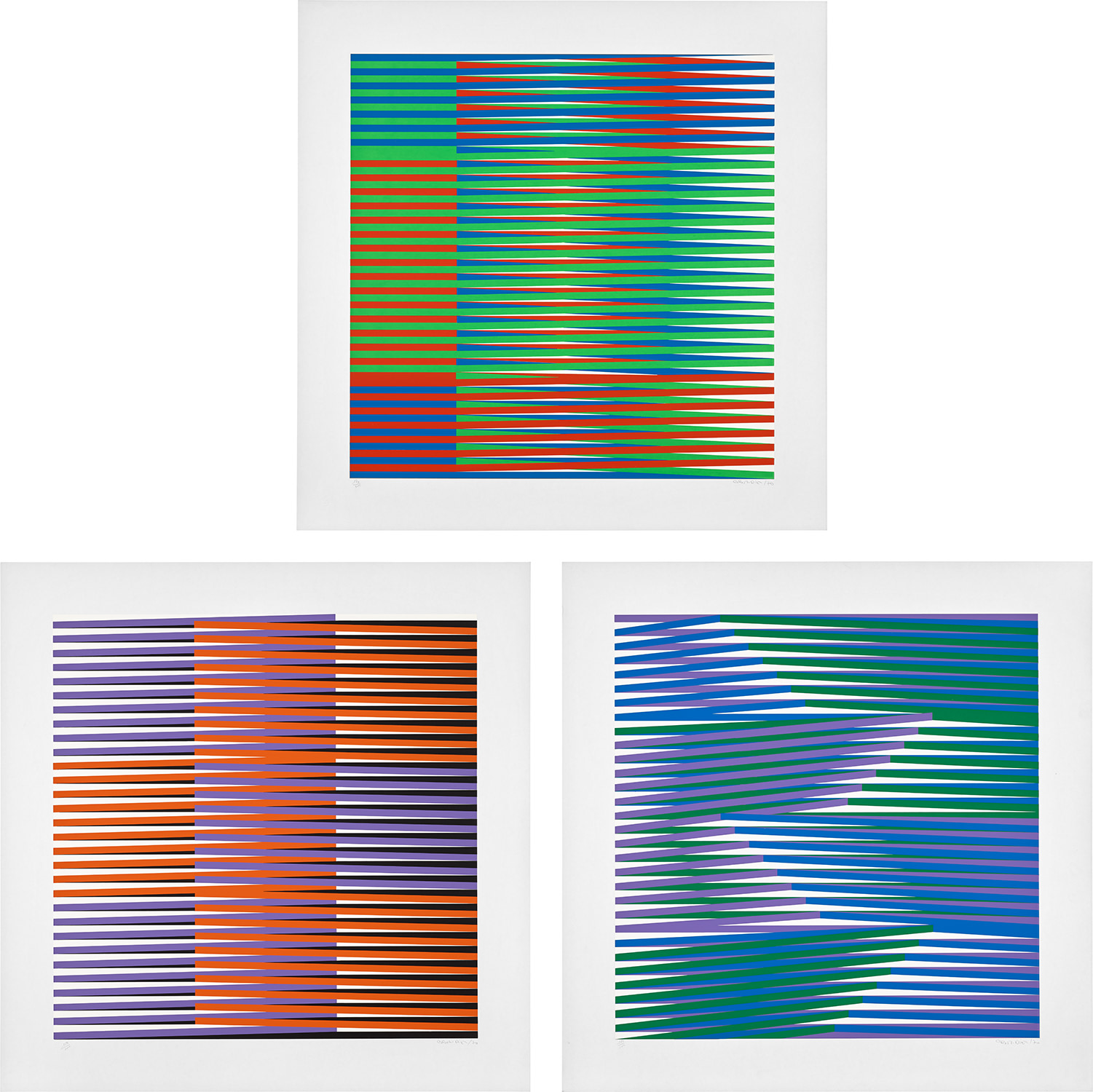
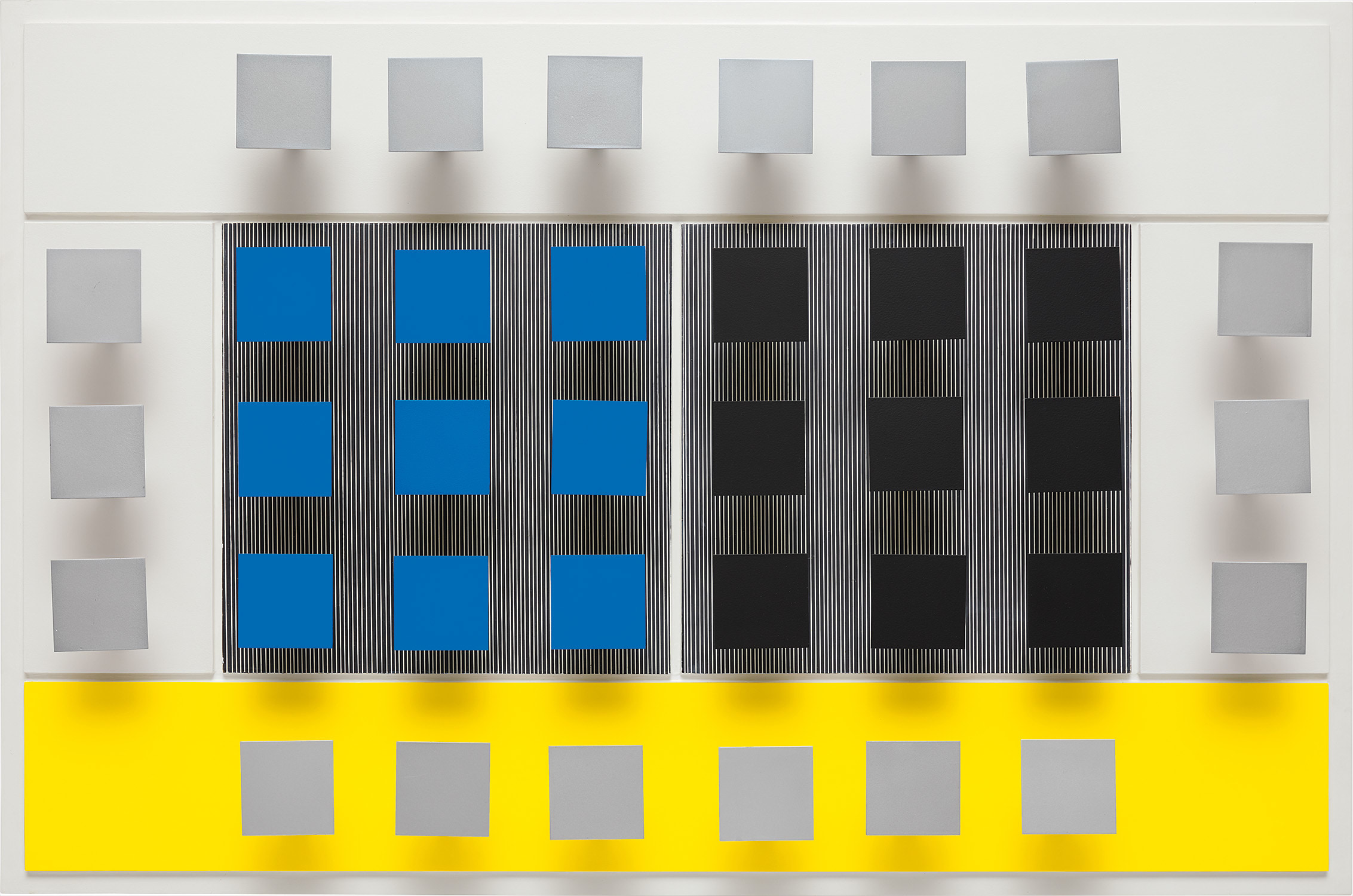
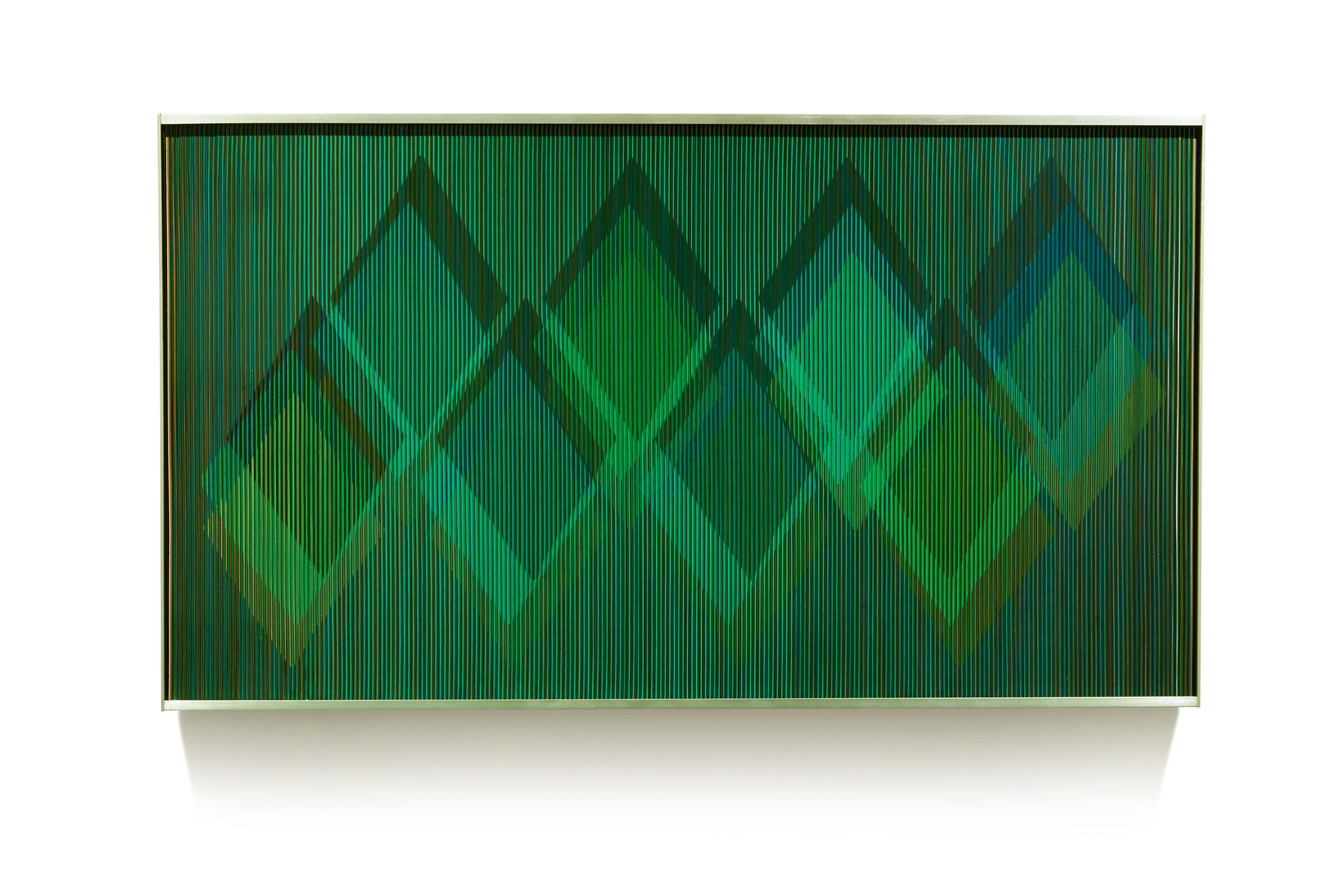
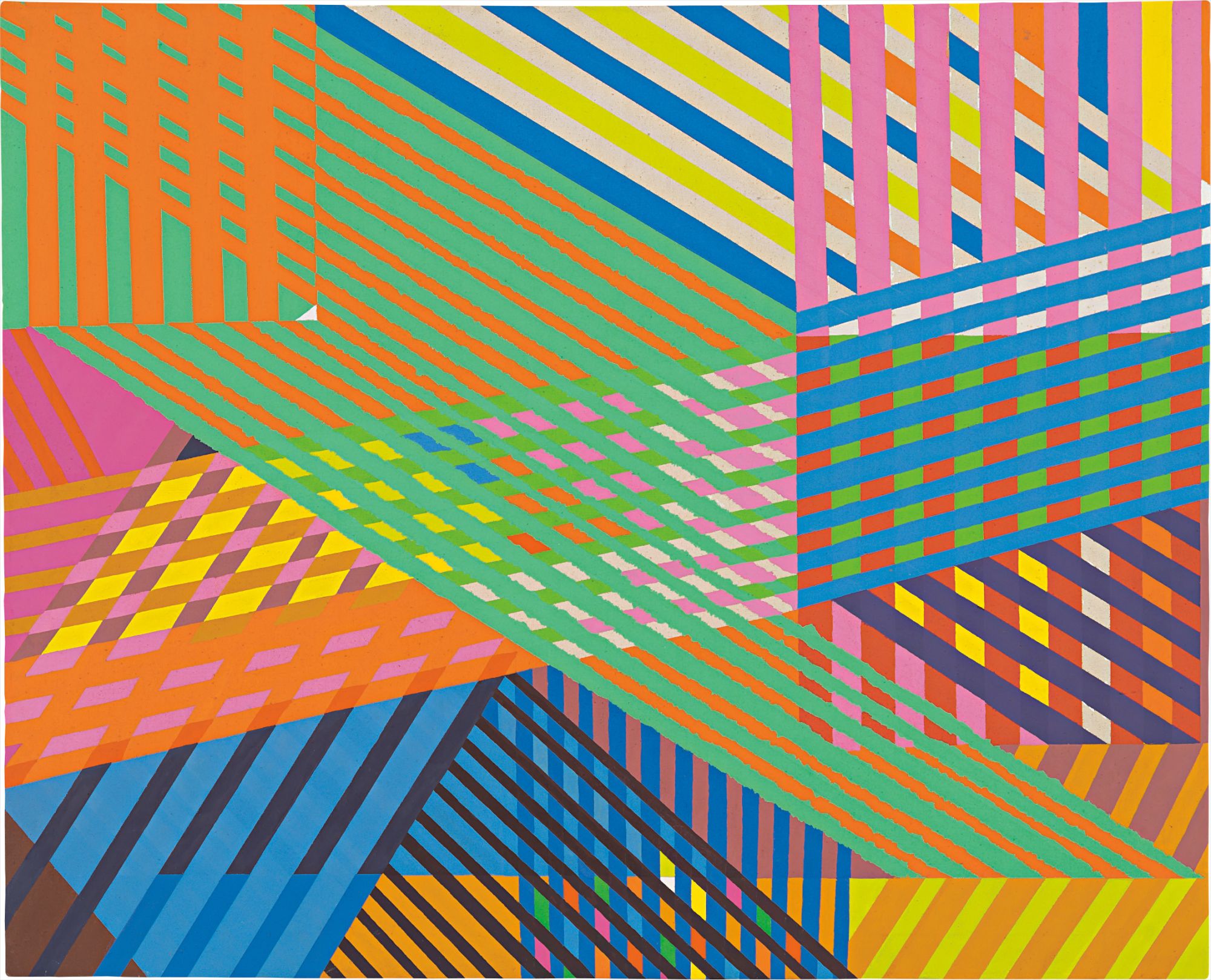
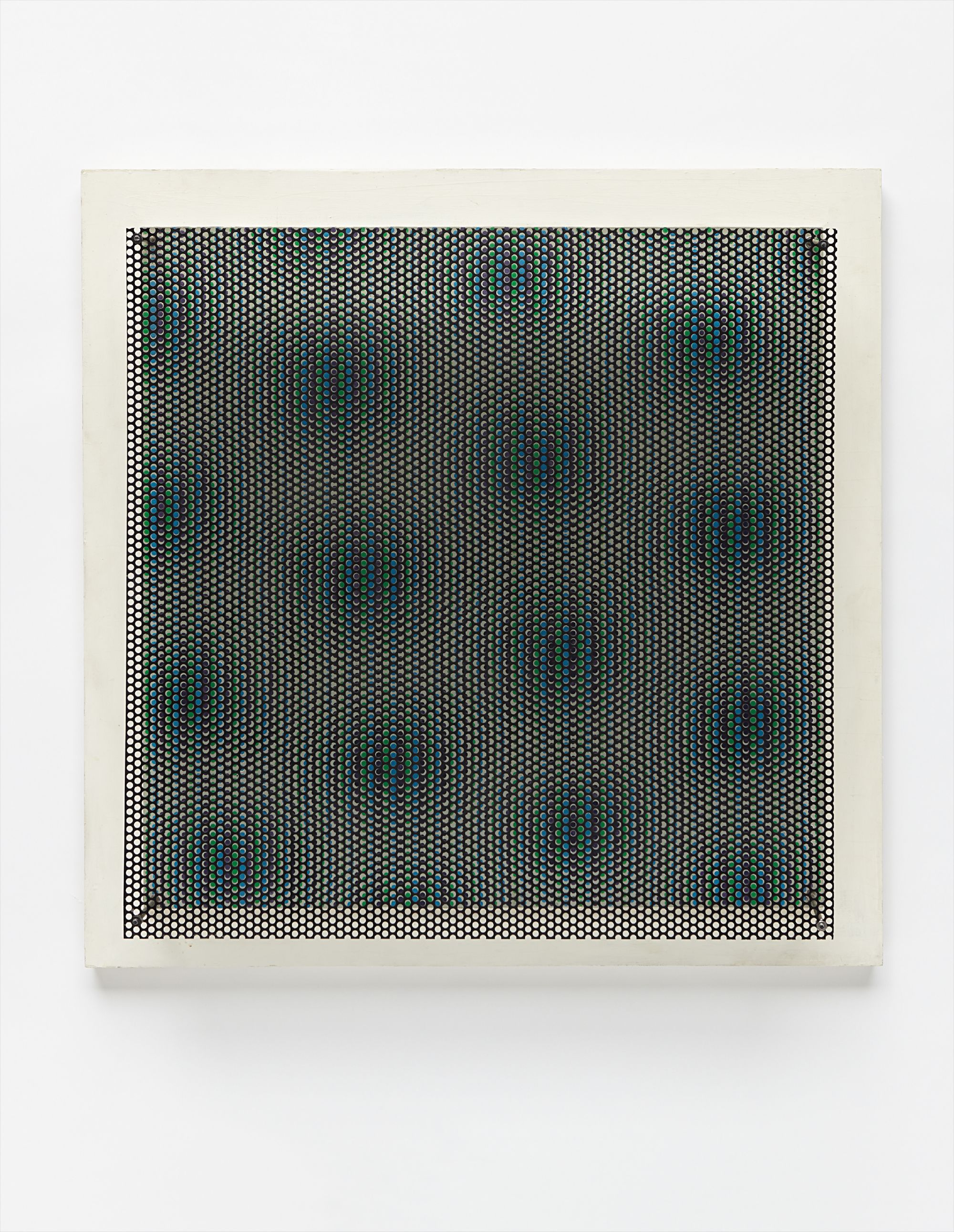
Carlos Cruz-Diez
Couleur additive (Color Addition): three plates
Venezuela's Optical Revolution Finally Gets Its Due
When a work by Jesús Rafael Soto appeared at Christie's New York and surpassed its high estimate by a considerable margin, the room took notice in a particular way. It was not the surprise of a speculative bet paying off. It was the recognition of something long understood by a smaller circle of collectors finally becoming legible to a broader market. Venezuelan kinetic and op art, for decades treated as a regional enthusiasm or a footnote to European movements, is now being understood on its own terms, as one of the most coherent and intellectually serious art movements of the twentieth century.
The timing feels earned rather than accidental. Museum shows in recent years have done the quiet work of repositioning this body of work. The Pérez Art Museum Miami, which has consistently championed Latin American modernism, mounted presentations that placed artists like Carlos Cruz Diez and Gego in conversation with peers from Europe and North America rather than subordinating them to those traditions. The Museum of Fine Arts Houston, which holds one of the most significant collections of Latin American art in the United States, has similarly given Venezuelan artists sustained attention.
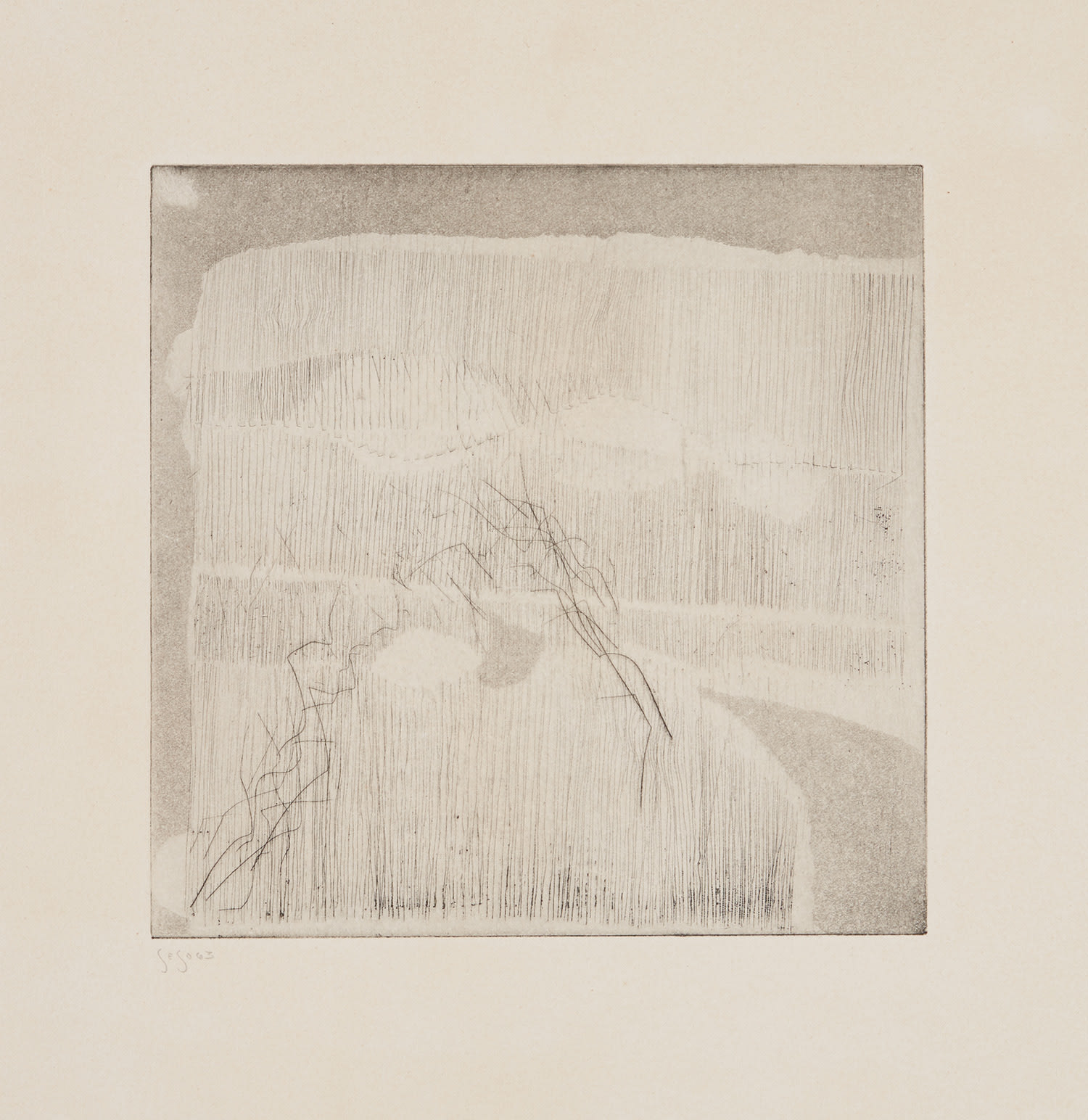
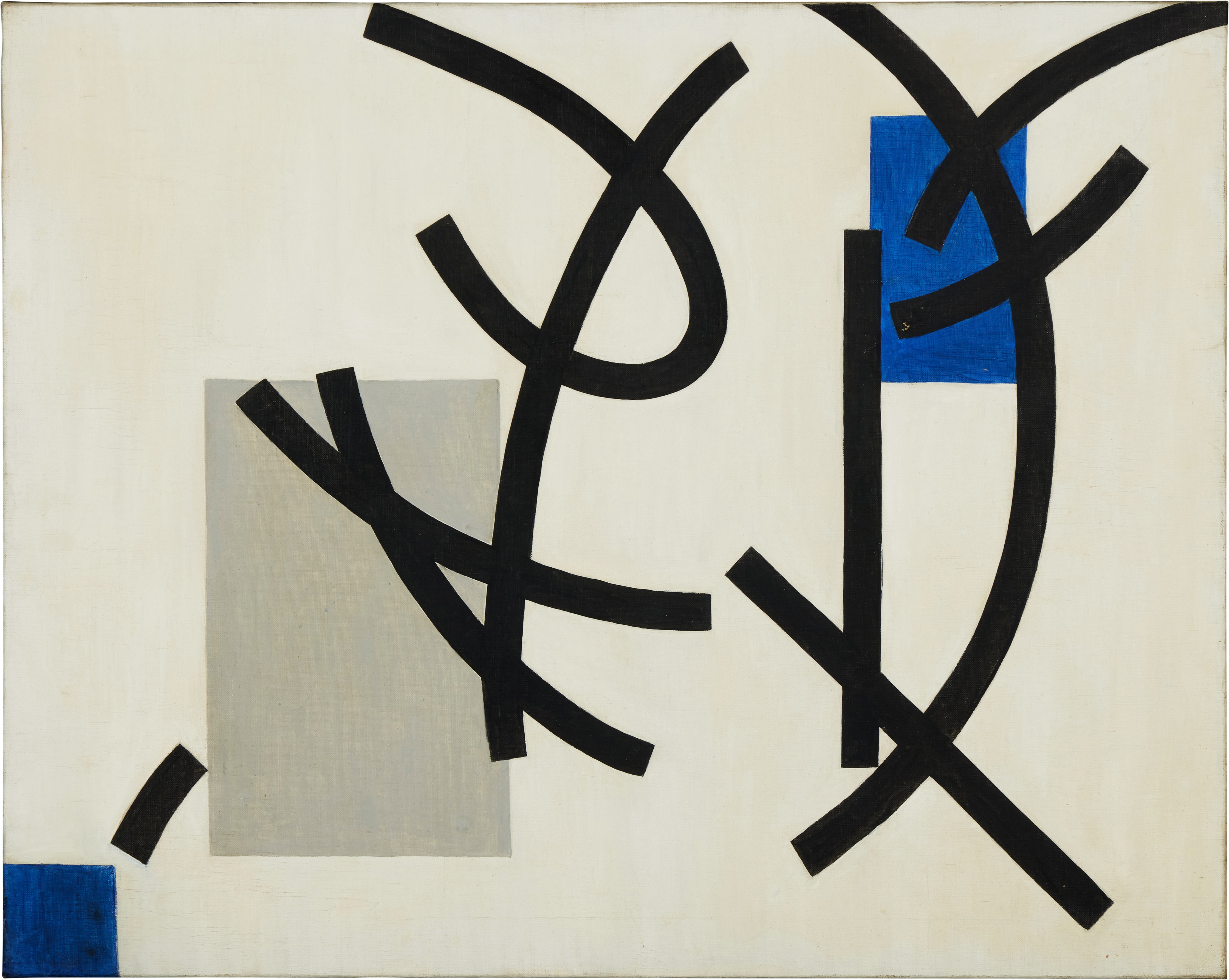
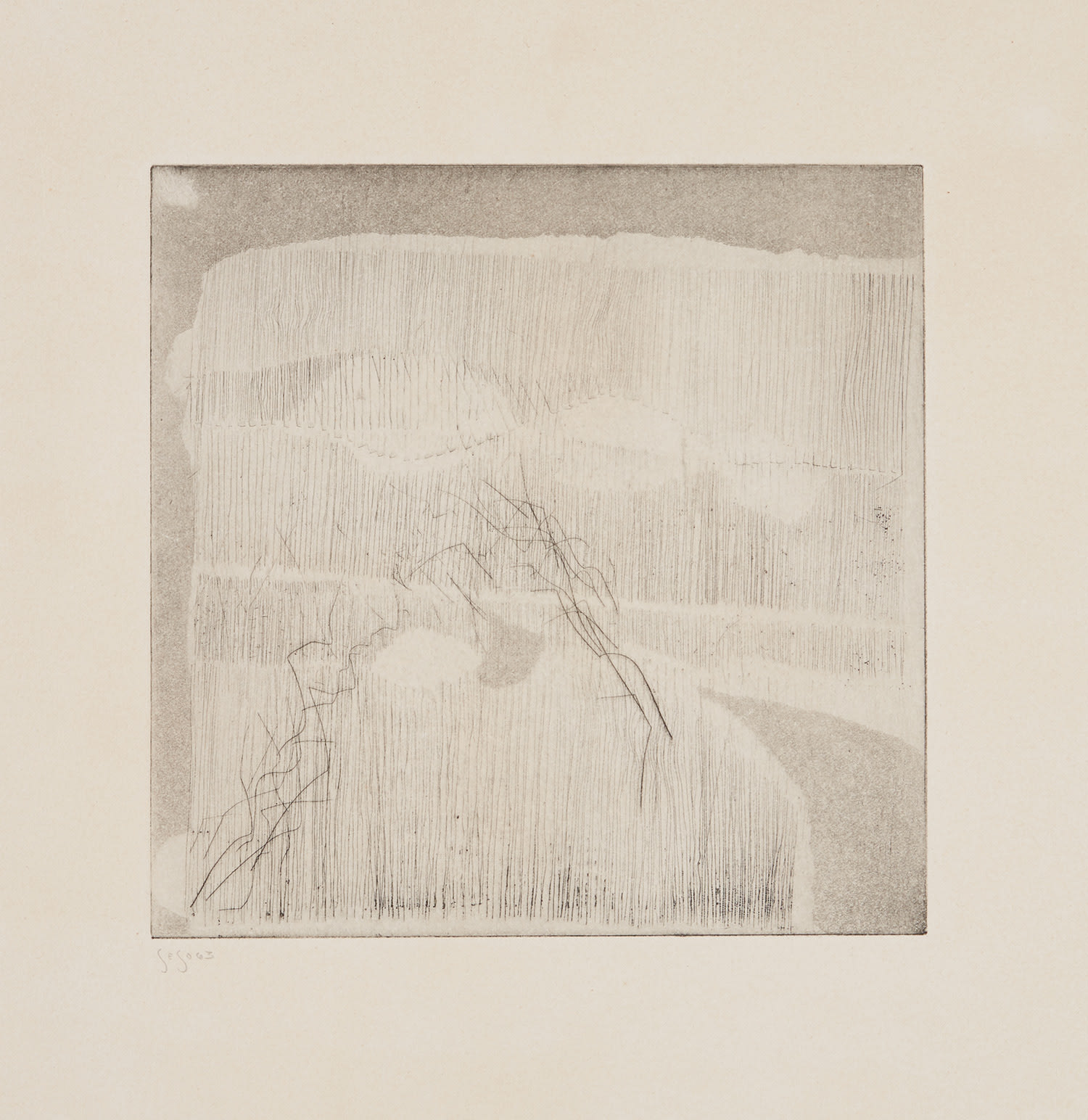
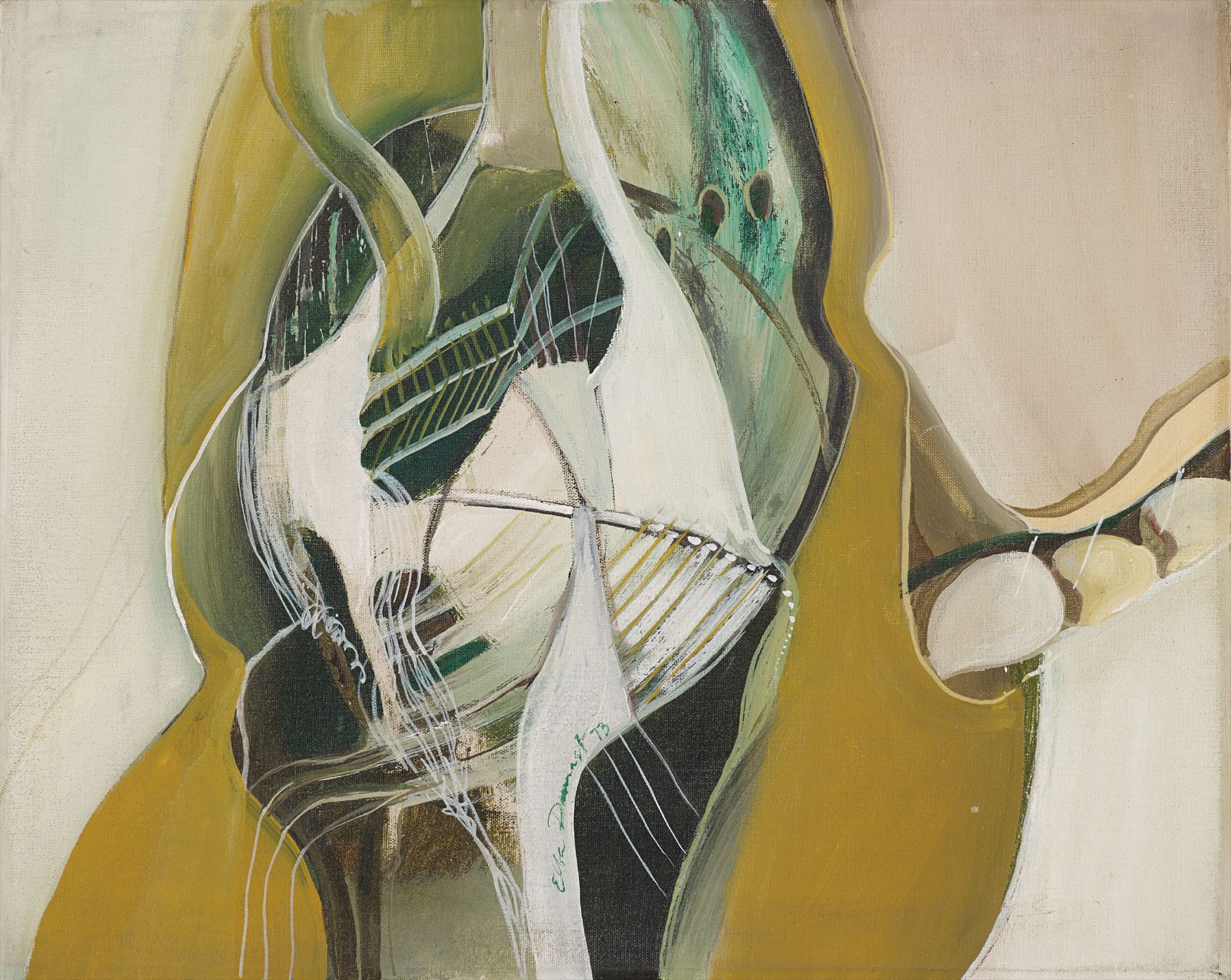
Gego
Gego
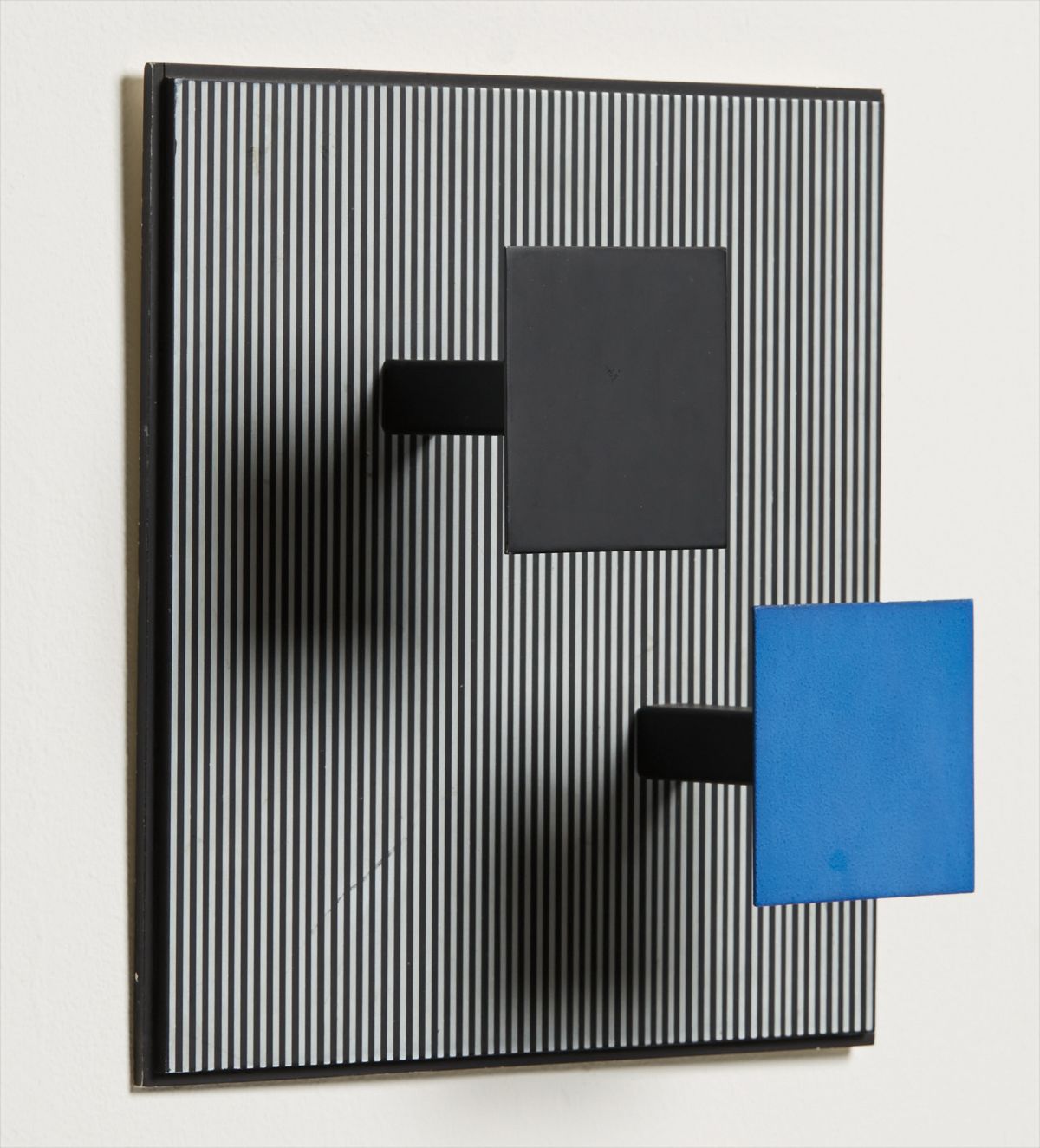
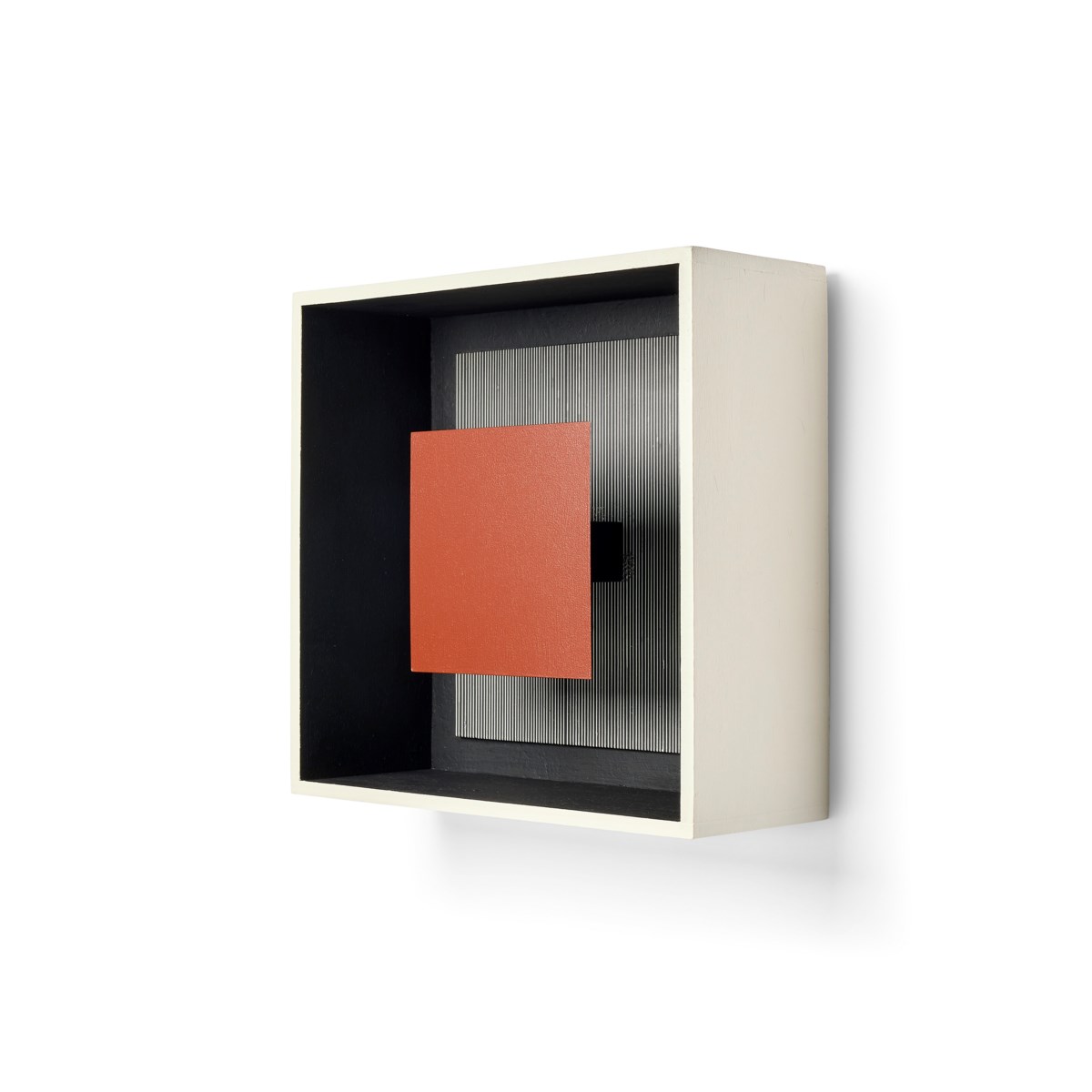
These institutional gestures matter enormously because they signal to curators and collectors alike that the scholarship is there, the context is rich, and the works can hold their own in any room. Of all the figures in this constellation, Soto and Cruz Diez remain the two names most likely to stop a serious collector mid stride. Soto's vibraciones, those hanging fields of nylon threads and painted rods that seem to dissolve the boundary between object and atmosphere, have achieved a kind of canonical status. Works from his mature period in the 1960s and 1970s consistently outperform at auction, and major examples rarely appear without competitive bidding.
Cruz Diez, who spent much of his career in Paris and developed his theories of color autonomy through works he called Physichromies, has seen his secondary market strengthen significantly since his death in 2019. That pattern of posthumous market acceleration is familiar to anyone who watches this space carefully. Both artists are well represented on The Collection, and for good reason. Gego occupies a different and in some ways more quietly radical position.
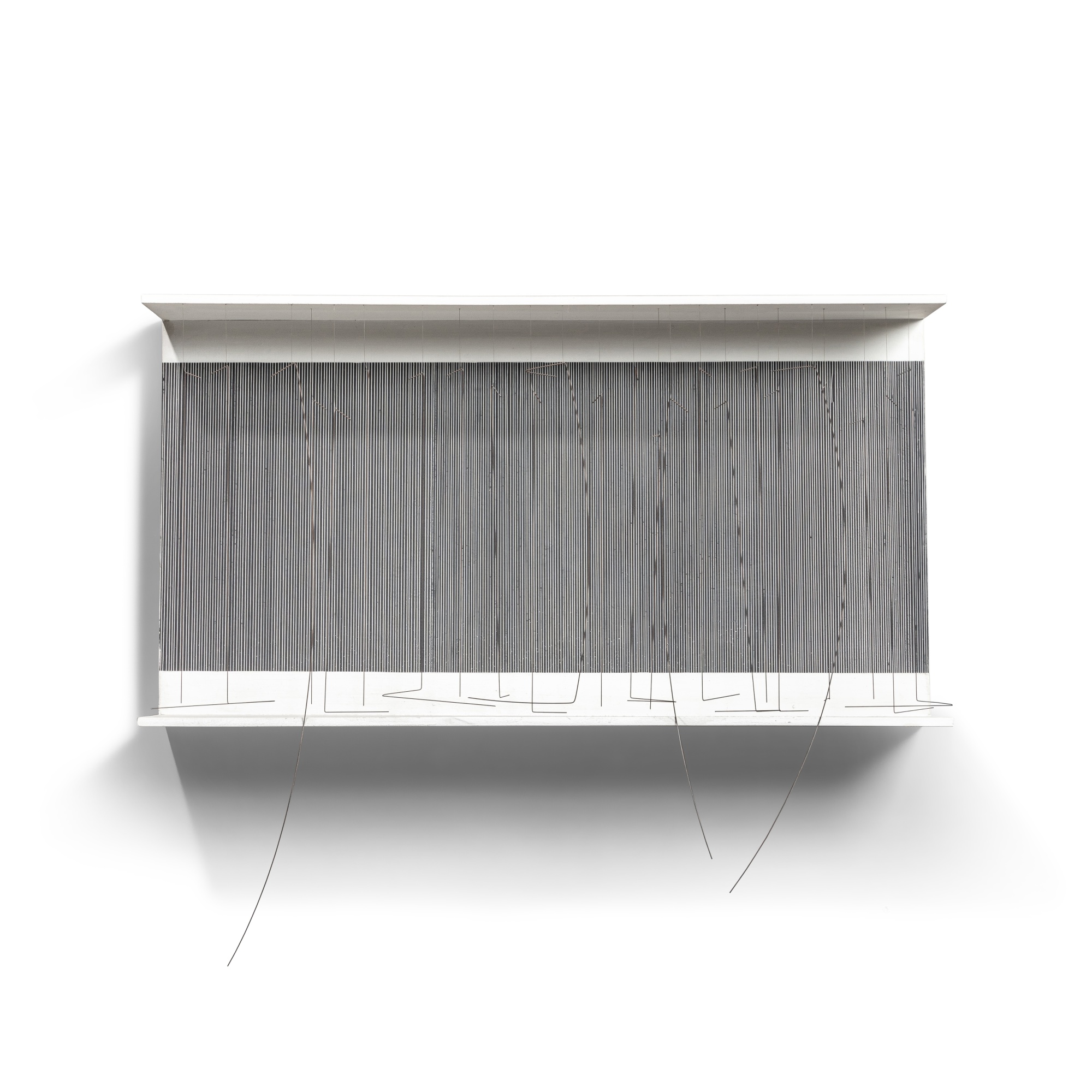
Jesús Rafael Soto
Escritura pequeña, 1967
Born Gertrud Goldschmidt in Hamburg, she arrived in Venezuela in 1939 and over decades developed an entirely singular approach to drawing in space through her Reticuláreas, large scale mesh works made from wire, cable, and found materials. Her work has attracted intense curatorial interest precisely because it resists easy categorization. It is neither strictly kinetic nor purely conceptual, and its relationship to craft, labor, and the handmade gives it an unexpected warmth. The Museum of Modern Art in New York acquired significant examples of her work, and her inclusion in major survey shows of Latin American art has introduced her to collectors who are now actively seeking out her work on the secondary market.
The critical conversation around Venezuelan modernism has been shaped by a handful of indispensable figures. The curator and scholar Ariel Jiménez has written extensively about the Caracas art scene and its relationship to abstraction, kinetics, and the specific optimism of mid century Venezuela. His catalogue essays and critical texts provide the kind of intellectual infrastructure that collectors rely on when they want to understand not just what they are looking at but why it matters. Publications like ARCO Magazine and Artnexus have covered this territory with seriousness for years, and more recently Frieze and Artforum have devoted increasing space to Latin American modernism in ways that bring new audiences into contact with these histories.
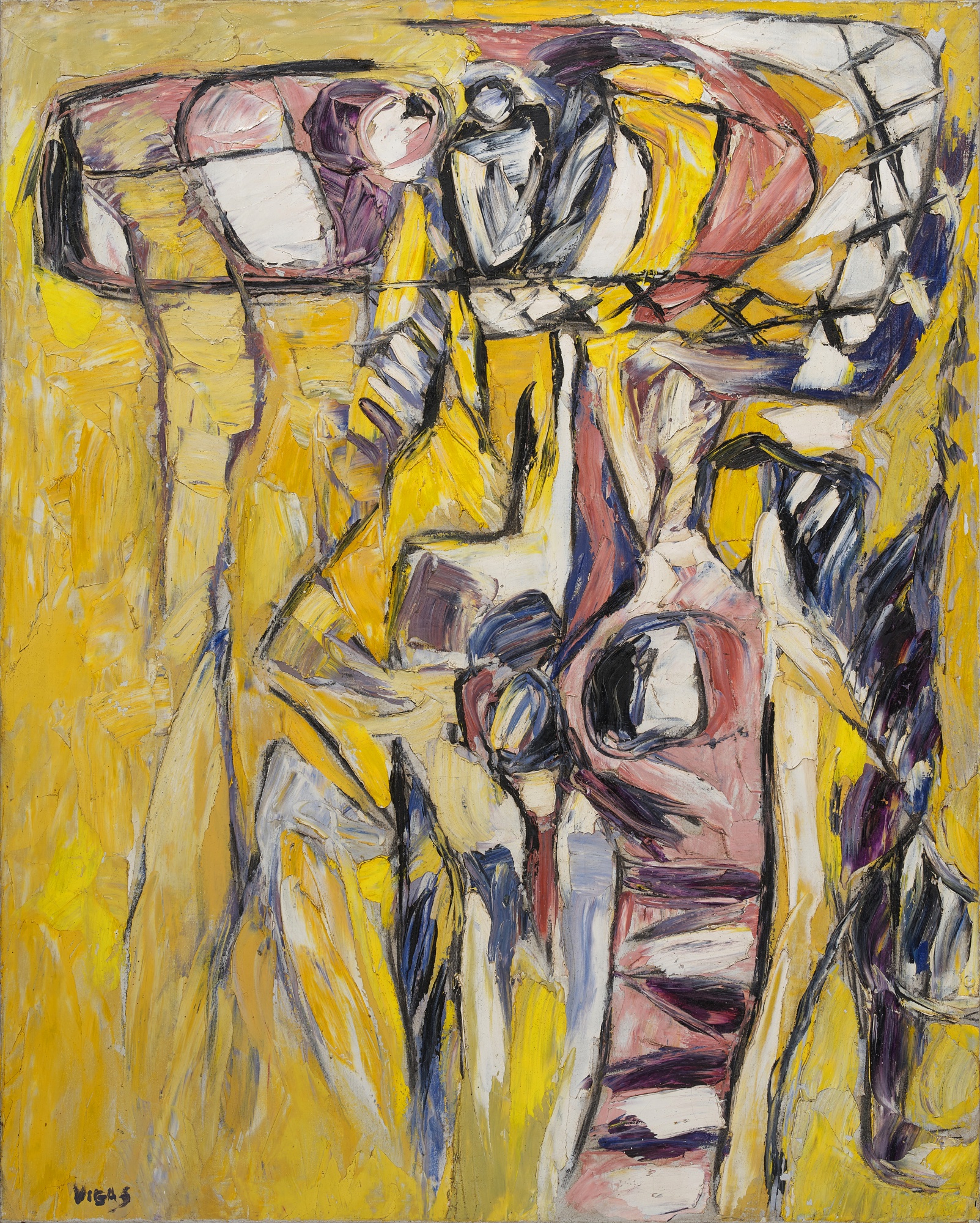
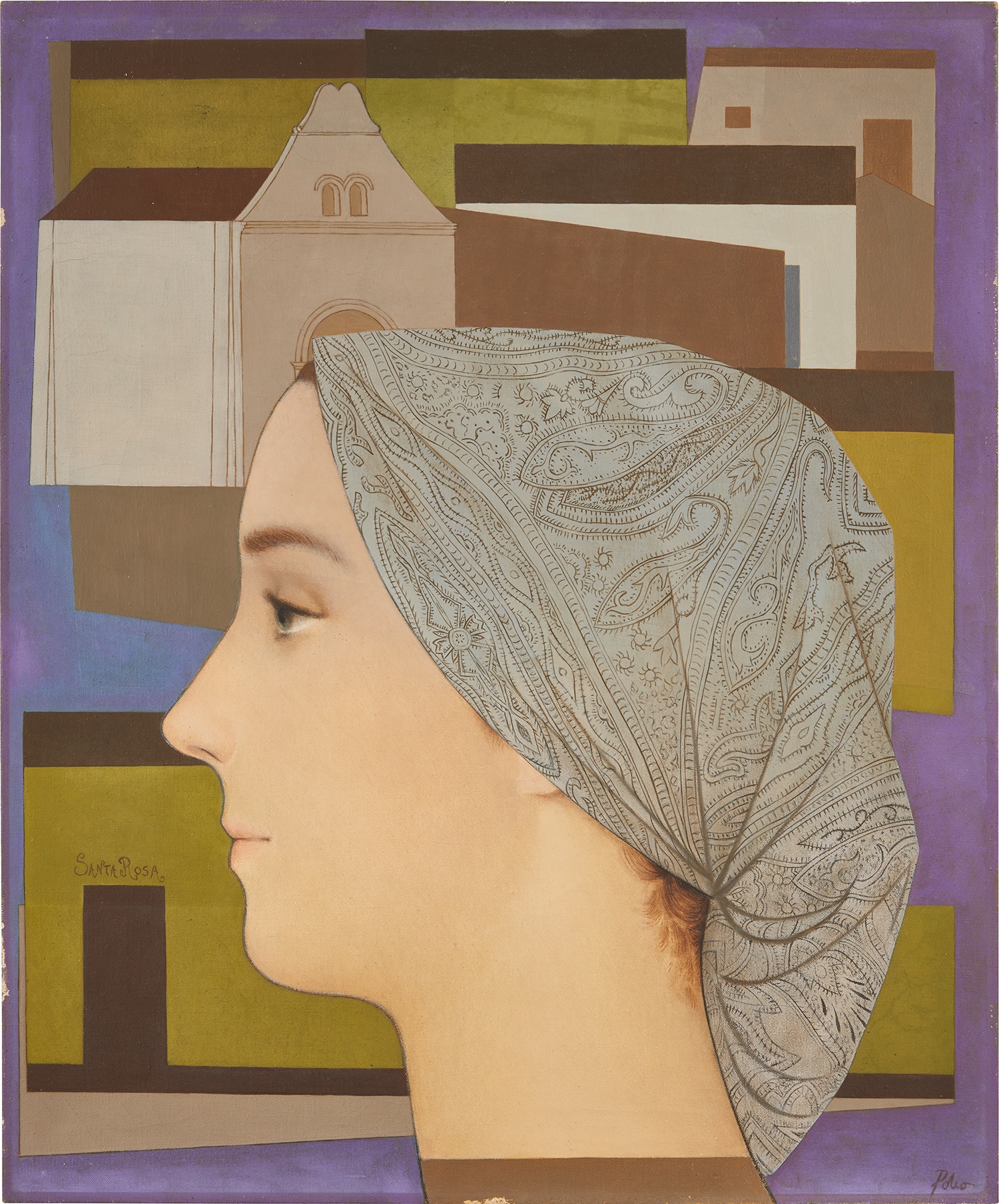
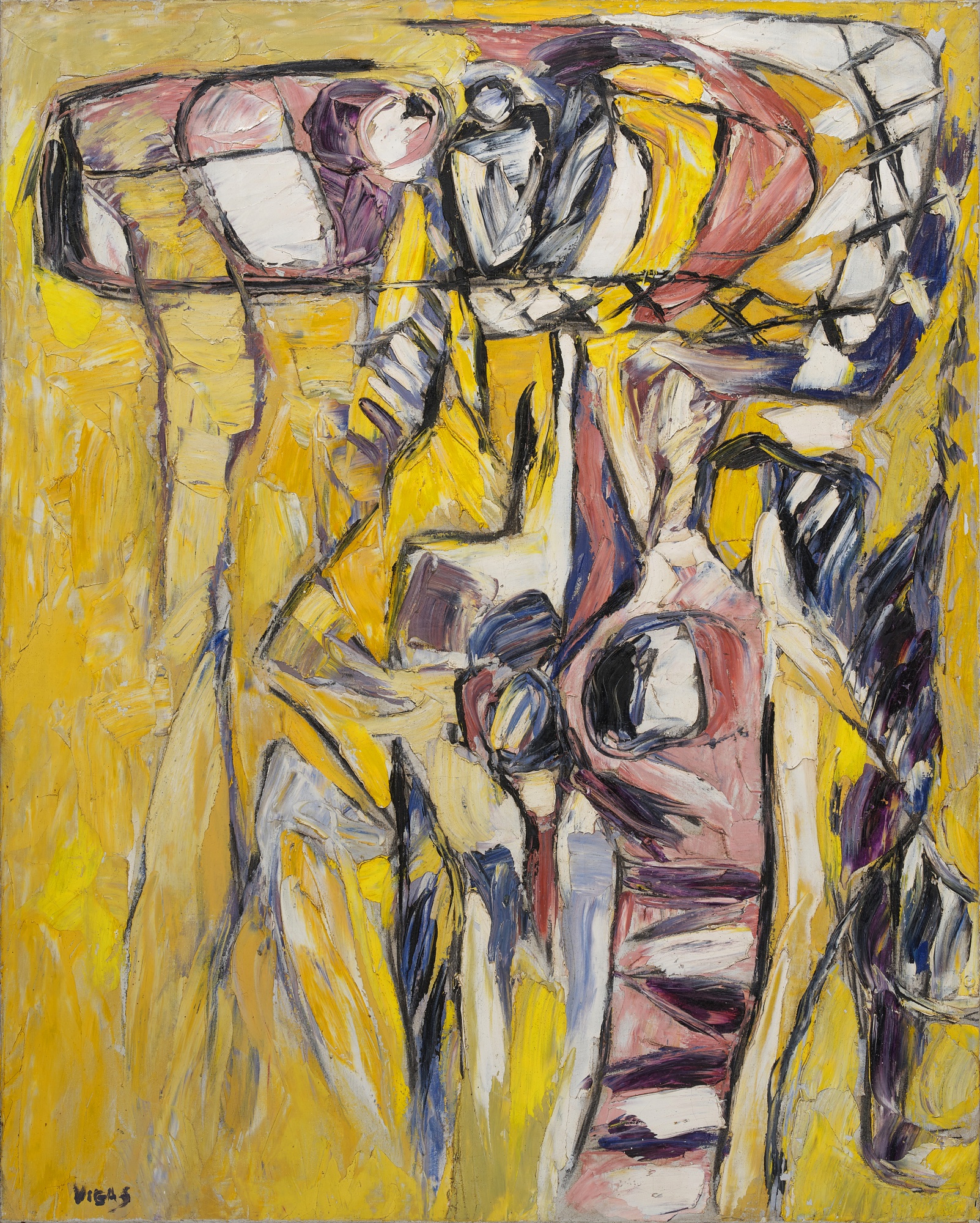
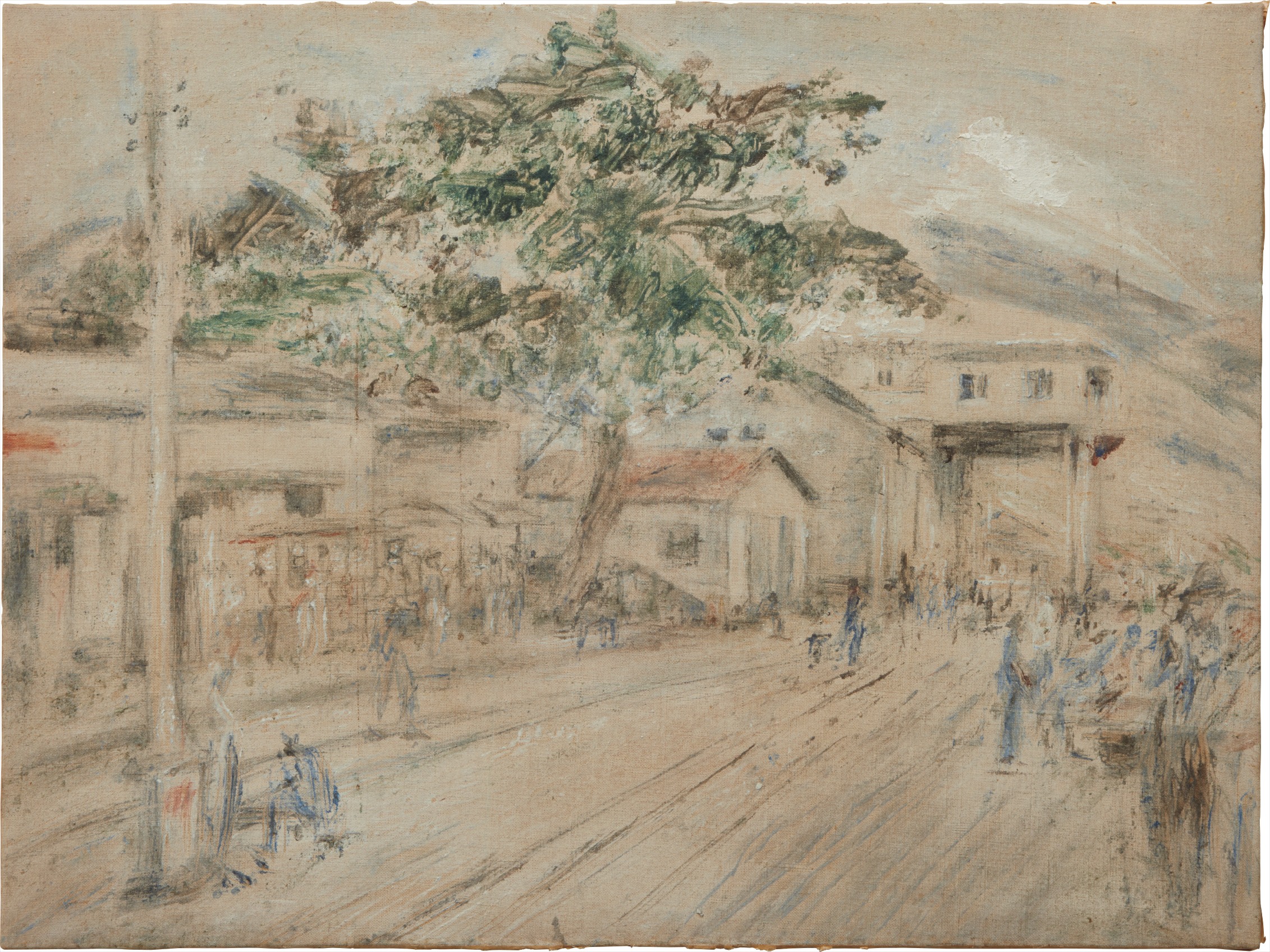
Oswaldo Vigas
Solariega, 1967
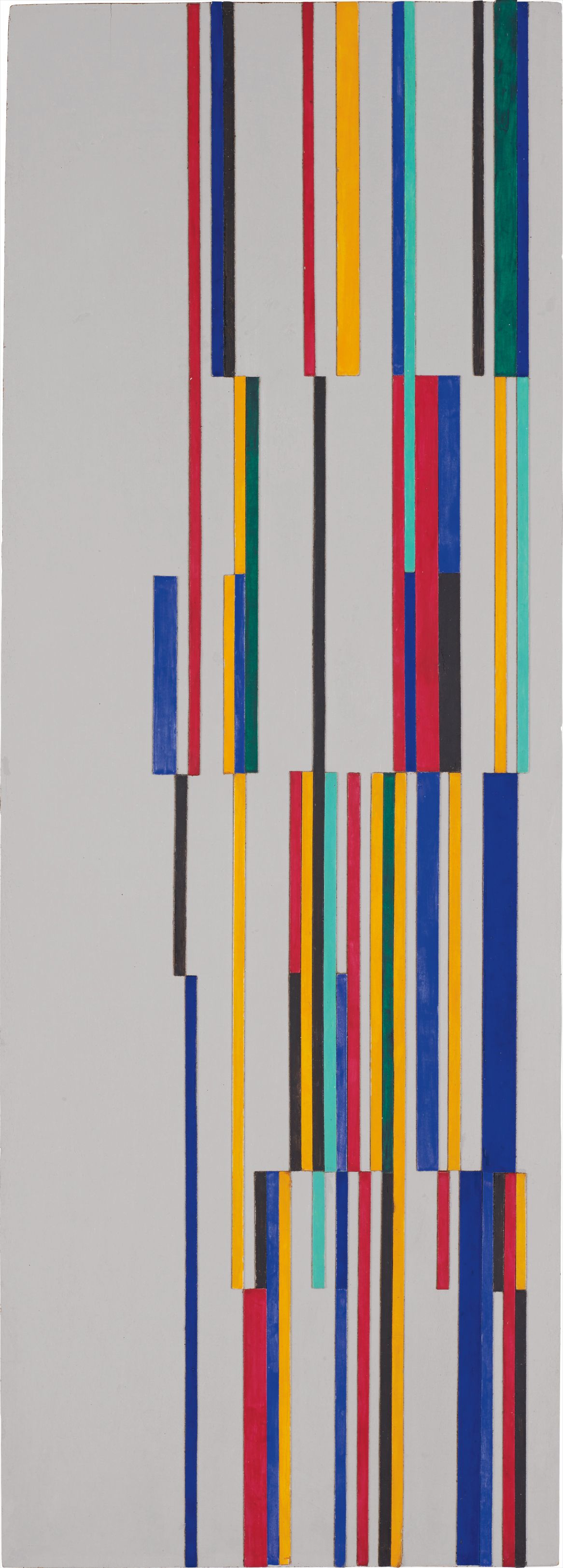
Beyond Soto, Cruz Diez, and Gego, there is a rich supporting cast of figures whose work rewards close attention and whose market positions remain genuinely interesting from a collecting standpoint. Oswaldo Vigas brought a deeply personal mythology to his painting, drawing on pre Columbian imagery in ways that feel neither nostalgic nor decorative. Armando Reverón, working in near isolation in coastal Macuto decades earlier, developed a radical approach to light and color that some critics have compared to late Turner. Mercedes Pardo's lyrical abstractions and Mateo Manaure's engagement with color and form as public and democratic values both deserve more sustained attention than they typically receive outside Venezuela.
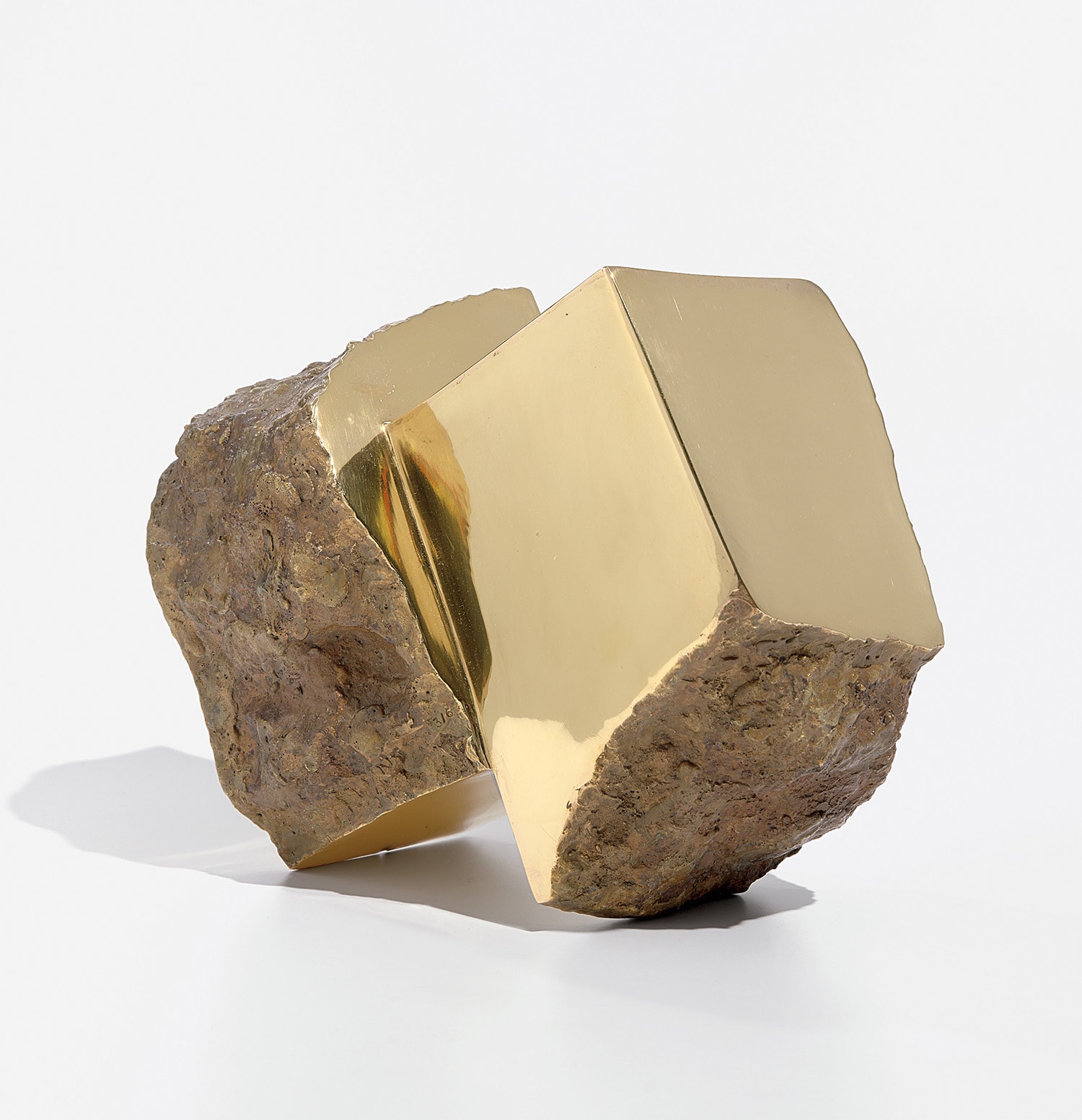
Alejandro Otero, who moved between geometric abstraction and large scale public sculpture, represents another dimension of this scene that collectors with an eye for sculpture are beginning to notice. What feels particularly alive right now is the interest in figures who were adjacent to the main kinetic movement but pursued distinctly individual paths. Elsa Gramcko, whose gestural and materially inventive paintings sit at an angle to the optical work of her contemporaries, has attracted curatorial curiosity from institutions looking to complicate the standard narrative. Marisol Escobar, though she built her career primarily in New York and is often claimed by American art history, was Venezuelan born and her relationship to that identity runs through her work in ways that recent scholarship has begun to untangle.
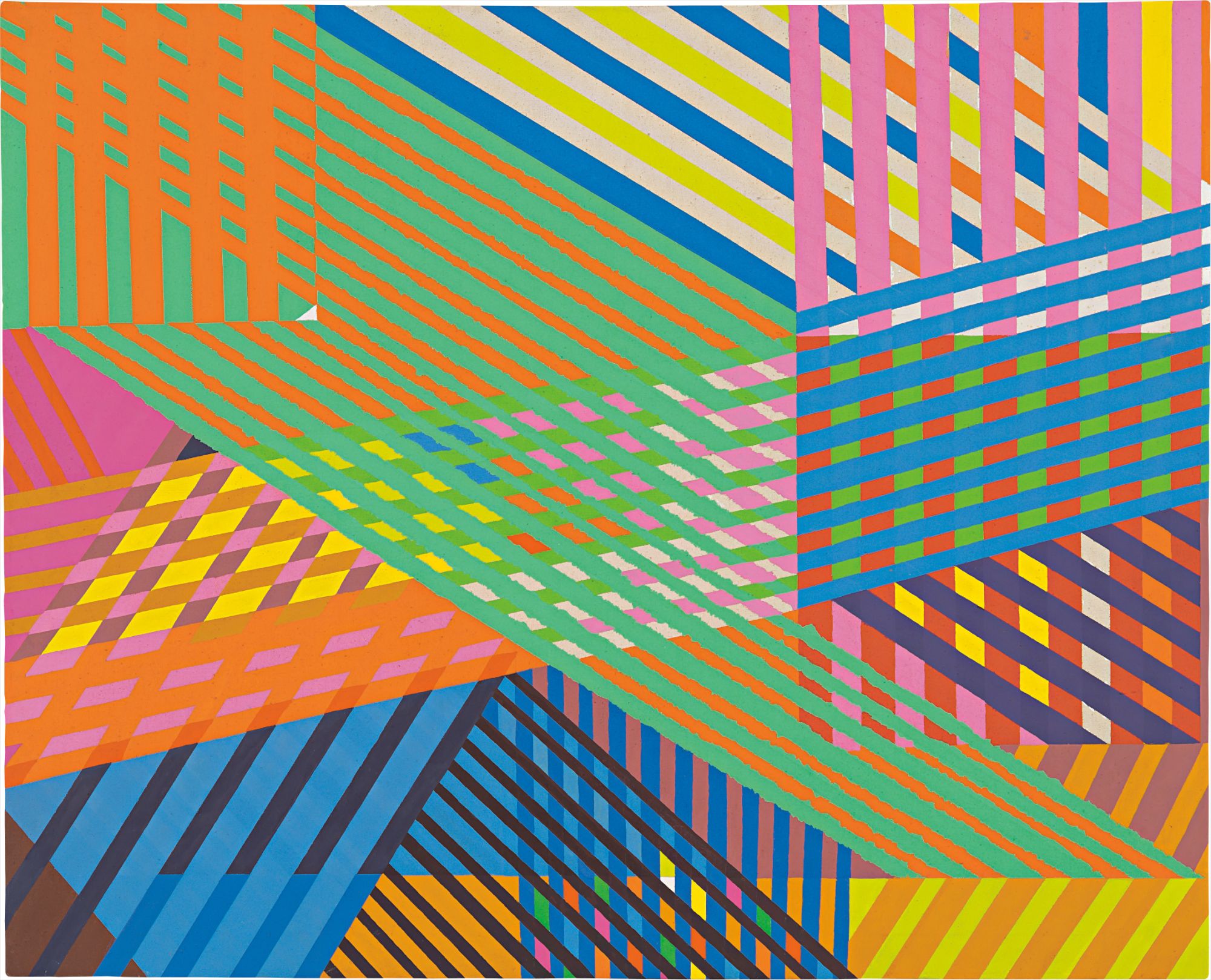
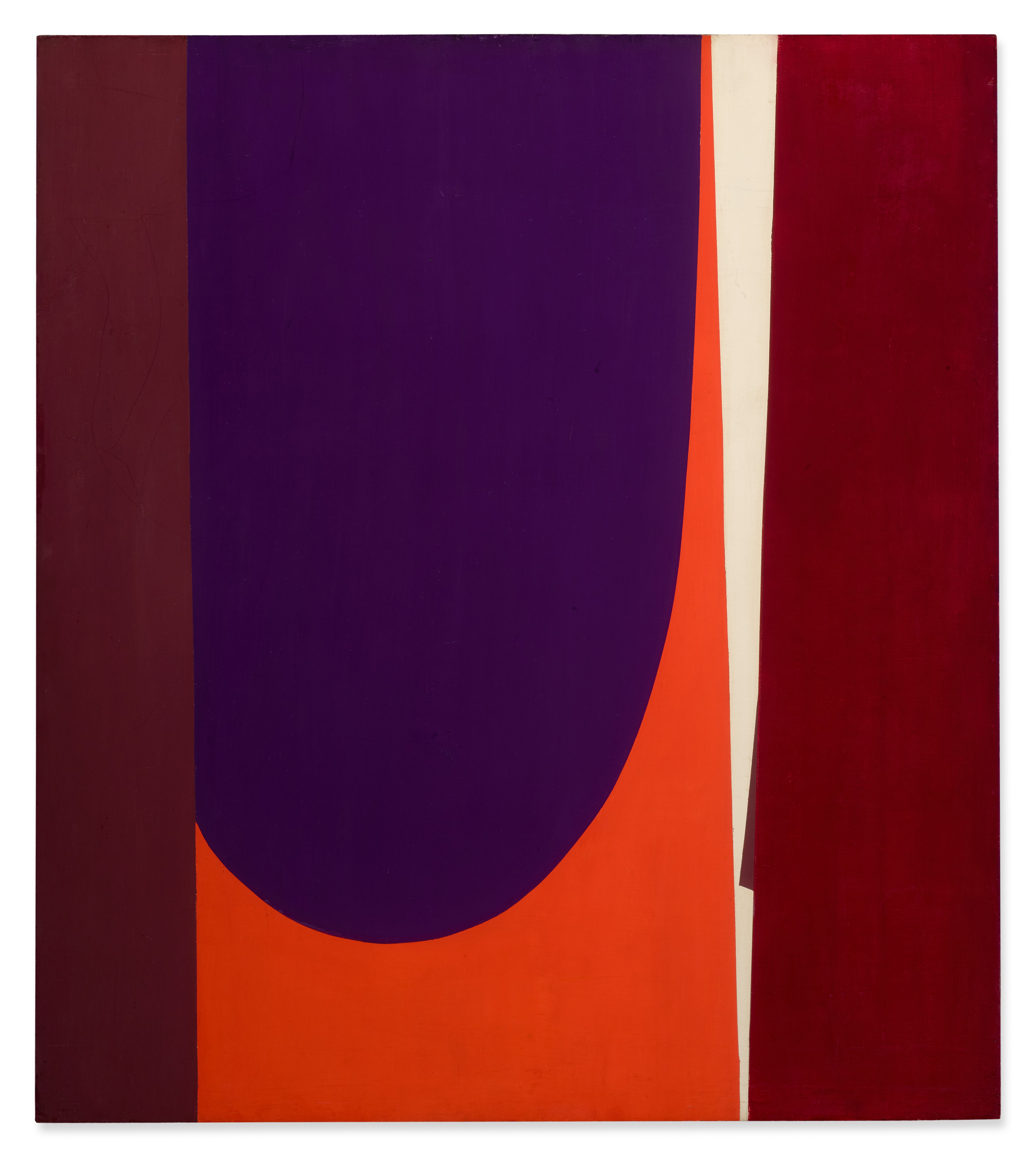
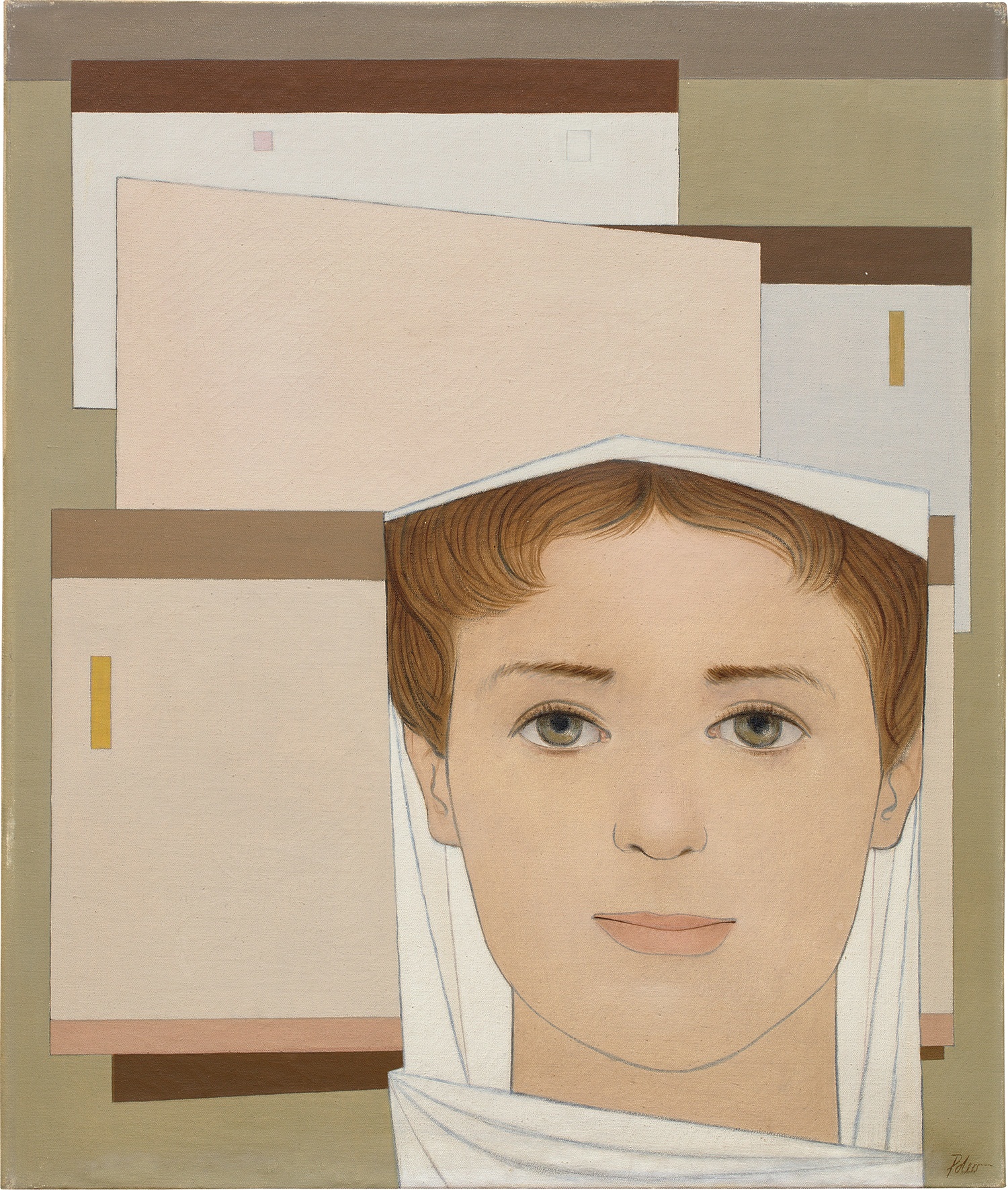
Gerd Leufert
Gerd Leufert was born in Memel, a Lithuanian town occupied by Germany during WWI. He studied graphic design in Munich and became a member of the renowned and innovative Werkbun, an association of design and craftsmanship that initiated collaborations between artists, architects, craftsmen and manufacturers. After fighting in WWII, Leufert worked for numerous reputable publishing houses in Germany, and in 1951 he immigrated to Venezuela where he not only triumphed as a graphic designer, but also made important contributions in design and museology. In 1952, he began a close relationship with another European émigré, Gertrude Goldschmidt, better known in the art world as Gego. Leufert went on to work at the Museo de Bellas Artes de Caracas for over a decade and during his tenure he rebranded the museum’s visual identity, curating many innovative exhibitions and designing over two hundred award-winning exhibition catalogues.
Alexander Apóstol, working in photography and video and engaging critically with the failed promises of Venezuelan modernist urbanism, represents the generation that has had to reckon with what the optimism of the mid century actually produced. The energy in this market feels sustainable rather than frenzied, which is actually the more interesting condition. When prices rise because institutions are acquiring, scholars are writing, and collectors are looking carefully rather than speculatively, the movement tends to hold. Venezuelan art has spent long enough being undervalued that the correction feels grounded in genuine reassessment rather than fashion.
The collectors who have been here for a decade or more are watching with the particular satisfaction of people who trusted their eyes before the market caught up. The ones arriving now are doing so with real information, which makes for a healthier and more interesting conversation all around.