Color Theory
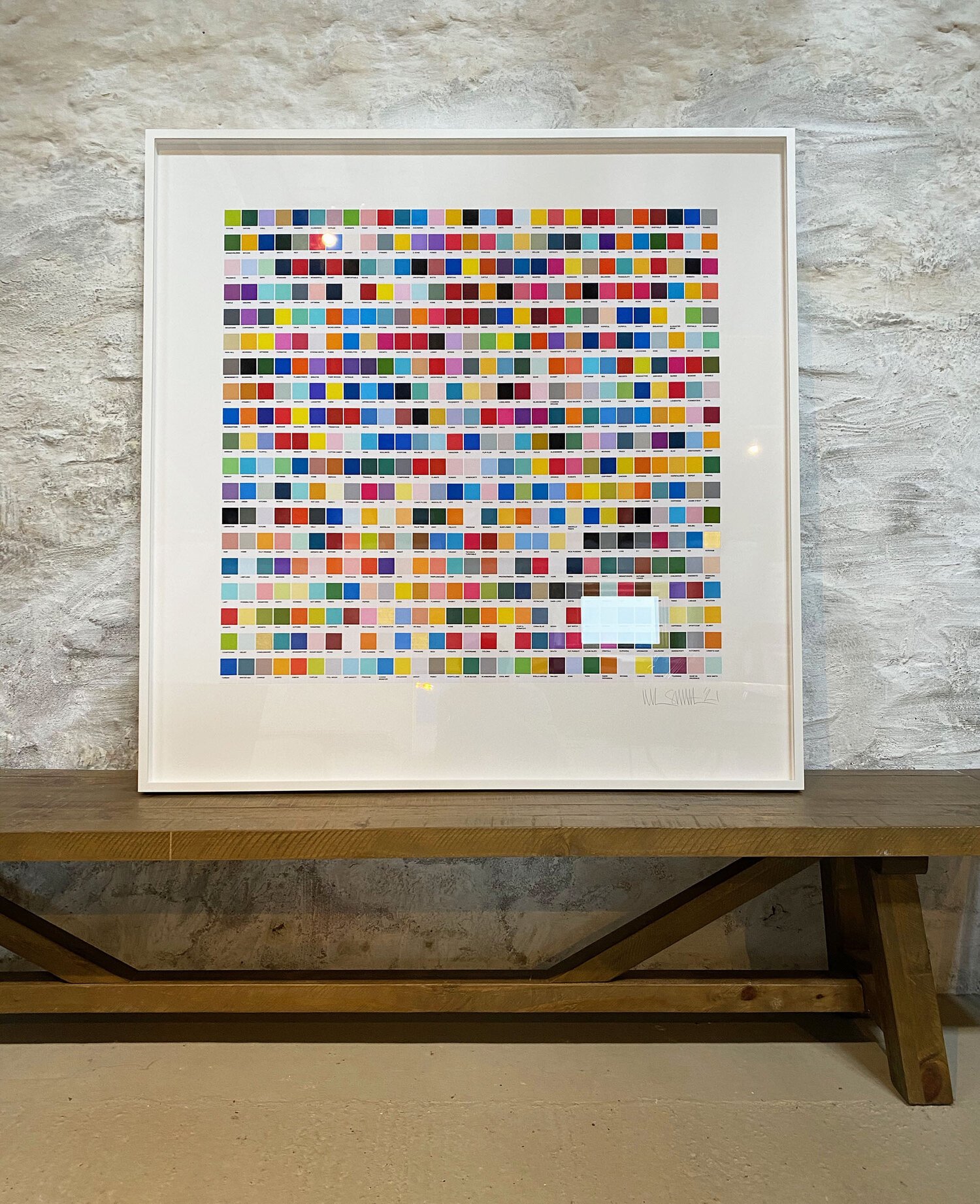
Nick Smith
Psycolourgy, 2021





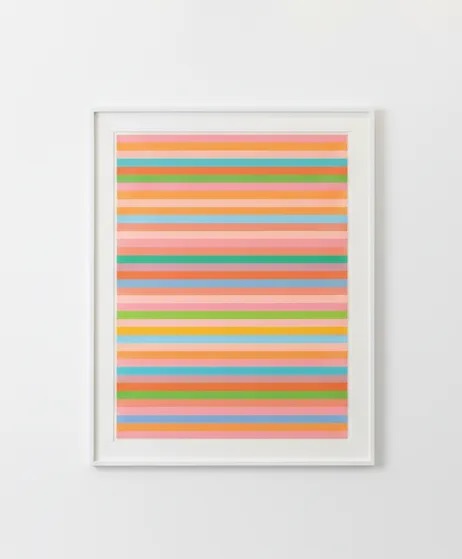
Seeing Red: The Endless Power of Color
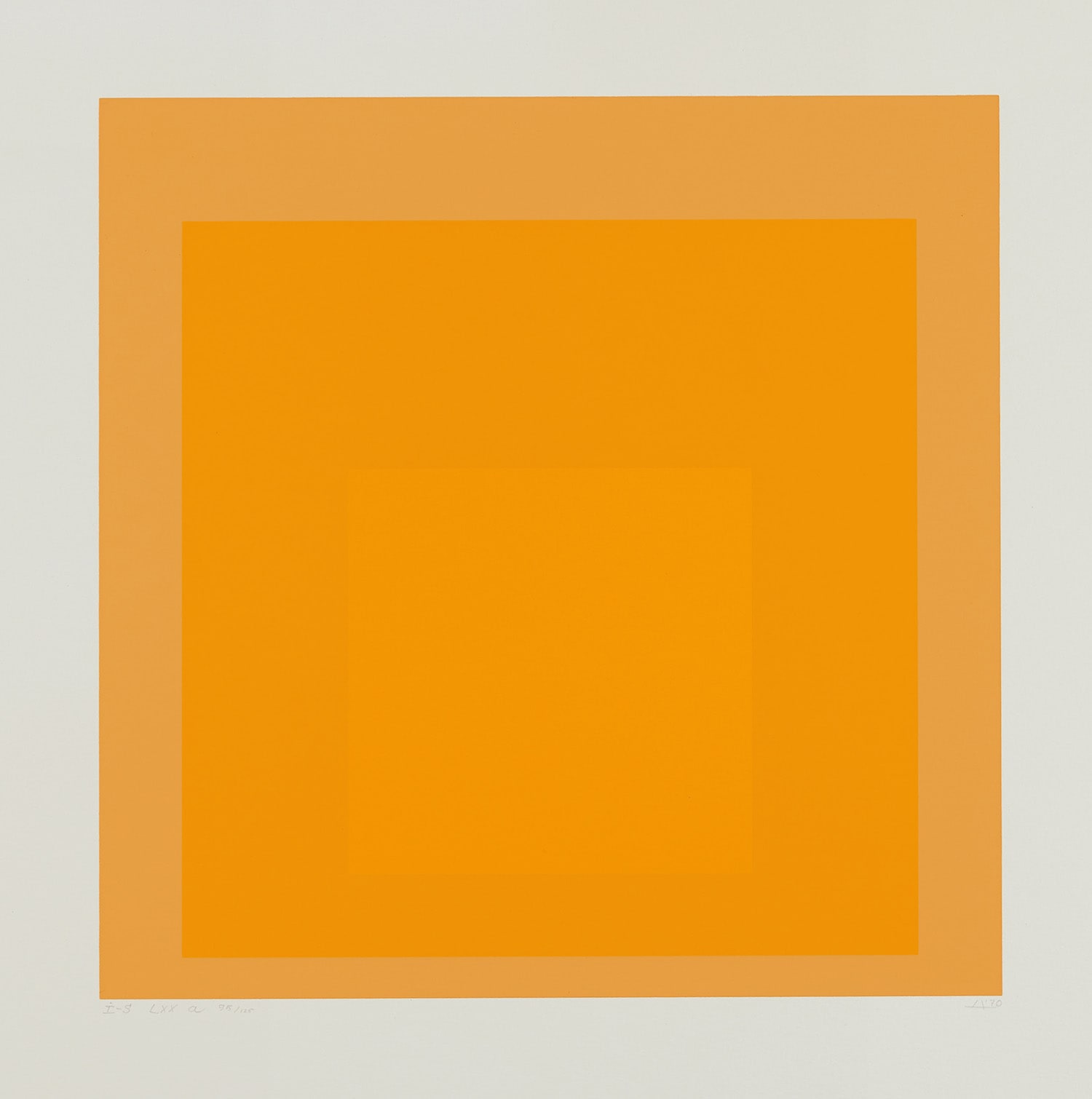
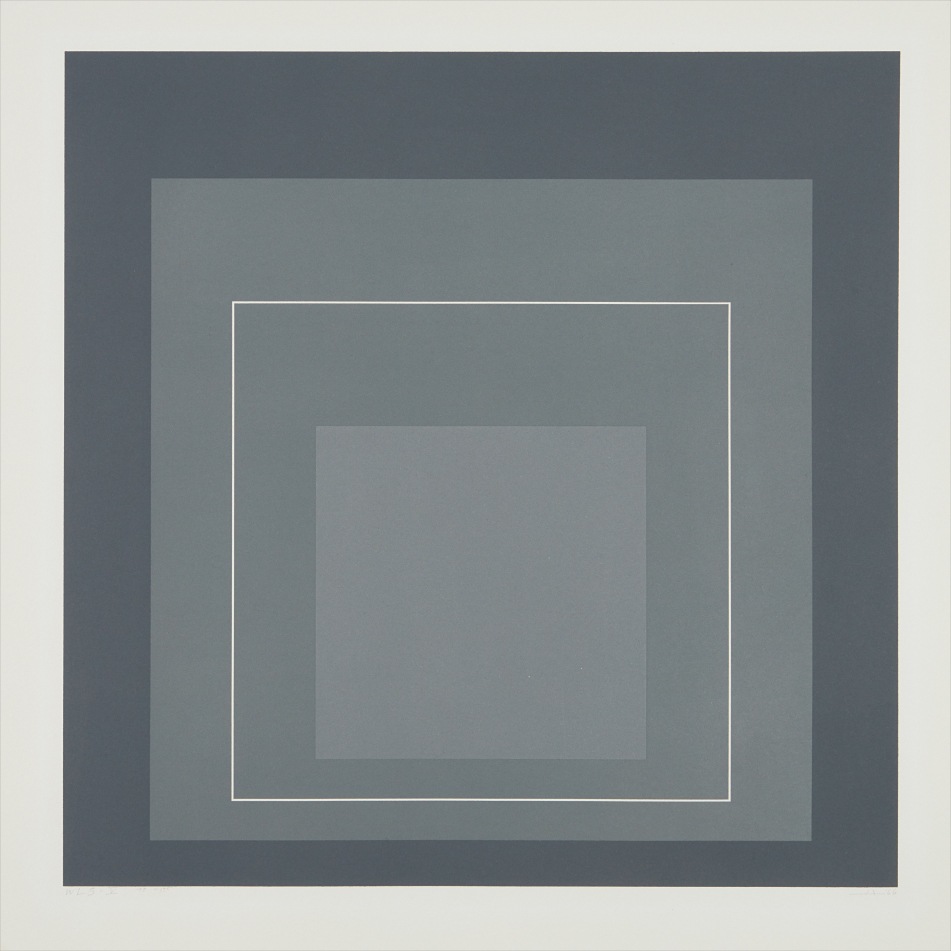
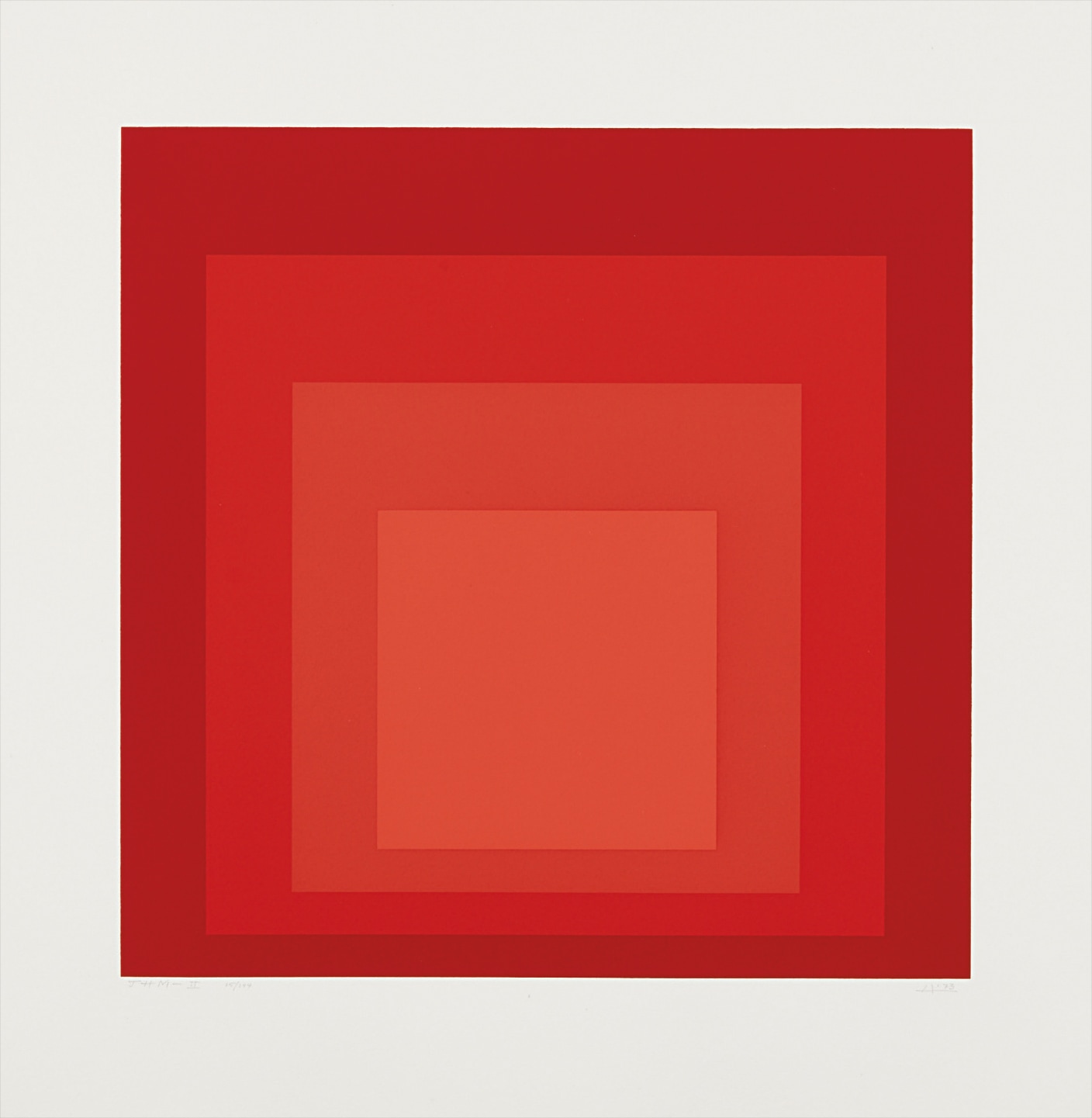
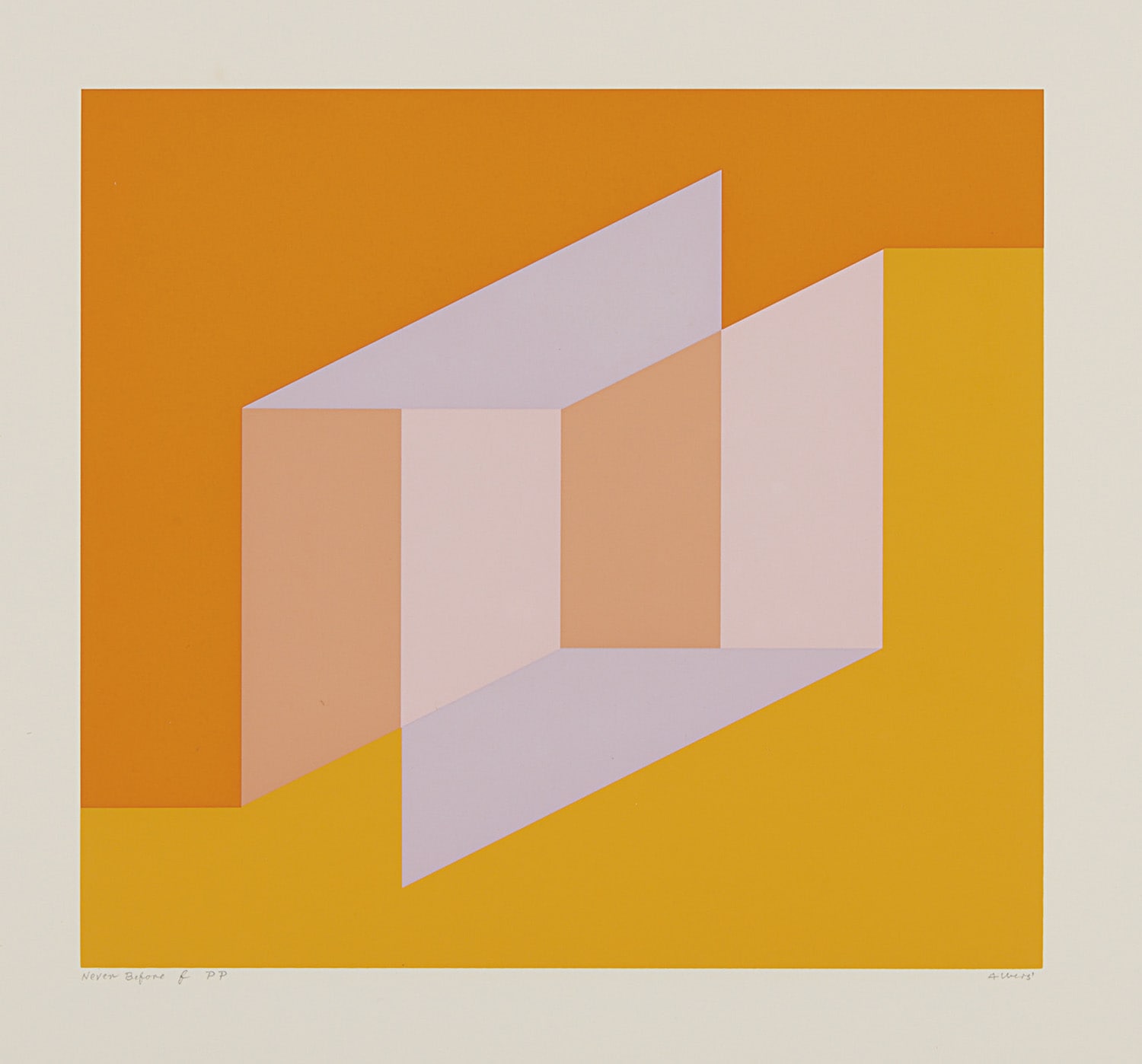
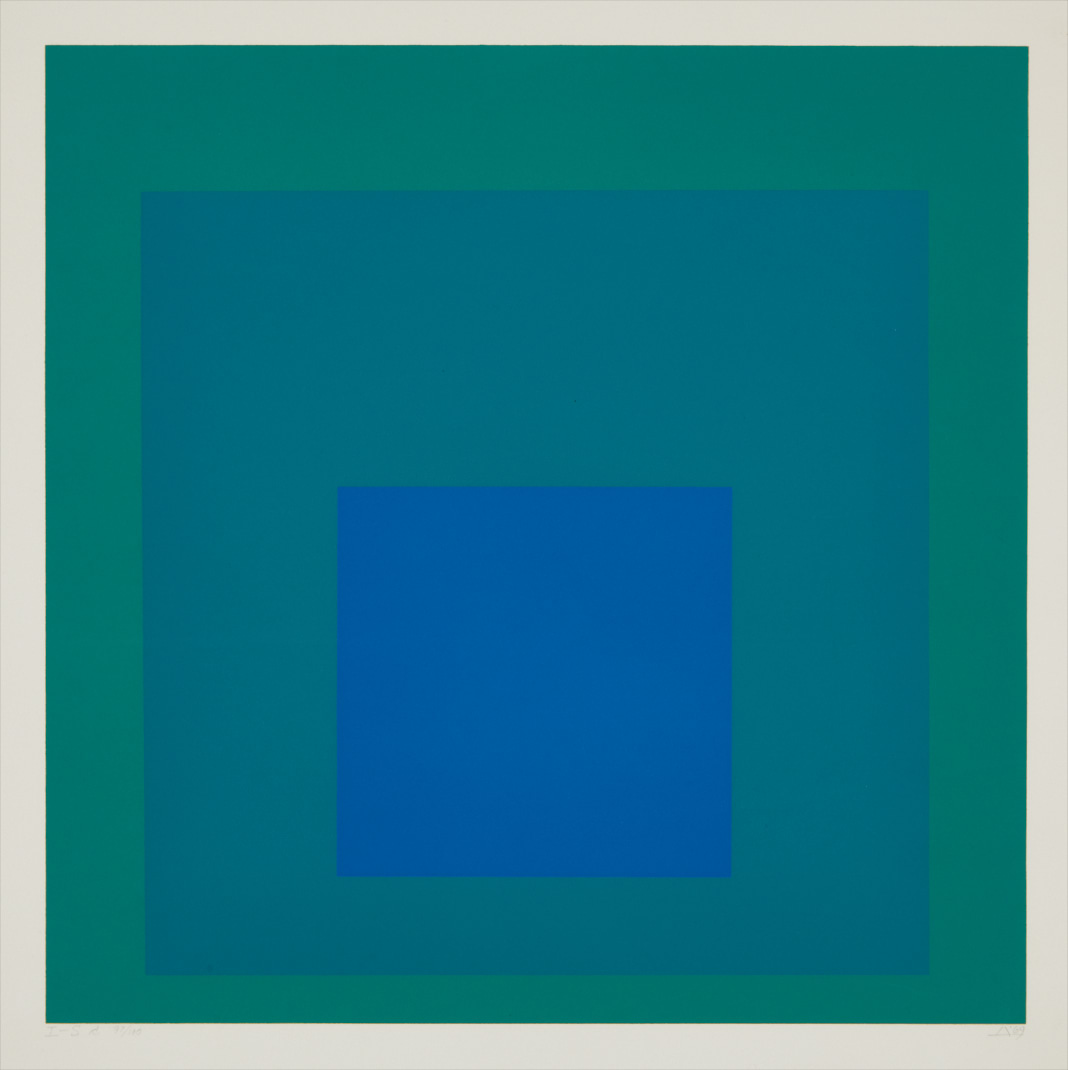
There is a moment, standing before a Josef Albers painting, when the eyes begin to argue with the brain. A square of warm ochre appears to glow from within, pushing forward against a cooler ground, though nothing on the canvas actually moves. The sensation is not an illusion exactly. It is closer to a revelation, a demonstration that color does not exist in isolation but only in relation to everything around it.
This is the central obsession of color theory, and it has driven artists, scientists, and philosophers into productive obsession for centuries. The formal study of color as a system dates at least to Isaac Newton's Opticks, published in 1704, in which he demonstrated that white light contains all visible colors and arranged them into the first circular diagram. But artists had their own parallel inquiry running long before that. The ancient Greeks wrote about the harmony of hues.
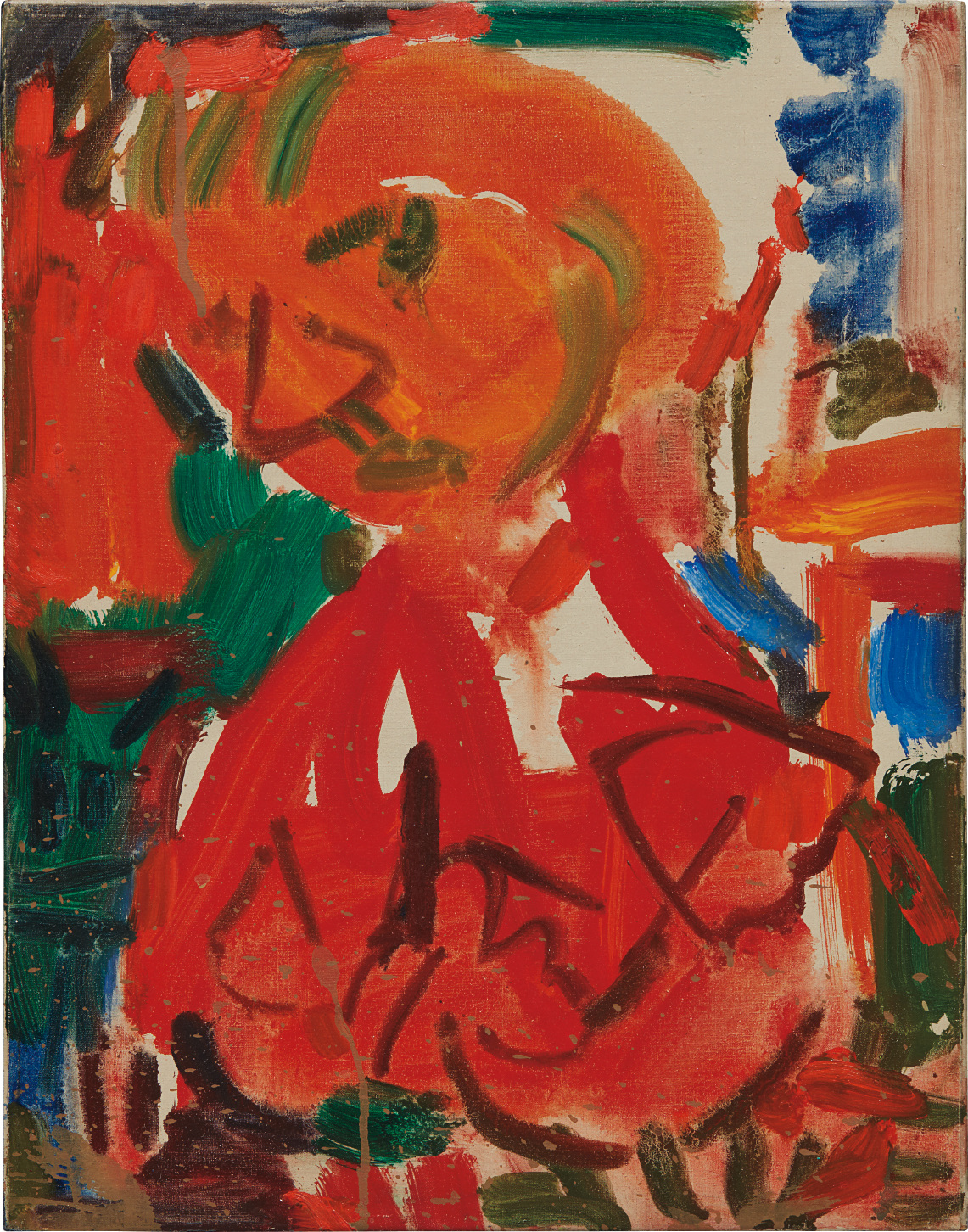
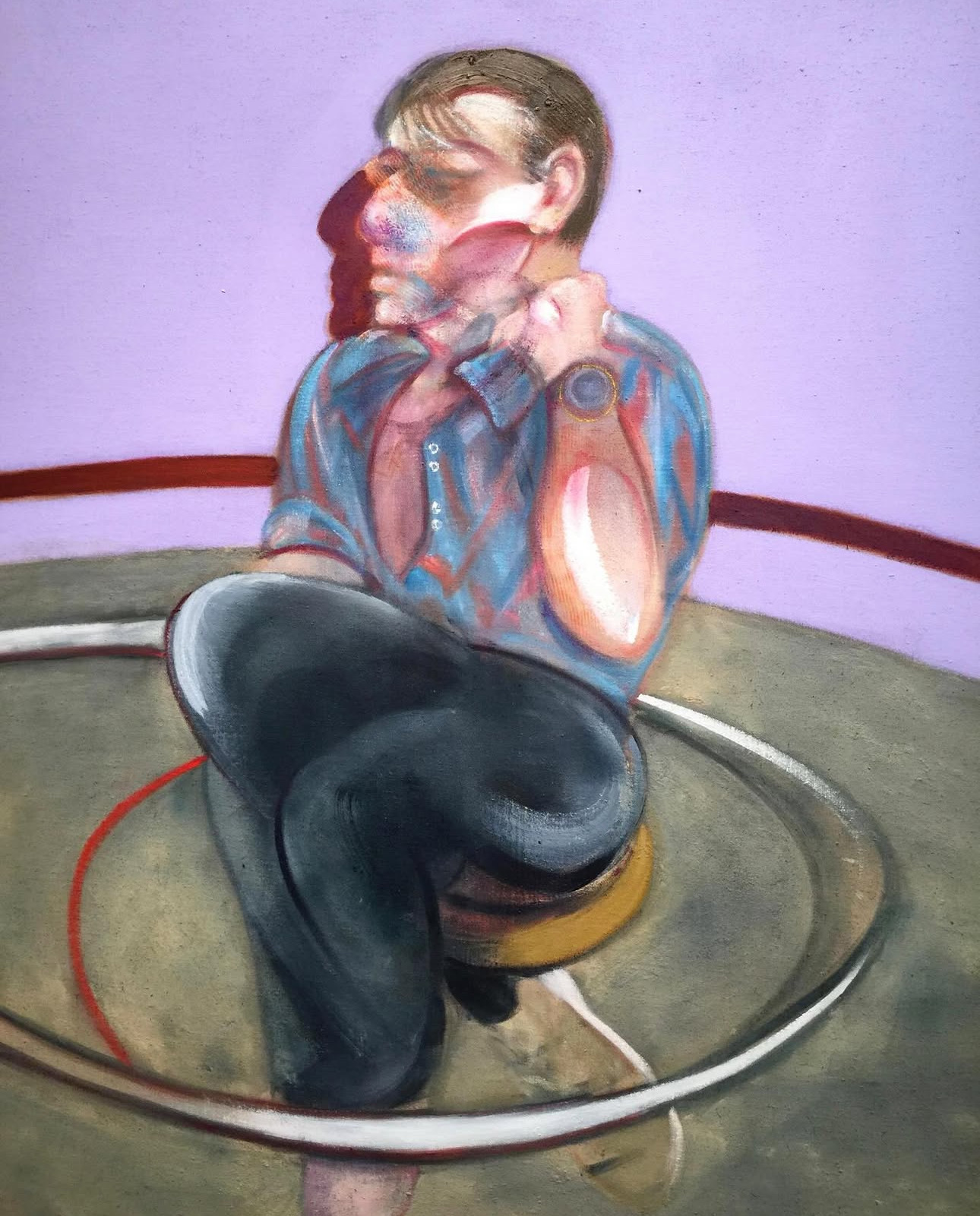
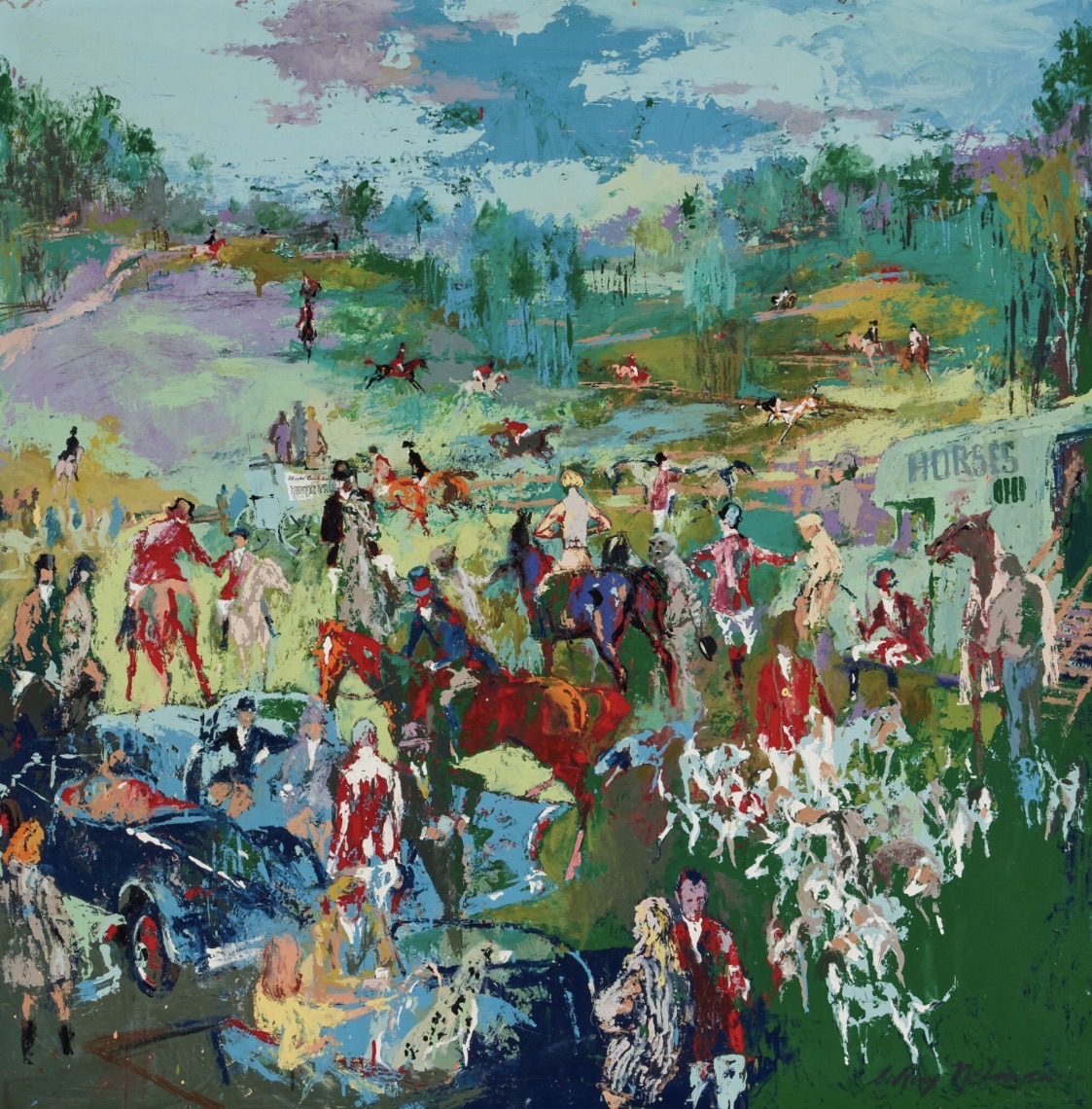
Hans Hofmann
The Artist 7, 1946
Medieval illuminators had practical knowledge of how pigments interact that no treatise fully captured. What changed in the modern era was the ambition to codify all of this into something teachable, something that could be passed between generations like a grammar of visual language. The nineteenth century produced the theories that would most directly shape twentieth century painting. Michel Eugène Chevreul's 1839 work on simultaneous contrast, drawn from his research into tapestry dyes at the Gobelins manufactory in Paris, gave artists a scientific vocabulary for what they had already been feeling their way toward intuitively.
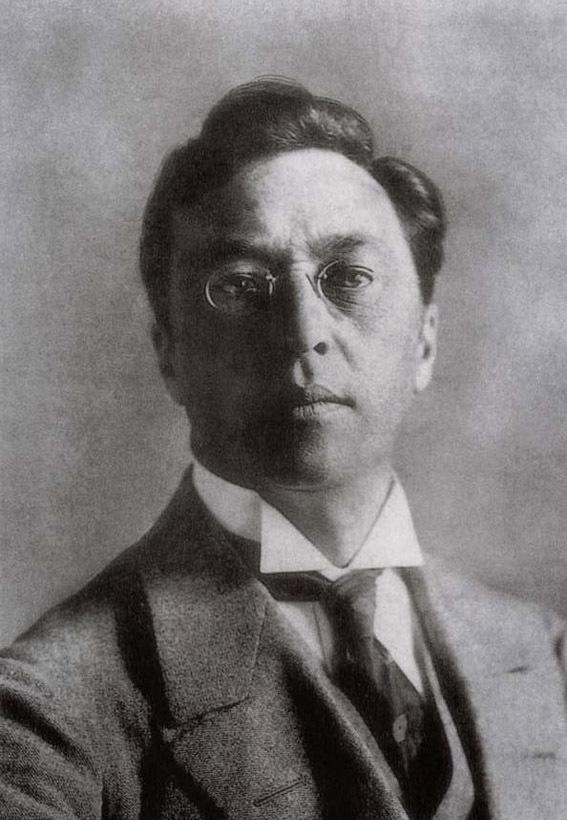
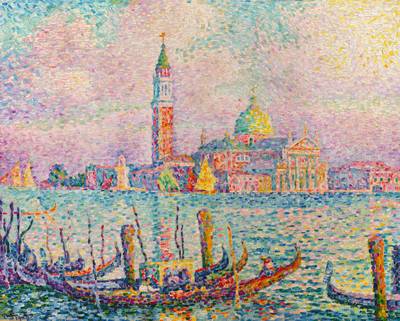
The Impressionists absorbed these ideas, and the Neo Impressionists, led by Georges Seurat, turned them into a method. Paul Signac, whose work appears on The Collection, became Seurat's most articulate champion, writing extensively about the optical mixing of small strokes of pure color and living long enough to see that thinking absorbed into abstraction itself. By the early twentieth century, color had become not just a tool but a subject. Wassily Kandinsky's Concerning the Spiritual in Art, published in 1911, argued that colors carry emotional and spiritual weight independent of any depicted object.
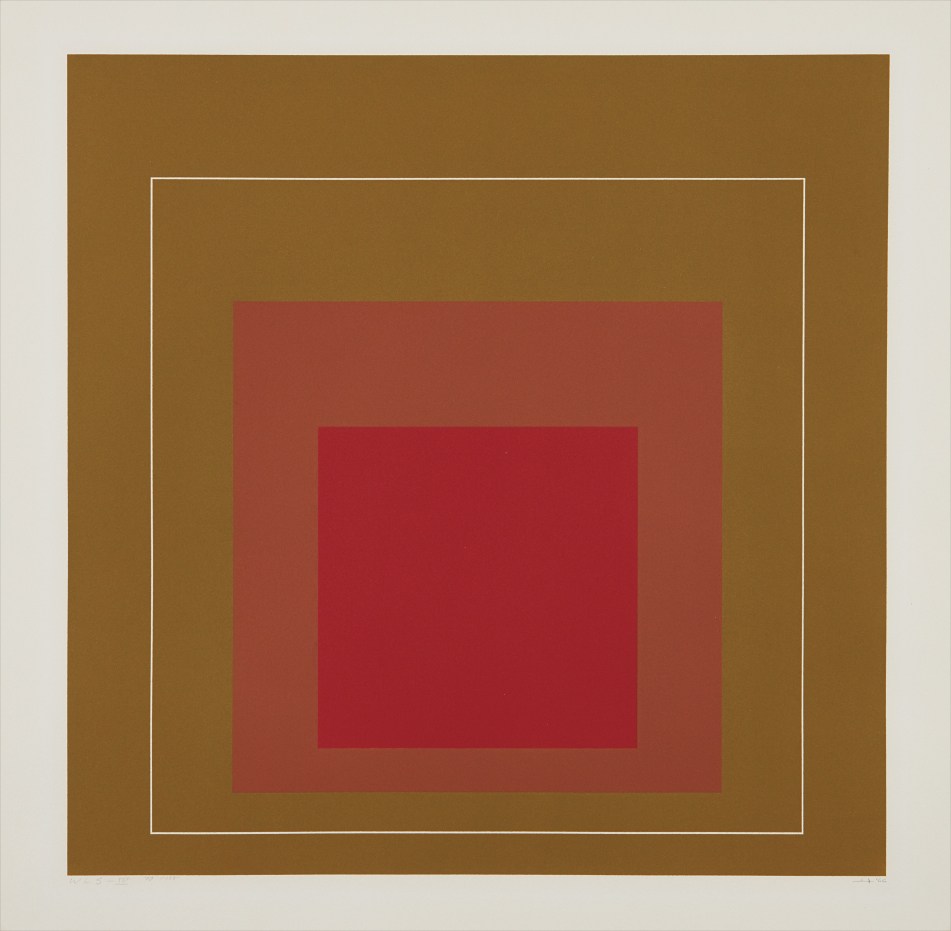
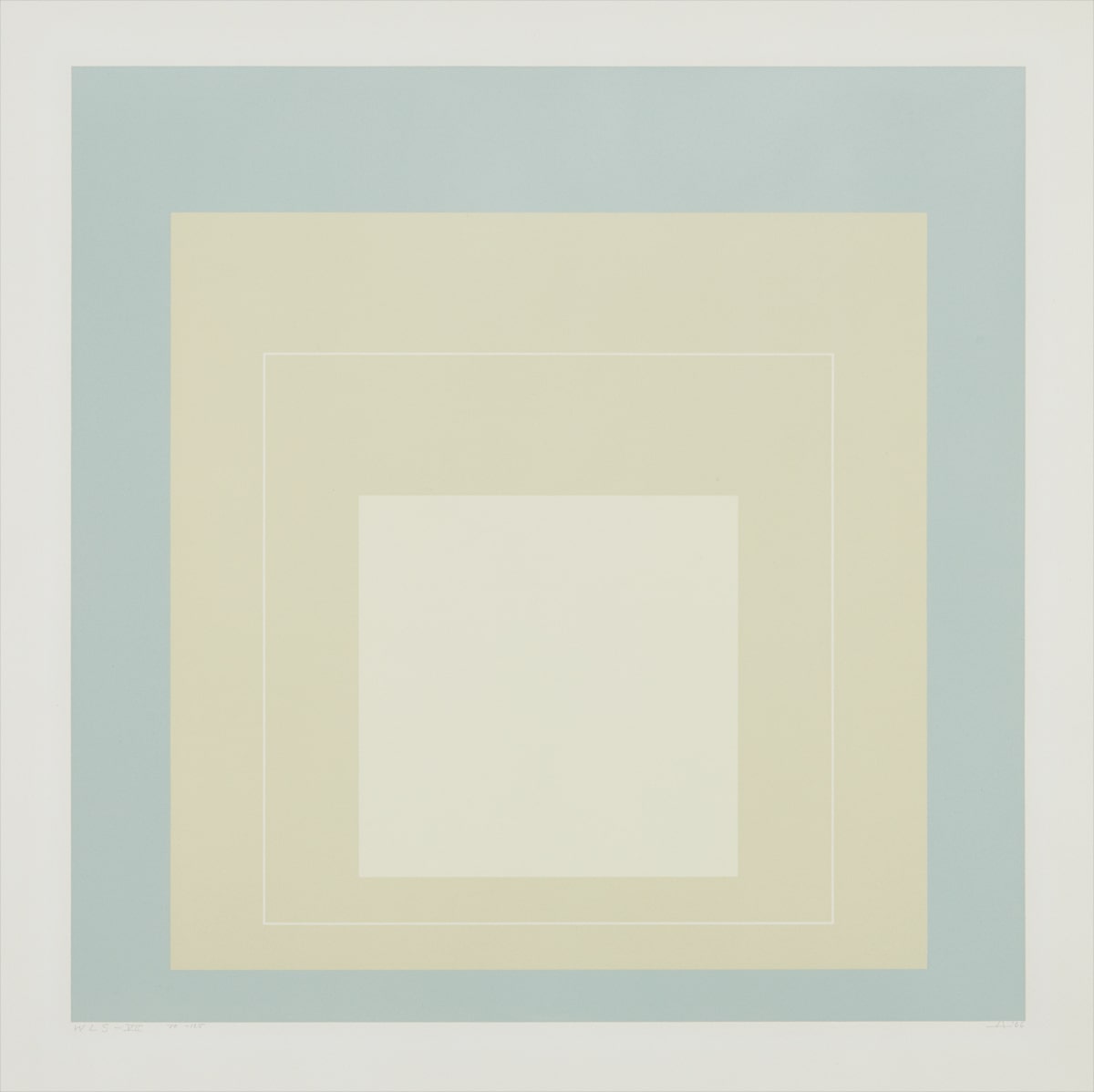
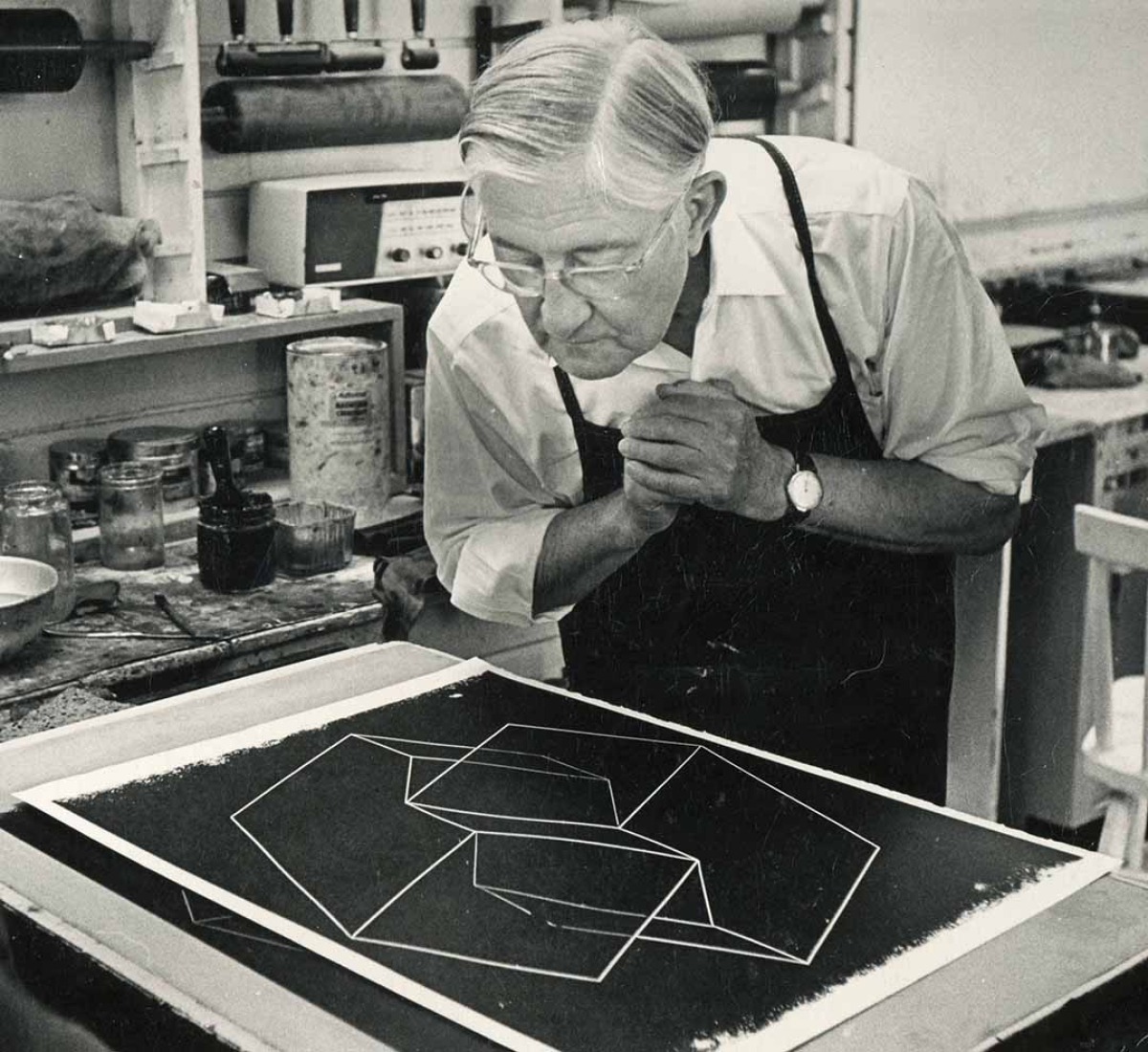
Josef Albers
WLS IV, from White Line Squares (Series I)
Yellow, for Kandinsky, was aggressive and earthly. Blue was celestial and retreating. This was not mere poetry. It was a proposition about the psychological power of pure chromatic sensation that would ripple through the century.
Sonia Delaunay and her husband Robert Delaunay developed Simultanism around the same period, building compositions entirely from the dynamic interaction of contrasting color fields. Both artists are represented on The Collection, and their work still reads as radical in its confidence that color, without representation, could carry an entire painting. The Bauhaus school formalized these inquiries into a curriculum. Johannes Itten taught the color course in the early 1920s, and his work on contrast and harmony gave students a rigorous foundation.
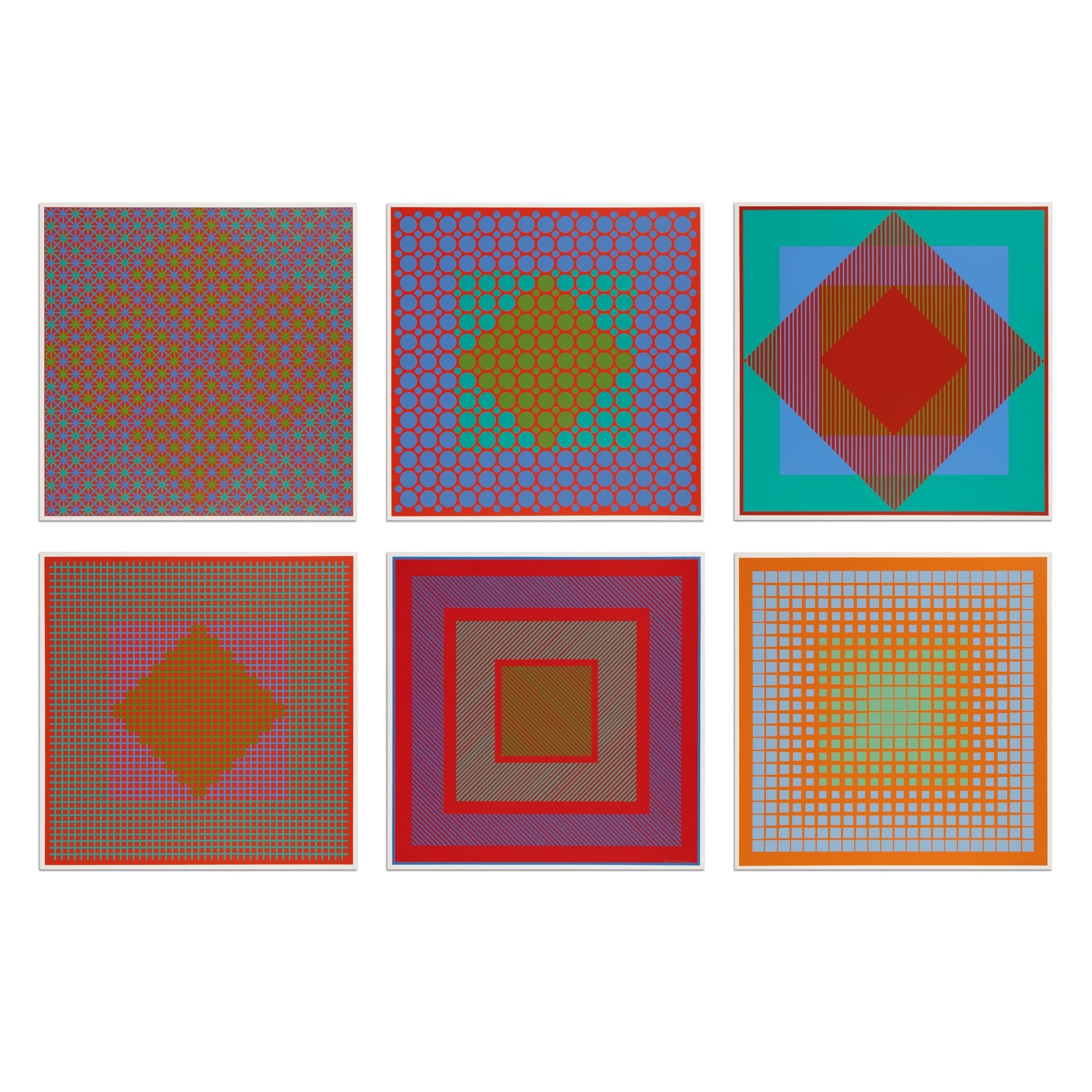
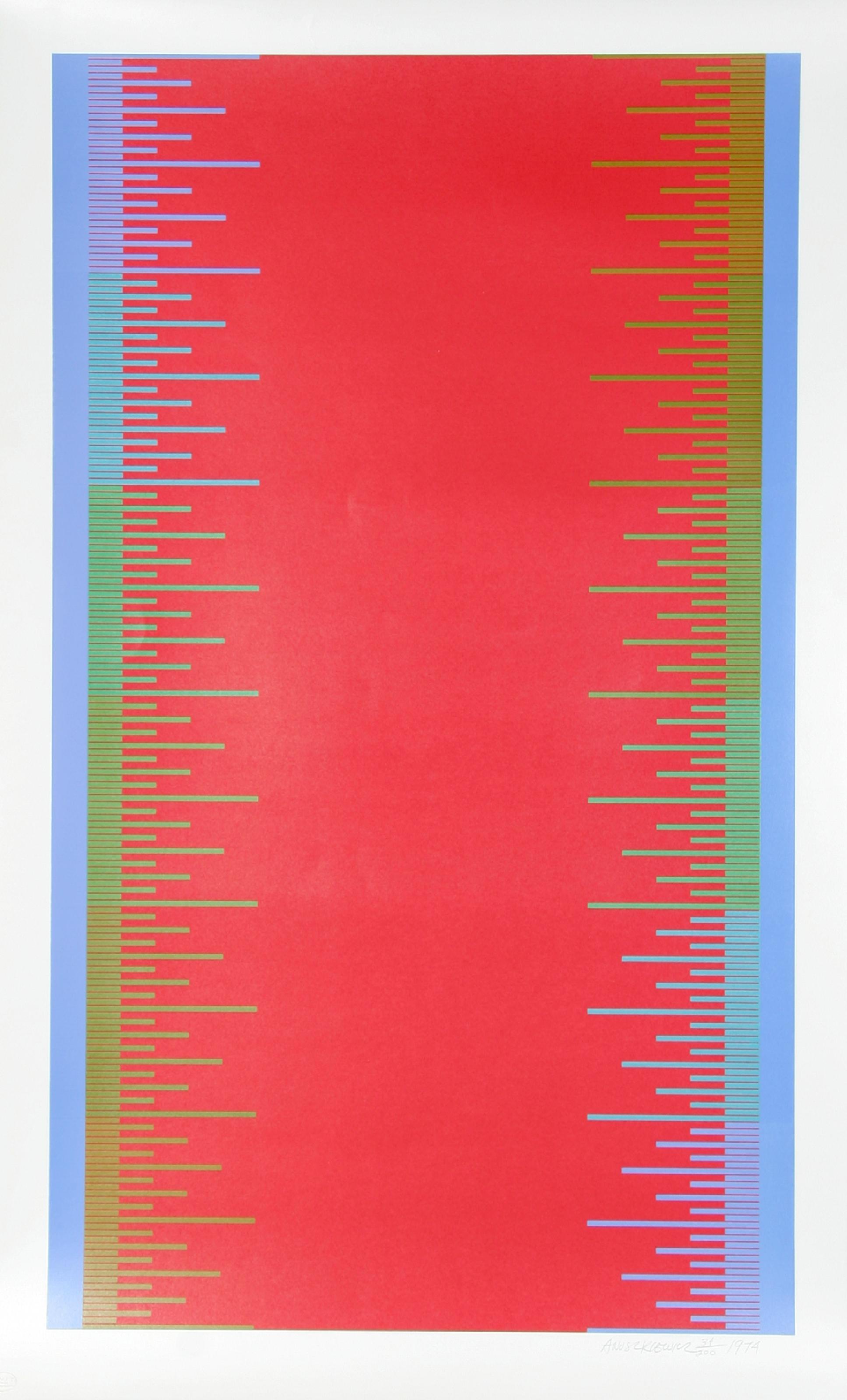
Richard Anuszkiewicz
6 Seritypien, 1930
But it was Albers who would carry this investigation furthest, first as a student and then as a teacher at the Bauhaus, then later at Black Mountain College, and finally at Yale. His Interaction of Color, first published in 1963, remains the most important book on color perception written by a practicing artist. It argues that color is the most relative medium in art, that the same orange will read entirely differently depending on what surrounds it. Albers is deeply represented on The Collection, and spending time with those works is one of the better ways to understand why this thinking still matters.
The postwar decades saw color theory fracture into distinct but related streams. The Op Art movement, which crystallized around the landmark 1965 exhibition The Responsive Eye at MoMA, treated color and form as instruments of perceptual destabilization. Victor Vasarely and Bridget Riley became the most visible figures in this current, their works generating retinal vibrations through the careful calibration of tonal contrast and spatial rhythm. Richard Anuszkiewicz, a student of Albers at Yale, translated that direct lineage into his own signature brand of optically charged geometries.
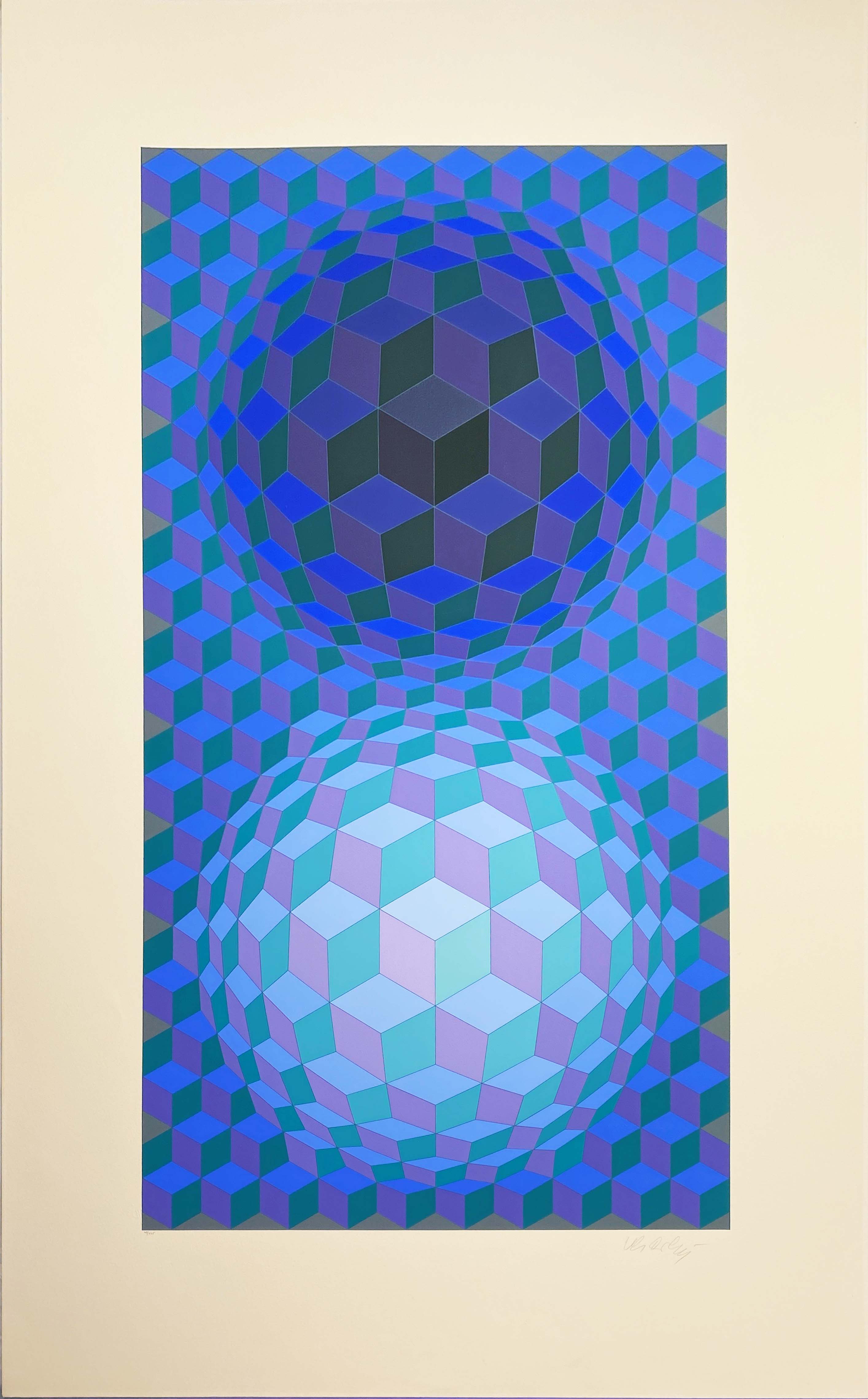
Victor Vasarely
Album Meta: Seven Plates 5, 1976
Carlos Cruz Diez developed a parallel inquiry in Paris and Caracas, building what he called Chromosaturation environments in which the viewer is immersed in single color fields, dissolved entirely into chromatic experience. All of these artists are present on The Collection, and together they form one of its most coherent intellectual arguments. Color theory is not only a story of pure abstraction. Hans Hofmann, who taught generations of American painters before becoming a celebrated artist in his own right, used the concept of push and pull to describe how warm and cool colors advance and recede, creating spatial tension without perspective.
His teaching influenced Abstract Expressionism profoundly, even as the movement often resisted systematic thinking. Later, artists like Gene Davis, whose Color Field stripe paintings belong to the Washington Color School tradition of the 1960s, and Mary Obering, whose work engages with light and chromatic structure in a more intimate register, demonstrate how widely the color theory inheritance spread across American painting. The influence has not faded. Gerhard Richter's squeegee paintings and color chart works treat the full spectrum as both subject and material.
Jean Pierre Yvaral, the son of Vasarely, extended the Op tradition into the digital age. Contemporary artists continue to return to the same fundamental questions about how we perceive and feel color, because those questions have not been answered, only deepened. What Chevreul noticed in his dye vats, what Kandinsky heard in his yellows and blues, what Albers demonstrated in square after patient square, is that color is not a property of objects but an event that happens between the world and the person looking at it. That event remains endlessly generative, endlessly strange, and for collectors willing to look closely, endlessly rewarding.