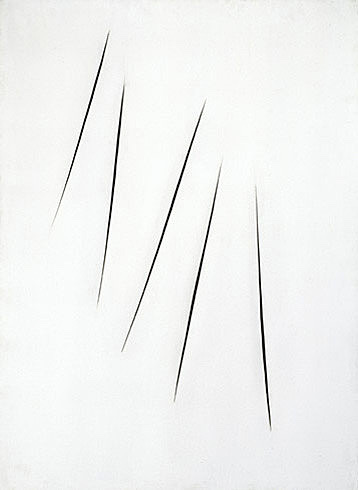
Lucio Fontana
48
Works
4
Followers

Artist Spotlight
Lucio Fontana: The Man Who Opened Painting
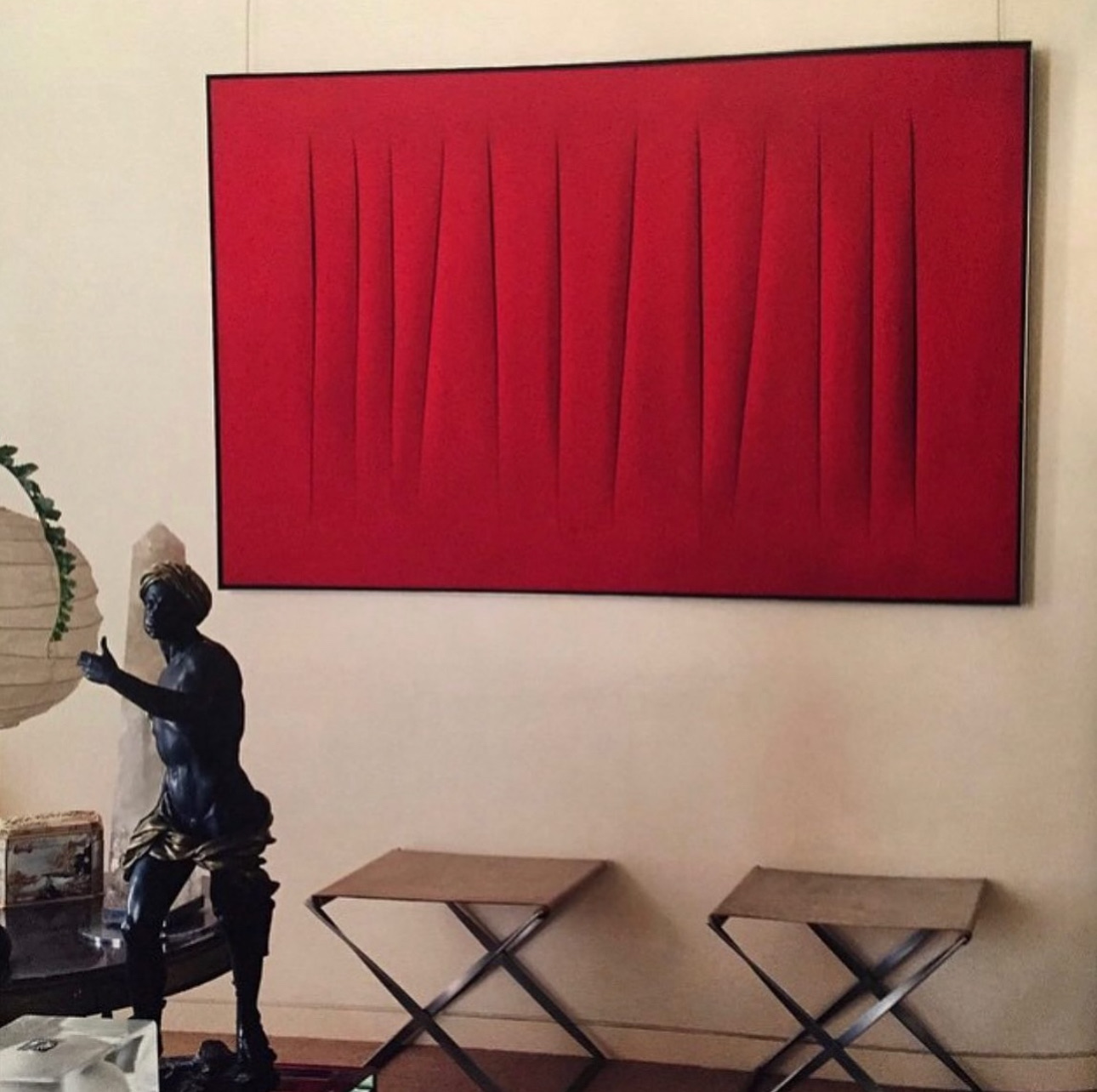
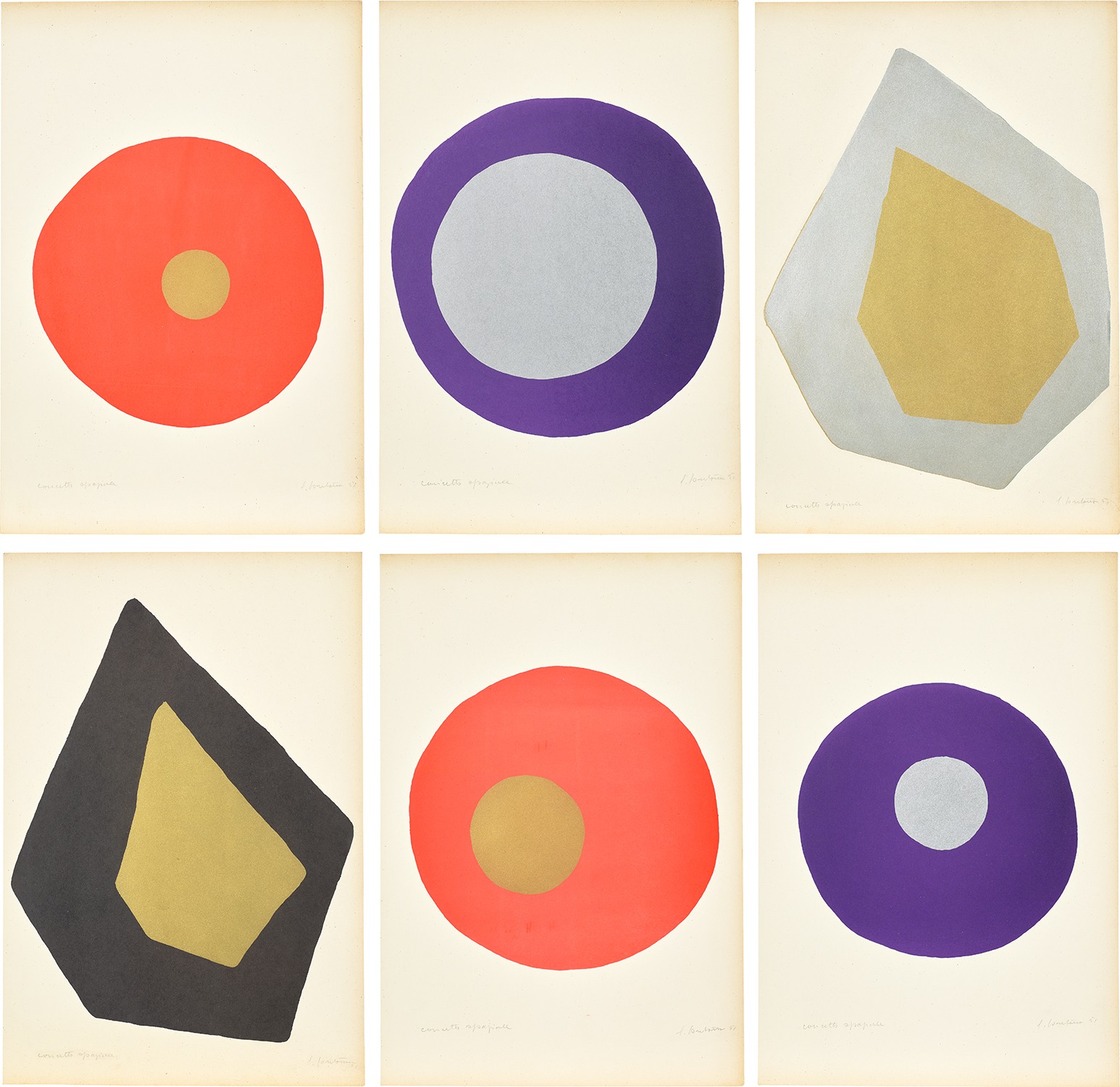
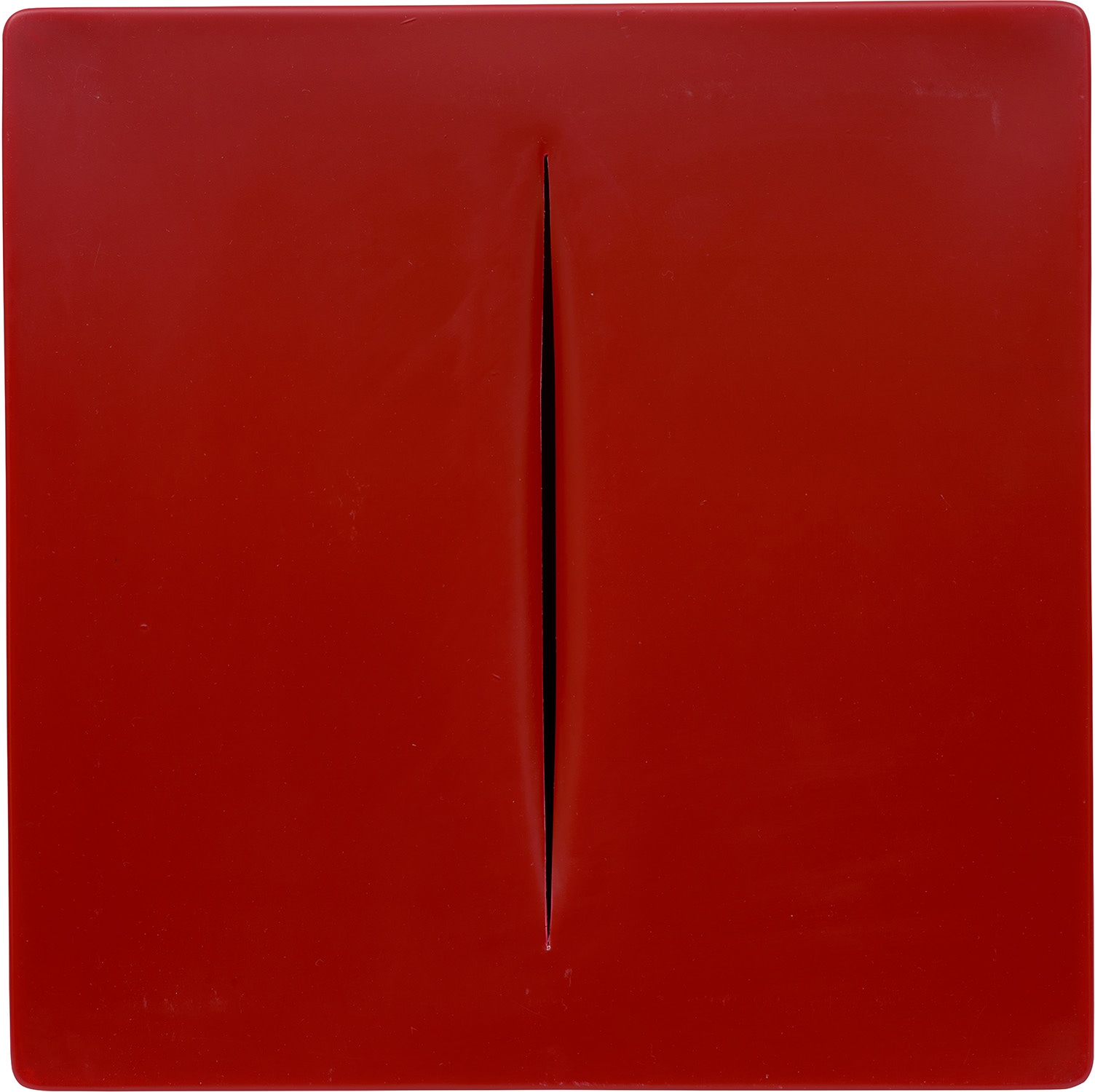
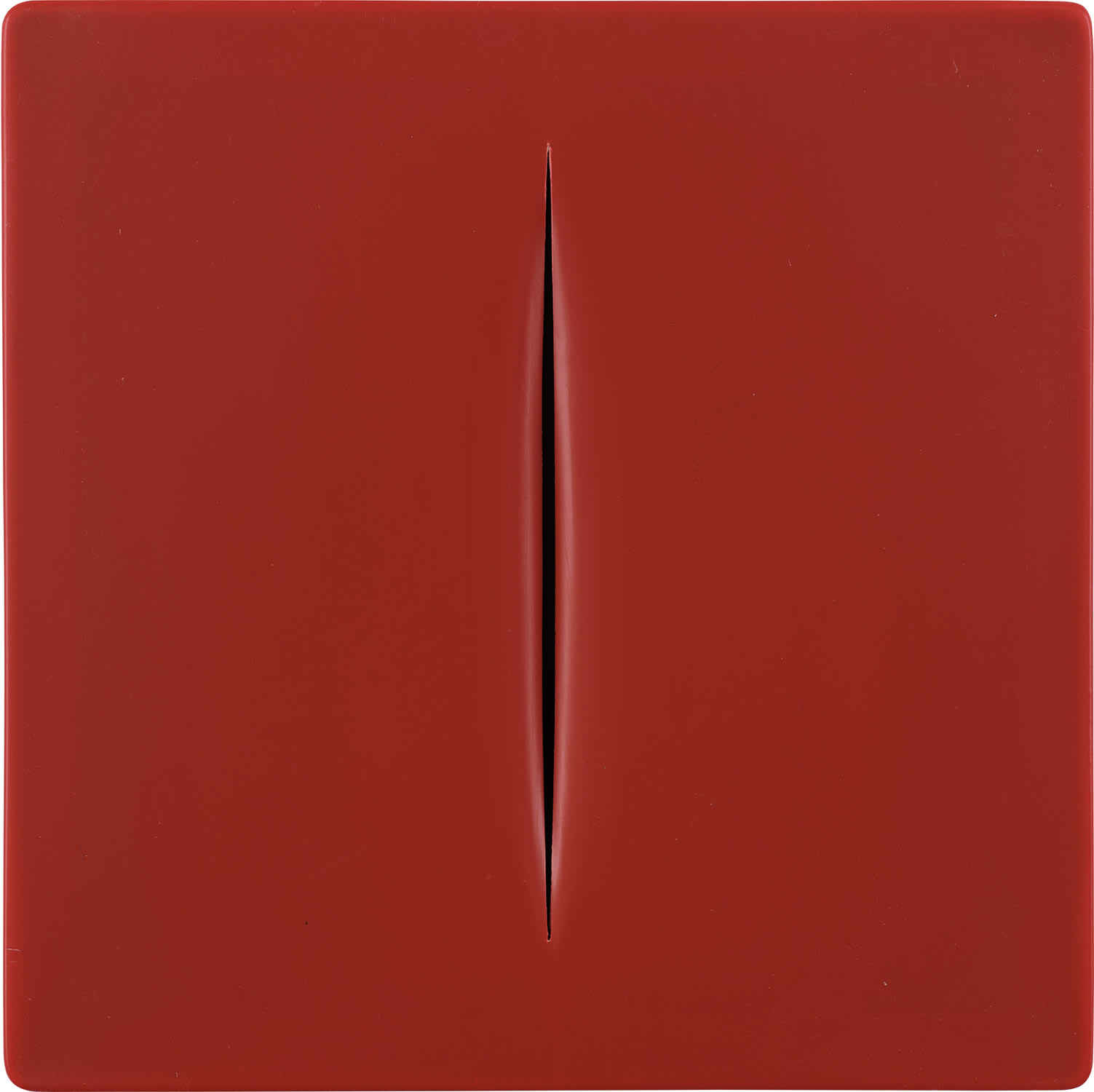
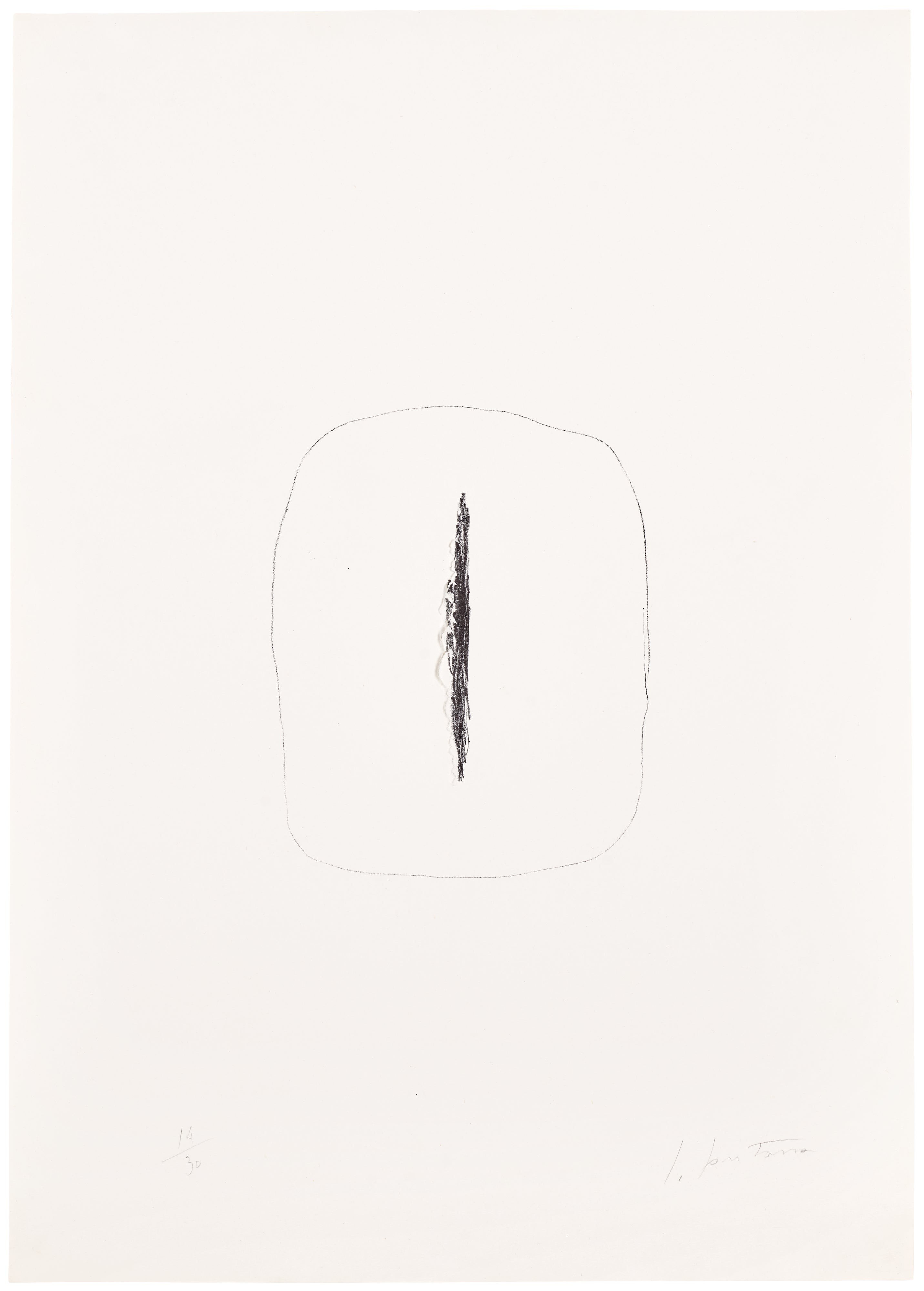
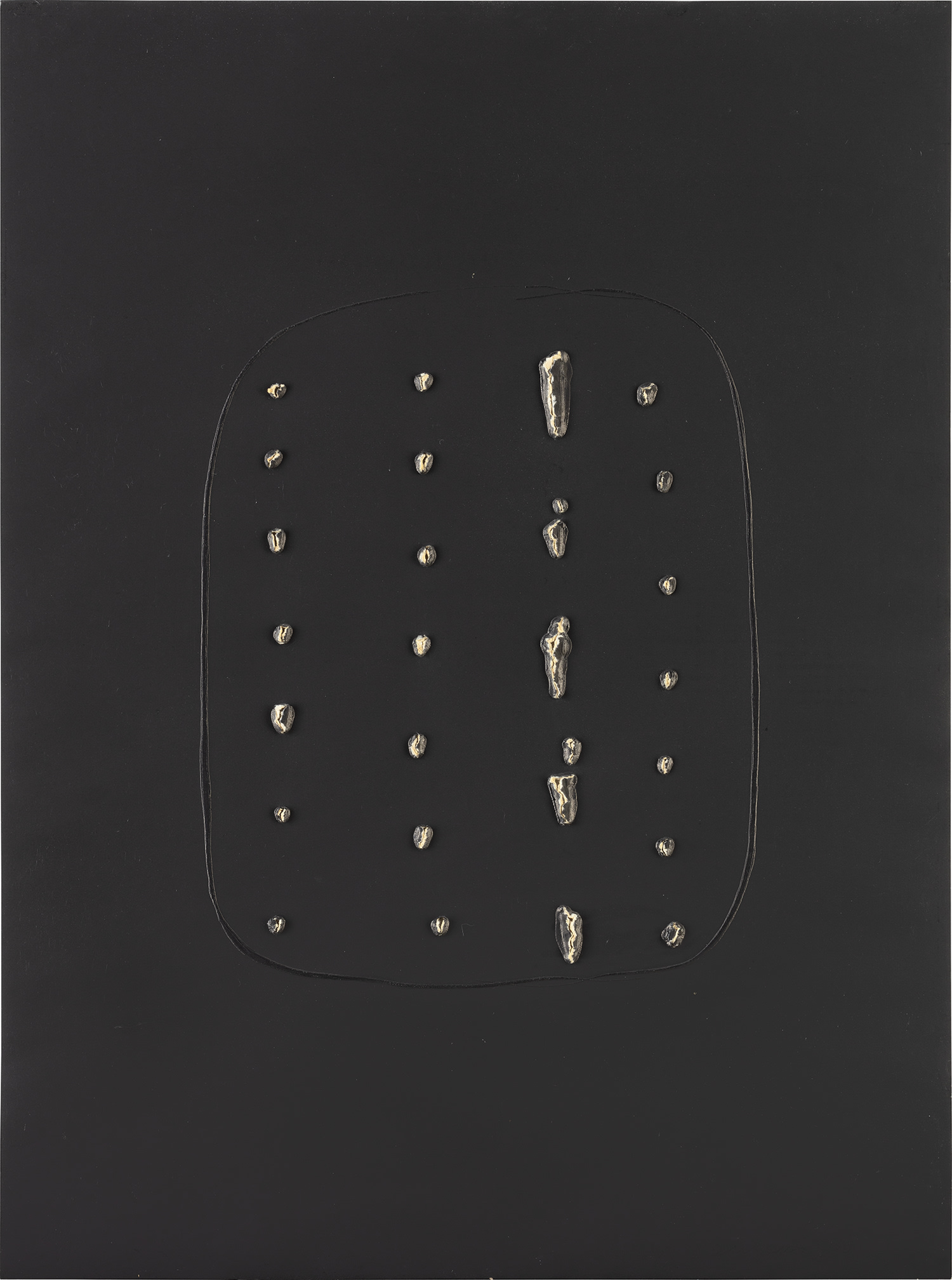
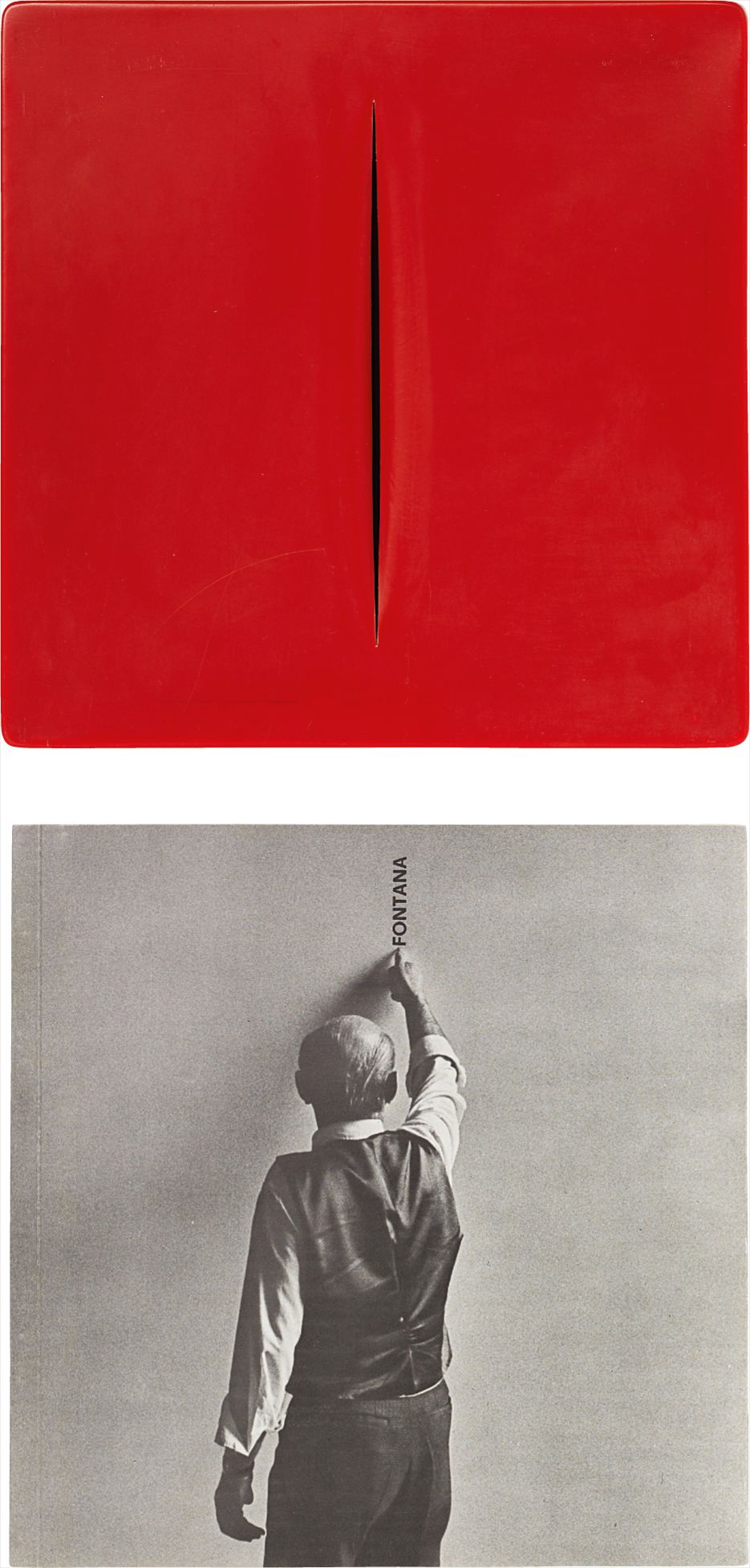
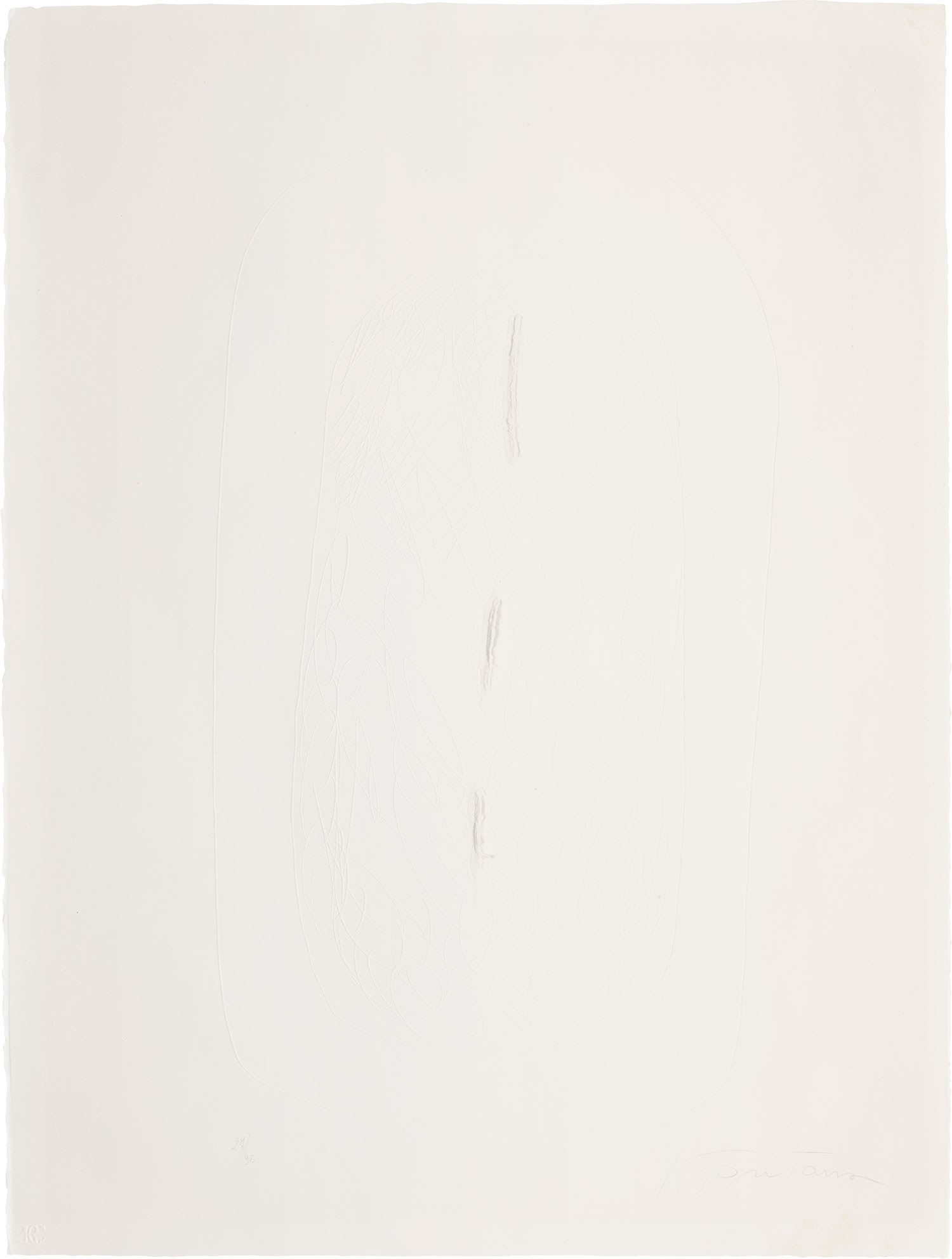
There is a moment, standing before one of Lucio Fontana's slashed canvases at the Museum of Modern Art in New York or the Tate Modern in London, when the world seems to hold its breath. The canvas is not merely cut. It is liberated. What appears at first glance to be an act of destruction reveals itself, slowly and then all at once, as one of the most generous gestures in the history of modern art: an invitation to look beyond the surface, past the plane, into infinite space itself. That sensation has not dimmed since Fontana first drew a blade across a canvas in 1958. If anything, the… Continue reading
Collectors
Also spotted by

Artists in conversation
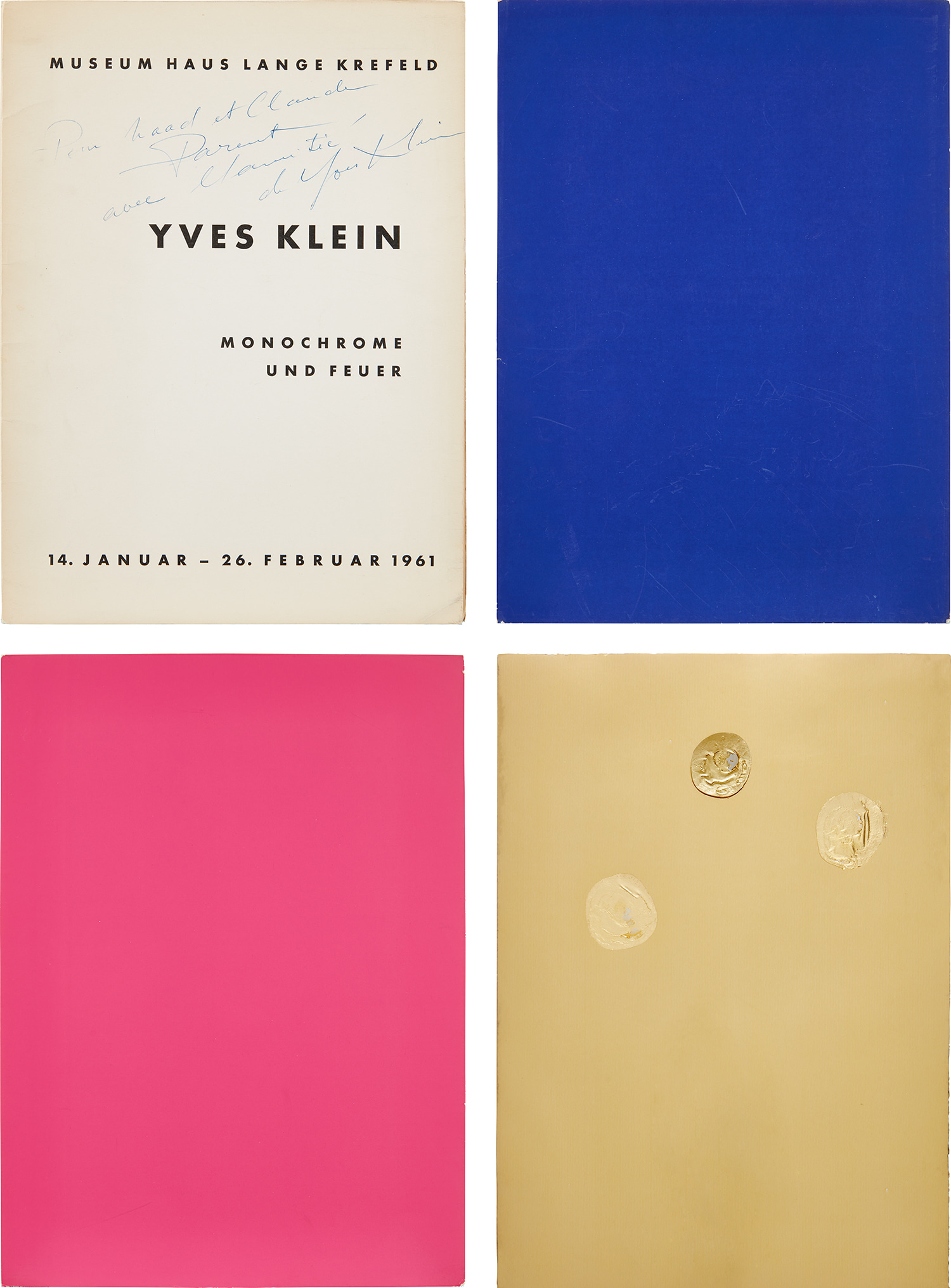
Yves Klein
Klein shared Fontana's obsession with monochrome surfaces and the void as a subject, pushing painting beyond representation into pure spatial and philosophical experience. Both artists treated the canvas as a field of energy rather than a pictorial window.
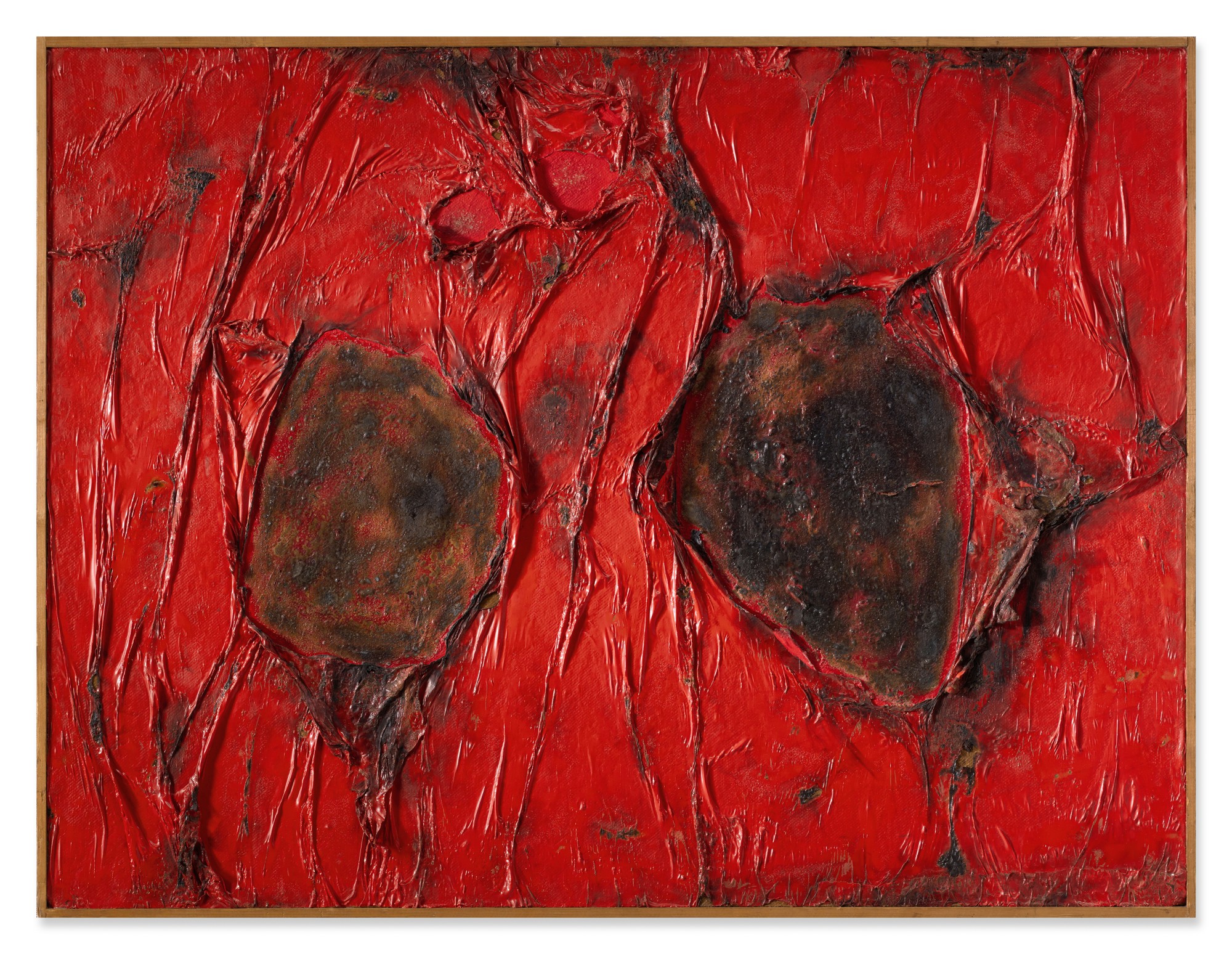
Alberto Burri
Burri similarly violated the surface of his works through burning and tearing materials, making the physical wound of the artwork central to its meaning. Like Fontana, he transformed destruction into a radical sculptural and painterly gesture.
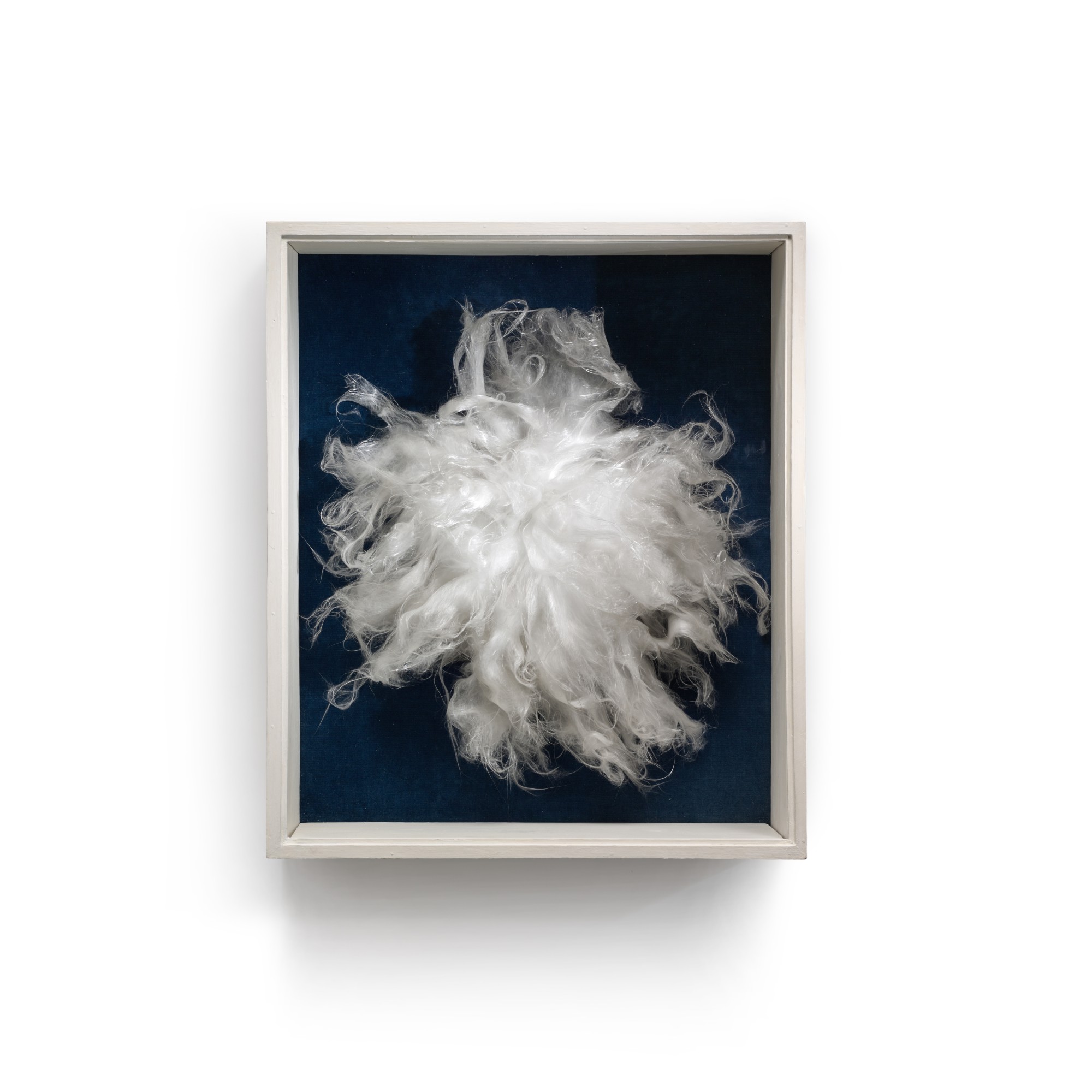
Piero Manzoni
Manzoni pursued a parallel conceptual radicalism, reducing art to pure surface and gesture in his Achromes, which resonate deeply with Fontana's Concetti Spaziali. Both artists dismantled conventional painting from within the Italian postwar avant garde.
Artists who inspired them
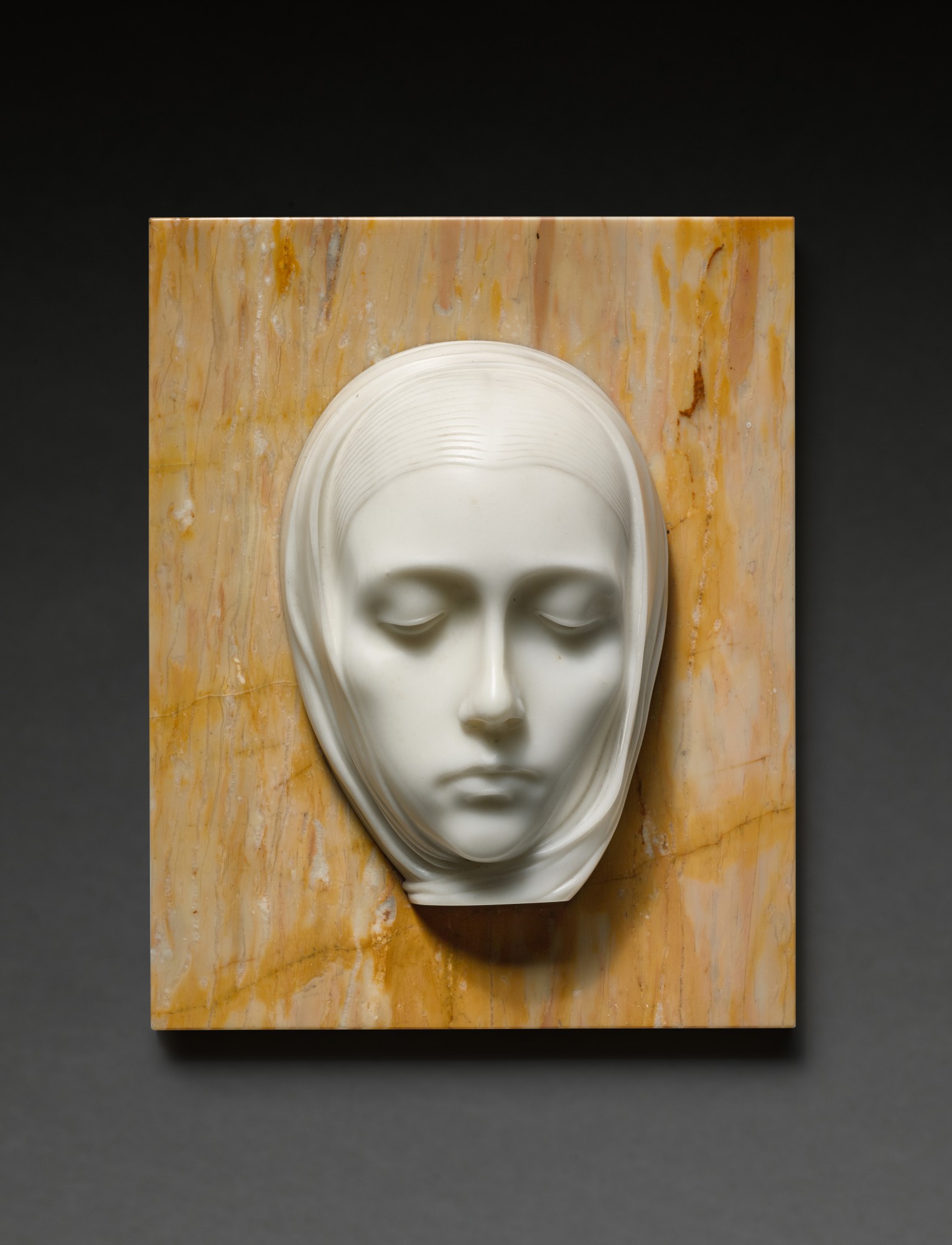
Adolfo Wildt
Wildt was Fontana's primary teacher at the Accademia di Brera and instilled in him a rigorous mastery of sculptural craft and expressive surface texture. This formal training gave Fontana the technical foundation he would later subvert in his Spatialist works.
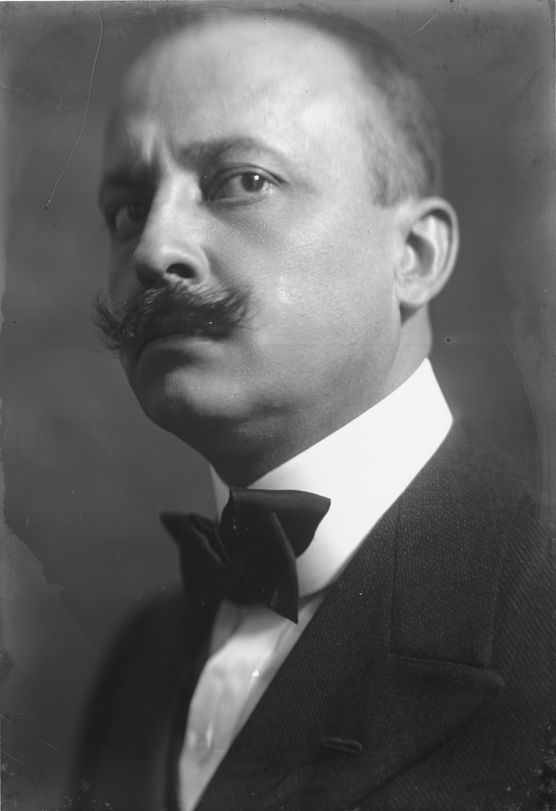
Filippo Tommaso Marinetti
Marinetti and the Futurist movement profoundly shaped Fontana's belief that art must dynamically engage with space, energy, and the modern world rather than remain static. The Futurist celebration of rupture and speed is directly echoed in Fontana's slashed canvases.

Constantin Brancusi
Brancusi's radical reduction of sculptural form to essential, polished essences influenced Fontana's move toward pure spatial and material expression beyond figurative tradition. Both artists sought to strip sculpture down to its most elemental and conceptual core.
Artists they inspired
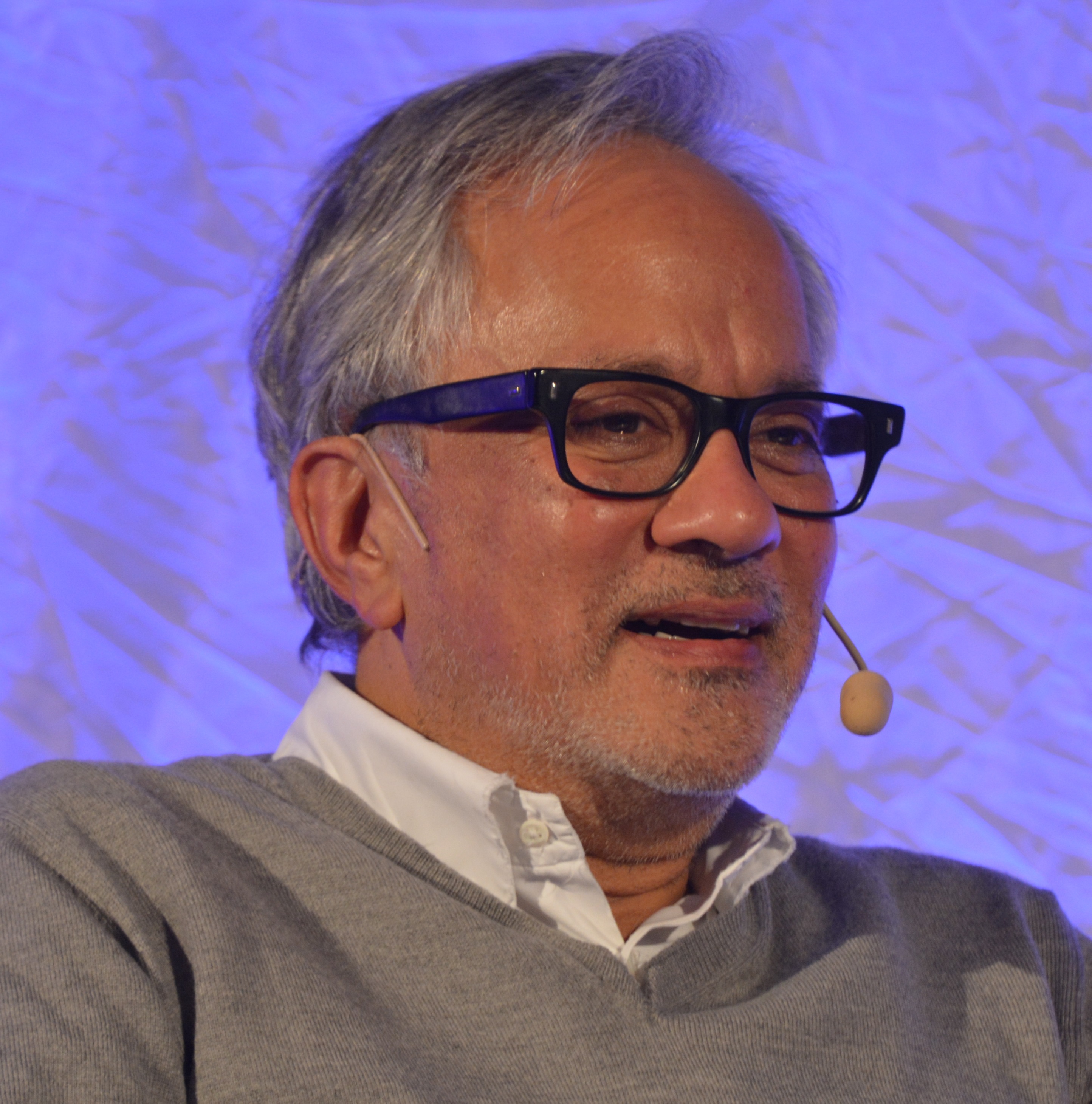
Anish Kapoor
Kapoor's exploration of voids, pierced surfaces, and the phenomenology of empty space directly continues Fontana's Spatialist project of making absence a physical and emotional presence. His carved and lacquered works echo Fontana's conception of the cut as an opening into infinite depth.
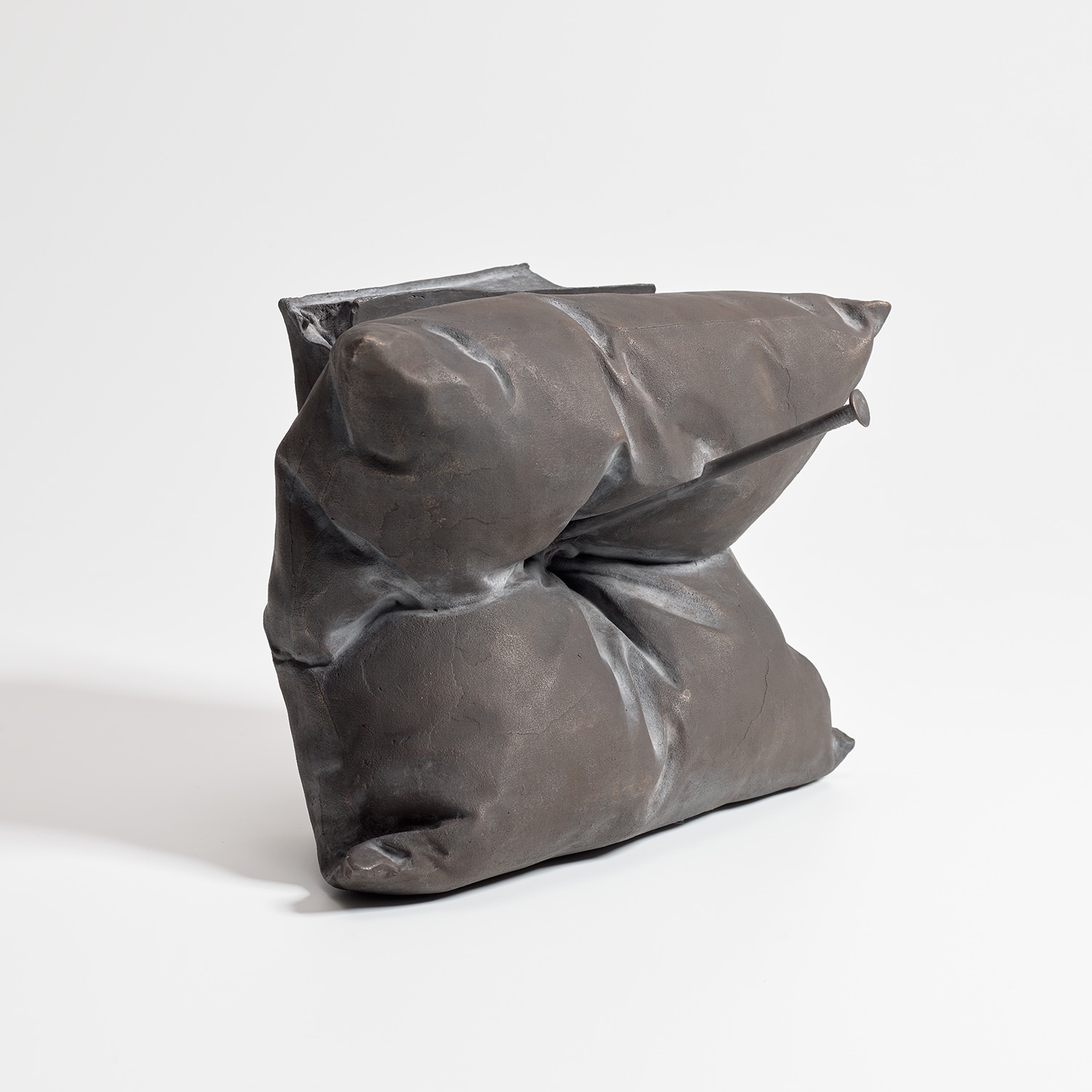
Günther Uecker
Uecker's nail reliefs and physical interventions on the surface of works reflect Fontana's influence in treating the picture plane as a three dimensional object to be penetrated and transformed. His textured monochrome fields share Fontana's interest in light, depth, and surface as spatial phenomena.
Agostino Bonalumi
Bonalumi directly absorbed Fontana's Spatialist ideas, extending them into shaped and extruded canvases that push the picture plane into three dimensional sculptural space. His work is a clear continuation of Fontana's ambition to dissolve the boundary between painting and sculpture.